
How Has Social Media Impacted Fashion Trends?
Social media has changed the world in big ways, from the way we socialize to what we eat and how we spend our time. However, perhaps no industry has been more changed by it than fashion. Today, platforms like Instagram, TikTok, and Pinterest shape what we wear as much as designers and magazines ever did; influencers hold more sway over trends than supermodels, and people dress more for other people than for themselves. Here are 20 ways social media has reshaped our closets and our sense of style.
1. New Style Leaders
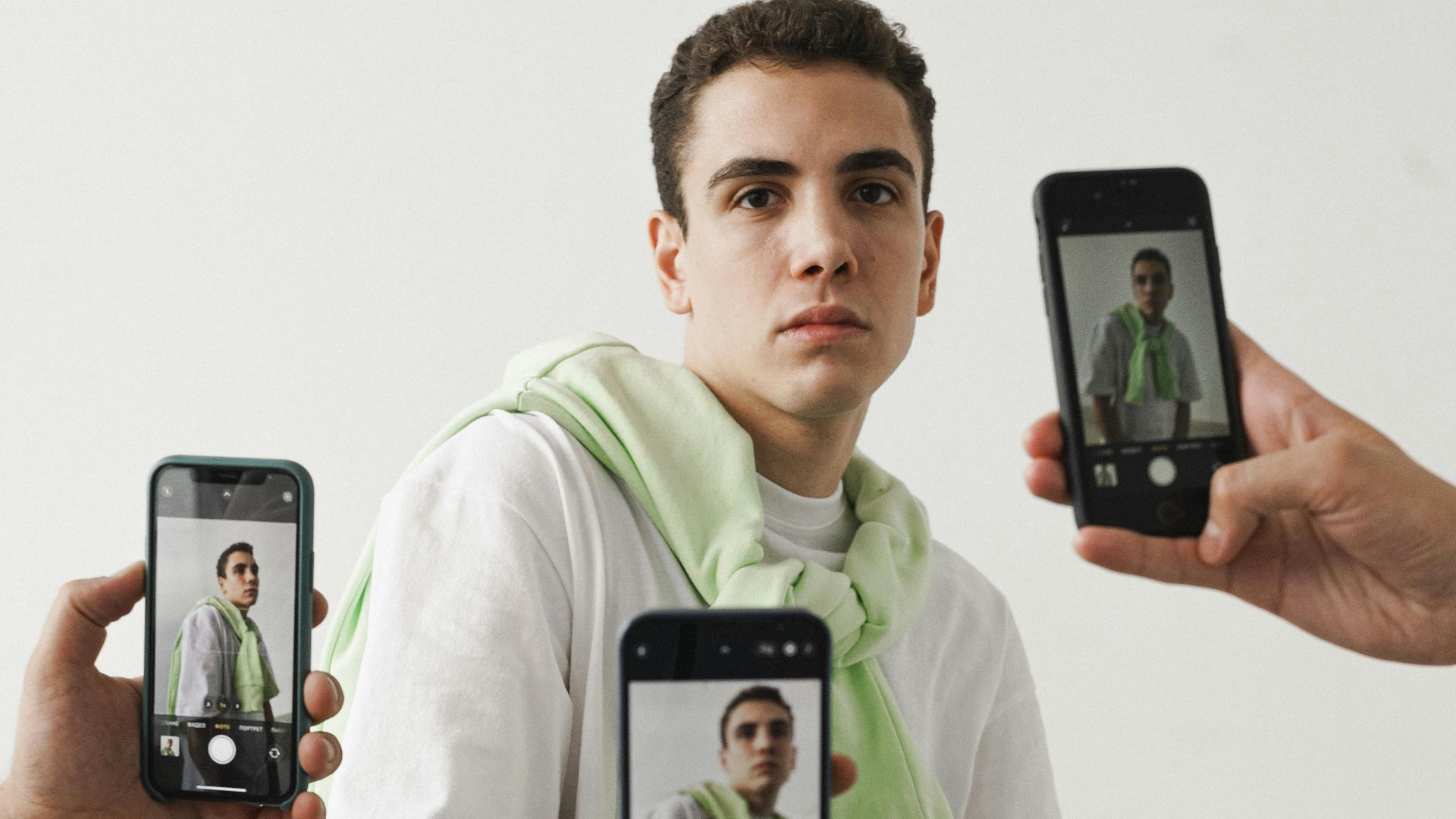
No longer are supermodels and actors the only fashion leaders. Influencers are preferred now for their relatability. They dictate what's "in," often much faster than big designers or magazines.
2. Faster Trend Adoption
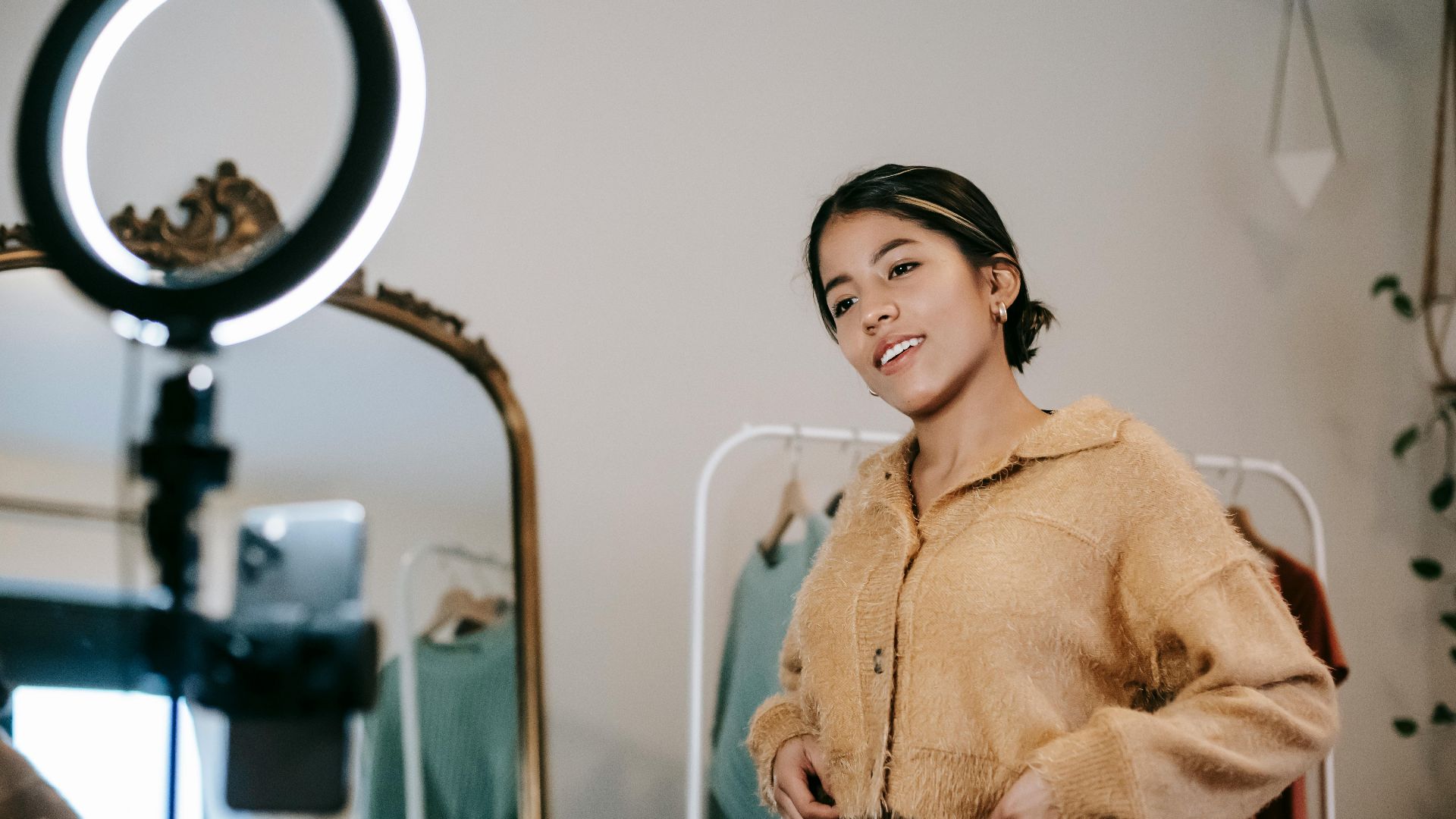
Social media platforms accelerate trends, making styles go viral practically overnight. Thanks to TikTok hype alone, Stanley Tumbler sales increased by 10 times.
 Natilyn Hicks Photography on Unsplash
3. Casualization of Dress
Social media tends to favor relatable, everyday looks over formal fashion. It's where streetwear thrives, but avant-garde runway looks, not so much.

4. Algorithm Curated Fashion
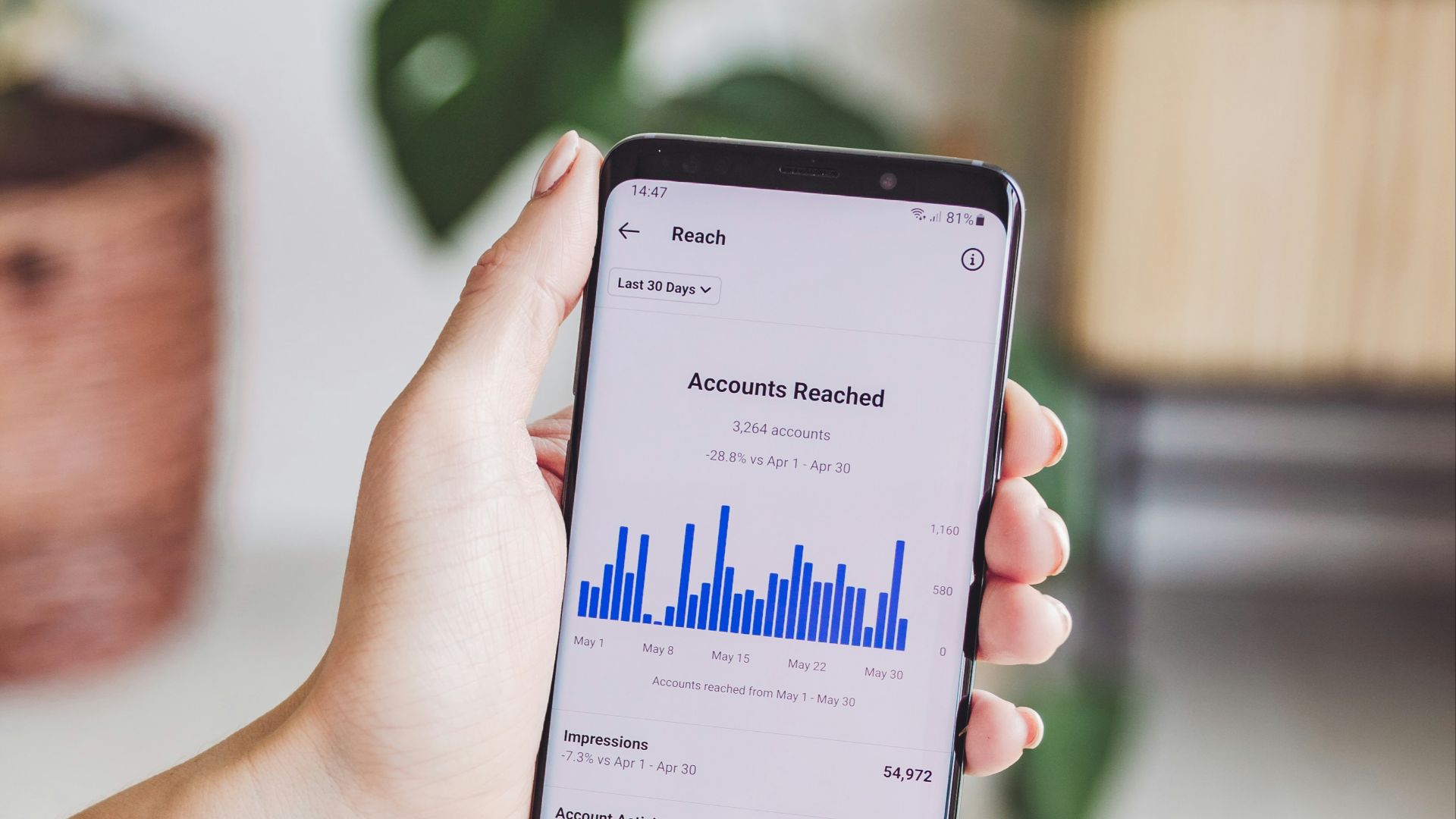
With social media, advertising is more personalized than ever before (sometimes eerily so). This personalization extends to fashion. The algorithm is fine-tuned to know your style, sometimes even better than you know your own.
5. Niche Fashion
Social media allows people to find niche fashion communities and subcultures that wouldn't have previously been so visible. This has made a lot of lesser-known fashion styles more mainstream as designers sift through social media for inspiration.
6. Direct Brand Communication
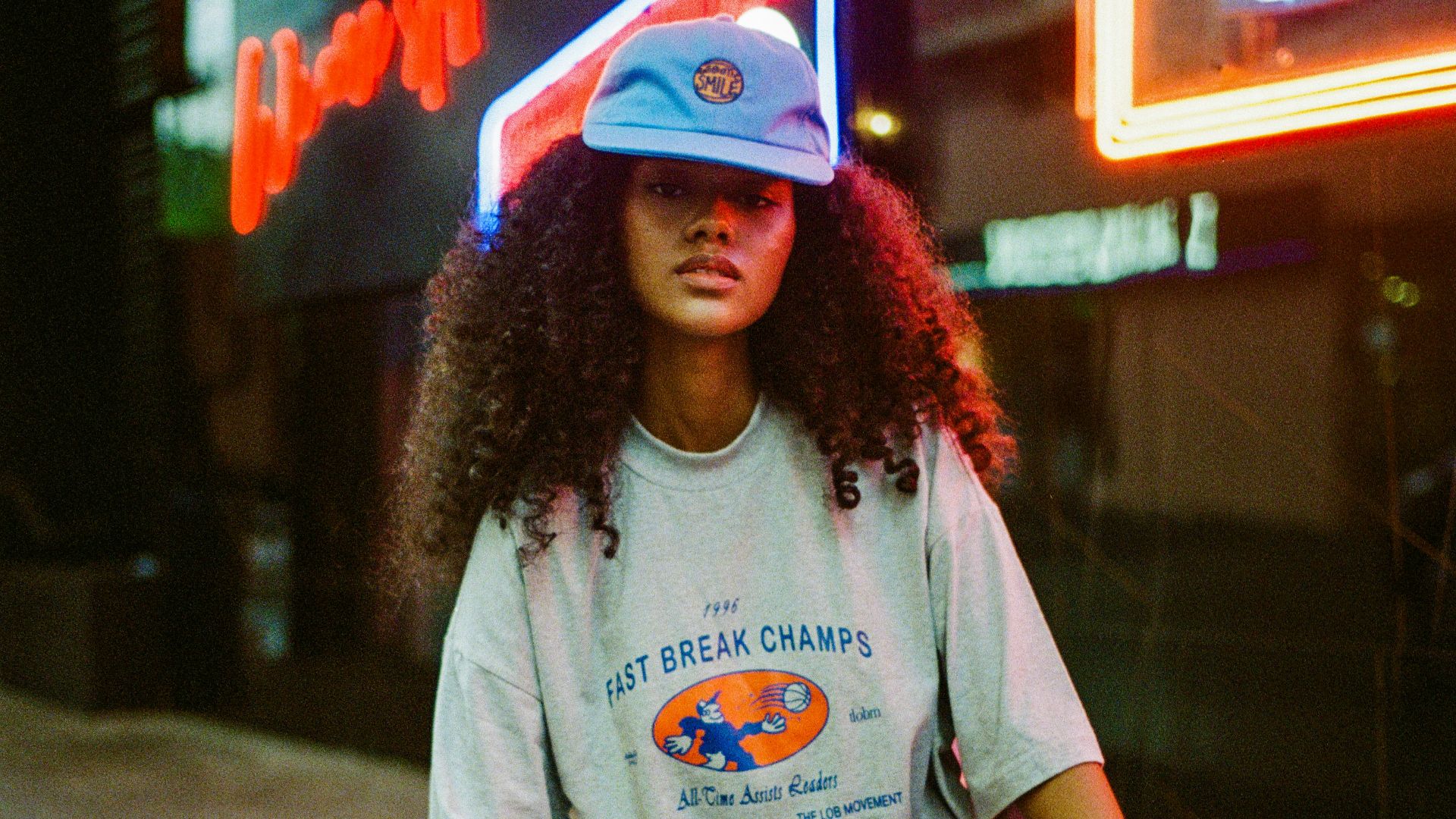
One of the main changes in not just fashion, but everything we consume, is the ability for customers to communicate directly with brands through DMs, tags, and comments. This gives customers more of a voice when it comes to product development and marketing.
7. Democratization of Fashion
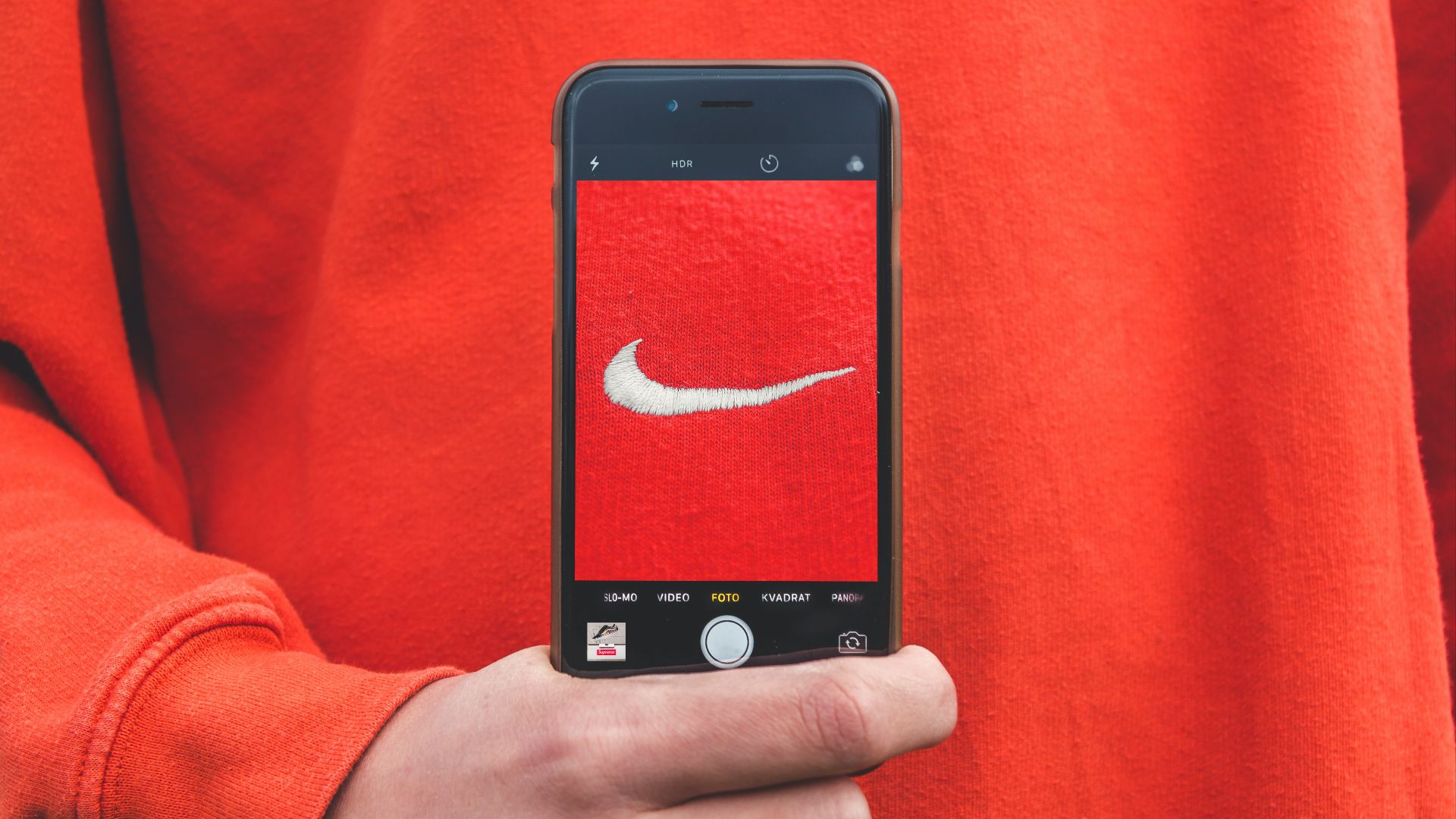
While before it was just models on billboards and in magazines who were sharing their outfits, now anyone with a phone can. This takes the power away from traditional industry gatekeepers and allows unique, everyday looks to inspire people globally.
8. See Now, Buy Now
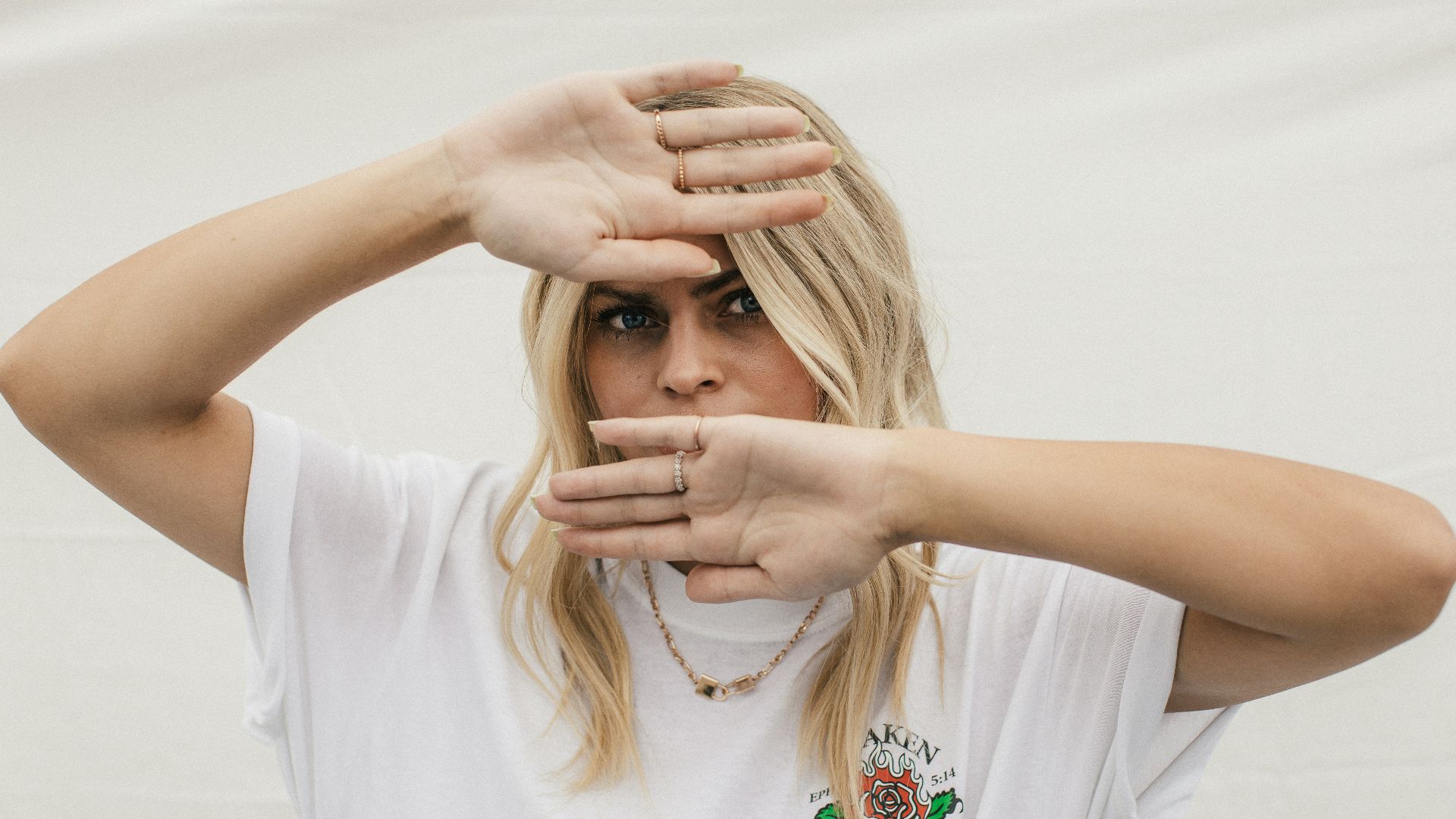
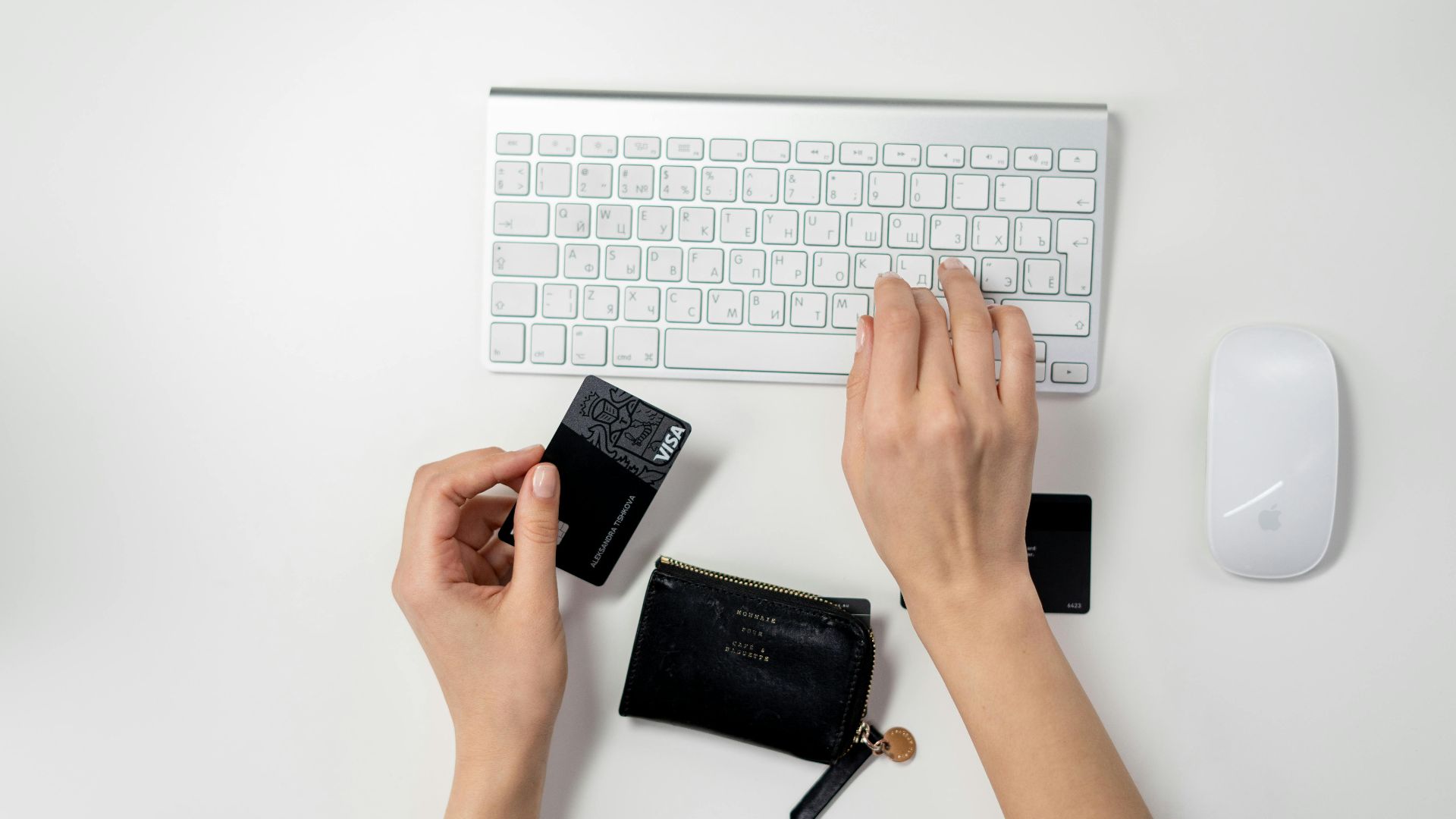
Who hasn't made impulse purchases while doom-scrolling on Instagram? Social media allows consumers to buy items as soon as they see them online. Advertising is designed to encourage this behavior.
9. Fast Fashion, Made Faster
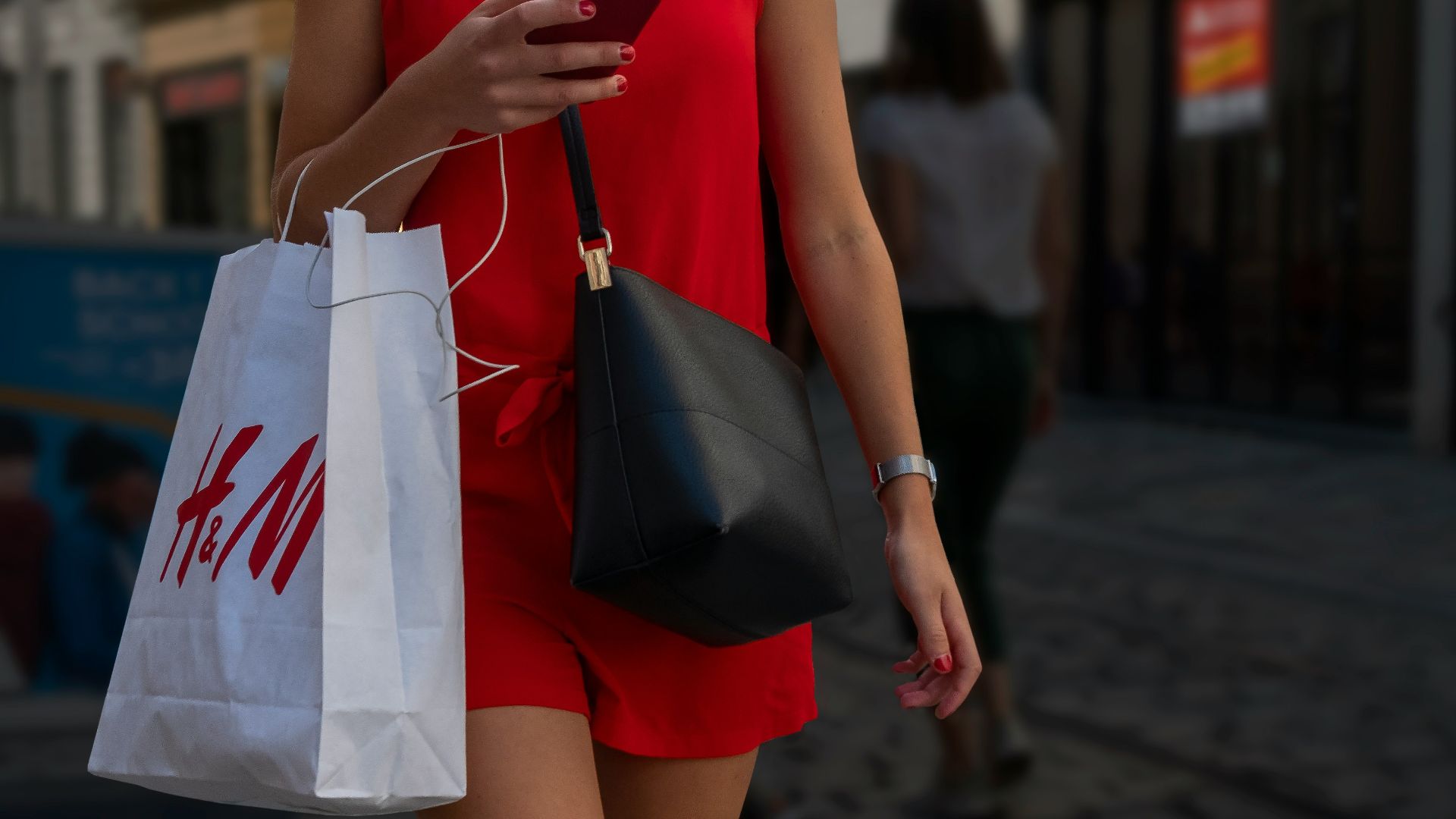
With social media, fashion is faster than ever before. The pace of social media trends has fueled the ultra-fast fashion industry, which introduces hundreds of new styles weekly to meet the demand for new clothes.
10. Dupe Culture
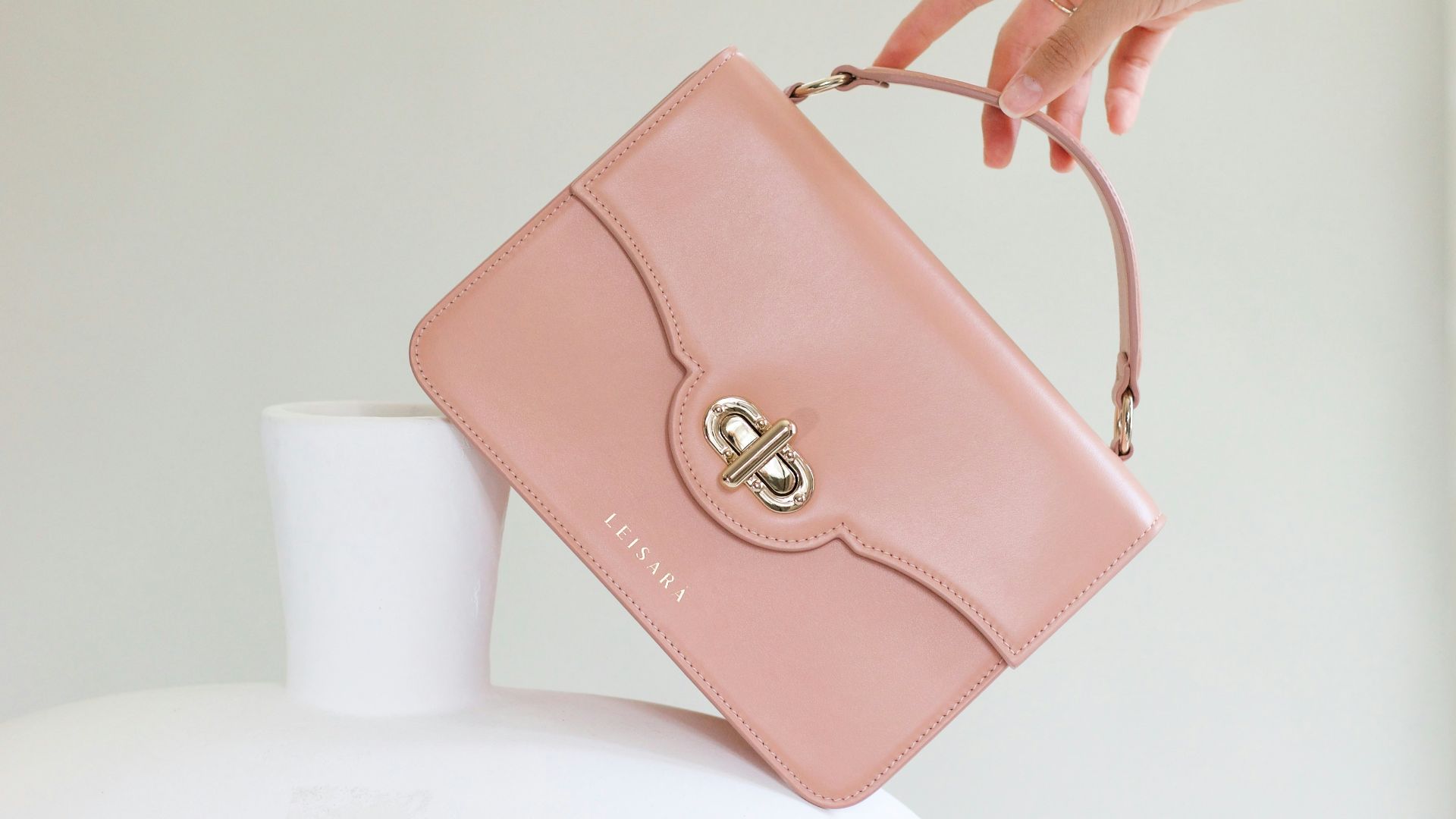
Influencers know their audience, meaning most of them are not creating content for multi-millionaires. They often promote affordable alternatives to high-fashion items that the average social media user could probably afford.
11. Style Homogenization
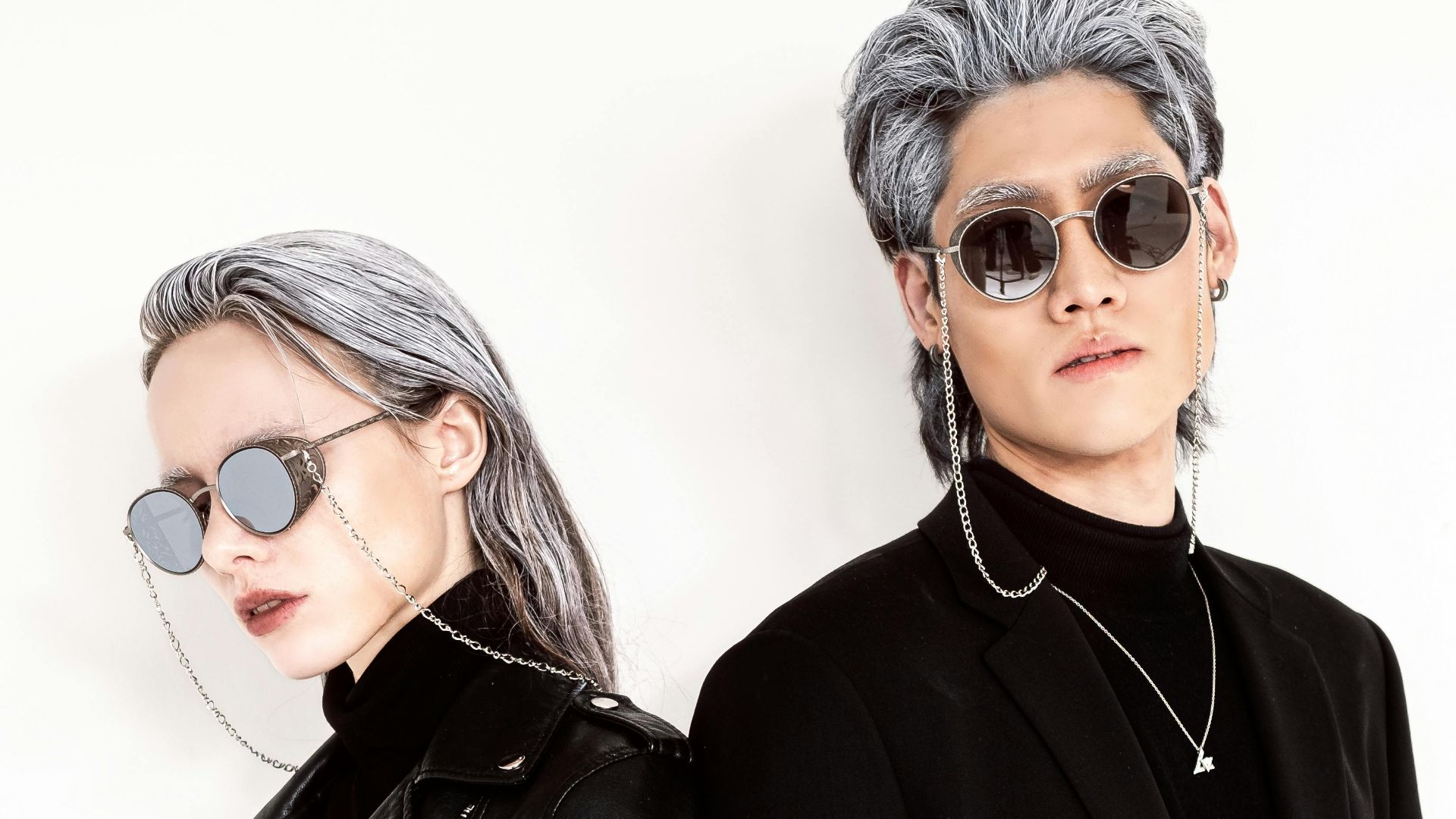
With social media, fashion trends have more widespread visibility than ever before, transcending borders and distances. This can lead to many people dressing similarly, as people tend to conform to whatever is popular.
12. Fashion As Personal Branding
Because people are making aspects of their private lives public on social media, personal branding is more important than ever. Everyone who posts on social media has some degree of a curated image. This makes it so that everyone wants to look Instagram-ready at any given moment, just in case.
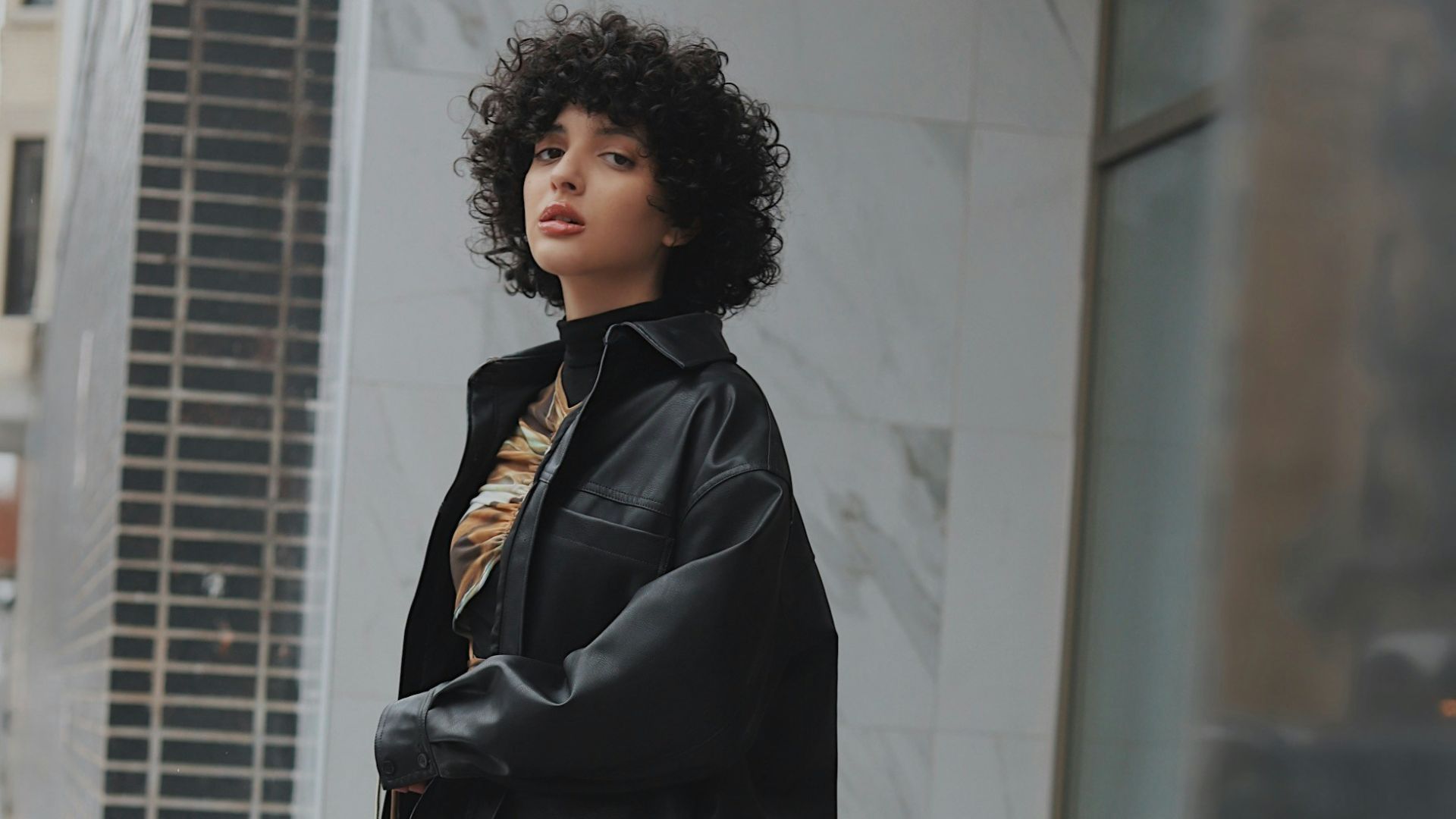
13. Celebrity Copycats
With social media, fans replicate their favorite celebrity's fashion choices almost immediately after they're worn. Beyoncé’s cowboy era caused a 600 percent surge in cowboy fashion searches.
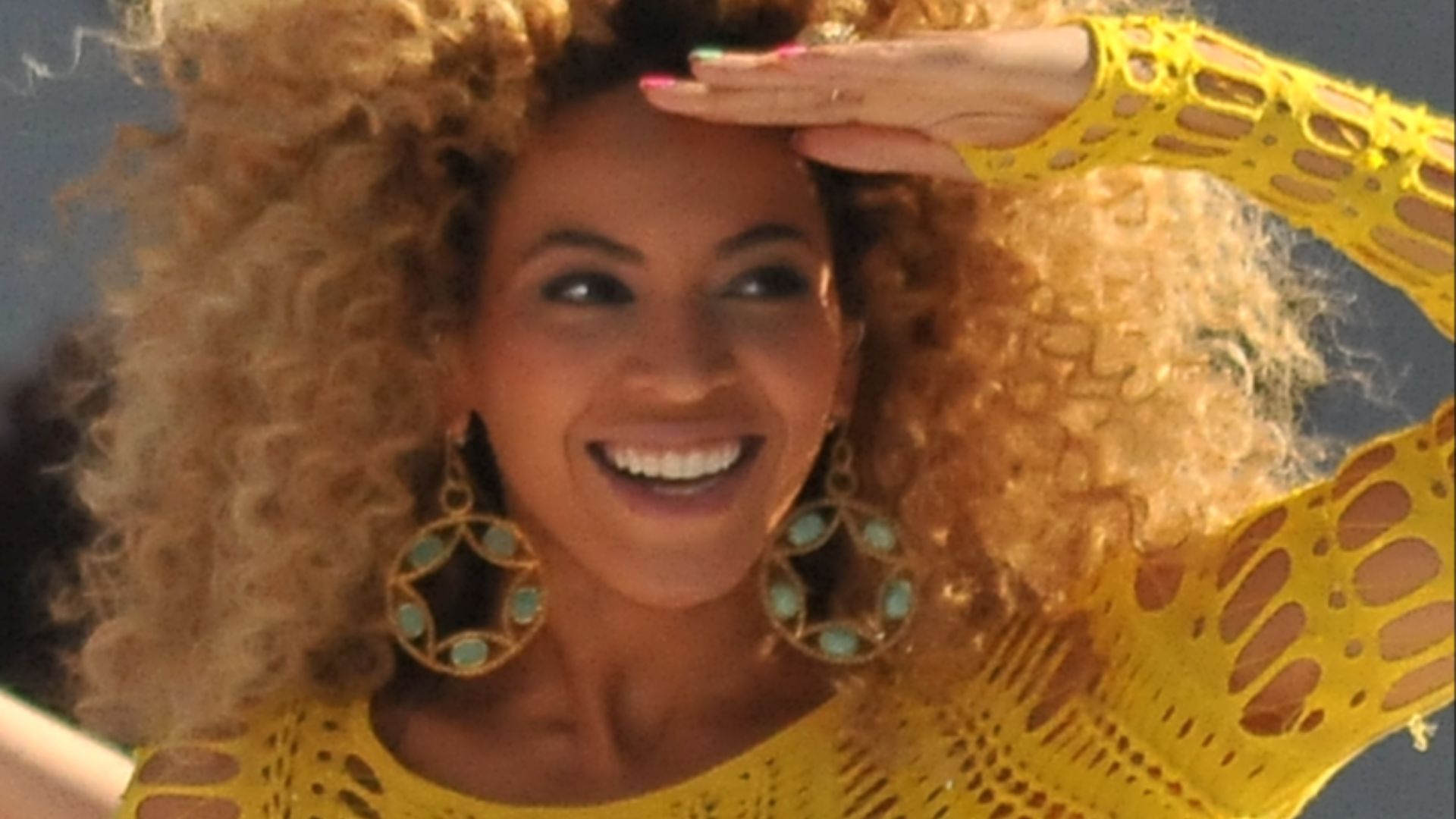
14. Gender Fluidity
Social media contributed to the rise of gender fluid fashion. Platforms like Instagram and TikTok, favored by youths, have normalized the dismantling of traditional gender norms in fashion.
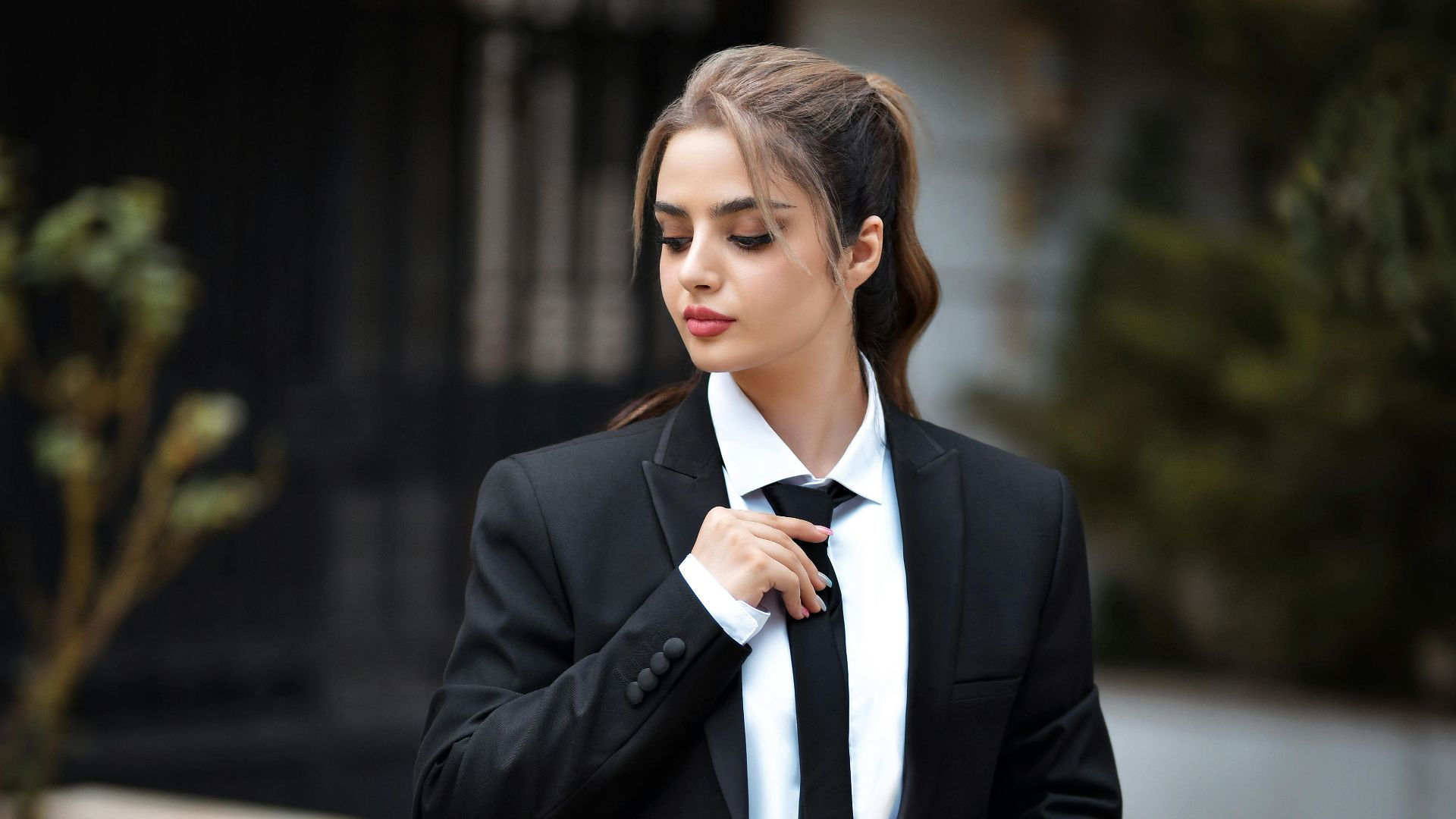
15. Cross-Cultural Mixing
Because there are essentially no borders on social media, cross-cultural mixing in fashion is becoming increasingly popular. It exposes users to fashion trends across the globe, which they then implement into their everyday wear.
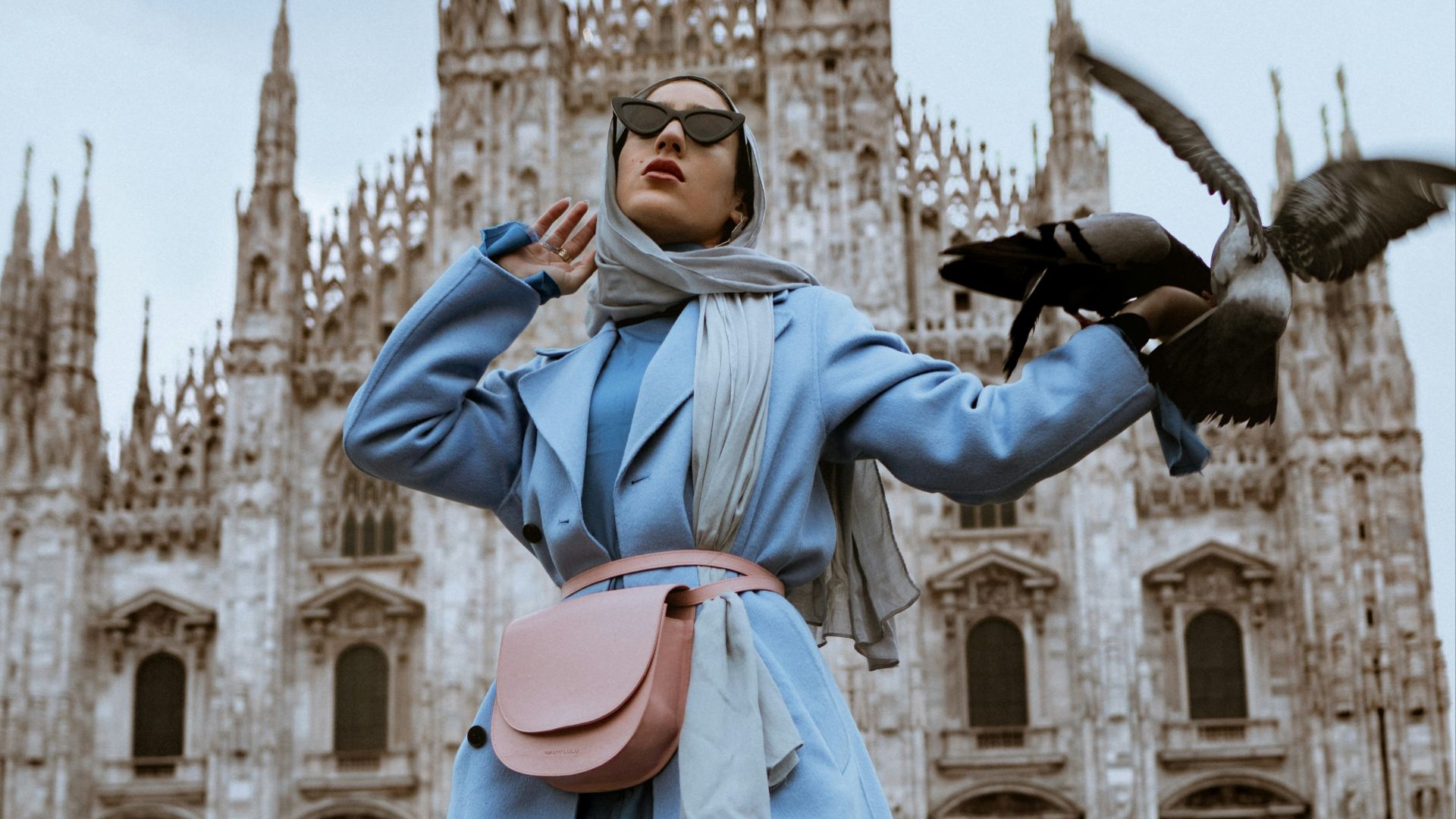
16. Hashtag Trends
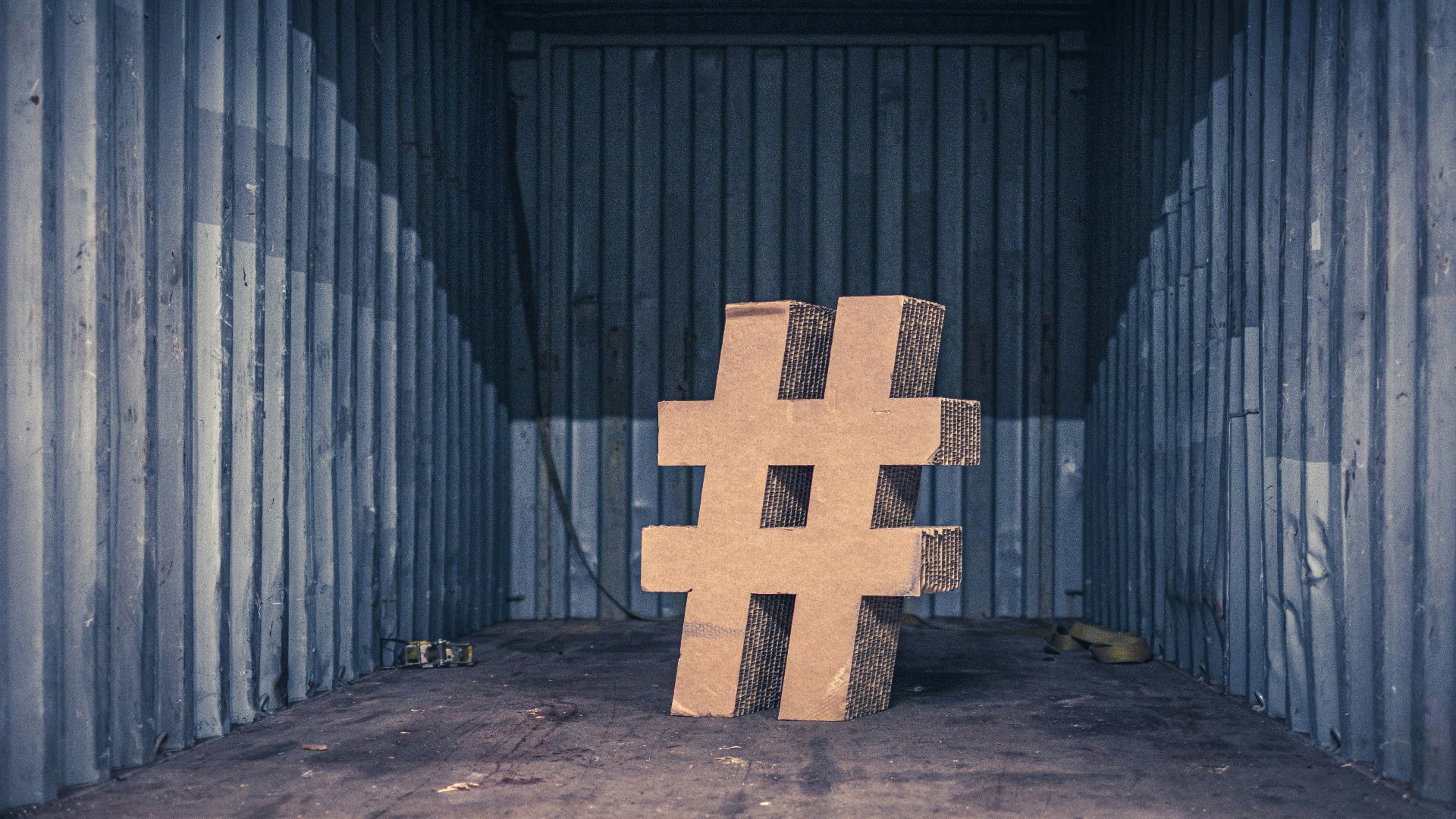
#OOTD (Outfit of the Day) and similar hashtags create community-driven fashion ideas. Hashtags are also a powerful driving force behind many fashion trends. For example, #GrungeAesthetic garnered 611 million uses by the middle of 2022, igniting a fashion revival.
17. Virtual Fittings
Virtual try-ons and digital outfits for avatars are changing the way people shop. In this way, social media and technology have literally changed the way we dress ourselves.

18. Body Positivity Emphasis
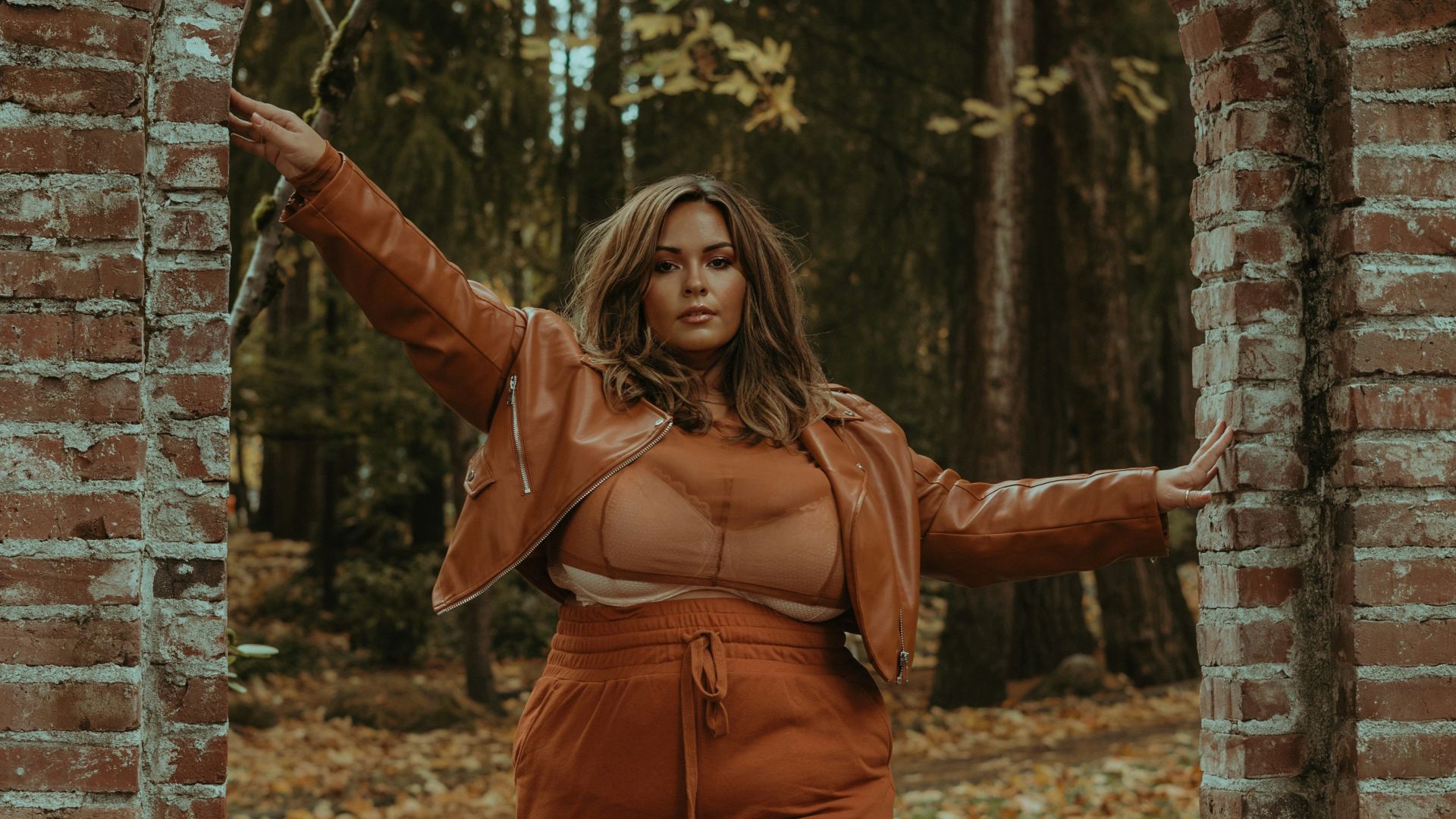
In the 90s and early 2000s, there was really only one body type being represented in fashion. Now, with social media, it's a lot more open, with diverse body representation encouraging the creation of styles that flatter different shapes and sizes.
19. Micro-Trends
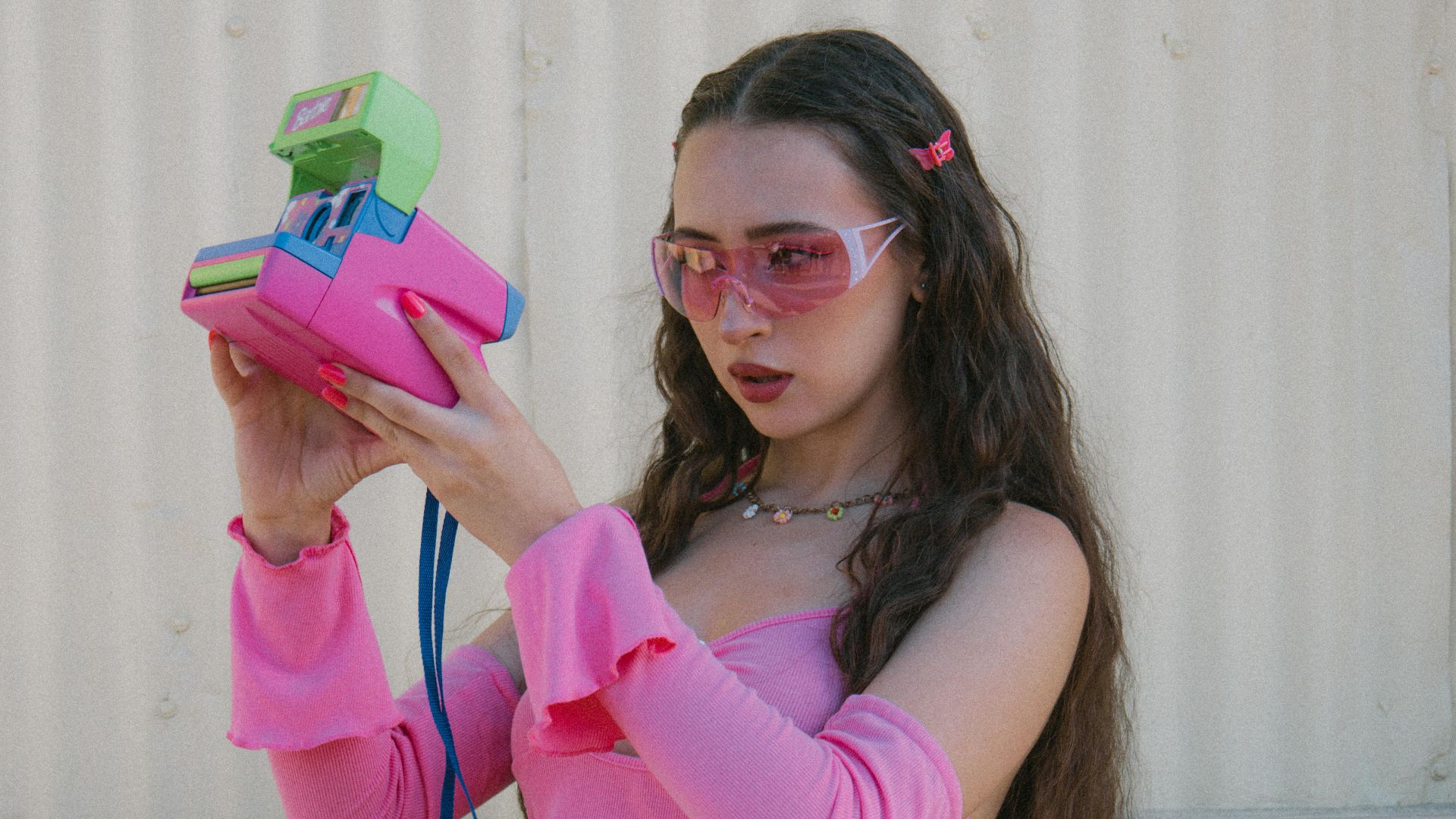
A micro-trend is a fleeting, uber-specific style or aesthetic that quickly gained popularity through massive social media hype. These types of trends are only made possible with social media, and fade away usually within weeks.
20. Sneaker Obsession
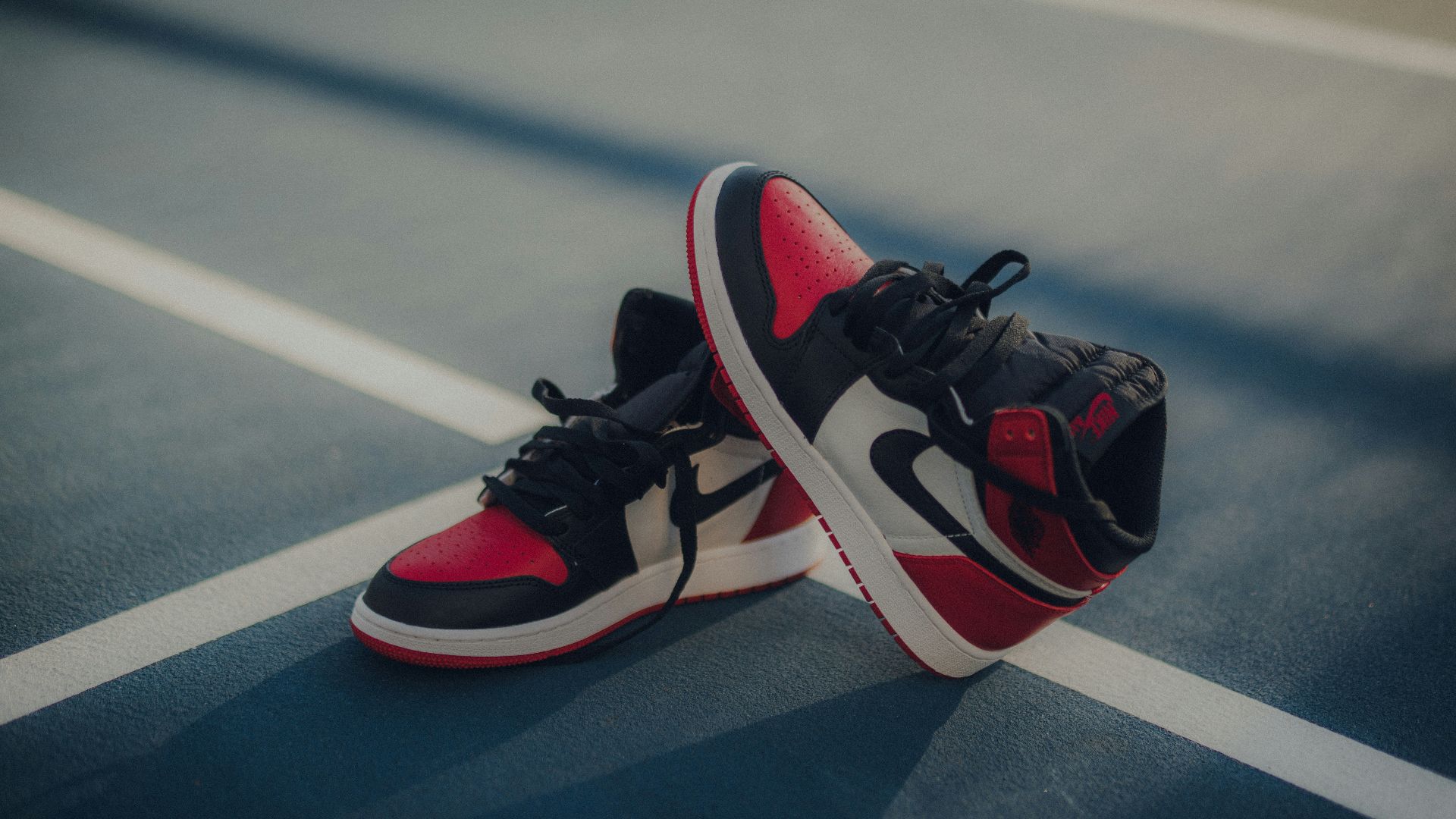
You may have noticed that suddenly the whole world is obsessed with certain sneakers, characterized by limited releases, insane resale markets, and footwear as social status. This is largely driven by social media hype, which leverages influencer culture.