The Fabric Label Deserves a Closer Look
A fabric label can tell you a lot about whether a garment is likely to become a wardrobe staple or something you regret buying after a few washes. Some blends, like cotton and linen, are designed to improve comfort, stretch, durability, or breathability, while others are mostly there to make clothing cheaper to produce (ahem, think polyester and acrylic). That doesn’t mean every synthetic fiber is bad or every natural fiber is automatically worth the money, but it does mean you’ll get better at buying clothes when you know which materials tend to disappoint and which ones usually hold up. Ready to shop smarter?
1. Polyester and Acrylic
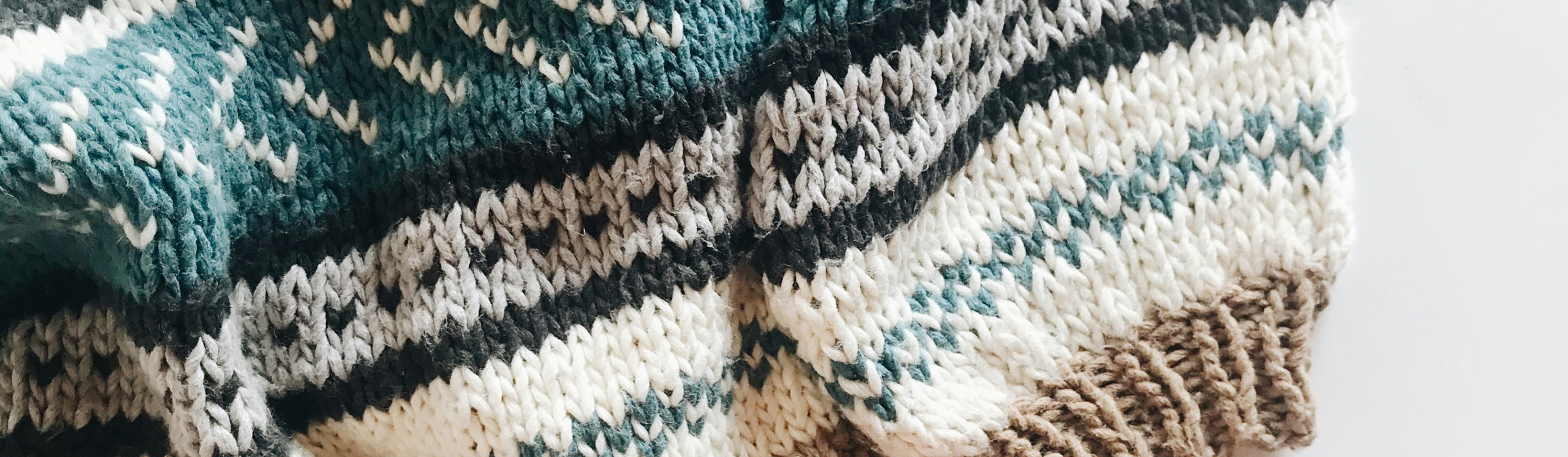
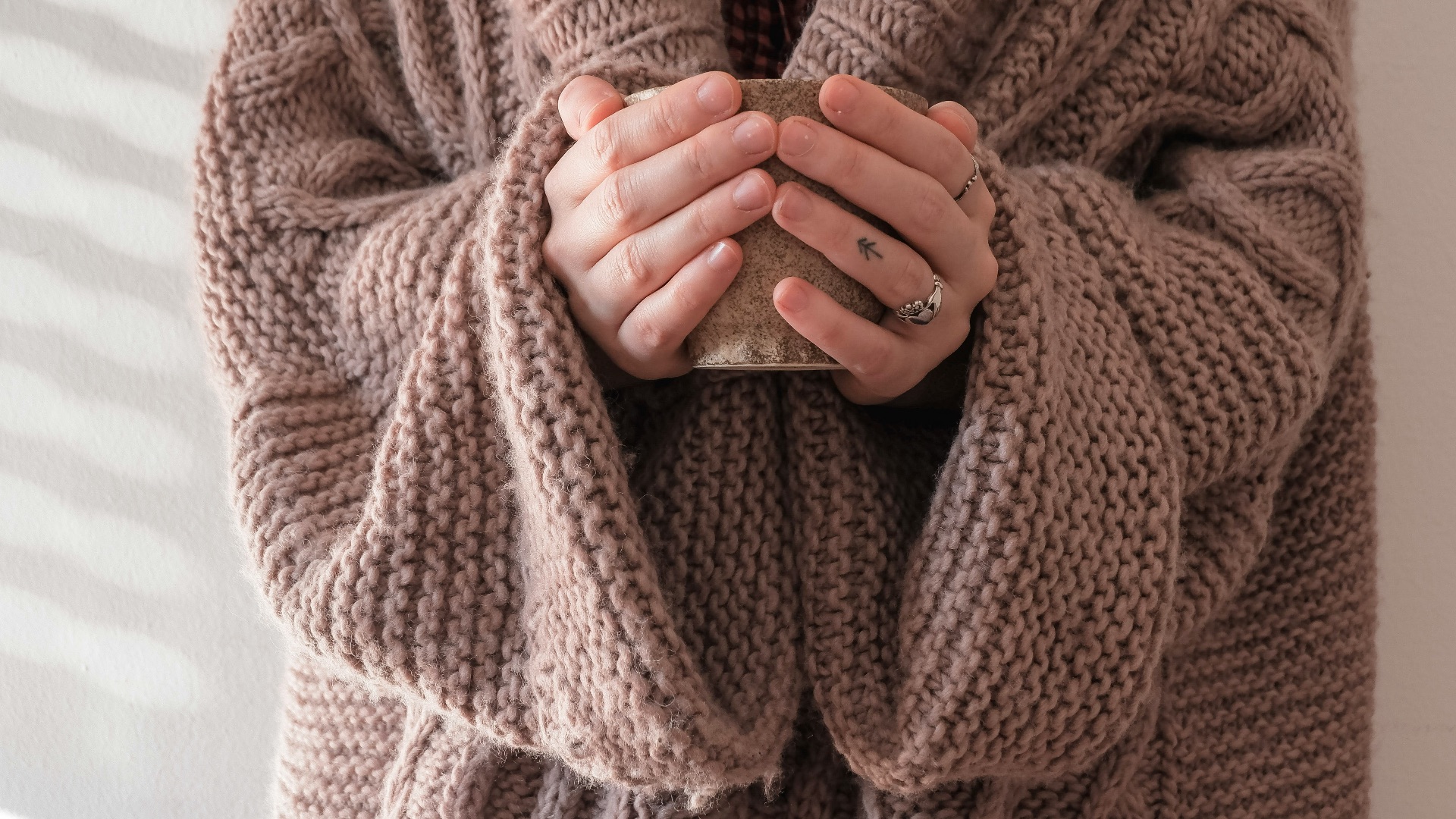
Polyester and acrylic are both extremely common in budget sweaters, but together they can create a garment that pills quickly and feels less than pleasant against the skin. Acrylic often gives knitwear that fuzzy, worn look after repeated use, while polyester can make the fabric feel less breathable. This blend may seem like an easy way to get a cozy-looking sweater for less, but it usually doesn’t age well.
2. Rayon and Polyester
Rayon can feel soft and drapey when it’s made well, but cheap rayon-polyester blends often lose shape faster than you’d expect. The fabric may cling, wrinkle awkwardly, or start to look limp after washing. If the garment already feels thin or flimsy on the hanger, it’s unlikely to become more reliable once it’s in your closet.
3. Cotton and Acrylic
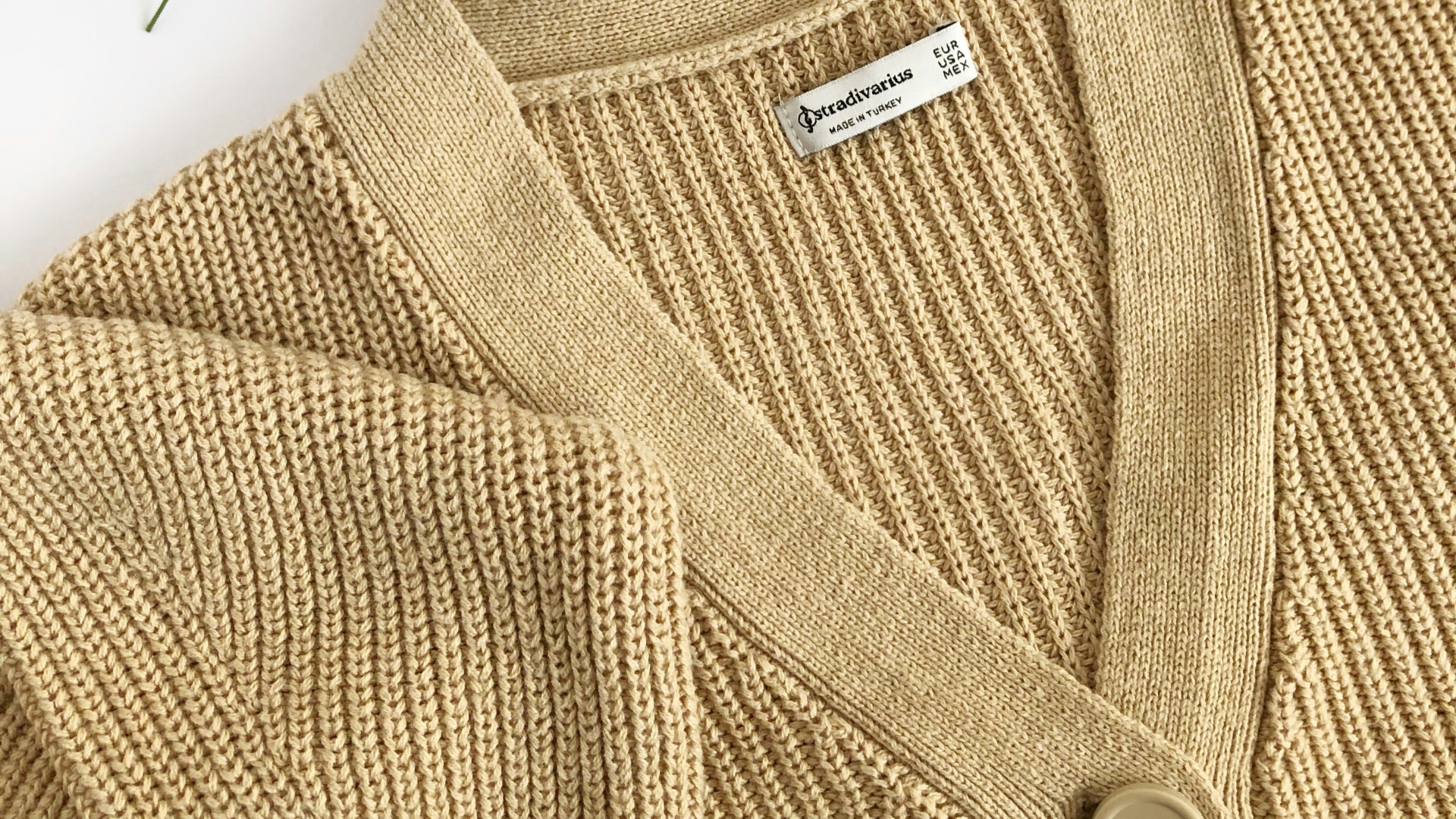
Cotton usually adds softness, but acrylic can work against the comfort and durability you’d expect from a cotton-based garment. In lower-quality knits, this blend may stretch out, pill, or develop a rougher feel over time. It’s especially risky in cardigans, pullovers, and casual sweaters, where you want the fabric to keep its shape through regular wear.
 Priscilla Luna Riguera on Unsplash
4. Polyester and Spandex in Thin Tops
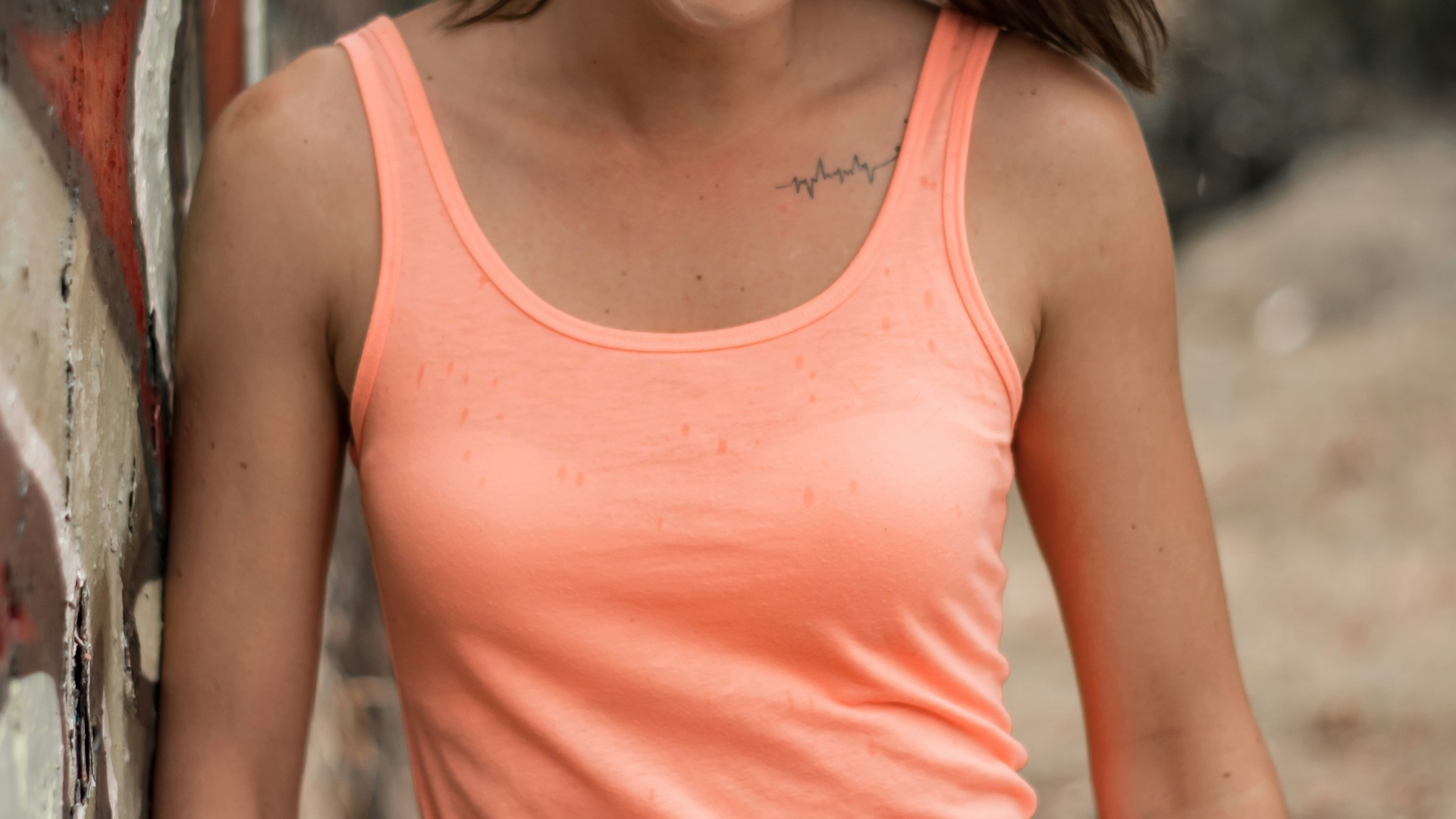
A little spandex can make clothing more comfortable, but thin polyester-spandex tops are often more clingy than flattering. They can trap heat, stretch out at the neckline, and start to look shiny or worn after repeated washing. When this blend feels slick, lightweight, and overly stretchy, it’s usually a sign that the garment won’t hold up well.
5. Viscose and Nylon
Viscose can look high-quality when the fabric has enough substance, but inexpensive viscose-nylon blends often crease, snag, and lose their original fit. Nylon may add strength in theory, yet in cheaper pieces it can make the fabric feel synthetic without giving it enough structure. This blend can be particularly disappointing in blouses, dresses, and lightweight knits that need to hang smoothly.
6. Polyester and Rayon Suiting
Budget suiting made from polyester and rayon may look acceptable at first, but it often struggles to keep a crisp, tailored shape. The rayon can make the fabric softer, while the polyester may limit breathability and create a less refined finish. If you need workwear that still looks polished by the end of the day, this blend is often not the best place to save money.

7. Acrylic-Heavy Blends
Acrylic-heavy blends are common in inexpensive sweaters because they can imitate the look of warmer fibers without the same cost. The problem is that these pieces often pill, feel scratchy against your skin, and become misshapen faster than better-quality knitwear. If acrylic is the main fiber and the sweater already feels coarse or overly fuzzy, it’s best left behind.
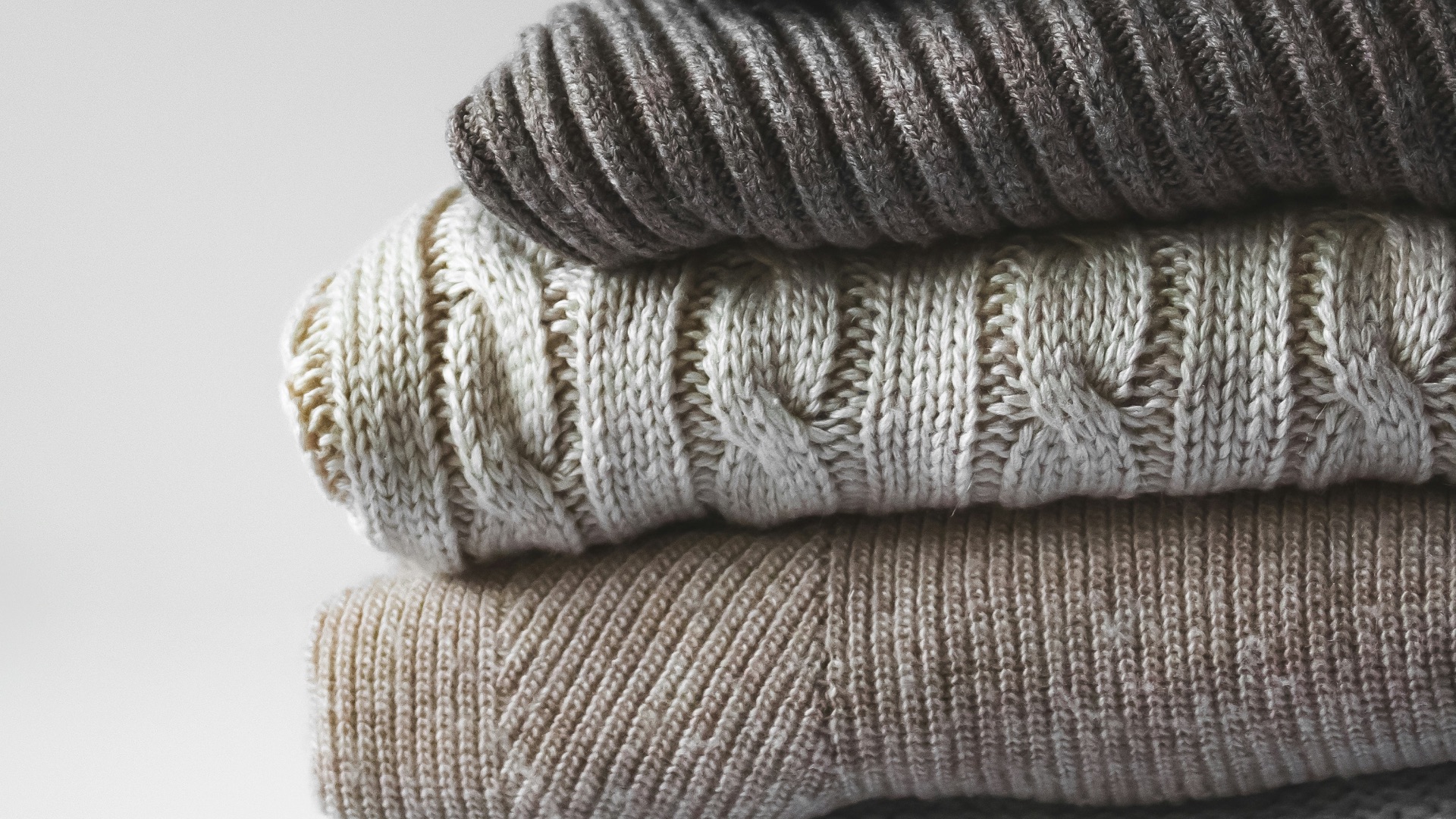
8. Cotton and Polyester Blends with Low Cotton Content
Cotton-polyester blends can be practical, but the balance matters. When the cotton percentage is very low, the fabric may lose the softness and breathability that people usually expect from cotton. For everyday T-shirts, pajamas, and casual basics, a thin blend that’s mostly polyester often pills quickly or has that odd, shiny look to it, both of which you don't want.

9. Modal and Polyester in Cheap Loungewear
Modal has a smooth, soft, almost luxurious feel, but when it’s mixed with lower-quality polyester, the result can be too thin and prone to stretching. Loungewear made from this blend may look sleek at first, then start to sag, twist, or lose its shape after regular washing. If the fabric feels delicate in a way that seems fragile, it probably won’t be a lasting purchase.
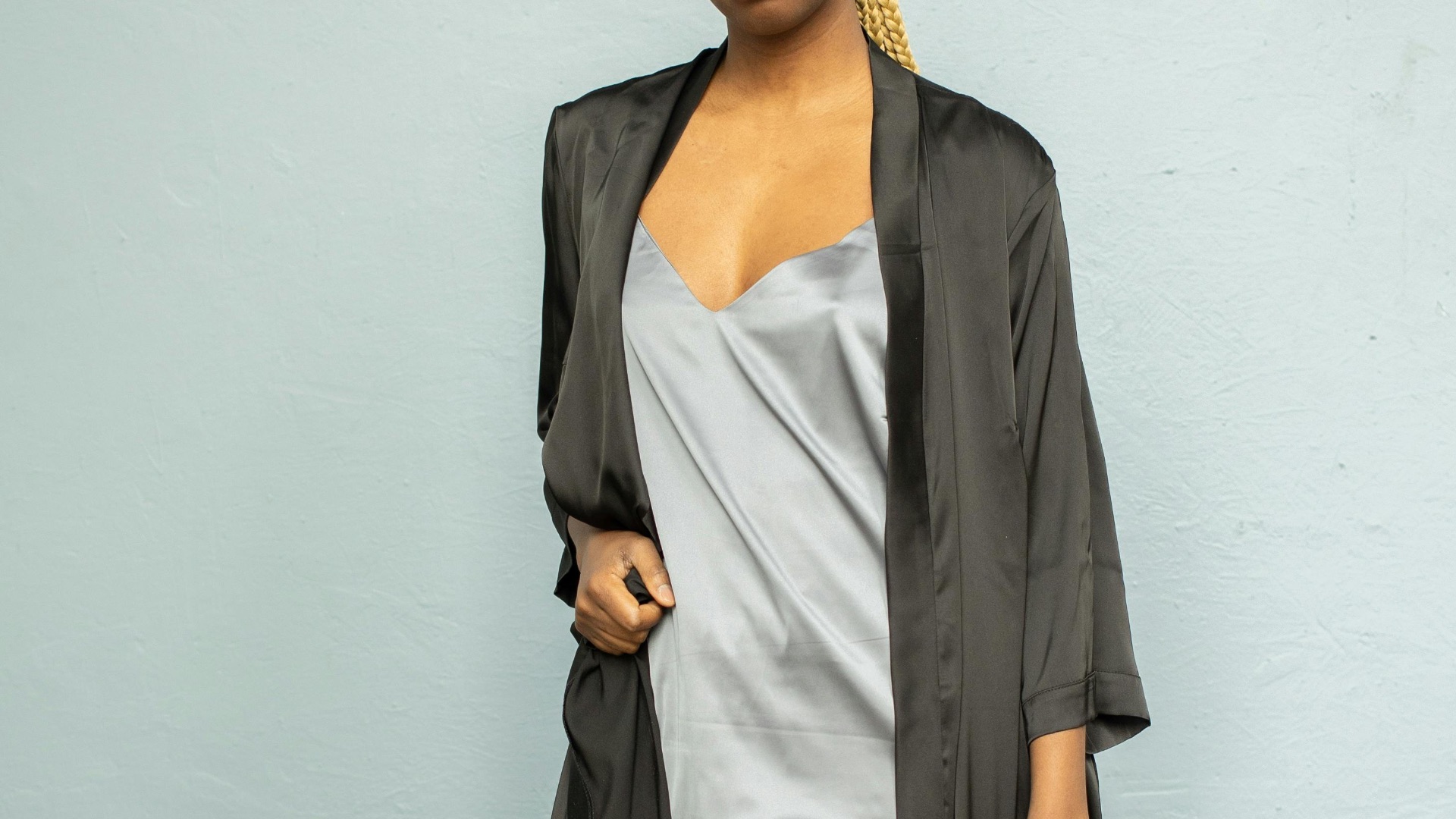
10. Wool and Acrylic with Minimal Wool
A small amount of wool on the label can make a sweater sound more premium, but acrylic-heavy (or polyester-heavy) wool blends don’t always deliver the warmth or breathability you’re paying for. These garments can still pill, feel synthetic, and lack the resilience of a better wool blend. Unless the wool percentage is meaningful, this type of blend is often more about marketing than long-term wearability.
Not every affordable fabric is a bad buy, but if you want to make sure your clothes last longer than a few wears and washes, you might want to opt for these next 10 materials and blends instead.
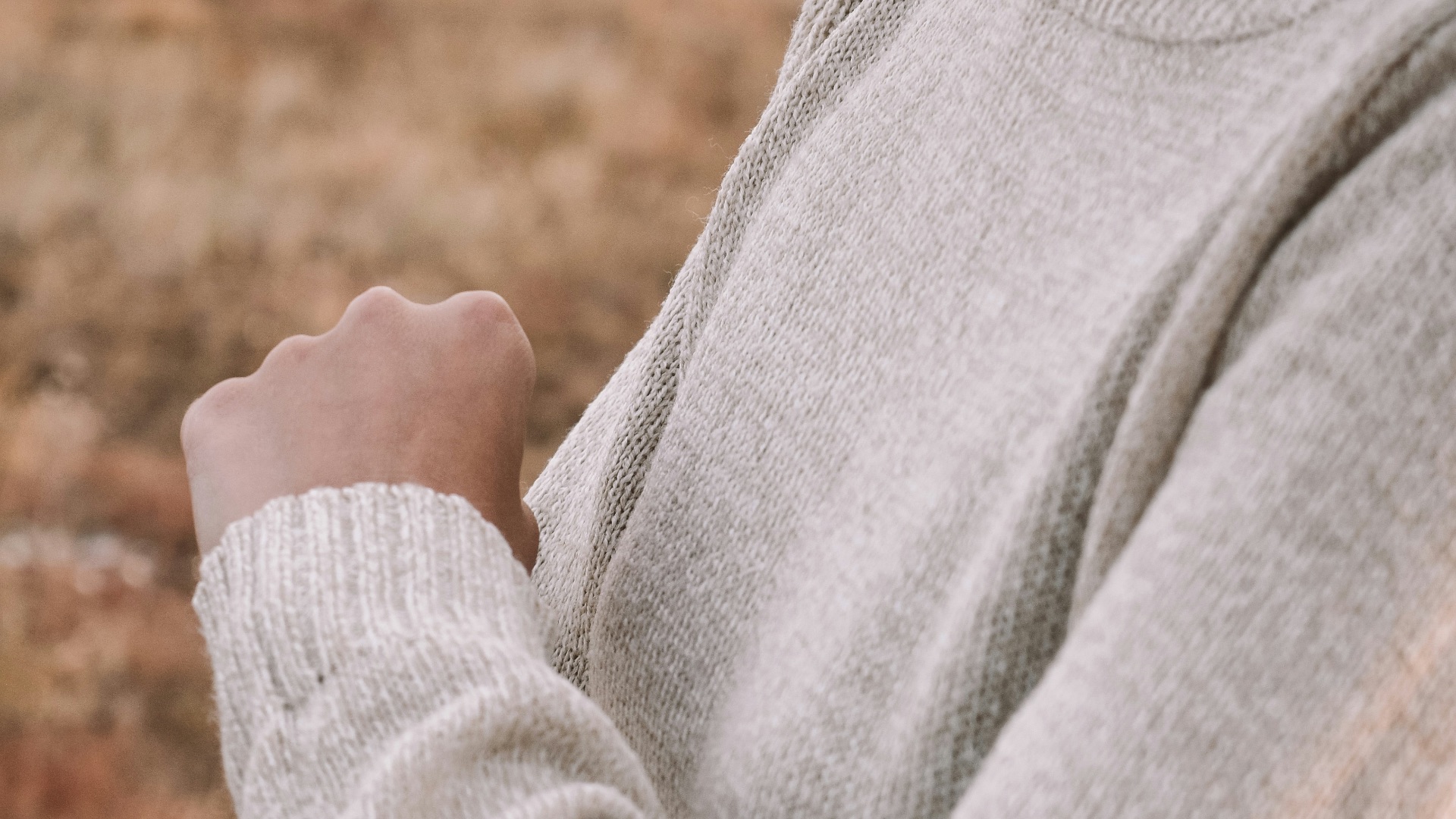 Serafima Lazarenko on Unsplash
1. 100% Cotton
Cotton is one of the most dependable fabrics you can buy, especially for everyday basics like T-shirts, button-downs, underwear, and pajamas. It’s breathable, comfortable, and easy to care for, which makes it practical for pieces you wear often. The best versions feel substantial rather than flimsy, so weight and construction matter just as much as the fiber itself.
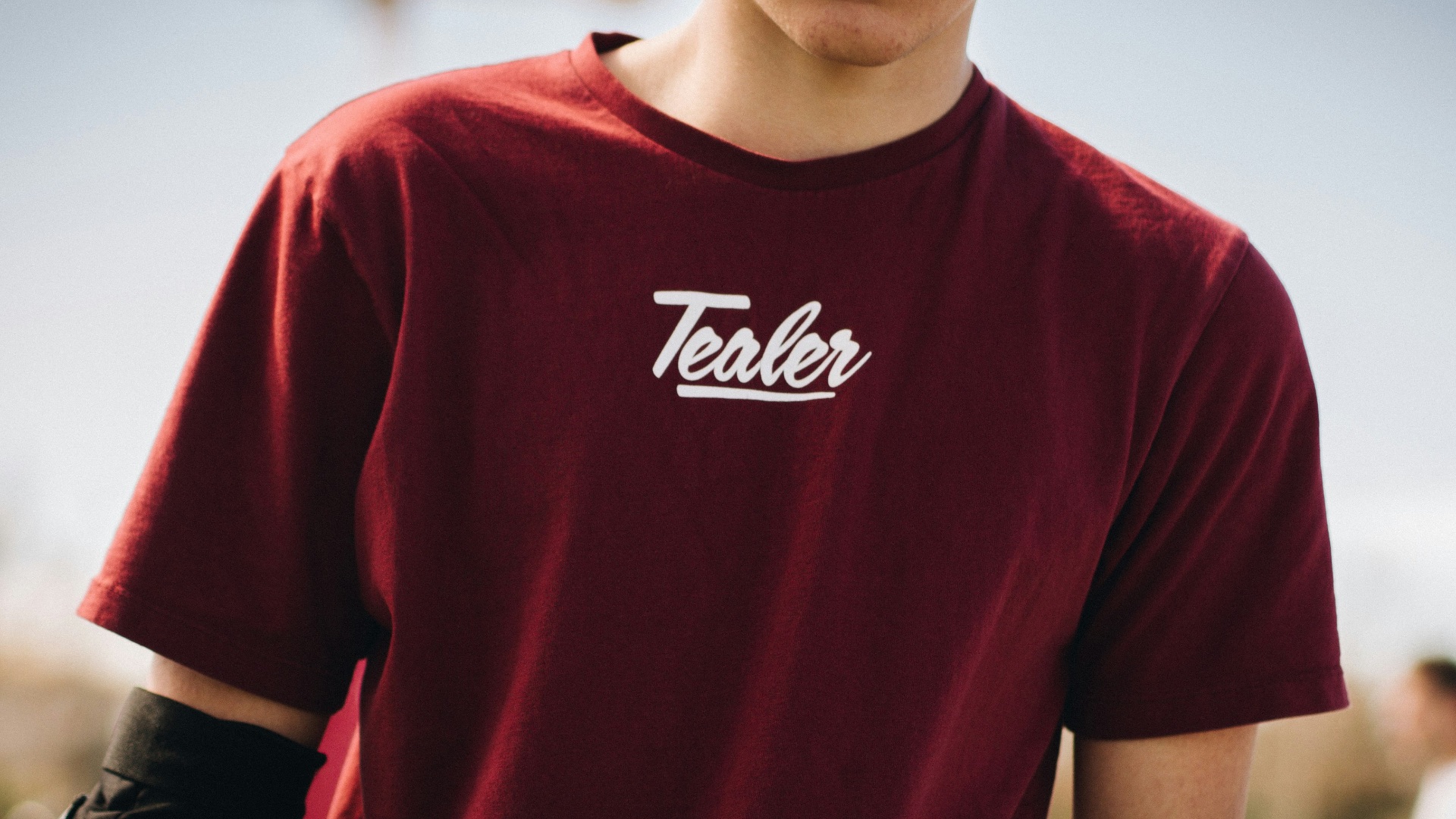
2. Cotton and Elastane
Cotton with a small amount of elastane can be a great choice when you want comfort without giving up structure. The cotton keeps the garment breathable and familiar, while the elastane adds flexibility for movement and fit. This blend is especially useful in jeans, fitted tees, slim shirts, and casual pants that need a little stretch.
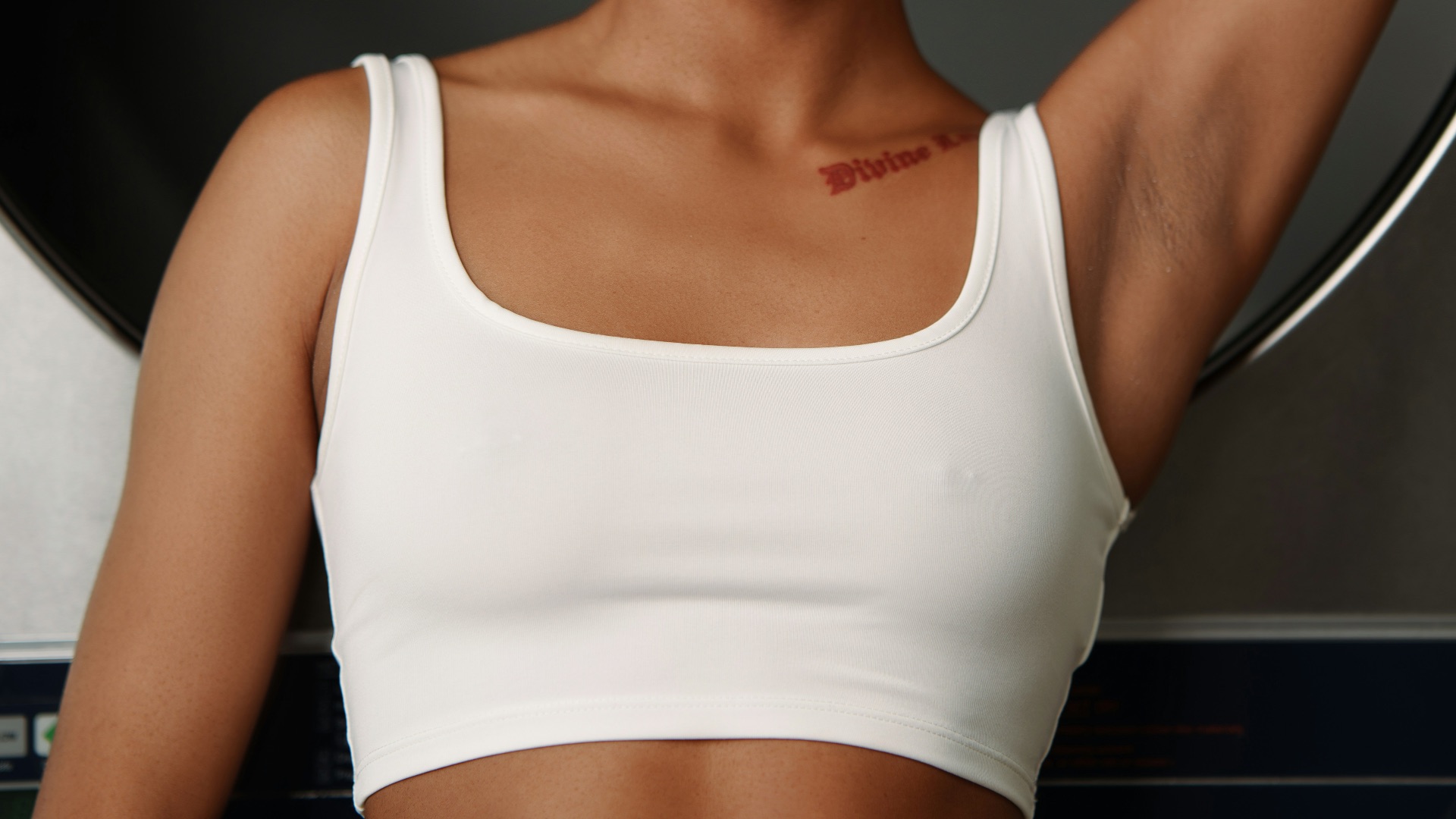
3. 100% Linen
Linen is worth the money when you want a breathable fabric that works especially well in warm weather. It has a natural texture, wears comfortably, and often becomes softer with use. You do have to accept some wrinkling, but that’s part of how linen behaves rather than a sign that the garment is poor quality.

4. Cotton and Linen
Cotton-linen blends are a strong option if you like linen’s breathability but want something a bit softer and easier to wear. Cotton can reduce some of linen’s stiffness, while linen keeps the fabric airy and textured. This blend works beautifully for summer shirts, dresses, trousers, and relaxed pieces that still need to look put together.
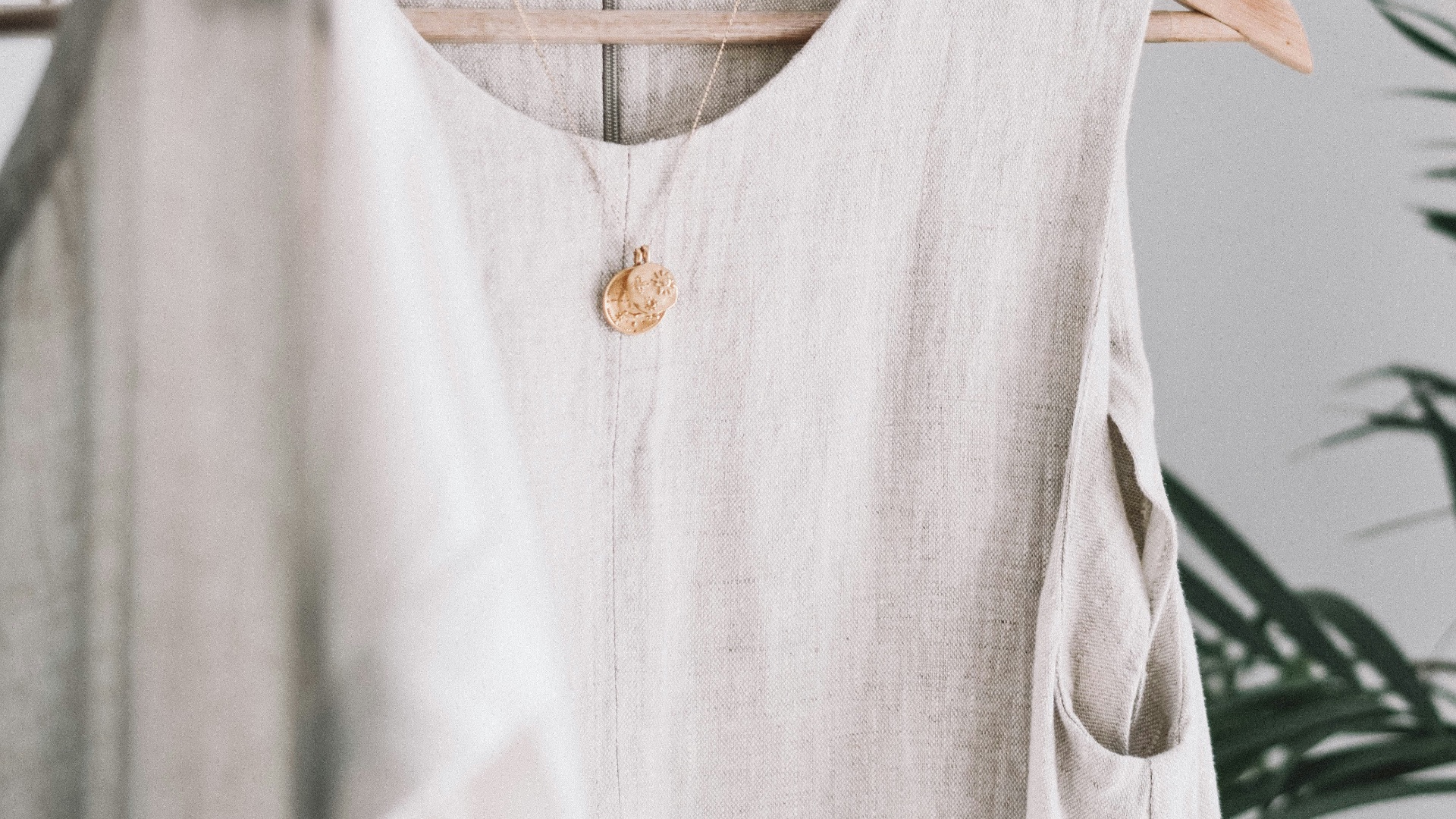
5. Wool and Nylon
Wool blended with a small amount of nylon can be a smart buy because the nylon helps reinforce the fabric. Wool brings warmth, breathability, and comfort, while nylon improves durability in areas that see more friction. This is especially useful in socks, outerwear, and knitwear that need to stand up to regular wear.
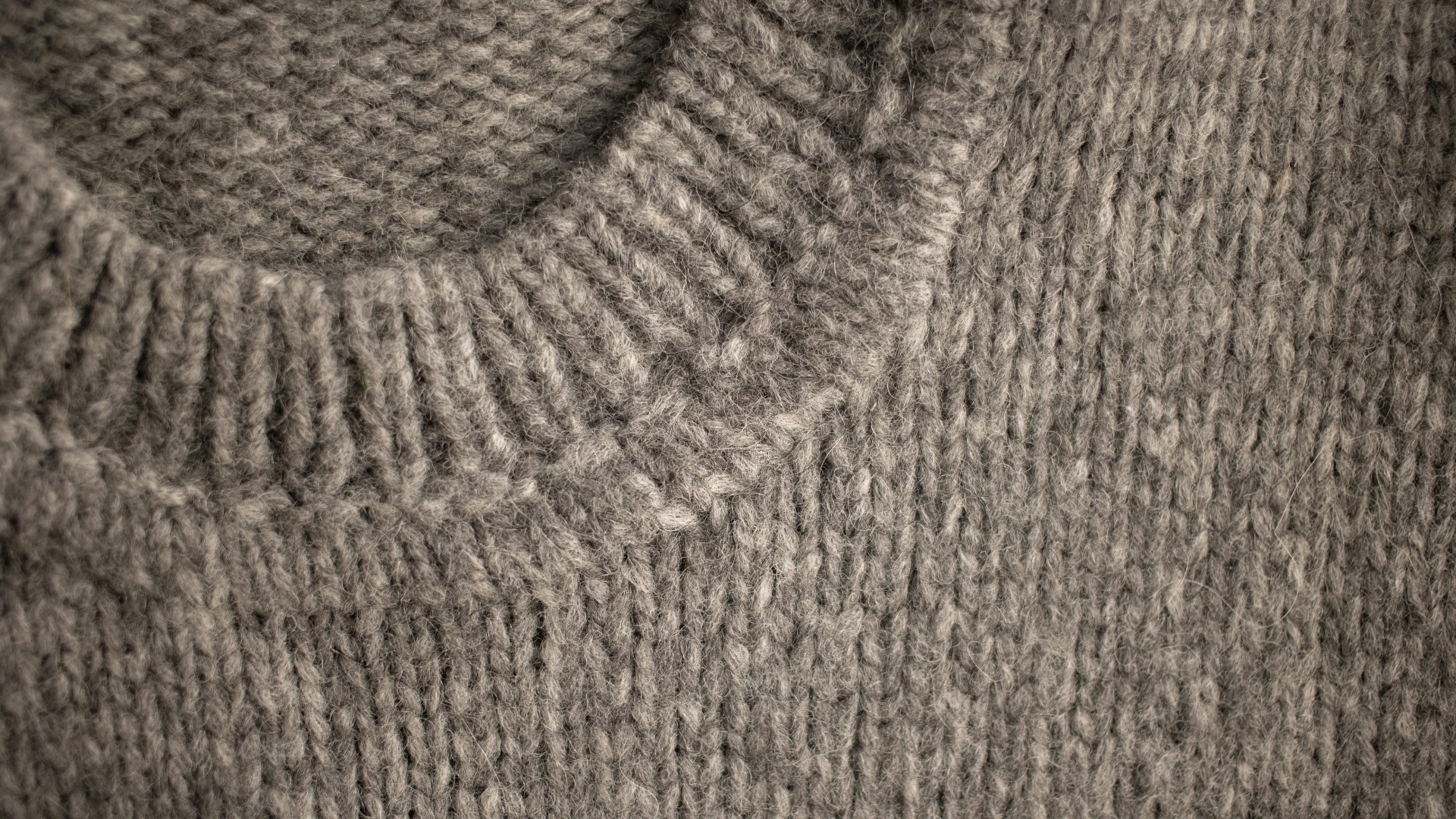
6. 100% Wool
Good wool is worth investing in because it’s naturally warm, breathable, and resilient. It can hold its shape well, resist odors better than many synthetic fabrics, and work across sweaters, coats, trousers, and scarves. The key is choosing wool that feels comfortable against your skin and has enough density to avoid looking thin or fragile.
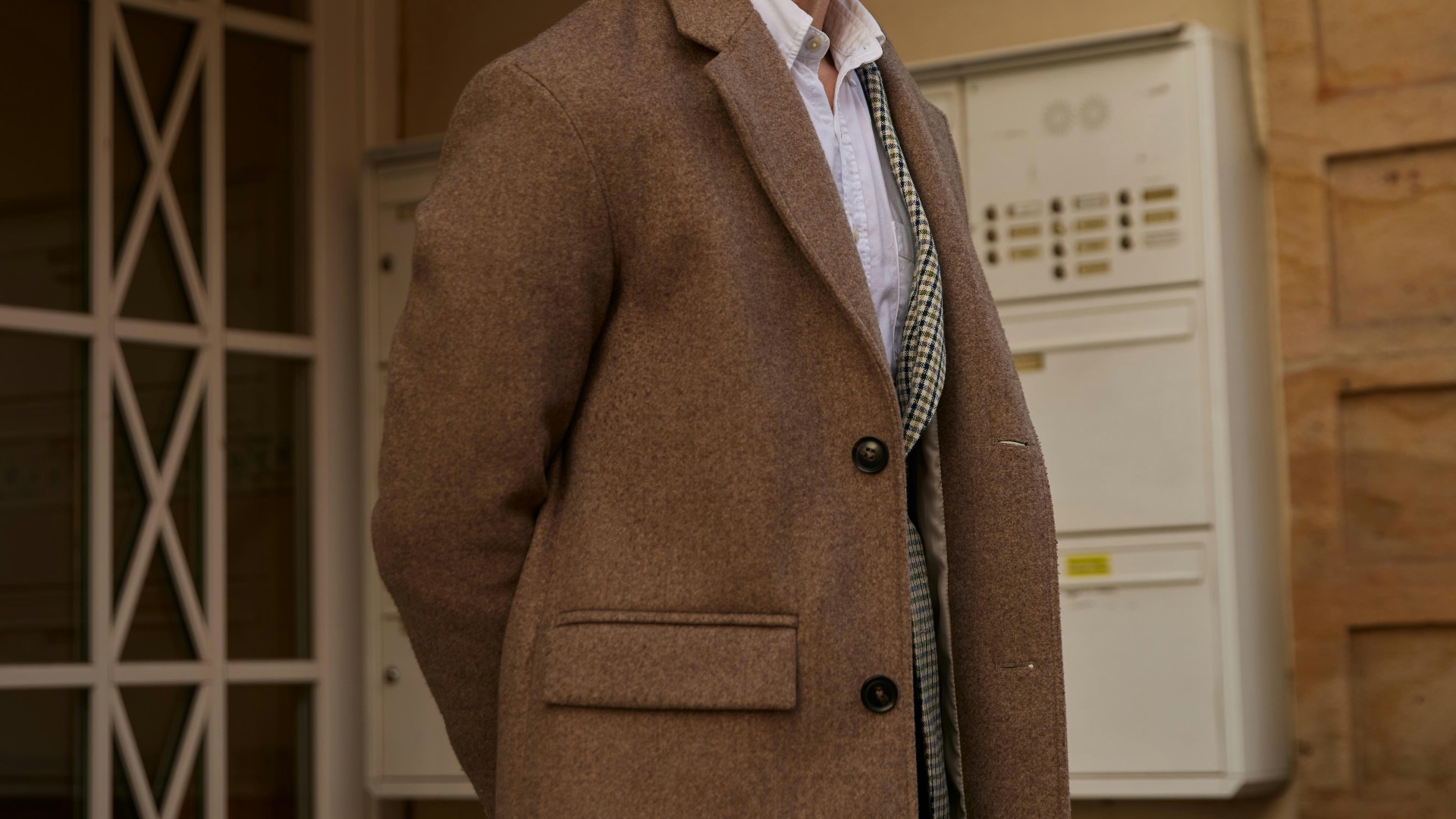
7. Wool and Cashmere
A wool-cashmere blend can give you softness and warmth without the higher price or delicacy of pure cashmere. Wool adds structure and durability, while cashmere makes the fabric feel smoother and more refined. This blend is especially worthwhile in sweaters, scarves, coats, and cold-weather accessories that you want to feel elevated but still wearable.
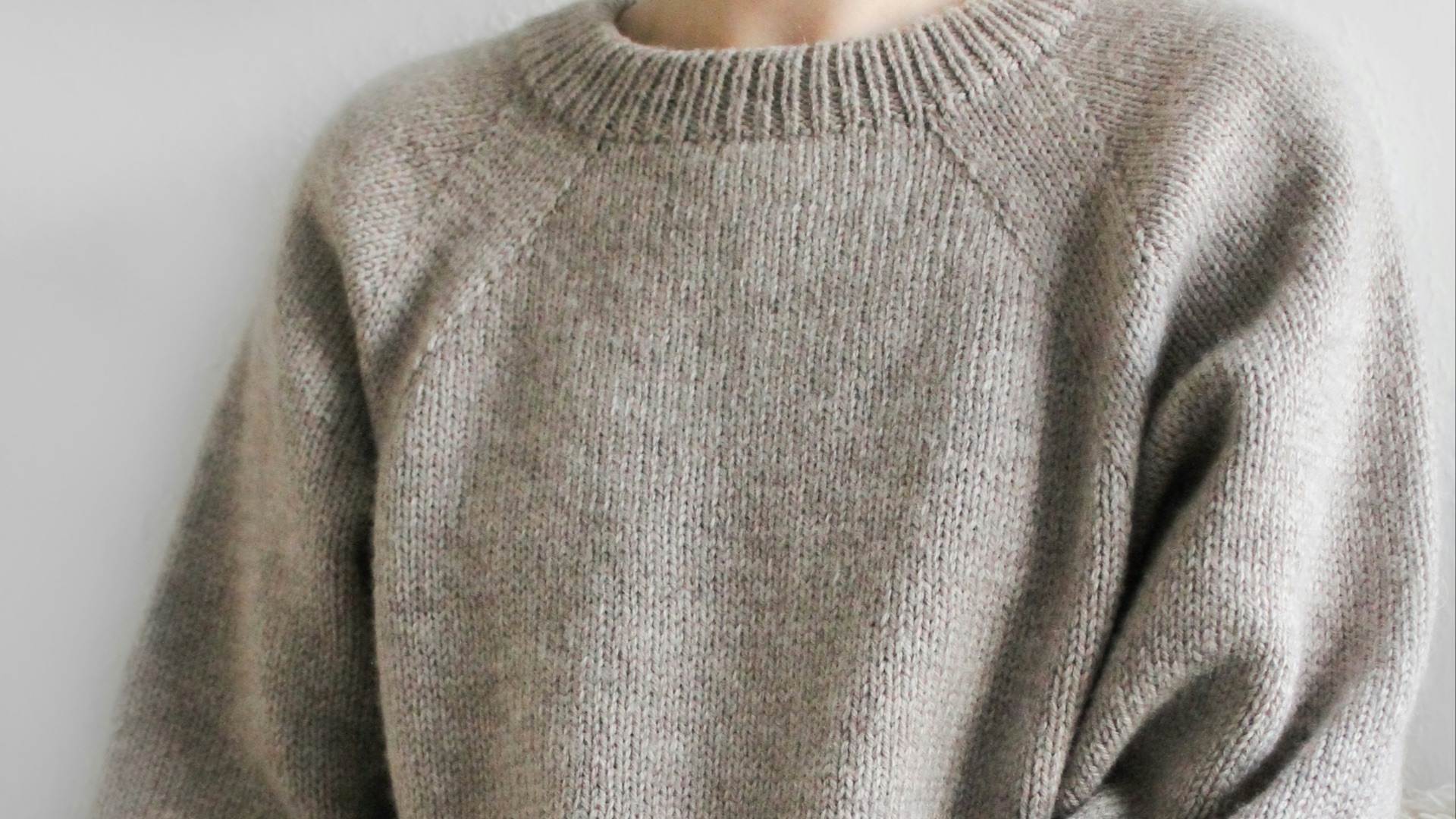
8. Tencel or Lyocell
Tencel, which is a branded form of lyocell, is often worth buying because it feels smooth, drapes well, and is comfortable against the skin. It can work nicely in shirts, dresses, trousers, jumpsuits, and soft basics where you want movement without a flimsy feel. When the fabric has a decent weight, it can look polished while still feeling easy to wear.
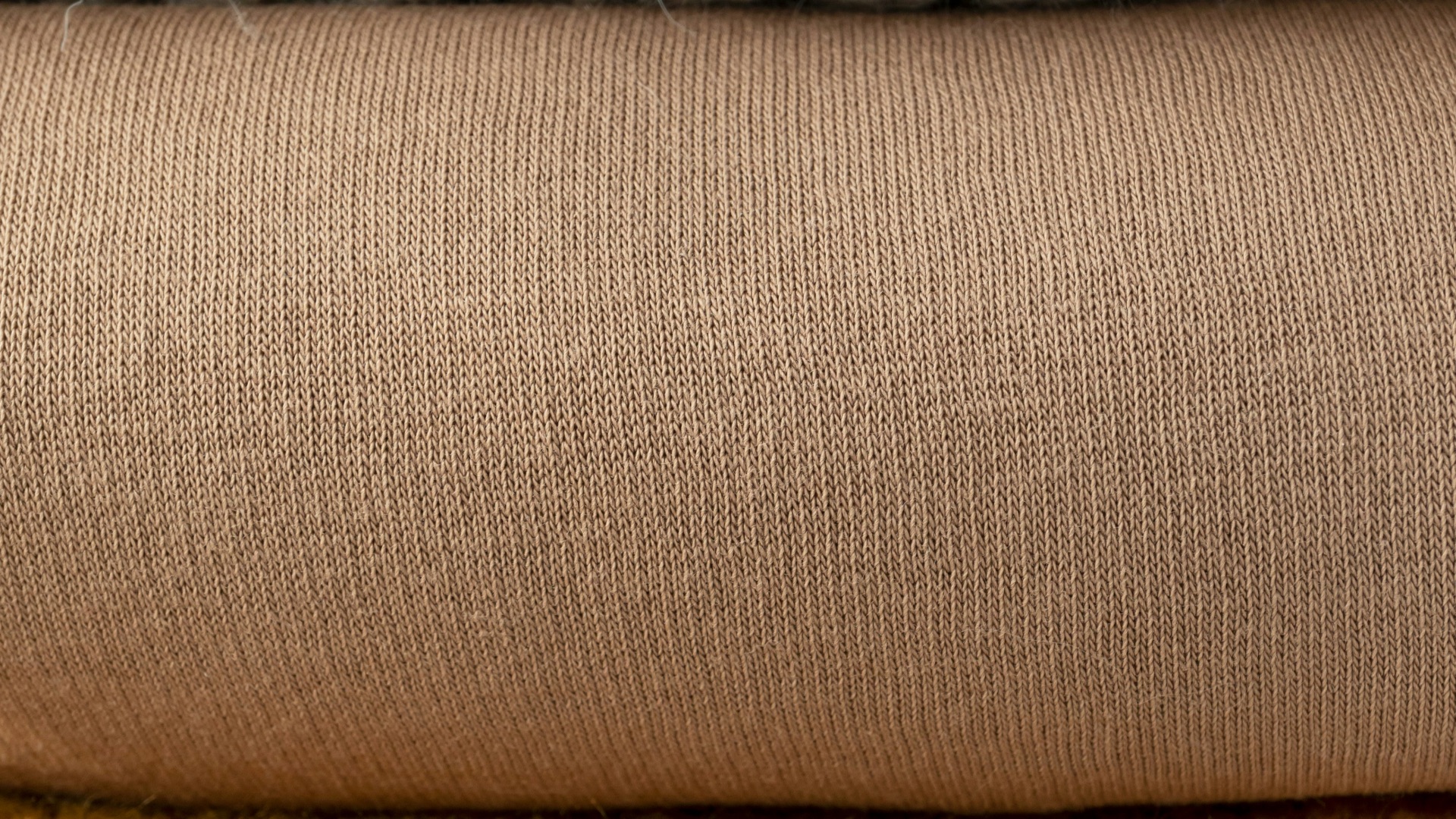
9. Cotton and Hemp
Cotton-hemp blends are a good choice when you want something breathable but more durable than lightweight cotton alone. Hemp adds strength and texture, while cotton makes the fabric softer and more approachable for everyday wear. You’ll often see this blend work well in overshirts, casual pants, jackets, and warm-weather staples.
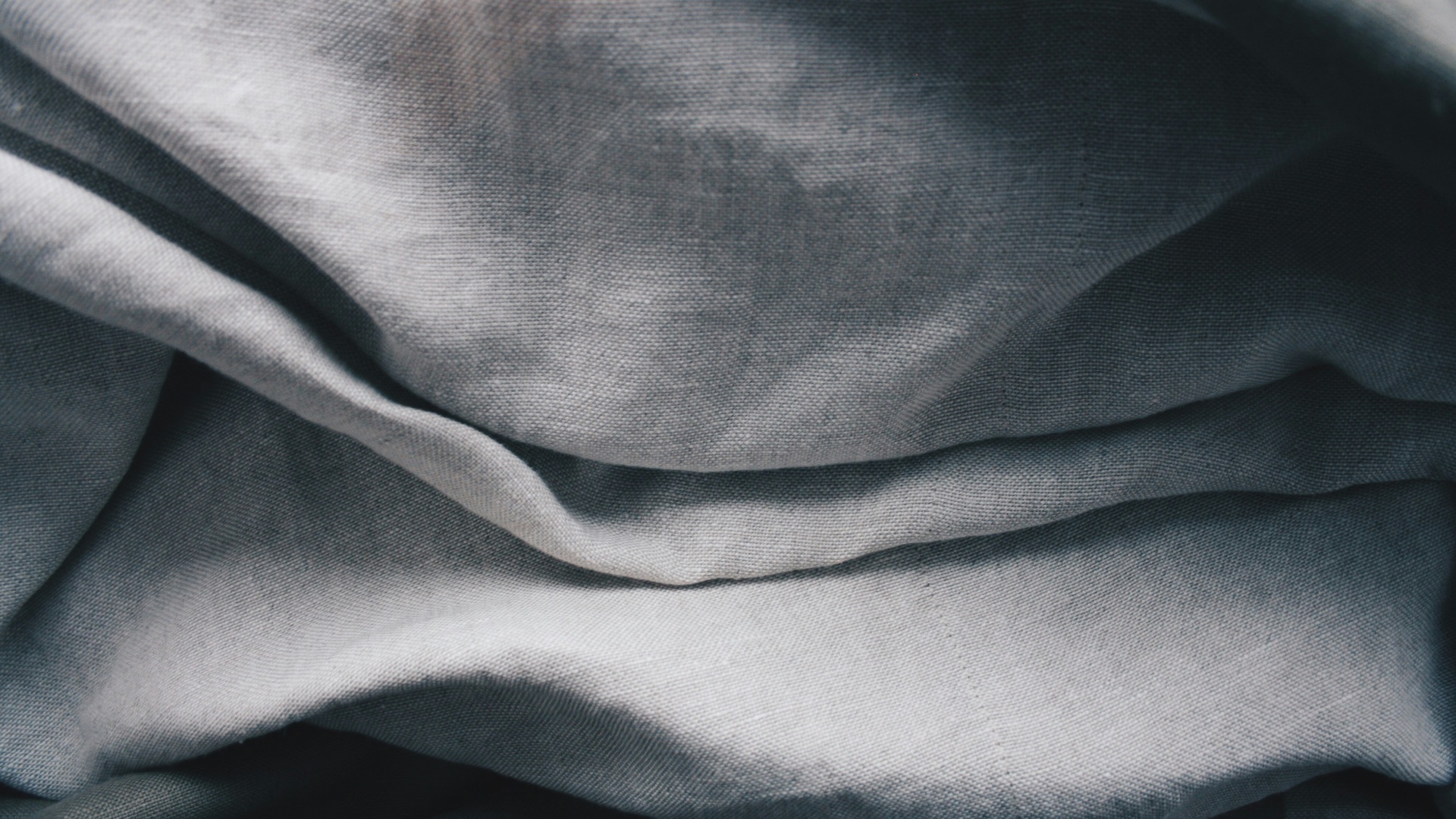
10. Silk and Cotton
Silk-cotton blends can feel special without being as delicate or expensive as pure silk. Cotton gives the fabric more structure and practicality, while silk adds softness, a smoother finish, and a more elevated look. This blend is worth considering for blouses, lightweight sweaters, scarves, and dressier pieces you still want to wear comfortably.