Where Fashion Finds Its Voice
Fashion shows have a way of stopping time. One minute it’s noise and scrolling, the next all eyes are locked in. These moments create instant buzz and influence how people think about style long after they've left the event. There’s far more happening than dramatic entrances or applause. Join us as we uncover why fashion shows are such a crucial aspect of the industry.
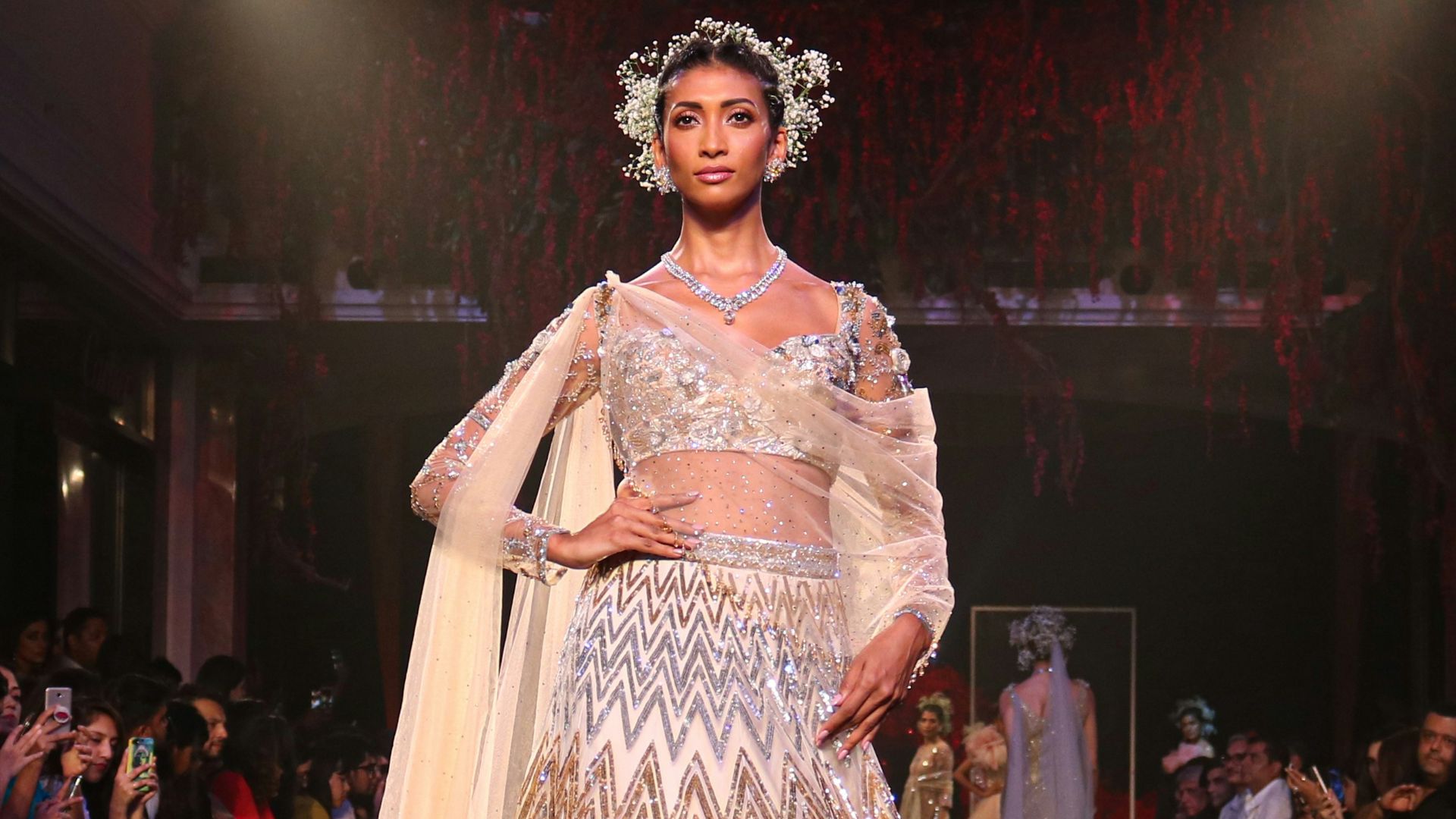
1. Global Trend Synchronization
Runway calendars keep the global fashion world moving in the same rhythm. International buyers, editors, and distributors align their seasonal plans around these events, ensuring trends don’t splinter by region. This shared timing creates consistent storytelling across countries and keeps collections relevant everywhere at once.
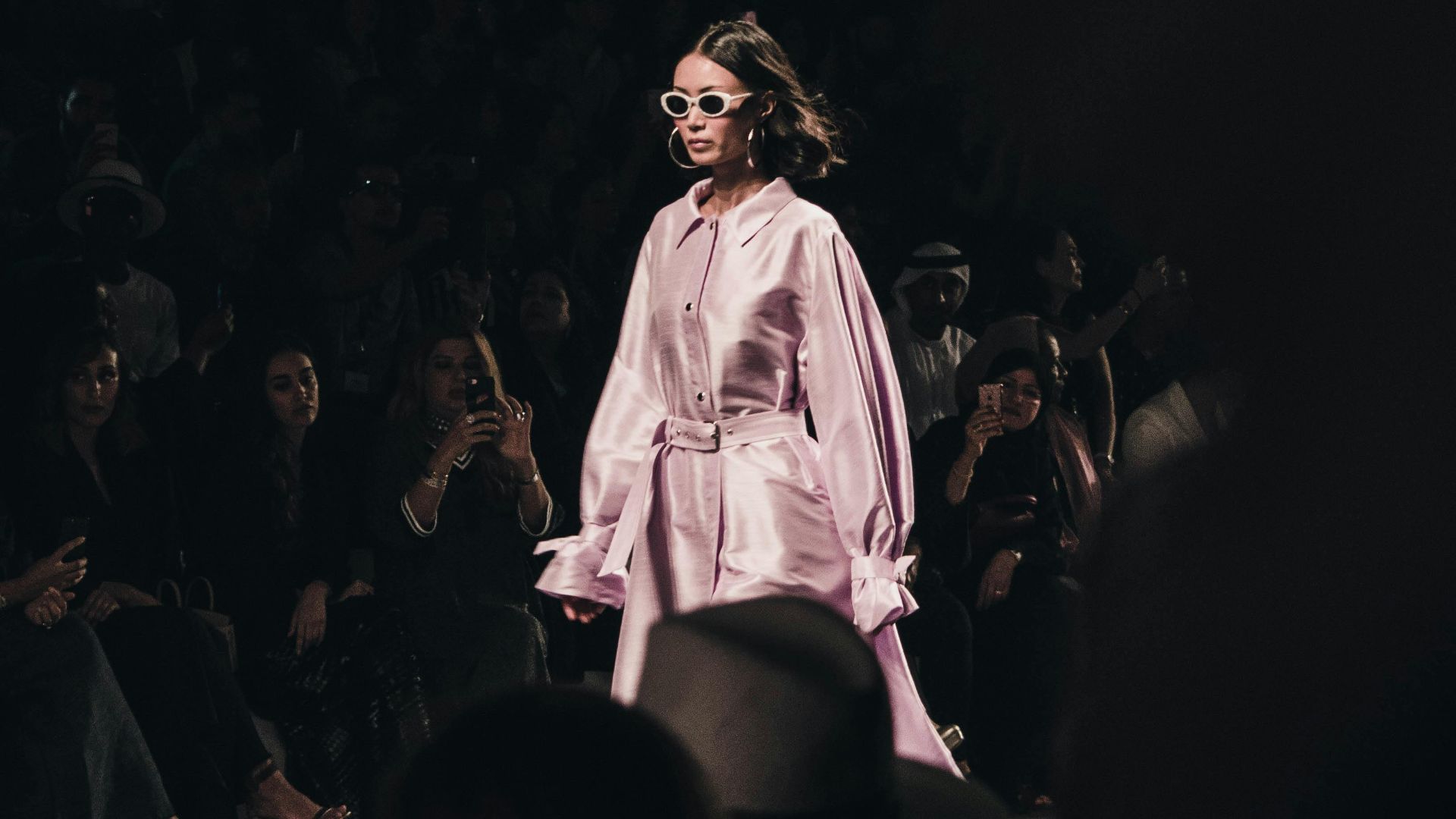
2. Innovation Showcase
Iris van Herpen’s 3D-printed designs showed how runways can introduce technology long before it reaches mainstream fashion. These revelations spark new methods across the industry and support environmental goals shaped by events like Copenhagen’s standards. Tech-forward shows also influence digital markets in unexpected ways.
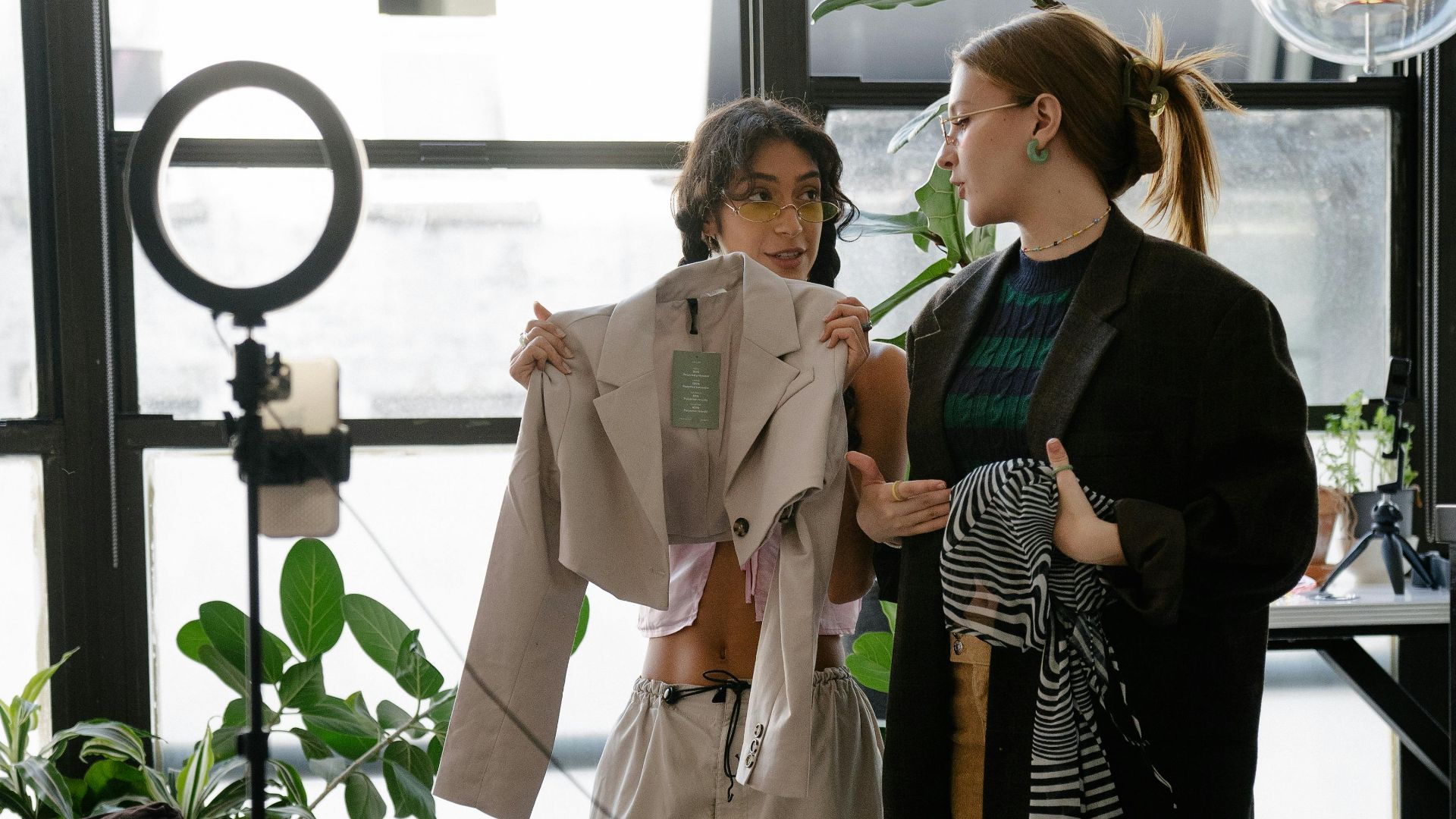
3. Brand Revitalization
There’s real magic in the way a runway can refresh a well-known brand. Themes, storytelling, and bold twists pull audiences back in, just as Gucci and Burberry demonstrated. New fans often follow that energy. Yves Saint Laurent proved it in 1971 when shock completely revived the label.
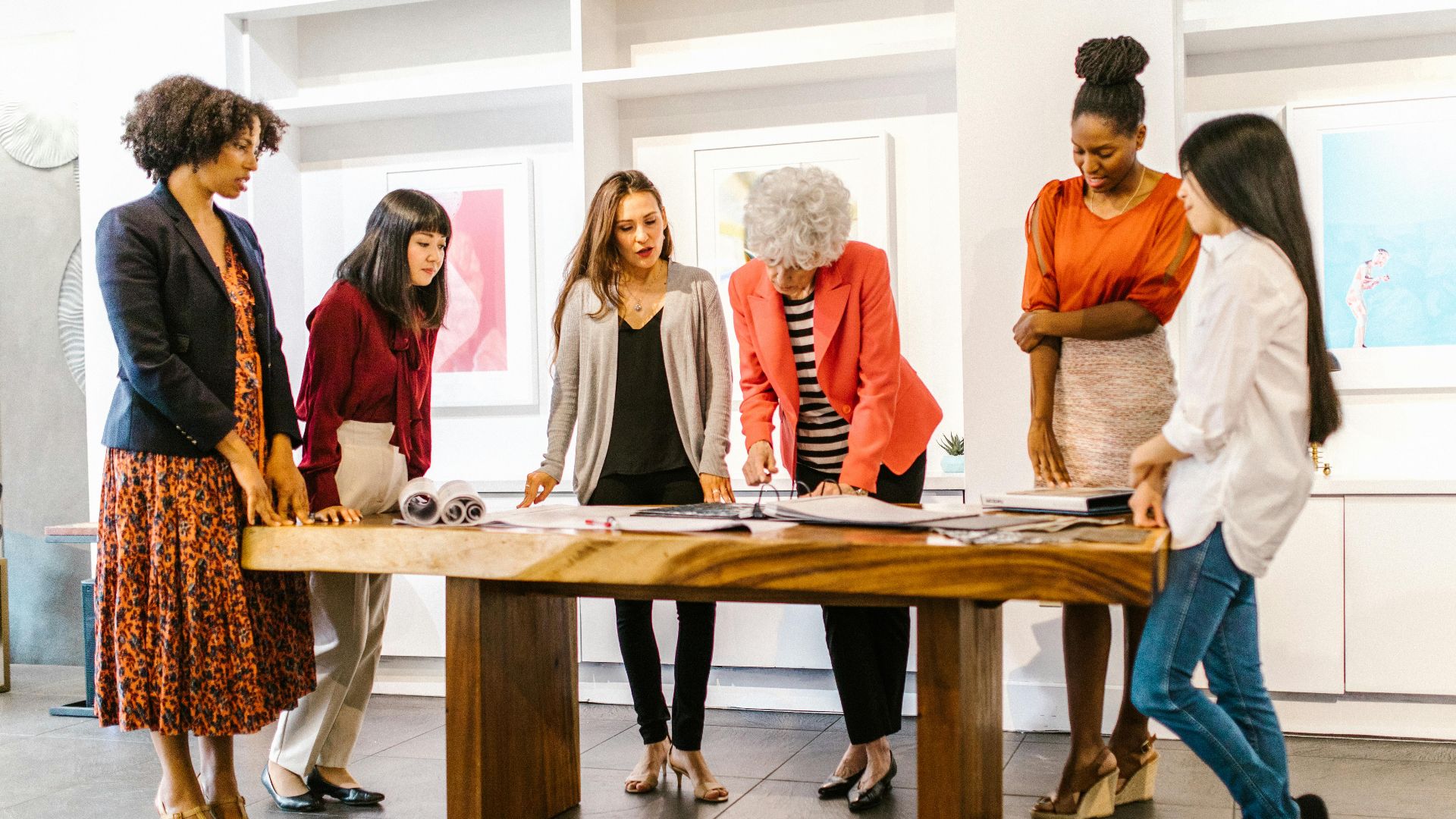
4. Social Media Amplification
Milan Fashion Week’s massive livestream reach shows how online audiences now shape momentum. Viral clips pull younger shoppers into the conversation instantly, and TikTok trends turn brief moments into sales spikes. These platforms push runway influence across borders with incredible speed.

5. Sales Boost
Anyone watching a major show can feel the buzz that turns into sales. Buyers place quick orders, and retailers see jumps afterward. Victoria’s Secret discovered the impact early on when its very first show helped push revenue upward by an impressive $120 million.
6. Networking Hub
The moment people walk into a runway venue, the air shifts because everyone knows connections are about to happen. Designers meet buyers, investors find new talent, and big-picture conversations unfold. Even the Met Gala started as a simple networking supper before becoming the spectacle people adore today.
7. Historical Archiving
The Met’s archives reveal how decades of documented shows shape modern design studies. Vogue’s digital library supports trend research, and Dior’s exhibits draw investment interest. Filmed runways dating back to 1916 helped create the foundation for the extensive historical record designers rely on today.
8. Storytelling Medium
A fashion show can feel like stepping into a brand’s imagination, where music and staging shape the message. That emotional pull strengthens how audiences connect with values. Balenciaga’s flooded set and Savage x Fenty’s inclusive productions reveal how narrative shifts can spark deeper conversations.
9. Designer Skill Demonstration
The runway gives designers room to reveal technique that rarely comes through in photographs. Displays of workmanship often attract collaborators and convince buyers of potential. Moments like McQueen’s spray-paint performance and Dior’s New Look prove how technical brilliance can help careers.
10. Diversity Promotion
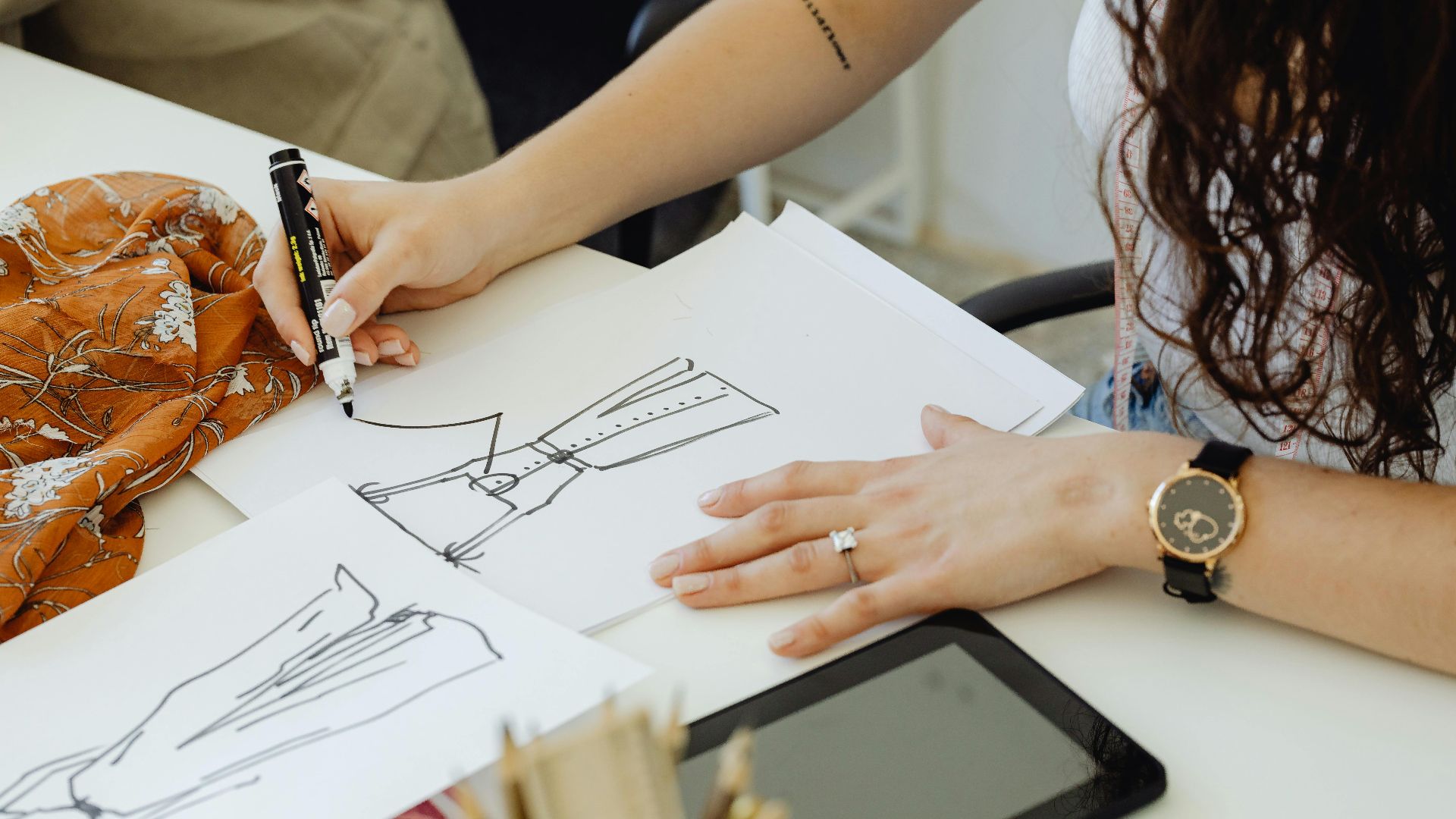
Savage x Fenty’s inclusive cast demonstrated how representation can widen an audience instantly. Shows that highlight varied identities strengthen credibility and reach. New York Fashion Week’s diverse lineups encouraged that shift, and brands adopting similar approaches often see noticeable revenue growth tied to inclusion.
11. Cultural Communication
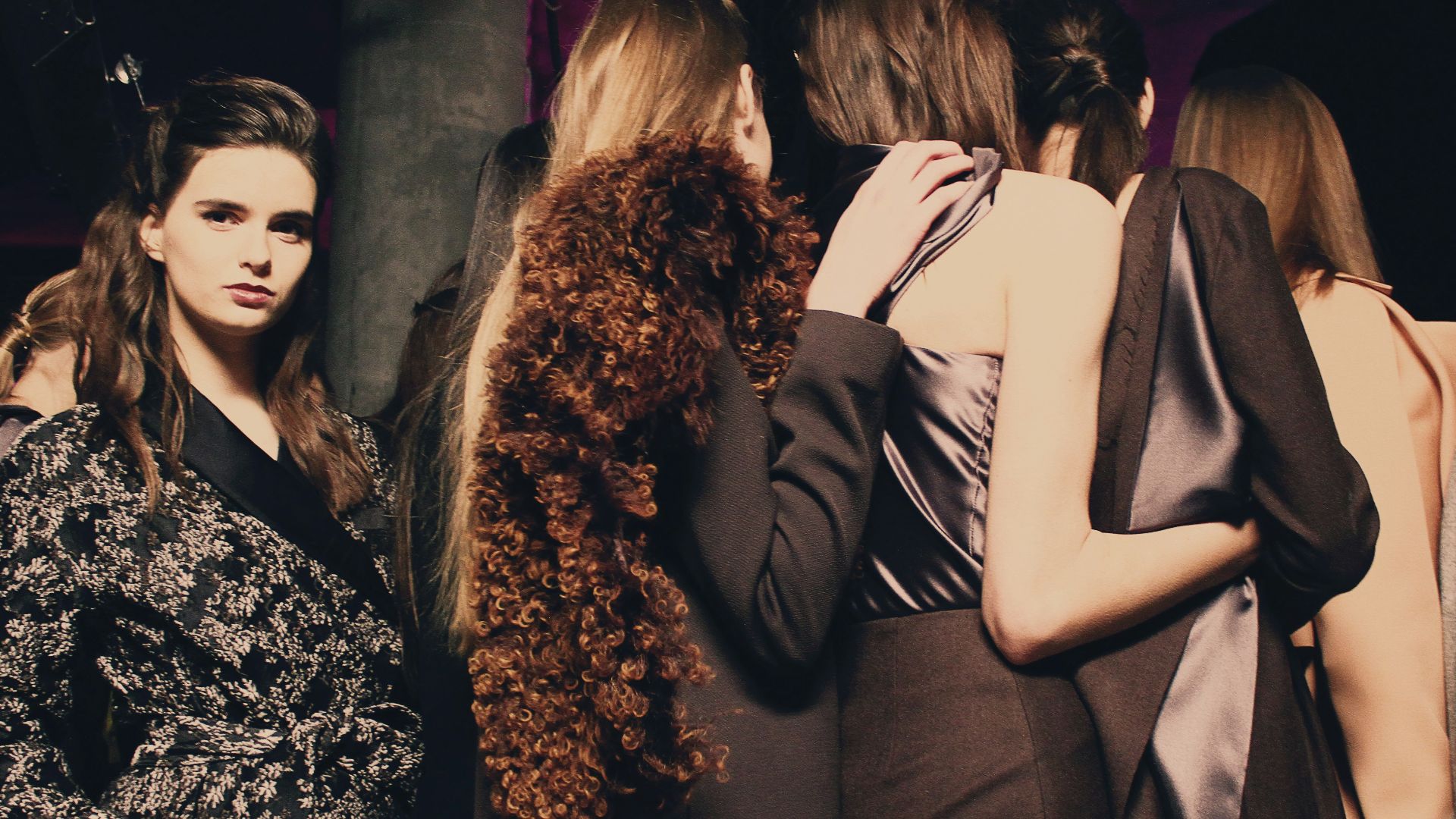
Many shows turn into cultural statements that reveal what matters to a brand. Themes tied to sustainability or inclusivity help audiences recognize shared values. Sales often rise when messages resonate. Jean-Paul Gaultier’s 1993 runway show with men in skirts showed how playful ideas can shift conversations worldwide.
12. Stylist Resource
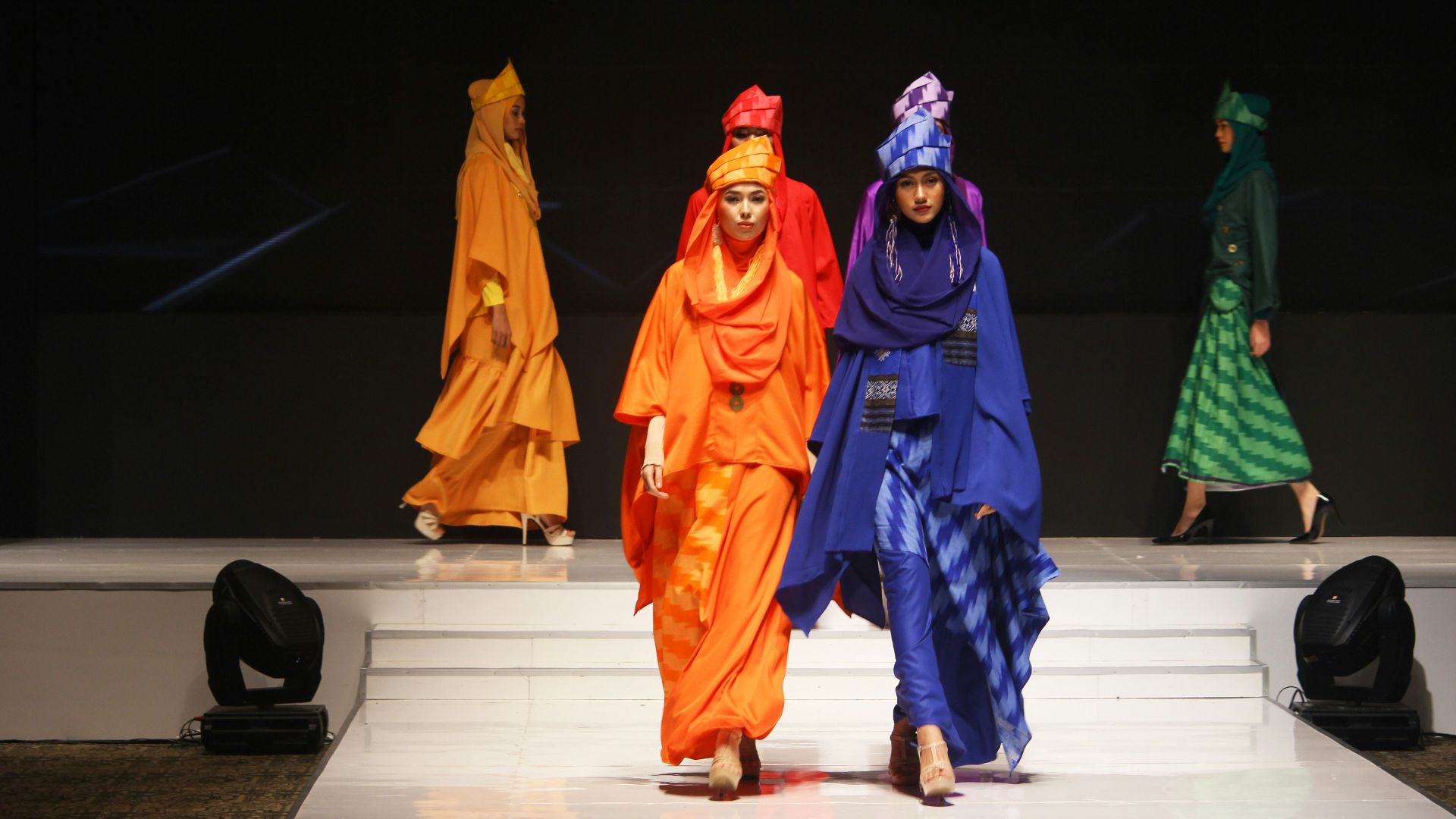
Paris Fashion Week’s influence on editorial styling shows how runways supply fresh material for creative teams. Met Gala looks echo this impact by shaping pop culture imagery. Stylists rely on these moments because they provide direction that filters into magazines and mainstream fashion.
13. Trend Education Seminars
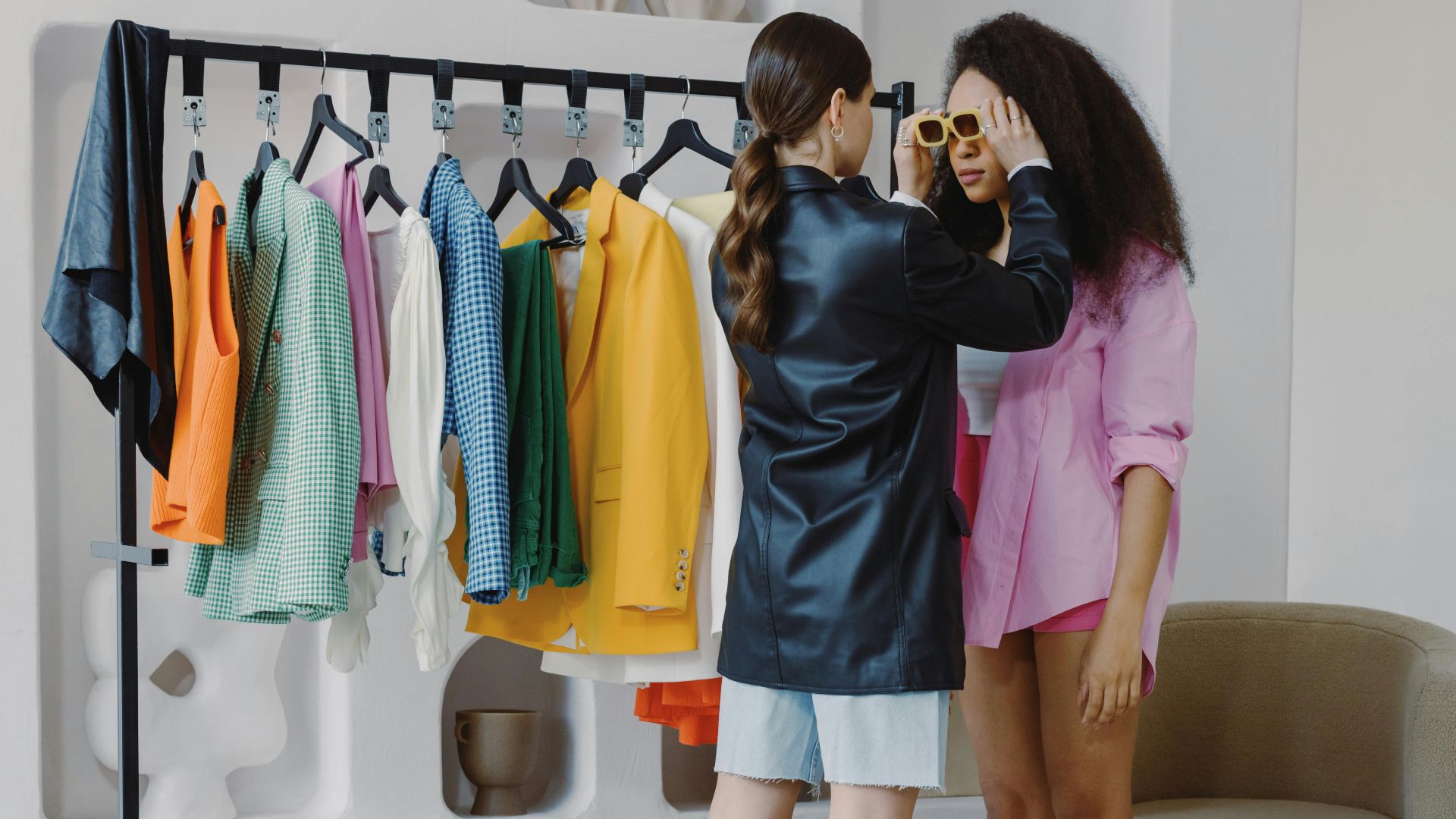
Workshops attached to major fashion events help professionals understand new materials and production approaches with far more clarity. Better insight strengthens decision-making and encourages innovation across the field. The concept traces back to 1903 when stores used small display dolls to introduce fresh ideas.

14. Investor Attraction
Savage x Fenty’s momentum showed how a standout show can spark investor interest fast. Strong presentations help labels appear more established, which draws attention from people searching for the next big fashion name. High-profile events naturally become places where promising talent captures financial support.

15. Buyer Overview Provision
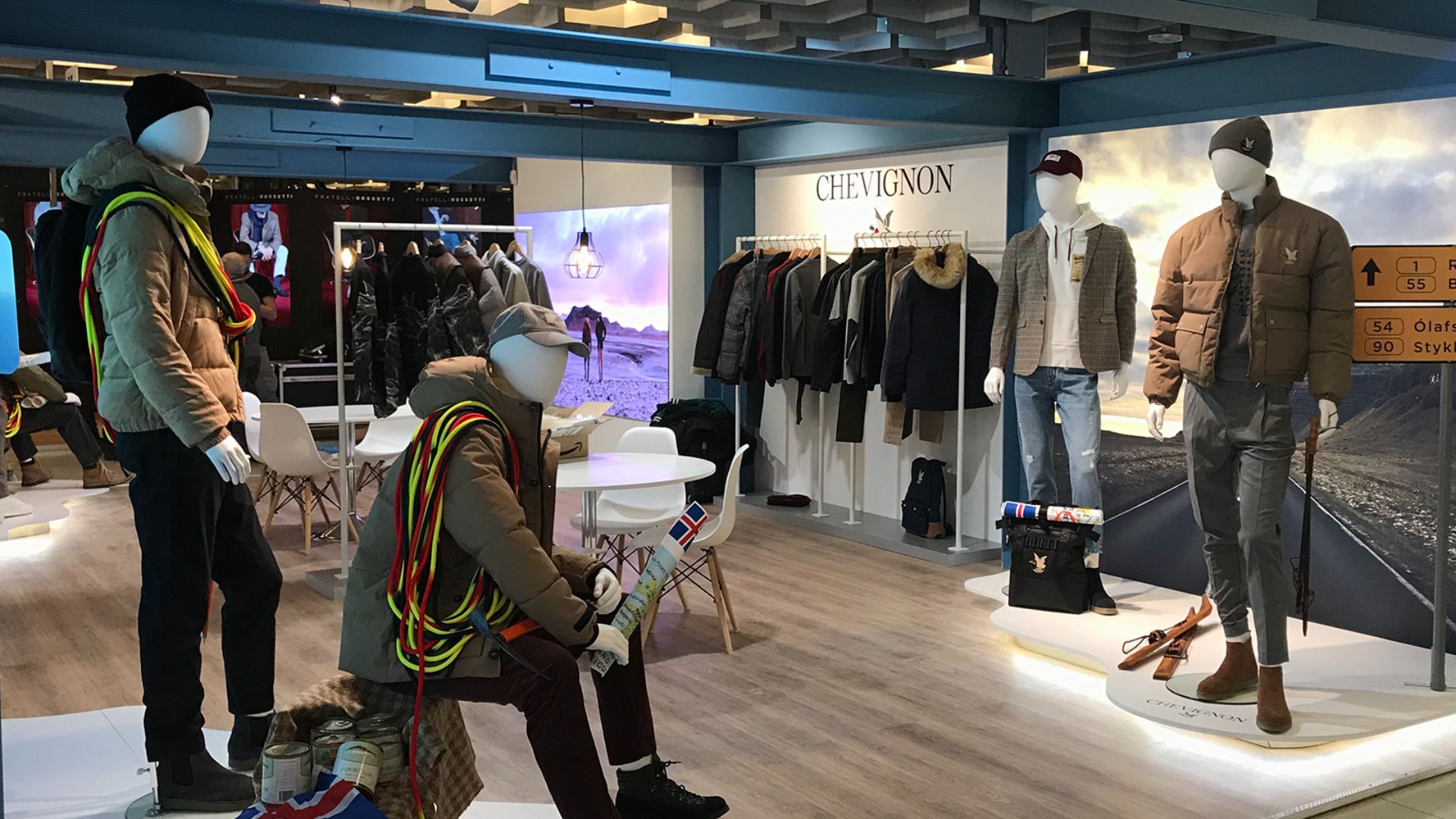
Buyers benefit from complete previews that make orders easier to plan and reduce unnecessary stock. That early clarity strengthens profits and supports smoother global distribution. Events like Pitti Uomo built entire marketplaces around this system and now influence billions in yearly orders.
16. Celebrity Endorsement Platform
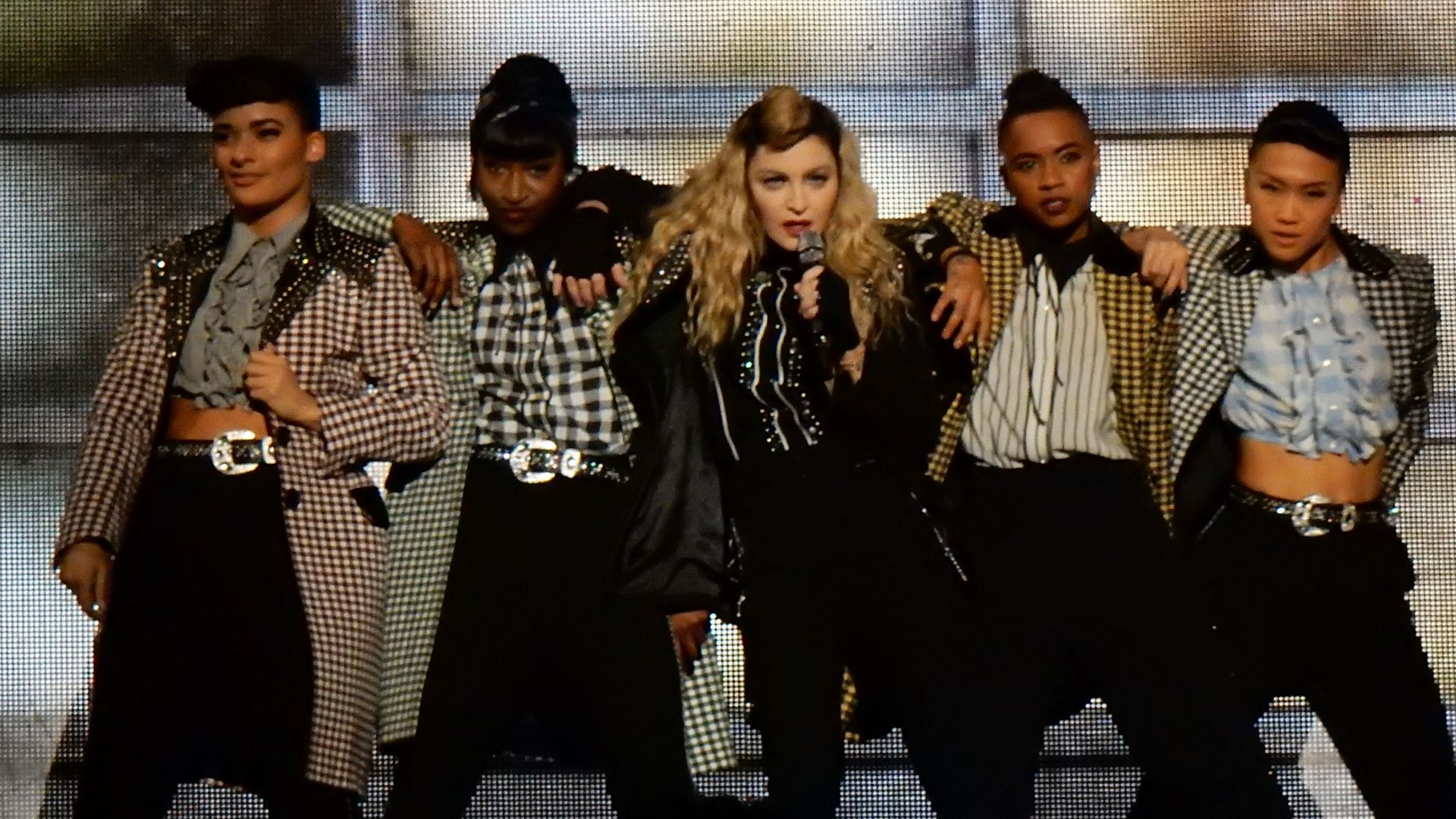
A celebrity in the front row can shift a brand's momentum instantly because their presence adds prestige and global attention. Social posts from these moments also multiply reach. Versace proved the impact in 1995 when Madonna’s appearance boosted the label’s fame and expanded its influence.
17. Economic Impact On Host Cities
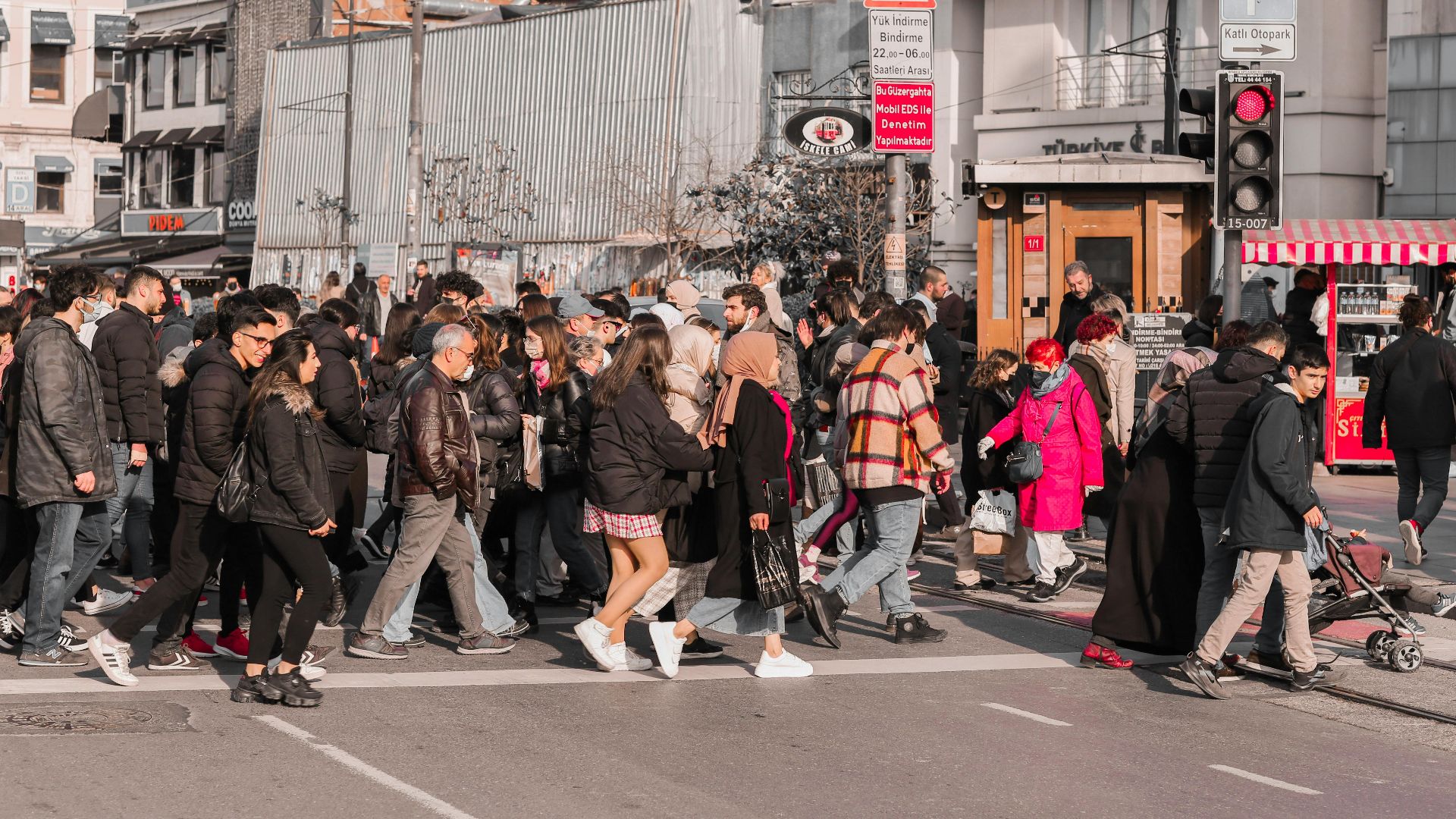
Fashion weeks transform host cities into temporary power centers as visitors fill hotels and restaurants. Local economies feel the lift immediately, especially in New York, London, and Paris. Paris launched that legacy in 1973 with a lively show inside a circus tent.
18. Global Market Expansion
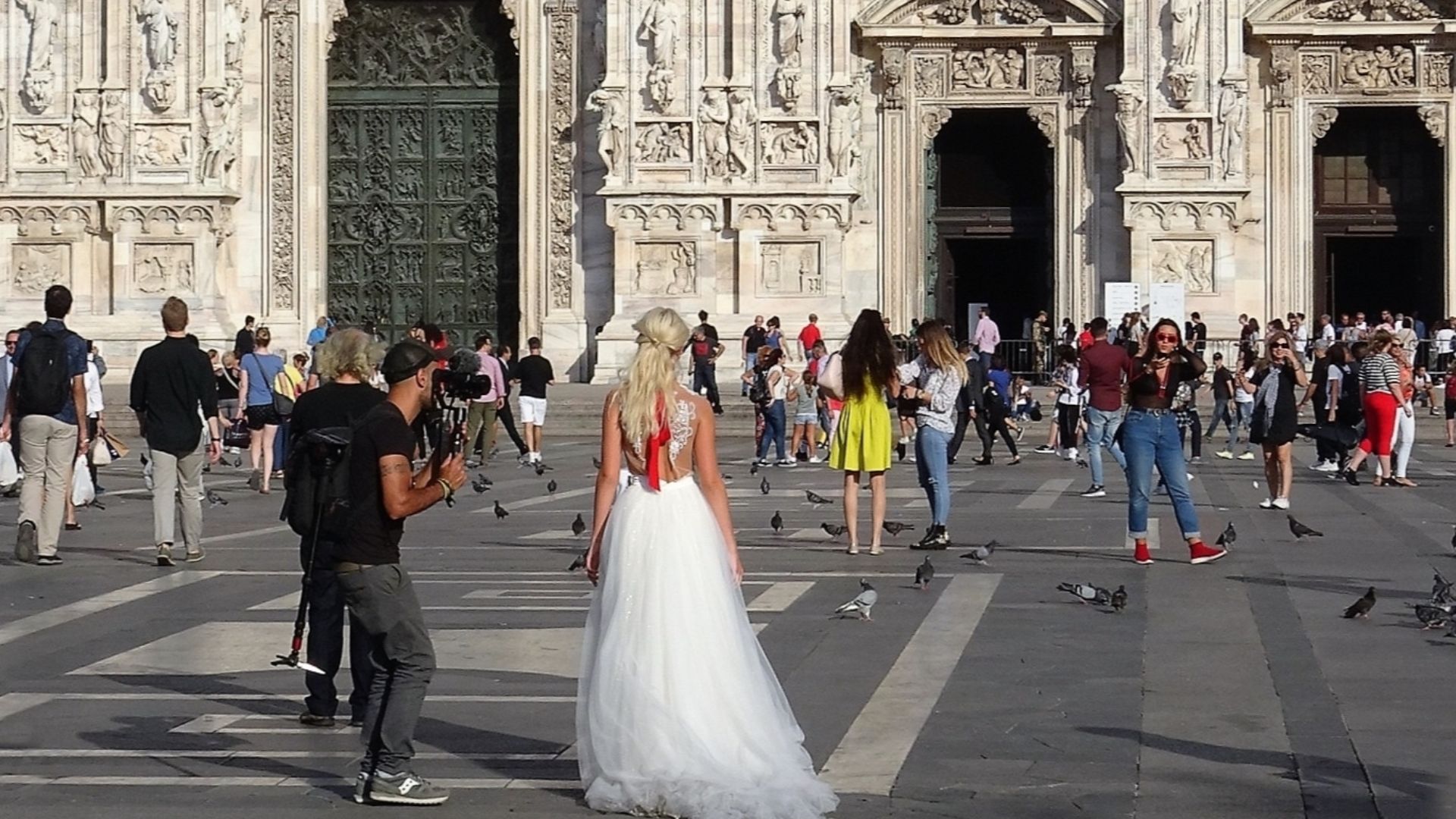
Shanghai Fashion Week’s role in exporting regional labels highlights how international events open new territory for brands. Milan’s success with export growth underscores that impact, while Tokyo’s blend of global and local aesthetics attracts wide buyer interest and supports long-term international reach.
 Pierre André Leclercq on Wikimedia
19. Community Building
New York’s fashion events show how runways can bring insiders together in ways daily work rarely allows. Those gatherings create space for honest conversations about rights, challenges, and shared goals. Milan’s discussions on labor practices reflect how these moments reduce isolation for freelancers and small brands.
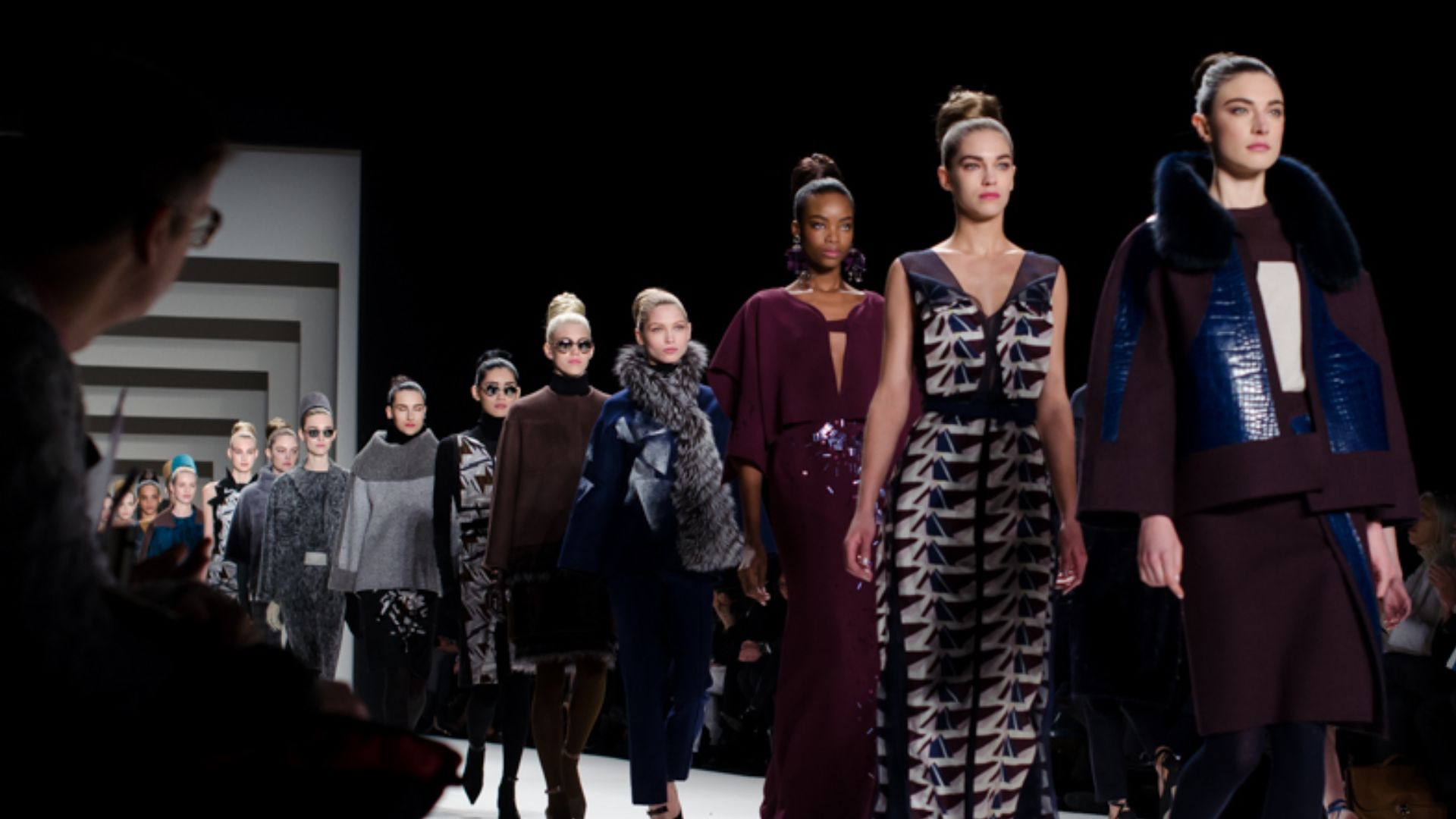 CHRISTOPHER MACSURAK from Chicago, USA on Wikimedia
20. Aesthetic Inspiration
McQueen’s influence on film costumes shows how runway ideas move into surprising places. Paris events often spark fresh thinking for architects, artists, and designers looking for a new direction. Those creative shifts encourage collaborations that help different fields evolve through inspiration drawn straight from the runway.