
20 Life-Saving Clothing Hacks For When You're Going Through Menopause
Dress for the Heat, the Chill, & Everything in Between
Menopause can turn your internal thermostat into a prankster, and suddenly, the outfits you used to rely on feel like a gamble. Hot flashes, night sweats, temperature swings, and shifting comfort needs can make “getting dressed” feel like a daily strategy session. The good news is you don’t need a whole new wardrobe; you just need a few smart tweaks that keep you comfortable while still feeling like yourself. Here are 20 clothing hacks that can make menopause a lot more manageable.

1. Build a Layer System You Can Peel Fast
Treat layers like quick-release tools instead of a fashion statement. A lightweight base plus an easy cardigan or jacket lets you adjust in seconds when a hot flash hits. You’ll feel more in control when you’re not stuck sweating in a single heavy piece. Keep the outer layer something you can carry without regrets.

2. Choose Breathable Base Fabrics First
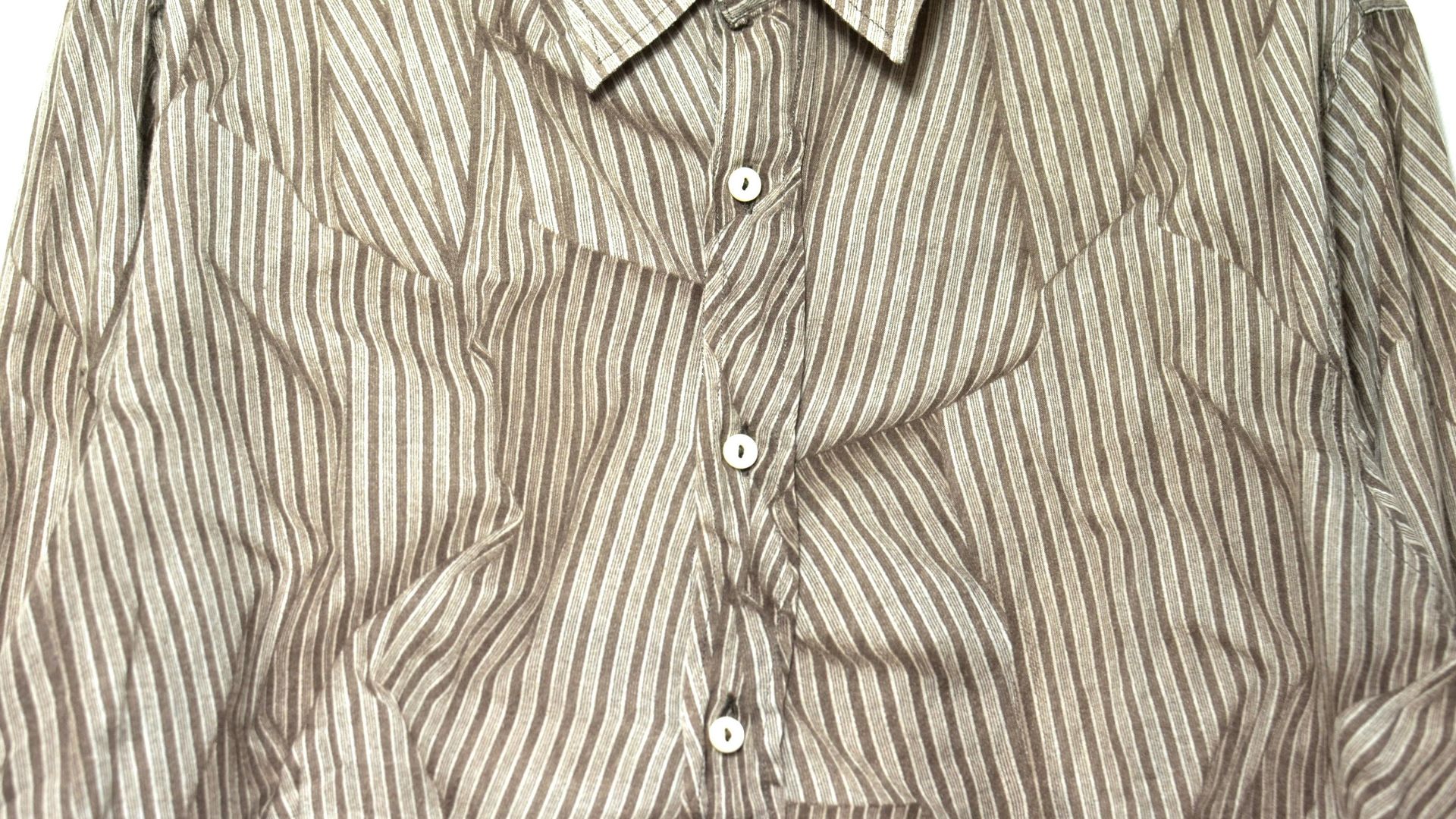
If the layer closest to your skin traps heat, the rest of the outfit won’t save you. Cotton, bamboo, linen blends, and moisture-wicking performance fabrics tend to feel cooler and less clingy. You don’t have to dress like you’re heading to a marathon, but the fabric choice matters.
3. Swap Tight Necklines for Open Ones
High, tight collars can make you feel hotter and more restricted during temperature spikes. V-necks, scoop necks, and button-front tops give you breathing room and make heat feel less trapped. They also give you a quick ventilation option without changing your entire outfit.

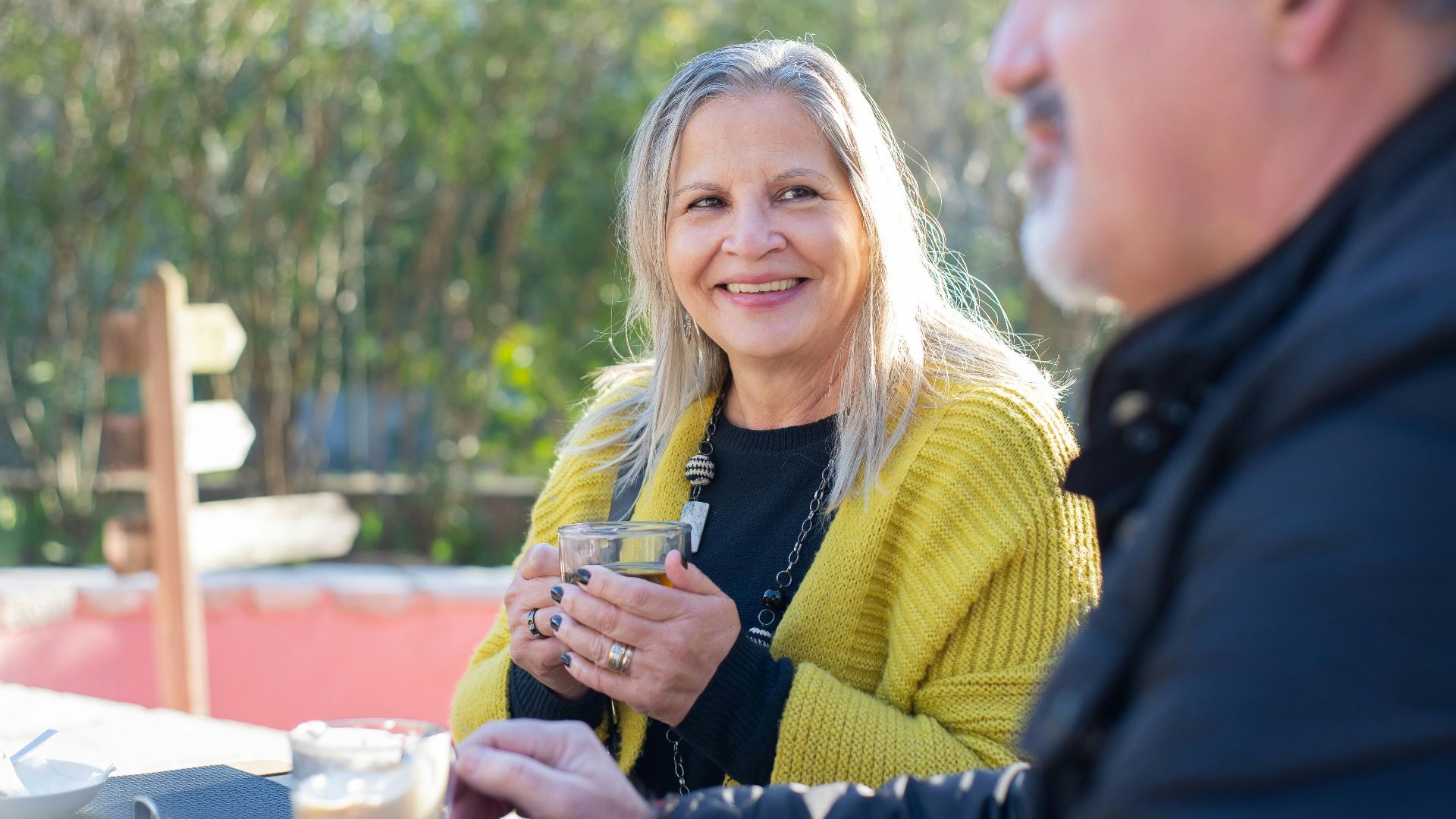
4. Keep a “Hot Flash Cardigan” Within Reach
Pick one lightweight cardigan that lives with you: in the car, at work, in your bag, wherever you spend time. It helps when a cold chill follows a hot flash, and you feel like your body is changing channels too fast. A soft layer can calm the moment without adding bulk.
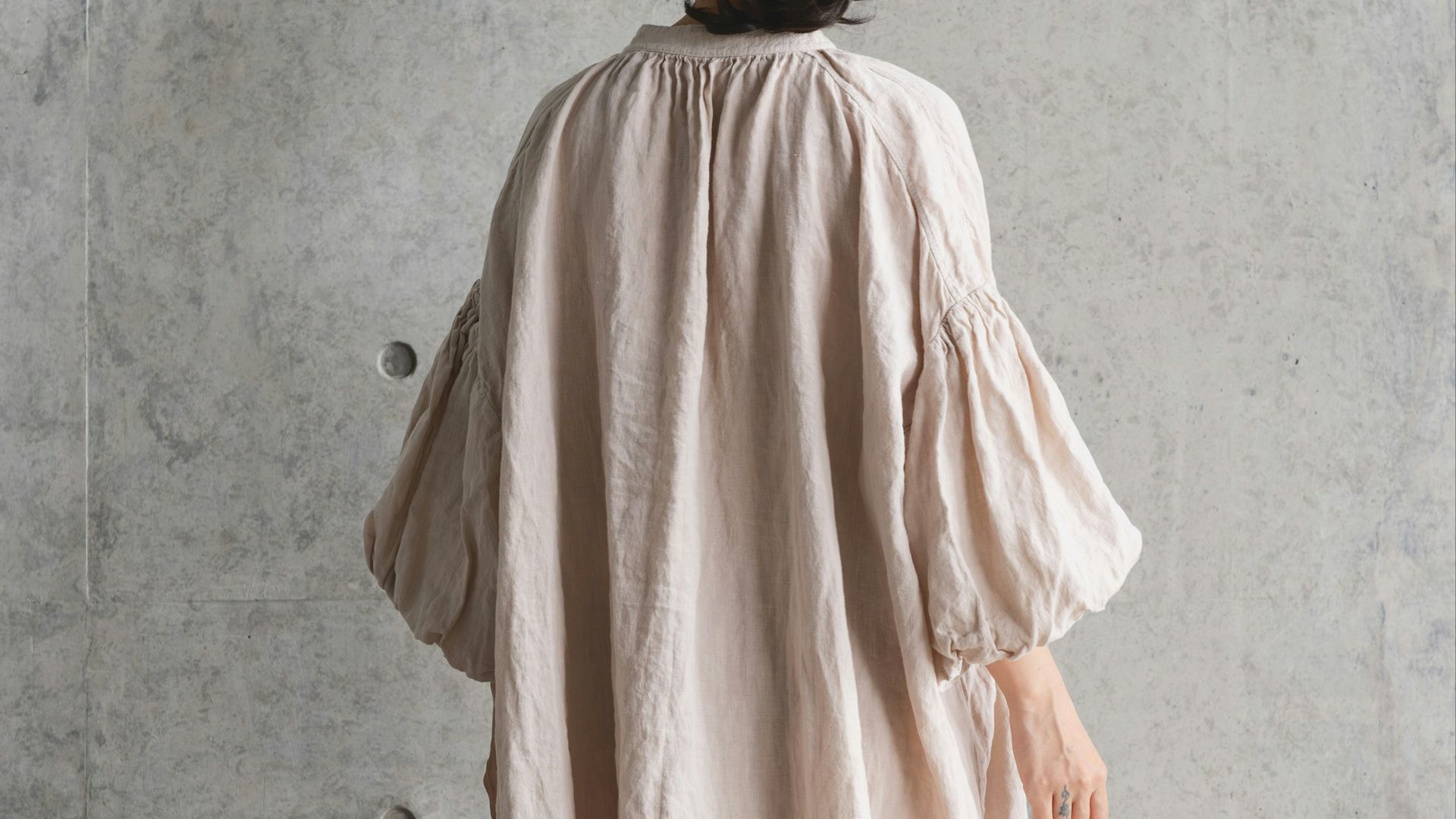
5. Go for Sleeves That Don’t Trap Heat
Long sleeves can work, but tight sleeves can feel suffocating when you suddenly warm up. Look for looser cuffs, airy weaves, or sleeves you can push up easily. Your arms will thank you when the temperature swings.
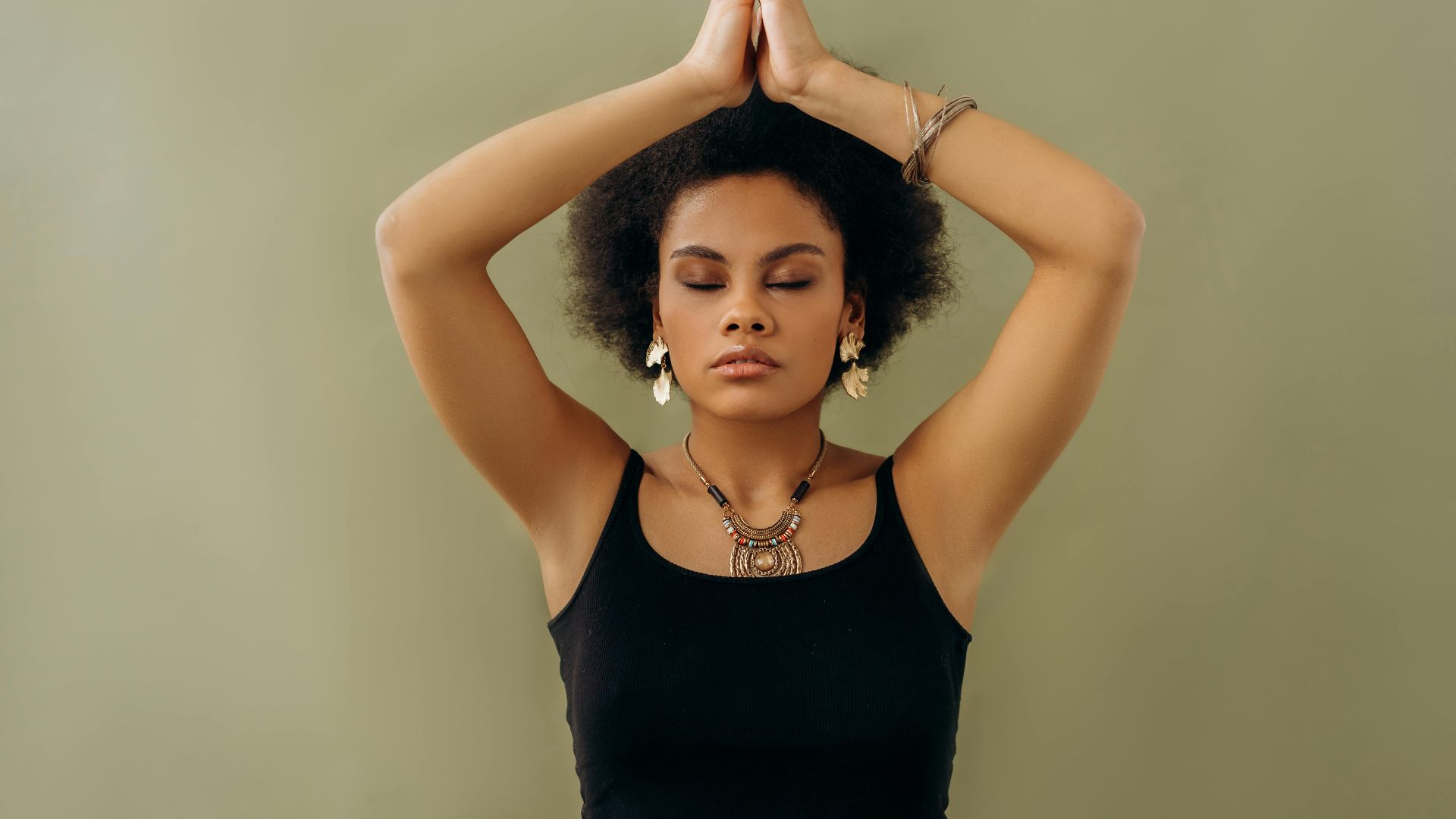
6. Pick Dark Colors Strategically
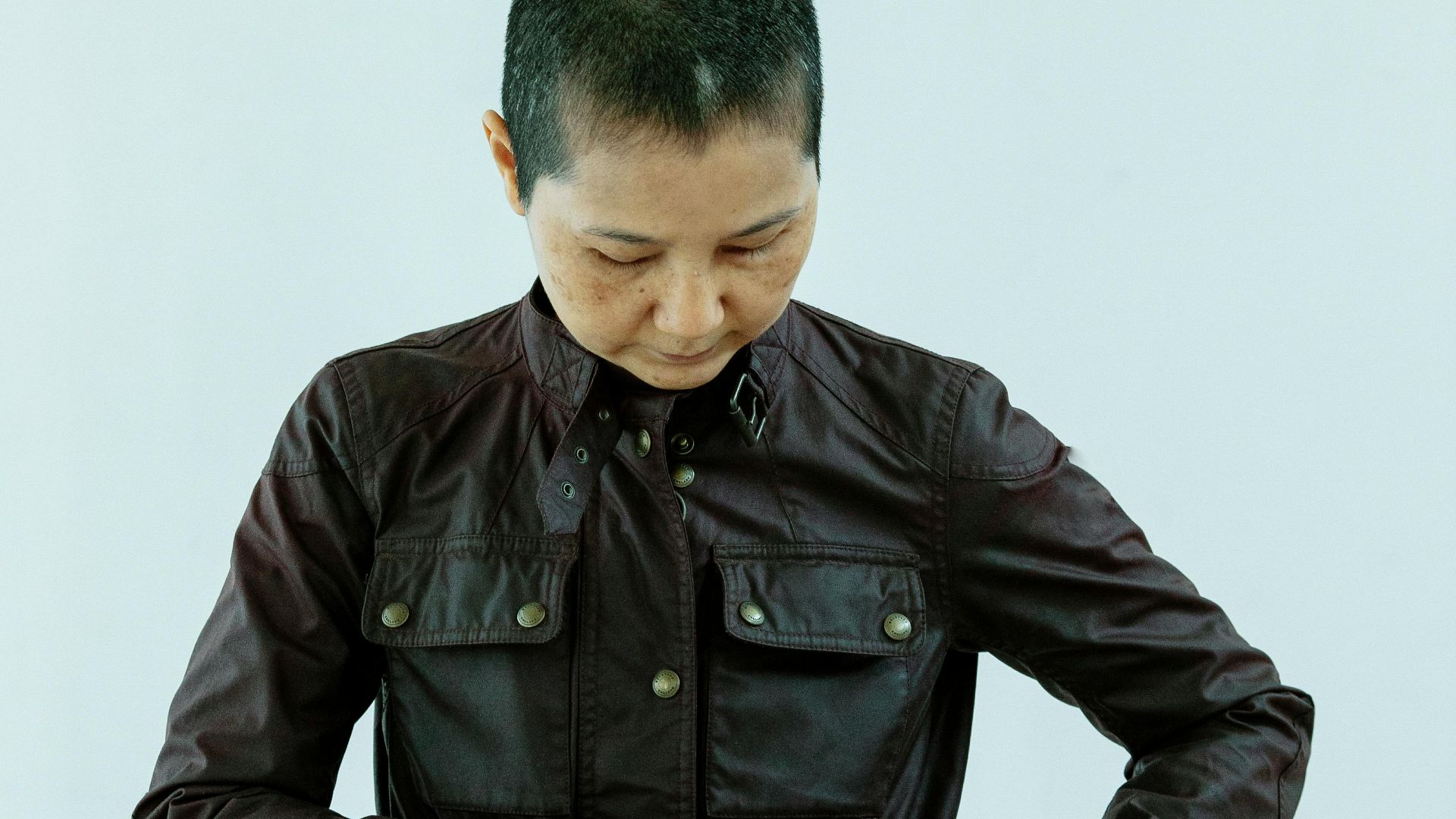
Dark colors hide sweat, but they can also hold heat in direct sun. If you run hot, you might prefer mid-tones, prints, or fabrics that breathe well even in darker shades. The real trick is choosing materials that don’t show moisture easily. You’ll feel less self-conscious when you’re not doing constant sweat checks.

7. Lean on Prints & Texture
A subtle pattern can disguise moisture better than a flat, solid color. Textured fabrics also tend to show less cling and fewer damp spots. You’re not dressing to hide; you’re dressing to stay relaxed when your body does its thing. The less you worry about visible sweat, the more comfortable you’ll feel.

8. Wear a Moisture-Wicking Camisole Under Everything
A thin, wicking cami can act like a buffer between your skin and your top. It can reduce stickiness, help regulate comfort, and protect nicer fabrics from sweat. You can also swap it out faster than you can change a whole shirt. It’s a small addition that makes outfits feel more reliable.
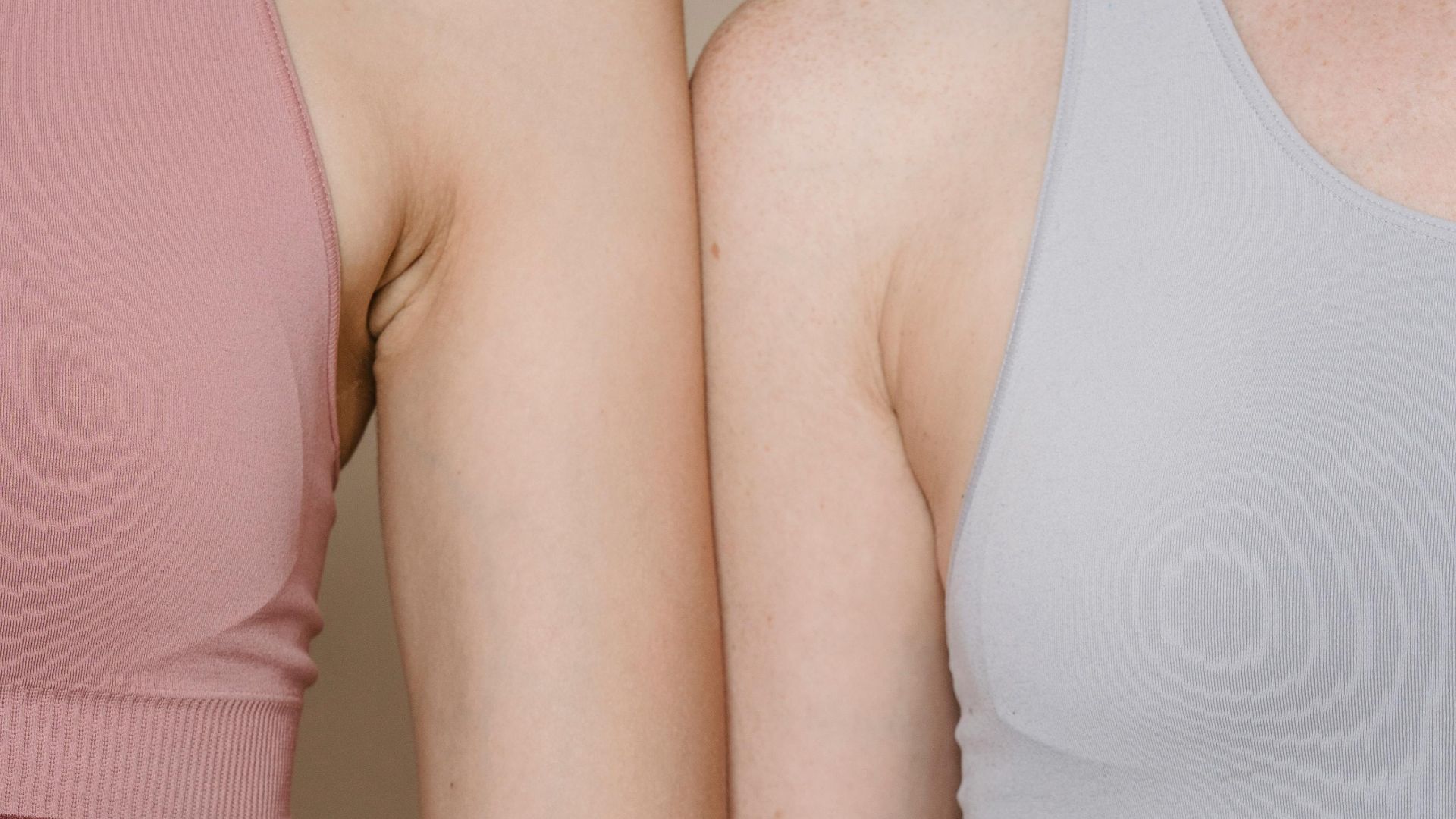
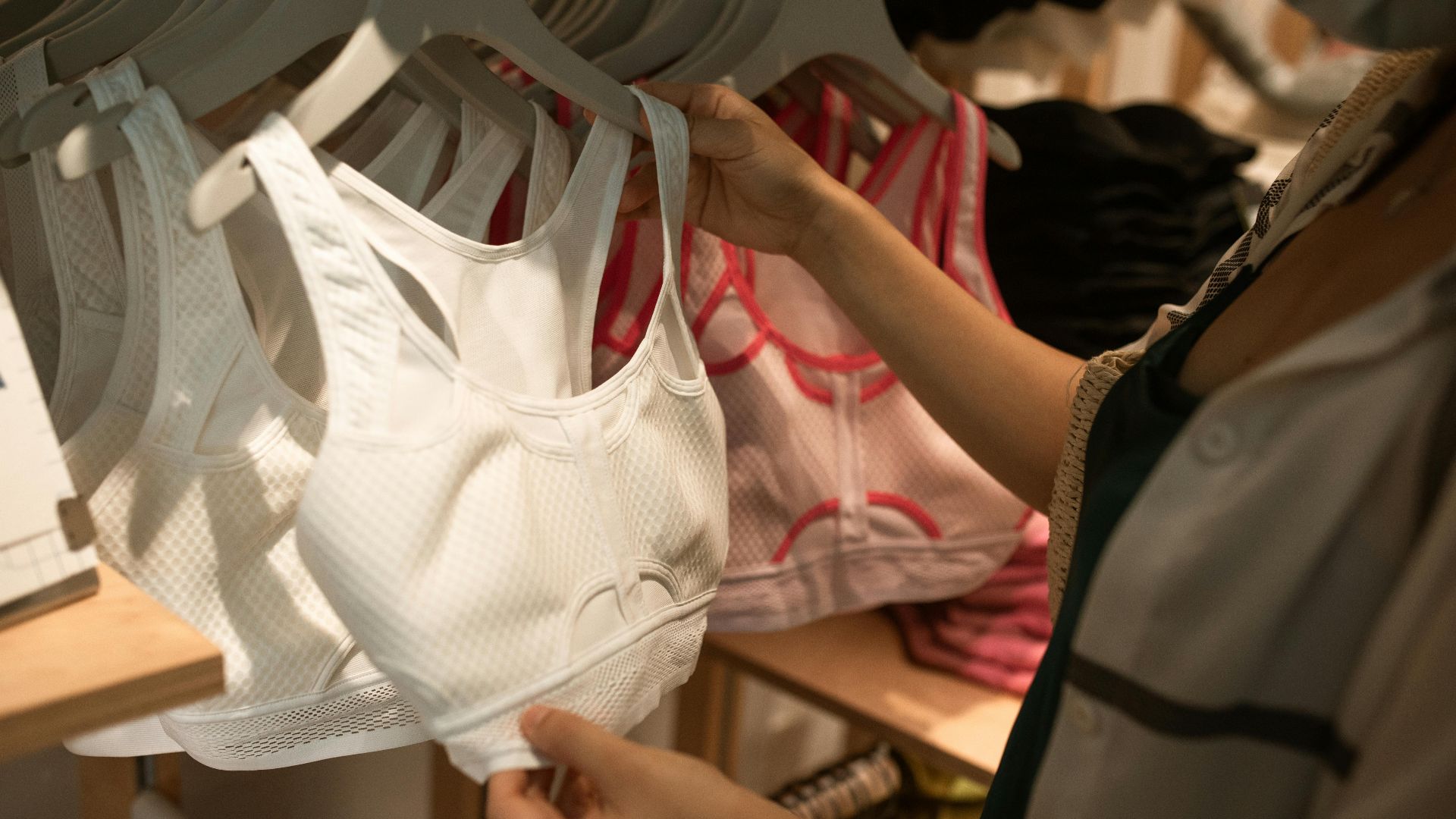
9. Choose Bras That Breathe & Don’t Dig
Bras are a tricky point because you need support, but you also want comfort. When you’re running, warm, tight bands and stiff cups can feel unbearable. Look for breathable materials, softer bands, and designs that don’t create pressure points.
10. Try Cooling Undergarments for Heavy Sweat Days
Some underwear and bras are made with performance fabric that dries quickly and feels cooler. That can be a game-changer if you’re dealing with sweats during the day, not just at night. It’s like having backup when your body gets unpredictable.
11. Use a Scarf as a Temperature Tool
A light scarf sounds counterintuitive, but it can help in chilly rooms and comes off instantly when you warm up. It also adds style without adding a heavy layer. If your neck gets cold after a hot flash, it’s a quick fix.

12. Pick Jackets You Can Carry Easily
Heavy coats are great until you’re holding them for two hours because the room is warm. A packable puffer, light trench, or unlined blazer is easier to manage. You’ll feel less trapped by your own outerwear choices.
13. Avoid Fabrics That Turn Sweat Into a Spotlight
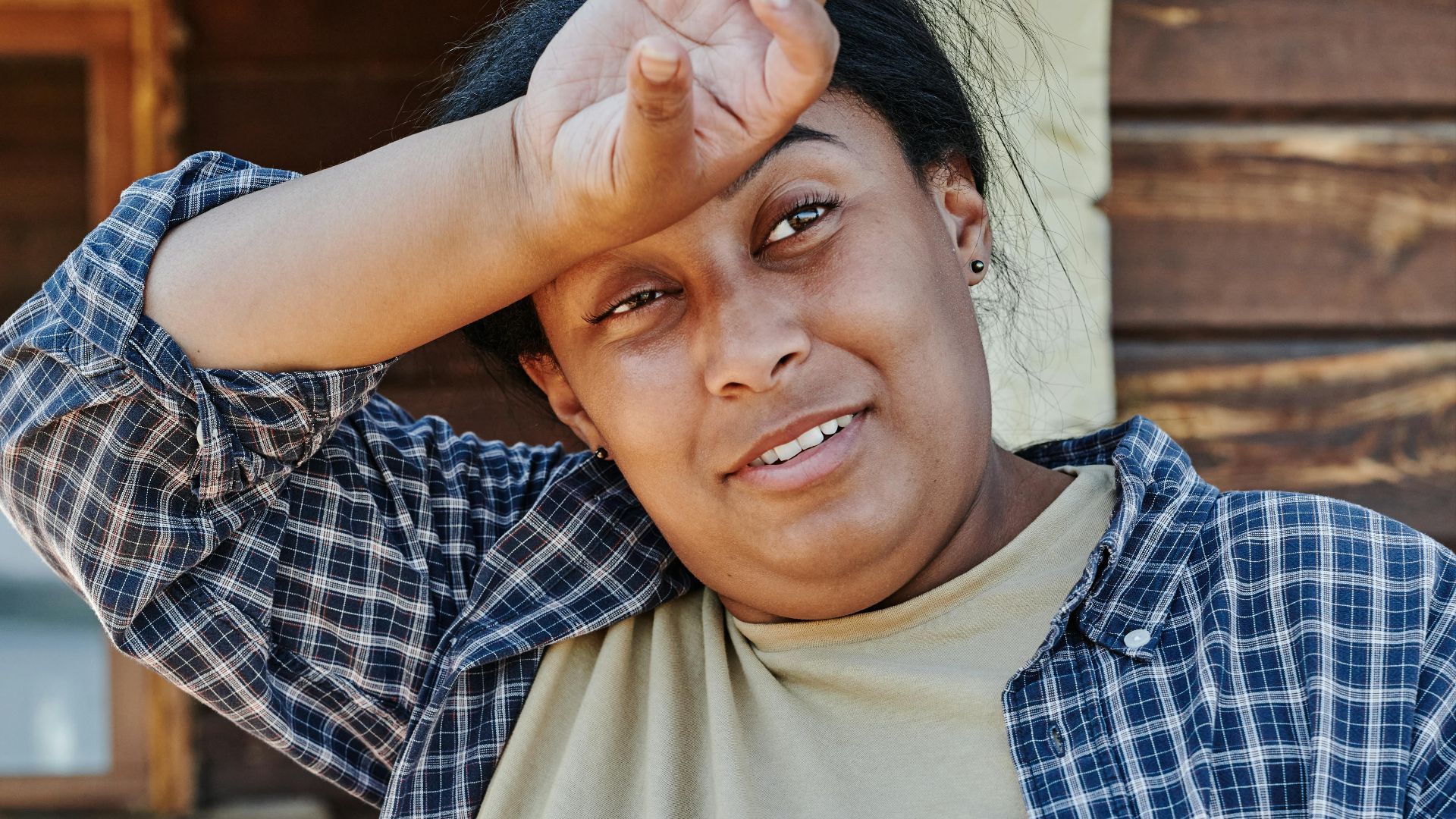
Some materials show moisture instantly and then stay damp in the most obvious places. If you’re prone to sweating, test a fabric’s forgiveness before you commit. Polyester blends can be tricky unless they’re designed for moisture-wicking.
14. Choose Waistbands That Forgive, Not Fight
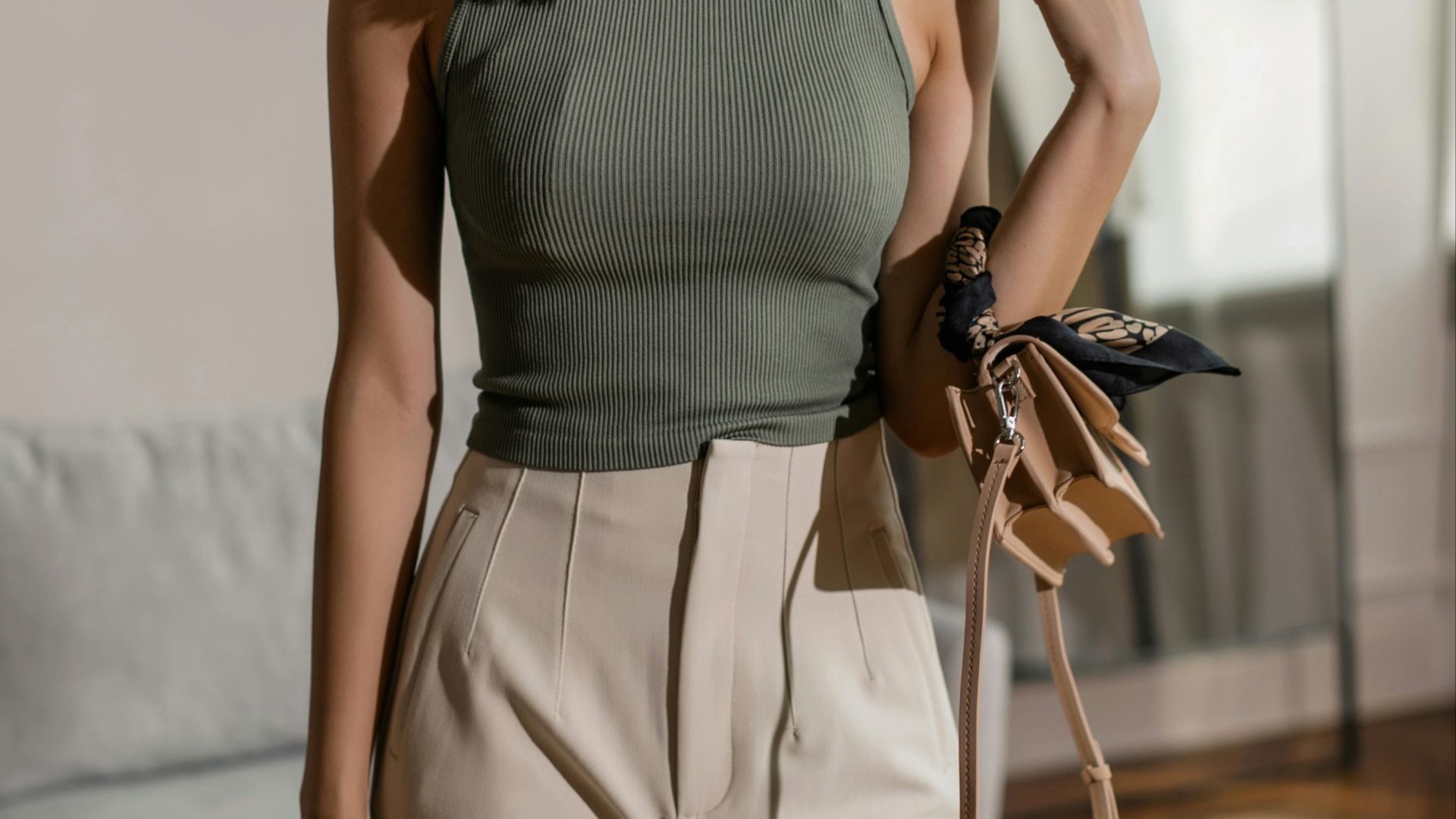
Bloating and body changes can make rigid waistbands irritating, uncomfortable, and unflattering. Elastic, drawstrings, or stretchy panels can keep you comfortable without looking sloppy. High-rise styles can also feel better because they distribute pressure differently.
15. Opt for Looser Cuts When You Feel Overheated
When you’re hot, clingy clothes can make it worse fast. Flowier silhouettes create airflow and reduce that sticky feeling. You can still look sharp with looser pieces if the fit is intentional. The goal is to feel like you can breathe.
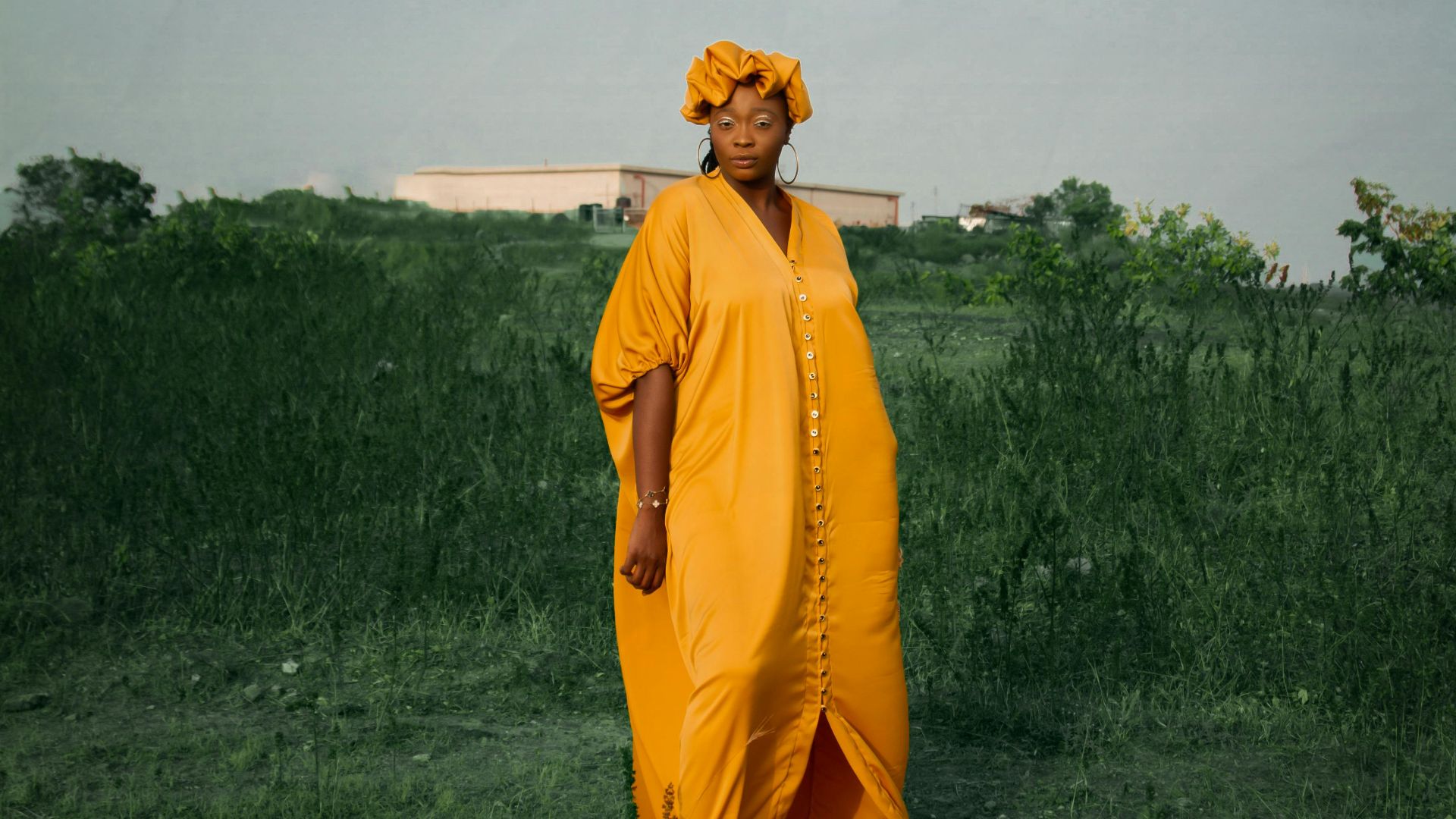
16. Make Shoes a Comfort Priority
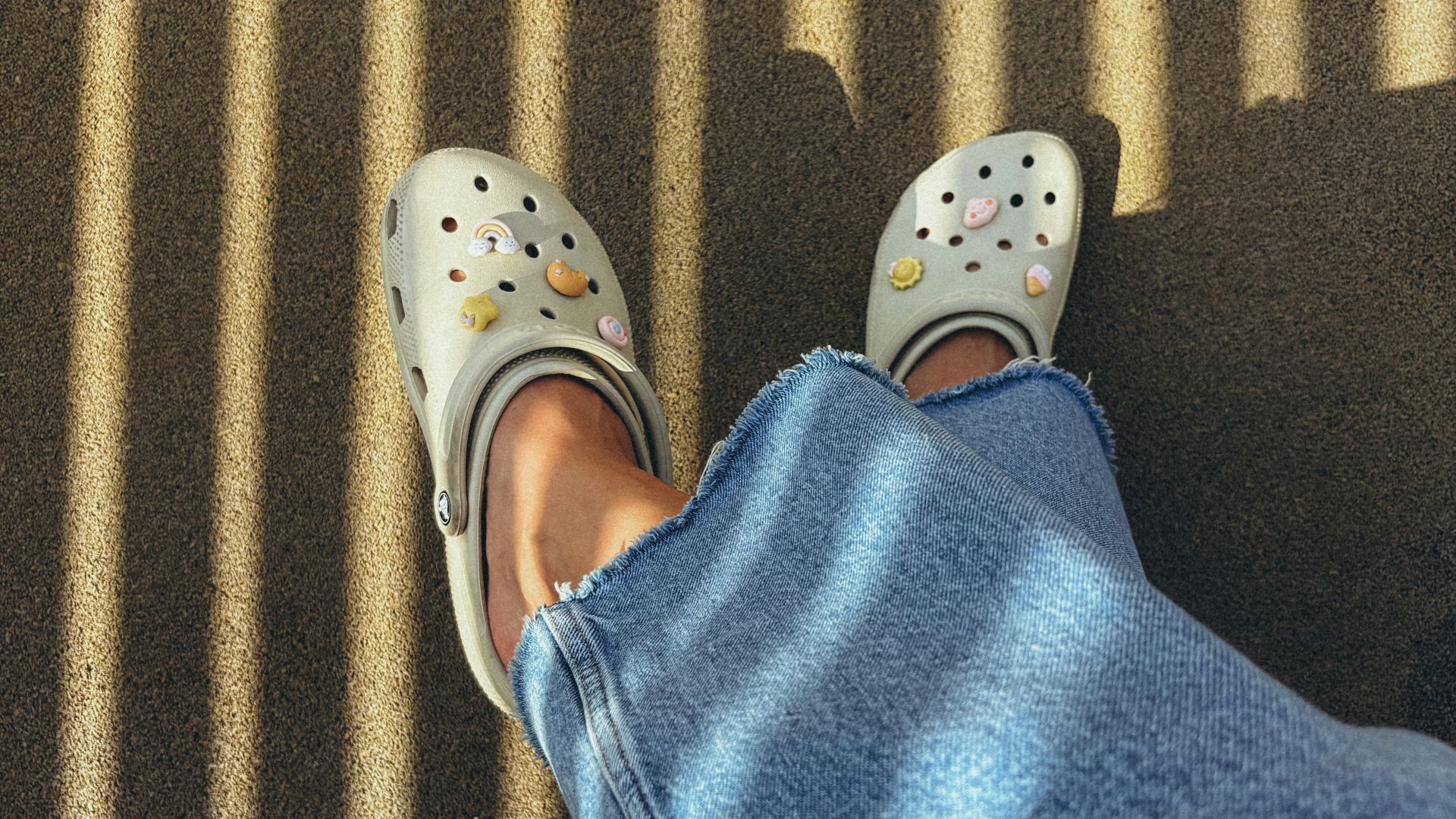
Temperature swings are annoying, but foot discomfort is the kind that ruins your entire mood. If you’re dealing with swelling, sensitivity, or just feeling done, supportive shoes matter. Look for breathable materials and styles that don’t squeeze. Being comfortable from the ground up makes everything else easier.
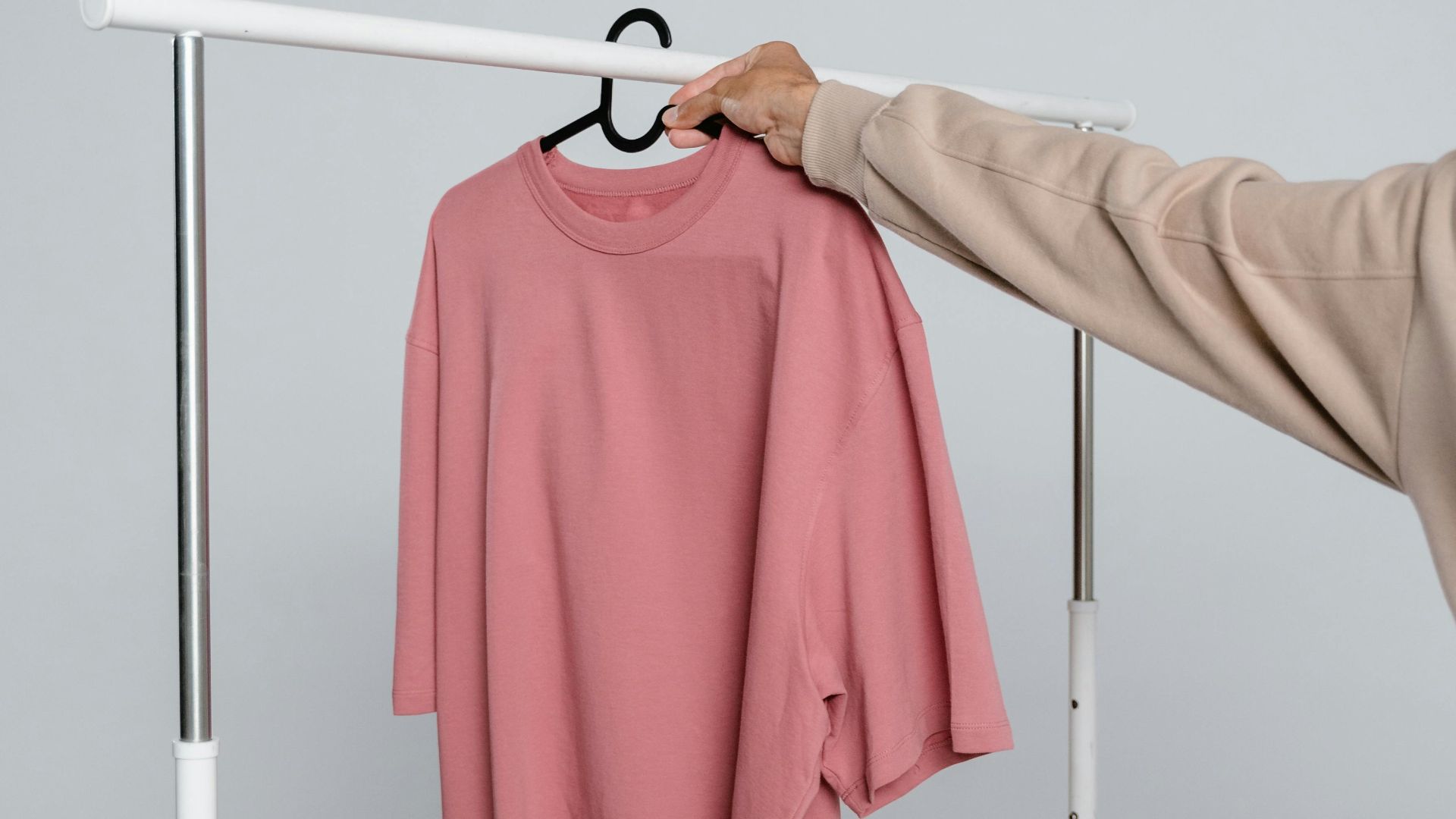
17. Keep a Spare Top in Your Bag or Car
This is not pessimism, it’s preparedness. A backup tee or blouse can save your day if you get sweaty, spill something, or just need a reset. Choose one that folds small and doesn’t wrinkle easily.
18. Upgrade Sleepwear to Handle Night Sweats
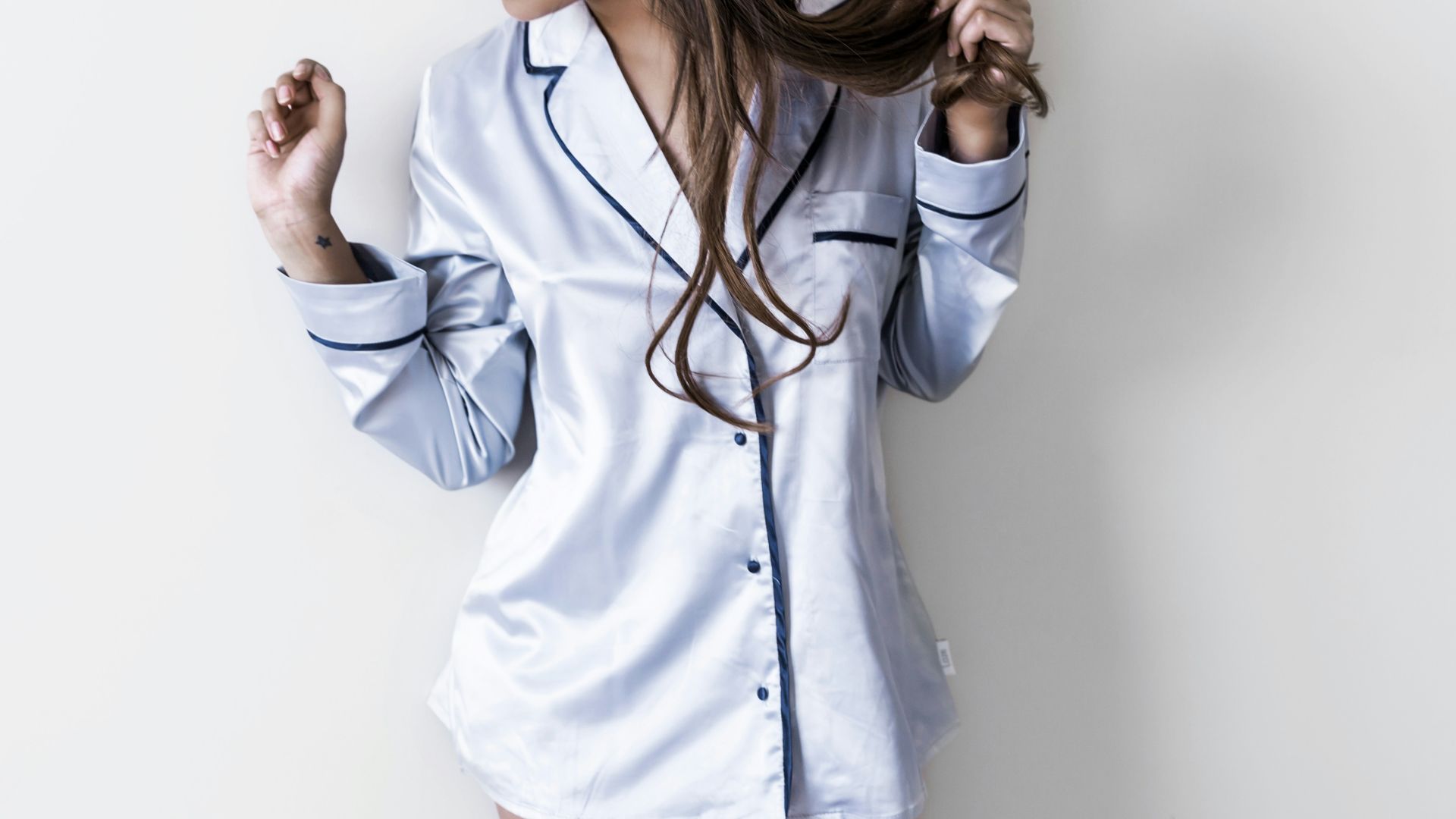
If you wake up damp and irritated, your pajamas might be part of the problem. Breathable, moisture-wicking sleepwear can feel cooler and dry faster. You don’t have to buy expensive sets, but fabric quality matters at night.
19. Use a Light “Sweat Shield” Layer Under Blazers
If you love structured pieces but hate the sweat factor, add a thin, breathable layer underneath to protect the outer garment. A fitted cotton tee, moisture-wicking tank, or lightweight bodysuit can reduce cling and keep you from feeling damp all day. It also means you can peel off the top layer and still feel presentable if you suddenly overheat.
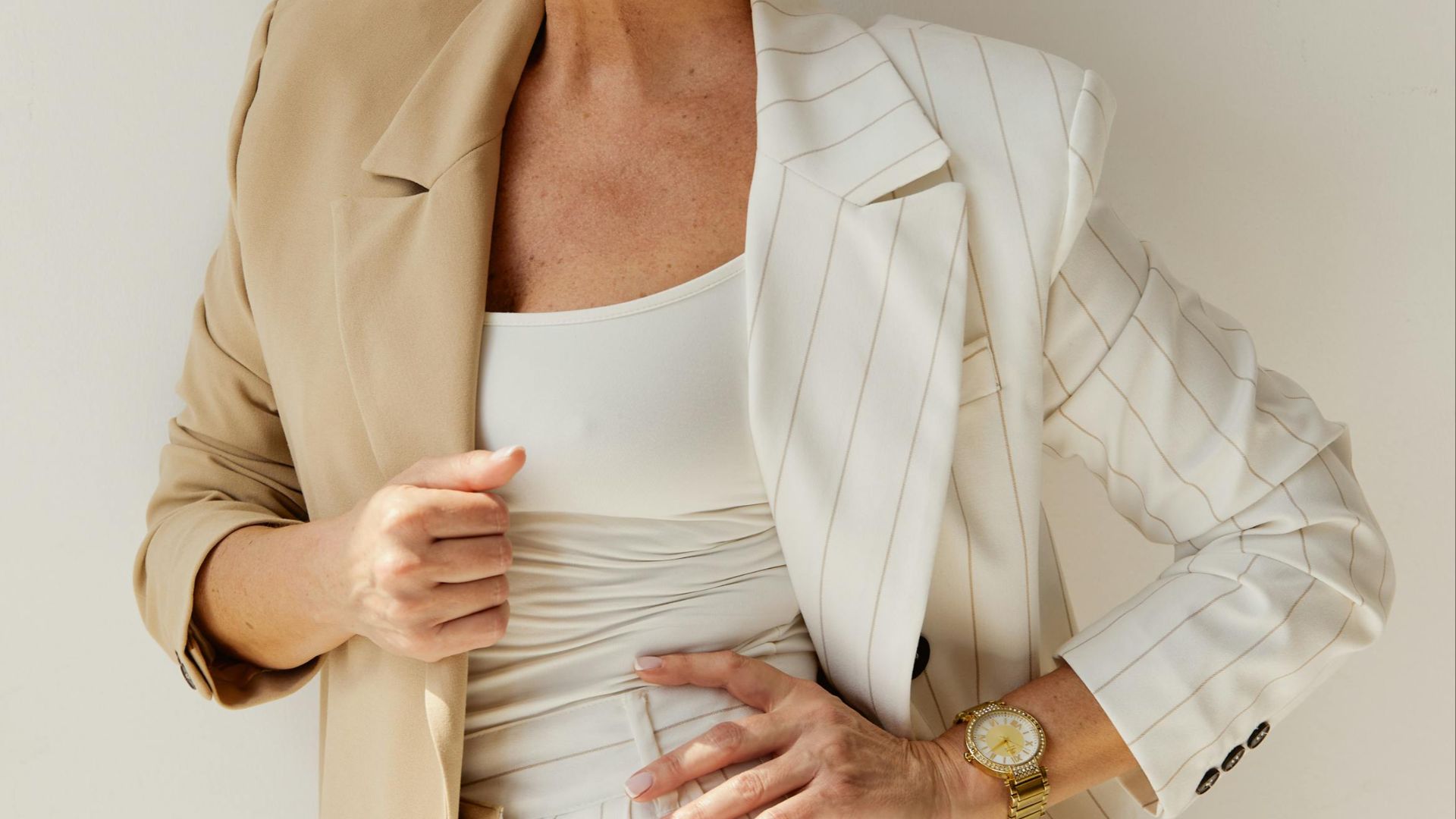
20. Dress for Confidence, Not Just Symptoms
Comfort is the foundation, but feeling like yourself still matters. Pick a few go-to outfits that look good and feel easy, so you’re not dressing in clothes that you don't feel "you" in. When you feel confident, everything gets a little less annoying.