When Getting Dressed Became a Statement
Fashion has always been about more than simply looking good. For plenty of people throughout history, clothing offered a visible way to reject social rules, irritate authority figures, or distance themselves from the generation that came before. A look that seems ordinary today may have a surprisingly rabble-rousing origin story. Here are 20 fashion trends that started as rebellion.
1. Leather Jackets
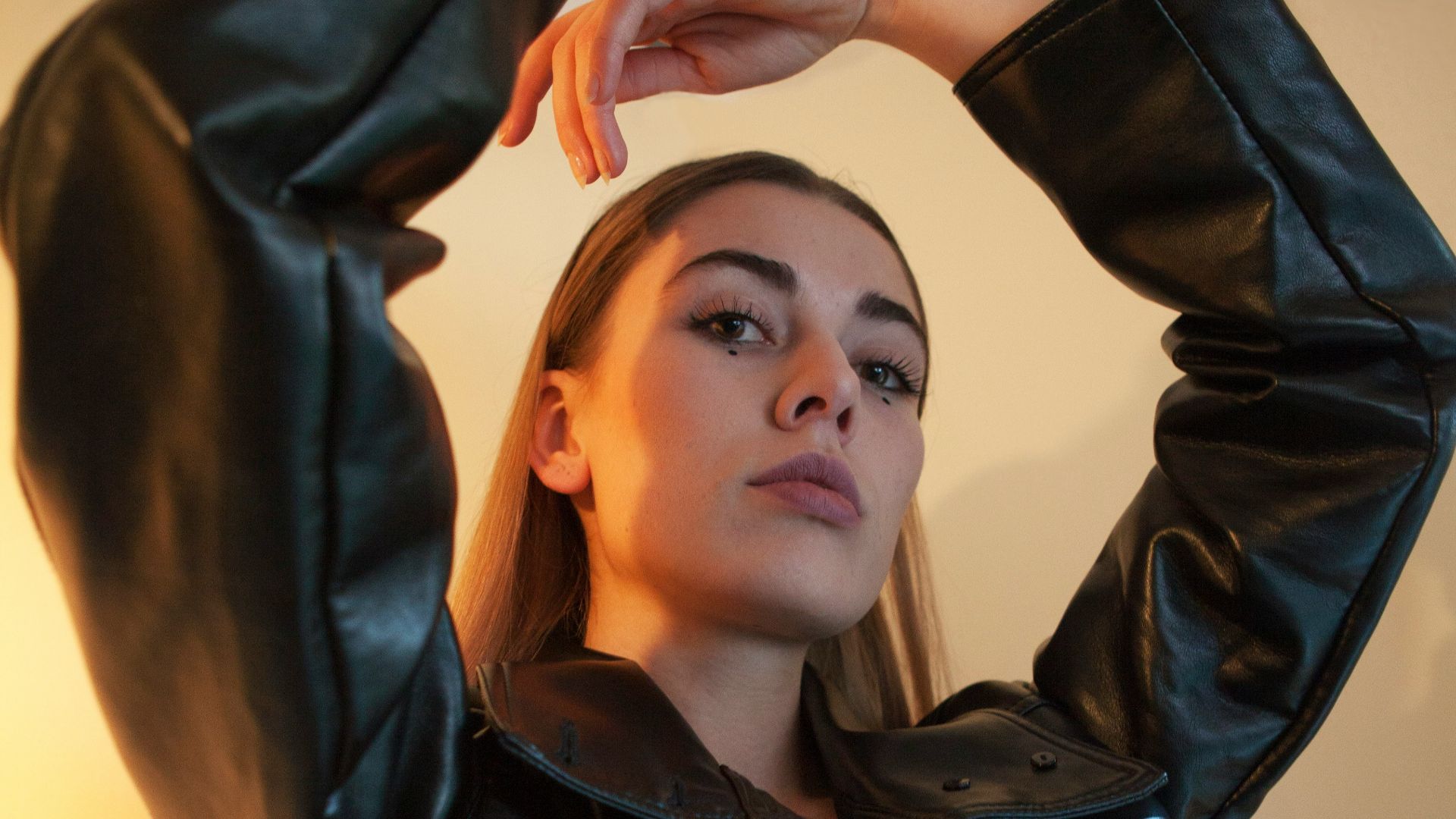
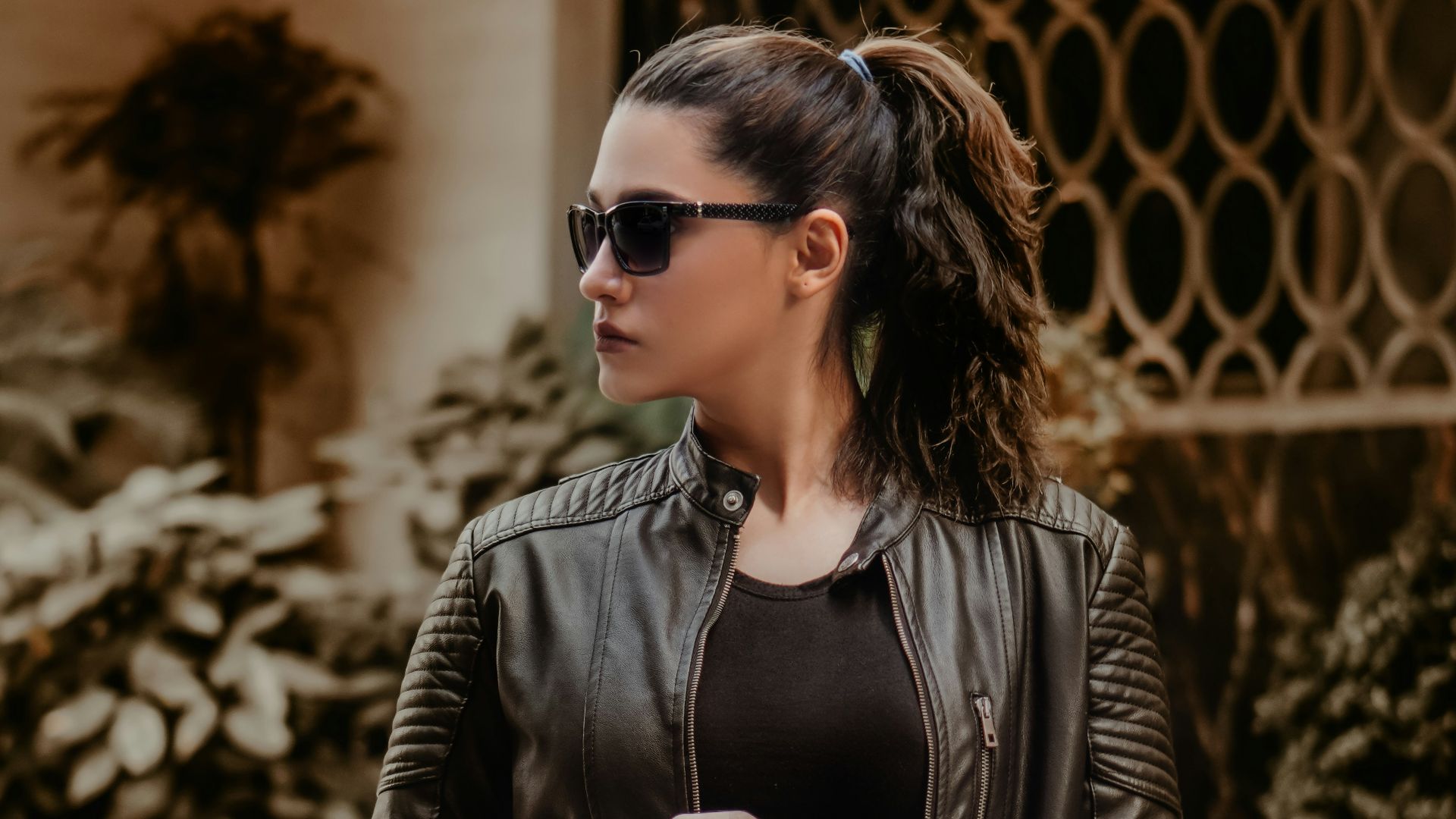
Leather jackets became closely associated with youthful rebellion in the 1950s, especially after actors like Marlon Brando wore them while playing defiant outsiders. Biker gangs had already helped give black leather a rough reputation, and nervous parents didn't exactly welcome the look. Eventually, the jacket escaped its delinquent image and became one of the safest staples in almost anyone's closet.
 Ali Karimiboroujeni on Unsplash
2. Ripped Jeans
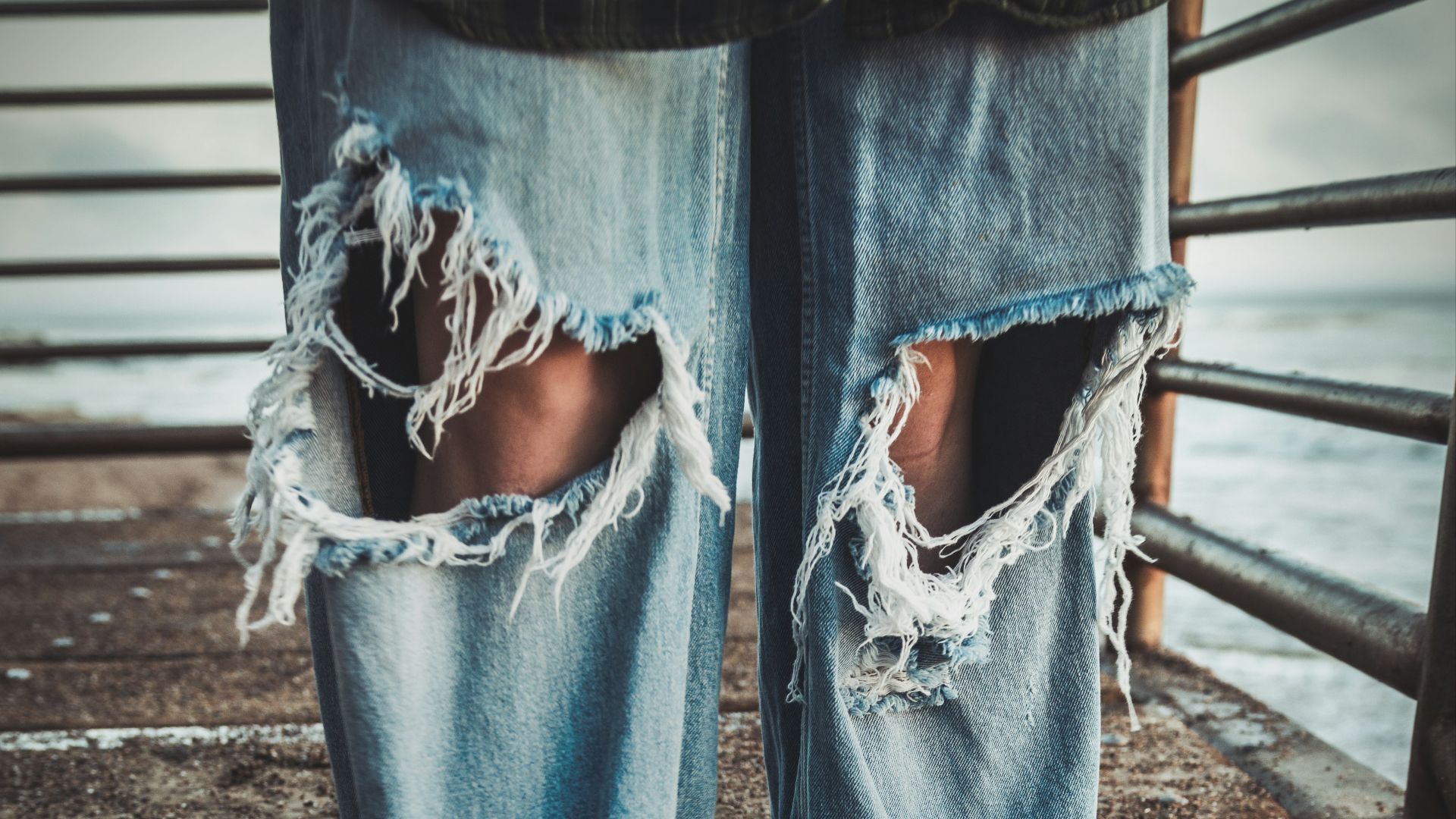
People now pay good money for "distressed" denim, but ripped jeans weren't always a carefully manufactured style. Punk musicians and other countercultural groups embraced worn and damaged clothing partly as a rejection of polished consumer fashion. By the 1980s and 1990s, intentionally distressed denim had gone mainstream, turning an anti-fashion gesture into a retail category.
3. Miniskirts
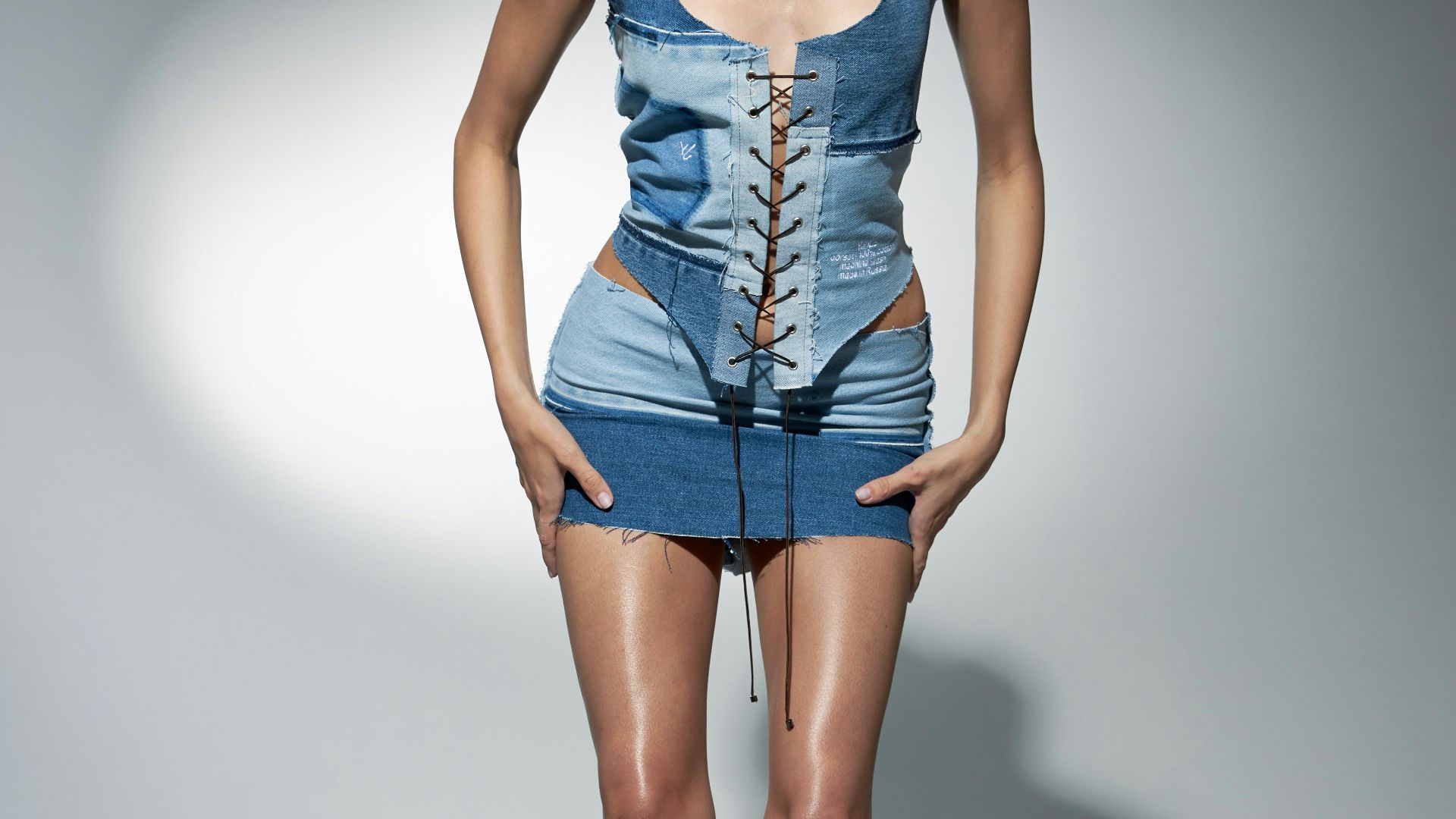
When hemlines shot upward during the 1960s, plenty of older observers treated the miniskirt as evidence that civilization was unraveling. Young women embraced it during a period when traditional expectations around gender, sexuality, and behavior were being openly challenged. Designers such as Mary Quant helped popularize the look, and the miniskirt quickly became tied to a generation determined to dress on its own terms.
4. Safety Pins
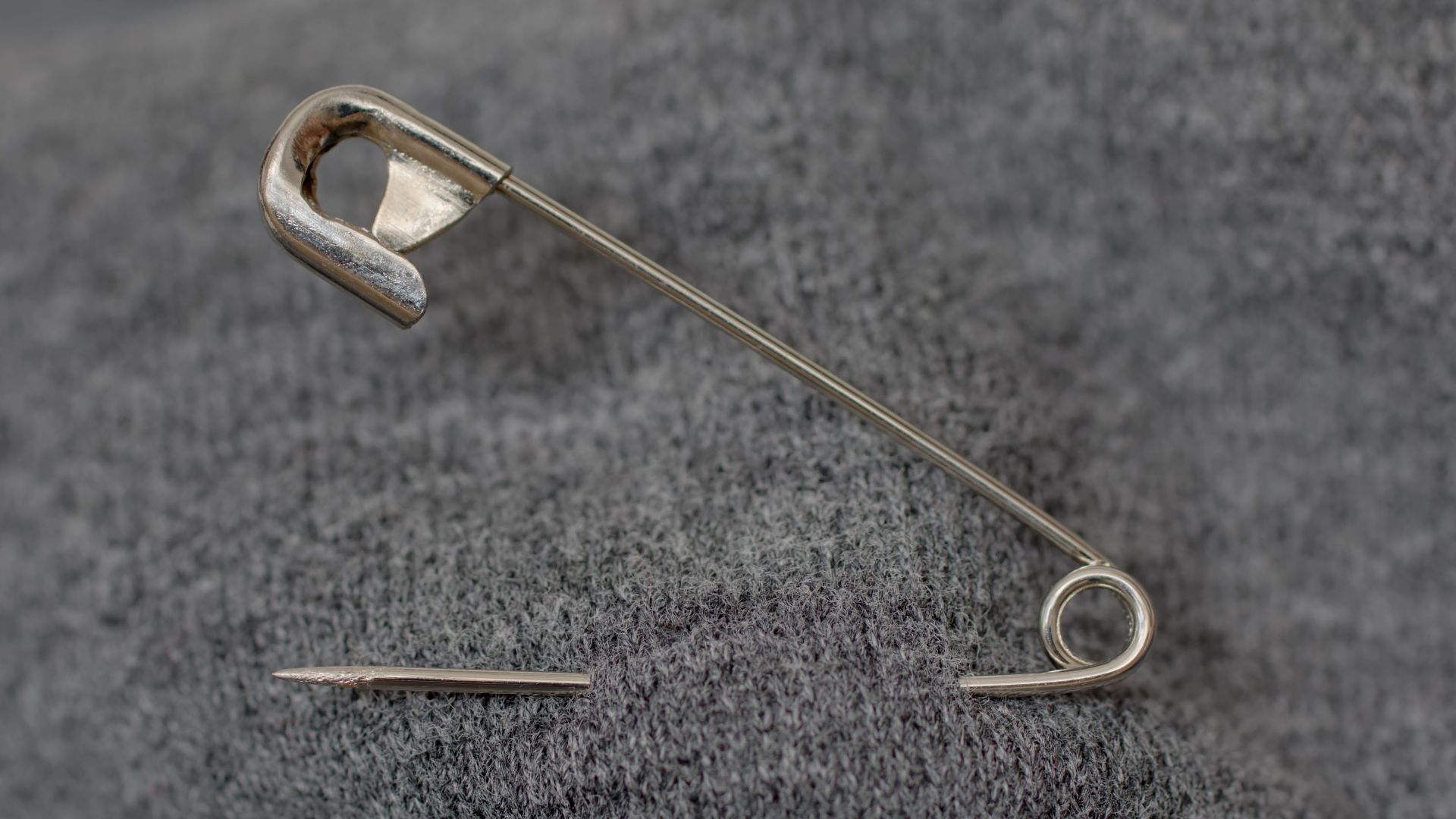
Safety pins became fashionable because early punks weren't particularly interested in looking expensive or refined. They used ordinary household objects to hold torn clothes together, pierce fabrics, and create deliberately confrontational outfits. What once looked shocking enough to alarm passersby eventually appeared on designer runways carrying price tags that would've made early punks snort laugh.
5. Women's Pants
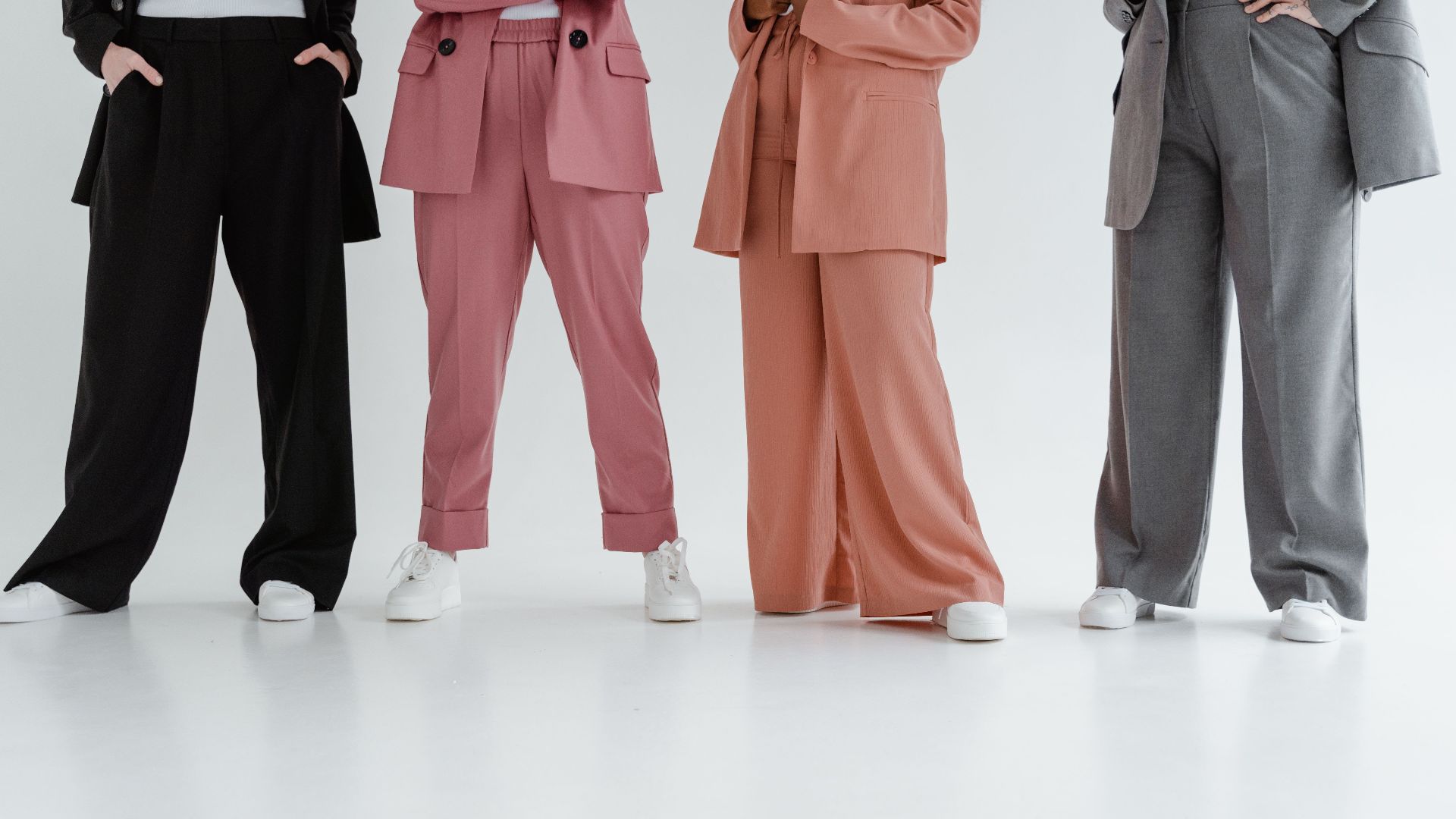
It's easy to forget how controversial trousers once were for women in Western society. During the 19th and early 20th centuries, women who wore pants could face ridicule because the garment challenged strict ideas about how "ladies" should dress. Activists, workers, and later generations of fashionable women, including Coco Chanel, gradually pushed past those rules until pants became completely ordinary.
6. Zoot Suits
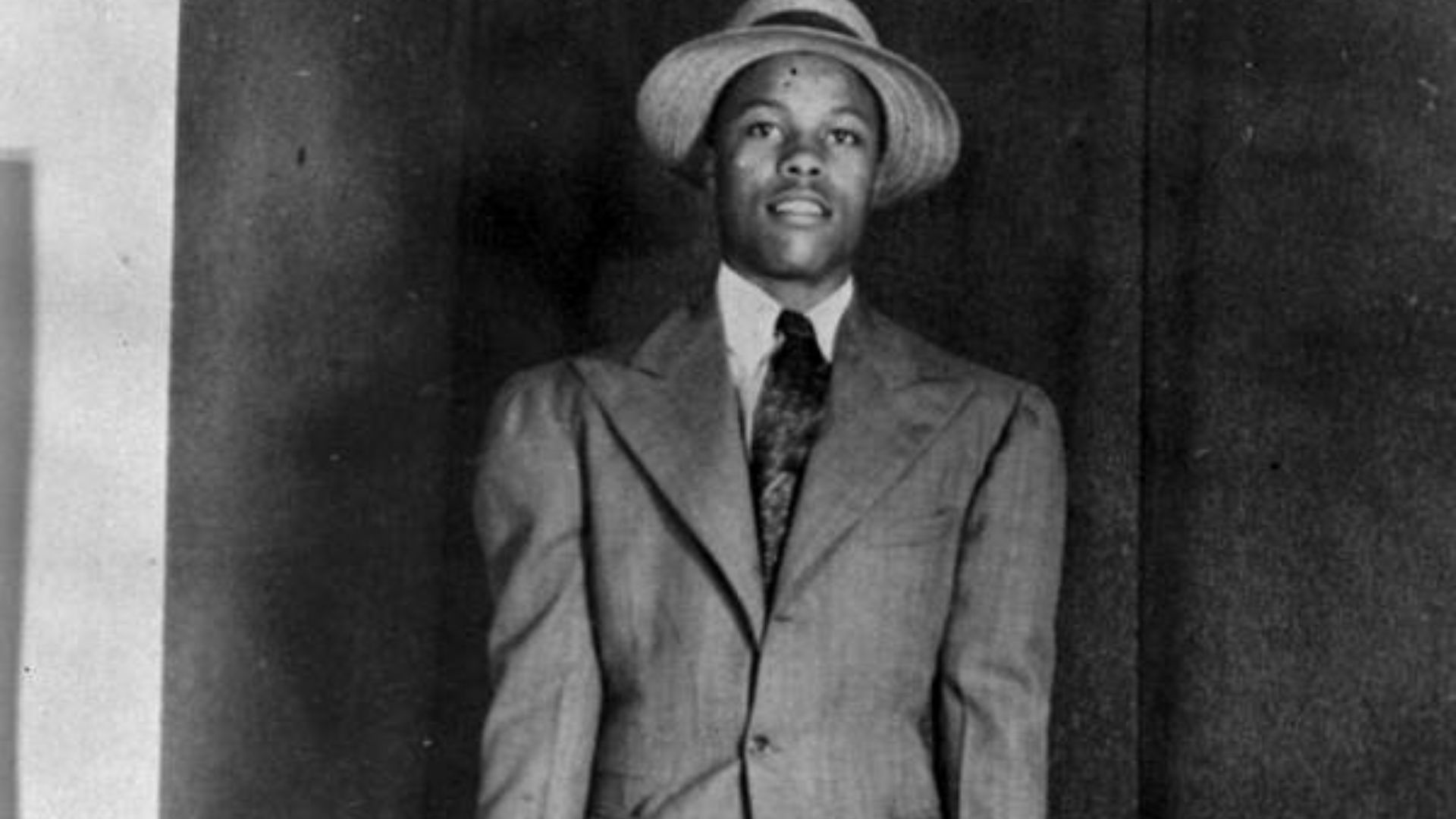
With their oversized jackets, wide-legged trousers, and dramatic proportions, zoot suits weren't designed to help anyone blend into a crowd. They became especially popular among young Black and Mexican American men during the 1930s and '40s, giving wearers a bold sense of identity in a society that often marginalized them. During World War II, critics even condemned the outfits as wasteful, which only strengthened their association with defiance.
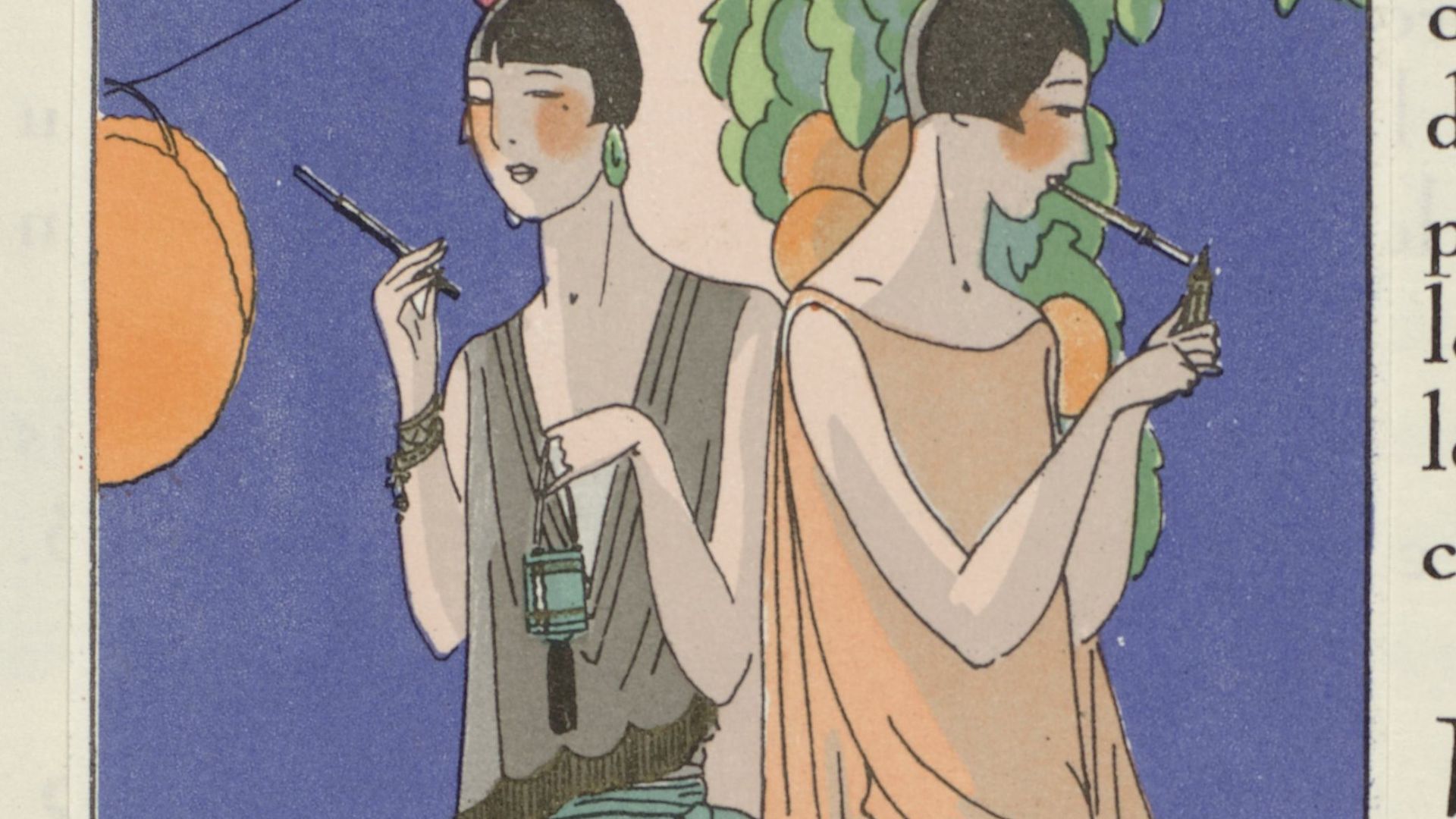
7. Flapper Dresses
The flapper look didn't just introduce shorter skirts and looser silhouettes to the 1920s. Young women wearing these dresses were also rejecting older expectations surrounding modesty, behavior, and femininity while embracing nightlife, greater personal freedom, and comfort. The outrage eventually faded, but the flapper remains one of fashion history's clearest examples of clothing becoming part of a wider social revolt.
8. Teddy Boy Suits
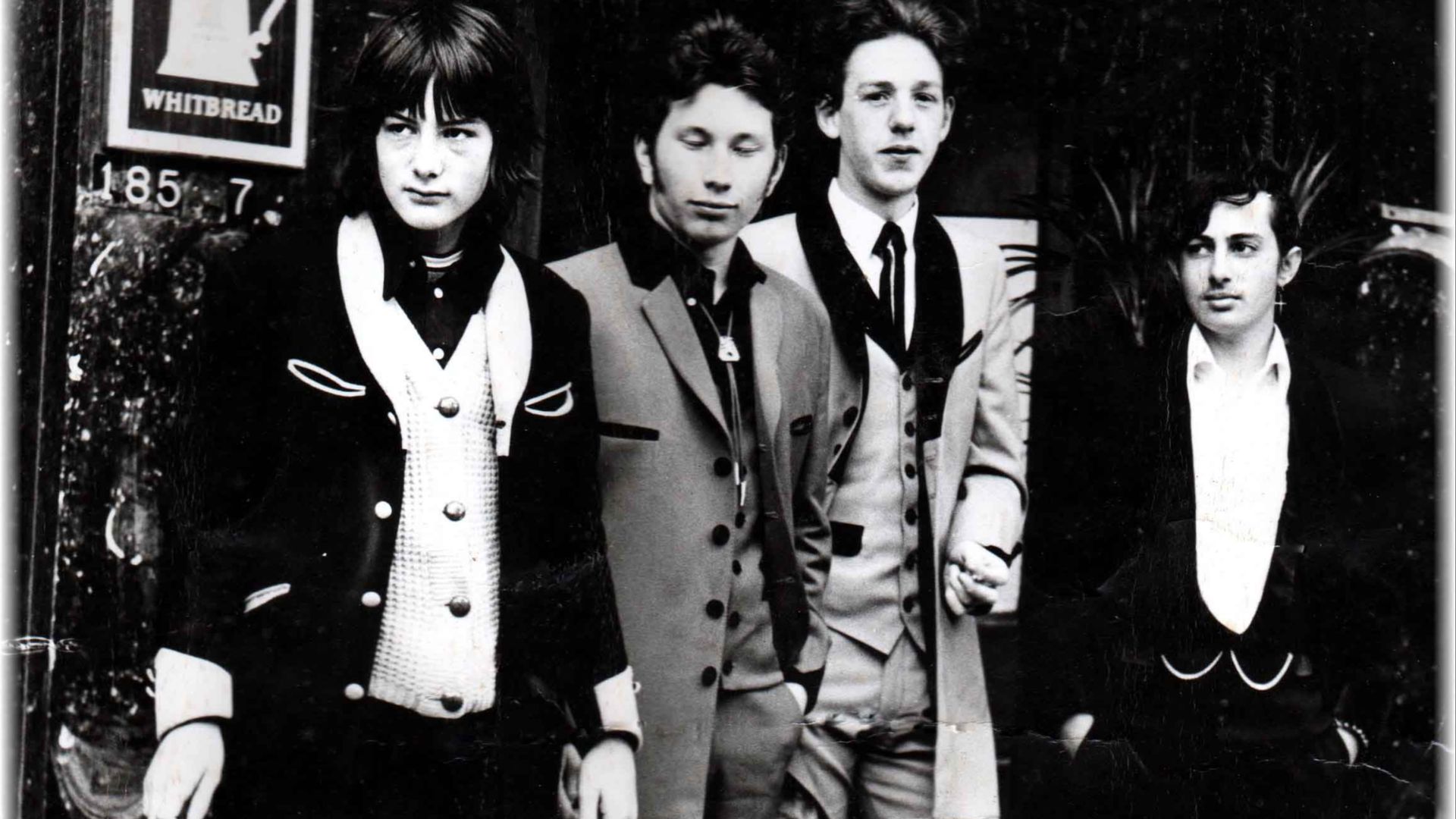
Britain's Teddy Boys, one of the first teenage youth subcultures, took elements of Edwardian men's clothing and turned them into something parents found far less respectable. During the 1950s, young working-class men paired long drape jackets with narrow trousers, elaborate hairstyles, and rock-and-roll attitude. Newspaper coverage often linked the style with juvenile delinquency, which only made teenagers more interested in wearing it.
9. Goth Fashion
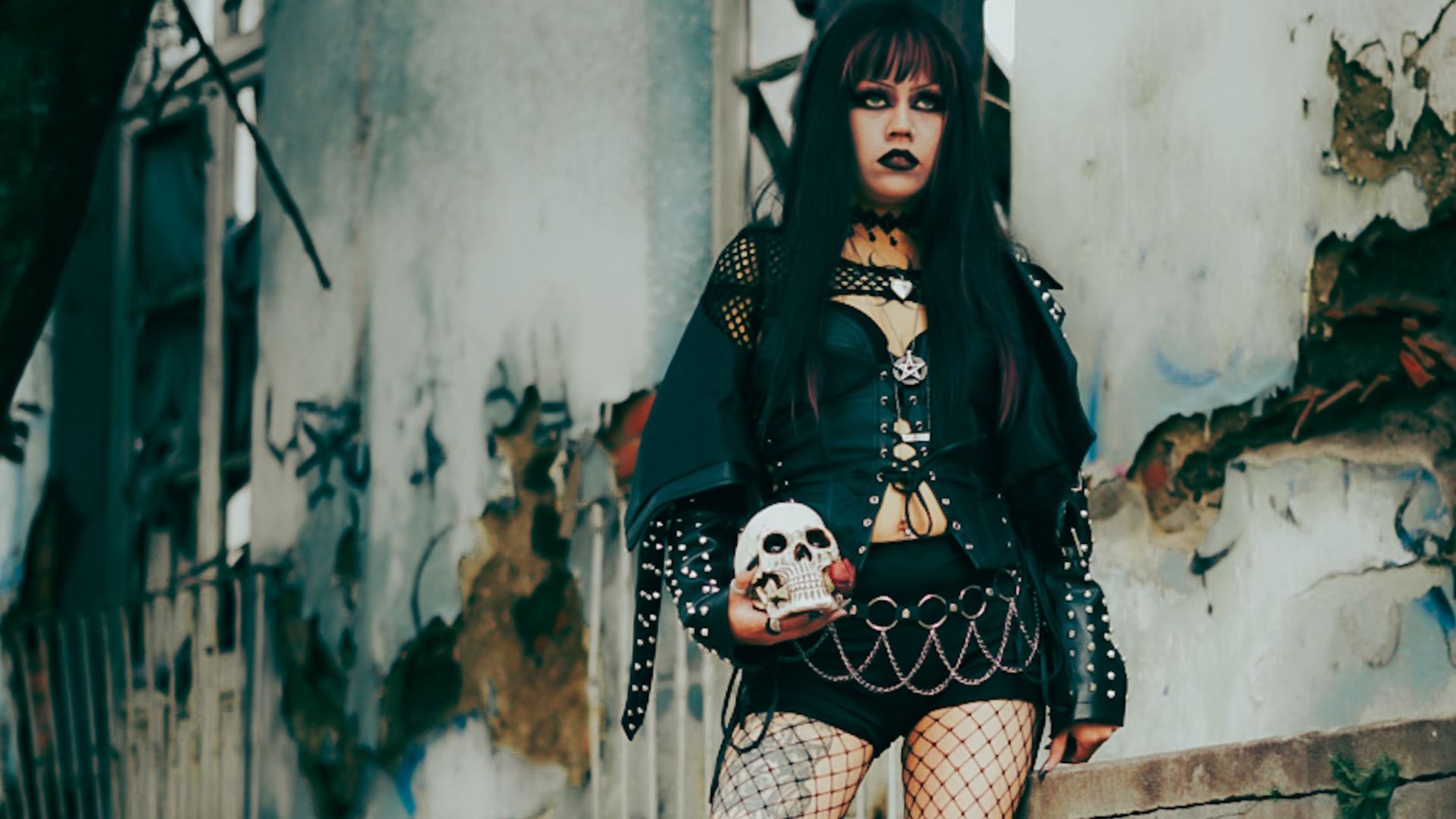
Black clothing existed long before goth culture, but the goth scene of the late 1970s and 1980s gave darkness an entirely new wardrobe. Followers embraced dramatic makeup, dyed hair, Victorian influences, leather, lace, and deliberately gloomy aesthetics while rejecting cheerful mainstream fashion. What once worried parents can now be found everywhere from high-fashion collections to ordinary shopping malls.
10. Dr. Martens Boots
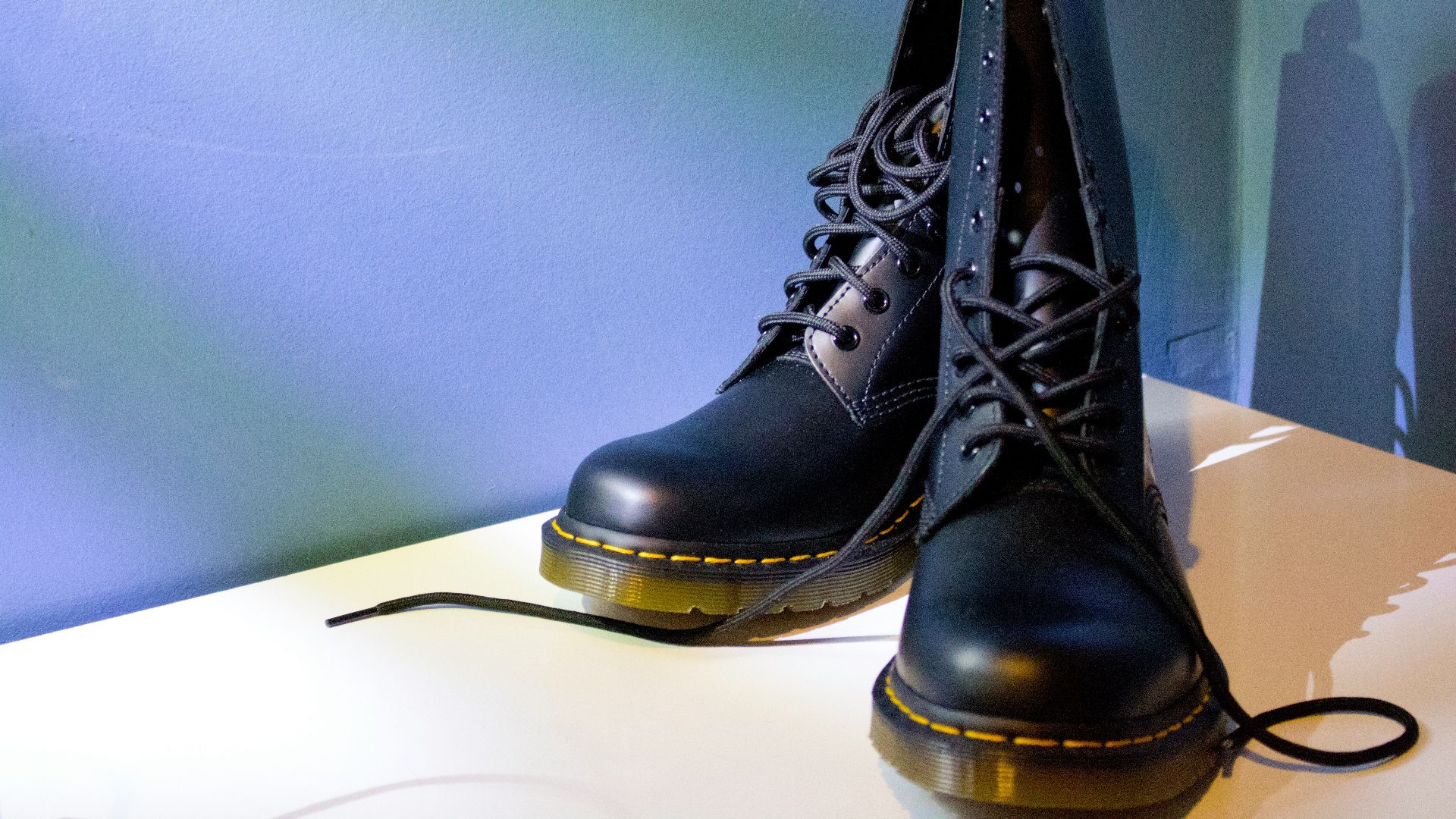
Dr. Martens started as practical footwear, but British youth subcultures completely changed what the boots represented. Skinheads, punks, goths, and musicians adopted them because their heavy construction suited scenes that weren't exactly trying to look delicate. Decades later, they're worn by everyone from rebellious teenagers to office workers.
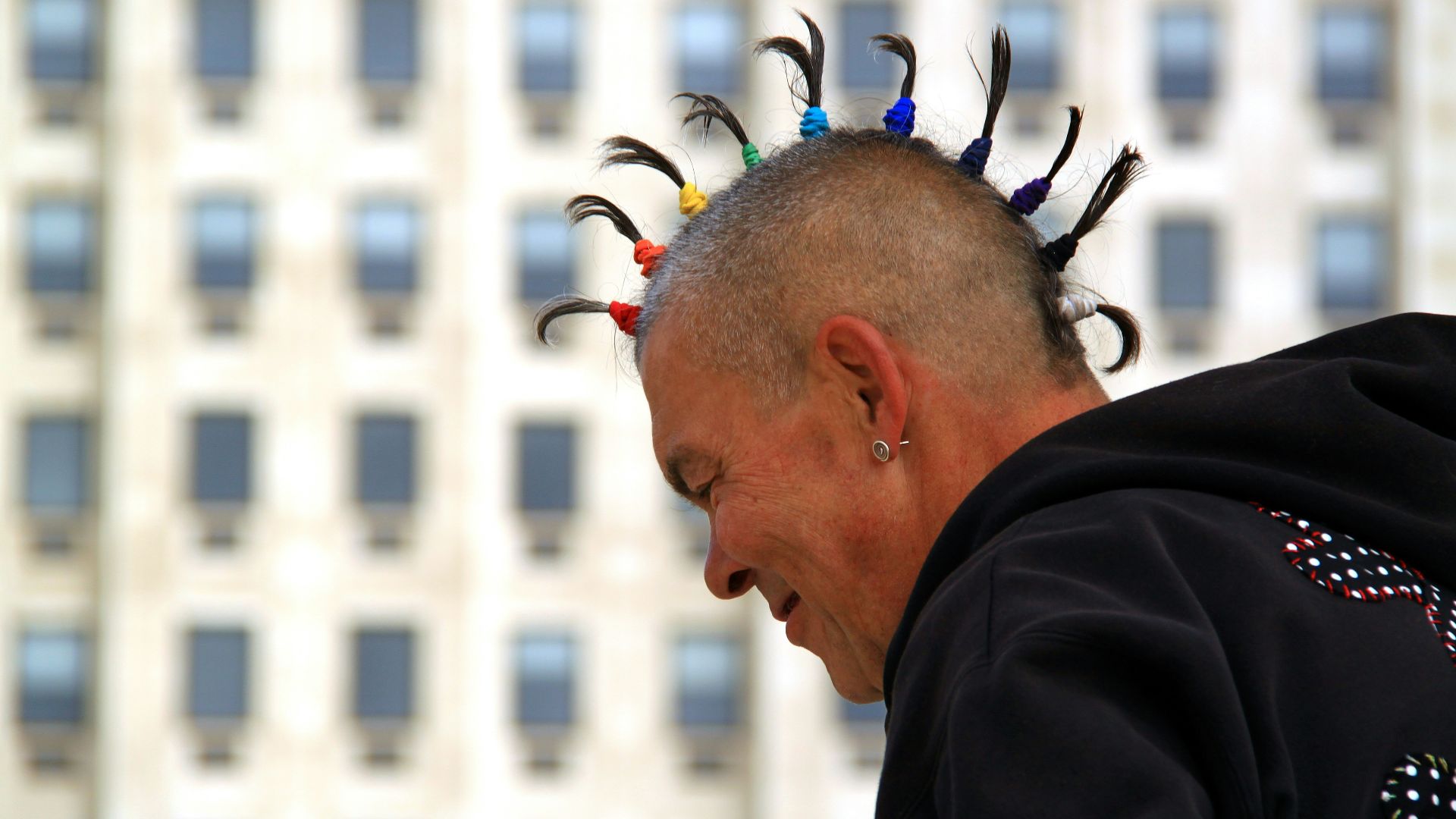
11. Mohawks
Few hairstyles announce a refusal to conform quite as clearly as a brightly colored mohawk. Punk communities adopted the style during the 1970s and 1980s because it deliberately rejected conventional grooming standards and respectable appearances. Its ability to shock has weakened considerably since then, although a towering neon one can still attract a few stares.
 Behrouz Jafarnezhad on Unsplash
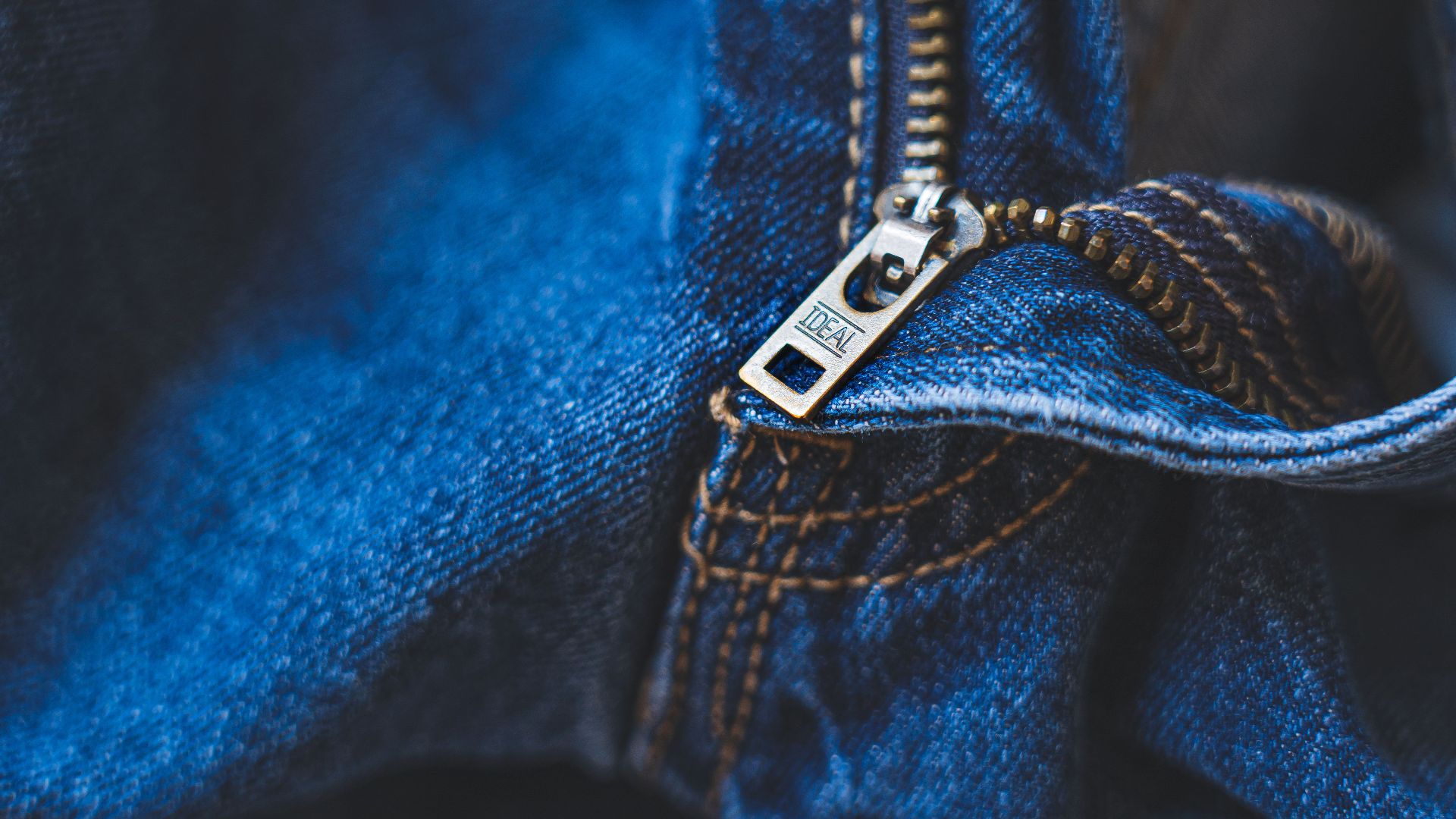
12. Blue Jeans
Before jeans became nearly universal, denim carried strong associations with manual labor and working-class life. Young people in the 1950s began wearing jeans partly because adults considered them too casual, rough, and inappropriate for respectable settings. Some schools reportedly banned denim, which probably did even more for its rebellious reputation than any advertising campaign could've managed.
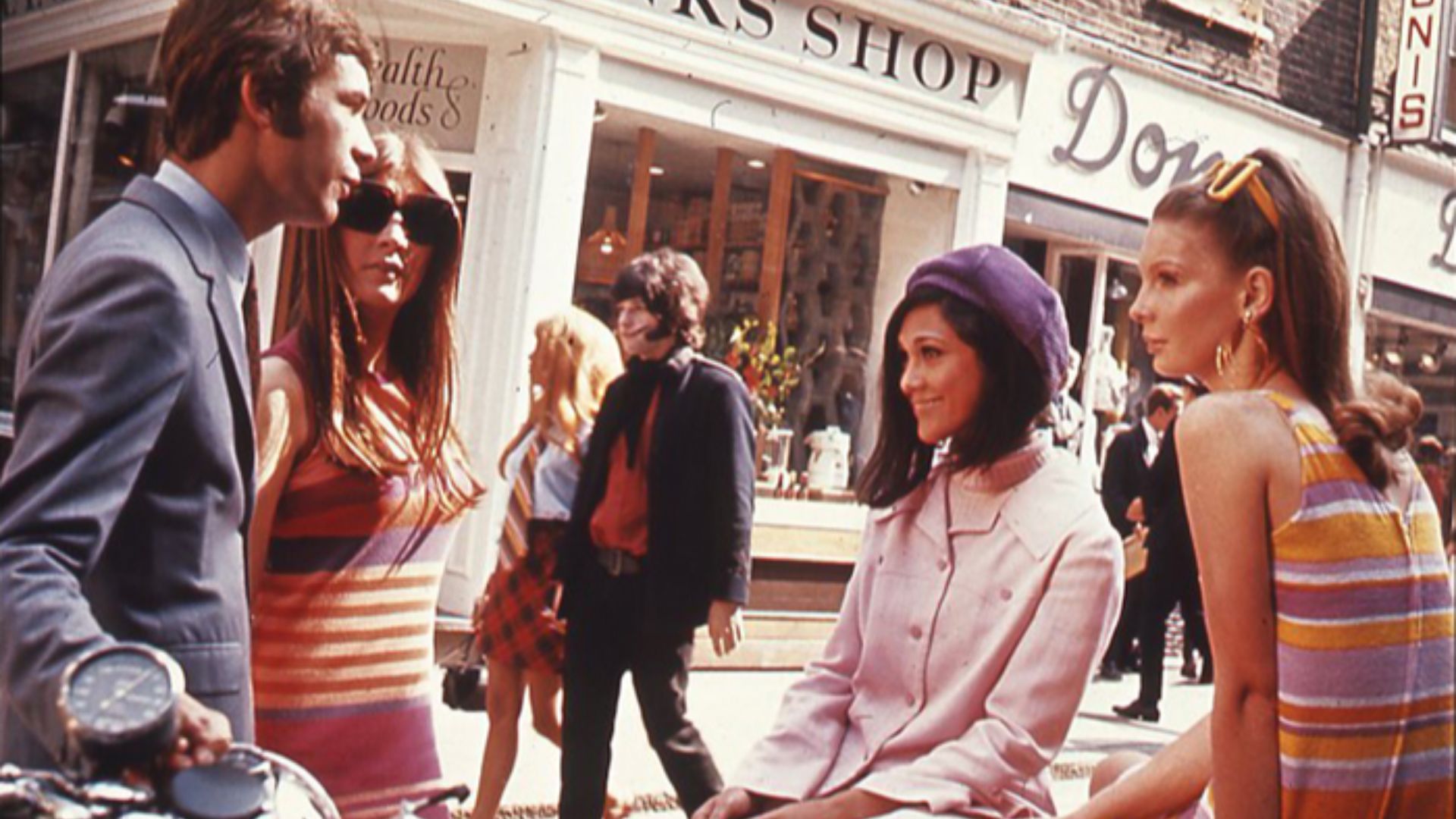
13. Mods & Their Sharp Suits
Not every rebellious fashion movement involved looking deliberately messy. Britain's Mods in the 1960s favored slim suits, neat shirts, parkas, and carefully chosen accessories as part of a youth culture built around music, scooters, and independence from older social conventions. Their appearance was polished, but the lifestyle surrounding it made clear that they weren't dressing to please their parents.
 The National Archives UK on Wikimedia
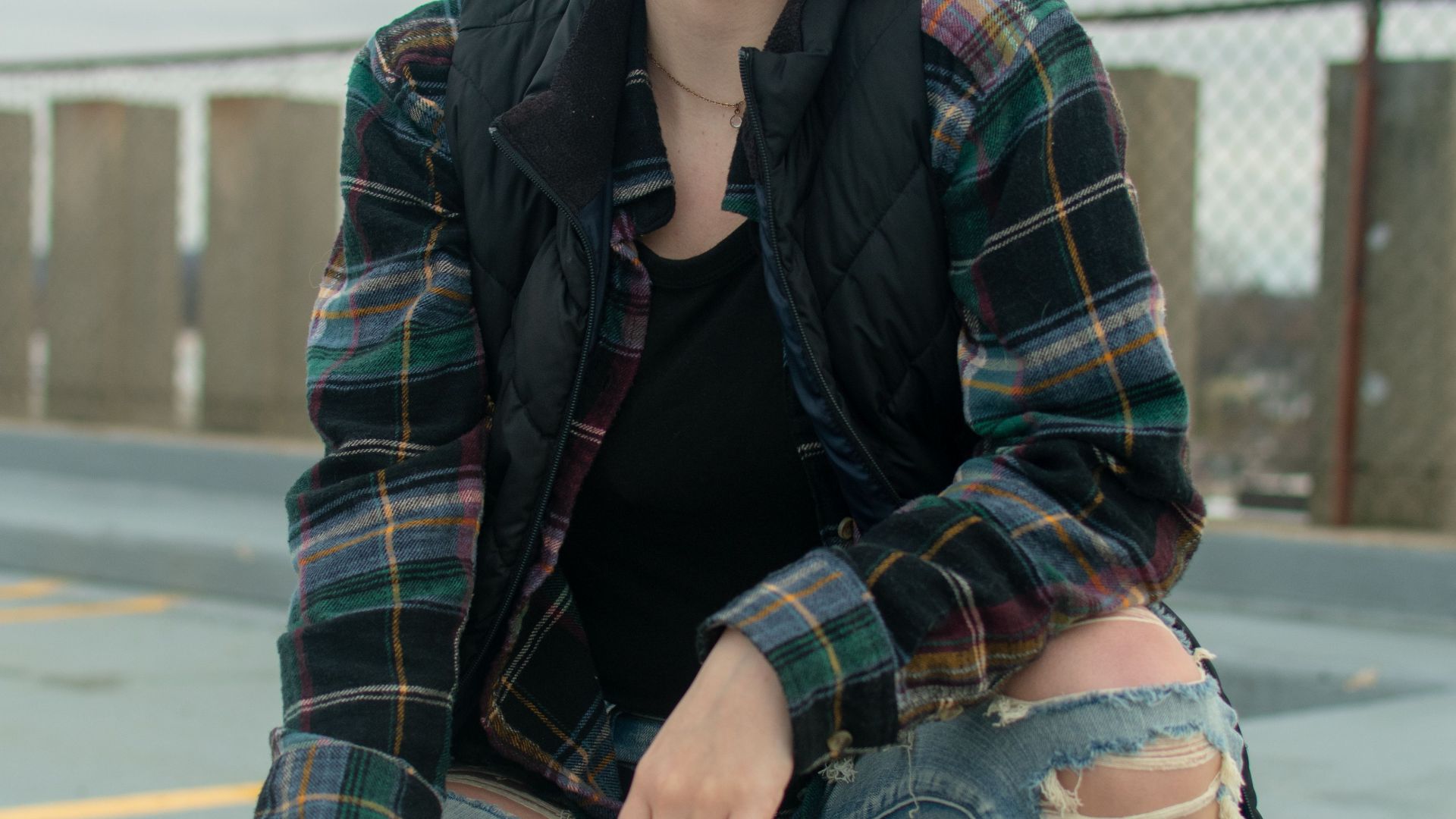
14. Grunge Flannel
The flannel shirt became one of the defining fashion pieces of the early 1990s almost by accident. Musicians in Seattle's grunge scene often wore inexpensive thrift-store clothing because they weren't interested in flashy clothing. Once the music became popular, fashion brands eagerly reproduced the supposedly anti-fashion look for customers who'd never been anywhere near a basement show.
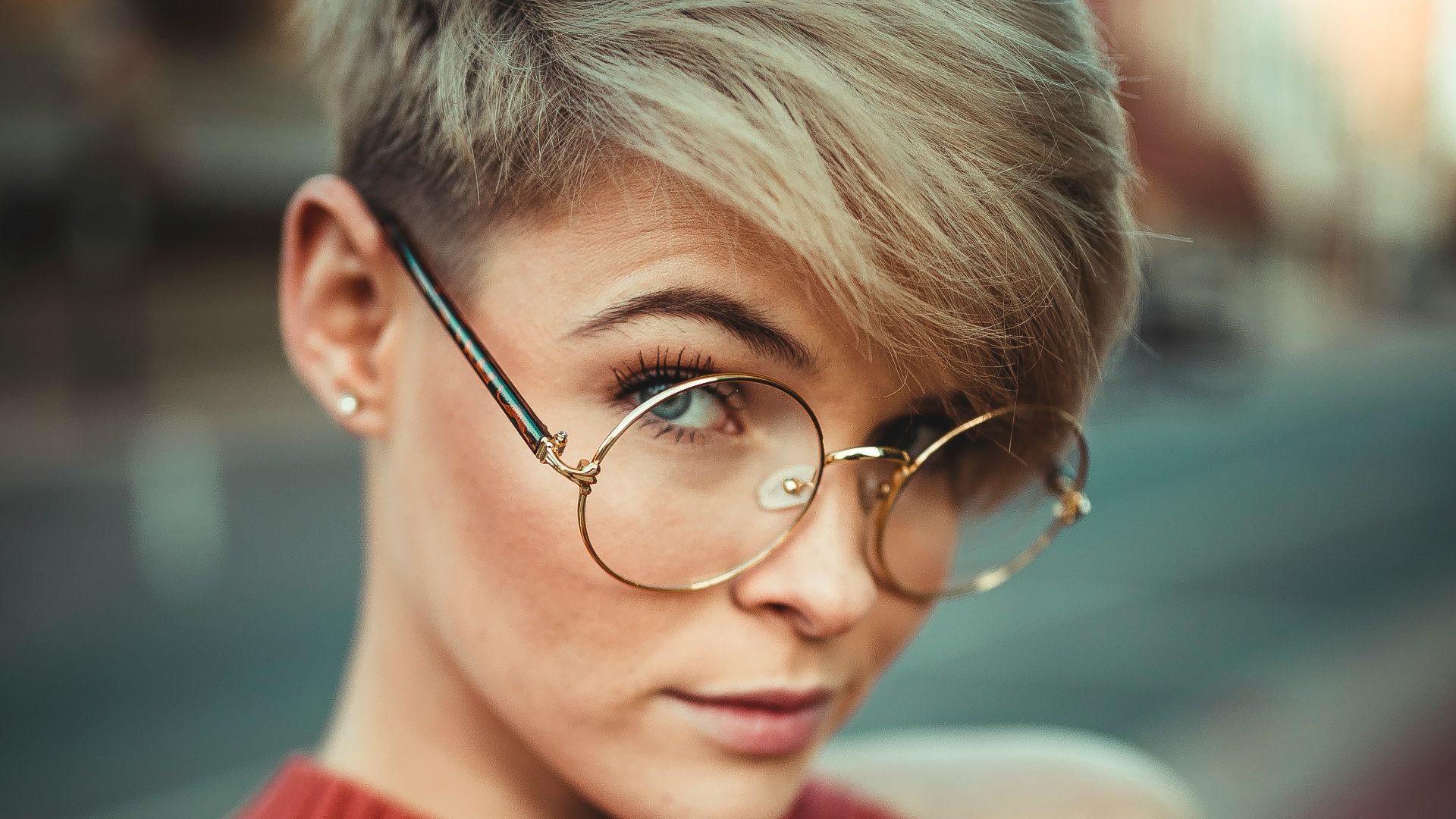
15. Women's Short Hair
A woman cutting her hair short might seem completely unremarkable today, but that wasn't always the case. The bob became controversial during the 1920s because long hair had traditionally been associated with conventional femininity, and cutting it could signal independence from those expectations.
16. Hip-Hop Streetwear
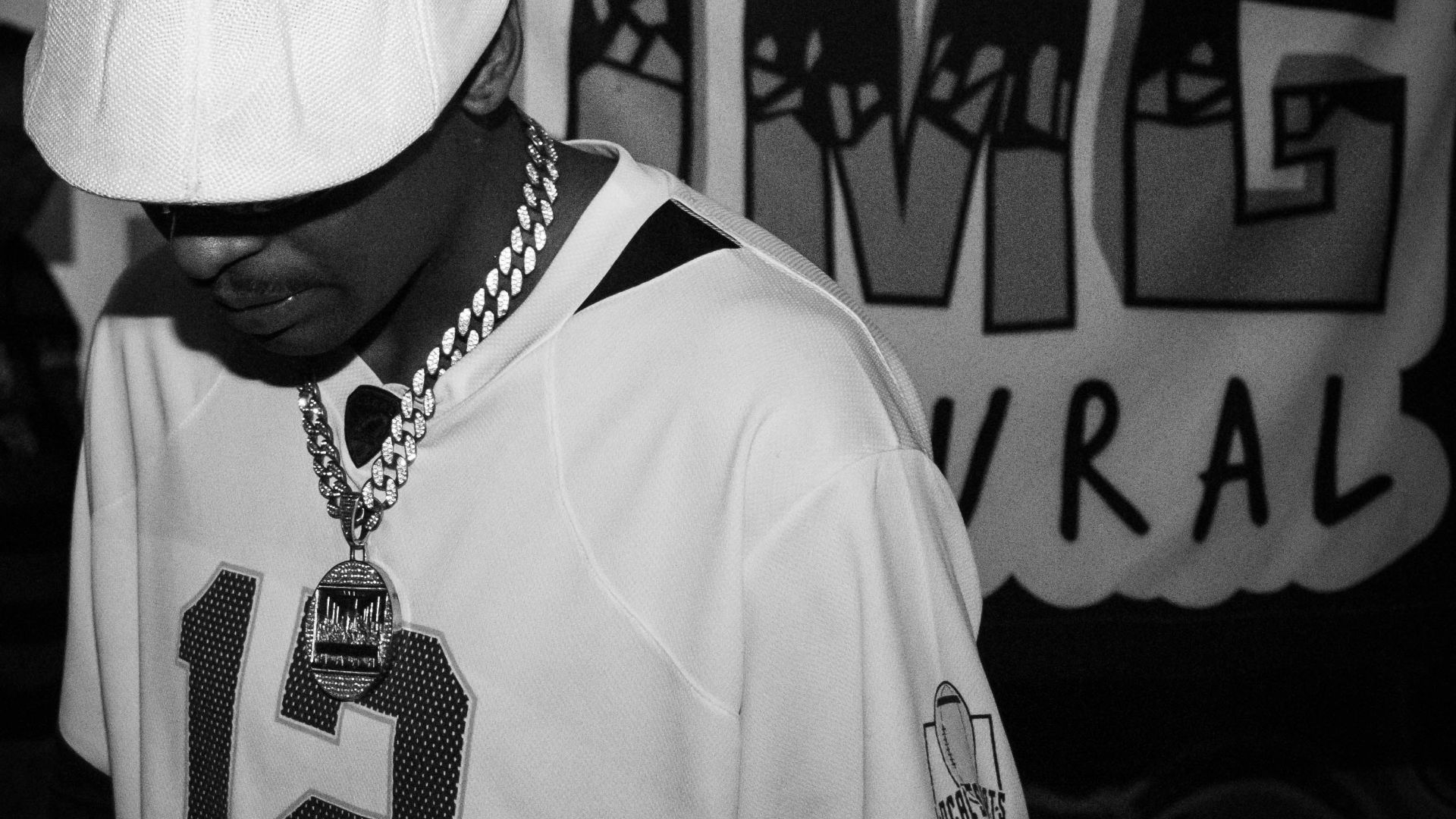
Early hip-hop fashion grew from communities that mainstream fashion institutions largely ignored. Sneakers, tracksuits, oversized silhouettes, gold jewelry, and customized clothing helped young people create styles that expressed neighborhood identity and cultural pride on their own terms. Once hip-hop became commercially dominant, many of the same looks that had once been dismissed became luxury fashion.
17. Visible Tattoos
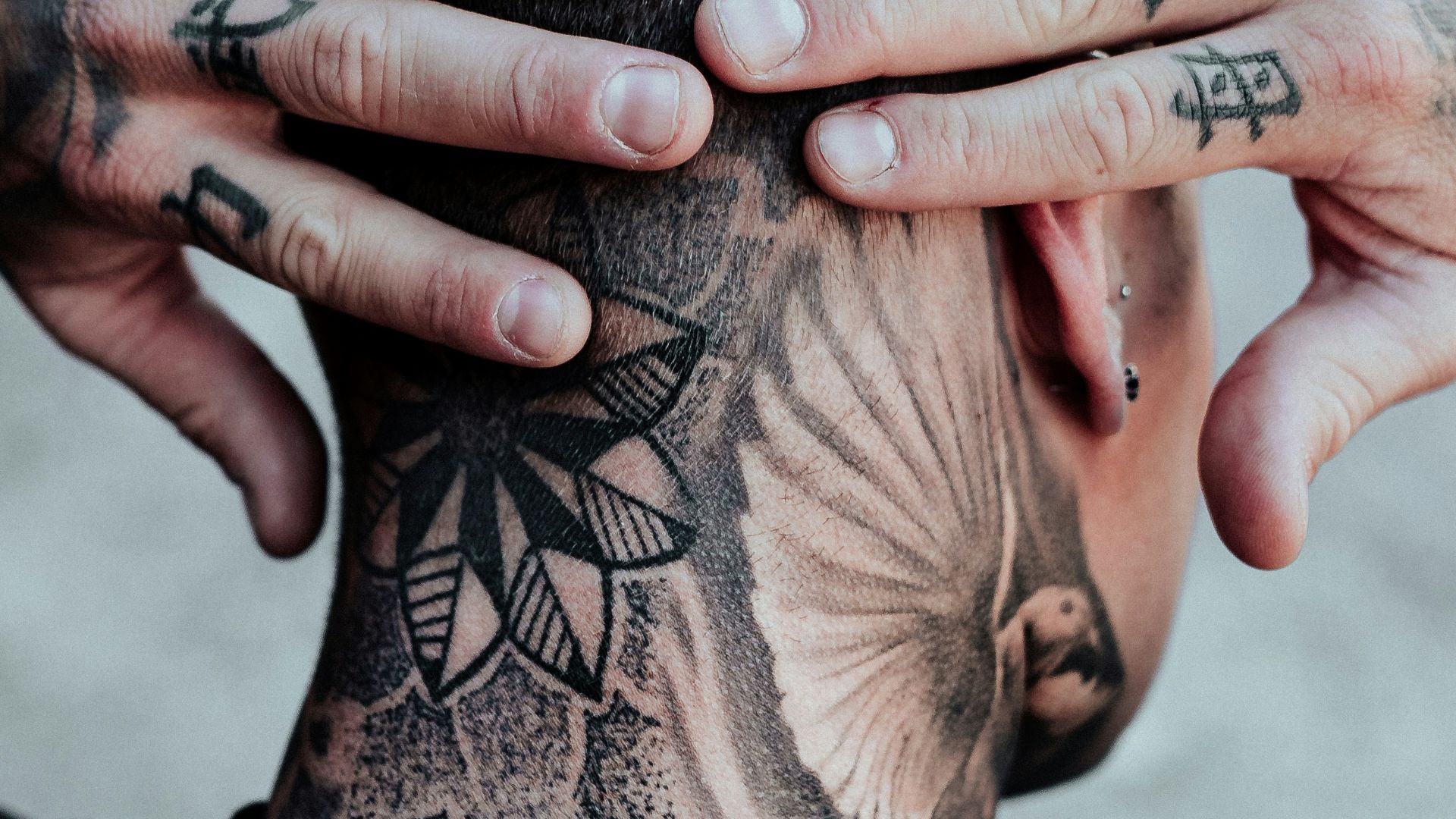
Tattoos aren't technically clothing, but they've become such an important part of personal style that they're difficult to leave out. In much of 20th-century Western culture, visible tattoos were associated with sailors, bikers, musicians, criminals, and other groups considered outside conventional society. Wearing them openly could feel deliberately rebellious, whereas today you're just as likely to spot tattoos during a corporate meeting.
18. Gender-Neutral Fashion
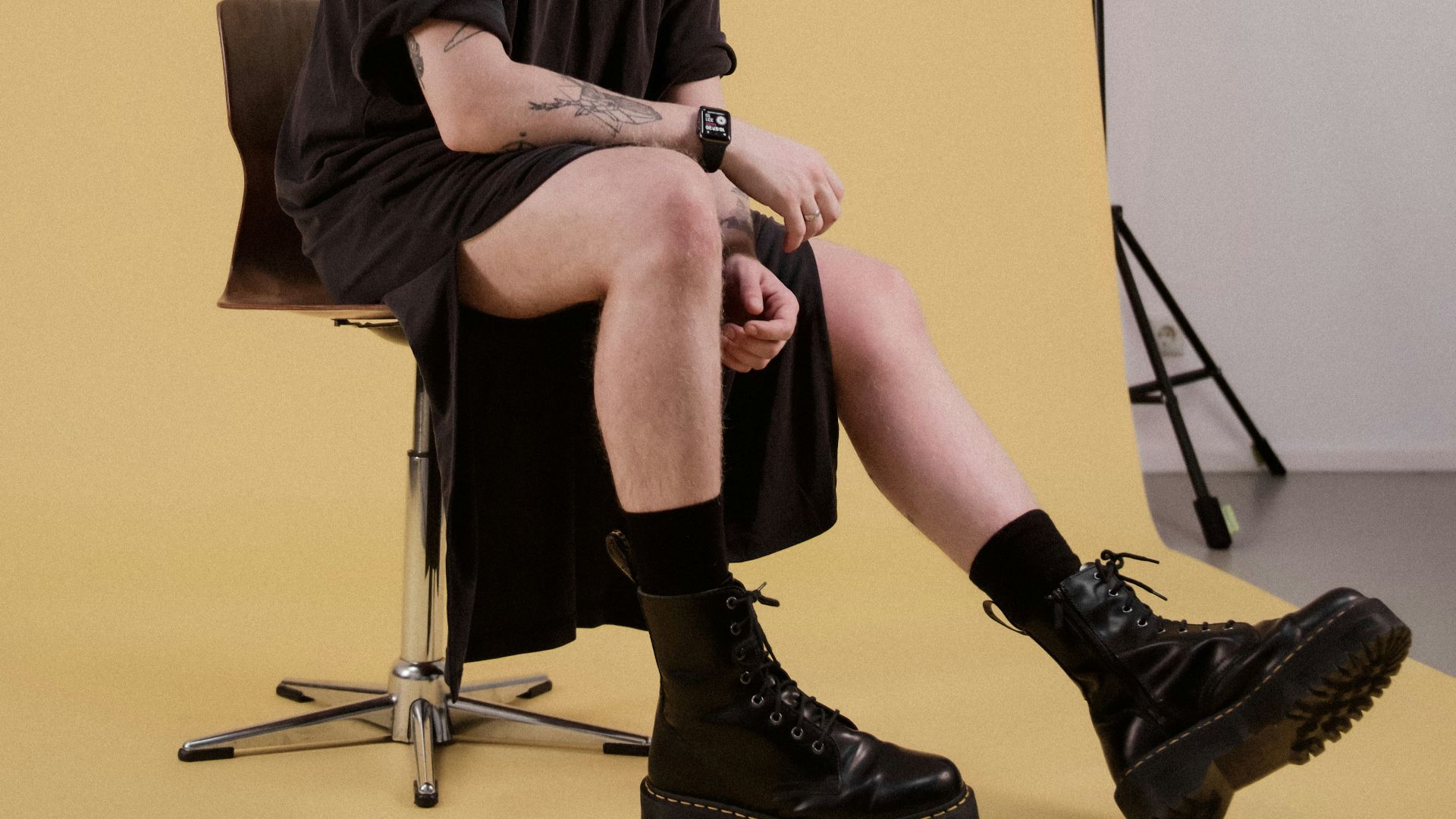
Clothing that deliberately blurs traditional gender lines has repeatedly challenged ideas about what men and women are "supposed" to wear. From women adopting menswear to male musicians performing in skirts, makeup, or flamboyant silhouettes, fashion has provided an easy way to question those boundaries publicly. What once generated shock has gradually become a familiar part of mainstream style.
19. Oversized Clothing
Baggy clothing became particularly important in hip-hop and skate culture during the 1980s and 1990s. The loose silhouettes rejected the tailored, polished looks favored by many mainstream designers and gave youth subcultures their own recognizable visual identity. Eventually, oversized jeans, shirts, and jackets moved into high fashion.
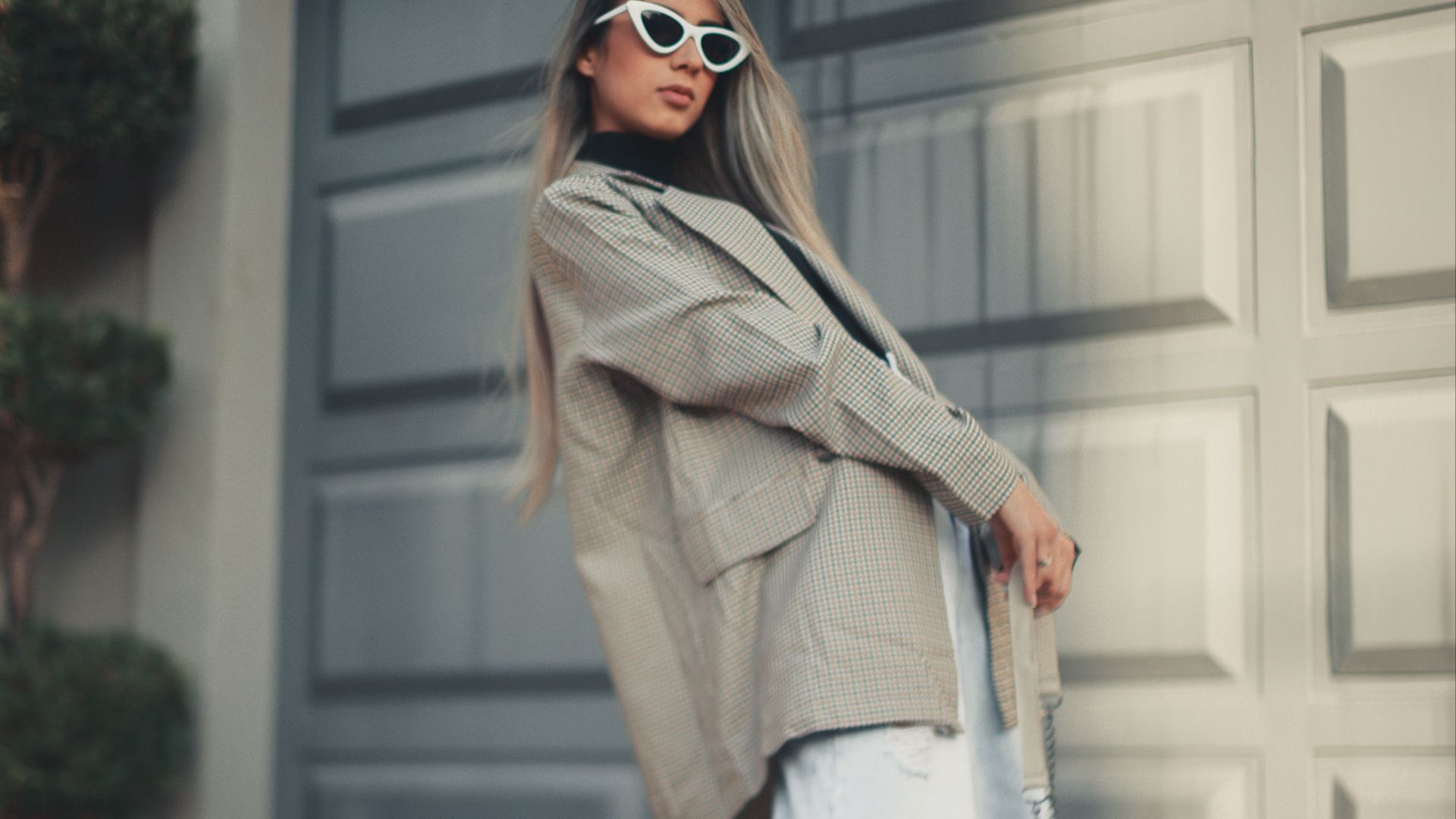
20. Vivienne Westwood's Punk Fashion
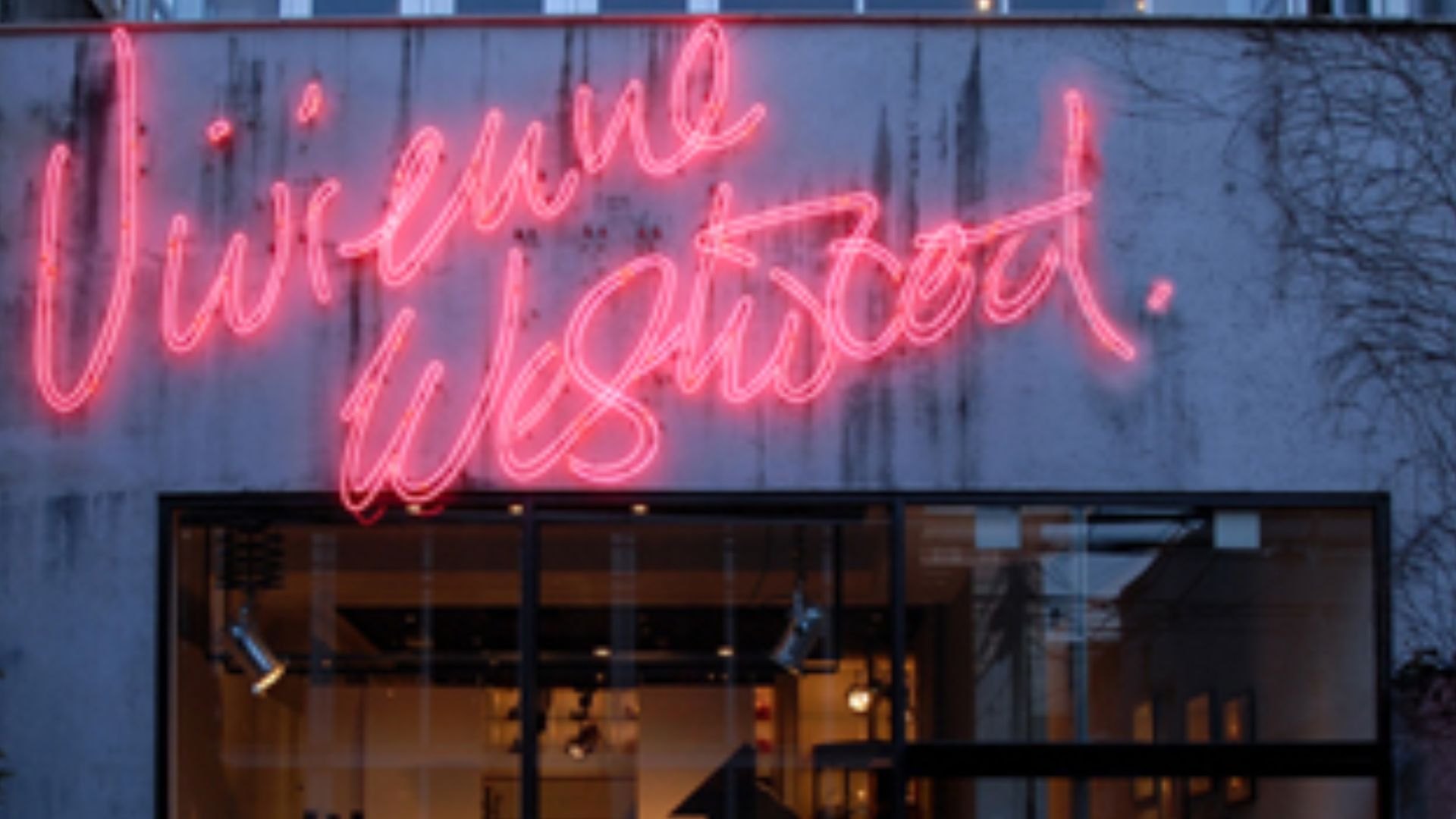
Vivienne Westwood helped turn the visual language of British punk into something fashion couldn't ignore. Working with Malcolm McLaren in the 1970s, she sold provocative shirts, bondage-inspired trousers, tartan, chains, and deliberately confrontational designs from their London boutiques. Pieces originally created to offend conventional taste later entered museums and luxury collections.