Extend Your Style Beyond Your Closet And Into Your Living Room
Your fashion sense already says a lot about the colors, textures, proportions, and details you love, so your home can benefit from many of the same instincts. Interior design and personal style rely on careful editing, coordination, contrast, and knowing which pieces go together and deserve attention. You don't need to make every room match your wardrobe to a T, but you can use your fashion preferences as a helpful guide. Here are 20 ways to extend your fashion sense to your home.
1. Start With Your Favorite Clothing Colors
Look at the shades you wear most often and give thought to bringing some of them into some of the rooms in your home. If your closet is filled with navy, cream, or soft green, those colors may feel equally comfortable on walls, upholstery, or decorative accessories.
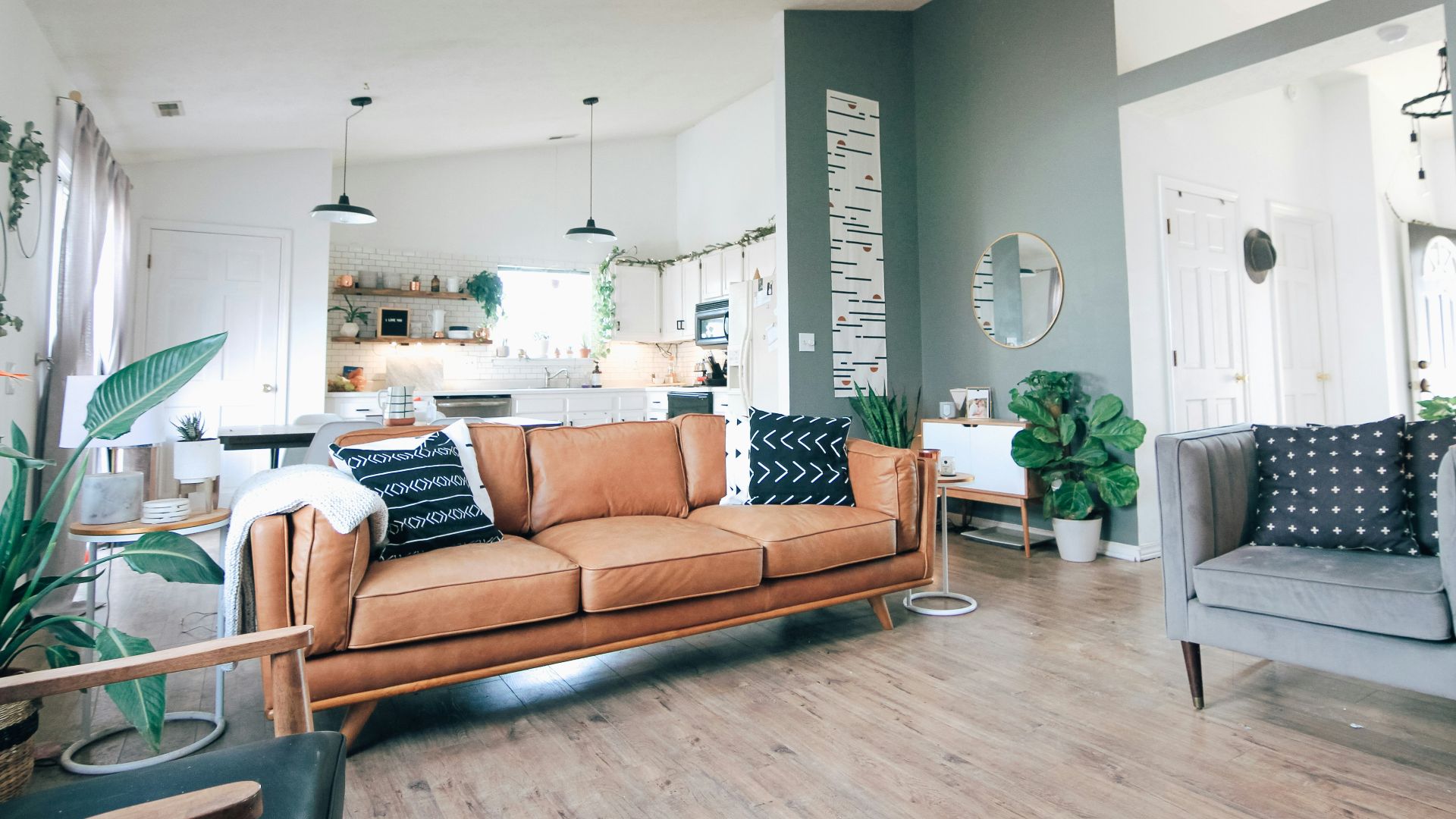
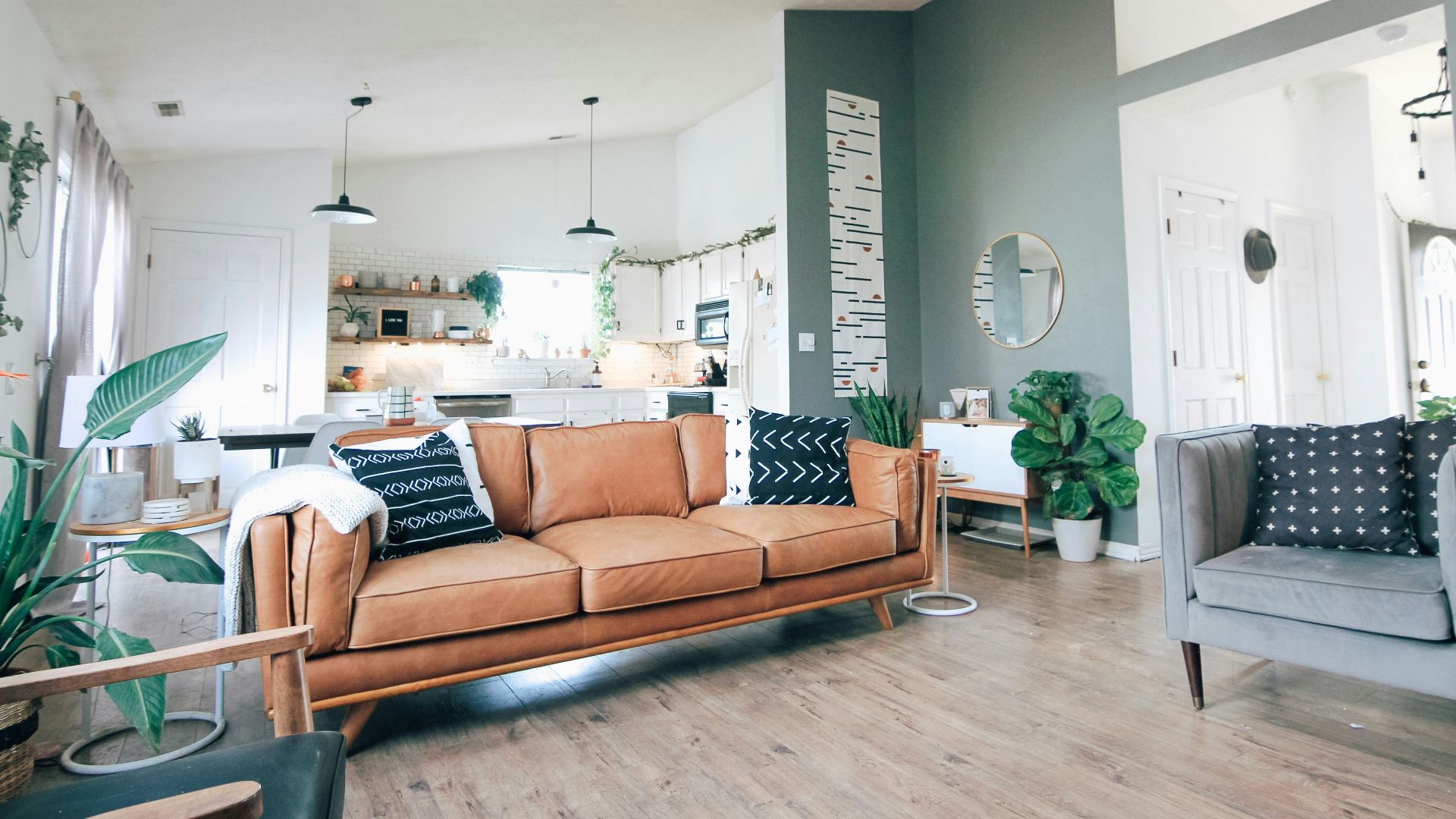
2. Treat Your Couch Like A Wardrobe Staple
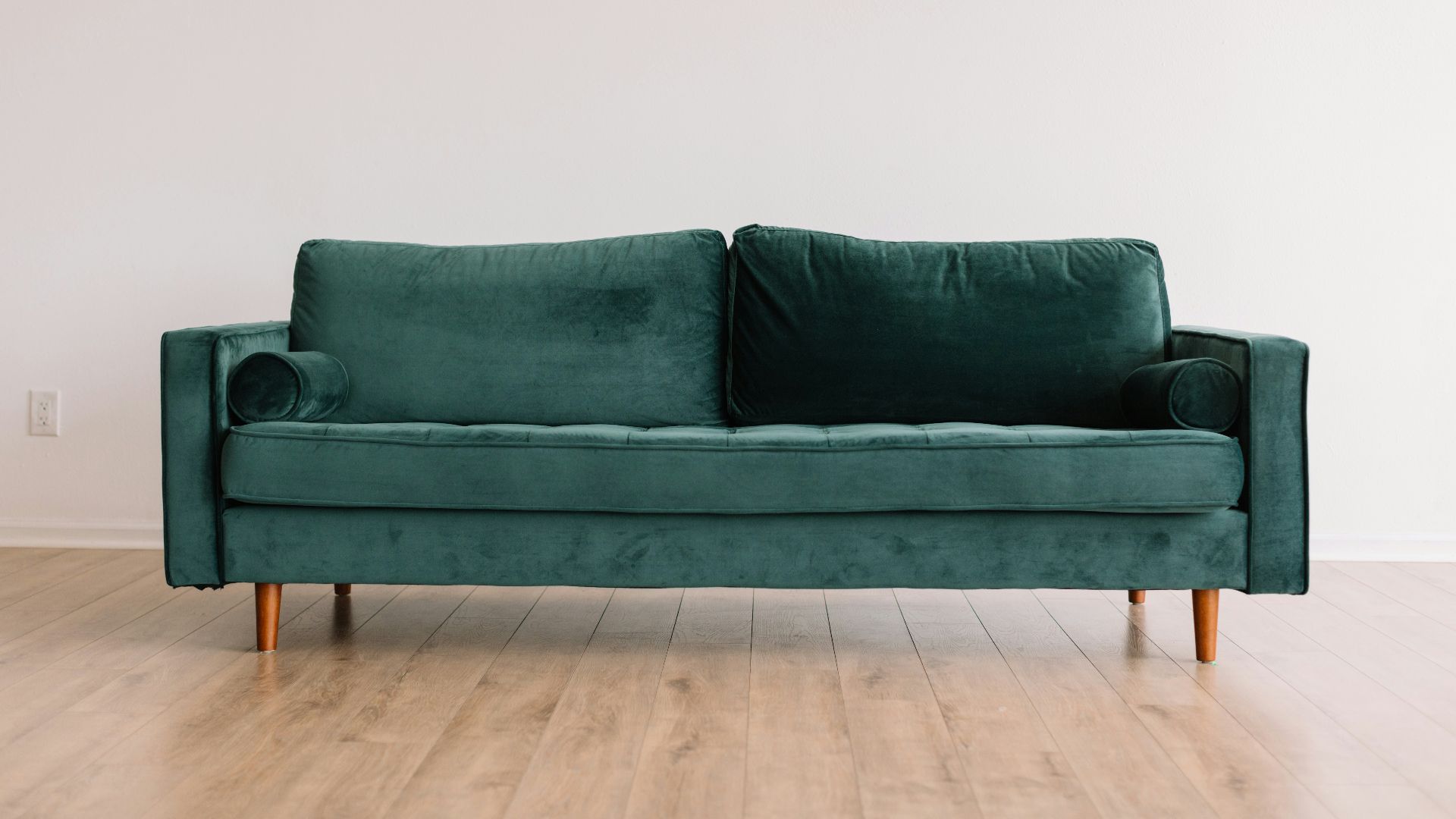
A couch anchors a room in the same way a reliable coat or pair of jeans anchors an outfit. Selecting a versatile shape and neutral fabric provides more freedom to change pillows, throws, and surrounding decor. That flexibility can help your space stay current without requiring any major purchases.
 Phillip Goldsberry on Unsplash
3. Let Accessories Change The Mood
Jewelry and scarves can completely transform an outfit, and home accessories work in much the same practical way. Lamps, trays, throw pillows, and decorative objects let you include new colors or finishes into a room without redesigning the entire space.
4. Pay Close Attention To Texture
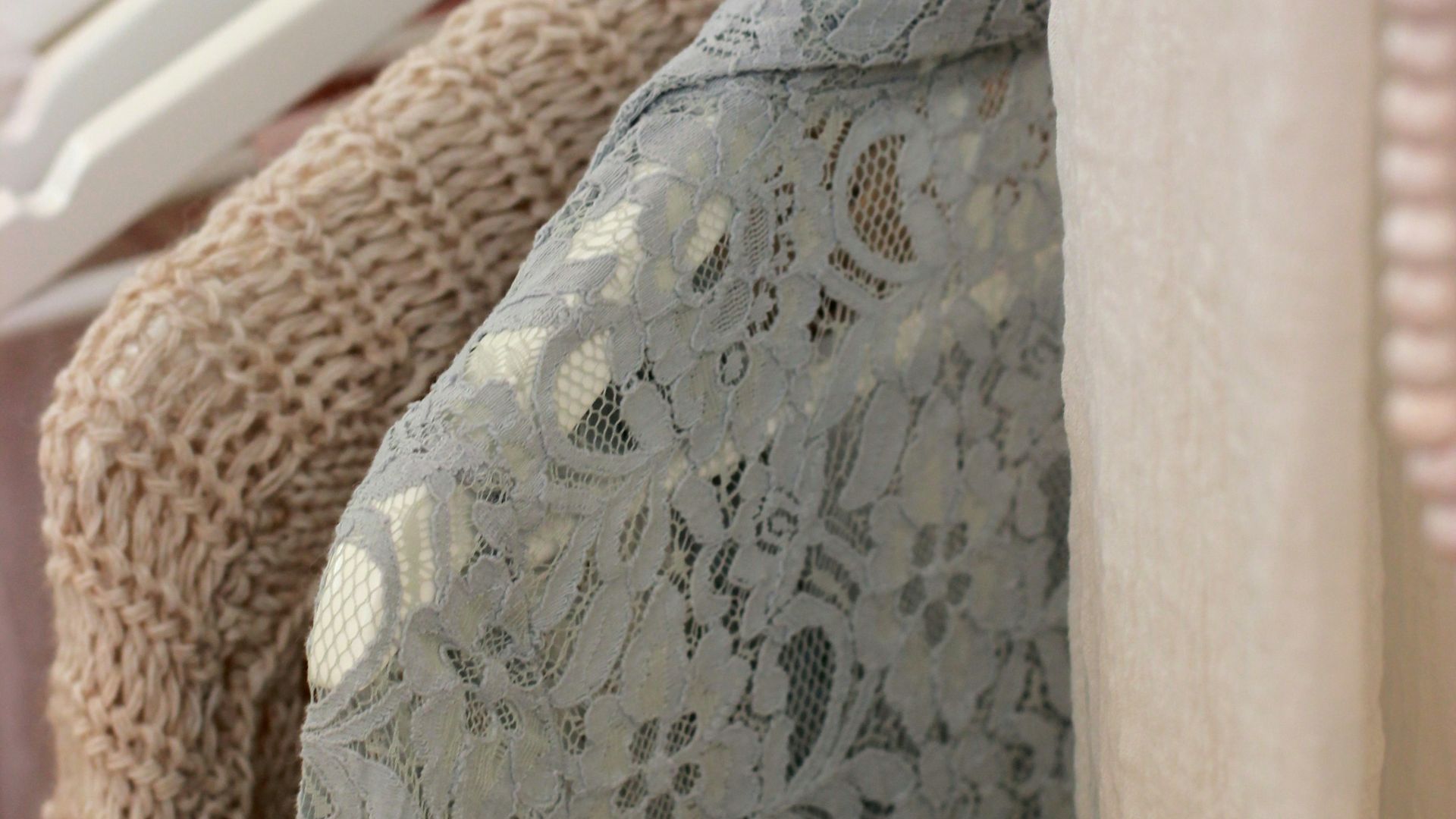
If you enjoy combining denim, leather, or knitwear, you'll probably appreciate different textures in your interiors too. Mixing materials such as linen, wood, wool, and metal keeps a room from looking overly flat. The key is variety with restraint, so the materials complement and enhance rather than compete with one another.
 micheile henderson on Unsplash
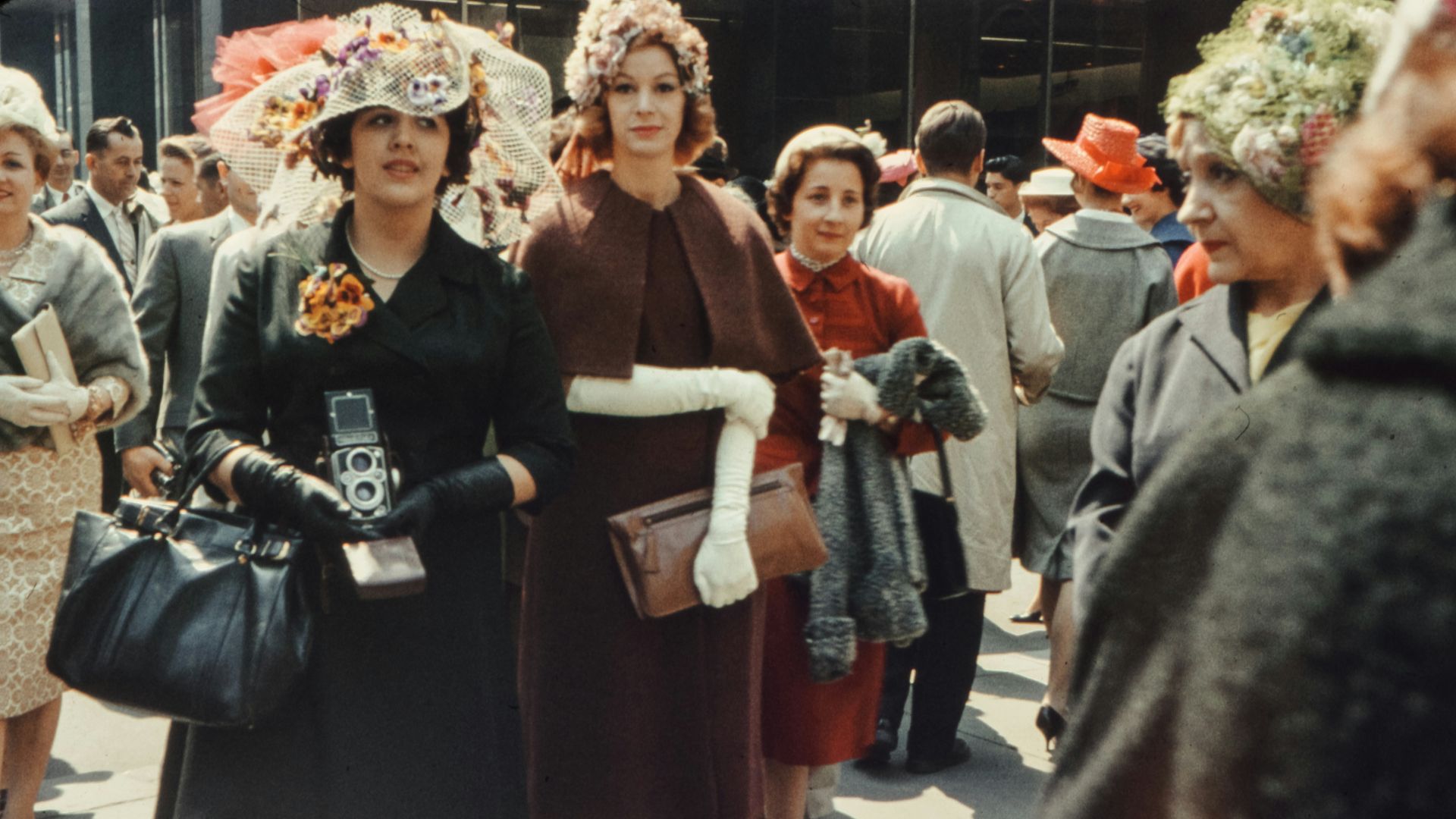
5. Draw Inspiration From Your Favorite Fashion Era
Your wardrobe may already reveal which era you're drawn to. Maybe it's the clean tailoring of the 1960s, the relaxed shapes of the 1970s, or the minimalism vibe of the 1990s. These preferences can guide furniture shapes, lighting, artwork, and decorative touches.
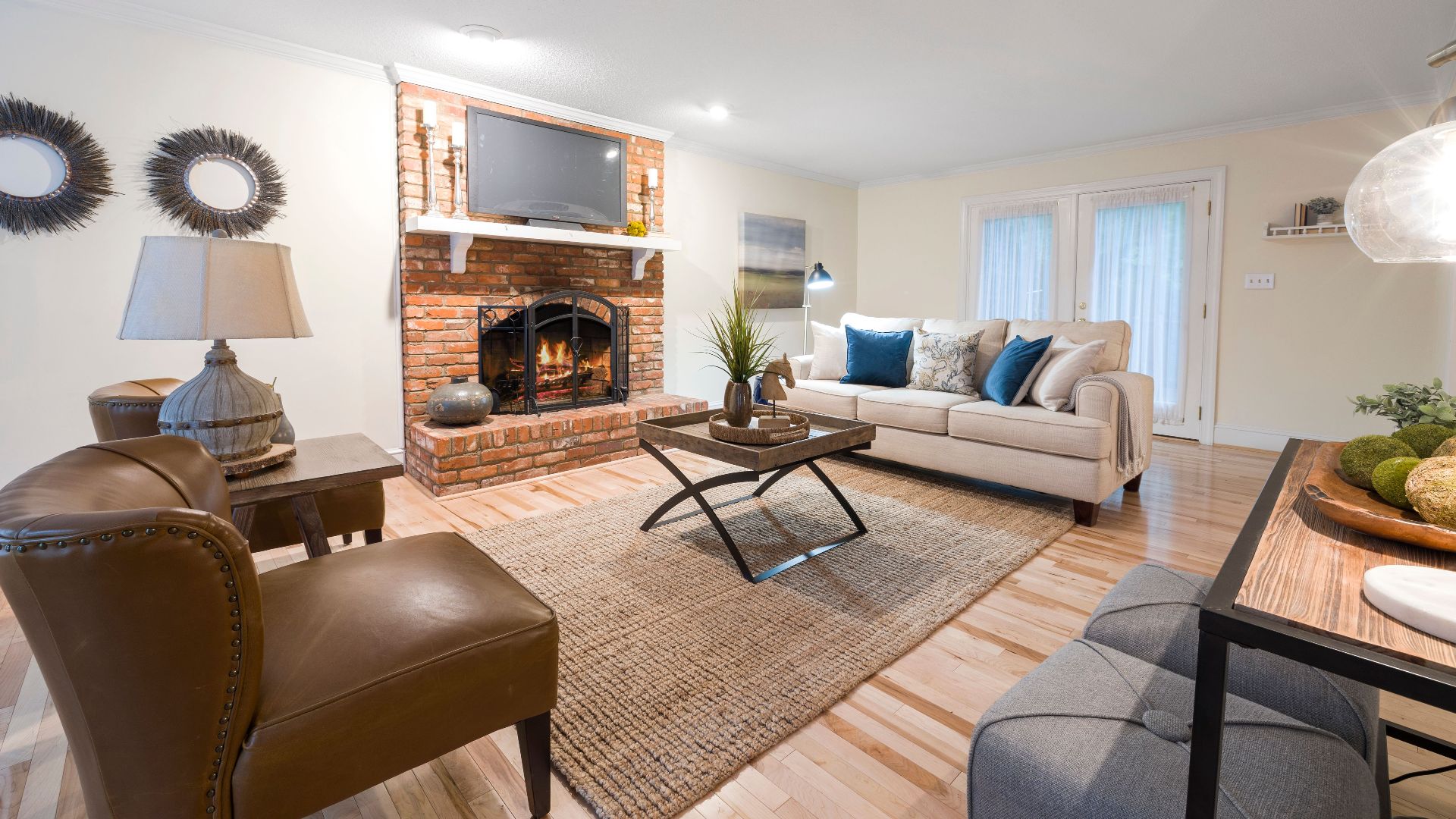
6. Create Around A Strong Neutral Base
Many wardrobes rely on neutral basics because they're easy to combine, match, and update. The same approach works at home, where white, beige, gray, brown, and black can build a flexible yet solid foundation. From there, brighter accents can be added without making the room difficult to coordinate.
7. Add One Statement Piece To A Room
A dramatic pair of shoes can enhance an otherwise simple outfit, and a room can benefit from a similar approach and focal point. Consider an oversized, colorful artwork, sculptural chair, distinctive light fixture, or stylish rug. One strong feature often has more impact than filling the space with several competing decorative ideas.
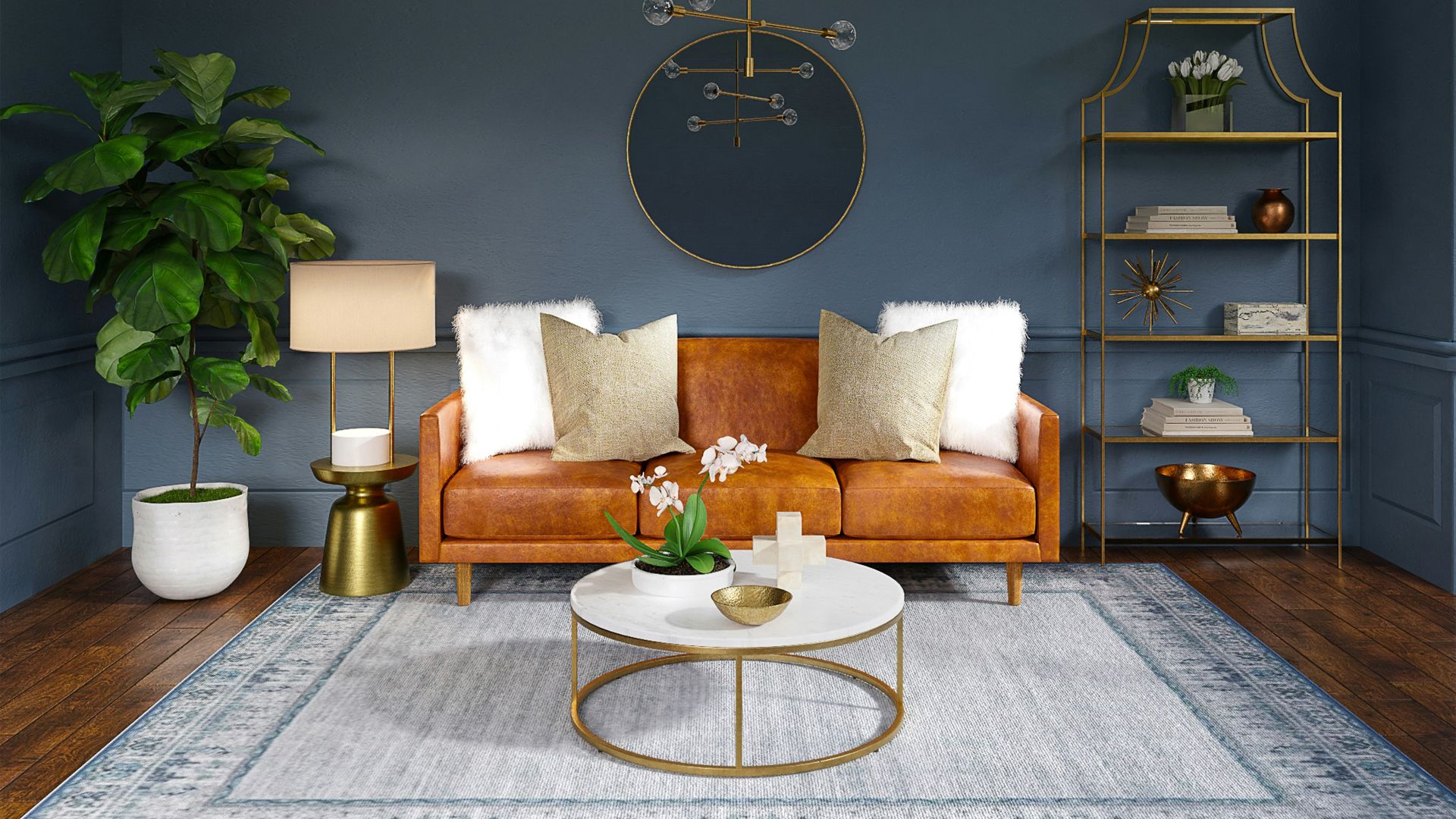
8. Consider Proportions
Dressing well isn't only about color and combinations, because the scale and shape of clothing matter just as much. Interiors equally rely on proportion, particularly when you're choosing rugs, lamps, artwork, and furniture. A tiny coffee table beside an oversized sectional, for instance, can give the room an awkward look and feel even if both pieces are attractive.
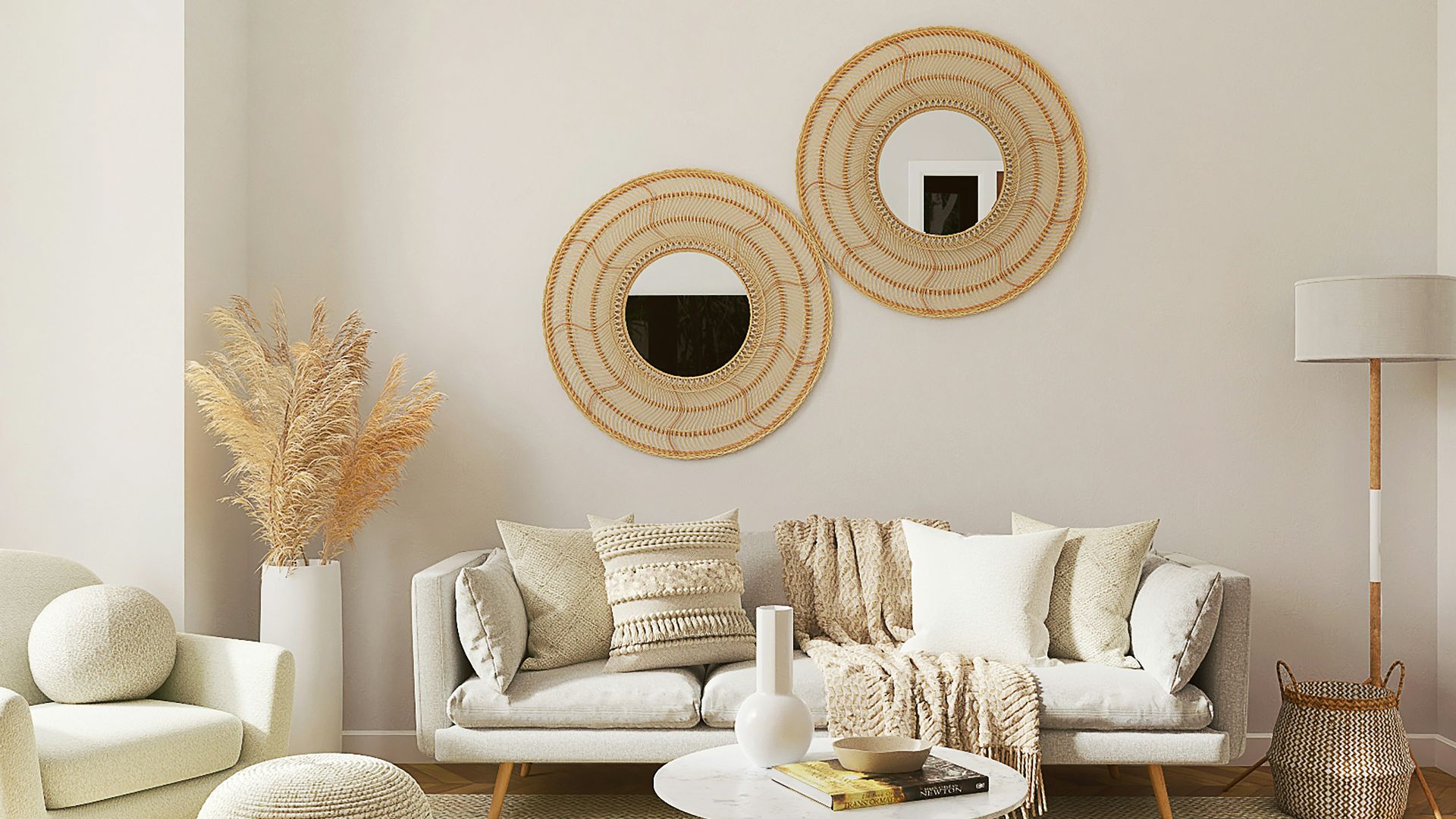
9. Use Patterns With Confidence
If you already know exactly how to wear stripes, florals, or geometric prints, that experience should translate directly into decorating a room. Use patterns through curtains, rugs, upholstery, or bedding while varying their scale so the room has a calming sense of ease.
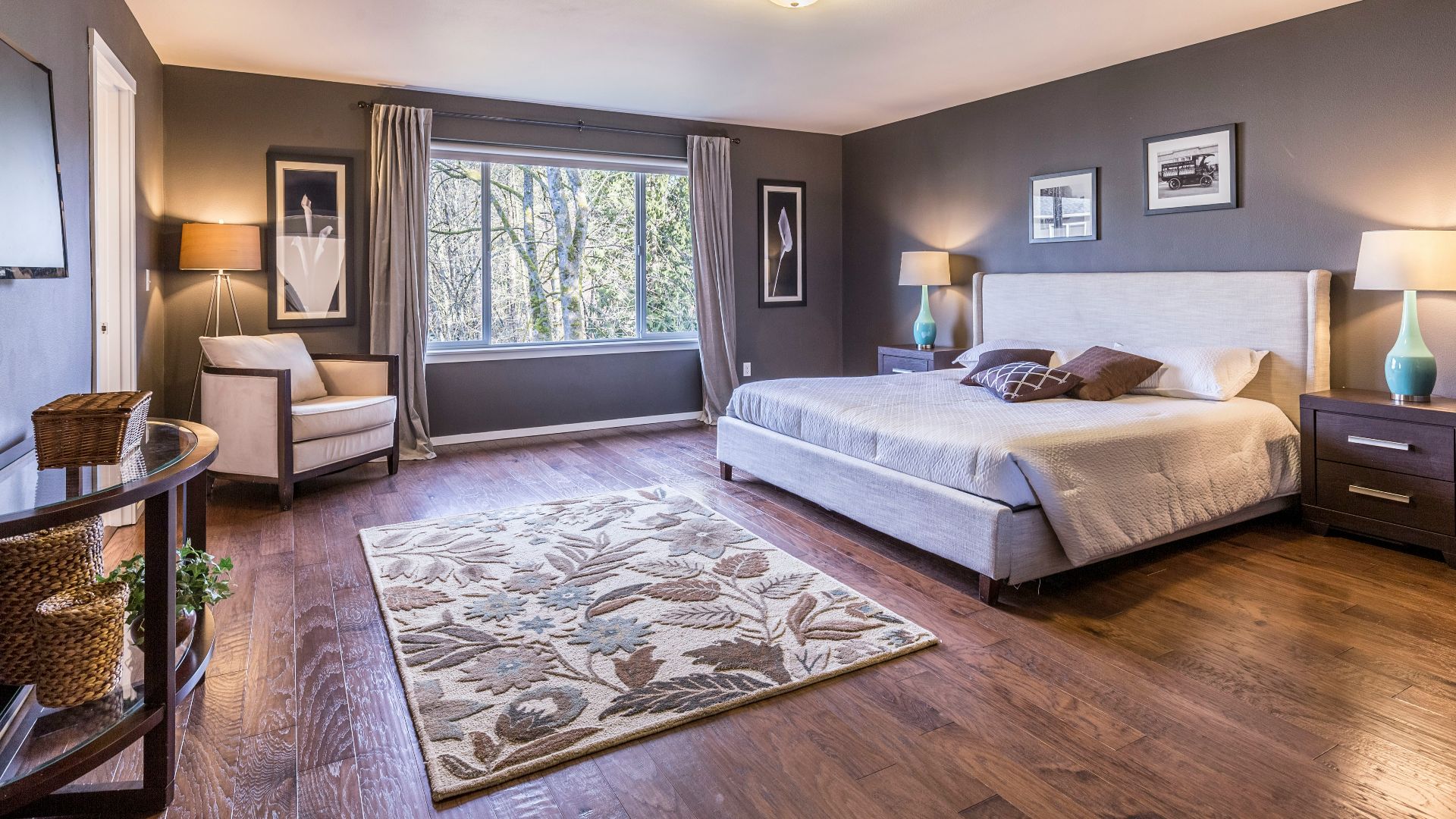 Francesca Tosolini on Unsplash
10. Invest In High-Quality Basics
Fashionistas often understand that well-made basics can often outperform cheaper replacements over time. You don't need to buy the most expensive piece of furniture, but durability and construction are worth considering for pieces you rely on every day.
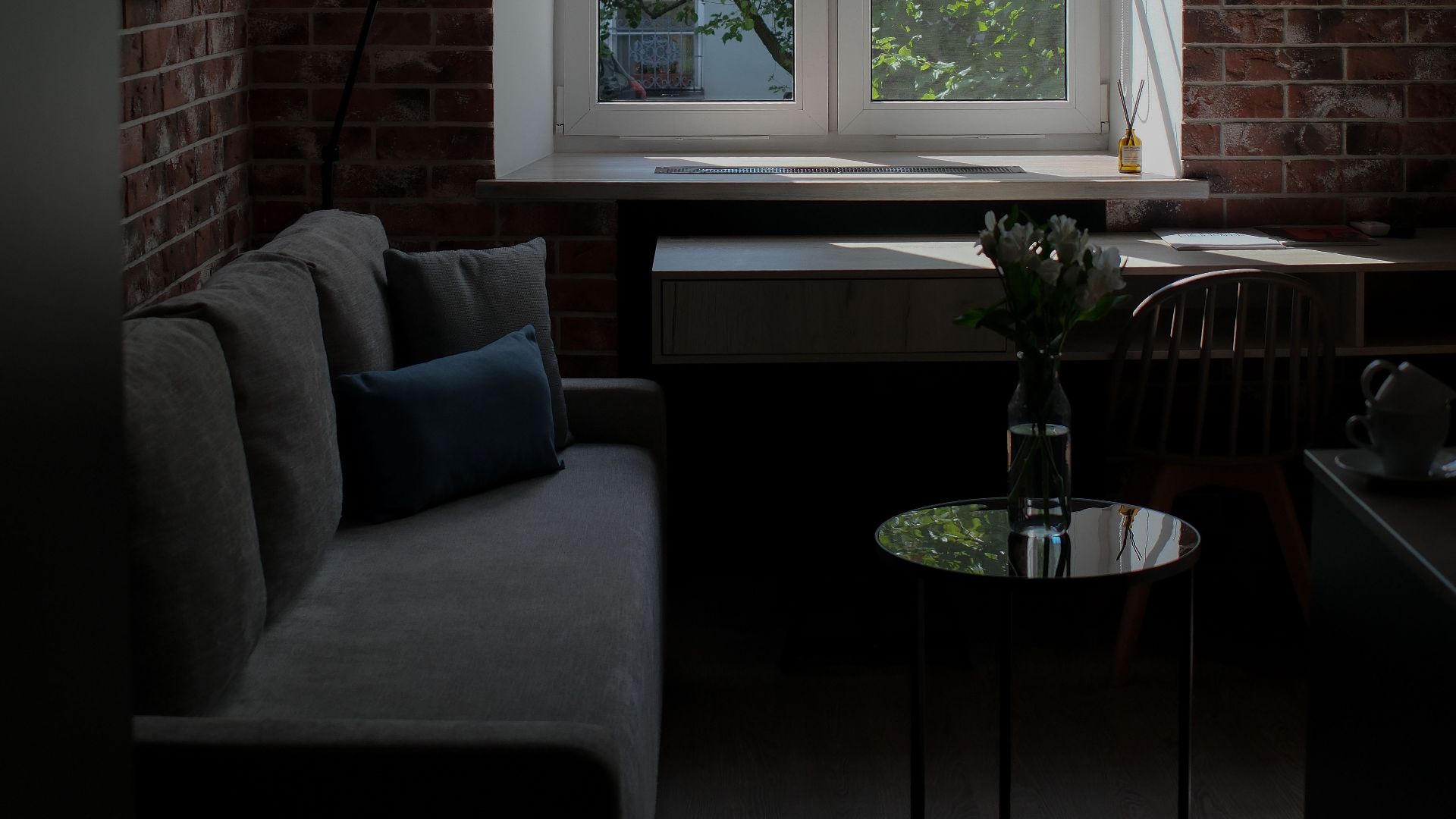
11. Display Your Most Beloved Objects
Personal style grows more interesting when it reflects your true preferences rather than whatever happens to be trendy. Your home should follow the same rule by displaying books, art, ceramics, family photographs, or objects that have meaning to you.
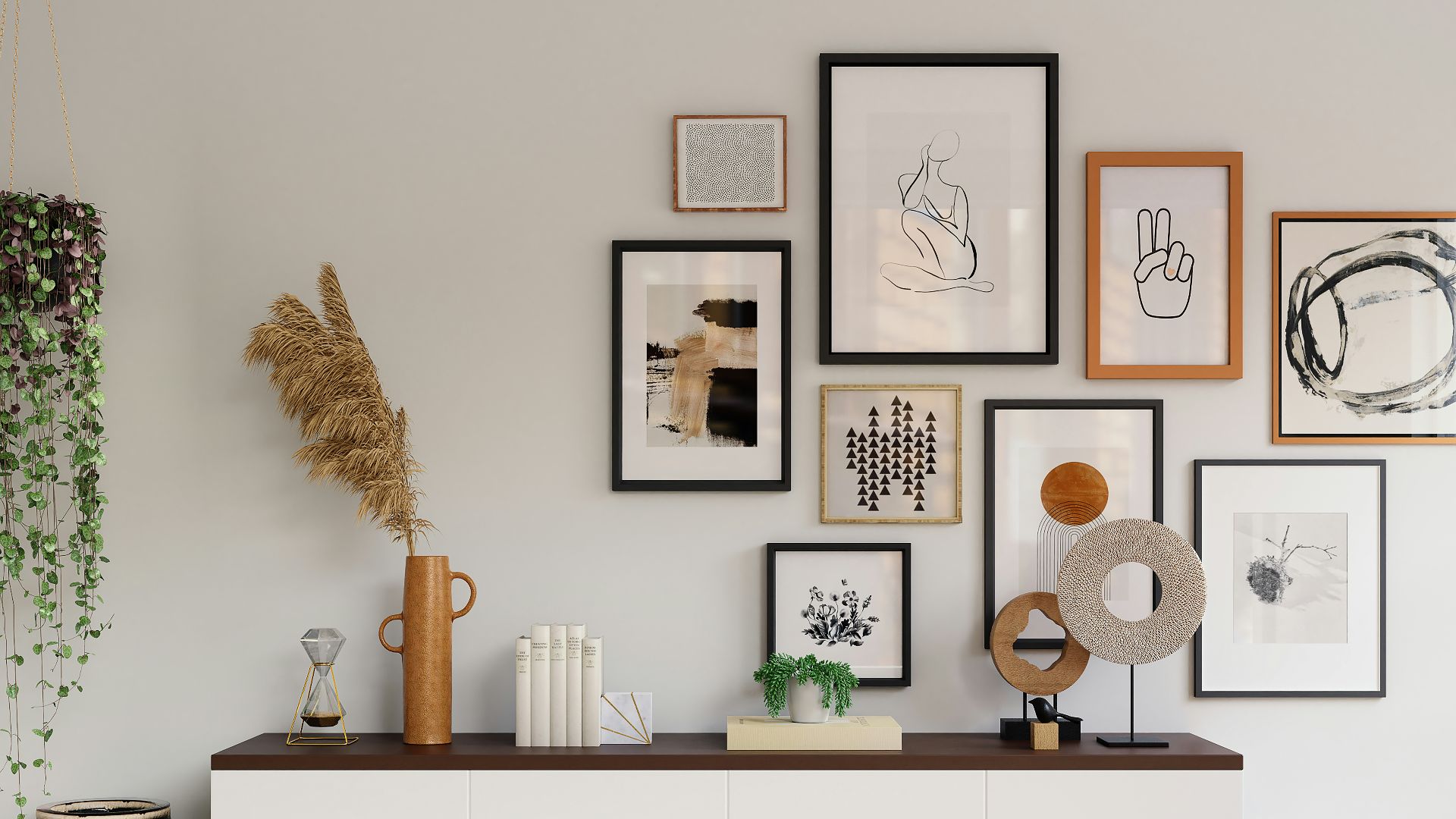
12. Adopt A Signature Color
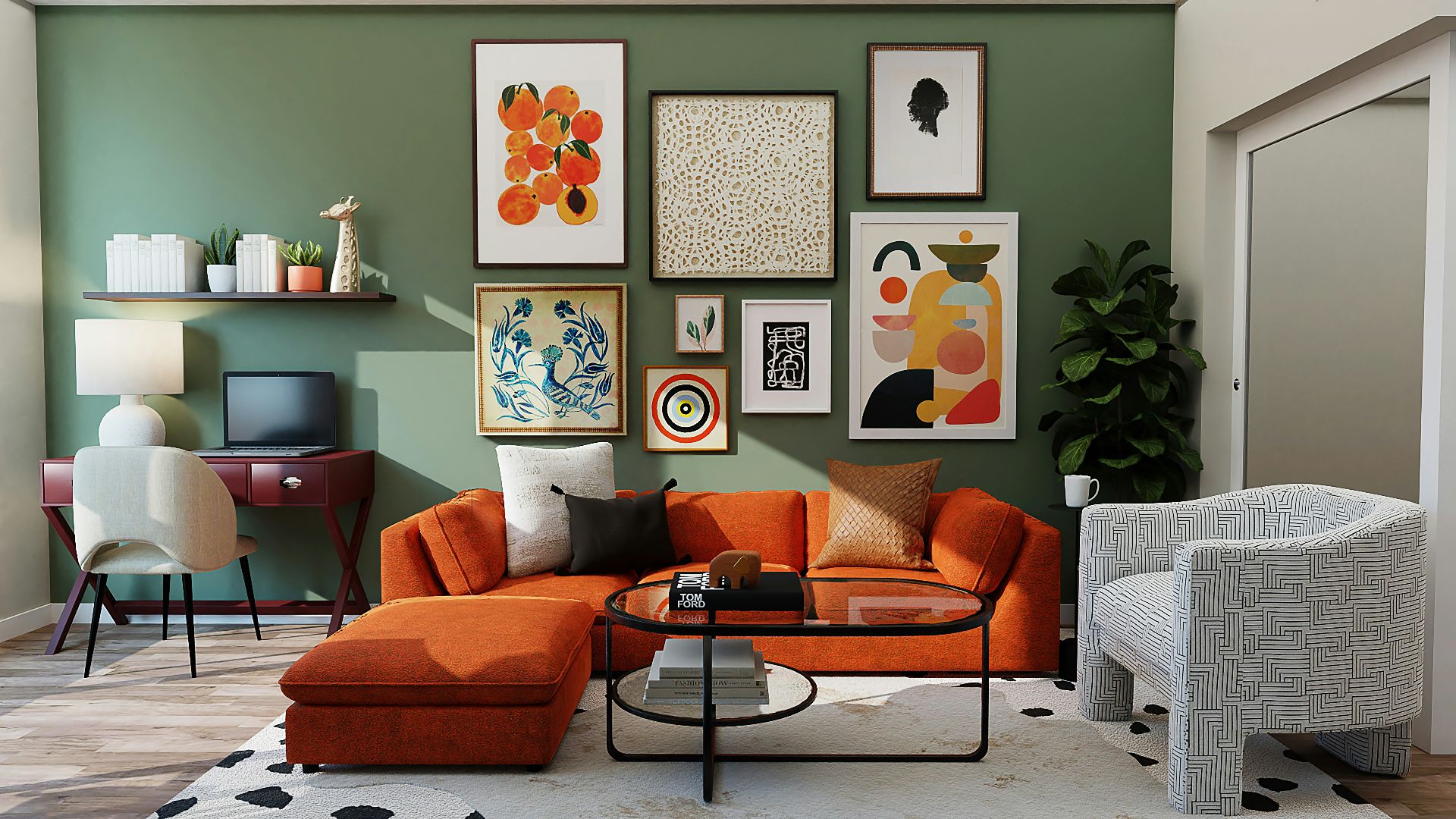
If a particular shade appears regularly in your clothing because it flatters you or makes you happy, you can extend it into room decor. A repeated accent in artwork, pillows, or decorative objects can connect different rooms without making them appear identical.
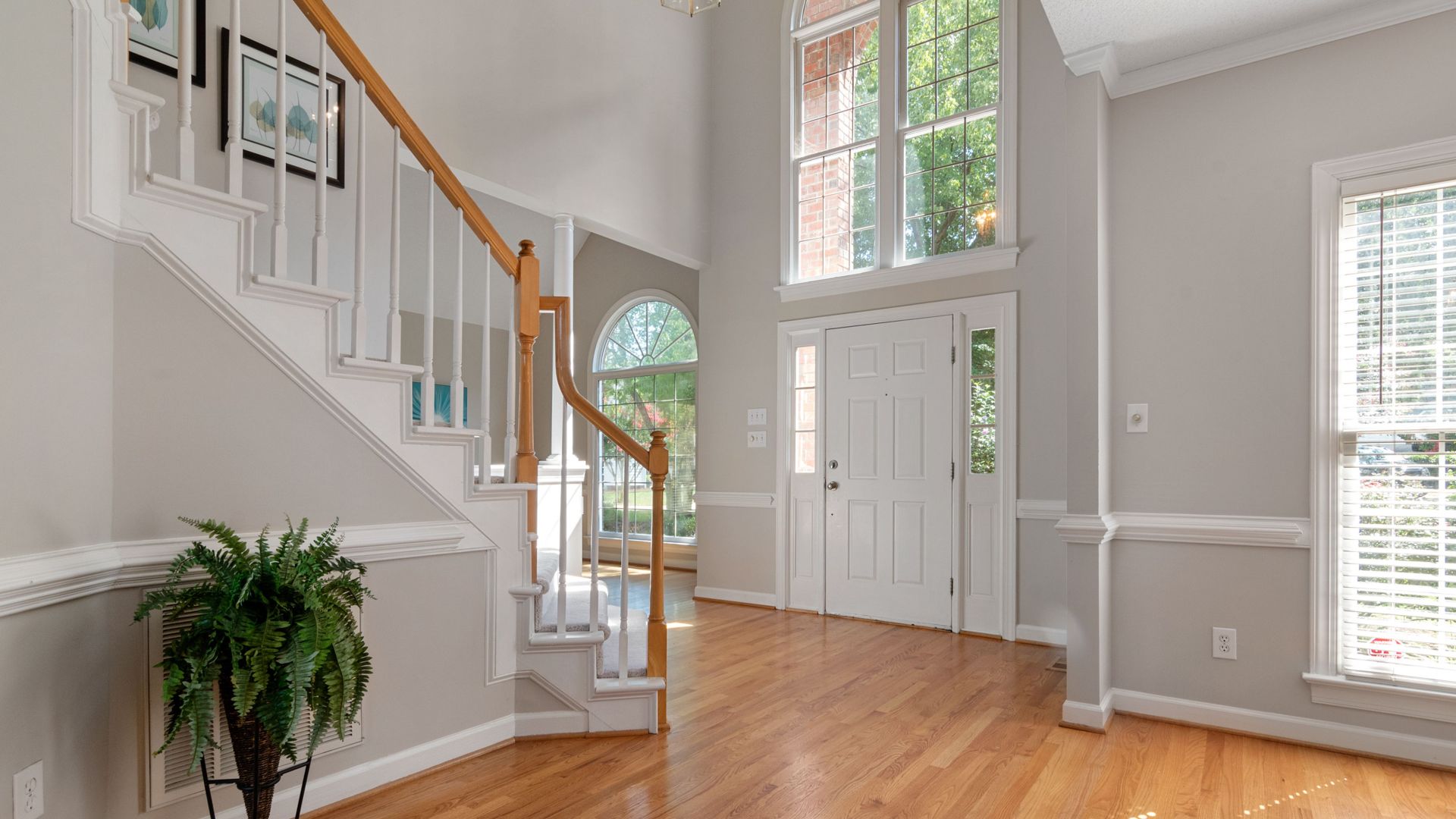
13. Create An Entryway That Sets The Tone
An entryway is the first impression your home makes, much like an outfit creates an immediate visual impression. Always keep it functional, but use a mirror, console, rug, or light fixture to introduce some style immediately.
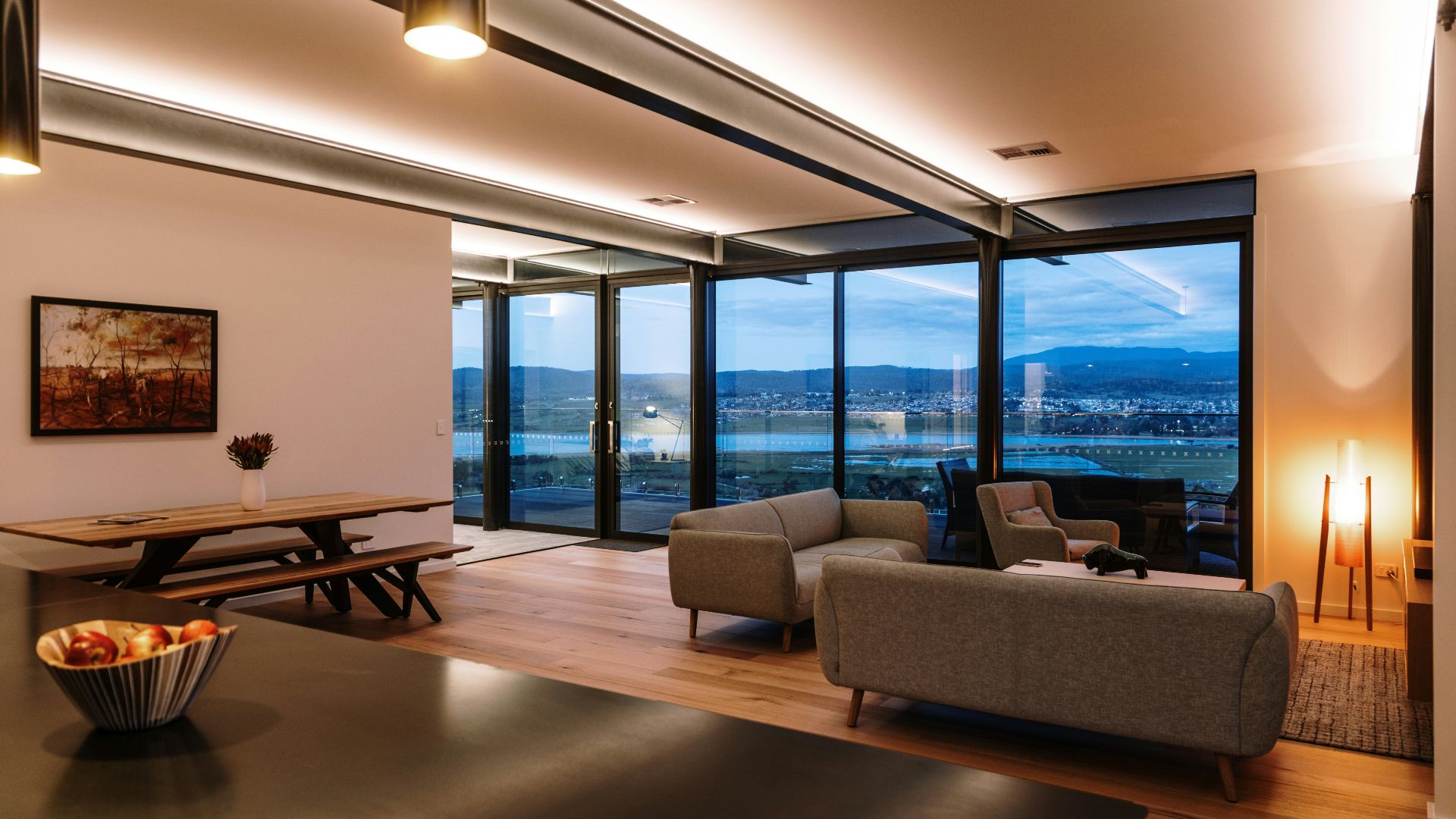
14. Layer Lighting
An outfit can look different depending on how it's layered just as a room changes depending on how it's lit. Ceiling fixtures alone can feel abrasive, so layer them with floor lamps, table lamps, and task lighting where appropriate.
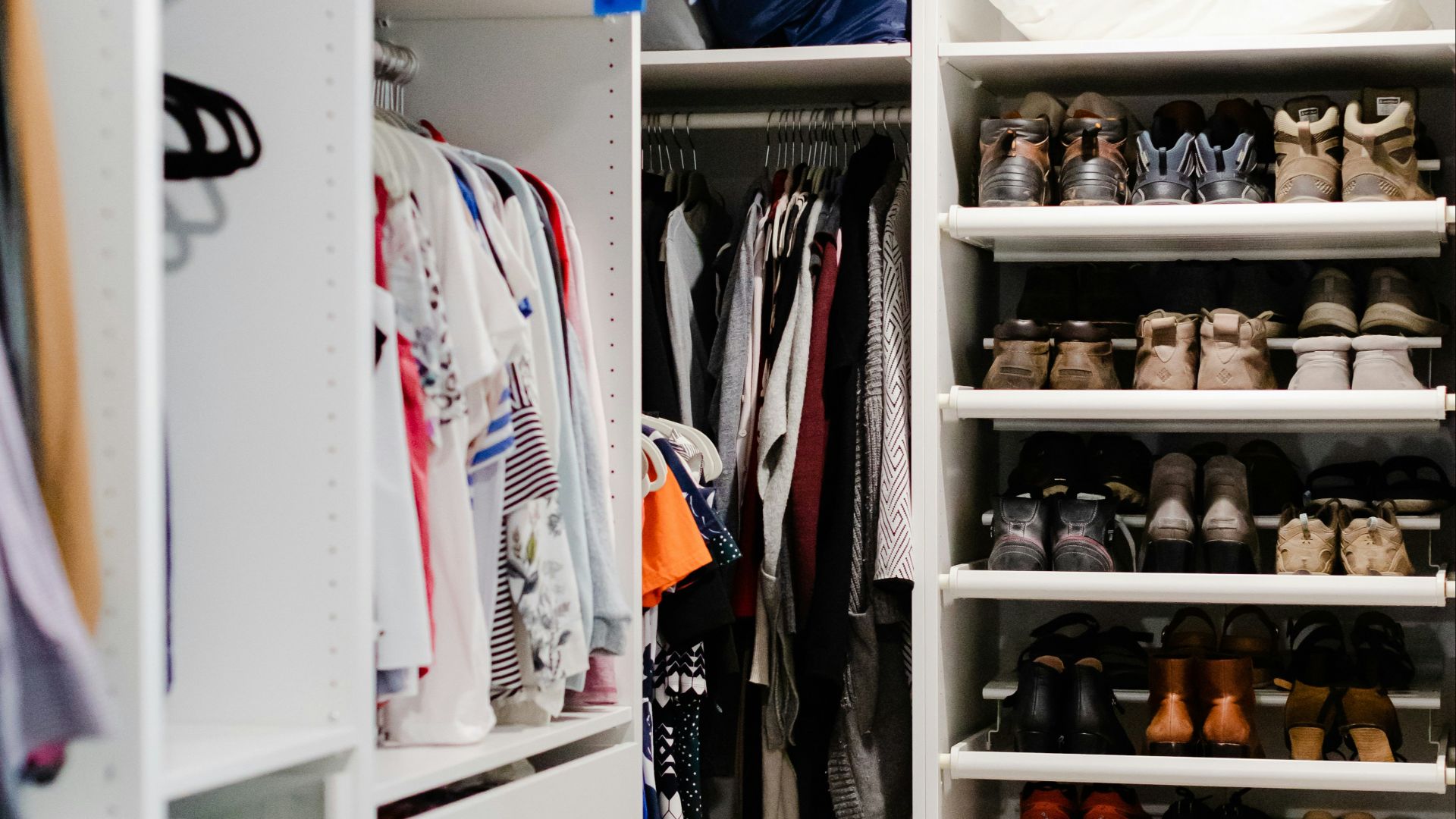
15. Organize Your Closet Like A Stunning Boutique
Your fashion sense can influence practical areas of the home too, especially where clothing is organized. Matching hangers, visible shoe storage, drawer dividers, and thoughtful spacing can make a closet more accessible and pleasing to the eyes.
16. Mix Different Pieces
A stylish outfit doesn't require every item to be grossly expensive, and neither does a thoughtfully designed room. Pairing an affordable table with quality lighting or a vintage chair with simple modern accessories can keep the space interesting while helping you stick to a budget. What matters most is whether the pieces work together.
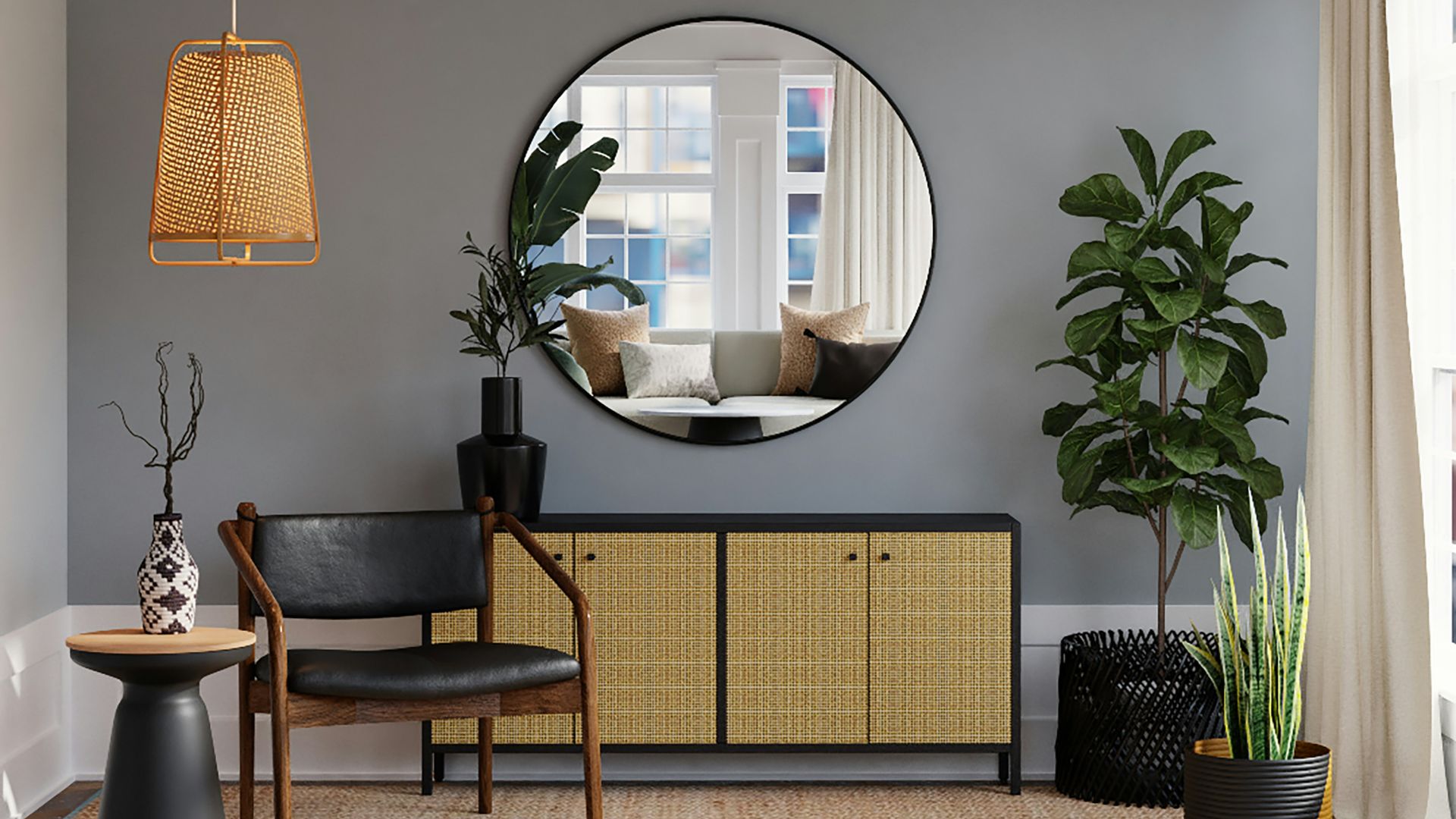
17. Use Mirrors Strategically
Mirrors are practical in fashion because they help you check your outfit before leaving the house, but they also play an important role in interiors. Choose a frame that supports your overall style rather than treating the mirror as a purely functional piece on a wall.
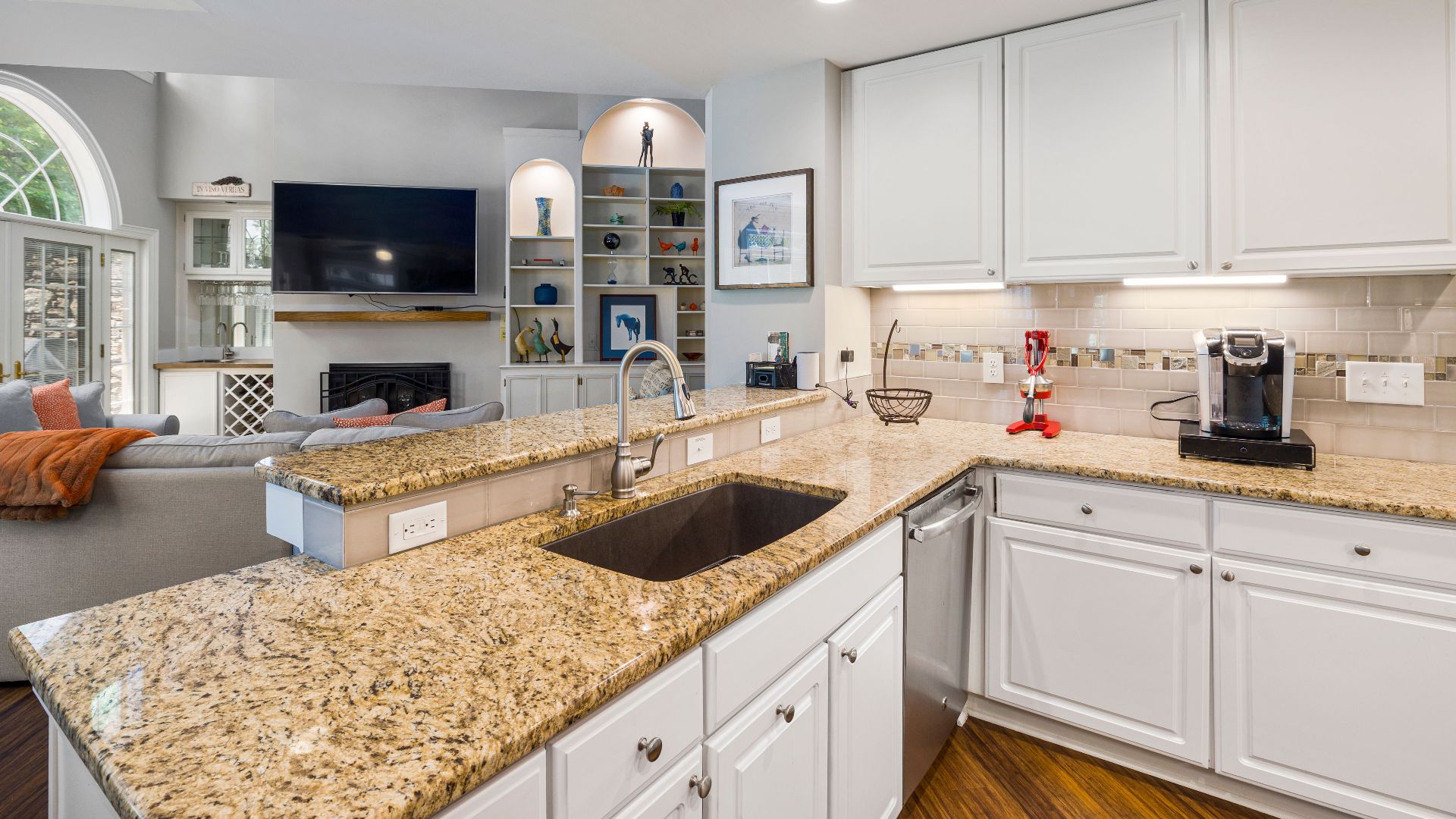
18. Pay Attention To Hardware
Buttons, zippers, buckles, and jewelry can change the look of clothing, and small hardware choices do something similar at home. Cabinet pulls, door handles, curtain rods, and faucets can shift a room toward contemporary, traditional, industrial, or polished territory.
19. Remove Before Adding More
People with a strong sense of style usually know that wearing every favorite item at once will rarely improve an outfit. Rooms also benefit from editing, especially if surfaces and shelves have gradually grown more crowded.
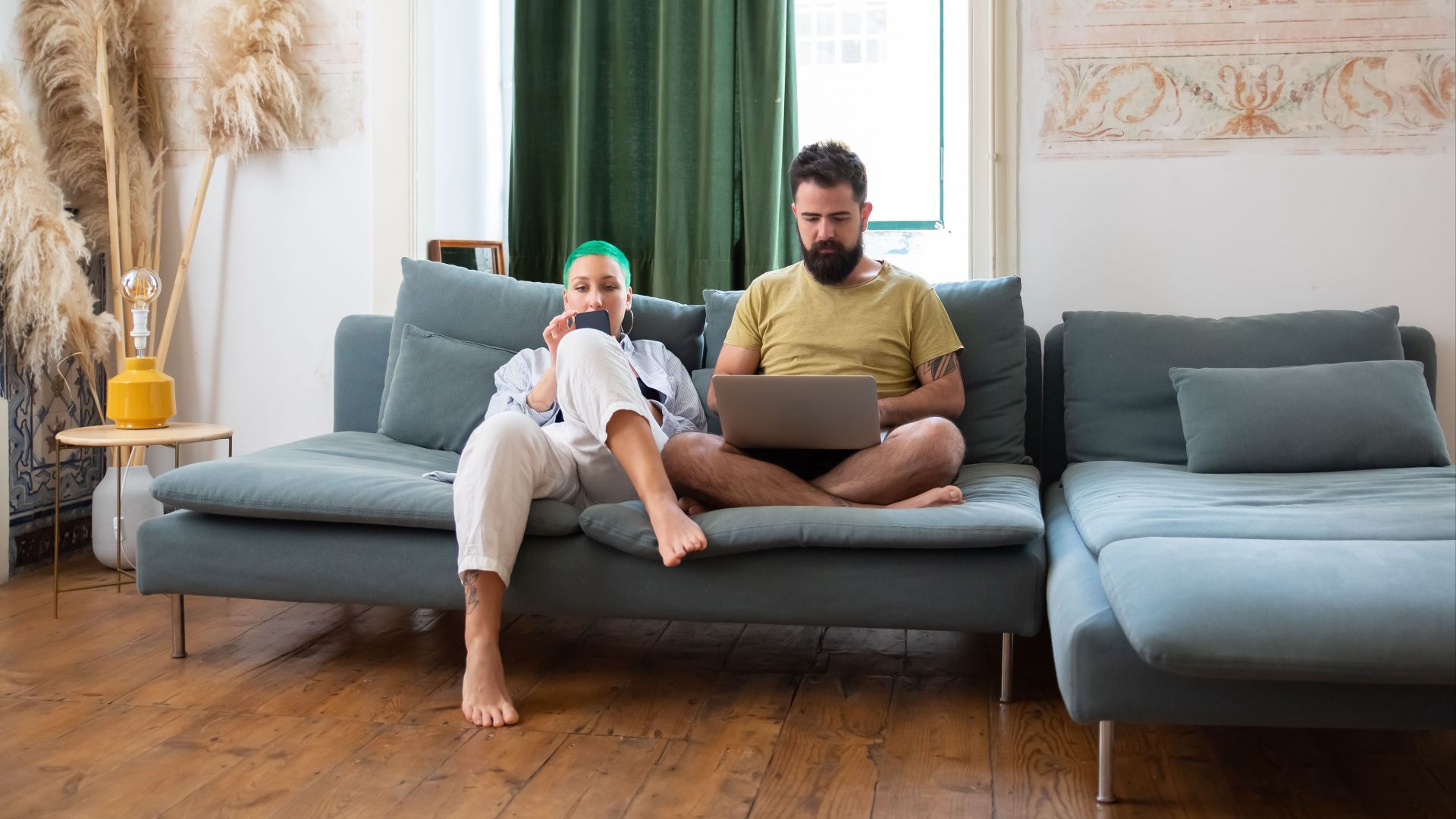
20. Let Your Home Evolve With Your Style
Your wardrobe changes as your tastes, lifestyle, and needs evolve, meaning your home doesn't have to stay the same forever. Allowing your surroundings to change keeps them connected to the way you actually live and dress.
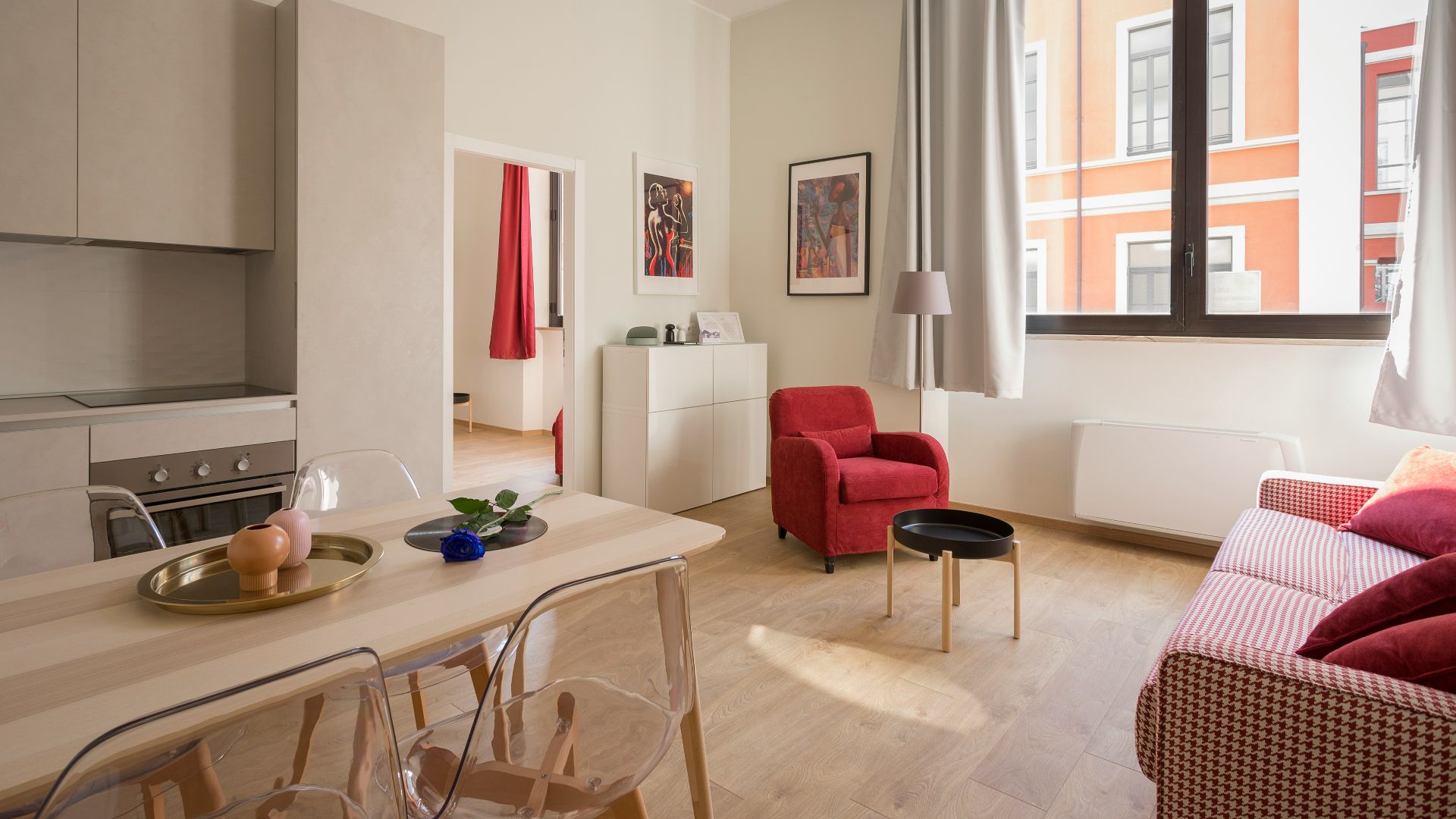 deborah cortelazzi on Unsplash