
Some Advice Aged Better Than Others
Every generation inherits a mental checklist of style rules passed down like family recipes, most of them delivered with total confidence and zero room for debate. Some of those rules held up because they were built on real logic about fit and polish. Others made sense in a world of pantyhose and department store dress codes, then slowly outlived their usefulness once fashion loosened up. Knowing which rules still deserve a place in your closet takes some sorting out. Here's 10 style rules our moms swore by, followed by 10 that have officially been retired.

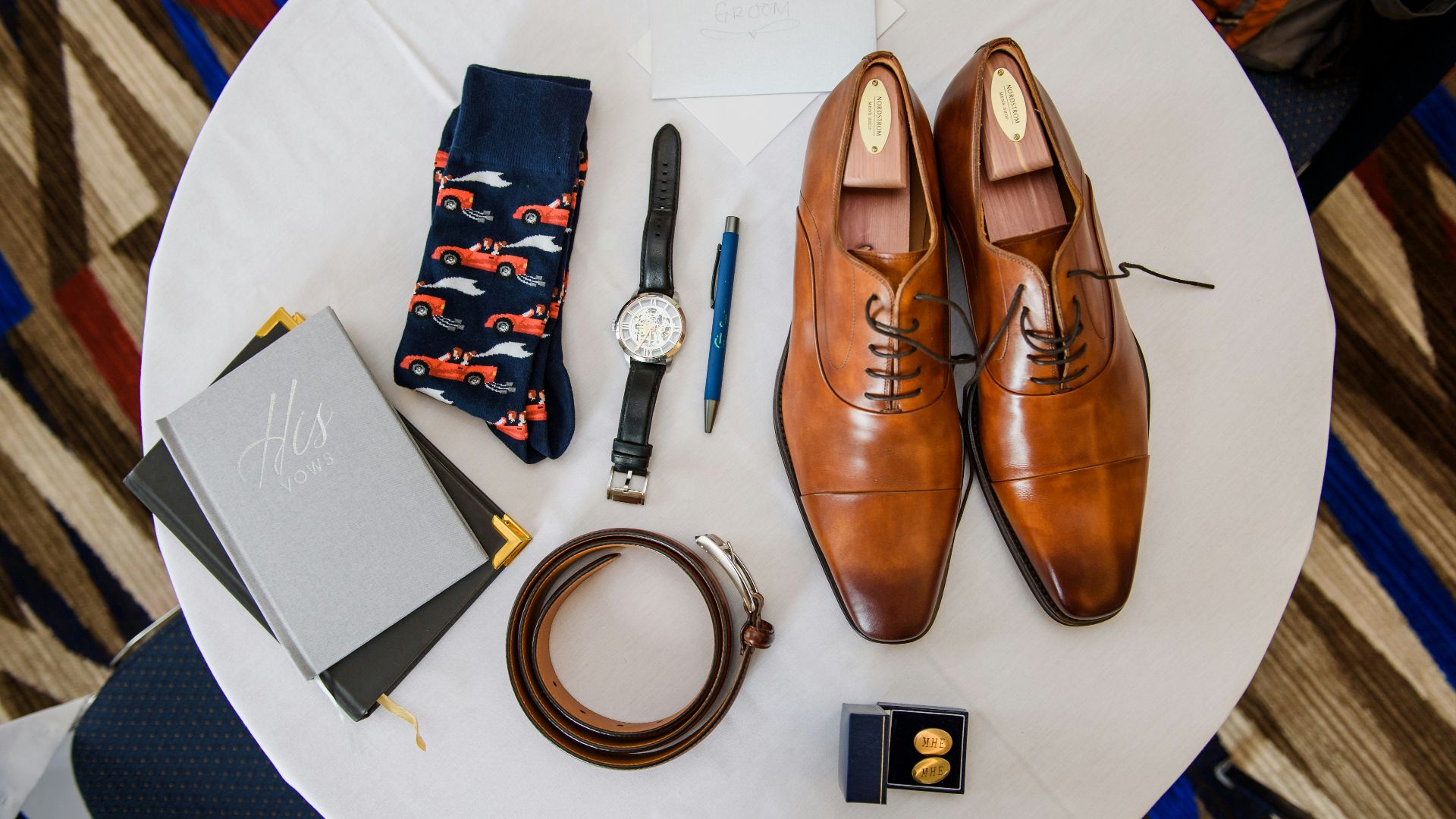
1. Match Your Belt To Your Shoes
This one wasn't just superstition, matching leather tones actually pulls an outfit together in a way that's easy to notice once someone points it out. Black with black and brown with brown became the baseline rule for looking put together without trying too hard. It's simple enough that most people still follow it without thinking twice.
 Christina Victoria Craft on Unsplash
2. No White After Labor Day
The rule traces back to a time when white fabric signaled summer vacation, and wearing it past September marked you as someone who hadn't gotten the memo that the season had changed. It had more to do with class signaling in earlier decades than with any real fashion logic. Moms repeated it anyway, often without knowing exactly where it came from.

3. Always Wear A Slip Under A Skirt
Thinner fabrics and lighter-colored skirts have a way of turning see-through under the wrong light, and a slip solved that problem before it became an issue. It also helped skirts hang smoother and move less awkwardly with each step. Plenty of women still keep one in a drawer for exactly this reason.
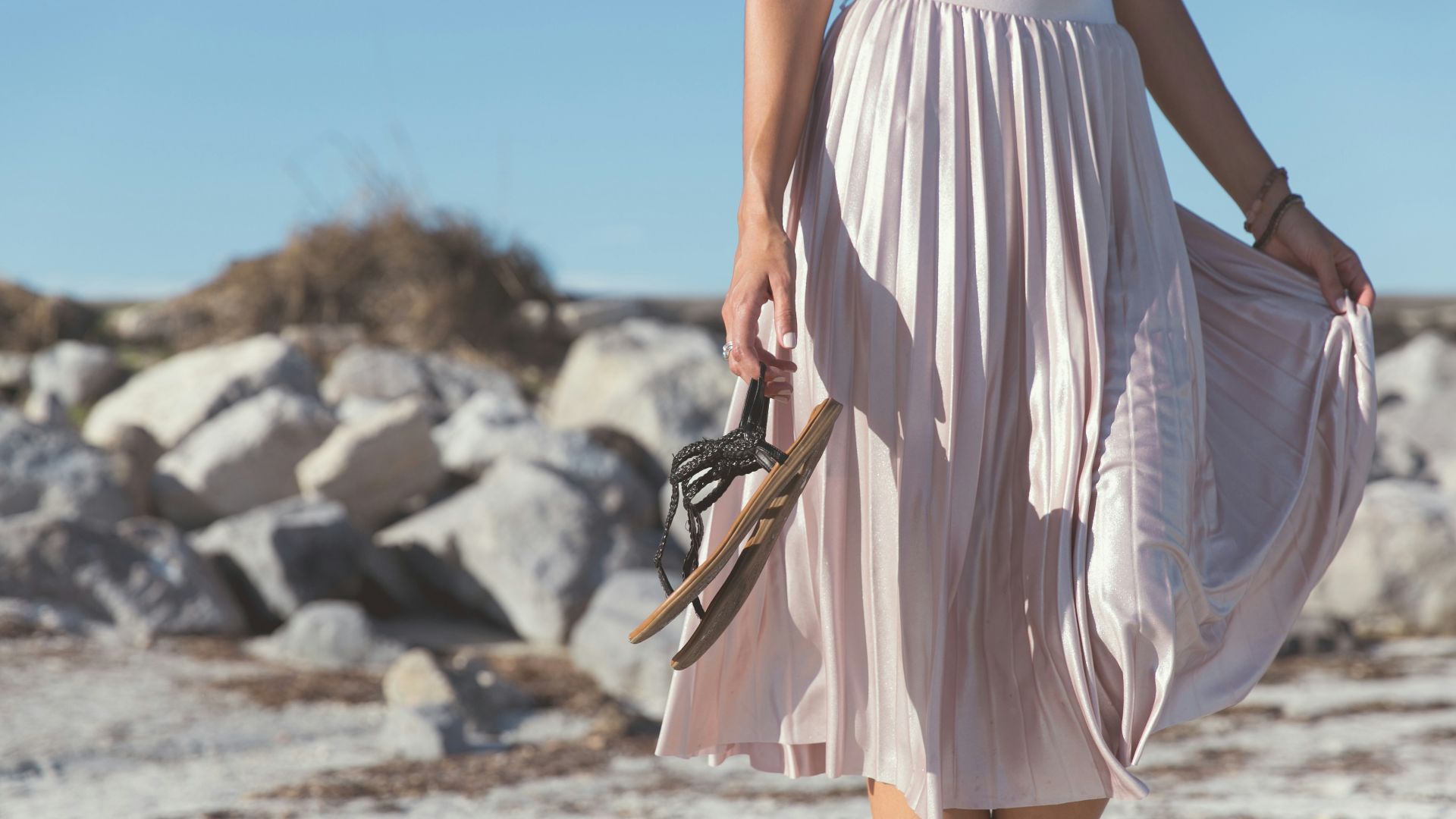
4. Never Combine Black And Brown
For decades, mixing these two neutrals was treated as an obvious style mistake, the kind of thing that got you a look across the room. The rule assumed the two colors would clash rather than complement each other. It held on stubbornly even as designers kept proving it wrong.
 Marcos Paulo Prado on Unsplash
5. Iron Everything Before You Leave The House
Wrinkled clothing read as careless in a way that had nothing to do with how expensive the outfit actually was. A five-minute pass with an iron signaled that you'd made an effort, and skipping it signaled the opposite. Moms treated a wrinkle-free shirt as a baseline requirement, not an optional extra.

6. Comb Your Hair And Tuck In Your Shirt
Looking put together started with the basics long before anyone worried about trends or brand names. A tucked shirt and a combed part were shorthand for taking the day seriously. It's advice that still shows up in job interview prep decades later.

7. Cover Your Shoulders At Church Or Dinner
Certain settings called for a level of modesty that ruled out anything sleeveless or too revealing, no exceptions negotiated. A cardigan or shawl became the default fix for any outfit that didn't quite meet the standard. The rule traveled from generation to generation almost unchanged.

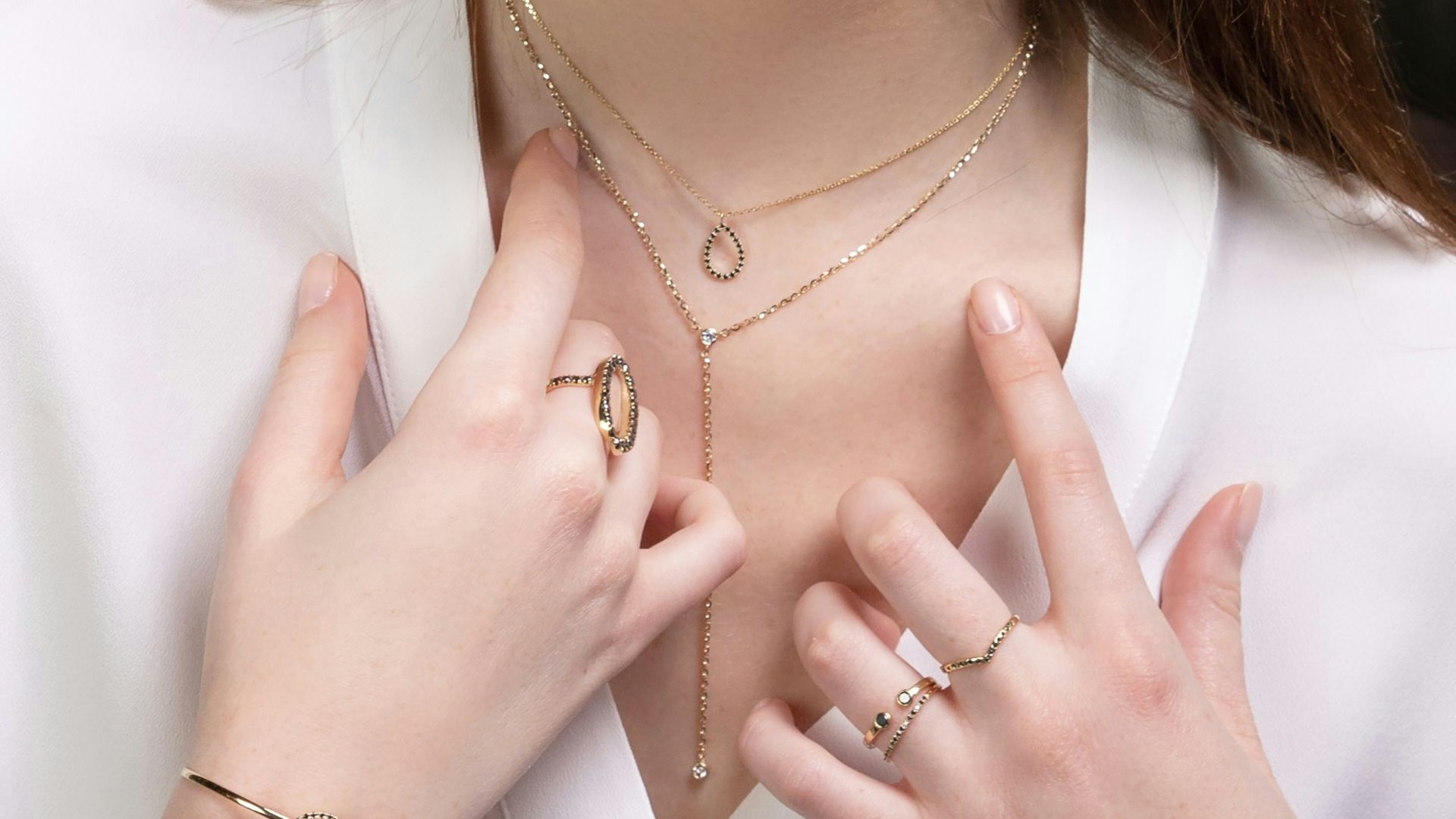
8. Stick To One Metal In Your Jewelry
Gold and silver mixed together read as careless rather than intentional for most of the twentieth century. Picking one metal and matching every piece to it was treated as basic jewelry etiquette. Breaking the rule meant risking a reputation for not paying attention to detail.
9. Polish Your Shoes Every Week
Scuffed shoes undercut an otherwise sharp outfit faster than almost anything else, and moms treated shoe care as a weekly obligation rather than an occasional chore. A quick polish signaled the same kind of effort as an ironed shirt. It's a habit that mostly survives now among people who wear real leather dress shoes.
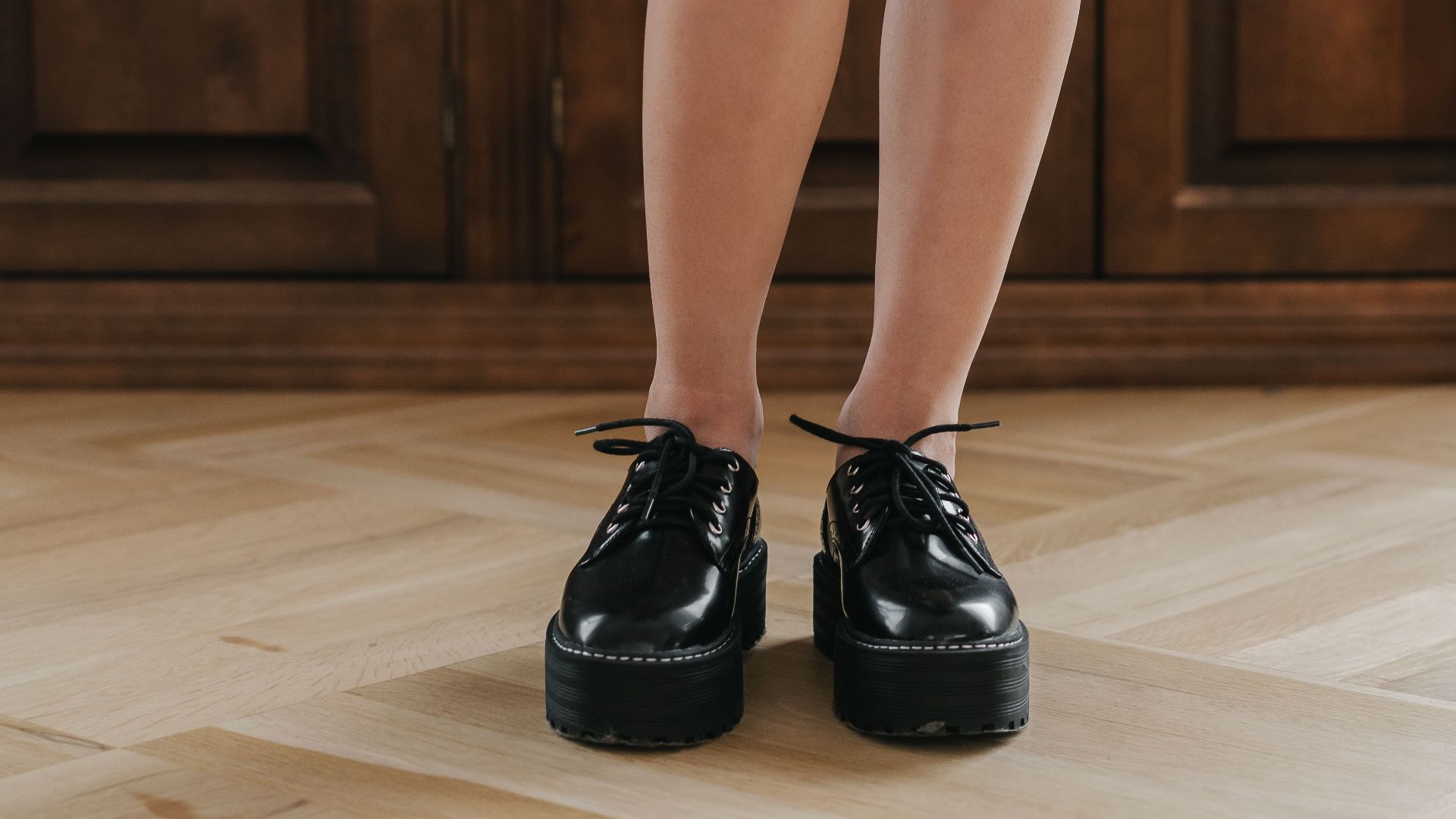
10. Dress A Notch Nicer Than The Occasion Requires
Showing up slightly overdressed was always considered safer than showing up underdressed, so moms erred upward whenever the dress code was unclear. Better to be the best-dressed person in a casual room than the most casual person in a dressed-up one. That instinct still holds up surprisingly well today.
Now, here's 10 rules that used to carry the same weight and have since been fully retired.
 Rodrigo Rodrigues | WOLF Λ R T on Unsplash
1. Sneakers Only Belong At The Gym
For decades, sneakers outside of a workout context read as a fashion misstep, something reserved strictly for the treadmill. Designer collaborations and streetwear culture erased that line completely, and now sneakers show up with suits at weddings without raising an eyebrow. The gym-only rule fully died out somewhere in the last fifteen years.

2. Denim Is Too Casual For Anywhere But Home
Jeans used to be firmly banned from offices, nice restaurants, and anywhere considered semi-formal. Dark, well-tailored denim has since worked its way into dress codes that once would have turned it away at the door. The line between casual and dressy denim matters more now than whether it's denim at all.

3. One Statement Piece Per Outfit, Maximum
The old advice said pick one bold item and let everything else stay quiet around it. Current styling leans the opposite direction, stacking bold colors and prints on purpose rather than showing restraint. Maximalism turned the old restraint rule into something closer to a suggestion.

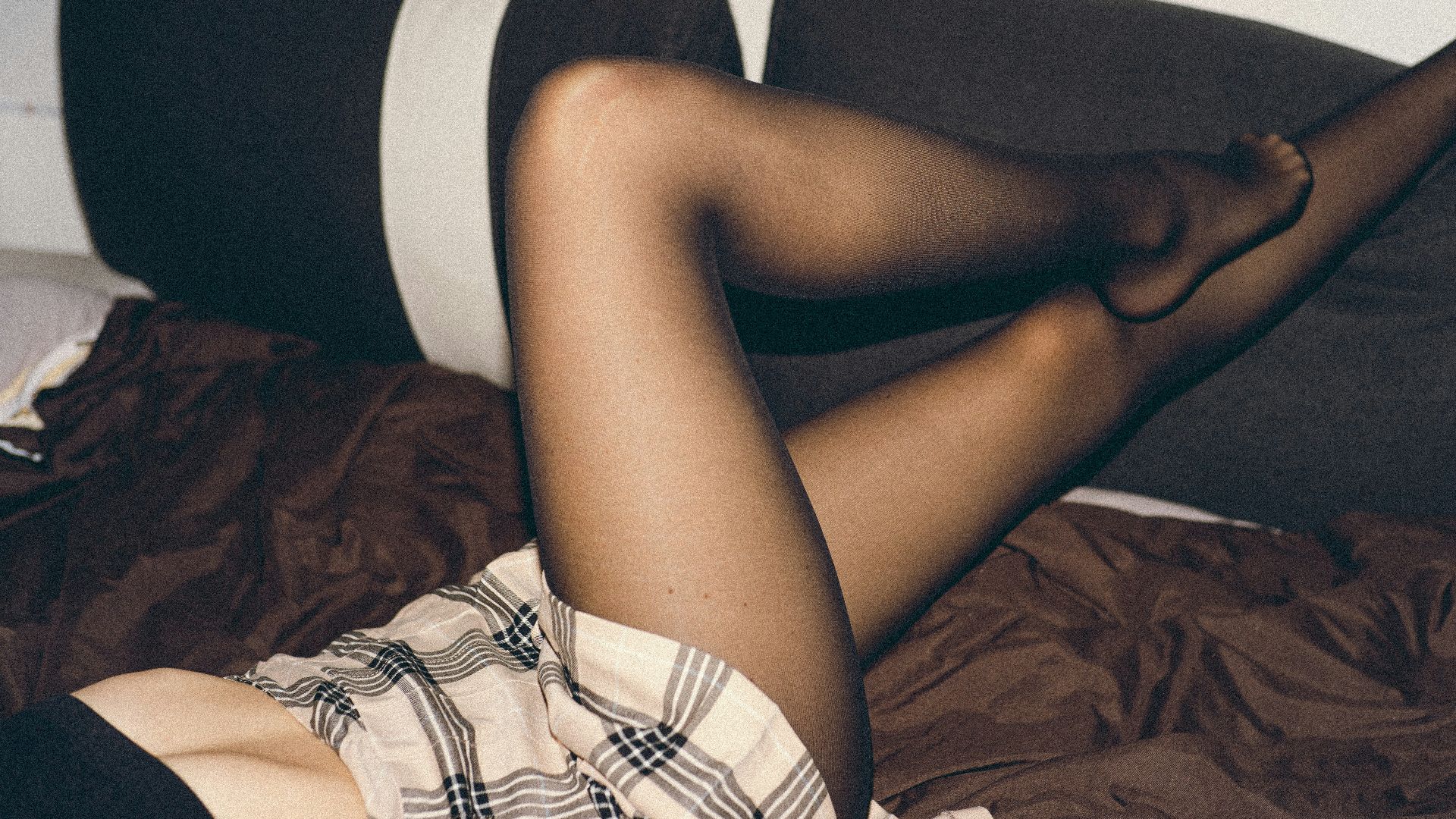
4. Pantyhose Are Mandatory With A Skirt
Bare legs under a skirt or dress used to be considered unfinished, almost like leaving the house without shoes. Sheer tights and bare legs are both completely normal now, even in professional settings that once required hosiery without exception. The rule mostly survives today in a handful of strict corporate dress codes.
5. Visible Bra Straps Are A Fashion Emergency
A visible strap used to prompt an immediate, urgent fix, usually involving a safety pin or a change of shirt entirely. Plenty of tops and dresses today are designed with straps meant to show on purpose. What counted as an emergency then barely registers as a detail now.

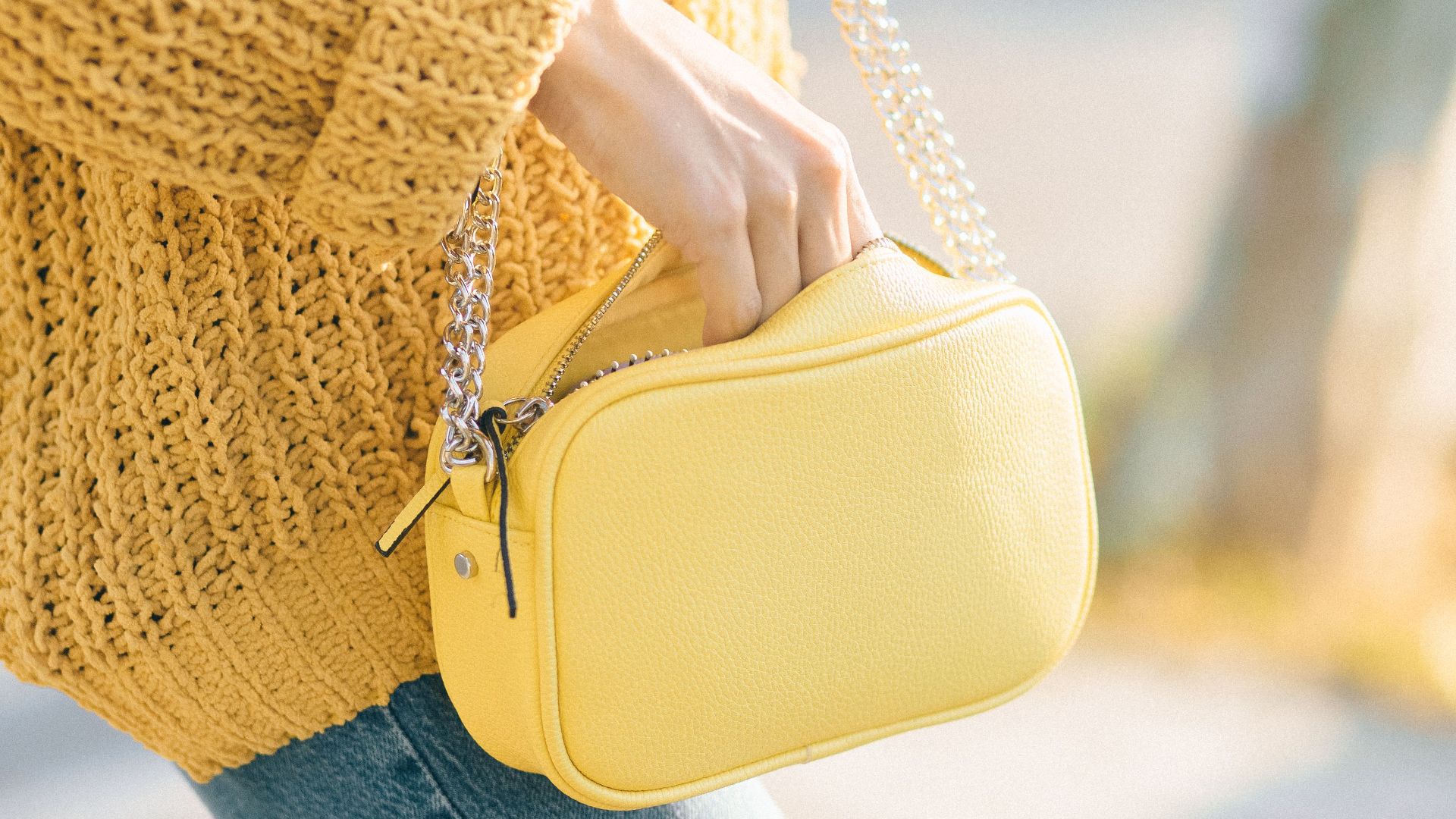
6. Handbags Have To Match Your Shoes Exactly
Matching accessories used to be treated as a hard rule rather than a suggestion, with mismatched shoes and bags reading as an oversight. Contrasting colors and textures are now considered intentional styling rather than a mistake. Nobody's checking whether your bag matches your shoes anymore.
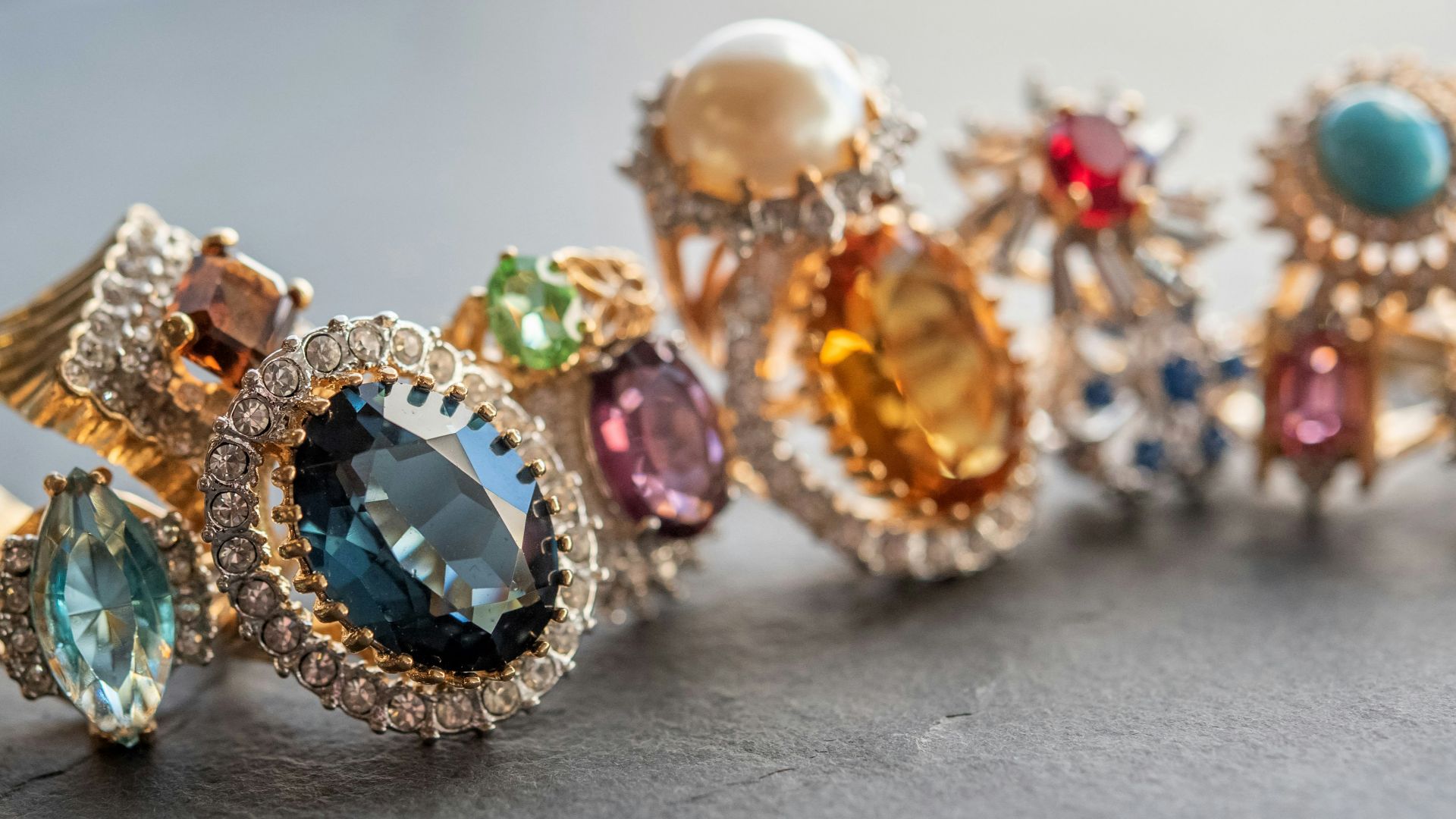
7. Real Jewelry Only, Never Costume
Costume jewelry once carried a stigma, treated as a cheaper stand-in for the real thing that better-dressed people avoided. High-end designers now build entire collections around bold costume pieces, erasing whatever distinction used to matter. What you paid for a piece has very little to do with how it reads today.
 Anthony Calandrelli on Unsplash
8. Every Outfit Needs A Matching Blazer Or Cardigan
Structured layering used to be treated as the finishing touch that made any outfit look complete. Looser, more casual layering has taken over instead, favoring comfort and proportion over a matched set. The blazer-over-everything rule now feels more like a specific style choice than an obligation.

9. Sweatpants Never Leave The House
Sweatpants used to be strictly loungewear, something you changed out of before answering the door for a delivery. Elevated athleisure changed that entirely, turning sweatpants into something people wear to run errands or grab coffee without a second thought. Comfort stopped being something to hide.

10. Trends Are Only For Teenagers
Adults who dressed too trendy used to risk looking like they were trying too hard for their age. Social media flattened that distinction, and now people of every age experiment with whatever's currently popular. Age stopped being the gatekeeper it once was for what counted as appropriate style.