
20 Fashion Habits That Change When You Start Dressing for Yourself
Personal Style Gets a Lot Easier When You Stop Auditioning
Dressing for yourself doesn’t mean you stop caring about how you look. It means you stop treating every outfit like it needs approval from strangers, coworkers, dates, or whatever imaginary panel lives in your head. Once you start choosing clothes based on comfort, confidence, mood, and real life, your habits shift in ways that make getting dressed feel less stressful. You still want to look good, but suddenly “good” has a lot more to do with how you feel wearing something. Here are 20 fashion habits that change once you stop caring so much about other people's opinions.
1. You Stop Buying Clothes for a Fantasy Version of Your Life
When you dress for yourself, you get much better at spotting clothes that only make sense in your imagination. The dramatic blazer, tiny clutch, or impossible shoes might be gorgeous, but they don’t help much if your actual week involves errands, work, and walking more than ten steps. You start asking whether an item fits your real routine instead of some perfectly styled version of it.
2. You Care More About Fit Than the Size Tag
The number on the label starts to lose power once you realize sizing is wildly inconsistent. A dress that fits beautifully in one brand can be two sizes away from what you usually wear somewhere else. Dressing for yourself means choosing what works on your body, not what makes you feel smug for five seconds in a fitting room.
3. You Rewear Outfits Without Making It a Thing
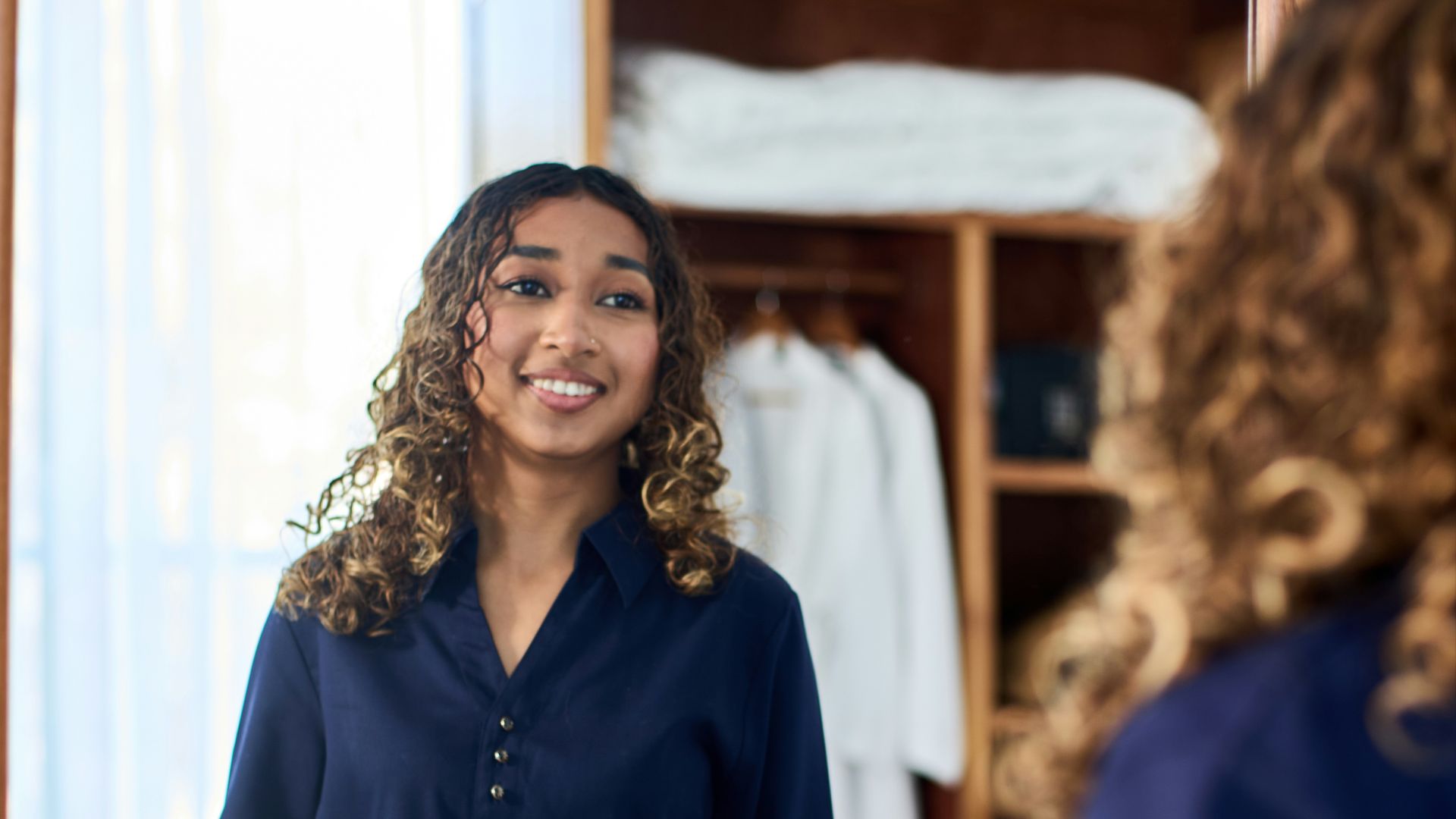
At some point, you stop acting like every outfit needs to be a world premiere. If a combination makes you feel comfortable and polished, you wear it again because that’s the whole point of owning clothes. Most people don’t remember what you wore last Tuesday anyway.
 Shane Ryan Herilalaina on Unsplash
4. You Quit Saving Your Favorite Pieces for “Someday”
Dressing for yourself makes you less precious about the clothes you genuinely love. That soft sweater, great coat, bold lipstick, or perfect pair of earrings doesn’t need a special occasion to leave the closet. You start letting your everyday life be enough of a reason.
5. You Stop Dressing to Look Smaller
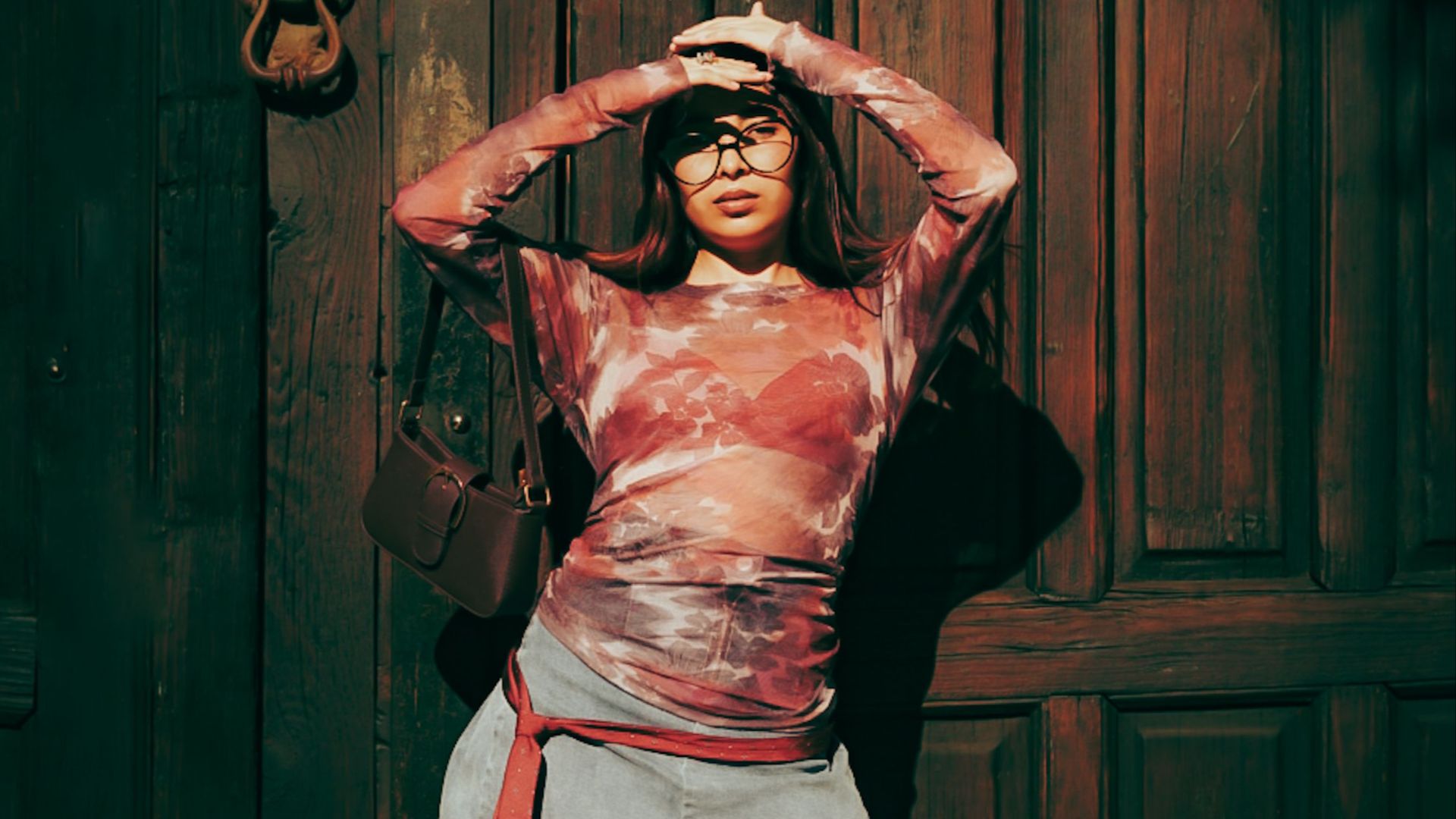
A lot changes when you stop making “flattering” mean “as slim as possible.” You may still love clothes that shape, smooth, or define, but they’re no longer the only options allowed. Dressing for yourself makes room for volume, color, texture, and silhouettes that simply make you happy.
6. You Build Outfits Around Comfort First
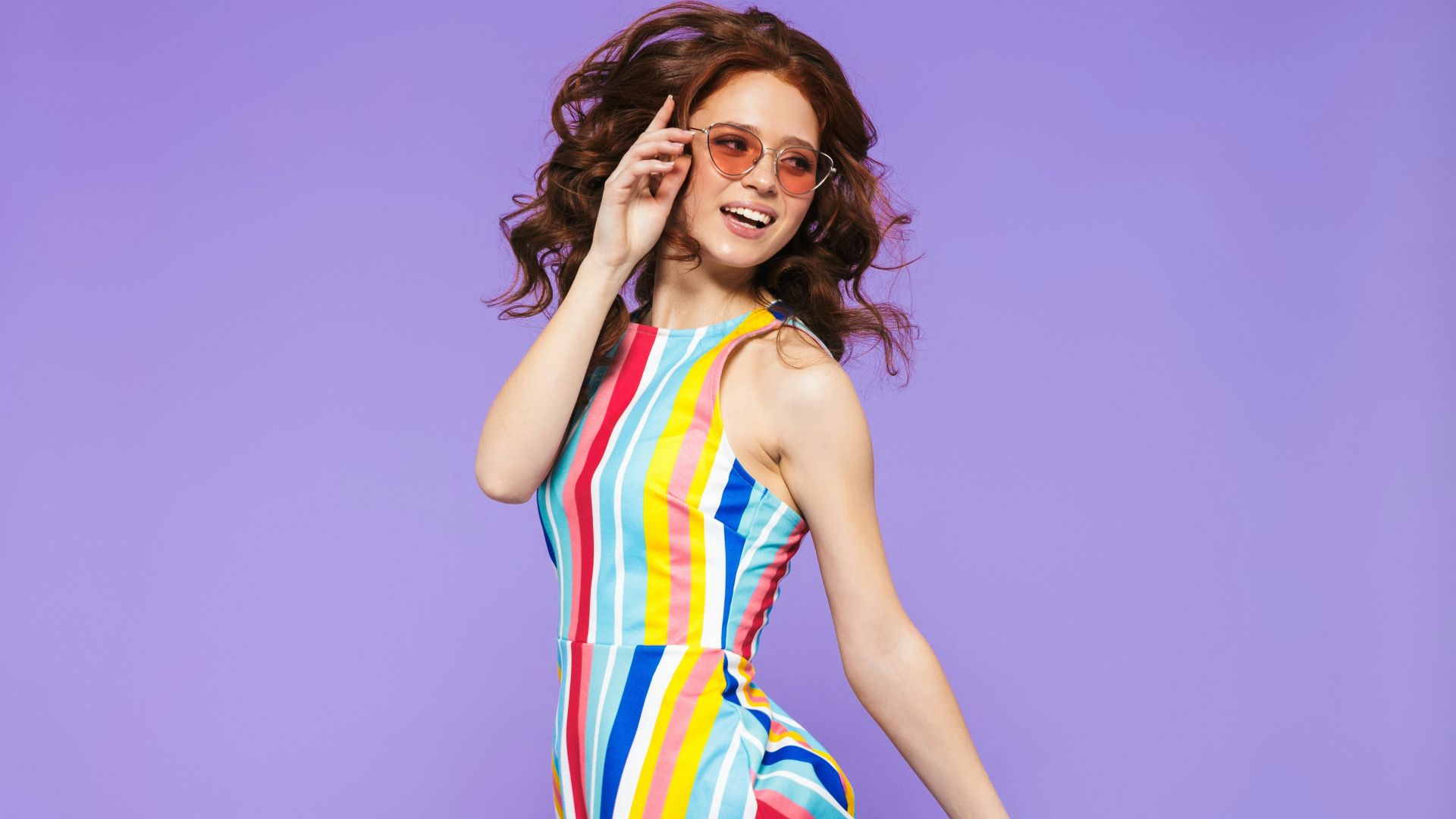
Comfort stops feeling like a compromise when you start paying attention to how much it affects your day. Shoes that pinch, waistbands that dig, and fabrics that itch can ruin an outfit no matter how stylish it looks in a mirror. You start noticing which pieces let you move, sit, breathe, and relax without constant adjustment. Looking good feels much easier when you’re not secretly counting the minutes until you can change.
7. You Experiment Without Needing Permission
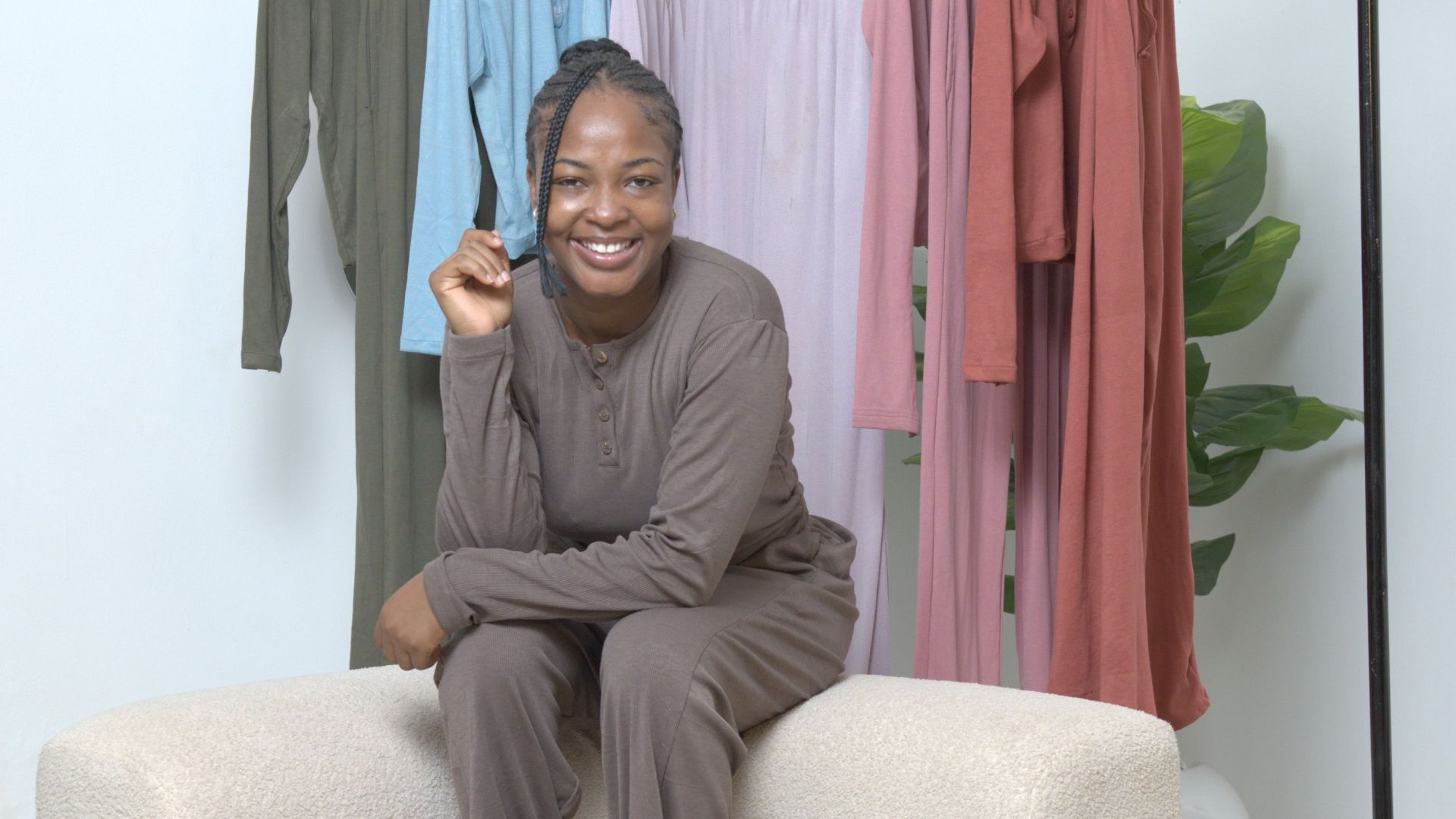
Personal style gets more fun when you stop waiting for someone else to declare a trend acceptable. You might try a color you used to avoid, a wider-leg pant, a statement necklace, or a print that would’ve once felt too bold. Not every experiment becomes a signature look, and that’s fine. The point is that you learn what you like by actually trying things.
8. You Stop Chasing Every Trend
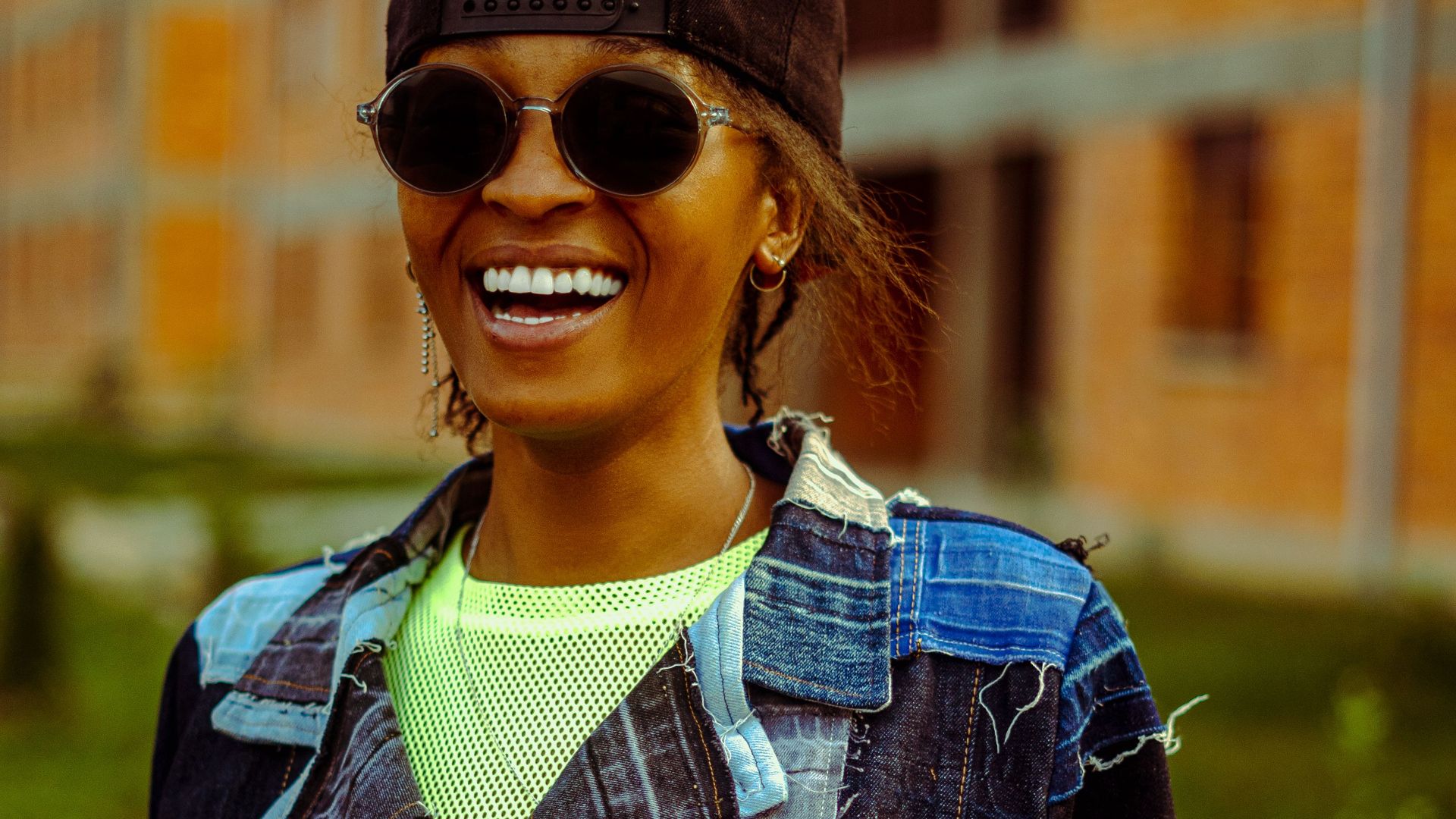
Trends become suggestions instead of assignments once you’re dressing for yourself. You can enjoy what’s current without feeling pressured to rebuild your closet every season. Some trends will fit your taste, and others will look better on the hanger than in your real life.
9. You Get Pickier About Fabrics
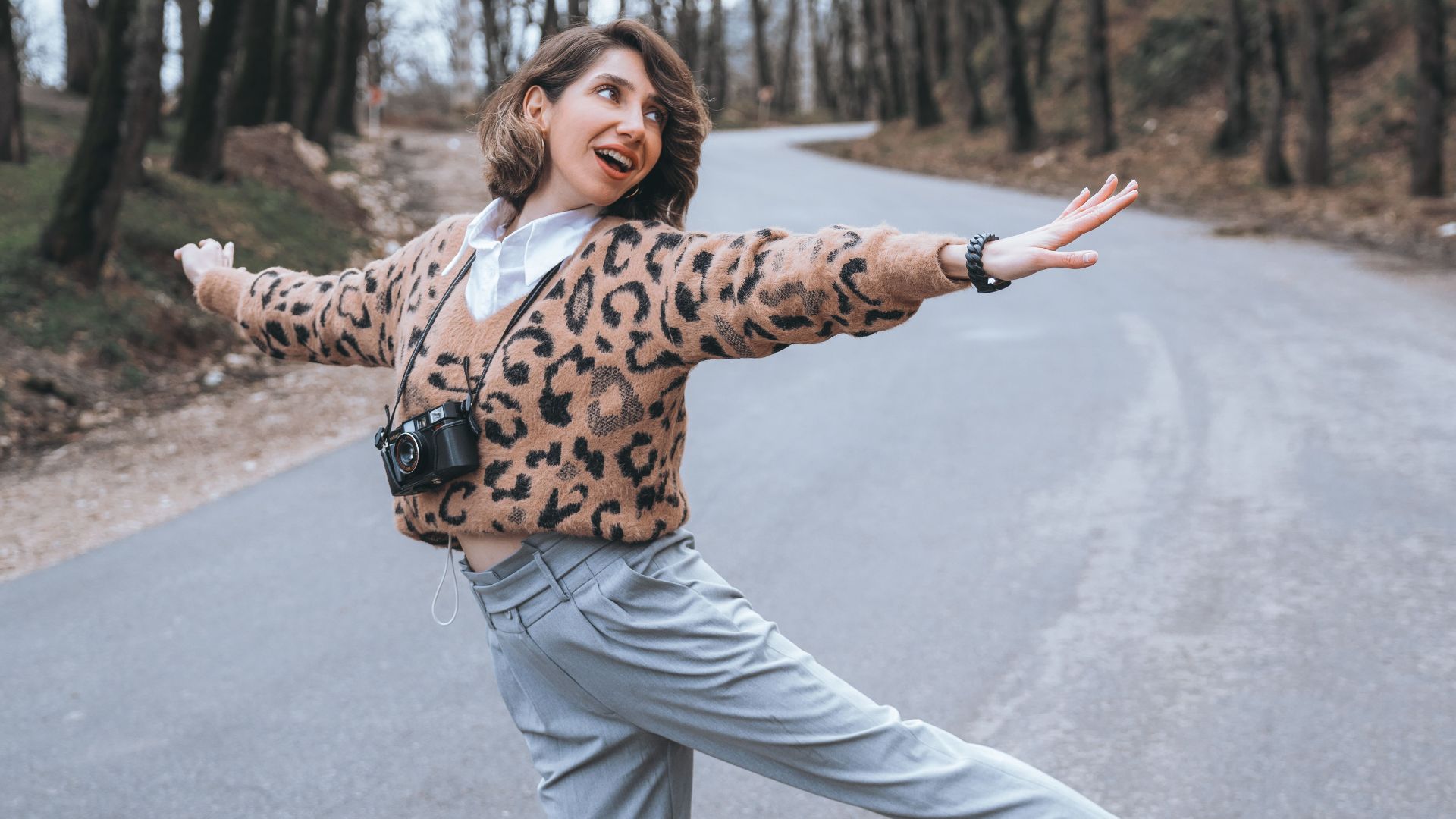
Once you dress for yourself, fabric starts mattering more than the little thrill of a cheap impulse buy. You notice what breathes, what wrinkles instantly, what clings weirdly, and what feels good after a full day. A shirt can be cute and still not deserve your patience if the material annoys you every time you wear it.
10. You Wear Colors Because You Like Them
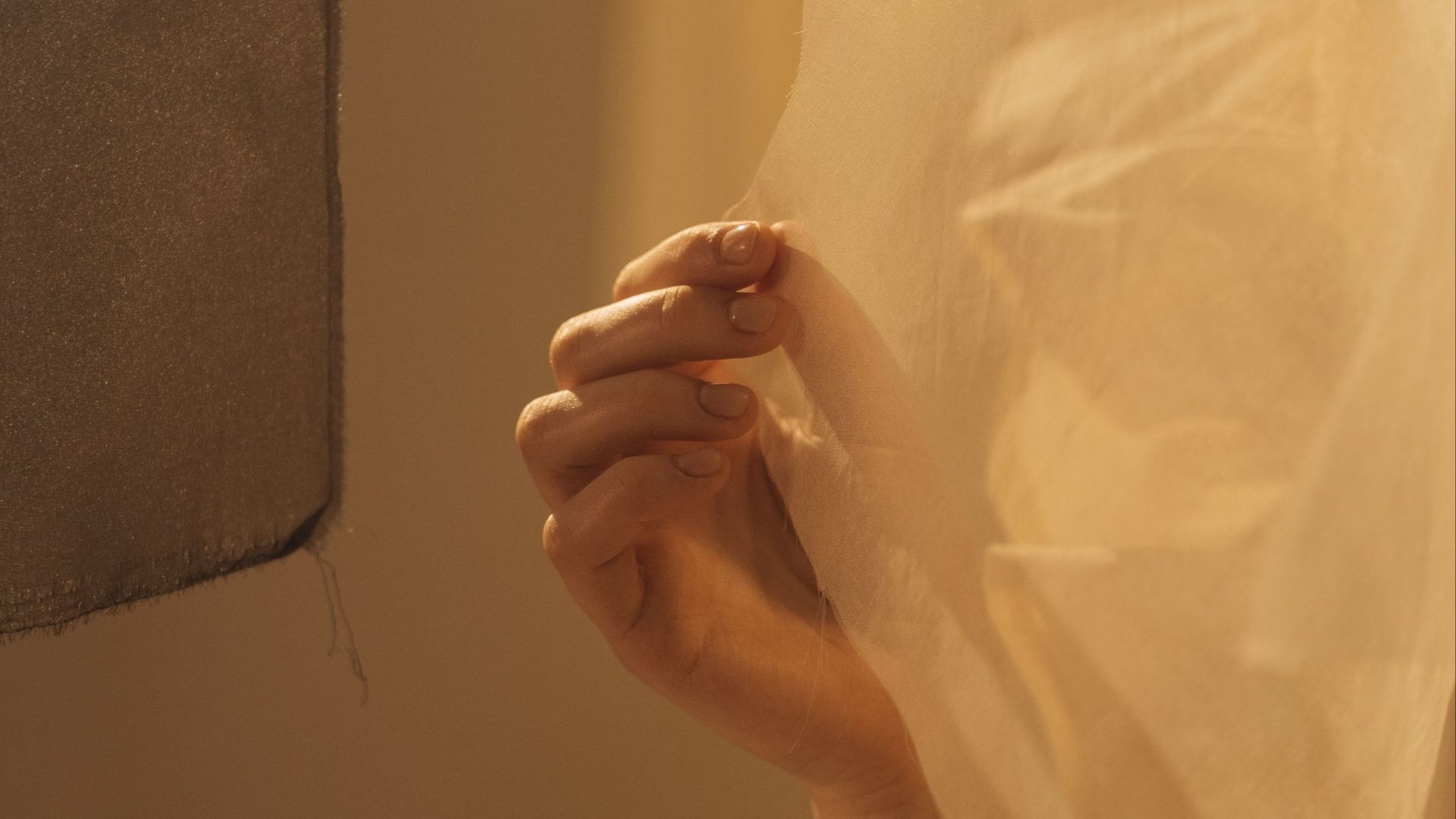
Dressing for yourself means color stops being only about rules, seasons, or what an influencer once told you wasn't good for your complextion. You may still notice which shades brighten your face, but you don’t have to treat that as a strict law. If a color makes you feel cheerful, calm, sharp, or powerful, that counts for something.
11. You Stop Keeping Clothes That Make You Feel Bad
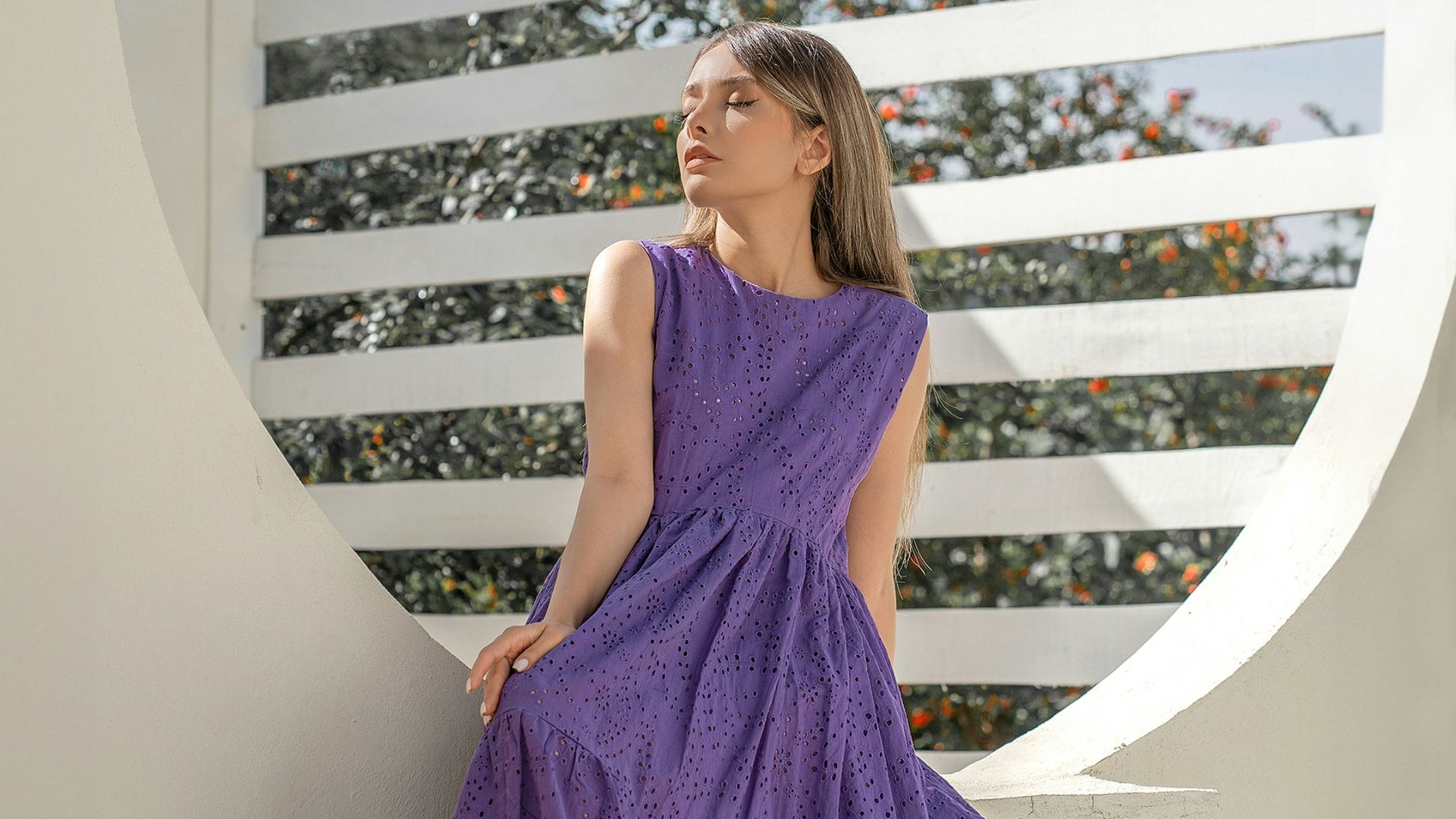
A closet full of guilt isn't a useful closet. When you dress for yourself, you become more willing to let go of pieces that pinch, remind you of a weird phase, or only exist because you spent money on them. Keeping something doesn’t refund the purchase, and wearing it out of obligation doesn’t make it better.
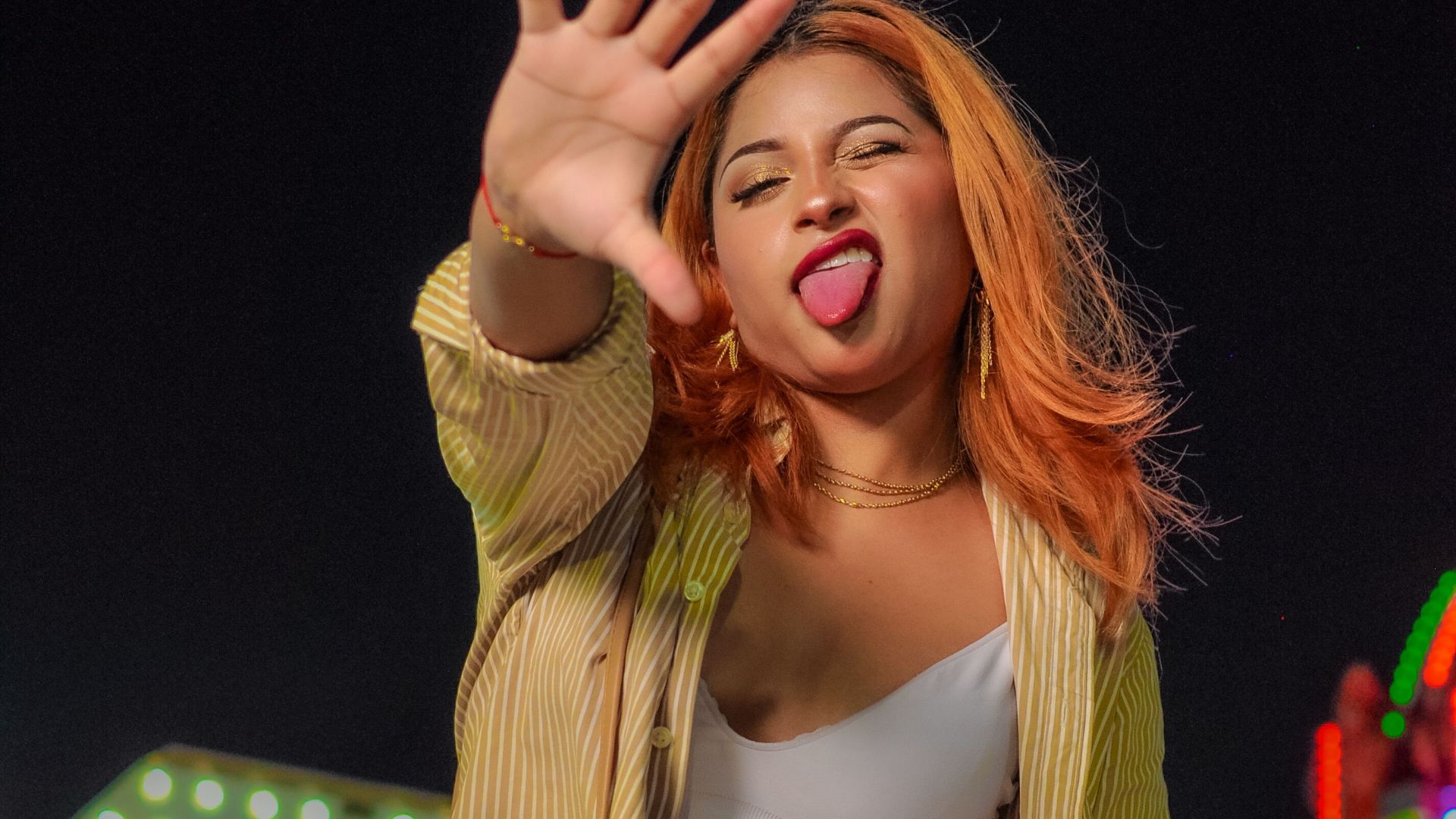
12. You Dress for Your Plans, Not Other People’s Expectations
Your outfit choices start making more sense when they’re based on what your day actually requires. If you’ll be walking, sitting, carrying things, working, eating, or running around, those details matter more than looking impressive for five minutes. Dressing for yourself doesn’t mean underdressing; it means dressing honestly.
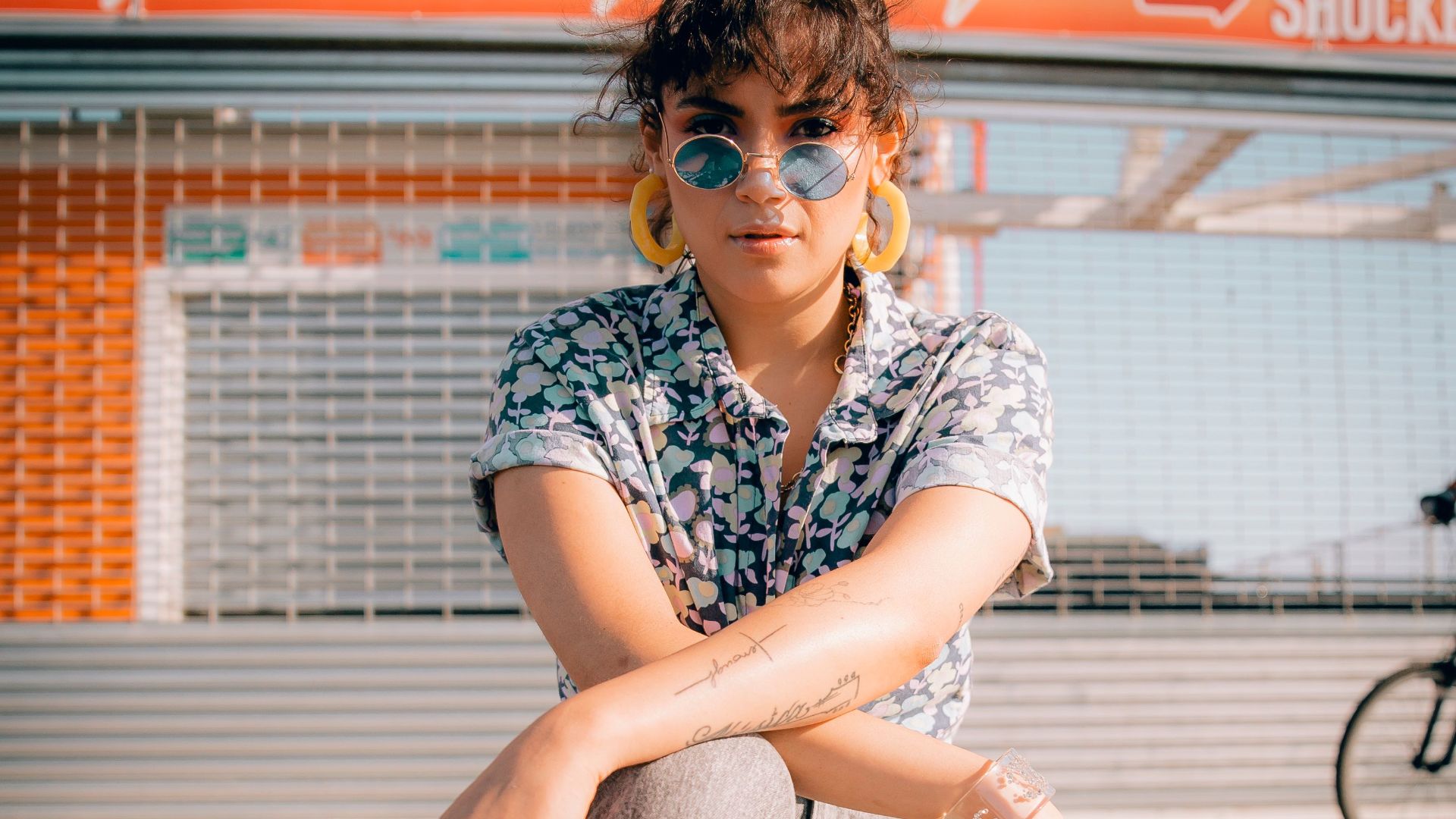
13. You Develop a Few Personal Uniforms
A personal uniform doesn’t have to be boring. It might be jeans, a crisp shirt, and loafers, or a midi dress with boots, or wide-leg pants and a fitted tee. Dressing for yourself helps you notice the outfit formulas that consistently make you feel like you. Once those formulas click, getting ready becomes a lot less dramatic.
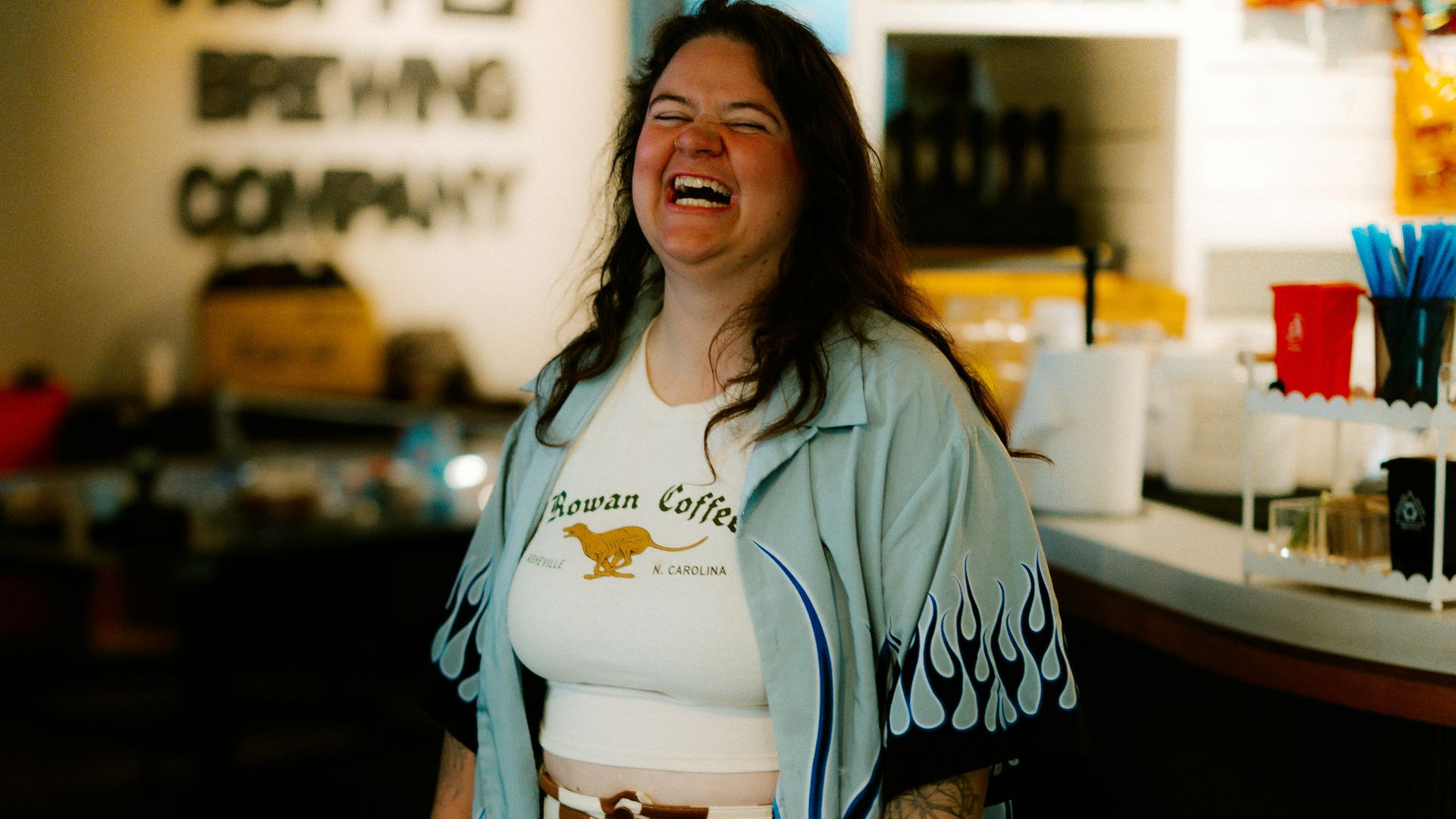
14. You Stop Apologizing for Being Overdressed
When you like what you’re wearing, you don’t need to shrink it down just because everyone else chose leggings. A great coat, polished dress, bold earrings, or sharp boots can be part of your normal style if they make you feel good.
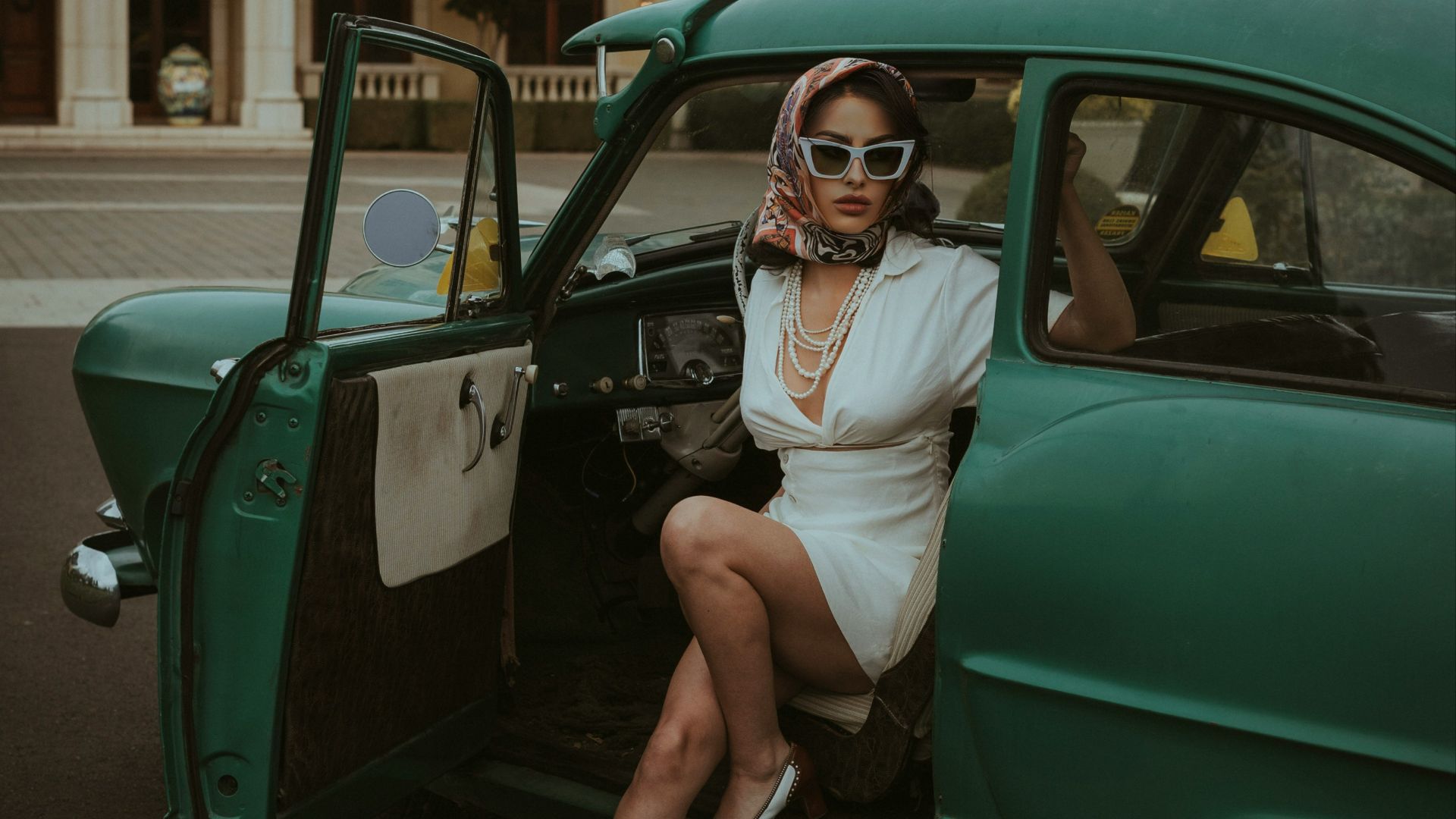
15. You Also Stop Apologizing for Being Casual
The flip side is just as important: casual doesn’t have to mean careless. Dressing for yourself helps you respect simple outfits that feel clean, comfortable, and true to your life. You can wear sneakers, soft pants, a plain tee, or a relaxed jacket without treating it like a style failure.
16. You Become Less Loyal to “Rules”
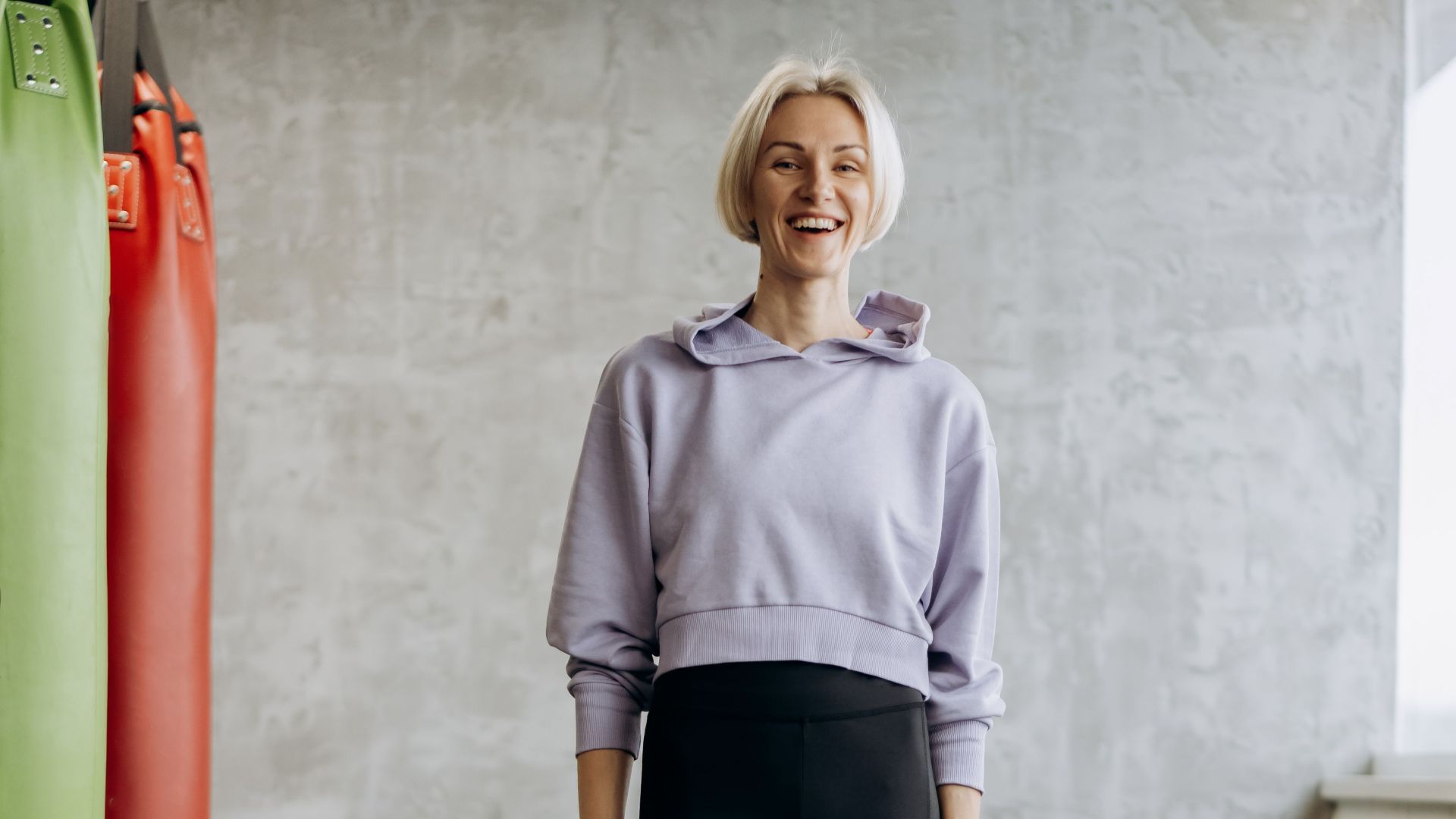
No white after Labor Day, no mixing metals, no horizontal stripes, no sneakers with dresses, no short hair after a certain age. Once you dress for yourself, a lot of these rules start sounding more like opinions with too much confidence. You may keep the ones that genuinely help you, but you stop following rules just because they’ve been repeated for decades.
17. You Notice What You Actually Reach For
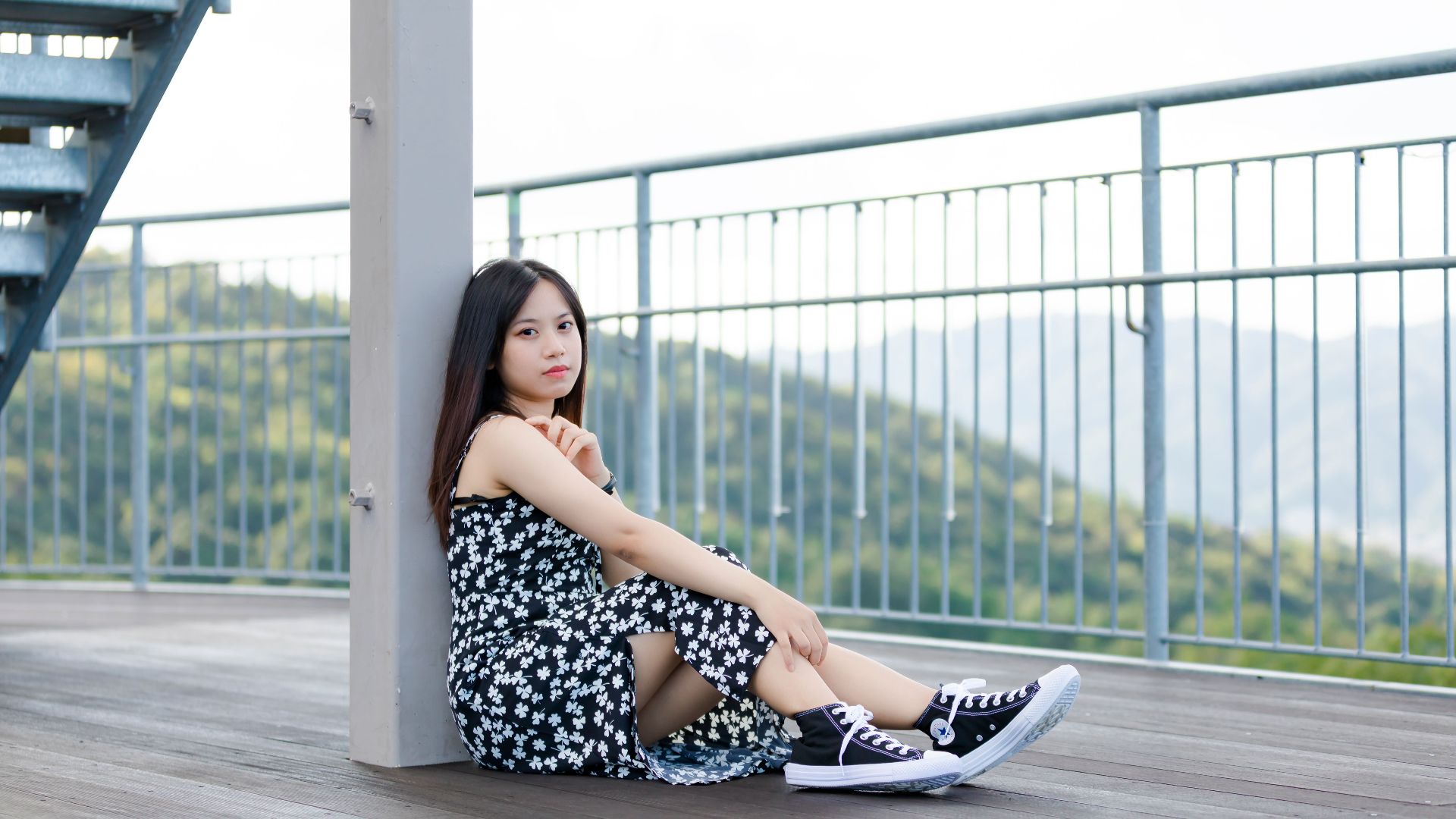
Your real style is often hiding in your laundry basket. When you start dressing for yourself, you pay attention to the pieces you wear constantly instead of the ones you think you should love. That information is useful because it shows you what fits your body, schedule, and mood. Buying more in that direction usually works better than forcing yourself into a look that never leaves the hanger.
18. You Let Accessories Reflect Your Personality
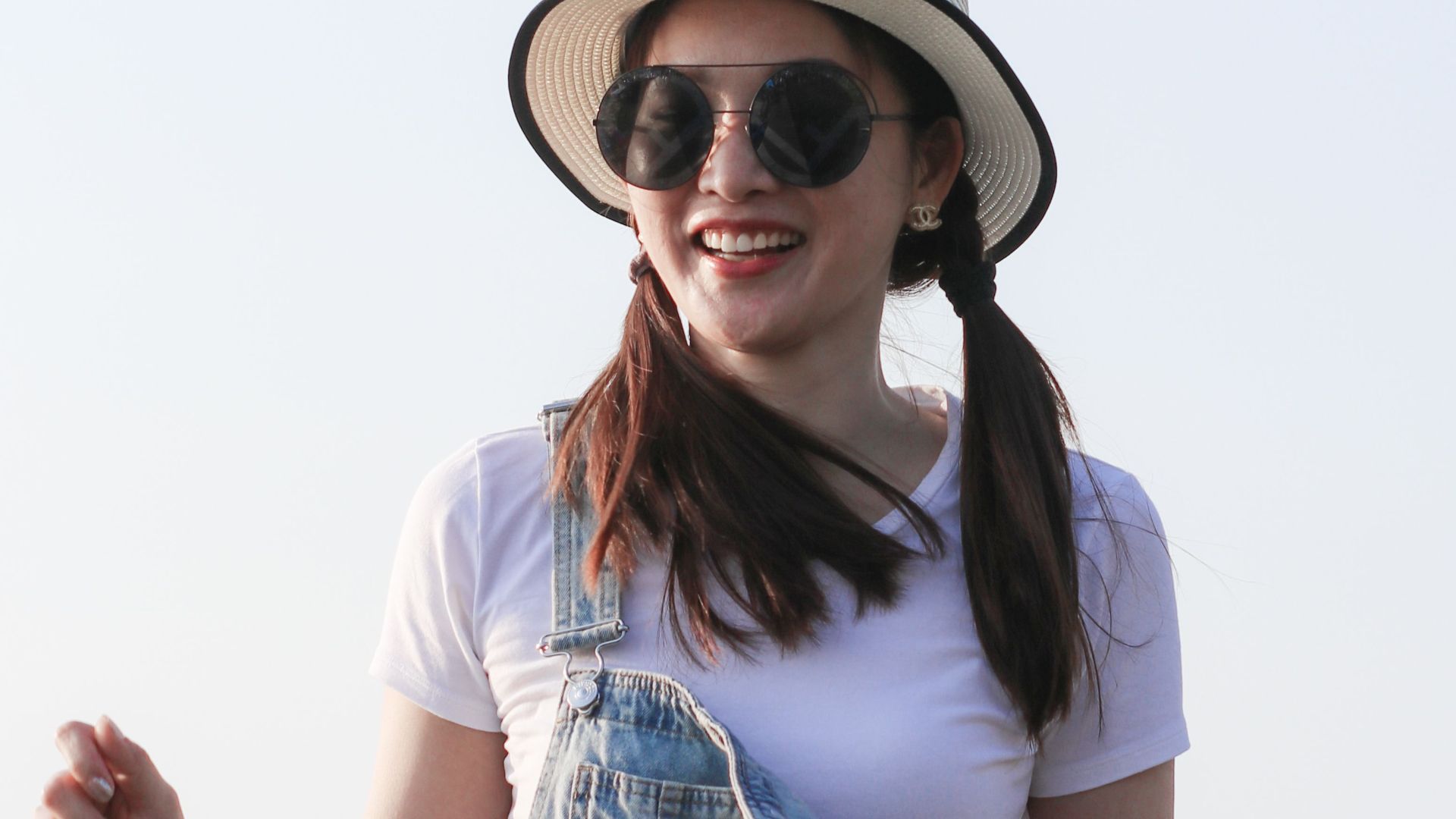
Accessories become more fun when they’re not just there to make an outfit acceptable. You might choose jewelry, scarves, belts, bags, glasses, or hair pieces because they say something about your taste. Small details can make even simple clothes feel more personal.
19. You Stop Waiting to “Earn” Certain Clothes
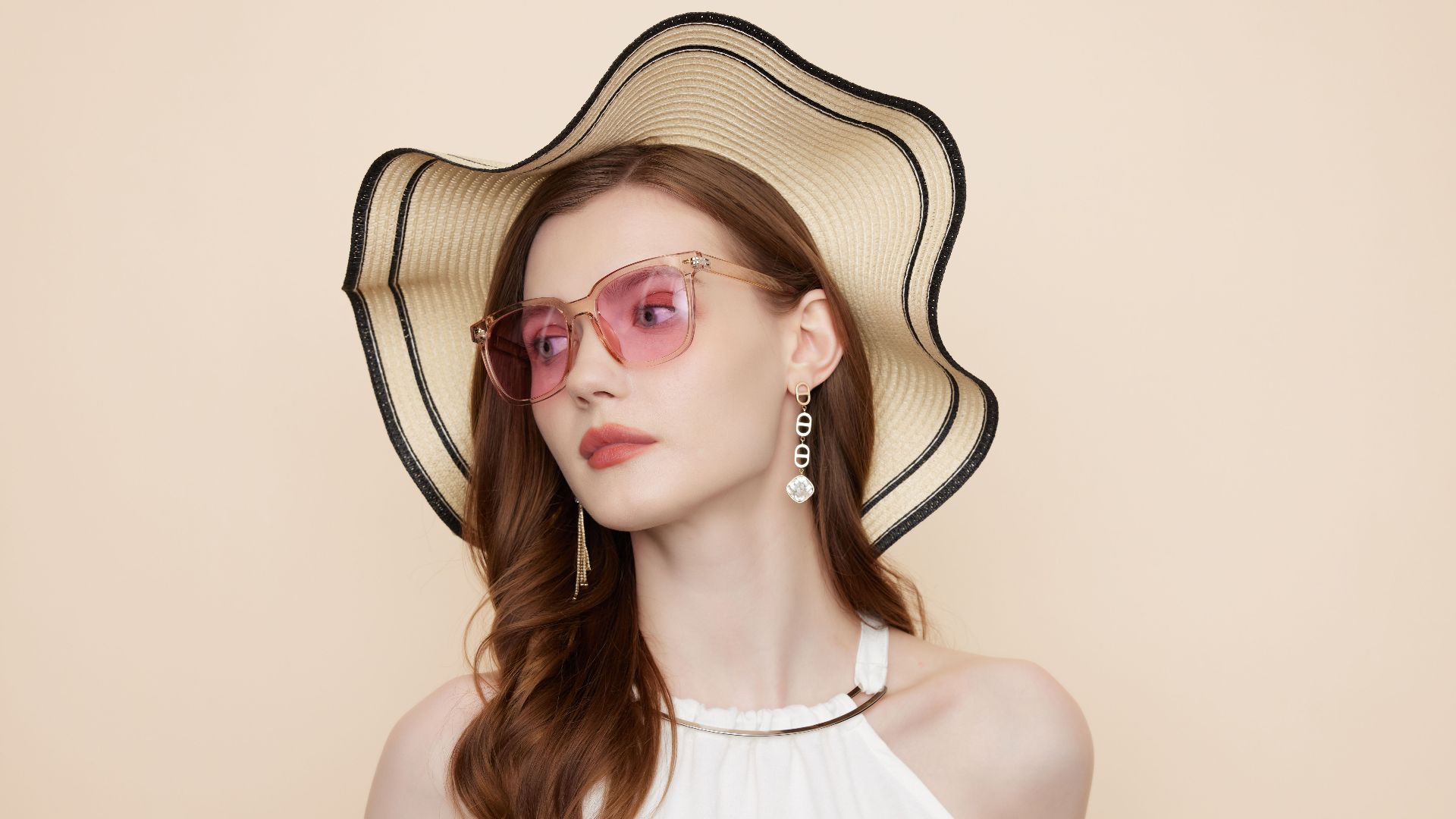
Dressing for yourself helps you drop the idea that you need a different body, job, age, or lifestyle before you’re allowed to wear what you like. You don’t have to wait until you lose weight, become more confident, or have a more glamorous calendar. Confidence often shows up after you start wearing the thing.
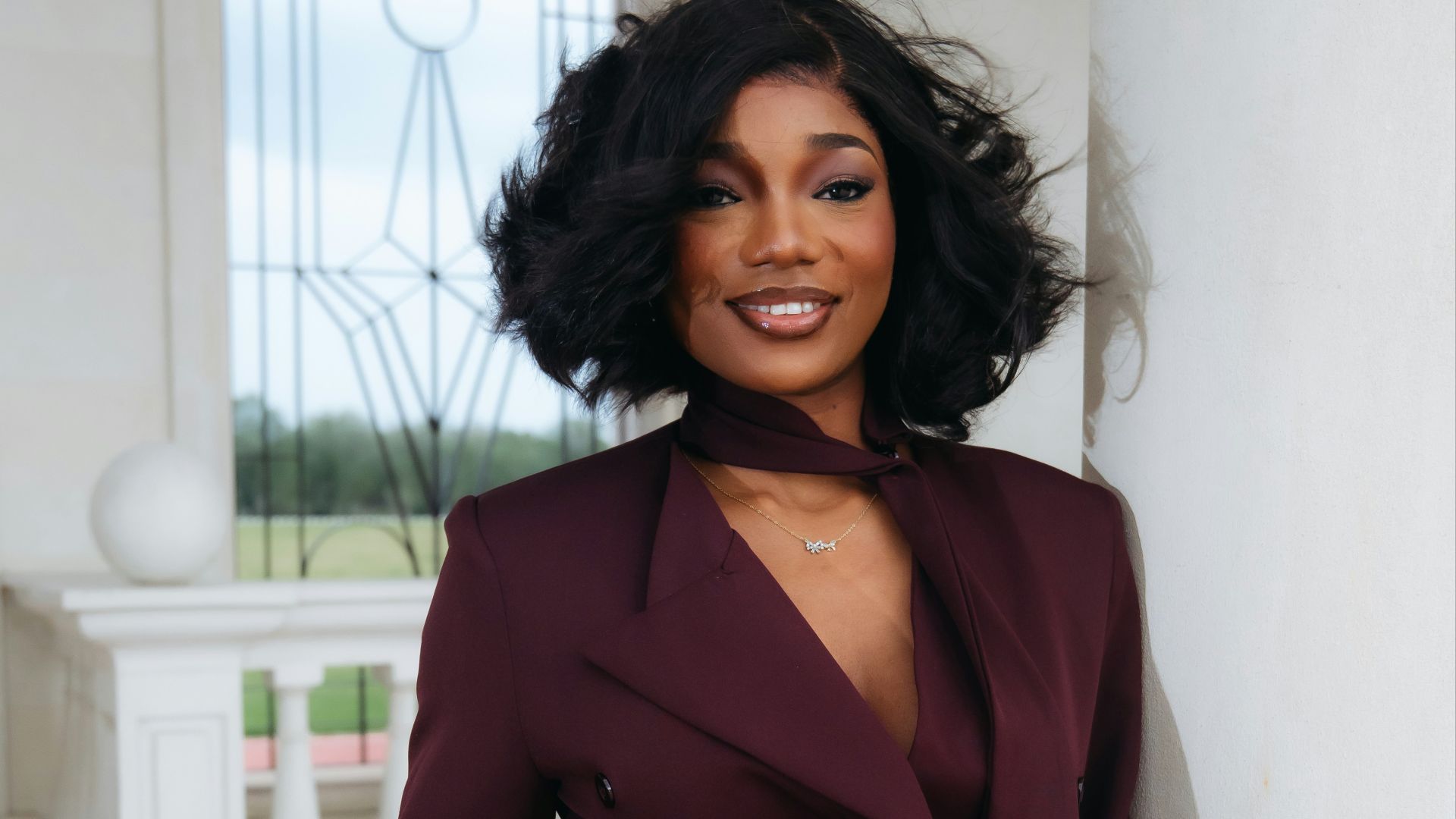
20. You Trust Your Own Taste More
The biggest habit change is that you stop outsourcing every style decision. Compliments are still nice, but they’re no longer the entire goal. You learn to recognize the difference between clothes that get attention and clothes that make you feel grounded, confident, and comfortable.