Smarter Beauty Shopping
Buying skincare or makeup should feel fun, but once your haul comes and you test the products out, sometimes they fall short of your expectations. Between TikTok-viral recommendations, pretty packaging, confusing ingredient claims, and shelves packed with nearly identical options, it’s easy to spend money on things that don’t fit your skin. So, how should you shop so you don't end up with a bunch of unused clutter? Here are 10 mistakes you don't want to make before you check out, and 10 smarter habits that'll actually help you build a better collection.
1. Buying Something Just Because It's Viral
A product going viral doesn’t automatically mean it’s right for your skin, face shape, undertone, or routine. Social media can make one foundation, blush, serum, or lip oil look amazing on everyone, even though most videos are filmed under flattering lighting. You might also be seeing people with completely different skin concerns or beauty preferences than yours. When hype becomes the main reason you’re buying something, it’s easy to end up disappointed.

2. Ignoring Your Skin Type
Skincare and makeup both work better when they match your skin type. A rich moisturizer may feel luxurious, but it can be too heavy if your skin is oily or acne-prone. A matte foundation might look polished on someone else, yet cling to dry patches on your face. Skipping this basic step often leads to products that technically work, just not for you.

3. Choosing Packaging Over Performance
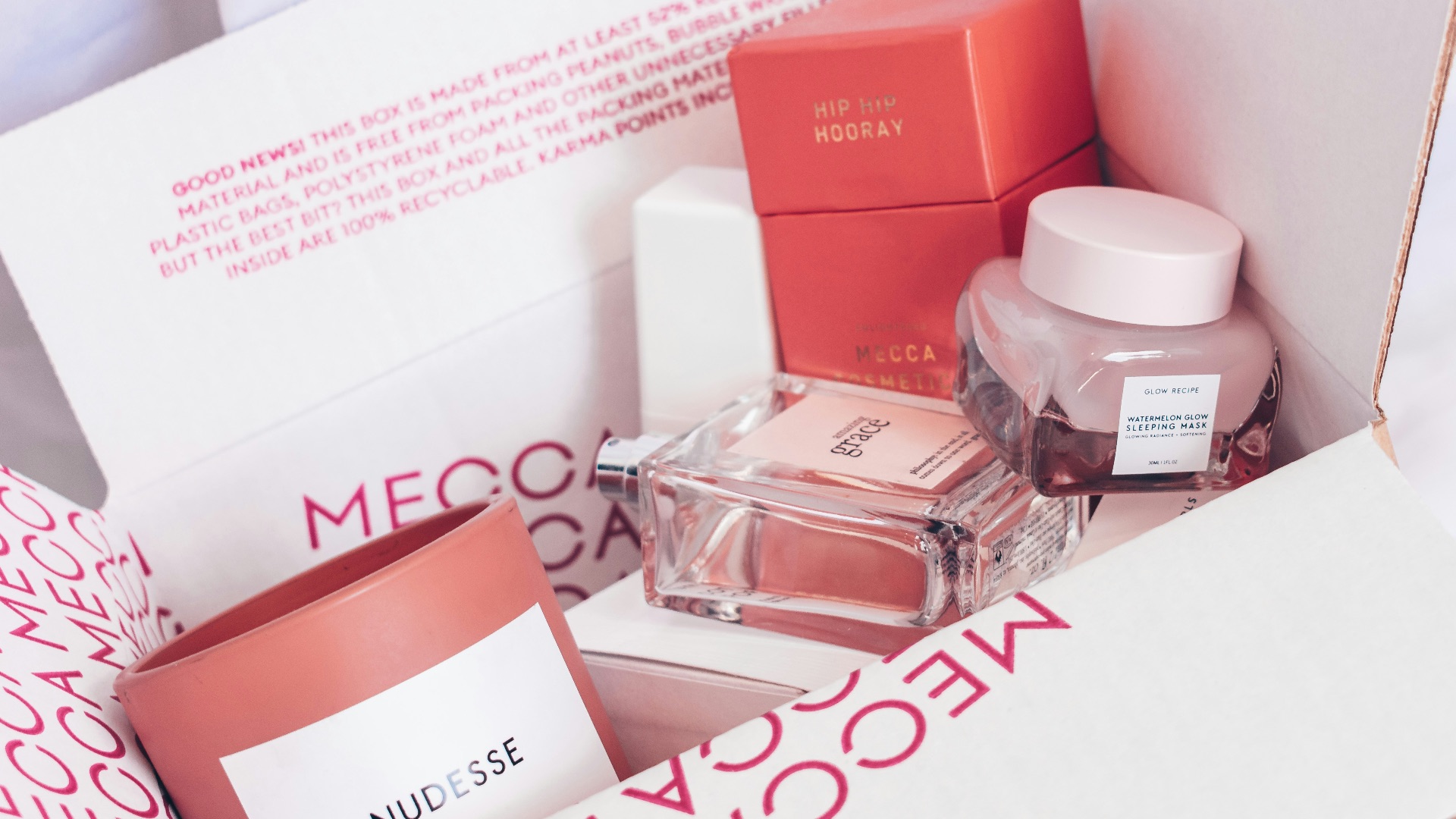
Beautiful packaging can make a product feel more exciting, but it doesn’t tell you how well it’ll perform. A sleek bottle, fancy compact, or pretty jar might still contain a formula that pills, fades, irritates, or doesn’t suit your needs. Some products also look better on a vanity than they do on your skin. It’s fine to enjoy nice packaging, but it shouldn’t be the only reason something lands in your cart.
4. Buying Full Sizes Too Soon
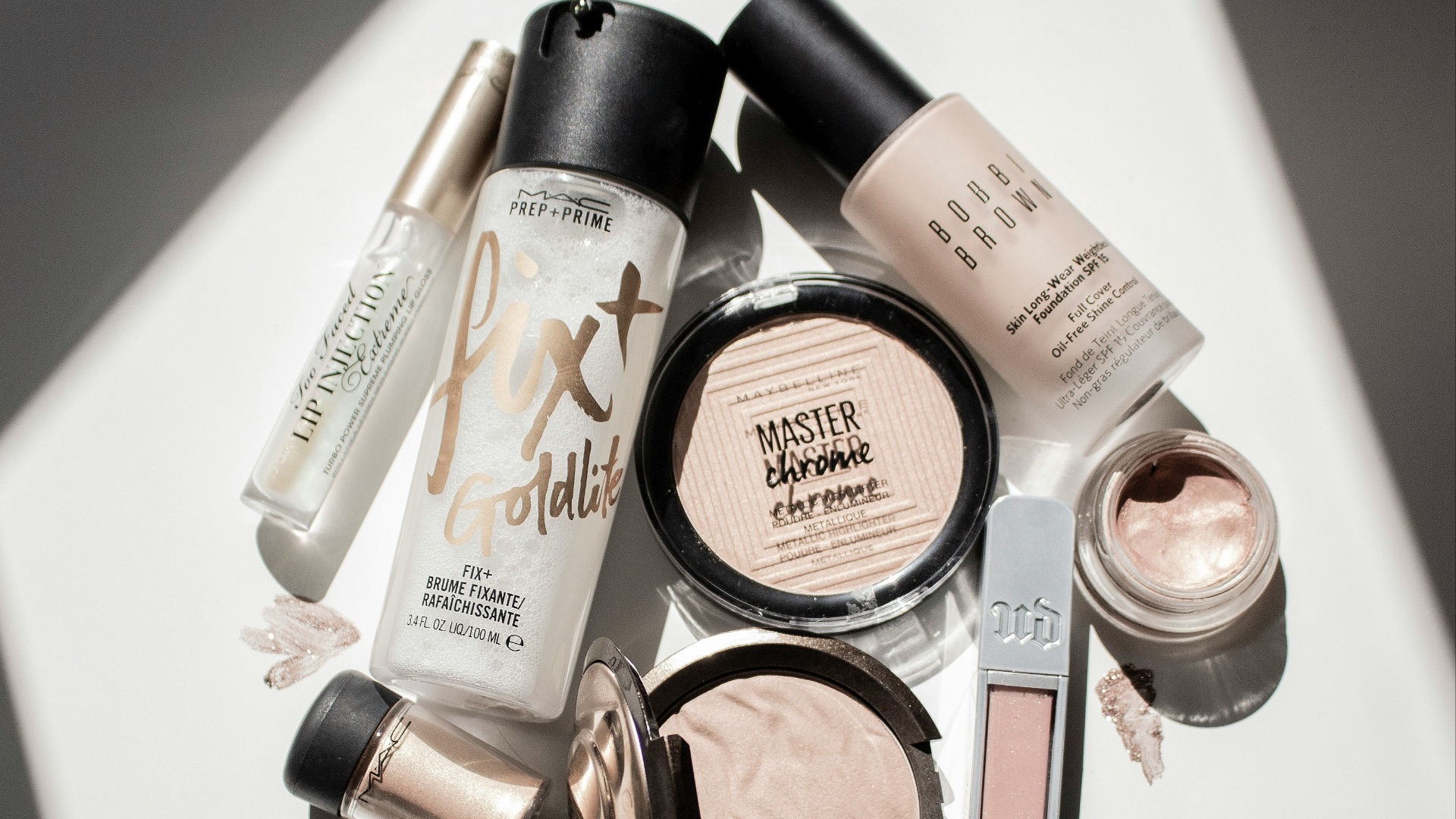
It’s tempting to buy the biggest size when a product seems promising, especially if it looks like a better value. The problem is that skincare can take time to test, and makeup may behave differently after a full day of wear. A foundation that looks great for an hour may separate by dinner, while a serum may feel fine at first but bother your skin later. Buying full sizes too early can turn one wrong choice into a bigger waste.
 Johanne Pold Jacobsen on Unsplash
5. Forgetting About Undertones
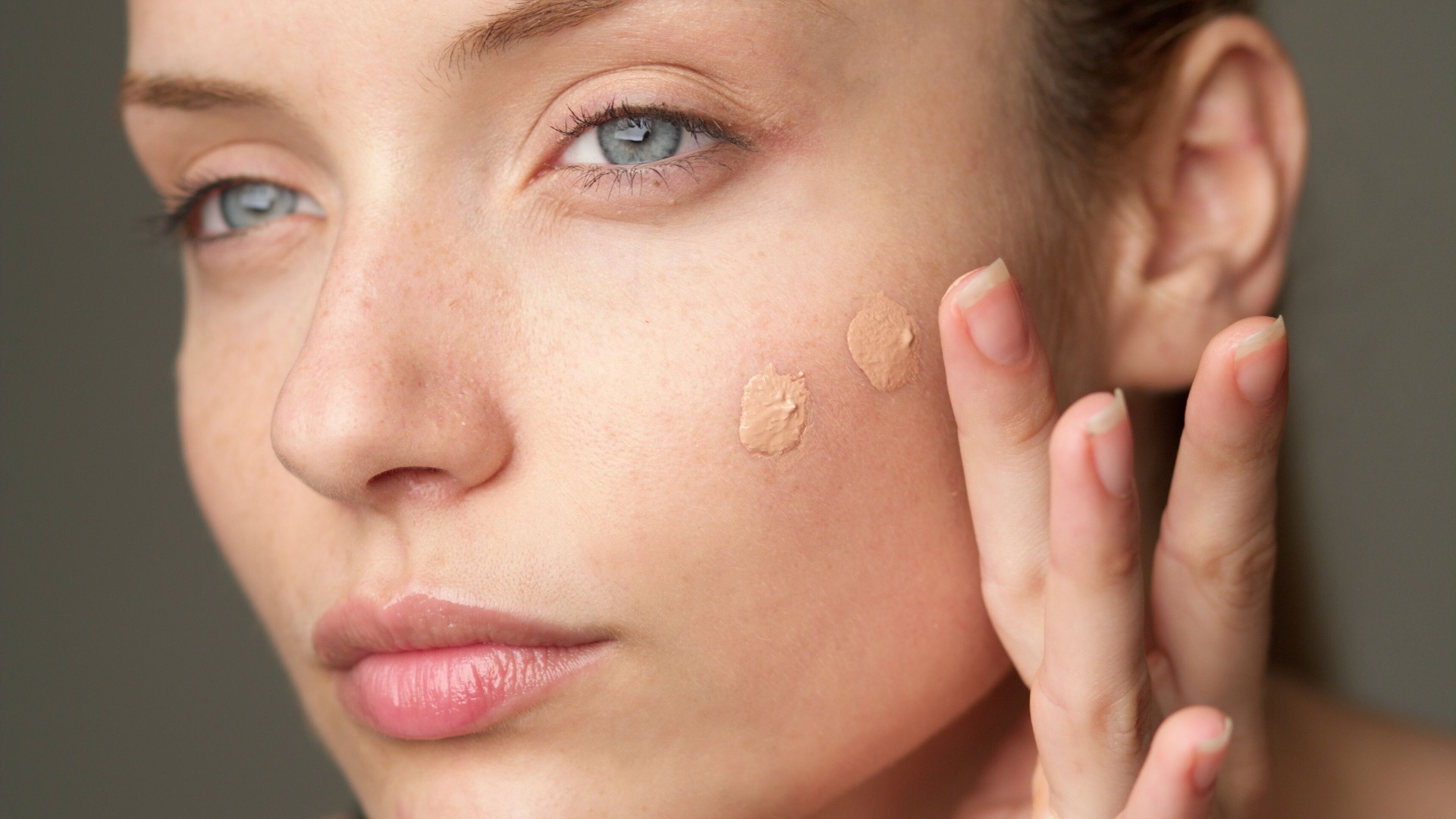
Shade matching isn’t only about how light or deep a product is. Undertones matter just as much, especially with foundation, concealer, bronzer, and nude lipstick. A shade that looks close in the bottle can still appear too orange, pink, gray, or yellow once it’s on your skin. When people skip undertones, even an expensive product can look off.
6. Assuming Expensive Always Means Better
Higher prices can sometimes reflect better packaging, research, texture, or ingredients, but they don’t guarantee better results. Plenty of affordable products perform well, and plenty of luxury products still miss the mark. Paying more can feel reassuring, but your skin doesn’t care about the price tag. What matters is whether the formula suits your needs and whether you’ll use it consistently.
7. Buying Too Many Similar Products
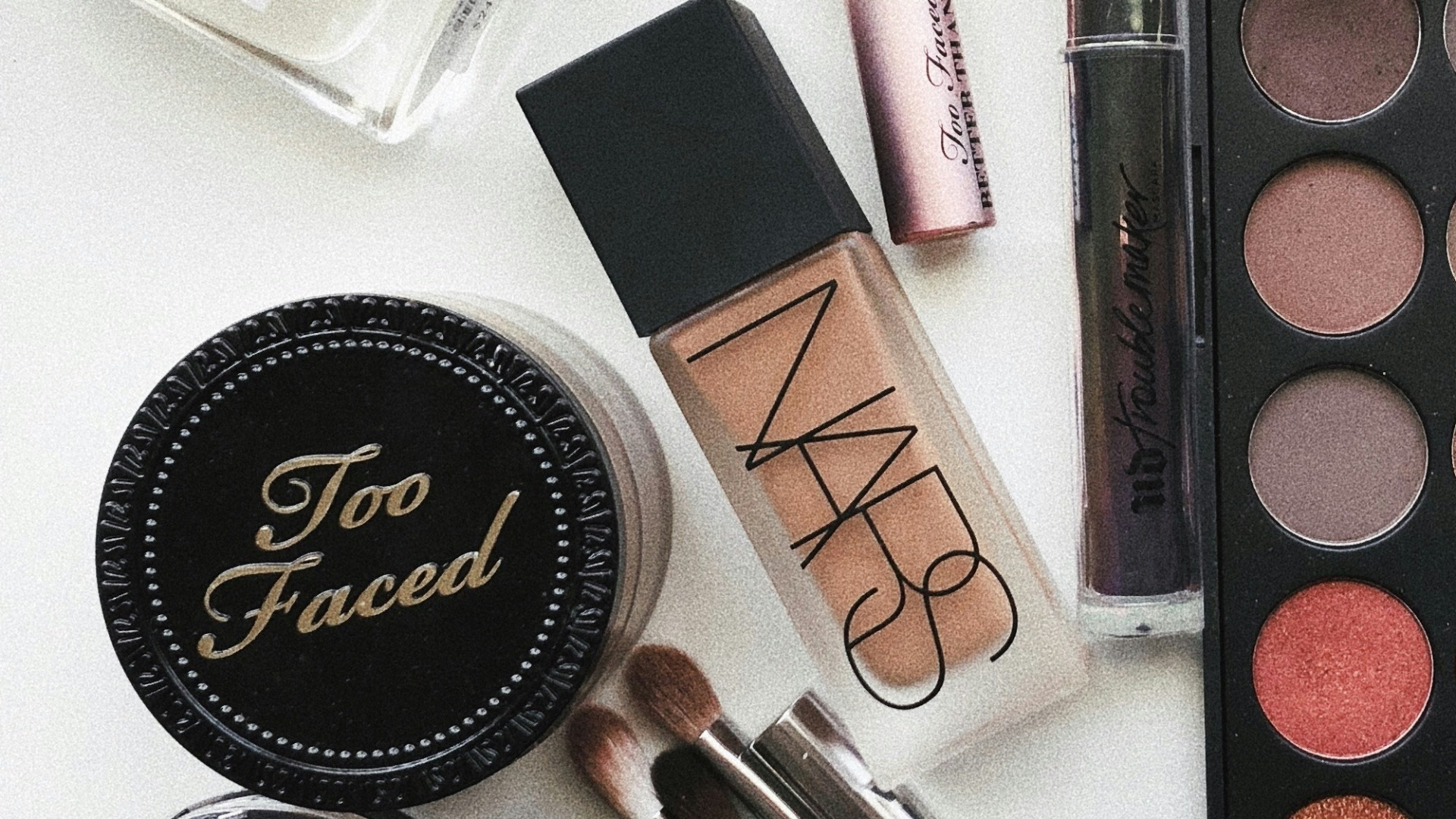
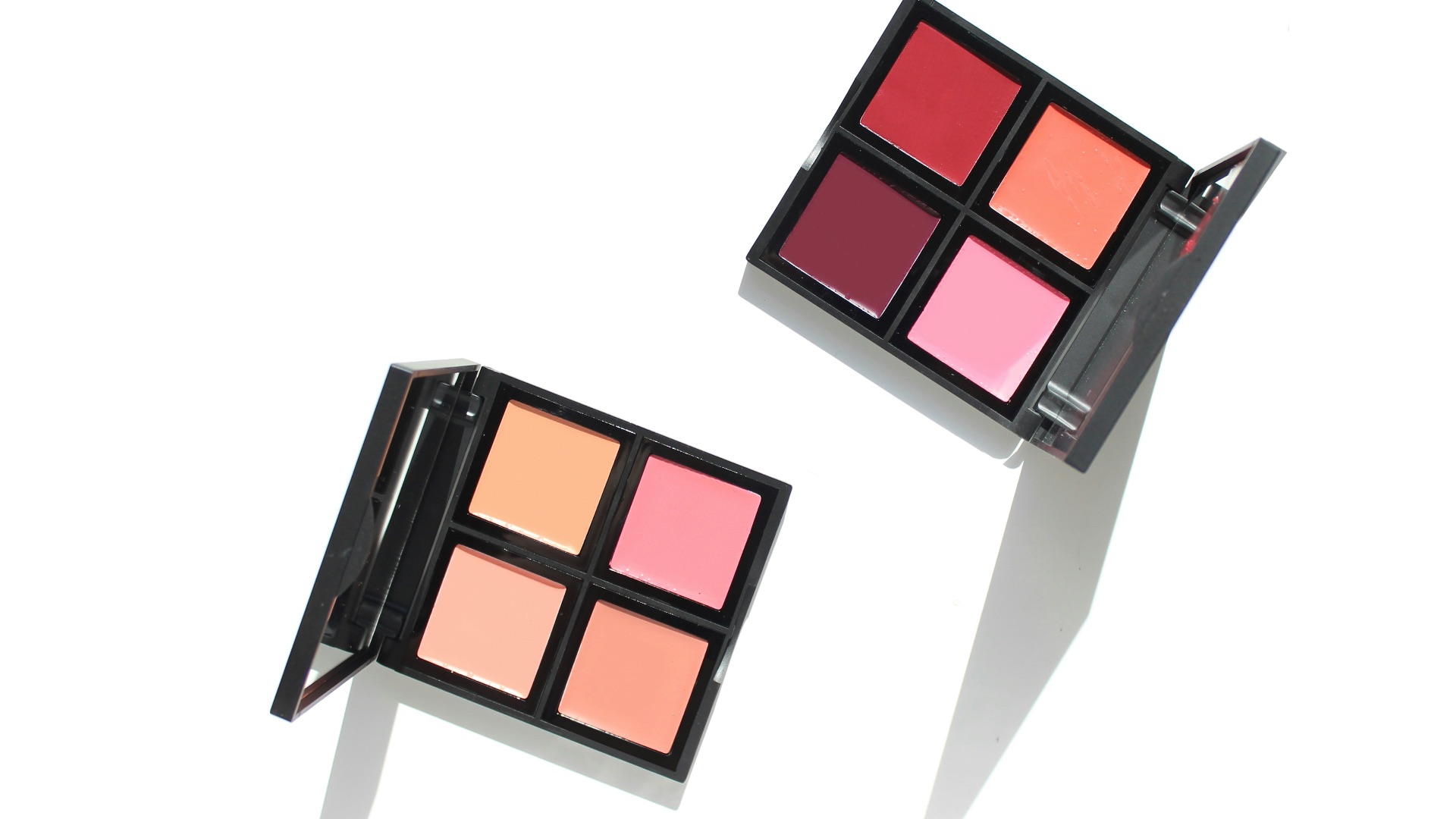
It’s easy to justify another pink blush, another brown eyeliner, or another hydrating serum when each one seems slightly different. Over time, though, those small differences can blur together, and you may realize you keep reaching for the same few favorites. Buying too many similar products can also make your routine feel more cluttered than helpful. Sometimes the issue isn’t that you need more options; it’s that you already have enough.
8. Skipping the Ingredient List
Marketing claims can sound convincing, but the ingredient list gives you a clearer idea of what you’re actually buying. This matters even more if you know certain ingredients irritate your skin or if you’re trying to avoid fragrance, drying alcohols, heavy oils, or specific actives. A product may say “gentle” or “clean” on the front and still include something your skin doesn’t tolerate well. Reading the label can save you from repeating the same mistake.
9. Expecting One Product to Fix Everything
Some products are marketed as if they can solve every concern at once, but most beauty items have limits. A moisturizer may help with dryness, but it won’t necessarily fade dark spots or smooth texture. A primer can improve makeup application, but it can’t make a foundation completely crease-proof or transfer-proof. Expecting too much from one item usually leads to disappointment, even when the product itself is decent.
10. Shopping Without Checking What You Already Own
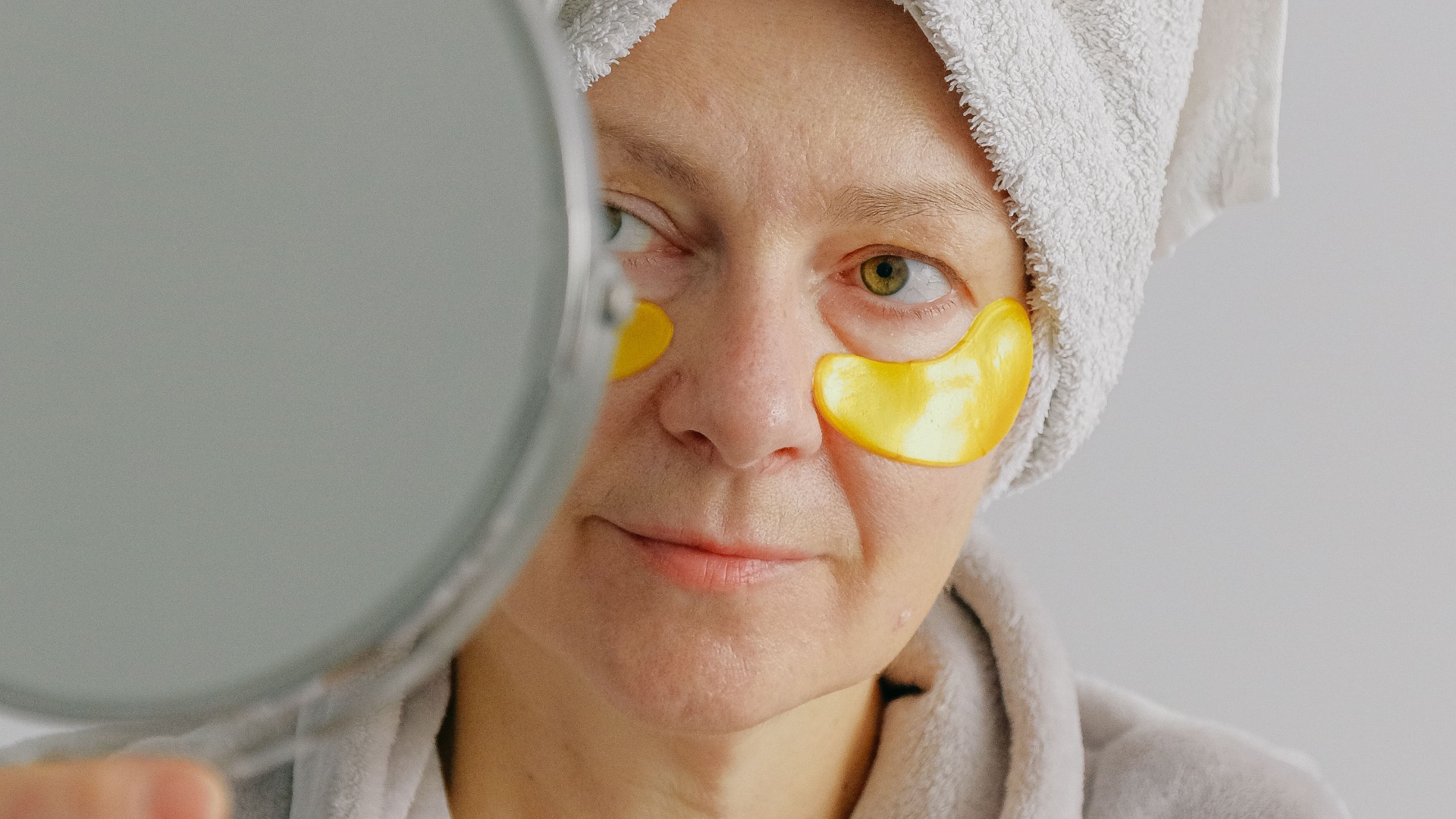
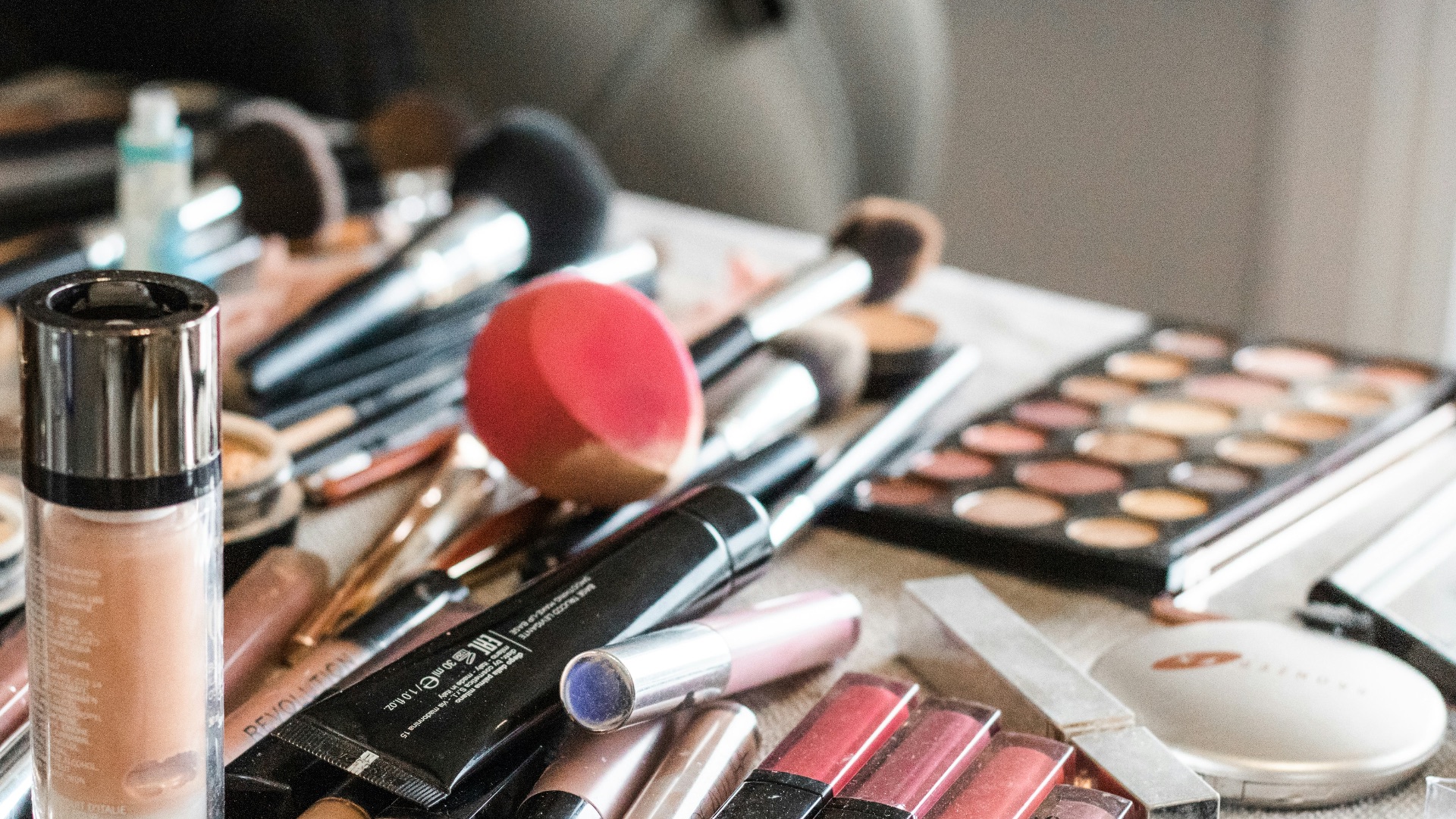
Buying beauty products without looking through your current stash can lead to duplicates, expired items, and forgotten purchases. You might buy another sunscreen when you already have two open, or pick up a lipstick that’s nearly identical to one sitting in your bag. This also makes it harder to notice what you actually use and what you keep avoiding. A quick check before shopping can prevent a lot of unnecessary spending.
Now that you're aware of what common mistakes you might be making, let's jump into setting smarter shopping habits.
1. Know Your Main Goal Before You Shop
Before buying anything, decide what you want the product to do. Are you looking for more hydration, better sun protection, lighter coverage, longer wear, or a more flattering everyday lip color? Having a clear goal helps you filter out products that are interesting but unnecessary. It also keeps you from buying something just because it looks appealing in the moment.

2. Start with Minis, Samples, or Travel Sizes
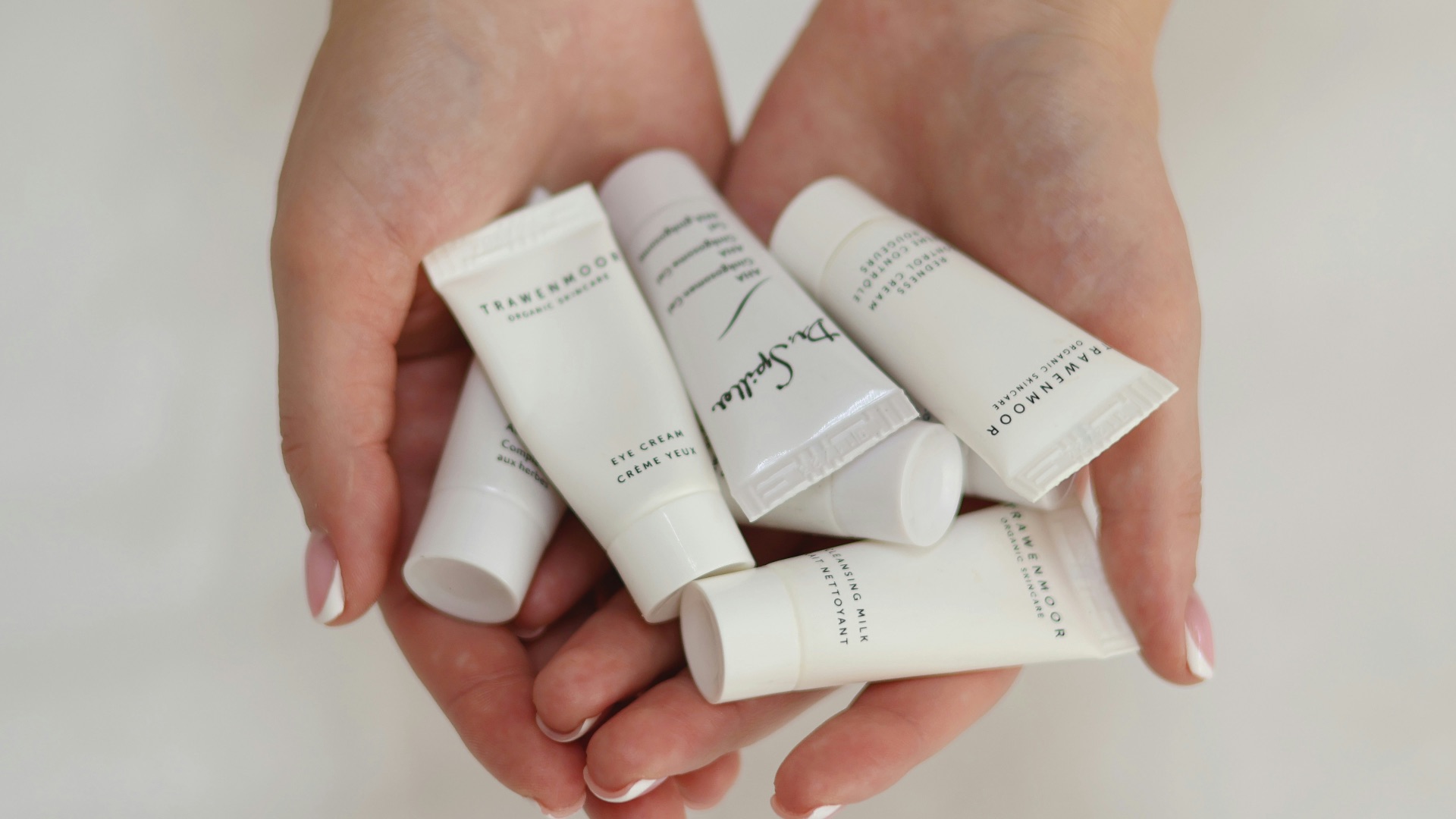
Smaller sizes are helpful when you’re trying a formula for the first time. They give you a chance to see how a product wears, feels, smells, applies, and fits into your routine before you commit to the full version. This is especially useful for foundation, concealer, moisturizer, sunscreen, fragrance, and active skincare. A mini that doesn’t work out hurts a lot less than a full-size bottle you barely touch.
3. Test Makeup in Real Lighting
Store lighting can distort colors, texture, and coverage, so it’s worth checking makeup in natural light whenever possible. A foundation may look perfect indoors but appear too warm or too pale once you step outside. Lipstick, blush, and bronzer can also shift depending on lighting. Taking a moment to view a swatch near a window or outside can help you make a better choice.

4. Patch Test New Skincare
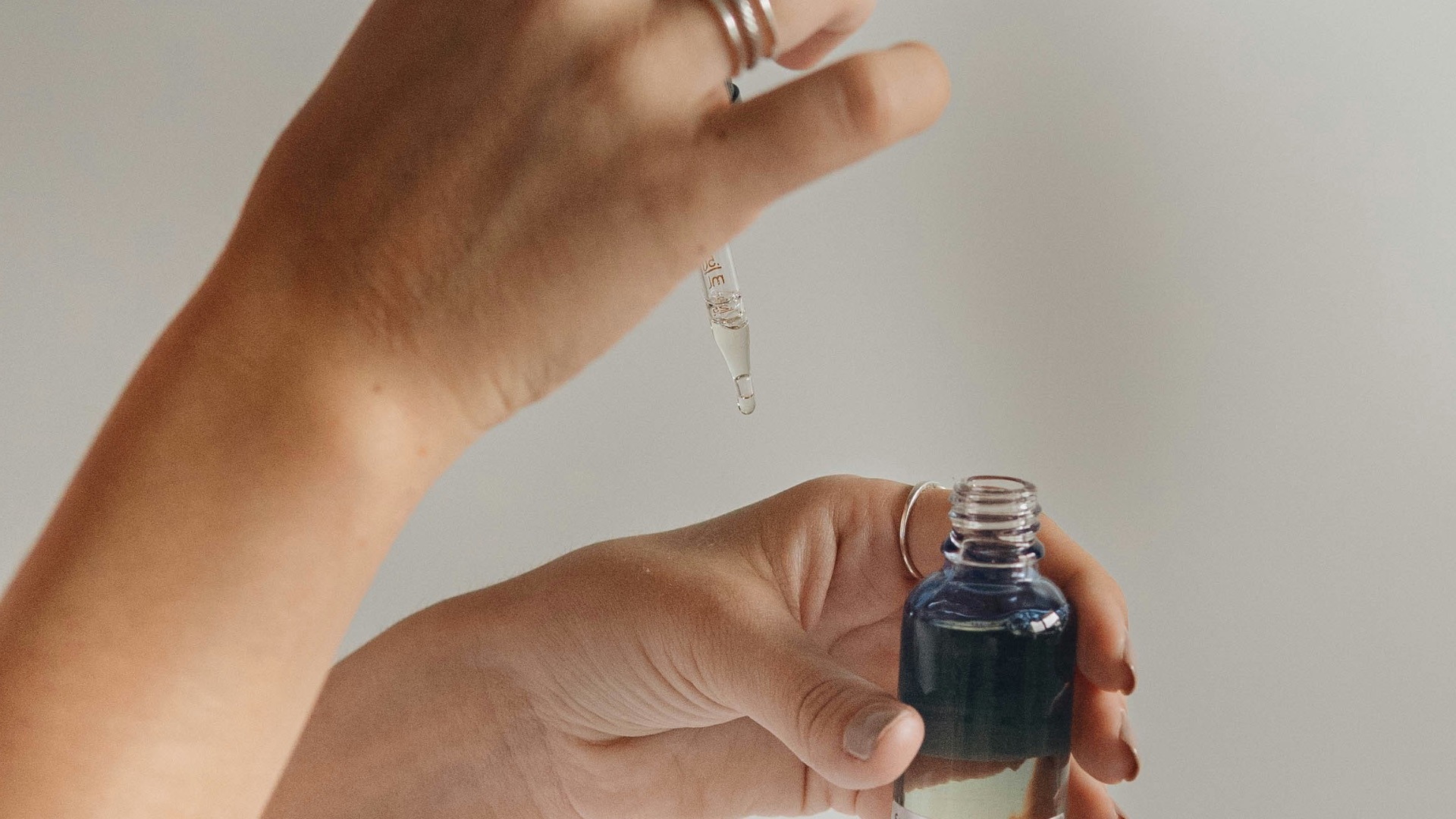
Patch testing isn’t glamorous, but it’s one of the smartest habits you can build. Trying a new skincare product on a small area first can help you spot irritation before you apply it all over your face. This matters most with exfoliants, retinoids, vitamin C products, fragranced formulas, and anything made for acne or dark spots. A little patience can save your skin from a much bigger reaction.
5. Compare Products You Already Like
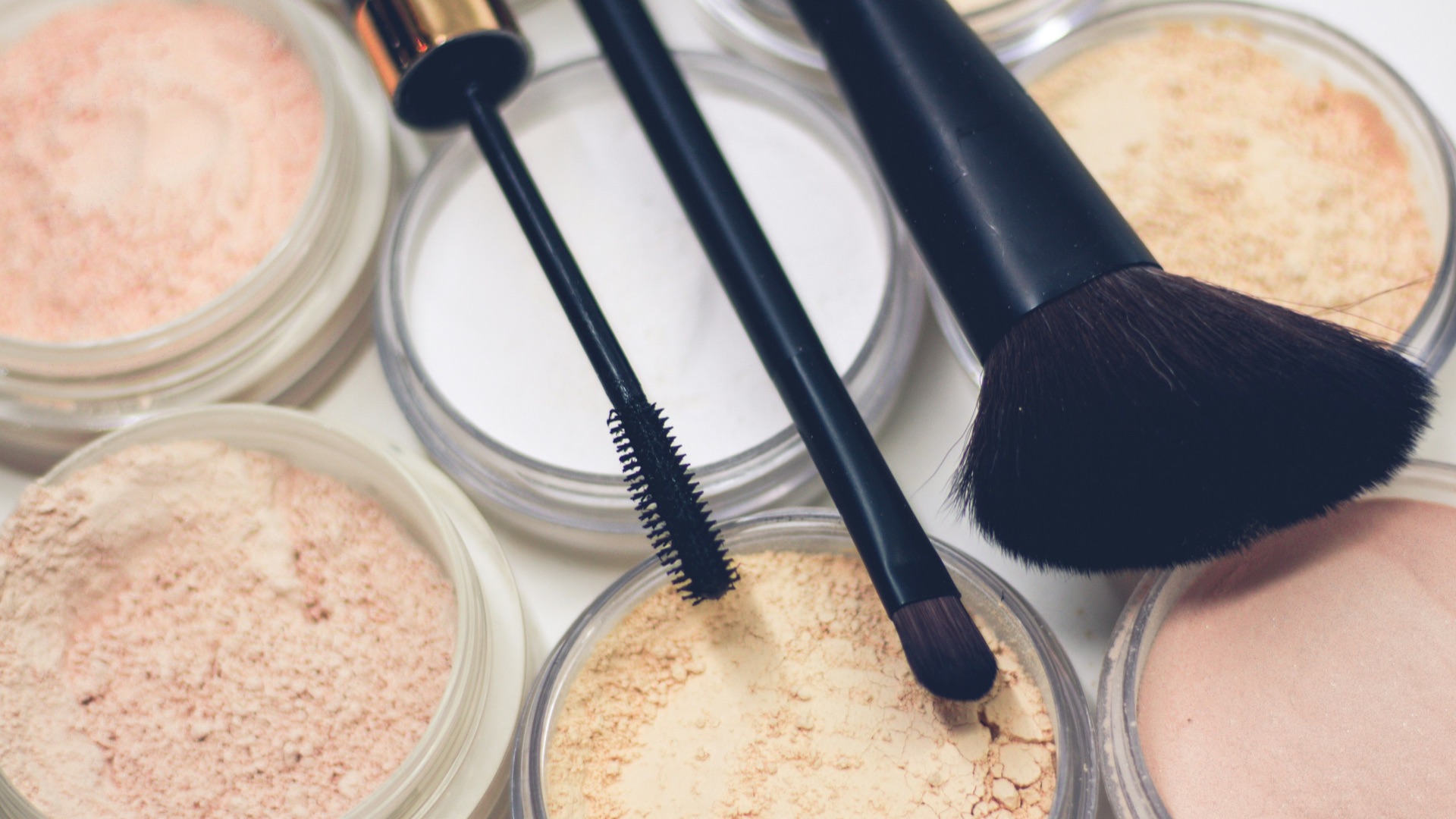
When something works for you, use it as a reference point. Look at the texture, finish, ingredient style, shade, or coverage level, then compare new products against that standard. This can help you figure out whether you tend to prefer gel moisturizers, satin foundations, cream blushes, brown mascara, or fragrance-free formulas. Knowing your patterns makes future purchases feel less random.
6. Read Reviews with Context
Reviews are useful, but they’re most helpful when you pay attention to who’s writing them. Someone with very dry skin may love a dewy foundation that feels too shiny on oily skin. A reviewer who prefers bold makeup may describe a sheer blush as disappointing, while someone else may find it perfect for everyday wear. Look for reviews from people with a similar skin type, tone, concerns, and preferences.

7. Build Your Routine Slowly
Adding several new products at once can make it hard to know what’s helping and what’s causing problems. This is especially true with skincare, where irritation, breakouts, dryness, or sensitivity may show up after a few uses. Introduce one new product at a time when you can, then give it a fair chance before adding more. A slower routine is often easier to maintain and easier to troubleshoot.
8. Prioritize Sunscreen and Basics First
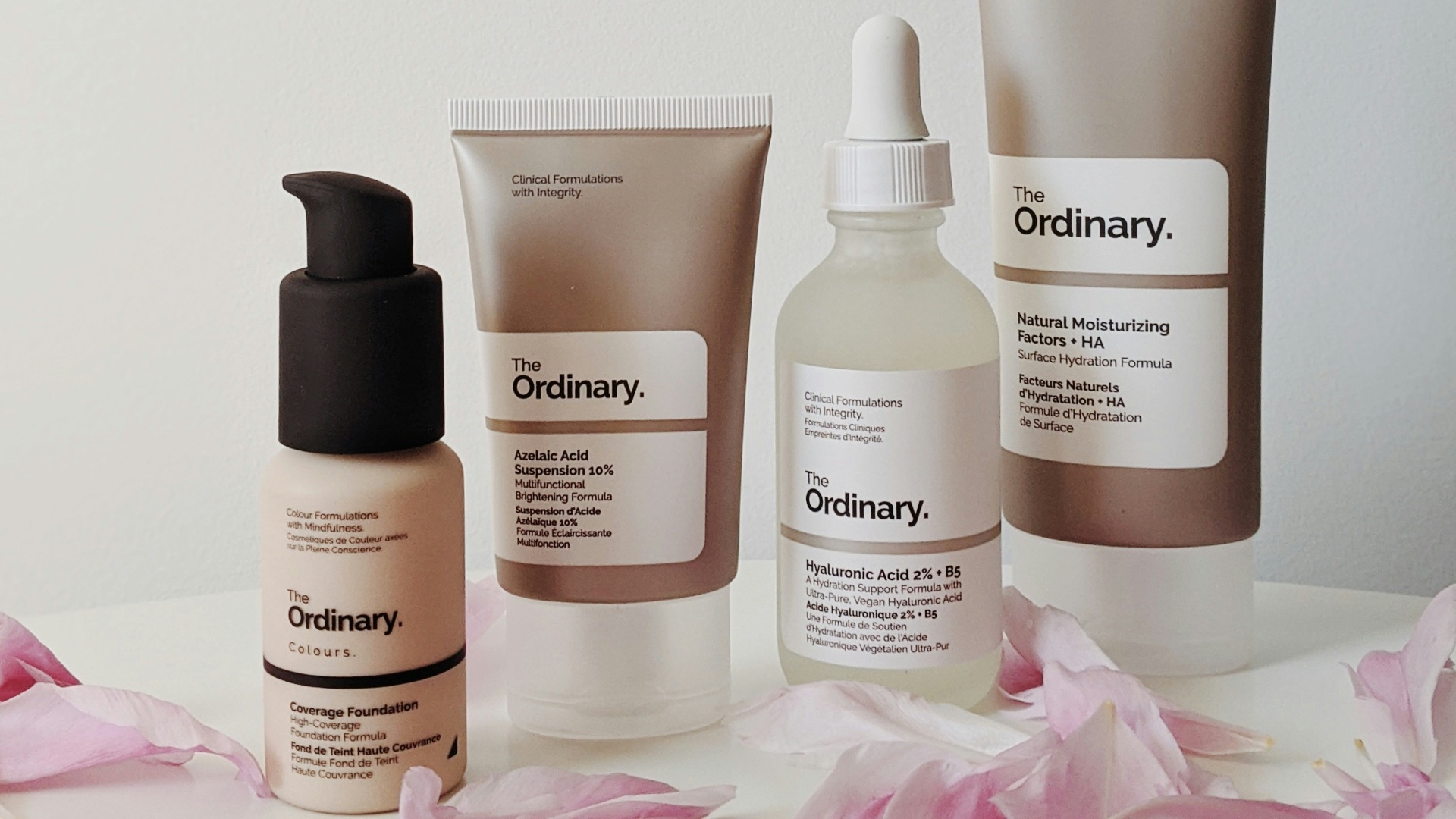
A strong beauty routine doesn’t need to be complicated. For skincare, sunscreen, cleanser, moisturizer, and one or two targeted treatments often matter more than a crowded shelf of trendy extras. For makeup, a few reliable basics can do more for your routine than a drawer full of products you rarely use. Once your essentials are solid, extras become easier to choose wisely.

9. Check Return Policies Before Buying
Return policies can make a big difference, especially with foundation, concealer, skincare, and other products that are hard to judge in-store. Some retailers allow returns or exchanges on lightly used beauty products, while others have stricter rules. Knowing the policy before you buy can make testing less stressful. It also helps you avoid being stuck with something that clearly doesn’t work.
10. Give Yourself a Waiting Period
A short waiting period can separate a smart purchase from an impulse buy. Add the product to your cart or wishlist, then come back to it later when the excitement has faded. If you still want it and it fills a real gap, it’s probably a stronger choice. If you forget about it quickly, that’s a sign you may not have needed it after all.