Skincare's Most Misunderstood Ingredient
If you're a skincare buff, you've probably heard all about retinol, the magical ingredient everyone seems to rave about. And that's no surprise, given that retinol has a reputation for delivering serious results, such as reducing the look of wrinkles. Unfortunately, plenty of people (you included, maybe) jump in without understanding how it actually works, and then you're left with peeling, irritated skin and lots of disappointment. To avoid making common amateur mistakes and keep your skin barrier healthy, here's what you shouldn't (and should) do when using retinol so you can get the most out of it.
1. Applying It Every Single Night Right Away
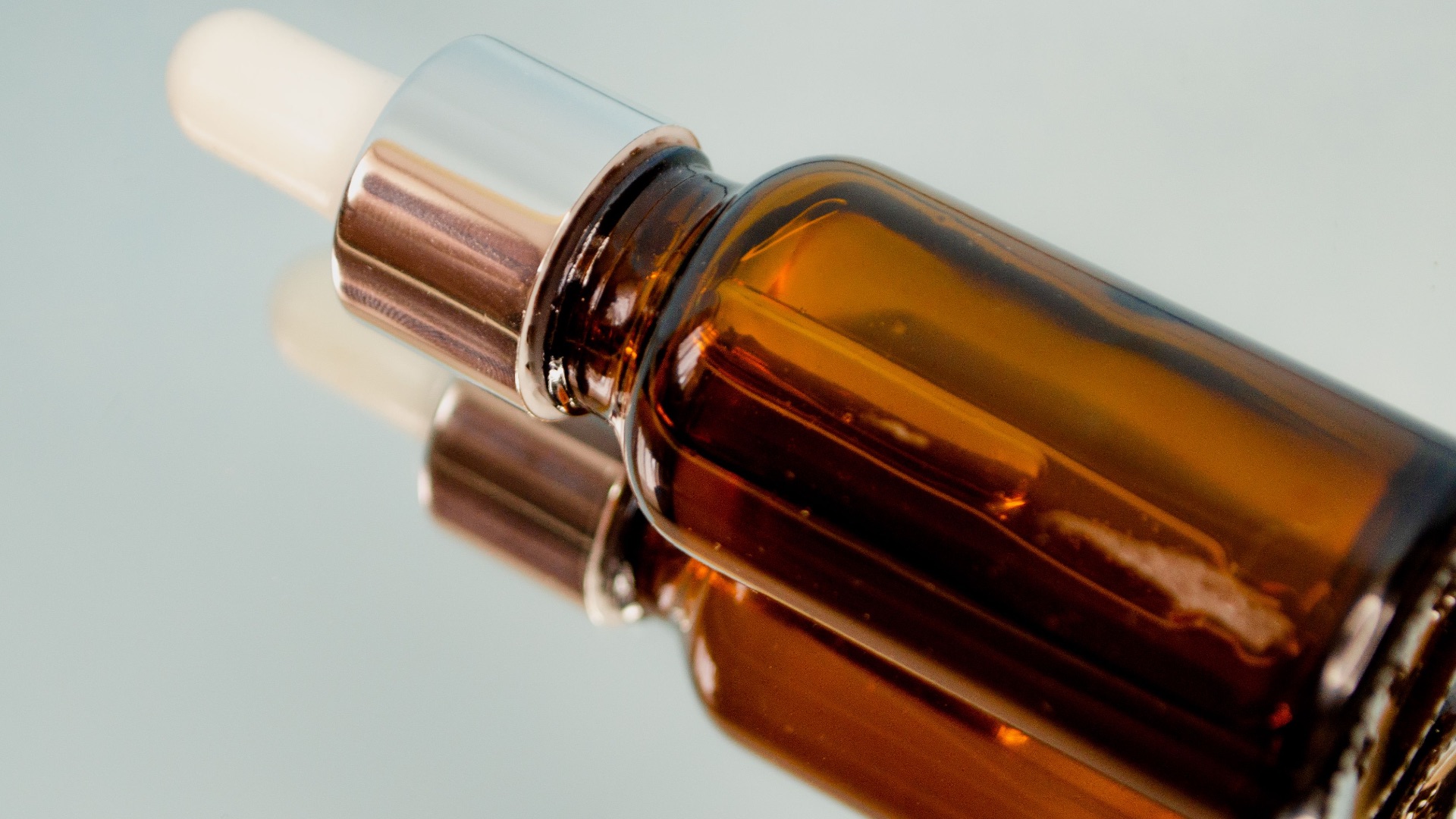
Many beginners assume more product means faster results, so they start using retinol nightly from day one. This approach almost always backfires because your skin needs time to build tolerance to the ingredient. Dermatologists typically recommend starting two or three nights a week and increasing frequency gradually as your skin adjusts.
2. Using Too Much Product at Once
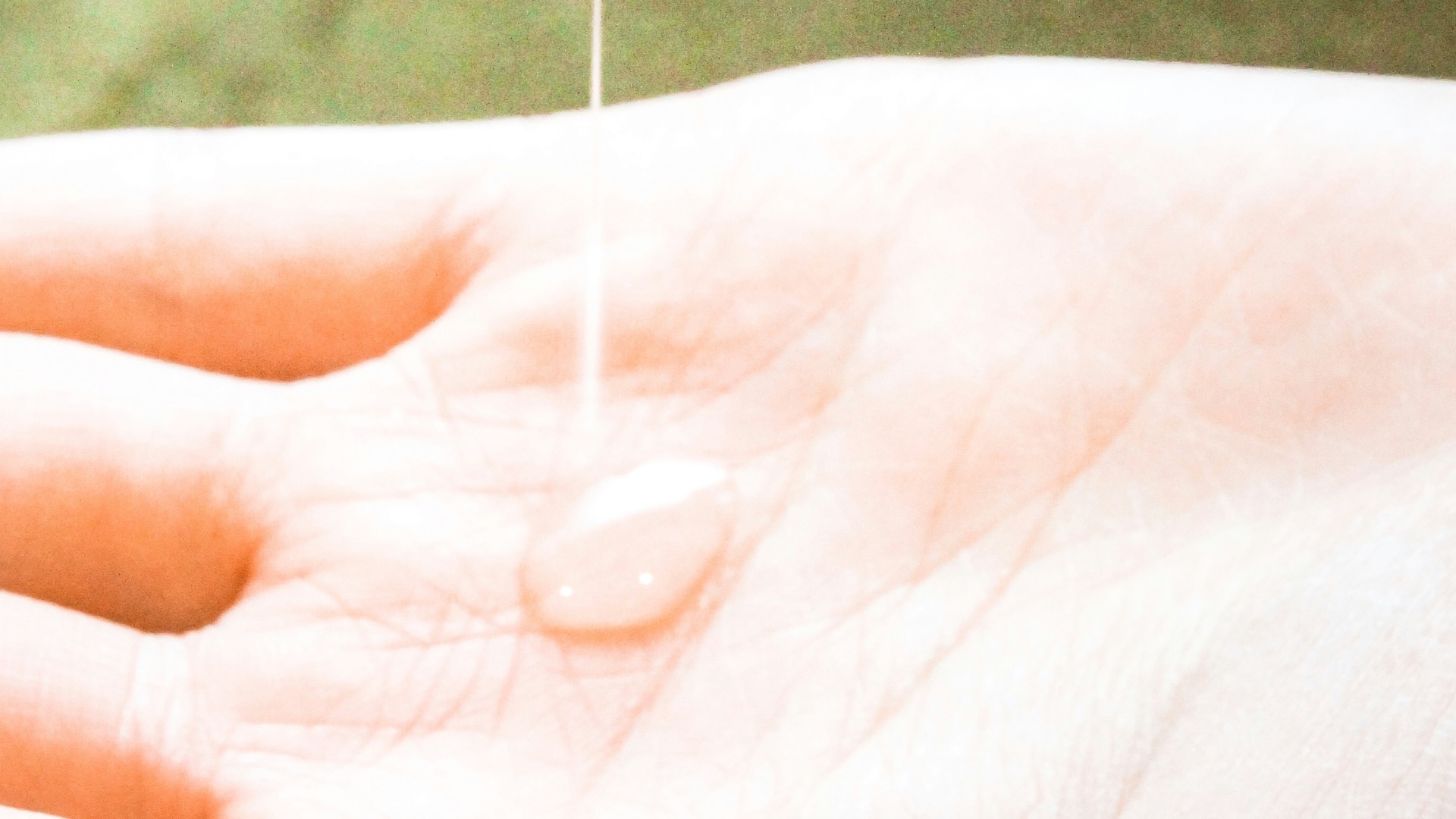
A pea-sized amount is genuinely all your face needs, but a lot of people pile on far more than that. Using excess product doesn't speed up results; on the contrary, it'll only increase your chances of redness, flaking, and discomfort. Your skin absorbs what it needs, and anything extra just sits there causing problems.
 Denley Photography on Unsplash
3. Skipping Moisturizer Afterward
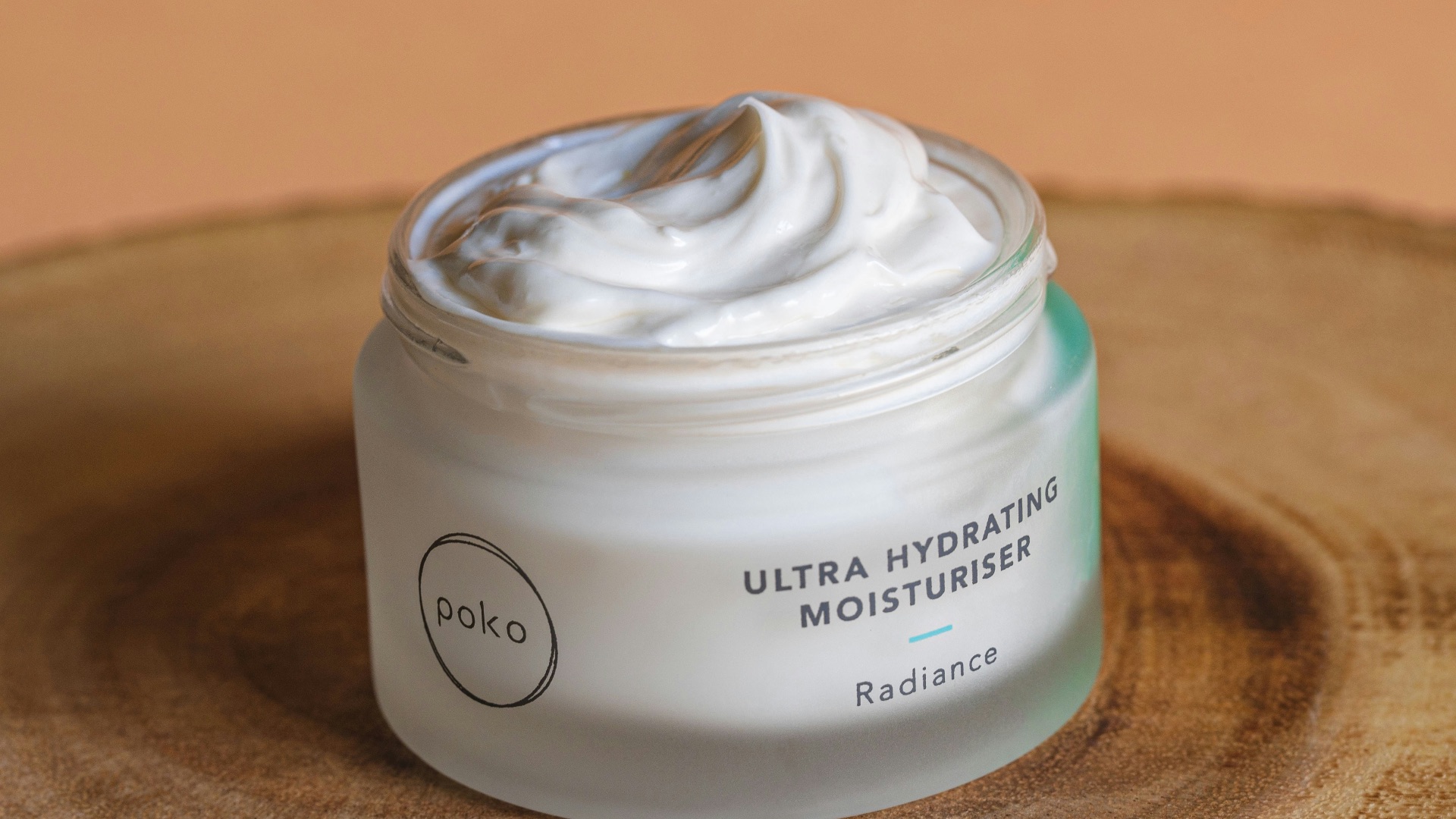
Retinol can be drying, so following it with a rich moisturizer is essential rather than optional. Some people skip this step because they're in a hurry or they don't realize how much it matters. Without that extra layer of hydration, your skin barrier can become compromised, leading to sensitivity and flare-ups.
4. Applying It Around the Eyes Without Caution
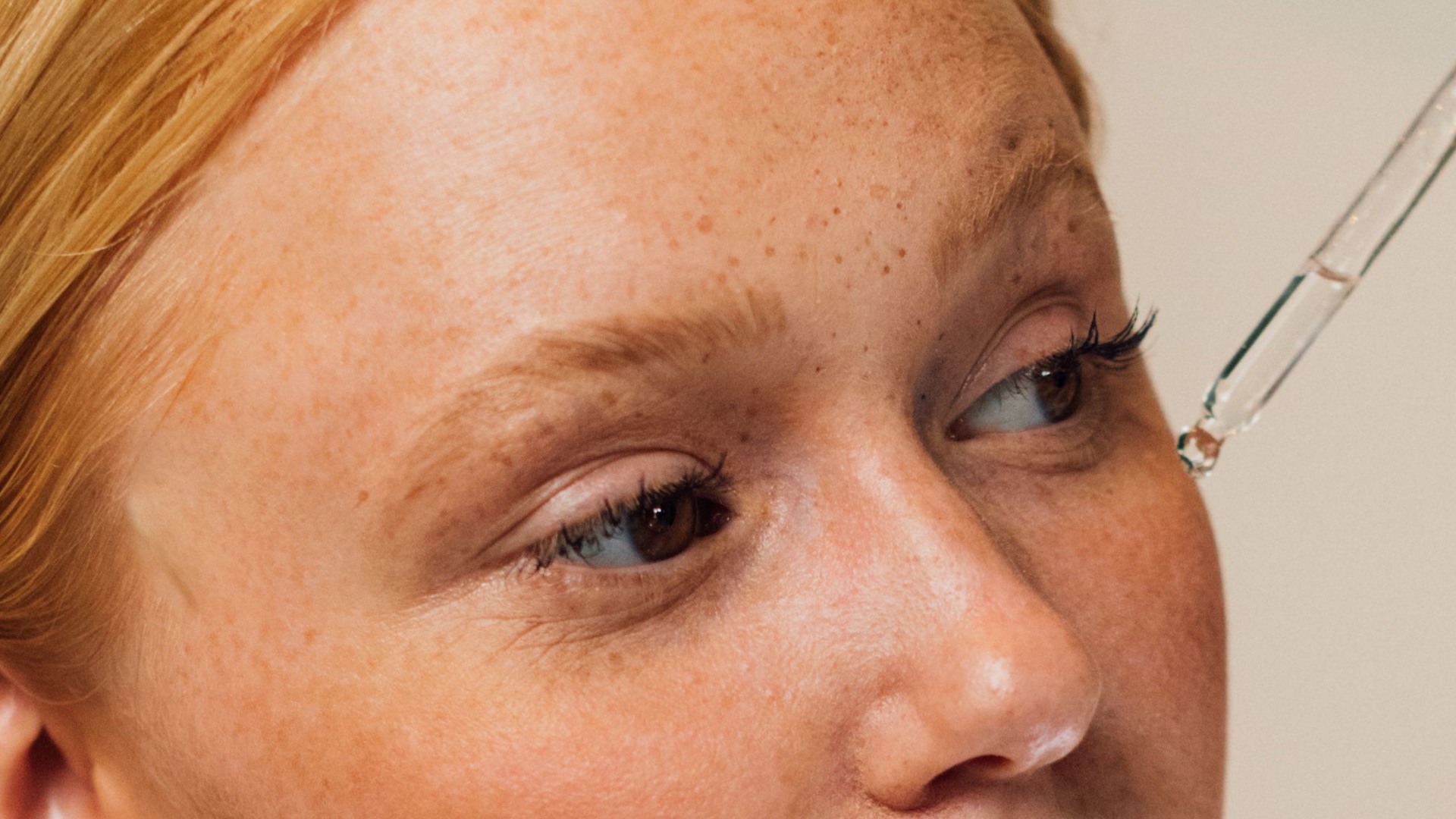
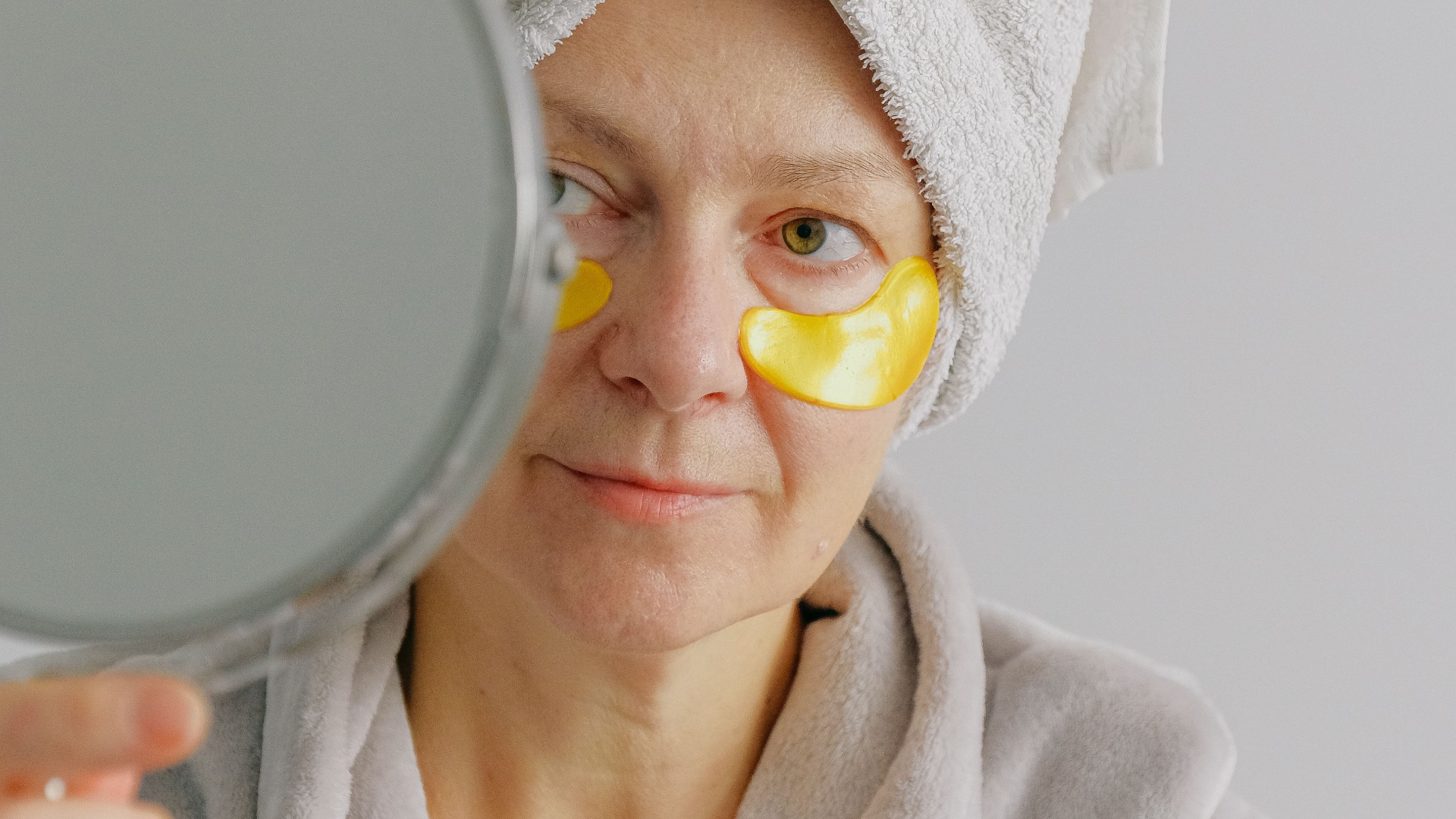
The skin around your eyes is thinner and more delicate than the rest of your face, yet beginners often apply retinol there without adjusting their approach. This area needs a lighter touch or a specially formulated eye product designed for sensitive skin. Ignoring this distinction often leads to unnecessary irritation in a spot that's already prone to it.
5. Combining It with Other Strong Actives
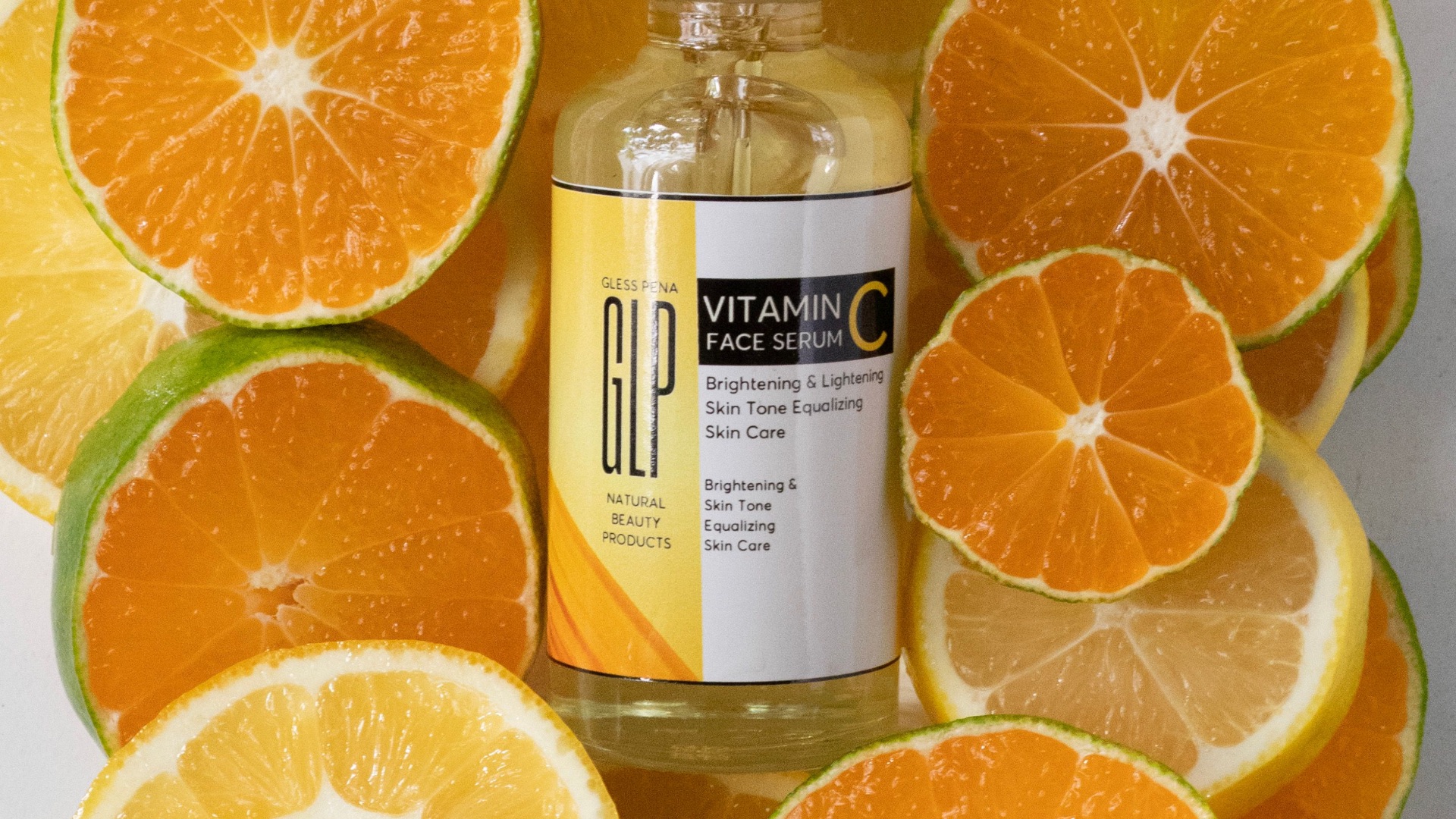
Mixing retinol with ingredients like vitamin C, exfoliating acids, or benzoyl peroxide on the same night is a common rookie error. These combinations can cancel each other out or, worse, cause significant irritation when layered together. It's smarter to alternate these actives on different nights or use them at different times of day.
6. Expecting Overnight Results
Retinol works gradually by encouraging cell turnover, so it takes weeks or even months to see noticeable changes. New users often get frustrated and quit after a week or two when they don't see instant improvement. Patience matters here, and sticking with a consistent routine is what actually pays off.
7. Not Wearing Sunscreen During the Day
Retinol increases your skin's sensitivity to the sun, which makes daily sunscreen use absolutely necessary. Some beginners don't realize this connection and end up with sunburn or increased pigmentation as a result. Skipping sun protection while using retinol essentially undoes any progress you've made.

8. Using It on Broken or Compromised Skin
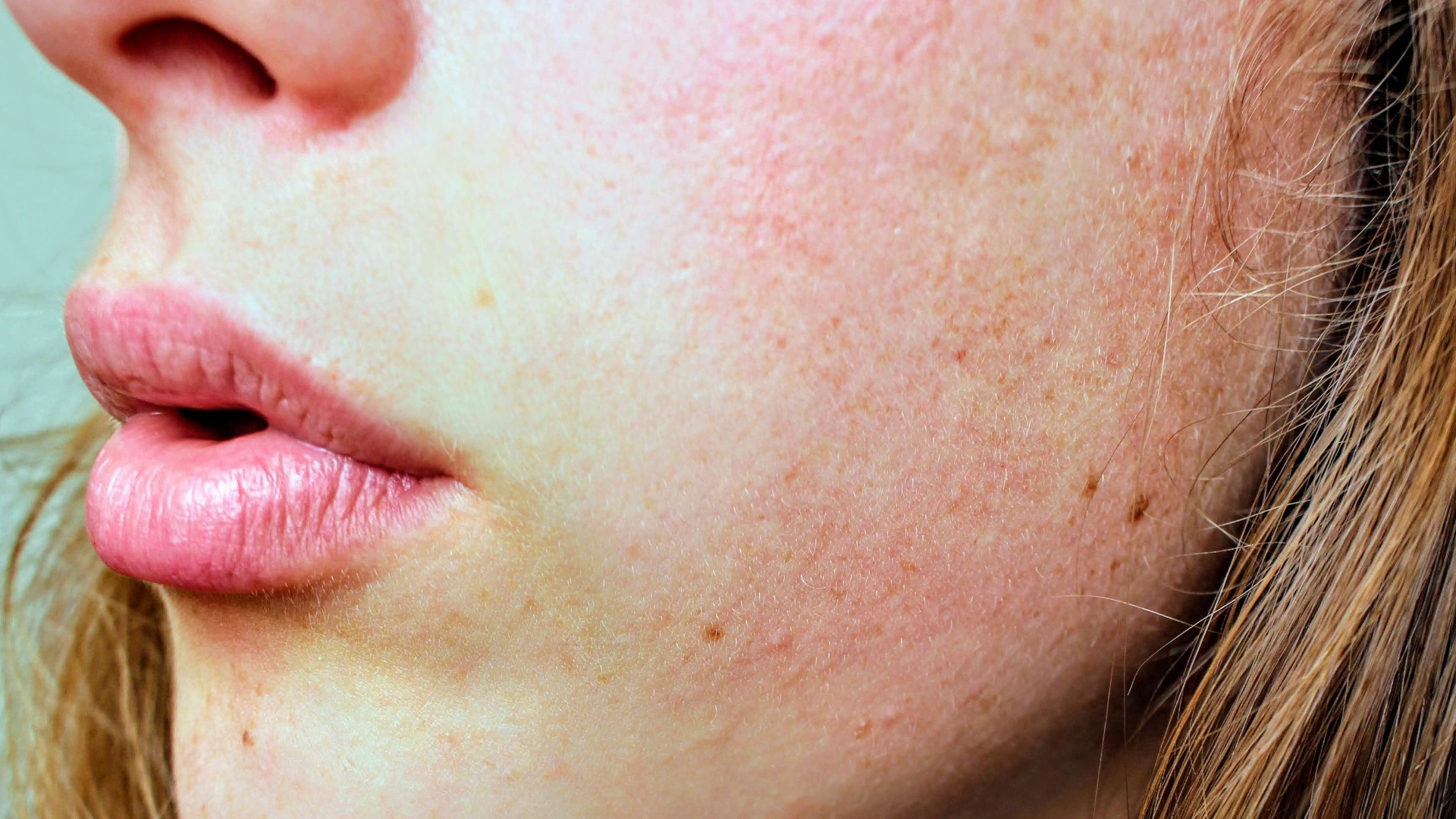
Applying retinol to skin that's already irritated, sunburned, or freshly exfoliated is a mistake that leads to serious discomfort. Your skin needs to be in a stable, calm state before you introduce an active ingredient like this one. Waiting until your skin has fully recovered will save you a lot of unnecessary pain.
9. Choosing the Wrong Strength for Your Skin Type
Jumping straight into a high-percentage formula because it seems more effective is a mistake beginners make surprisingly often. Sensitive skin types especially benefit from starting with a lower concentration and working their way up over time. Choosing a strength that matches your skin's tolerance level makes the entire process far more comfortable.

10. Giving Up Too Soon Because of Purging
Many people experience a purging phase when they first start using retinol, and it can look a lot like a breakout. Beginners often assume the product isn't working for them and stop before their skin has a chance to adjust. This initial phase usually passes within a few weeks, and pushing through it often leads to clearer skin down the line.
Once you've steered clear of these early missteps, it helps to understand the finer details that separate a good retinol routine from a great one. The following points cover some of the most useful things to know as you continue building your routine.
1. Retinol and Retinoids Aren't Exactly the Same Thing
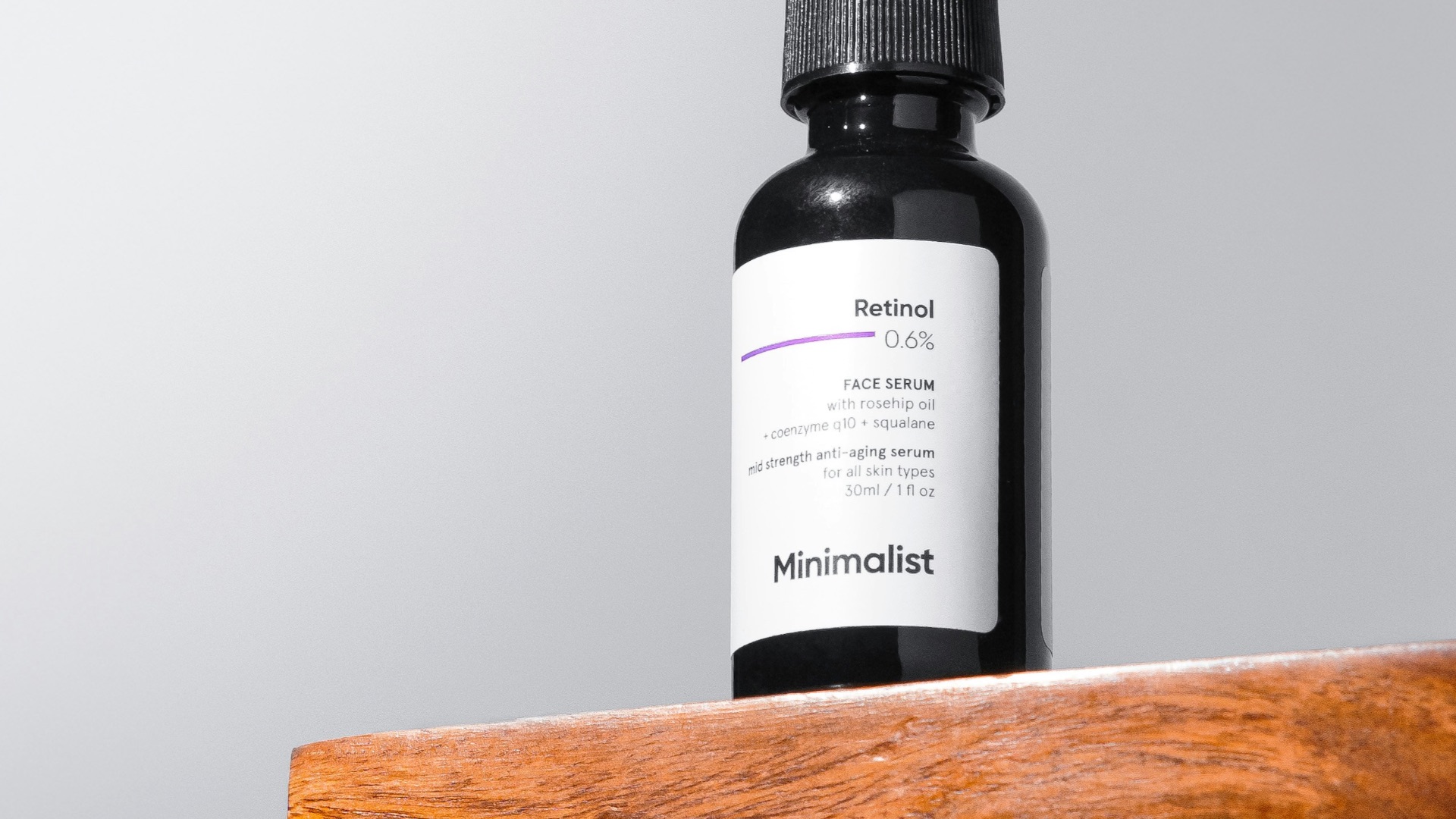
Retinol is technically a type of retinoid, but it's the over-the-counter version, while prescription-strength options like tretinoin are considerably stronger. Knowing this distinction helps you understand why your dermatologist might recommend something different from what you'd find at the drugstore. Both work through similar mechanisms, but the strength and speed of results can vary quite a bit.
2. Consistency Matters More Than Concentration
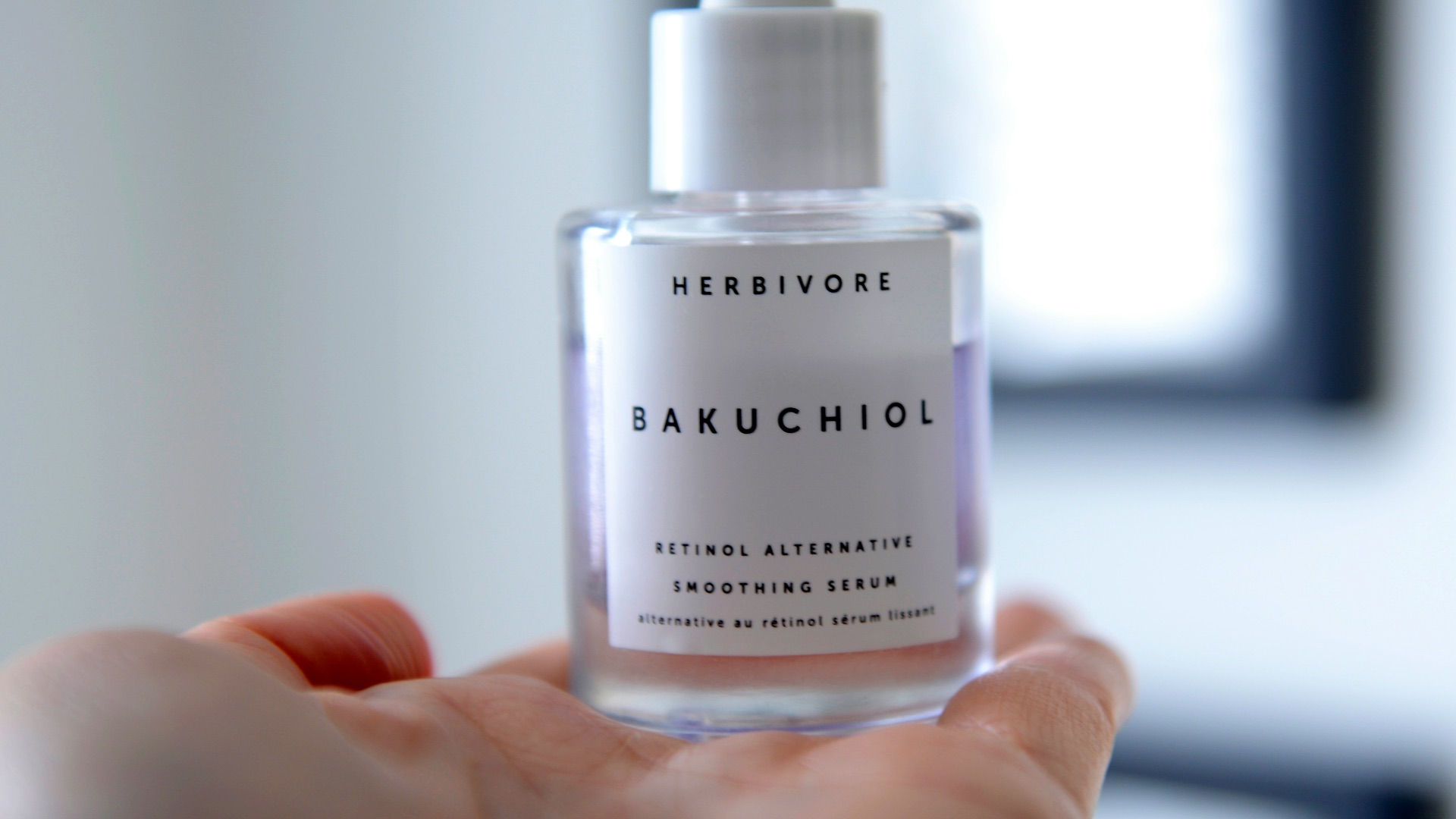
A lower-strength formula used consistently will often outperform a high-strength one used sporadically. Your skin benefits from steady, regular exposure to the ingredient rather than sporadic bursts of a stronger version. Building a routine you can actually maintain long term will serve you better than chasing the highest percentage on the shelf.

3. It Can Help with More Than Just Wrinkles
While retinol is famous for its anti-aging properties, it's also effective for treating acne, minimizing pores, and evening out skin tone. This versatility is part of why so many dermatologists recommend it for people in their twenties, not just those looking to address fine lines. Understanding its broader benefits can help you set realistic expectations for what it might do for your specific concerns.

4. Storage Affects How Well It Works
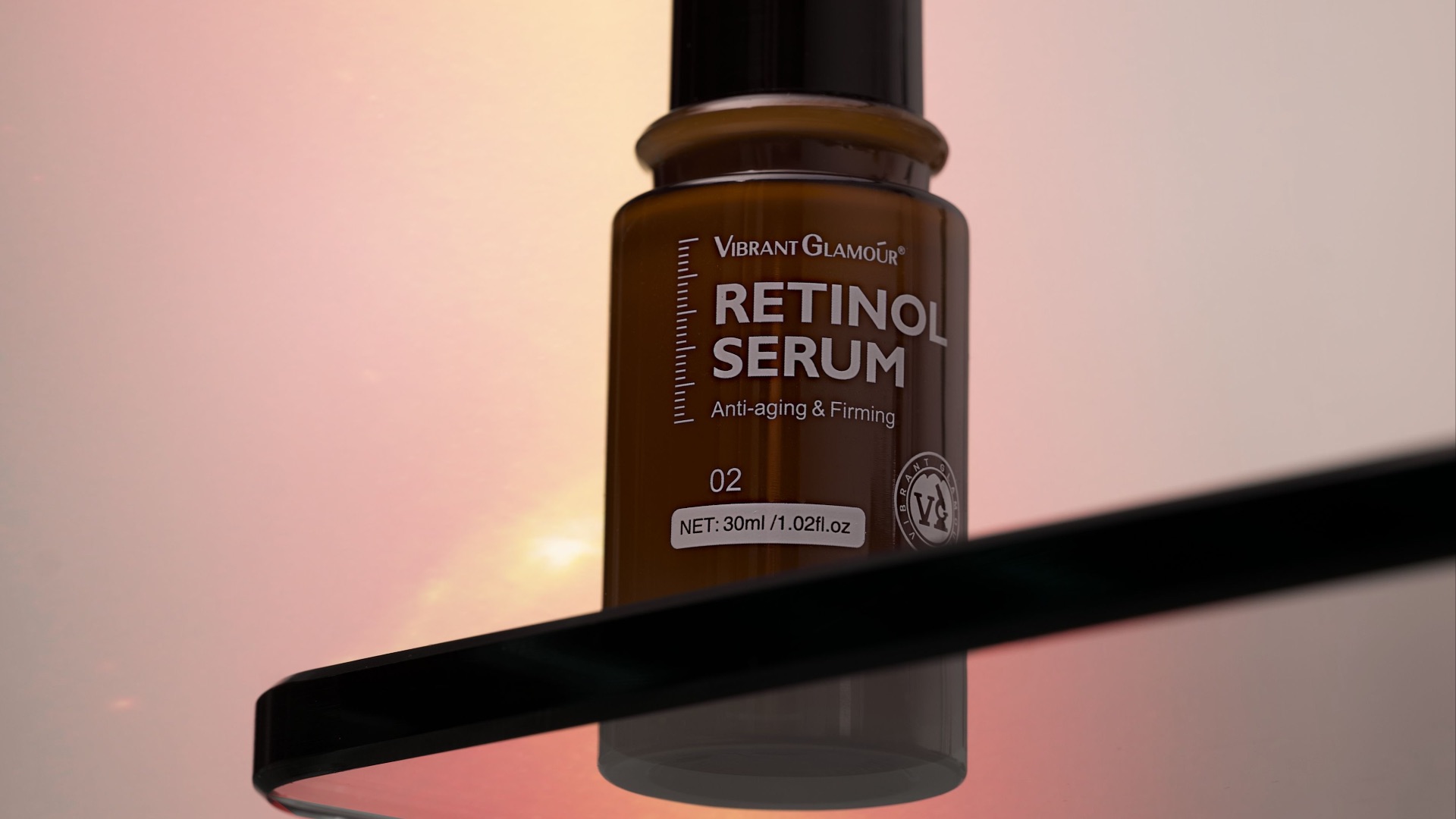
Retinol breaks down when it's exposed to light and air, so proper storage actually matters quite a bit. Keeping your product in a cool, dark place and making sure the packaging is opaque or airtight will help preserve its effectiveness. A product that's been sitting in direct sunlight for months may not deliver the results you're expecting.
5. Your Skin Barrier Needs to Be Healthy First
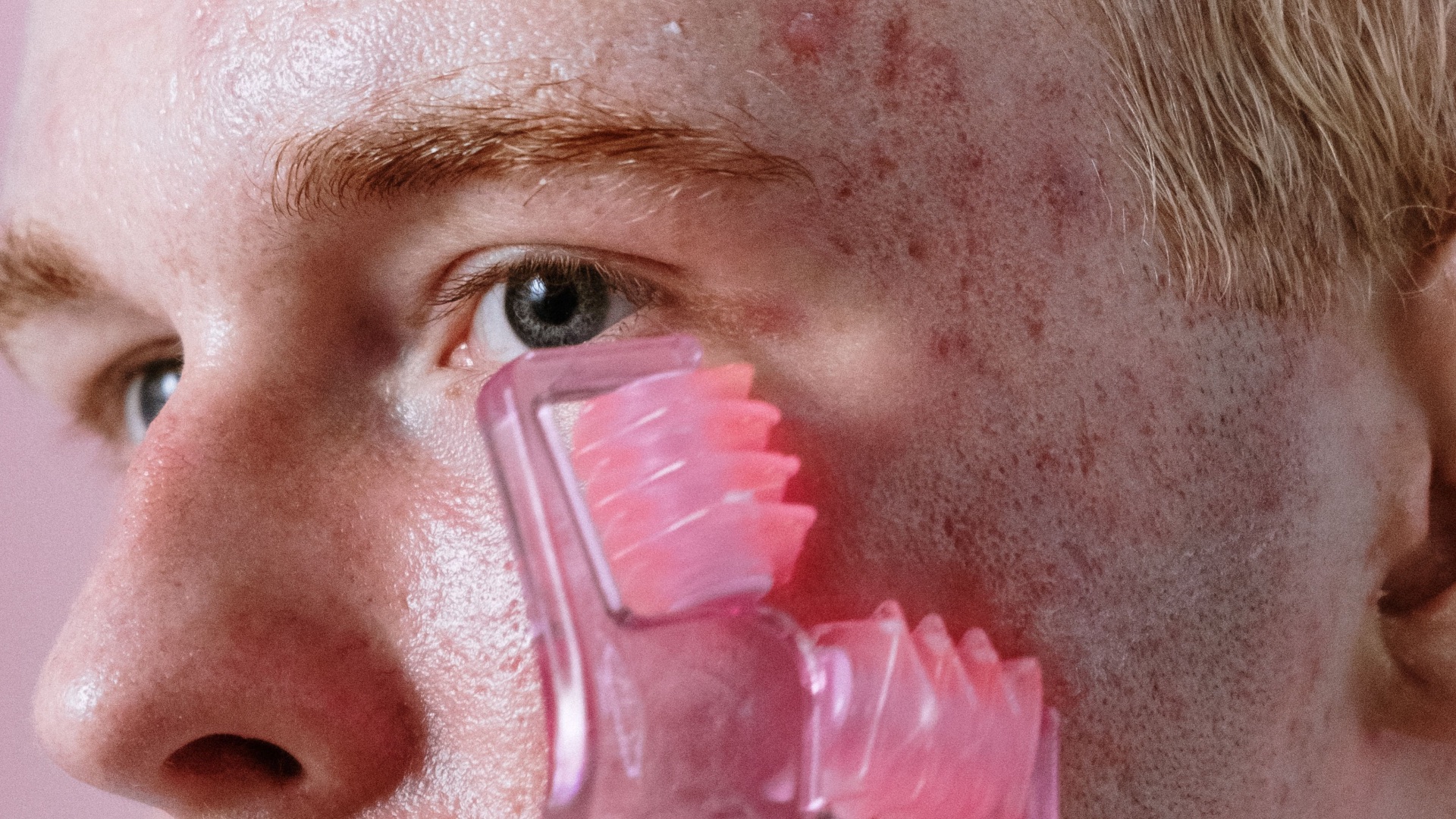
Introducing retinol when your skin barrier is already compromised tends to backfire, so it helps to focus on repairing your barrier first if you're dealing with ongoing sensitivity. Simple, gentle products that focus on hydration can help you build a strong foundation. Once your skin feels balanced and calm, you'll likely tolerate retinol much better.
6. The "Sandwich Method" Can Help Reduce Irritation
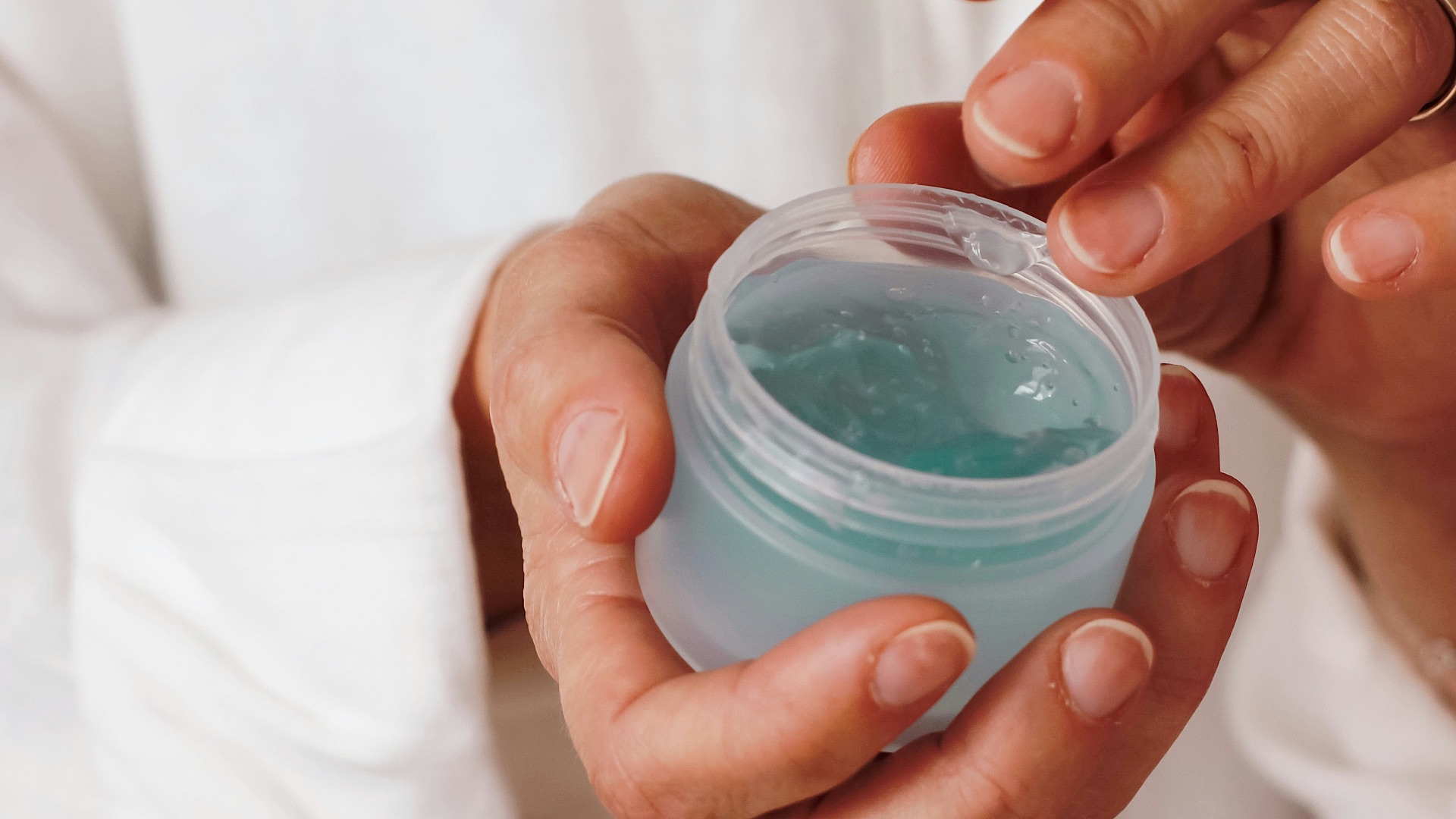
Applying a layer of moisturizer before and after your retinol, often called sandwiching, can significantly reduce irritation for sensitive skin types. This technique dilutes the retinol slightly while still allowing it to do its job. It's a popular trick among people who want the benefits without the harsh side effects.
 Nataliya Melnychuk on Unsplash
7. Pregnancy and Breastfeeding Require a Pause
Retinol and other retinoids aren't considered safe during pregnancy or while breastfeeding, so it's worth checking with your doctor if this applies to you. Many people don't realize this and continue their usual routine without a second thought. Switching to pregnancy-safe alternatives during this time is a simple way to protect your health and your baby's.

8. Certain Skin Conditions May Not Mix Well with It
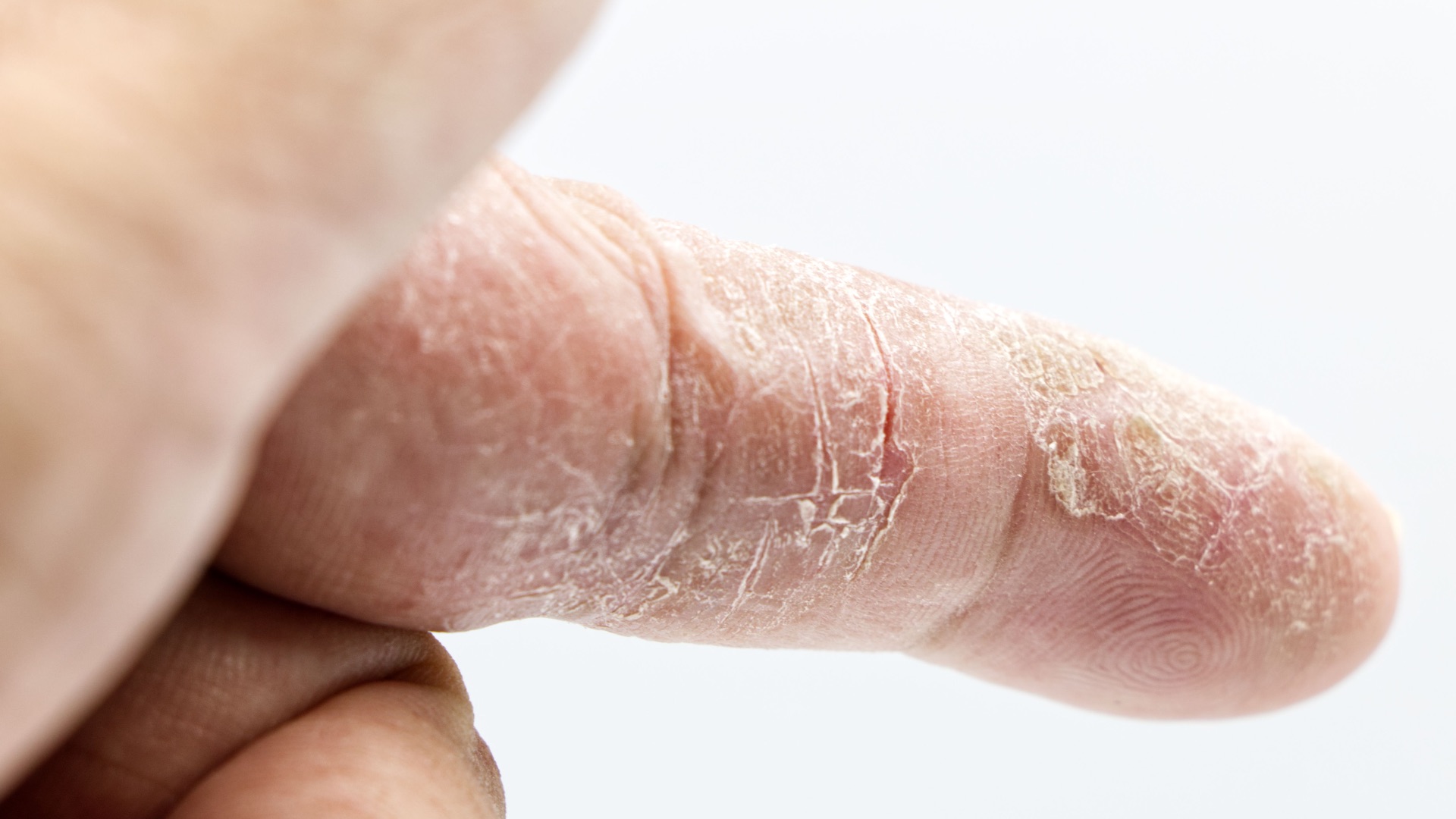
People dealing with conditions like rosacea or eczema often need to approach retinol with extra caution, since it can sometimes aggravate these conditions further. Consulting a dermatologist before starting is particularly important if you already have a diagnosed skin condition. What works well for one skin type might cause unexpected flare-ups for another.
9. Results Can Vary Based on the Formulation
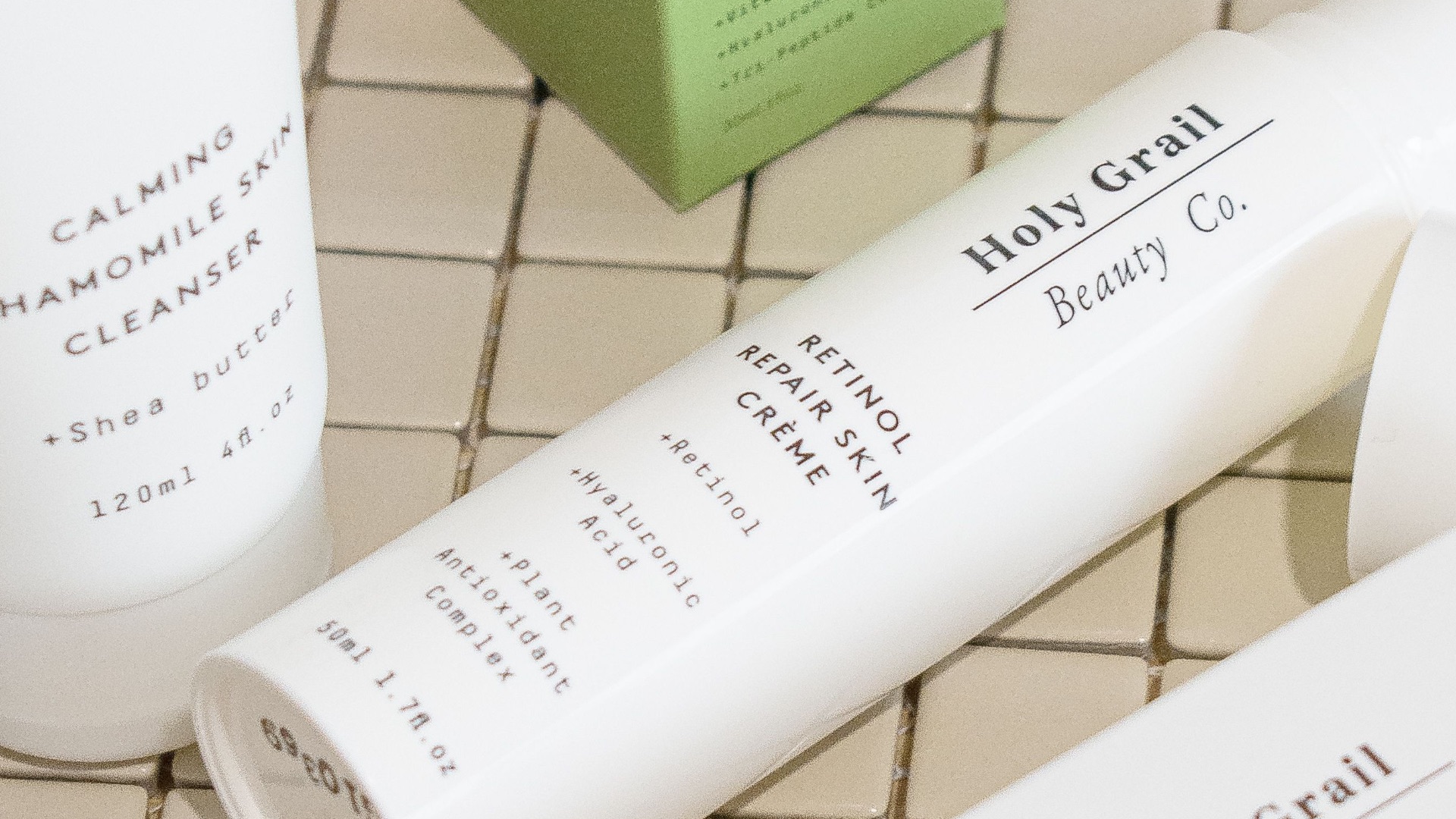
Not all retinol products are created equal, and factors like encapsulation technology and the addition of soothing ingredients can change how your skin responds. Some formulations are designed specifically to minimize irritation while maintaining effectiveness. Paying attention to how a product is formulated, rather than just its percentage, can make a real difference in your experience.
10. It's Worth Reintroducing Slowly After a Break
If you've stopped using retinol for any length of time, whether due to sun exposure, pregnancy, or just a busy season of life, easing back in slowly is the smartest approach. Your skin's tolerance can decrease during time off, so jumping back to your previous frequency might cause irritation you hadn't experienced before. Treating your return to retinol like you're starting fresh will help you avoid unnecessary setbacks.