
Dressing Rich Used to Be a Lot More Obvious
Long before designer logos and luxury sneakers became status symbols, people had plenty of other ways to make sure everyone knew they had money. Clothing could reveal that you didn't perform manual labor, could afford expensive imported materials, or had enough servants to maintain an impractical wardrobe. Some of these styles now look ordinary while others look downright strange, but at the time, they quietly told everyone exactly where you stood in society. Here are 20 fashion choices that once signaled wealth.
 Los Angeles County Museum of Art on Wikimedia
1. Wearing Purple
For centuries, rich purple fabric wasn't something you casually picked up at the local market. Certain purple dyes, particularly the famous Tyrian purple made from sea snails, were extremely expensive to produce and became strongly associated with royalty and elites. In some societies, laws even restricted who was allowed to wear particular shades, making purple clothing an unmistakable declaration of status.

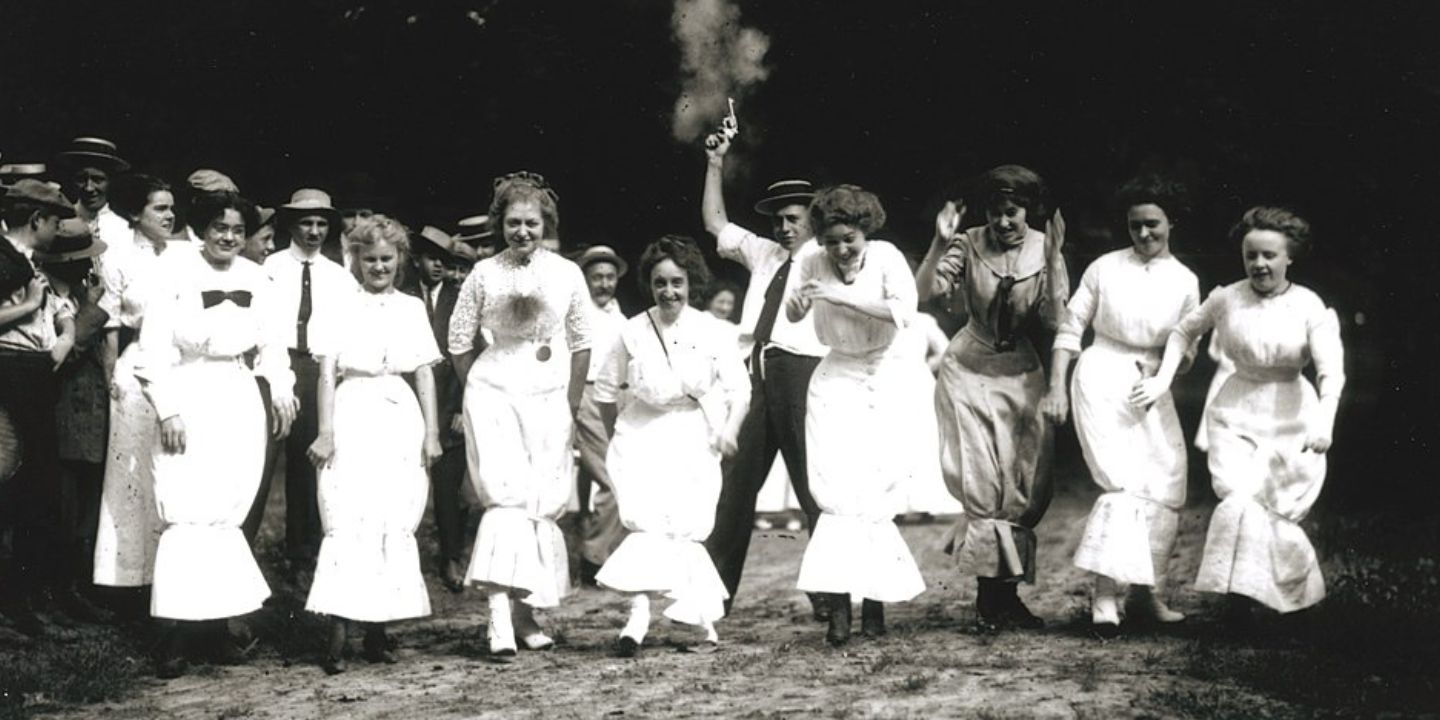
2. Dressing in Brilliant White
Keeping clothing perfectly white was once much harder than tossing it into a washing machine. White garments stained easily, required extensive laundering, and weren't practical for people regularly doing physical work. Showing up in crisp white clothing therefore suggested that you had both the money and the lifestyle needed to keep it spotless.
 Karen Willis Holmes on Unsplash
3. Wearing Extremely Long Sleeves
Medieval elites sometimes wore sleeves that stretched past their actual arms. Long, decorative sleeves made physical labor difficult, which was largely the point. If your clothing prevented you from comfortably performing everyday tasks, everyone could safely assume someone else was doing those tasks for you.
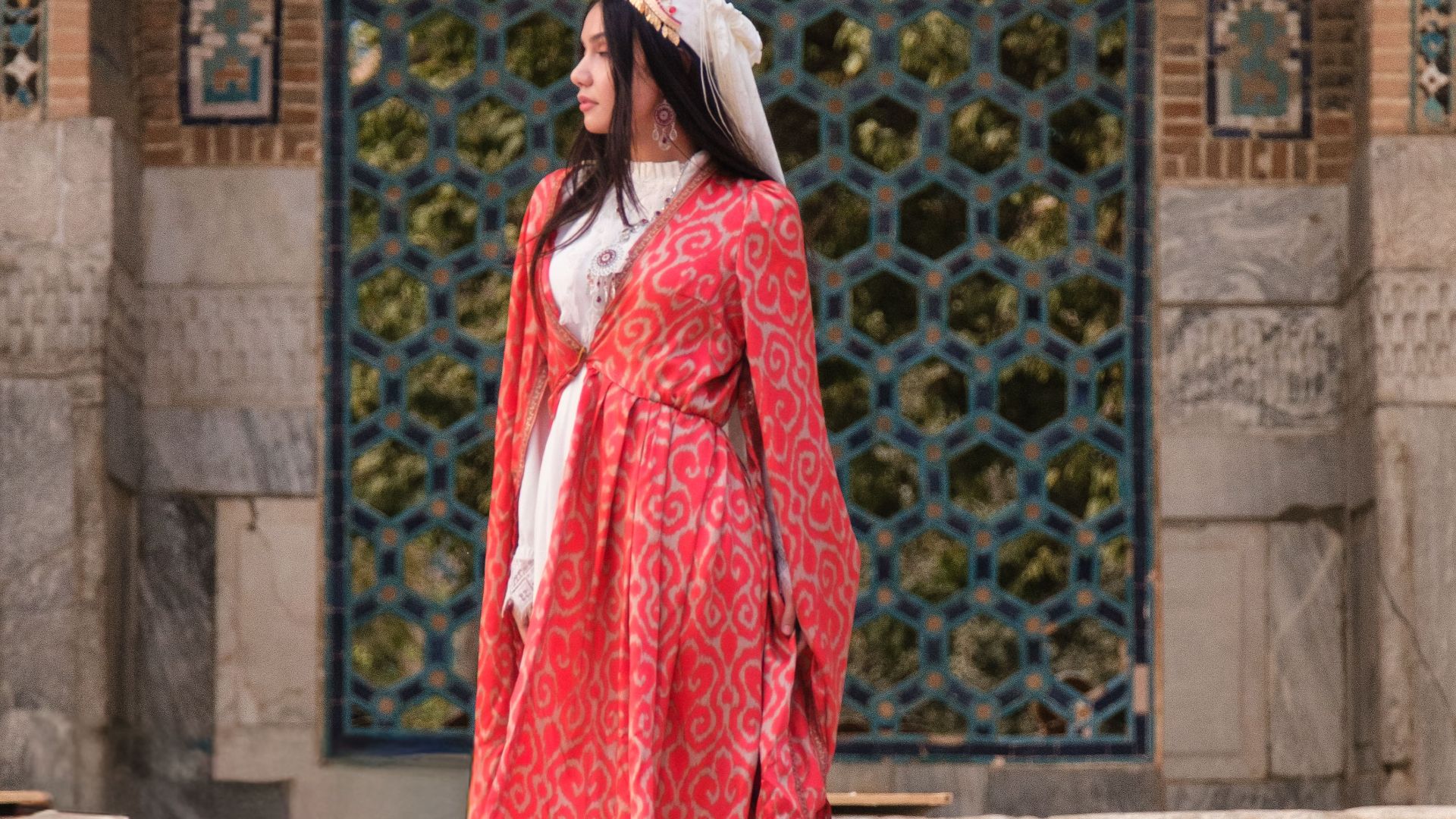
4. Choosing Elaborate Lace
Handmade lace could require an enormous amount of skilled labor, making high-quality pieces incredibly expensive. Wealthy Europeans decorated collars, cuffs, gowns, and accessories with increasingly intricate designs. The more lace someone wore, the more money they had essentially attached to their clothing.
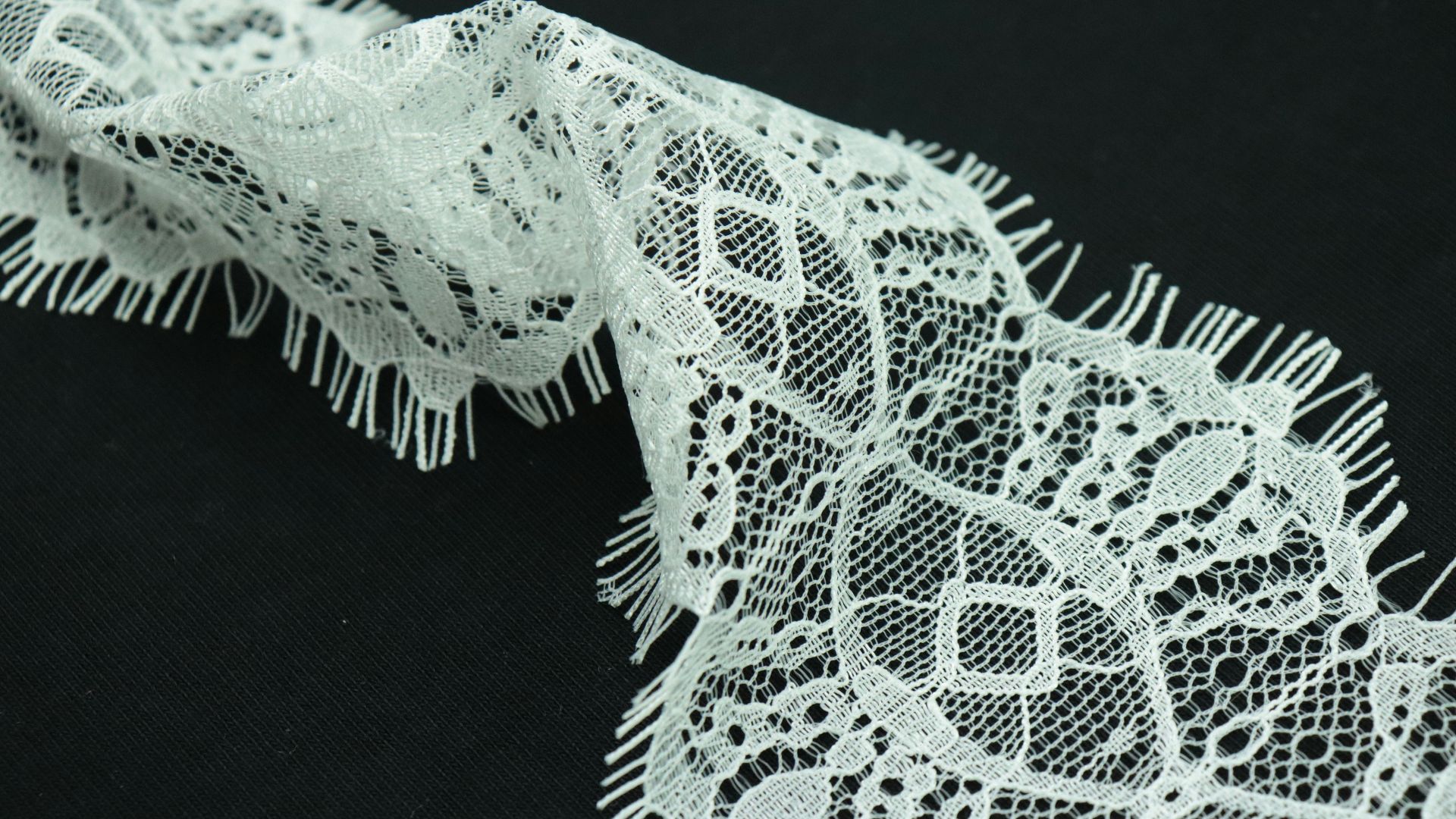 Divazus Fabric Store on Unsplash
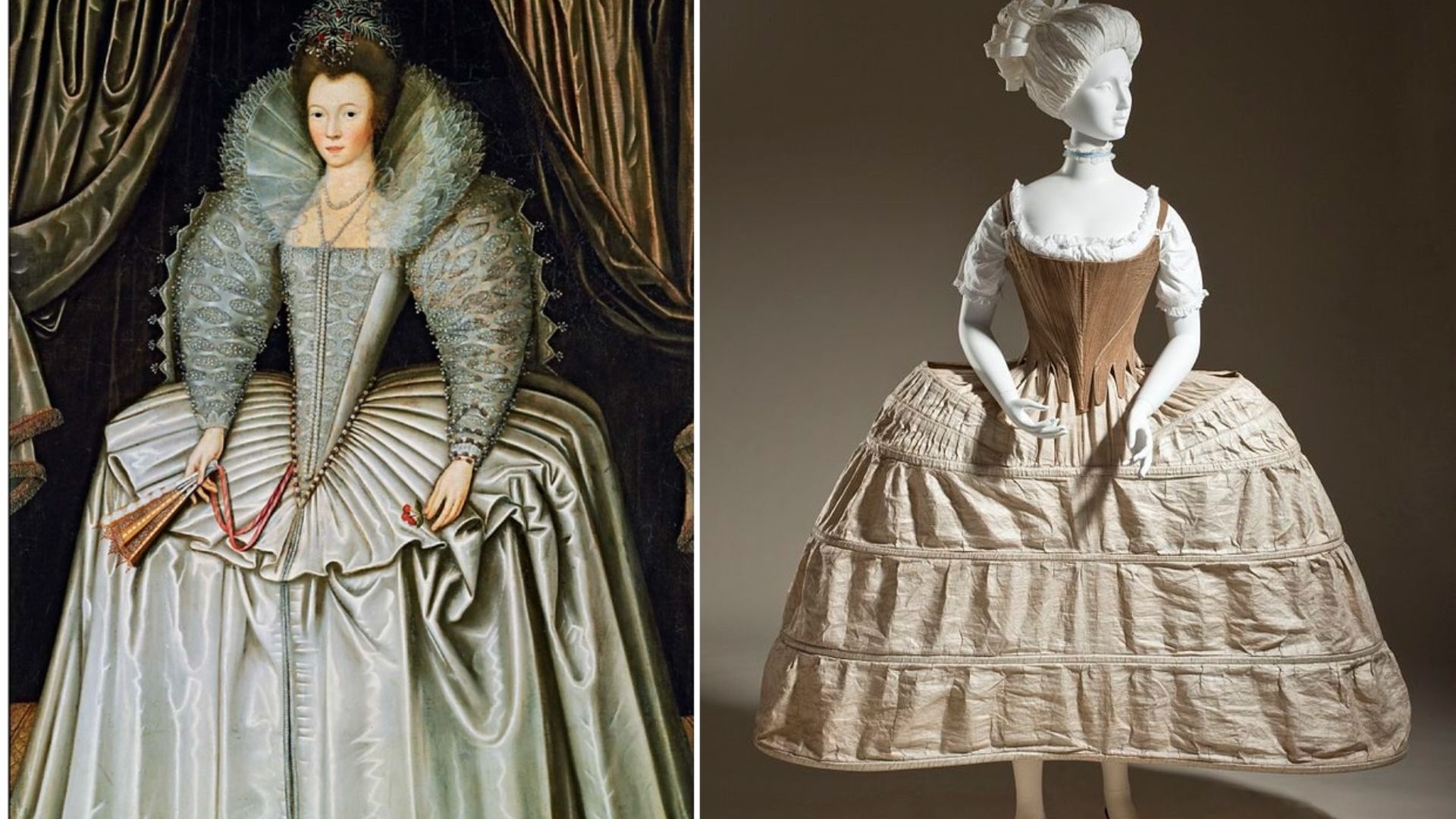
5. Wearing Huge Ruffs
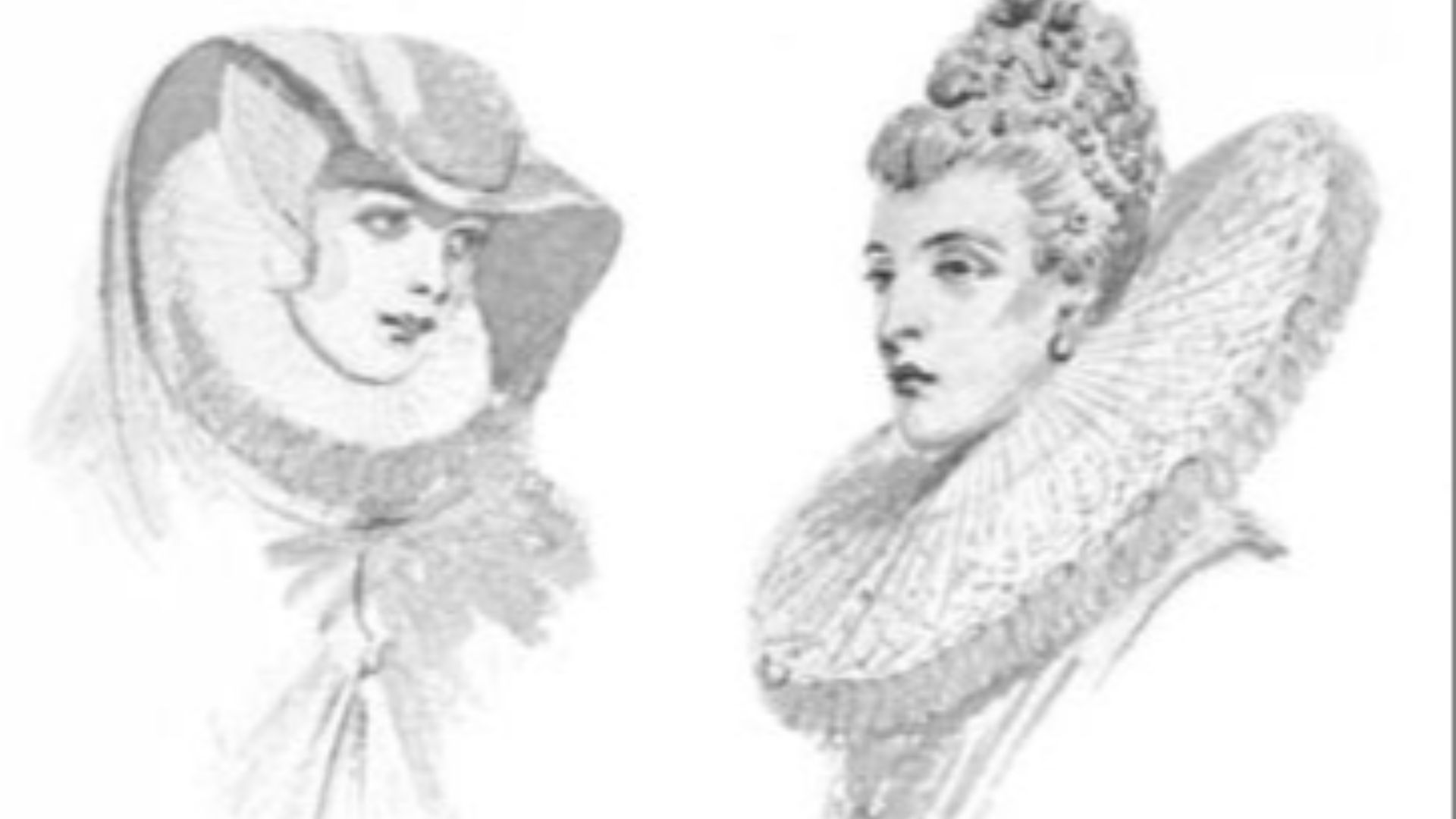
Those enormous pleated collars seen in portraits from the 16th and early 17th centuries required a lot of fabric, starch, maintenance, and professional care. They weren't especially convenient for eating, working, or turning your head naturally, either. That inconvenience helped make them useful status symbols because practicality was far from the point.
6. Showing Off Silk
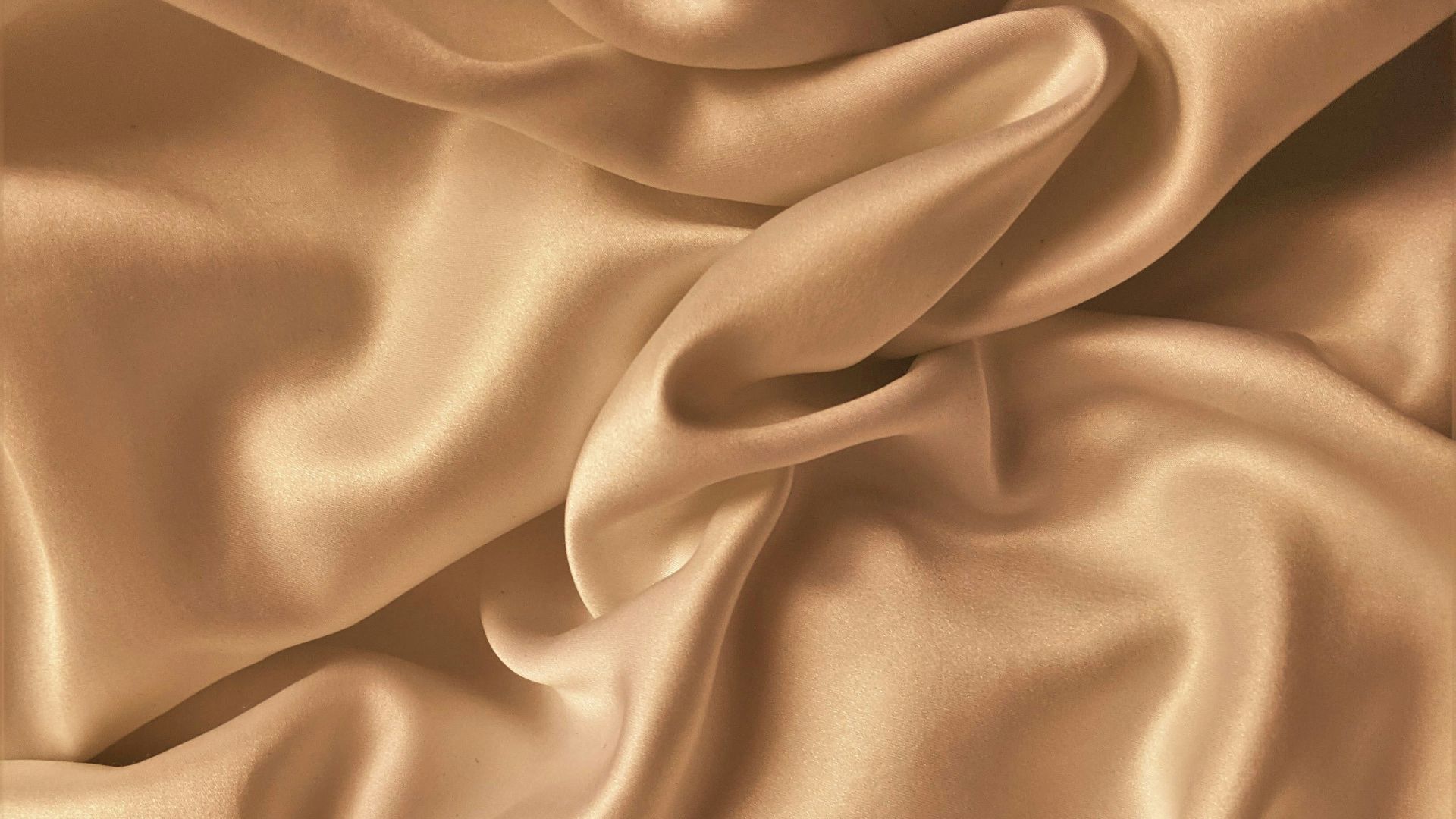
Before modern textile production made silk widely available, getting your hands on it could involve lengthy international trade routes and considerable expense. European elites eagerly wore silk gowns, jackets, stockings, and other garments because the fabric immediately signaled luxury. Its distinctive appearance also meant that people could recognize the expensive material without needing to examine a label.
7. Wearing Fur Trim
Fur has carried different meanings across cultures and eras, but rare varieties were frequently associated with Europe's aristocracy. Ermine in particular became closely connected with royal and ceremonial clothing. Covering your outfit in rare pelts sent a fairly clear message about your finances.

8. Having an Enormous Skirt
Fashionable women's skirts became spectacularly wide during several periods, especially when supported by structures such as farthingales, panniers, and later hoop skirts. Creating these silhouettes required additional fabric and made navigating small spaces considerably harder. Because it was cumbersome and took up so much space, it sent the message that you lived in a large home and didn't need to perform much manual work.
Los Angeles County Museum of Art on Wikimedia
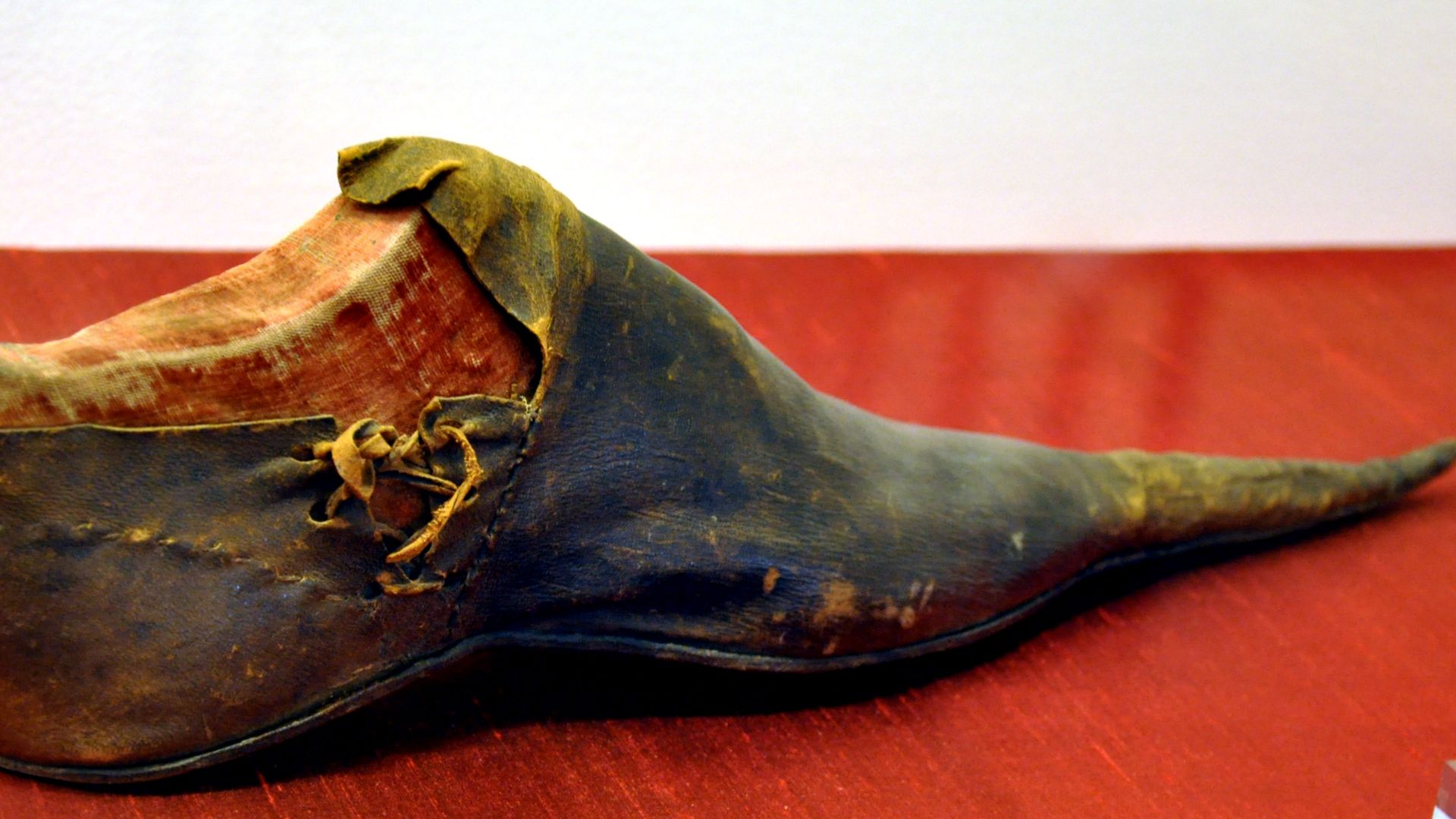
9. Wearing Pointlessly Long Shoes
During the Middle Ages, fashionable European men sometimes wore shoes with dramatically extended pointed toes, commonly associated with styles known as poulaines or crackows. Longer versions weren't particularly useful for walking and could even require securing to the leg. Their extravagance helped turn footwear into another place where wealthy wearers could show that usefulness wasn't a concern.
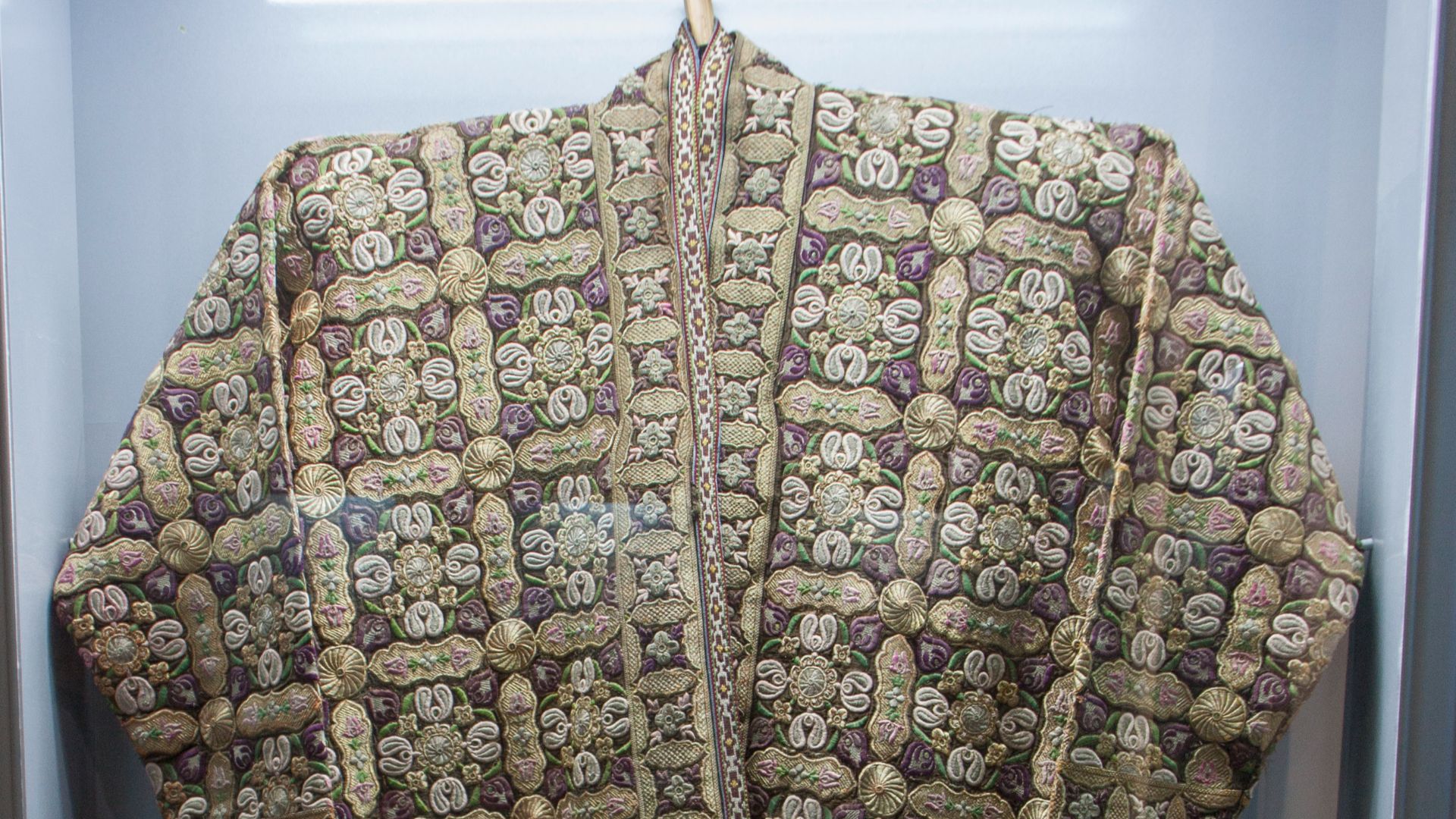
10. Owning Lots of Embroidery
Before embroidery could be produced by machines, elaborate decorative stitching represented many hours of skilled labor. Wealthy people commissioned clothing covered with floral patterns, metallic threads, family symbols, and other detailed designs. An extensively embroidered garment advertised someone's ability to pay craftspeople for painstaking work.
11. Wearing Gold & Silver Thread
Some historical luxury clothing contained threads made with actual precious metals. These materials could appear in court dress, religious garments, ceremonial outfits, and clothing worn by powerful elites. Wearing clothing that literally contained gold sent a very obvious message about your finances.
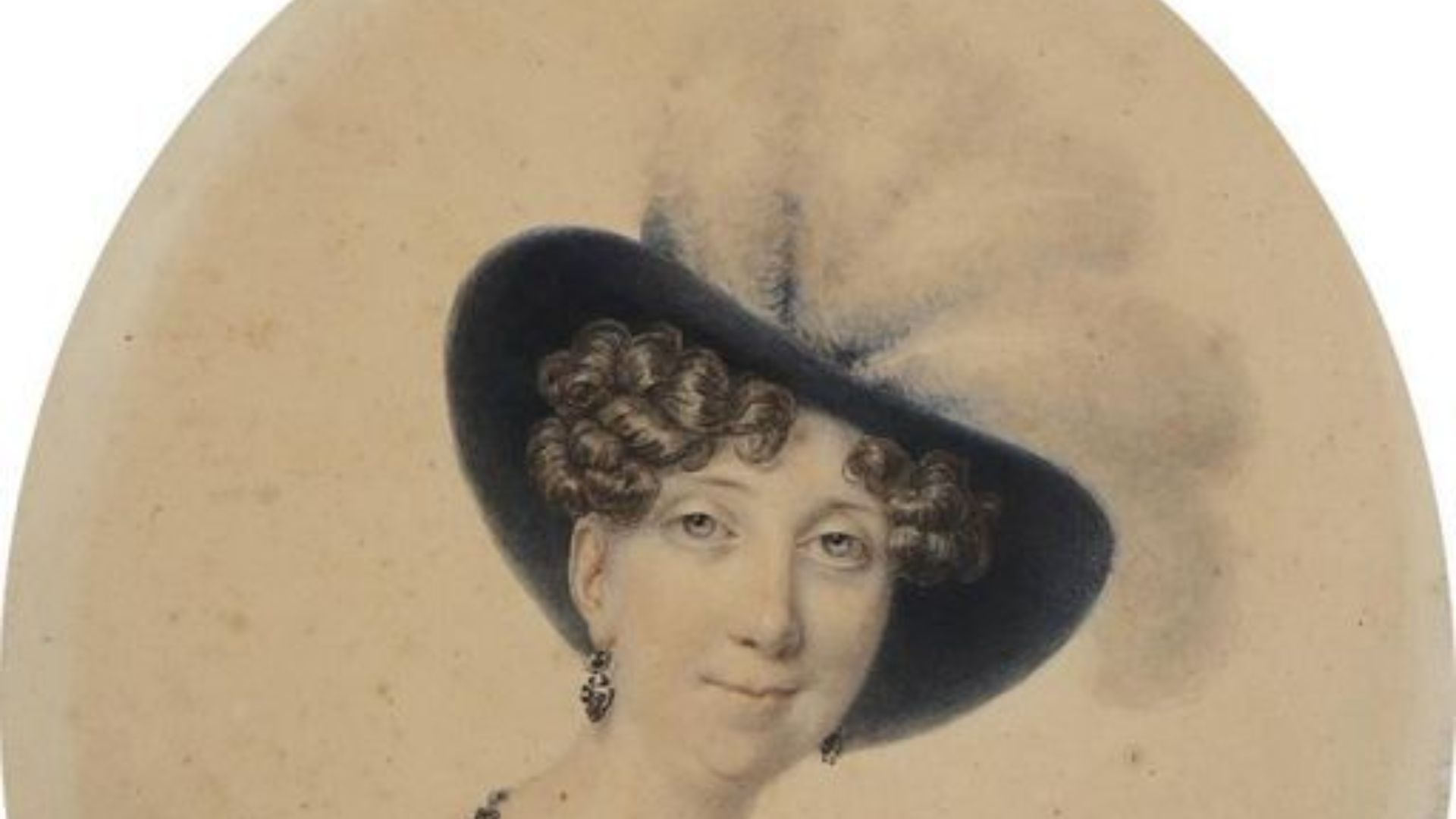
12. Putting Feathers on Everything
Exotic feathers became fashionable accessories among wealthy Europeans at various points, appearing in hats, fans, and elaborate headpieces. Rare feathers often had to travel considerable distances before reaching their eventual owners, which added to their cost and exclusivity. An unusually extravagant plume could therefore communicate far more than someone's taste in hats.
13. Wearing Expensive Gloves
Gloves weren't always simply practical accessories for cold weather. Wealthy Europeans owned versions made from delicate leather, silk, lace, embroidery, and sometimes perfume-treated materials. Fine gloves could protect hands while also emphasizing that those hands weren't regularly exposed to hard physical labor.
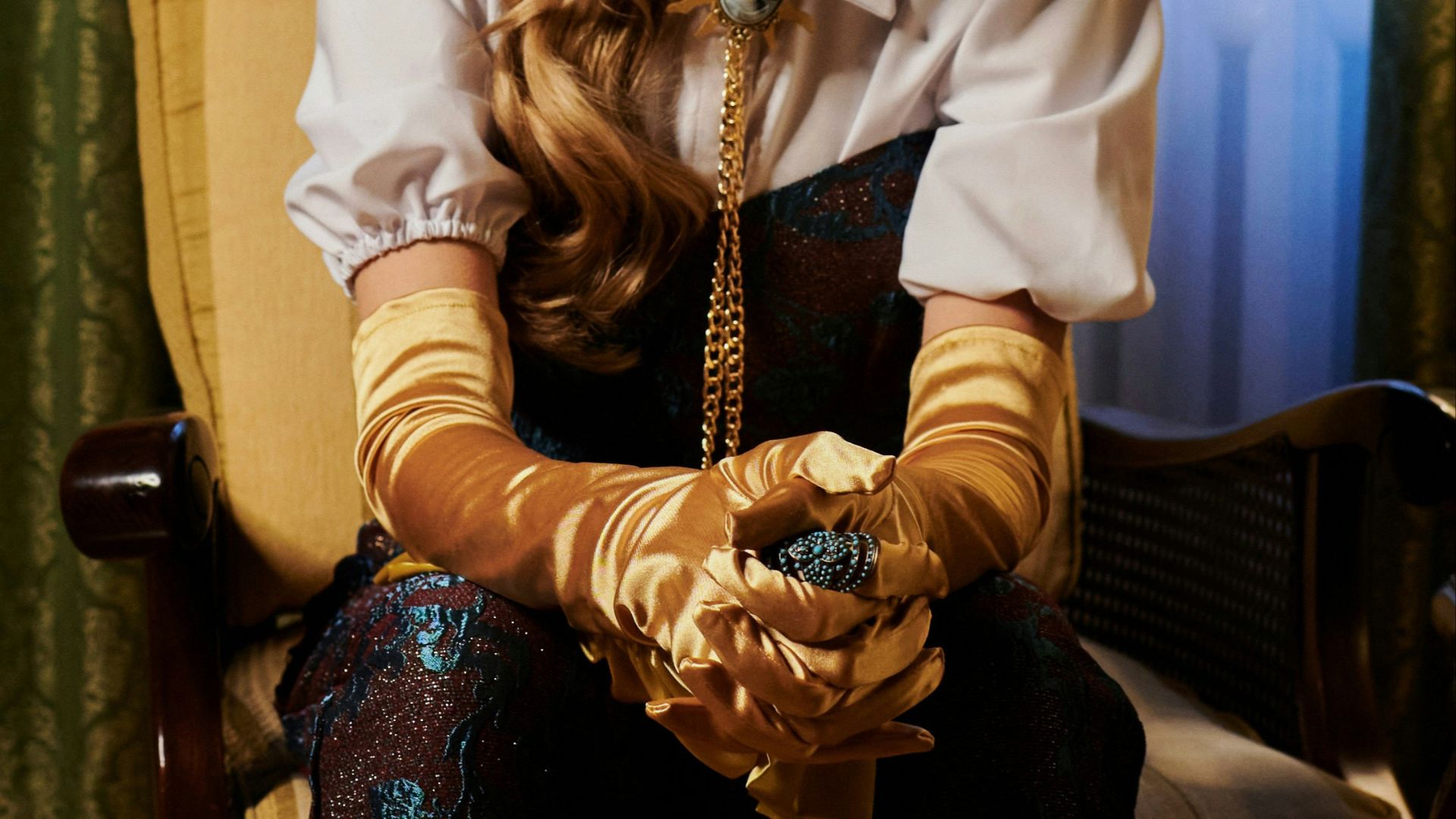
14. Keeping Extremely Pale Skin
For long stretches of European history, pale skin was associated with the upper classes because it suggested someone didn't spend their days working outdoors. Clothing such as gloves, hats, veils, and parasols could help wealthy people maintain that appearance.

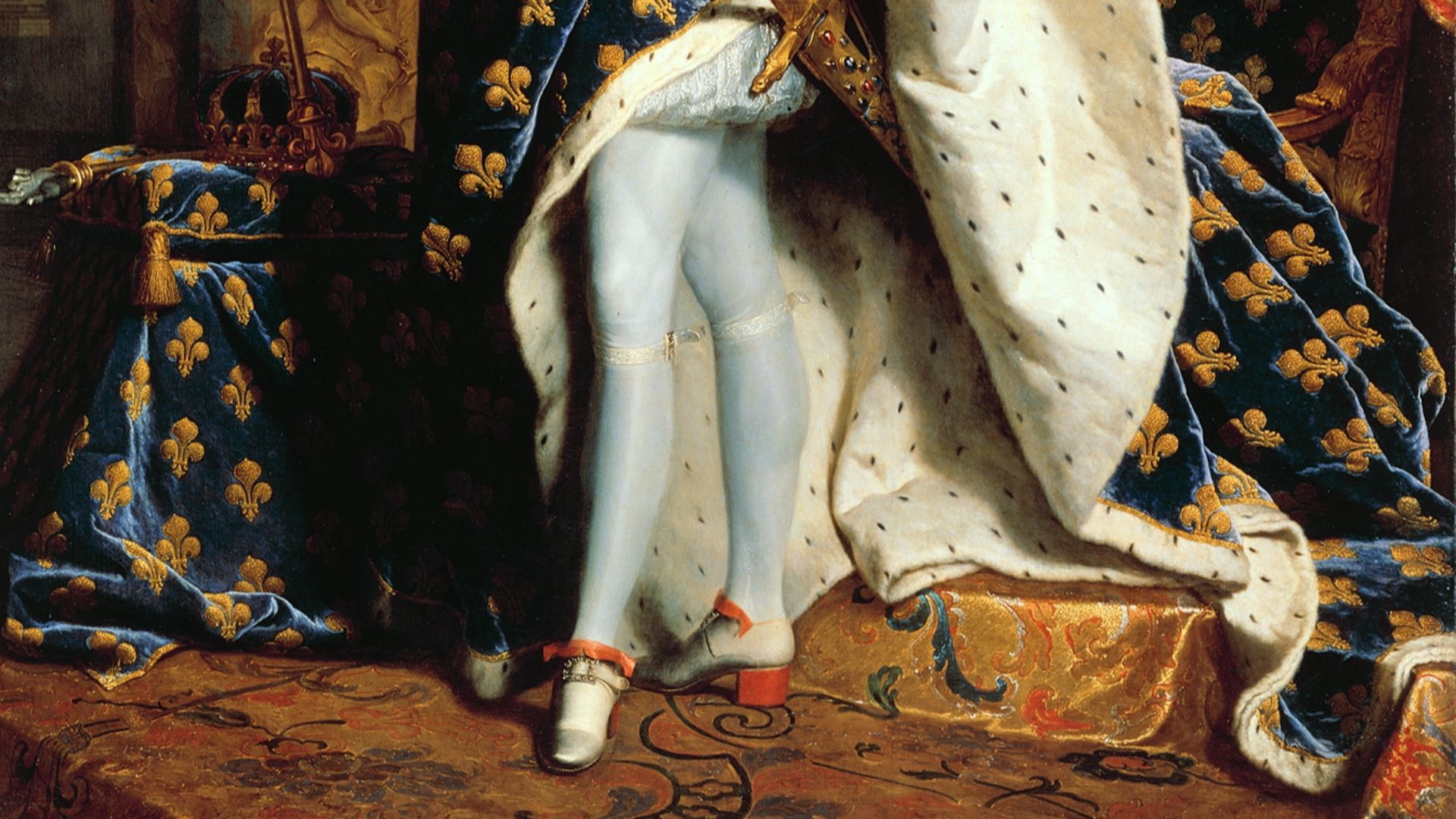
15. Wearing High Heels
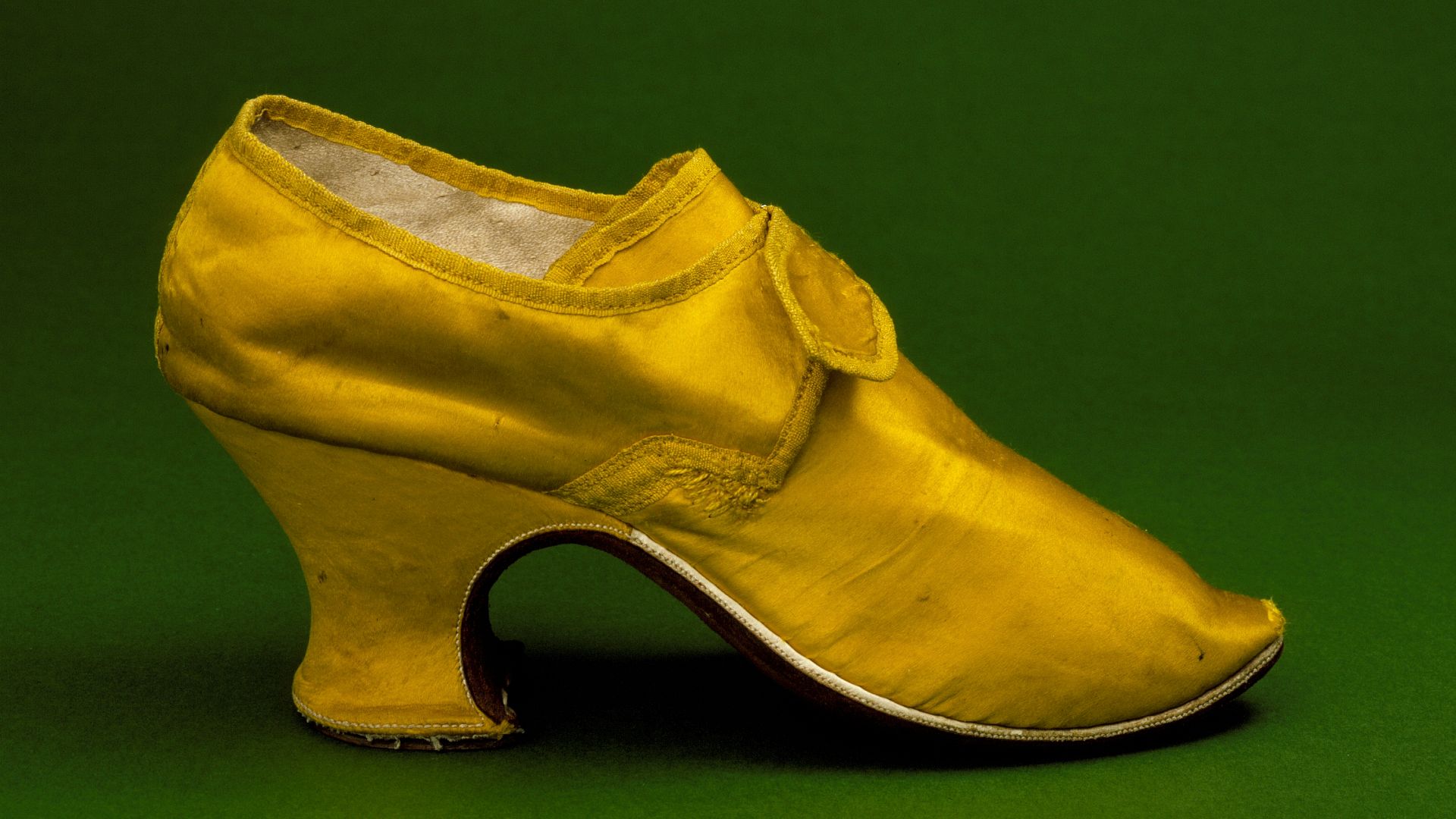
High heels weren't originally limited to women's fashion. European aristocratic men embraced them enthusiastically during the 17th century. Because heels made hard labor or walking long distances impractical, they signaled that the wearer wasn't especially concerned about these things.
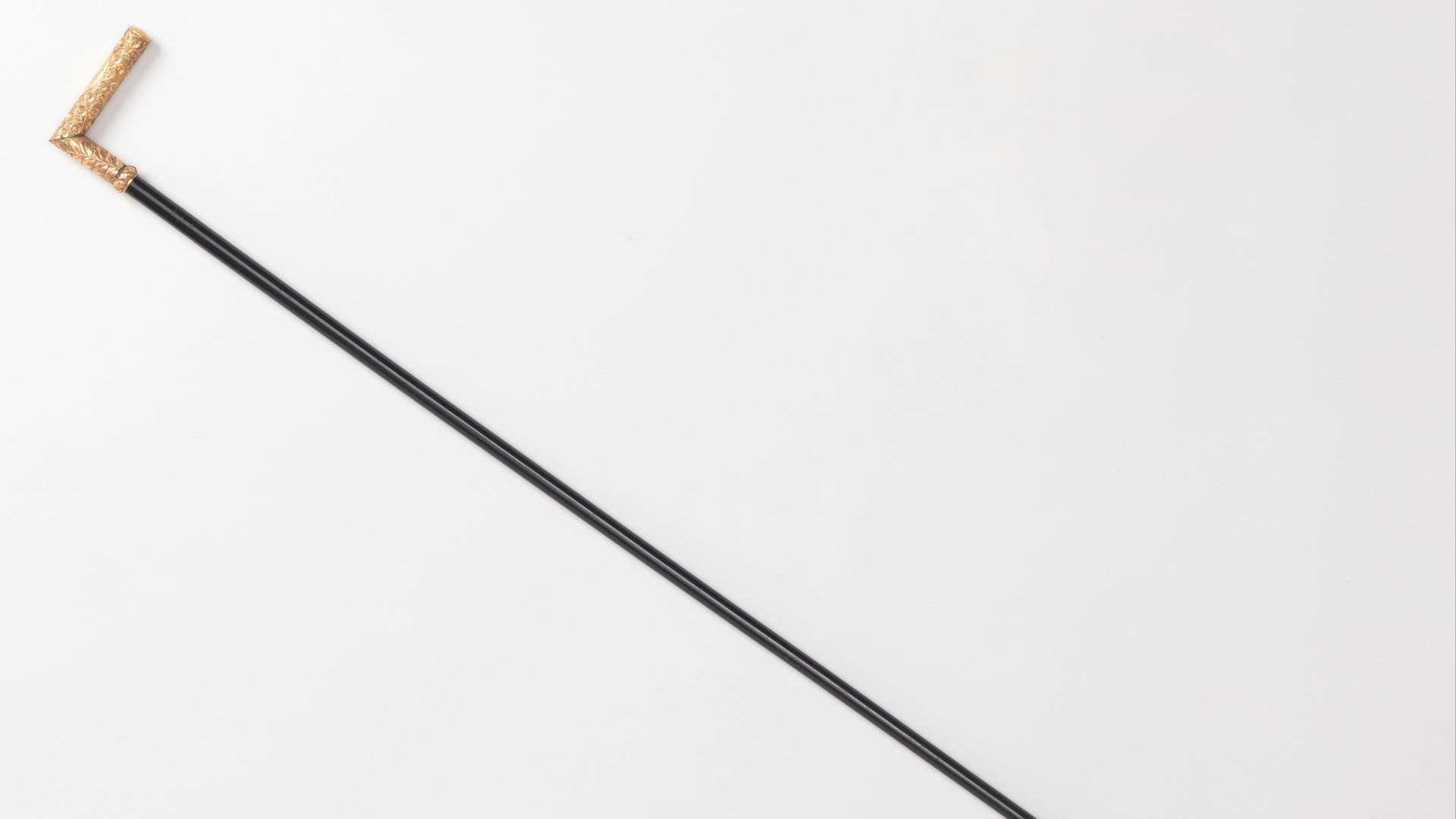
16. Carrying a Decorative Walking Stick
A walking stick didn't necessarily mean its owner had trouble walking. During the 17th through 19th centuries, fashionable gentlemen carried canes made from expensive woods and decorated with silver, gold, ivory, or precious stones. The accessory offered wealthy men yet another object they could customize purely to display taste and financial standing.
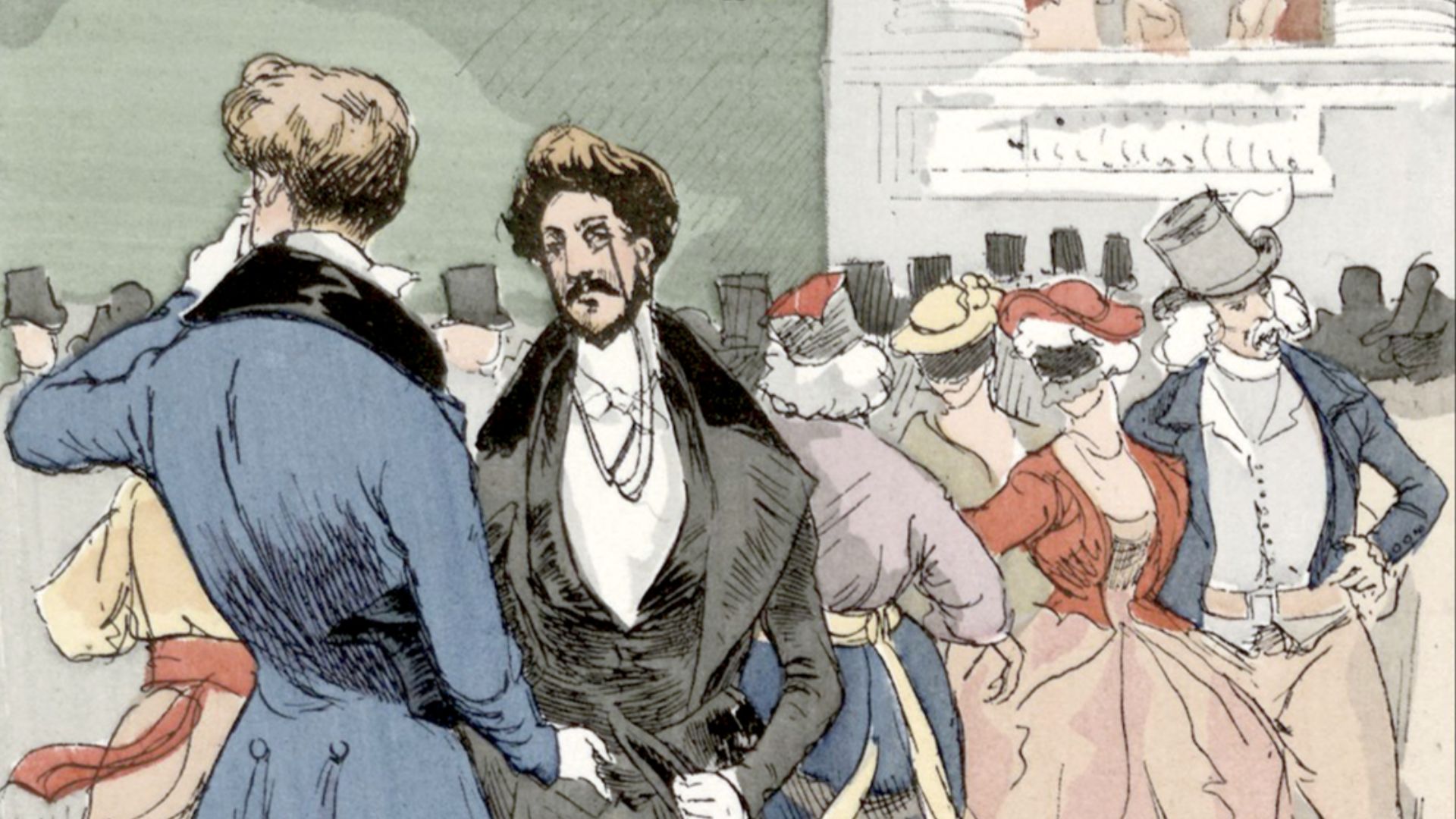
17. Changing Outfits Several Times a Day
In wealthier households, especially during the 19th and early 20th centuries, different activities could call for entirely different outfits. Morning clothes, afternoon dresses, dinner attire, evening gowns, and specialized sporting clothes all had their place. Owning enough garments to repeatedly change throughout the day made wardrobe size itself a sign of privilege.
 François Courboin on Wikimedia
18. Wearing Clothes That Needed Servants
Some elite fashions were so complicated that getting dressed required assistance. Corsets, layered gowns, elaborate hairstyles, fastenings placed in awkward locations, and enormous skirts all needed another pair of hands. Clothing that practically demanded a servant conveniently suggested that you could afford one.

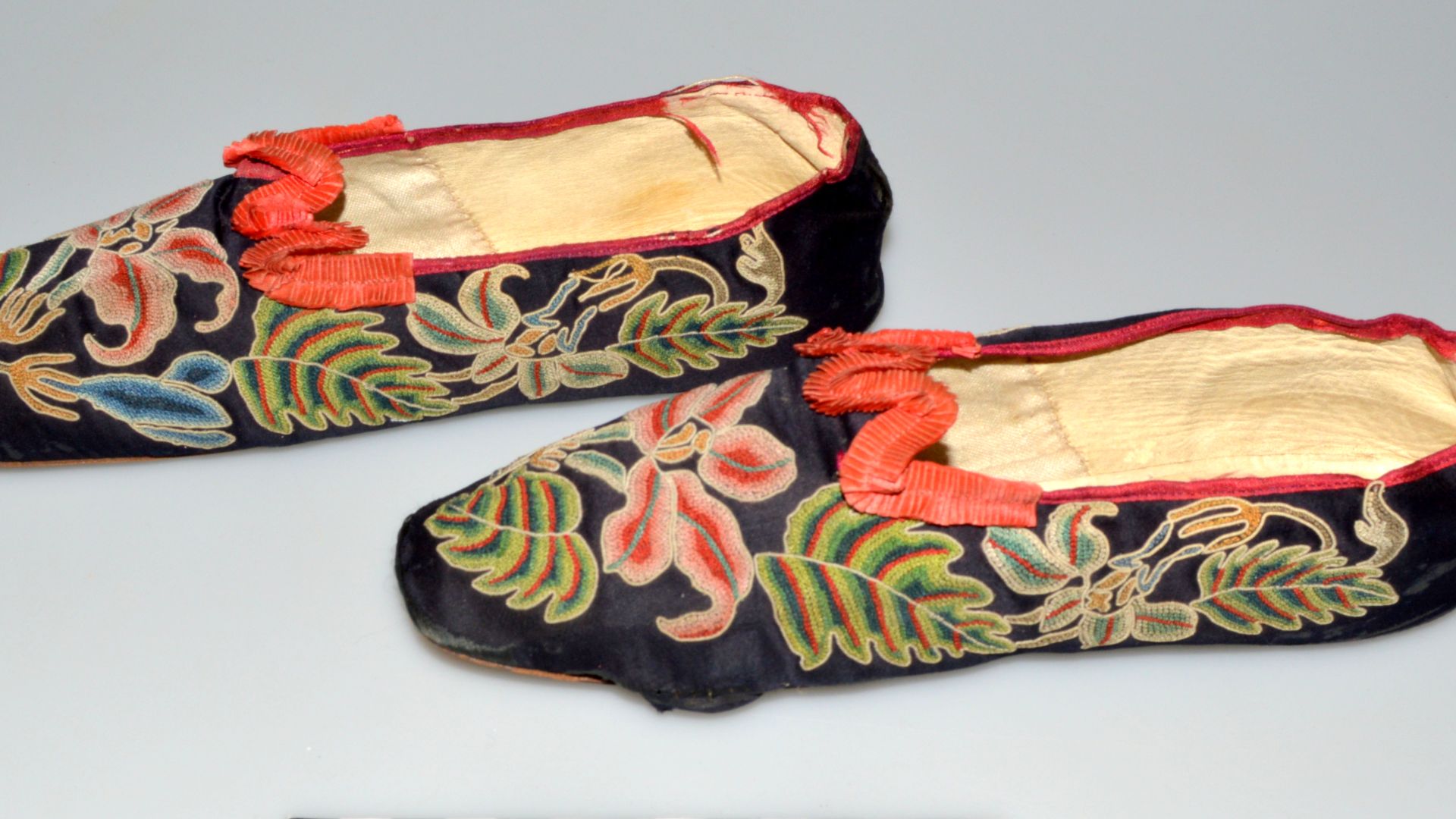
19. Owning Impractically Delicate Shoes
Fine shoes made from silk, satin, embroidery, and other fragile materials were poor choices for muddy streets or serious walking. Wealthy wearers didn't necessarily need footwear built to survive those conditions because transportation and servants could reduce how much walking they actually did. A pair of beautifully impractical shoes could therefore say quite a bit about someone's daily life.
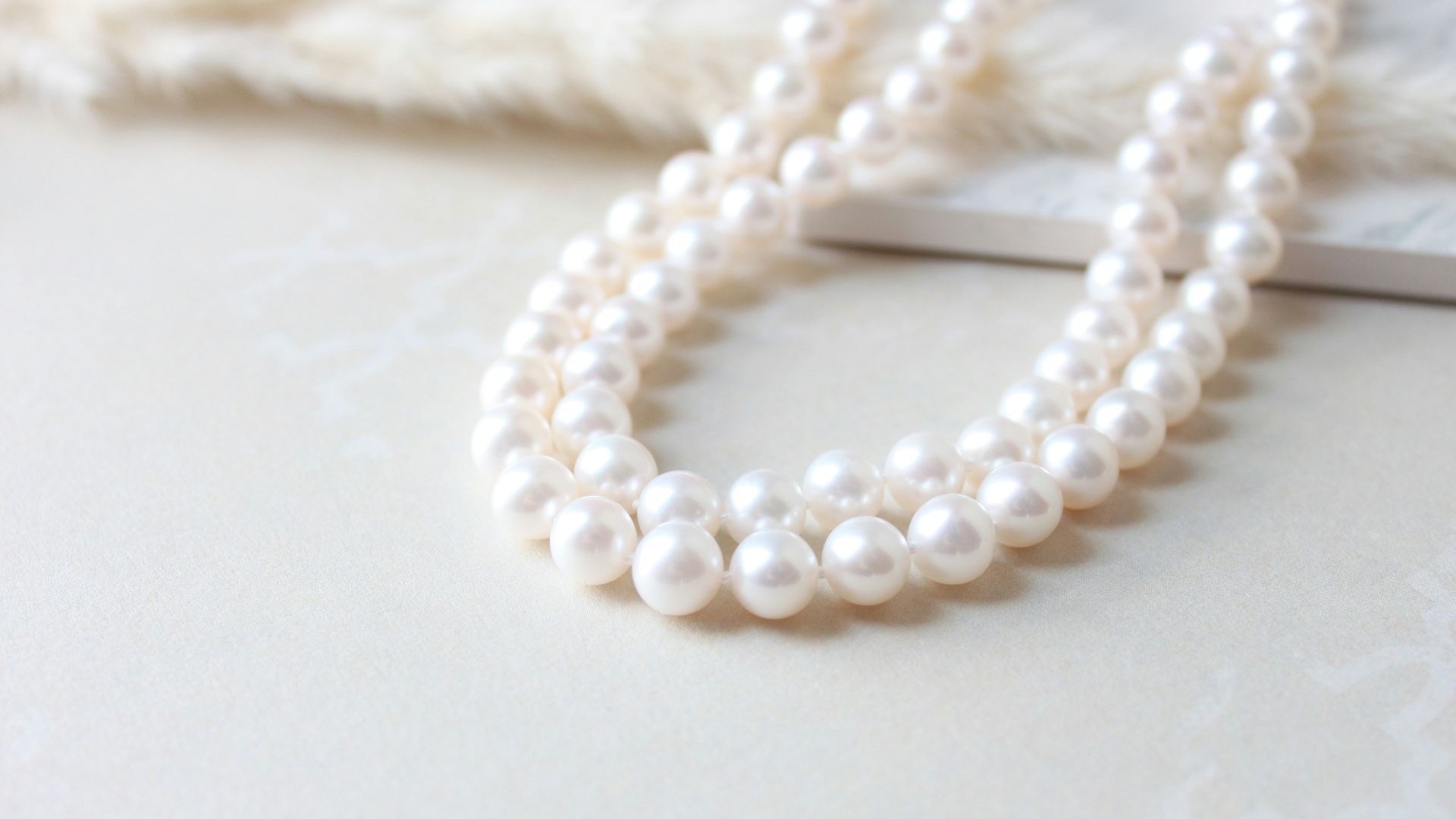
20. Pearl Necklaces
Before cultured pearls became widely available in the 20th century, natural pearls were extremely rare and expensive. Wealthy women wore pearl necklaces, earrings, and hair ornaments as visible proof that they could afford them. A substantial strand of pearls could communicate a lot more than an elaborate outfit.