
Is It Worth It?
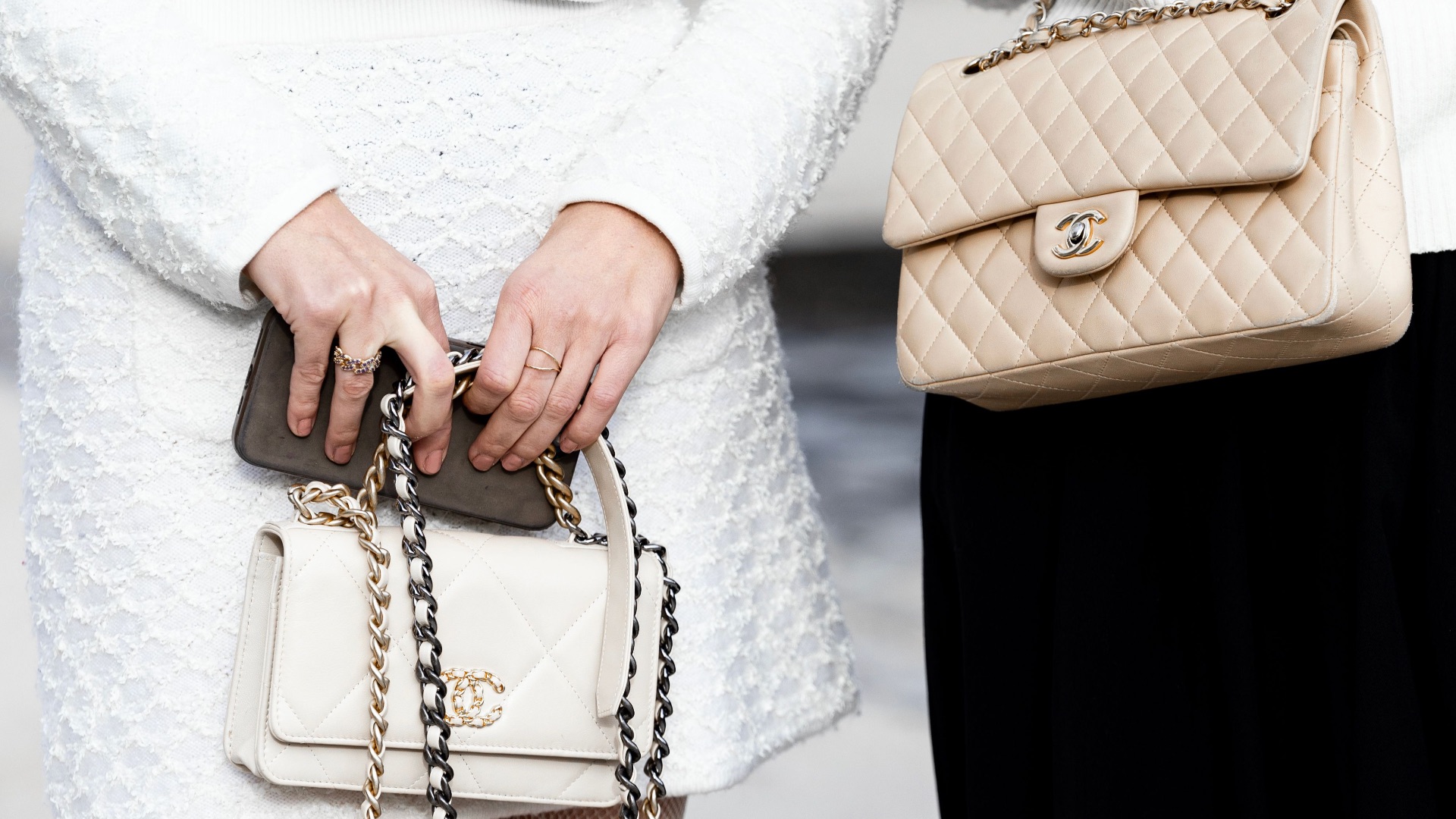
What's the difference between a Chanel handbag and one you could get from, say, SHEIN? Well, that's an easy one—obviously one is better than the other. But buying designer isn't always the way to go, even if it promises better craftsmanship. A smart shopper will know when to save or splurge, so let's take a look at why you shouldn't always let a fancy name and sky-high price tag dictate your decision.
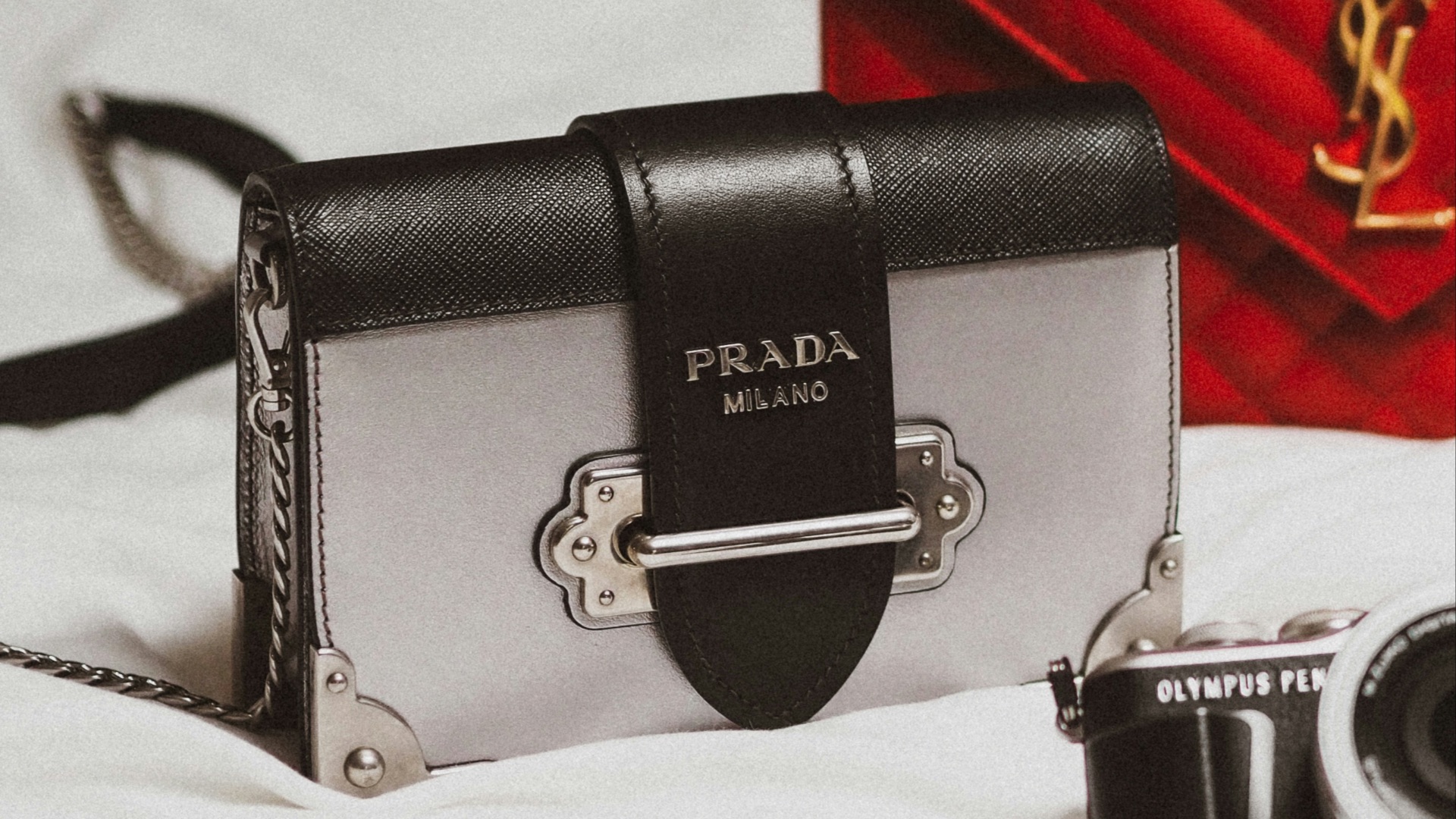
1. You're Paying Heavily for the Name
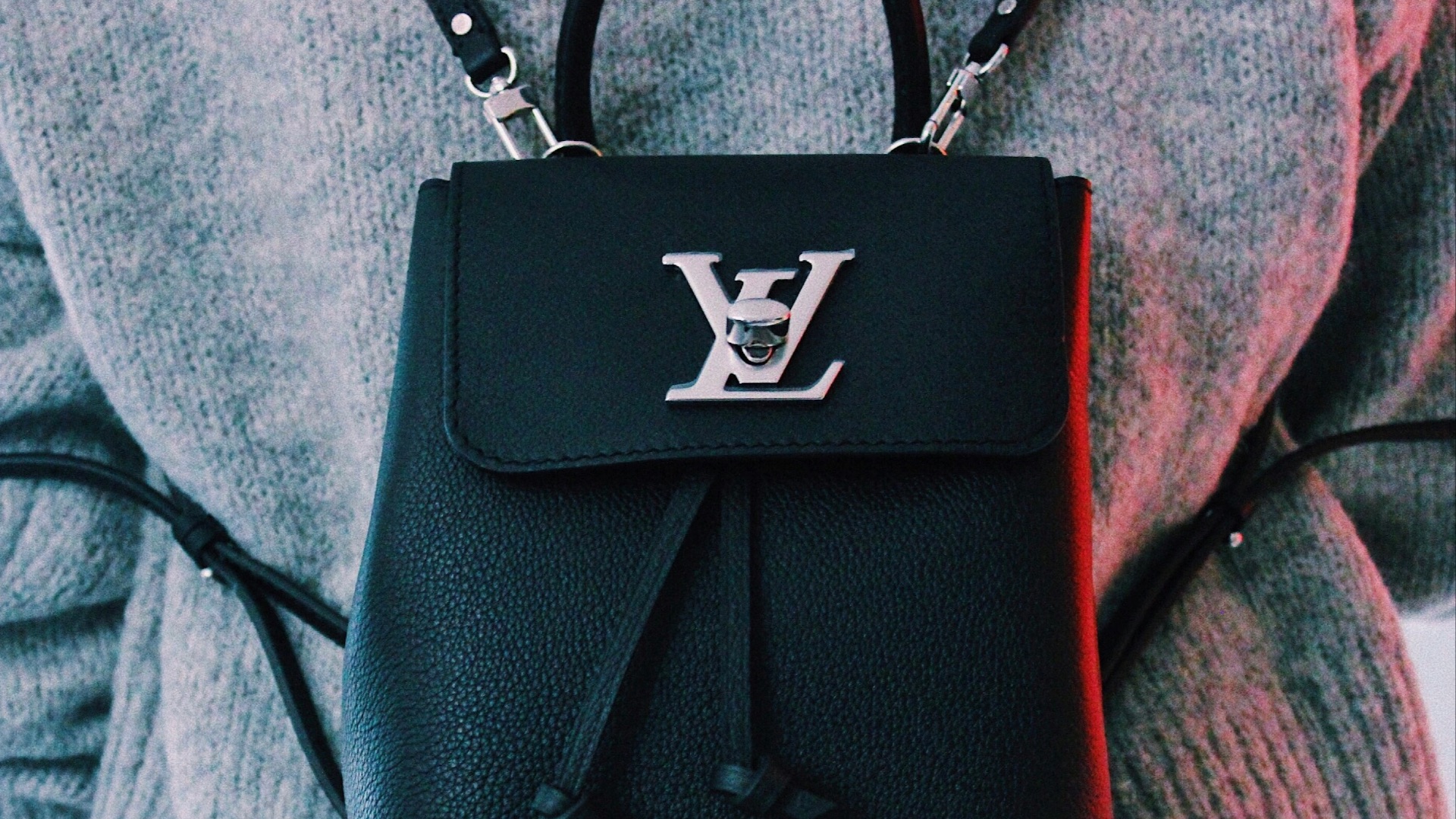
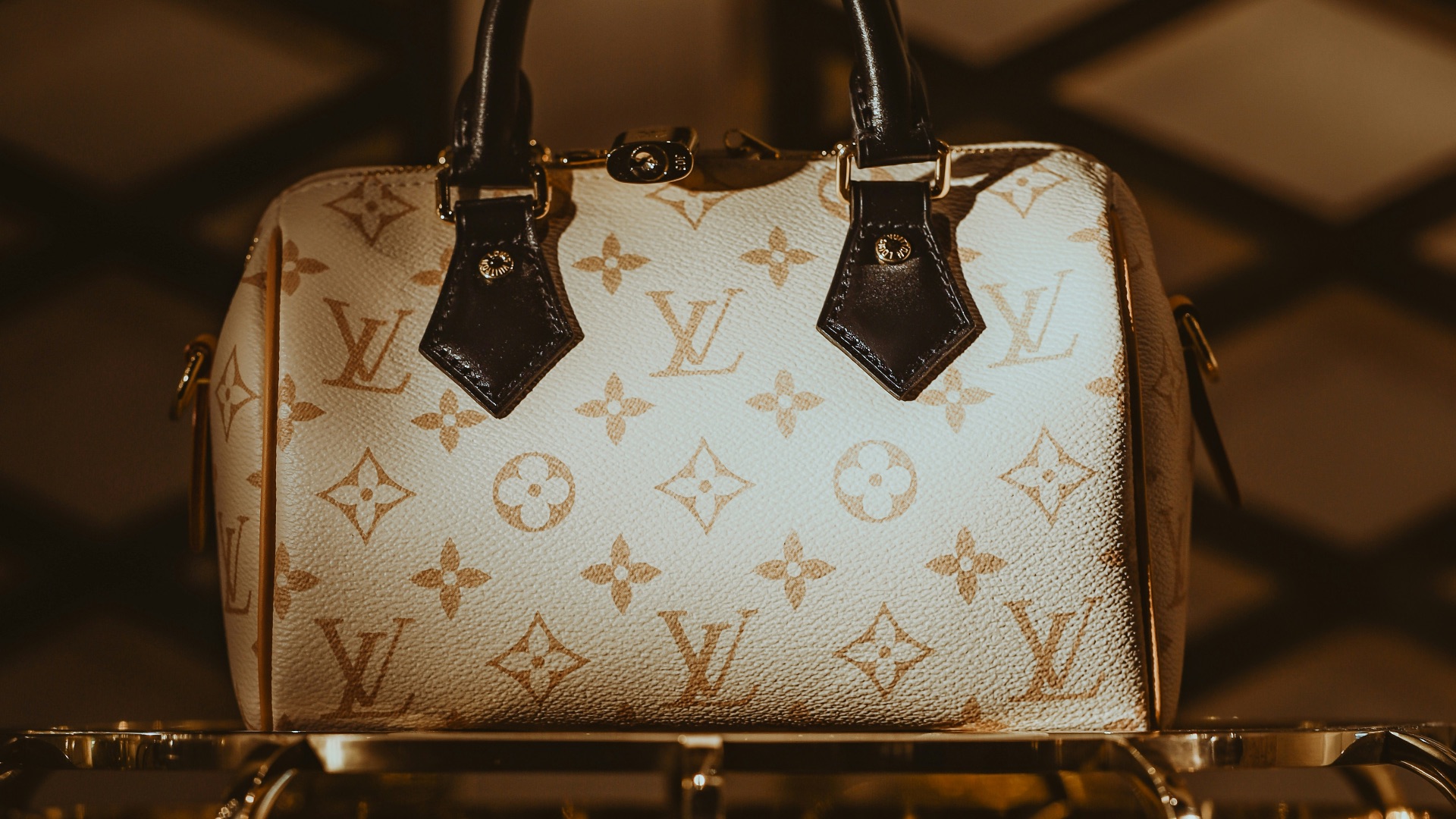
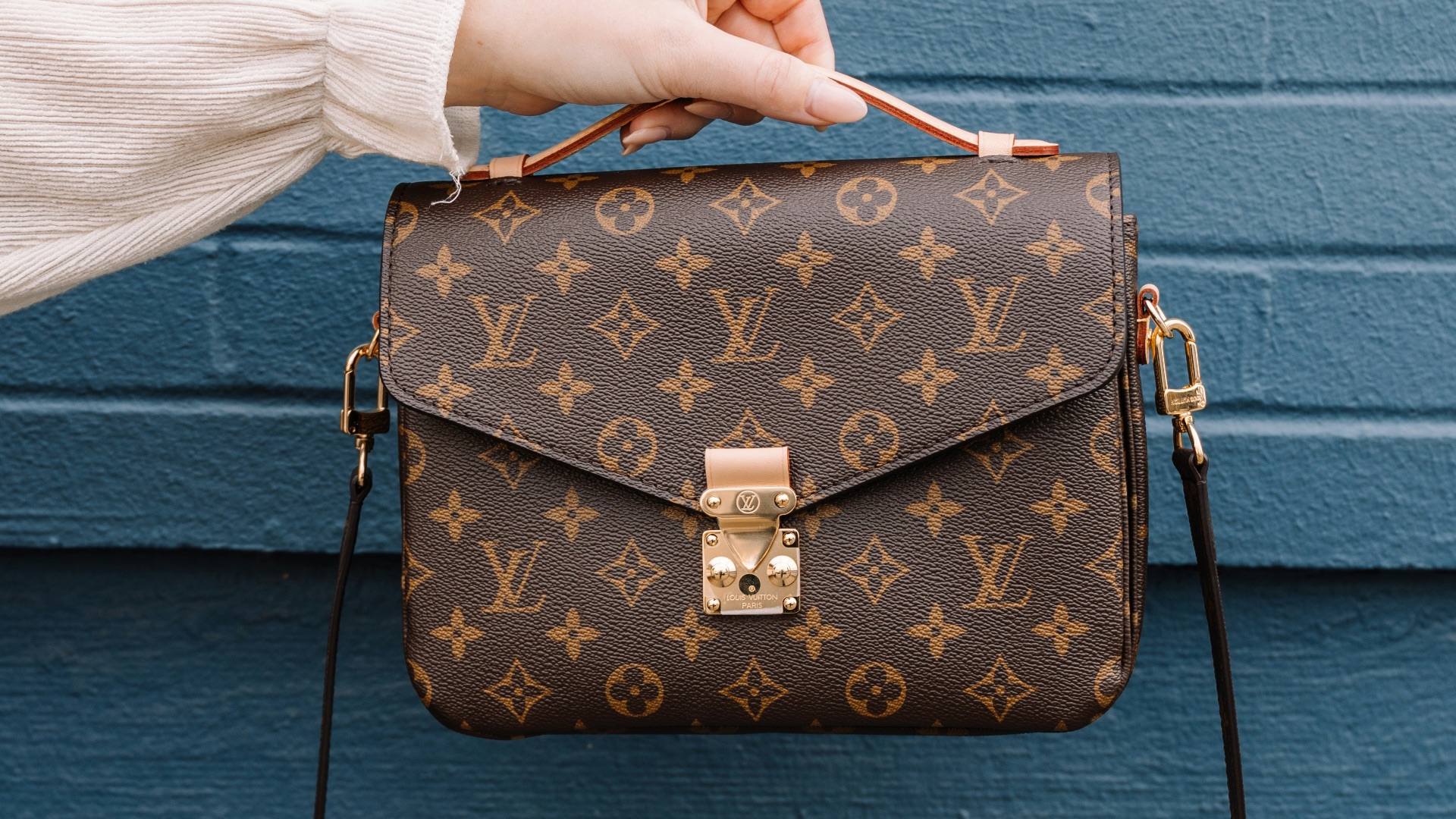
We guarantee you can find a similar leather bag somewhere else for half the price; the only difference is it won't have the Louis Vuitton monogram on it. As with most designer products, a large portion of the price comes from branding than from the actual product. If a comparable garment feels just as comfortable and holds up just as well, why spend more?
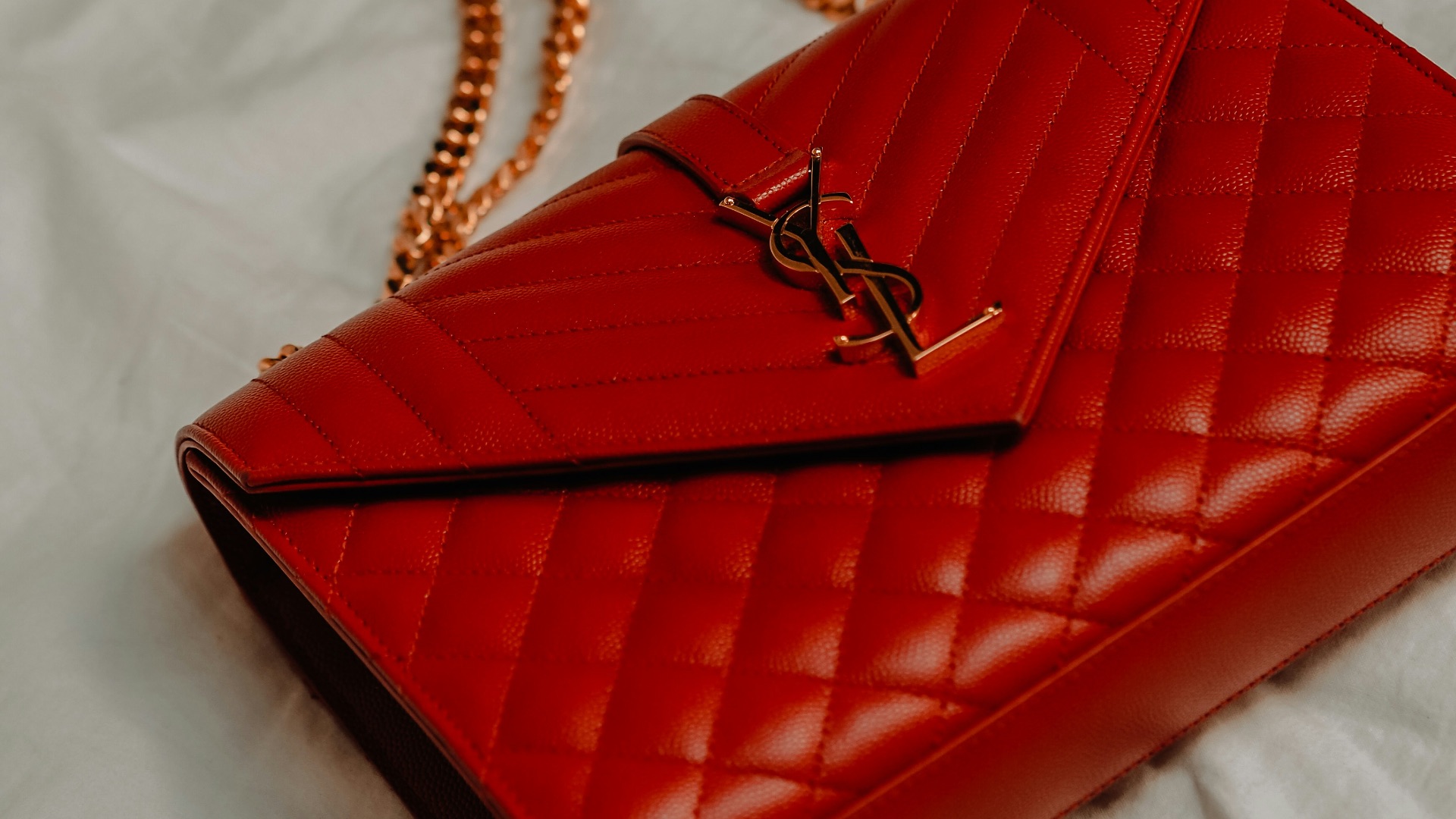
2. Trends Can Move Fast
Luxury fashion isn't immune to looking outdated, especially when a piece relies heavily on whatever pattern happens to be popular at the moment. Even if you want it now, chances are it'll spend most of next year sitting untouched in your closet.
 Charlota Blunarova on Unsplash
3. Expensive Doesn't Mean Indestructible
A four-figure price tag might make an item feel indestructible, but luxury materials often require even more considerable care. Drop it on the ground or spill some wine on it, and you can bid your designer purse farewell.
4. The Markups Can Be Enormous
Luxurious as it feels, even designer items can be heavily marked up. After all, celebrity partnerships, packaging, and prestige all contribute to what you ultimately pay. Those things may add to the overall luxury experience, sure, but they don't necessarily make the product more worth it.
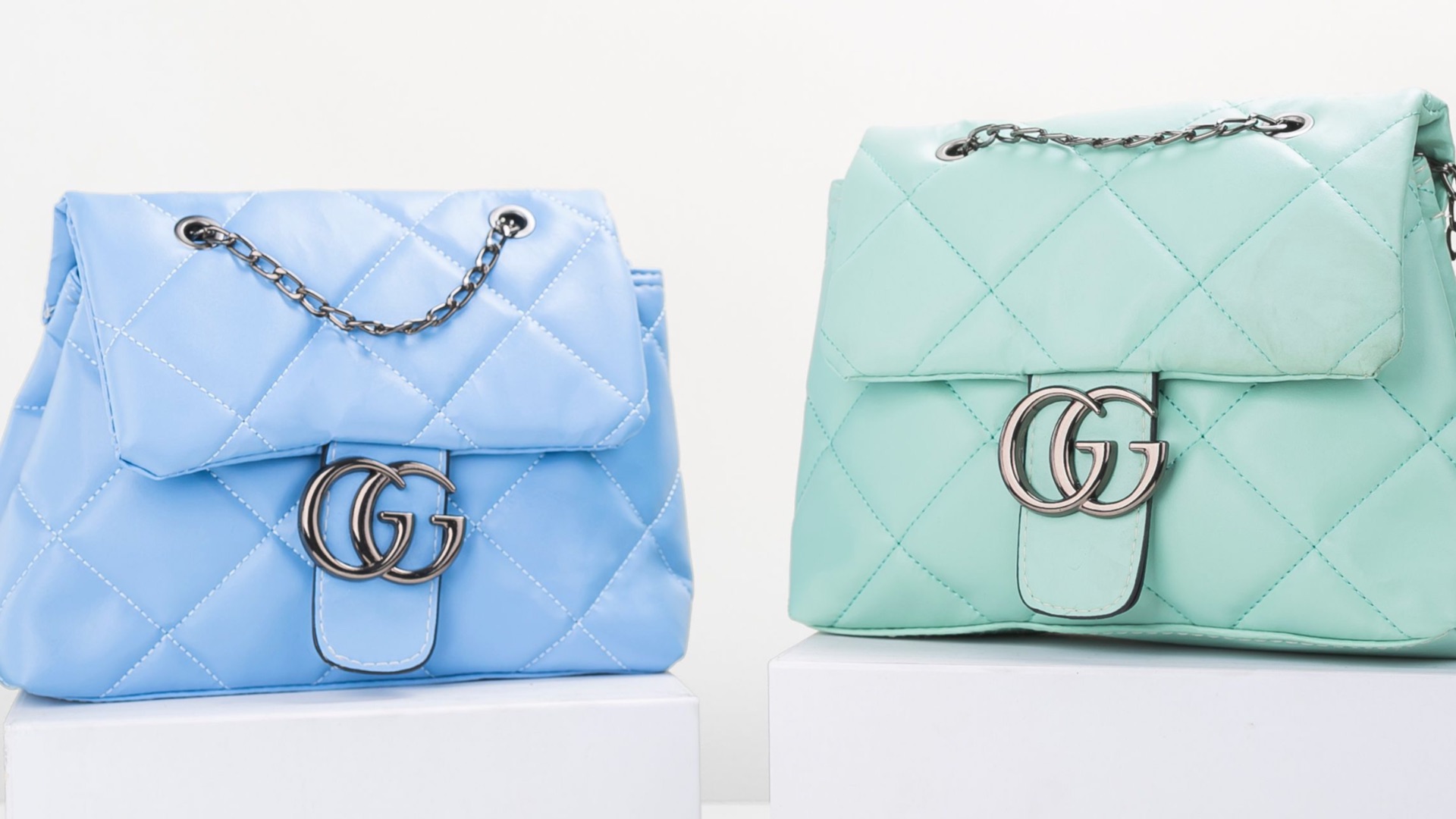
5. Dupes Can Get Surprisingly Close
SHEIN might not be the first place you'd look, but you'd be surprised by how many mainstream and midrange brands now offer similar silhouettes, materials, and styling without charging luxury prices. They won't necessarily match every detail, but the visual difference can sometimes be so minimal that paying more for the real thing may feel unnecessary.
6. You May Be Afraid to Use It
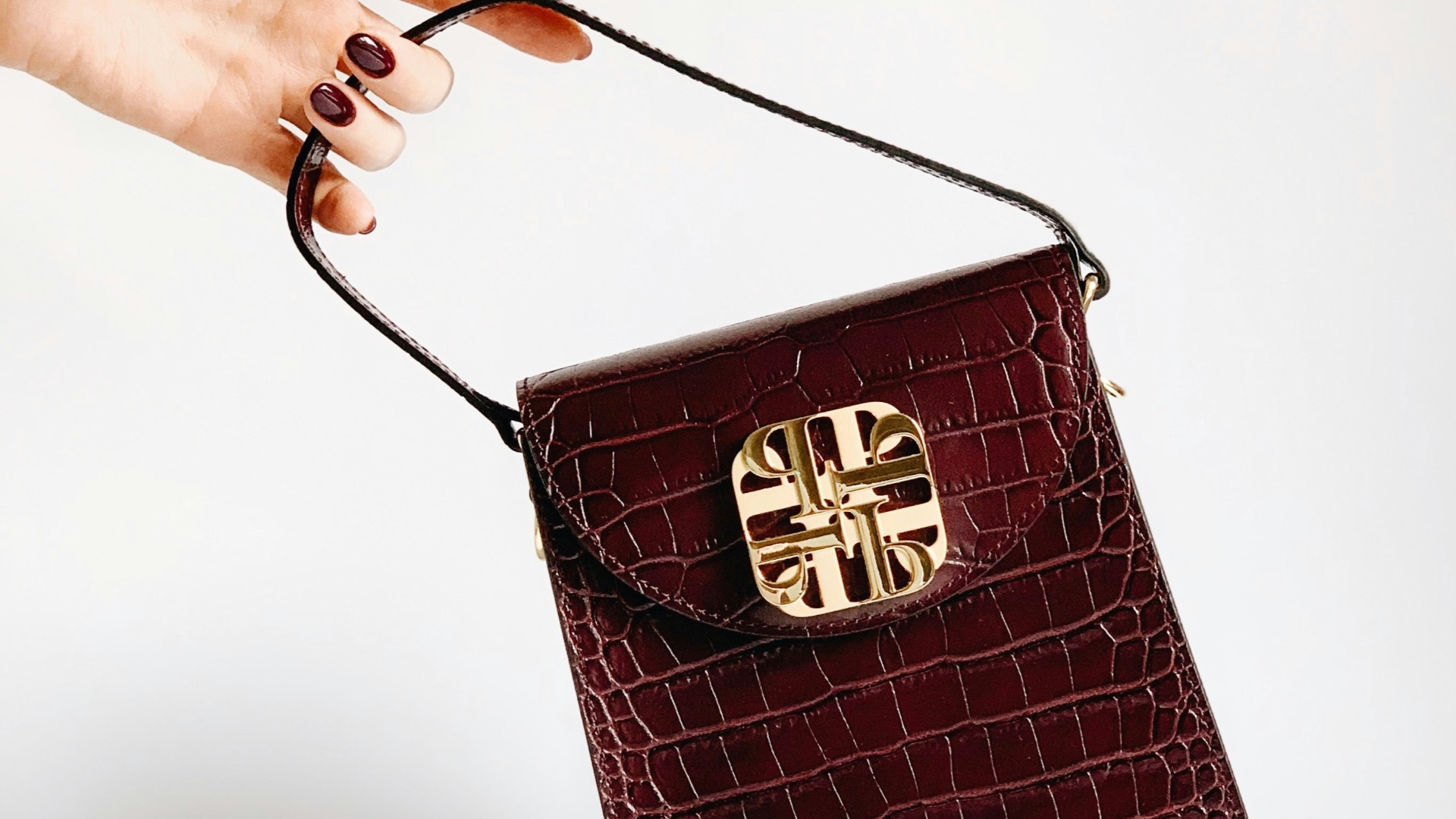
Because designer materials are so prone to damage, an expensive purchase might only make you hesitate to wear it. But then what's the point of buying it? When an item becomes too precious to fit comfortably into your normal routine, maybe it's better not to pull the trigger.
7. Logos Can Lose Their Appeal
In-your-face branding might make you want to flaunt it when you first buy it, but your tastes may change. A logo-covered sweater or heavily monogrammed bag can become harder to style if you eventually prefer a more understated wardrobe. That means your designer piece might end up just collecting dust.
 Filip Rankovic Grobgaard on Pexels
8. Sales Can Make Full Price Hurt
The item you're eyeing at full price now may eventually be heavily marked down. If you give in to the temptation, it'll only hurt when the same item gets discounted shortly. Unless something is scarce or you're certain it'll sell out, waiting can sometimes save you hundreds (or even thousands) of dollars.
9. Lifestyle Matters More Than Aspiration
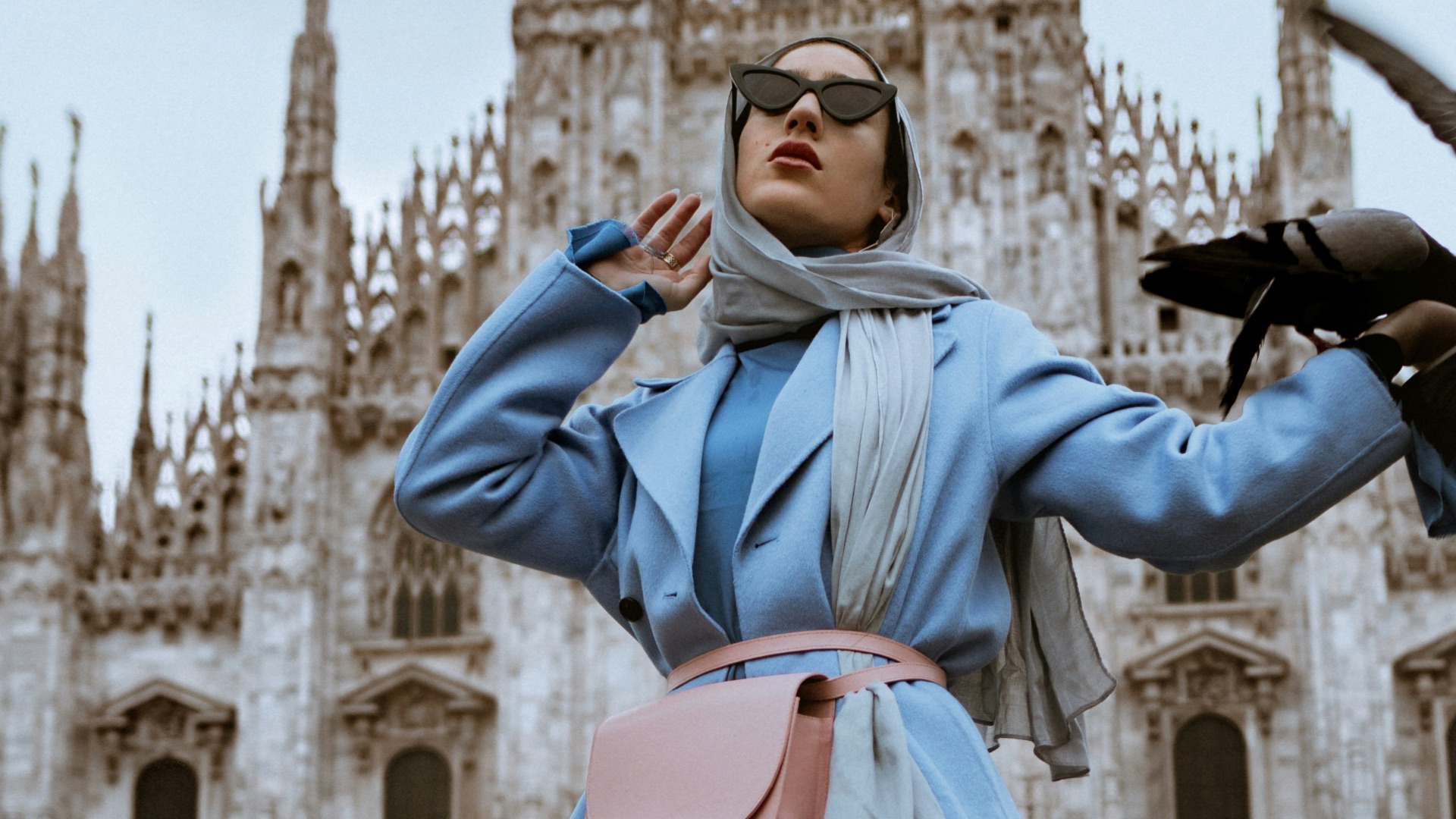
It's easy to buy something for the version you want to be, but there's really no point in splurging on something that doesn't actually fit your normal style. Luxury purchases only make sense when they actually suit your habits, so don't make an impulsive decision just because of how impressive the item looked in the store.
10. Opportunity Cost Is Real
You might be happy after you got the purse you've wanted, but spending several thousand dollars on one fashion item means that money isn't available for something else. Depending on your finances, the same amount could cover travel, home expenses, quality wardrobe staples, or other priorities you care about more. Even if you can technically afford designer fashion, you should still seriously decide whether you're making the best use of that money.
As we've seen, designer fashion clearly has its financial drawbacks. But that's not to say you should never treat yourself. Choose carefully, and certain luxury purchases can actually offer more than just a prestigious label.

1. Better Craftsmanship
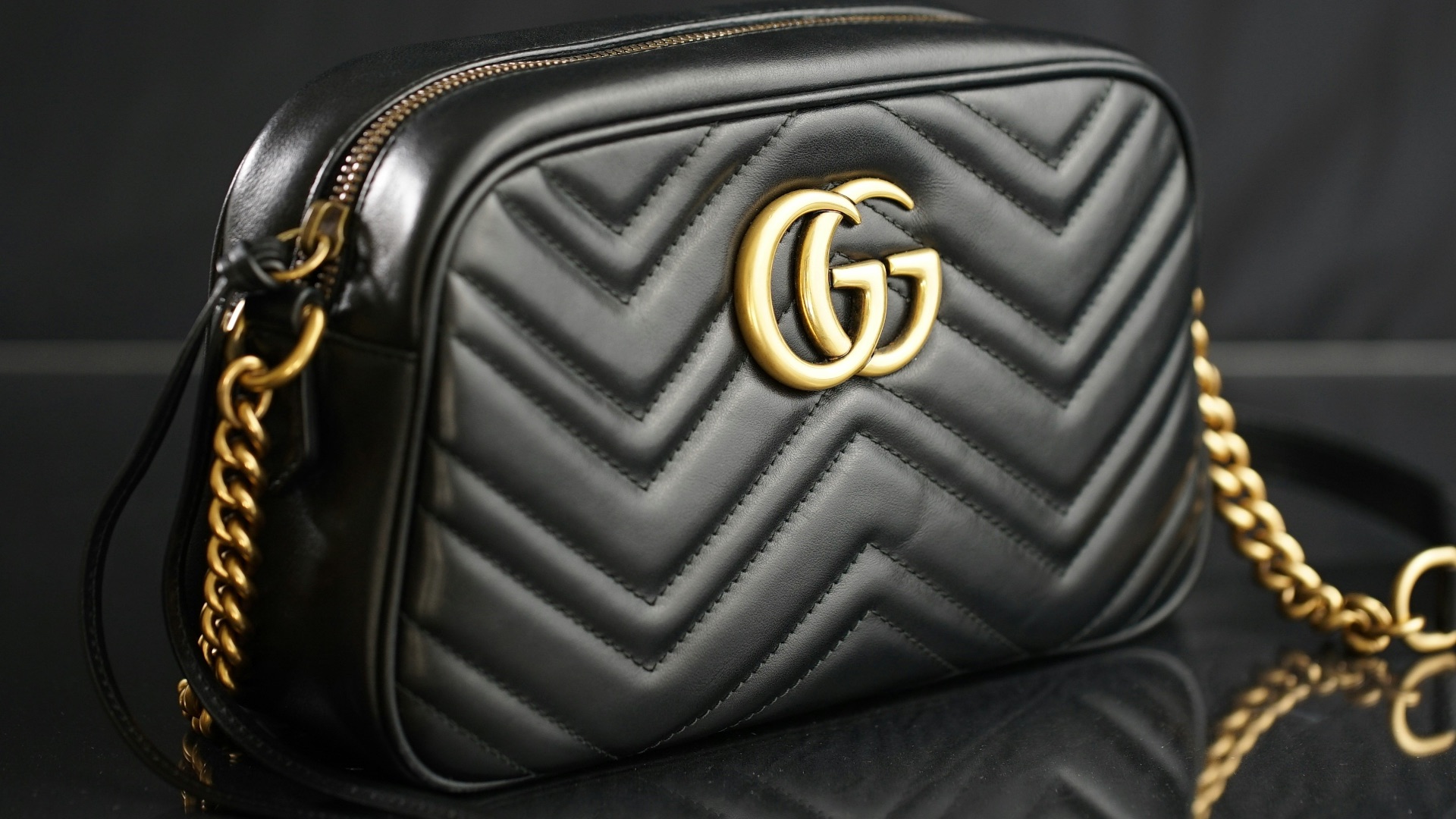
Well-made designer pieces can reveal their value over time. You might notice that the seams are cleaner and the linings are thoughtfully finished, and that proof of quality may be worth it. They're details that are often difficult to reproduce at bargain prices.
2. Premium Materials That Change the Experience
From cashmere to high-grade leather, some luxury pieces can't be beat. Better materials may drape more naturally, soften with wear, or remain comfortable for longer periods—something that's also hard to replicate with lower-cost alternatives. If you're particularly sensitive to texture and fit, that difference can matter.
 Serafima Lazarenko on Unsplash
3. The Right Piece Can Last for Years
Instead of falling victim to fast fashion, splurging on a timeless coat or leather bag can be the smarter choice. Longevity doesn't make every expensive purchase sensible, of course, but you should value quality over quantity.
4. Repairs May Extend Its Life
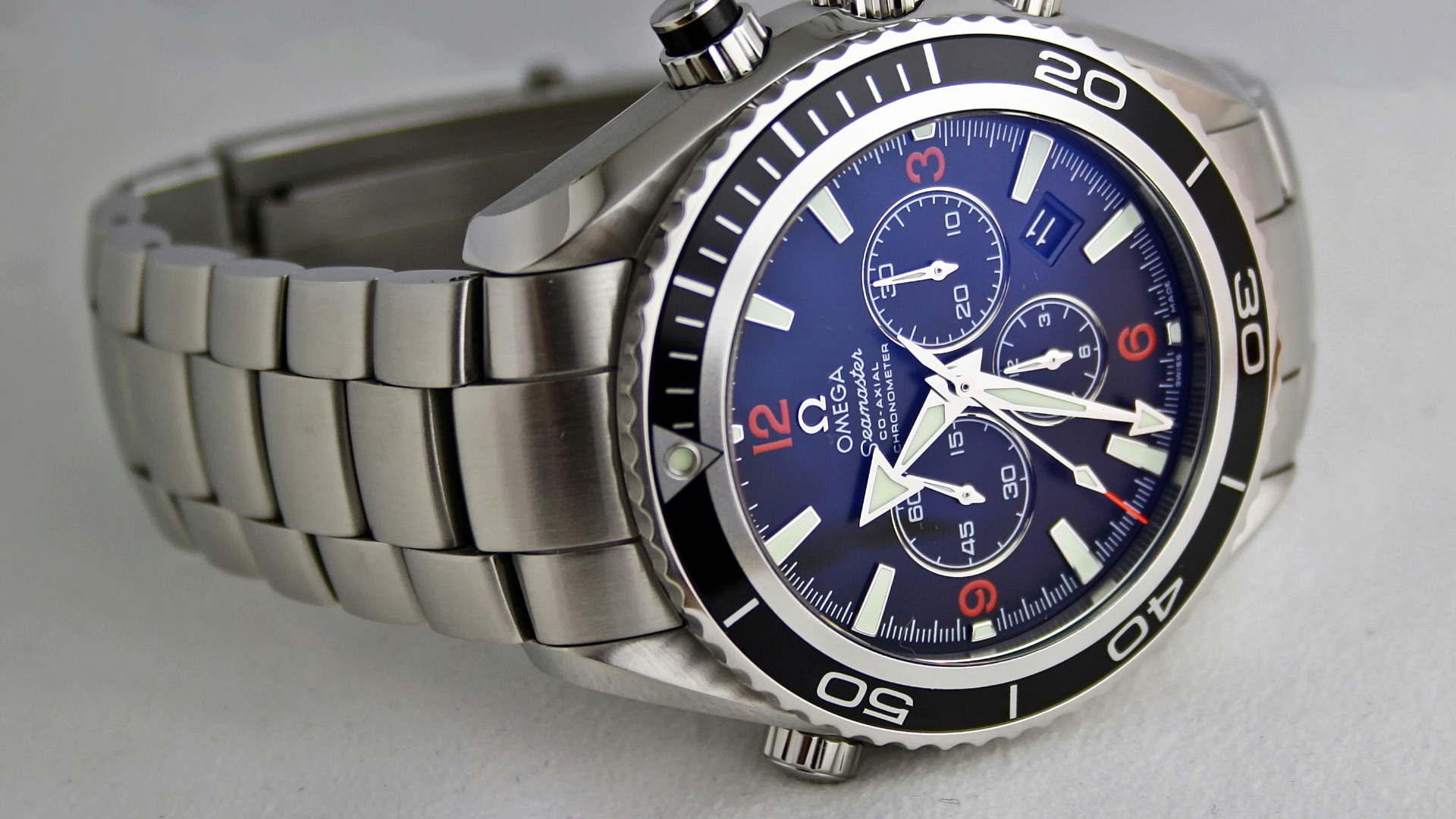
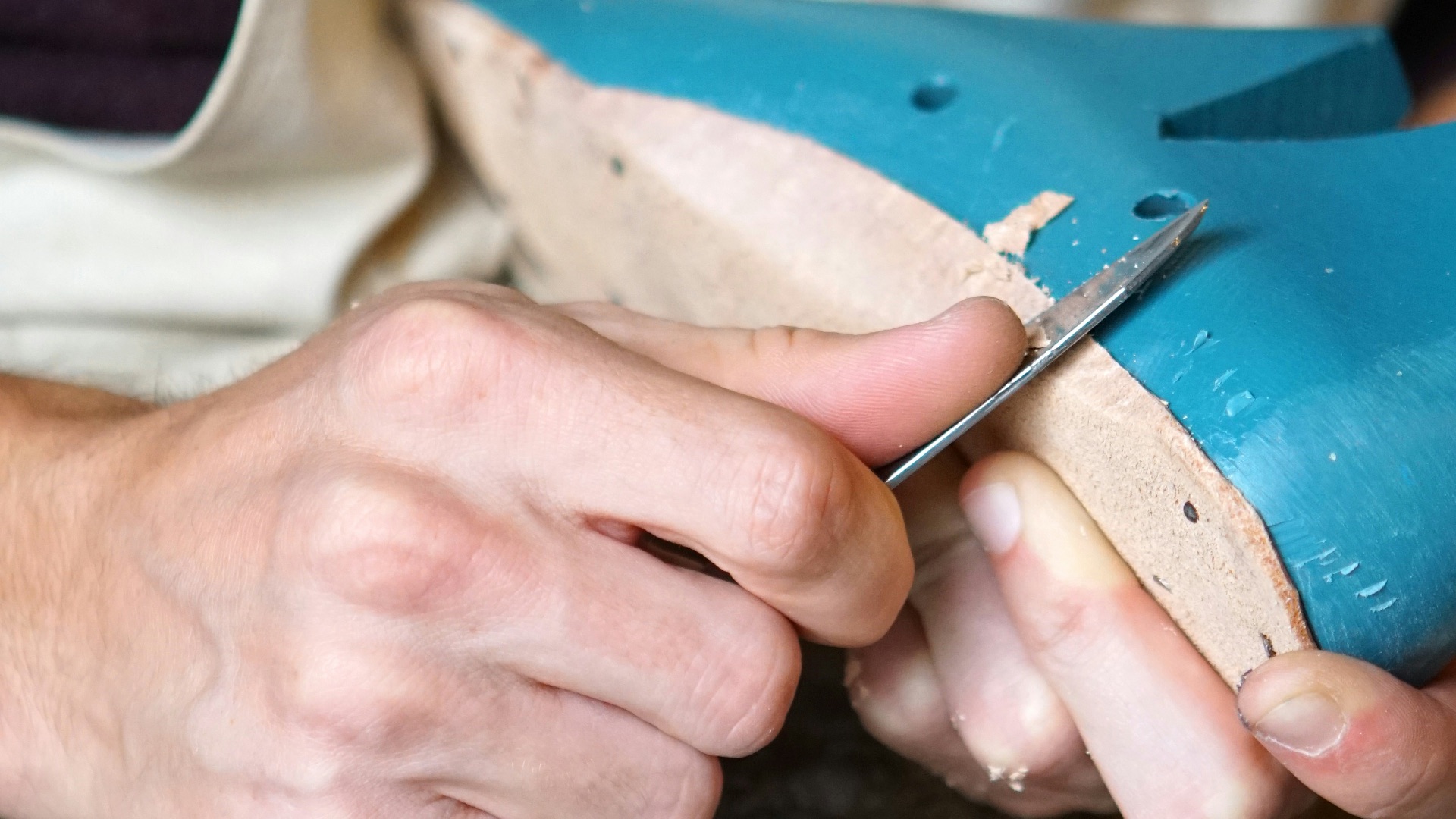
Some luxury brands and specialist craftspeople offer repair or leather restoration for higher-end pieces. That means you won't need to give an item up once it's run its course the first time. Products designed with maintenance in mind can make practical long-term purchases.
5. Certain Pieces Hold Their Value
Not every designer item has resale potential, but some classic handbags and limited pieces can retain a substantial portion of what you paid. In unusual cases, especially sought-after items may even become more valuable over time. If you're later second-guessing your purchase, reselling it could be a good idea.
 Jonathan J. Castellon on Unsplash
6. Fit Can Justify the Upgrade
Designer clothing sometimes just fits perfectly. If that tailor-made feel makes you reach for it often, then why buy a cheaper alternative that won't make you feel as great? Plus, it's not often that clothing is good straight off the rack.

7. Classic Designs Avoid Constant Replacing
Luxury also makes more sense when you're choosing something that'll survive changing trends. If what you're choosing can remain useful through multiple wardrobe changes and seasons, buying one version you really love may tamp down the urge to search for replacements.
8. Specialty Work Can Be Expensive for a Reason
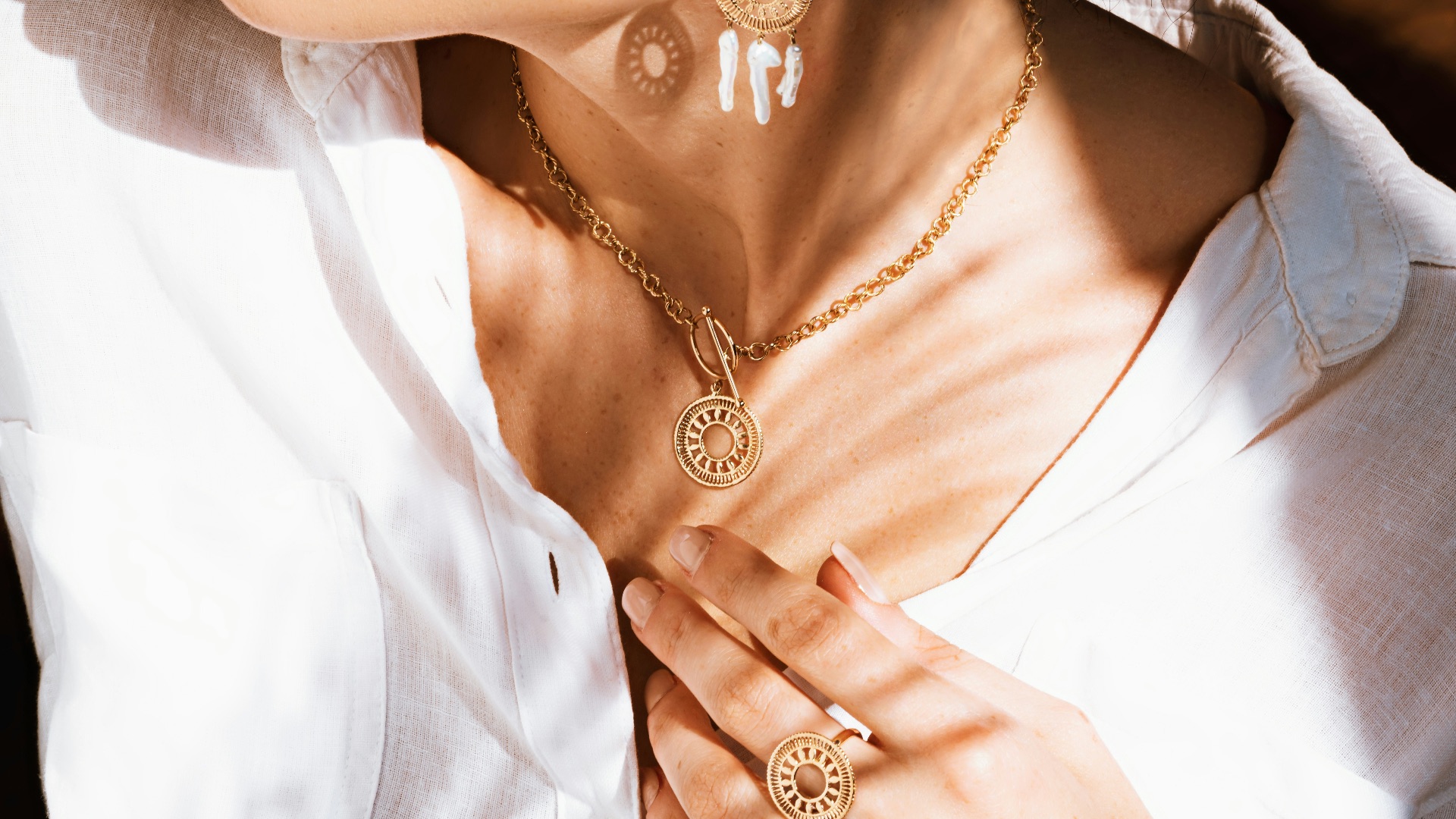
Some designer pieces involve unique techniques, and those processes take time and expertise. In these cases, it can be worth paying the premium price—at least you know your money is going toward visible workmanship rather than simply a recognizable logo.
9. You Can Get Something More Distinctive
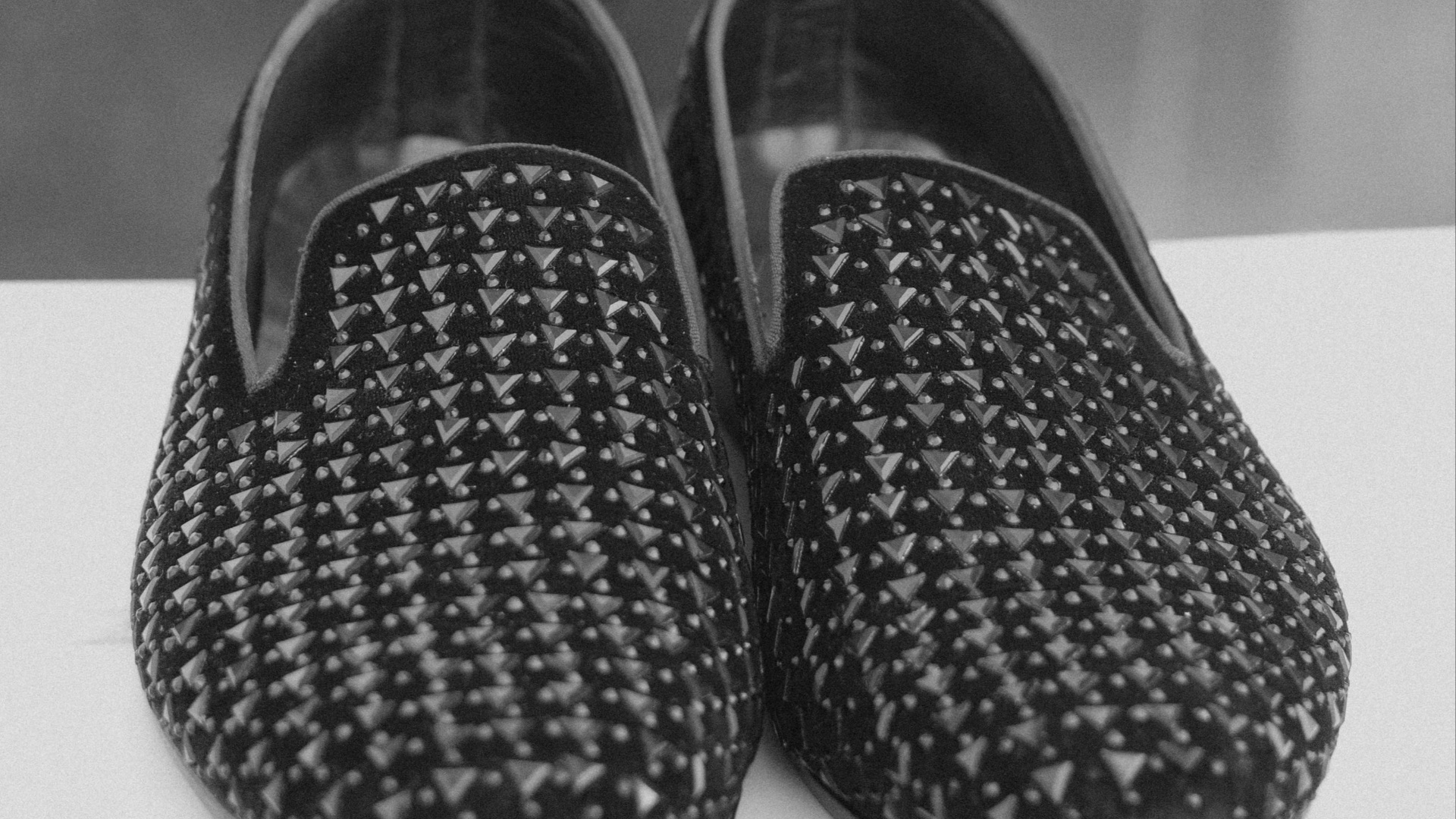
Rather than buying the item everyone is after, why not branch out? Choosing a distinctive piece can make the purchase much more worth it, and it can matter if you're tired of seeing the same silhouettes repeated across dozens of brands.
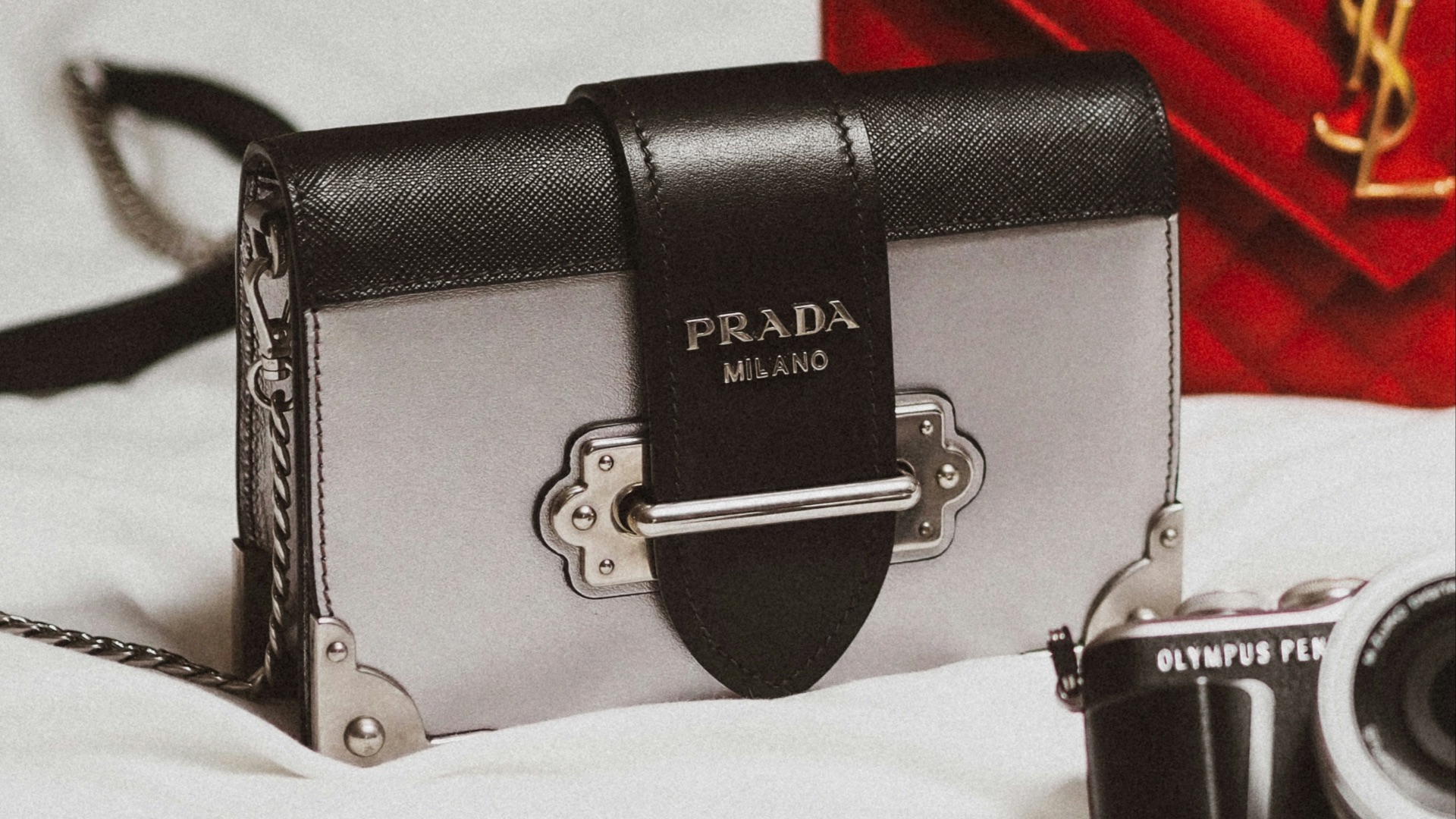
10. Personal Enjoyment Has Value Too
Not every worthwhile purchase has to have a concrete reason. If you've wanted a particular designer piece for years, can comfortably afford it, and know you'll enjoy using it, go for it! An item that makes you happy every time you wear it will always be worth every penny.