
Outdated Becomes Cool Again
Fashion has a funny way of circling back, and sometimes the names you thought had faded for good suddenly show up with fresh energy. Trends shift, shoppers rethink their favorites, and brands long out of the spotlight find new ways to spark attention. It’s a reminder that style doesn’t stay predictable for long, which makes these unexpected returns worth a closer look.

1. Crocs
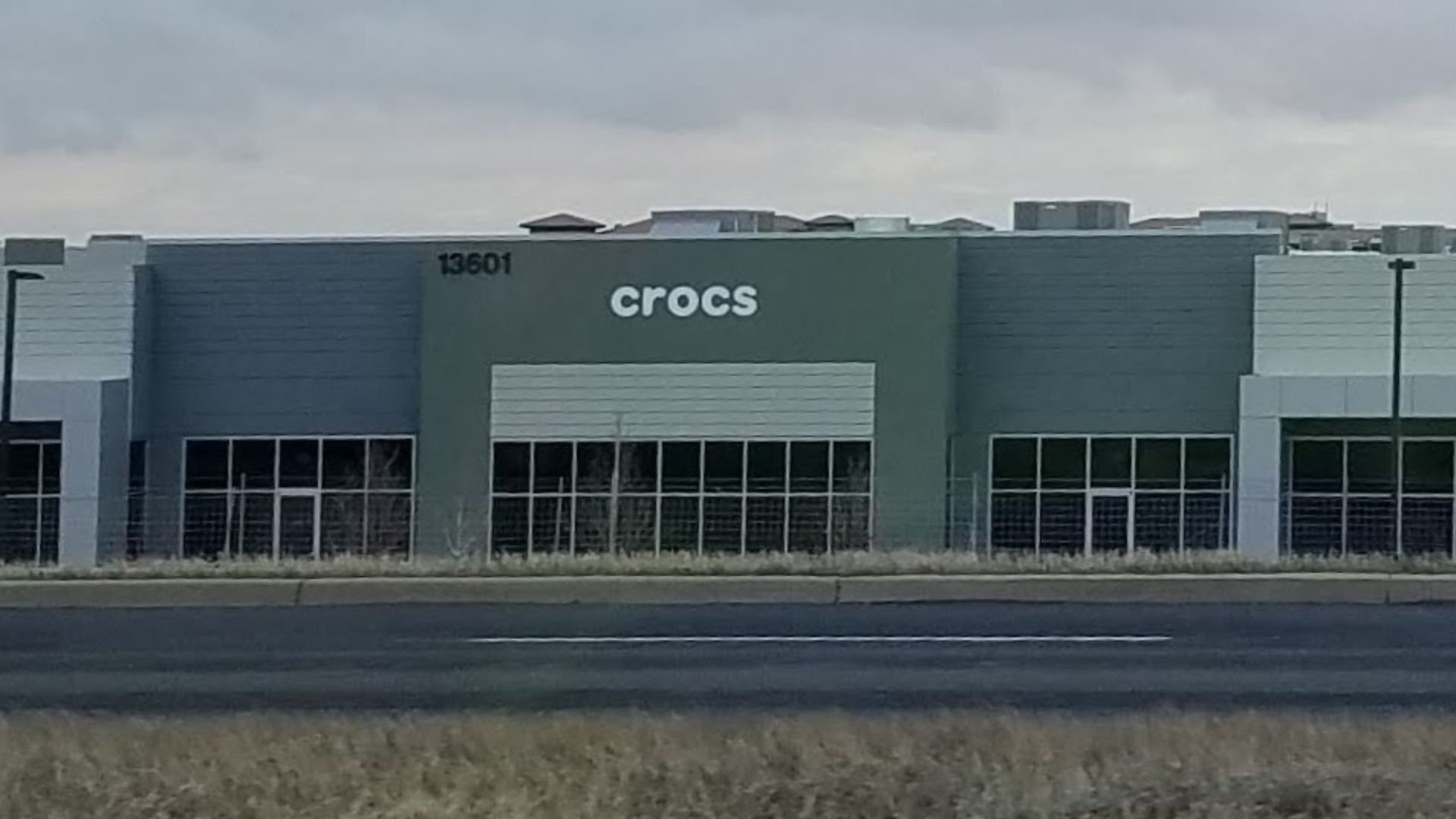
Momentum returned when Andrew Rees stepped in as CEO in 2017 and cut through the noise by doubling down on core products. Personalization through Jibbitz pulled younger shoppers back, and the stock’s journey from about one dollar to cult favorite sealed the comeback.
2. UGG
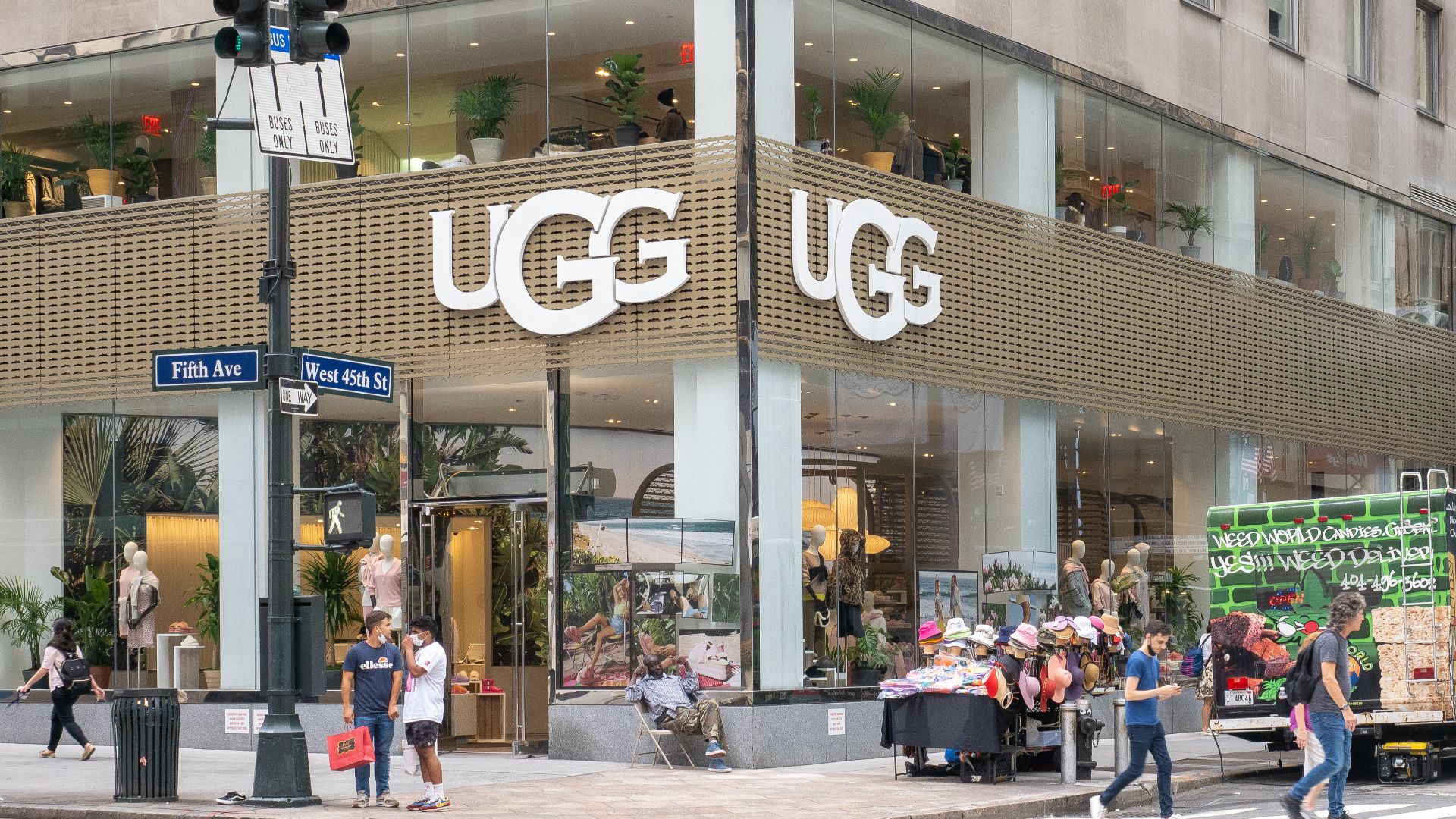
This surfer-niche label suddenly became global again, thanks mostly to TikTok. That shift pushed UGG into a lifestyle space. Editorial coverage in 2024 reinforced the new relevance, and the “cosiest comeback” framing helped reintroduce the boots as sophisticated choices rather than pure nostalgia.
3. Juicy Couture
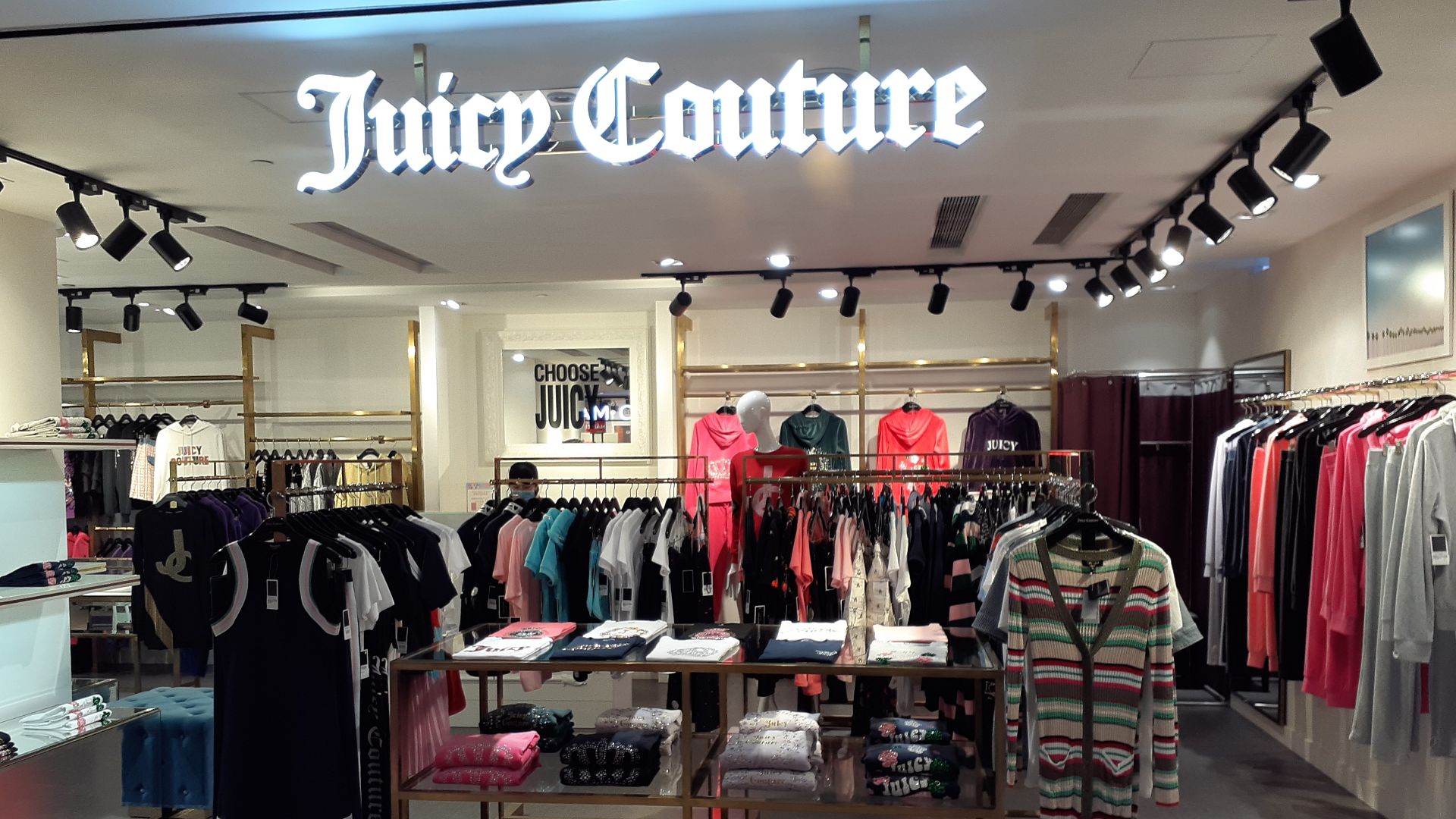
Juicy Couture rode a social-media wave that romanticized early-2000s fashion. Authentic Brands Group fueled the energy with quirky collaborations built around Y2K flavor. The velour tracksuit stayed the signature icon, and a fast-food collab reminded shoppers that playfulness defines the brand’s appeal.
4. Von Dutch
Fame in the early 2000s didn’t protect Von Dutch from the scandals that later pushed it out of the spotlight. A wave of Y2K nostalgia eventually reopened the door, with celebrity ties helping it regain relevance. Then a Charli XCX shout nudged the brand straight back.
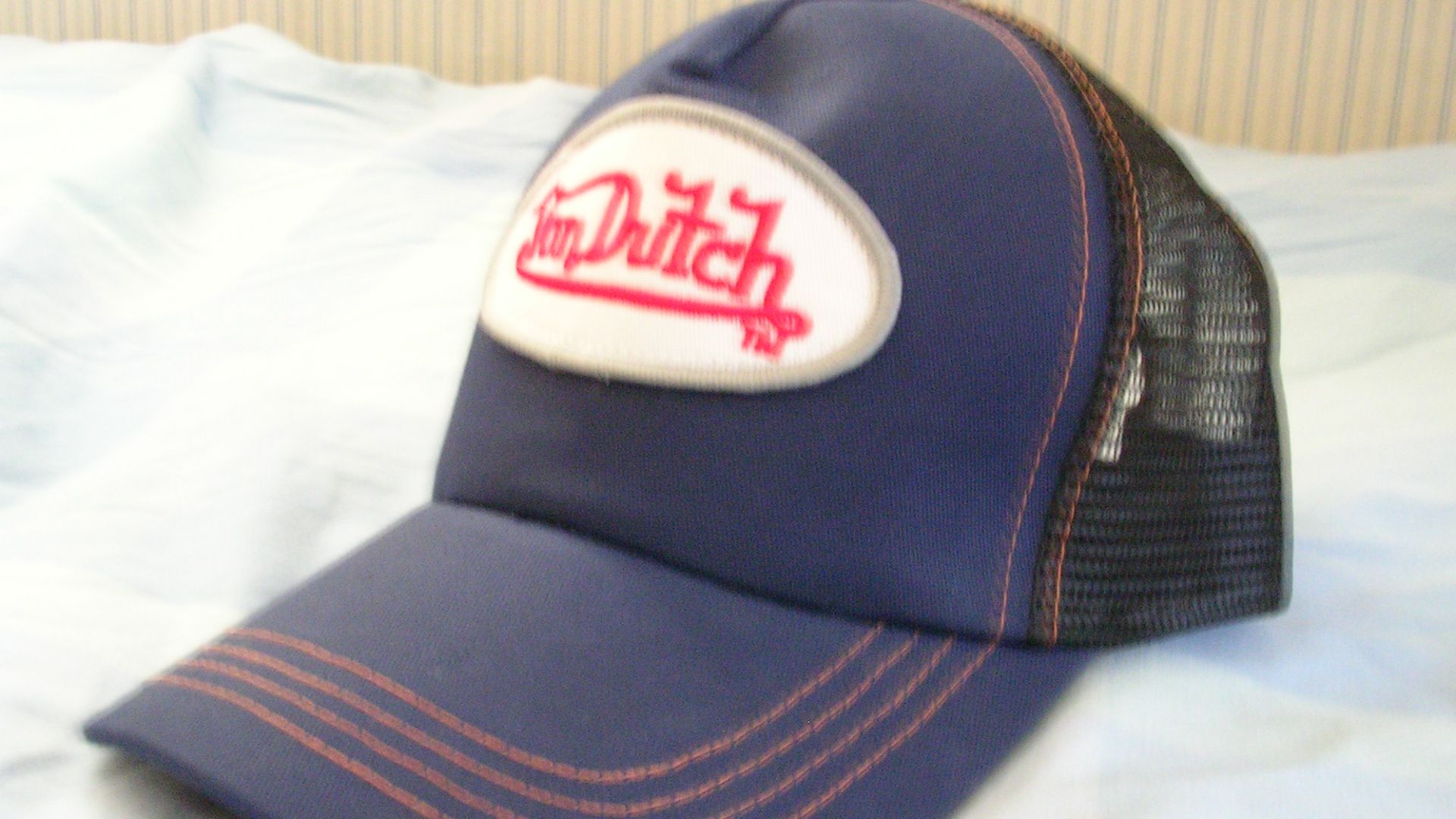 Photo taken by United14 on Wikimedia
5. Champion
Champion’s “C” logo dates back more than a century, yet declining sales led to a 2024 acquisition by Authentic Brands Group. The turnaround plan leaned on re-entering professional sports, reconnecting with the performance roots that once dressed NBA icons, including Michael Jordan.
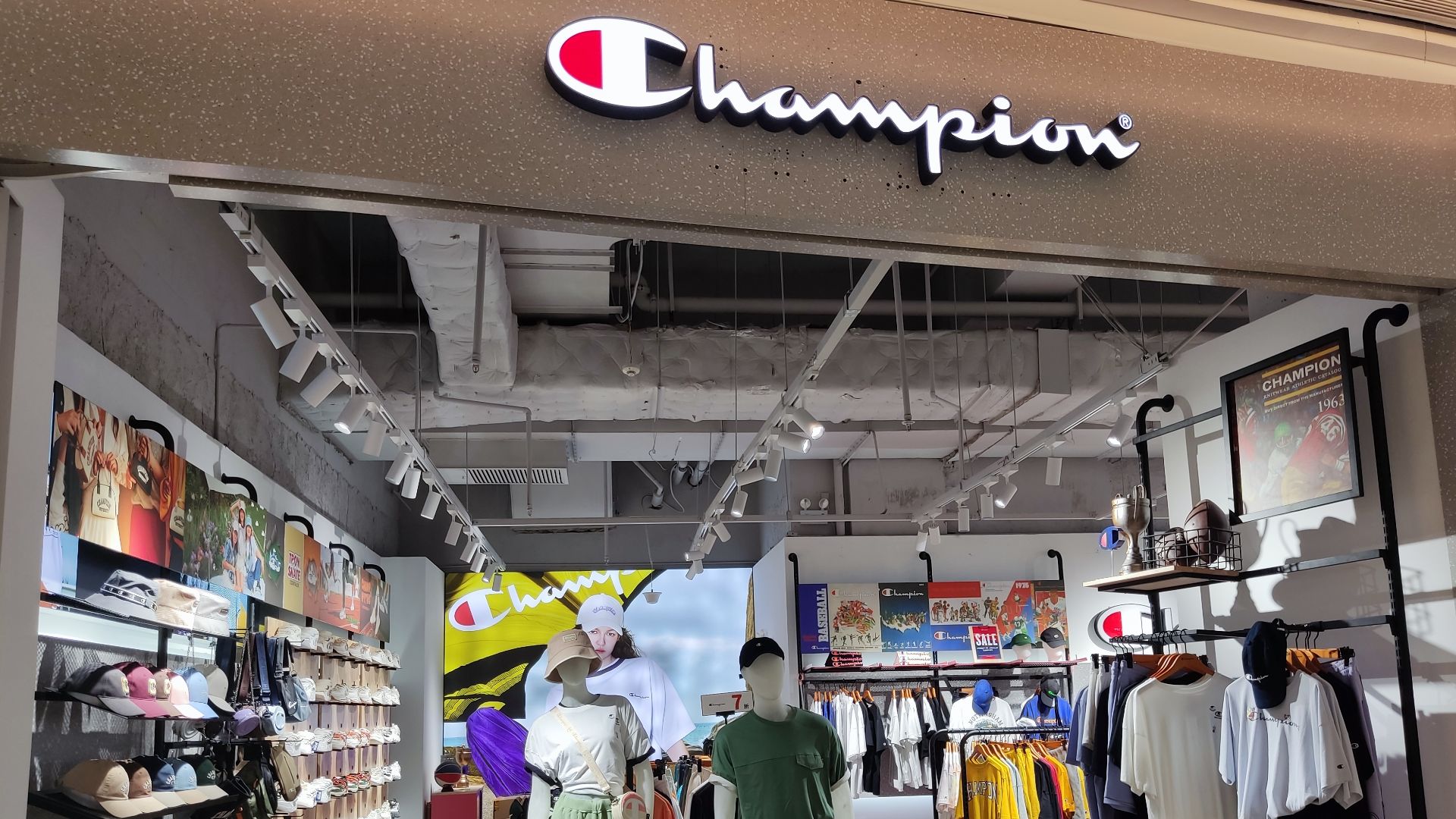 Poon SHUISHOU Simmonz on Wikimedia
6. Fila
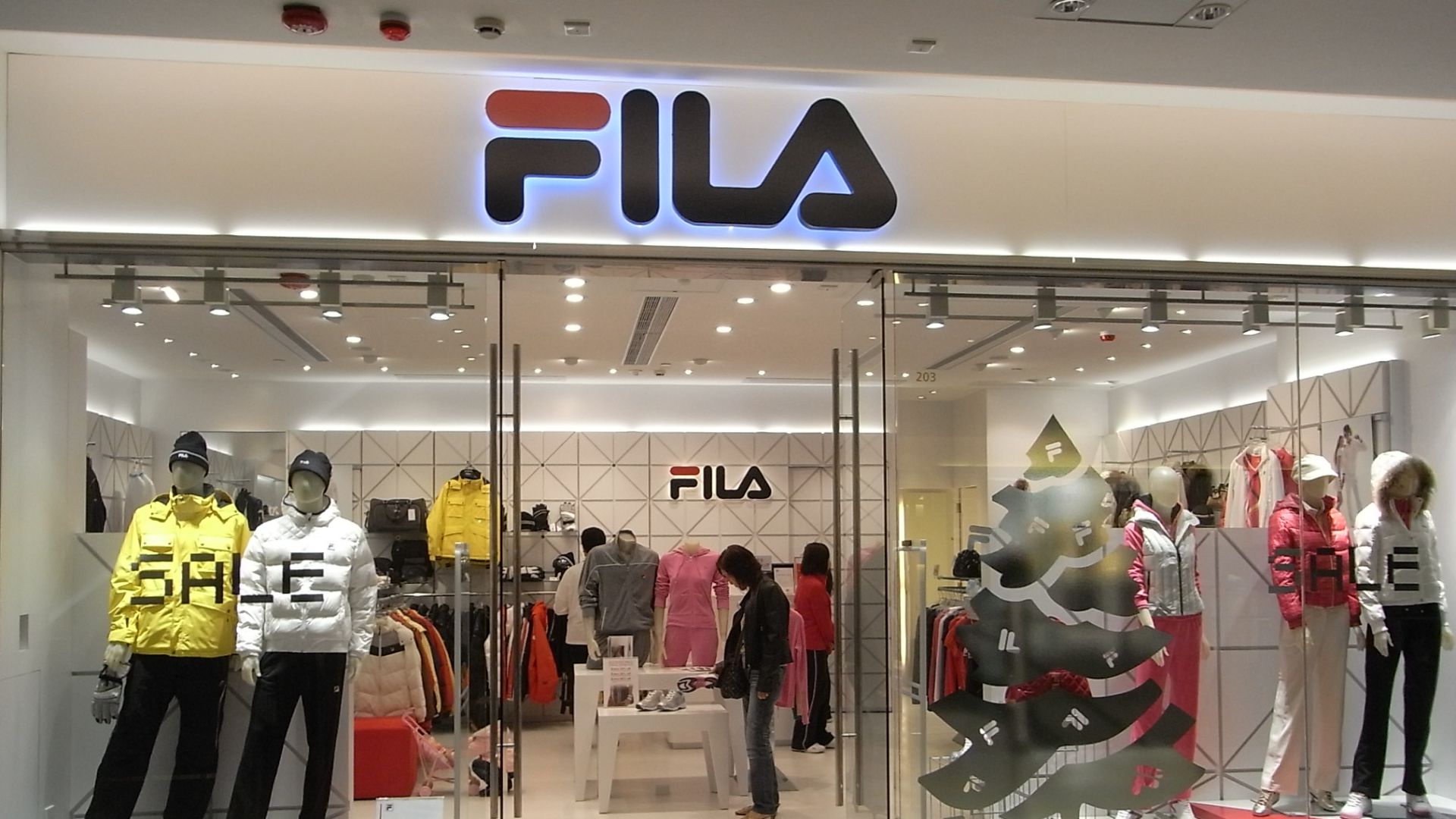
This brand started in Italy in 1911, and its path included several ownership shifts, with Fila Korea taking over in 2007. Once retro designs clicked with trends after 2017, the brand’s tennis roots suddenly felt fresh again and ended up becoming unlikely streetwear currency.
7. Coach
If you’ve walked into a Coach store lately, you might’ve noticed the shift. Tapestry reported that nearly two-thirds of Coach’s new North American shoppers were Gen Z or millennials. That trend pushed leadership toward a “timeless Gen Z client” mindset and turned the brand into a renewed favorite.
 Ajay Suresh from New York, NY, USA on Wikimedia
8. Tommy Hilfiger
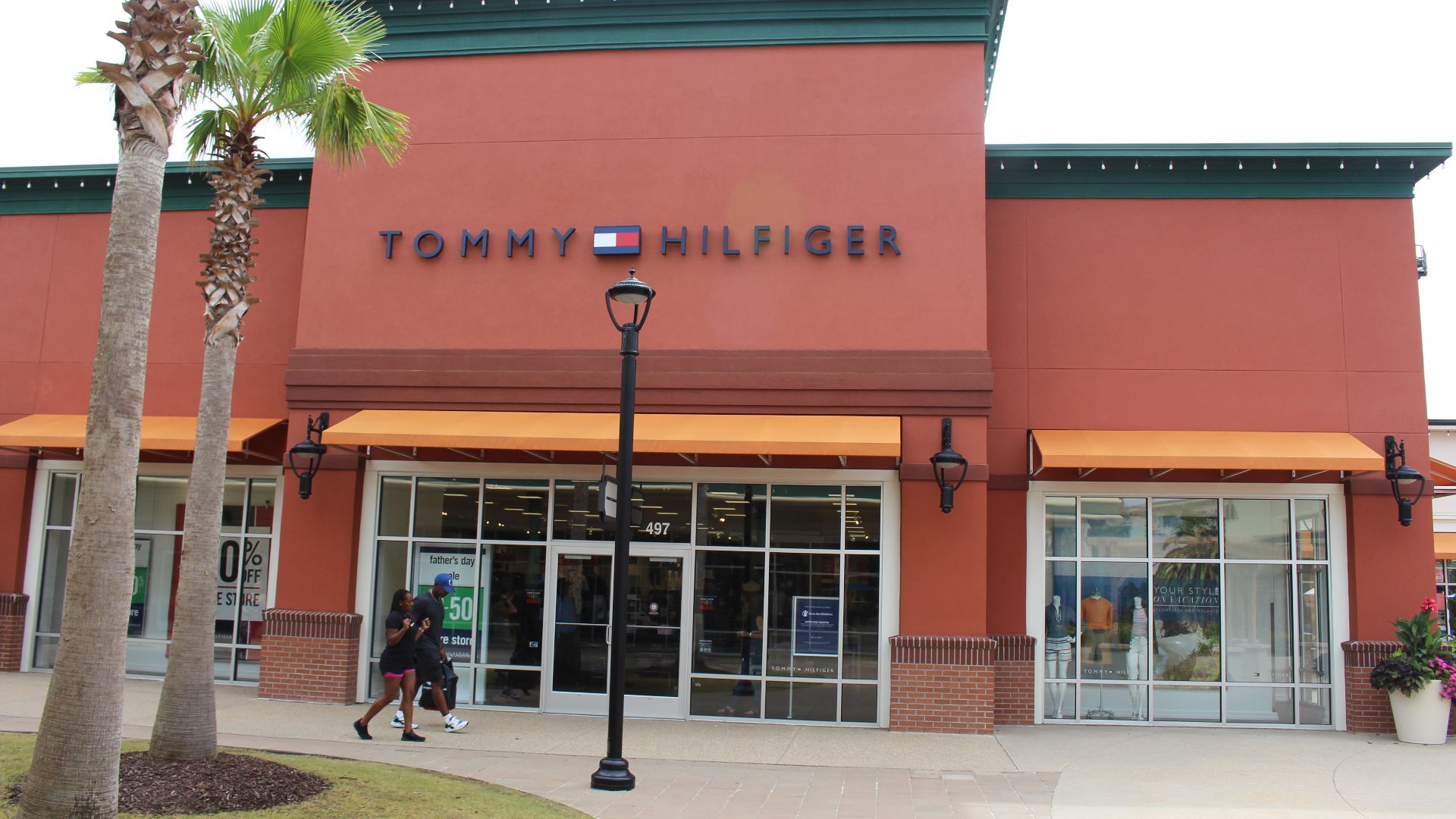
Tommy reclaimed attention with a FW24 New York Fashion Week show inside Grand Central’s Oyster Bar, marking a shift past the “see now, buy now” era. This echoes the momentum first sparked by a single 1985 billboard.
9. Diesel
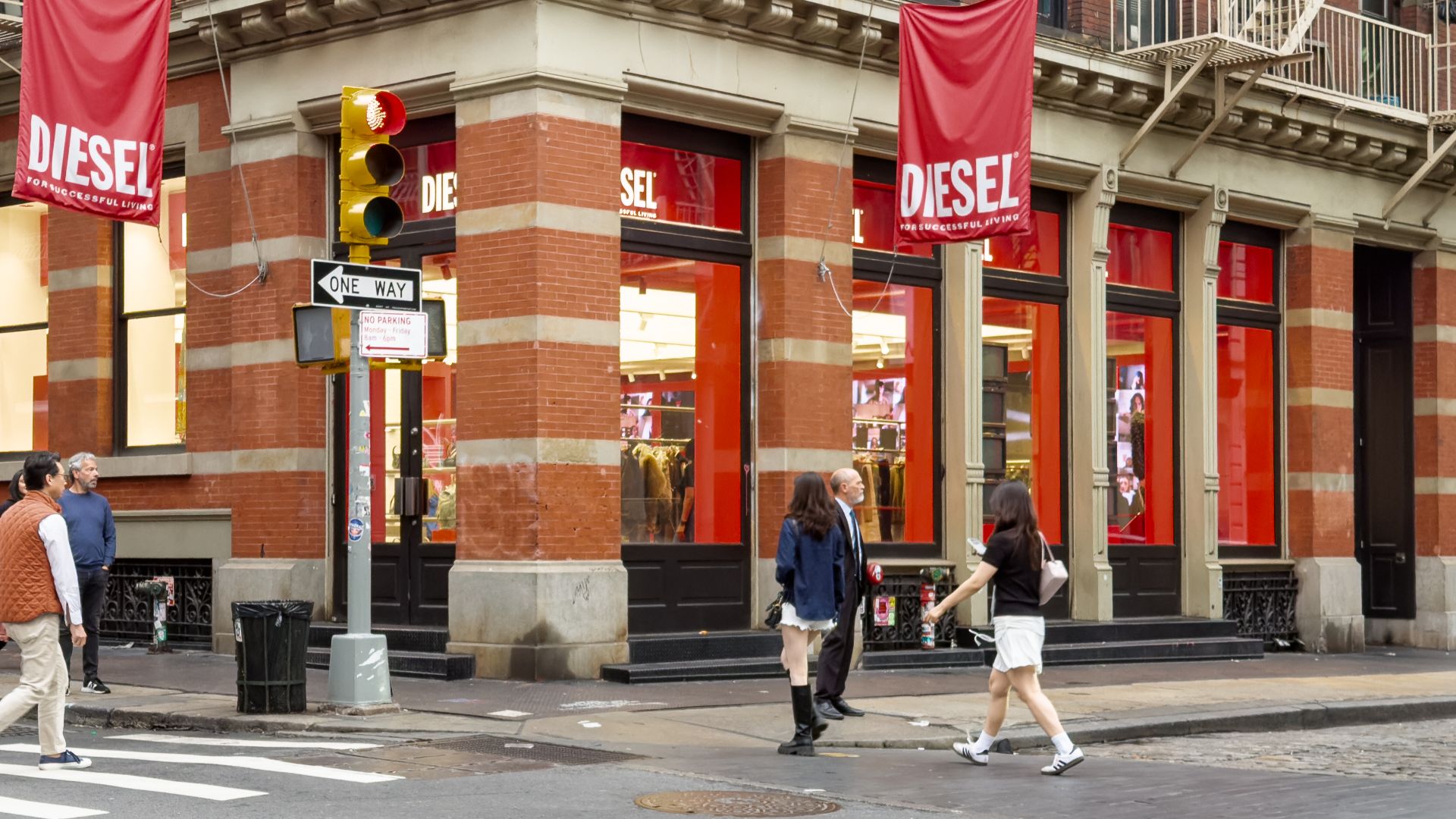
The brand faced serious trouble after filing for U.S. bankruptcy in 2019. Glenn Martens stepped in with a mix of sustainability and ’90s influence that reshaped Diesel’s reputation. Demand doubled within roughly 3 years, with the 1DR bag becoming a celebrity magnet.
10. Blumarine
Energy surged back into Blumarine when Nicola Brognano took over in 2019. By SS22, runway pieces ignited a broad Y2K revival across the industry. Coverage consistently credited Brognano for reawakening interest, especially after a butterfly top became shorthand for the brand’s romantic resurrection.

11. American Apparel
When you look at how American Apparel reemerged, the shift feels intentional. Gildan’s 2017 acquisition set the groundwork, and the brand rebuilt itself around ethics that echoed its earlier “sweatshop-free” message. What once leaned provocative now aims to succeed with fewer SKUs and sharper clarity.

12. Vans
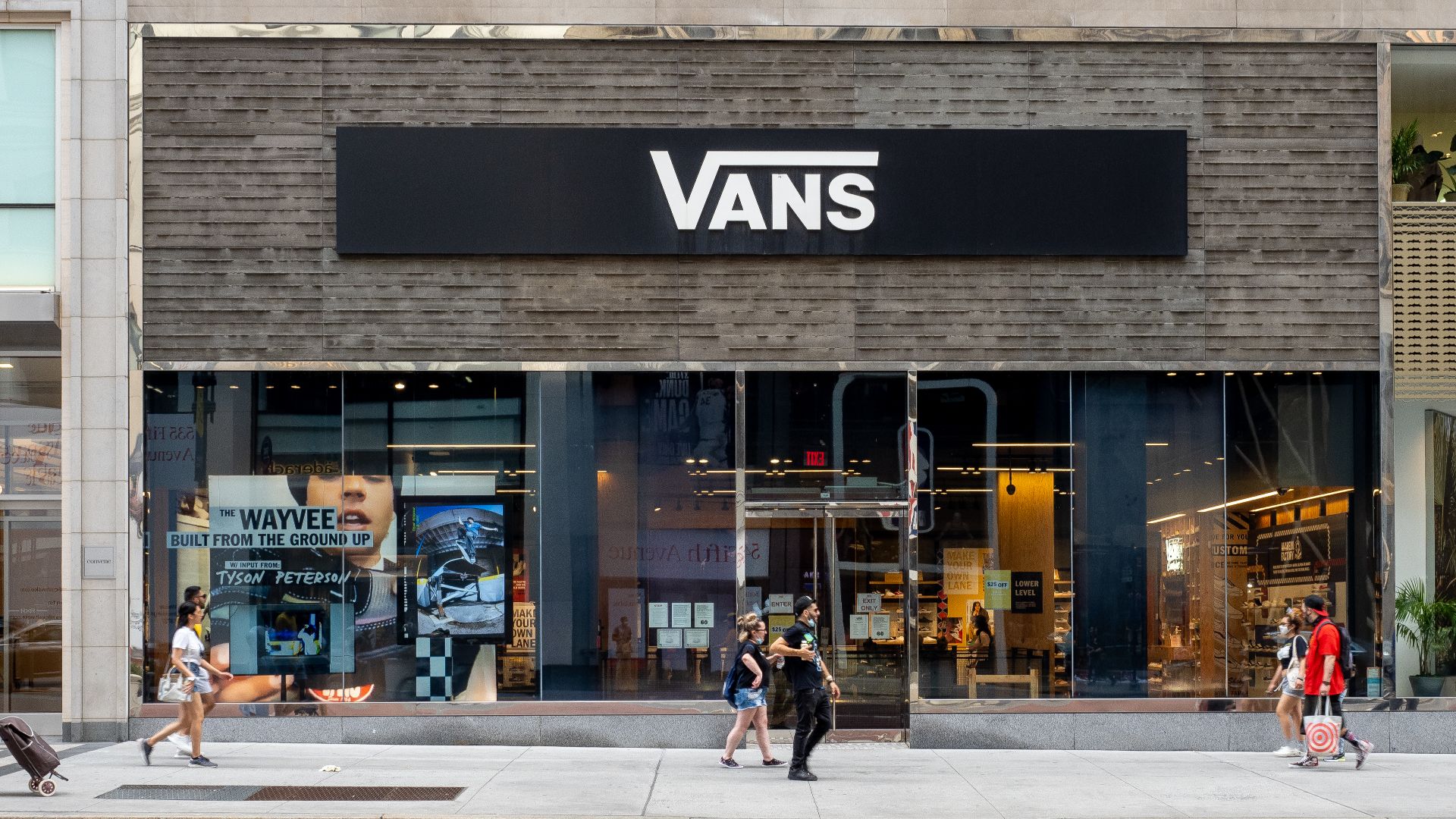
Slimmer sneakers have been creeping back into menswear, and Vans found itself in a good position for that shift. VF Corp’s CEO said in 2025 that the brand’s turnaround was “coming together,” and Sun Choe’s push toward true skate authenticity kept the Caballerial legacy moving forward.
13. New Balance
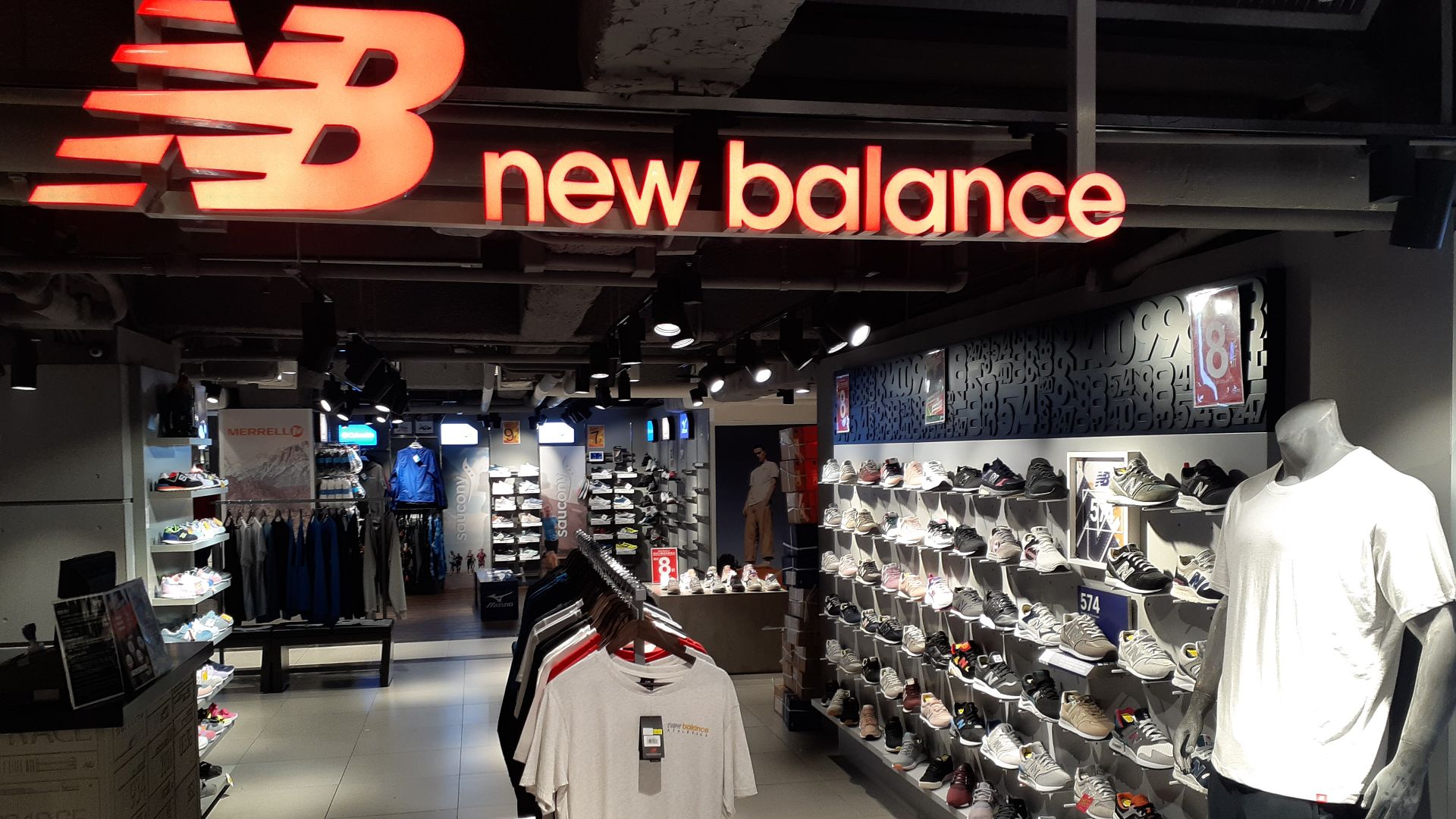
Streetwear pulled New Balance away from its old “dad shoe” label and helped reshape how people saw the brand. The “We Got Now” mantra backed that shift with a bolder attitude, and collaborations gave it real credibility as understatement slowly turned into surprising cultural leadership.
14. Victoria’s Secret
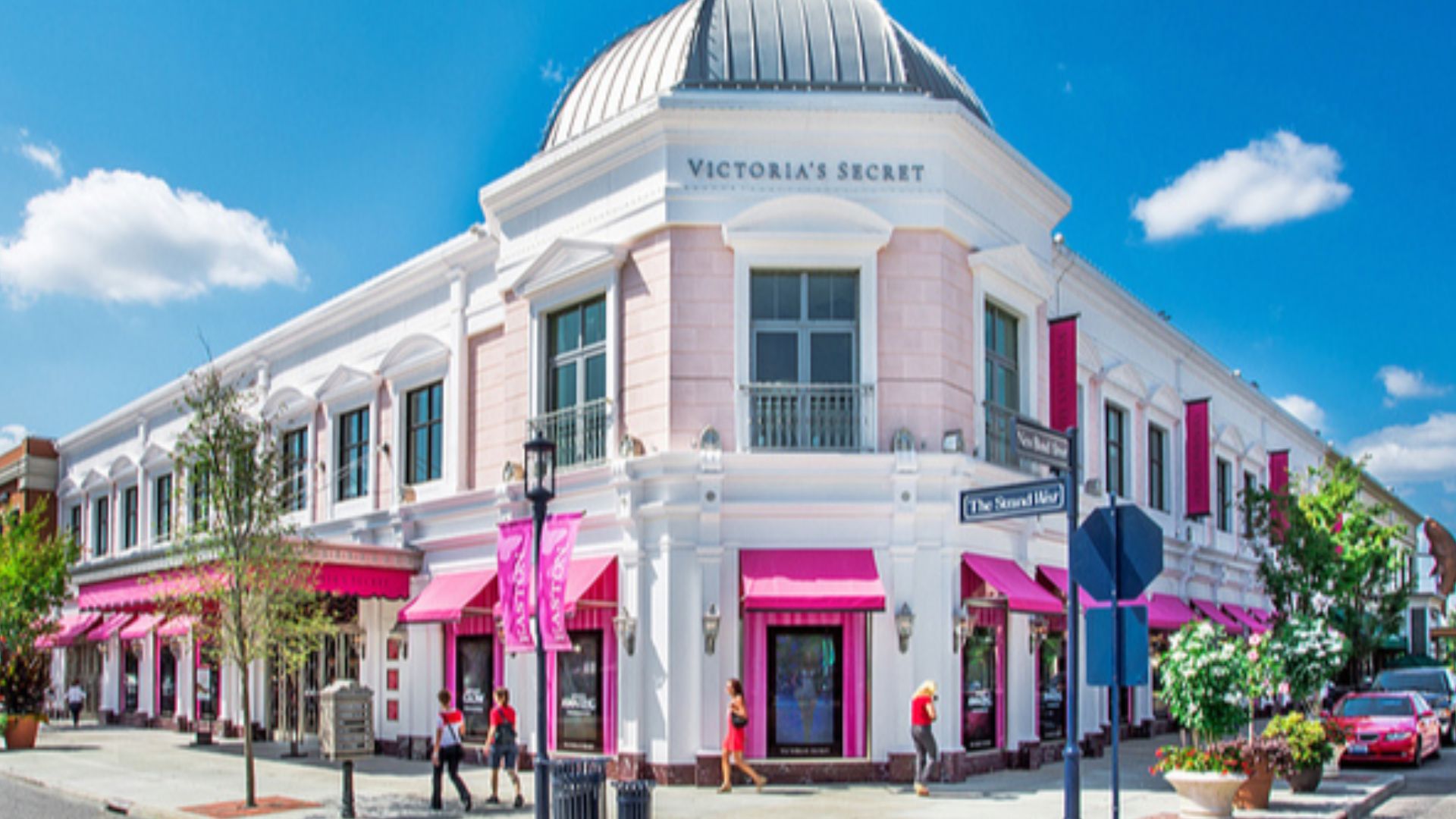
Market share shifts told the story first, falling from about thirty-two percent in 2016 to below twelve percent by 2019. The runway show disappeared, then reappeared in 2024 as part of a new direction. Analysts questioned the rebrand’s muddled inclusivity, yet everyday women’s stories offered a path back to relevance.
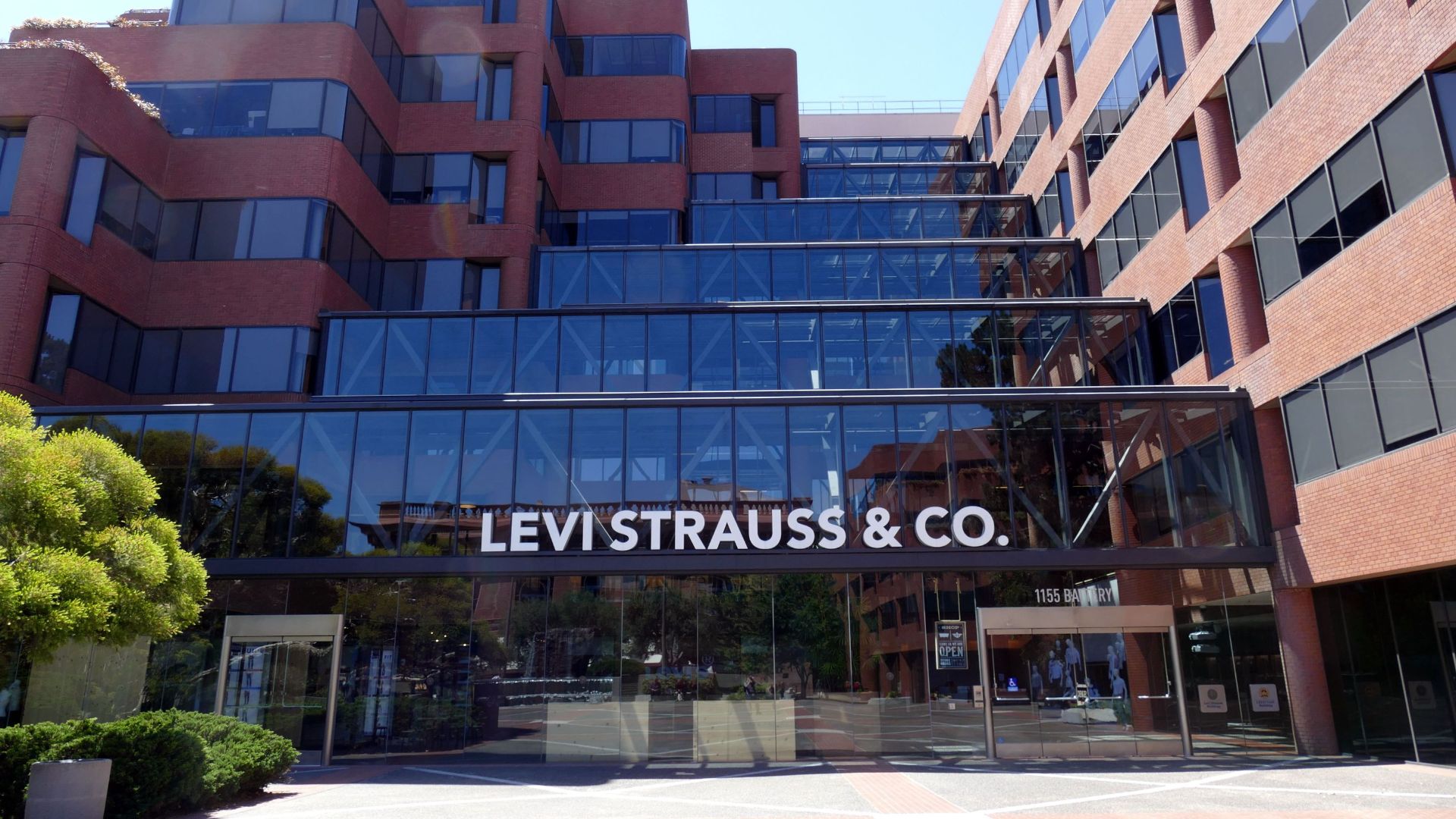
15. Levi’s
Direct-to-consumer moves backed by strong customer research helped the company regain ground that had slipped nearly one-third by the late 2000s. Revenues climbed to roughly six billion dollars by 2022, and customization pulled a 170-plus-year icon back into Gen Z conversations with surprising ease.
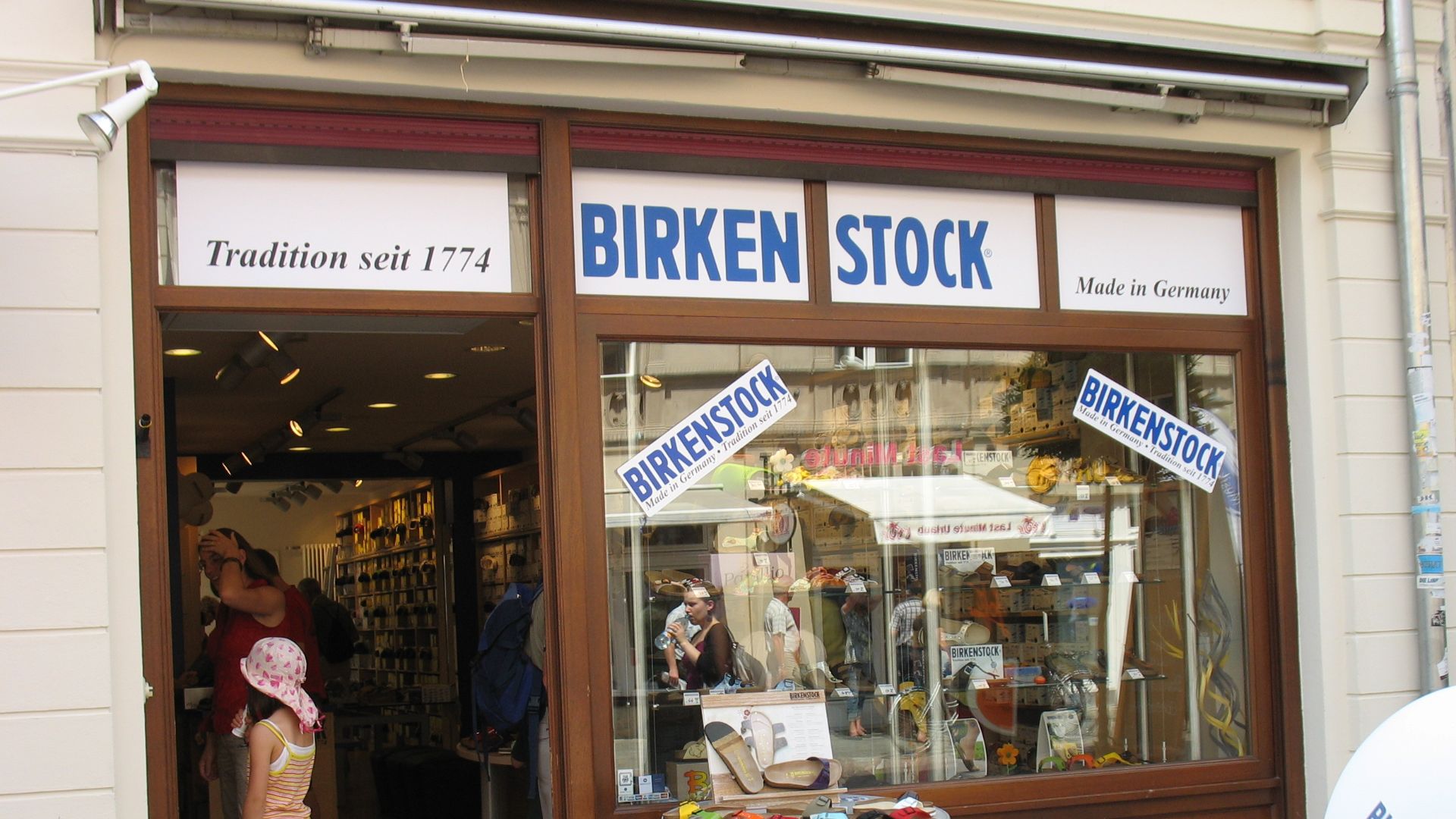
16. Birkenstock
Momentum shifted when the brand went public in October 2023, right as demand for minimal designs surged. That multibillion-dollar moment aligned perfectly with the Barbie movie spotlight. It turned a once-plain silhouette into a red-carpet regular and pushed the sandal’s reputation into a new lane.
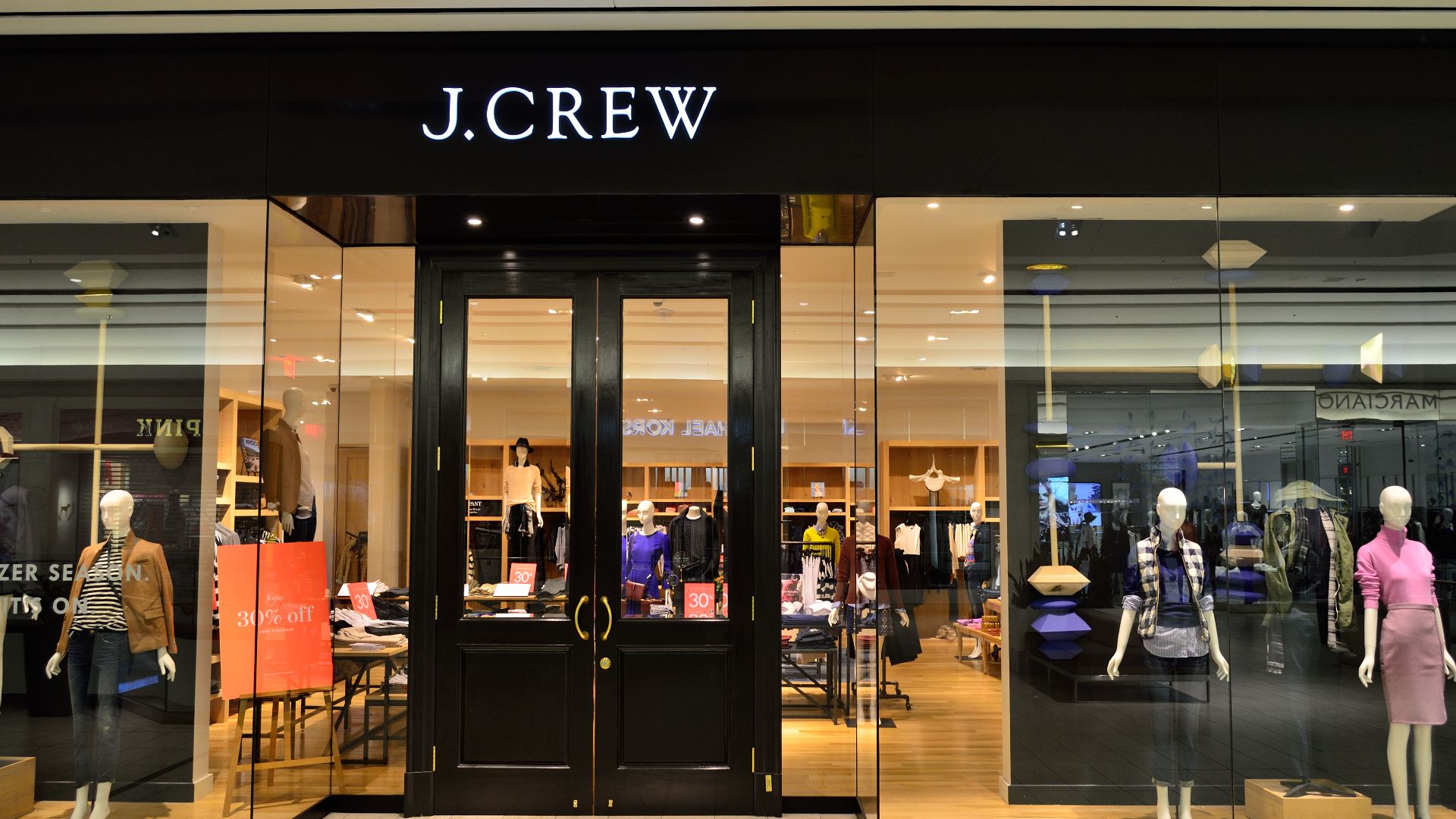
17. J.Crew
The brand’s struggle hit a peak when it filed for Chapter 11 during the pandemic, but analysts later pointed toward product quality and in-store experience as keys to rebuilding. Reporting described a “quiet rebirth” powered by classic prep pieces, while concept stores added coffee bars to signal a lifestyle-first reset.
 Raysonho @ Open Grid Scheduler / Grid Engine on Wikimedia
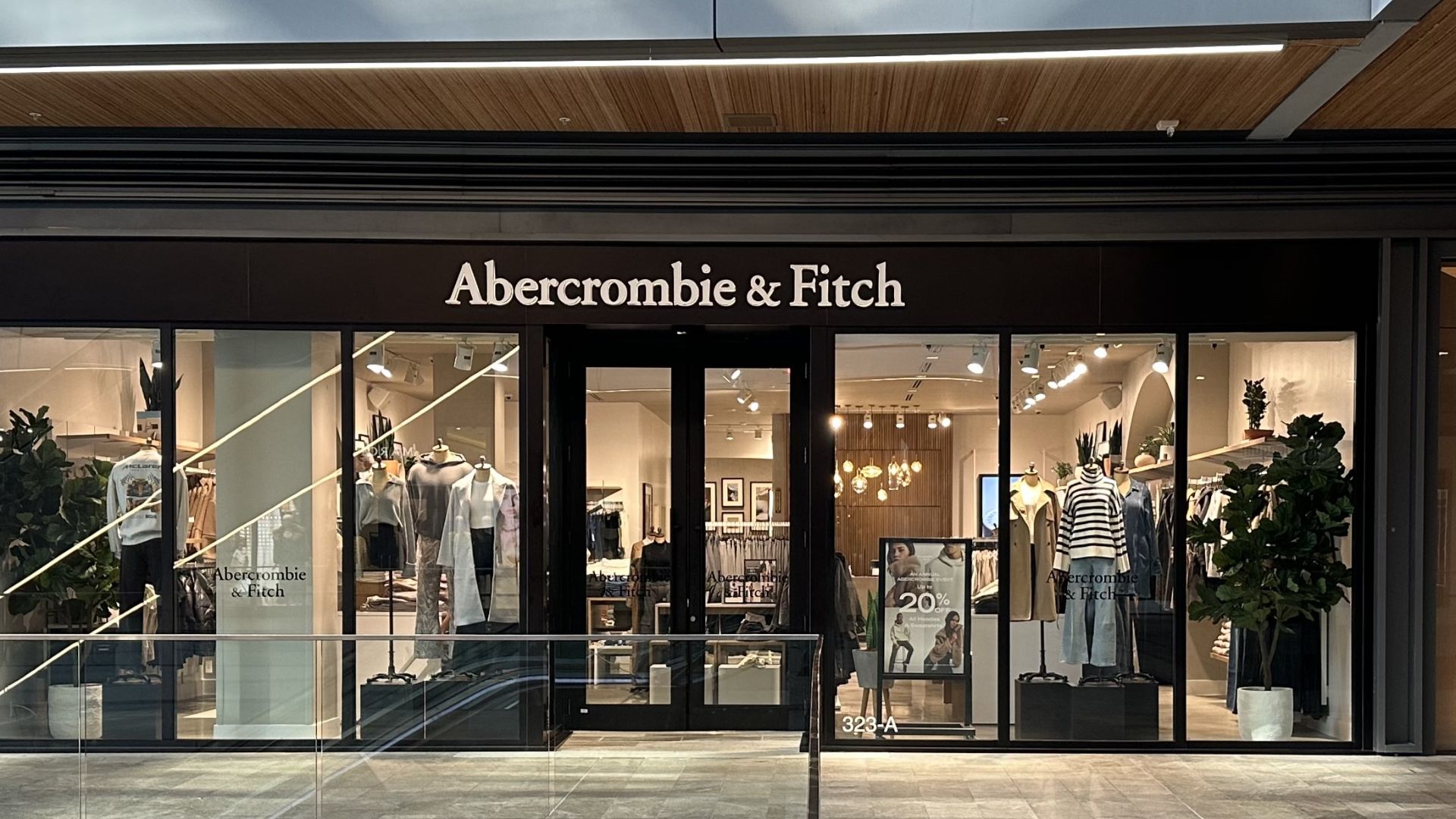
18. Abercrombie & Fitch
Inclusive branding and a renewed product mix under CEO Fran Horowitz helped steer the label into steady sales growth. Business Insider traced its shift from teen-only territory to a real Gen Z comeback, while the once scent-soaked retail vibe eased into something more modern and relaxed.
19. Dr. Martens
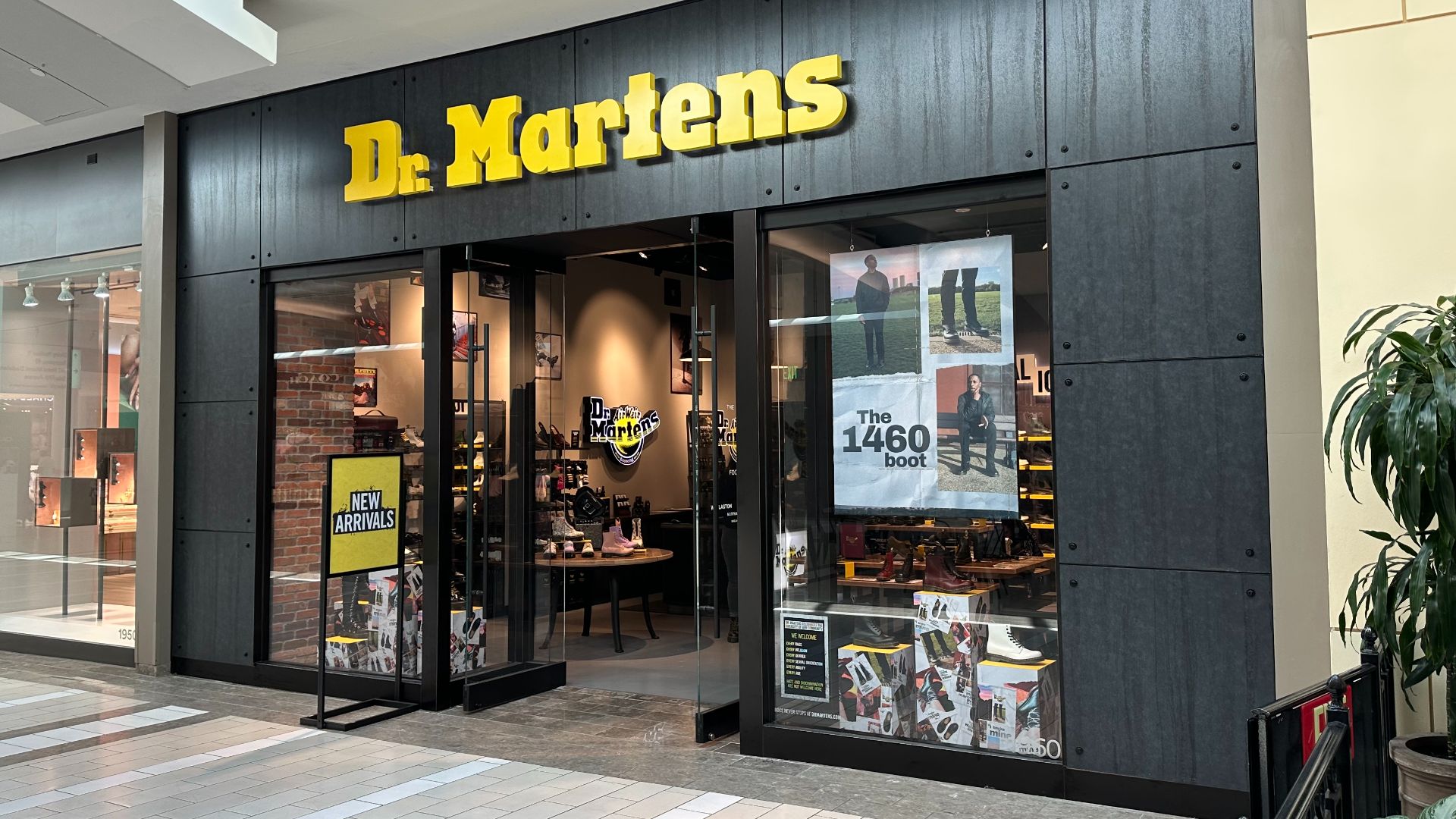
The journey began with Dr. Klaus Maertens’ 1945 sole design, created during injury recovery. Music scenes and subcultures later embraced the boot for durability and attitude. By 2025, coverage revisited how a basic work shoe evolved into an enduring symbol closely tied to rebellion and individuality.
20. Keds
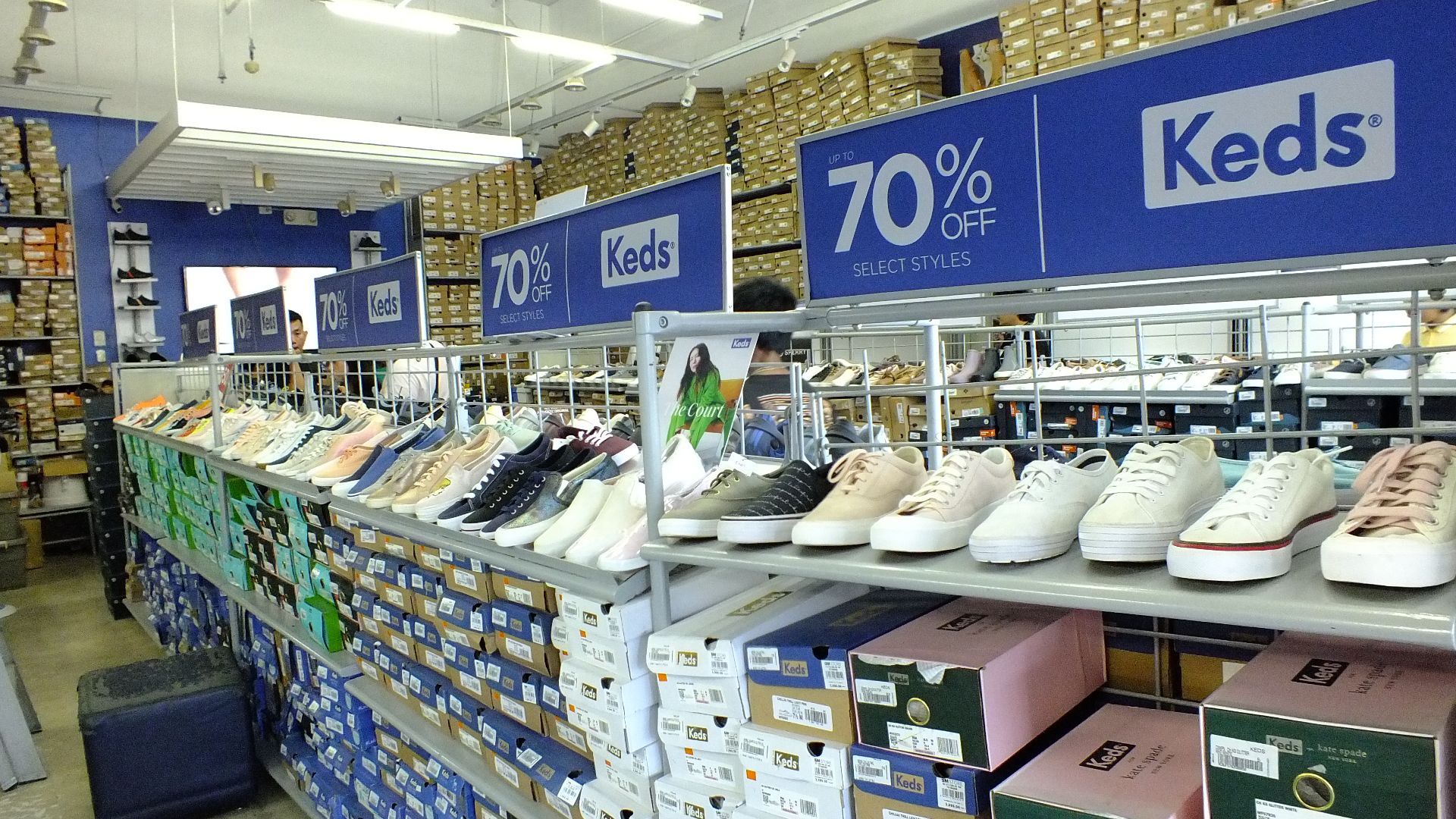
Heritage plays the biggest role in its renewal, starting with the 1916 launch of the first mass-market sneaker. Ownership shifted to Designer Brands in 2023, inspiring strategies built on legacy and new designer partnerships. That simple silhouette now slots easily into the cool-kid aesthetic again.