The Closet Is Not Always About Clothes
Most unworn clothes aren't sitting in the closet because people made a simple shopping mistake. A lot of the time, those pieces are tied to hope, stress, confidence, guilt, fantasy, or a version of life someone thought they were about to start. Clothing can feel practical on the surface, but it often carries a surprising amount of emotion. That's why a dress, jacket, or pair of shoes can stay untouched for years while still feeling strangely hard to let go. Here are 20 emotional reasons people buy clothes they never wear.

1. They’re Buying for an Imaginary Future Self
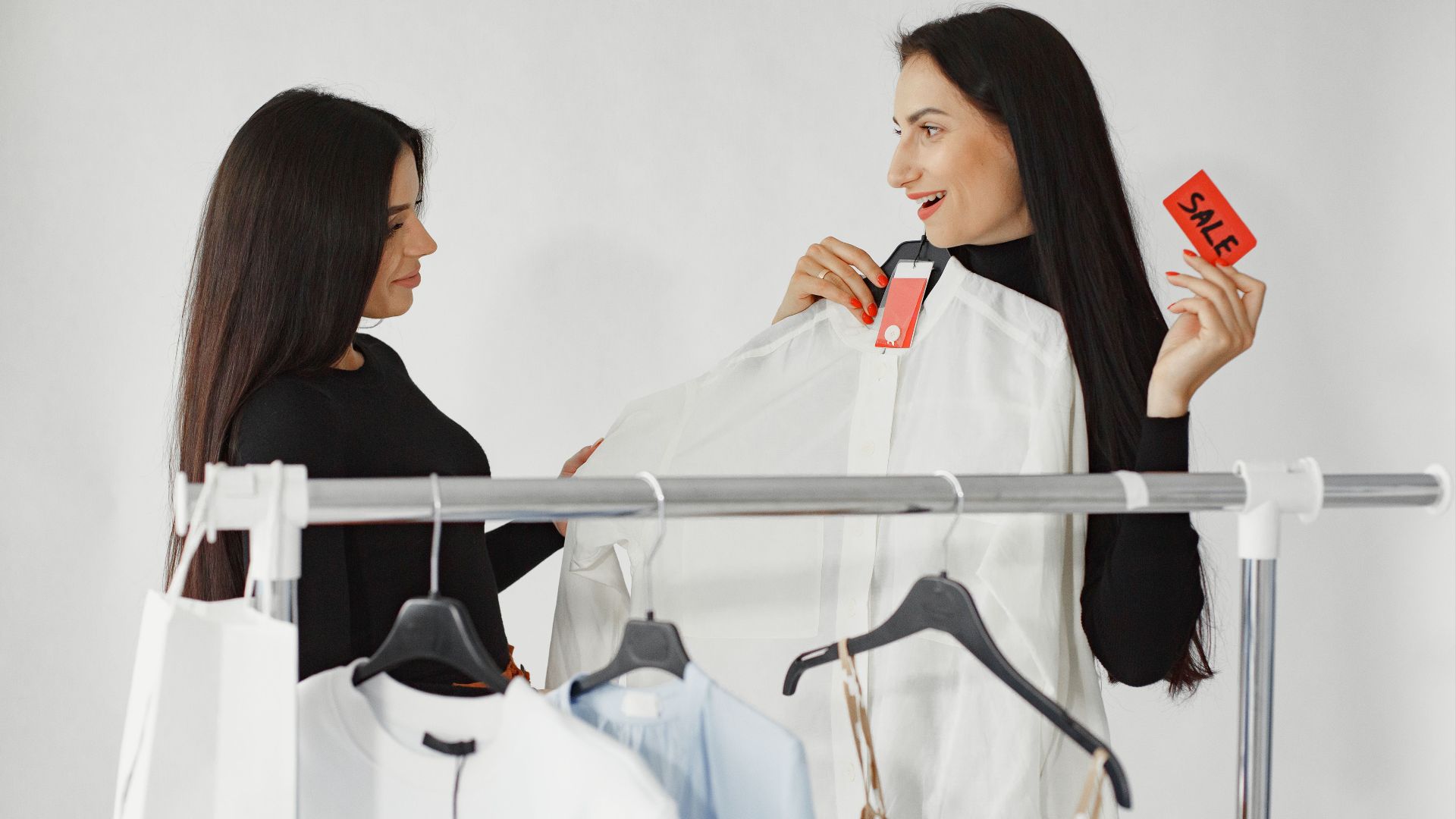
Sometimes people buy clothes for the person they hope to become, not the life they actually live. The blazer is for the future executive, the linen set is for the breezy vacation version of them, and the bold dress is for someone who attends better parties. There's nothing wrong with wanting growth, but the clothes can become props for a life that hasn't arrived yet.
2. They Think a New Outfit Will Create Confidence
A great outfit can boost your mood, but it can't permanently repair self-doubt. People often buy something because they imagine it'll make them feel braver, cooler, or more attractive. Then they get home and realize the insecurity is still there, now sitting beside a receipt.
3. They’re Trying to Escape a Bad Day
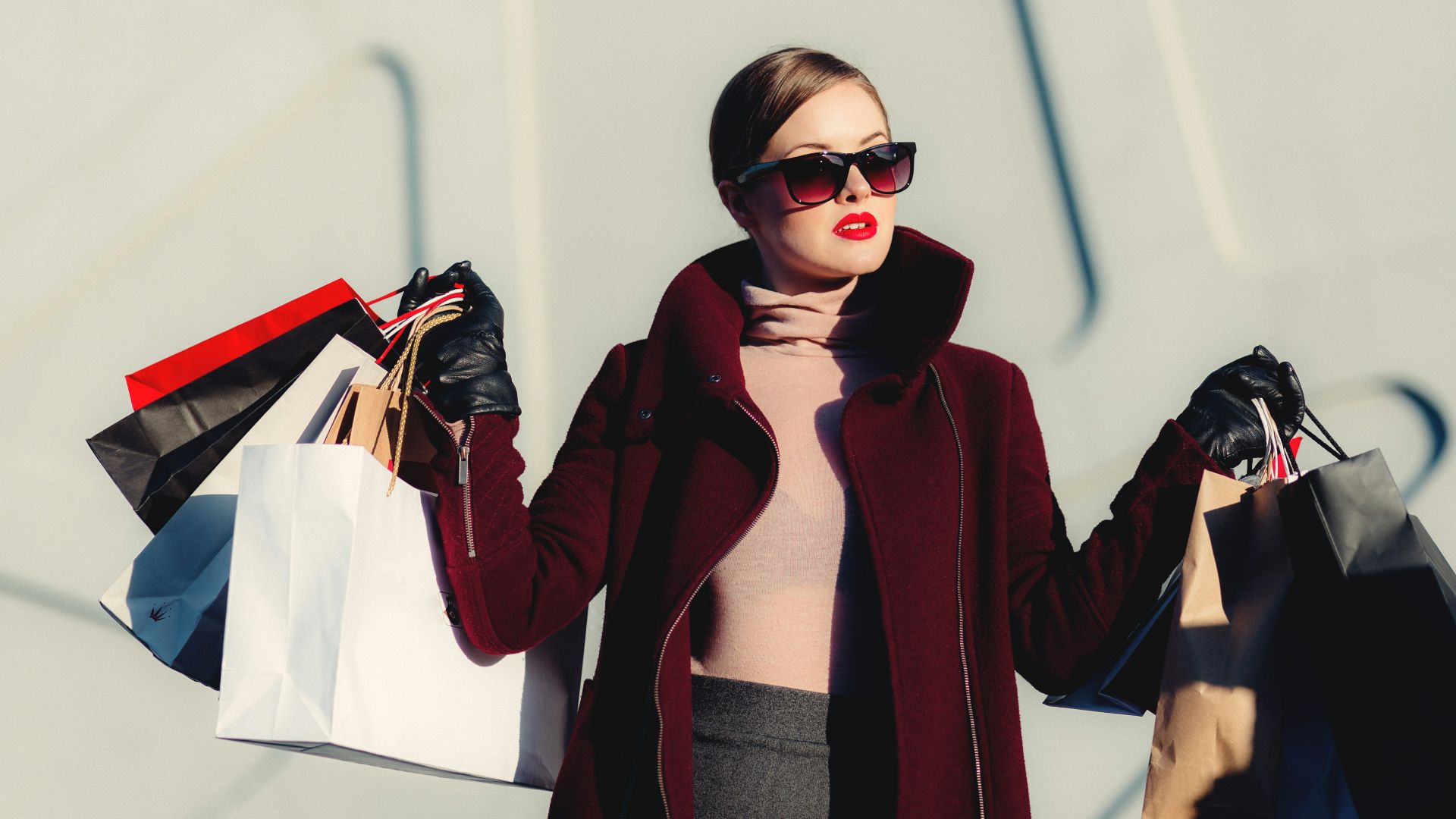
Shopping can feel comforting when the day has been stressful, lonely, or disappointing. A new sweater or pair of shoes offers an instant decision that feels pleasant and controllable. The problem is that emotional relief often fades faster than the desire to actually wear the item.
4. They Want to Feel Like They’re Starting Over
A wardrobe refresh can feel like the first step toward a new chapter. After a breakup, job change, move, birthday, or rough season, clothes can seem like an easy way to announce that life is improving. The emotion behind the purchase may be real, but the item itself might not match everyday needs.
5. They’re Chasing a Compliment They Haven’t Received Yet
Some clothes are bought because people imagine how others will react. They picture someone saying they look amazing, stylish, expensive, mysterious, or effortlessly put together. If the piece feels too risky to wear, though, that imagined compliment never gets a chance to happen.
6. They’re Afraid of Missing Out
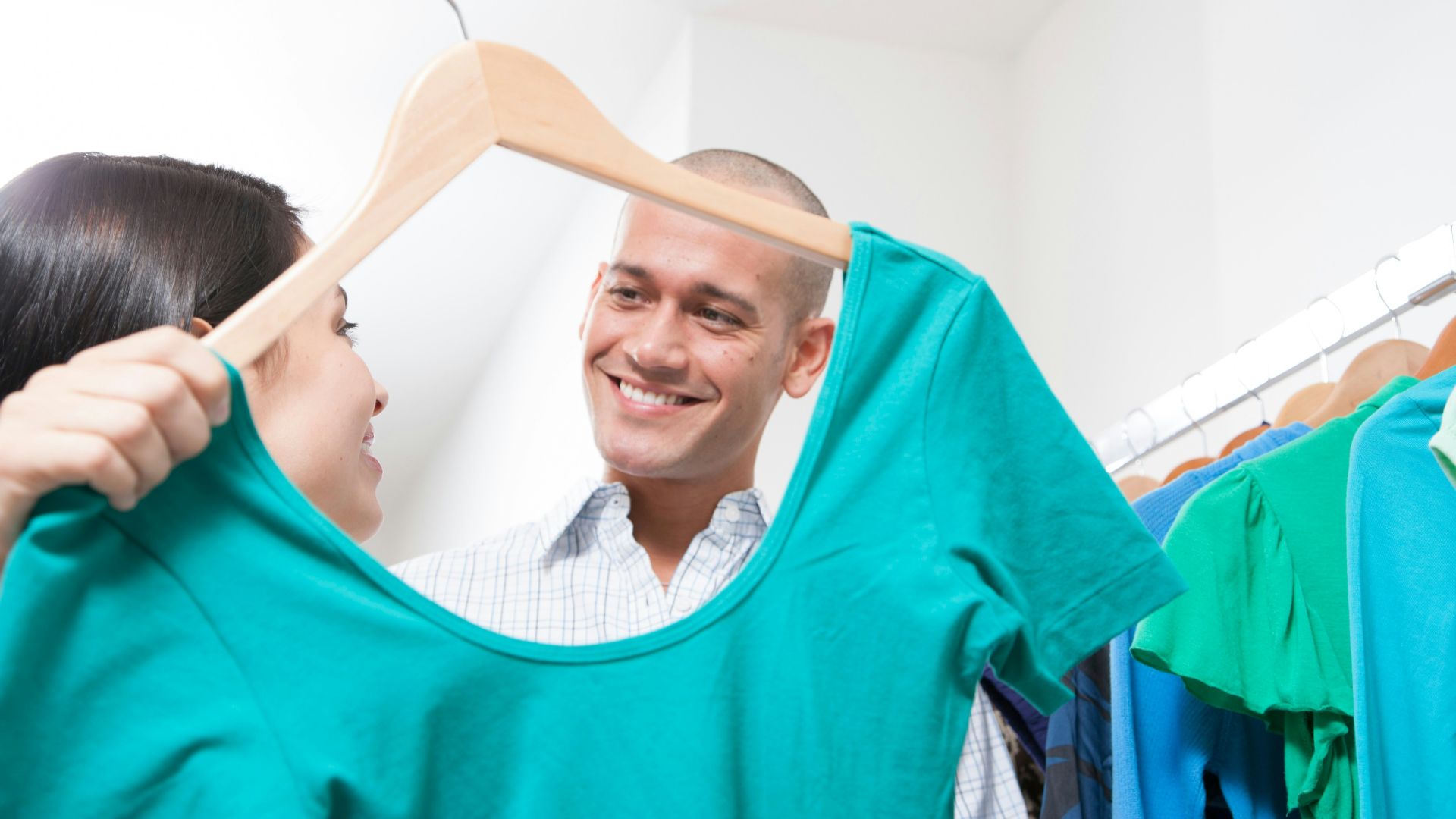
Limited drops, flash sales, and “only one left” warnings can make clothes feel urgent. People may buy something not because they love it, but because they fear losing the chance forever. Once the pressure disappears, the item can suddenly seem much less essential.
7. They Feel Guilty Leaving Empty-Handed
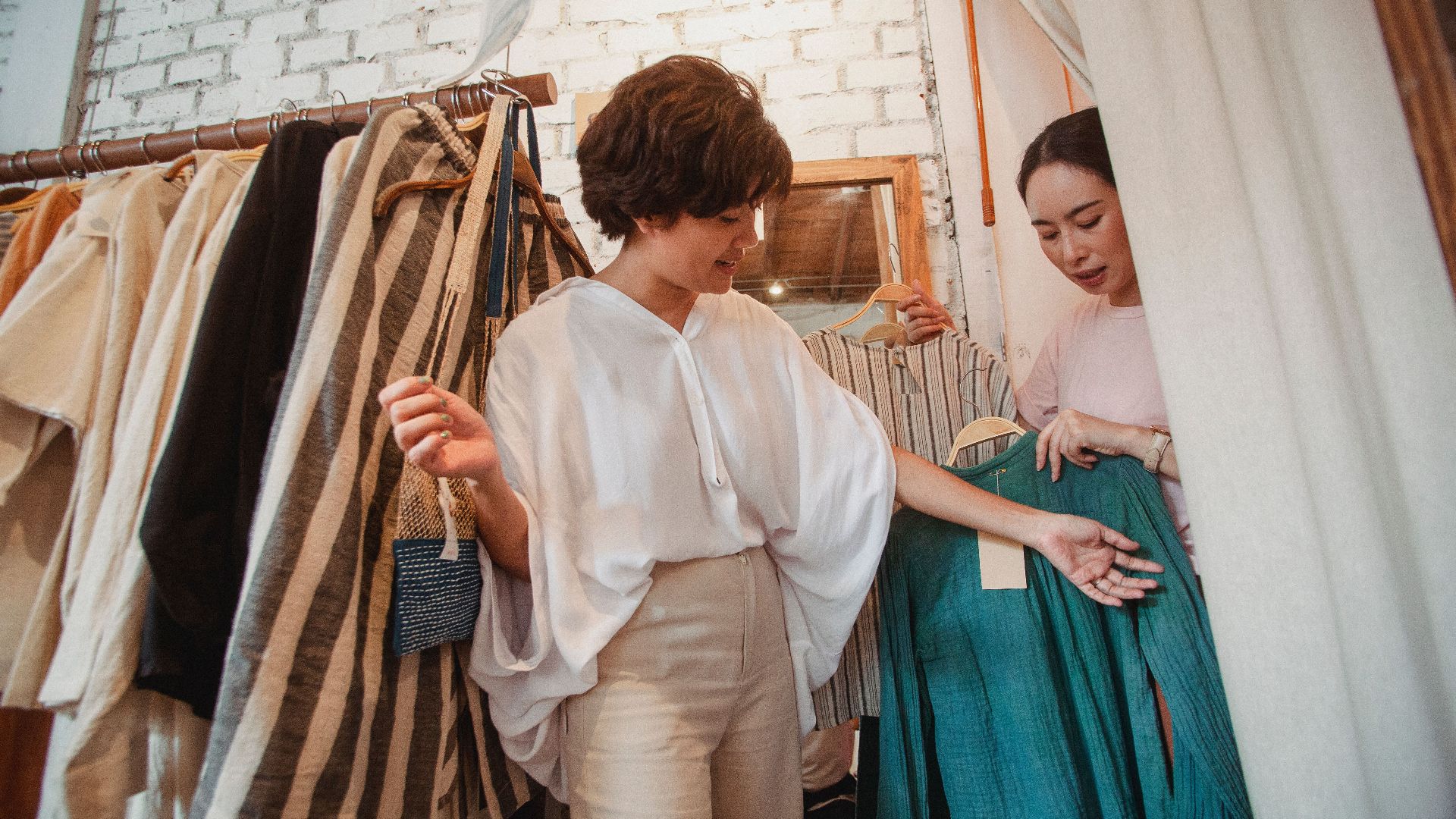
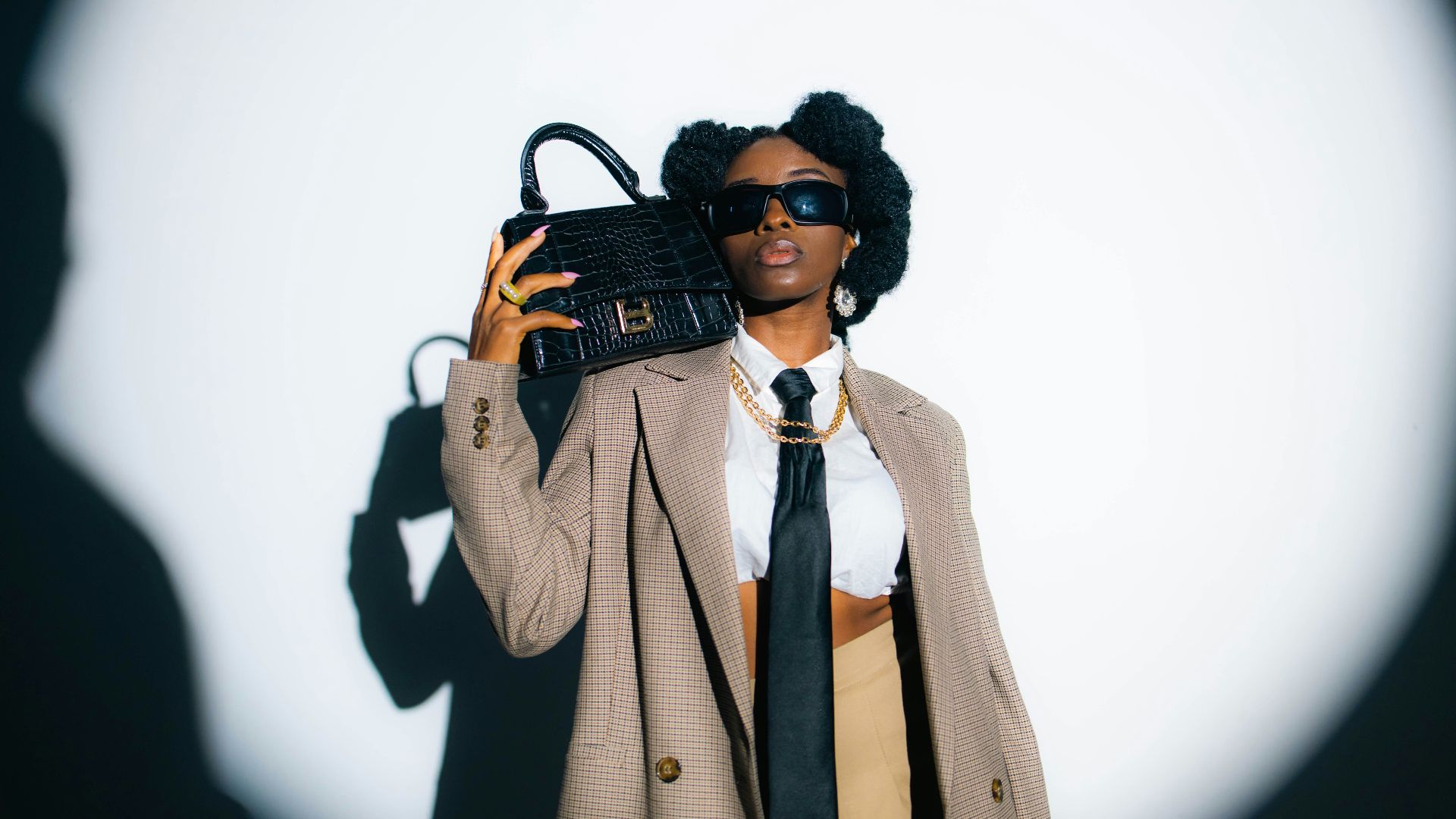
Some shoppers buy because they feel awkward walking out with nothing. This can happen after a salesperson has been helpful, a friend has encouraged them, or they've spent too long trying things on. Instead of saying no, they choose the least objectionable item and hope it magically becomes useful later.
8. They Want to Belong to a Certain Group
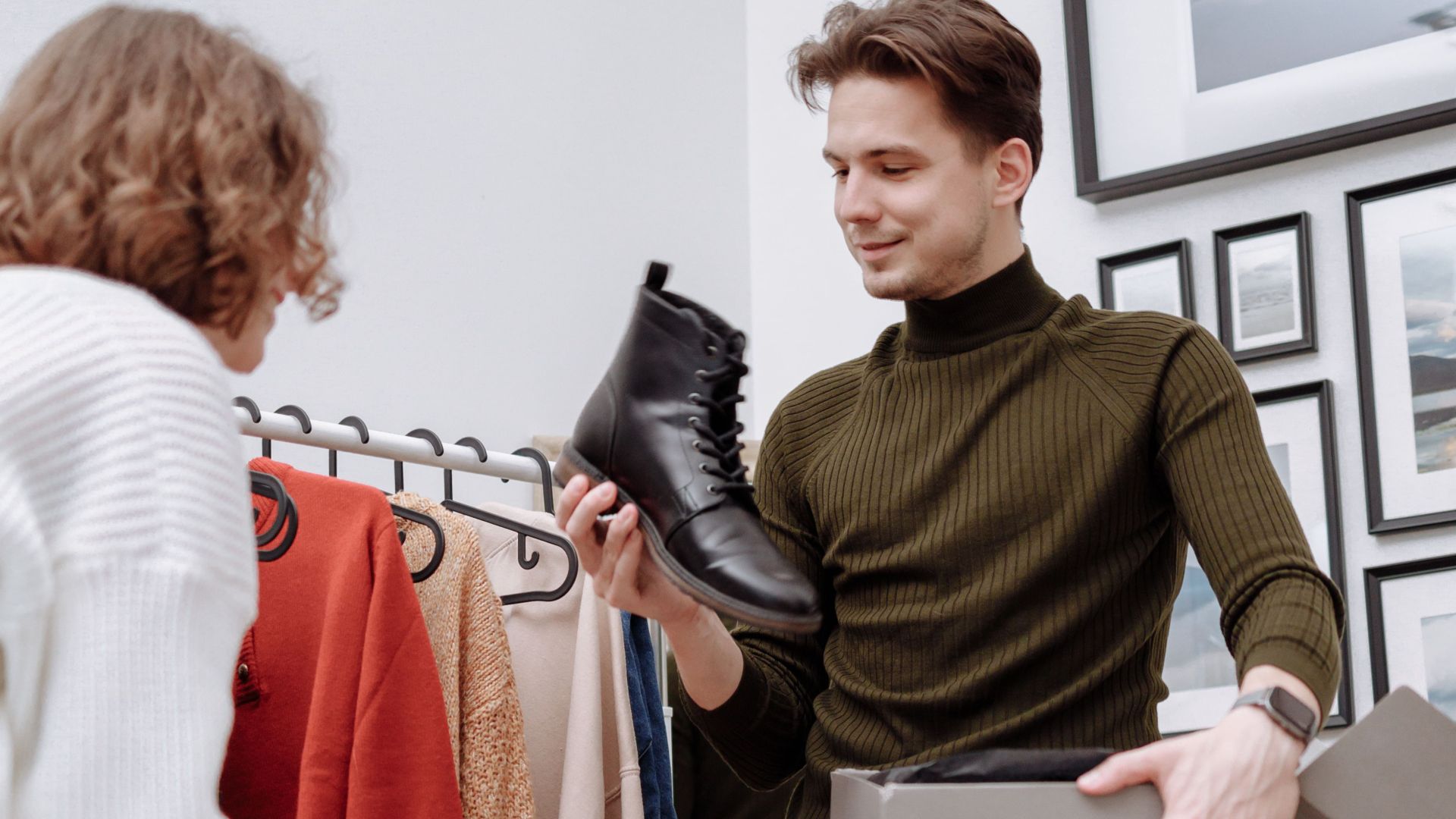
Clothes can signal identity, which is why people sometimes buy pieces that match a group they admire. They may want to look artsy, polished, sporty, academic, edgy, minimalist, or rich. The trouble starts when the style looks good on someone else but feels unnatural on them.
9. They’re Rewarding Themselves
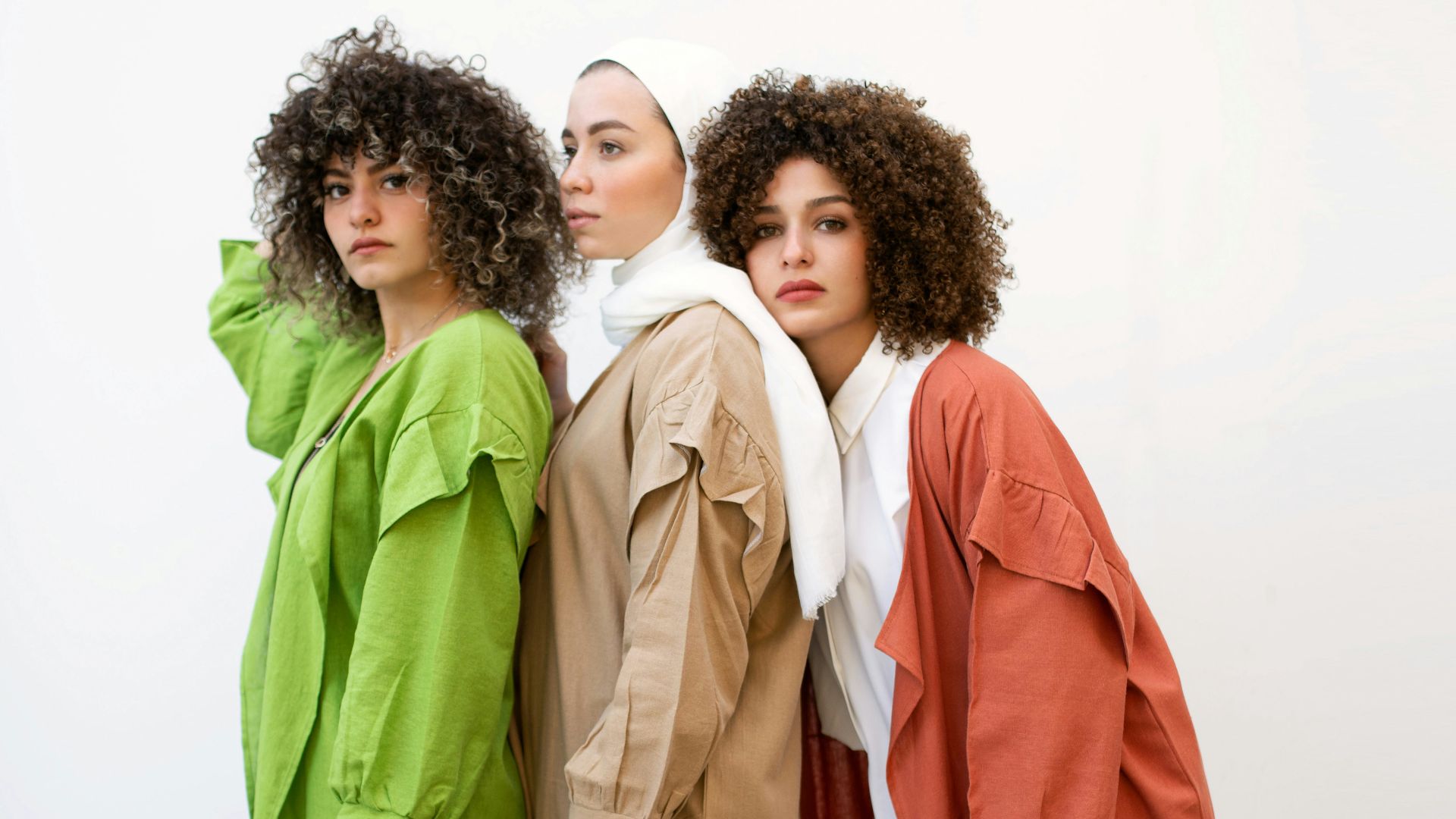
Buying clothes can feel like a well-earned prize after hard work, stress, or a personal win. The phrase “I deserve this” can be very persuasive in a fitting room. Sometimes the item truly becomes a favorite, but other times the purchase was more about recognition than clothing.
10. They’re Avoiding a Bigger Problem
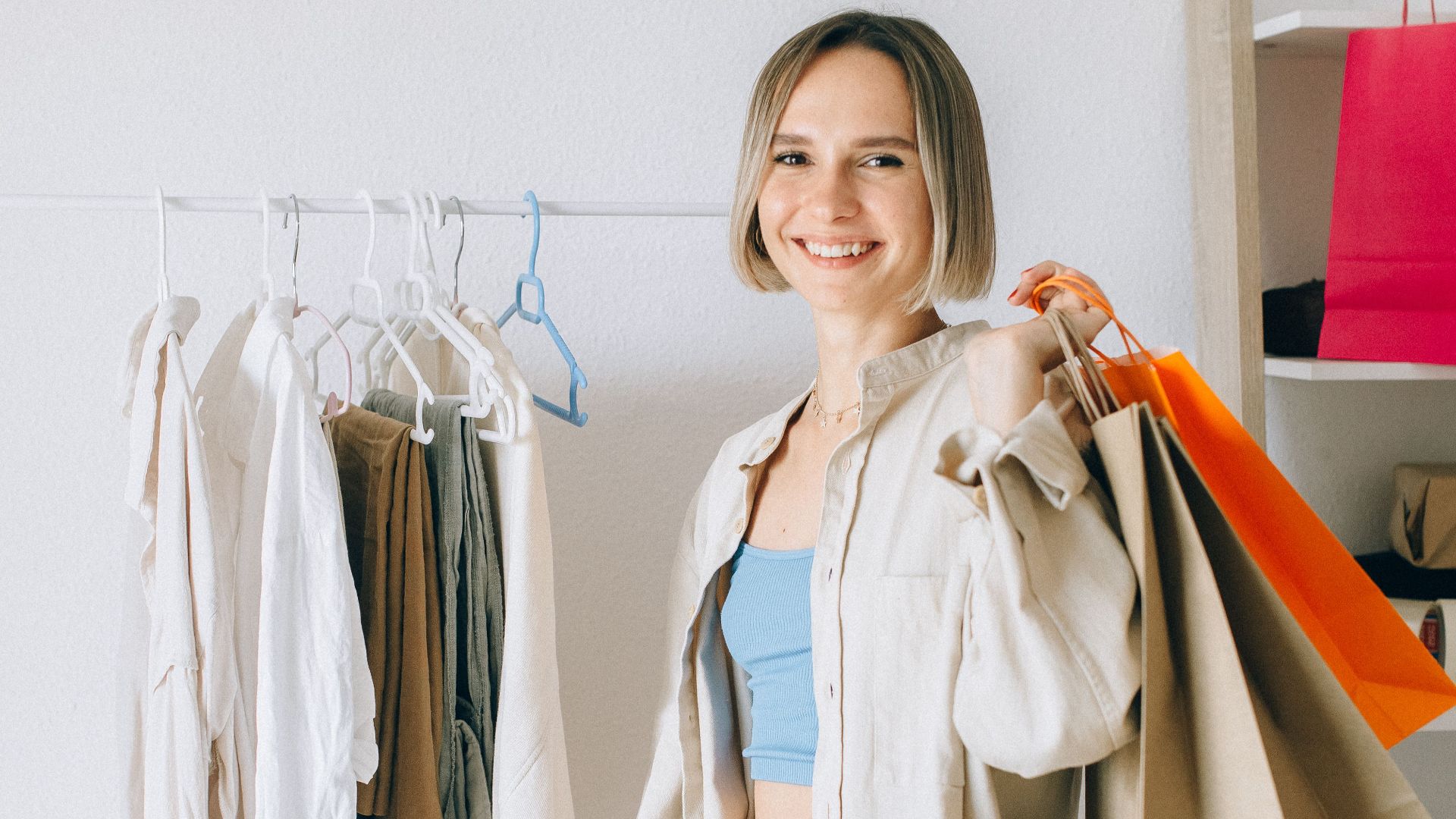
A shopping trip can become a distraction from emotions people do not want to face. Instead of dealing with boredom, sadness, uncertainty, or frustration, they focus on fabrics, sizes, colors, and checkout buttons. That can create a temporary sense of movement without solving anything underneath.
11. They’re Holding Onto a Former Version of Themselves
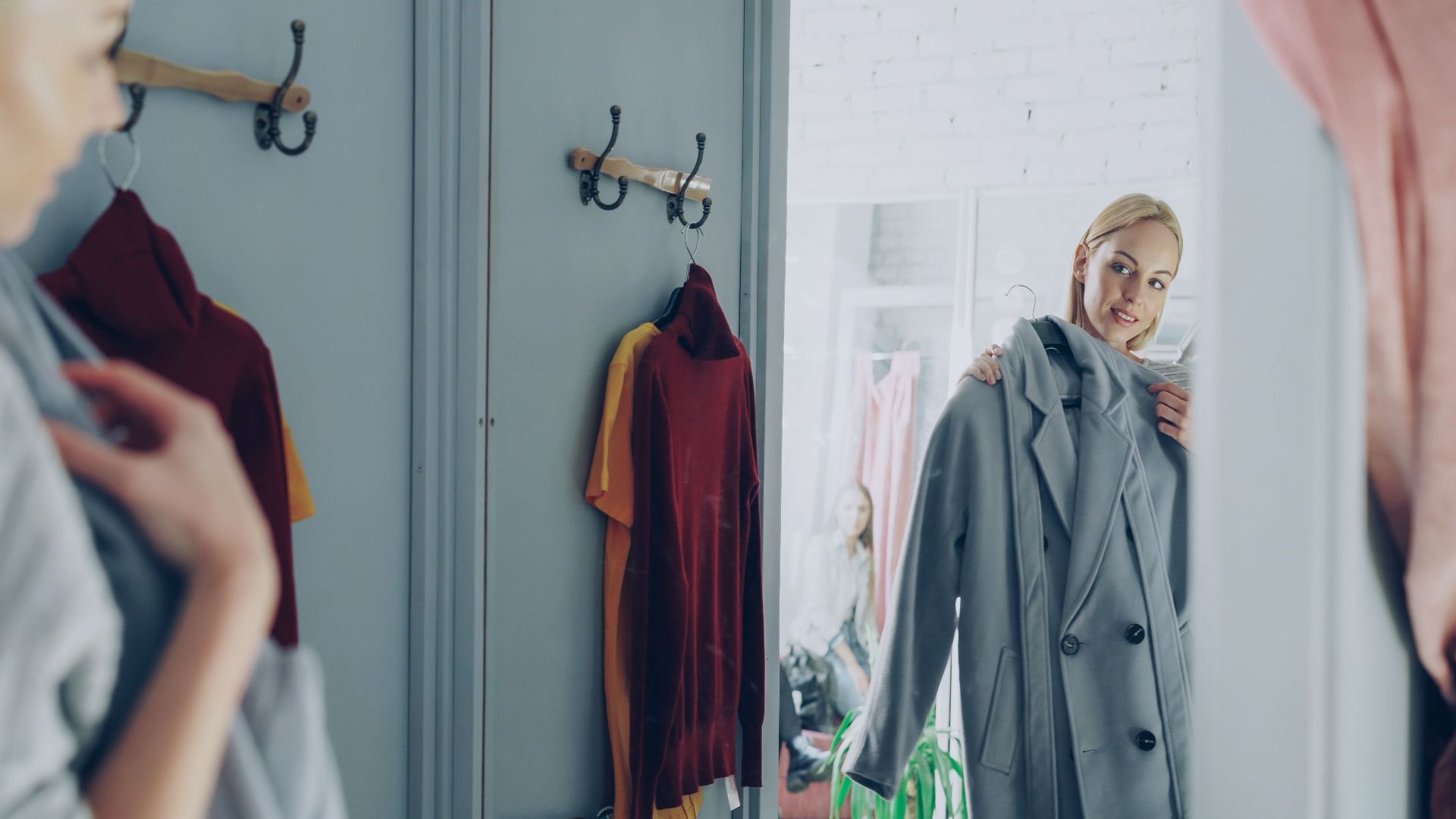
Some purchases are attempts to reconnect with who someone used to be. They may buy something that fits an old lifestyle, old body, old job, or old social life because letting go feels too final. Wearing it would force them to admit it no longer feels right.

12. They Think a Sale Makes It Sensible
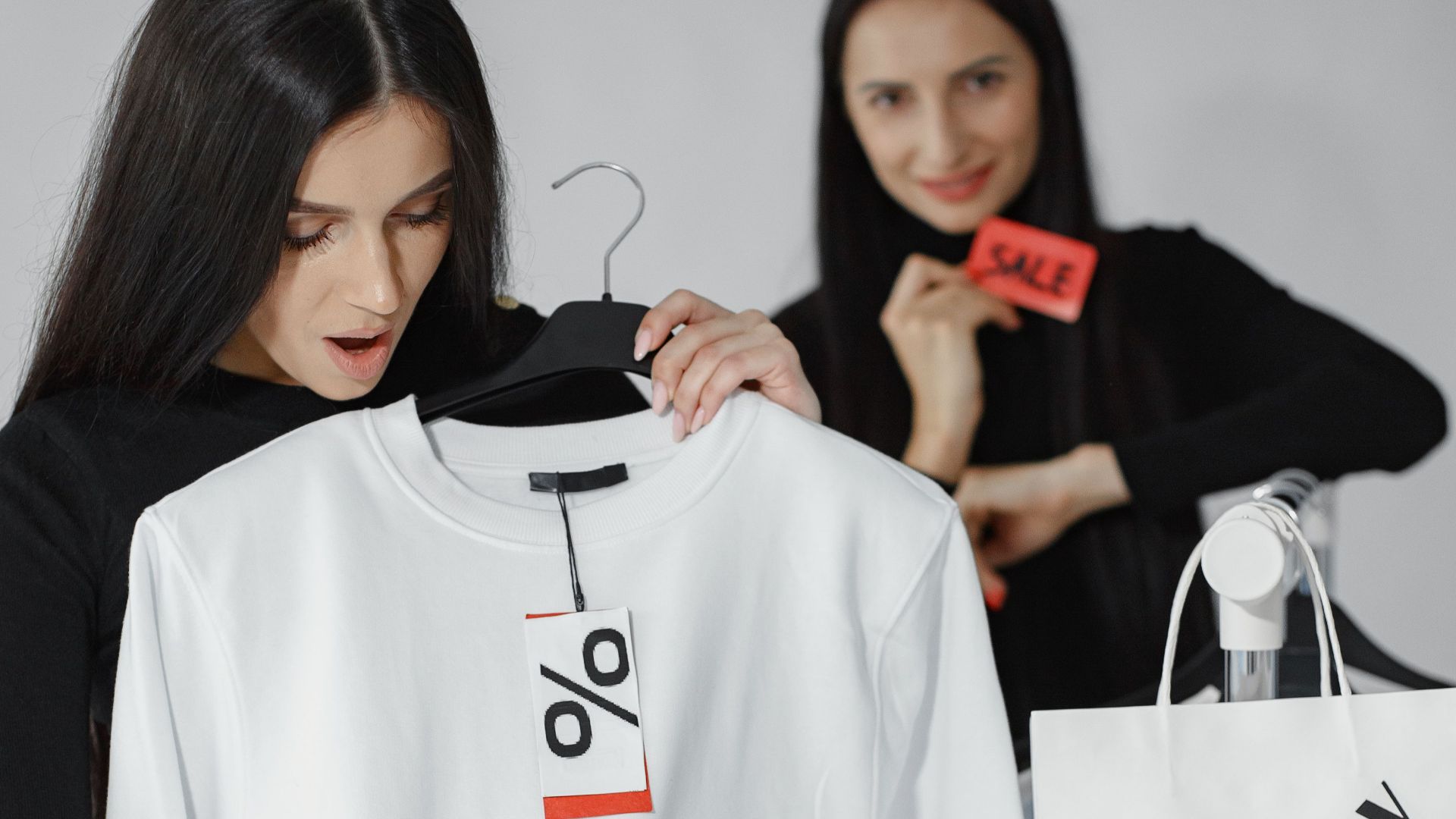
A discount can turn emotional buying into something that feels responsible. People may convince themselves they're saving money, even when they're buying something they never planned to own. The lower price softens the guilt and makes the decision easier to justify.
13. They’re Shopping for Validation
For some people, shopping is less about the item and more about feeling chosen by a style, brand, or trend. Buying something fashionable can feel like proof that they're still attractive, current, or interesting. That feeling can be powerful in the moment, especially during times of insecurity, but later, the item may not feel like them at all.
14. They Want to Be More Adventurous Than They Feel
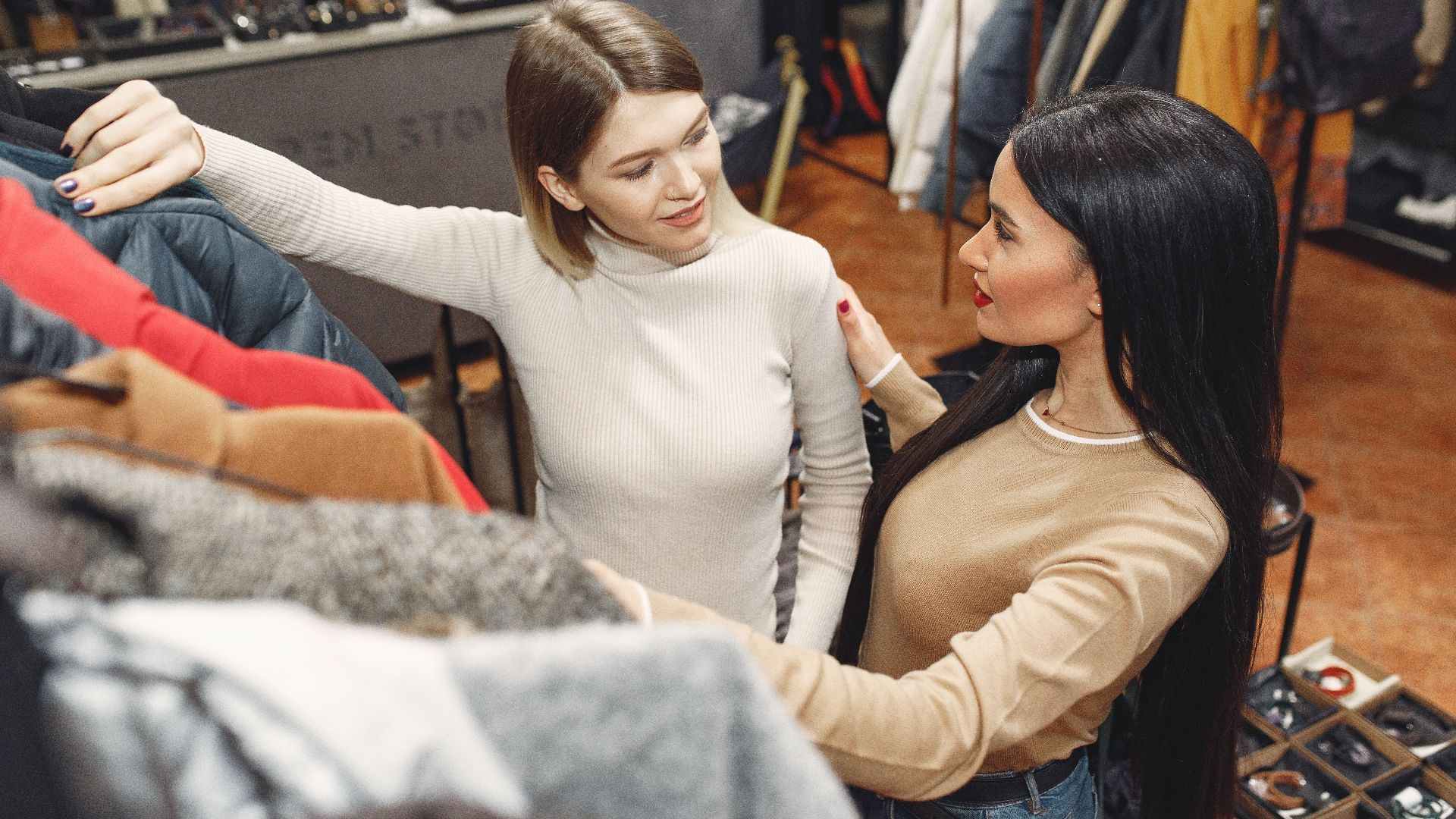
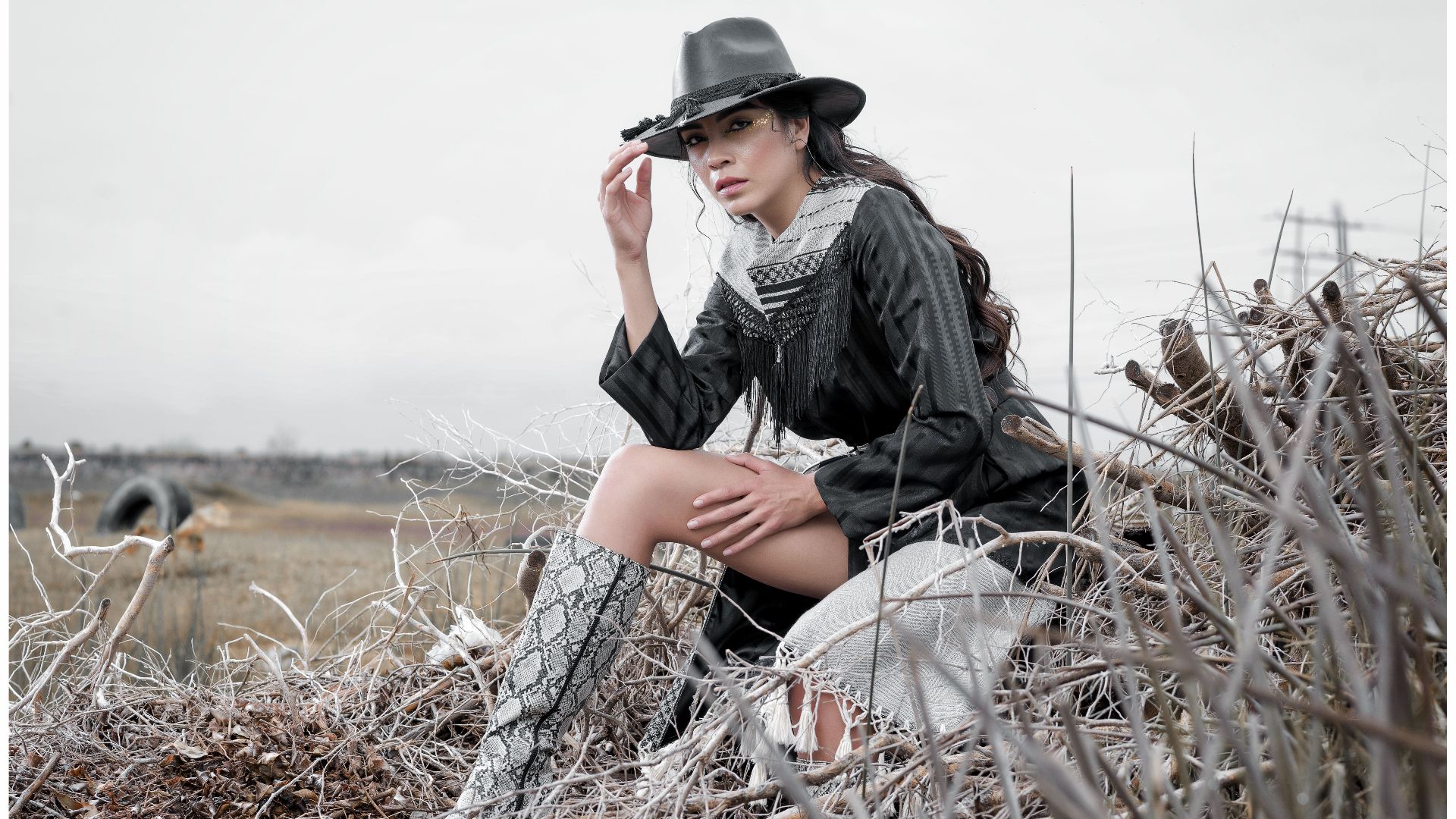
Bold clothes often appeal to the part of someone who wants to take more risks. A bright color, dramatic cut, or unusual print can feel thrilling in the store. At home, the same piece may seem too loud for lunch, errands, work, or family gatherings. The adventurous mood made the purchase, but the everyday self has to wear it.
15. They’re Influenced by Someone Else’s Opinion
A friend, partner, influencer, stylist, or salesperson can make an item seem more appealing than it really is. Hearing “That looks amazing on you” can be hard to resist, especially if the person sounds sincere. The problem appears later when the shopper realizes they liked the approval more than the clothing.

16. They’re Trying to Fix Body Image Feelings
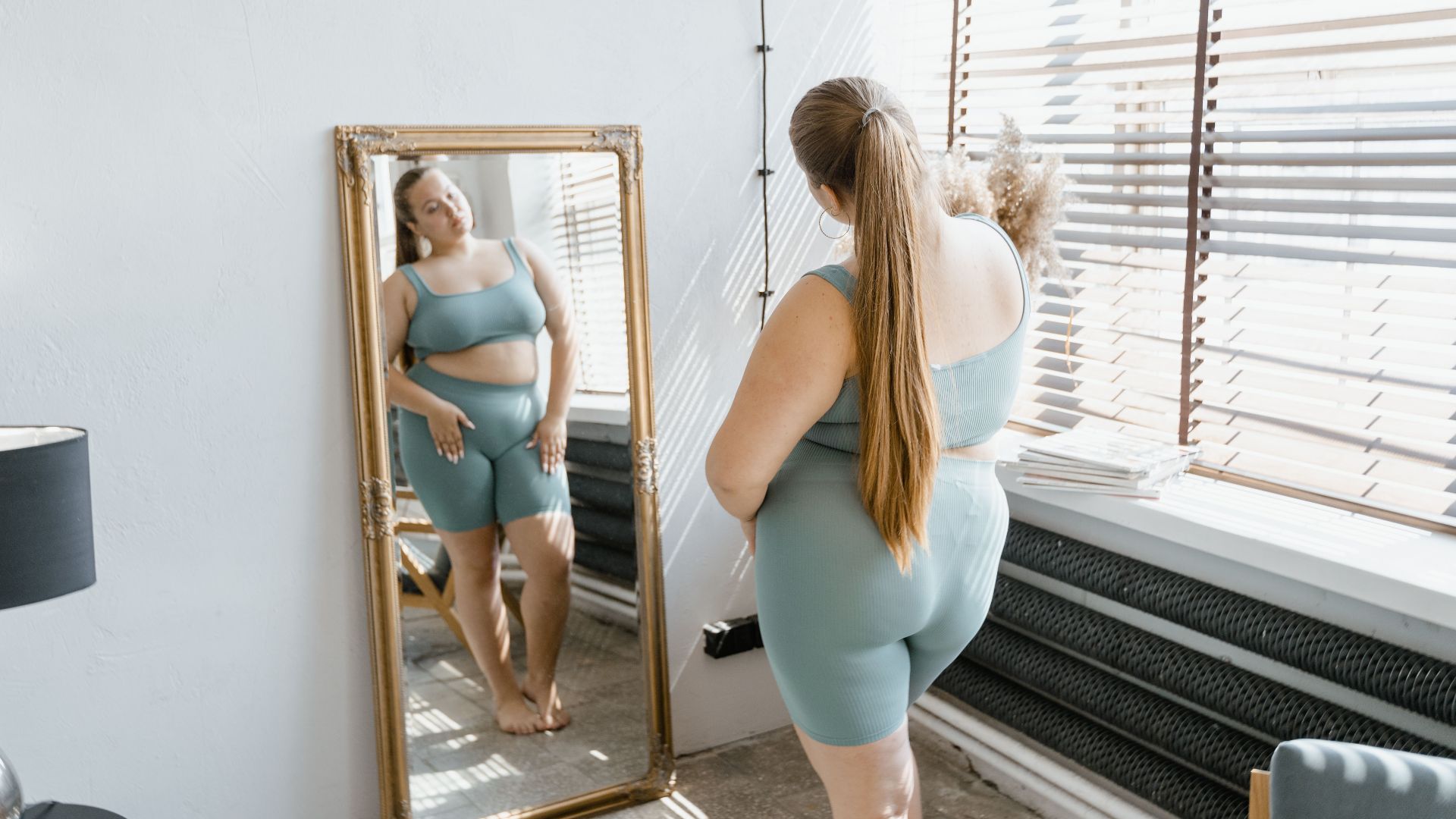
Clothes can become emotionally loaded when someone is unhappy with their body. They may buy items for a body they hope to have, a size they want to return to, or a silhouette they think will finally make them feel acceptable. If the garment does not feel good, it can stay hidden because trying it on hurts.
17. They Buy for Events That Never Happen
People often purchase clothes for imagined dinners, vacations, weddings, dates, interviews, or glamorous plans that never quite materialize. The outfit may be perfect for a very specific scenario that life refuses to come to fruition. Eventually, the dream event has better attendance than the actual garment.
18. They Confuse Admiring With Wanting
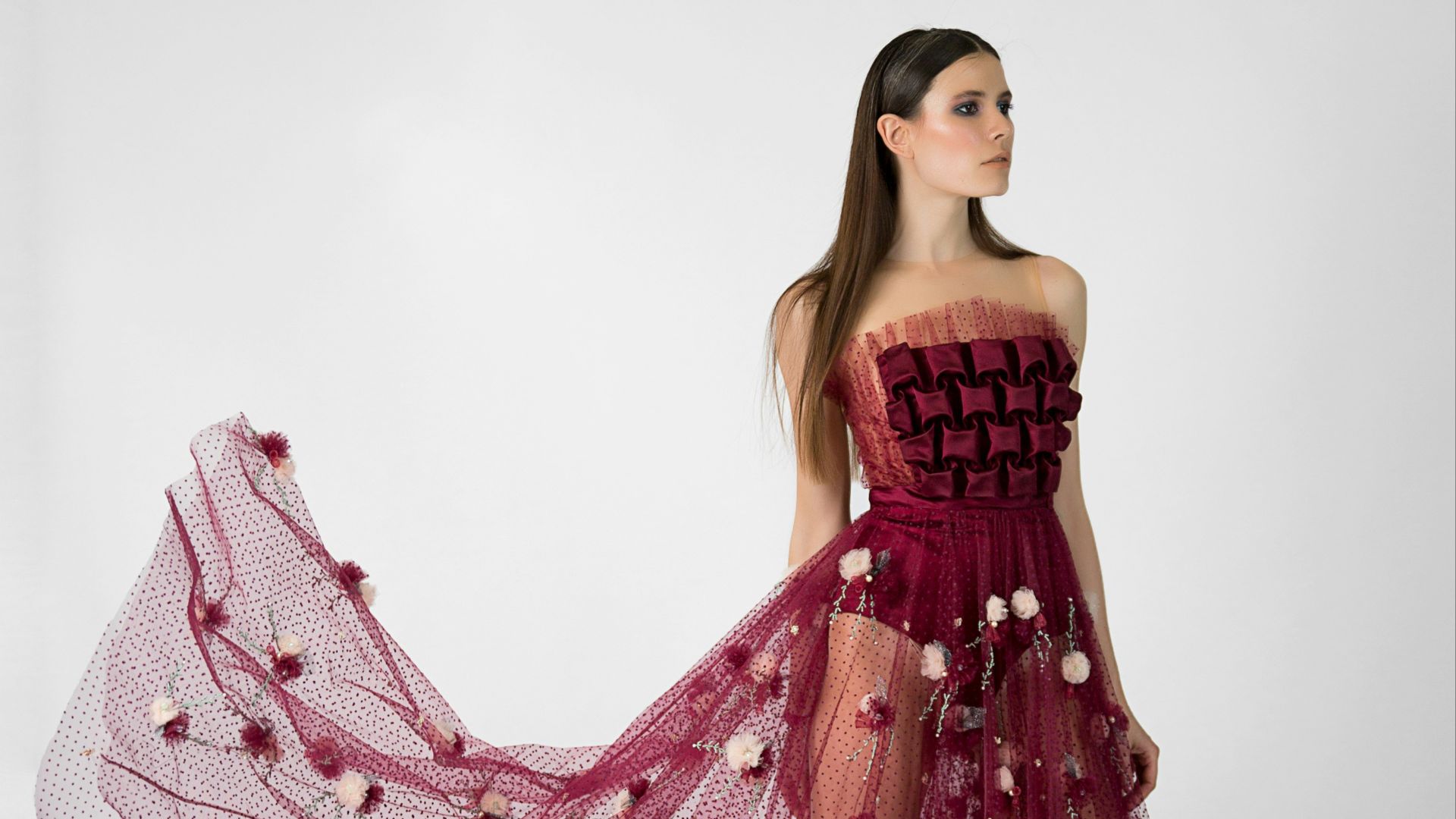
It's possible to admire a piece of clothing without wanting to actually put it on. Some people love the design, color, craftsmanship, or aesthetic, but forget to ask whether they would actually wear it. The item may belong more in a mood board than in their weekly rotation.
19. They’re Trying to Keep Up With a Trend
Trends can create the feeling that everyone else has figured out something you are missing. People may buy a viral item because it seems like the current answer to looking stylish. Once the trend cools or the piece feels awkward in real life, it becomes harder to wear.
20. They Feel Hopeful in the Store
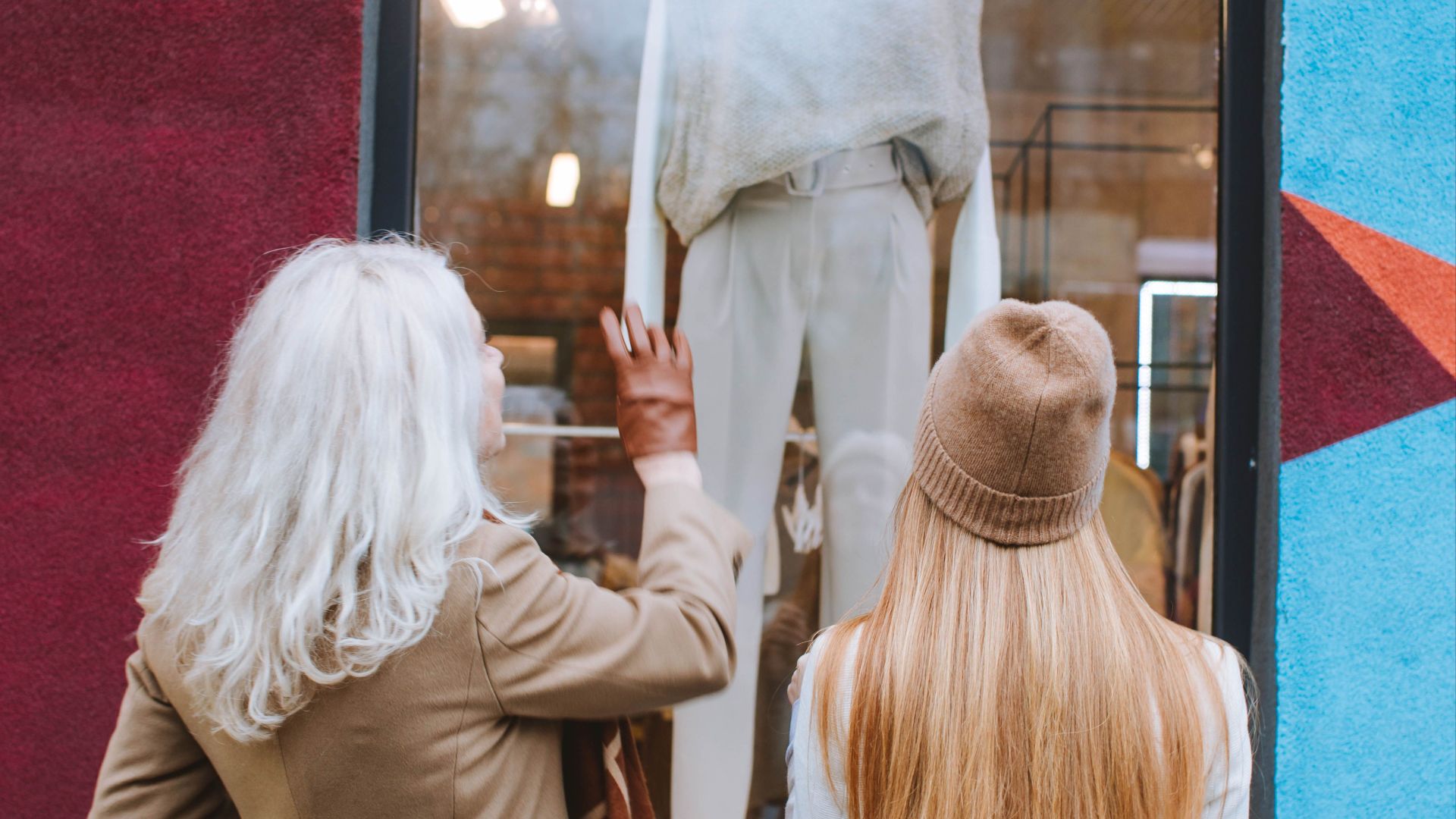
Stores and websites are designed to make clothes feel exciting, fresh, and full of possibility. Good lighting, styling, music, models, and displays can all make an item seem like part of a better day. At home, the same piece has to face laundry habits, weather, comfort, schedule, and personal taste.