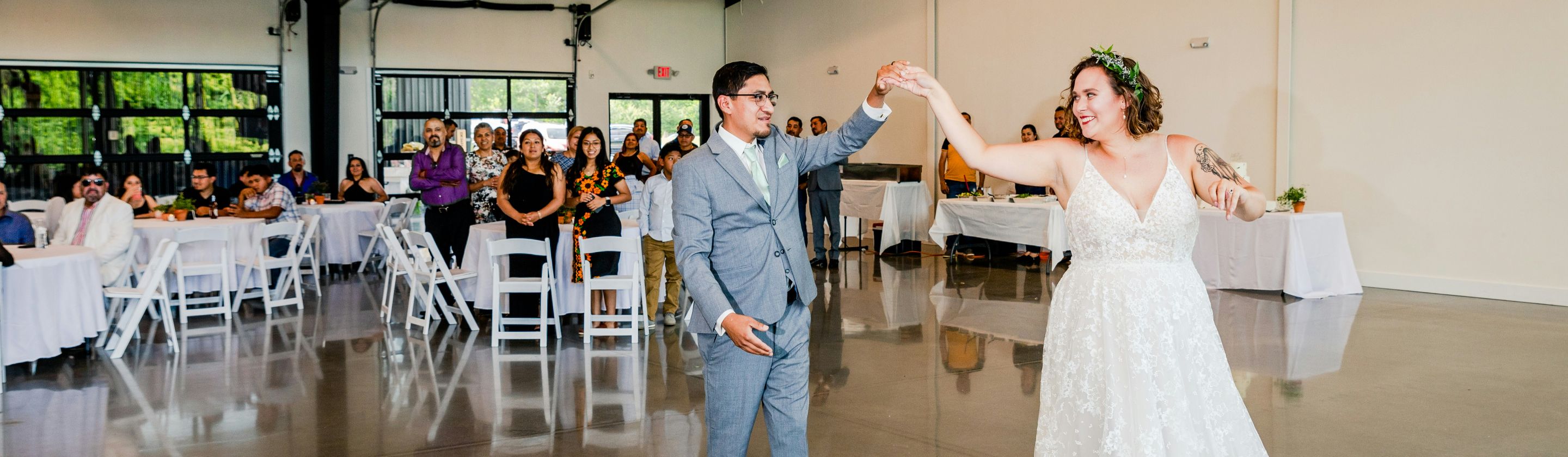

20 Clothing Items That Survived Centuries With Barely Any Changes
Some Clothes Apparently Didn't Need Reinventing
Fashion loves convincing us that everything is new, but plenty of clothing has been around for hundreds, and sometimes thousands, of years without changing all that much. Materials and manufacturing methods may have improved, but the basic shapes remain instantly recognizable. From practical outerwear to simple footwear, these pieces worked so well that generations kept wearing versions of them. Here are 20 clothing items that have managed to survive centuries while keeping their original character surprisingly intact.

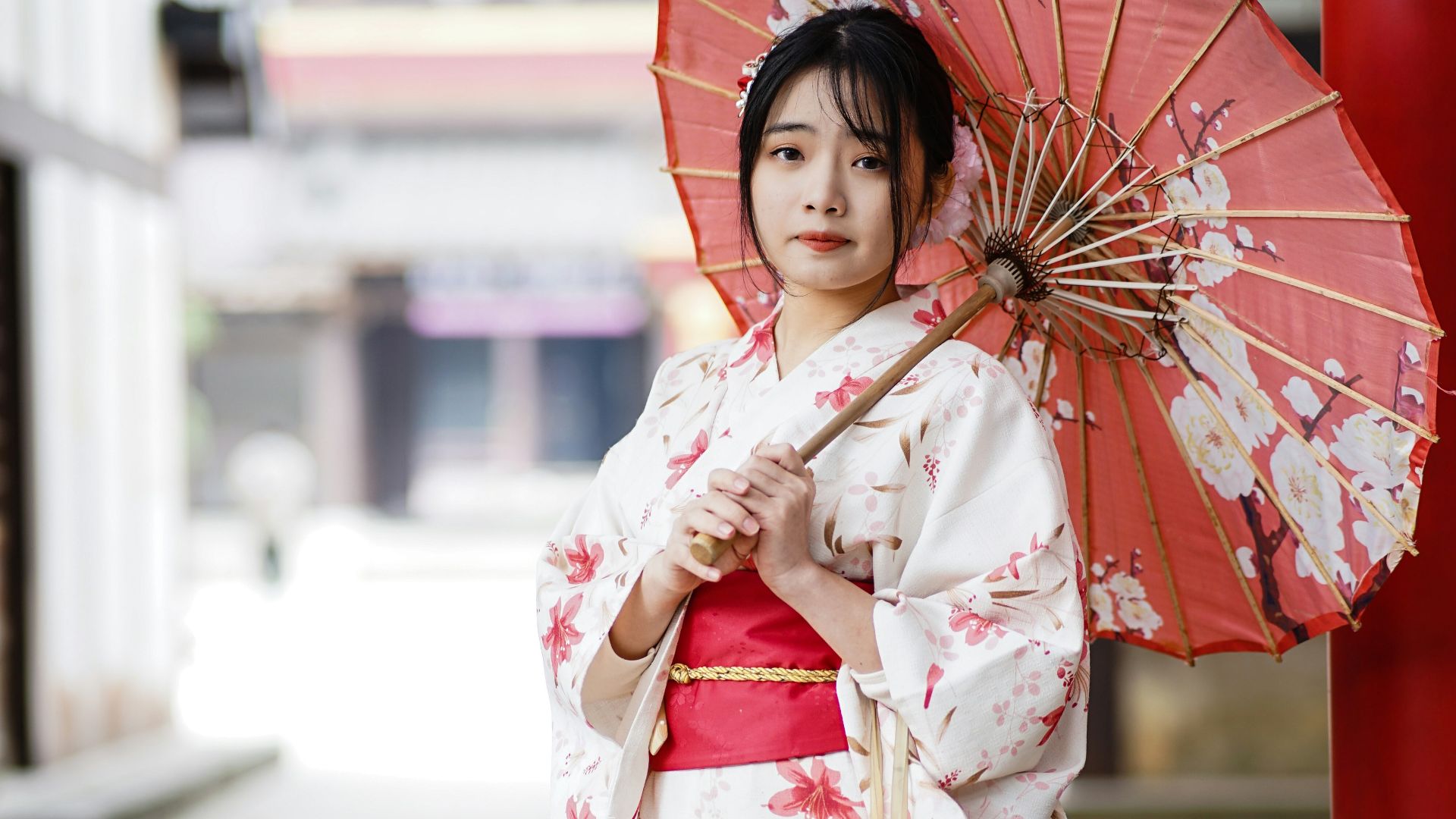
1. Kimonos
Japan's kimono developed from earlier robe styles and took on its familiar form centuries ago. Its T-shaped construction, wide sleeves, overlapping front, and sash are still its defining features. Fabrics, patterns, and occasions for wearing one have changed, but a modern kimono would still look unexpectedly familiar to someone from premodern Japan.
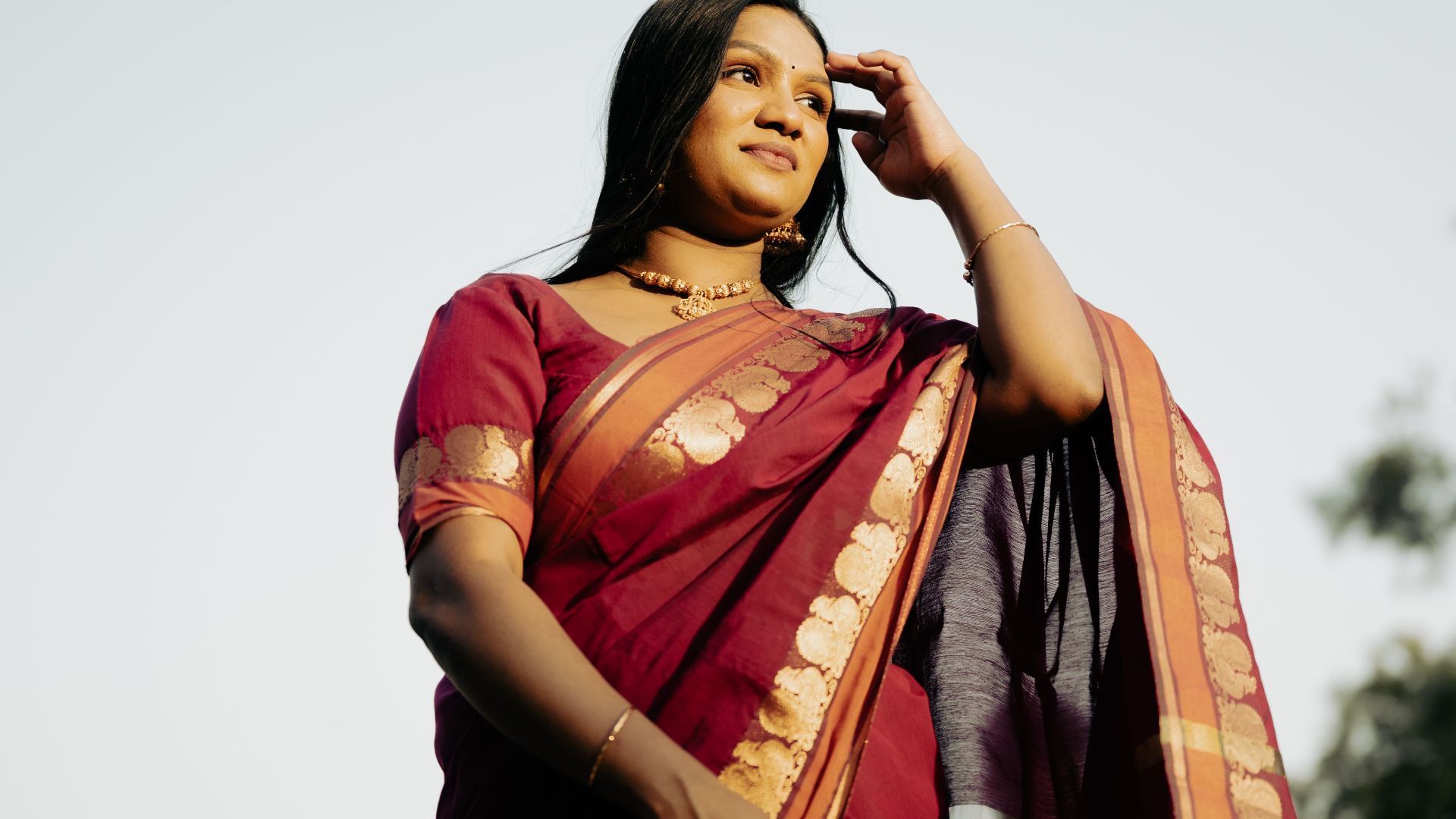
2. Saris
The sari has been worn in South Asia in various forms for thousands of years, making it one of the world's longest-lasting garments. At its core, it's still a long, unstitched piece of fabric wrapped and draped around the body. Draping styles vary widely by region, but the basic idea has required surprisingly little redesign.
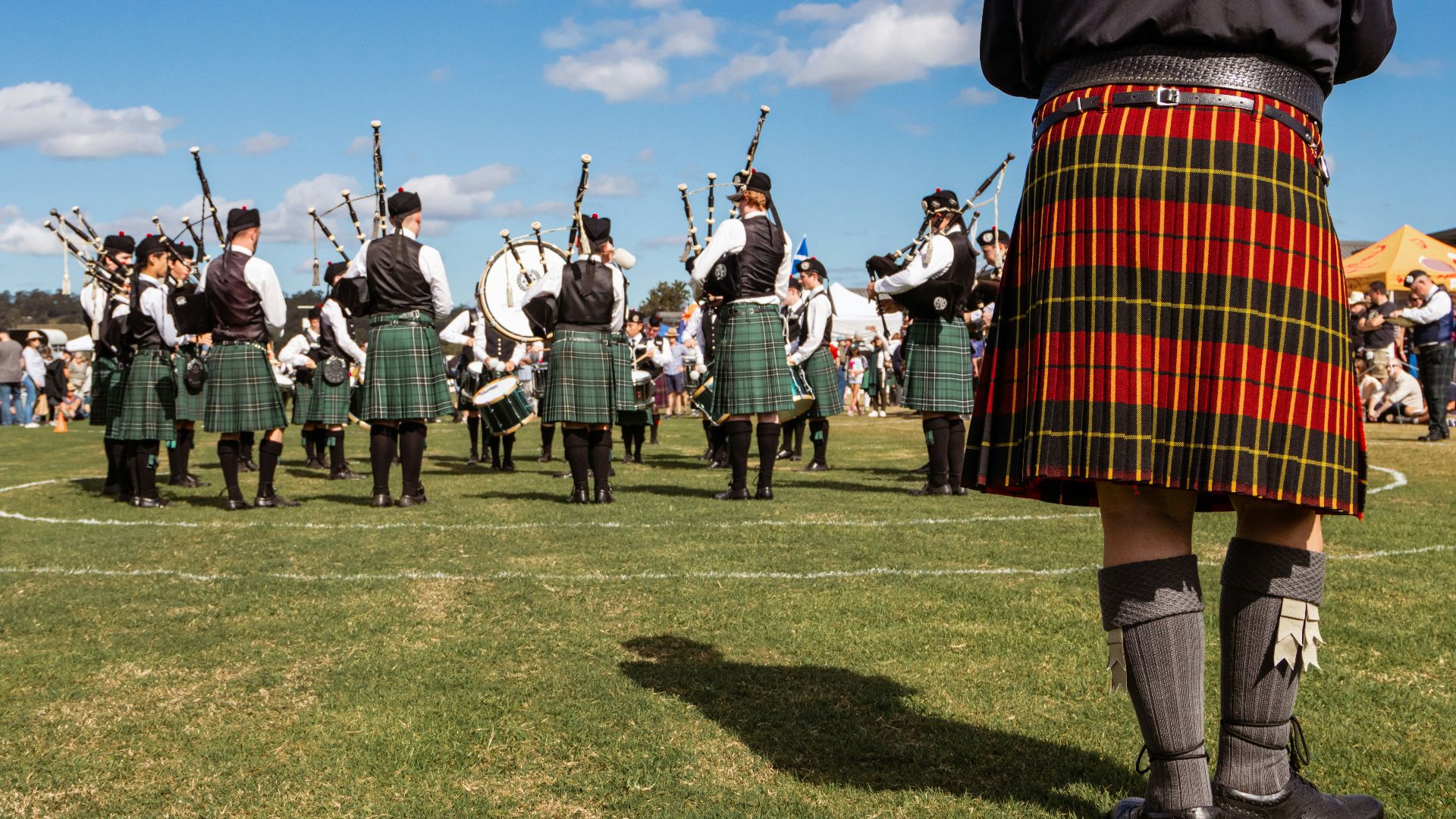
3. Kilts
Kilts are strongly associated with Scotland, particularly from the early modern period onward. The tailored modern kilt developed from larger pieces of pleated tartan cloth that were wrapped around the body. Today's versions may be more standardized, but the pleats, tartan fabric, and knee-length shape remain immediately recognizable.
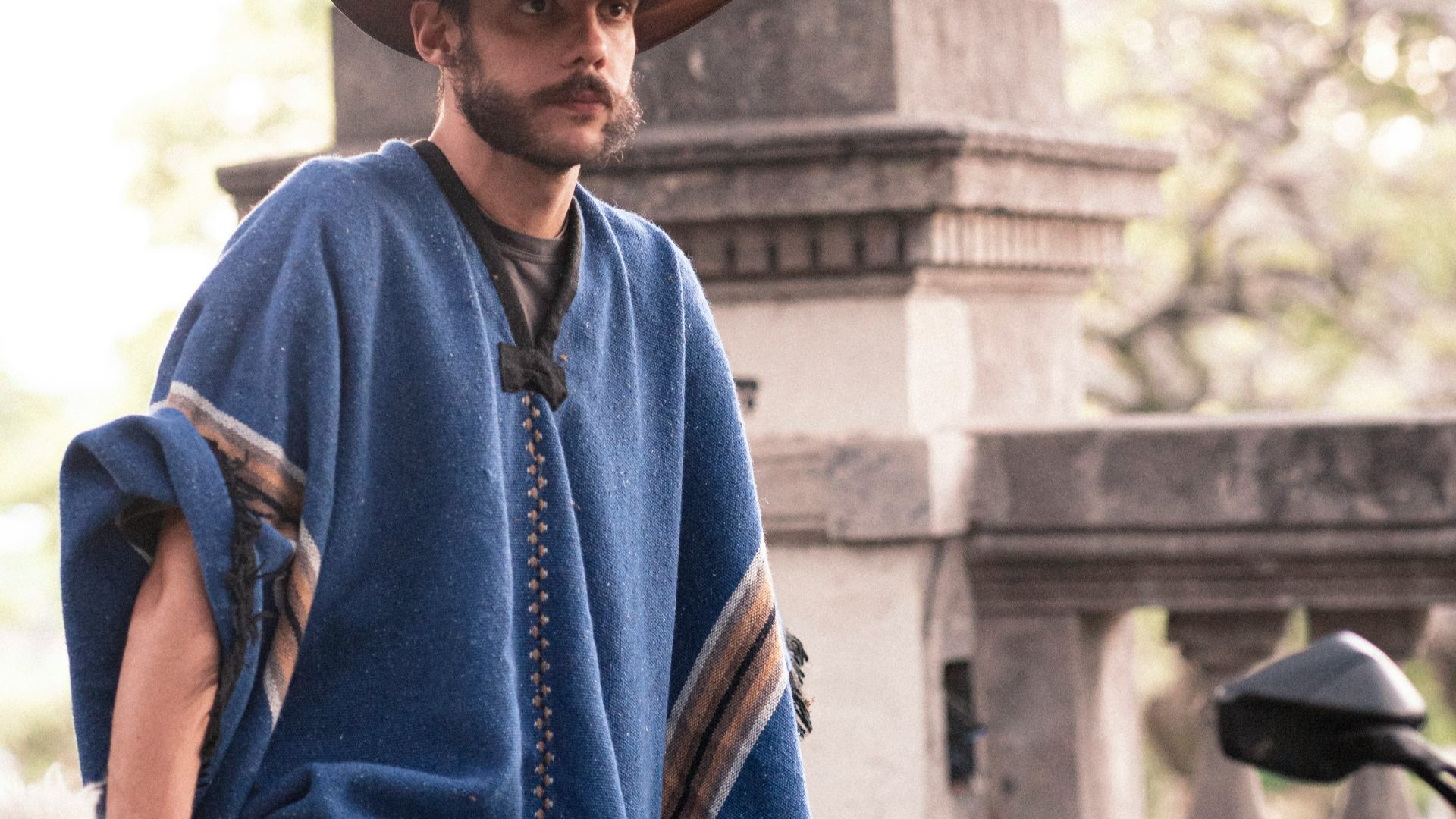
4. Ponchos
Long before ponchos became everyday rainwear and fashion pieces elsewhere, Indigenous peoples of South America were wearing simple garments made from large pieces of fabric with openings for the head. That straightforward construction is still the defining feature of the poncho. You can change the fabric, color, or length, but there isn't much reason to mess with the basic design.
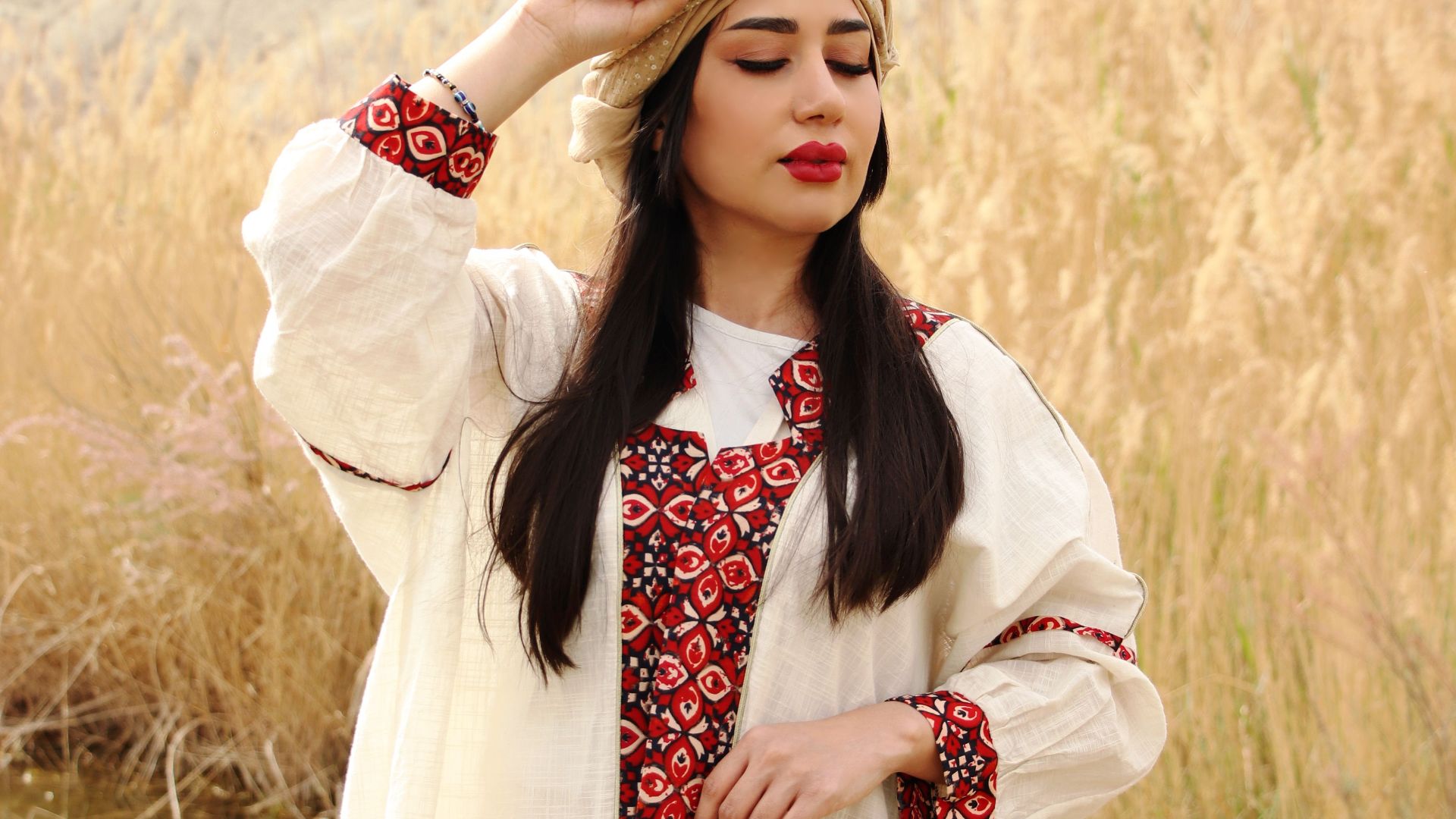
5. Turbans
Turbans have been worn across parts of South Asia, the Middle East, North Africa, and other regions for centuries. At its simplest, a turban remains a length of cloth carefully wrapped around the head. Different cultures have developed their own wrapping methods and meanings, yet the basic garment itself hasn't needed some major technological upgrade.

6. Loincloths
Few garments can compete with the loincloth when it comes to sheer longevity. Versions have appeared across ancient Egypt, Africa, Asia, the Americas, and the Pacific because the construction couldn't be much simpler. A piece of cloth secured around the waist provided basic coverage thousands of years ago, and essentially identical forms still exist.

7. Tunics
Tunics were everyday clothing in numerous ancient societies, including Greece and Rome, and the basic shape has never really disappeared. They're generally loose garments extending from the shoulders to somewhere around the hips or knees. Modern tunics might have different necklines and fabrics, but the loose, straight-cut silhouette would hardly confuse an ancient wearer.
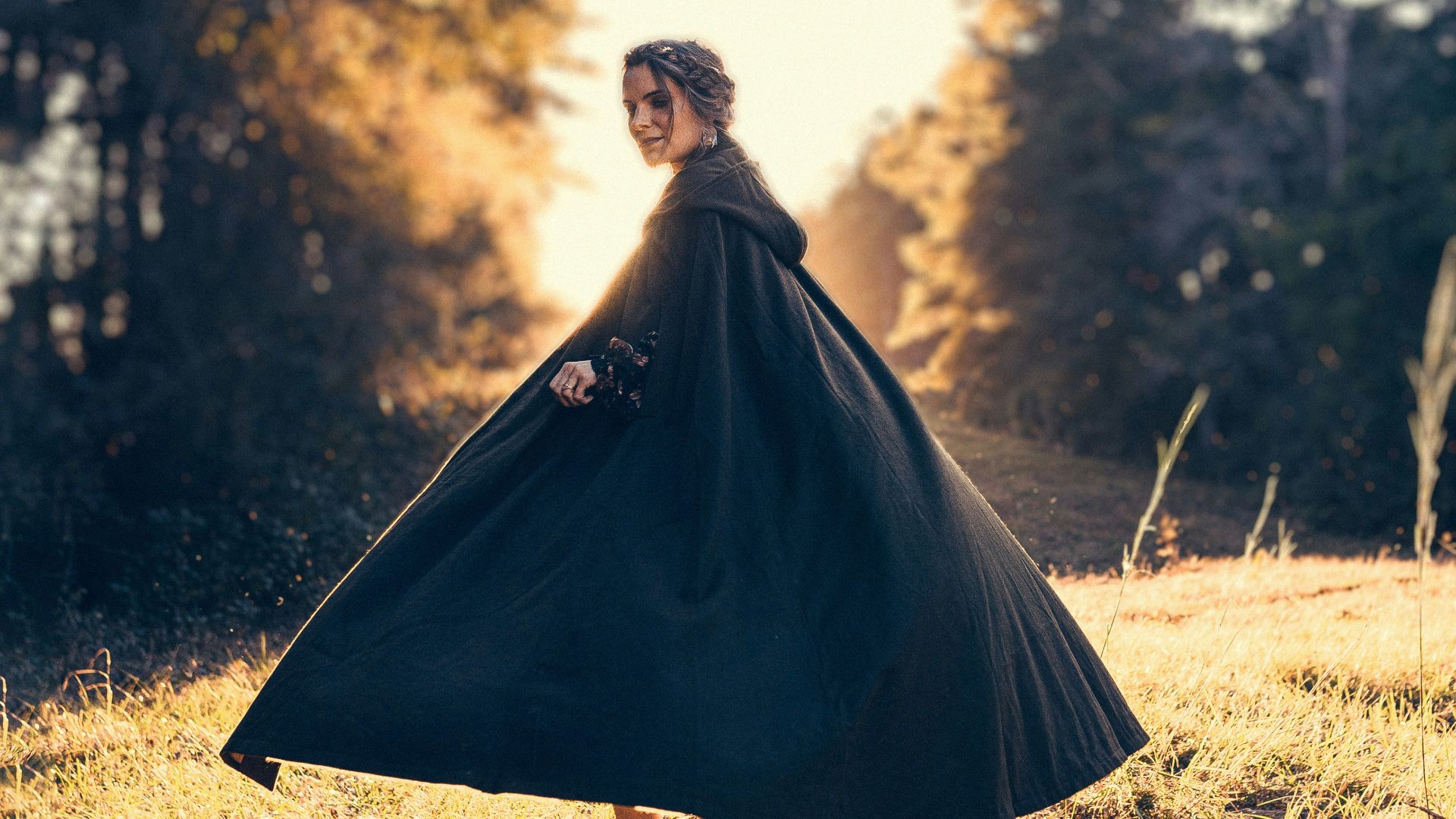
8. Cloaks
Before complicated coats filled closets, people often dealt with cold weather by wrapping themselves in a large piece of fabric. Cloaks have been worn for centuries because their basic construction provides warmth while fitting over other clothing. Although they may not be as common in everyday attire, modern ceremonial, military, and fashion versions still rely on essentially the same shoulder-draped design.
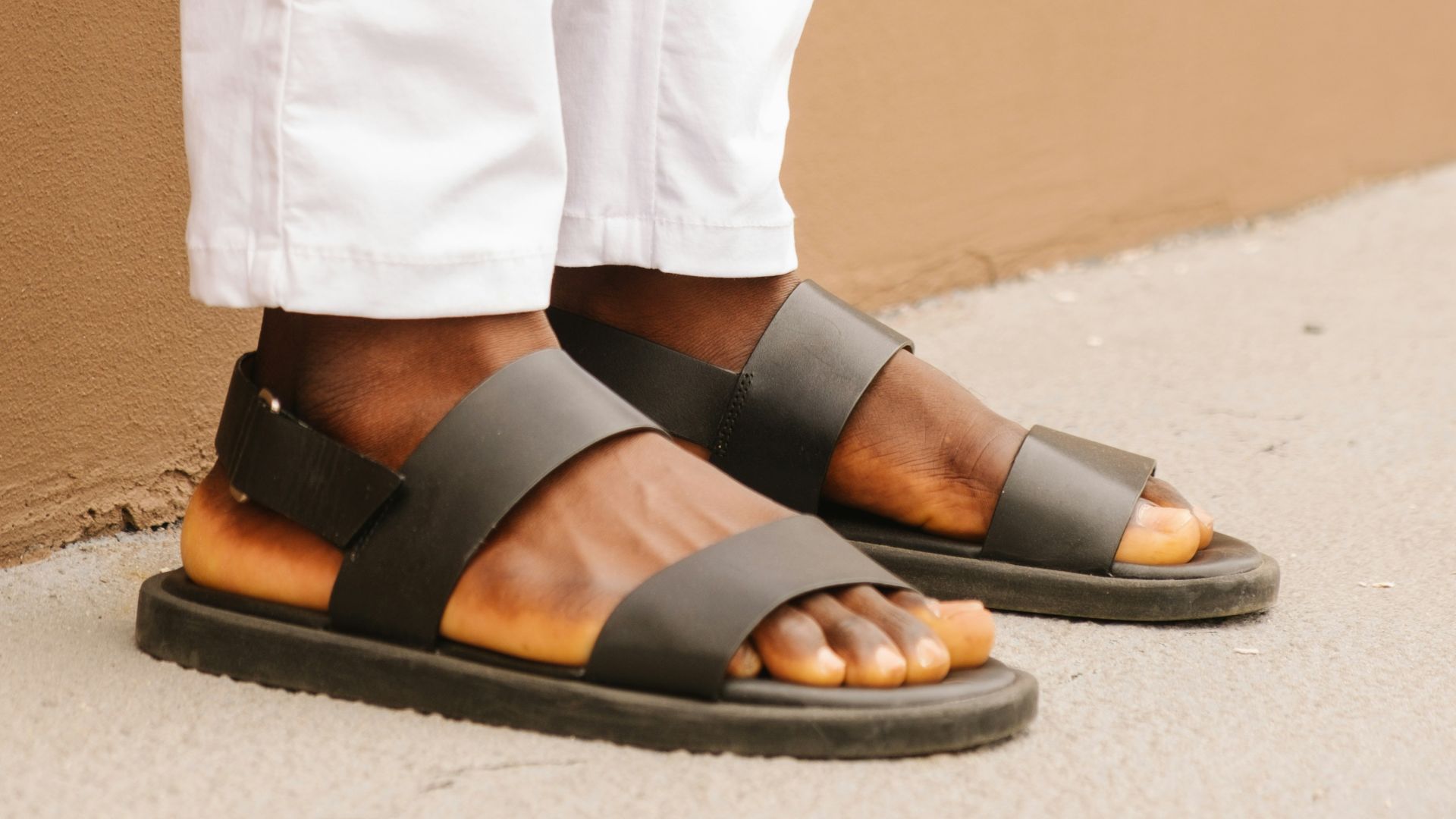
9. Sandals
Ancient sandals preserved in places such as Egypt look surprisingly understandable to modern eyes. A sole attached to the foot with straps remains the basic formula, whether it's made from leather, woven fibers, rubber, or another material. Designers have introduced countless variations, but they haven't found much reason to abandon that incredibly old structure.
10. Moccasins
Moccasins have a long history among Indigenous peoples of North America, with designs adapted to different climates and terrain. Traditional versions were usually made from soft animal hides shaped closely around the foot. Modern moccasins often feature manufactured soles and decorative additions, but their flexible construction continues to follow the traditional form.
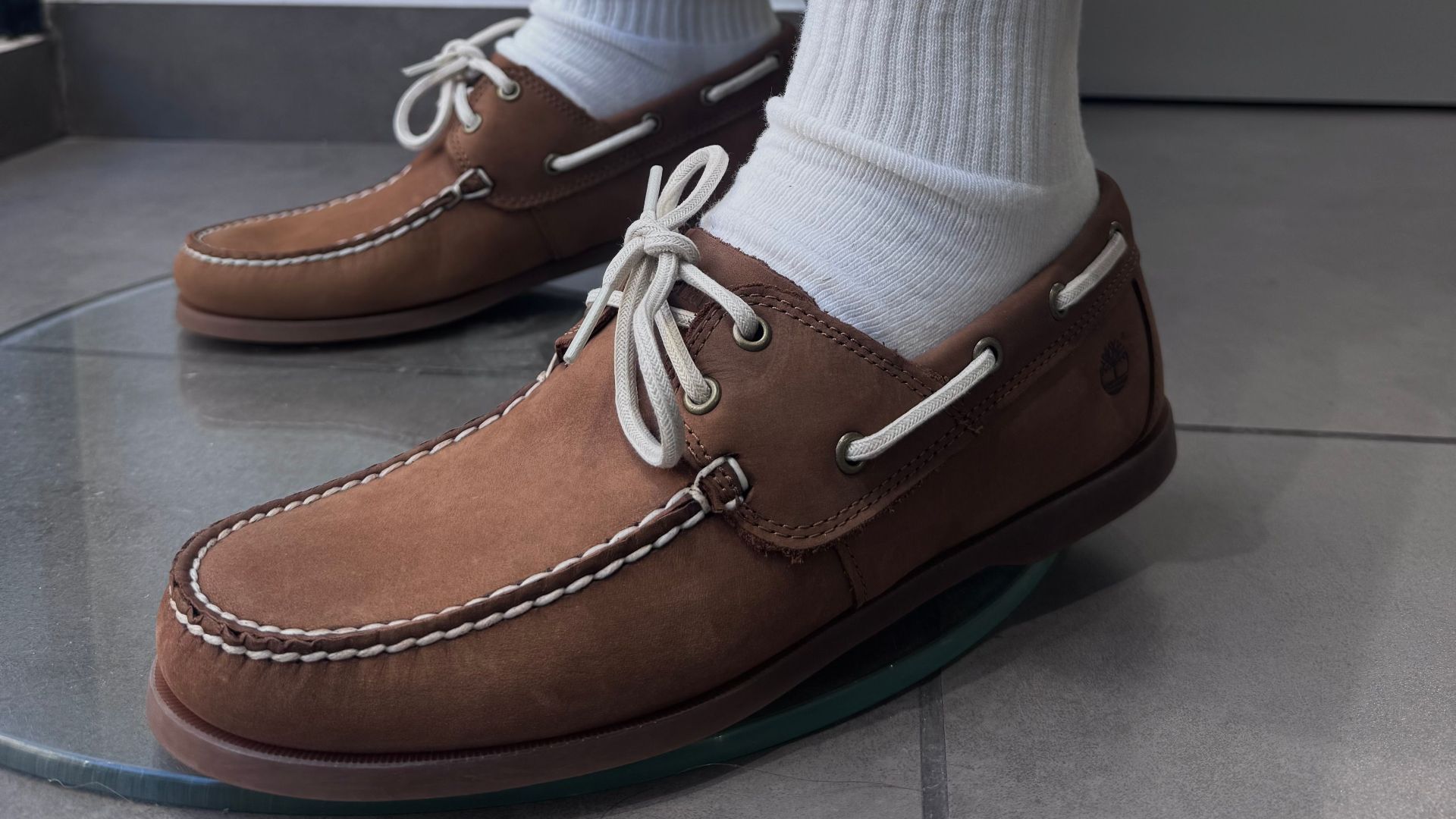
11. Kaftans
The kaftan has appeared in different forms across the Middle East, North Africa, Central Asia, and surrounding regions for many centuries. It's typically a long, loose robe with sleeves, which gives the wearer plenty of room to move. Decorations and fabrics can become extremely elaborate, but the underlying silhouette has remained remarkably consistent.
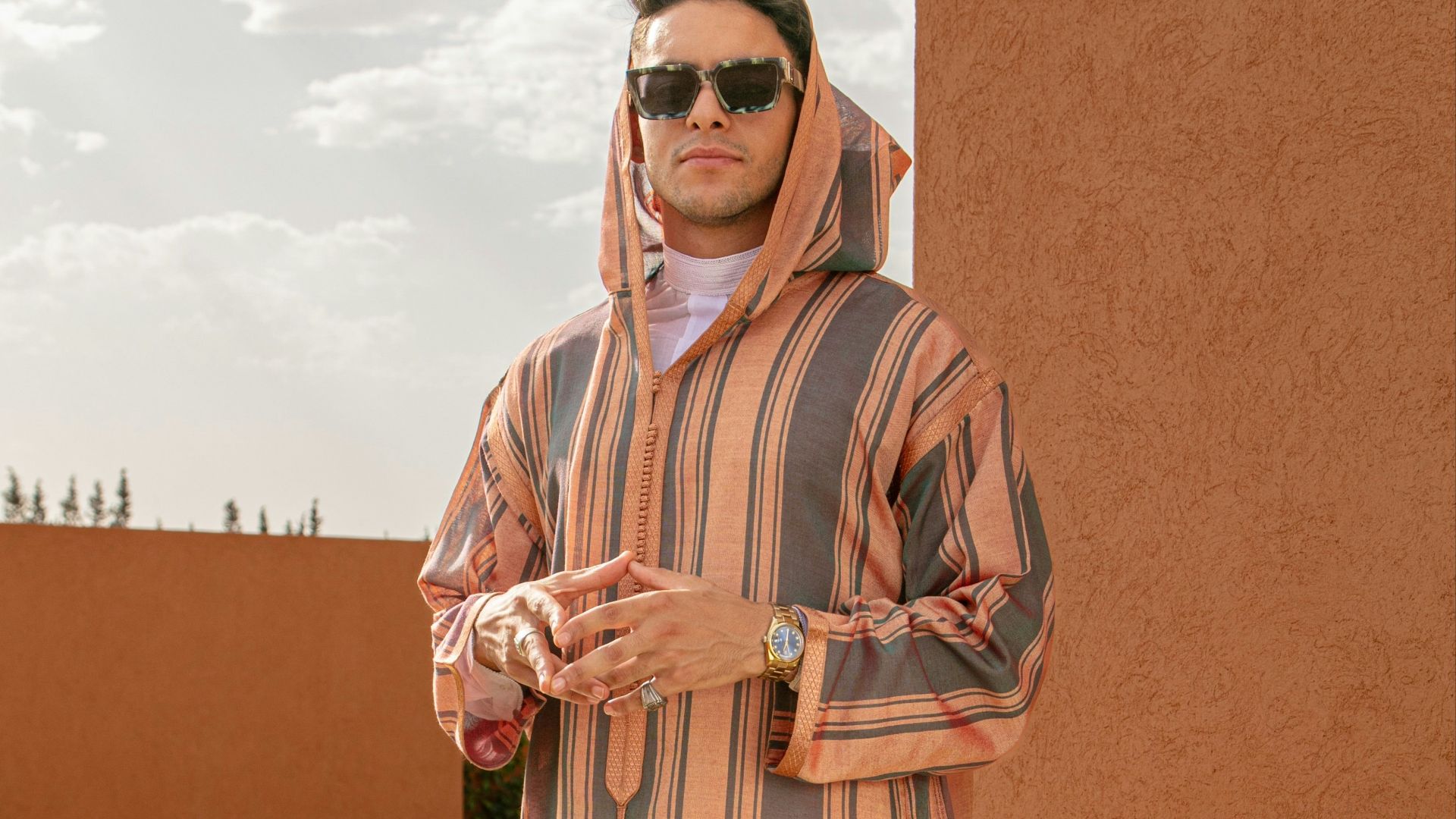
12. Dhotis
The dhoti has been worn in South Asia for centuries and continues to appear in both daily life and formal settings. It's made from a long rectangular piece of cloth wrapped around the waist and legs. Regional methods differ, but the garment's basic construction remains rooted in the same old approach.

13. Jeogori
The jeogori has been a central part of traditional Korean clothing for centuries and is worn as the upper garment of a hanbok. Its proportions have shifted over time, but the overlapping front, sleeves, and tied closure remain recognizable features. Modern versions are often more streamlined or decorative, yet the basic structure still clearly reflects its historical roots.
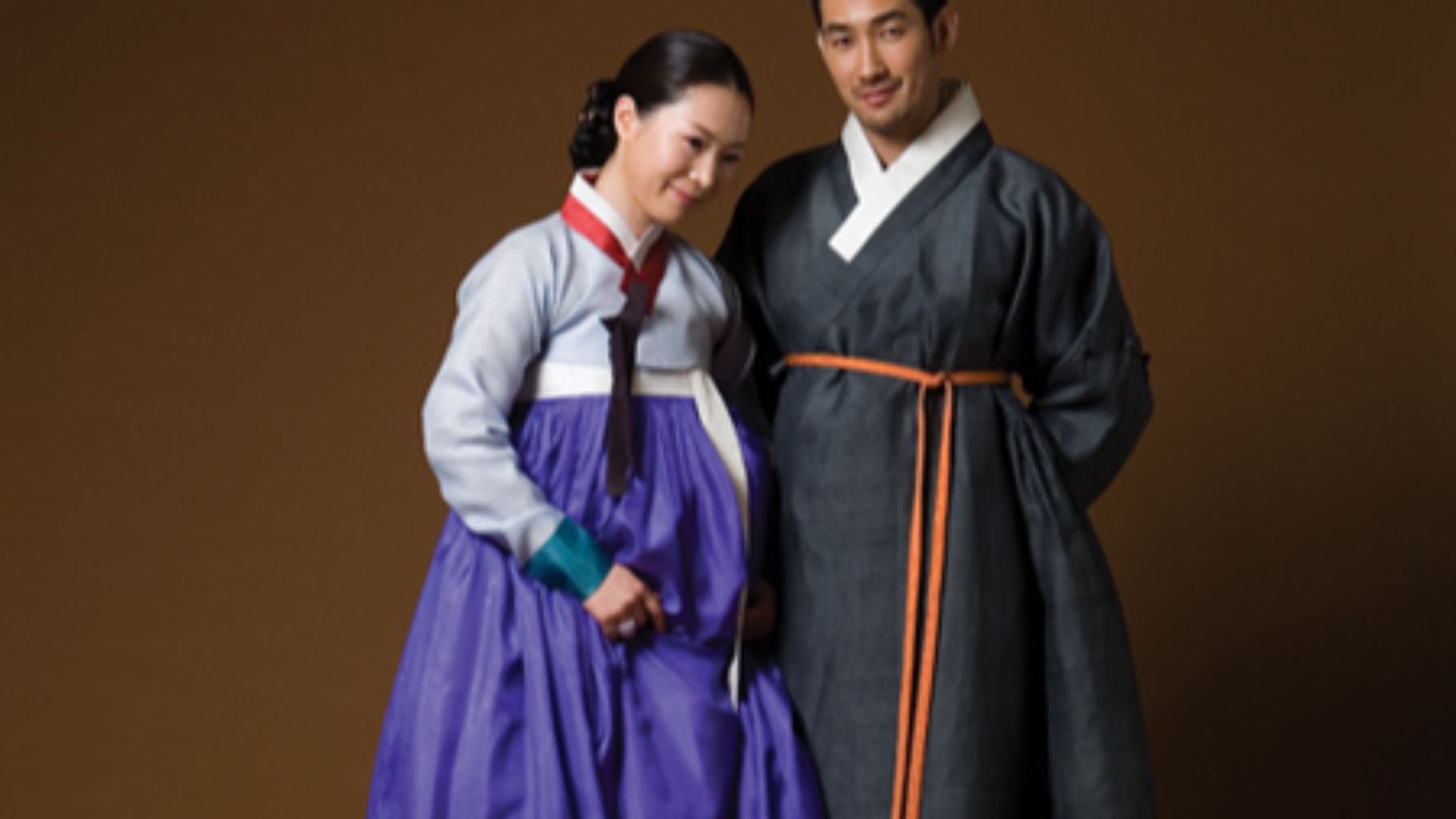
14. Sarongs
Sarong-style garments have been worn throughout Southeast Asia and other tropical regions for generations. The concept is wonderfully straightforward: a large piece of fabric is wrapped around the waist to create a skirt-like garment. Prints and tying methods may differ from place to place, yet its basic construction hardly needs changing.
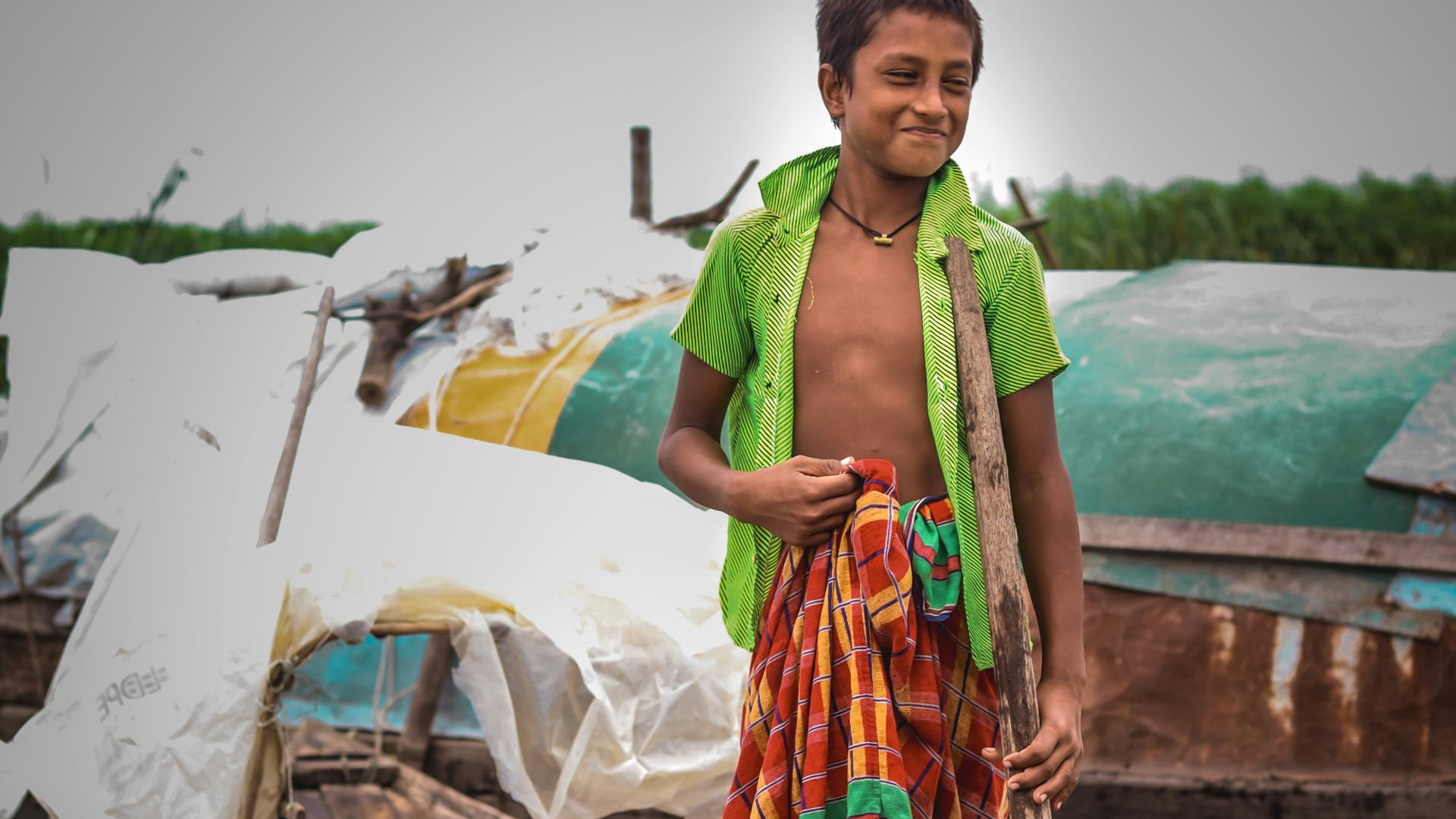
15. Babouches
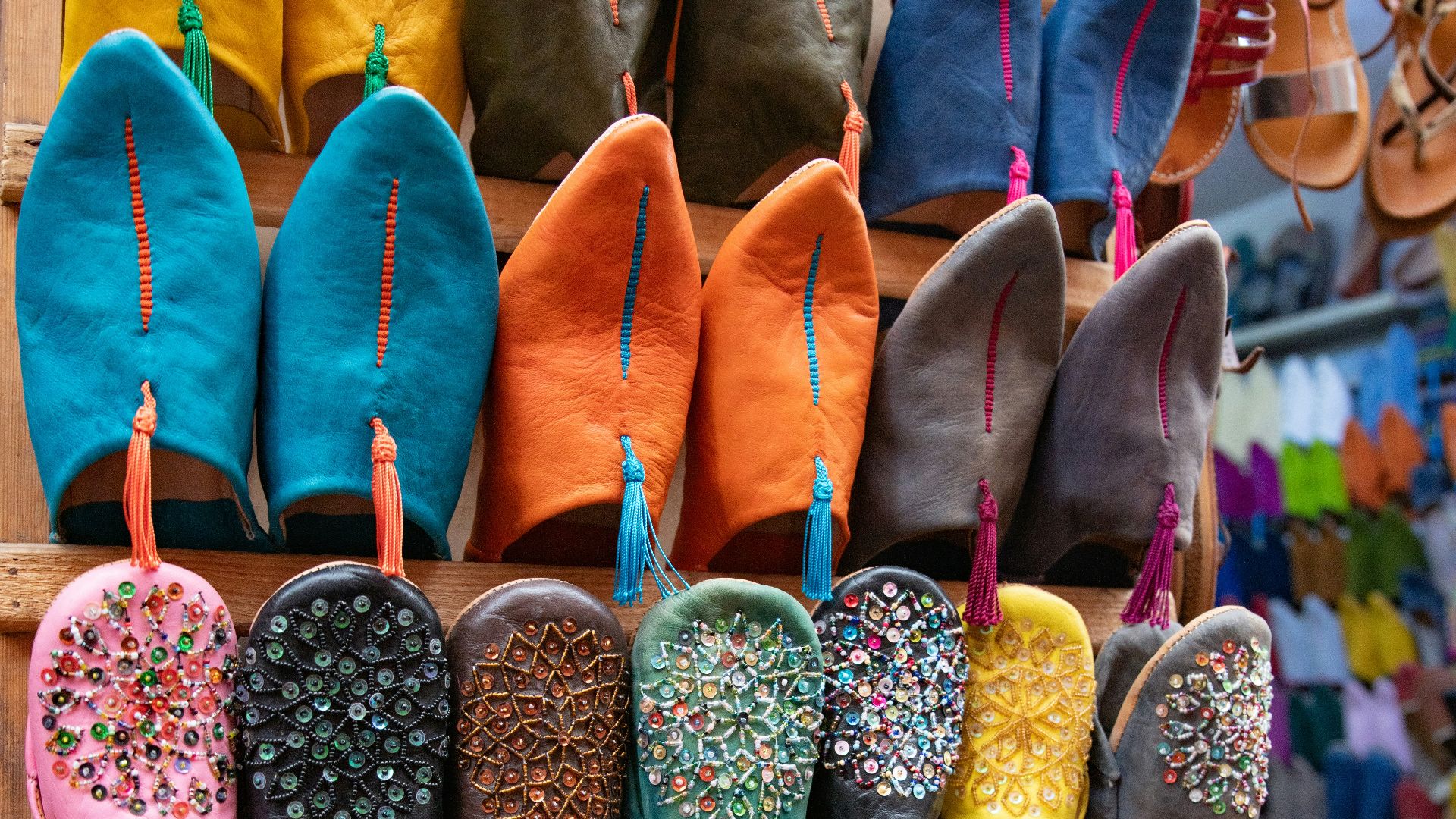
These soft, often backless slippers have been worn in Morocco and surrounding regions for centuries. Traditional babouches are typically made from leather and have a low profile with a pointed or rounded toe. You can find updated colors and finishes today, but the recognizable slipper shape has stayed remarkably close to older examples.
16. Alpargatas
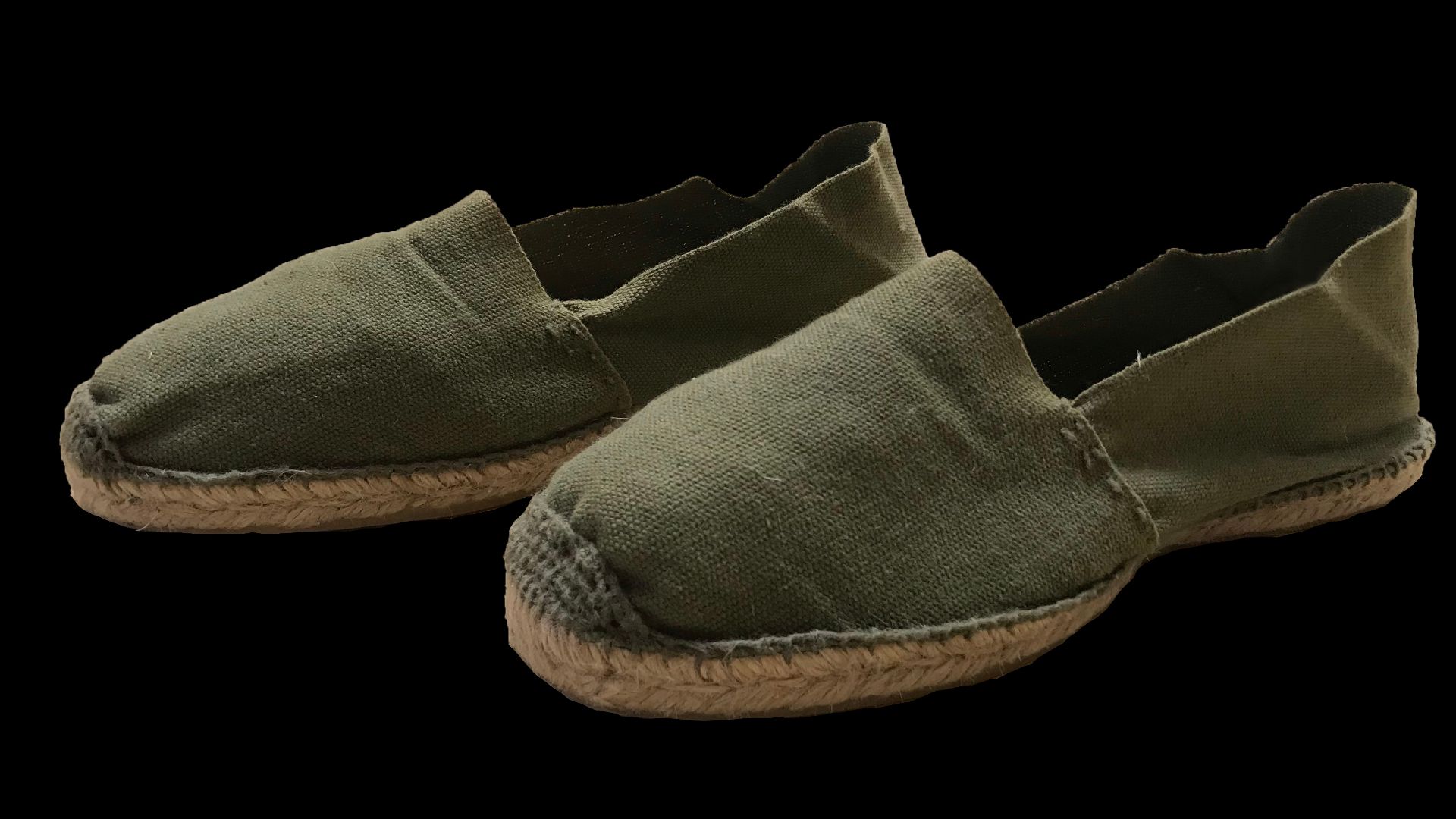
Simple rope-soled shoes related to today's espadrilles have been worn around the western Mediterranean for centuries. Their classic construction combines a lightweight cloth upper with a sole traditionally made from plant fibers. Modern manufacturers may use rubber and sturdier materials, but the basic summer shoe hasn't strayed very far from its ancestors.
17. Lederhosen
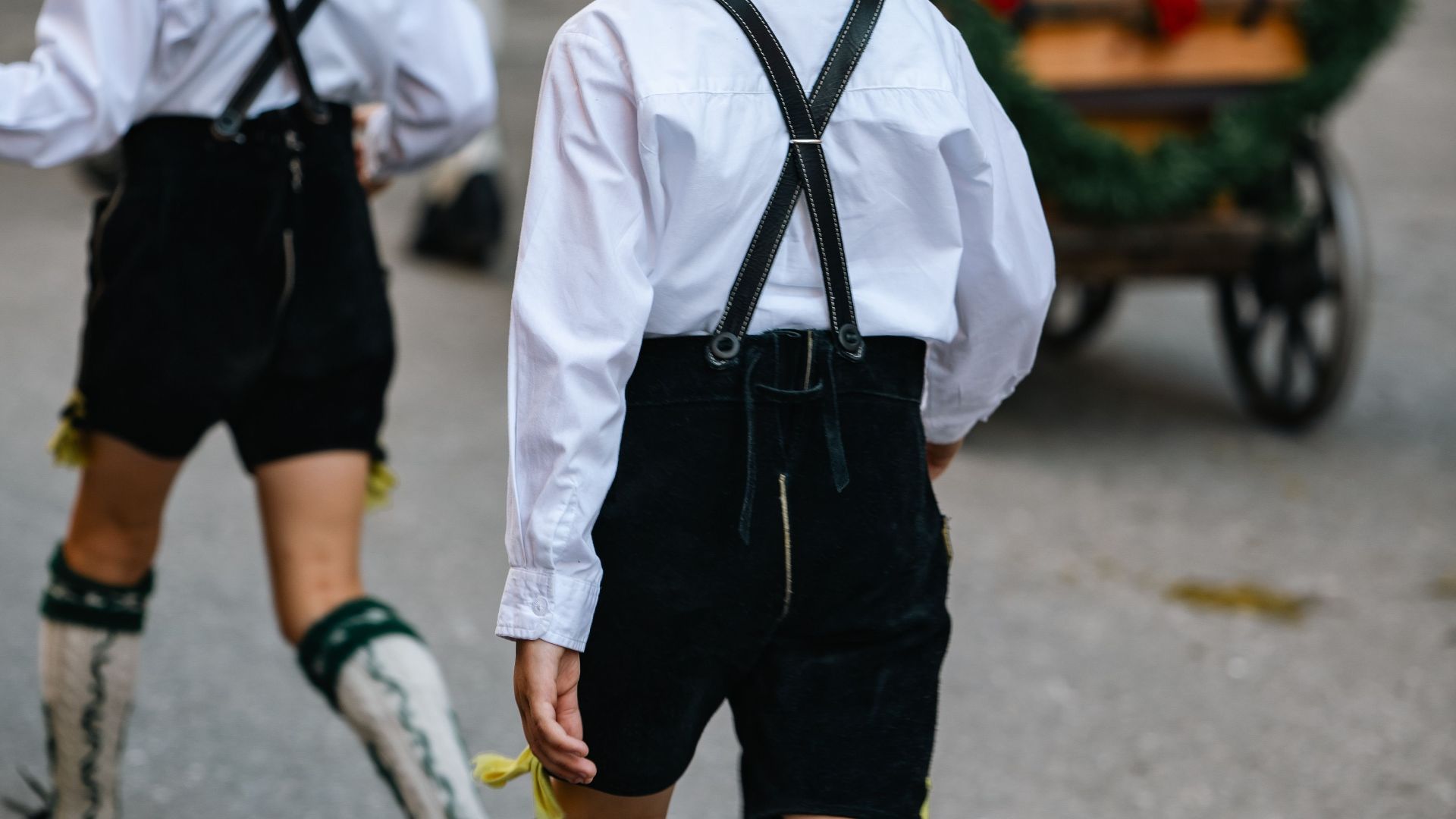
Lederhosen have been associated with Alpine regions of Central Europe for centuries, particularly as durable clothing for physical work. They're essentially knee-length or shorter leather breeches, often worn with suspenders and decorated with embroidery. Today's festival versions can be much fancier, but their recognizable shape is still grounded in older working garments.
18. The Chinese Dudou
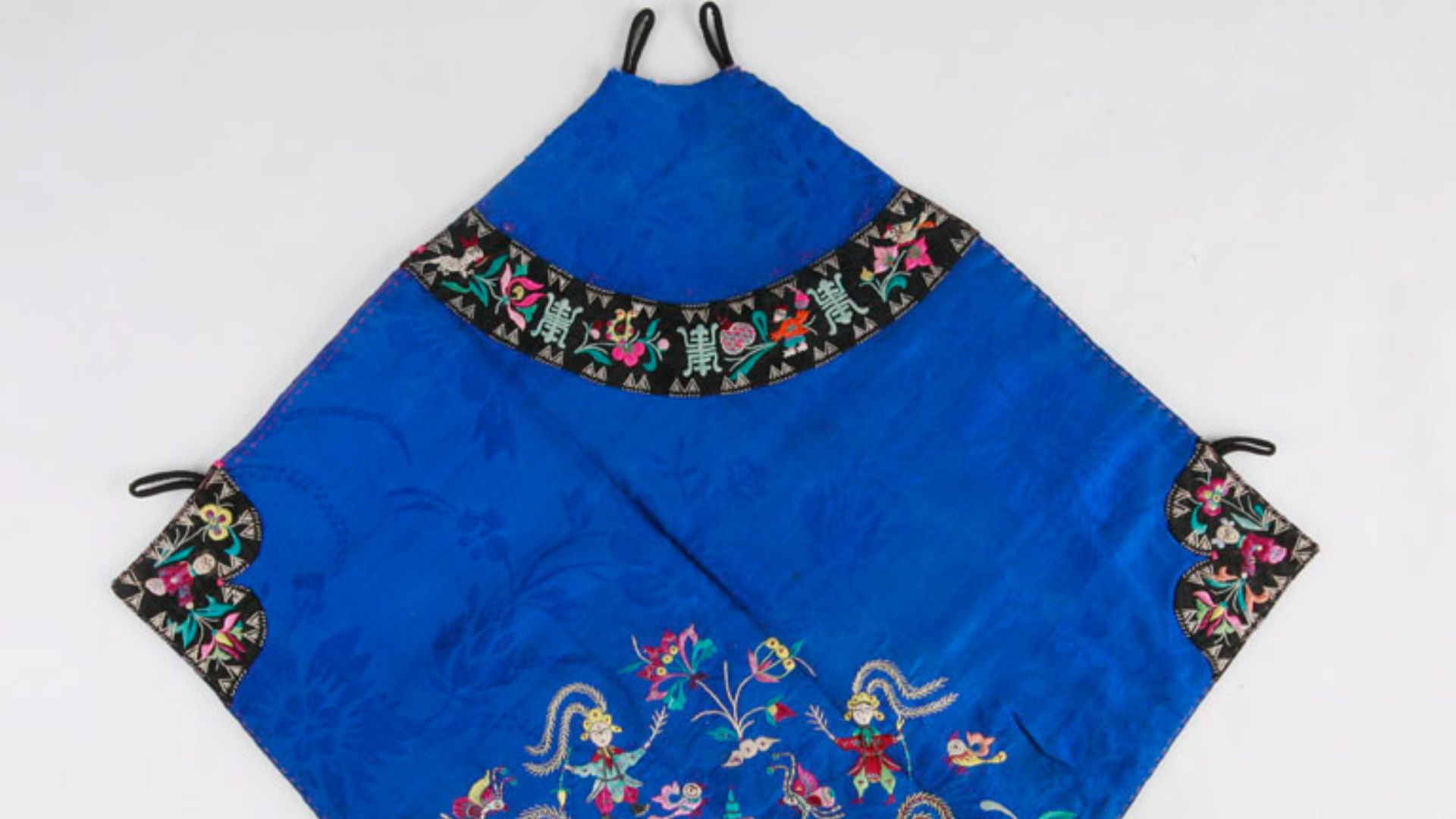
The dudou is a traditional Chinese garment with a history stretching back centuries. Typically consisting of a shaped piece of fabric tied around the neck and back, it was historically worn close to the body. Although it's no longer used as everyday functional underwear, it's transformed into a fashion statement and cultural throwback.
19. The Hood
Long before hoodies existed, people were attaching or wearing fabric coverings around their heads and necks for warmth and protection. Medieval European hoods, for example, already performed much the same basic job as the hood on your sweatshirt or jacket today. Modern versions might use drawstrings, waterproof fabrics, and synthetic insulation, but the shape itself remains wonderfully familiar.

20. The Apron
Aprons have protected people's clothing during messy work for centuries, and their continued survival isn't difficult to understand. The familiar design consists of fabric covering the front of the body and fastening around the waist, sometimes with an additional bib over the chest. Materials and styles have changed, but the apron hanging in a modern kitchen still follows a very old and practical formula.