
Beauty Keeps Moving the Goalposts
The perfect body has changed shape multiple times over history. A figure that stood for wealth in one century could look sickly or indulgent in the next, depending on who held the paintbrush. Corsets and camera lenses both had their say, and now Instagram does too. Few of those ideals had much to do with health. Here's 10 body types that were once considered ideal. Here are 10 body types once considered ideal and 10 that are coveted today.

1. The Venus of Willendorf
Archaeologists found a small limestone figure of a woman with wide hips and a round belly near Willendorf, Austria, in 1908. She's roughly 25,000 to 30,000 years old and about 11 centimeters tall, small enough to fit in the palm of your hand. Researchers still argue about whether she stood for a beauty standard or a fertility charm.
 User:MatthiasKabel on Wikimedia
2. Ancient Egypt's Slim Silhouette
Egyptian tomb paintings from more than 3,000 years ago show women with narrow shoulders and slim hips in close-fitting linen dresses. Artists placed the waist high and kept the lines long and straight. The look stayed consistent across centuries of Egyptian art, partly because painters followed strict grids for proportions.
 Unknown authorUnknown author on Wikimedia
3. The Aphrodite of Knidos
Around 350 BC, the sculptor Praxiteles carved the Aphrodite of Knidos, one of the first life-size statues of a fully nude woman in Greek art. Her figure is soft, with sloping shoulders and full hips. The Roman writer Pliny the Elder claimed people sailed to Knidos just to see her.
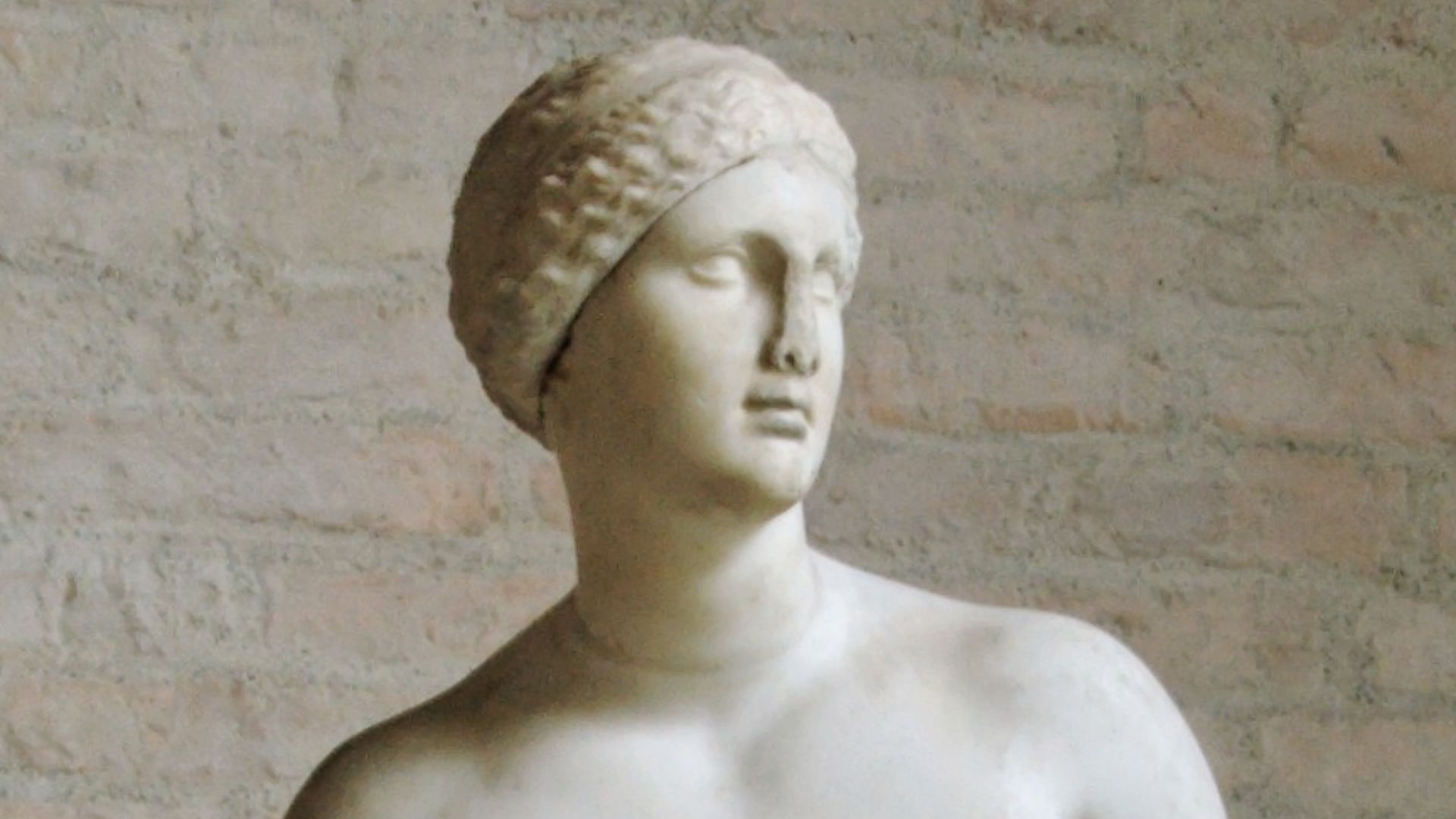 Unknown artistUnknown artist on Wikimedia
4. Tang Dynasty Fullness
China's ideal swung back and forth between dynasties, from slender to full and back again. During the Tang dynasty, court ladies in paintings and clay tomb figurines appear with round faces and fuller figures, dressed in loose, high-waisted robes. Yang Guifei, the famous consort of Emperor Xuanzong in the 700s, became the symbol of that look.
 Gary Lee Todd, Ph.D. on Wikimedia
5. The Rubens Figure
Peter Paul Rubens painted soft, full-bodied women across Flanders in the early 1600s. In his time, a generous figure signaled that a woman's family could afford plenty to eat. His name stuck around as an adjective, and dictionaries still list Rubenesque for a plump, curvy build.
 Peter Paul Rubens on Wikimedia
6. The Victorian Corset
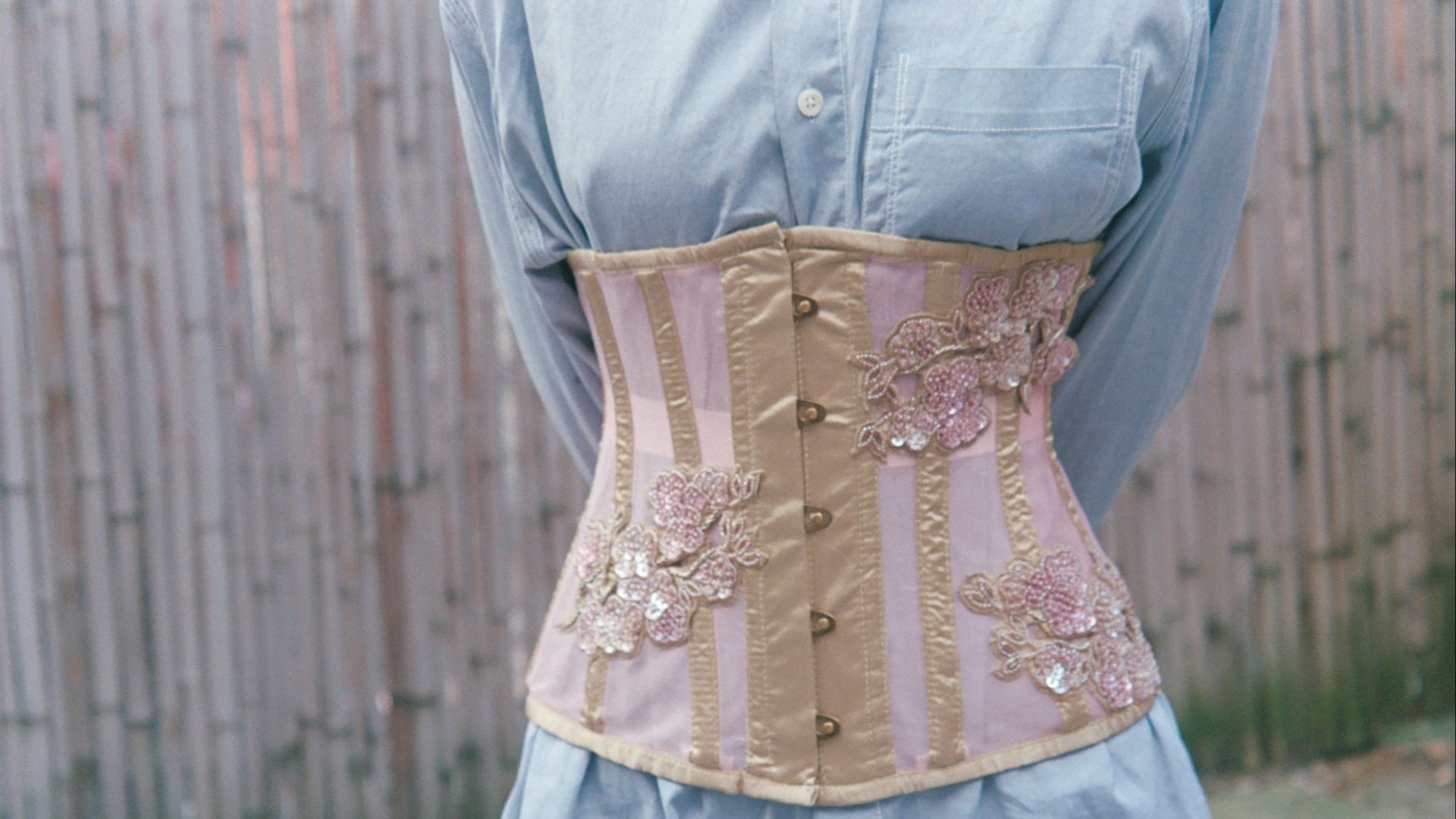
Nineteenth-century fashion demanded a tiny waist between a full bust and wide skirts. Some women laced their corsets tighter over years to shrink their waistlines, a practice called tightlacing. Doctors of the era warned about its effects on breathing and digestion, and the corsets stayed on for decades.
7. The Gibson Girl
Illustrator Charles Dana Gibson drew a tall, confident woman who defined American beauty around 1900 in magazines like Life and Collier's. The S-bend corset of the period pushed her chest forward and her hips back. She looked poised in the drawings, though the posture took real effort to hold.
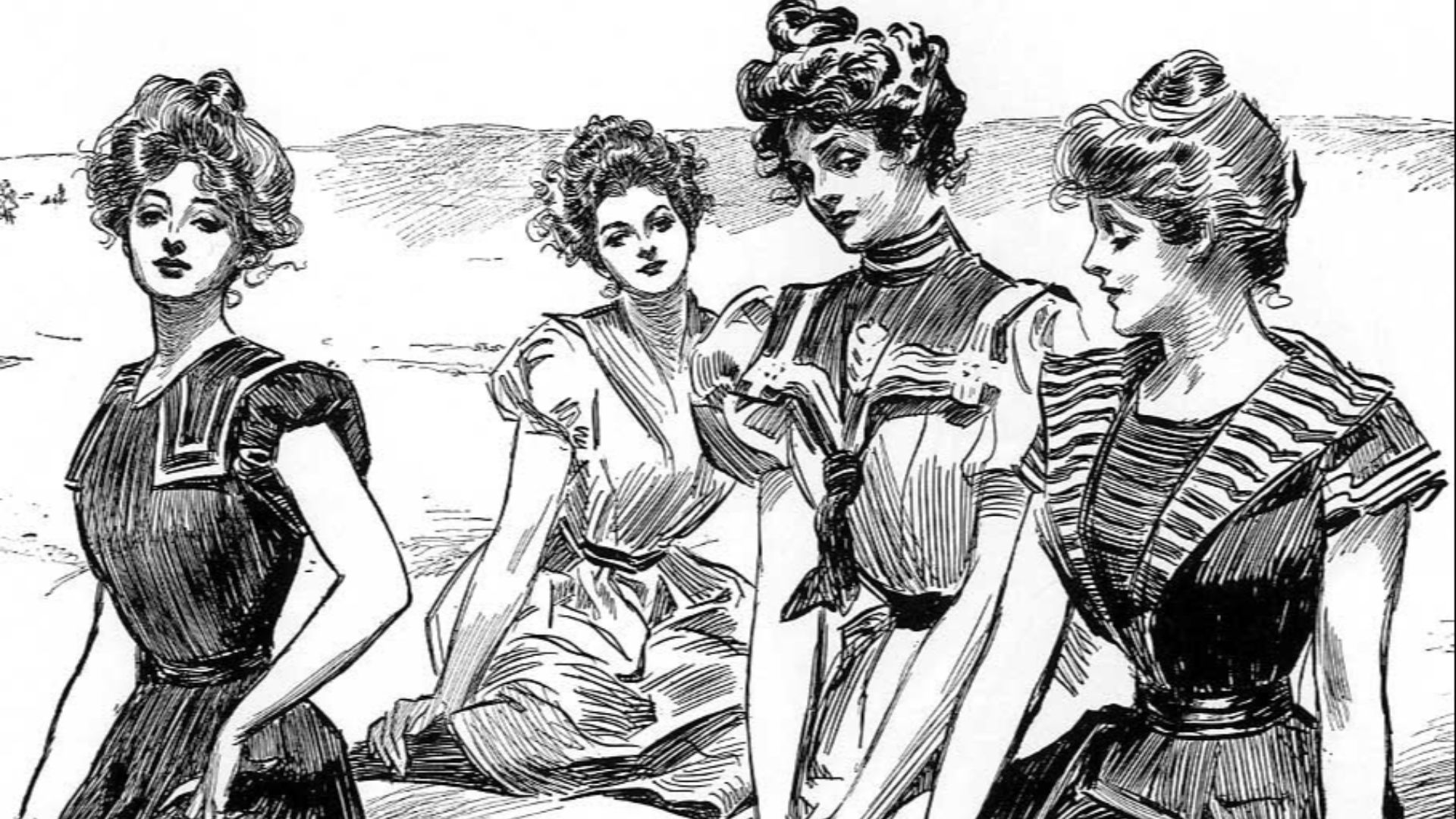 Charles Dana Gibson on Wikimedia
8. The Flapper
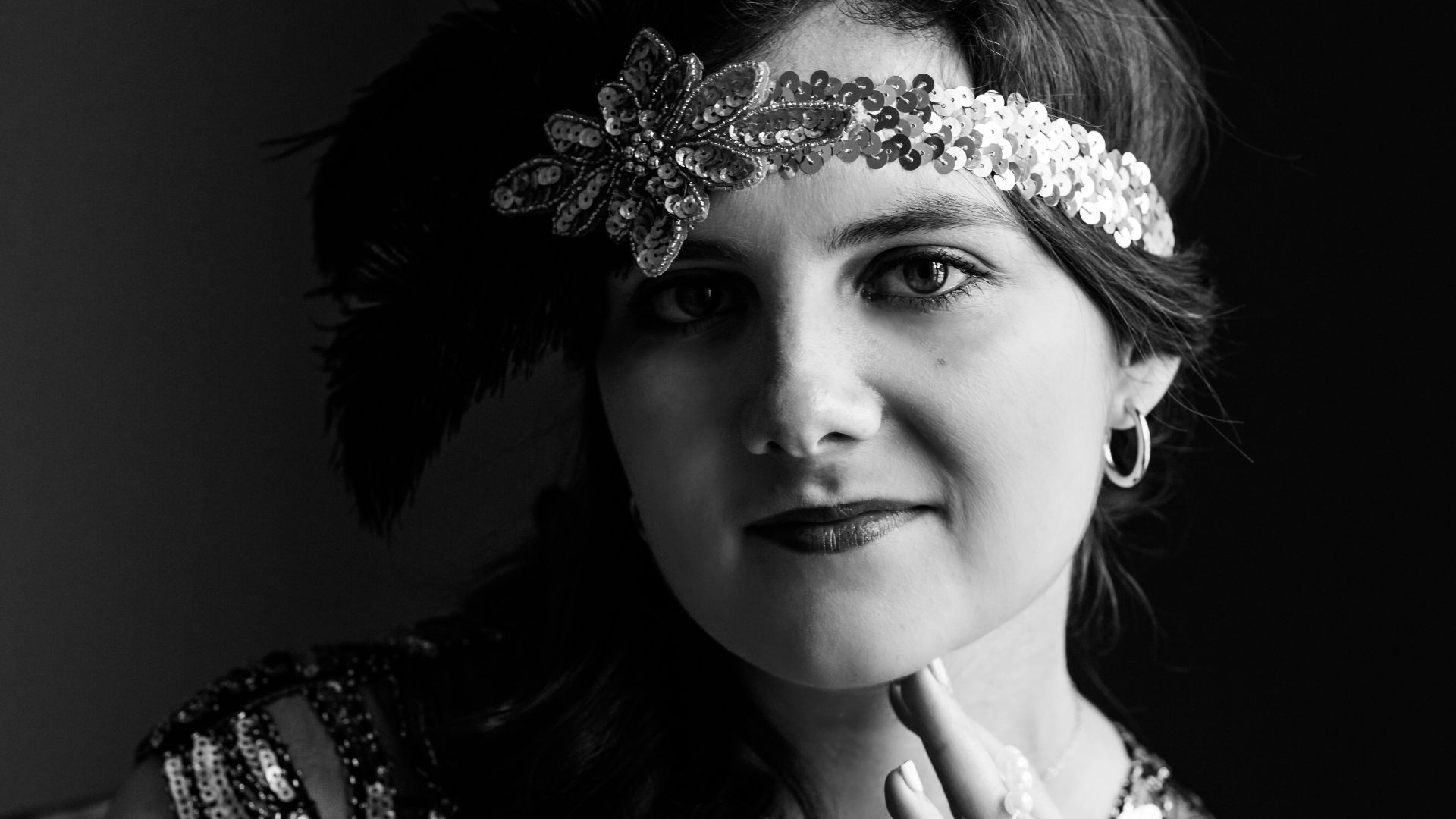
The 1920s loosened the corset's grip. Flappers wanted a straight, boyish line, and many flattened their chests with bandeau-style bras. Dropped waists and short hemlines made curves beside the point, and dancing the Charleston in a corset would have been miserable anyway.
9. The 1950s Hourglass
Marilyn Monroe is often described as a size 12 or larger. Manufacturers have put steadily smaller numbers on bigger clothes since then, so a vintage size 12 fits closer to a modern 6 or 8. The ideal of the decade was curvy, with a defined waist that girdles helped create.

10. The Twiggy Frame
In 1966, a 16-year-old Londoner named Lesley Hornby was named the face of the year by the Daily Express. Known as Twiggy, she had a slight frame and huge painted lashes that became her trademark. Her look pushed runway modeling toward thinner and younger bodies for years afterward.
Now, here's 10 body types considered ideal today.
 Unknown; photo credited to the U.S. Associated Press on Wikimedia
1. Strong and Athletic
Women's weightlifting became an Olympic event at the 2000 Sydney Games. The ideal now values visible muscle and a body that can lift something heavy. CrossFit, founded the same year, built its workouts around barbells for men and women alike.

2. The Surgical Hourglass
A very small waist paired with wide hips became a signature look of the Instagram era. The Brazilian butt lift became the surgical route to it in the 2010s, moving fat from the stomach and thighs into the hips and buttocks. A 2017 task force of plastic surgeons estimated its death rate at about 1 in 3,000, the highest of any cosmetic procedure studied.
3. Unretouched Bodies
Aerie, the lingerie brand owned by American Eagle, stopped retouching its models in 2014. Its ads started showing the stretch marks and freckles that other lingerie brands routinely edited out of every photo. By 2018 the campaigns featured models using wheelchairs and insulin pumps, photographed the same way as everyone else.
 Rafaella Mendes Diniz on Unsplash
4. Runway Height
The CDC puts the average American woman at about 5 feet 4 inches. Major modeling agencies usually start runway scouting at 5 feet 8 inches, and plenty of working models stand closer to 6 feet. Height is one runway requirement that no workout can change.

5. Plus-Size on the Cover
Ashley Graham appeared on the cover of the 2016 Sports Illustrated Swimsuit Issue. She was the first plus-size model to land that spot in the issue's 50-plus-year run. Brands have since added wider size ranges, though many still stop short of the sizes most women wear.

6. Midsize
A 2016 study by researchers Deborah Christel and Susan Dunn found that the average American woman wears a size 16 to 18. Midsize became the popular label for the range between straight and plus sizes, roughly 10 to 14. Creators use the label to show how clothes fit bodies that most ads skip.

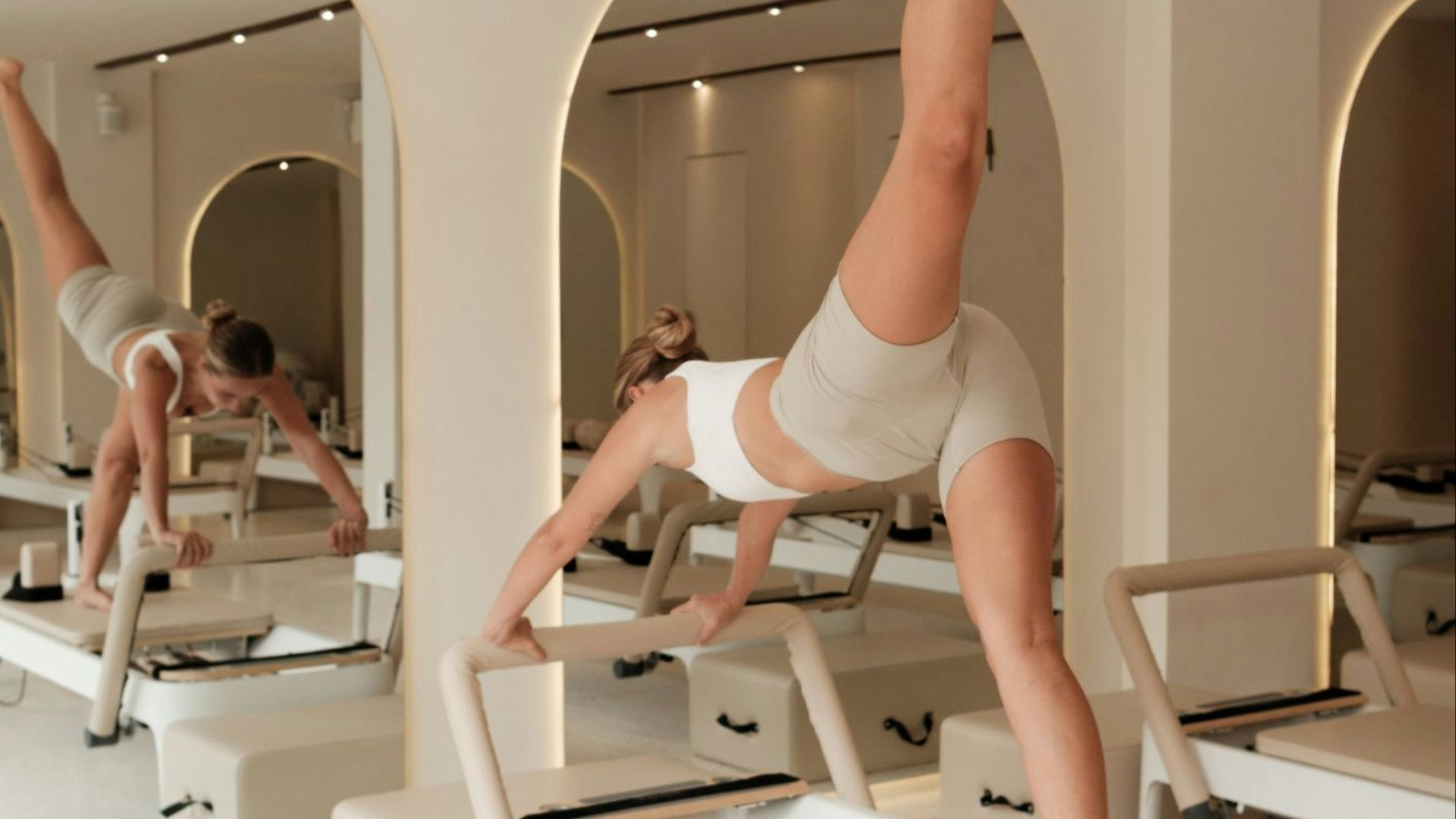
7. The Pilates Body
Joseph Pilates opened his New York studio in the 1920s to teach a method he called Contrology. A century later, his name is attached to a long, lean ideal built on core strength and flexibility. Studios still build their classes around the reformer machine he designed.
8. The Return of Very Thin
The FDA approved Wegovy for chronic weight management in 2021. As GLP-1 drugs spread, Vogue Business's size inclusivity reports counted fewer plus-size looks on major runways. The shift worried doctors and eating disorder advocates who had watched earlier thin ideals cause real harm.

9. The Pregnant Body
Demi Moore posed nude and seven months pregnant for the cover of Vanity Fair in August 1991, photographed by Annie Leibovitz. Some newsstands sold that issue wrapped in paper like an adult magazine. In 2023, Rihanna performed the Super Bowl halftime show while pregnant with her second child and used the performance to reveal it.

10. Aging in Plain Sight
At 81, Martha Stewart became the oldest cover model in Sports Illustrated Swimsuit history in 2023. She beat the record Maye Musk had set the year before at 74. Gray hair and laugh lines have started showing up in ad campaigns that once airbrushed them away.