Small Choices Have A Big Effect On Clothing Costs
A practical wardrobe isn’t necessarily built by spending less on every item, since the way you shop, care for clothing, and combine pieces matters just as much as the price tag. Some habits quietly drain your budget through unnecessary purchases and premature wear, while others help you use what you already own more often and keep favorite pieces in better condition. Here are 10 fashion habits that waste money and 10 that stretch your wardrobe further.

1. Buying Clothes For A Fantasy Lifestyle
It’s easy to purchase outfits for elegant dinners, adventurous vacations, or formal events that rarely appear on your calendar. Those pieces may be attractive, but they can sit untouched while your everyday wardrobe remains incomplete.
2. Shopping Without Checking Your Closet
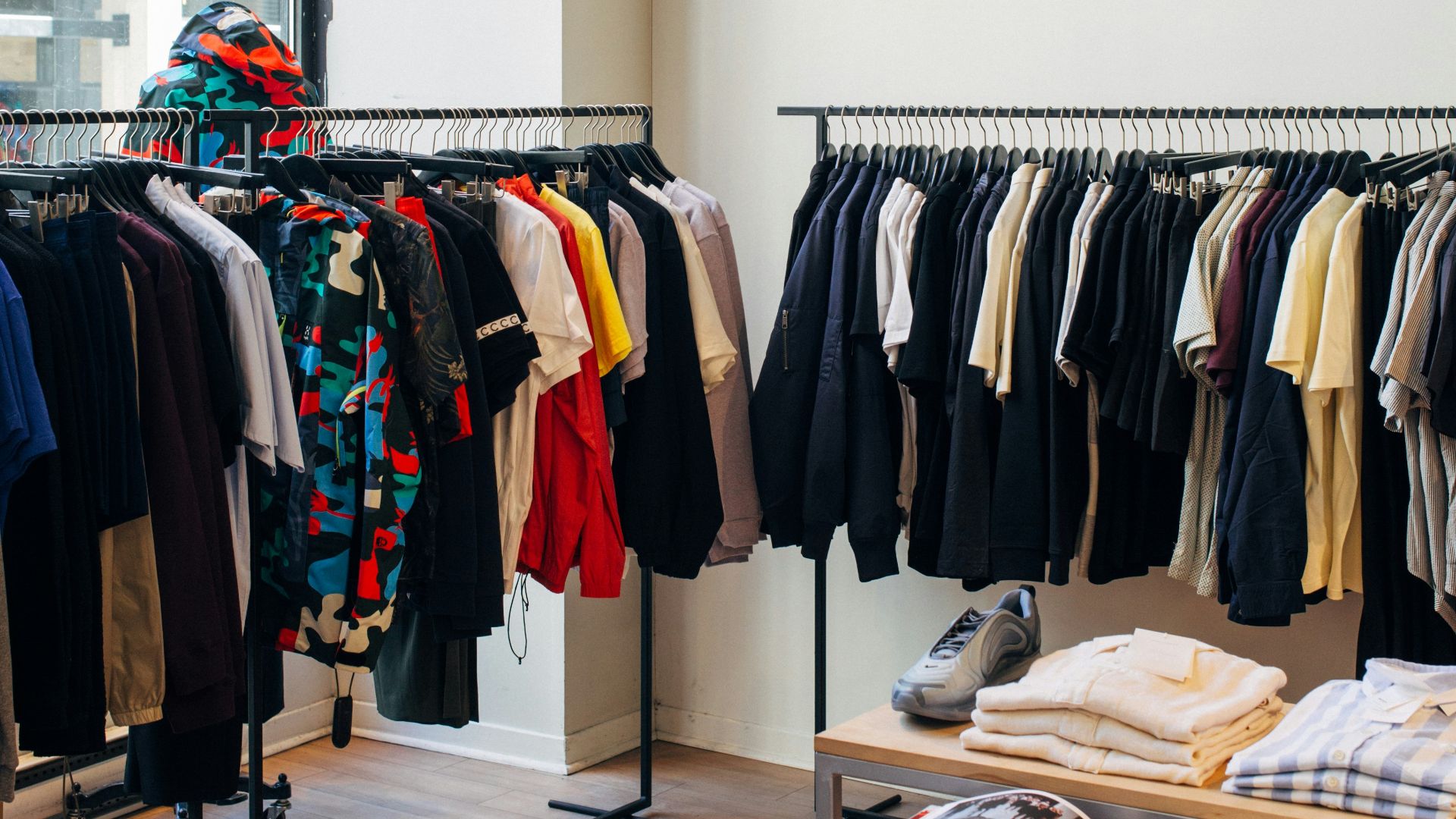
Heading to a store without reviewing what you already own often leads to duplicate colors, shapes, and basic pieces. You might discover three nearly identical black sweaters, but still have nothing suitable for an upcoming occasion.
3. Treating Every Sale Like An Opportunity
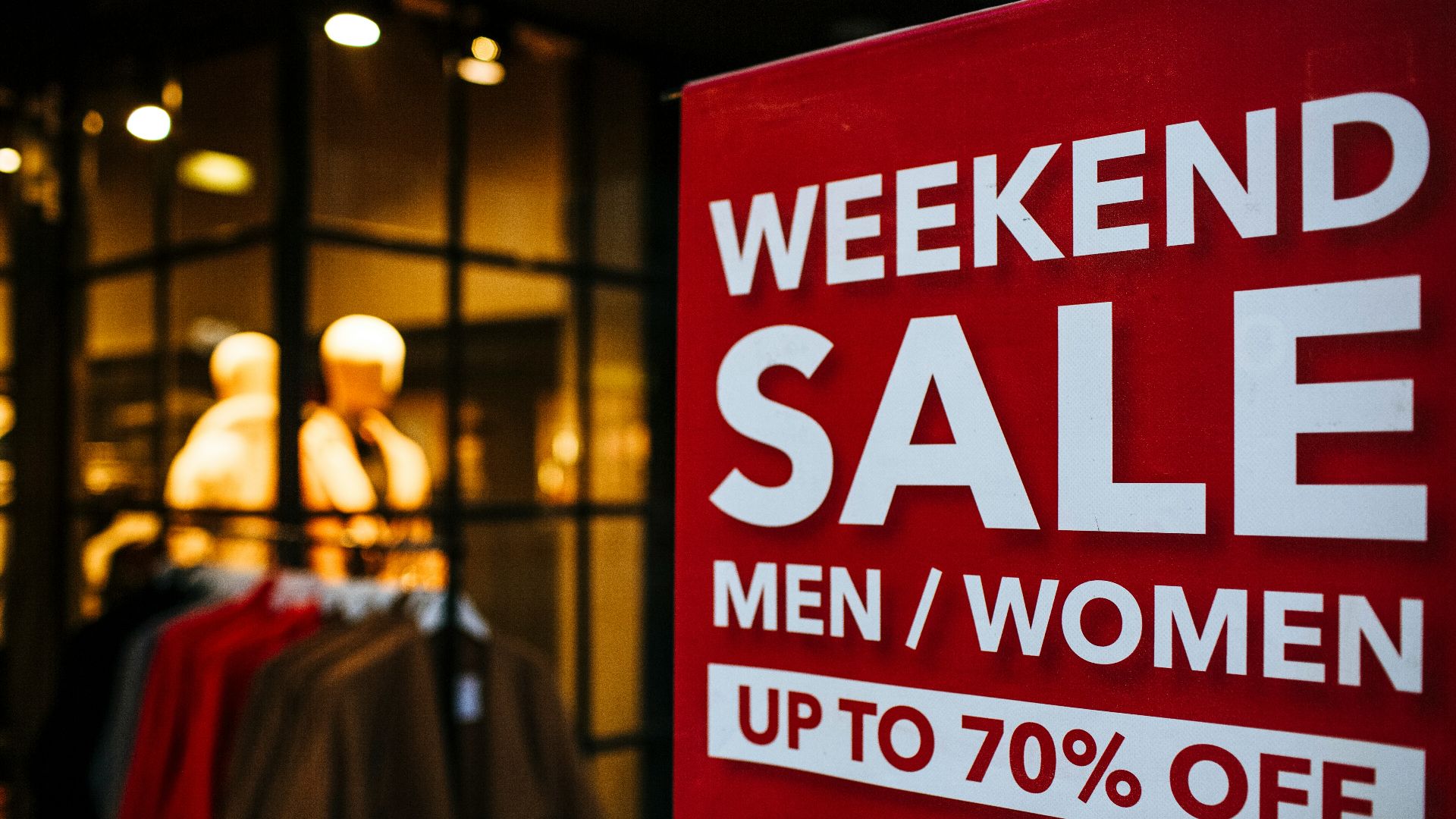
A discounted item isn’t a bargain when you wouldn’t have considered it at full price. Sale sections can encourage rushed decisions because shoppers focus on the amount saved rather than whether the garment will be worn.
4. Choosing Trends That Don’t Suit Your Routine
Trendy pieces can be enjoyable, but they become wasteful when they require special undergarments, uncomfortable shoes, or frequent adjustments. Clothing that looks appealing online may not function well during commuting, childcare, work, or errands.

5. Ignoring Fabric Care Instructions
Buying dry-clean-only, hand-wash, or delicate clothing without considering maintenance costs can make an inexpensive purchase surprisingly costly. Some garments are also more likely to shrink, pill, stretch, or fade when washed incorrectly.
6. Purchasing The Wrong Size For Later
Buying clothing that’s too small as motivation or too large because it’s the only available size often results in an unworn item. Bodies can change, but predicting exactly how and when that will happen is difficult. Clothing should generally fit comfortably when purchased unless you’ve already arranged a straightforward alteration.
7. Prioritizing Quantity Over Construction
A large pile of inexpensive clothing may feel satisfying at first, yet weak seams, thin fabric, and poorly attached buttons can shorten each item’s useful life. Price alone doesn’t determine quality, so it’s worth checking stitching, zippers, lining, and fabric density.
8. Keeping Uncomfortable Shoes
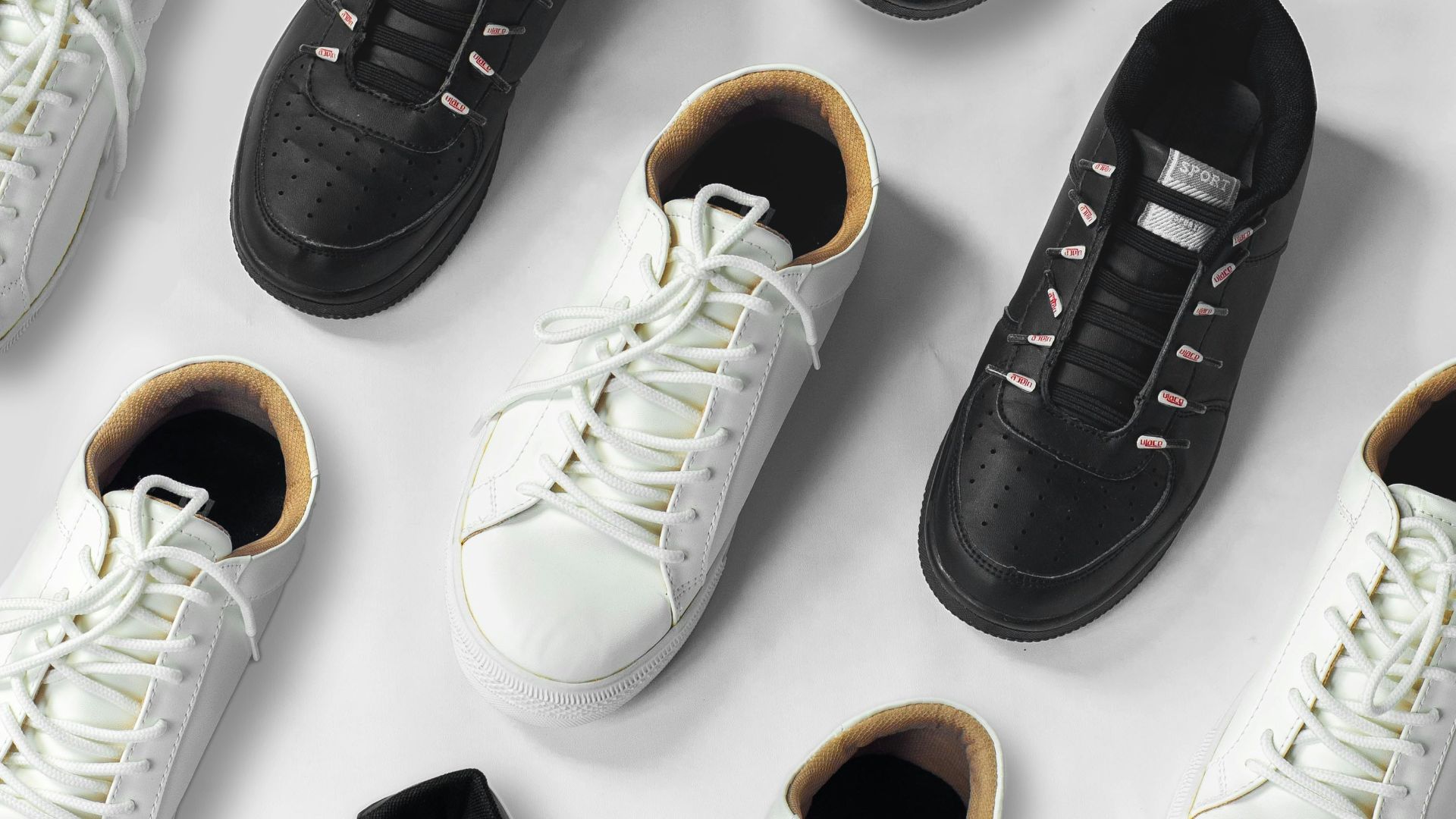
Shoes that pinch, rub, slip, or lack support rarely become reliable wardrobe staples, even when they look perfect. Many people keep them because they were expensive, hoping another occasion will somehow make them comfortable.
9. Buying Pieces That Match Nothing
A dramatic jacket or unusual pair of pants can be tempting, but their value drops when it requires several additional purchases to create one outfit. The true cost of a garment includes whatever you feel compelled to buy afterward. Checking whether a new item works with at least three existing pieces can prevent this chain of spending.

10. Replacing Clothes Instead Of Repairing Them
Loose hems, missing buttons, stuck zippers, and small tears are often inexpensive problems to fix. Throwing away otherwise wearable clothing increases replacement costs and sends usable fabric to landfills sooner than necessary. Basic sewing skills or a dependable tailor can extend the life of pieces you already enjoy wearing.
1. Building Outfits Around Reliable Basics
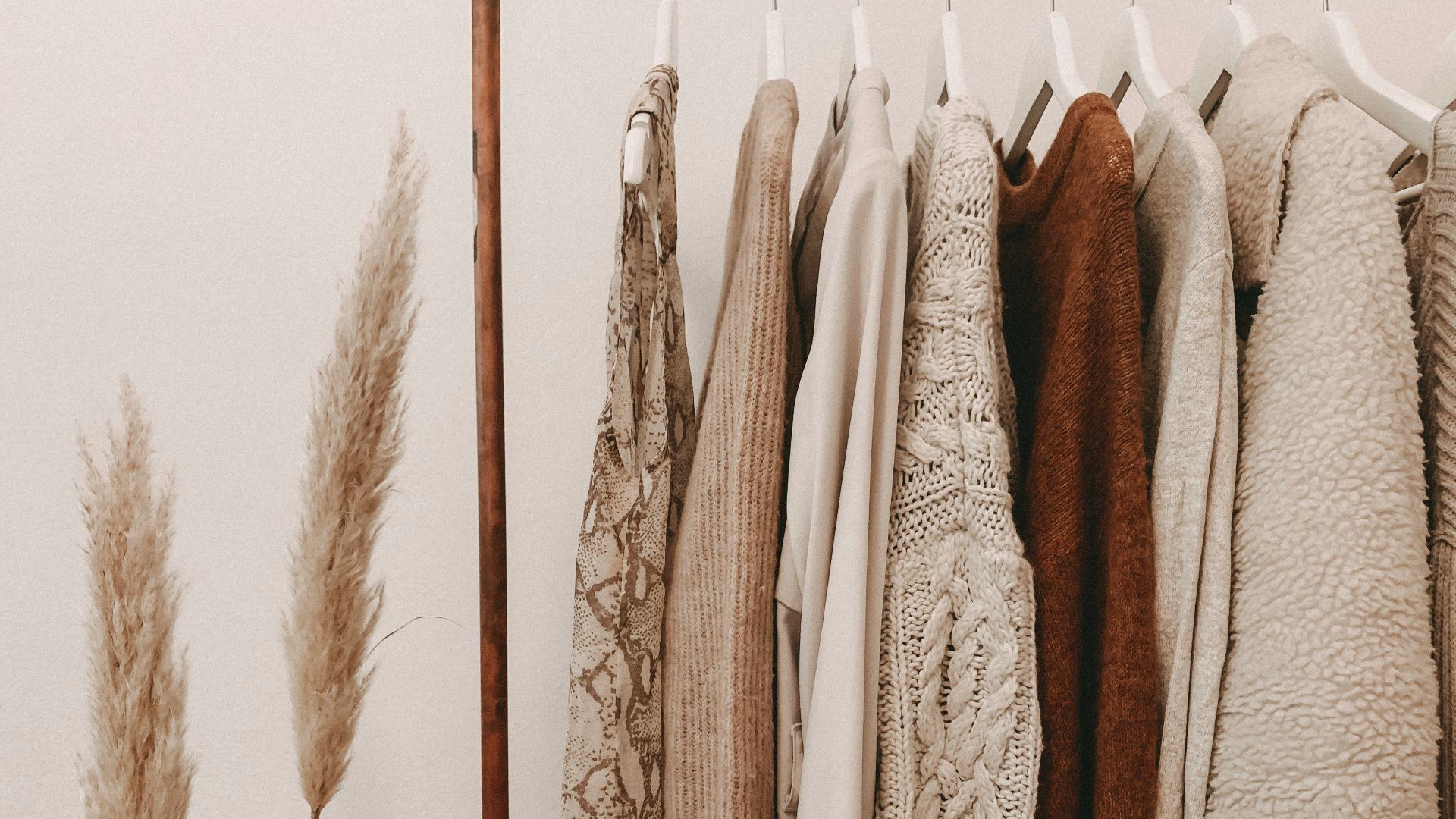
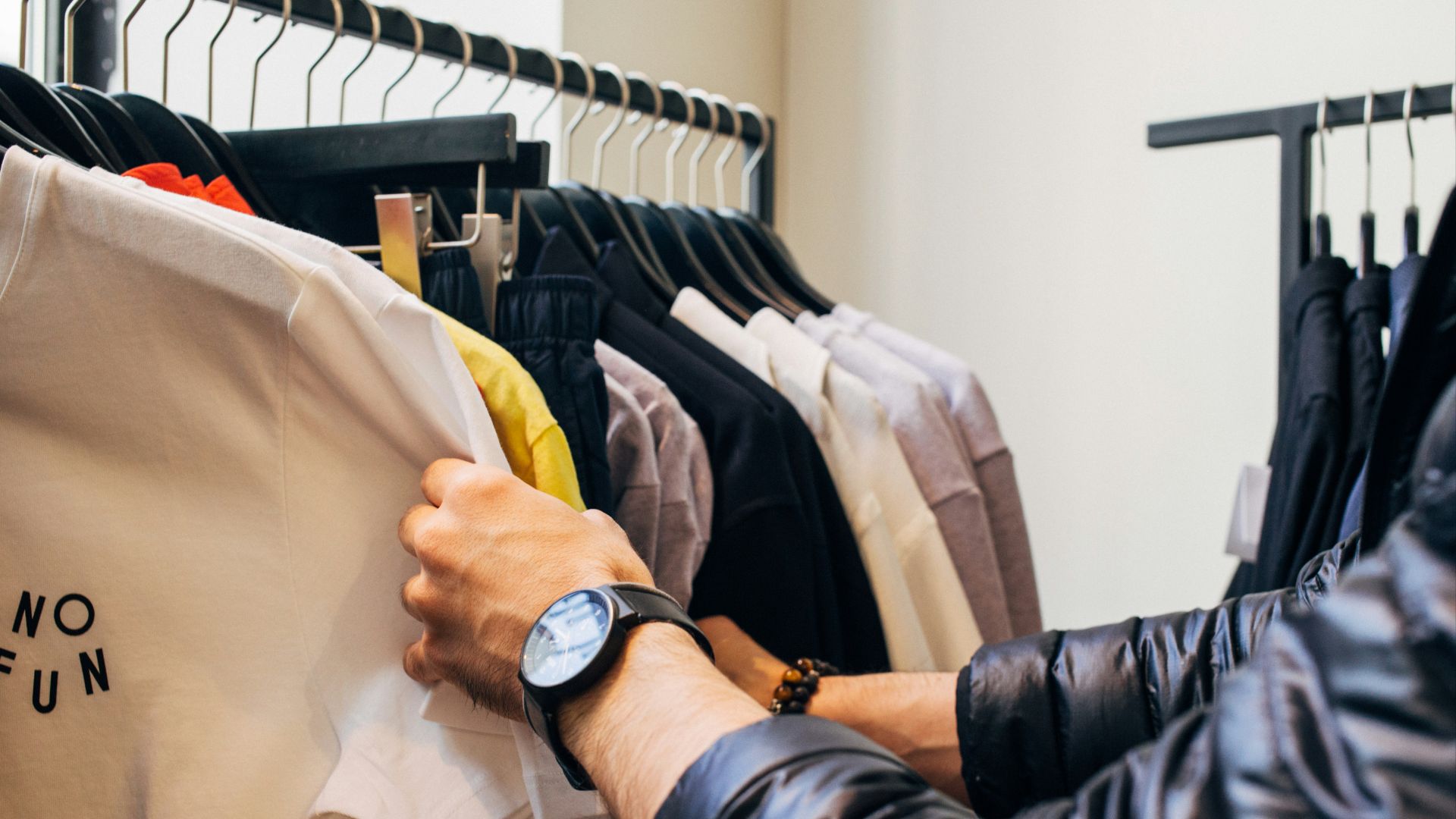
Simple shirts, pants, skirts, and layers provide a foundation that allows more distinctive items to be worn repeatedly. Basics don’t have to be dull, but they should coordinate easily and suit your typical activities.
2. Using A Consistent Color Palette
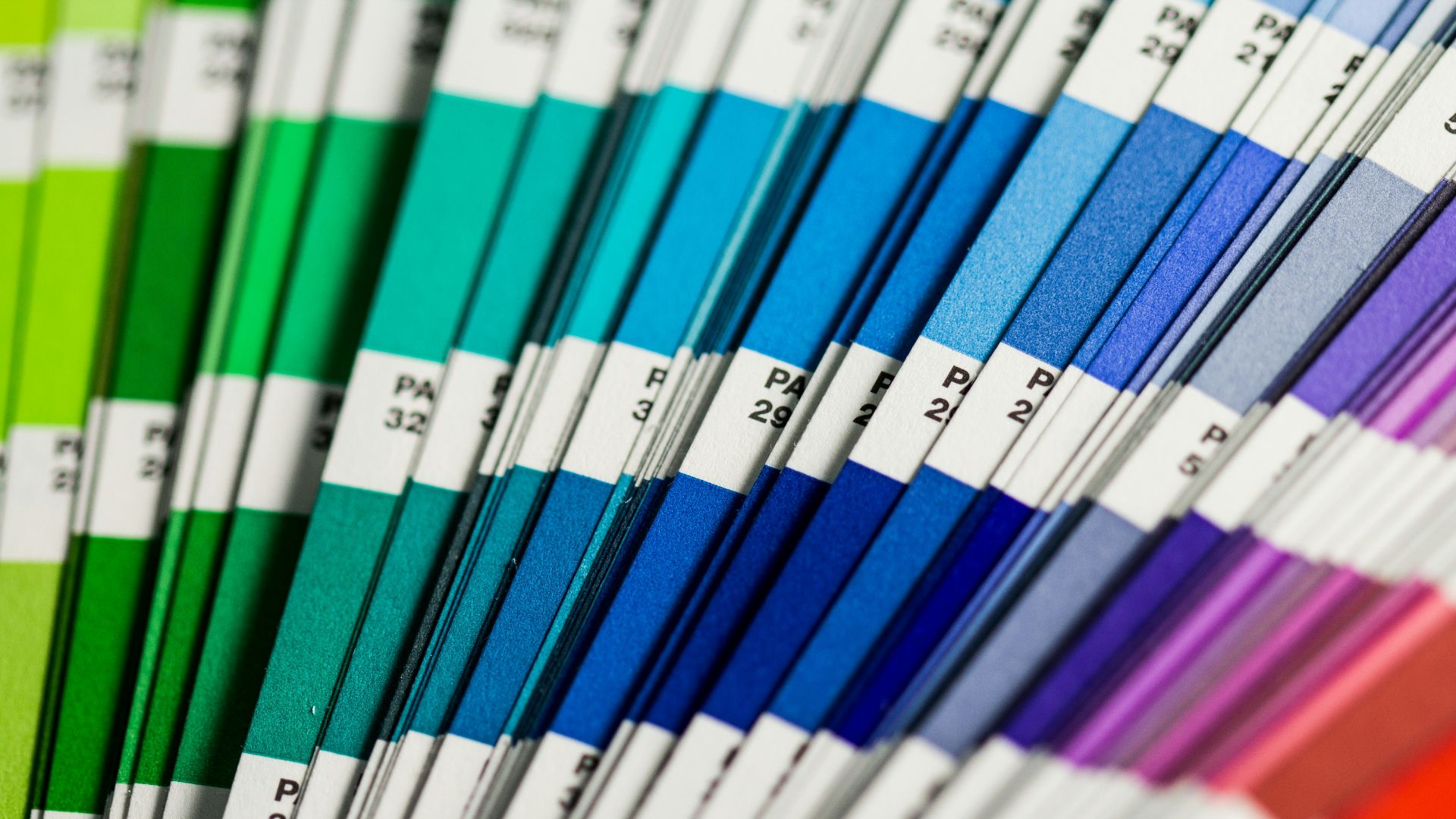
A wardrobe built around a flexible group of colors makes it easier to combine tops, bottoms, outerwear, and accessories. You don’t need to wear only neutrals, though repeating several favorite shades can improve compatibility.
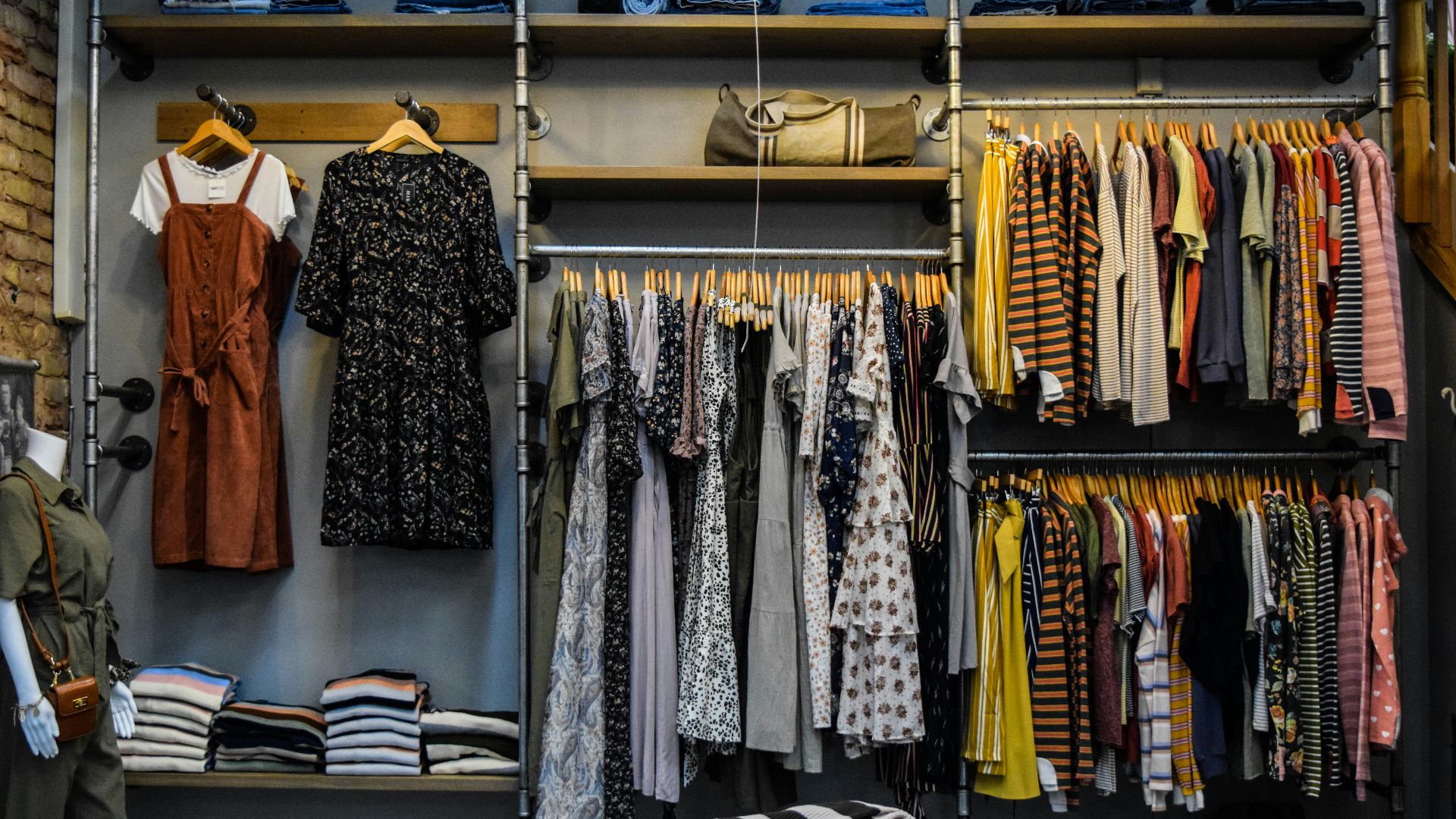
3. Rotating Clothes Instead Of Repeating Favorites
Wearing the same few pieces constantly causes them to fade, stretch, and develop worn areas faster than the rest of your wardrobe. Rotating similar items spreads out the strain and reminds you what’s available.
4. Learning A Few Basic Alterations
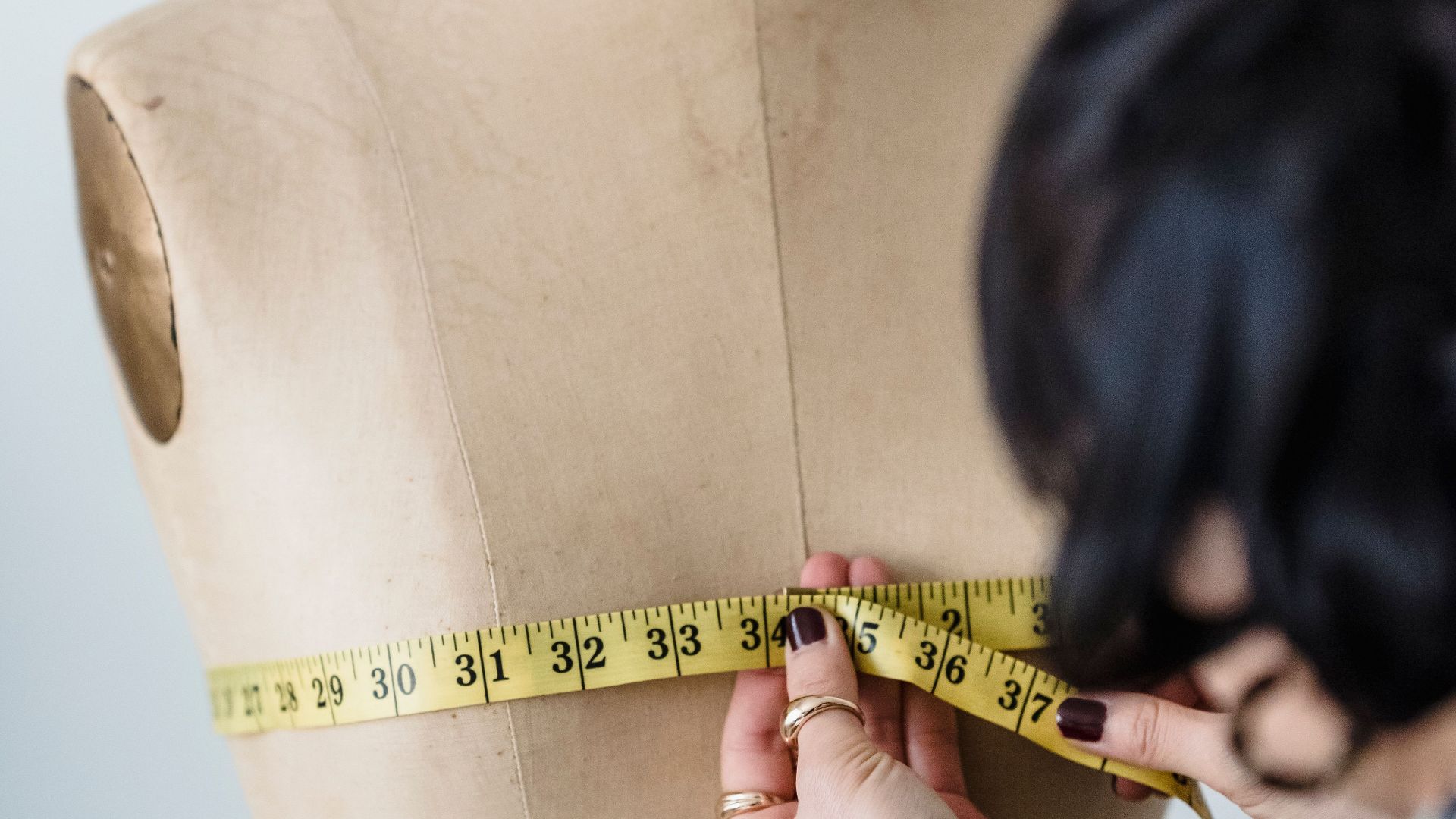
Simple skills such as sewing on buttons, repairing small seams, or shortening a loose strap can keep clothing wearable. More complicated adjustments should usually be left to professionals, but minor fixes don’t require advanced training.
5. Washing Clothes Less Aggressively
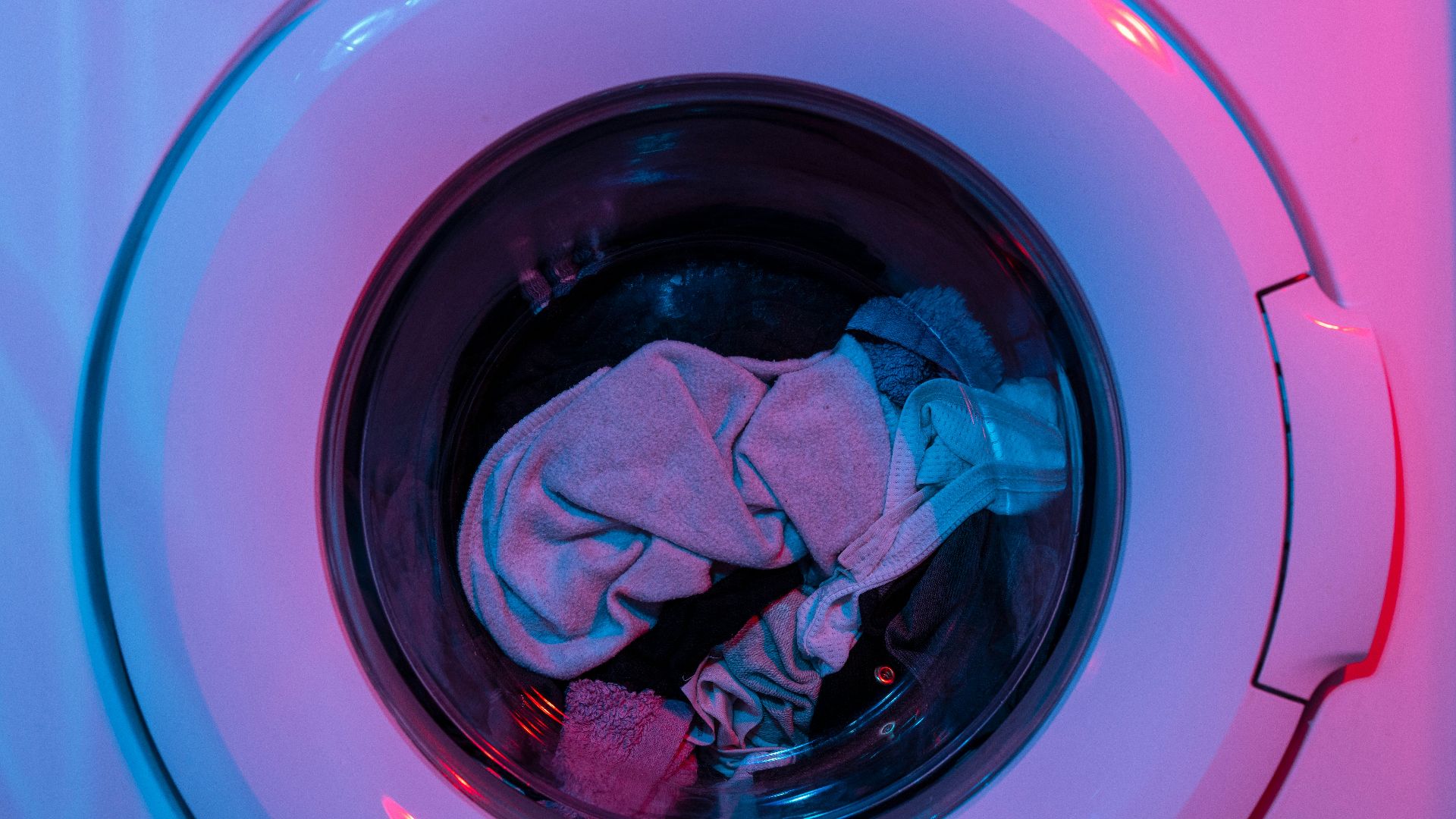
Many garments don’t need to be washed after every wear, especially jackets, jeans, sweaters, and items worn over another layer. Excessive washing can weaken fibers, fade dyes, and change the fit of clothing.
6. Styling One Item In Different Ways
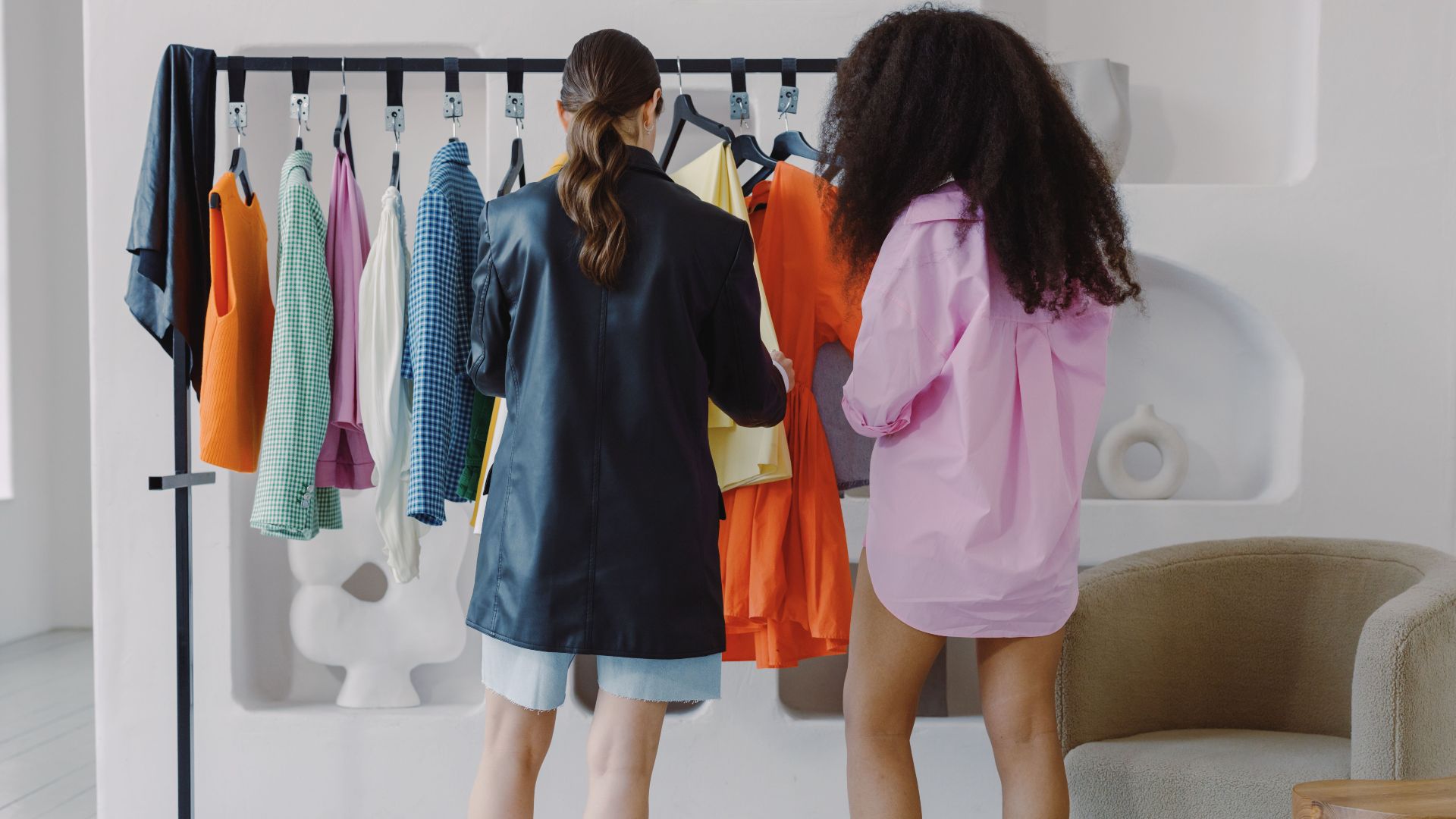
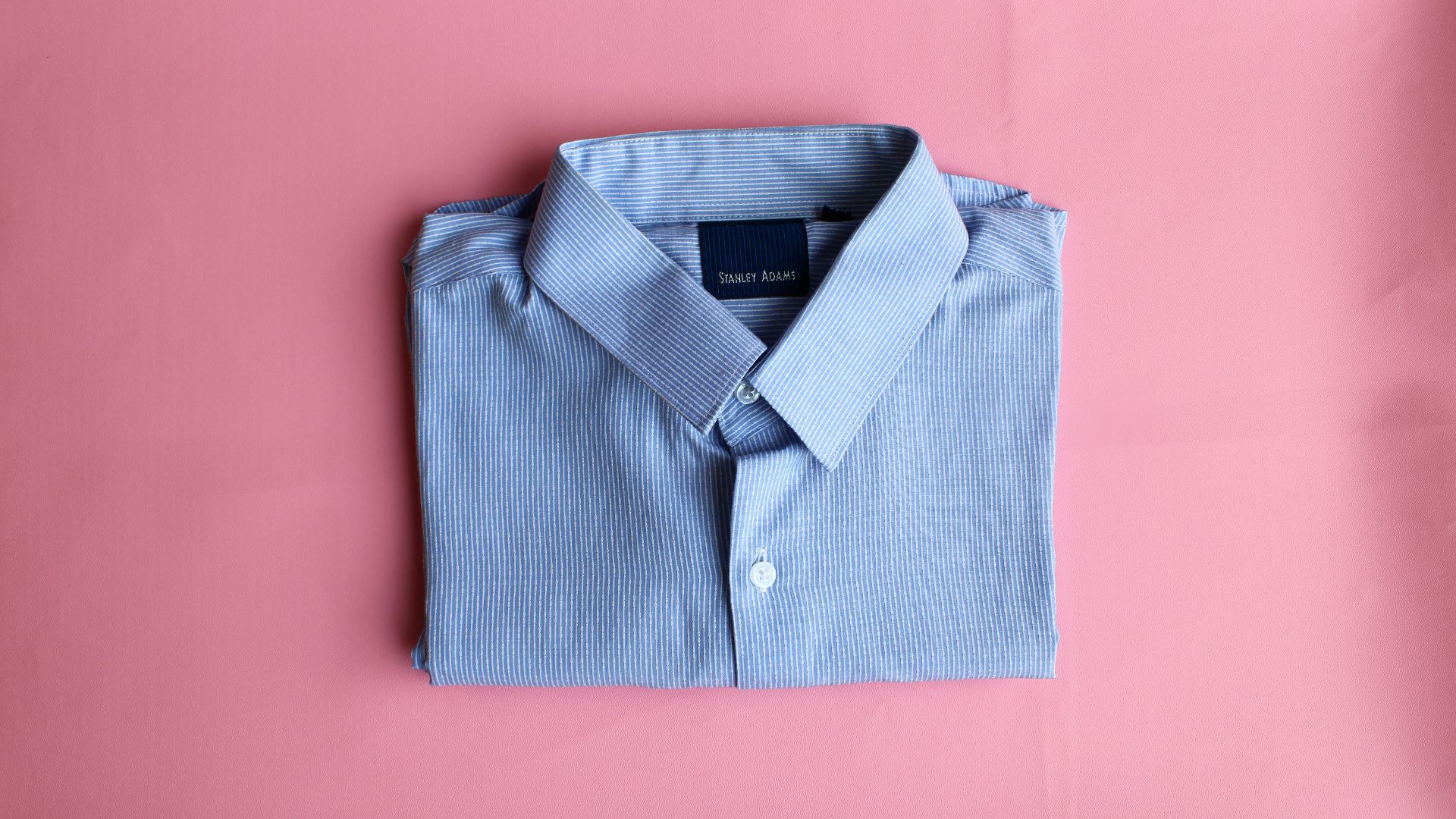
A button-down shirt can be worn tucked in, left open over a tank, layered under a sweater, or paired with different bottoms. Experimenting with proportions and layers reveals options that aren’t obvious when you repeat the same combination.
 Background Foto Pixell Design on Unsplash
7. Choosing Accessories With Multiple Uses
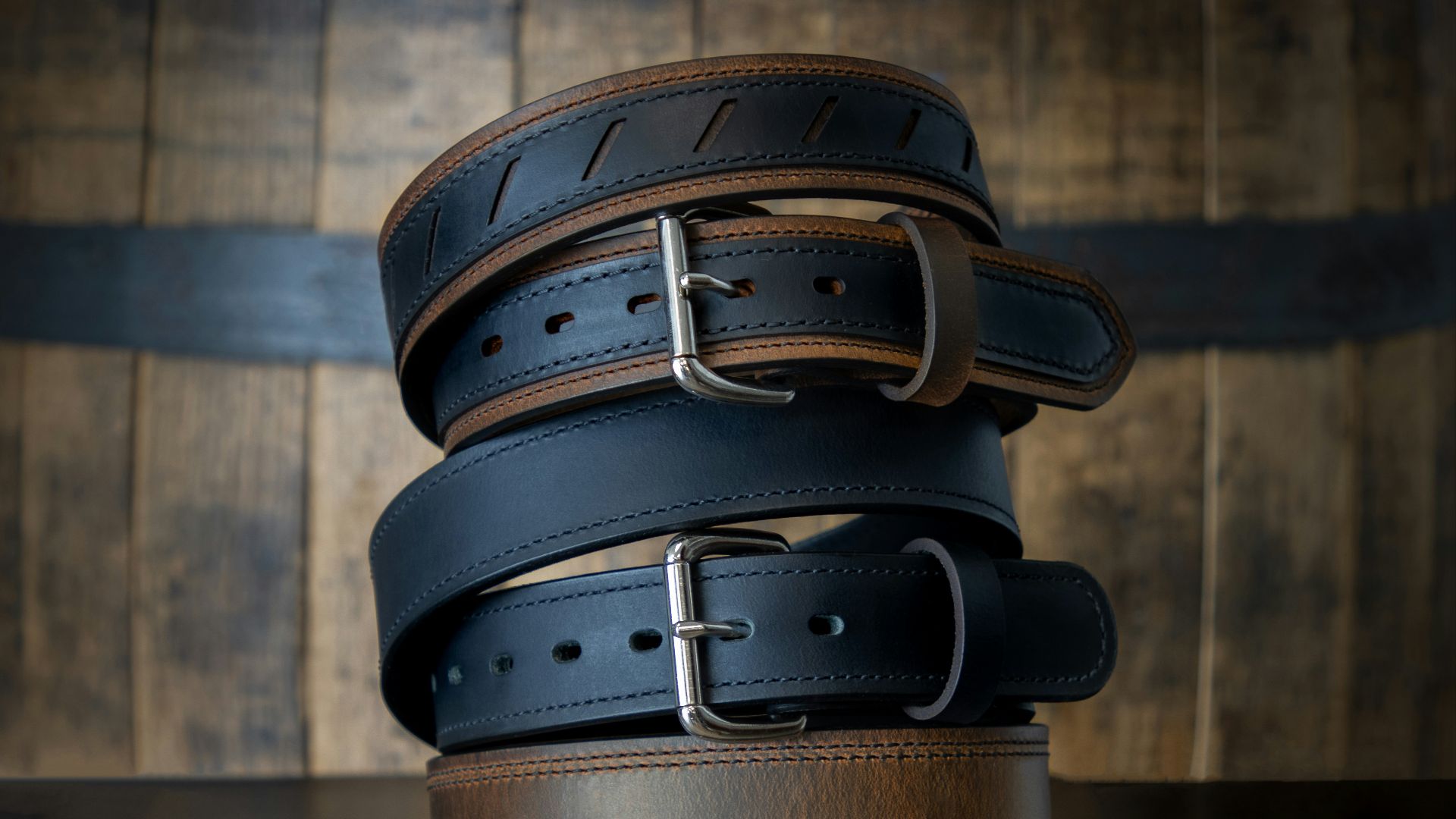
Belts, scarves, jewelry, and bags can change the appearance of familiar clothing while taking up relatively little space. Versatile accessories are especially useful when they work across casual, professional, and evening outfits.
8. Storing Clothing Correctly
Poor storage can stretch sweaters, crease delicate fabrics, distort shoulders, and expose clothing to moisture or pests. Folding knits, using suitable hangers, and keeping storage areas clean protect the shape and condition of garments.
9. Tracking Cost Per Wear
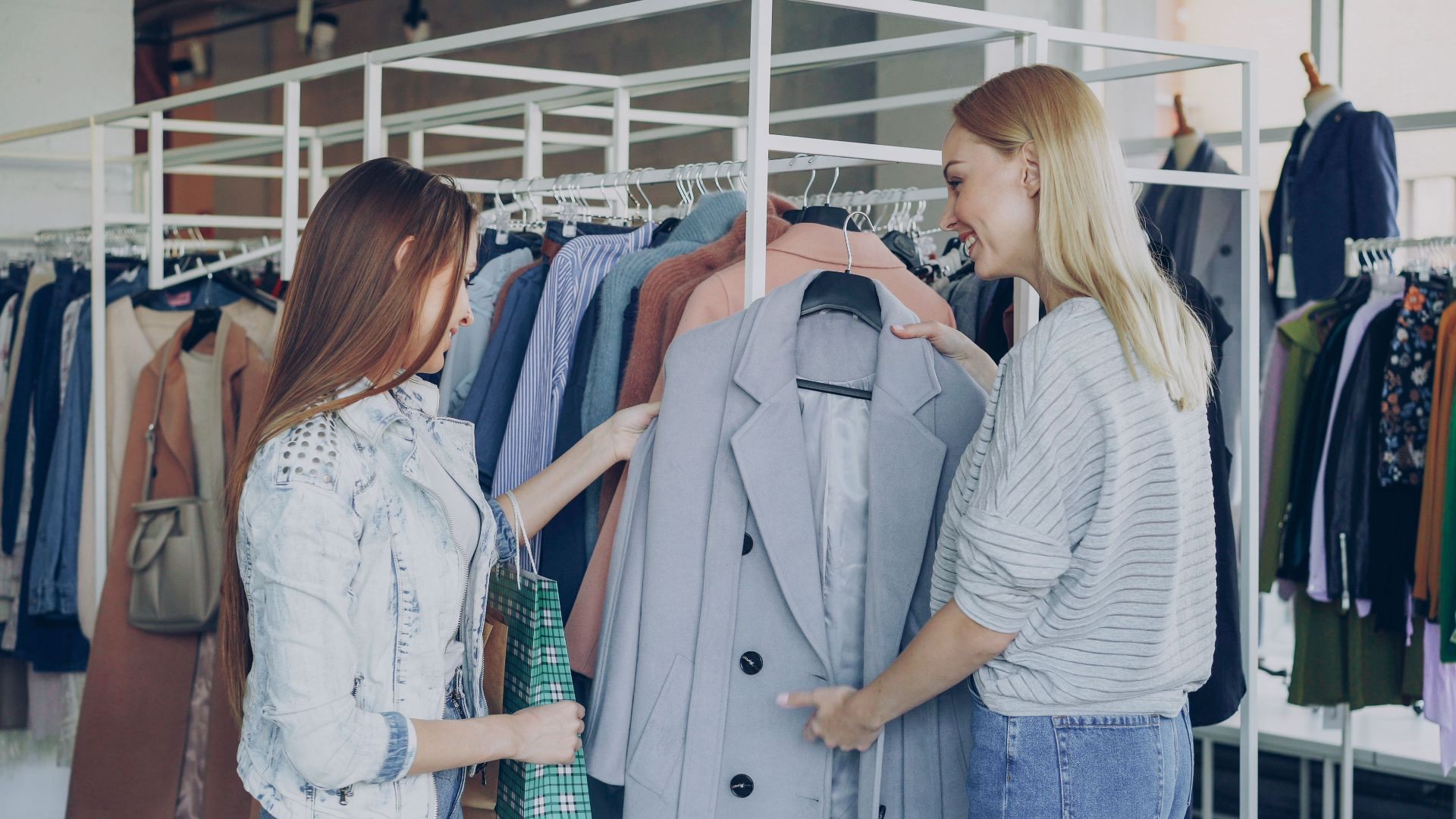
Dividing an item’s price by the number of times it’s worn offers a useful way to evaluate value. A $150 coat worn 100 times costs less per use than a $40 top worn once. This calculation encourages you to focus on comfort, versatility, and durability instead of assuming the lowest initial price is always the smartest option.

10. Reassessing Your Wardrobe Before Shopping
Taking time to try on clothes, plan combinations, and identify neglected pieces can make your wardrobe feel larger. You may discover that an item only needs a different layer, a simple alteration, or a better pairing to become useful again.