
20 Accessories That Used to Be Considered Inappropriate for Respectable Women
When Fashion Could Ruin Your Reputation
Today, most women can accessorize with whatever catches their eye without giving it much thought. However, throughout history, certain accessories were considered downright scandalous, especially for women expected to maintain a respectable reputation. Depending on the era, something as ordinary as a cigarette holder or a flashy necklace could suggest questionable morals, rebellious behavior, or an unacceptable desire for attention. While these judgments varied across cultures and social classes, these 20 accessories once attracted criticism that might seem pretty ridiculous today.

1. Red Lipstick
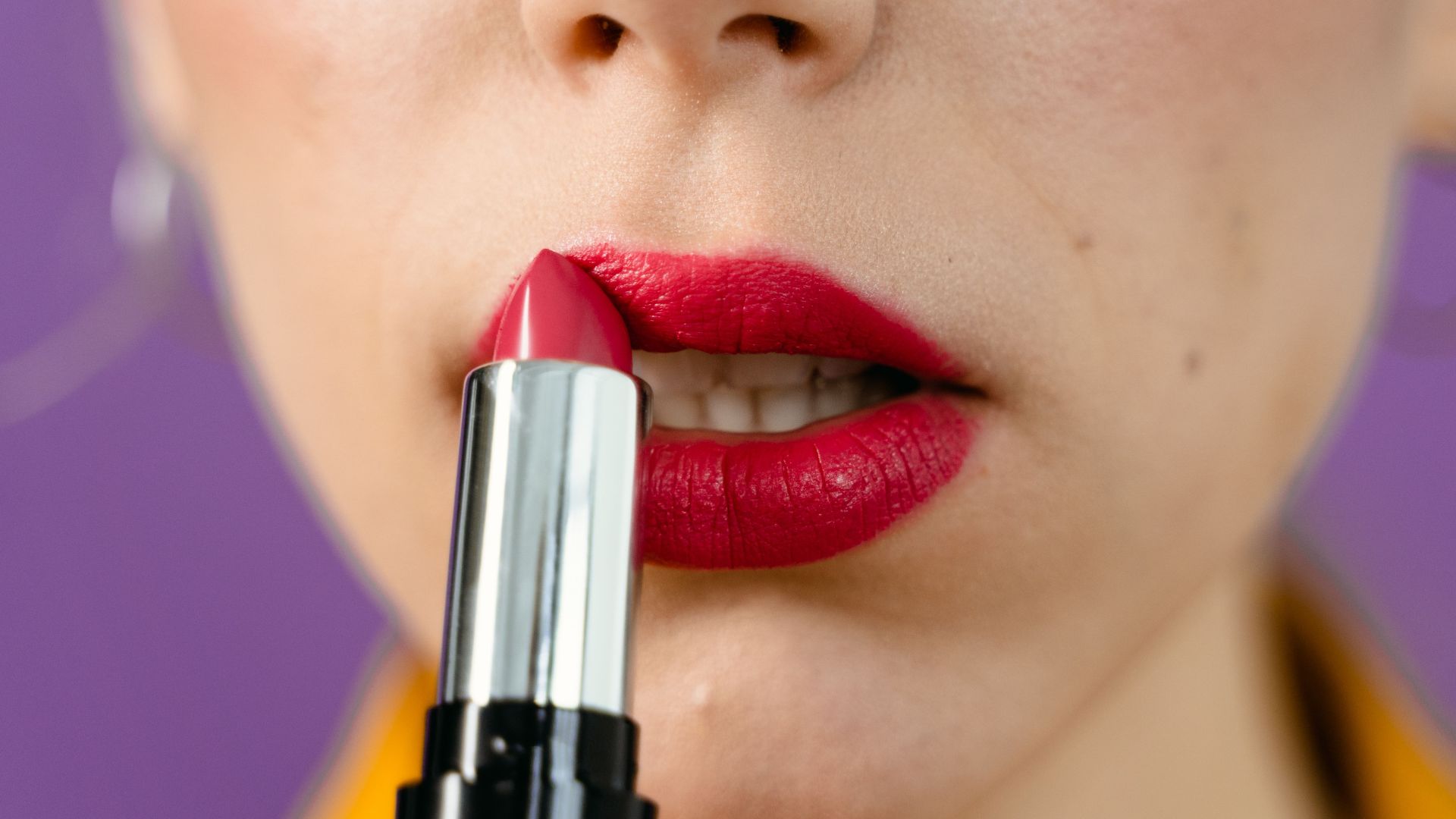
In 19th-century America, visibly painted lips were often associated with actresses and prostitutes rather than "respectable" women. Society expected ladies to look naturally attractive, even if achieving that appearance required a little discreet help from cosmetics. Bold red lipstick didn't become fashionable until the 20th century as women began embracing more independent lifestyles.
2. Choker Necklaces
Although fashionable women have worn chokers for centuries, certain styles developed suggestive associations in 19th-century France. Édouard Manet's controversial painting Olympia, exhibited in 1865, famously depicted a courtesan wearing a narrow black ribbon around her neck, so while chokers weren't universally considered improper, their appearance in such provocative artworks gave them a rather daring reputation.

3. Cigarette Holders
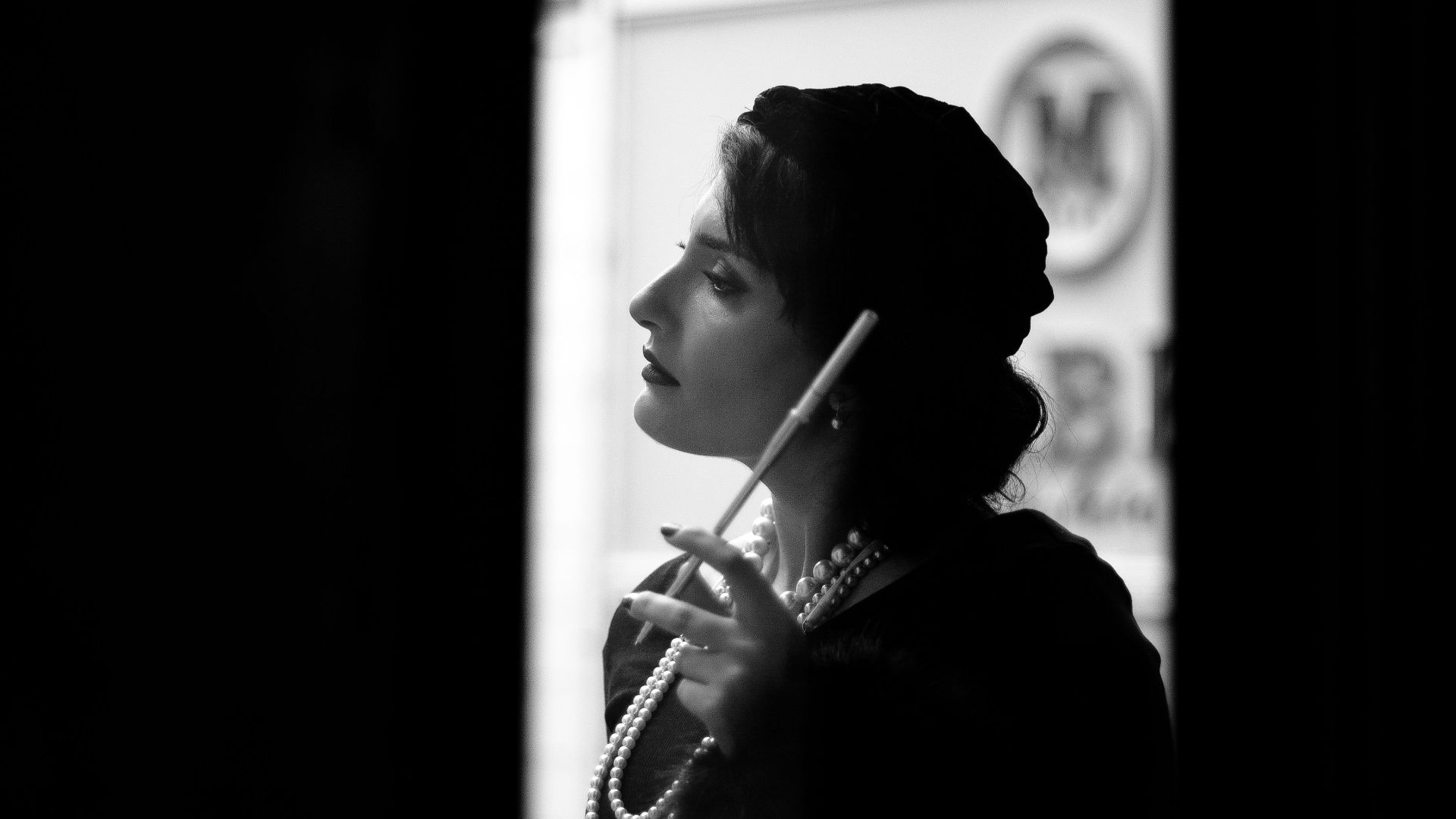
Before the 1920s, a woman smoking in public could attract serious criticism, regardless of how elegantly she held her cigarette. Cigarette holders became associated with fashionable, independent women who weren't particularly interested in following traditional expectations of feminine behavior. Their growing popularity reflected changing social attitudes, although plenty of conservative observers still considered smoking entirely unladylike.
 Polat Eyyüp Albayrak on Pexels
4. Brightly Colored Rouge
For much of the 19th century, respectable American women were expected to have naturally rosy cheeks rather than obviously painted ones. Wearing noticeable rouge could suggest that a woman was deliberately trying to attract attention, which wasn't considered particularly virtuous. By the 1920s, however, fashionable young women were openly applying blush as part of their everyday beauty routines, much to the disapproval of older generations.

5. Feather Boas
Feather boas were closely associated with theatrical performers, dancers, and glamorous entertainers during the late 19th and early 20th centuries. While wealthy women certainly incorporated feathers into their wardrobes, an oversized boa could seem a little too extravagant for conservative daytime settings. Showing up to an ordinary social gathering dressed like a stage performer might have earned a woman some rather unflattering comments about her taste.

6. Men's Neckties
Women occasionally incorporated neckties into their outfits during the 19th century, particularly when experimenting with more masculine styles. However, deliberately wearing men's clothing could provoke criticism because traditional fashion reinforced the separation between male and female social roles. A woman sporting a distinctly masculine tie might be accused of rejecting conventional femininity, even if she simply liked how it looked.

7. Pierced Earrings
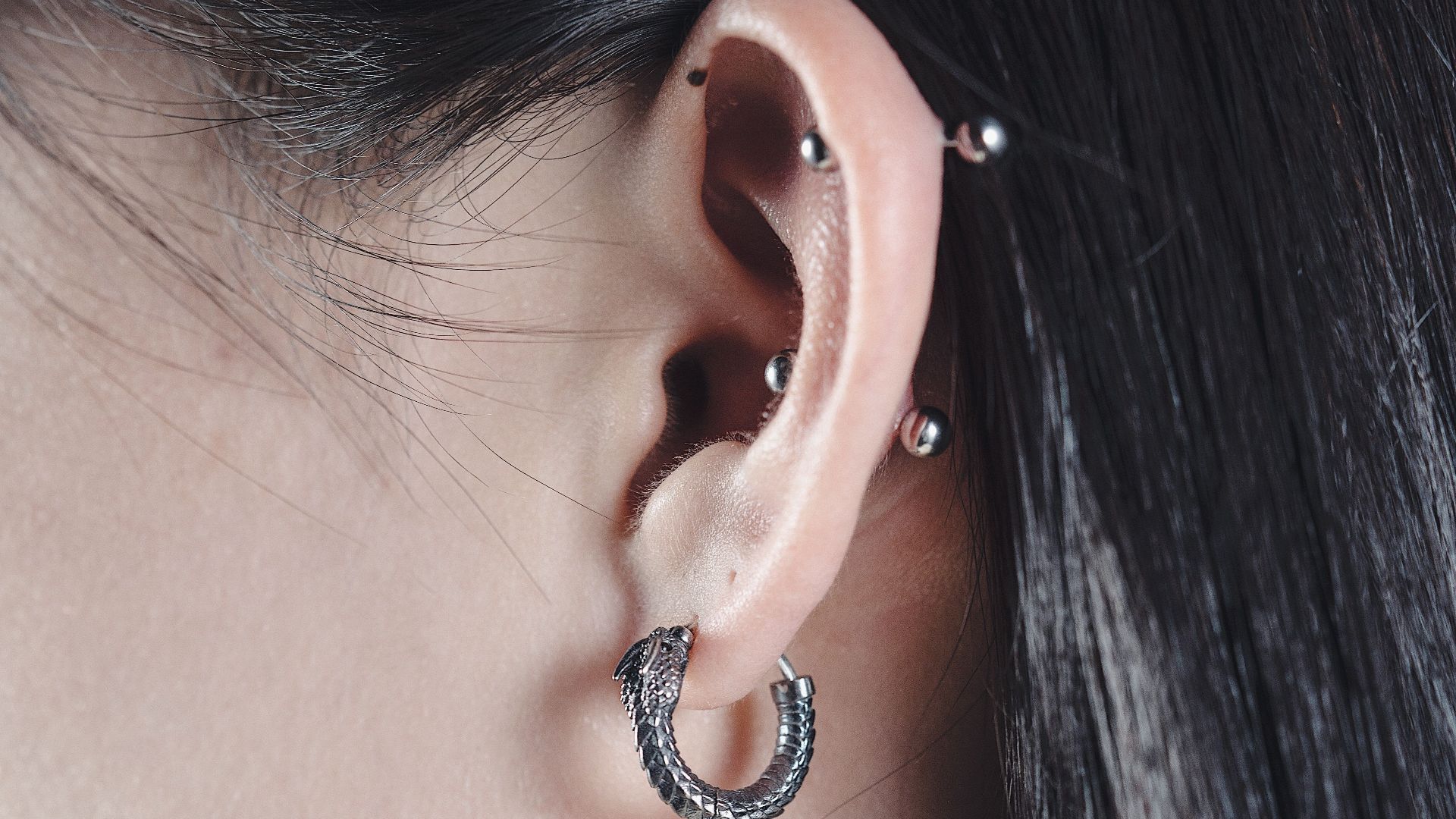
Earrings have been popular among fashionable women for centuries, but their reputation hasn't always been consistent. During the 1880s, earrings fell so far out of favor in some Victorian fashion circles that they were considered downright vulgar. Of course, that association didn't last forever, and later generations had no problem embracing pierced ears as an ordinary beauty choice.
8. Visible Garters
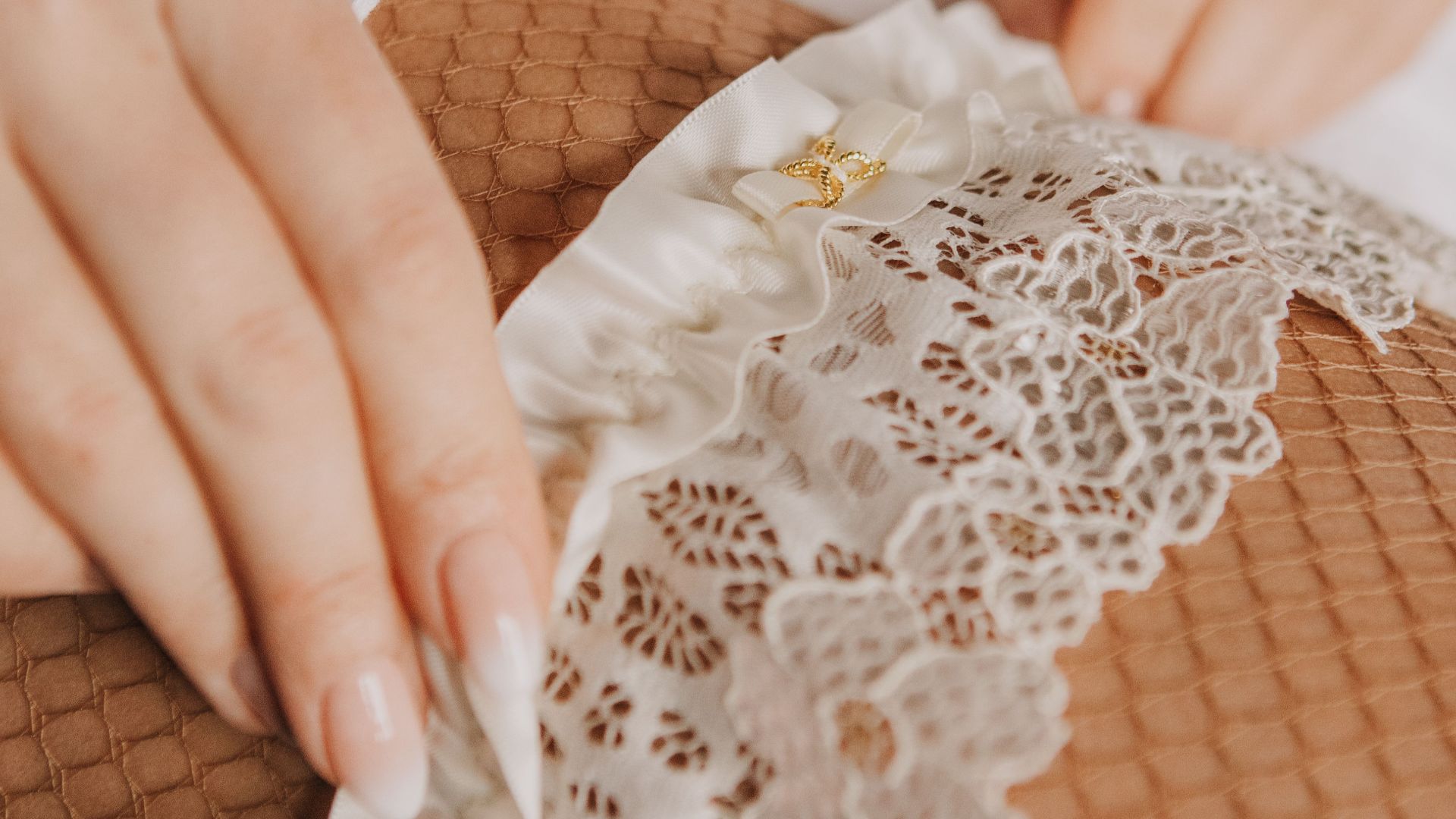
Garters were perfectly ordinary undergarment accessories, but showing them off in public was another matter entirely. During the 1920s, some fashionable young women rolled their stockings below their knees, occasionally revealing areas that earlier generations had carefully concealed. Conservative observers considered the resulting look provocative, particularly when combined with shorter skirts and energetic dancing.
9. Decorative Beauty Patches
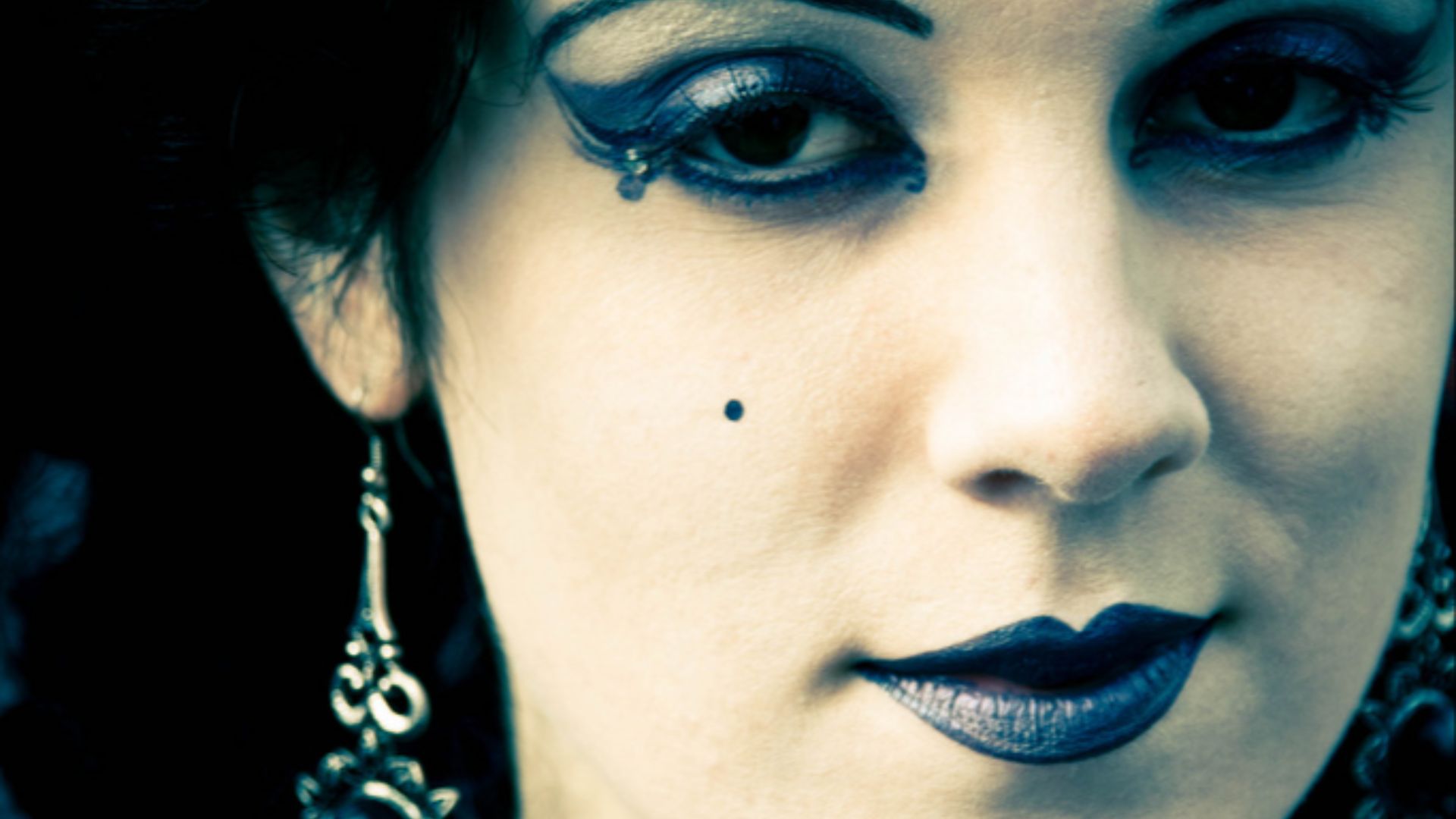
Small artificial beauty marks, commonly called patches, became fashionable among European aristocrats during the 17th and 18th centuries. Although they were perfectly acceptable in certain fashionable circles, their elaborate placement and associations with flirtation also attracted moral criticism. Particularly conservative observers viewed excessive facial decoration as a sign of vanity, making these tiny accessories surprisingly controversial.
10. Heavily Scented Perfume
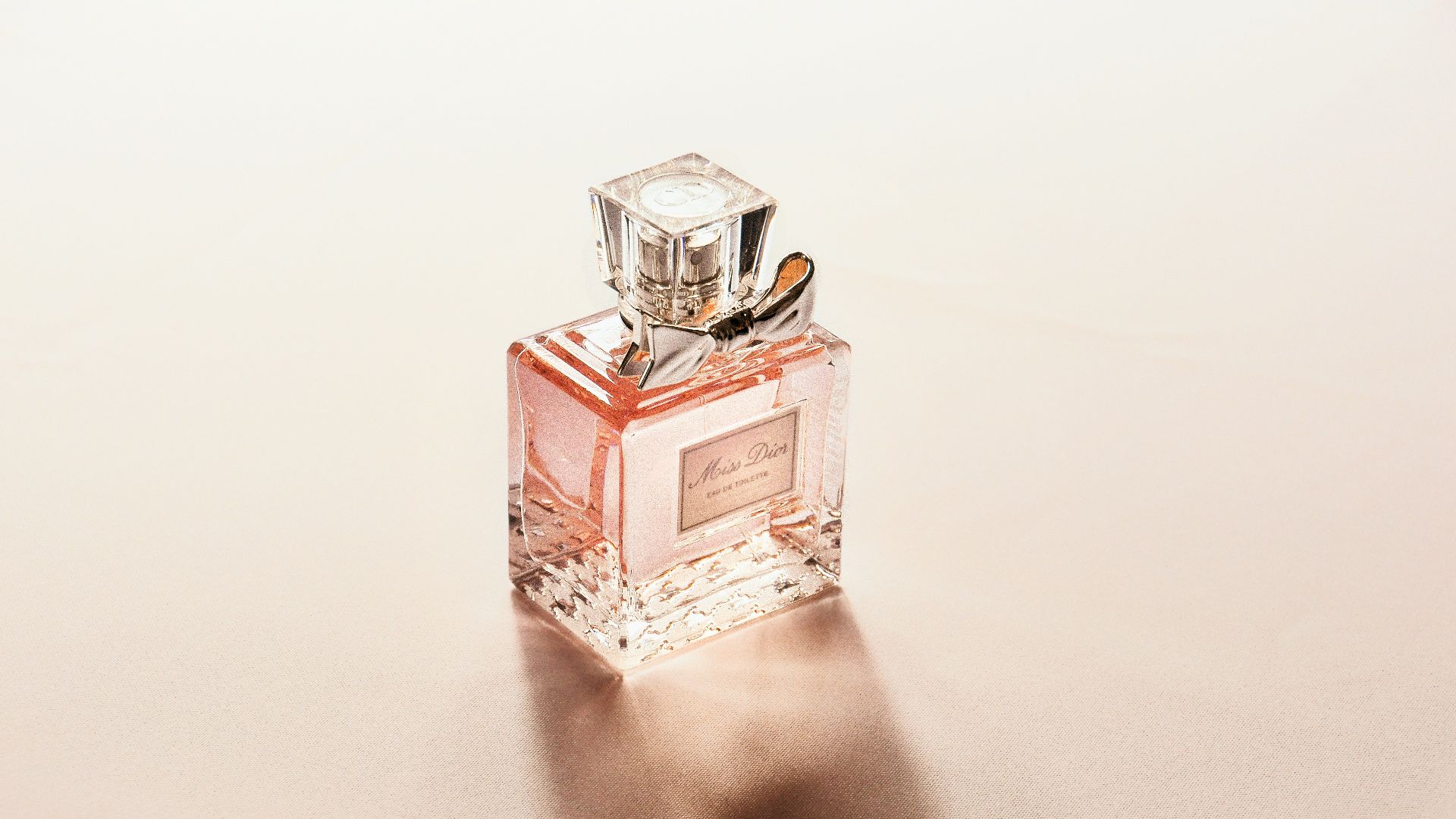
Wearing perfume wasn't inherently scandalous, especially among wealthy women who could afford expensive fragrances. However, applying a particularly strong scent could be interpreted as an attempt to attract romantic or sexual attention in certain conservative social circles. Respectable women were often encouraged to prioritize cleanliness and subtle fragrances over anything considered overly seductive. Apparently, even smelling too interesting could invite criticism.
11. Men's Top Hats
During the 19th century, top hats were strongly associated with masculine formalwear and particular male social roles. Women who adopted masculine hats for theatrical performances or unconventional outfits could challenge society's expectations of how a lady should dress. Although women had their own fashionable riding hats, wearing a distinctly masculine top hat outside accepted settings could make an outfit seem deliberately provocative.

12. Dark Eye Makeup
Prominent eyeliner and mascara weren't always considered appropriate for respectable women in Western society. During the 19th century, conspicuous cosmetics were often associated with theatrical performers and women accused of questionable morals. By the 1920s, dramatic eye makeup had become popular among flappers and other fashion-conscious women, helping to overturn the old expectation that cosmetics should remain practically invisible.

13. Cigarette Cases
A decorative cigarette case might seem like a harmless personal accessory, but its contents once carried considerable social meaning. In the early 20th century, women who openly carried smoking accessories could be viewed as rebellious or morally suspect. New York City even briefly prohibited women from smoking in public in 1908, showing just how seriously some authorities took the issue.

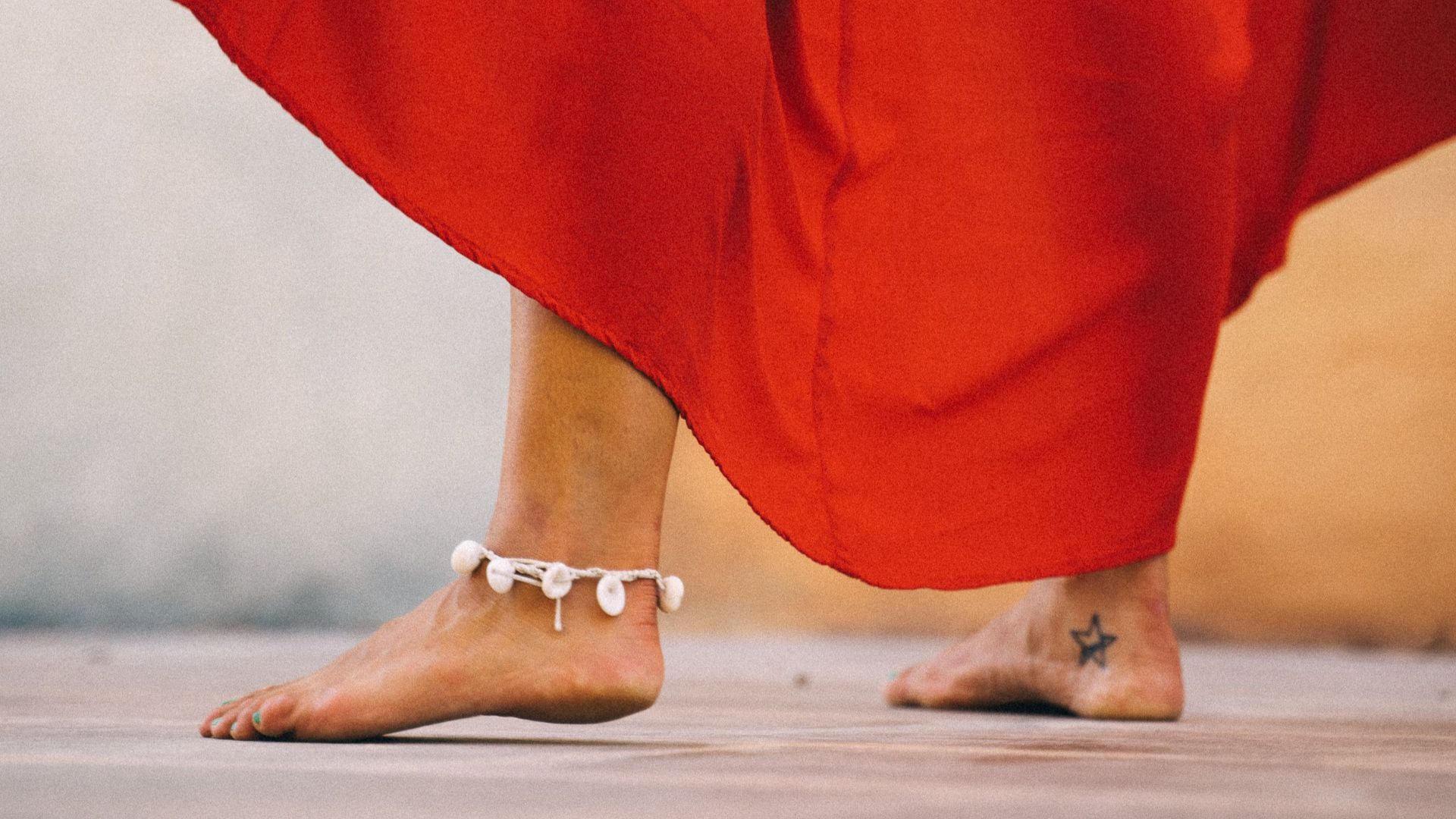
14. Ankle Bracelets
Although anklets have been worn in many cultures for centuries, they weren't always considered appropriate for respectable women in Western society. During the early 20th century, ankle bracelets could be viewed as flirtatious or overly provocative, particularly when shorter hemlines made them more noticeable. Conservative observers sometimes associated jewelry worn around the ankle with a woman's desire to attract attention, making this seemingly harmless accessory a rather daring fashion choice.
15. Bold Nail Polish
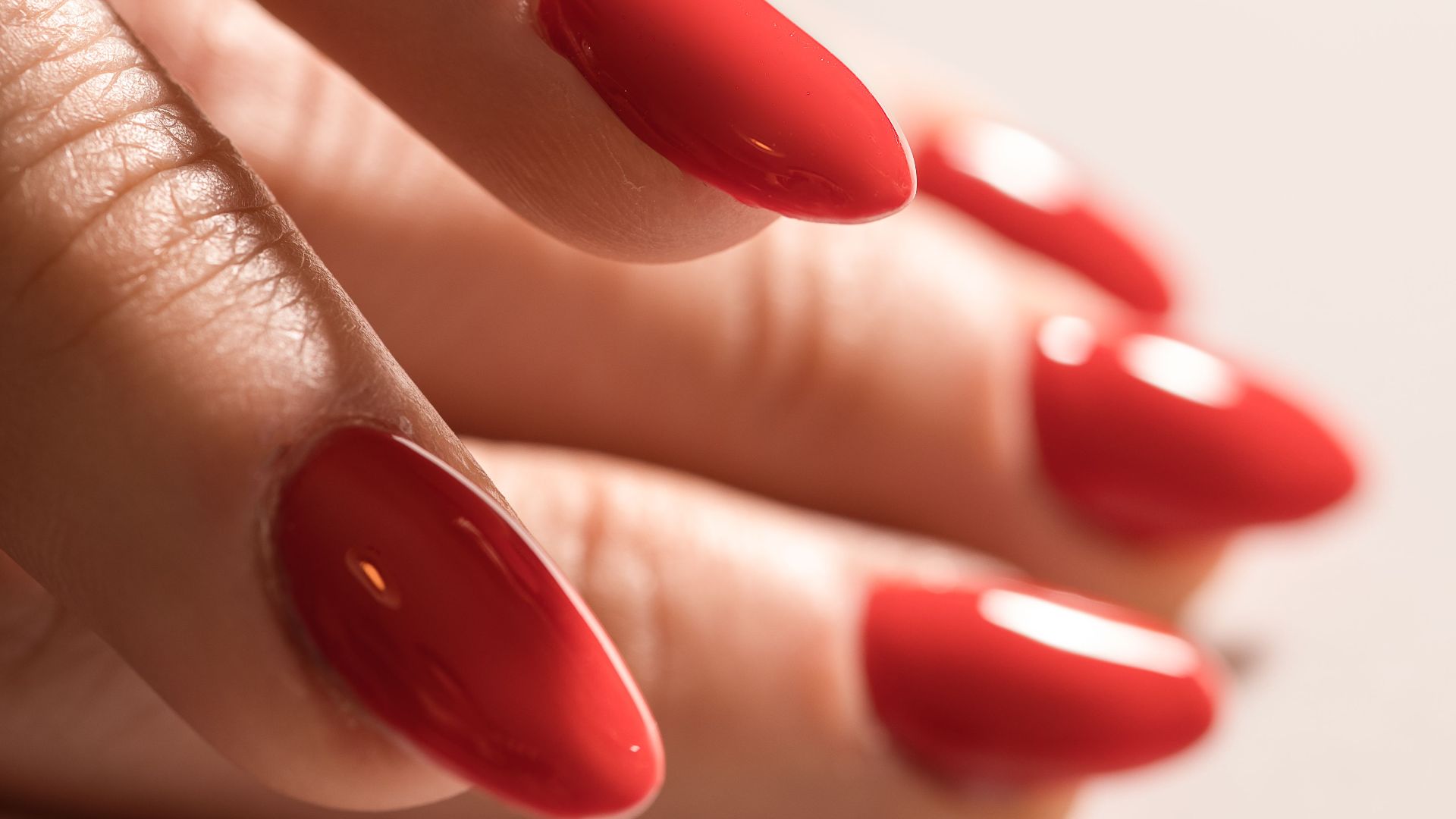
Colored nails might be an everyday beauty choice now, but conspicuous nail cosmetics weren't always welcomed in 19th-century America. Respectable women were generally encouraged to avoid obvious artificial coloring, which critics associated with vanity and improper behavior. As the beauty industry expanded throughout the 20th century, brightly colored nail polish gradually became an accepted part of fashionable women's beauty routines.
16. Nose Rings
Nose jewelry has been an established part of traditional adornment in several cultures, particularly in South Asia, where it can hold important social and ceremonial meanings. However, in mainstream Western fashion during much of the 19th and 20th centuries, visible nose piercings fell outside conventional expectations for respectable women. Their later association with countercultural movements only strengthened that rebellious reputation in certain Western communities.

17. Men's Monocles
The monocle was traditionally associated with wealthy gentlemen, military officers, and aristocratic men during the 19th and early 20th centuries. A woman wearing one as a fashion statement could be seen as deliberately challenging conventional expectations about gender and appearance. Although some stylish women enjoyed experimenting with masculine accessories, the monocle remained an unusual choice rather than an everyday feminine ornament.

18. Heavily Decorated Hairbands
During the 1920s, jeweled headbands and elaborate hair ornaments became closely associated with fashionable flappers. The accessories themselves weren't necessarily improper, but their connection to short hairstyles, jazz clubs, and unconventional social behavior could make conservative observers uncomfortable. Women who embraced the full flapper look were often criticized for abandoning the modest appearance their elders expected.

19. Visible Tattoos
Decorative tattoos have existed across cultures for thousands of years, but their acceptance among Western women has varied considerably. During the late 19th and early 20th centuries, tattooed women were often associated with traveling entertainers, unconventional lifestyles, or communities outside respectable middle-class society. Although some aristocratic women also experimented with tattoos, openly displaying one could still attract plenty of judgment in conservative circles.

20. Suffrage Pins
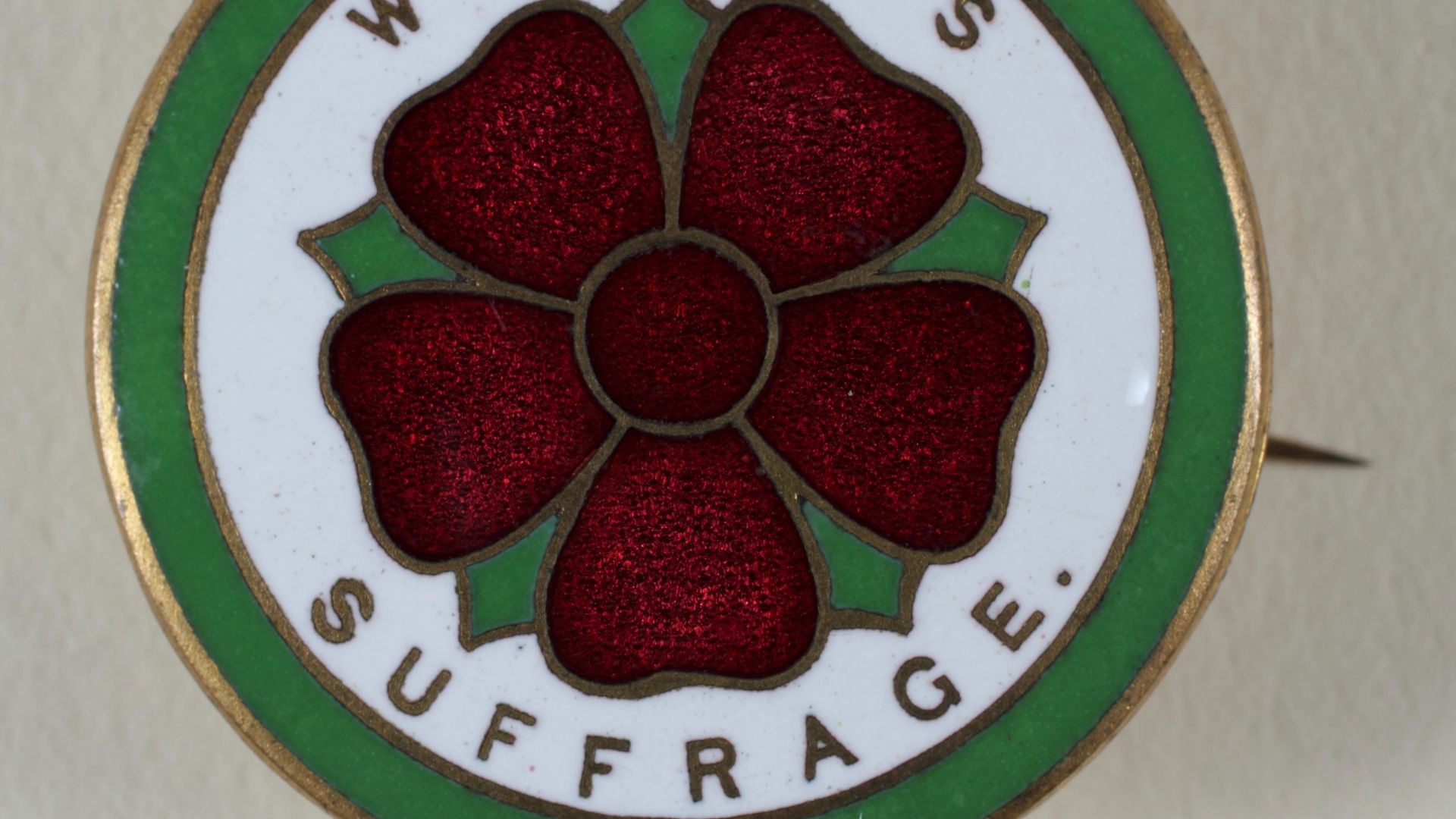
During the late 19th and early 20th centuries, women sometimes wore badges, ribbons, and jewelry to publicly demonstrate their support for women's voting rights. To opponents of the suffrage movement, these accessories represented an unacceptable challenge to traditional gender roles. Wearing a political pin was therefore much more than a fashion choice, since it openly connected a woman to a movement that many conservatives considered improper.