10 Ways Lab-Grown Diamonds Are Just as Good & 10 Why You Should Stick with the Real Deal
10 Ways Lab-Grown Diamonds Are Just as Good & 10 Why You Should Stick with the Real Deal
Lab-Grown vs. Real Diamonds
Shopping for a diamond isn't as straightforward as it used to be. Lab-grown diamonds have moved from niche alternative to mainstream option, giving buyers more flexibility on price, size, and sourcing than ever before. Yet, probably unsurprisingly, natural diamonds still hold a powerful appeal for people who care about rarity, tradition, and the sense that they're buying something meaningful. If you're torn between the two, it helps to look past the marketing and consider what each one actually offers.
1. The Sparkle Is the Same
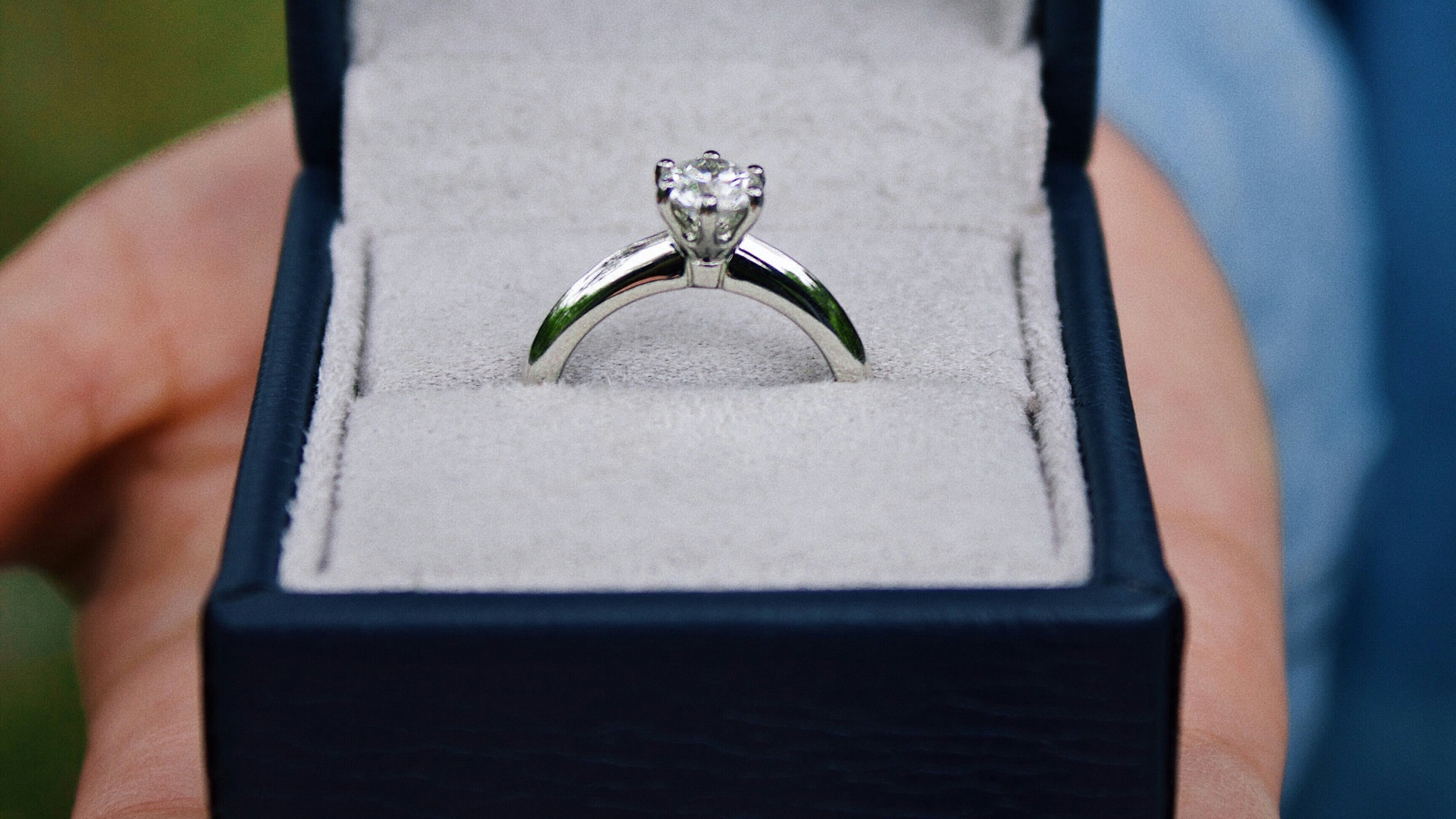
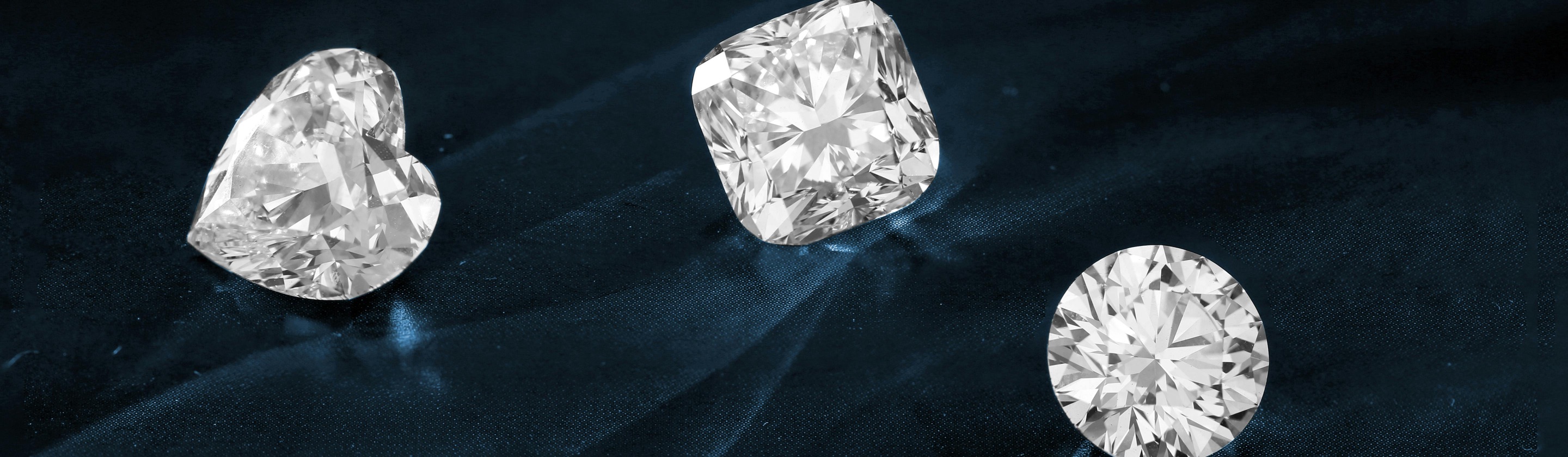
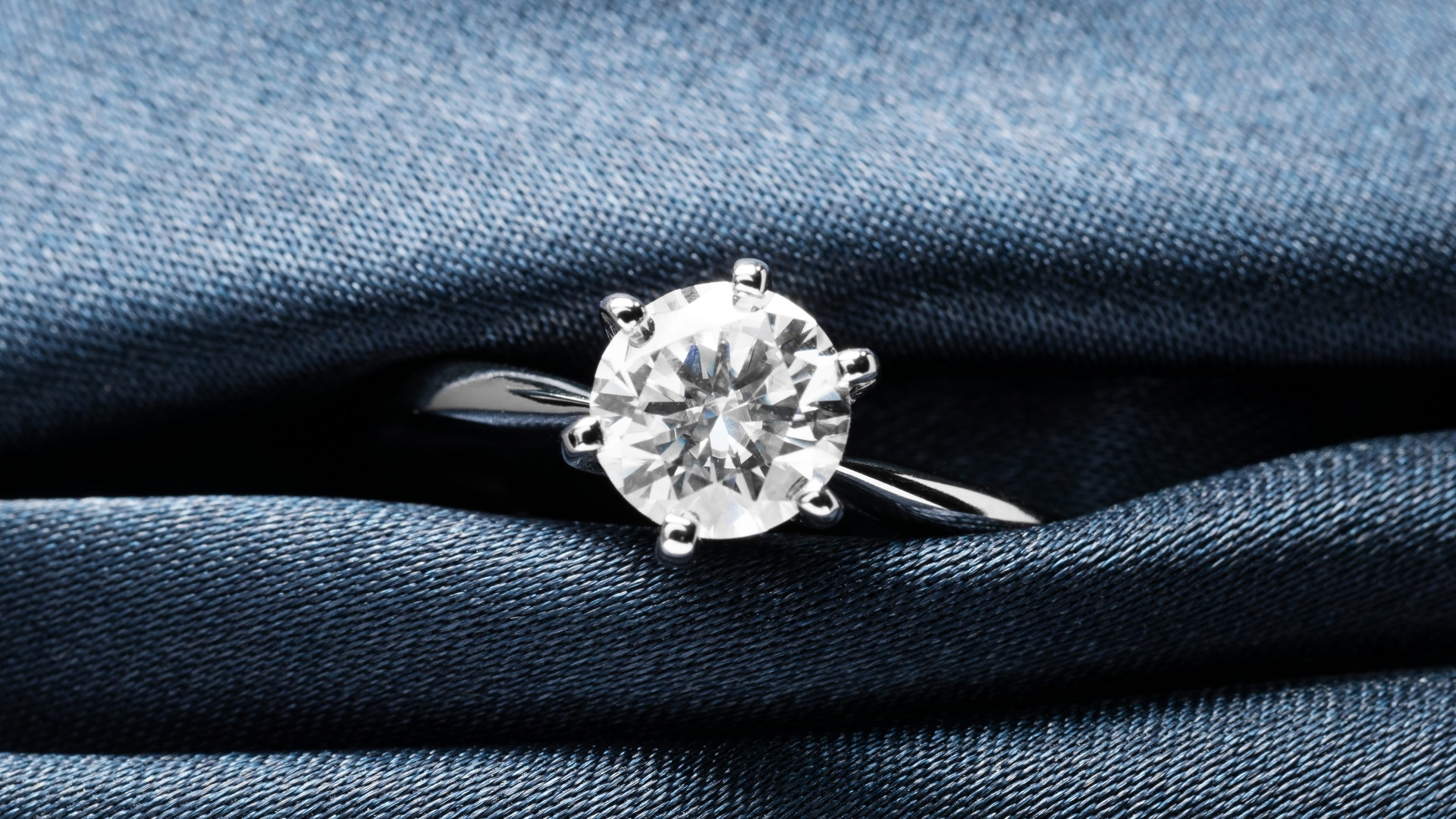
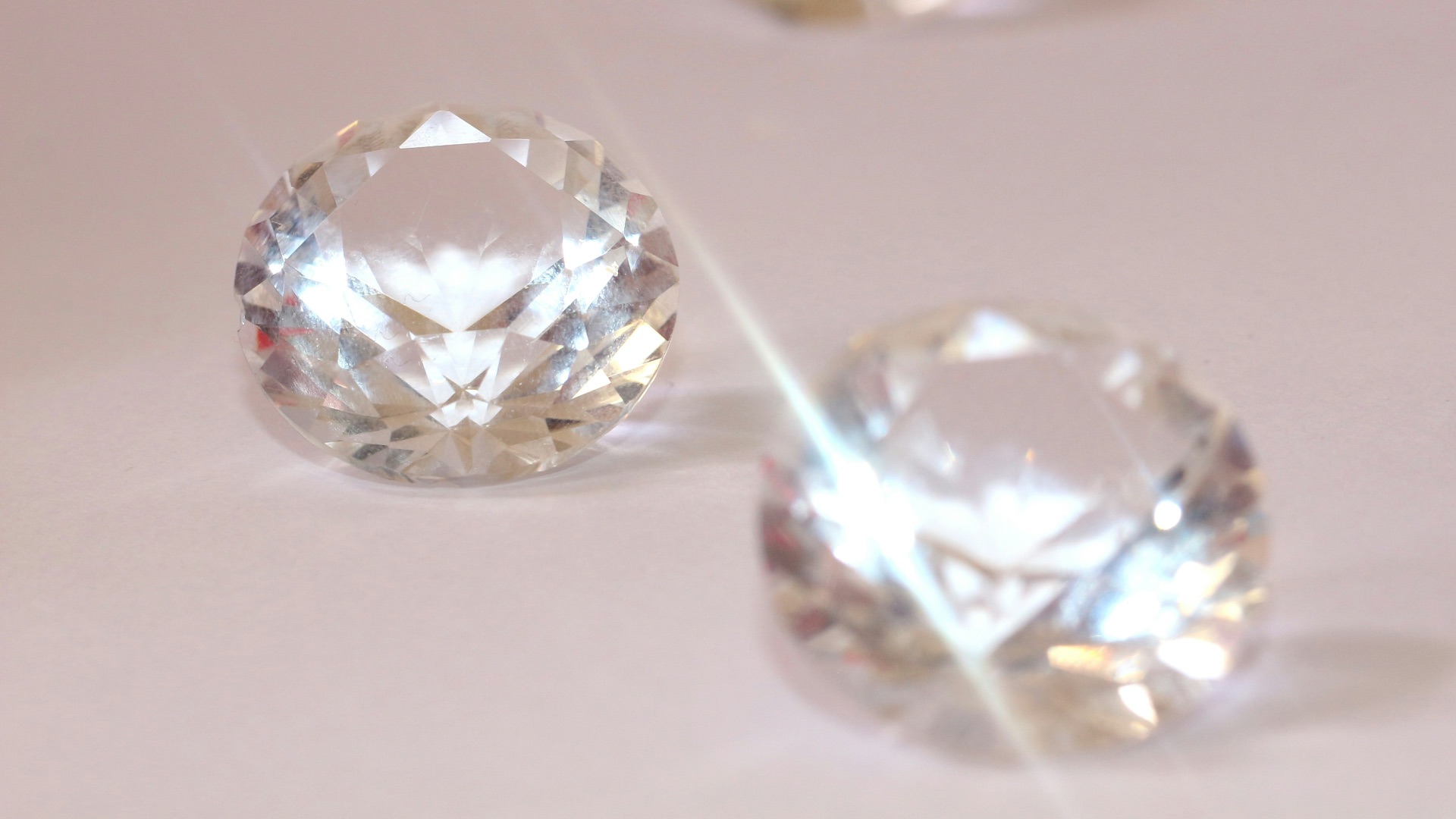
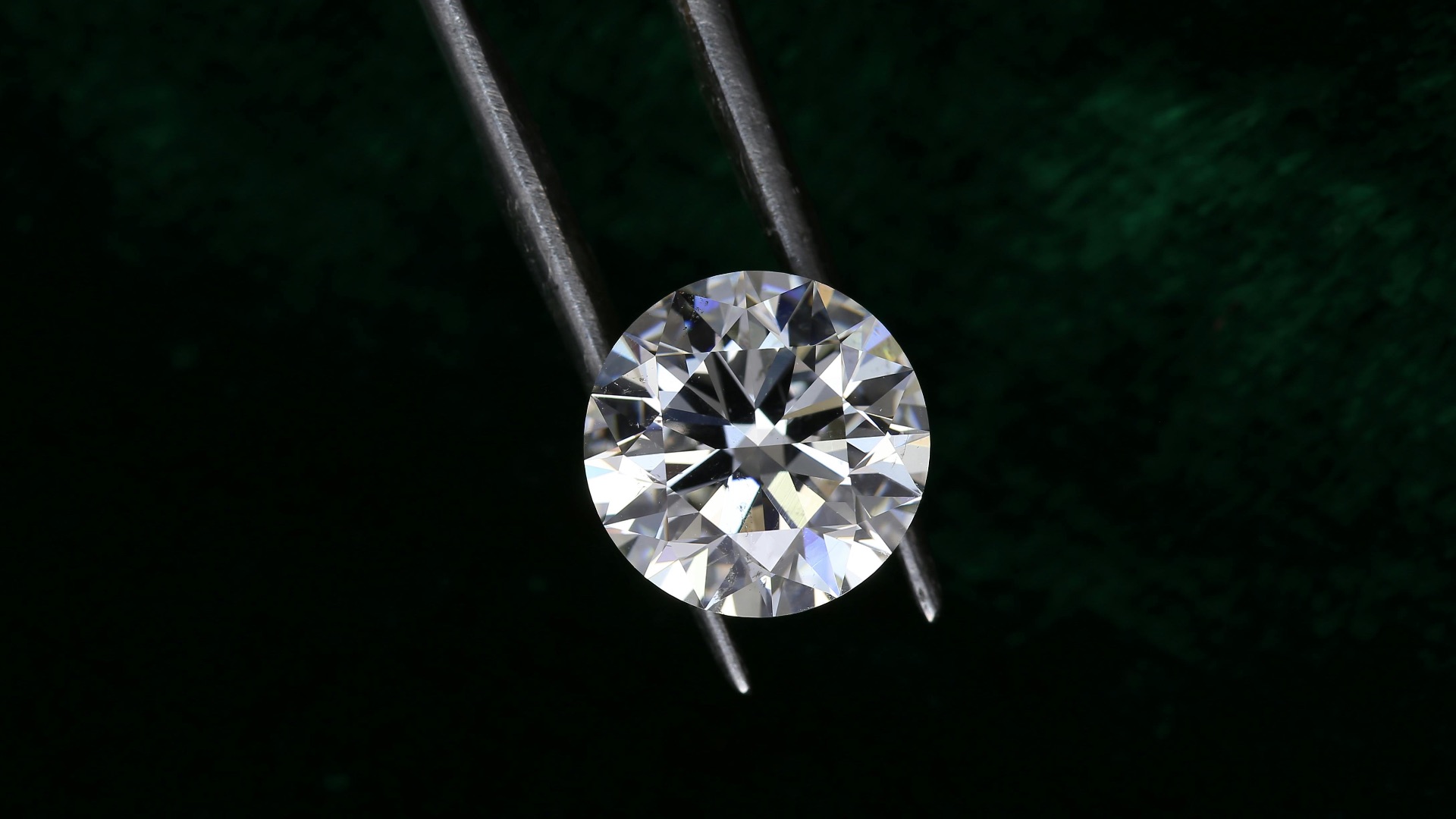
Lab-grown diamonds look the same as natural diamonds because, chemically and structurally, they are the same material. They have the same brilliance, fire, and hardness, so you aren't sacrificing beauty when you choose one. To the naked eye, most people would never be able to tell the difference. If what matters most to you is how the stone looks once it's set and worn, lab-grown absolutely holds its own.
2. You Usually Get More Size for the Money
One of the clearest advantages of lab-grown diamonds is value. For the same budget, you can often buy a larger stone or choose a better color and clarity than you could with a natural diamond. That makes a real difference if you want a ring that feels substantial without stretching your finances. Plenty of buyers care less about origin than about getting the best-looking stone they can reasonably afford.
3. They Are Real Diamonds, Not Imitations
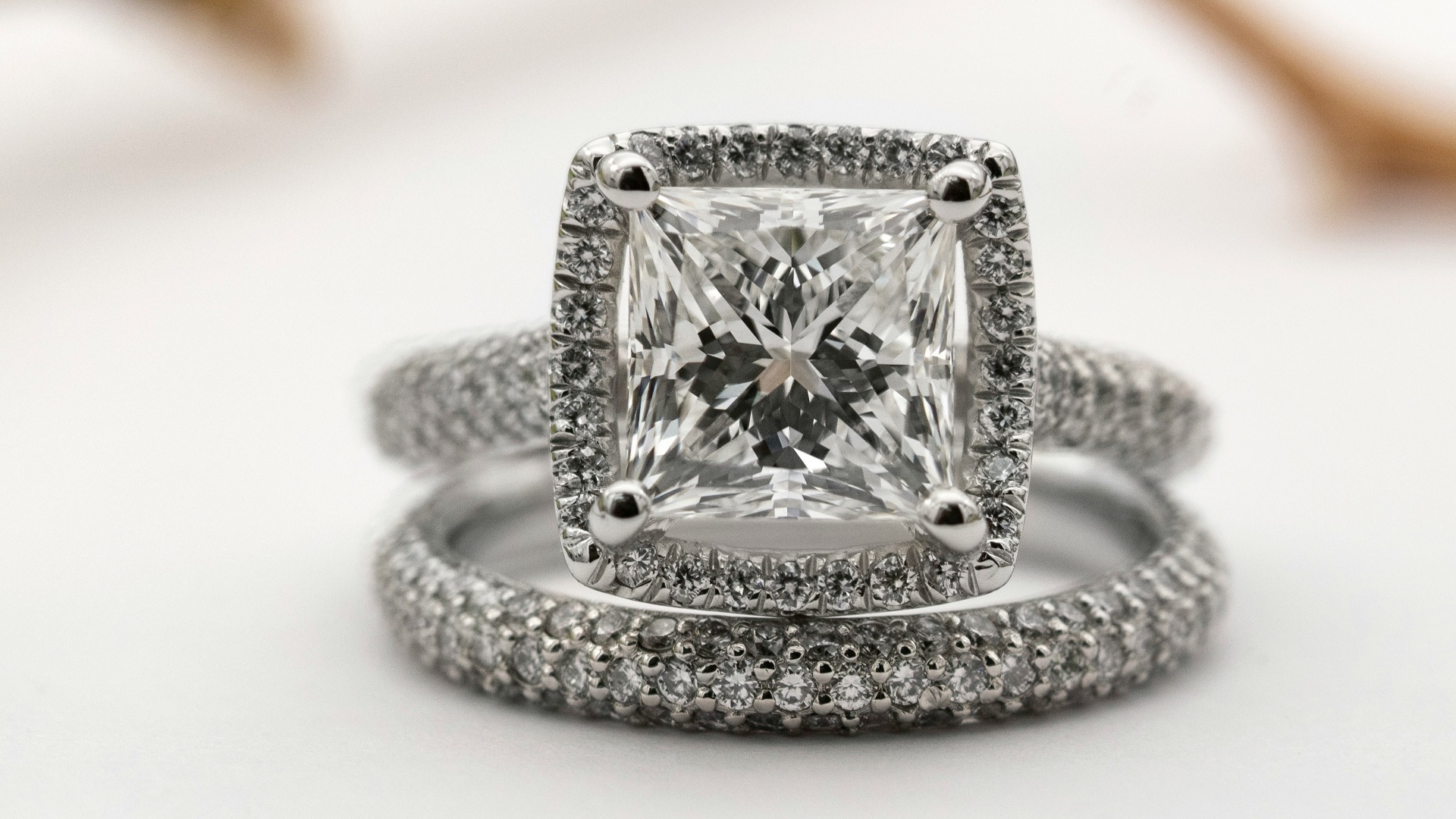
There's still confusion around this point, but lab-grown diamonds are not cubic zirconia or moissanite. They aren't diamond substitutes made to resemble the real thing; they are diamonds produced in a controlled environment. That means they share the same physical properties as mined stones, including durability and optical performance. If you've worried that lab-grown means fake, that distinction matters.
4. The Buying Process Can Feel More Transparent
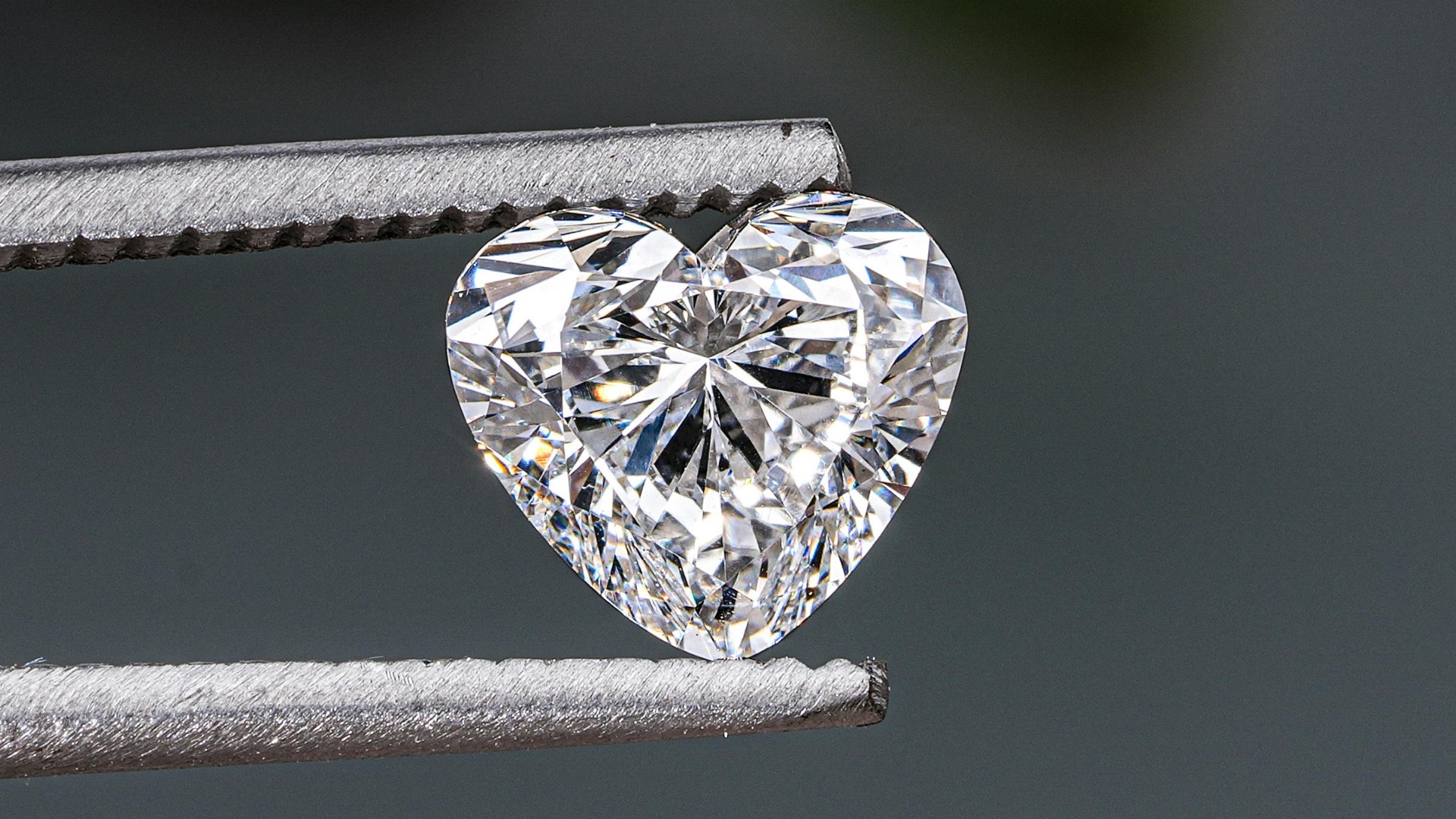
For many shoppers, lab-grown diamonds make the sourcing question easier. Because they are created in a lab rather than extracted from the earth, some buyers feel more comfortable with the supply chain and the reduced connection to mining. That doesn't mean every lab-grown stone is automatically beyond criticism, but the process can feel more straightforward. When you want fewer ethical uncertainties attached to a purchase, that simplicity can be appealing.
5. They Work Well for Modern Priorities
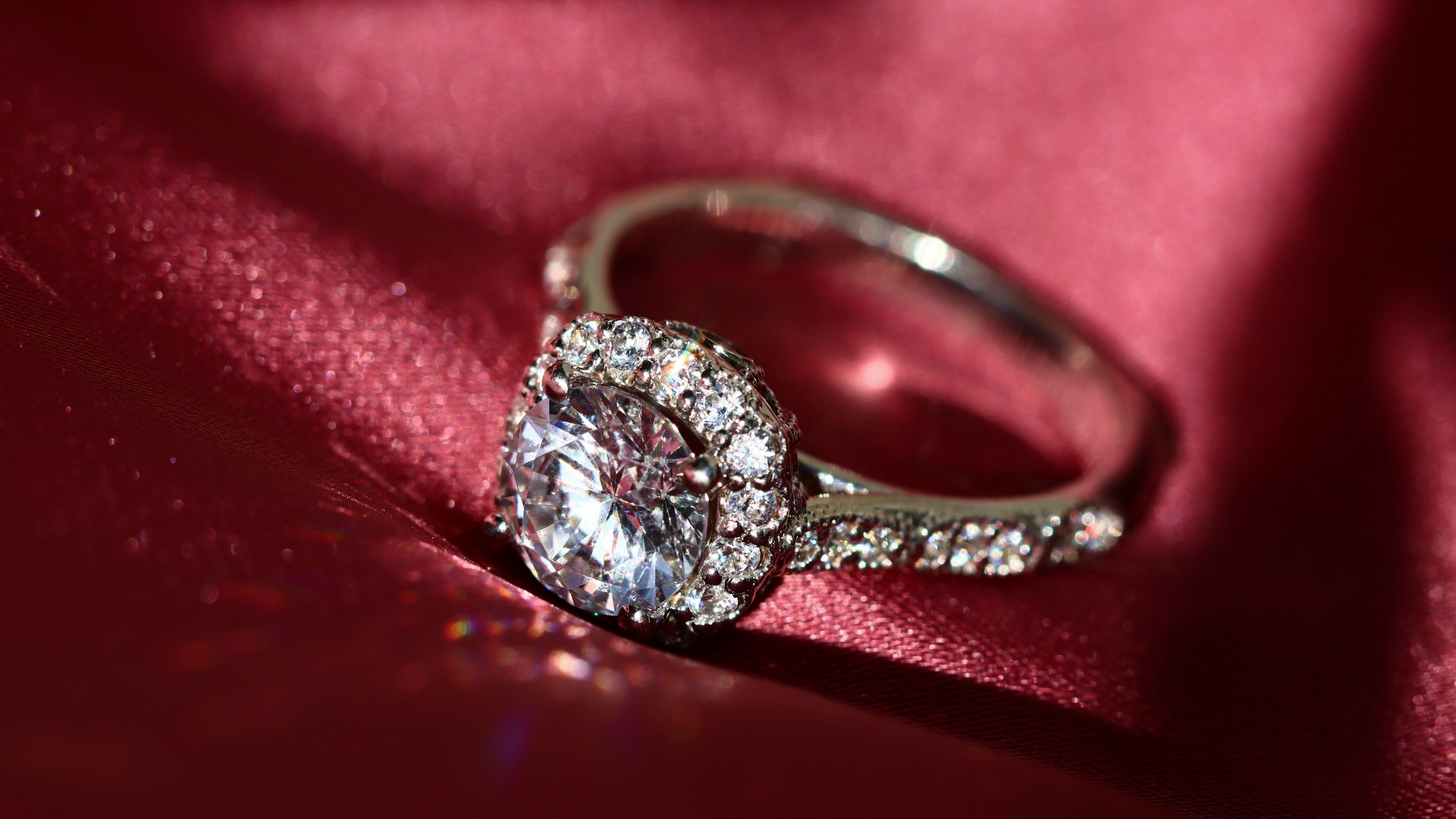
Not everyone is shopping with tradition at the center of the decision. Some people care more about smart spending, practical benefits, and whether a purchase fits their broader values. Lab-grown diamonds align well with that mindset because they offer luxury without requiring the same financial trade-offs. If you see jewelry as something to enjoy rather than something that has to carry old expectations, they make a lot of sense.
6. You Can Prioritize Design Over Stone Status
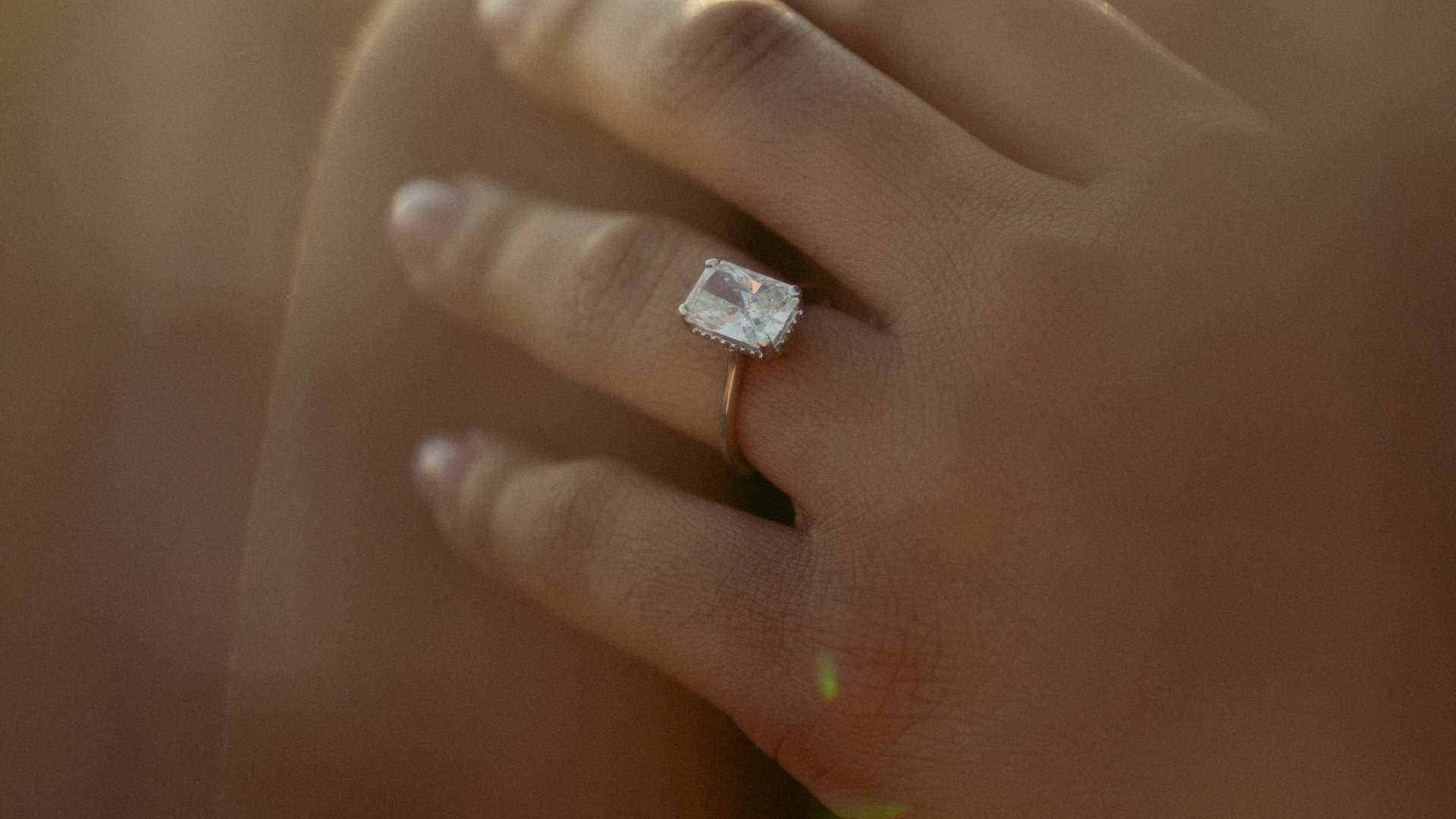
Choosing lab-grown can free up part of your budget for the setting, metal, or custom work instead of putting nearly all of it into the center stone. That gives you more room to focus on the overall ring rather than treating carat weight as the only thing that matters. For buyers who want a more distinctive piece, that flexibility is useful. Sometimes the better purchase isn't the rarer stone but the stronger finished design.
7. They Make Upgrading Easier
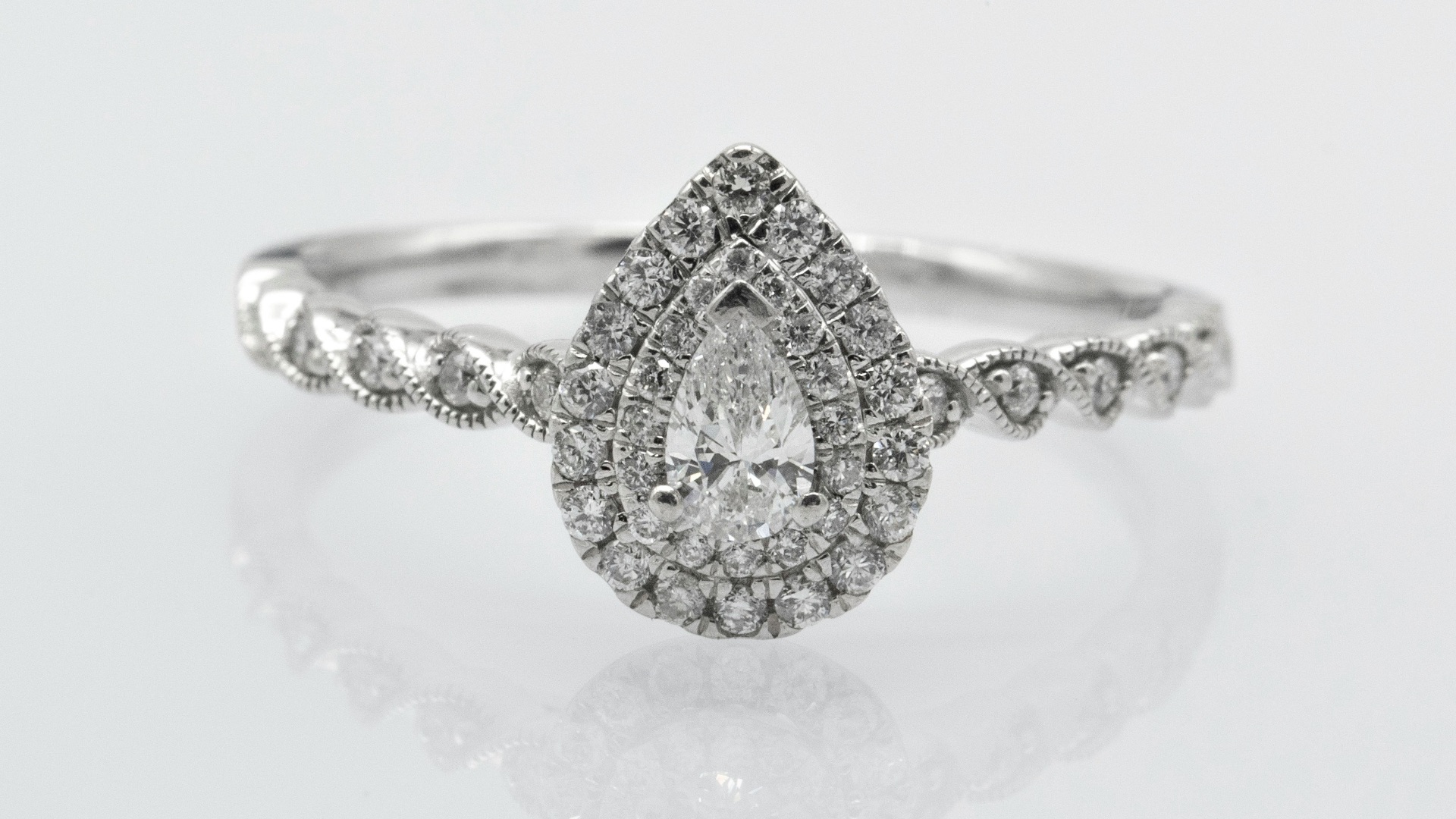
A lower entry price can also take some pressure off the purchase. If you think you might want to upgrade in the future, lab-grown gives you a way to buy something beautiful now without feeling like every decision has to be permanent. That can be especially helpful for couples balancing wedding costs, housing expenses, or other financial goals. You may find it easier to enjoy the ring when it doesn't come with the same level of budget strain.
8. Quality Control Can Be More Predictable
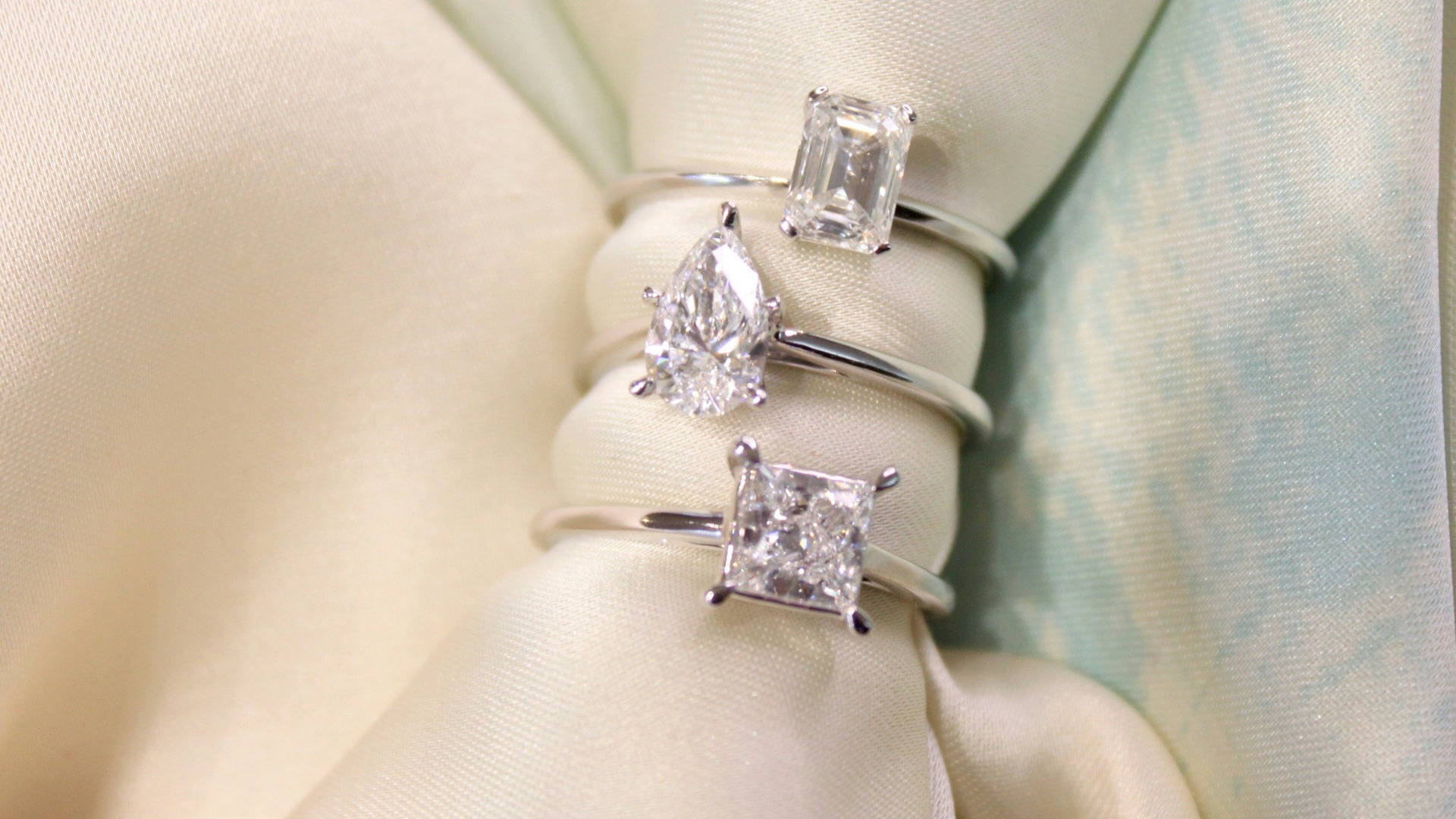
Because lab-grown diamonds are produced under controlled conditions, consistency can be part of the appeal. Buyers often appreciate having access to stones with strong color and clarity grades at prices that feel more approachable. The market can also feel easier to navigate when you're comparing stones with fewer assumptions tied to rarity. If you like making decisions based on visible quality rather than mystique, lab-grown can be a comfortable fit.
9. Suits Buyers Who Don't Care About Origin
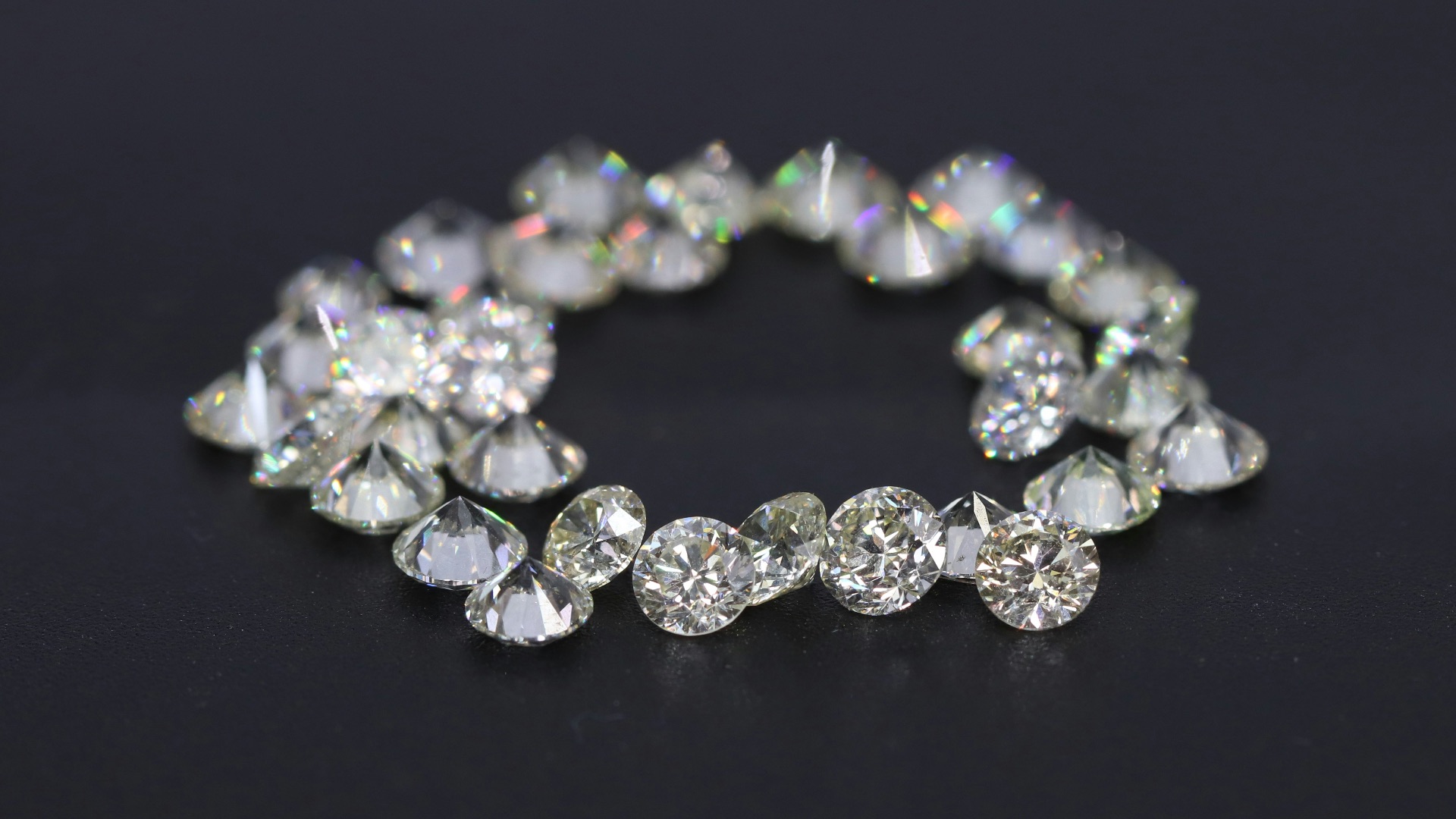
For some people, the romance of a diamond doesn't depend on where it formed. They want something durable, attractive, and meaningful because of the occasion, not because it came from the earth over a long period of time. In that case, lab-grown checks every practical box without asking you to pay extra for a backstory you may not personally value. That's a perfectly reasonable way to approach the purchase.
10. They Reflect Changing Consumer Attitudes
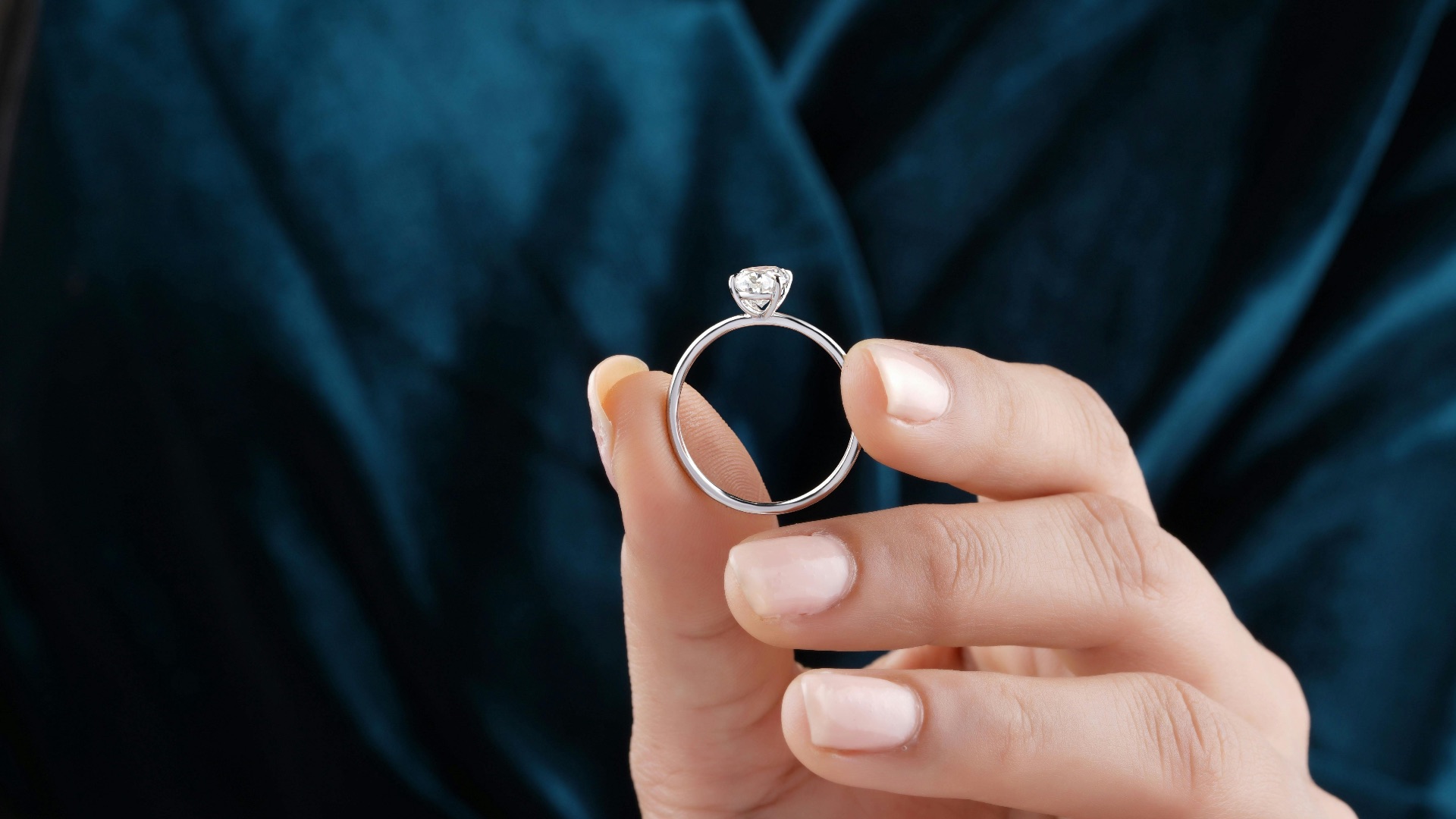
Lab-grown diamonds have gained traction because they match the way many people shop today. Buyers are often more price-conscious, more research-driven, and less attached to inherited ideas about what a diamond is supposed to represent. A lab-grown stone can feel like a smart, current choice rather than a compromise. For a growing number of people, that's more than enough reason to say yes.
That said, the case for lab-grown isn't the whole story. Natural diamonds still have strengths that go beyond appearance, and for many buyers, those qualities are exactly what make the purchase feel worth it.
1. Natural Diamonds Are Rare
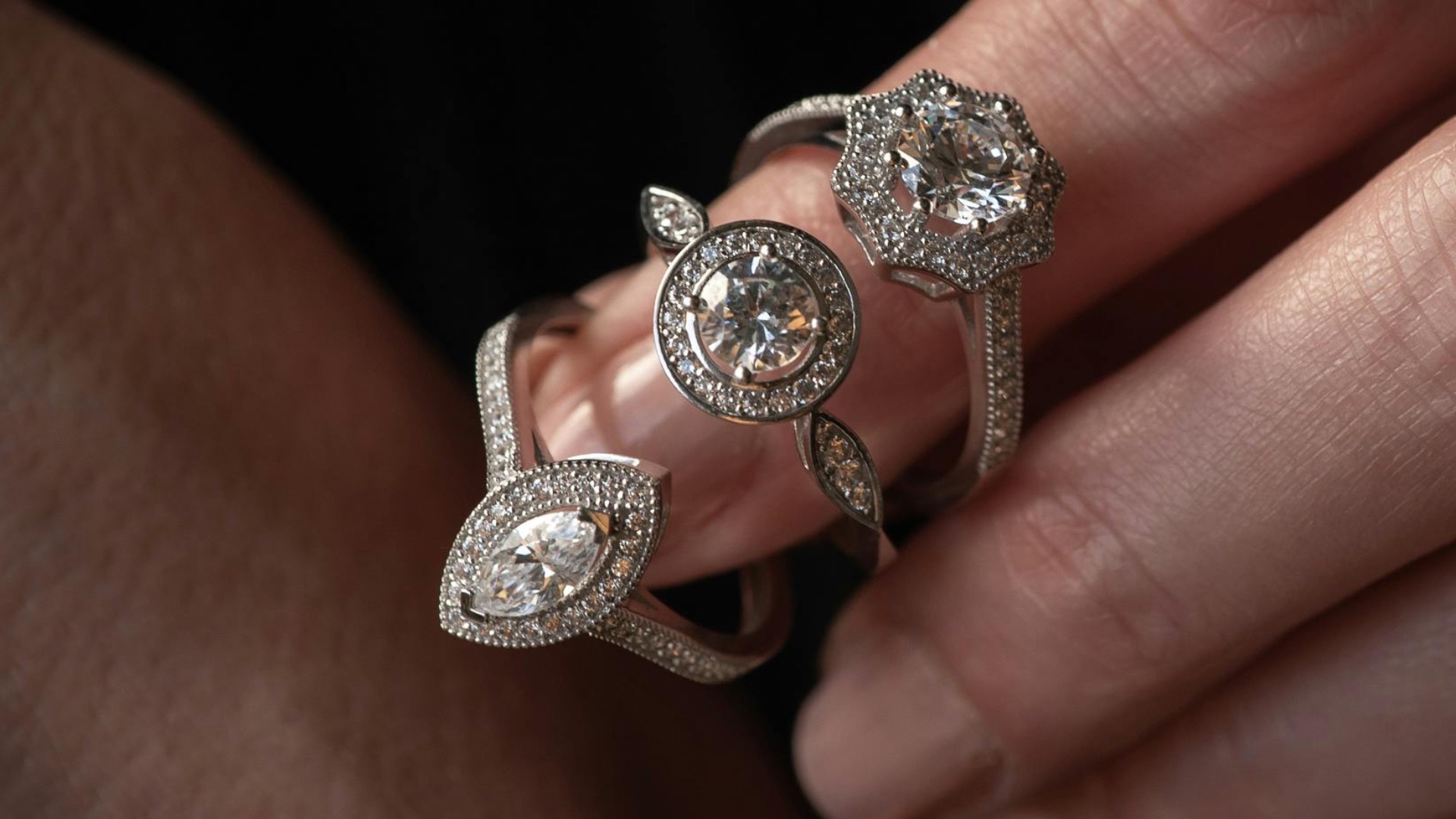
A natural diamond exists because geology made it possible, not because a manufacturer produced it on demand. That rarity still carries weight for people who want their stone to feel finite and not easily replicated. Even if lab-grown diamonds are chemically identical, they don't have the same scarcity. For some buyers, that difference is central rather than symbolic.
2. The Origin Story Matters to Many People
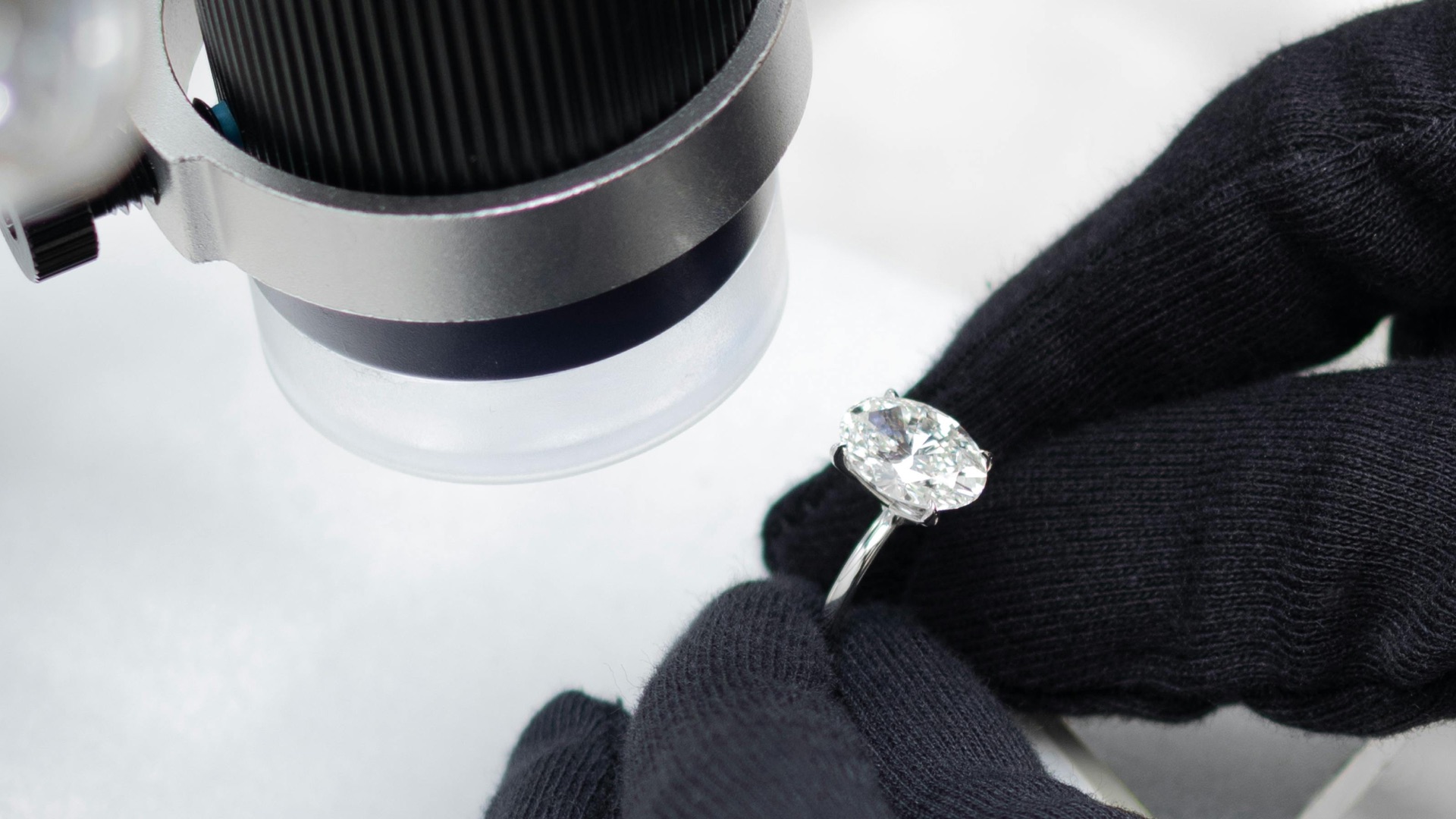
Some people want a diamond that came from the earth because that origin feels meaningful to them. They aren't only buying sparkle or hardness; they're buying a stone with a natural history that no lab can reproduce. That story can add emotional value, especially for engagement rings or heirloom jewelry. If you care about where the diamond began, a natural stone often feels more compelling.
3. Tradition Still Has Pull
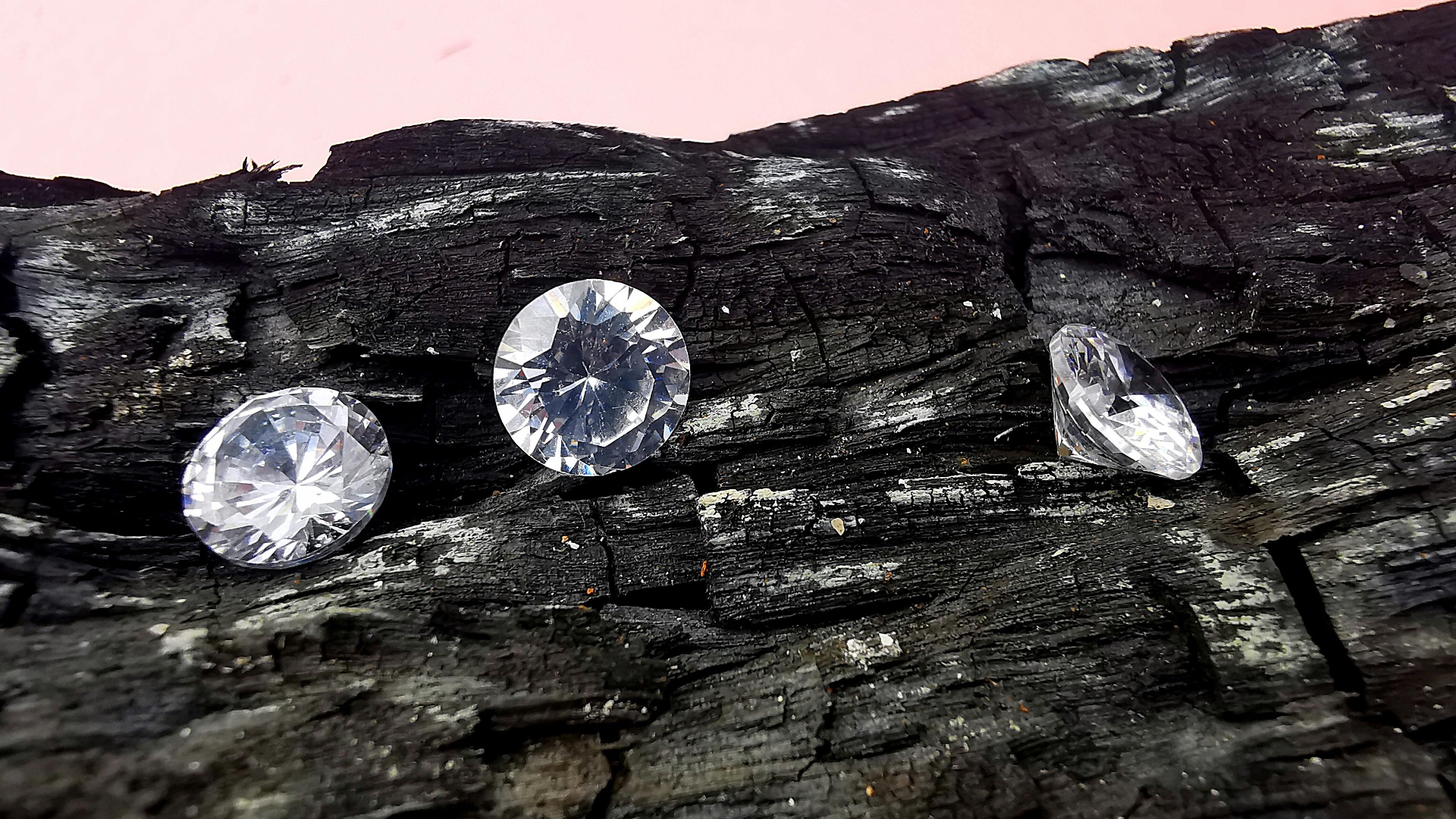
Natural diamonds remain the default in many people's minds because they've long been tied to major life milestones. Engagements, anniversaries, and family jewelry often come with expectations that are shaped by tradition, whether we admit it or not. Sticking with a mined diamond can feel more aligned with those customs. If the purchase is meant to mark a once-in-a-lifetime moment, that continuity can matter.
4. Resale and Long-Term Value Tend to Favor Natural Stones
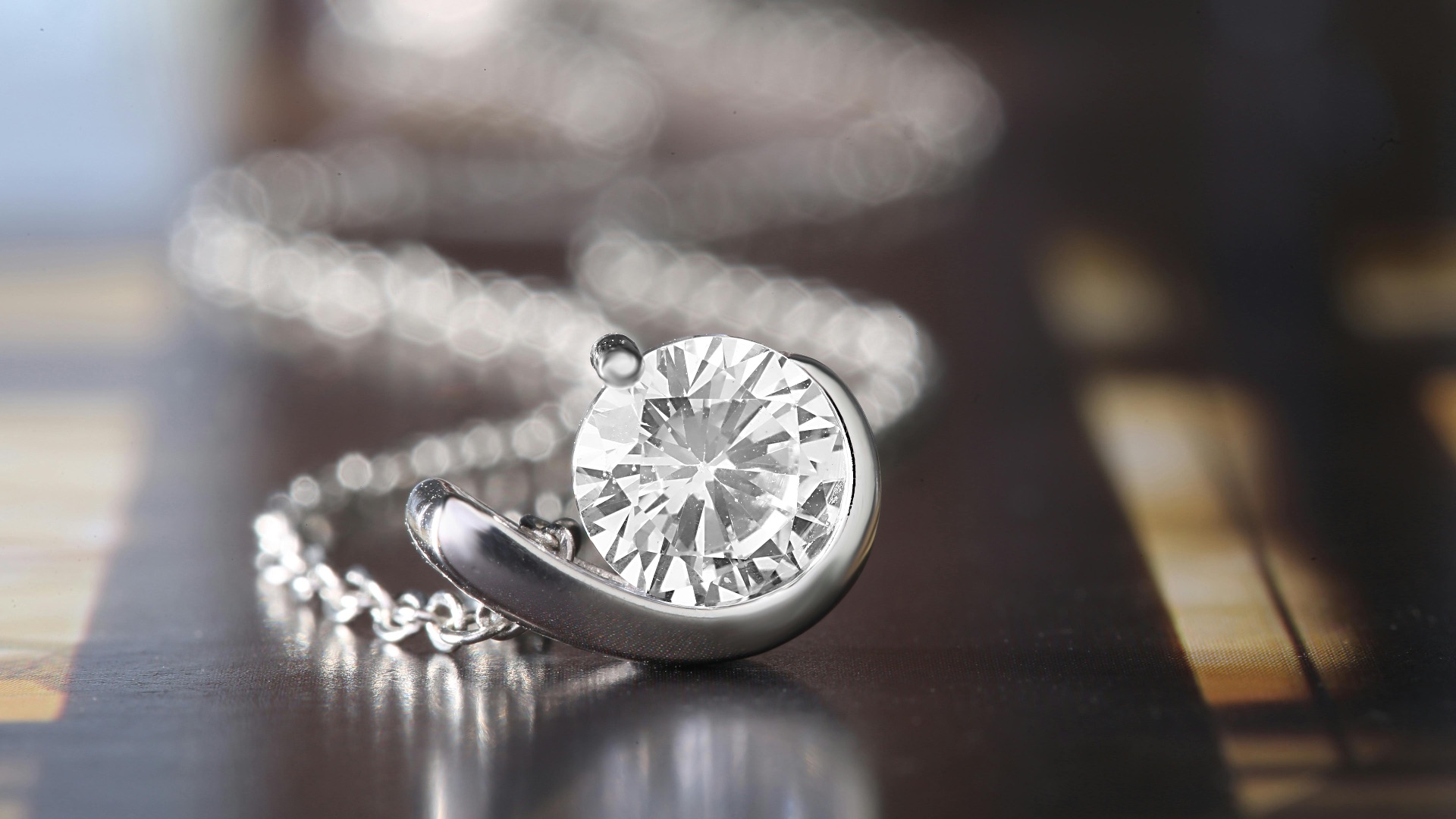
Diamonds are not perfect investments, but natural diamonds usually hold their market position better than lab-grown ones. Lab-grown prices have fallen significantly as production has expanded, which can make future resale less favorable. Natural diamonds aren't immune to market shifts, yet they benefit from rarity in a way lab-created stones do not. If long-term value matters to you, that practical difference deserves attention.
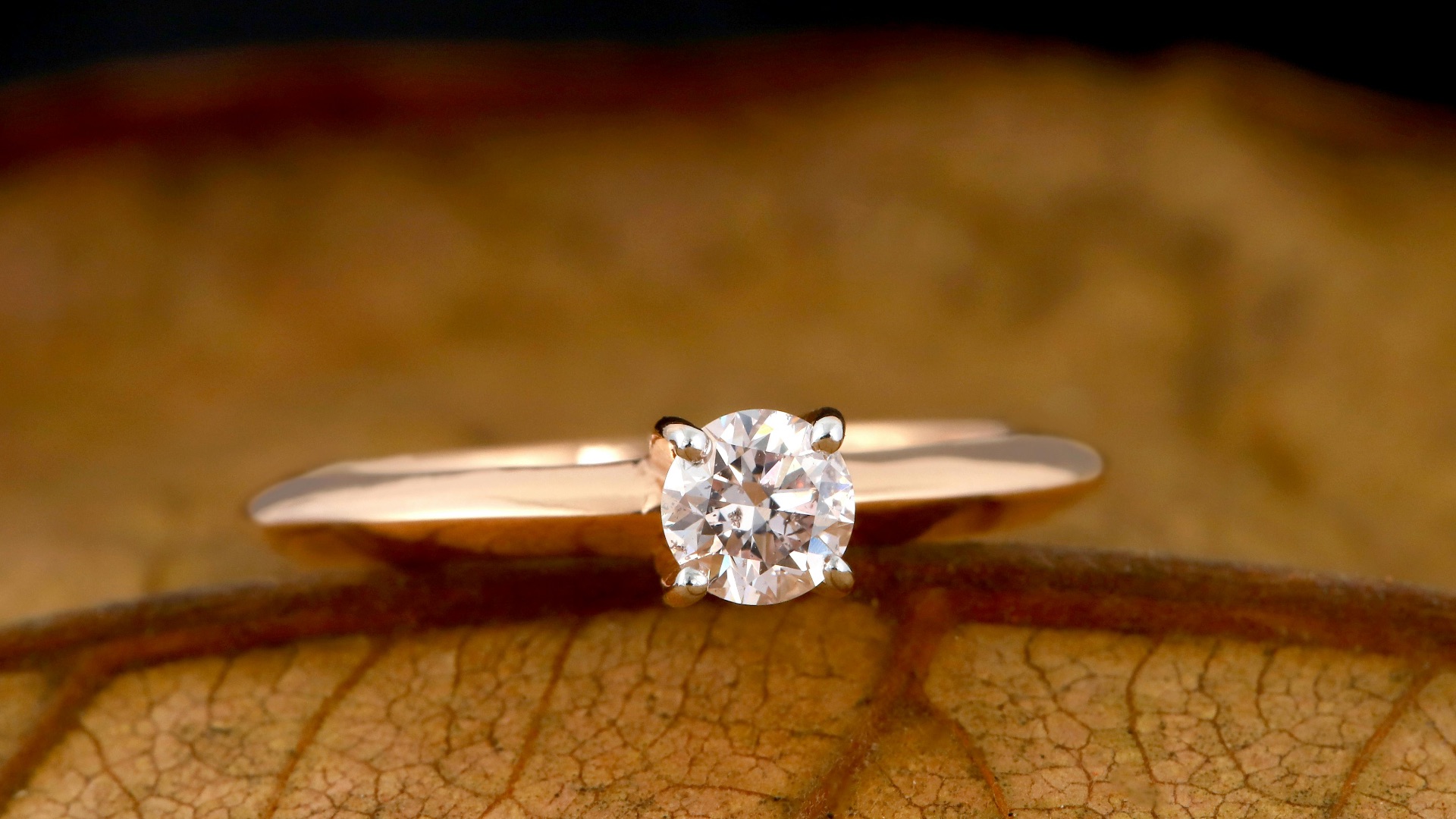 Amazing Clicks by Arjun on Pexels
5. Heirloom Appeal Is Stronger with Natural Diamonds
People often talk about passing jewelry down, and natural diamonds still have an advantage in that conversation. A stone formed by nature can carry a sense of permanence and significance that some families find more meaningful over generations. It may feel less tied to a particular retail moment and more connected to lasting family history. When you picture a ring becoming part of a larger story, natural diamonds often fit that vision more easily.
6. The Premium Can Feel Worth It for a Major Purchase
Not every buyer is looking for the most efficient option. Sometimes spending more is part of getting exactly what you want, especially when the item is emotionally important and expected to last for decades. A natural diamond can feel like the version you would choose if compromise weren't part of the equation. Even when lab-grown offers better apparent value, some people still prefer the thing they see as the original.
7. Market Perception Still Leans Toward Natural
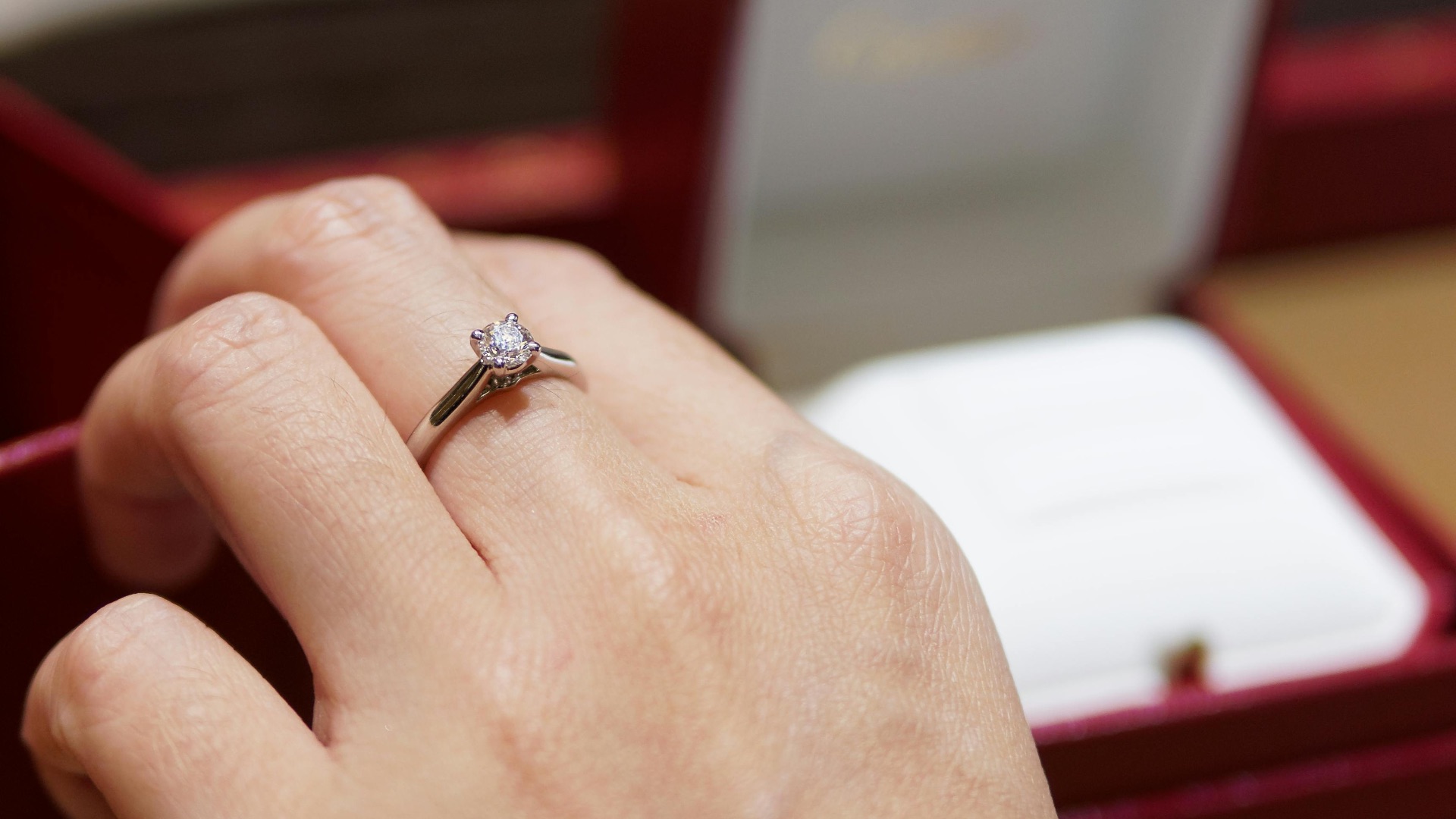
Whether fair or not, some buyers and recipients continue to view natural diamonds as more prestigious. That perception may not matter to everyone, but it does influence how some people think about luxury purchases. In certain social and family circles, a mined diamond still carries more status. If that layer of perception is important in your world, it can shape the decision more than people like to admit.
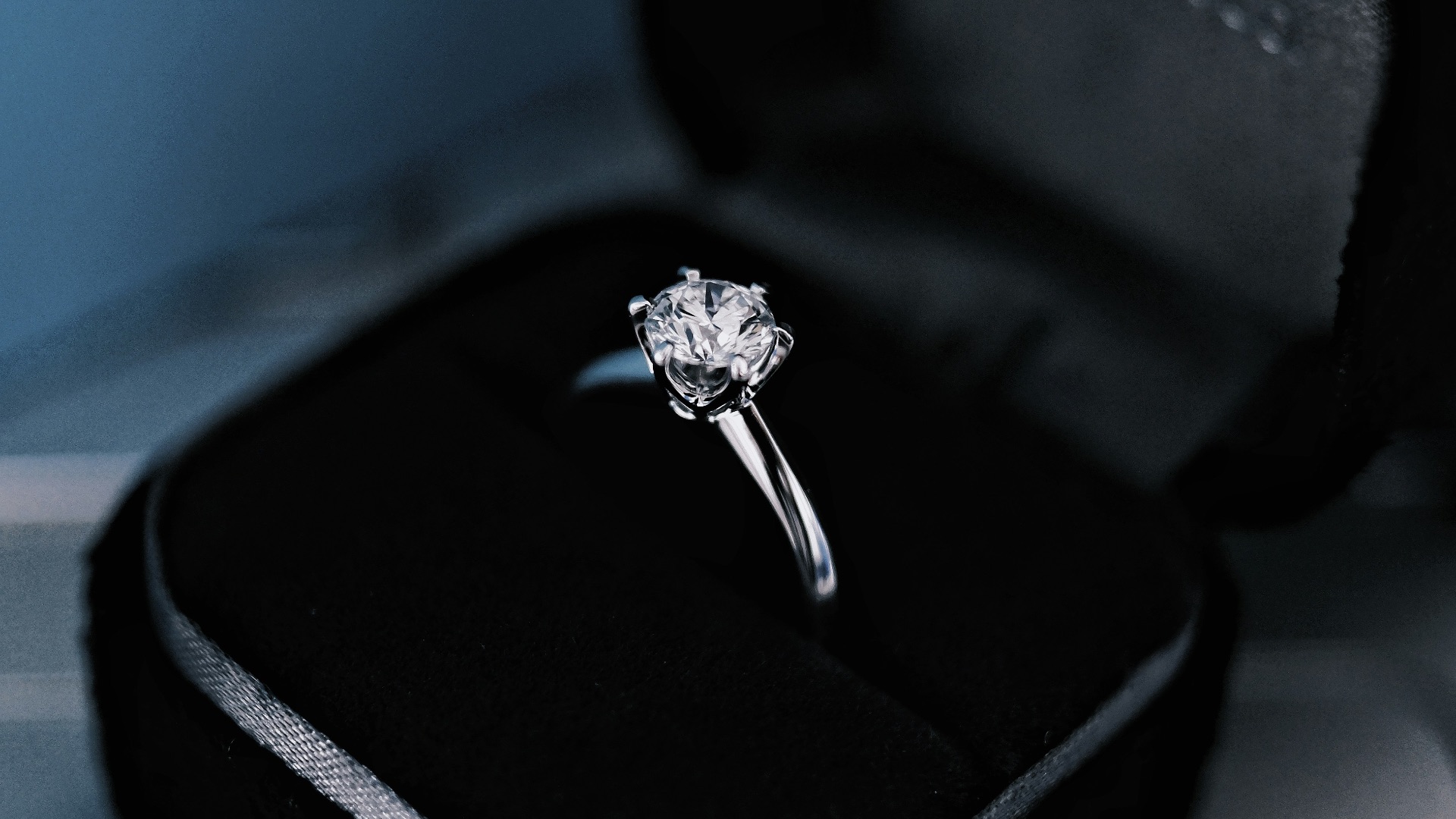
8. Supply Expansion Has Changed the Lab-Grown Equation
One reason some buyers hesitate on lab-grown diamonds is that they can become more common as production scales up. That abundance may be good for affordability, but it can make the purchase feel less distinctive over time. Natural diamonds don't face that exact issue because their supply is inherently limited. If exclusivity matters to you, a mined stone may feel more secure.
9. Real Diamonds Carry More Emotional Weight
Even when buyers understand the financial logic behind lab-grown diamonds, they don't always feel drawn to them. Jewelry is emotional, and people often know when a purchase would nag at them later, even if it looked sensible on paper. If you suspect you'd keep wondering whether you should have chosen natural, that's worth taking seriously. The better choice isn't always the cheaper one if it won't leave you fully satisfied.
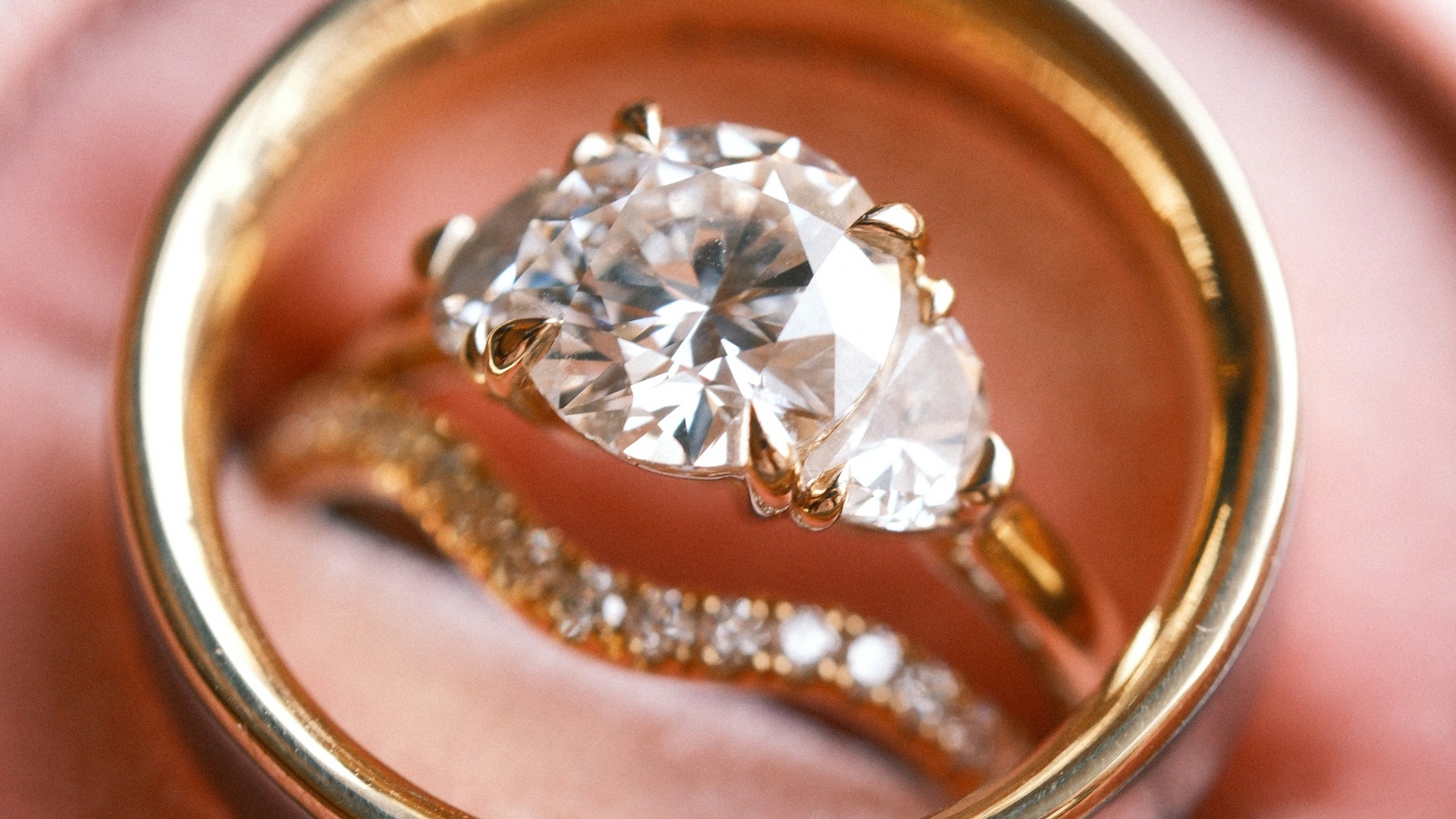
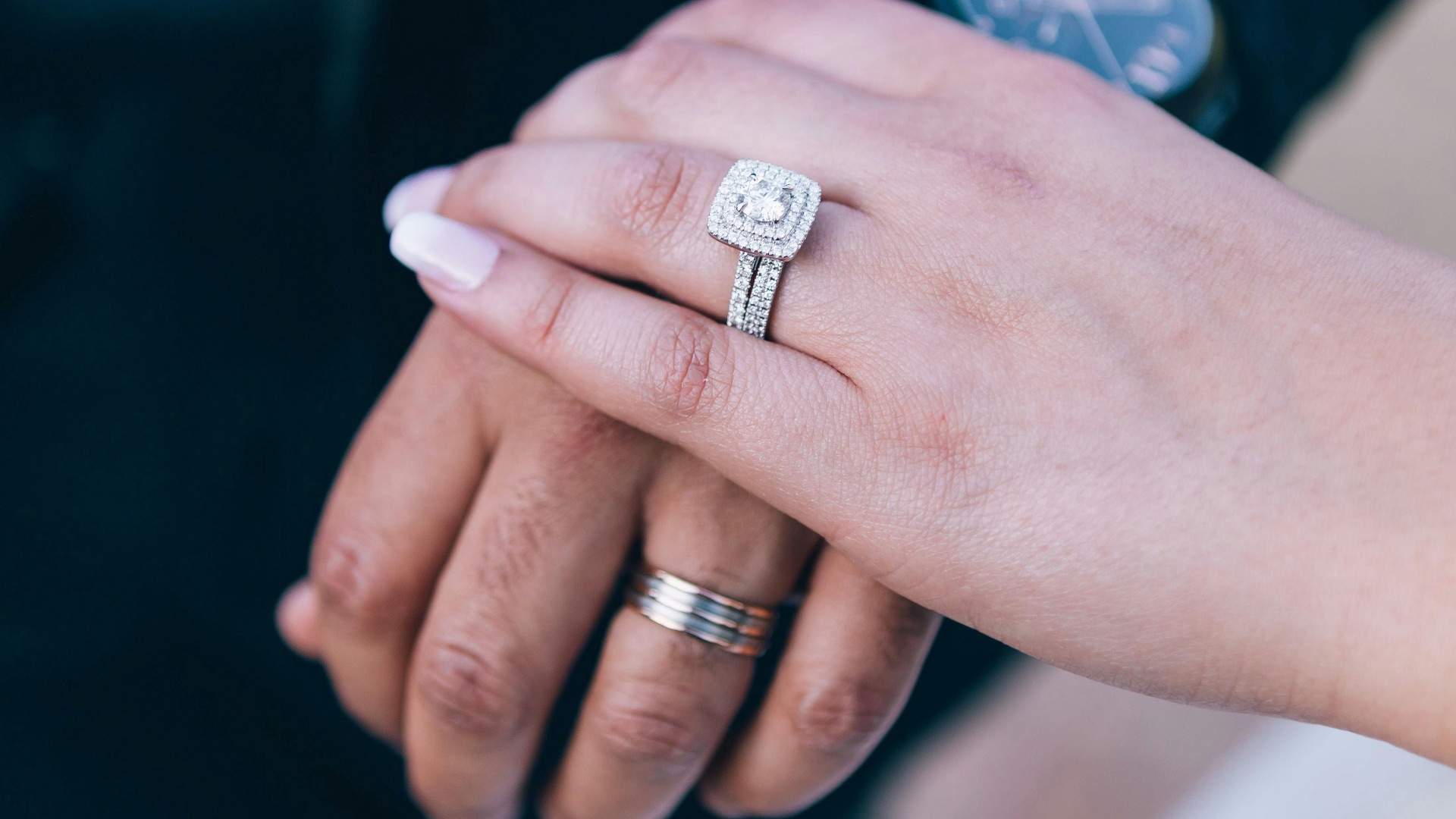 Western Sydney Wedding Photo and Video on Pexels
10. Makes a Purchase More Meaningful
At the end of the day, diamonds are rarely necessity purchases. They are emotional objects tied to commitment, memory, identity, and taste, so the most efficient option won't automatically feel like the right one. A natural diamond asks you to pay for rarity, tradition, and origin, and some buyers are perfectly comfortable with that. If those qualities matter to you in a lasting way, sticking with the real deal can still be the right call.