Quality vs. Quick Wear: Which Leather Jackets Truly Hold Up
A leather jacket can be one of the most reliable pieces in your wardrobe, but not all of them are built the same. Some develop character over time and hold their structure for years, while others start to crack, peel, or lose shape much sooner than expected. If you’ve ever wondered why one jacket ages beautifully while another falls apart, you’re not alone. Understanding what separates durable leather from lower-quality alternatives helps you make better choices and avoid wasting money. Once you know what to look for, it becomes easier to spot the pieces that will truly last. Here are 10 leather jackets that last a lifetime and 10 that crack fast.

1. Full-Grain Leather Jackets
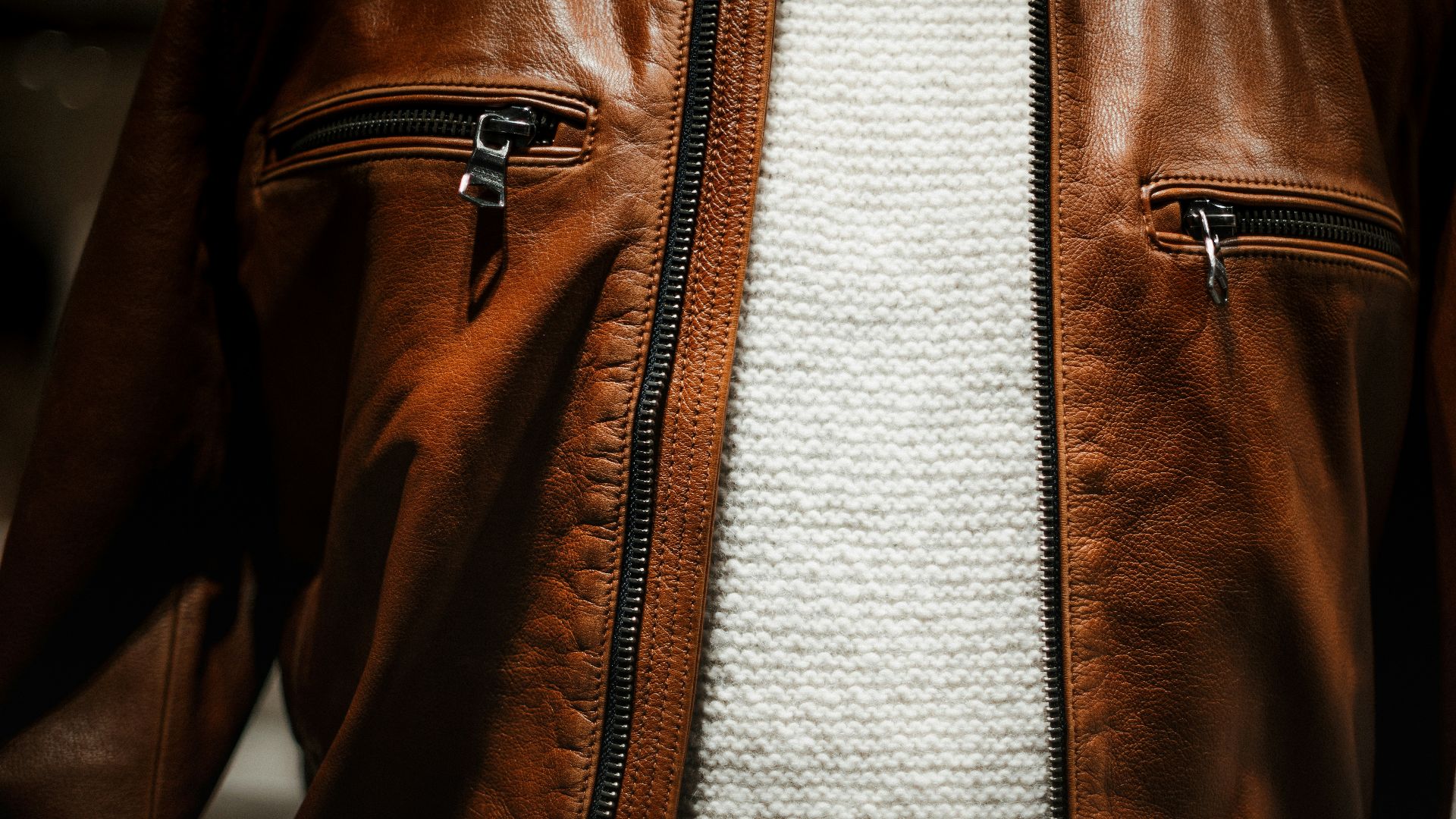
Full-grain leather is the highest quality you can buy because it uses the outermost layer of the hide. It retains natural imperfections, which actually strengthen the material rather than weaken it. Over time, it develops a patina instead of cracking. That aging process is a key sign of durability.
2. Top-Grain Leather Jackets
Top-grain leather is slightly refined but still maintains strong durability. The surface is sanded to remove imperfections, giving it a smoother appearance. It resists wear while still aging well with proper care. Many high-end brands rely on this material for long-lasting pieces.
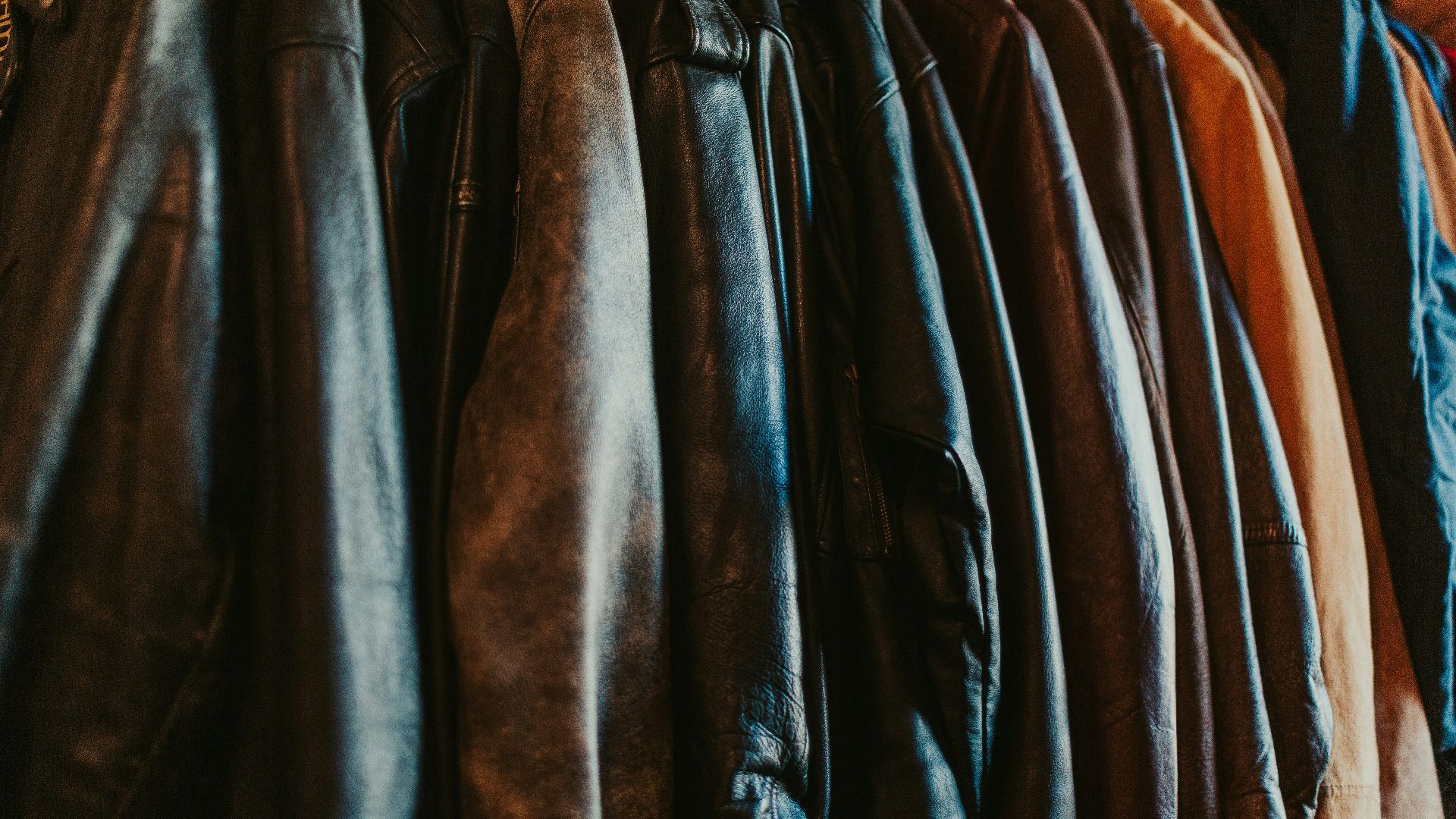 Samuel Yongbo Kwon on Unsplash
3. Vegetable-Tanned Leather Jackets
Vegetable tanning uses natural tannins from plants instead of harsh chemicals. This process results in leather that ages gradually and becomes more flexible over time. It’s known for developing rich color changes rather than surface damage. With proper conditioning, it can last for decades.
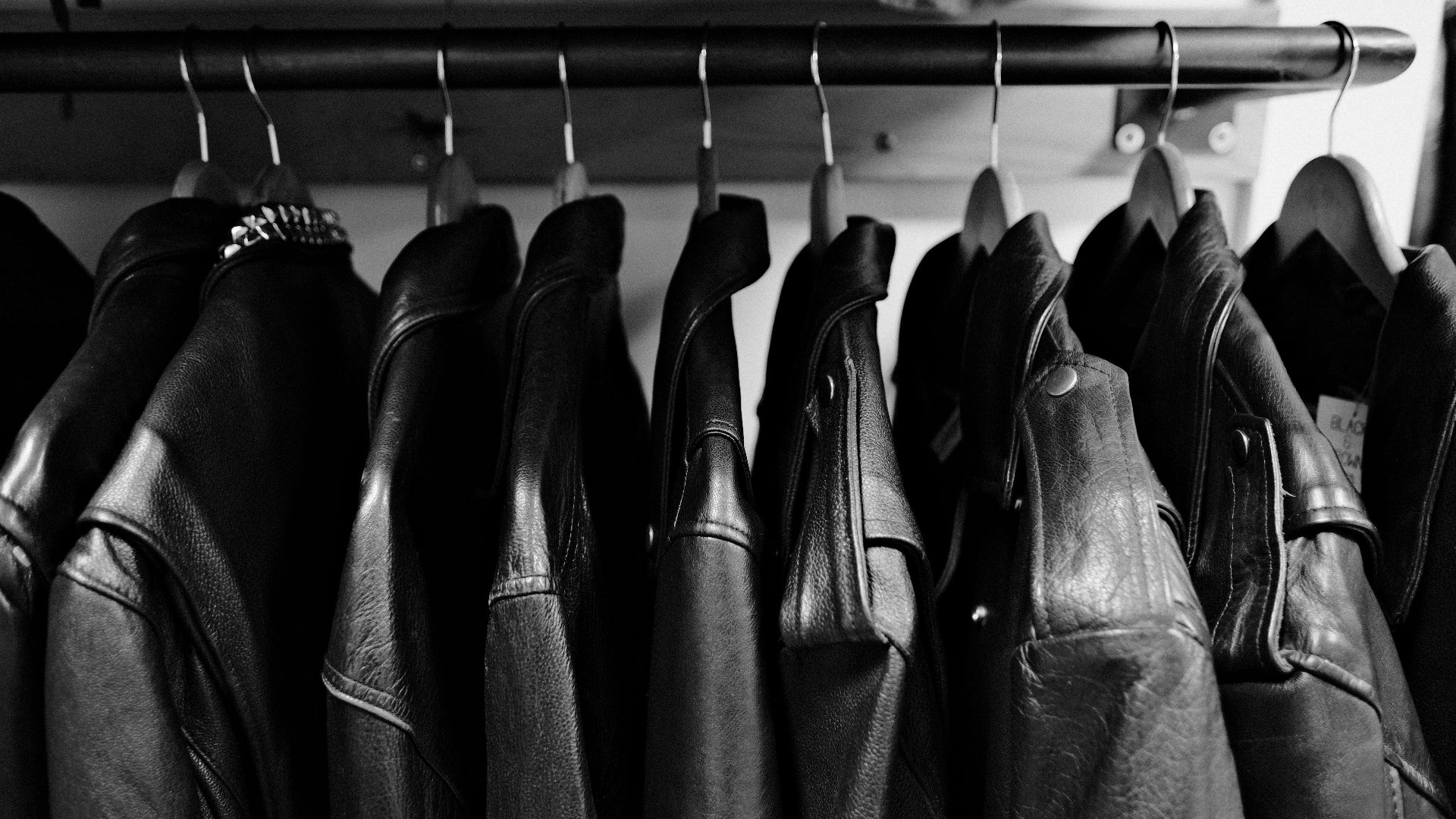 Chandler Aitchison on Unsplash
4. Goatskin Leather Jackets
Goatskin is naturally soft yet highly durable due to its tight grain structure. It resists moisture better than many other leathers, which helps prevent cracking. The material maintains flexibility even with frequent use. This balance of comfort and strength makes it a reliable option.
5. Cowhide Leather Jackets
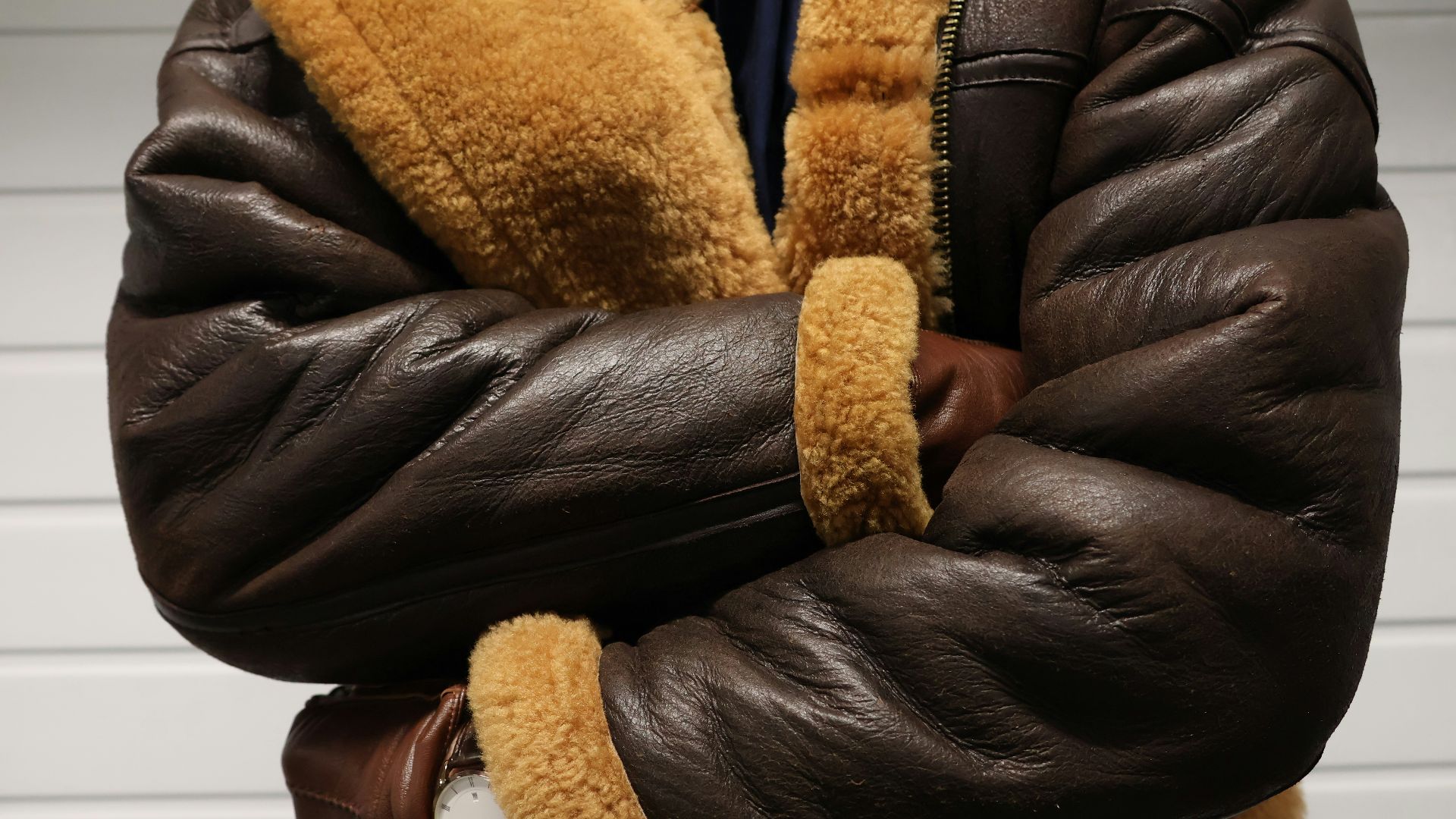
Cowhide is one of the most commonly used leathers for jackets because of its toughness. It offers strong resistance to abrasion and wear, making it ideal for everyday use. Over time, it softens without losing its integrity. This makes it a dependable long-term investment.
6. Sheepskin Leather Jackets
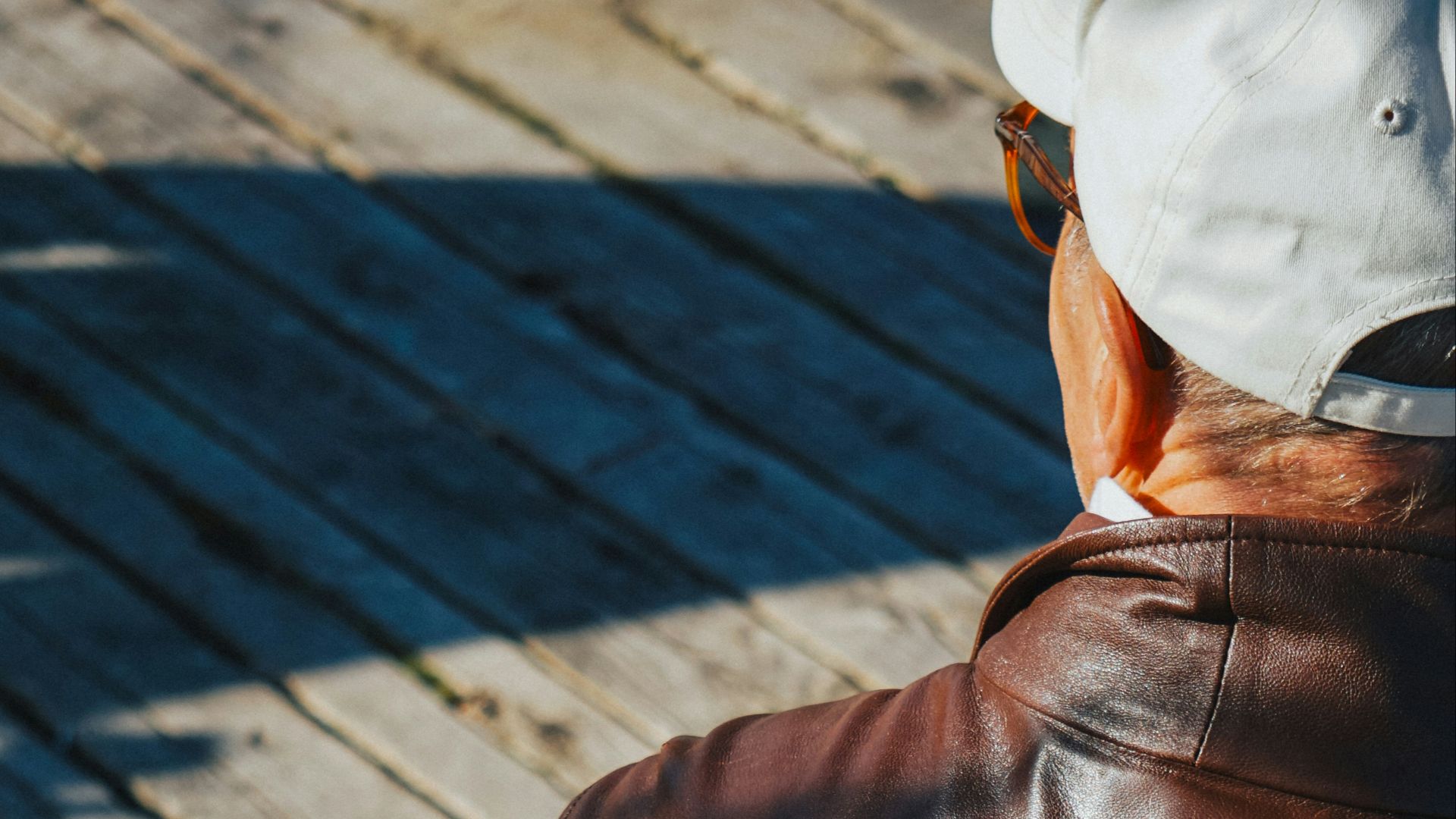
Sheepskin is softer than cowhide but still durable when properly treated. It offers excellent insulation while remaining lightweight. With regular care, it maintains its structure and avoids premature cracking. Many people choose it for both comfort and longevity.

7. Waxed Leather Jackets
Waxed leather has an added protective coating that helps repel water and dirt. This layer reduces the risk of drying out, which is a common cause of cracking. It also enhances the jacket’s resistance to environmental damage. Proper upkeep keeps it looking polished for years.
8. Hand-Stitched Leather Jackets
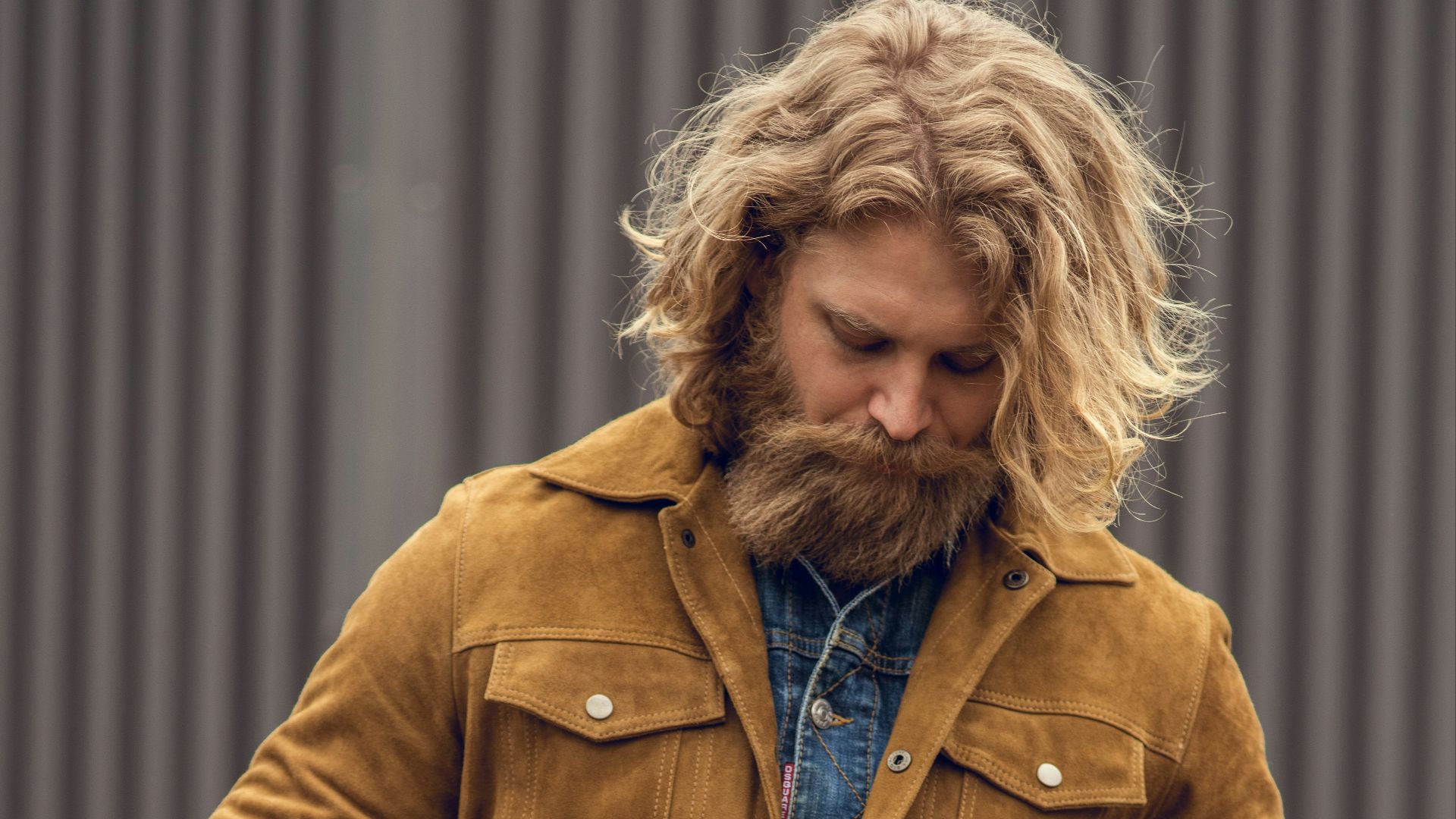
Hand-stitching often indicates higher craftsmanship and attention to detail. Strong stitching prevents seams from weakening over time. This contributes to the overall durability of the jacket. You’ll notice the difference in how well it holds its shape.

9. Jackets with Quality Linings
A well-made lining supports the structure of the jacket and reduces internal wear. Materials like cotton or silk blends help regulate moisture and temperature. This prevents stress on the leather itself. Over time, that internal support extends the jacket’s lifespan.

10. Properly Maintained Leather Jackets
Even the best leather requires care to last a lifetime. Regular conditioning keeps the material hydrated and prevents dryness. Storing it properly also helps maintain its shape and flexibility. With consistent upkeep, a good jacket can last for decades.
1. Bonded Leather Jackets
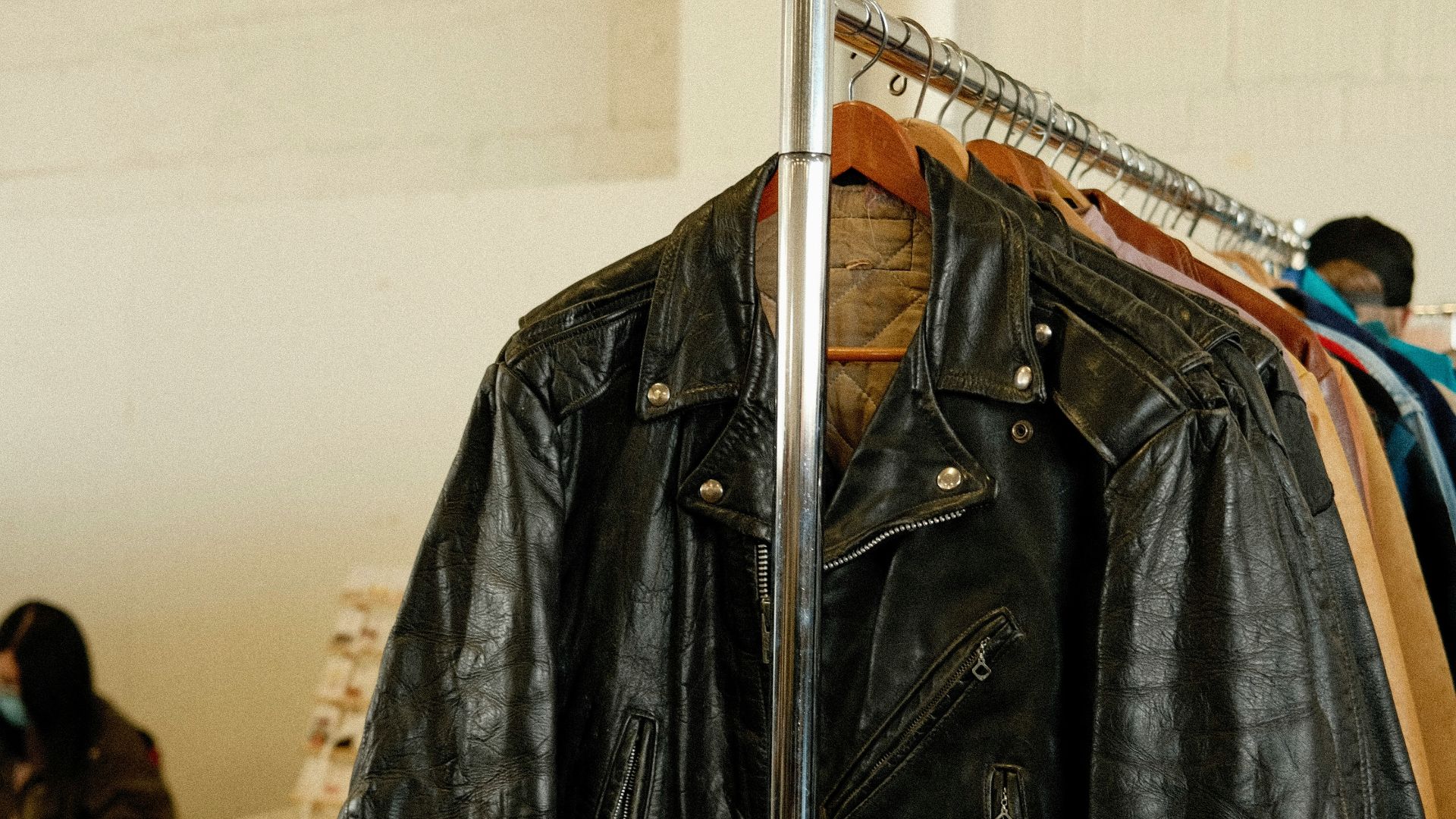
Bonded leather is made from leftover scraps that are glued together. It lacks the strength of real hide and tends to deteriorate quickly. The surface often peels rather than aging naturally. This makes it one of the least durable options.

2. Faux Leather Jackets
Faux leather is made from synthetic materials like polyurethane. While it may look similar at first, it doesn’t have the same flexibility. Over time, it becomes brittle and starts to crack. This is especially noticeable with frequent wear.

3. Low-Quality Split Leather Jackets
Split leather comes from the lower layers of the hide and is weaker than full-grain or top-grain. It often requires heavy finishing to look smooth. That coating can wear off, exposing the fragile material underneath. This leads to faster deterioration.

4. Poorly Dyed Leather Jackets
Inconsistent or low-quality dyeing processes can weaken the leather. Chemicals used improperly may dry out the material. This increases the likelihood of cracking over time. You may also notice uneven fading as a result.
5. Thin, Over-Processed Leather Jackets
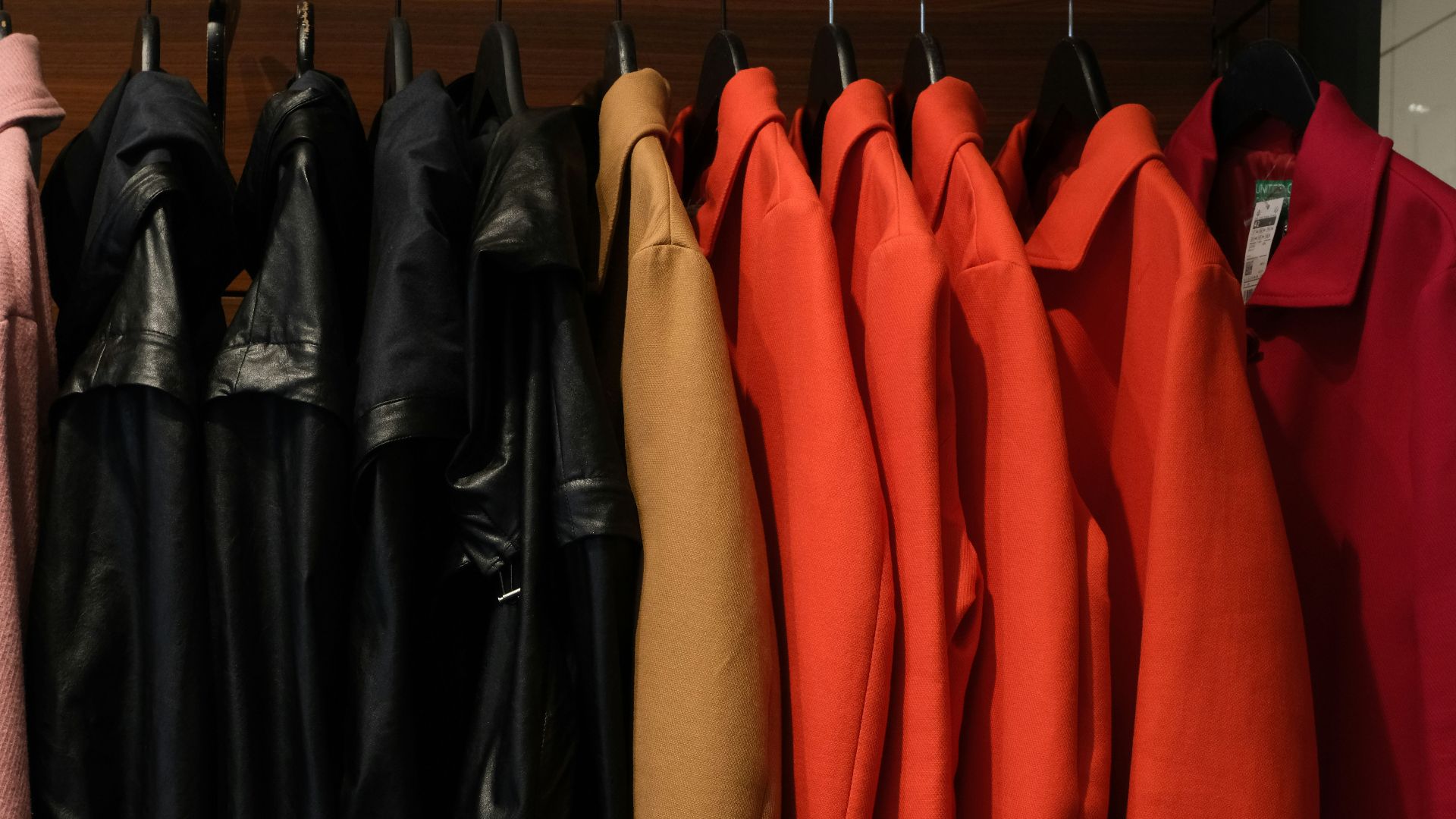
Leather that has been excessively treated loses its natural strength. Thinning the material too much makes it more prone to damage.

6. Jackets with Weak Stitching
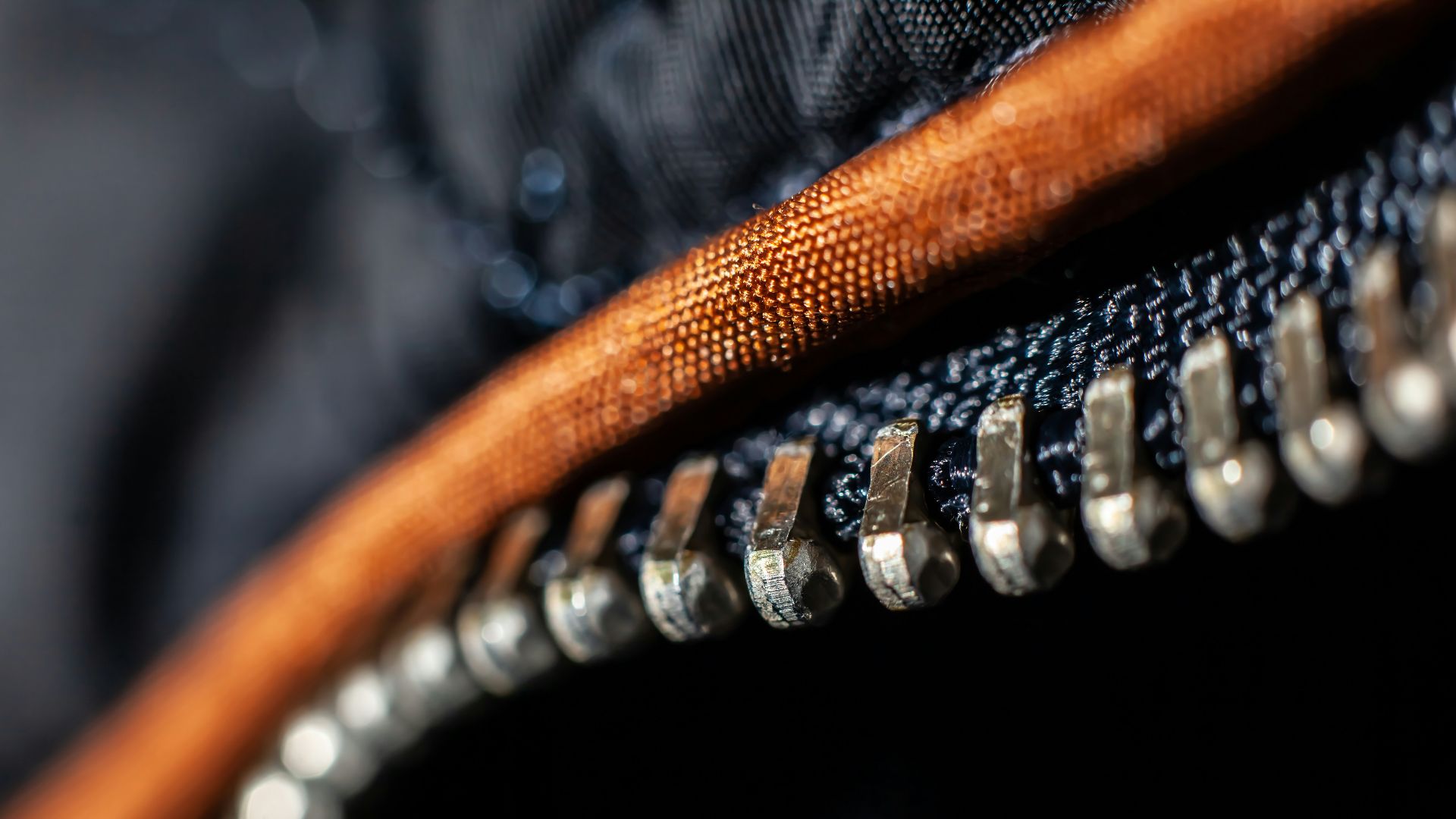
Poor stitching can cause structural issues that stress the leather. When seams fail, the material is pulled in unnatural ways. This added tension contributes to cracking and tearing.
7. Jackets Without Proper Conditioning
Leather that isn’t maintained dries out over time. Without conditioning, it loses flexibility and becomes brittle. This makes cracking almost inevitable.
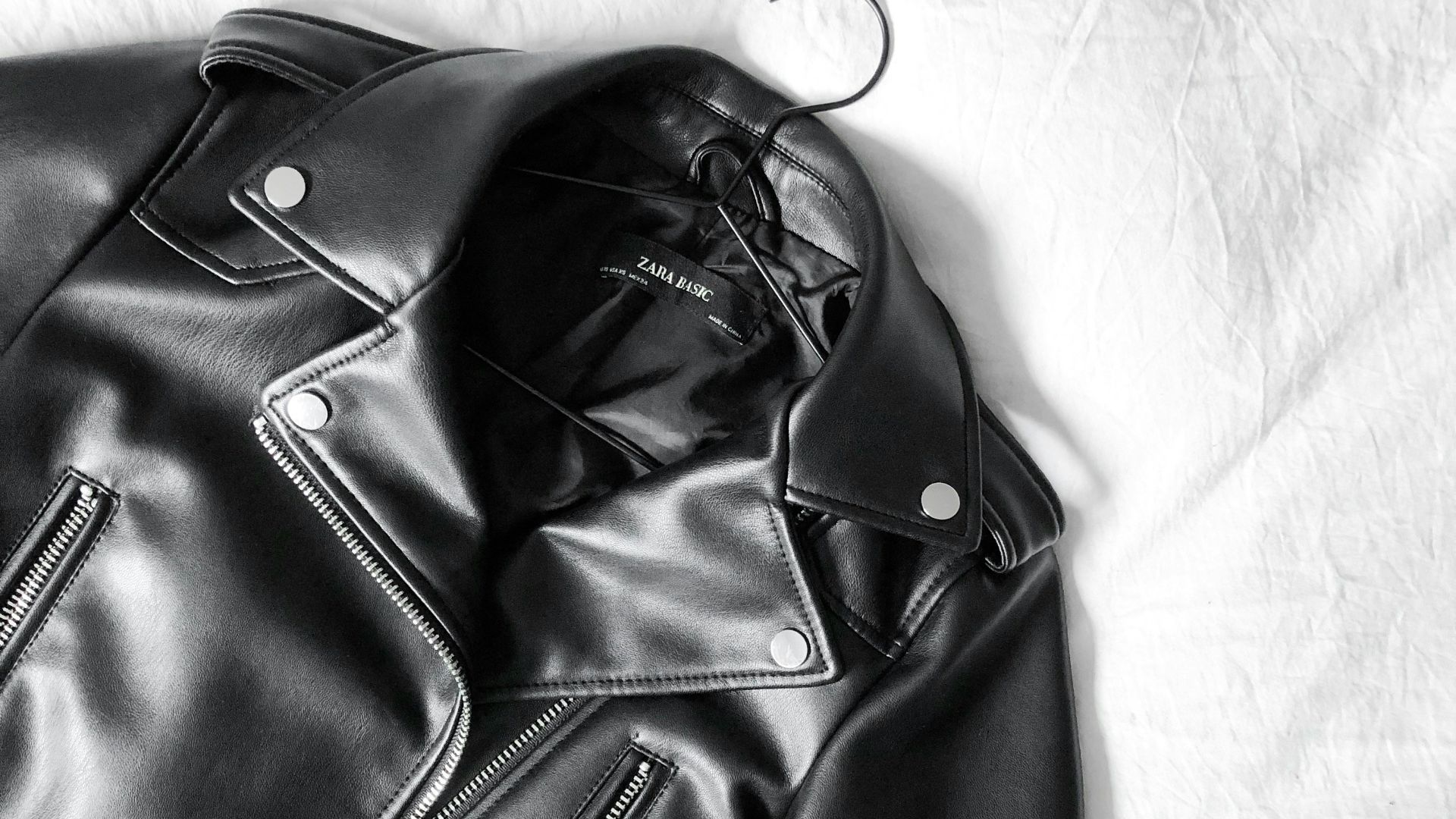
8. Cheap Mass-Produced Jackets
Mass production often prioritizes cost over quality. Lower-grade materials and shortcuts in construction reduce durability. These jackets may look good initially but don’t hold up well. Wear and tear becomes noticeable quickly.
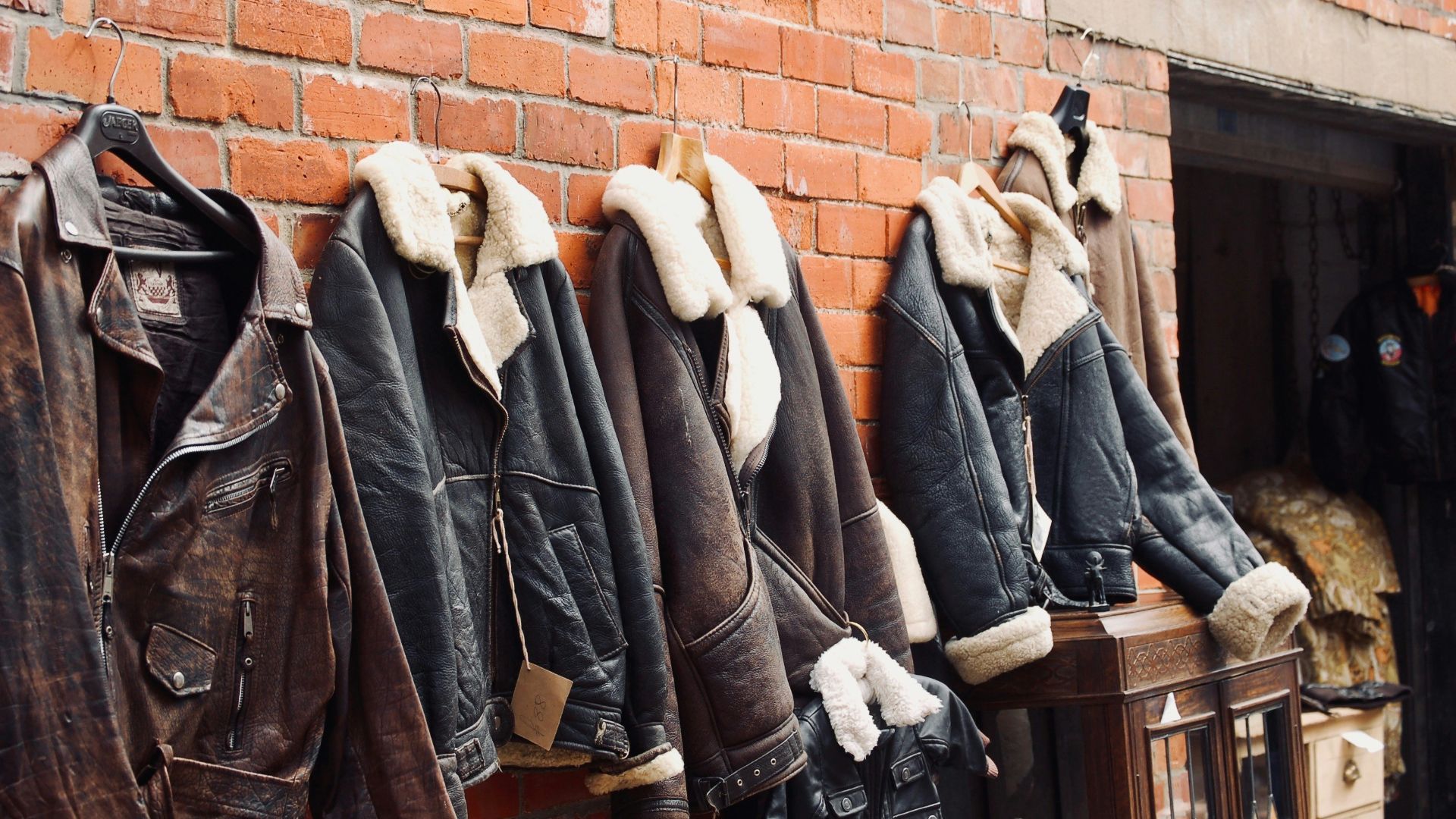
9. Jackets Exposed to Harsh Conditions
Frequent exposure to extreme heat, moisture, or sunlight can damage leather. These elements become natural oils and weaken the structure.

10. Poorly Stored Leather Jackets
Improper storage can cause long-term damage even when the jacket isn’t being worn. Folding instead of hanging can create stress points in the material. Lack of airflow may also contribute to deterioration, but proper storage helps maintain both shape and durability.