Clothes Send Signals
Style is personal, and nobody needs to dress like they are trying to win approval from strangers. Still, the way someone presents themselves can send a message before they even open their mouth. Some choices read as confident, specific, and intentional. Others make a person seem high-maintenance, closed off, stuck in a phase, or more interested in being noticed than being known. Here are 20 style choices that can make you look hard to date.

1. Dressing Like Every Outing Is A Photoshoot
Looking good is one thing. Dressing like the grocery store, coffee shop, or casual drink requires a full editorial concept can make ordinary plans feel exhausting. It suggests that being seen matters more than being relaxed.
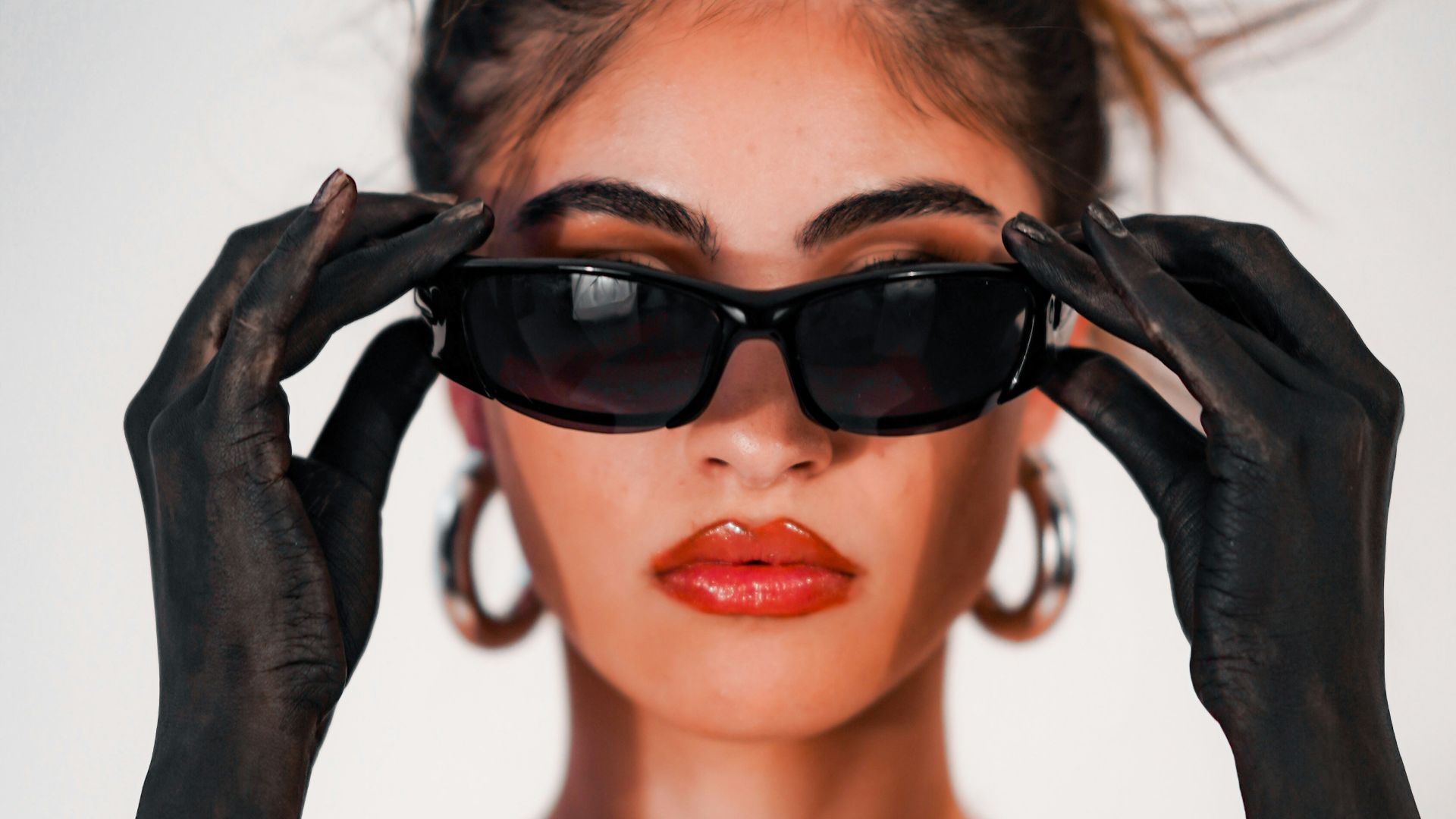
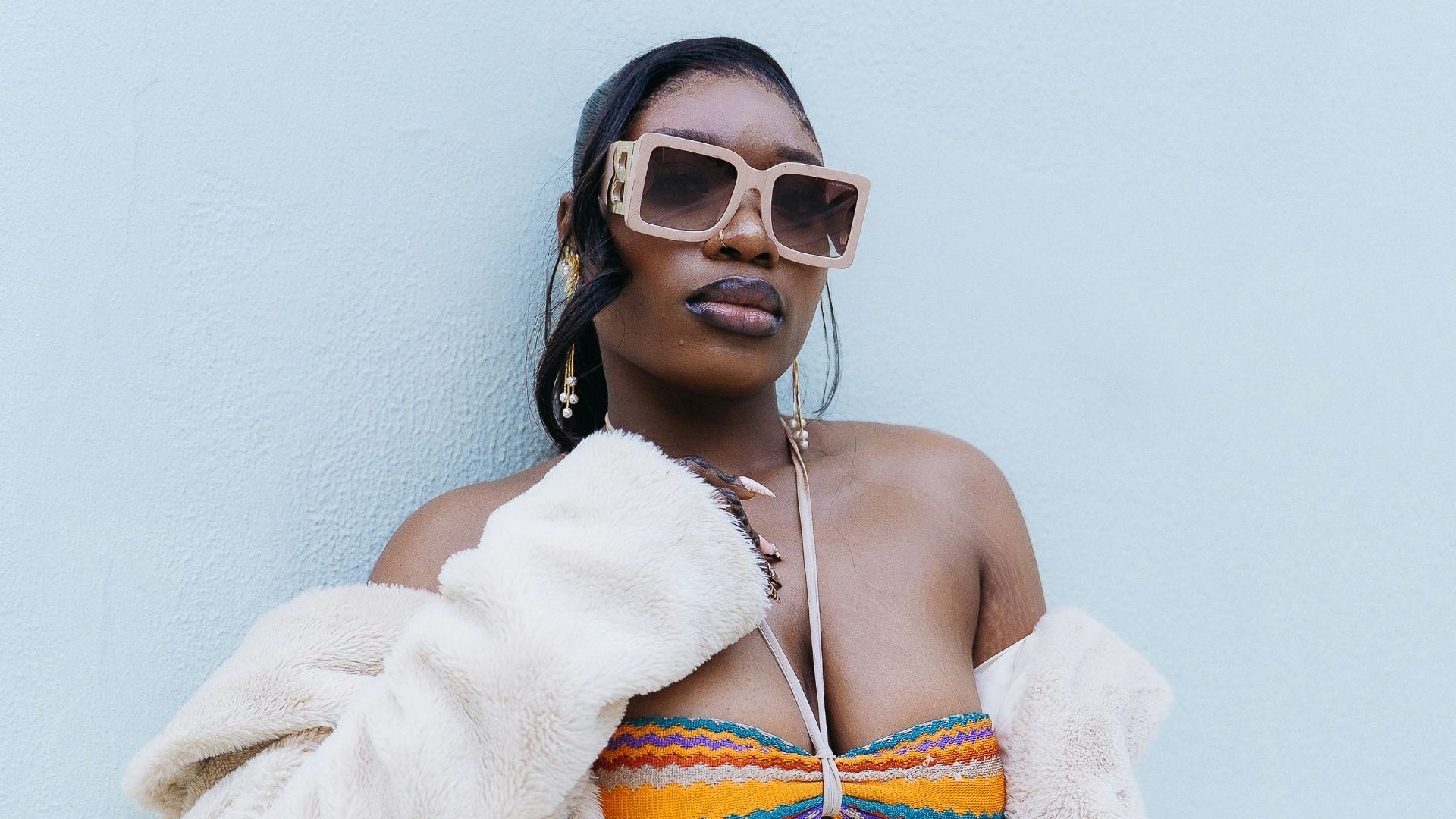
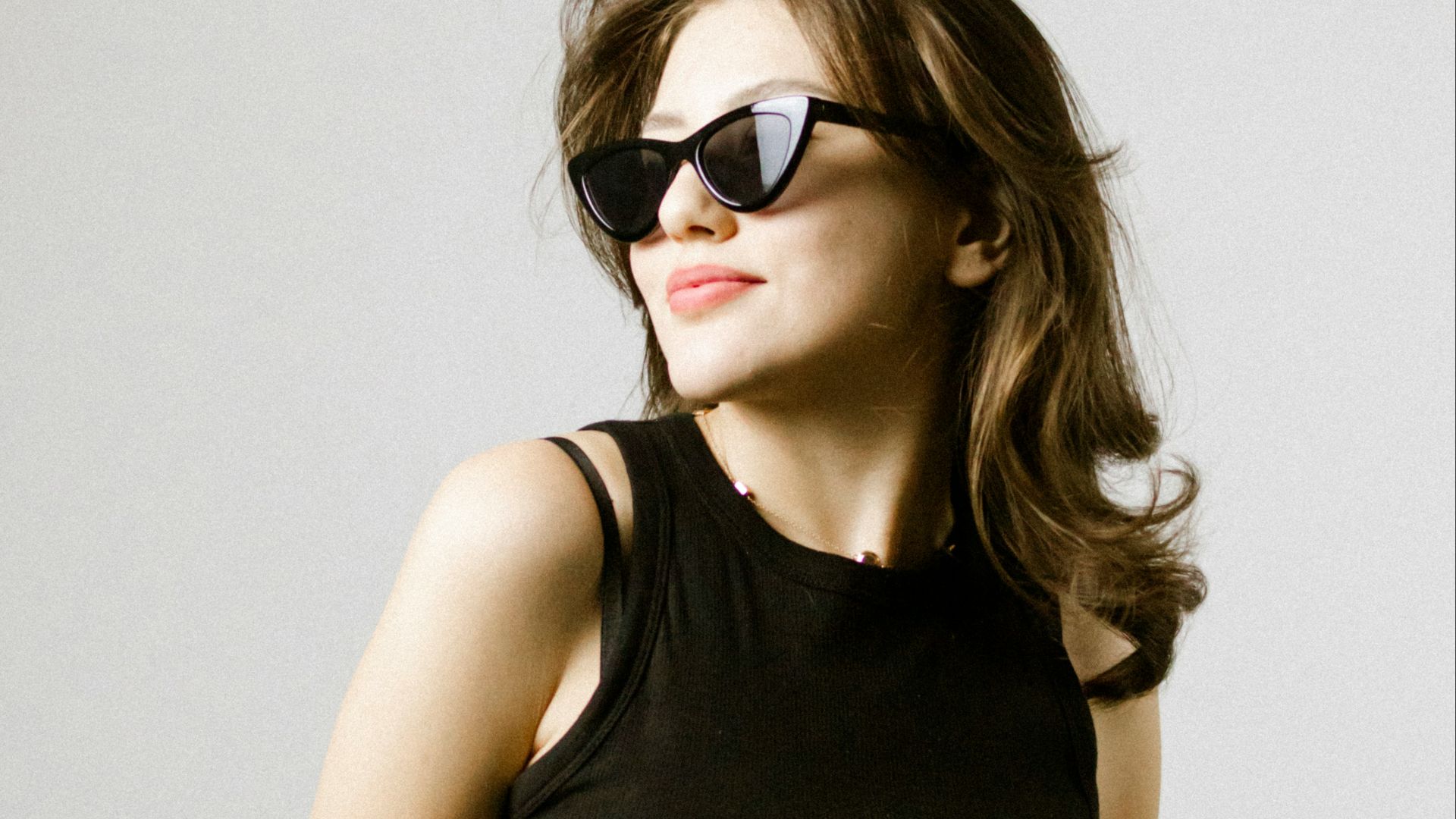
2. Wearing Sunglasses Indoors
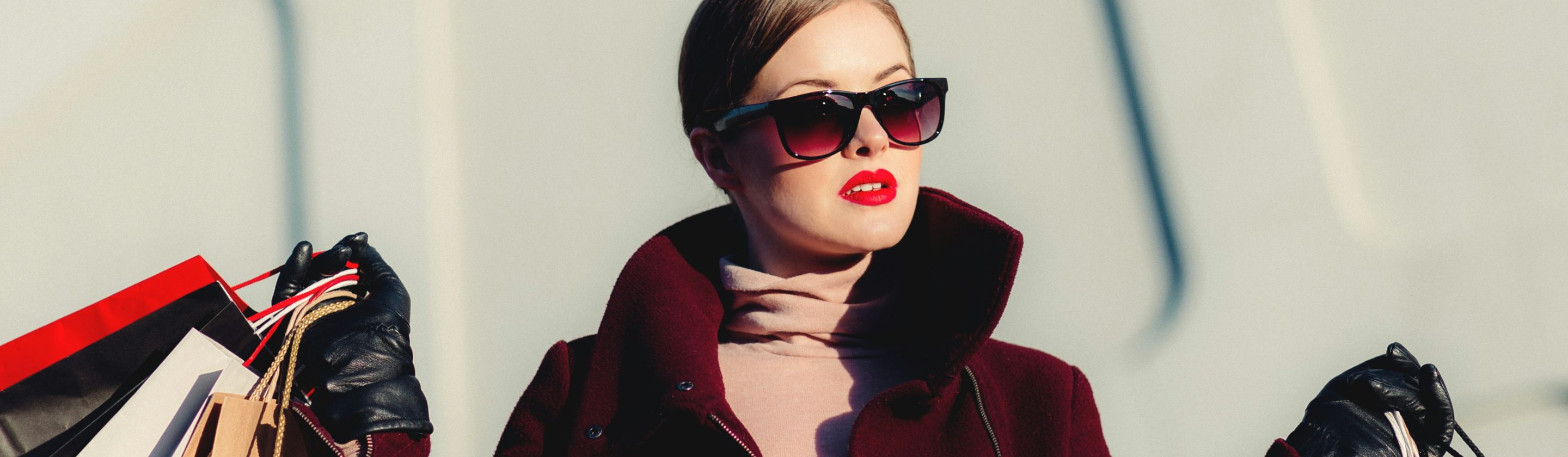
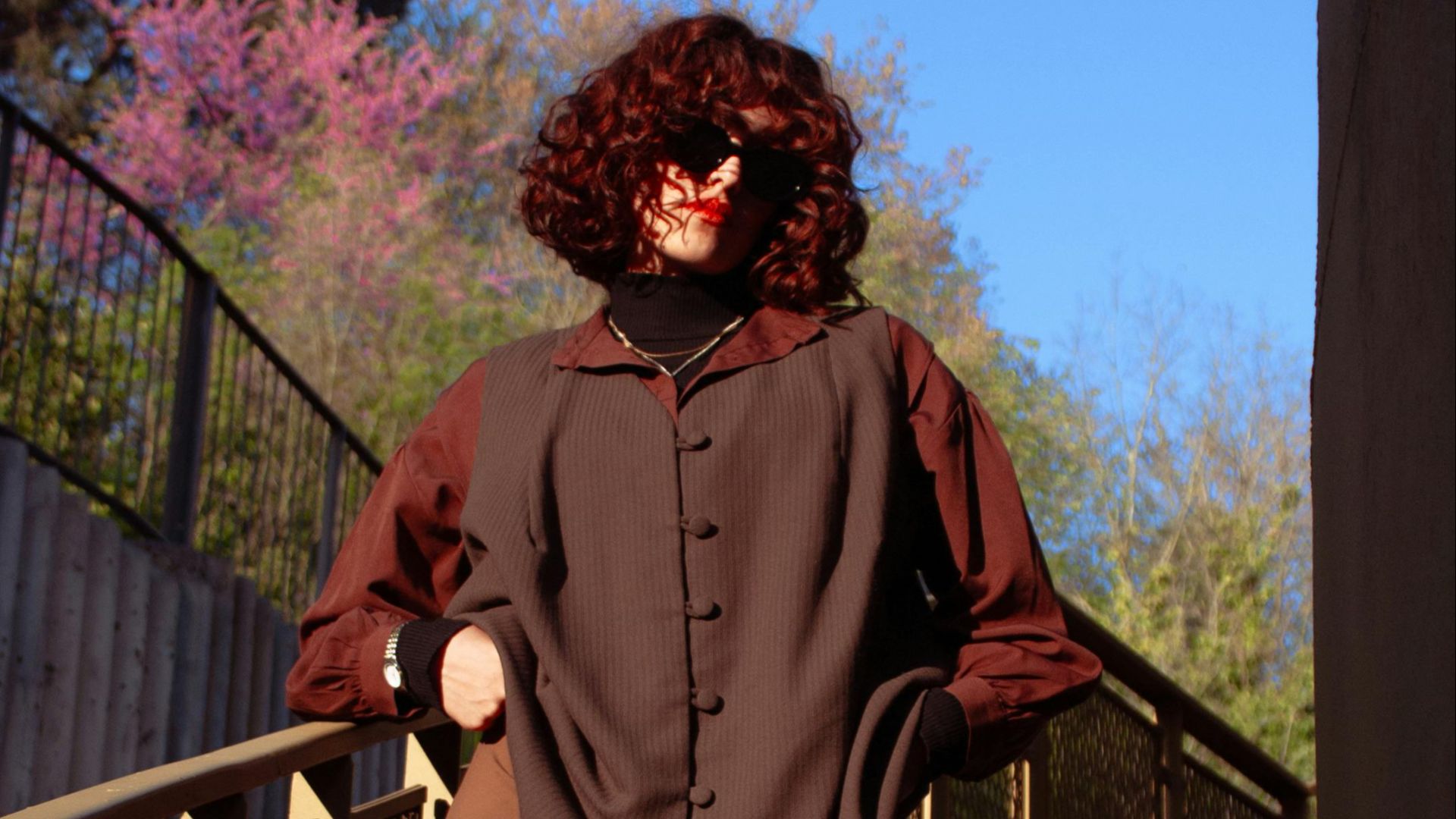
Sunglasses indoors rarely make someone look mysterious. They usually make conversation feel slightly blocked, like you are talking to a person who brought a barrier on purpose. Unless there is a real reason for them, they can read as more affected than cool.
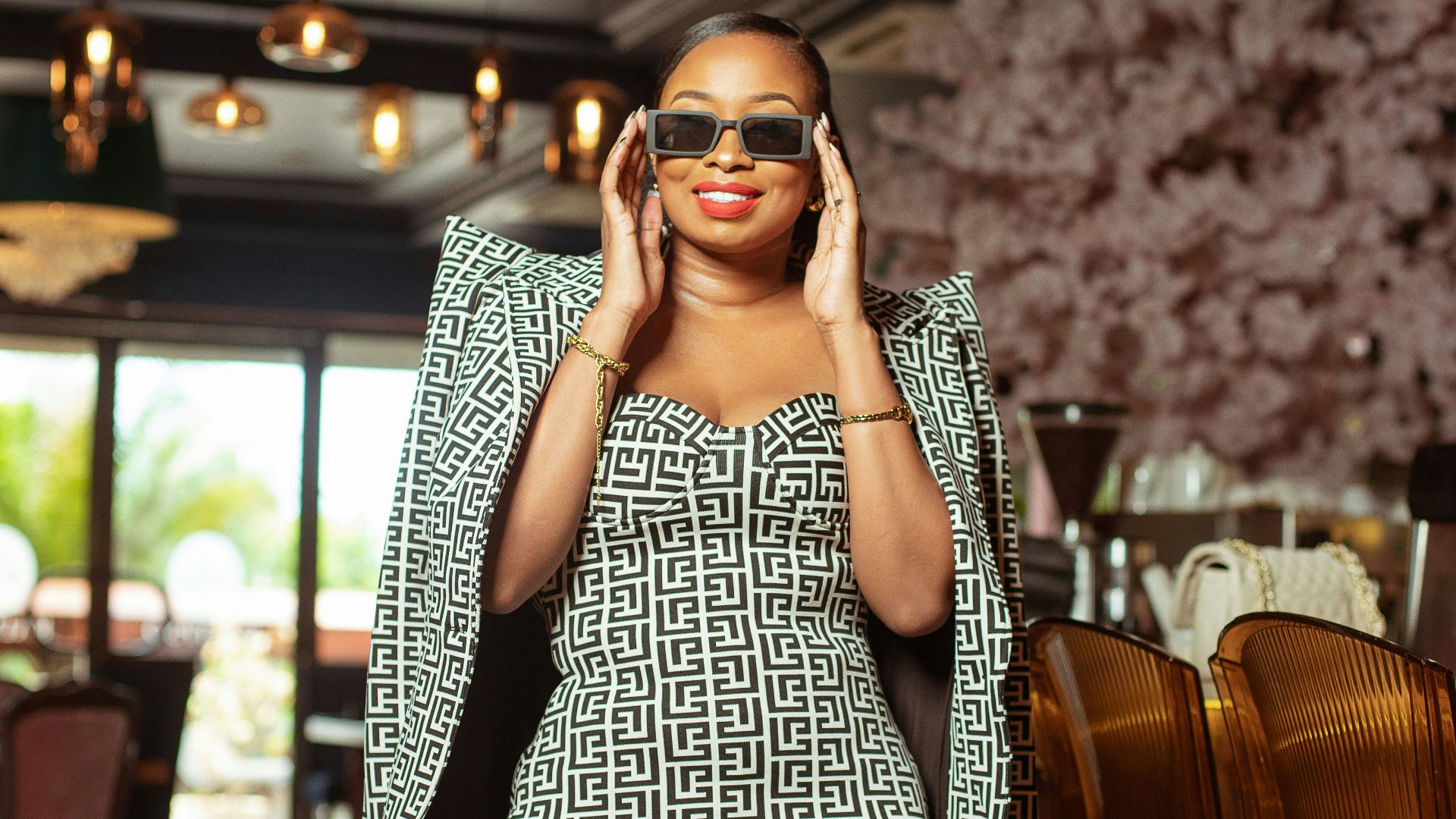
3. Overdoing Designer Logos
A little logo can be part of the look. Too many can make the outfit feel like a receipt with sleeves. It can give the impression that status matters more than taste.
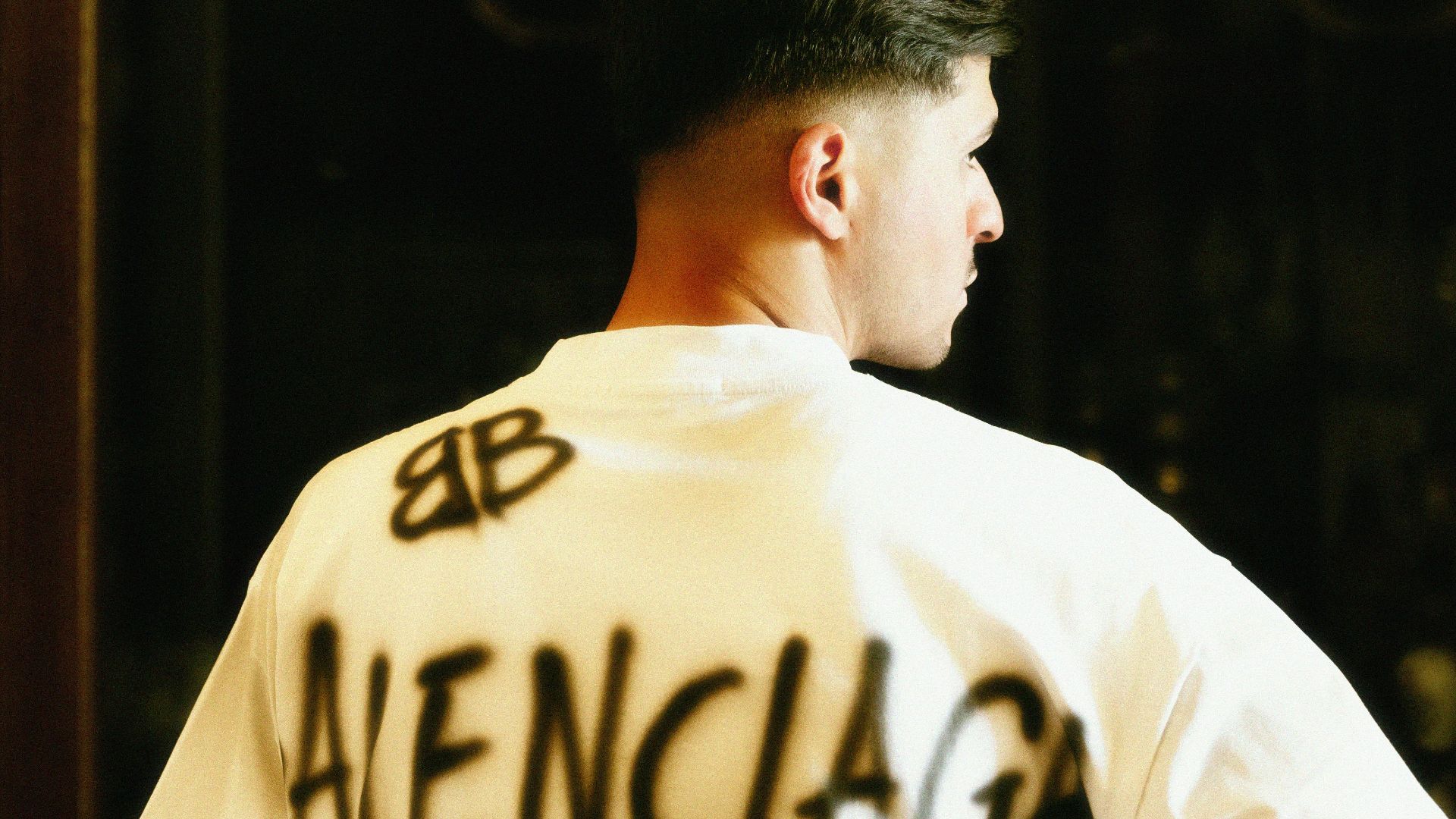
4. Looking Too Perfect All The Time
Polished style can be attractive, but perfection can create distance. If every hair, sleeve, and accessory looks controlled within an inch of its life, it may seem like there is no room for spontaneity. Dating someone should not feel like being invited onto a showroom floor.
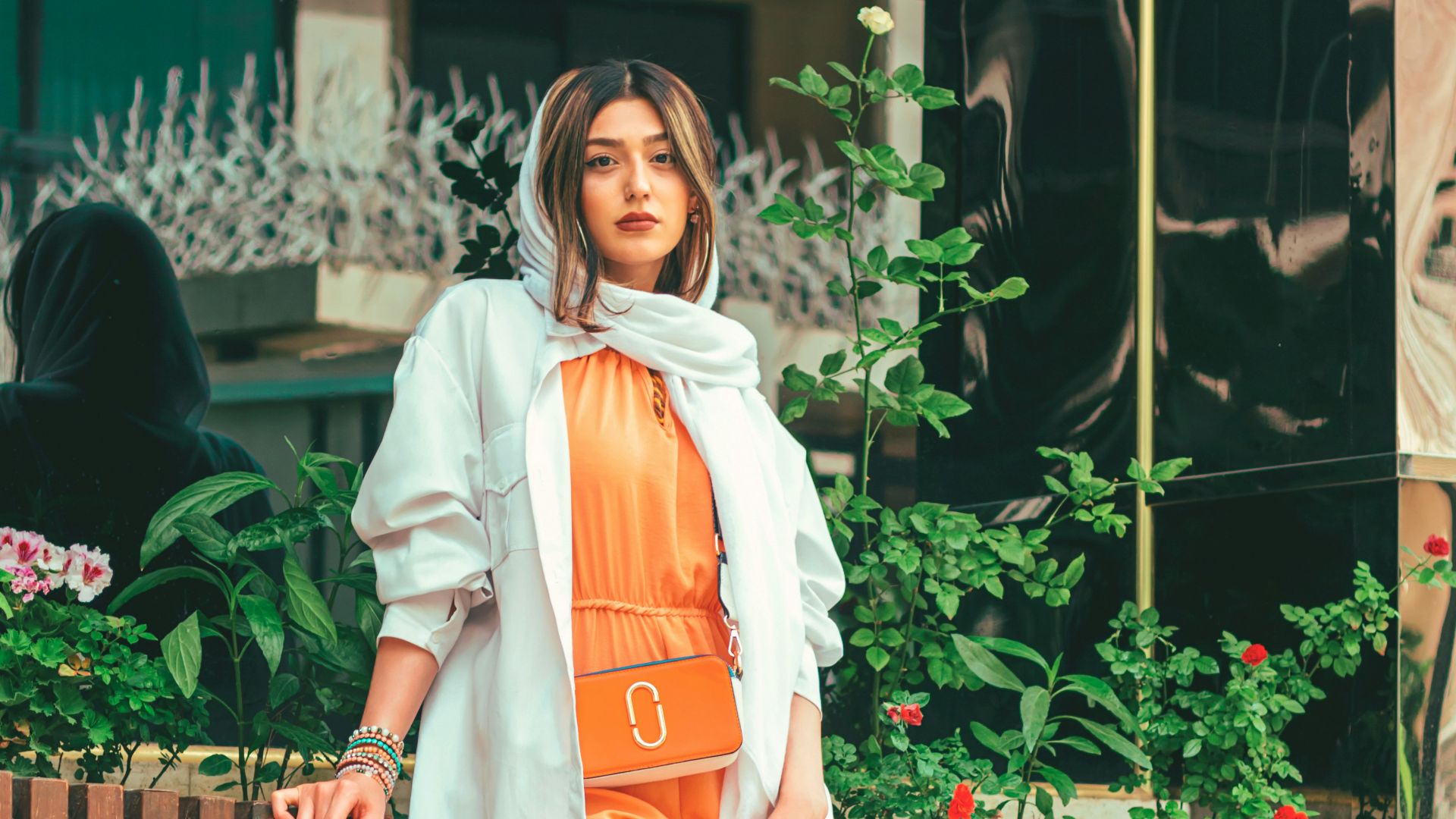
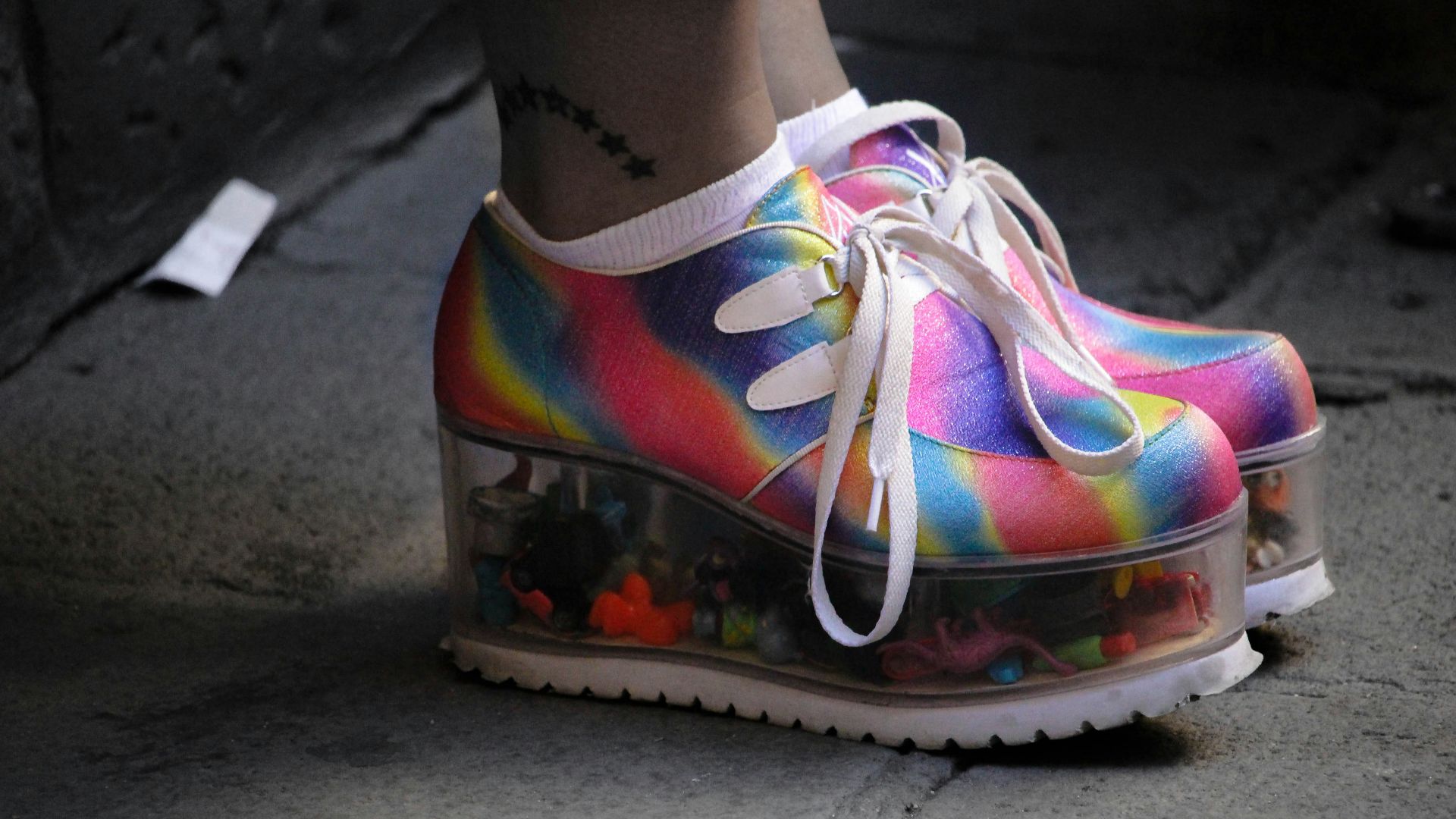
5. Wearing Shoes You Clearly Cannot Walk In
Great shoes lose some charm when every block becomes a negotiation. If the plan involves normal human movement and the shoes turn it into a crisis, the outfit starts managing the date. Style works better when it can survive the evening.
6. Dressing Like You Hate The Place
Showing up wildly overdressed or underdressed can make the other person feel like you missed the assignment. A tuxedo energy at a dive bar, or gym shorts at a nice dinner, both say you are not really reading the room. Effort matters, but so does context.
7. Making Your Ex’s Hoodie A Signature Piece
Comfort clothes are fine. Turning an ex’s hoodie, jacket, or old band tee into a visible part of your dating wardrobe can raise questions you probably do not want answered at the table. Some clothes carry more history than they should.
8. Using Scent Like A Warning System
A good fragrance should be discovered, not announced from across the room. Too much cologne, perfume, or body spray can make the first impression feel aggressive. It also suggests you may not know where confidence ends and volume begins.

9. Wearing Only Black And Acting Superior About It
All-black outfits can look sharp. The issue is making it seem like color is for people who have not suffered enough. When a style choice comes with a little speech about taste, it stops being cool and starts being homework.
10. Refusing To Retire Party Clothes
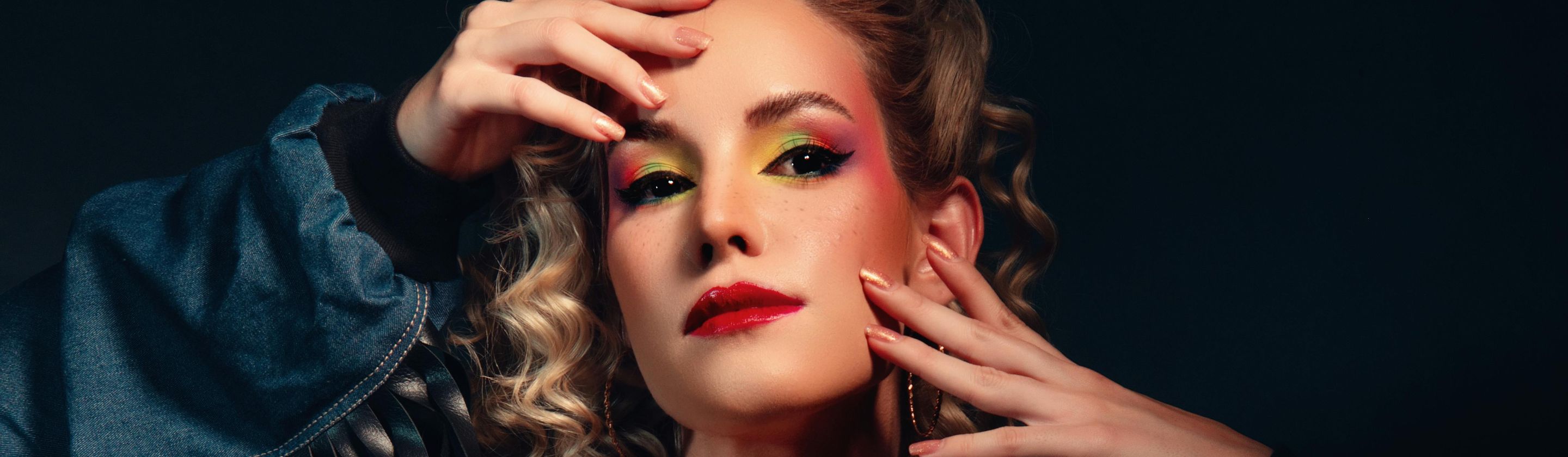
There is nothing wrong with a bold going-out look. But if every date outfit feels borrowed from a club night five years ago, it can make someone seem stuck in one version of themselves. Dating usually works better when the outfit fits the actual moment.
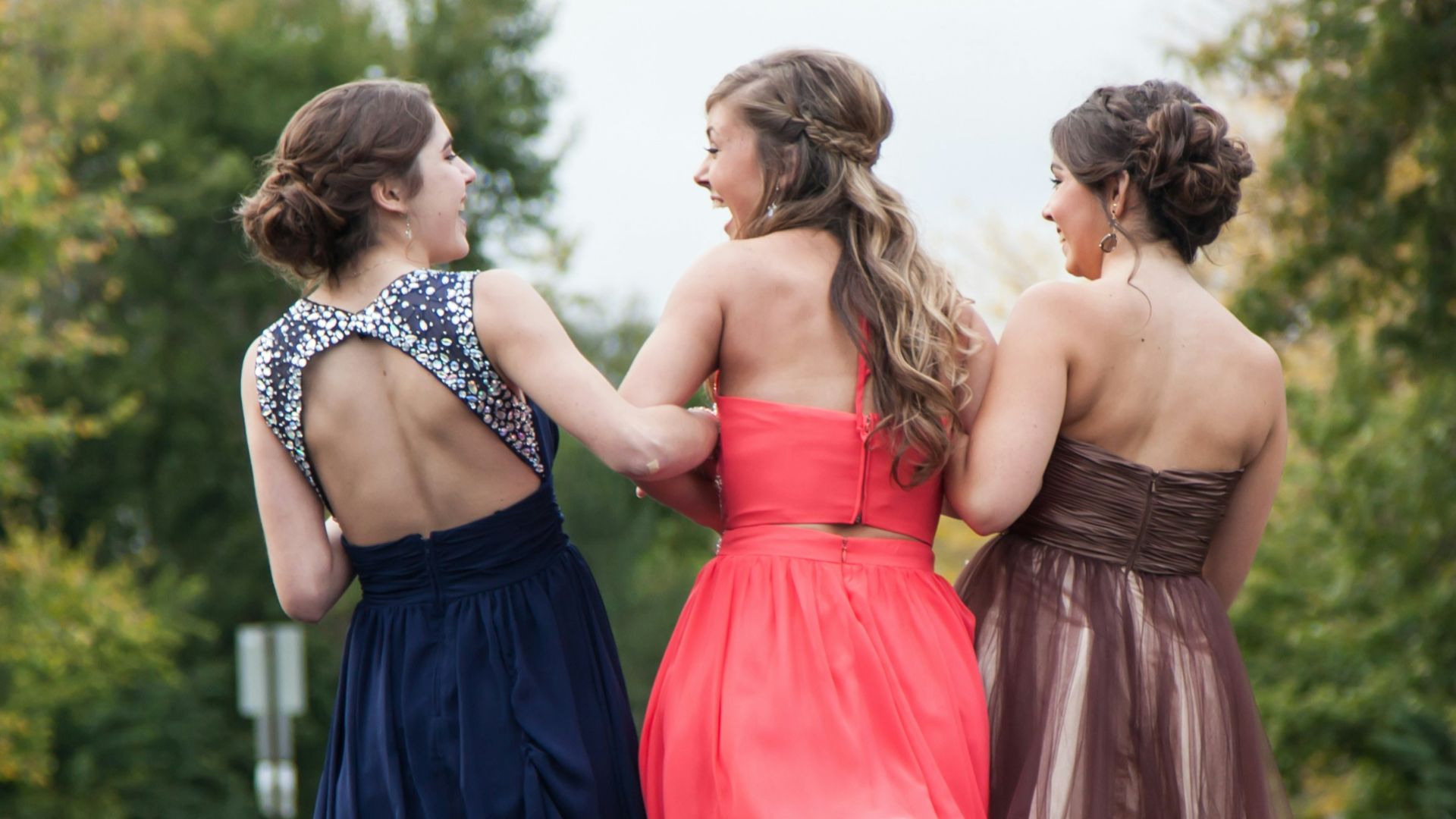
11. Dressing Like A Walking Red Flag Joke
Some people wear ironic shirts, chaotic slogans, or “toxic” branding because they think it is funny. The problem is that strangers do not always know where the joke ends. If your outfit says you are trouble, some people will simply believe it.
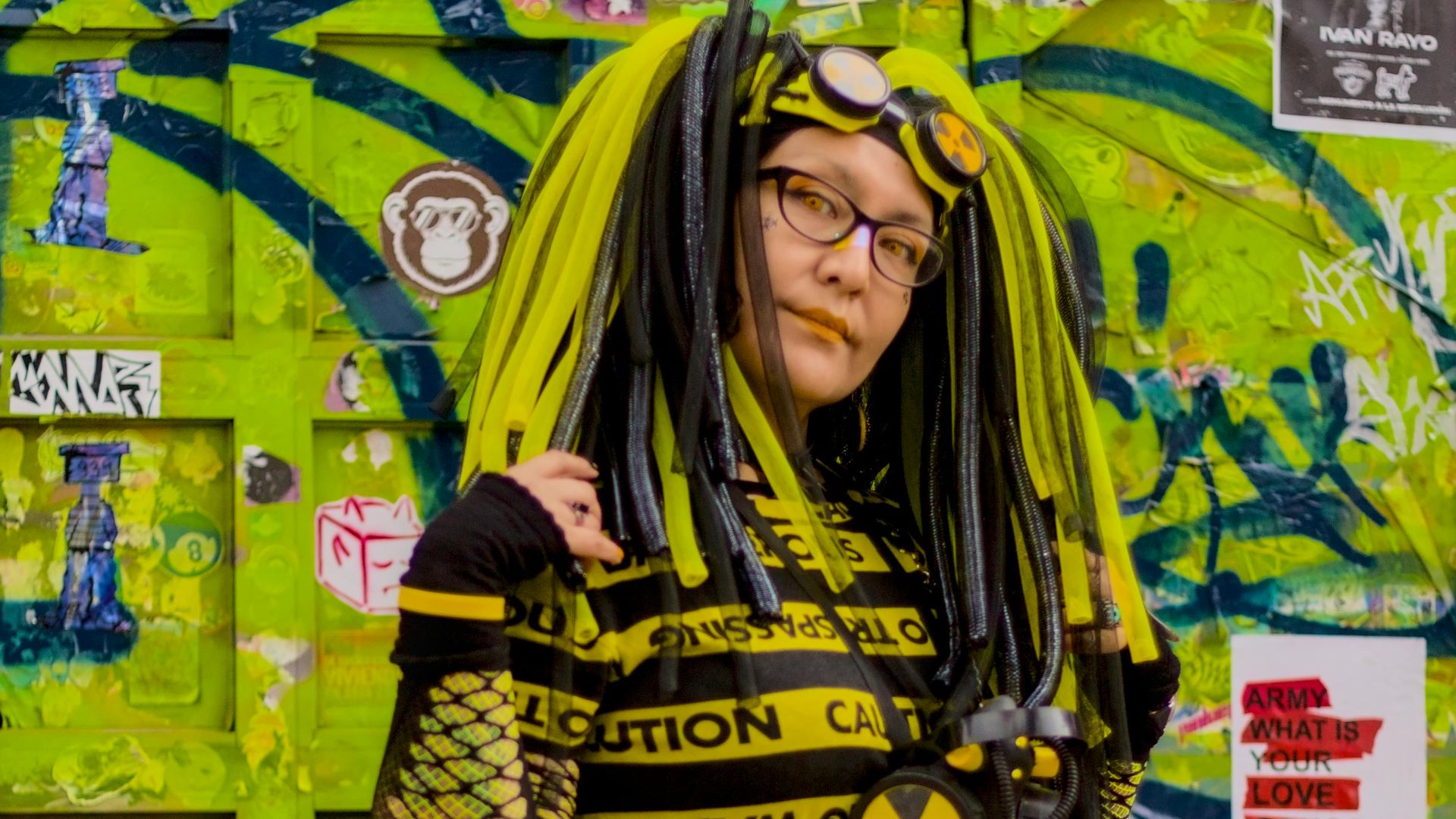 Guelang Morgan Seyer on Pexels
12. Wearing Extremely High-Maintenance Fabrics Everywhere
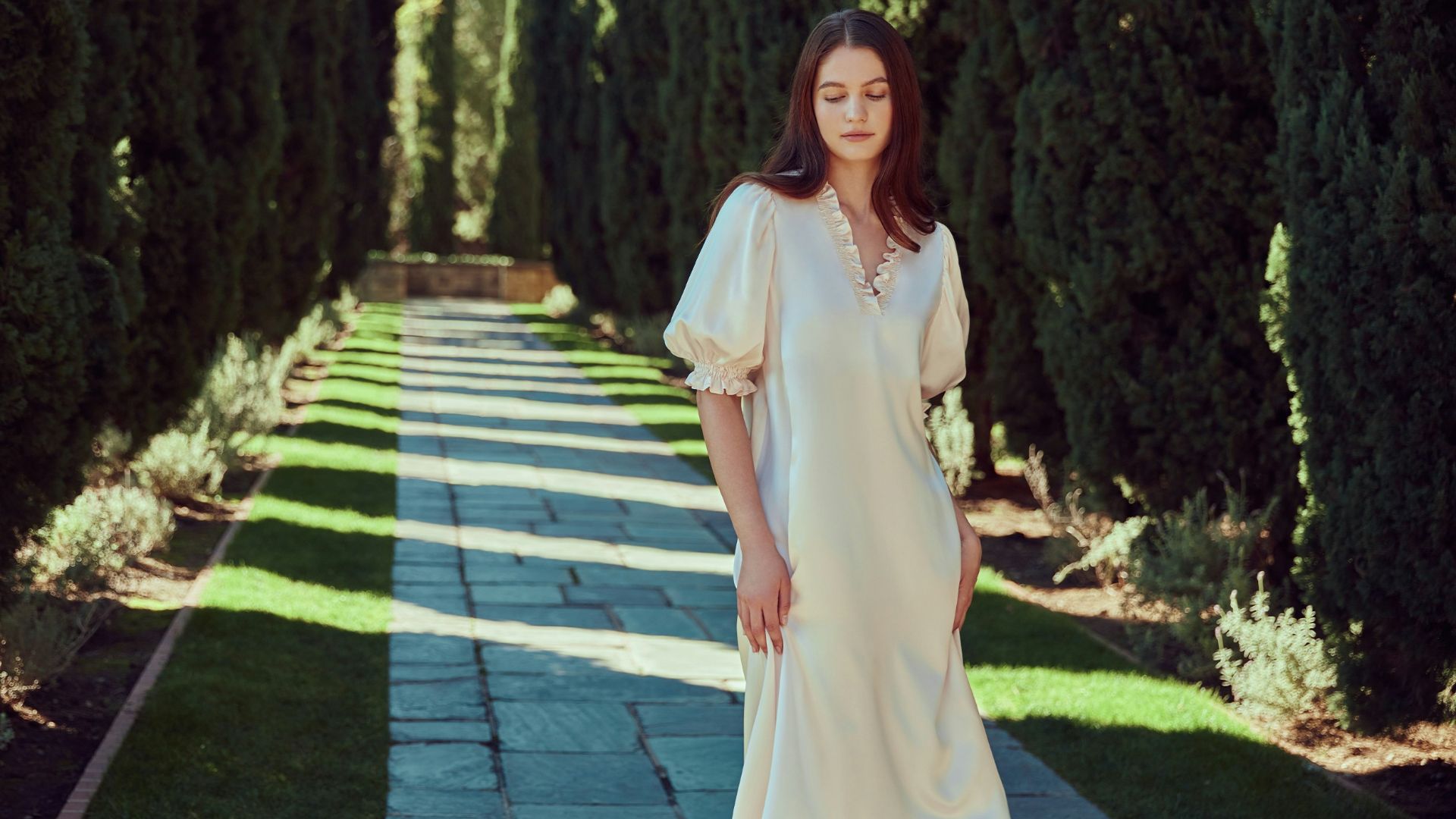
Silk, linen, suede, and white denim can all look great. They can also turn dinner, weather, seating, and sauce into threats. If every plan has to bend around protecting the outfit, the date may start to feel like a museum visit.
13. Hiding Behind Oversized Everything
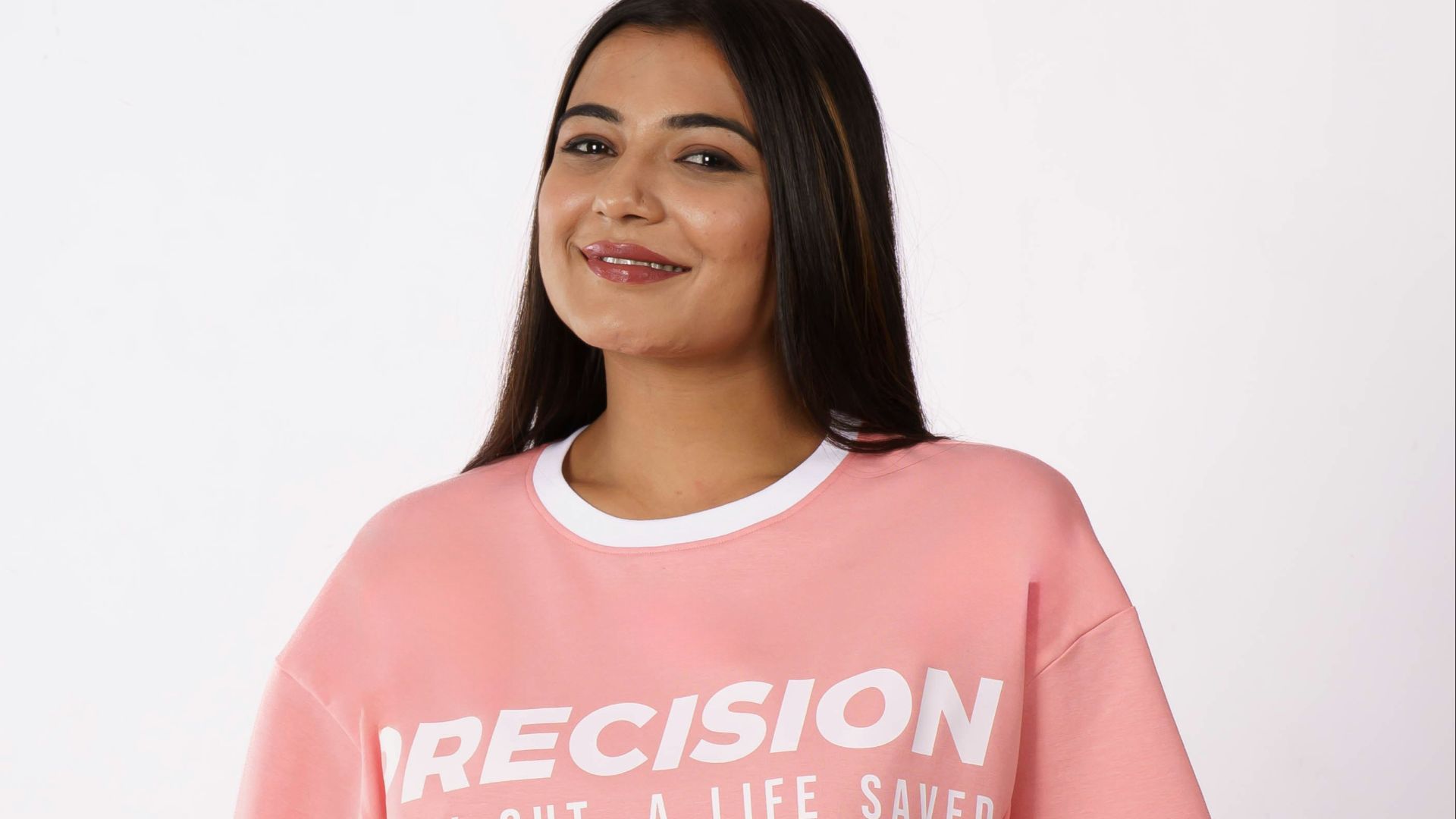
Oversized clothes can be stylish when they feel intentional. But when every outfit looks like armor, it can send a message that you do not want to be seen at all. Comfort is good; disappearing inside your clothes can feel closed off.
14. Making Athleisure Your Whole Personality
Athleisure works for errands, travel, and casual days. When it becomes the only setting, it can start to read as low-effort instead of laid-back. A date does not need formalwear, but it usually deserves some sign that you noticed it was happening.
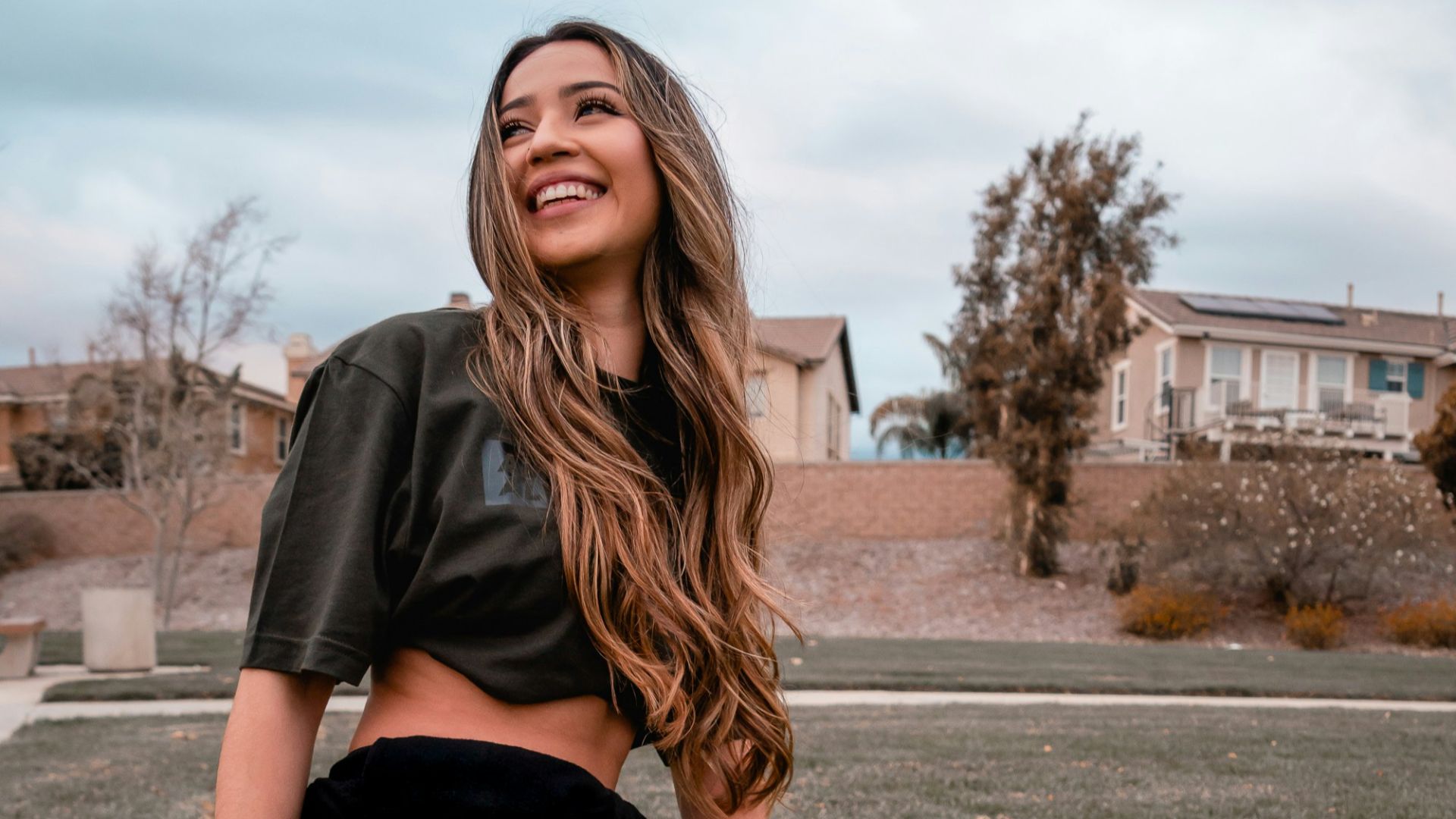
15. Wearing Clothes That Constantly Need Adjusting
An outfit that has to be tugged, fixed, pulled down, pulled up, or checked every two minutes becomes part of the conversation. It is hard to seem present when your clothes keep asking for attention. The best style lets you forget about it once you leave the house.
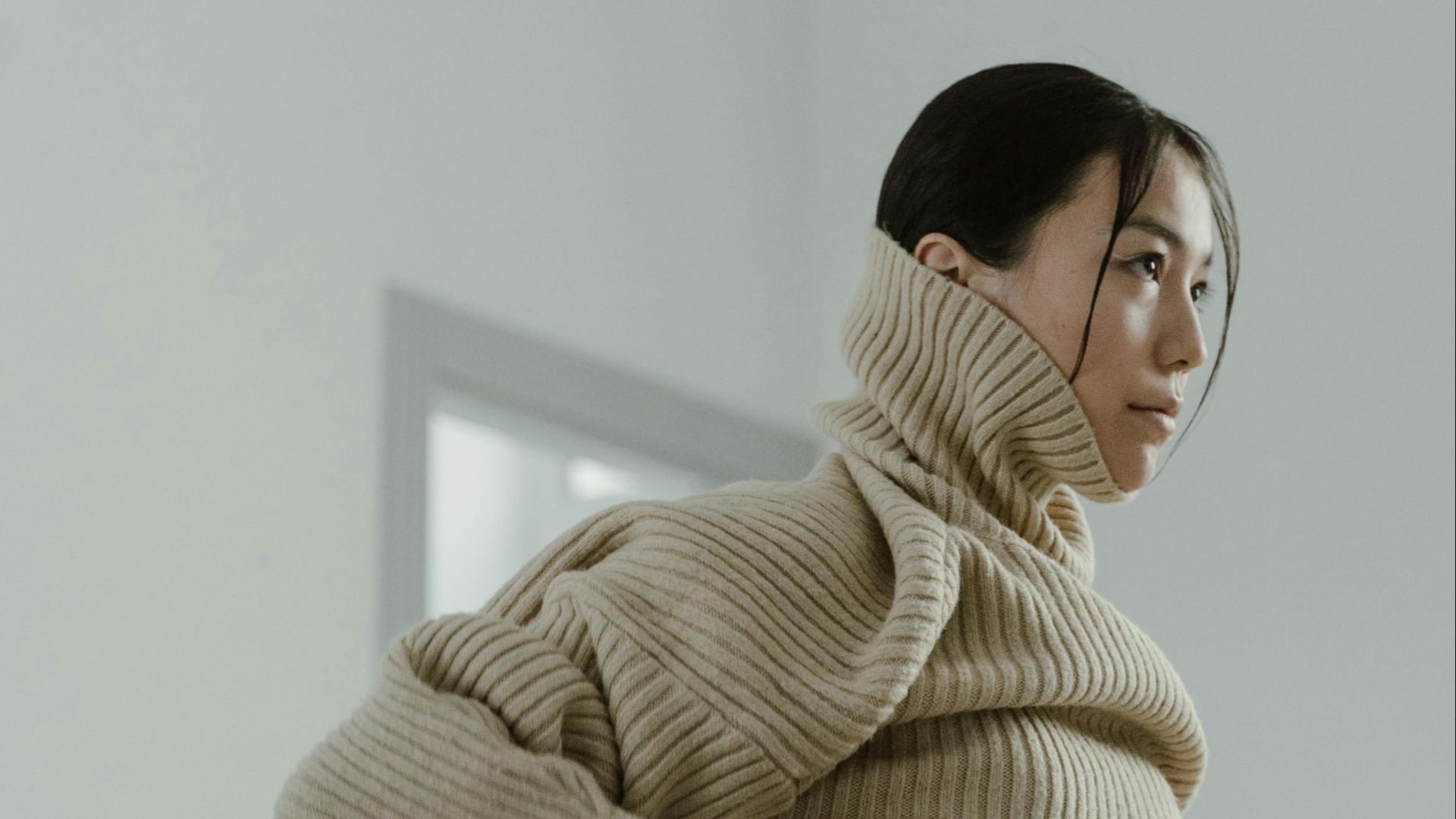
16. Leaning Too Hard Into “Main Character” Dressing
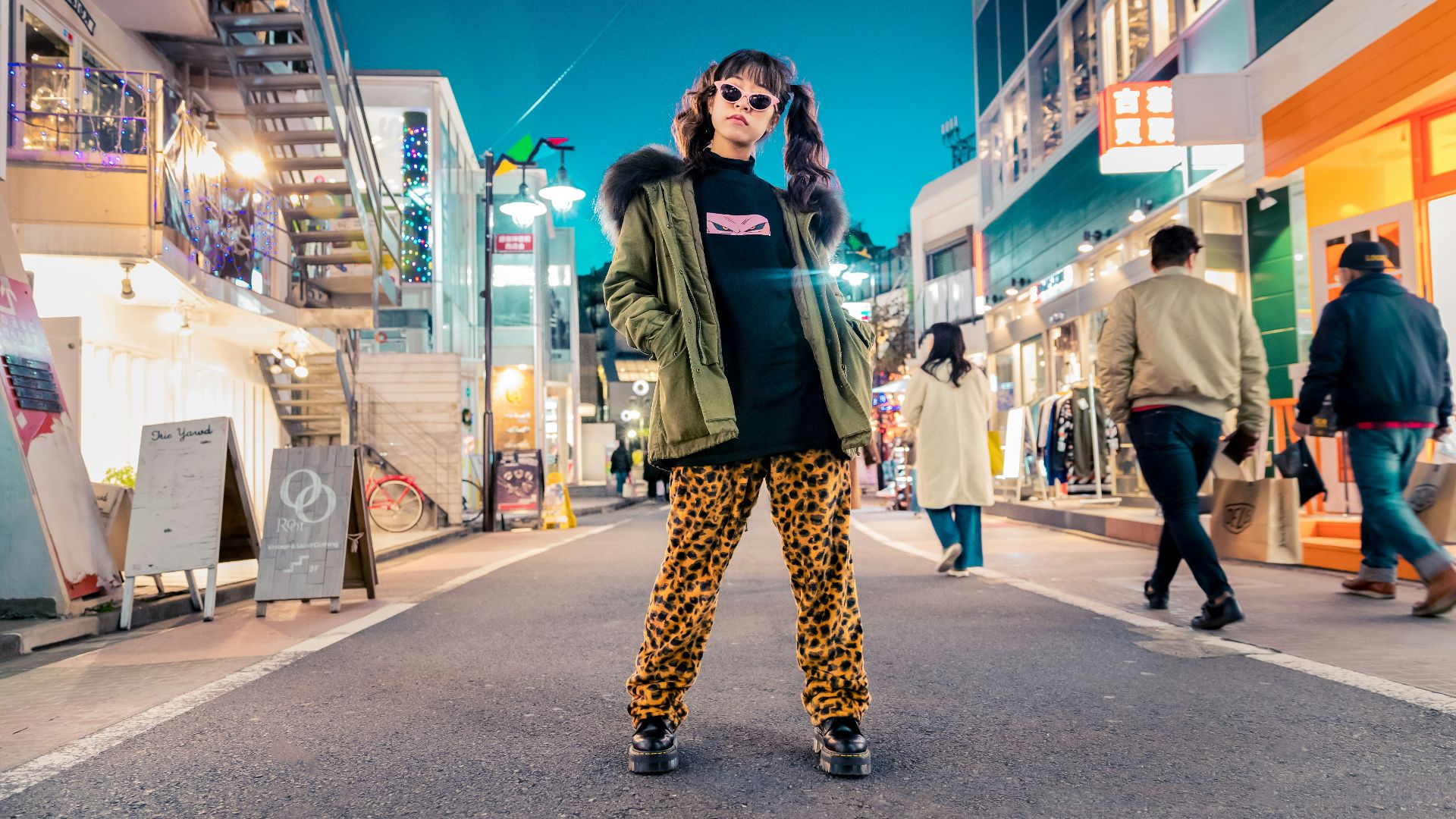
Big coats, dramatic accessories, tiny sunglasses, statement boots, and theatrical layers can be fun. But if the whole outfit seems built to dominate every room, it may make the other person feel like background cast. Strong style is easier to enjoy when it leaves space for someone else.
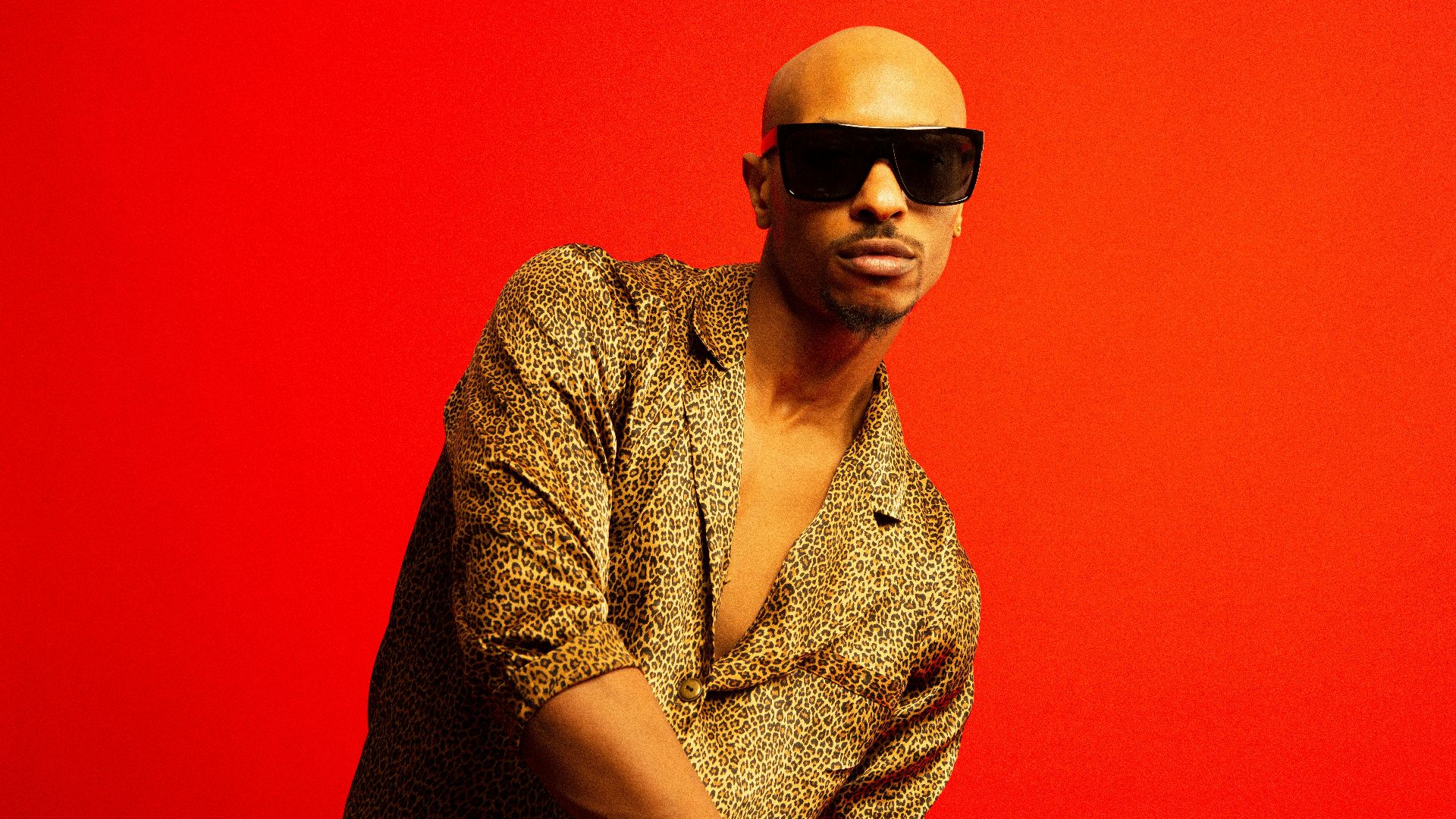
17. Dressing Exactly Like Your Online Persona
A signature look can be memorable. But if the outfit feels designed for followers rather than real life, the date can feel like content. People want to meet a person, not a brand that happens to be sitting across from them.
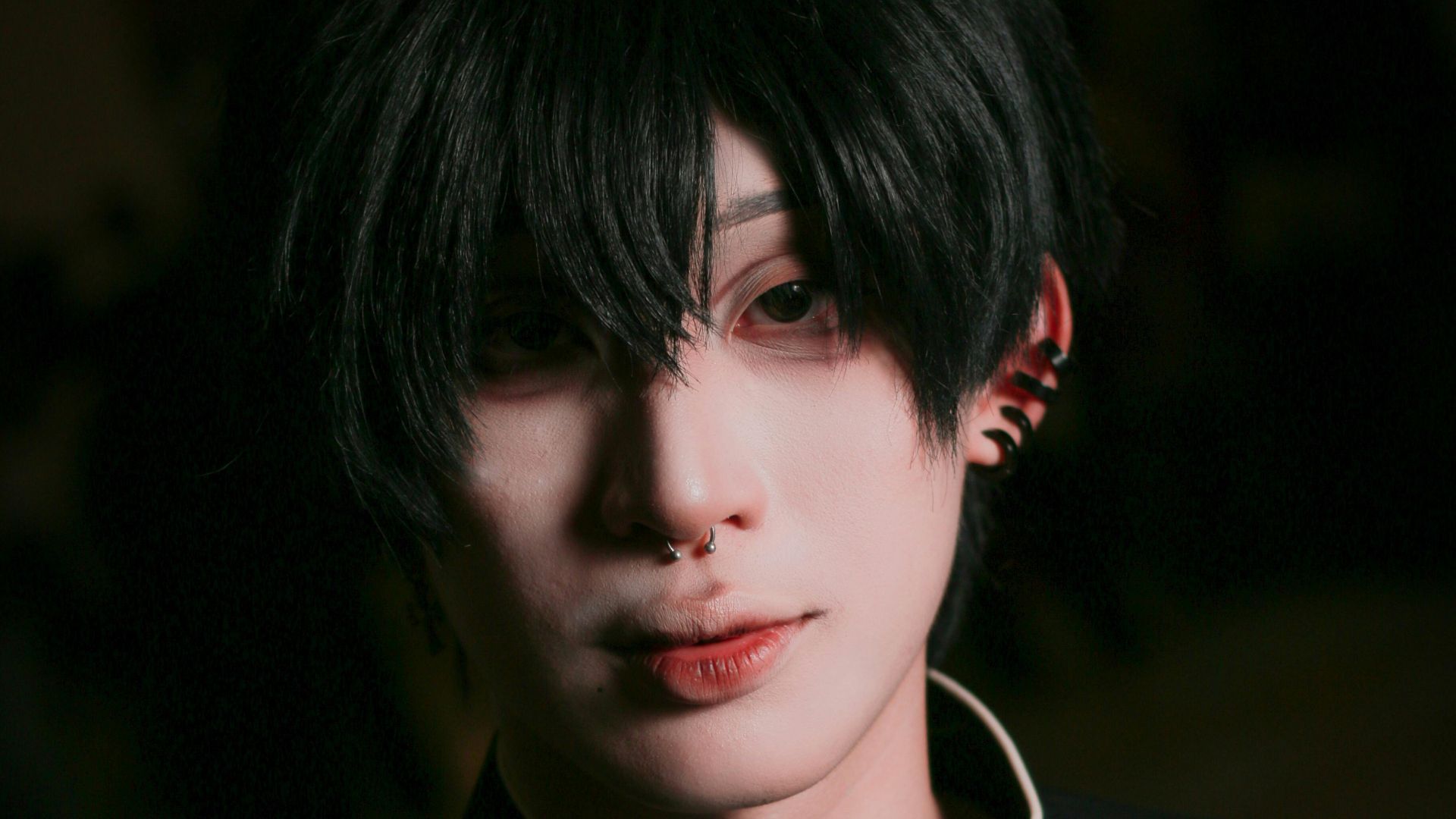
18. Wearing Clothes That Look Neglected
Low effort shows up fast. Stained shirts, stretched collars, scuffed shoes, lint, wrinkles, and old odors all suggest the date was not worth basic care. You do not need expensive clothes to look considerate.
19. Copying A Trend Too Literally
Trends can be fun, but wearing one head to toe can make a person look like they got dressed by the algorithm. It may be stylish for a month, but it does not always feel personal. The best looks usually leave some evidence of the person inside them.
20. Dressing Like You Are Trying To Win The Breakup
Some outfits have revenge energy. They are sharp, loud, calculated, and clearly meant to prove something to someone who is not there. Confidence is attractive, but dressing like your ex is the intended audience makes a new date feel like an extra in an old story.