How Your Hairstyle Can Affect Your Hairline
Your hairline can change for all kinds of reasons, including genetics, hormones, stress, age, and overall scalp health, but believe it or not, your styling habits can play a role too. If you frequently pull your hair into a tight ponytail Ariana-Grande-style, or often slick your hair into a neat top bun, you might start to experience traction alopecia over time, a type of hair loss caused by repeated tension on the follicles. That doesn’t mean you have to give up tying your hair altogether, but you'll probably want to choose simpler styles that reduce constant pulling, friction, and weight. So, which hairstyles should you avoid and which ones are better for your hairline? Let's take a look.
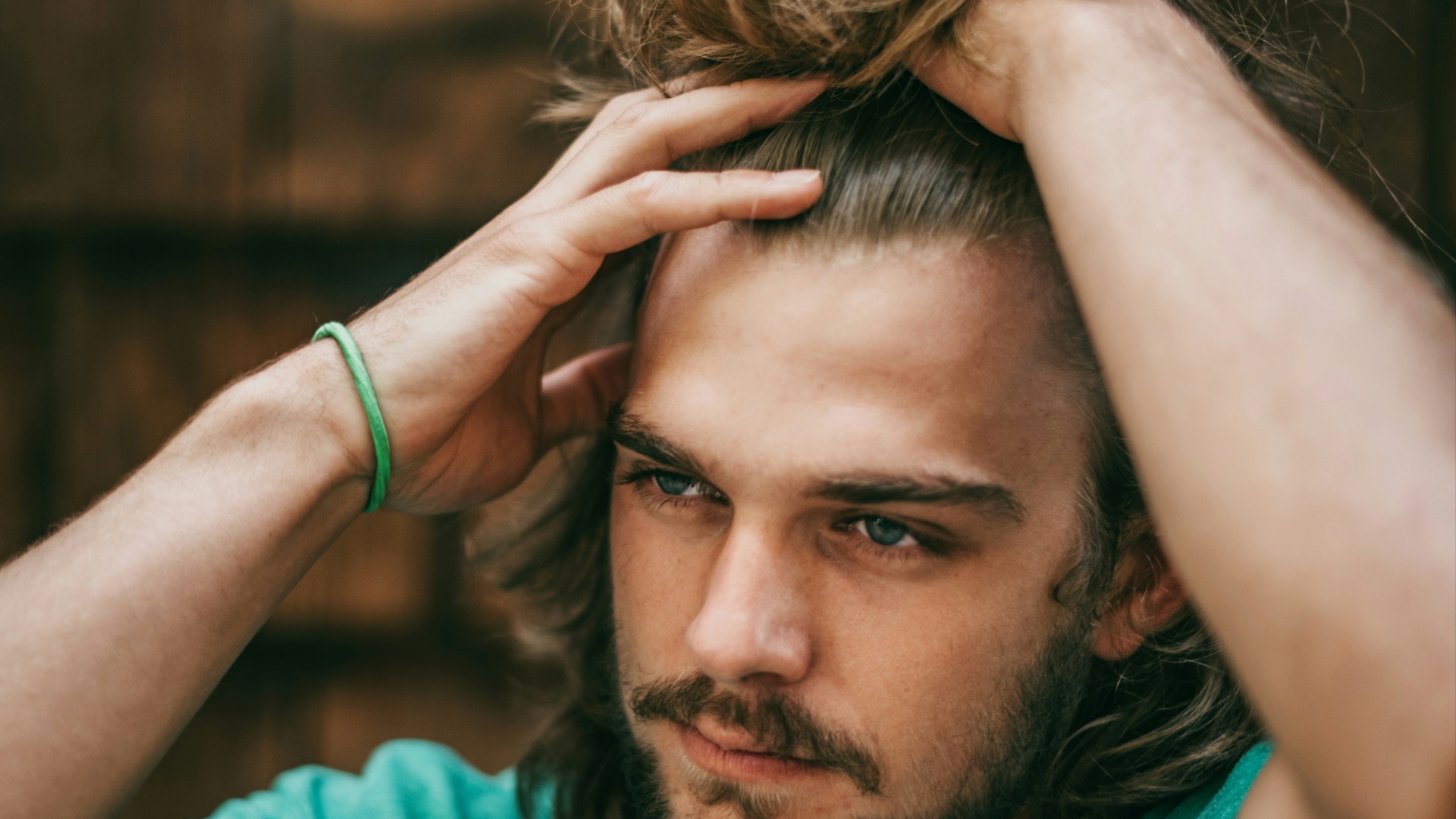
1. High Ponytail
We get it: sometimes you just want to channel your inner Ariana Grande. But while a high ponytail can look sleek and sharp, it often puts strong tension on the front hairline, temples, and crown. And when the hair is pulled up tightly every day, the follicles may become irritated and weakened over time. This is especially true if you secure the ponytail with a tight elastic or smooth down the hair with repeated brushing and gel.
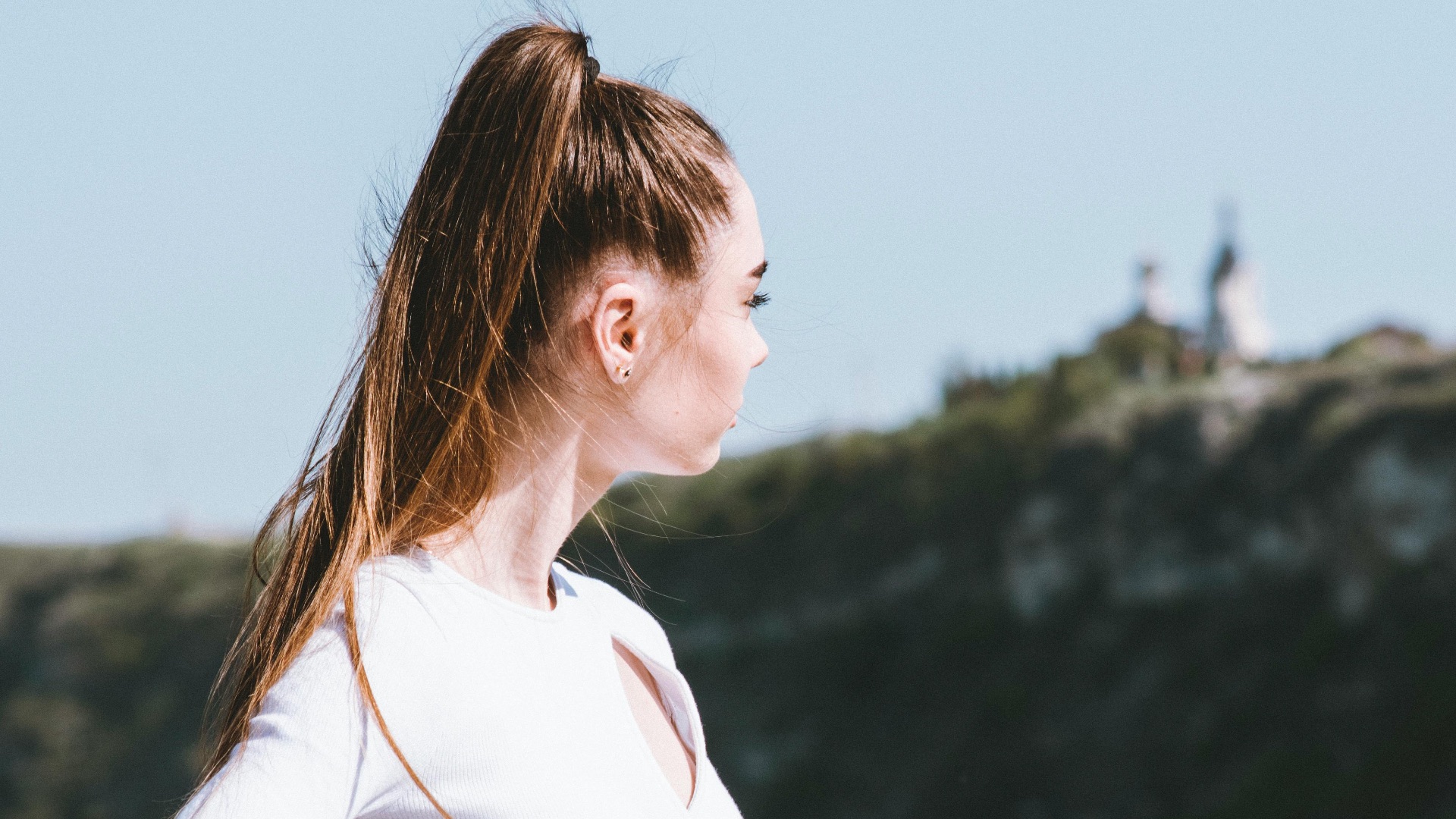 Ion Ceban @ionelceban on Pexels
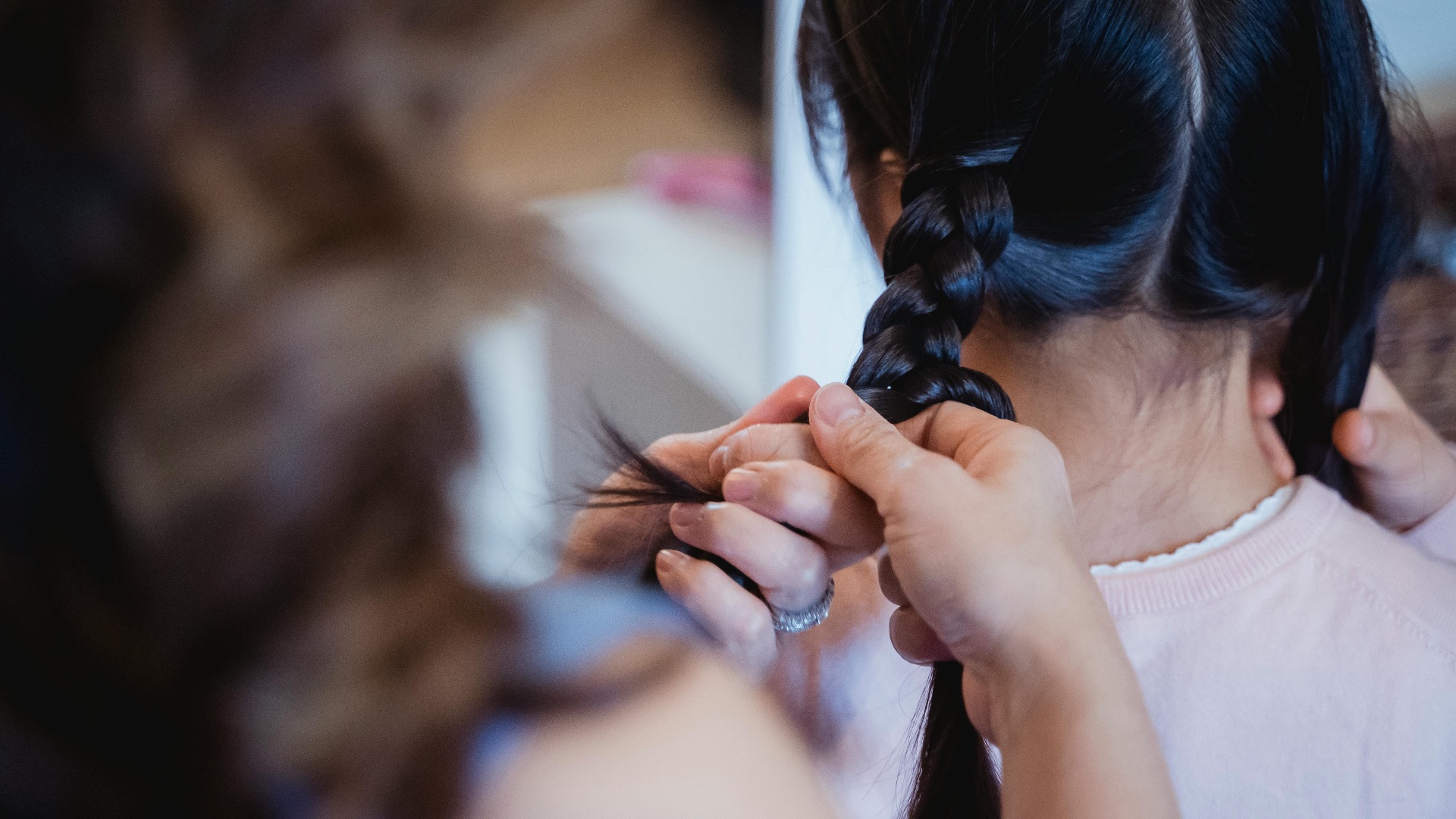
2. Tight Braids
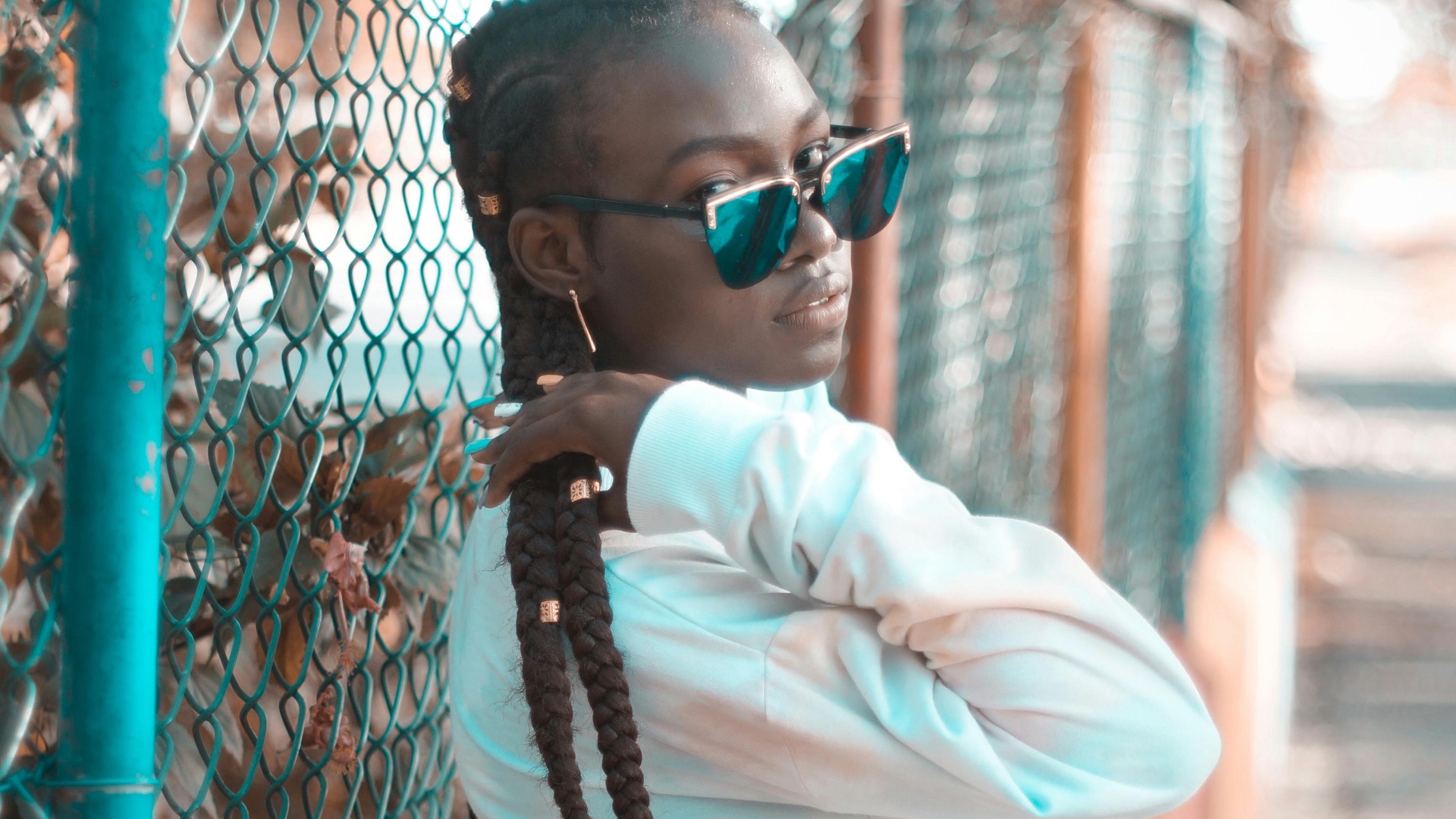
Tight braids can place repeated strain on the scalp, particularly around the edges and nape of the neck. The issue usually isn’t the braid itself, but how tightly it’s done and how long it’s left in without relief. If your scalp feels sore, bumpy, or tender after braiding, that’s a sign the style may be too tight. Men and women who wear cornrows, box braids, or braided designs should pay close attention to discomfort rather than assuming pain is part of the process.
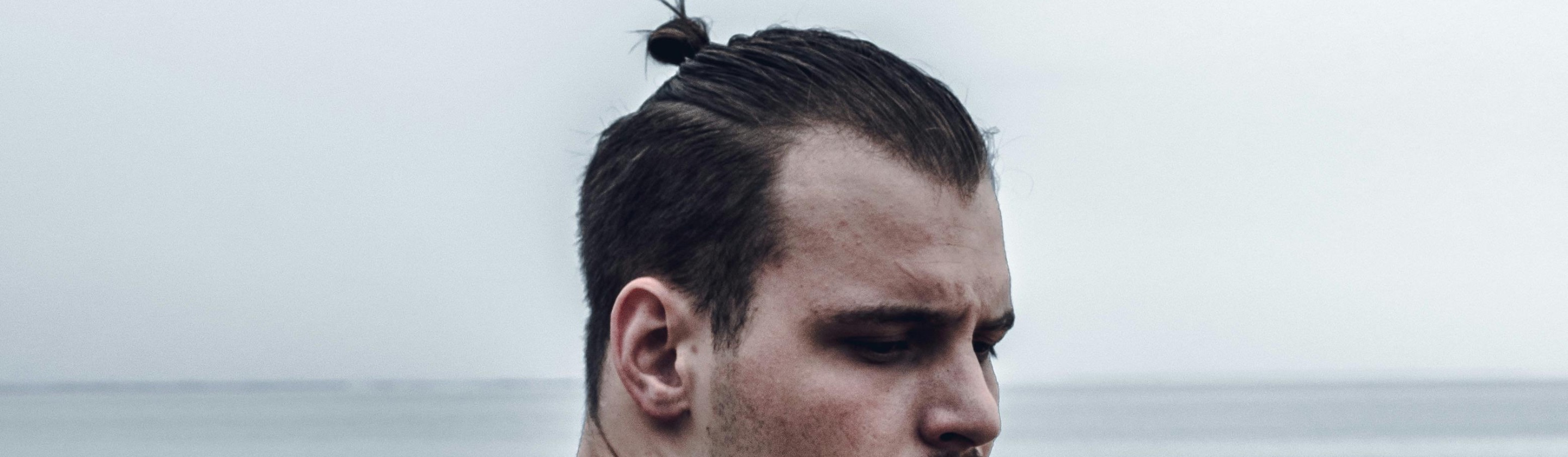
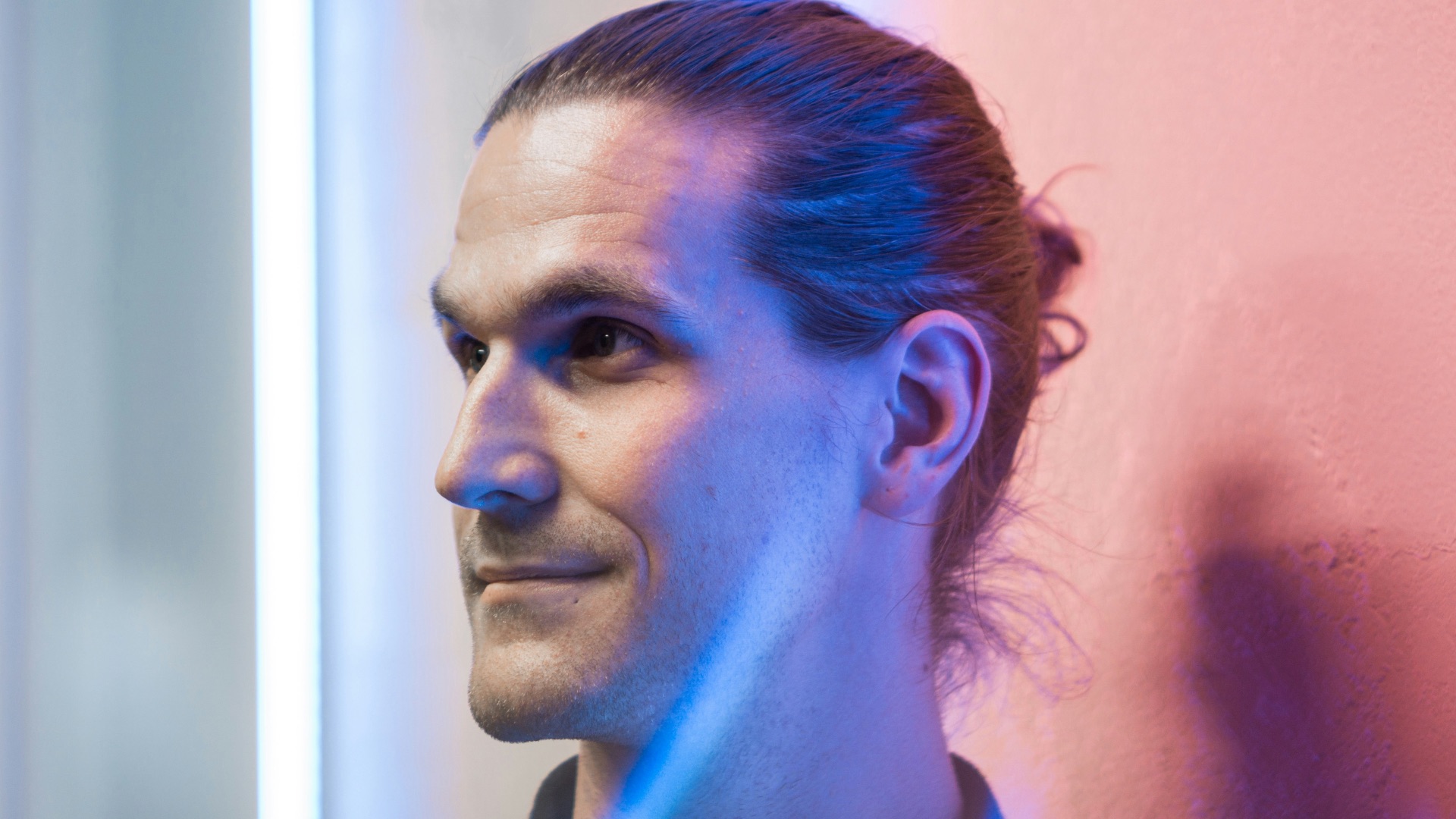
3. Man Bun Pulled Too Firmly
A man bun can be a stylish option for longer hair, but pulling it too firmly can create tension at the temples and front hairline. This is more likely to become a problem when the bun is worn in the exact same position every day. If the hairline feels tight or you notice broken hairs around the forehead, the style may need to be loosened or rotated. A more relaxed bun can still look intentional without putting as much pressure on the follicles.
4. Slicked-Back Styles with Heavy Tension
Slicked-back hair can look polished, but it can become rough on the hairline when it involves aggressive brushing, strong-hold products, and tight pulling. The combination of tension and repeated manipulation may cause breakage around the front of the scalp. This can affect men with longer top sections as well as women who wear smooth buns or ponytails. A softer version with less pulling is usually a better choice for regular wear.
5. Tight Cornrows
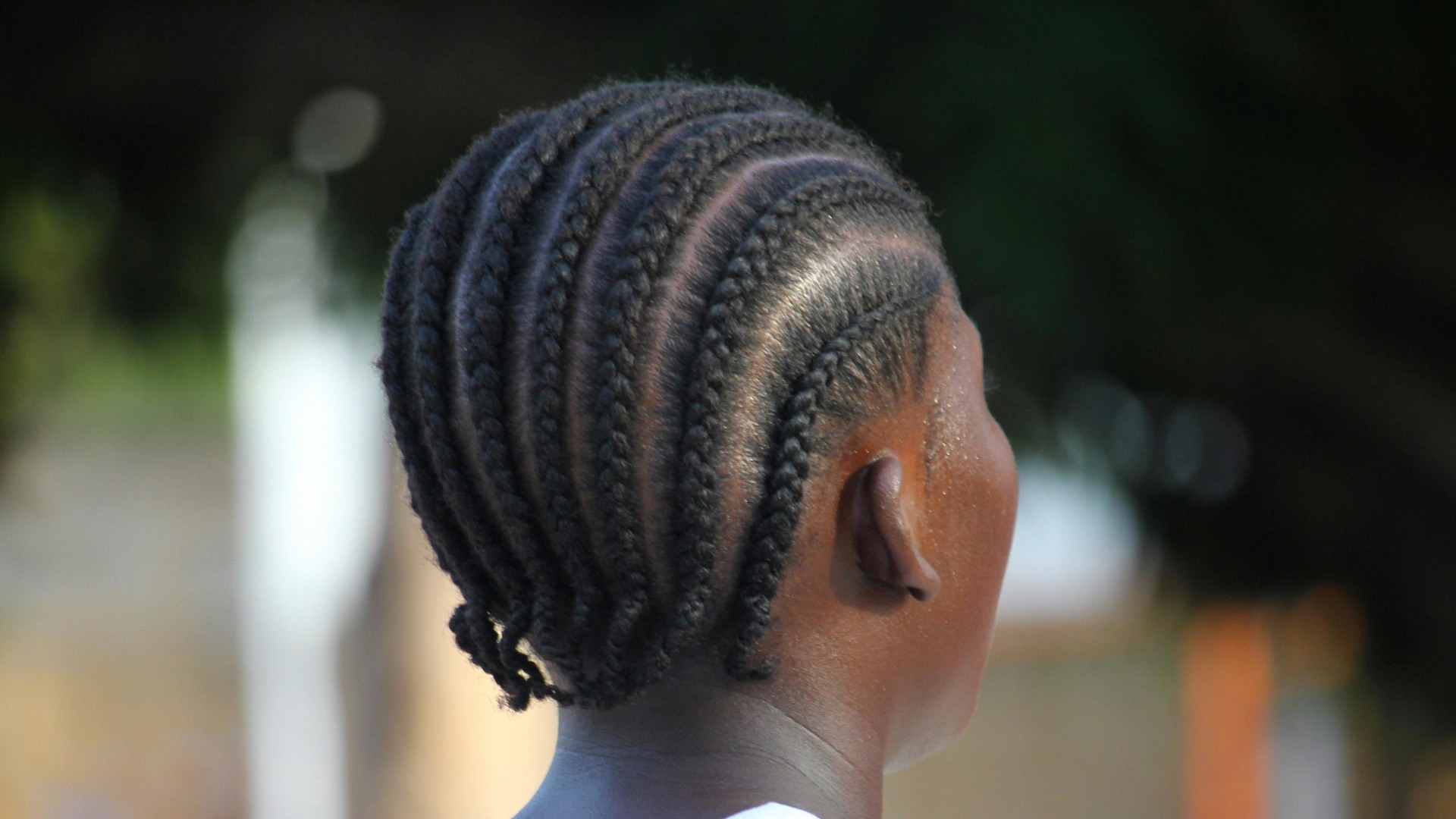
Cornrows can be protective and prevent breakage when they’re done with care, but tight cornrows can put concentrated tension along each part and around the hairline. The smaller and tighter the rows, the more stress the scalp may feel, especially if extensions add extra weight; any redness, bumps, itching, or soreness afterwards should not be ignored. Choosing a stylist who prioritizes scalp comfort can make a major difference.
6. Heavy Loc Extensions
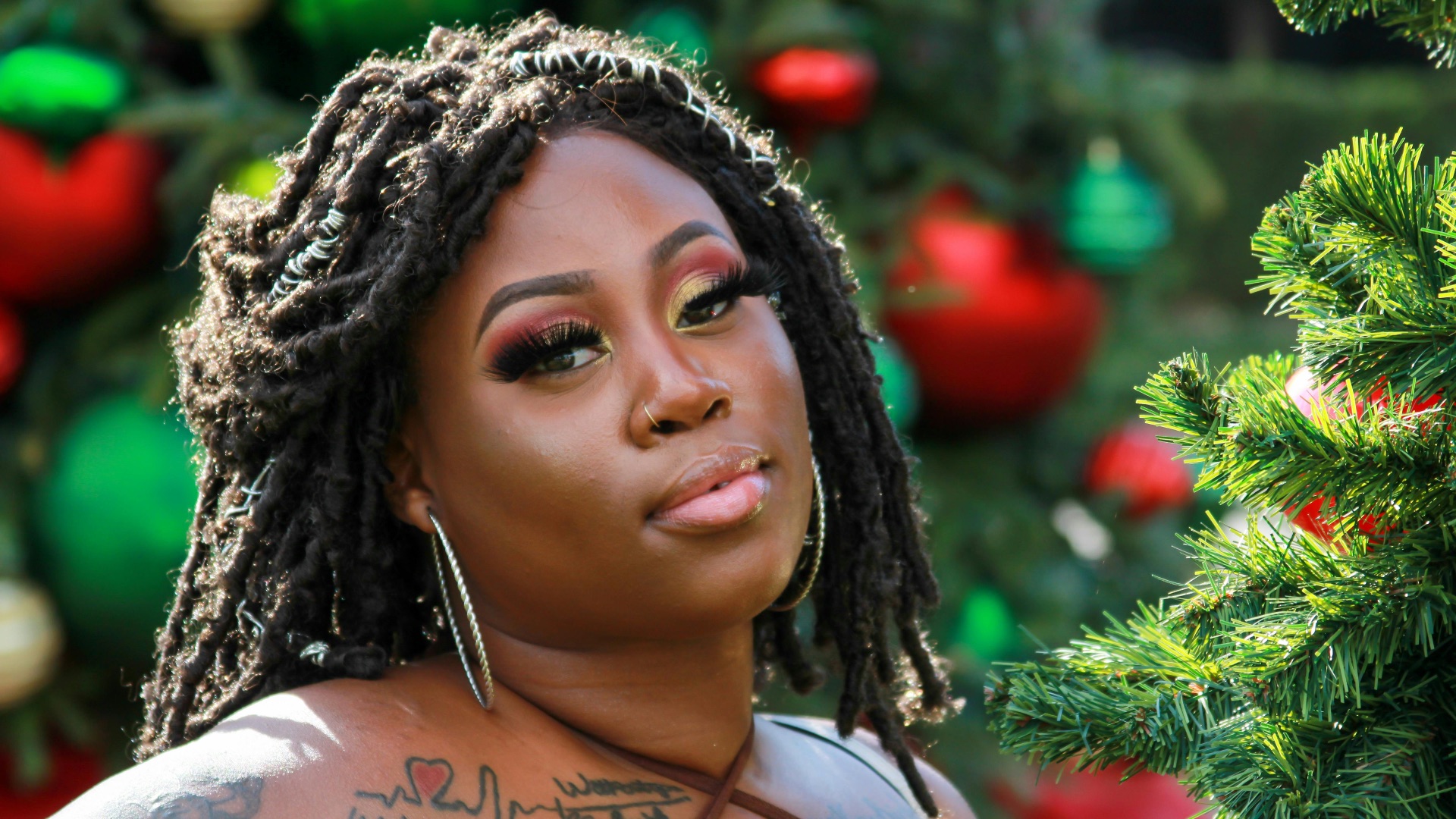
Loc extensions can look beautiful, but heavy styles may pull on the roots and strain the hairline over time. This is especially true when the added hair is long, dense, or styled into high buns and ponytails. The weight can be more noticeable around the edges, where the hair is often finer and more fragile. Keeping the style lighter and avoiding constant updos can help reduce unnecessary stress.
7. Tight Topknots
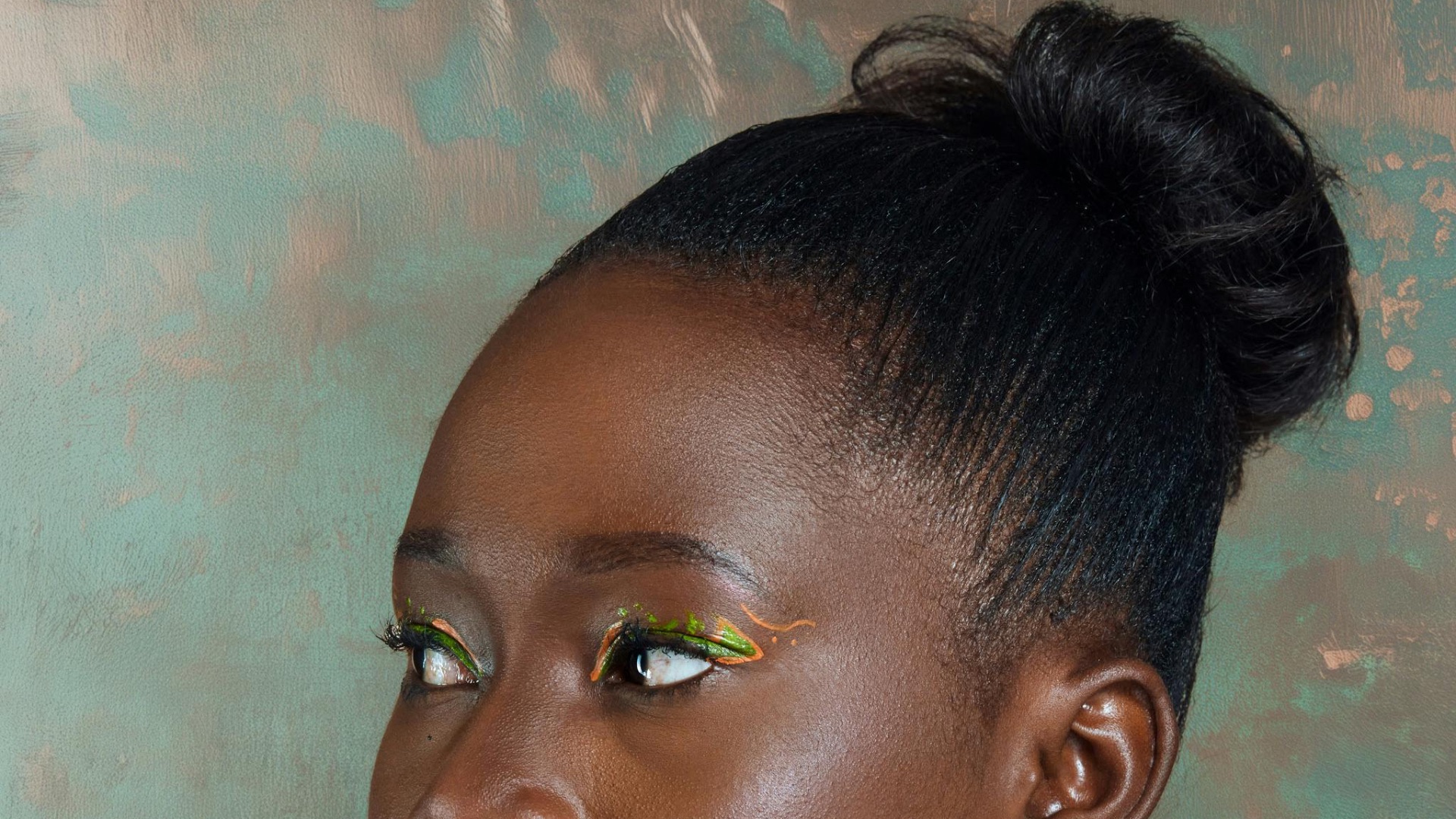
Topknots can be convenient, but they often gather all the hair into one high, tight point on the head. That concentrated pull can affect the crown, temples, and front hairline, particularly when the style is worn for workouts, workdays, and sleep. It may also cause breakage if the hair is twisted tightly before being pinned or tied. A looser knot placed lower on the head is usually gentler.
8. Tying Up Wet Hair
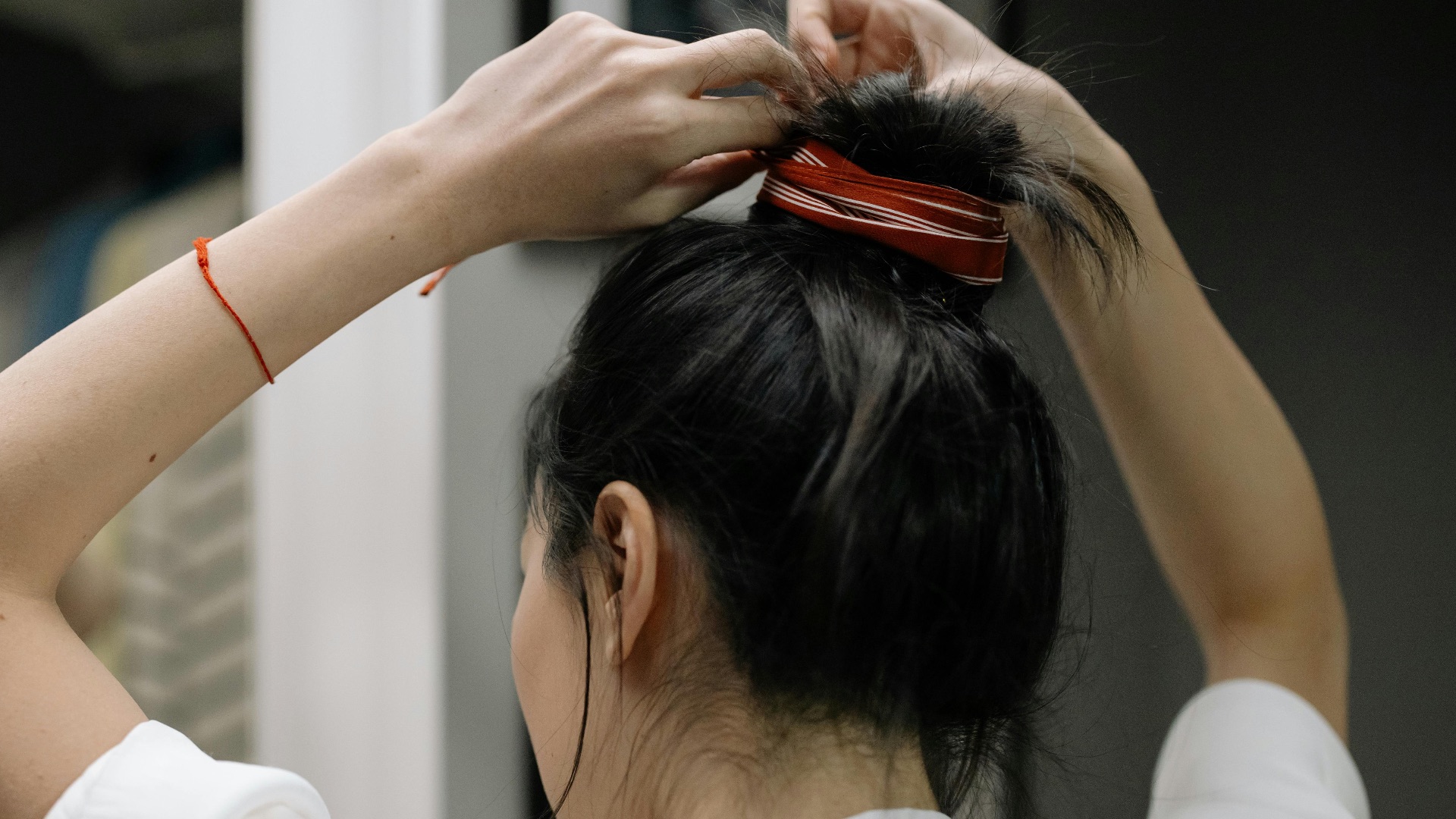
Tying your hair up while it’s wet can be rough on the hairline because damp strands are more fragile and prone to stretching. When you pull wet hair into a tight ponytail, bun, or topknot, the tension can lead to breakage around the temples, edges, and nape. It may not cause permanent recession on its own, but repeating the habit can make thinning or breakage more noticeable over time. If you need your hair out of the way, use a soft scrunchie and keep the style loose until your hair has had a chance to dry.
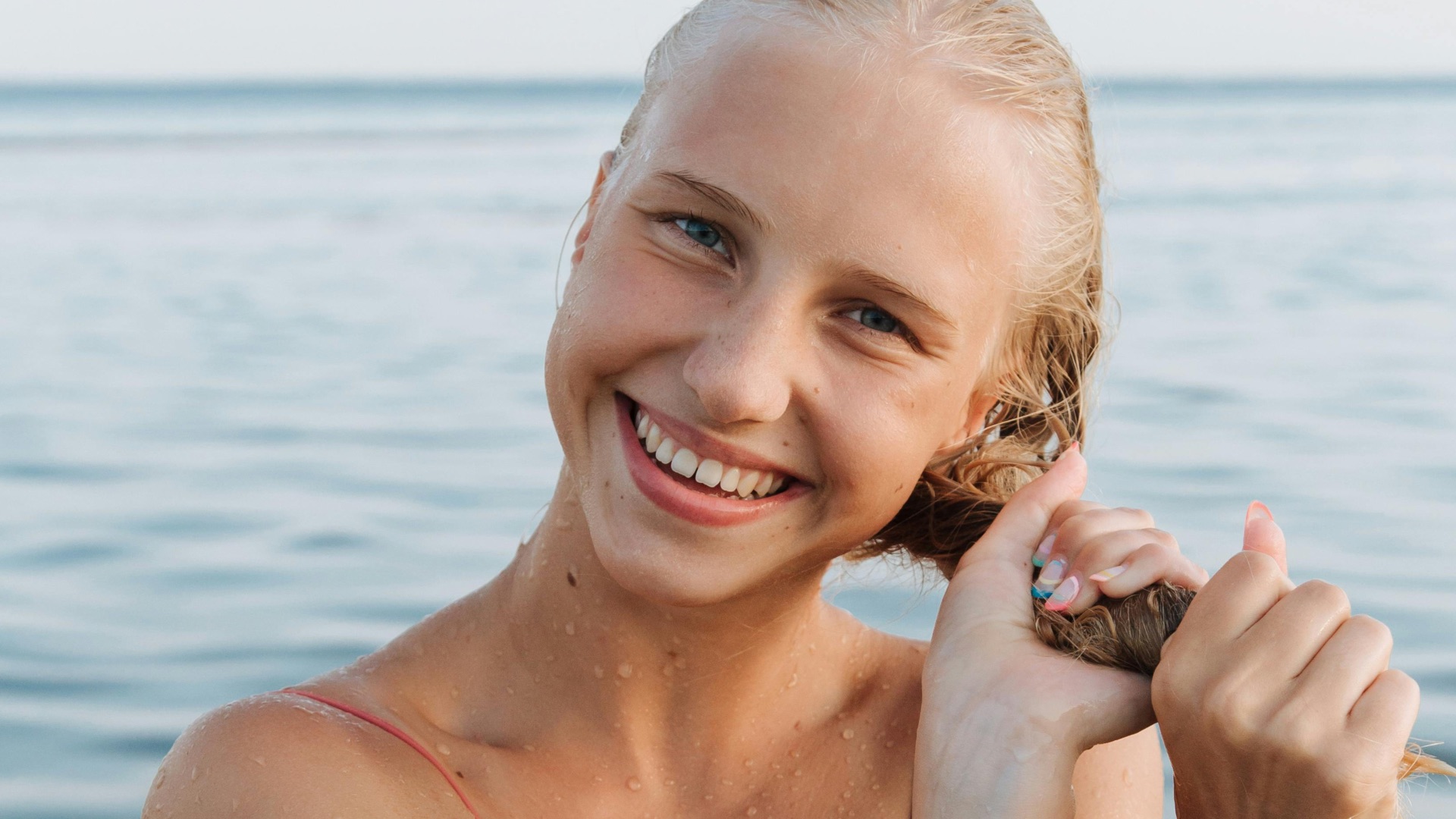
9. Tight Pigtails
Tight pigtails may seem like a splayful and low-effort style, but they can put a surprising amount of stress on the hairline when they’re pulled firmly from both sides. The tension often lands around the temples, edges, and center part, especially if the style is slicked down or secured with tight elastics. Wearing them once in a while isn’t the problem, but repeating the look with the same part and strong pull can contribute to breakage or traction-related thinning. A looser version with soft ties is much easier on the scalp while still keeping the style fun and practical.
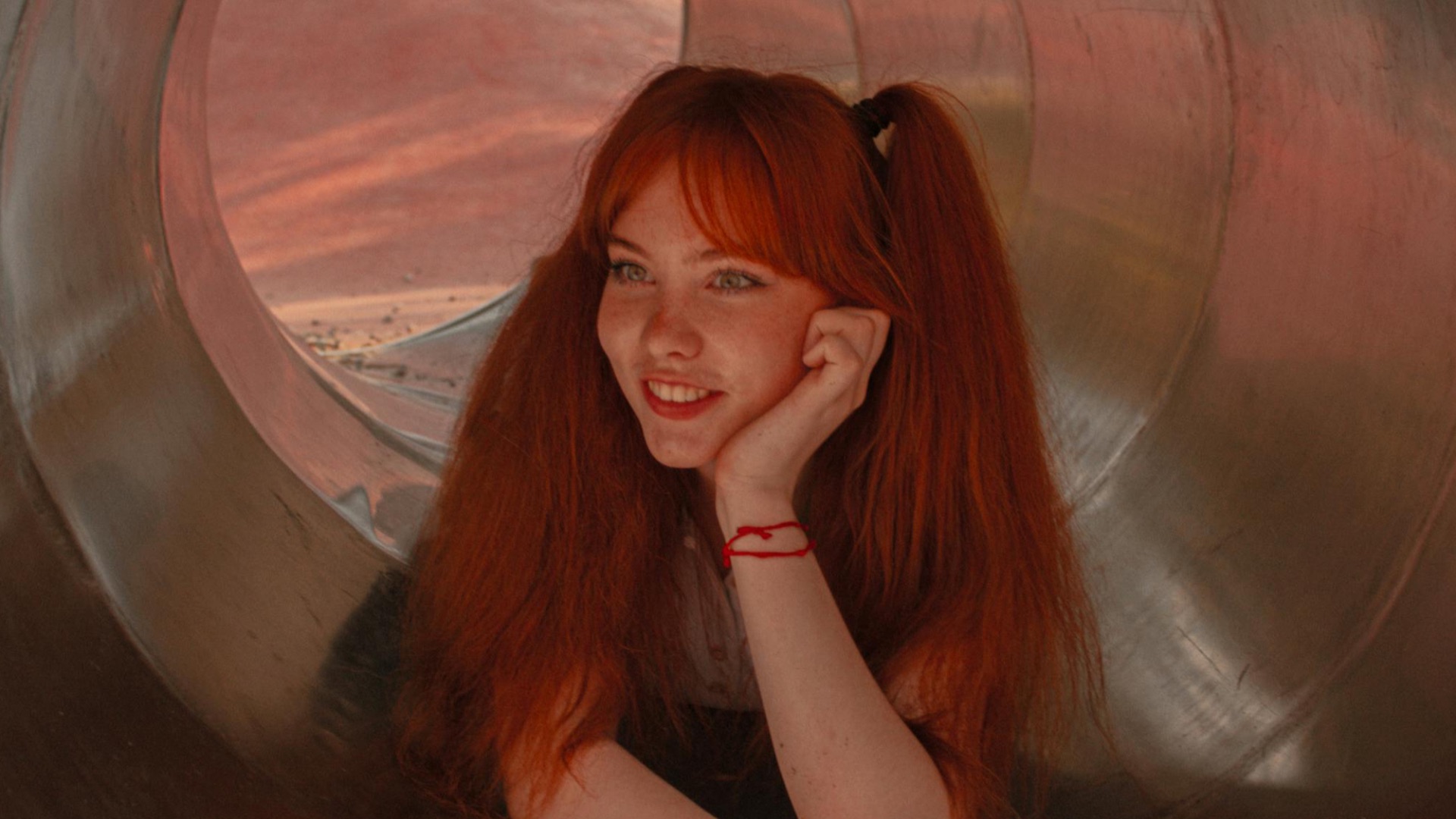
10. Ballerina Buns
A tight ballerina bun creates a smooth, elegant finish, but it often depends on pulling every strand firmly away from the face. Repeating that tension can be hard on the hairline, especially when the bun is worn with strong gel, pins, and a tight elastic. Dancers, performers, athletes, and professionals who rely on this look may want to alternate with softer styles when possible. Your bun doesn’t have to be painfully tight to look clean and controlled.
Now that you know which hairstyles might cause friction, it helps to focus on options that give your hairline more breathing room, so let's jump into that next.
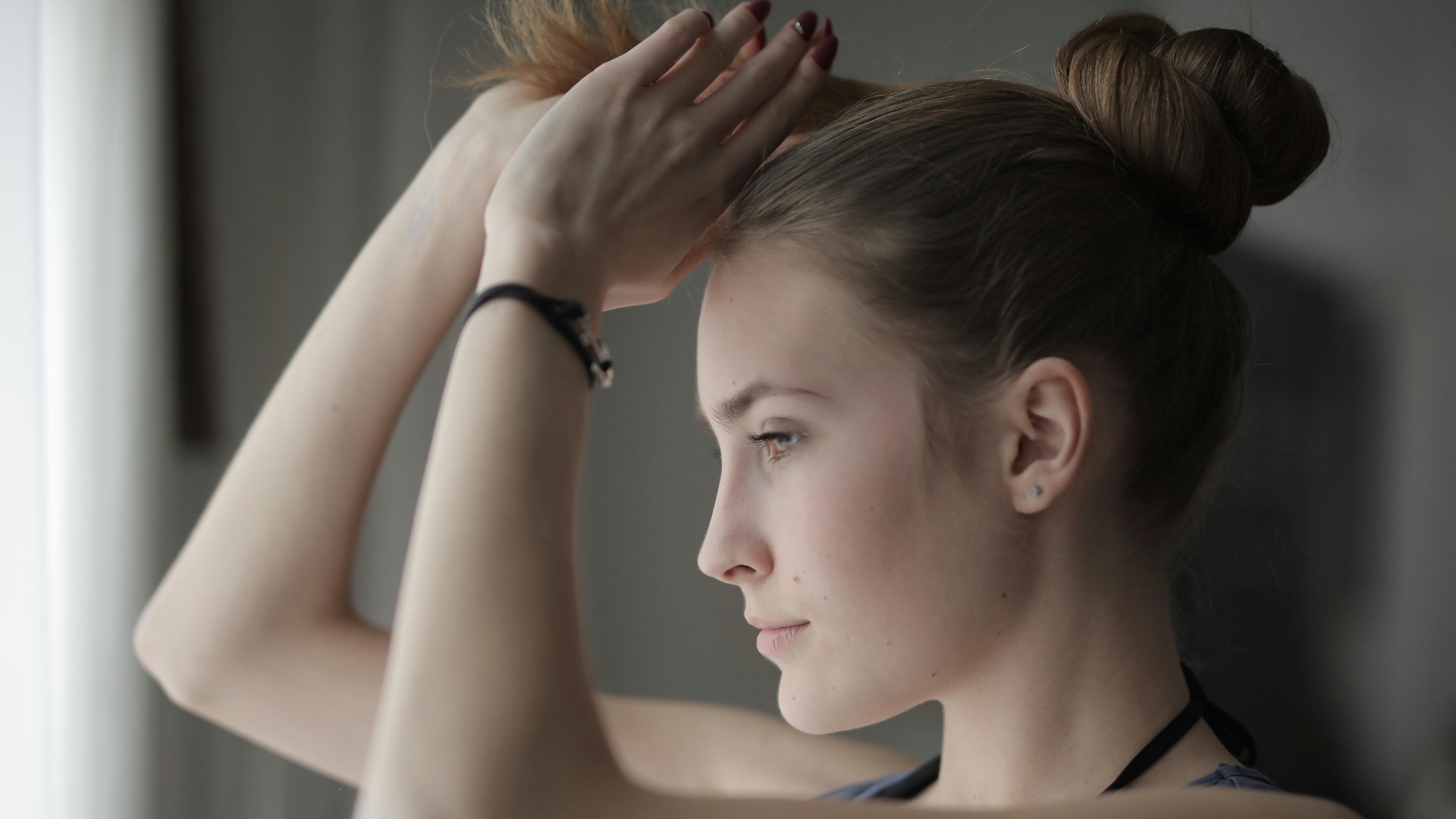
1. Low Loose Ponytail
A low, loose ponytail is a simple switch that can make a big difference for your hairline. Because the hair sits lower and isn’t pulled upward as tightly, there’s usually less tension around the forehead and temples. Use a soft hair tie and avoid wrapping it too many times, since that can create unnecessary pressure. This style works well for many hair lengths and can still look polished for work, errands, or casual plans.
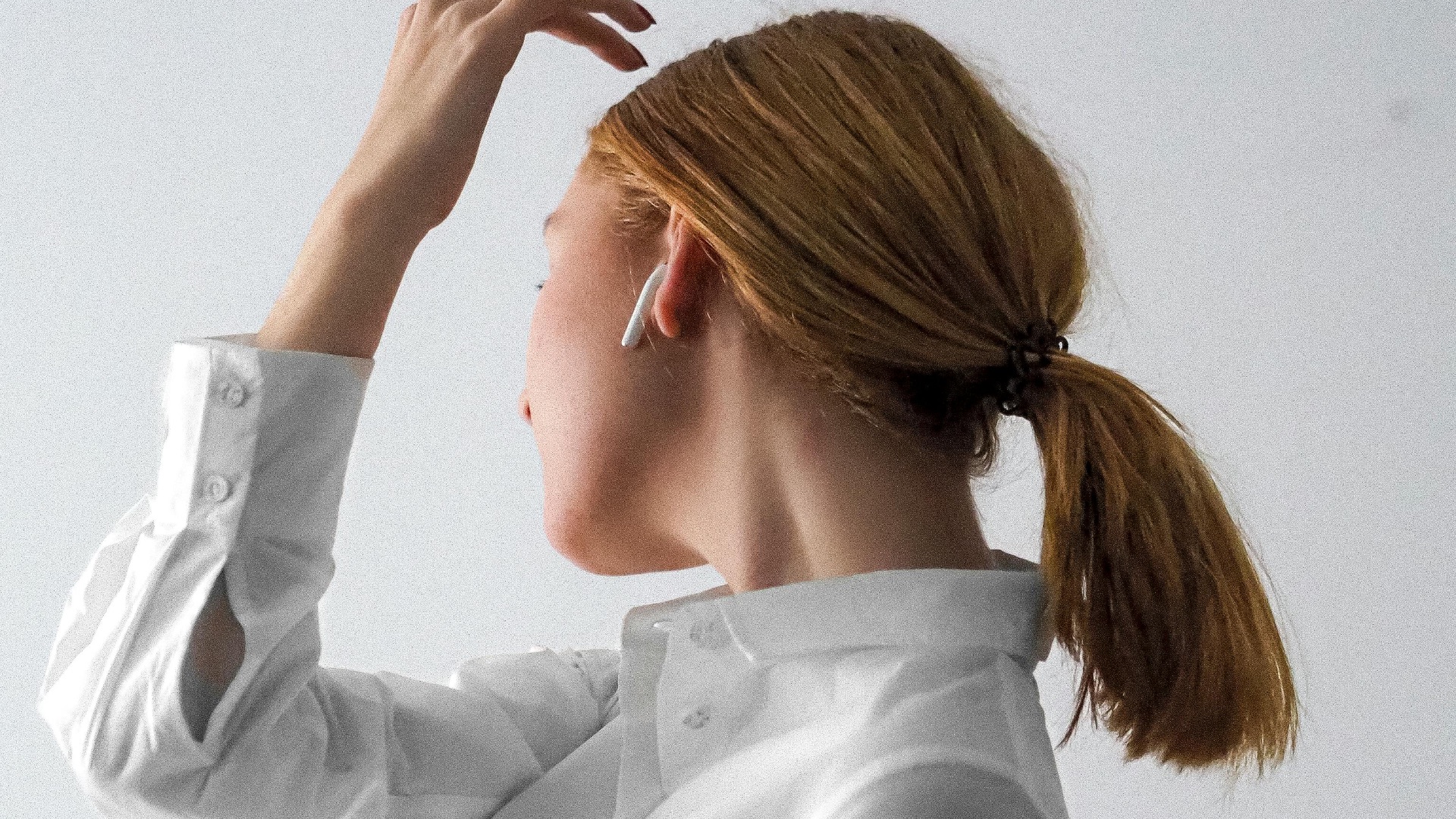
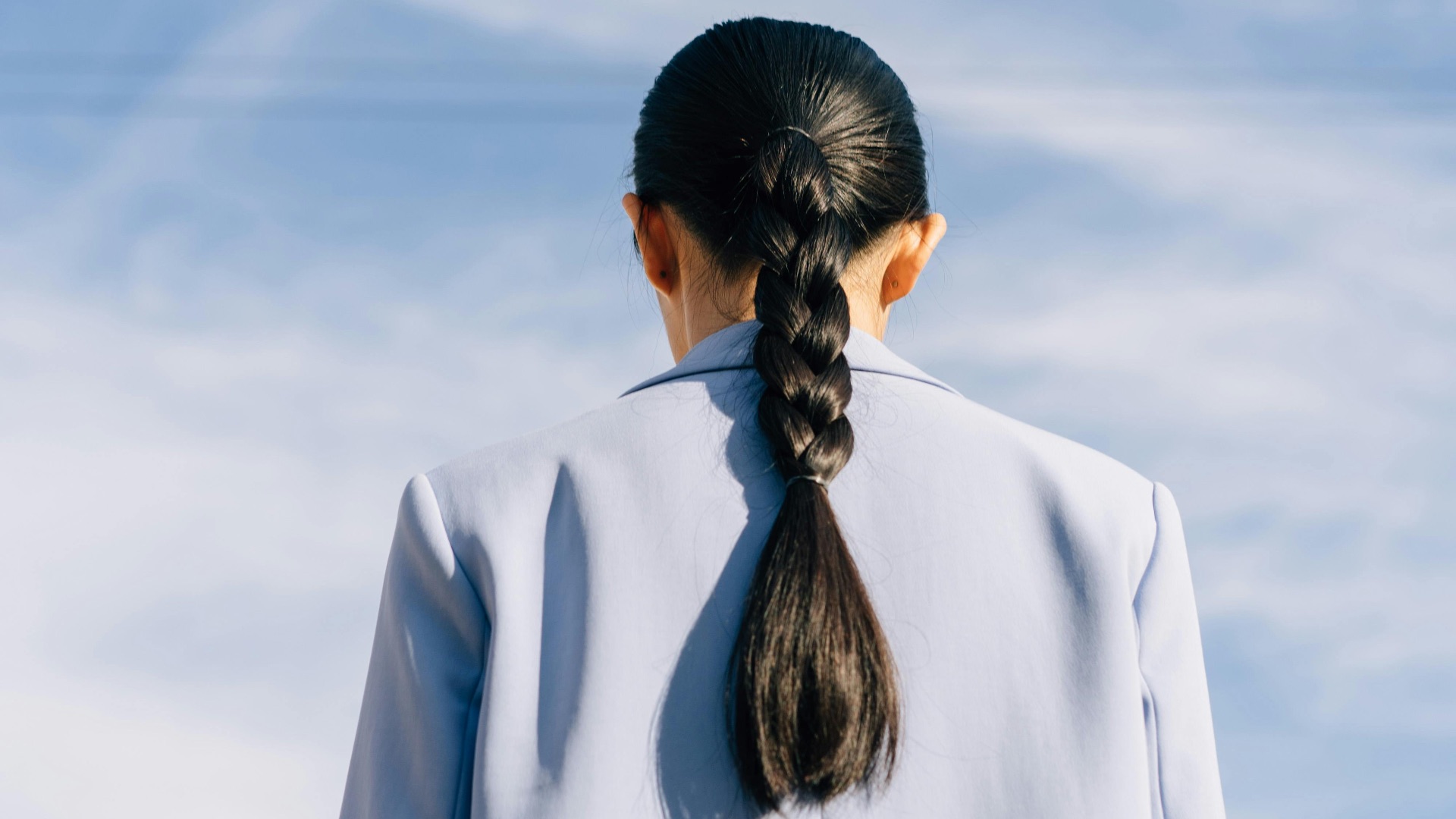
2. Loose Braids
Loose braids let you enjoy a styled look without putting as much strain on your scalp. The key is to make sure the braid doesn’t feel tight at the roots and that the hairline isn’t being pulled back harshly. A single loose braid, two relaxed braids, or larger braid patterns can all be easier on the edges than smaller, tighter styles. You should be able to move your eyebrows and scalp comfortably after the style is finished.
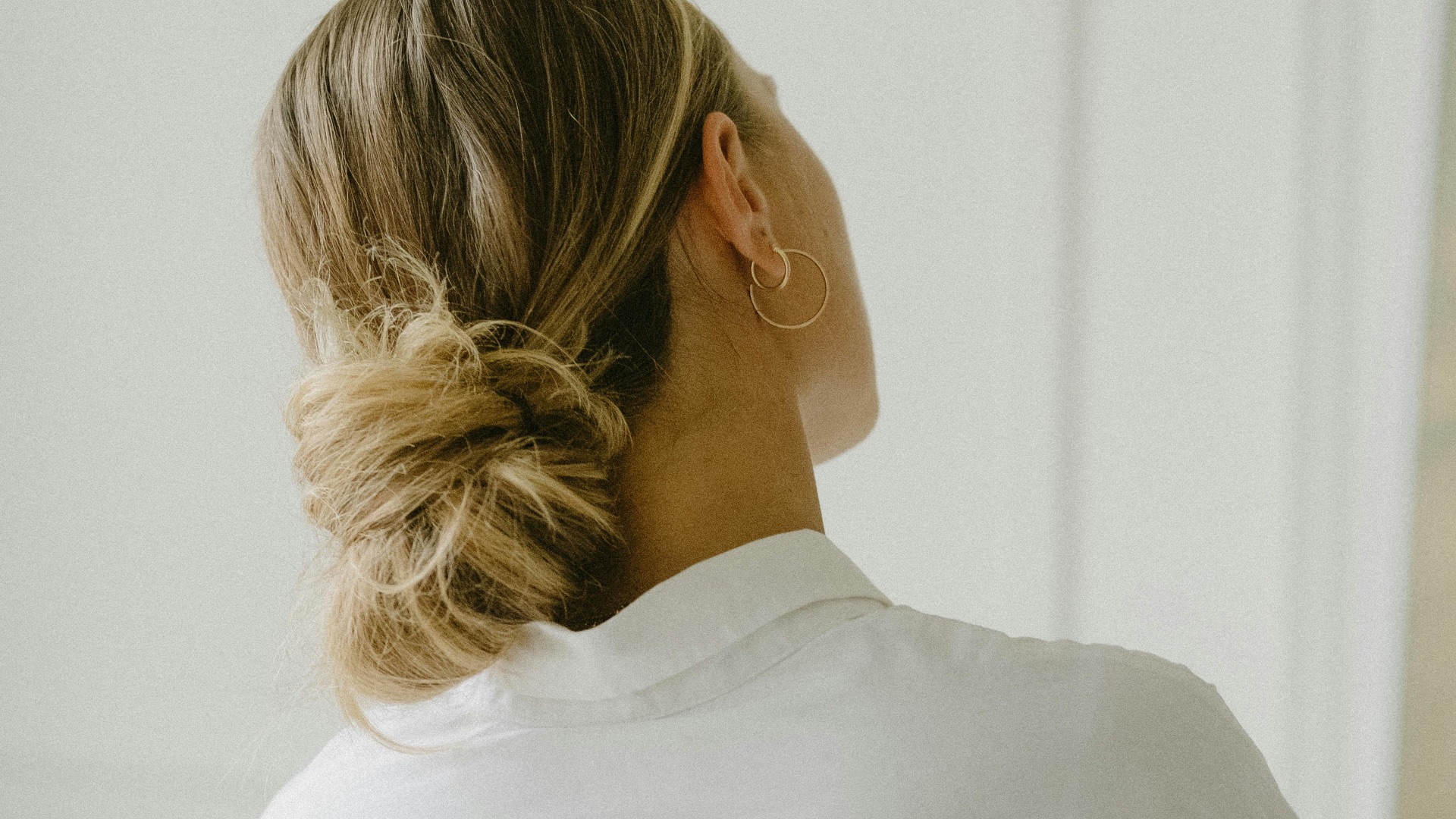
3. Relaxed Low Bun
A relaxed low bun gives you the neatness of an updo without concentrating tension at the top of the head. Placing the bun near the nape helps reduce pulling around the front hairline. It’s also easier to secure with pins or a soft scrunchie rather than a tight elastic. This option works for men and women with medium to long hair who want something tidy but less stressful on the scalp.
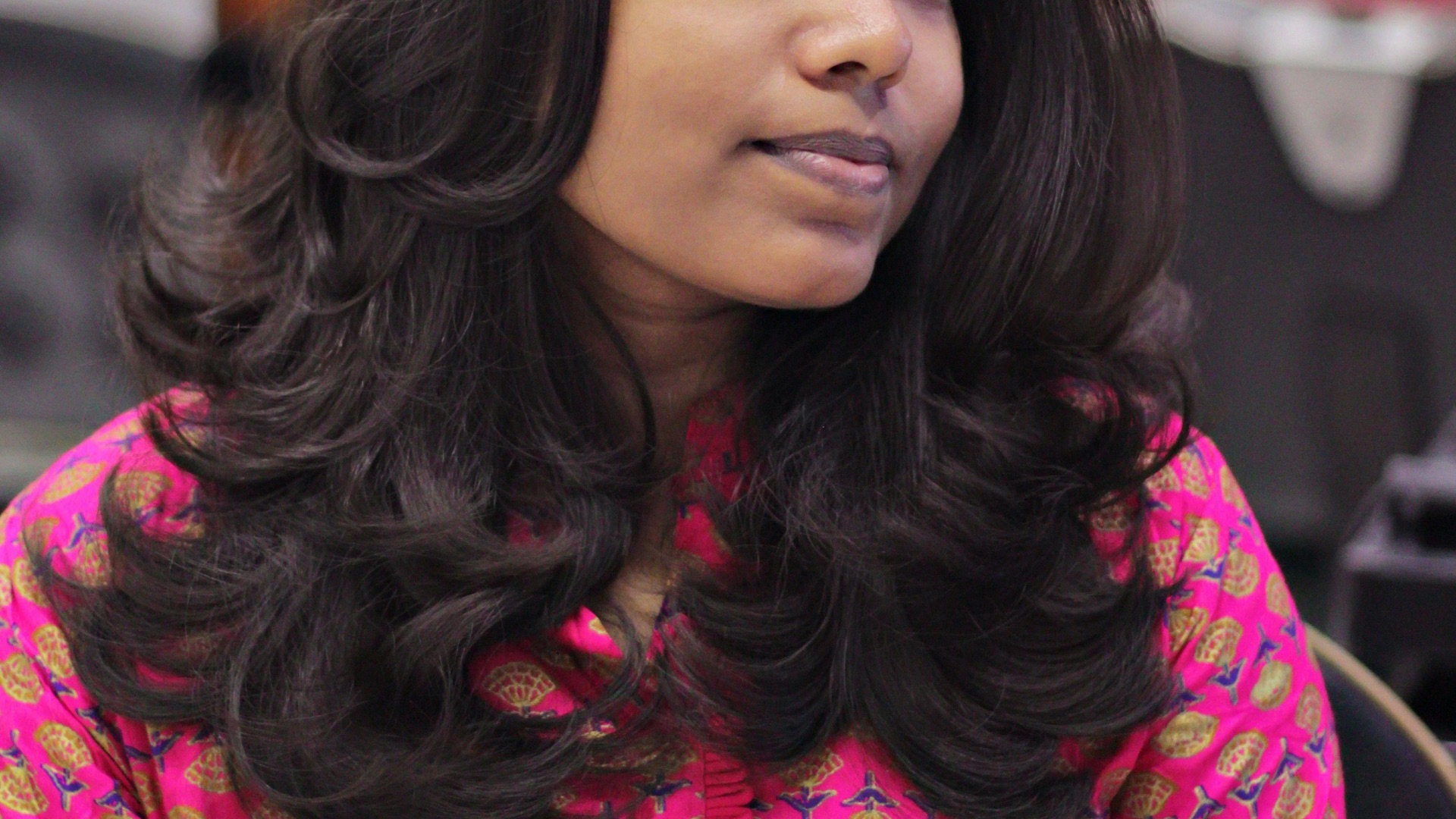
4. Loose Waves or Natural Texture
Wearing your hair in loose waves or its natural texture can reduce the need for tight pulling and repeated styling. This approach lets the hair fall more freely, which is helpful if your edges or temples are already sensitive. You can shape the look with lightweight products instead of relying on tension to control every strand. It’s also a good way to give your scalp a break between more structured styles.
 TONI&GUY PONDICHERRY on Pexels
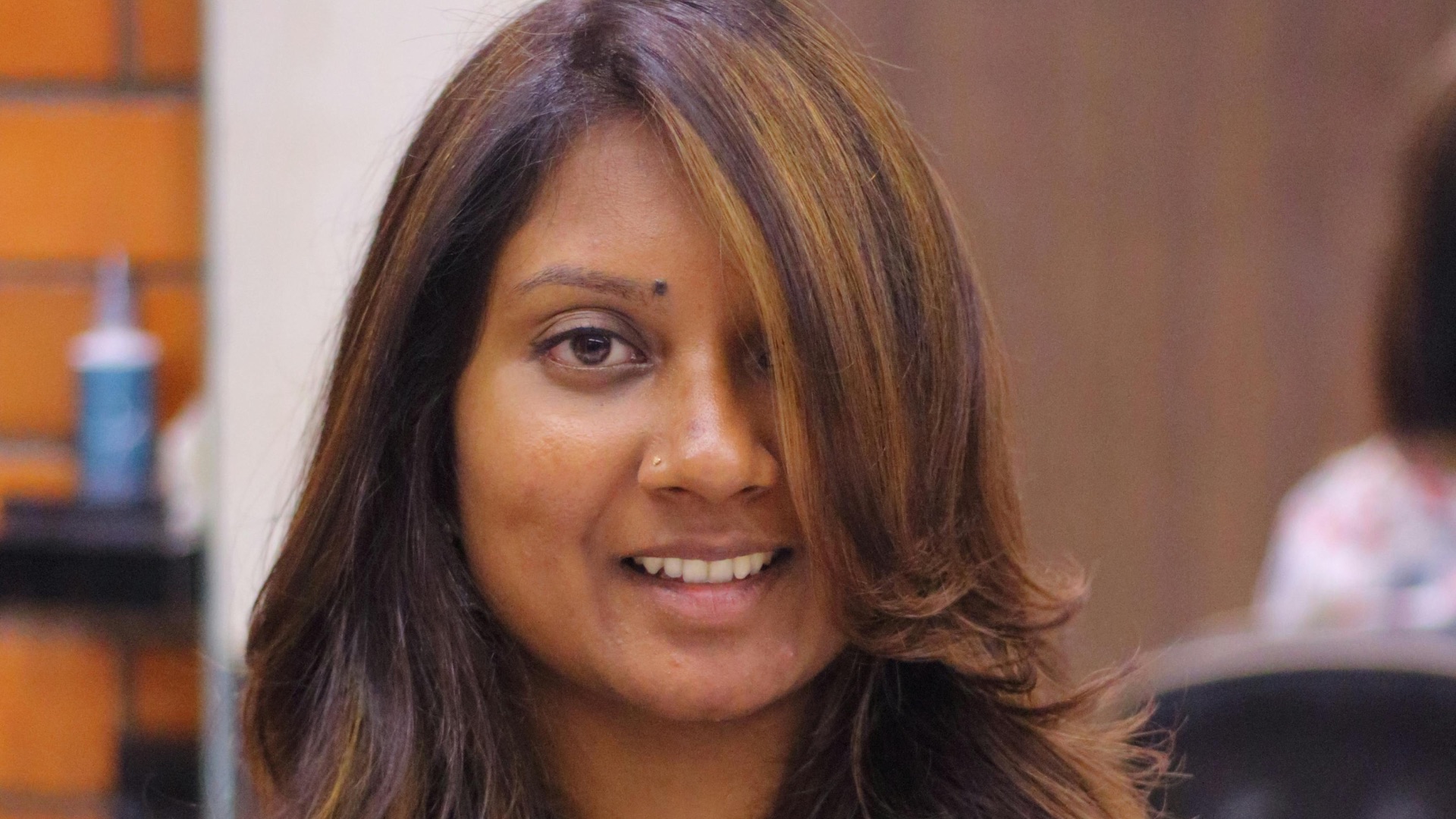
5. Side Part with Soft Volume
A side part with soft volume can frame the face without pulling hair straight back from the hairline. This style works well for short, medium, and longer cuts, and it can be adapted for many hair types. Instead of forcing the hair into place with heavy gel or tight brushing, use a light styling cream or mousse to create hold with movement. It’s a polished option that doesn’t depend on tension to look finished.
 TONI&GUY PONDICHERRY on Pexels
6. Textured Crop
A textured crop is a strong choice for men who want a low-maintenance style that doesn’t tug on the hairline. Since the hair is cut shorter and styled forward or loosely in place, there’s no need to pull it back into a bun or ponytail. It can also make thinning near the temples look less noticeable without trying too hard to cover it. Ask your barber for a texture and shape that works with your natural growth pattern.
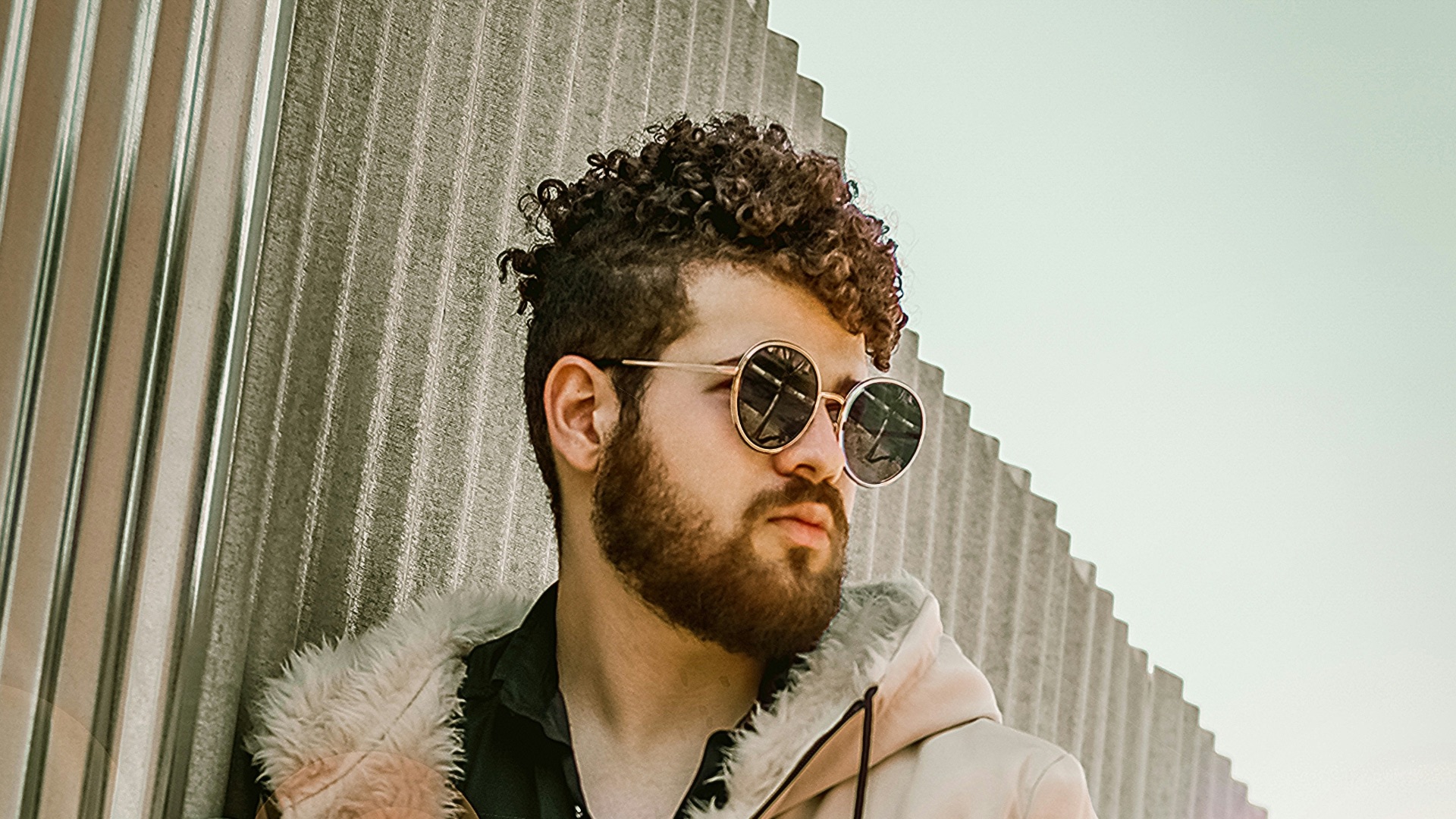
7. Shoulder-Length Layers
Shoulder-length layers can take weight off the hair while still giving you plenty of styling options. Heavy, one-length hair may feel more tempting to pull back tightly, but layers can help the hair fall more naturally. This cut can work well for women and men who like movement without needing a high ponytail or topknot every day. It also gives you room to wear your hair down more often, which reduces repeated tension.
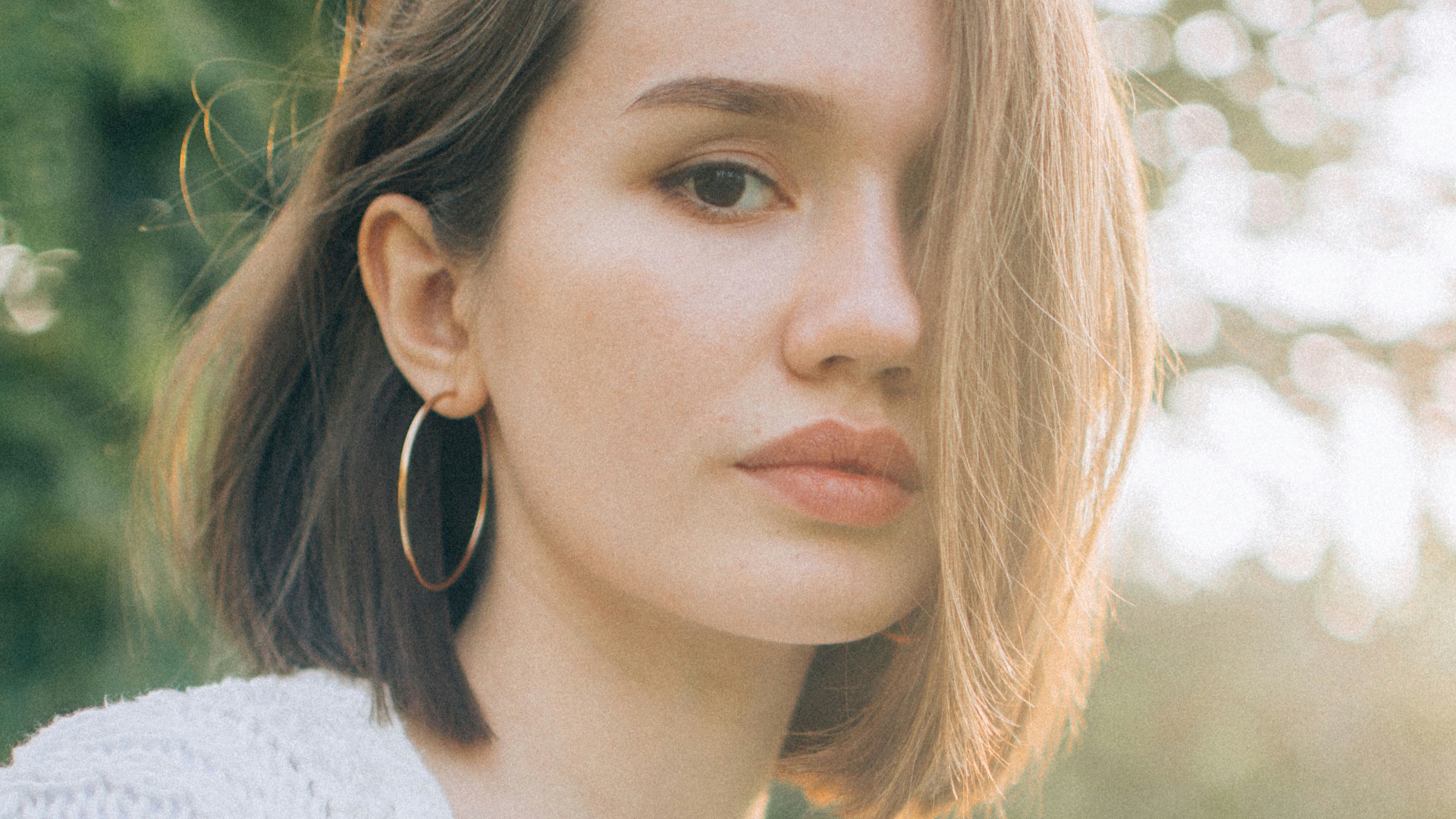
8. Loose Half-Up Style
A loose half-up style keeps hair out of your face while leaving most of it down, which reduces the amount of hair being pulled into one spot. The trick is to secure the top section gently and avoid dragging the front pieces back too tightly. You can leave a few face-framing strands out to soften the tension around the hairline. This is a useful middle ground when you want control without committing to a full updo.
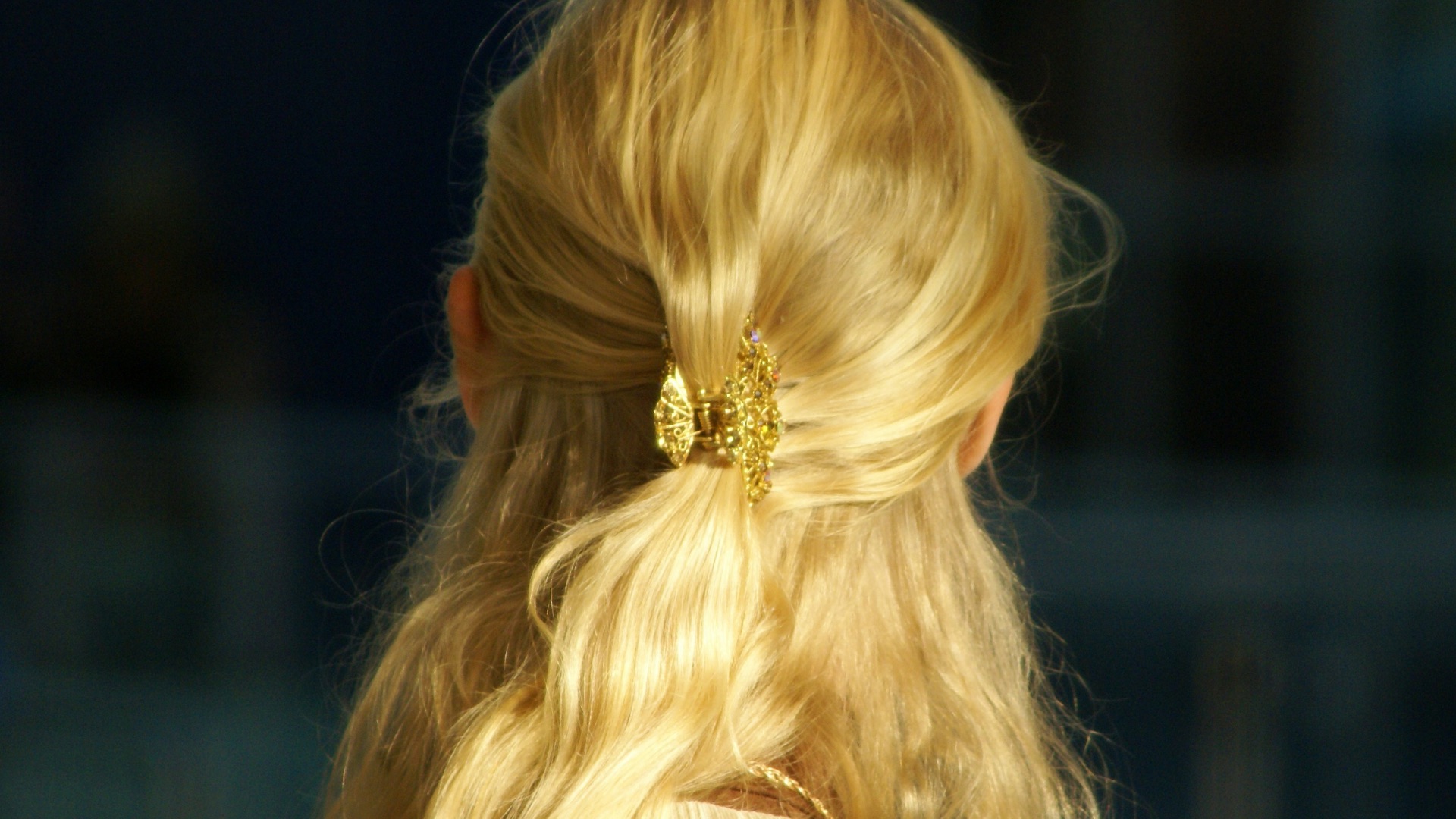
9. Medium-Length Flow
Medium-length flow works especially well for men who want longer hair without the daily strain of tying it back. The hair can be shaped with layers so it sits naturally instead of falling into the face constantly. With the right cut, you can use a light product for control and still avoid tight elastics. It’s a relaxed style that keeps length while being kinder to the roots.
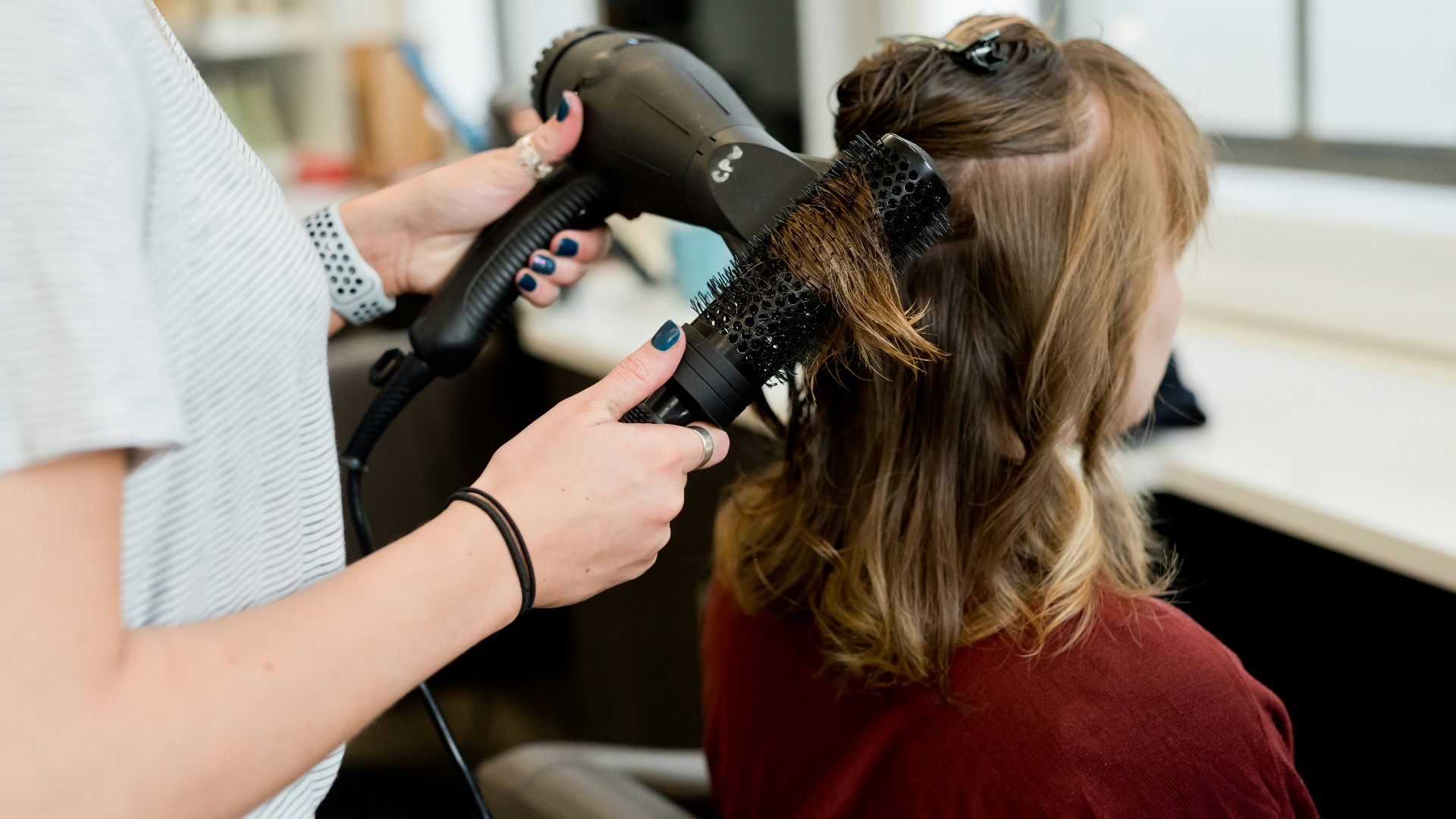
10. Loose Protective Styles
Protective styles can still be part of a healthy hair routine when they’re installed with comfort and scalp health in mind. Larger braids, lighter twists, loose flat twists, or low-tension crochet styles may be better options than tight, heavy ones. Make sure the style doesn’t pull at the edges, and give your scalp breaks between appointments. A protective style should protect your hair, not leave your scalp sore or your hairline stressed.