When a Good Reputation Goes Bad
Fashion trends can turn on their heads surprisingly fast. An item that once suggested wealth, sophistication, or impeccable taste can eventually pick up completely different associations thanks to celebrities, subcultures, changing social attitudes, or simple overexposure. Some of these pieces are still stylish in the right setting, but they no longer come with the unquestioned prestige they once enjoyed. Here are 20 fashion items that went from classy to surprisingly controversial.

1. Fur Coats
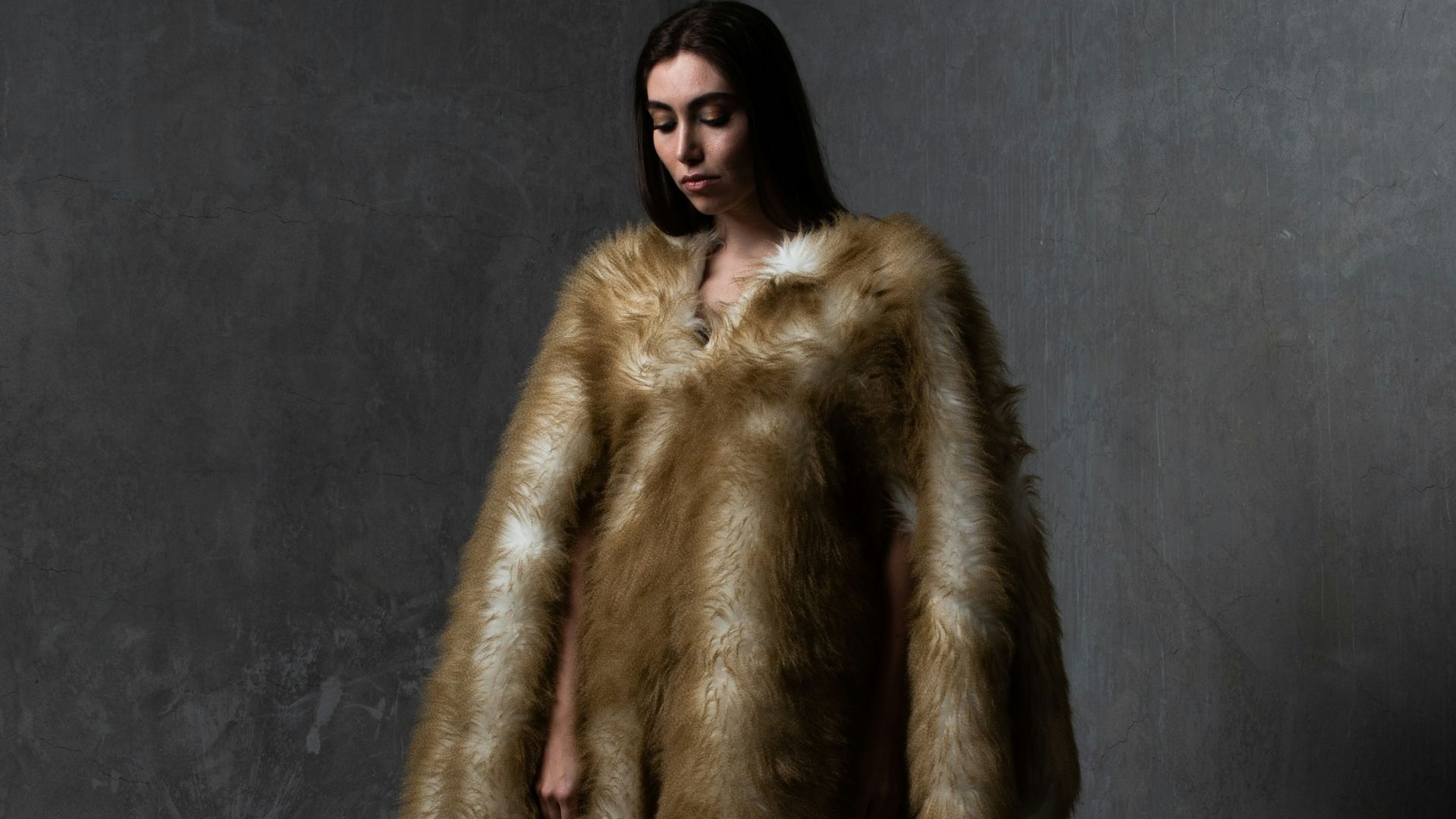
For generations, a real fur coat was one of the clearest signs that someone had money to spend. Mink, sable, and fox were particularly associated with glamour, luxury, and formal occasions. Attitudes toward animal welfare dramatically changed that image, and wearing genuine fur can now attract criticism rather than admiration.
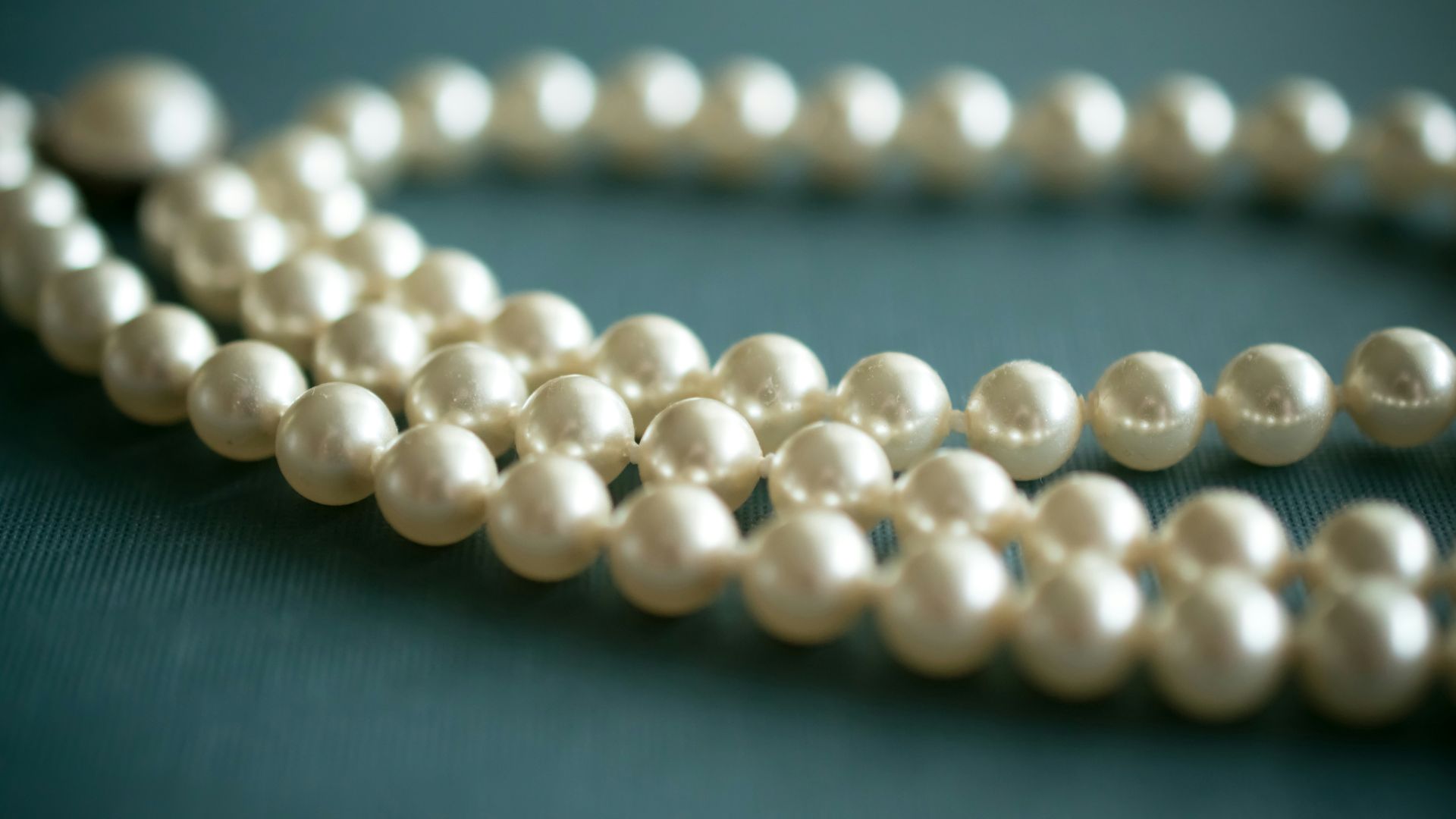
2. Pearl Necklaces
Pearls once represented understated wealth and were practically required for a certain kind of polished wardrobe. Over time, however, they became so closely associated with conservative dress codes and traditional femininity that some people began viewing them as old-fashioned or overly proper. Younger wearers have brought pearls back, but they're usually styled in intentionally unconventional ways.
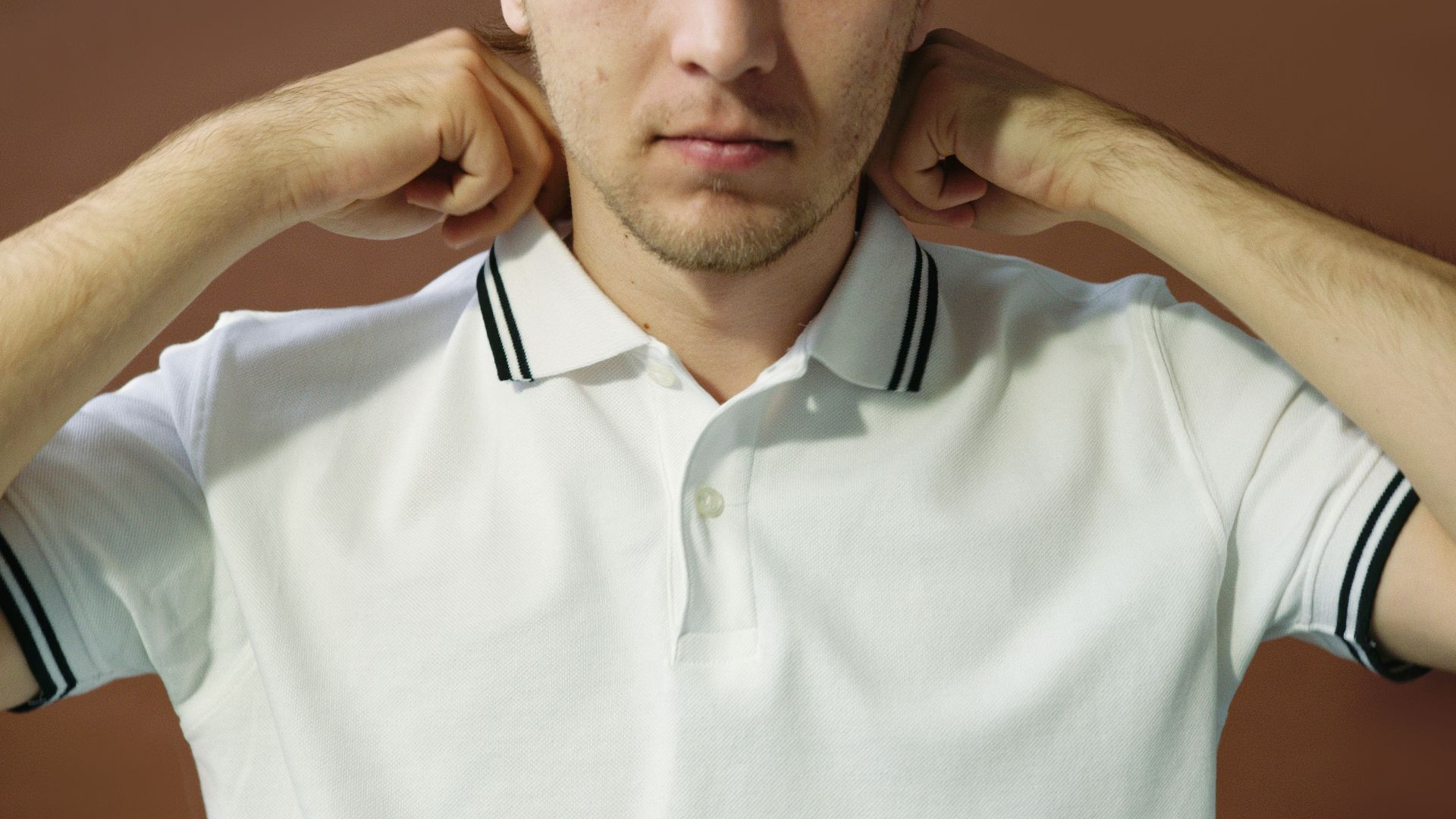
3. Polo Shirts With Popped Collars
The polo shirt began as practical sportswear before becoming firmly associated with country clubs, prep schools, and affluent leisure. During the 1980s and again in the 2000s, popping the collar became a highly visible way of leaning into that preppy image. Eventually, the look became so strongly associated with entitled frat-boy stereotypes that it started generating eye rolls. The polo survived just fine, but the popped collar never entirely recovered.
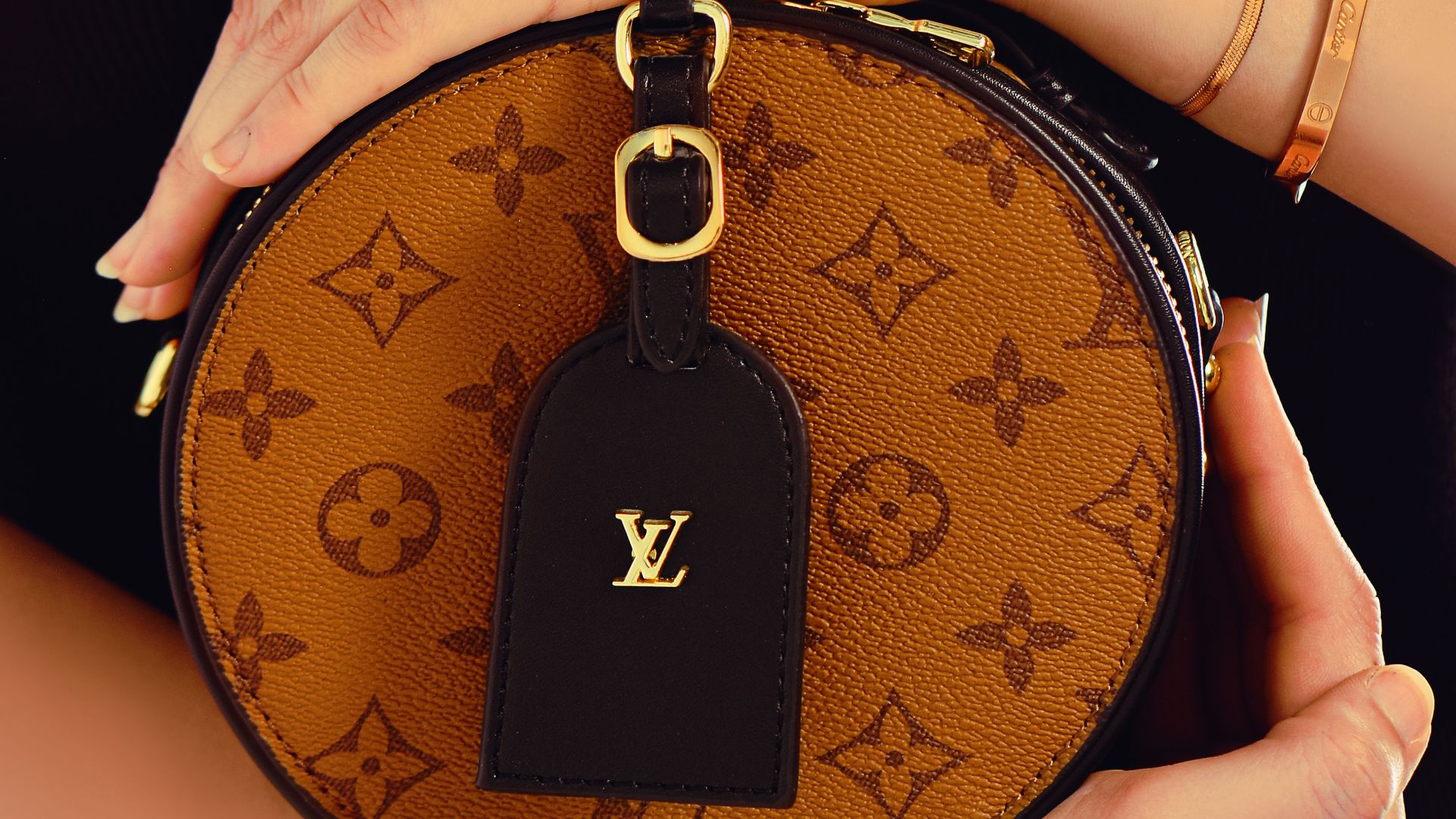
4. Monogrammed Designer Handbags
There was a time when carrying a bag covered in recognizable luxury logos made your expensive purchase impossible to miss. Brands such as Louis Vuitton turned monogram prints into enduring status symbols, and owning one signaled entry into a rather exclusive fashion club. As logo-heavy luxury became more widespread, critics began describing it as flashy, obvious, or even tacky. The recent enthusiasm for "quiet luxury" has only made oversized branding more divisive.
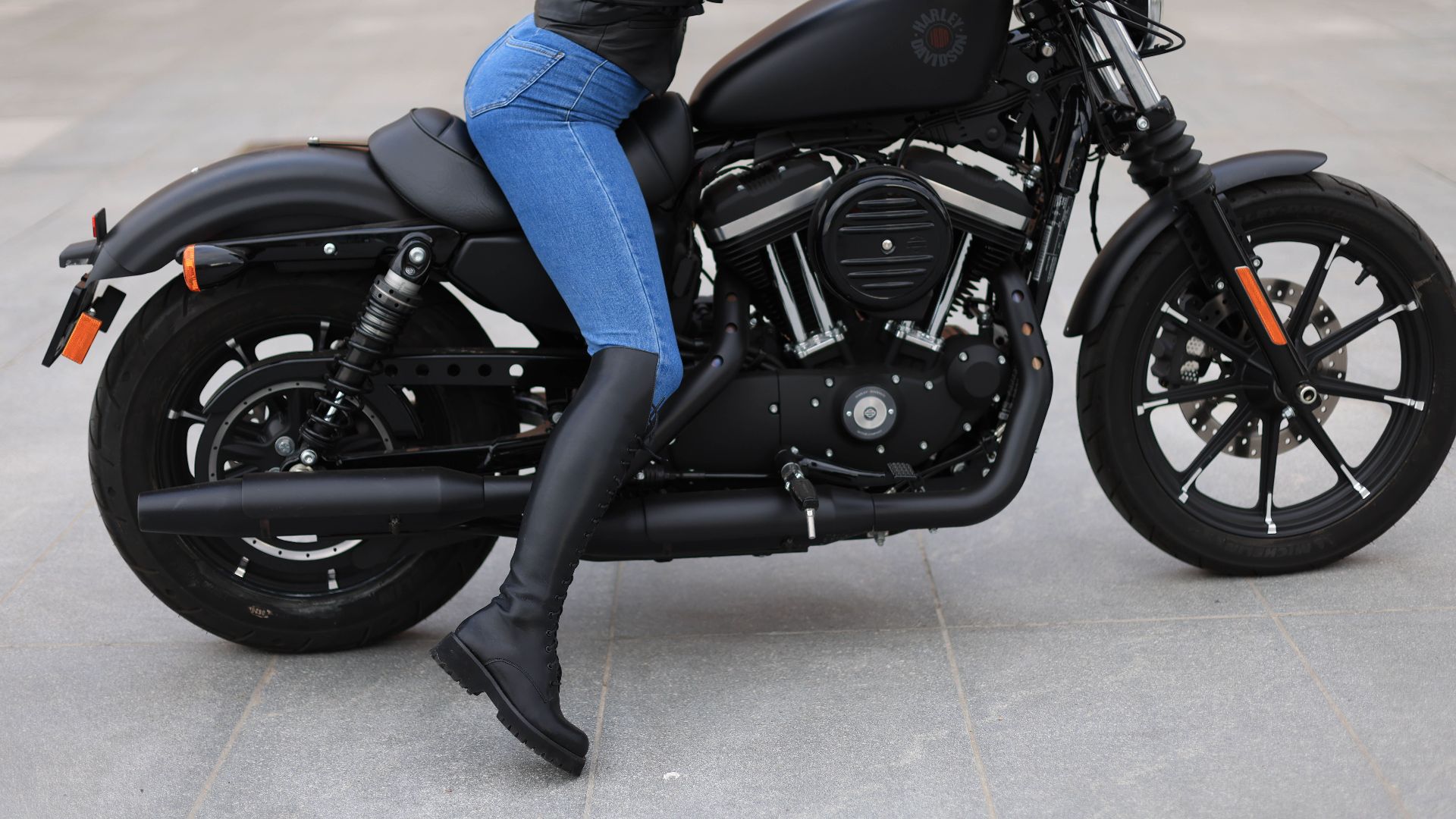
5. Riding Boots
Tall leather riding boots originally carried associations with equestrian sports, country estates, and upper-class practicality. Fashion brands eventually brought the silhouette into everyday wardrobes, where it became a polished fall staple. Their connection with affluent preppy style also made them a target whenever that particular aesthetic fell out of favor. They're still undeniably classic, but depending on the outfit, they can read as either timeless or aggressively country-club.
6. The Fedora
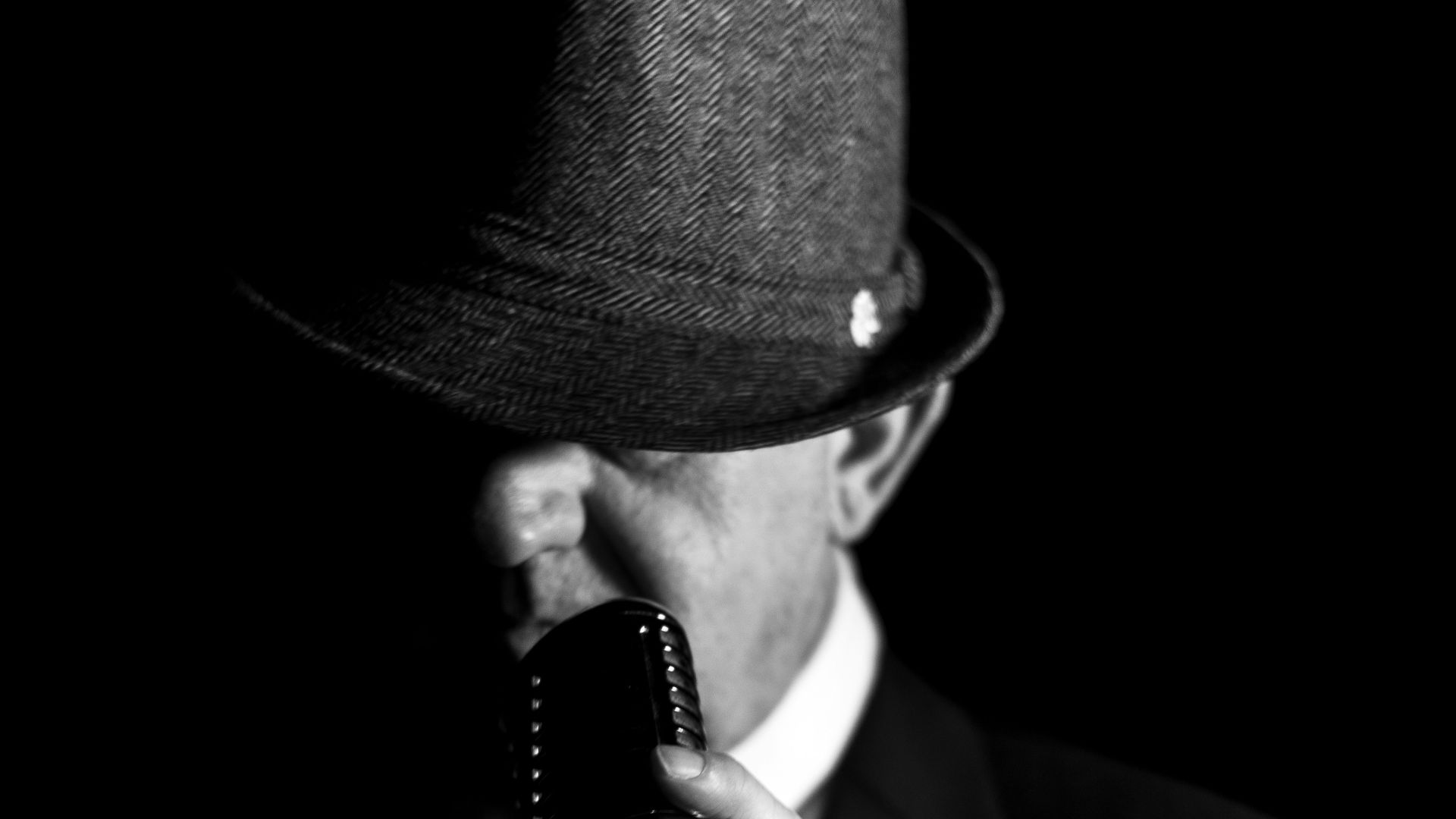
Few accessories have suffered a more dramatic image reversal than the fedora. During the first half of the 20th century, men routinely wore them with suits, and Hollywood stars made the hat look effortlessly sophisticated. In the 2000s, however, inexpensive versions had become associated with a very specific internet-era stereotype of men trying a little too hard to look suave. You can still wear a proper fedora well, but you're going to have to overcome some serious cultural associations first.
7. Animal-Print Coats
Leopard and other animal-print coats once carried strong associations with Hollywood glamour, expensive wardrobes, and fashionable socialites. As cheaper versions flooded the market, the look gradually picked up louder and sometimes trashier associations, particularly when paired with other flashy pieces. It has also drifted in and out of favor so many times that people can't seem to agree whether it's sophisticated or over-the-top.

8. Three-Piece Suits
A waistcoat, jacket, and matching trousers once represented the height of respectable men's tailoring. As workplace dress codes relaxed, however, the three-piece suit became unusual enough to attract attention whenever someone wore one outside a wedding or formal event. Depending on the styling, it can now look impressively sharp or slightly theatrical. What once counted as normal professional clothing has become a surprisingly bold wardrobe decision.

9. Silk Scarves
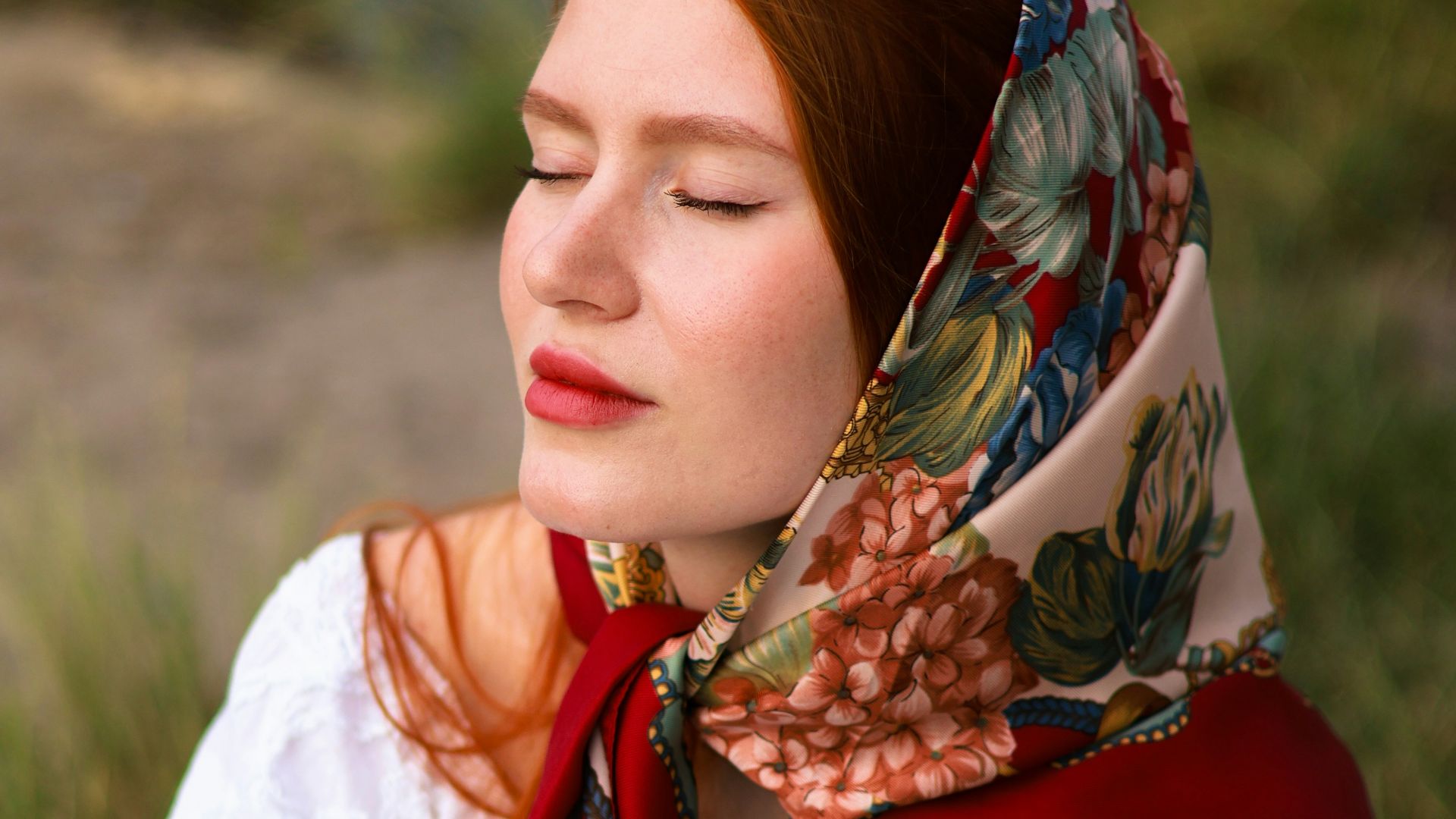
A beautifully tied silk scarf once suggested effortless polish. Although scarves remain fashionable, their traditional neck-tied styling eventually became linked with older, more conservative wardrobes. Younger generations have frequently repurposed them as tops, belts, hair accessories, and handbag decorations instead. Wearing one exactly the way your grandmother might have isn't necessarily bad, but it certainly sends a different message today.
10. Gold Chains
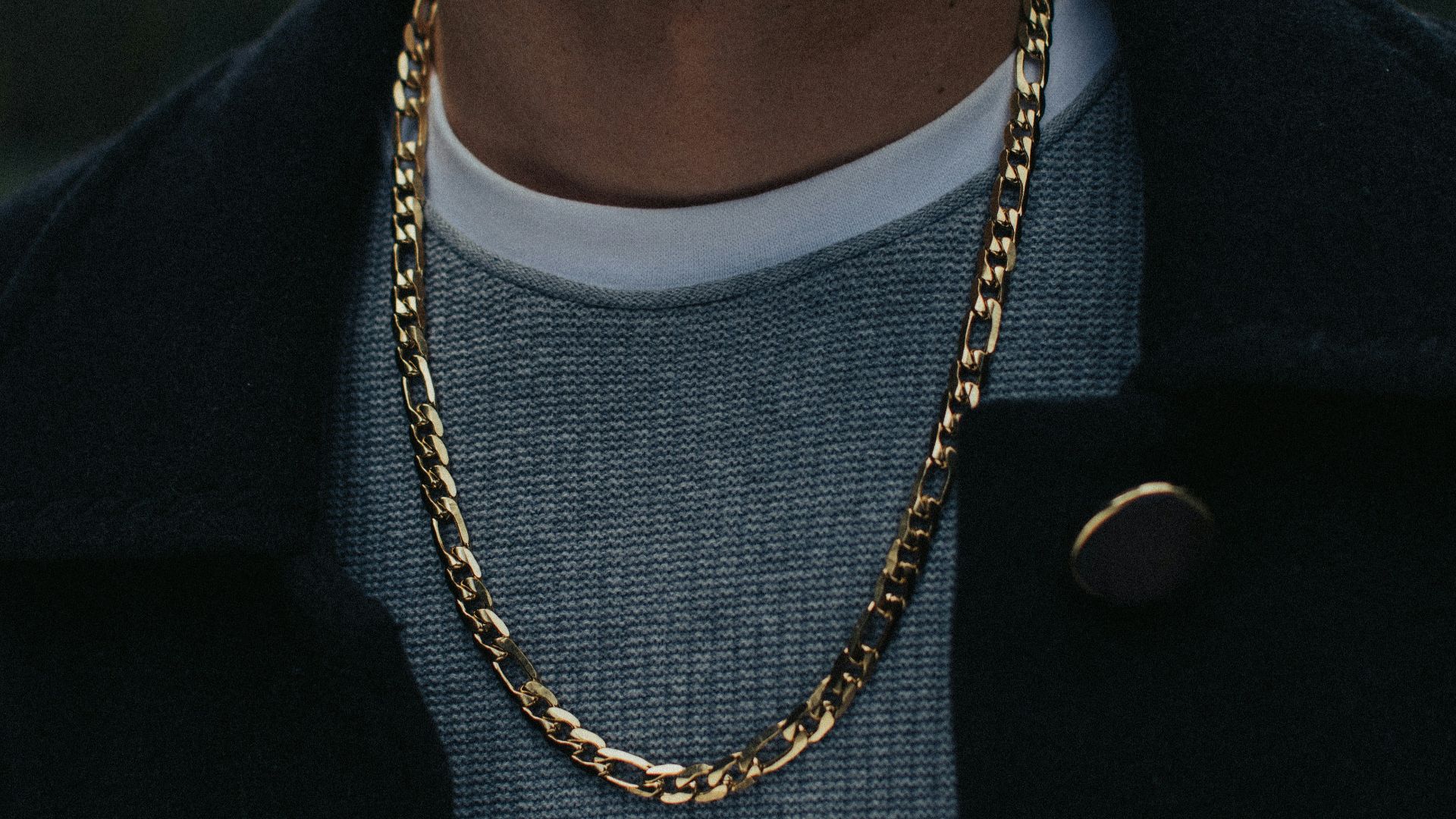
Gold jewelry has advertised wealth for centuries, and a tasteful chain was once a straightforward sign of financial success. As thicker chains became prominent within celebrity fashion and various music scenes, opinions about them became much more divided. Some people see a substantial gold chain as confident and luxurious, while others immediately interpret it as excessive and gaudy.
 Alberto Rodríguez Santana on Unsplash
11. Boat Shoes
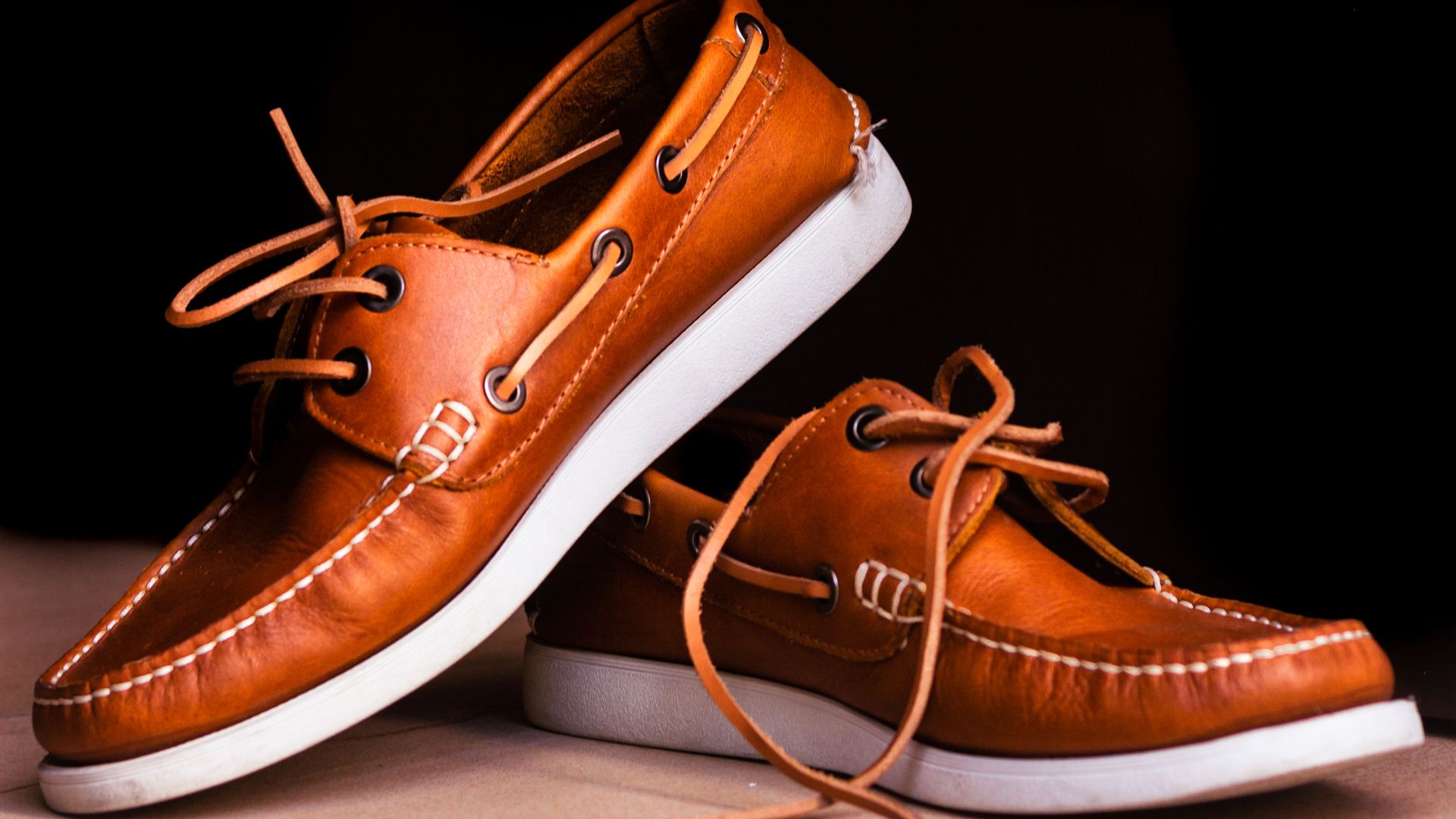
Boat shoes originated as practical footwear for slippery decks before finding a comfortable home in wealthy coastal wardrobes. Brands such as Sperry helped turn them into shorthand for sailing clubs, prep schools, and leisurely summers by the water. Eventually, that privileged image became strong enough that boat shoes inspired their fair share of teasing. They're periodically rediscovered by fashion, but the "old money" associations never completely leave.
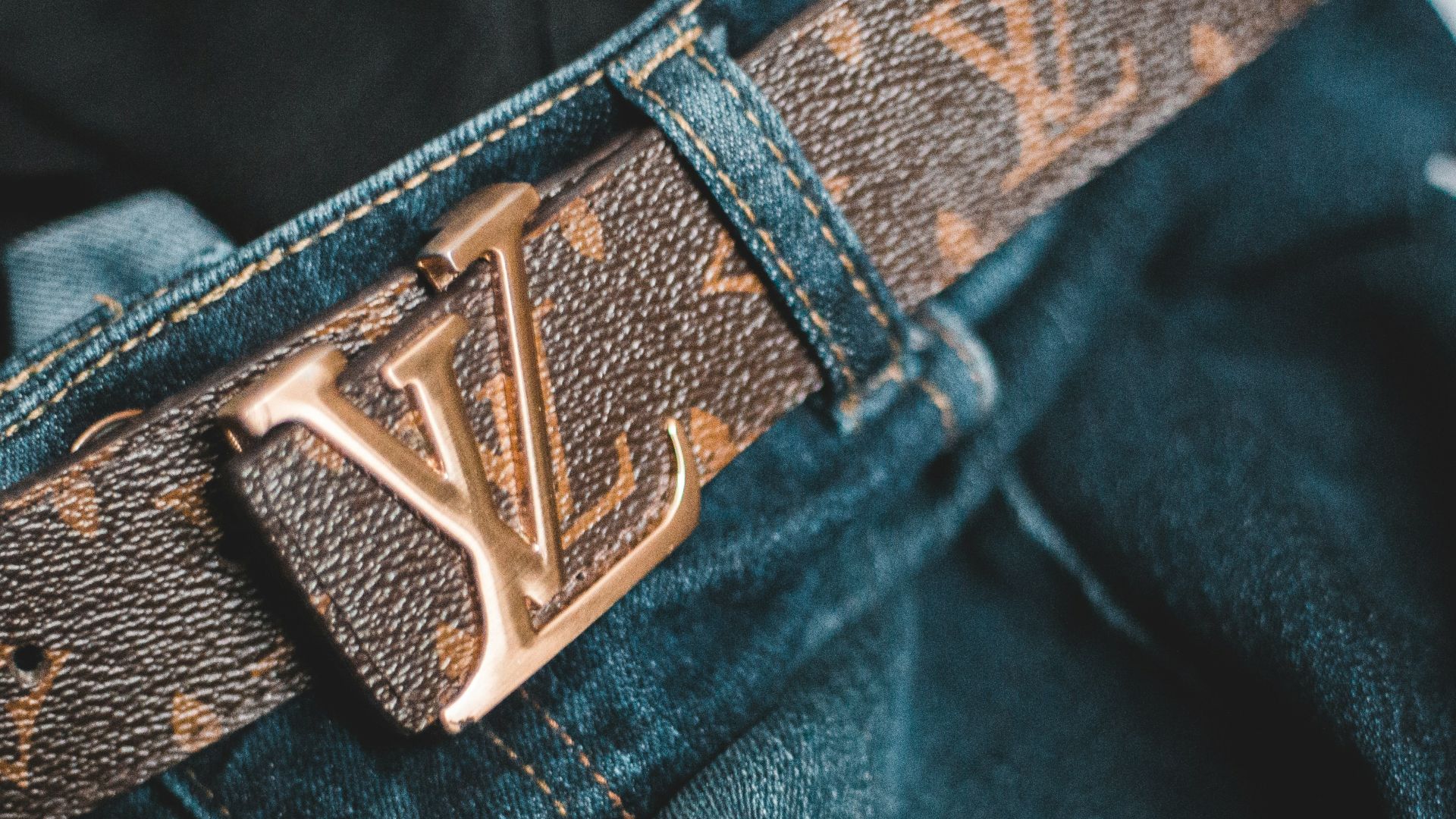
12. Designer Logo Belts
A beautifully made leather belt used to be a discreet finishing touch, even when it came from an expensive designer. Once oversized Gucci, Hermès, and Louis Vuitton buckles became major status symbols, however, discretion largely disappeared. Logo belts became especially popular in the 2000s and 2010s, eventually generating backlash against conspicuous branding. Today, the exact same belt can look glamorous to one person and desperately attention-seeking to another.
13. Tweed Jackets
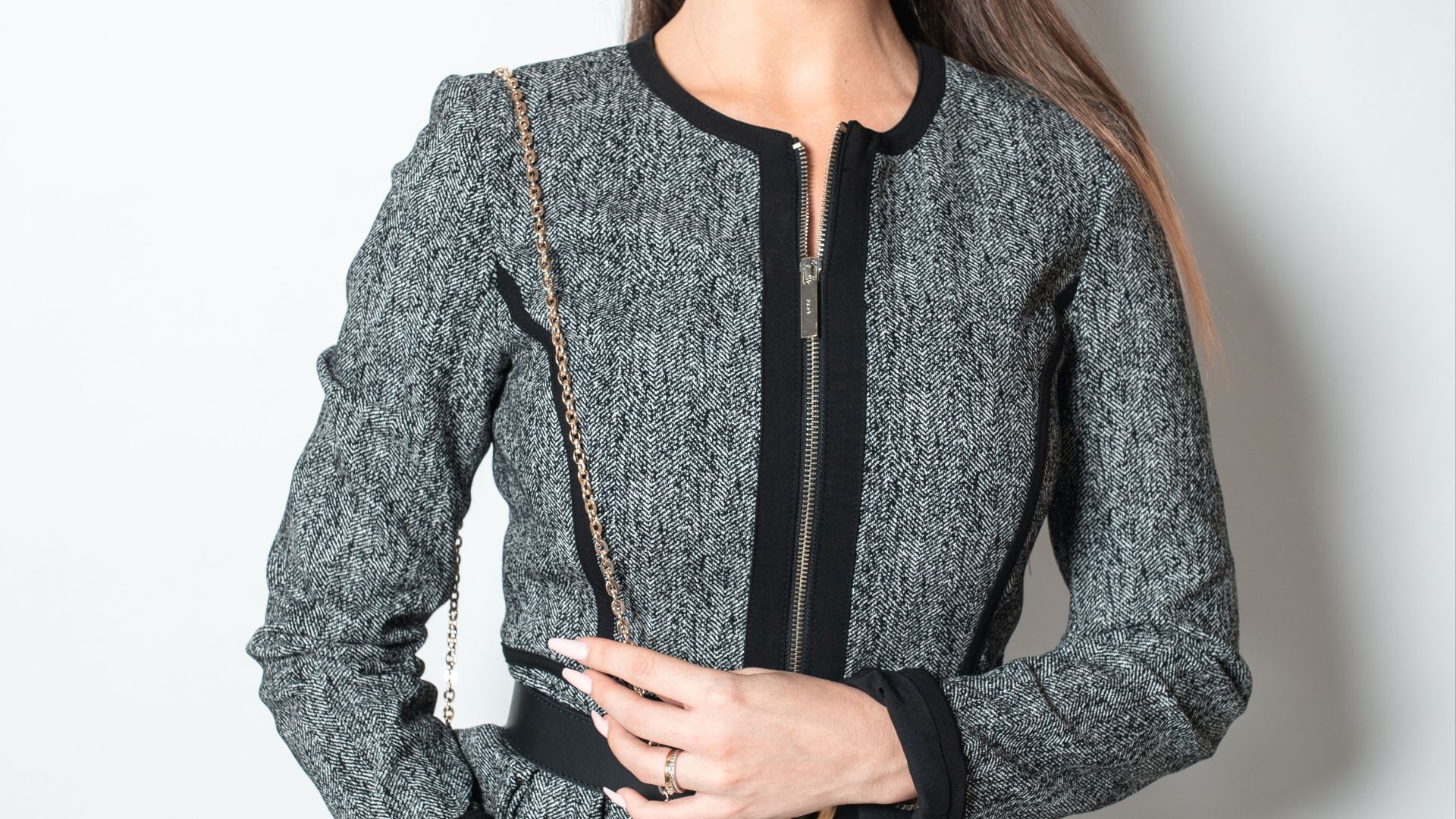
Tweed jackets spent decades signaling tradition, education, and upper-class country life, particularly in Britain. Chanel later gave tweed an entirely different kind of high-fashion glamour through its famous women's suits and jackets. Because the fabric became so strongly connected with wealth and establishment style, it can also come across as conservative or elitist. Modern designers constantly reinvent tweed, but wearing it still brings some very specific historical associations along for the ride.
14. Signet Rings
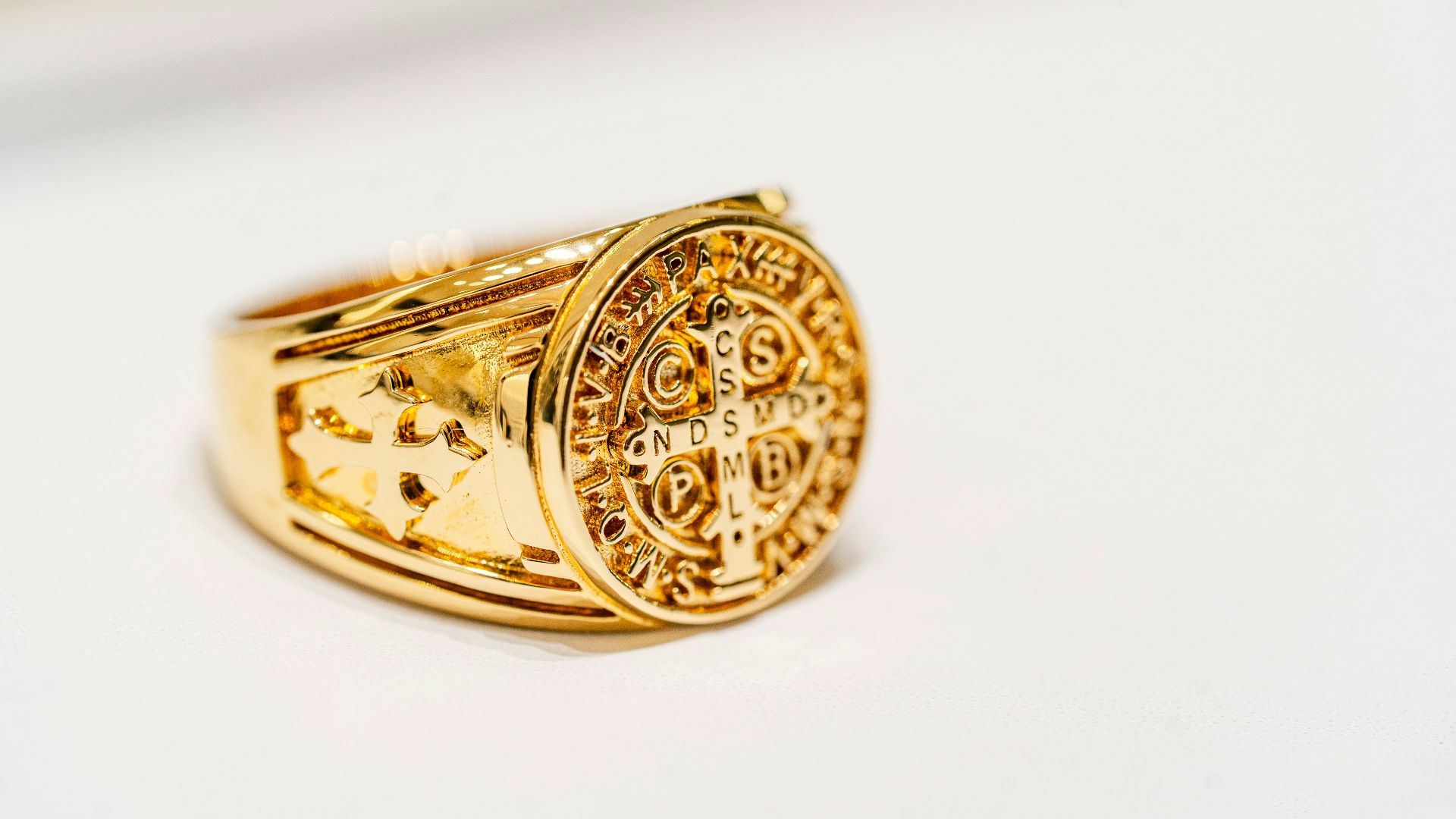
Historically, signet rings could carry family crests and were closely linked to aristocracy, inherited status, and old family names. Later versions became popular simply as elegant pieces of men's jewelry, even among people without coats of arms to stamp onto anything. Their association with inherited privilege has made them somewhat contentious in an era when flaunting family status is more cringey than impressive.
15. Mink Stoles
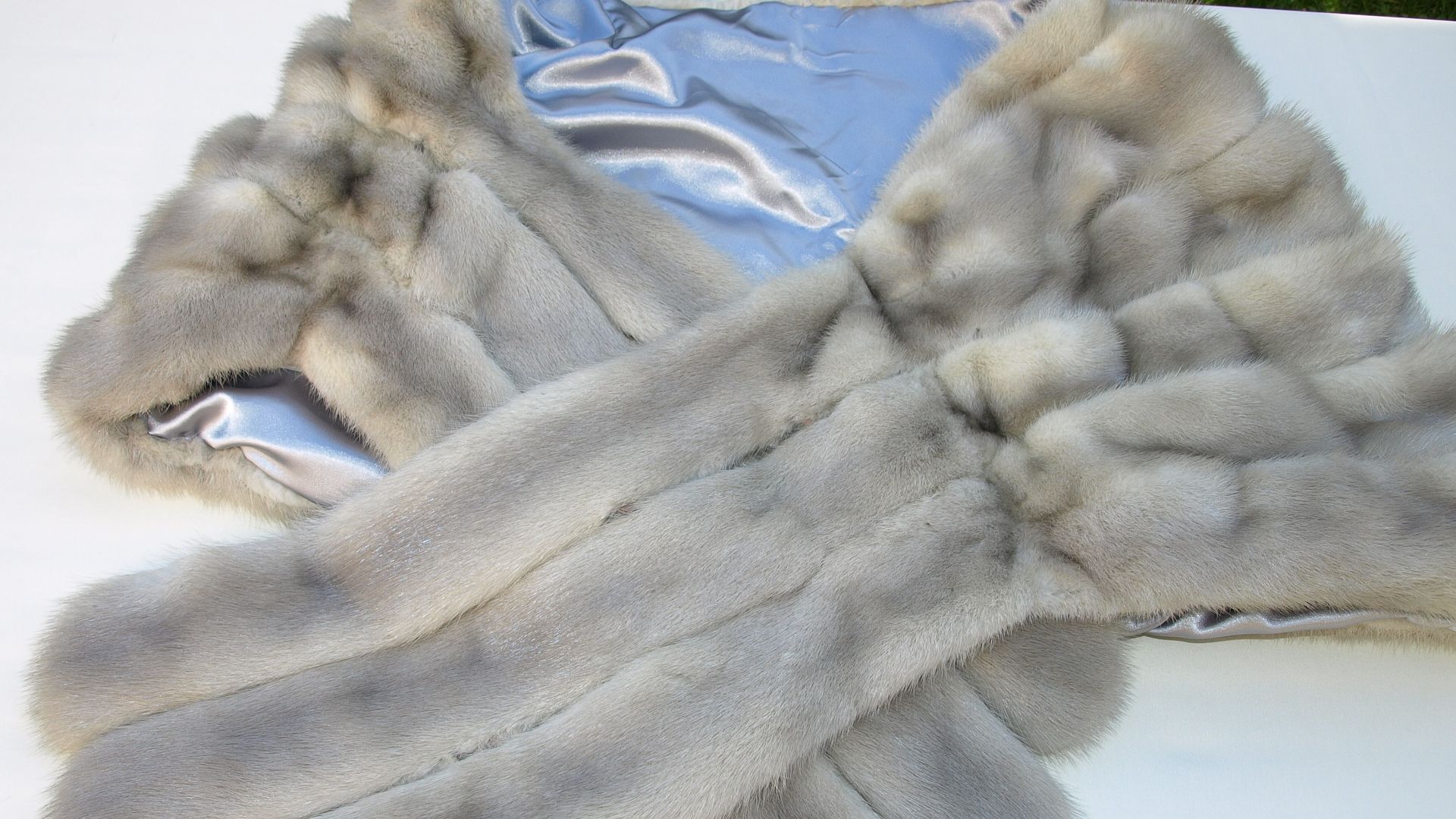
Mink stoles were once a staple of formal eveningwear, especially for women dressing for galas, theaters, and upscale dinners. They projected wealth and refinement, and owning one was often treated as a sign that you'd reached a certain social status. As attitudes toward fur changed, however, the mink stole became one of the most visible symbols of an industry increasingly criticized over animal welfare.
 Libricool (talk) 17:23, 13 October 2010 (UTC) on Wikimedia
16. Corsets
Corsets were once a standard part of fashionable women's dress and were closely associated with polished, upper-class appearances. Over time, they became controversial because of debates surrounding restrictive beauty standards, discomfort, and the pressure placed on women to reshape their bodies. Later revivals pushed the corset into lingerie, fetishwear, and provocative outerwear, giving it an entirely different reputation.
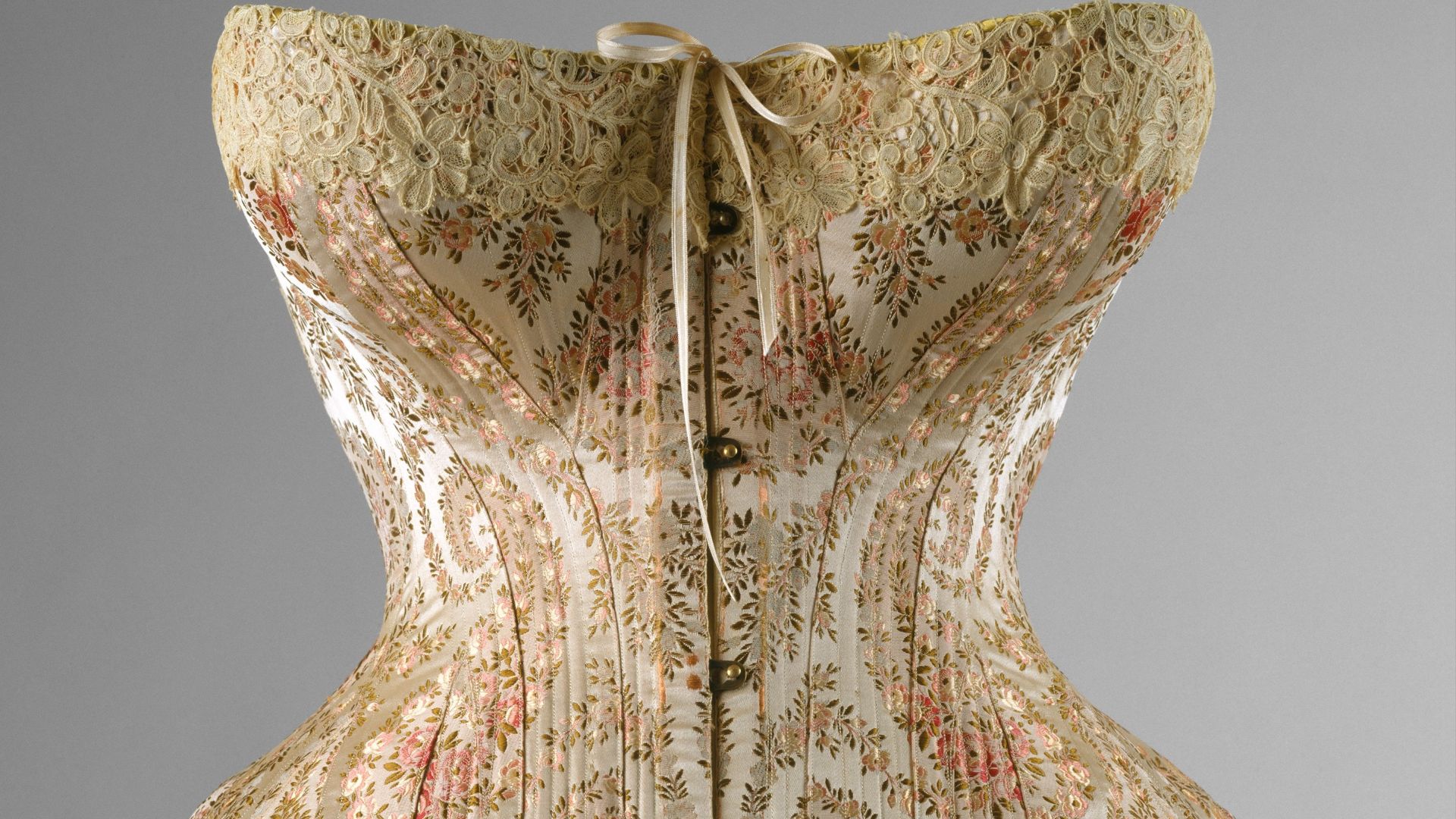 Creator:Maison Léoty on Wikimedia
17. Ivory Jewelry
Ivory jewelry was once considered elegant, exotic, and expensive, with carved bracelets, necklaces, and brooches appearing in fashionable wardrobes for generations. Its luxury reputation collapsed as the devastating impact of elephant poaching became impossible to ignore. International restrictions and changing attitudes toward wildlife conservation turned ivory from a status material into something many people won't wear at all.
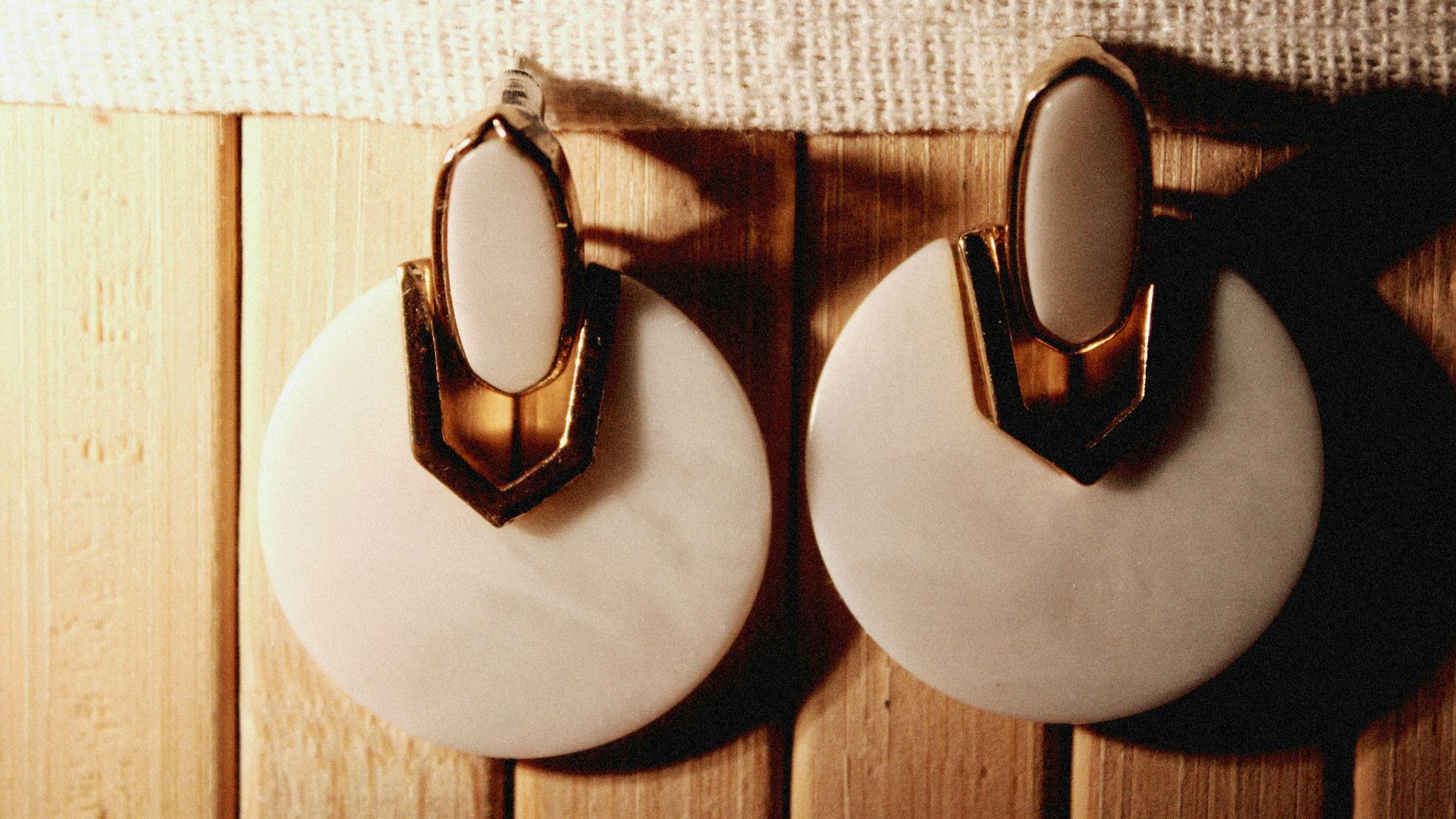
18. White Gloves
For much of the 19th and early 20th centuries, gloves were part of proper dress for fashionable women and well-dressed men. White versions became particularly associated with ceremonies, formal dinners, debutantes, and strict standards of etiquette. Once everyday dress became more relaxed, gloves began looking less sophisticated and more like remnants of an extremely rigid social world. Outside of certain formal settings, wearing them today is likely to attract quite a few curious looks.
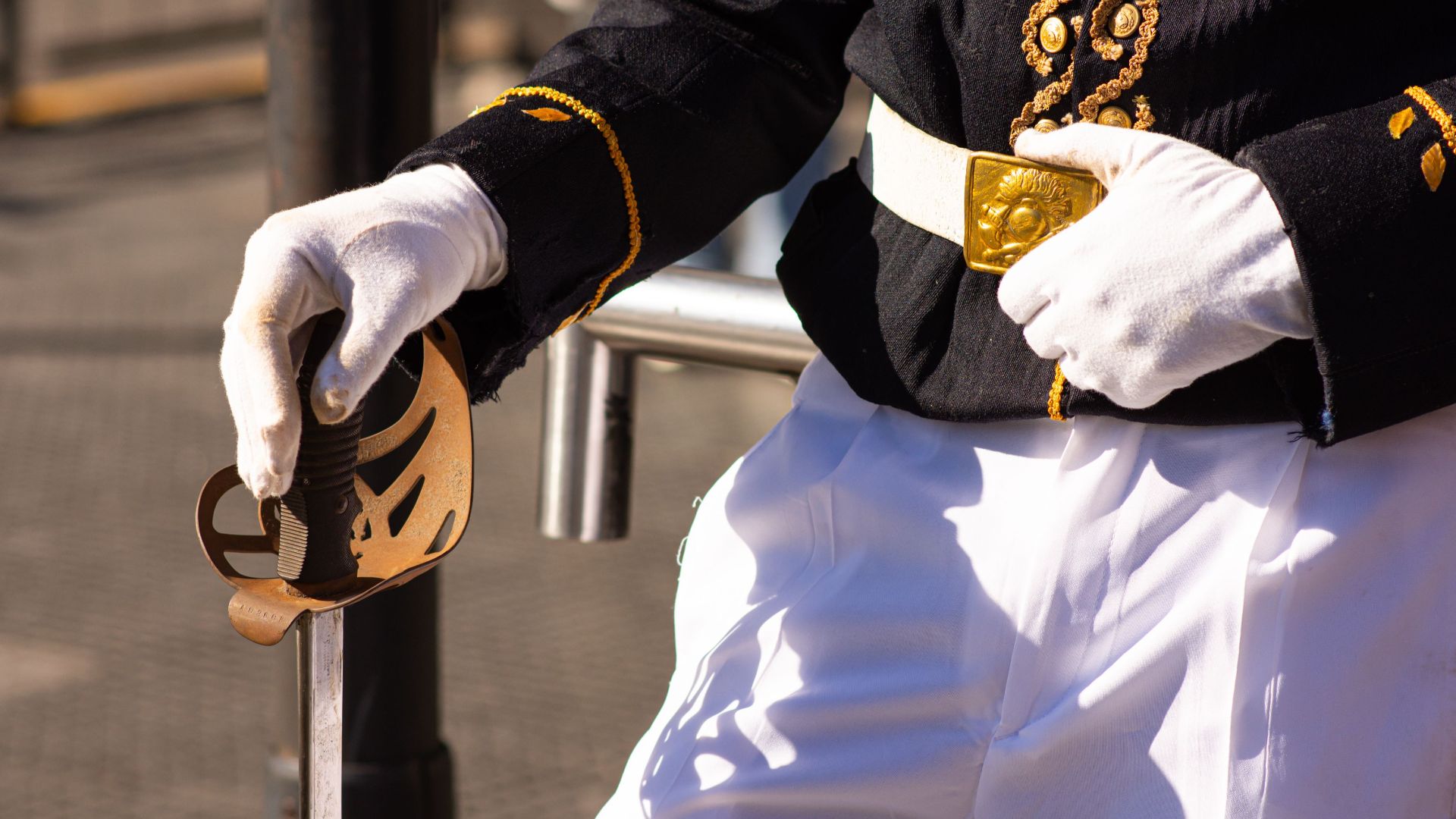 Mario Andrés Passera on Pexels
19. Designer Tracksuits
Tracksuits were originally athletic clothing, but luxury designers eventually transformed them into expensive leisurewear embraced by celebrities and wealthy shoppers. Velour sets became especially glamorous during the early 2000s, when brands such as Juicy Couture turned casual dressing into a status statement. Overexposure eventually made the look seem gaudy or dated, only for Y2K nostalgia to bring it rushing back. The modern designer tracksuit now sits somewhere between ironic throwback, legitimate luxury, and fashion guilty pleasure.
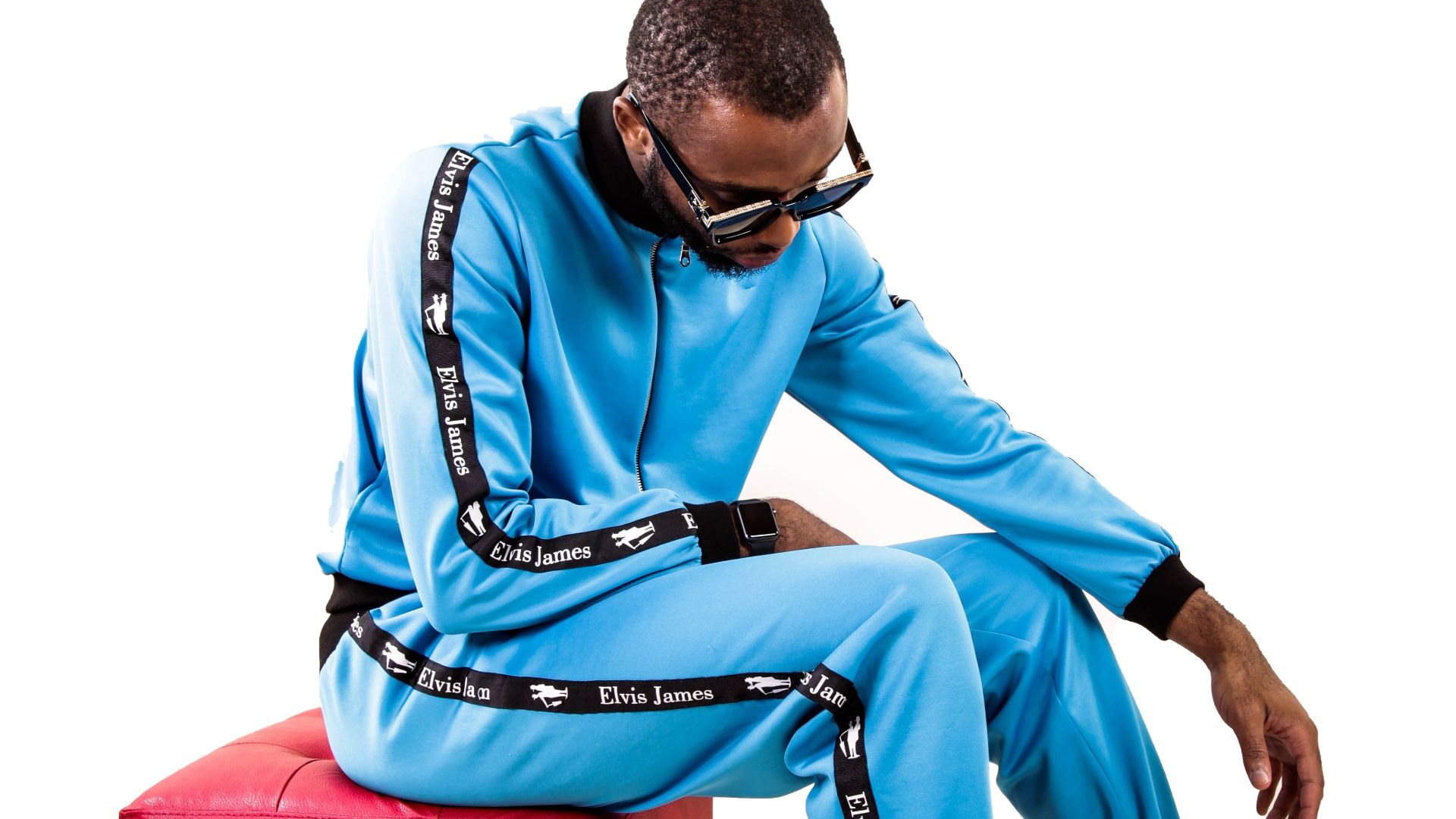
20. Chokers
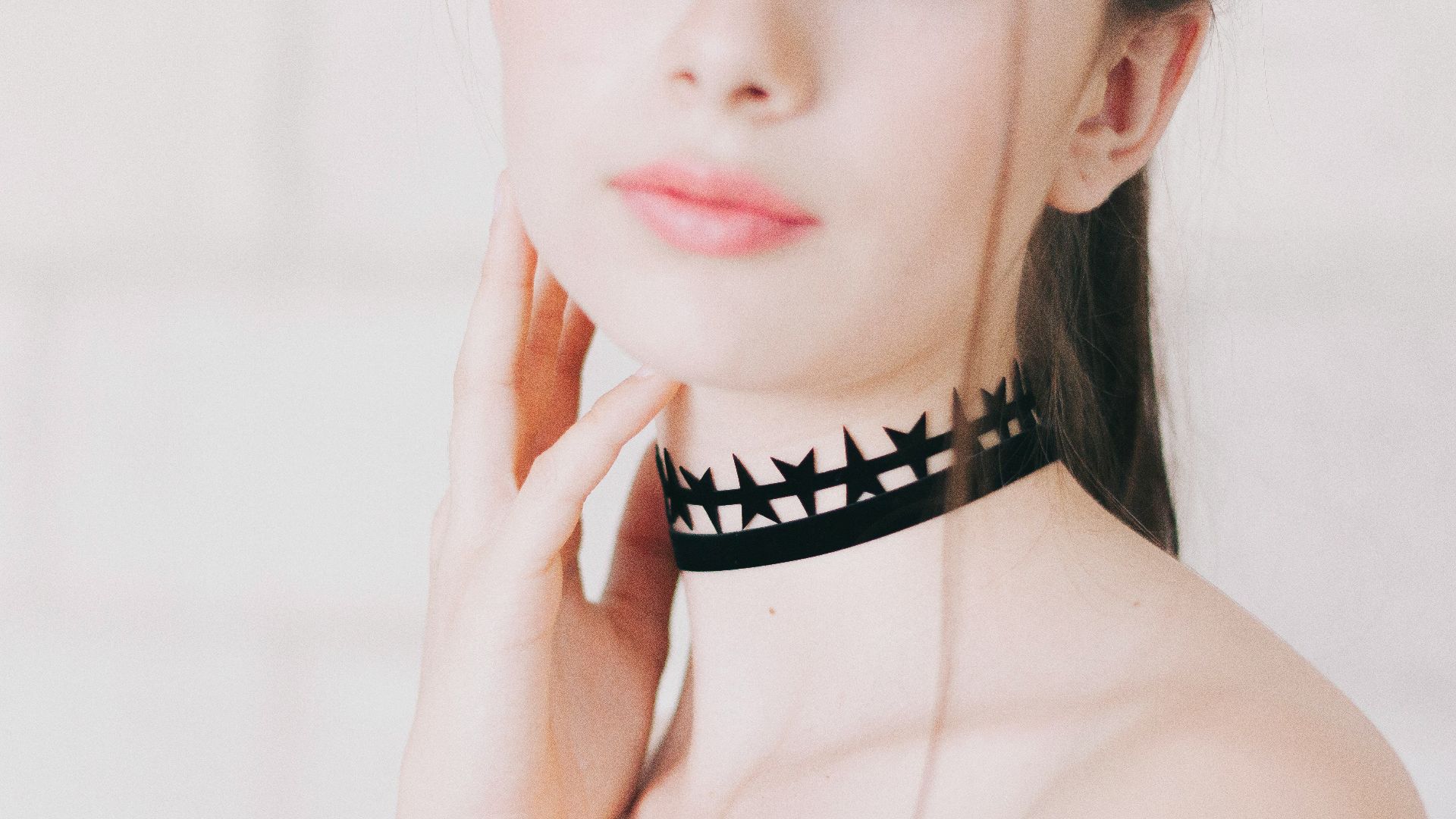
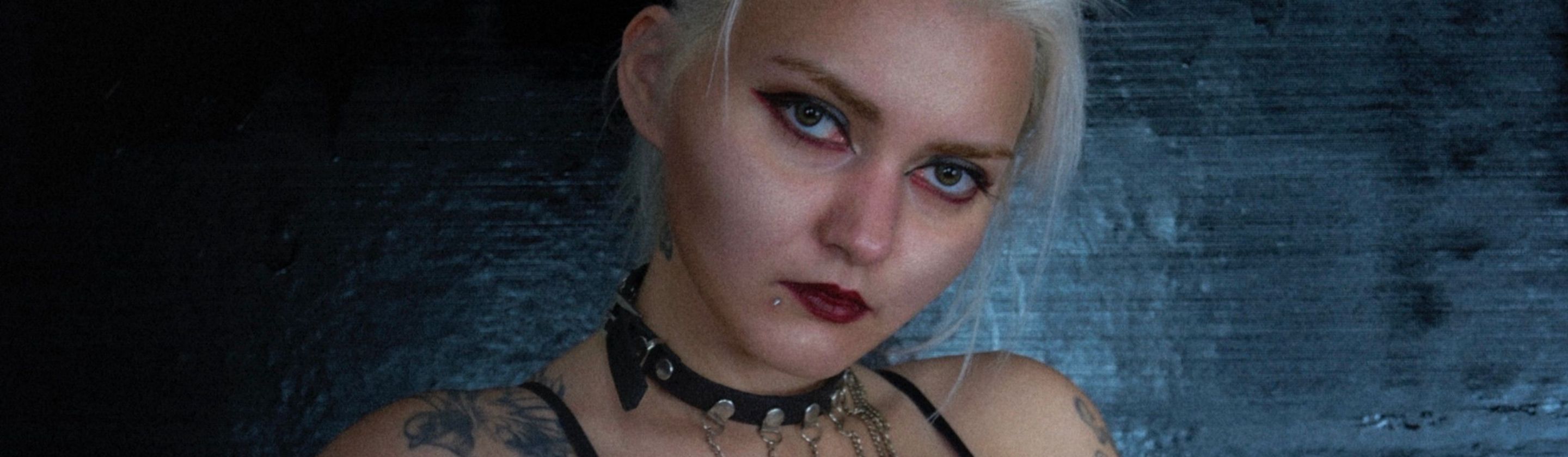
Chokers have cycled through very different reputations over the centuries. Heavy jeweled chokers were worn by royalty in the 18th century and remained high-society staples through the Victorian and Edwardian eras. In the 1990s, the style was democratized into cheap plastic "tattoo" stretch bands and velvet or leather strips, and embraced by rebellious grunge, punk, and goth subcultures as well as fetish fashion, giving it a much more provocative image.