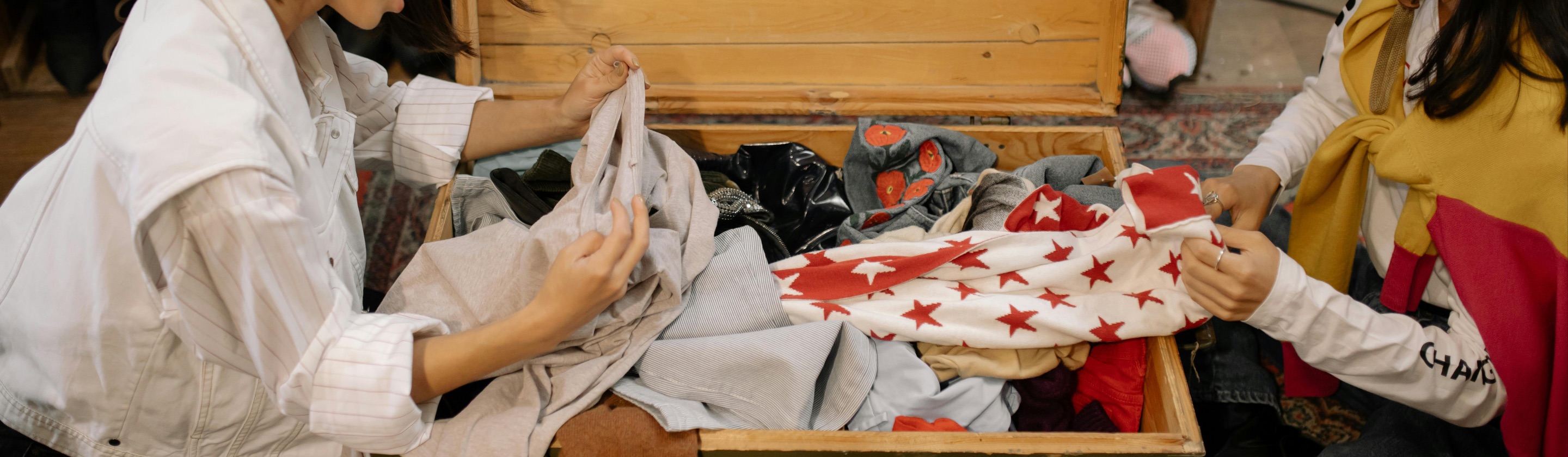
Are You a Pro Thrifter or a Newbie?
Whether you're a longtime devotee of the thrift store circuit or someone who recently discovered the appeal of secondhand shopping, there's a good chance your habits give away exactly where you fall on the experience spectrum. While seasoned thrift shoppers have developed strategies, instincts, and a level of patience that only comes with time, beginners are still figuring out how the whole thing works and trying to find their footing. No matter which camp you're in, there's always something new to learn, and plenty of reasons to keep coming back. Here are 10 signs that say you're an expert thrift shopper, and 10 that say you need to build some experience first.
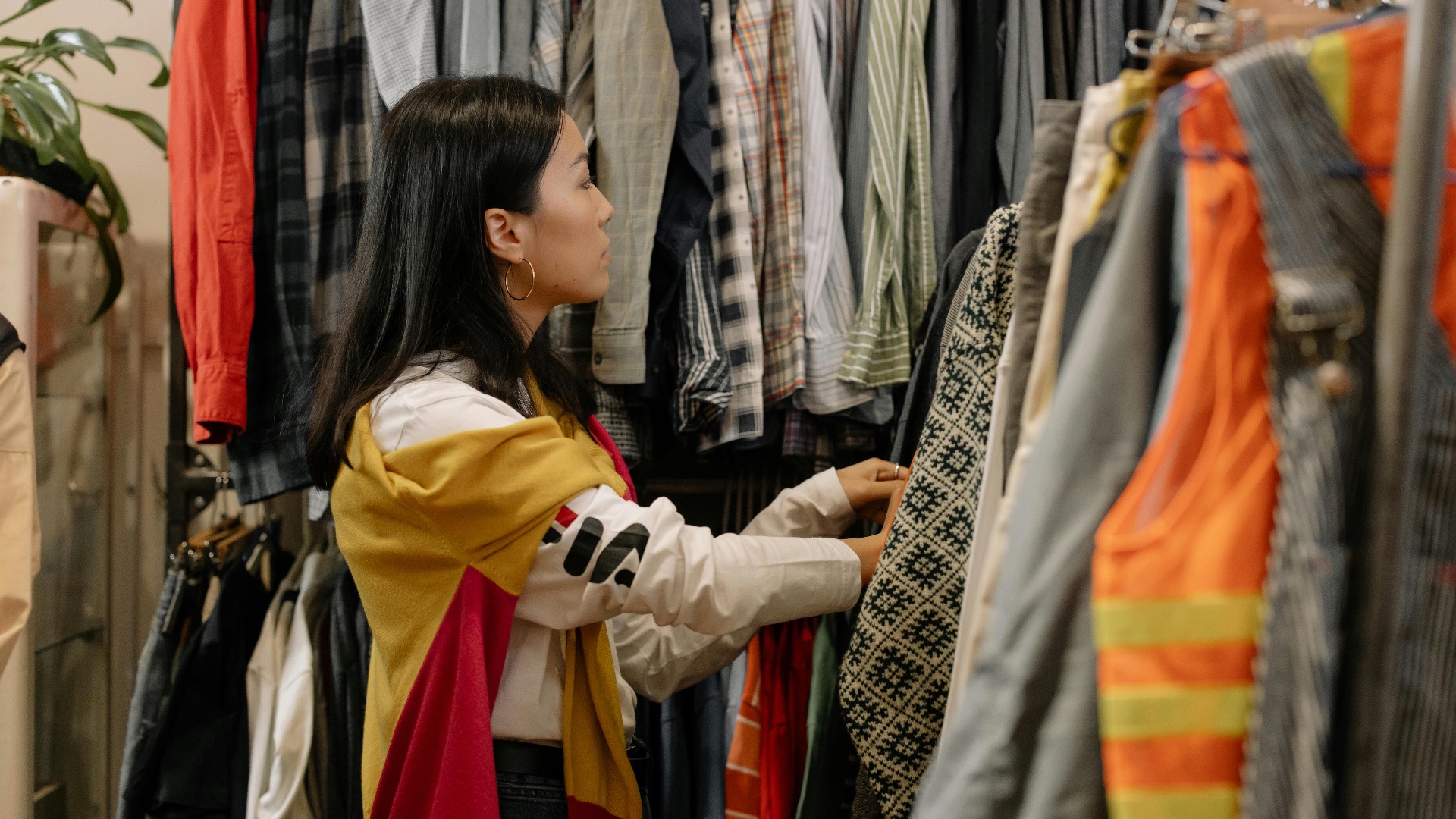
1. You Have a Regular Rotation of Stores
You don't just pop into whichever thrift store is closest; you've mapped out a circuit of locations that you visit routinely on a schedule. You know which stores restock on which days, and you plan your trips accordingly to get the best selection before other shoppers beat you to it. At this point, the staff at your favorite spots probably recognize your face.
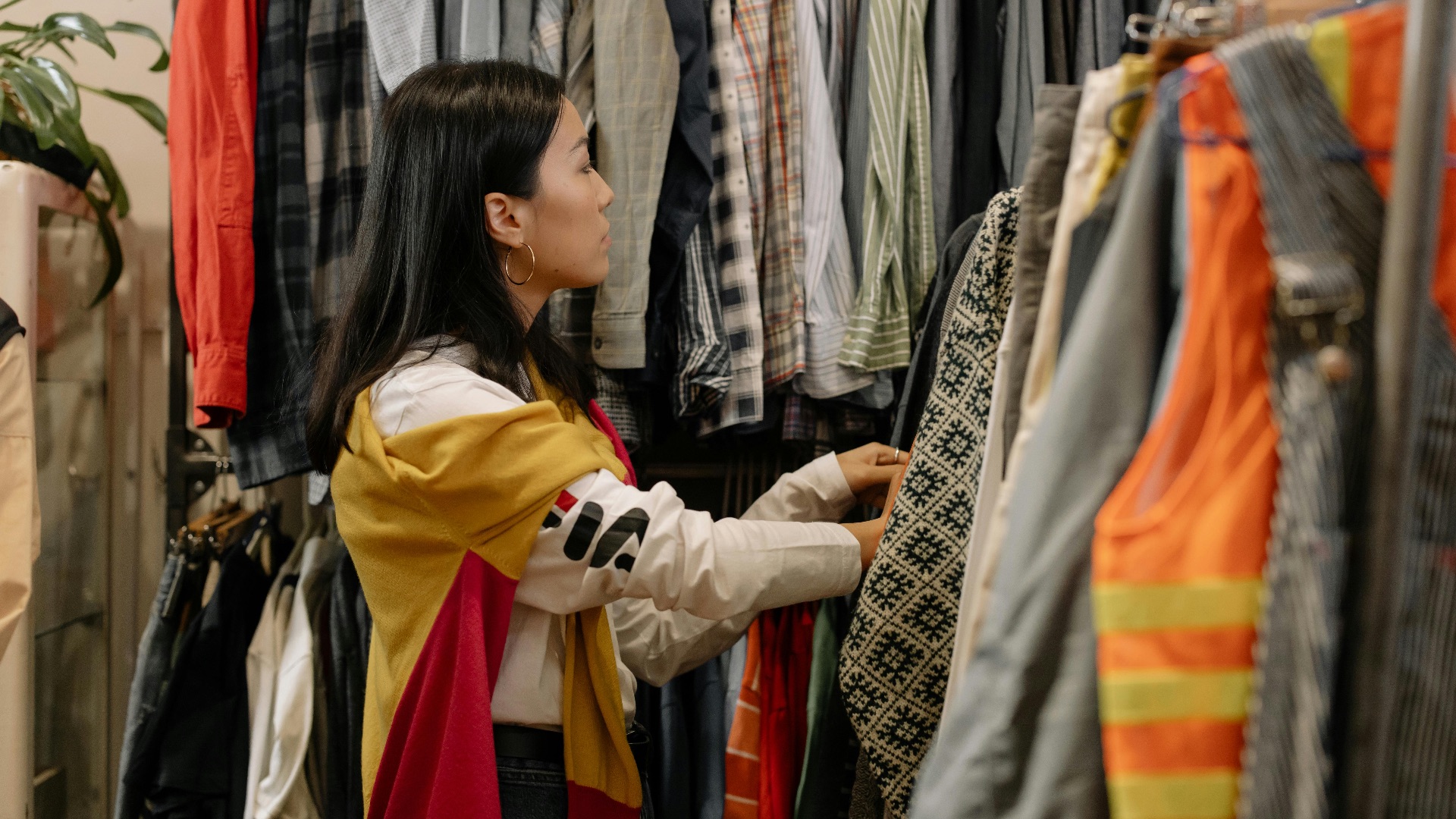
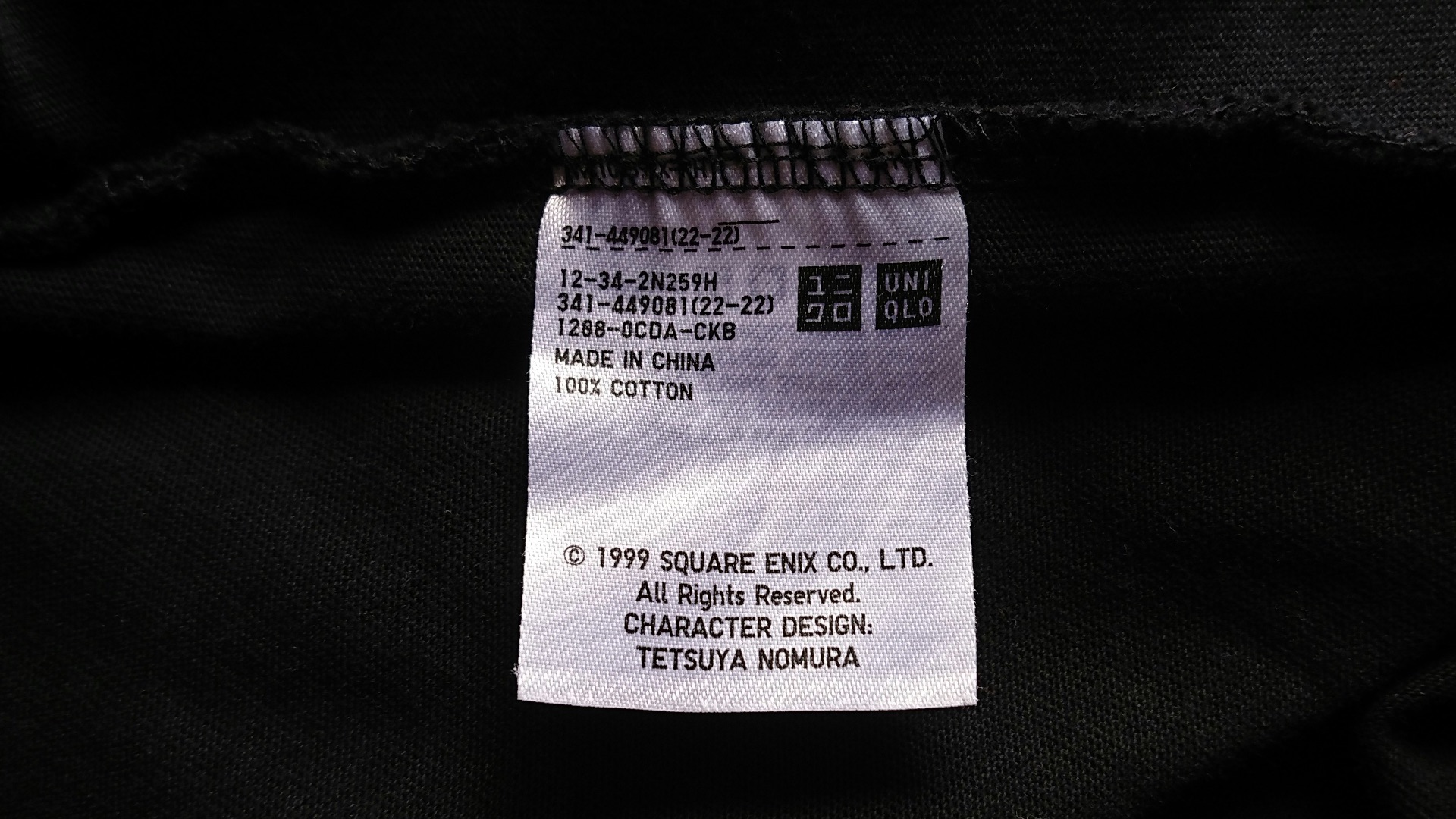
2. You Check Fabric Content Before Anything Else
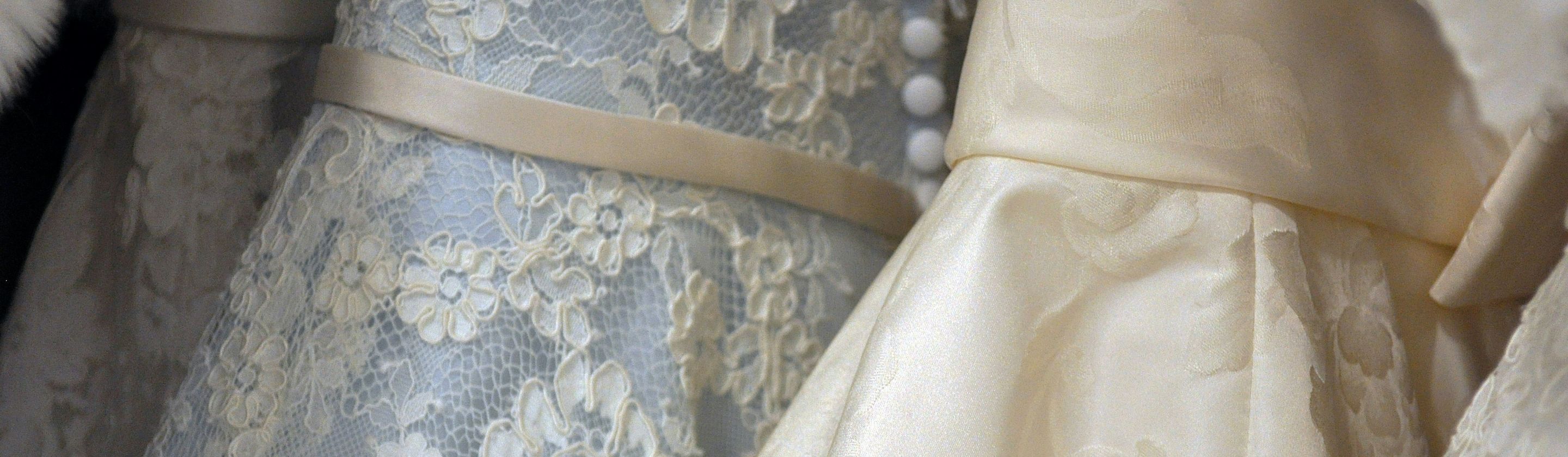
The first thing you do when you pick up a garment isn't look at the color or the style, but flip it over to read the tag. You've learned the hard way that a great-looking piece made from a low-quality fabric isn't worth the few dollars you'd spend on it. Natural fibers like wool, cotton, and linen are what you're hunting for, and you can spot them on a rack almost instinctively.
3. You Know How to Spot a Quality Brand Without Seeing the Label
Years of thrifting have trained your hands and eyes to identify well-made clothing based on construction alone. You look at the stitching, the weight of the fabric, and the way a seam lies before you ever bother checking who made it. When you do flip to the label and confirm it's a quality brand, it feels like a bonus rather than the whole point.
4. You Never Pass Up the Housewares Section
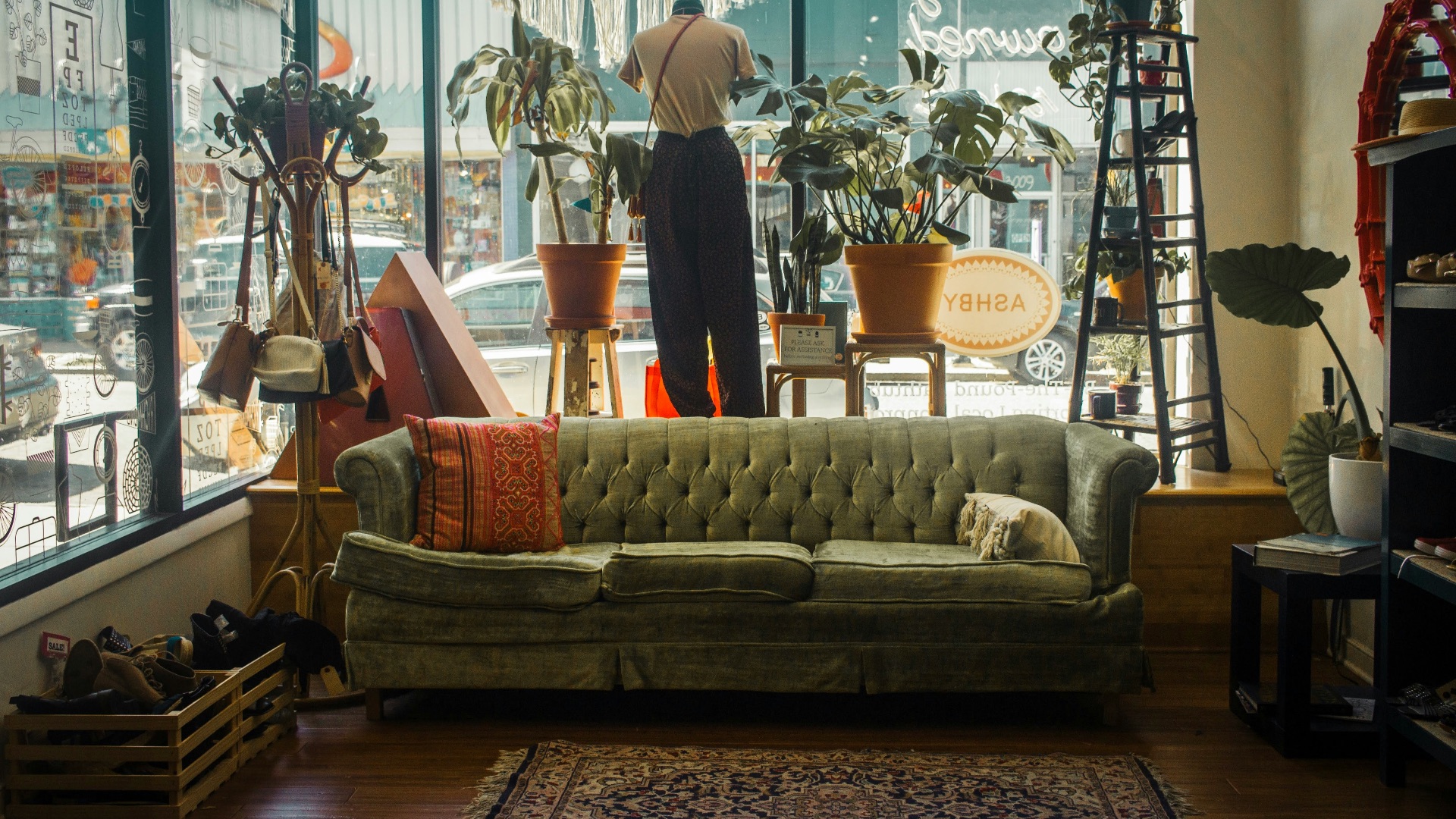
While newer thrifters tend to focus on the clothing racks, you've learned that the housewares and home goods sections are often where the real value hides. Cast iron pans, Le Creuset pieces, vintage glassware, and solid wood frames regularly turn up among the clutter, and you've trained yourself to slow down and look carefully. Some of your most-used kitchen items came from a thrift store shelf.
5. You Already Know Your Measurements by Heart
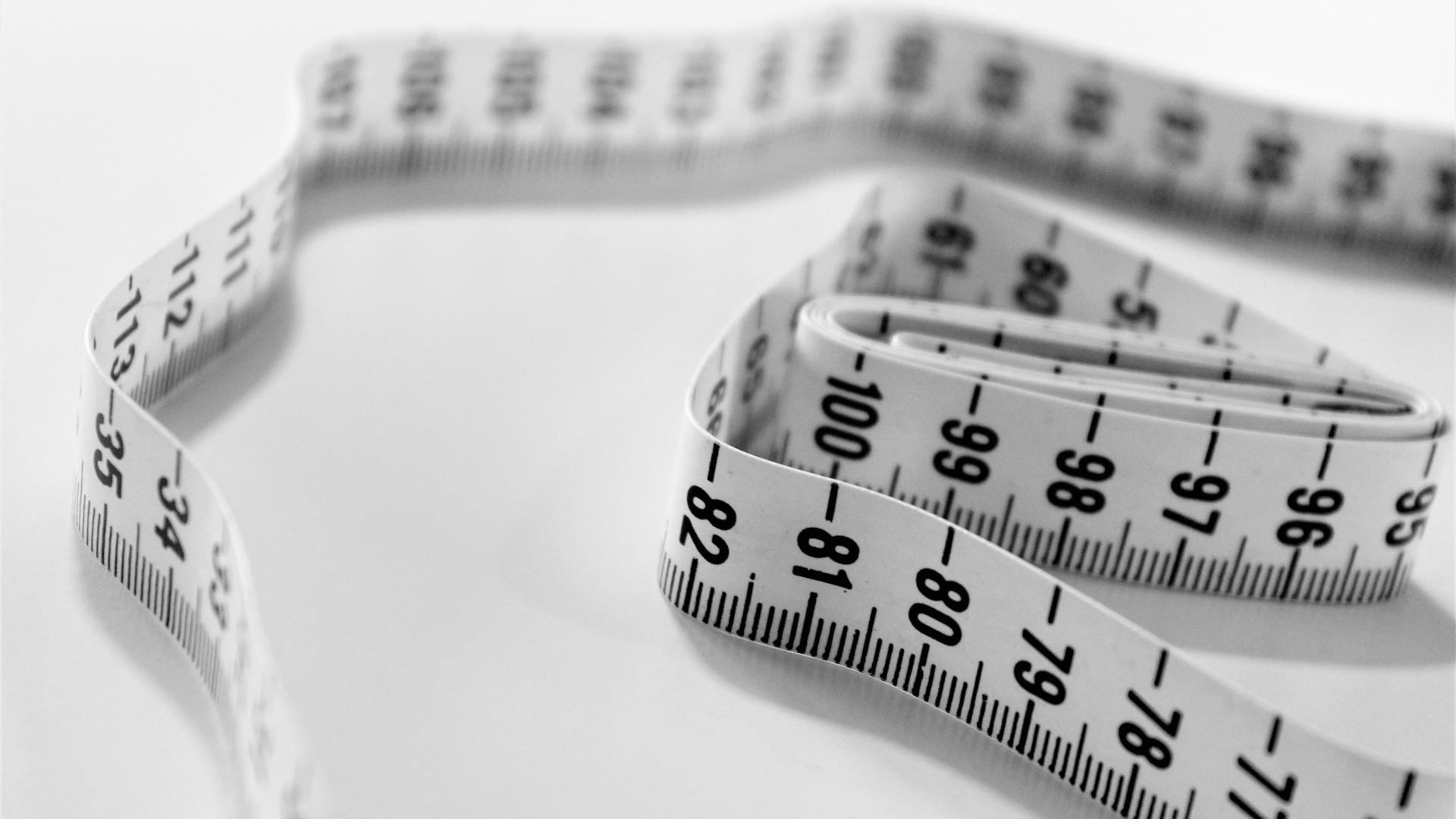
You stopped relying on sizing labels a long time ago because you know they're inconsistent across brands, decades, and countries of origin. Instead, you shop by your actual measurements and have a good sense of what fits your body, regardless of what number is on the tag. This saves you a lot of time in the fitting room and helps you shop more efficiently.
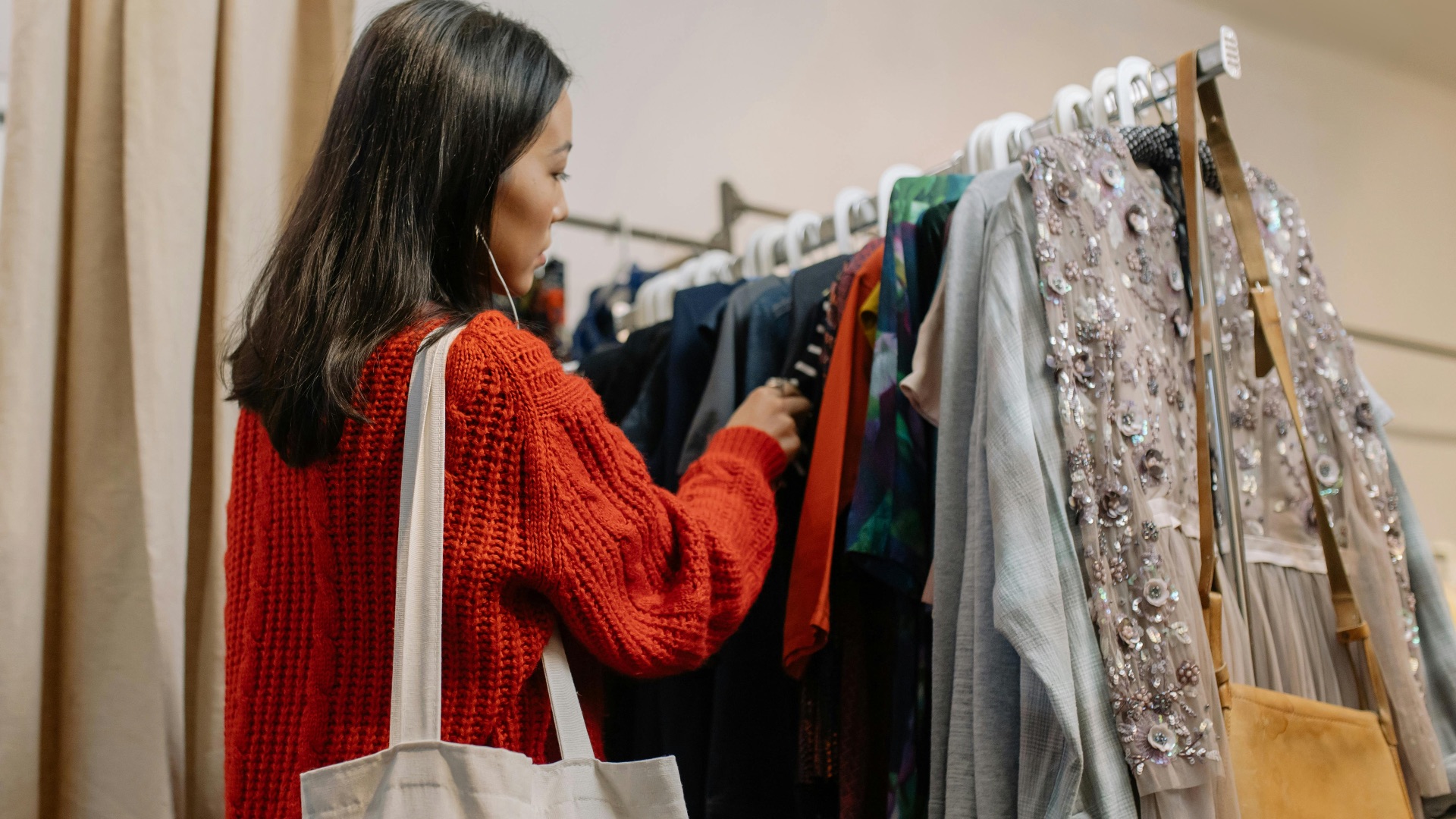
6. You Bring Your Own Bags and a Tote Big Enough for Anything
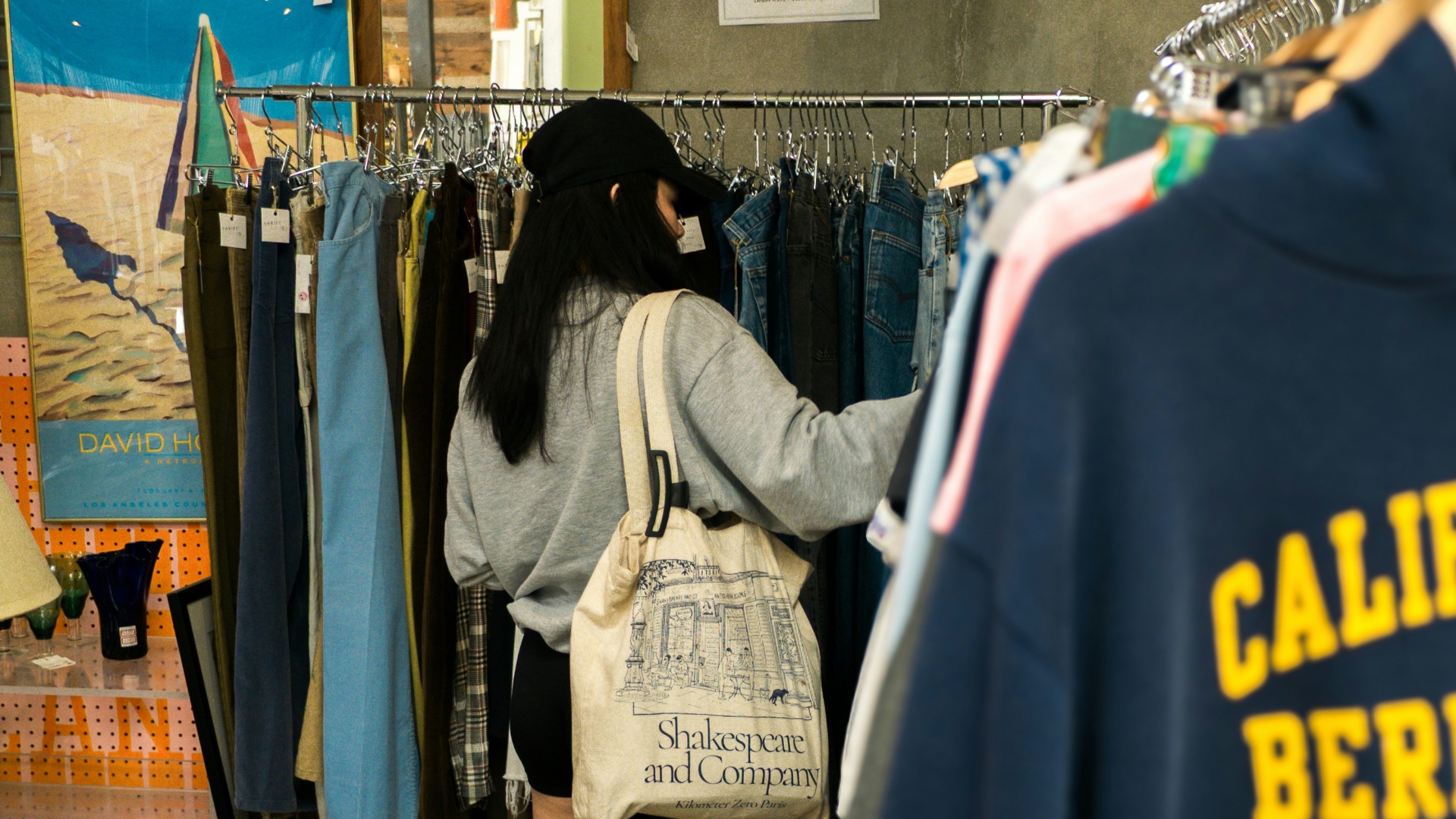
Forgetting a bag is not something that happens to you anymore, and you've always got a roomy tote in your car or packed into your purse as a matter of habit. You also know to bring a bag that's large enough to drape items over as you browse, since thrift store baskets and carts aren't always available or practical. Being prepared is just part of your routine at this point.
7. You Can Assess an Item's Condition in Seconds
You've developed a quick and reliable system for evaluating whether a piece is worth a closer look. A 10-second scan covers pilling, staining, odor, missing hardware, and wear along the seams, and you can do all of that before you've even fully pulled the item off the rack. If it passes that first check, then it earns a more thorough inspection.
8. You're Comfortable Walking Away Empty-Handed
Not every trip to the thrift store results in a purchase, and you know that; you've learned that buying something just because it's cheap and almost right is how you end up with a closet full of things you never use. Leaving empty-handed after a thorough browse is a sign of discipline, not defeat.

9. You Know Which Sections to Skip Based on What You're Looking For
Over time, you've built up a mental map of how your favorite stores are organized, and you don't waste energy combing through sections that never yield anything useful for you. If you're shopping for workwear, you head straight to the blazers and structured trousers and skip the novelty tees, and that helps ensure you don't spend three hours and leave overwhelmed.
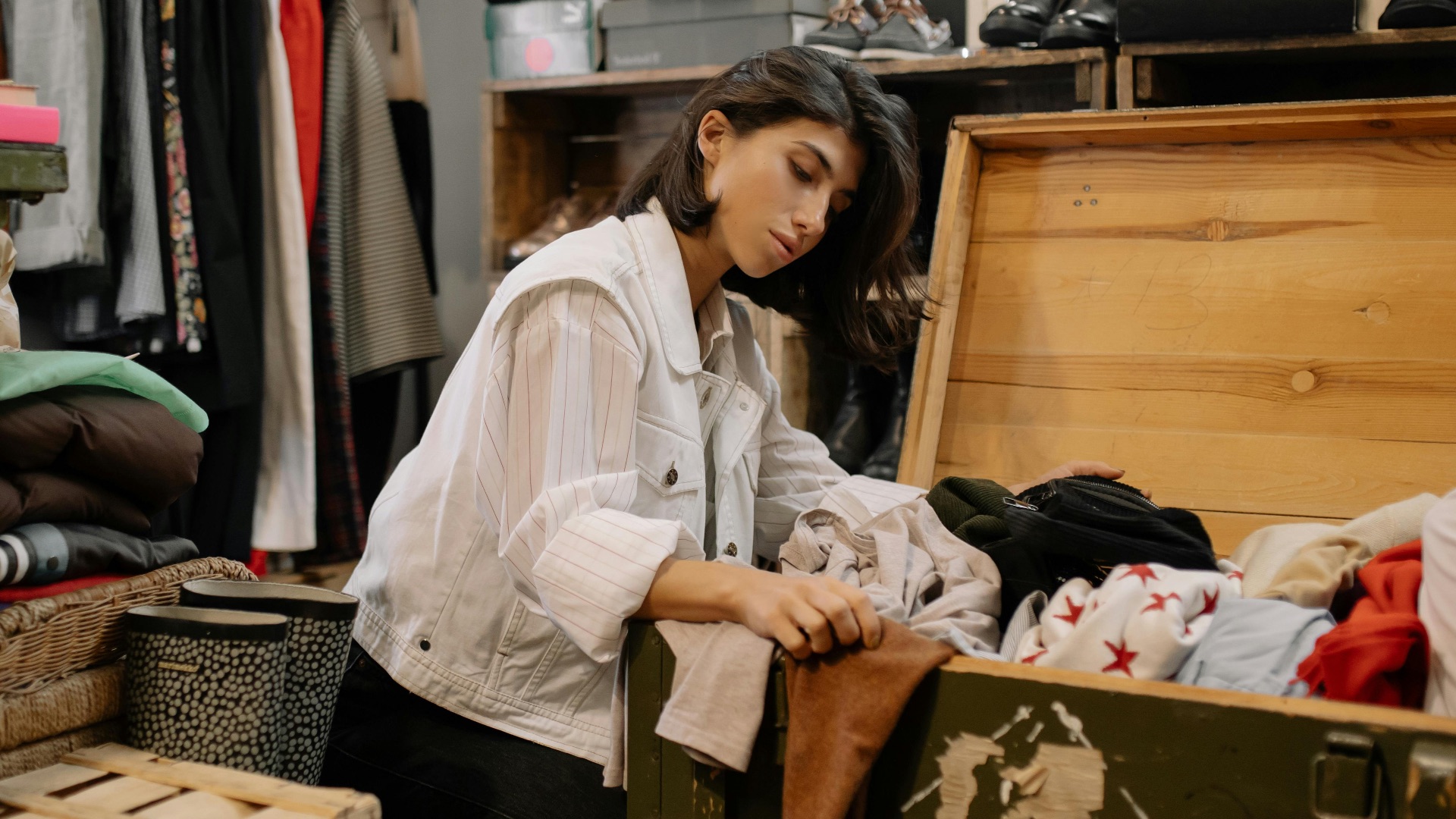
10. You've Sold or Repurposed Things You Found While Thrifting
Your thrifting habit has evolved past personal shopping into something more entrepreneurial or creative. You've sold pieces online, upcycled items into something new, or gifted finds to friends who you knew would love them. At this stage, you're someone who understands the full lifecycle of secondhand goods.
Now that you know what a seasoned thrift shopper looks like in action, it's worth flipping the lens. And if any of the following signs sound familiar, don't worry; every expert started exactly where you are now.
1. You Only Look at Clothes
When you walk into a thrift store, the clothing section is your first and often only stop. It makes sense as a starting point, but you're missing entire sections of the store that can hold just as much value. Books, furniture, electronics, sporting goods, and kitchenware are all worth at least a quick walk-through.
2. You Focus More on the Price Tag Than the Condition
The low prices are what drew you to thrift shopping in the first place, so it's natural that the tags catch your eye before anything else. The problem is that a $3 top with a permanent stain or a broken zipper isn't actually a deal — it's just an inexpensive item you probably won't wear. Learning to evaluate condition first and price second is one of the most important shifts you'll make as you get more experience.
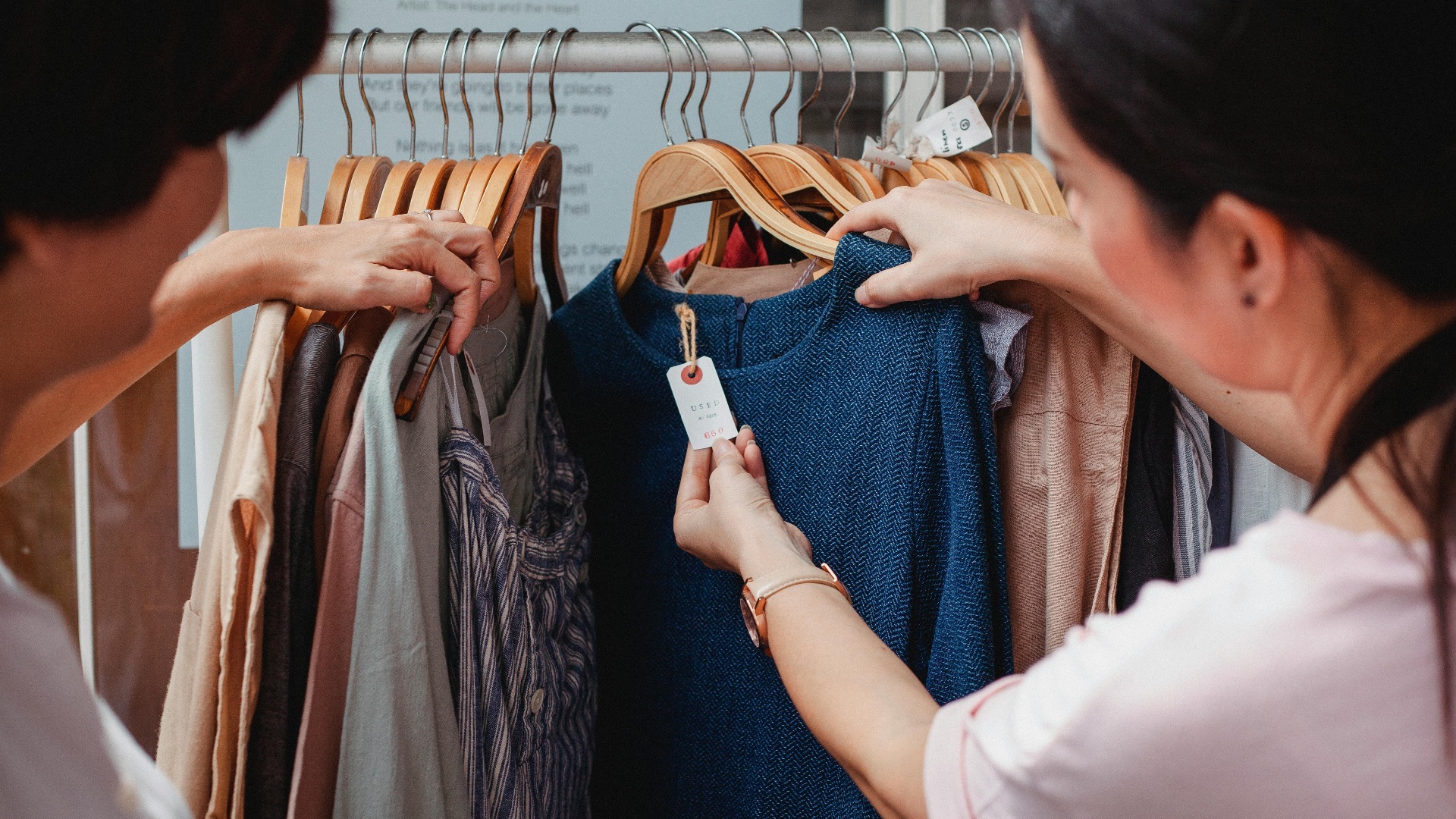
3. You Get Overwhelmed by the Sheer Volume of Stuff
Walking into a thrift store for the first time (or even the fifth) can feel like stepping into a very chaotic, strangely nostalgic maze. There's no obvious order to follow, the racks are dense, and it's hard to know where to start or when to stop. That feeling fades as you develop a personal system for moving through a store, but in the beginning it's completely normal.
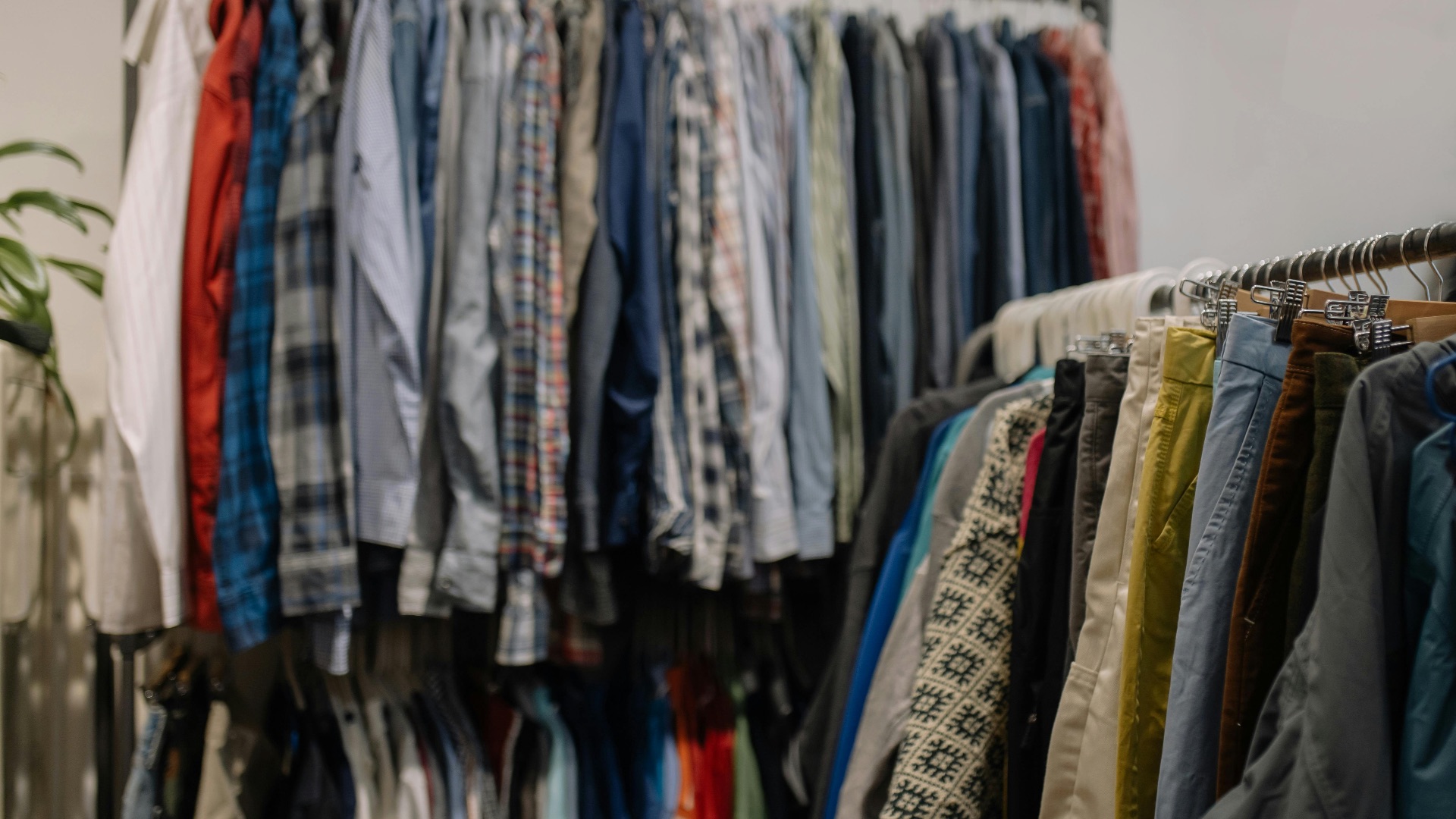
4. You're Hesitant to Buy Secondhand Clothing
There's a bit of a mental hurdle that most new thrifters have to clear before they feel comfortable buying secondhand clothing. The idea of wearing something that belonged to a stranger can feel strange (pun intended), even though washing an item thoroughly takes care of any real concern. Once you've bought and worn a few pieces without issue, that hesitation tends to disappear on its own.
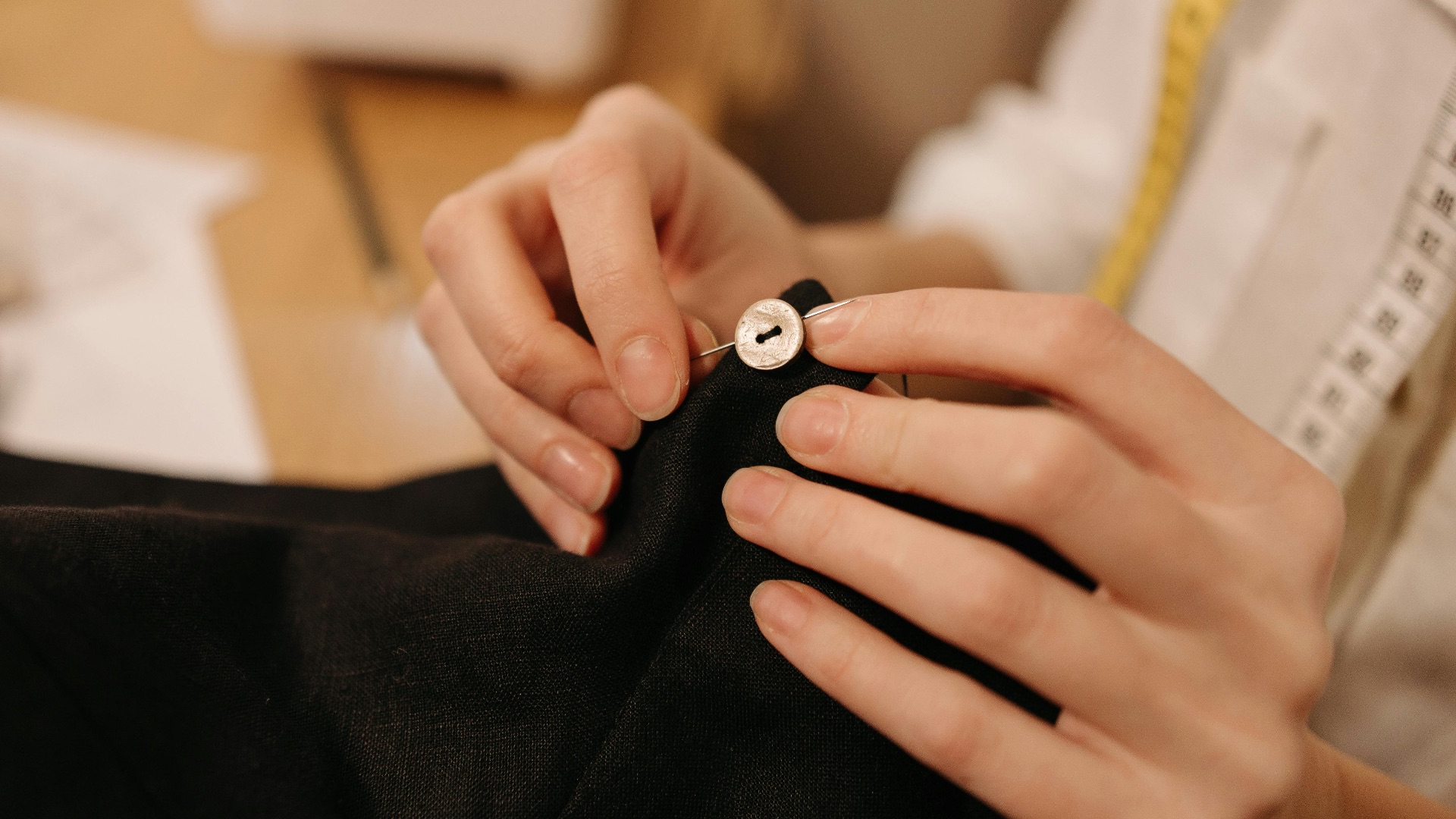
5. You Skip Items That Need Repair
A missing button or a loose hem sends you right back to the rack without a second thought, because the idea of having to fix something feels like more trouble than it's worth. More experienced shoppers know that minor repairs are easy to do at home or inexpensive to have done professionally, and that they often unlock access to high-quality pieces at a fraction of the original cost. As your confidence grows, you'll start seeing those small flaws as opportunities rather than dealbreakers.
6. You Don't Have a Plan Before You Walk In
You show up to the thrift store without a clear sense of what you're looking for, which means you end up browsing everything and buying nothing, or buying something impulsive that you later regret. Having even a loose list of things you actually need helps you shop with more intention and makes the experience less exhausting. It doesn't have to be strict, but a general direction goes a long way.
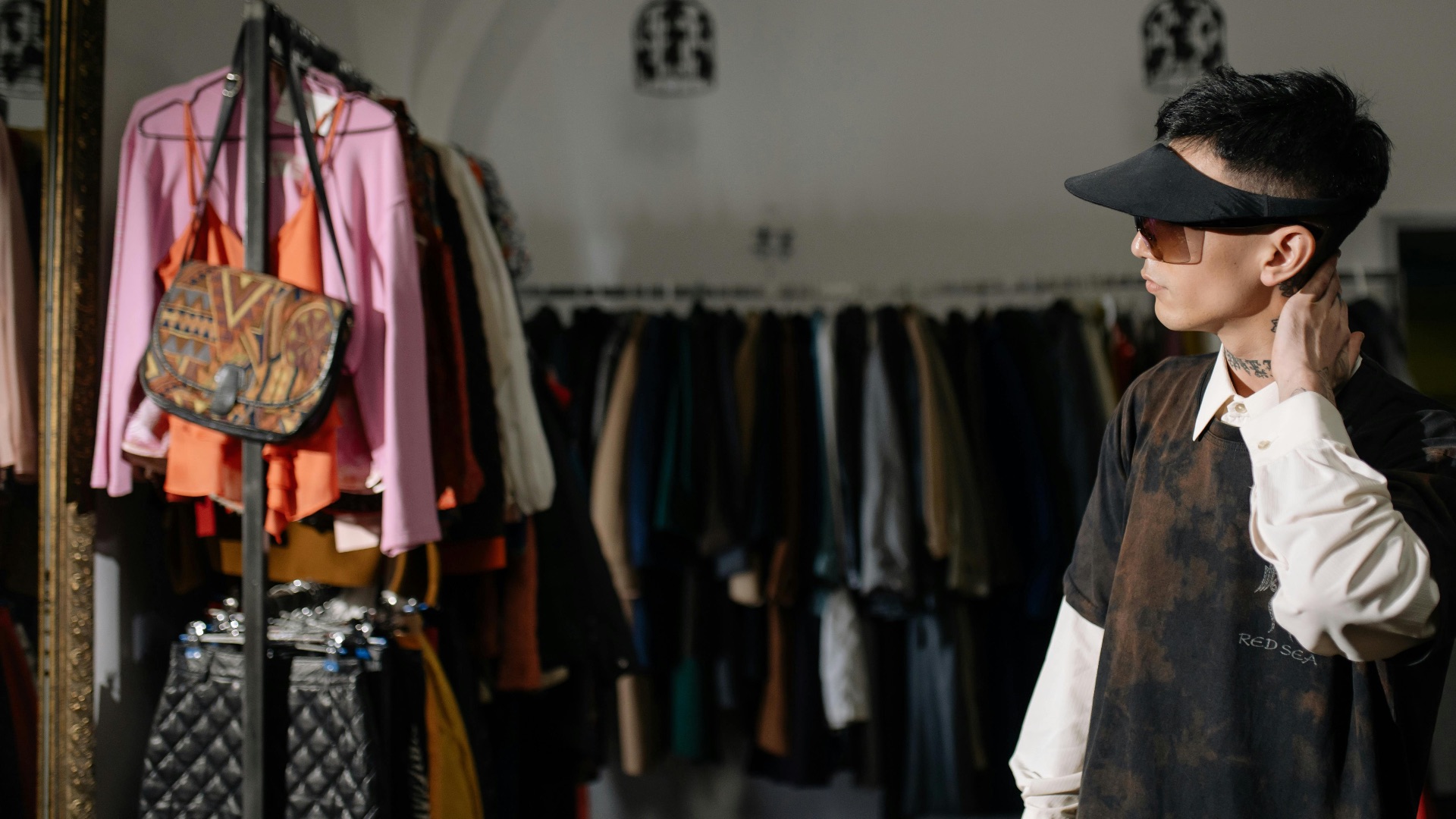
7. You Judge Items by How They Look on the Hanger
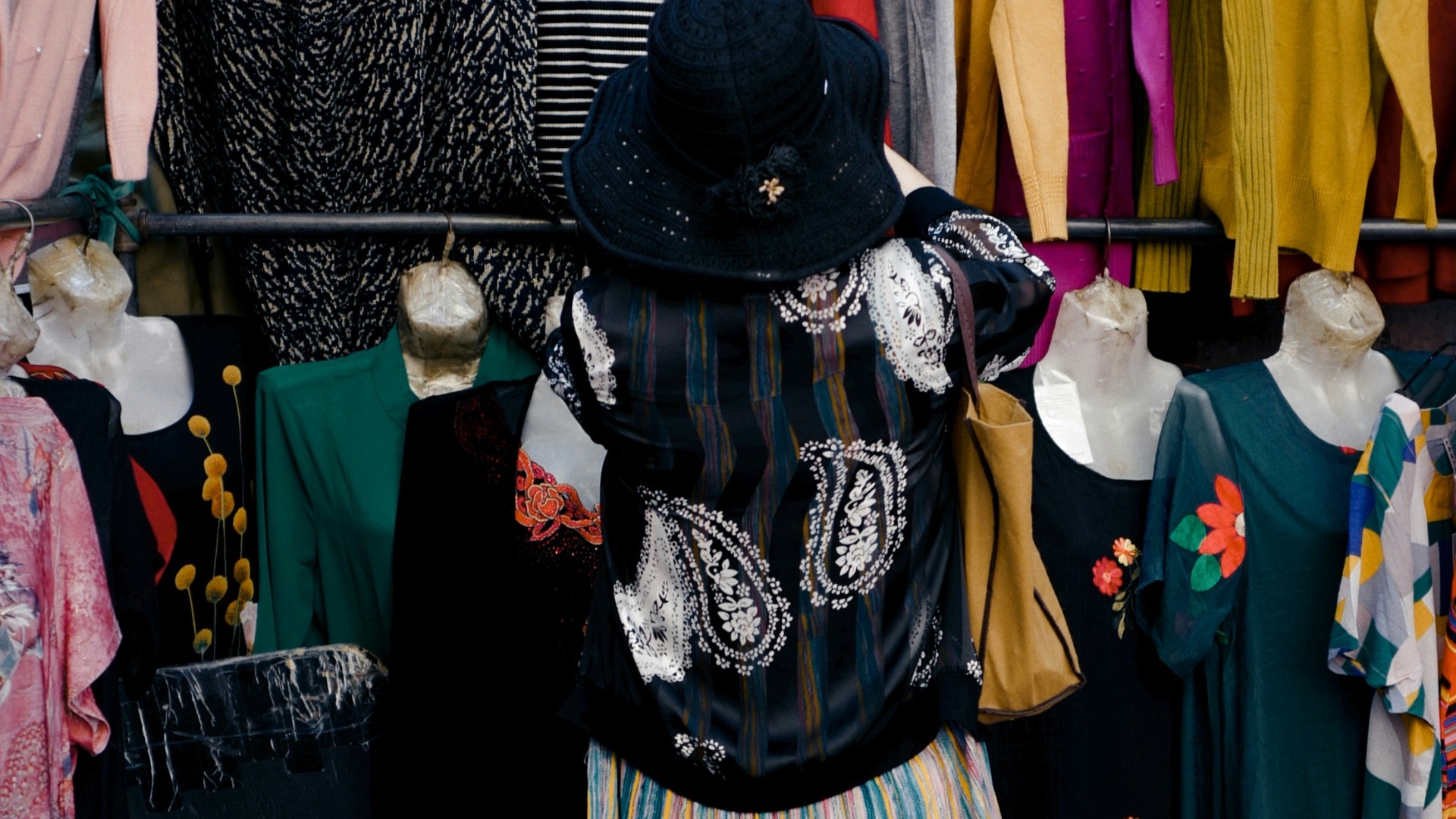
Thrift store lighting is notoriously unflattering, and items that look shapeless or dull on a hanger can turn out to be great once they're on your body. At the same time, something that catches your eye on the rack might fit completely wrong or have a construction issue you didn't notice at first glance. Trying things on, especially when you're not sure, is a habit worth building early.
8. You Feel Pressured to Buy
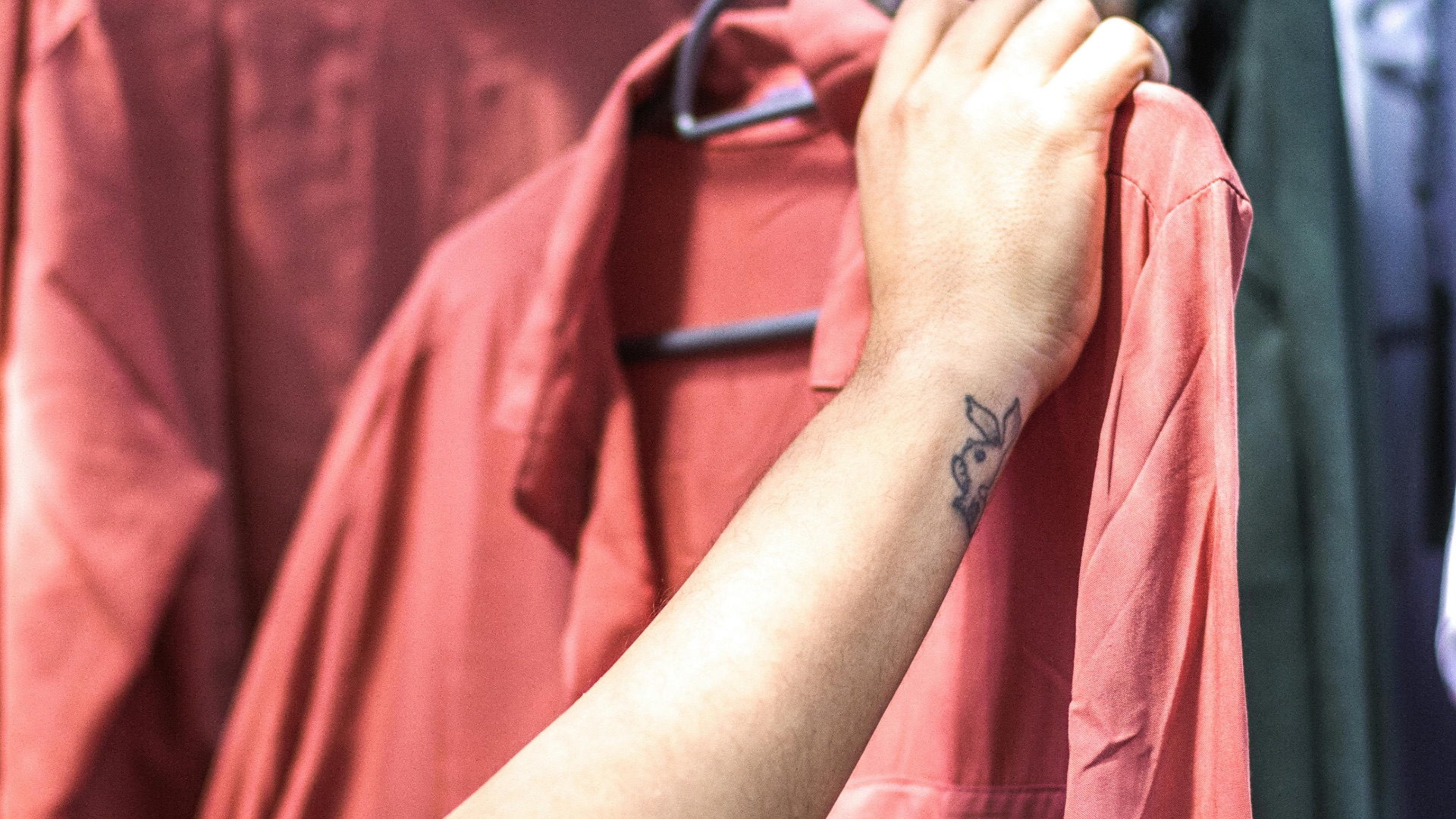
There's a subtle guilt that comes with spending an hour in a store and leaving without anything in hand, especially when the prices are so low. That pressure can push you into buying things you don't actually love just to feel like the trip was worth it. Seasoned thrifters know that a good browse is valuable in itself, even without a purchase at the end of it.

9. You Don't Wash Items Before Wearing or Using Them
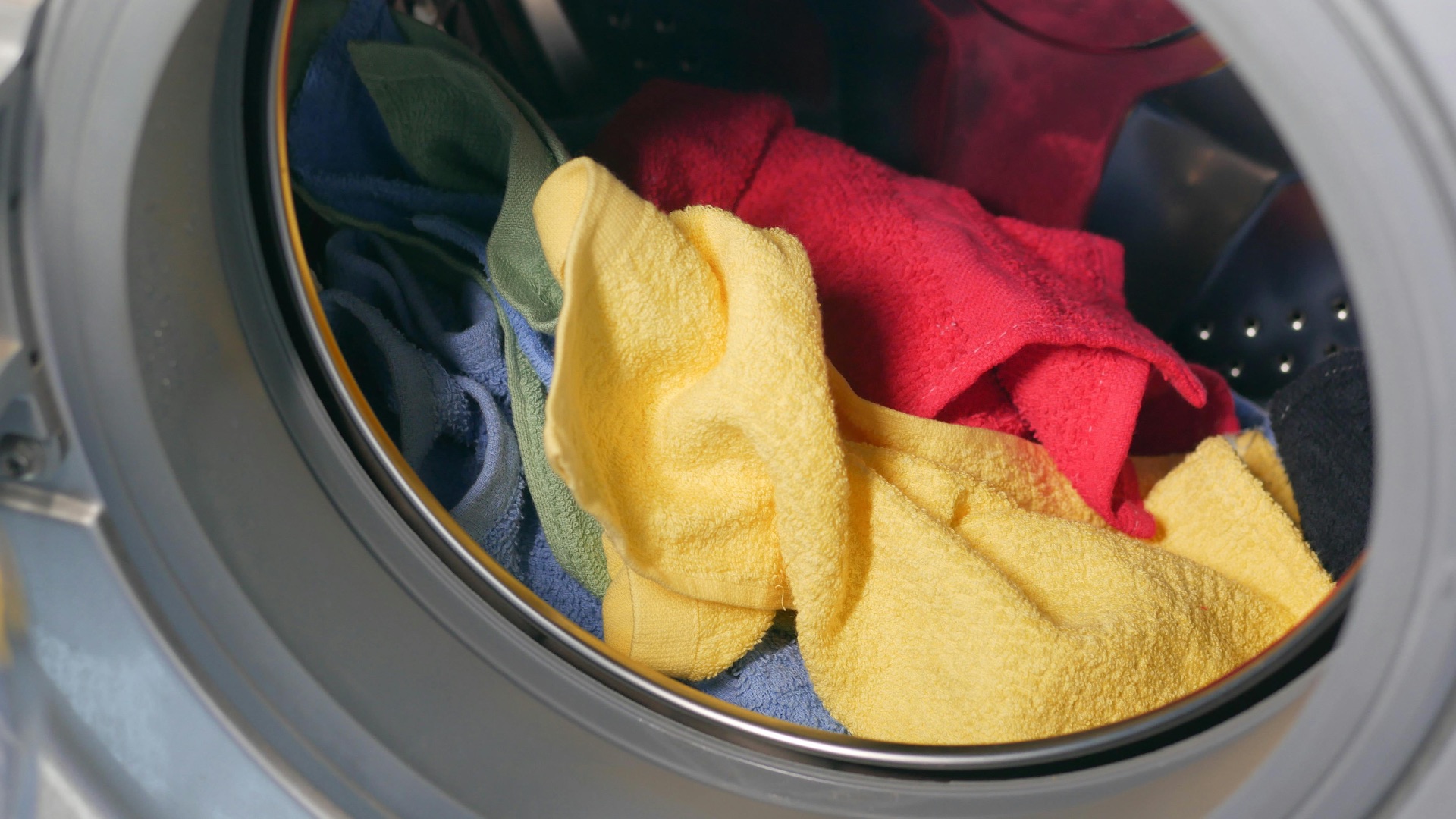
It seems obvious once someone tells you, but washing every thrifted item before you wear or use it is a step that some beginners skip. Whether it's clothing, linens, or kitchen items, a thorough wash is a basic hygiene practice that protects you and extends the life of what you've bought. Building that into your routine from the start is one of the easiest habits you can adopt.
 Towfiqu barbhuiya on Pexels10. You Think One Unsuccessful Trip Means Thrifting Isn't for You
If you walked into a thrift store, didn't find anything, and left thinking the whole concept is overhyped, you're not alone—but you've also only seen a sliver of what thrift shopping has to offer. Inventory changes constantly, and the same store can look completely different from one week to the next. Giving it a few more tries before drawing any conclusions is the only way to find out whether it's actually for you.