Creating A Shaky Foundation For Your Foundation
A lot of makeup problems start long before foundation ever hits your face. Sure, you do your skincare, but by 11 am, your base is pilling around your nose, clinging to a dry patch on your chin, or sliding off your forehead. It's frustrating, especially when the makeup itself is fine. The real issues actually start before the primer. These 20 skincare habits are the ones most likely to wreck your makeup.
 Melanie Rosillo Galvan on Unsplash
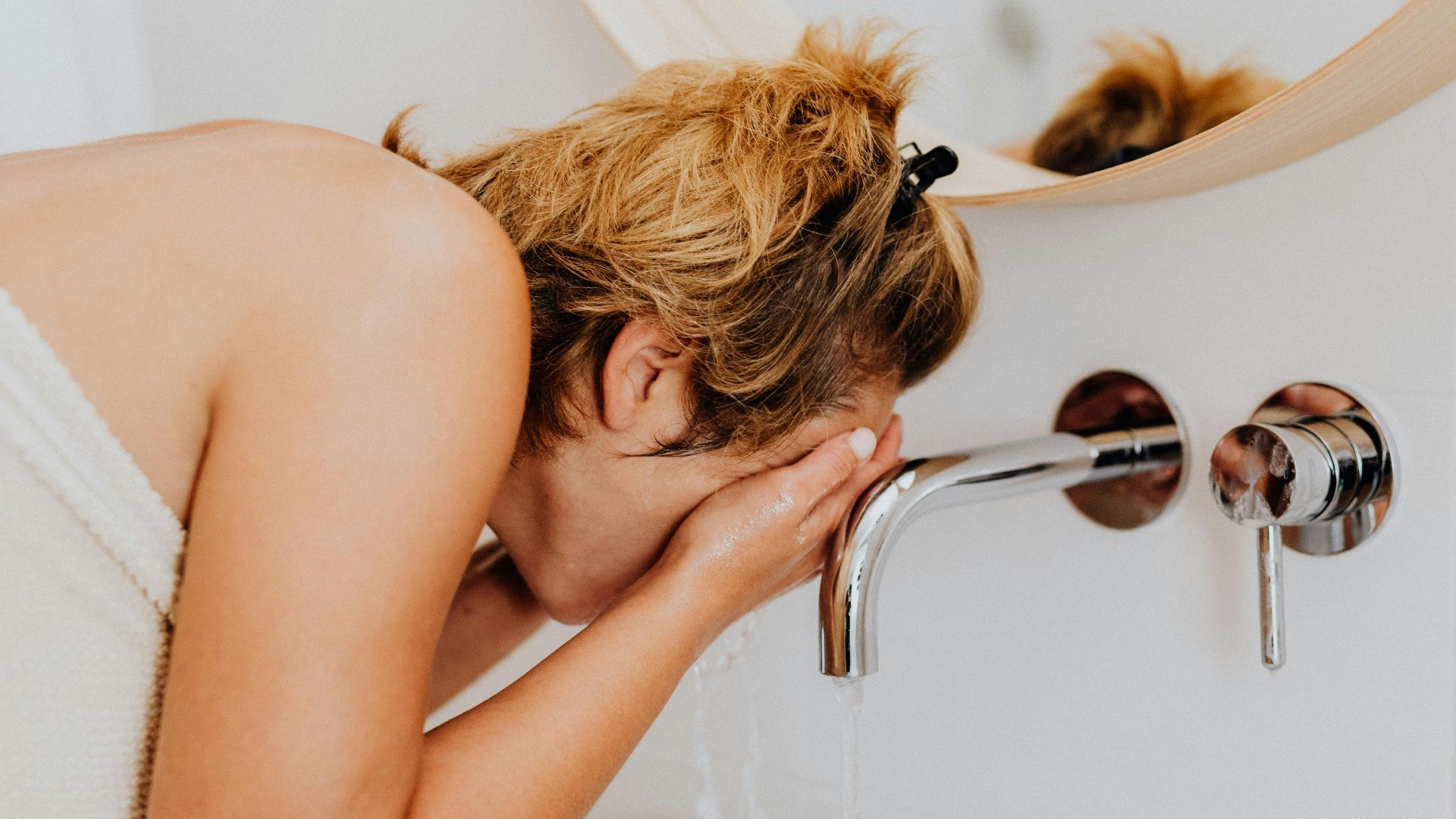
1. Overwashing
Washing your face three times a day might feel thorough, especially during hotter weather or after a long commute. However, it can leave your skin tight and flaky. If you're drying your face out too much, the foundation starts catching, especially around the nose and the mouth.
2. Skipping Moisturizer
People with oily skin still do this, and it nearly always backfires. When skin feels under-hydrated, makeup goes on unevenly, powder settles strangely, and by midday, your face can look both shiny and dry at the same time. If you don't give your skin a little bit of moisture, it will overproduce its own - hence the shiny forehead.

3. Not Waiting Long Enough
If your moisturizer or sunscreen still feels wet, your makeup's going to let you know. The foundation can ball up along the jaw, slide across the cheeks, or refuse to grip when you start applying it too soon.
 Skindinavia Cosmetics on Unsplash
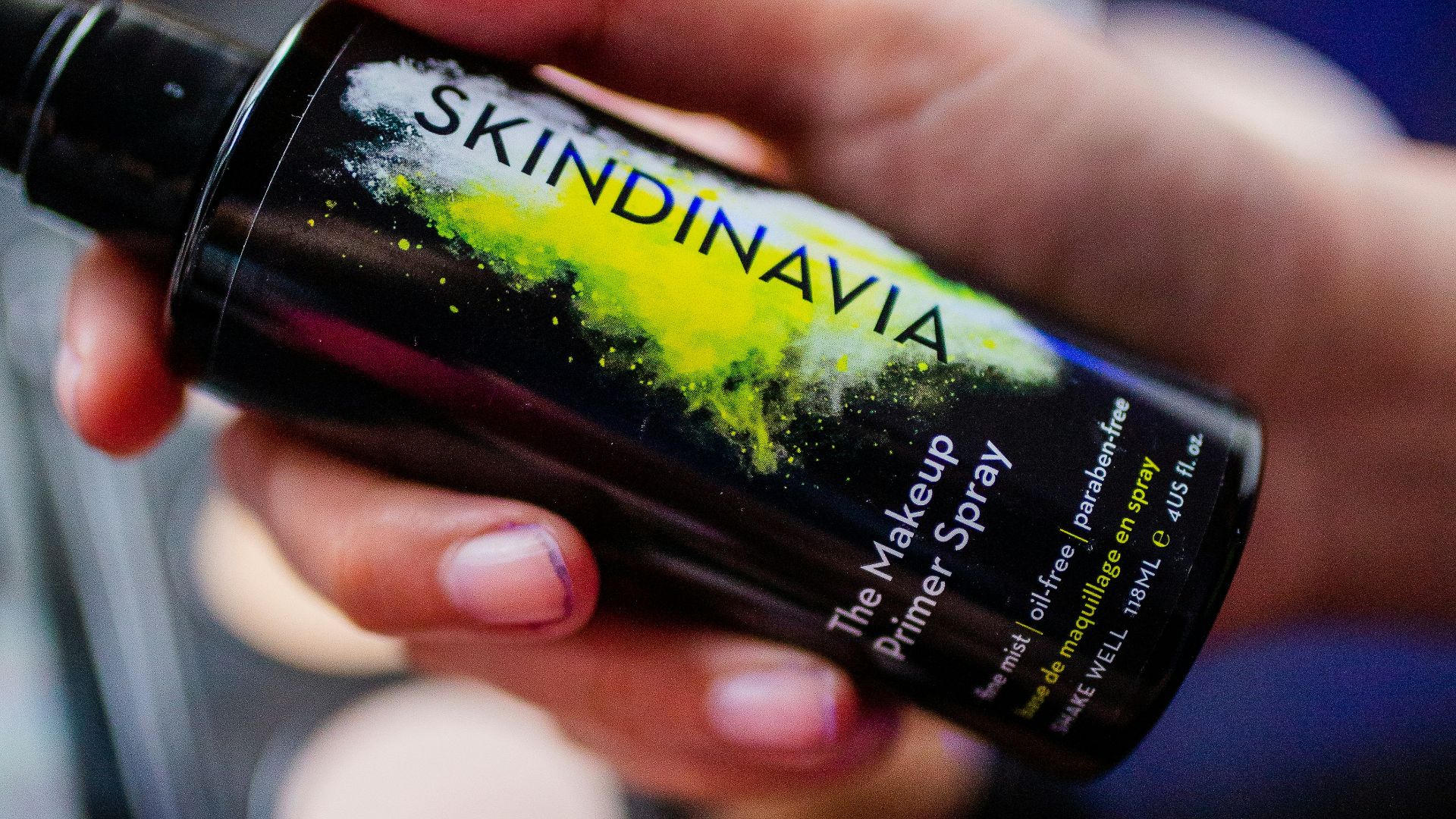
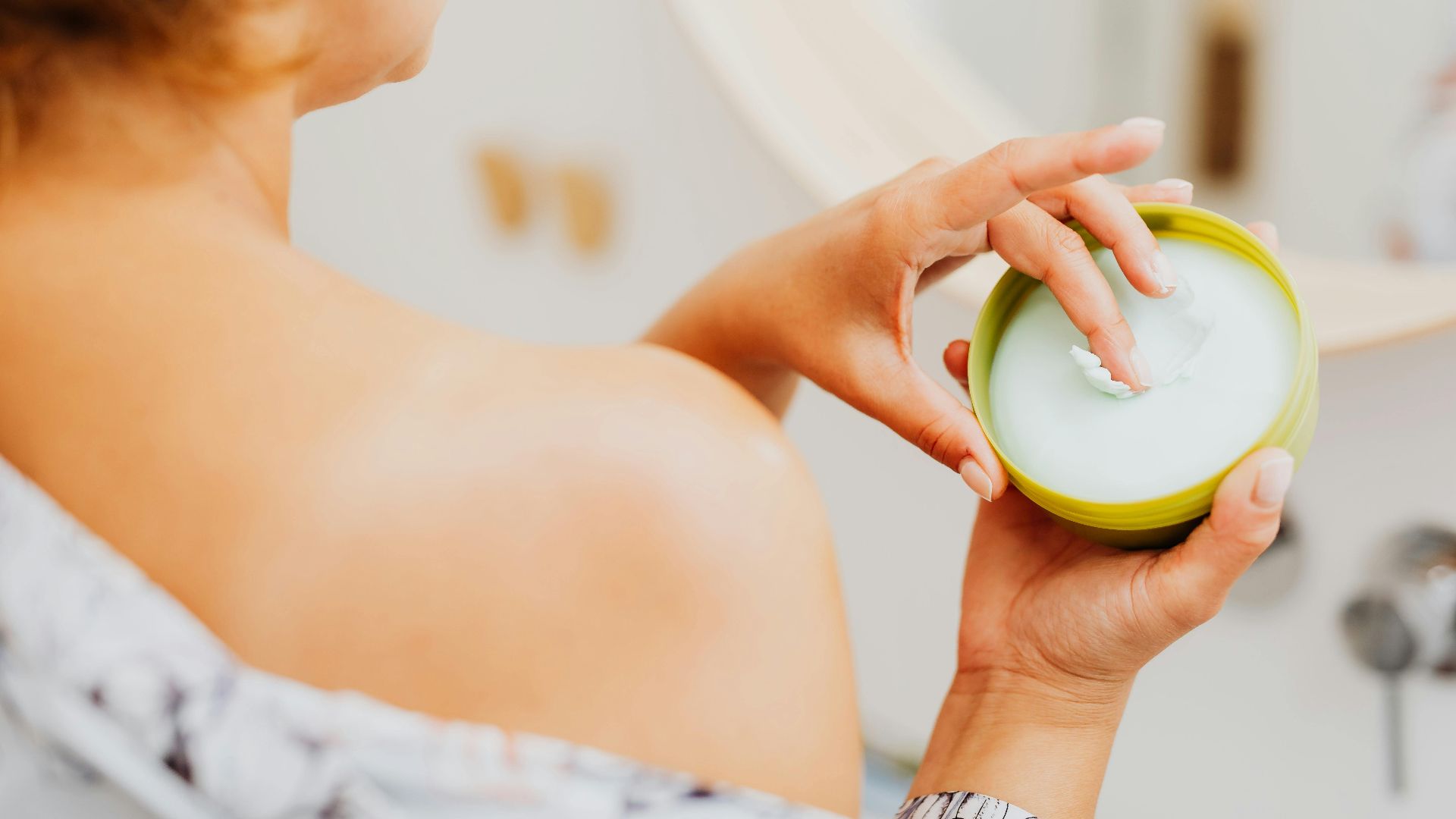
4. Too Much Heavy Cream
A thick cream under a matte base can make everything feel slippery. Your bronzer moves, your blush won't stay put, and the whole face starts looking a little broken up by the time you reach lunch.
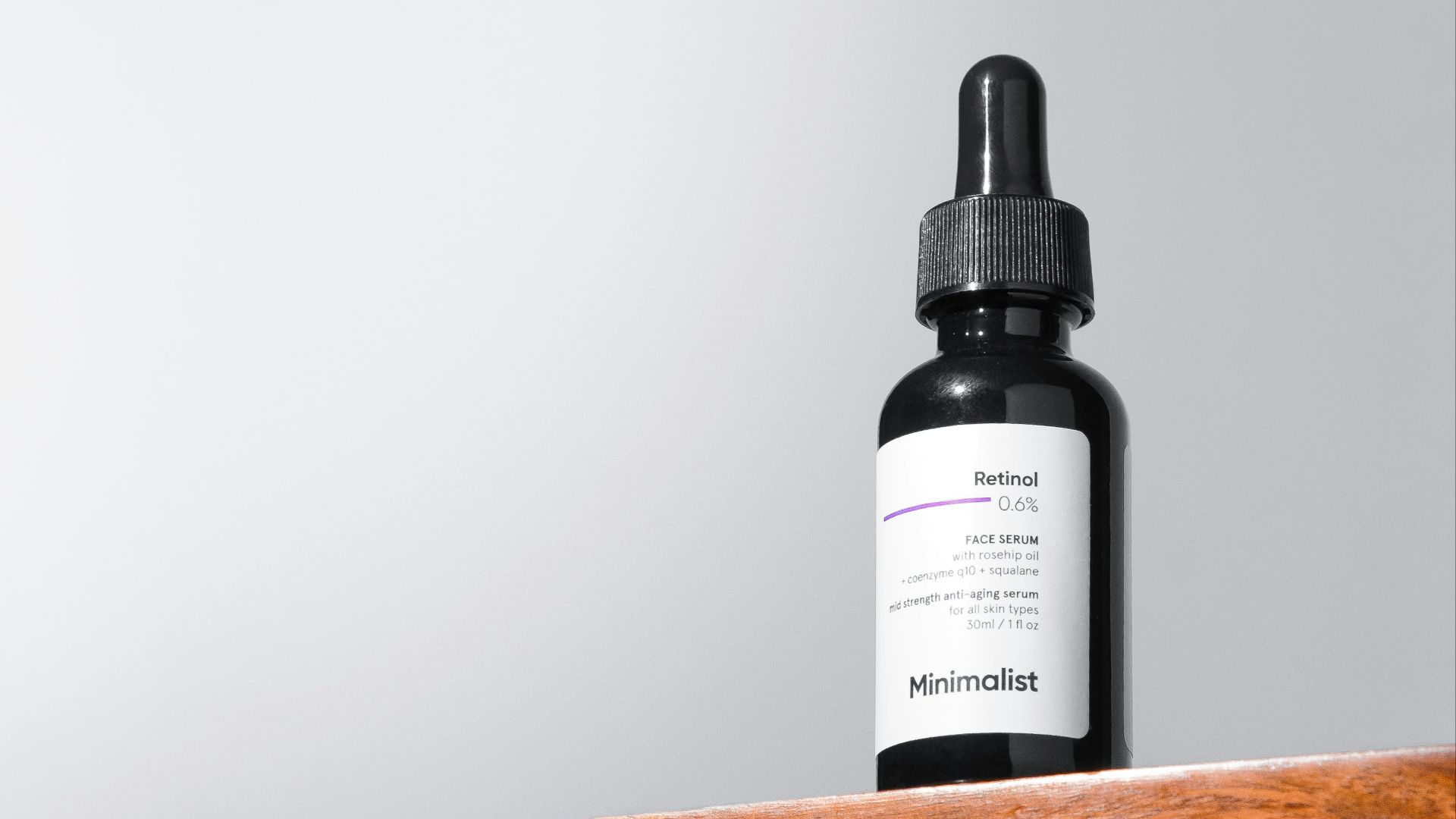
5. Too Much Retinol
Retinol can be great, though using it too often leaves skin peeling in tiny spots that concealer loves to find. You'll start to notice that your makeup is catching under the eyes, around the mouth, and on that one flaky patch near your nose.
6. Layering Products Too Fast
Serum, moisturizer, sunscreen, primer, foundation, all in one quick blur, is so often why your makeup looks like that. When products don't get a moment to settle, they roll up on the skin. If you're using makeup brushes, you'll probably notice that your brush is soaking up more than it's applying.
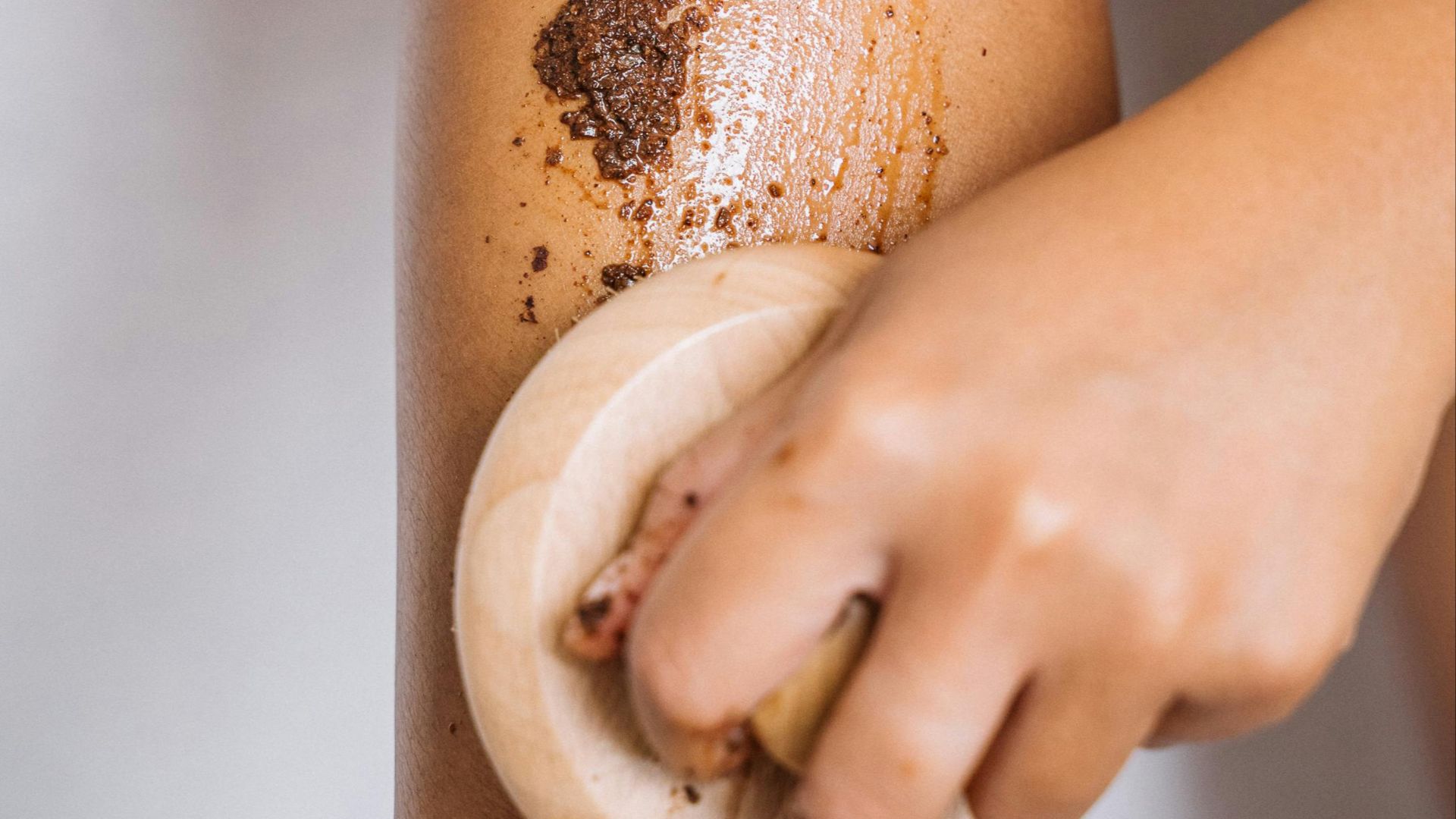
7. Exfoliating Right Before Makeup
Freshly exfoliated skin feels like an excellent choice if you're looking for camera-ready skincare, but that doesn't mean it is. Even after your foundation goes on, your skin might look a little pink, a little raw, and shiny in a way that doesn't read healthy, especially in daylight.
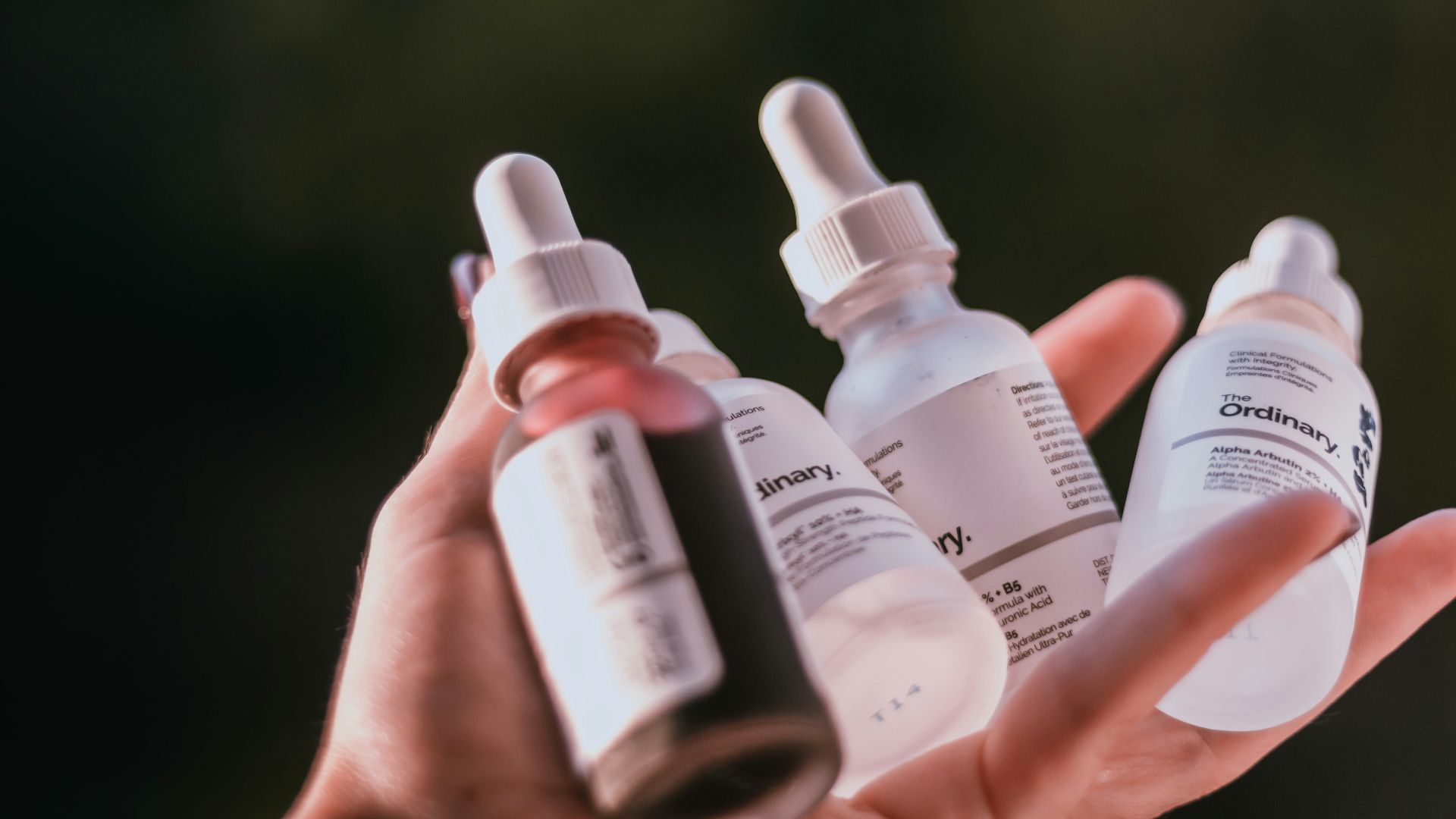
8. Using The Wrong Serum
Some serums sit beautifully under makeup, and some absolutely don't, and it usually comes down to the ingredient list. If you're using a silicone or oil-based serum, you shouldn't use a water-based foundation. It's gotta be one or the other.
9. Sleeping In Makeup
The consequences of this action show up almost immediately. Skin feels bumpy and rough, and even a light tint starts looking uneven when it's sitting on top of leftover product, oil, and whatever else was still there from the night before.
 Brittney | Galaxii Starr on Pexels
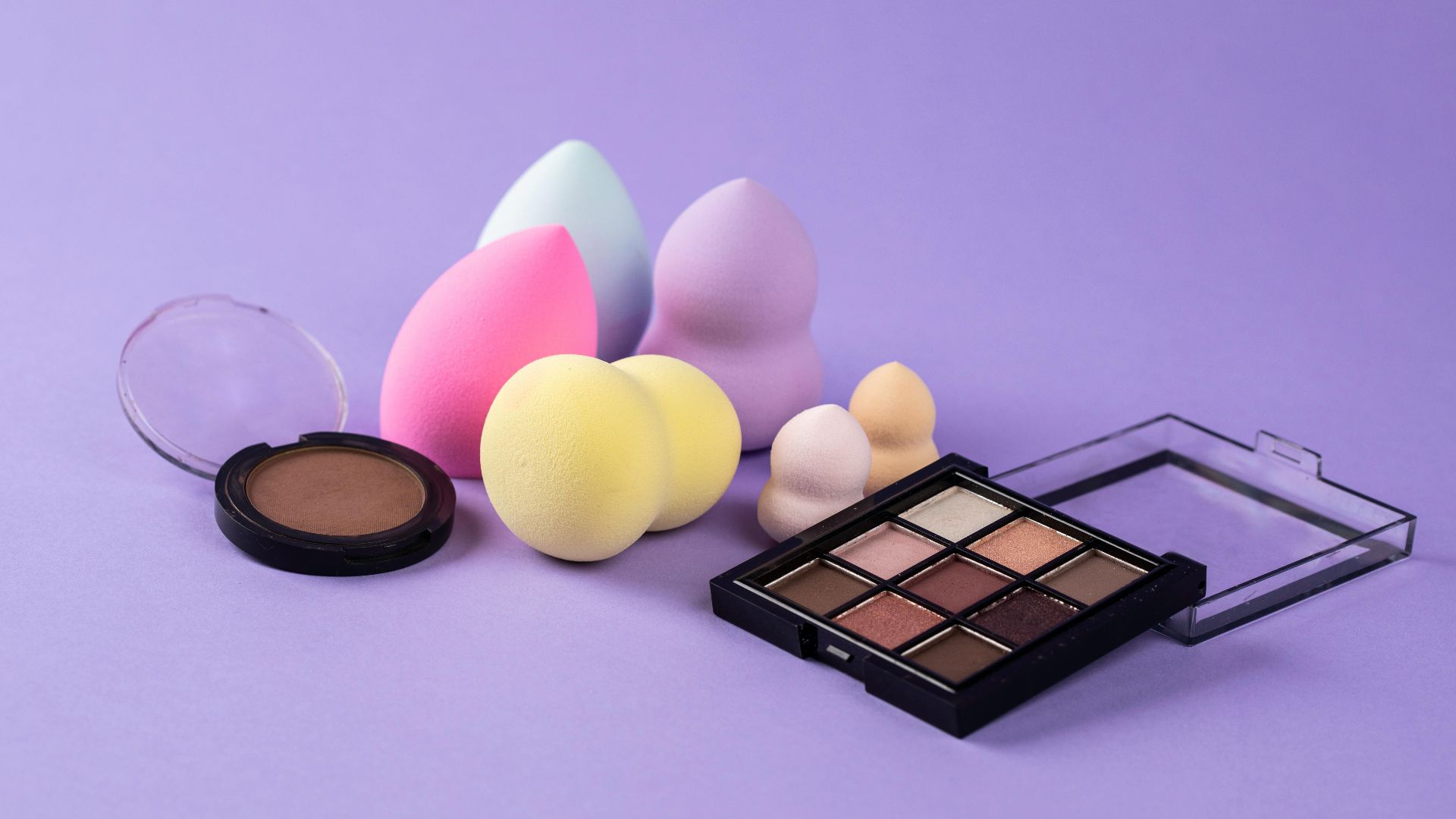
10. Dirty Brushes And Sponges
A week-old sponge or a crusty foundation brush can ruin a good base fast. Old product and oil get pressed right back onto your face, which makes makeup apply patchily and leaves the skin looking heavier than it actually is.
 Maria Camila Castaño on Pexels
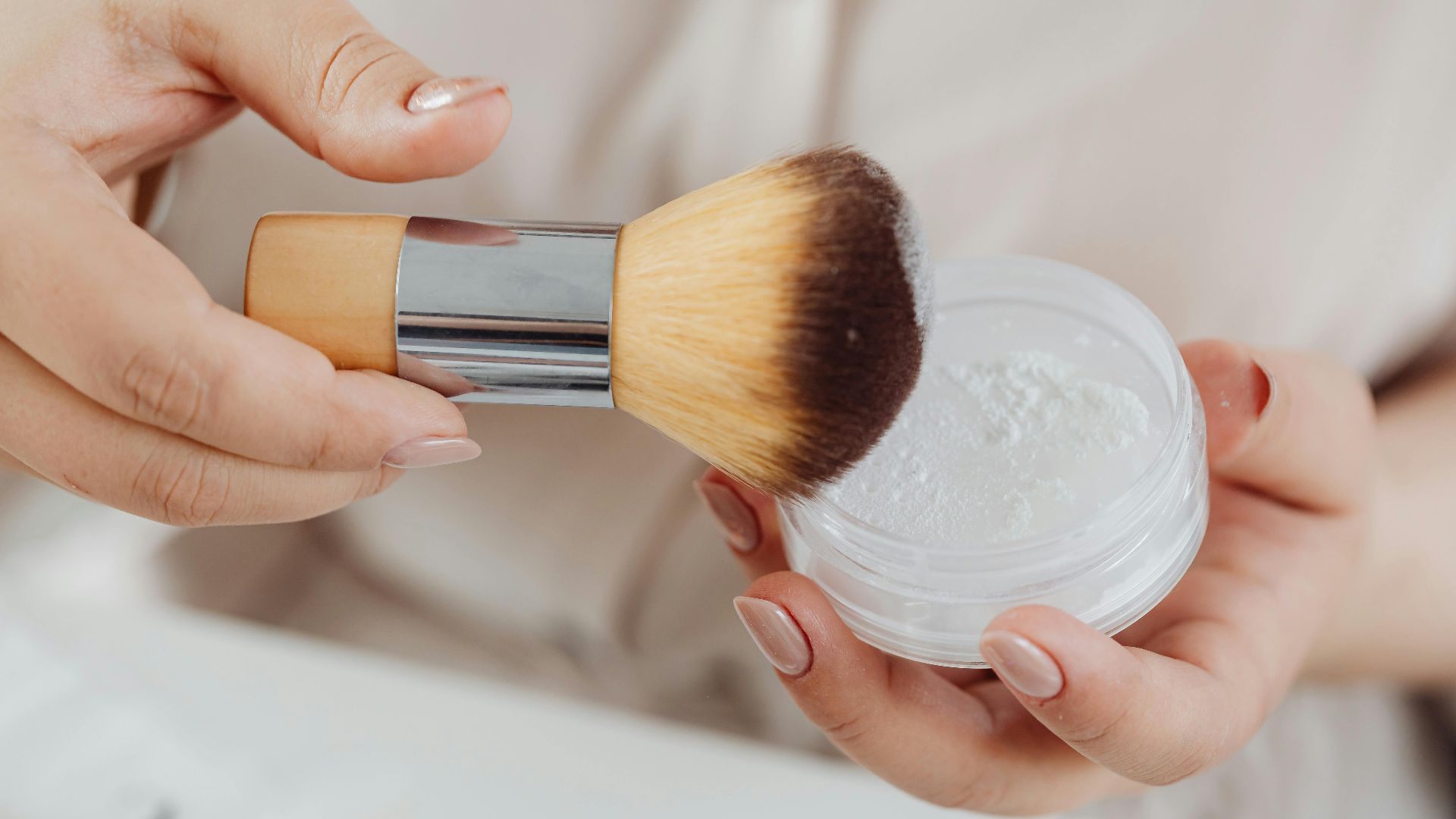
11. Too Much Powder
A full face of powder can look good for about twenty minutes, but it doesn't react well when it starts battling your face's natural oils. It settles into smile lines, grabs dry areas, and makes pores look way bigger than they actually are.
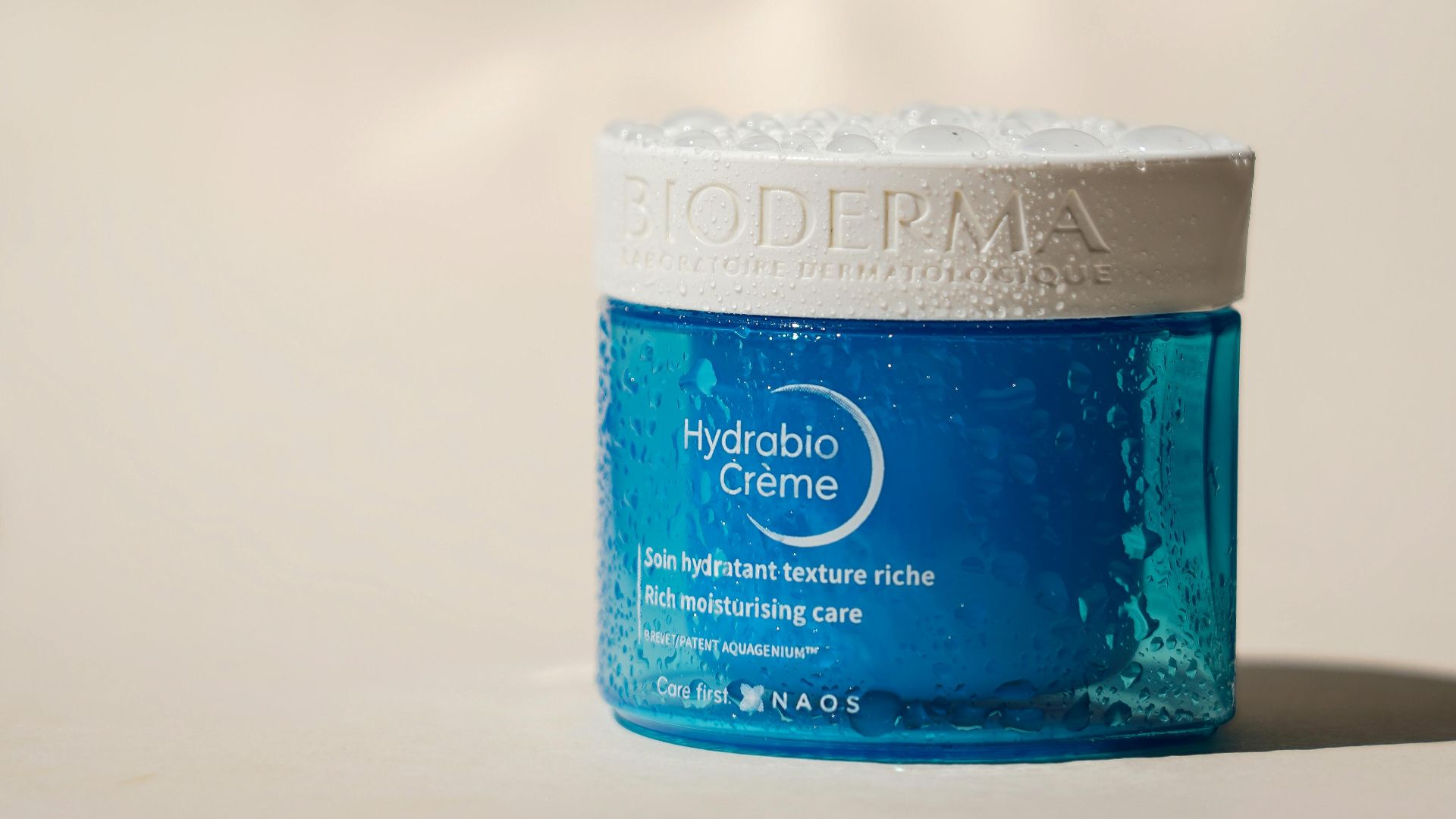
12. The Wrong Moisturizer For Your Skin
A rich cream on oily skin can make makeup slide off by lunchtime. A very light gel on dry skin can leave foundation looking tight and parched. The wrong texture underneath can throw off the whole face, and it's one of those things that's easy to overlook.
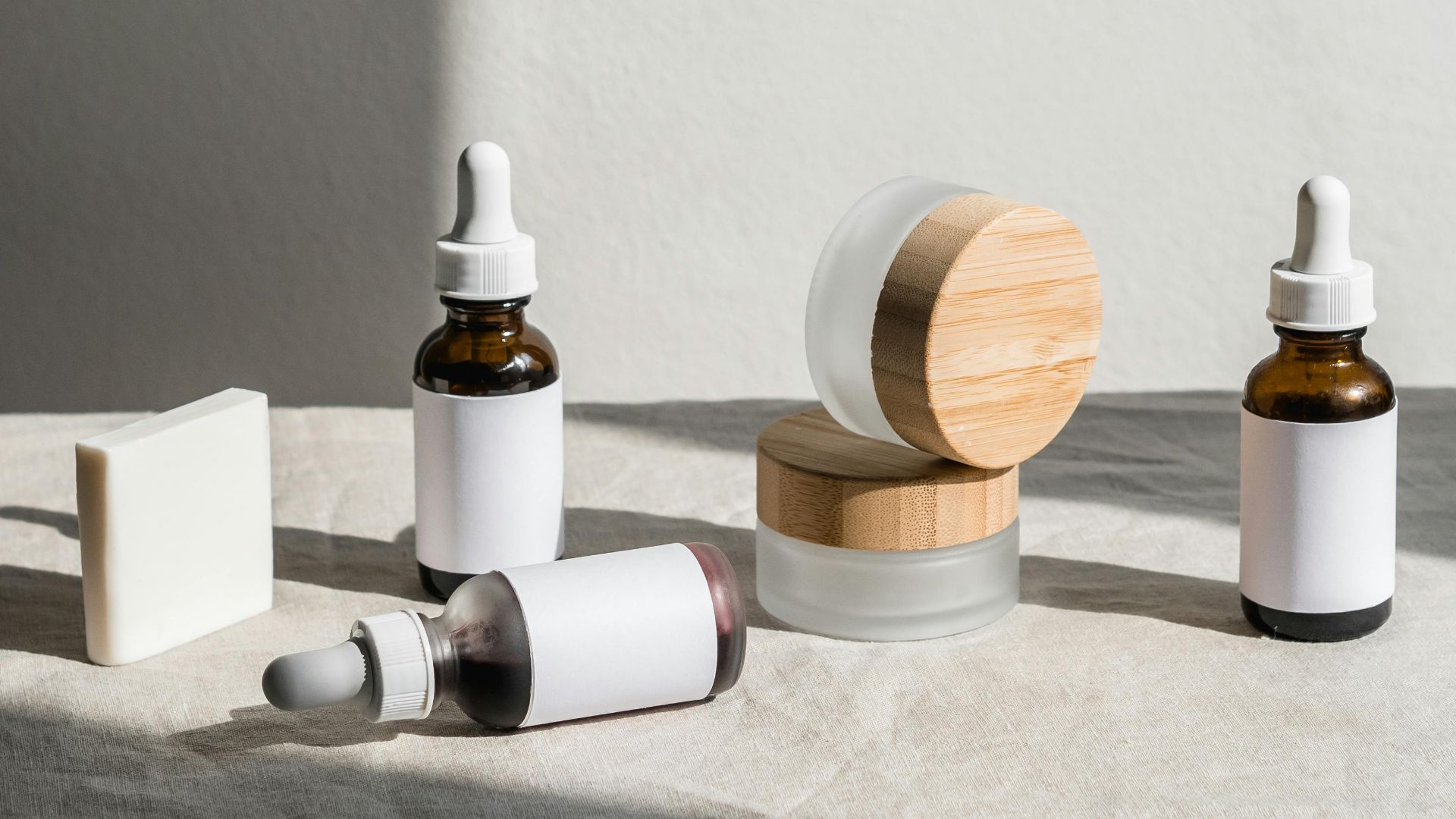
13. Touching Your Face
Resting your chin in your hand on a Zoom call, rubbing around your nose while you think, picking at one spot on your forehead. It all adds up. Finger oils break down makeup faster than most people realize, and that's usually why your base starts disappearing by the afternoon.

14. Using Expired Skincare
Expired skincare doesn't always make itself obvious. Sometimes it just leaves you a little red, a little irritated, or unexpectedly textured. Even if you're doing everything right, your makeup might still sit badly, and you have no idea why.
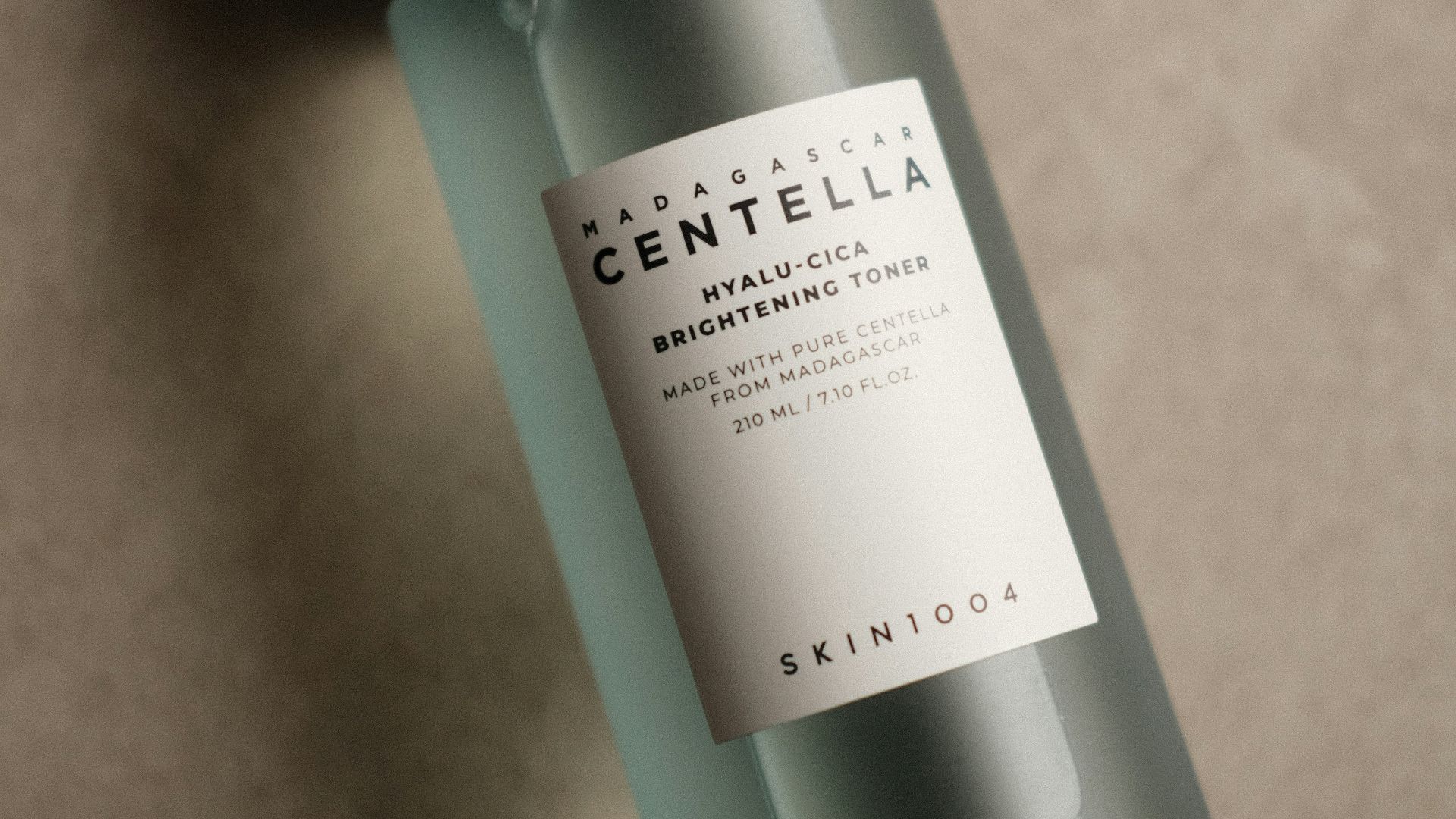
15. Harsh Toner
A harsh toner can make the skin feel tight, which some people read as a sign that it's working. Even after you moisturize, the toner can make your foundation start cracking in and around the creased areas of your face.
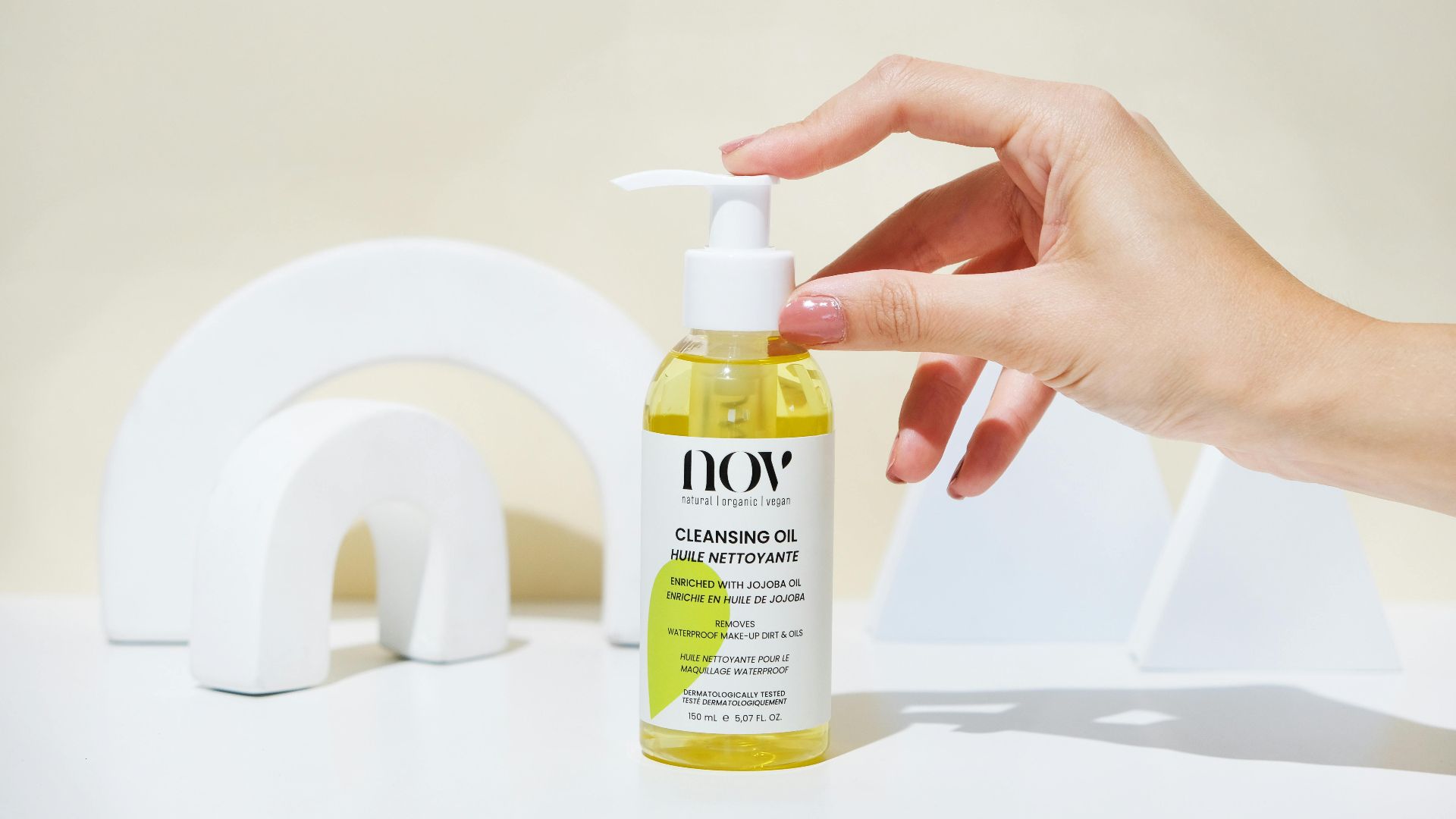
16. Leftover Cleansing Oil
Oil cleansing works well when it's finished properly. If there's still a film left behind, primer and foundation slide around instead of setting, and the makeup never really locks in, especially on the cheeks and forehead.
17. Ignoring Your Skin Then Overloading It
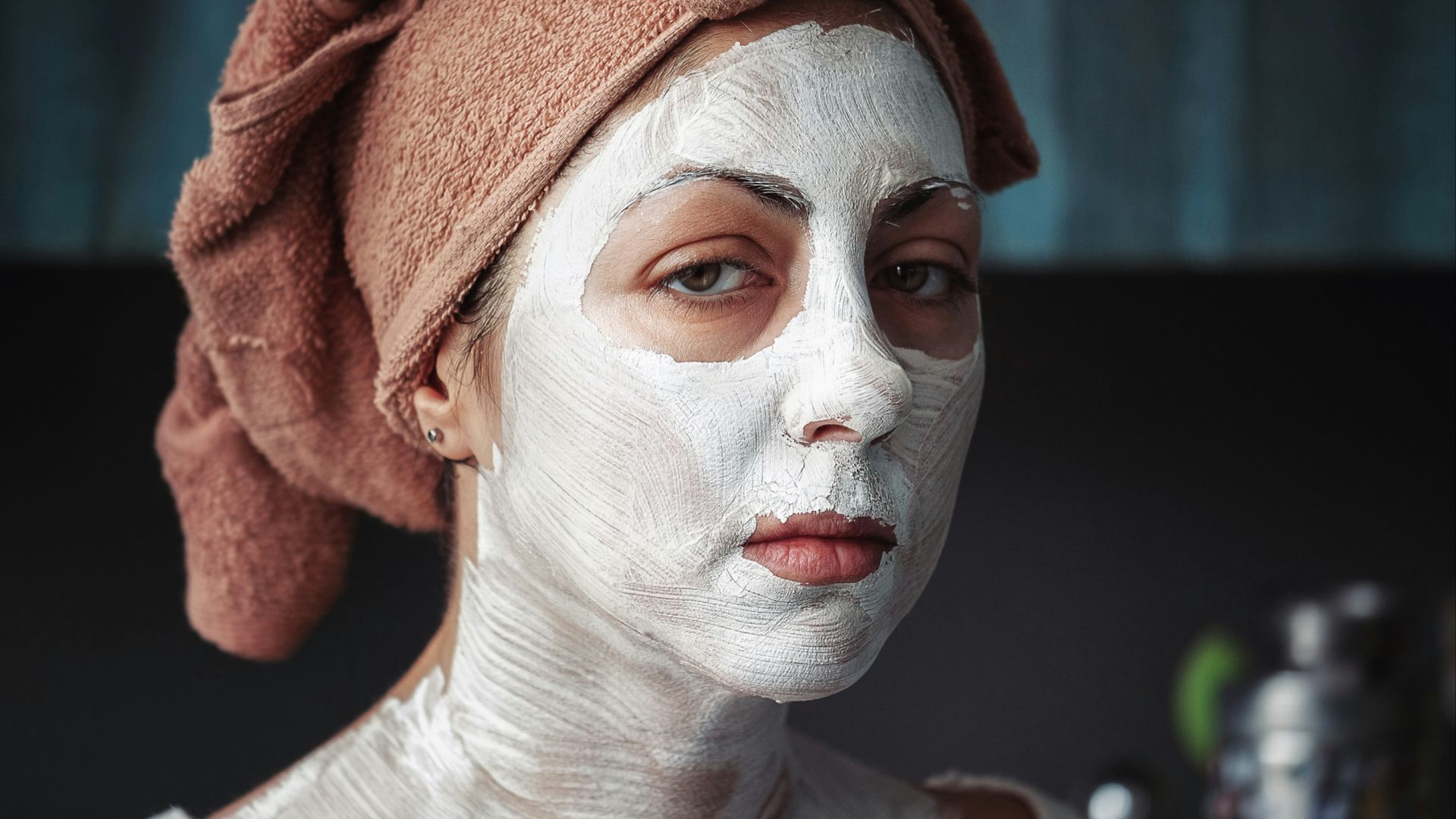
Skin responds well to consistency. If you skip your routine for a few nights and then layer on an acid, a retinoid, and a brightening mask, your skin will reflect your choices.
18. The Wrong SPF Formula
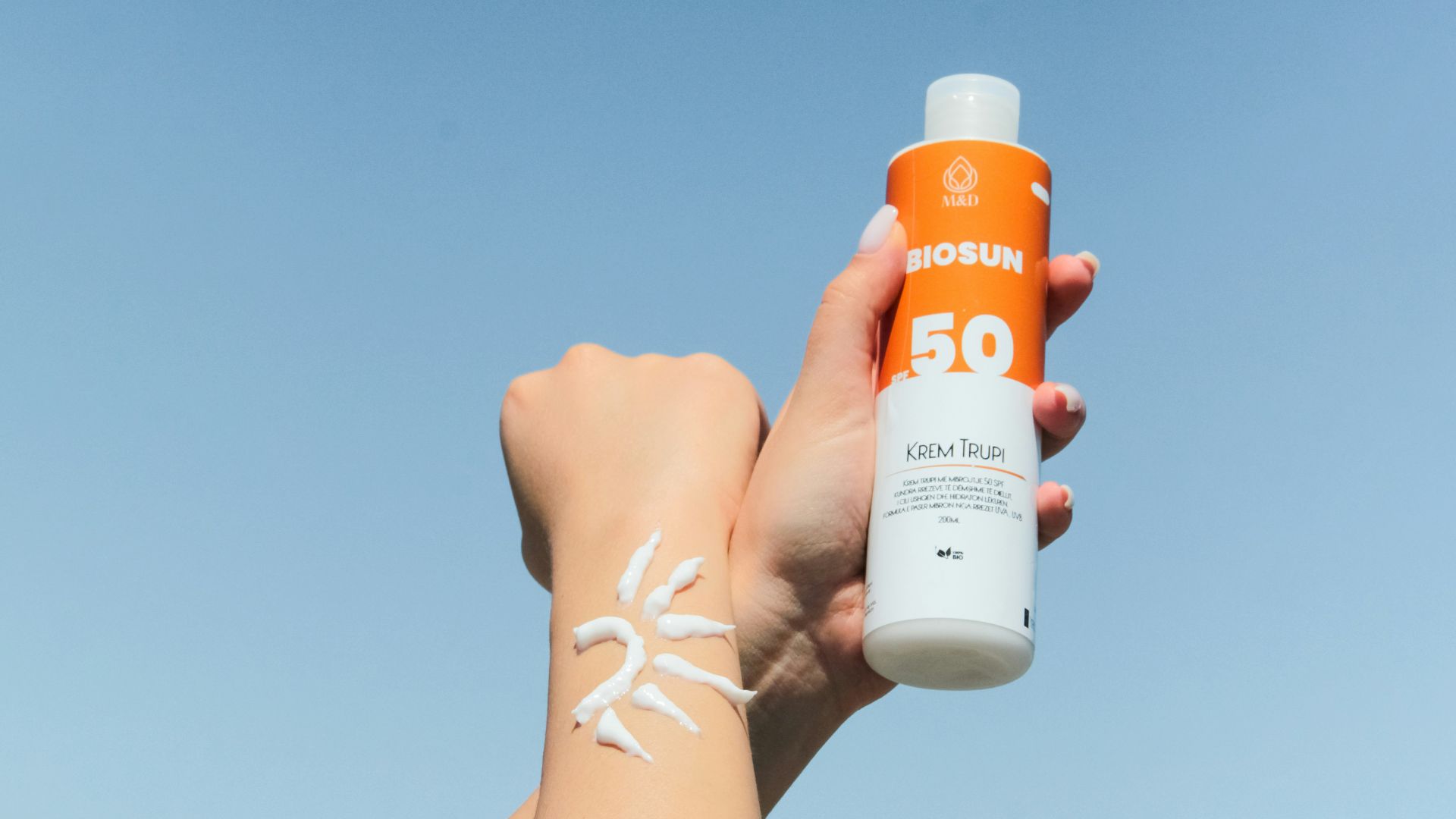
Sunscreen isn't optional, though some formulas don't sit well under makeup. A heavy SPF can pill under foundation, leave a cast, or make the base feel too slippery.
19. Using The Wrong Routine For Your Skin Type
A glowy routine built for dry skin isn't going to help an oily T-zone, and a stripped-down matte routine won't do much for cheeks that feel tight by 2 pm. When the routine doesn't match what your skin actually needs, it gets much harder to build a base that lasts through a full day.

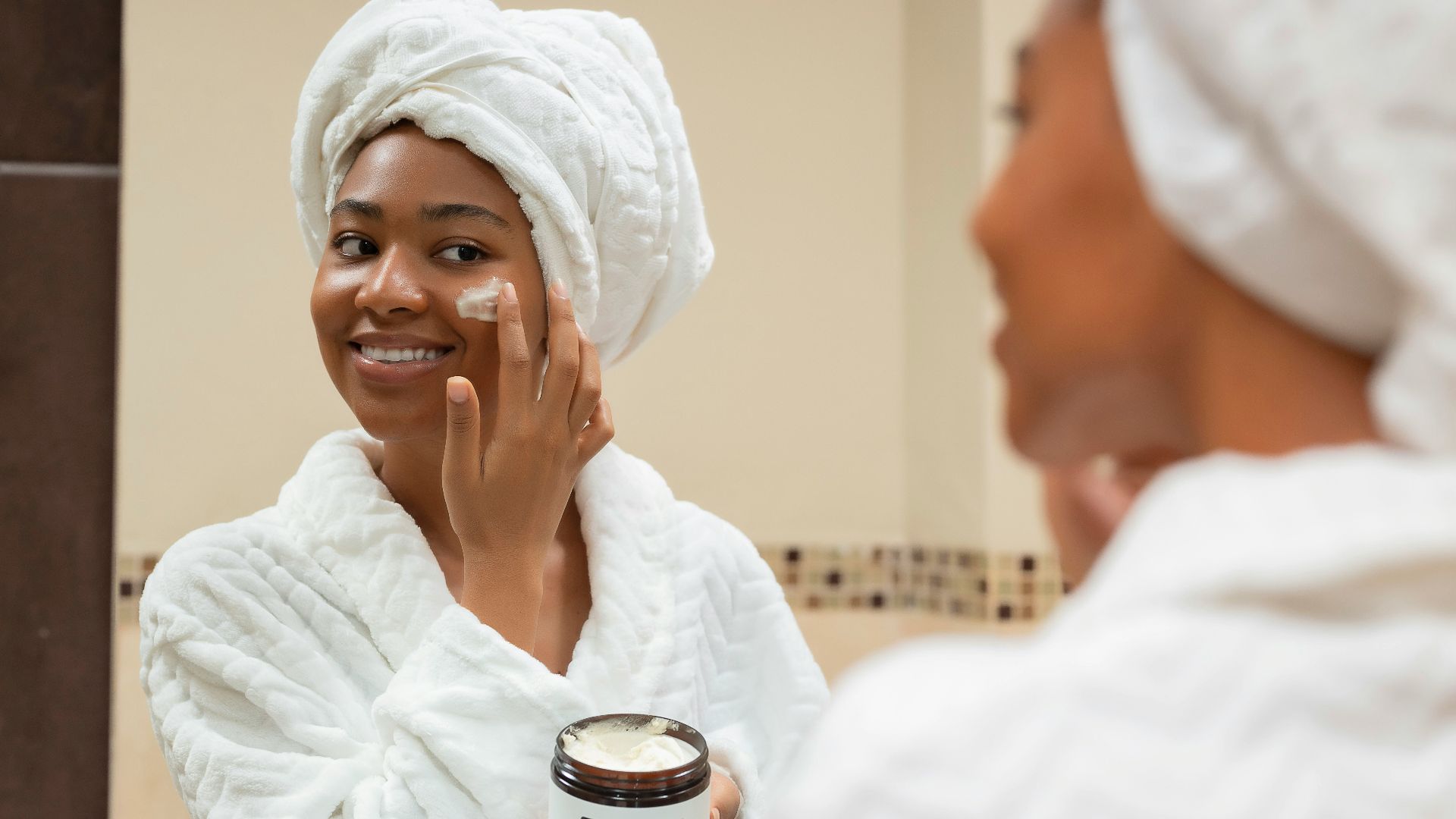
20. Dipping Fingers Into Jar Products
Jar products get contaminated quickly when fingers keep going back in, especially when you're rushing before work. Once irritation or breakouts start showing up, your makeup tends to look and feel worse.