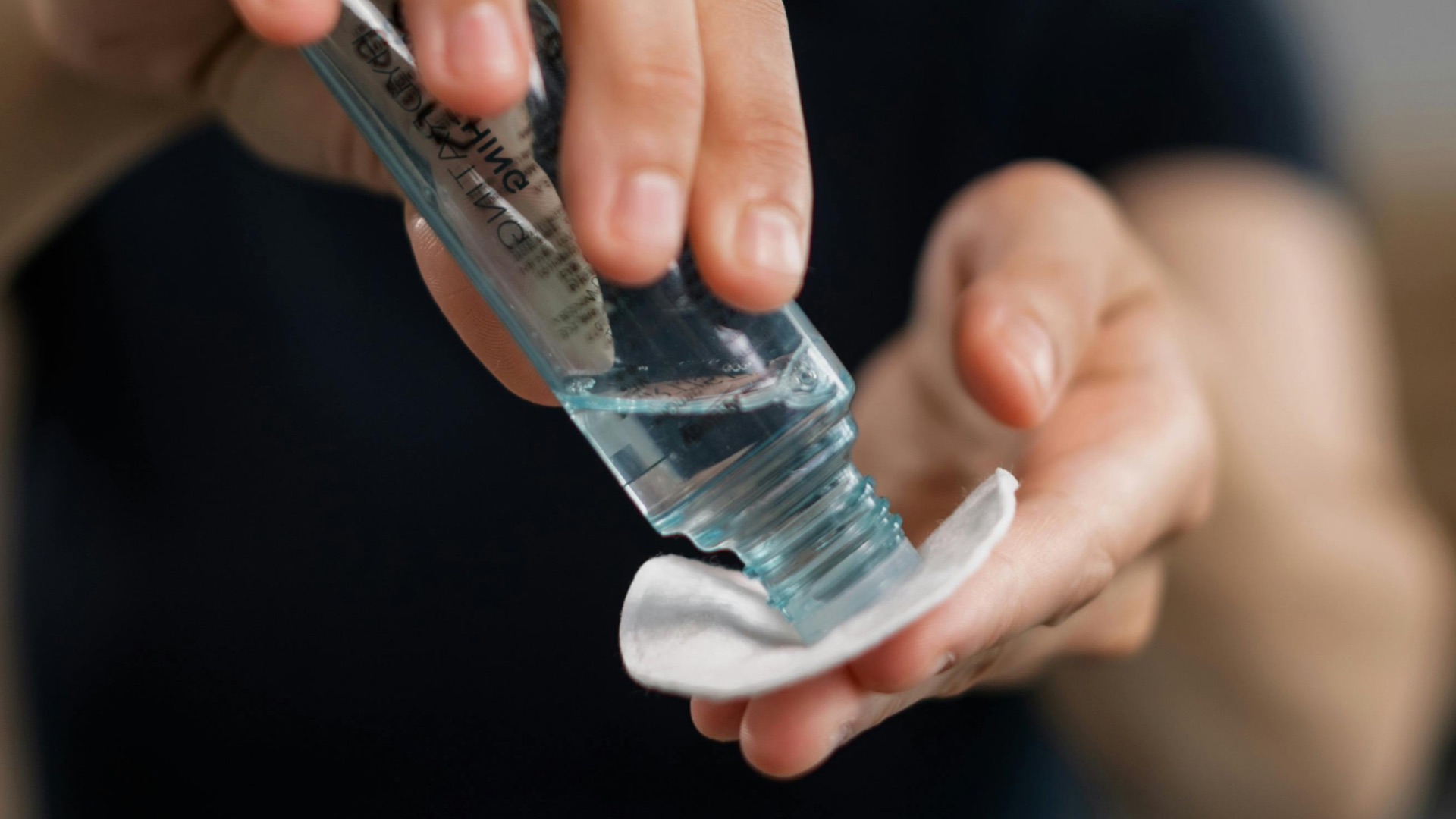
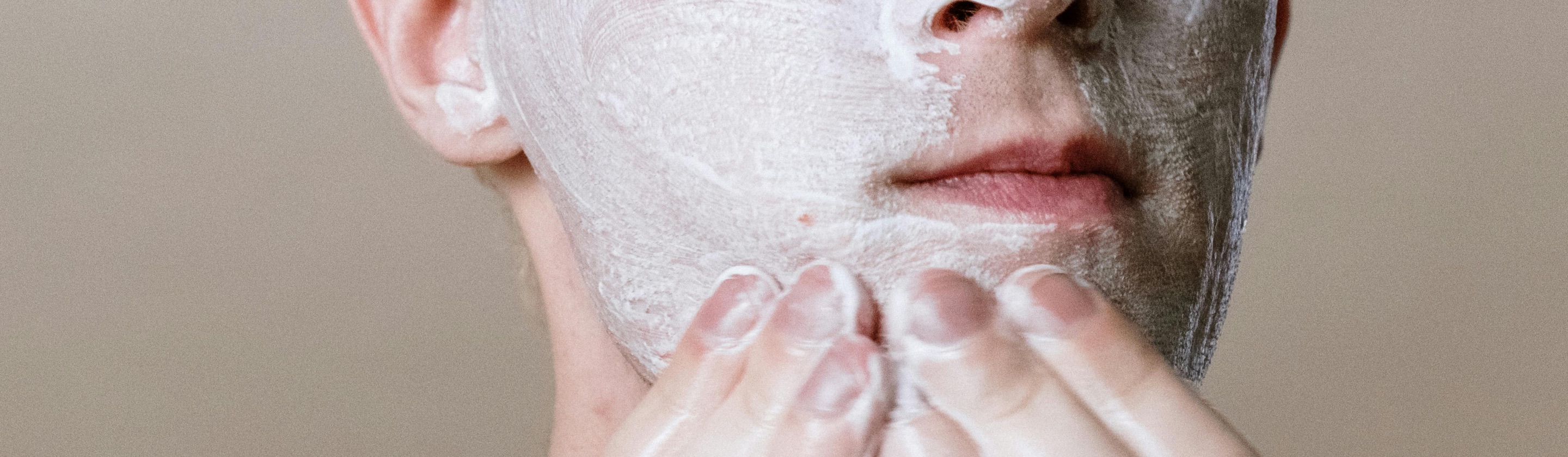
Is Your Makeup Removal Routine Doing More Harm Than Good?
You might think taking your makeup off at the end of the day feels like a simple task, but there's actually a lot that can go wrong, and it all comes down to your habits. From using the wrong products to skipping steps that your skin really needs, these small missteps add up over time and can lead to clogged pores, irritation, and a complexion that never quite looks its best. Wondering how to build a better cleansing routine? Read on.
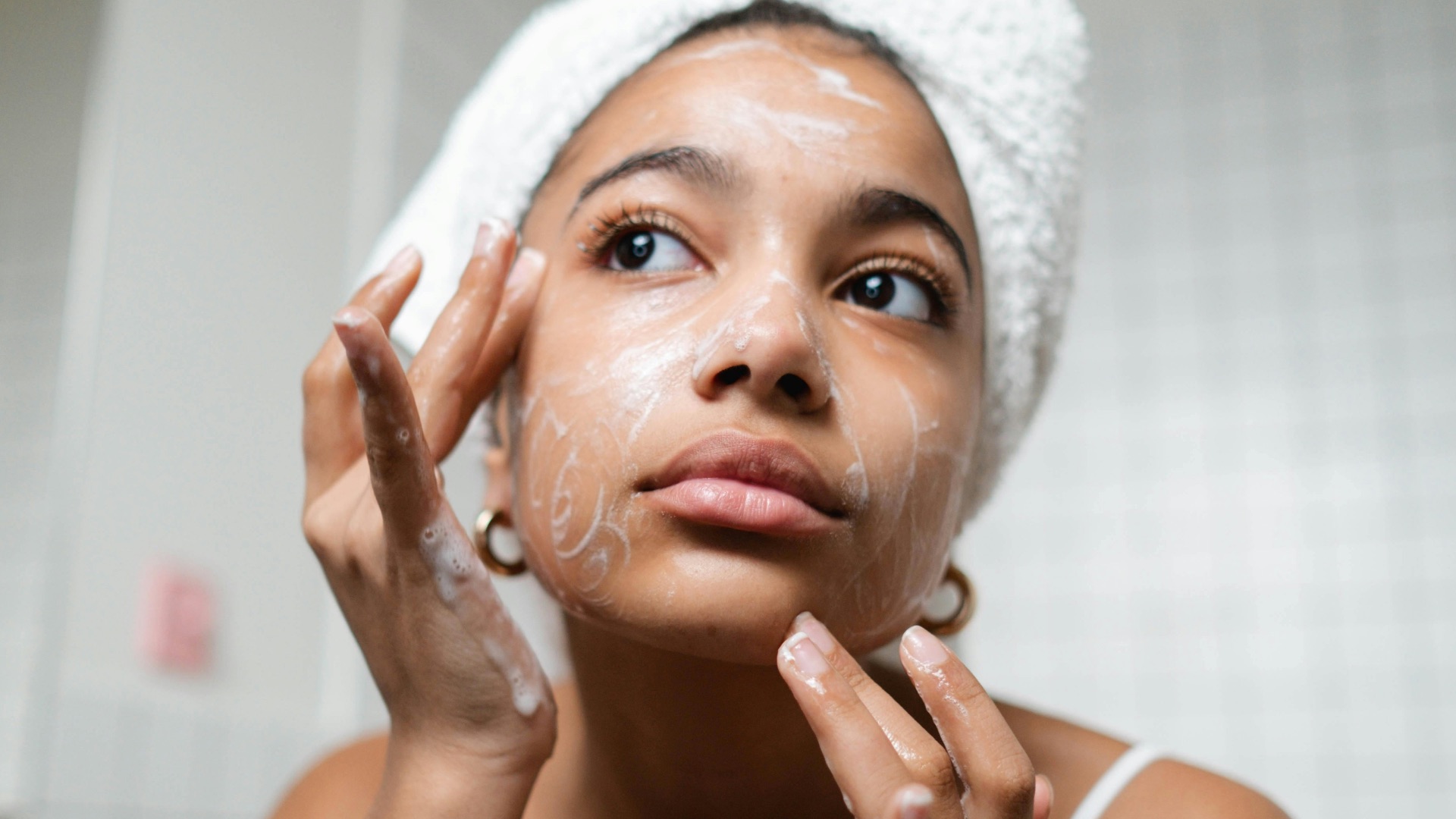
1. Using Makeup Wipes as Your Only Cleansing Step
Makeup wipes are great for a quick swipe on the go, but relying on them as your sole cleansing method leaves a surprising amount of residue behind. They're designed to break down surface-level makeup, not to deeply clean your skin or remove the buildup that settles into your pores throughout the day. If wipes are all you're using before bed, your skin isn't actually getting clean.
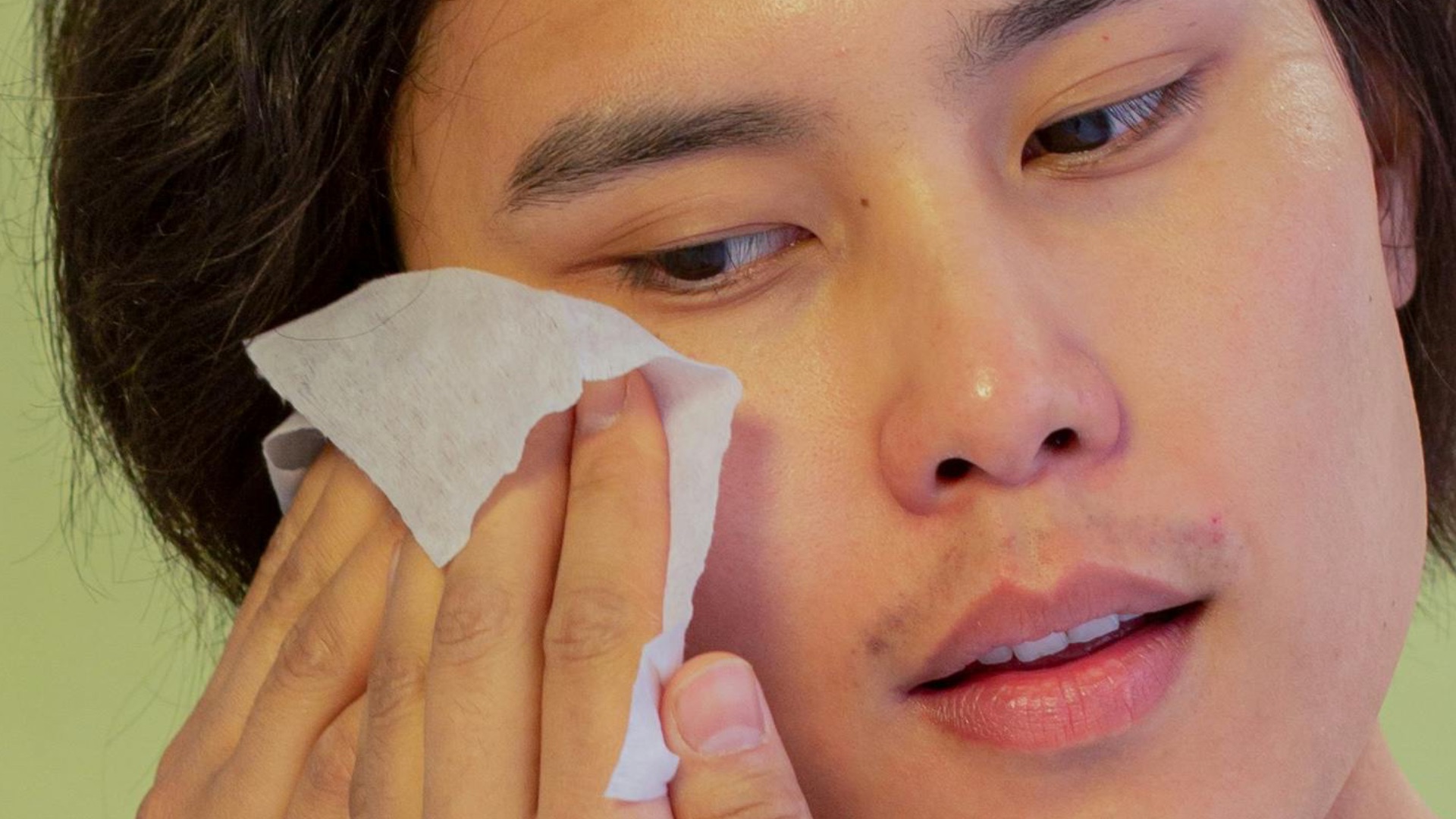
2. Rubbing Your Eyes to Remove Mascara
Tugging and rubbing at your eye area to get mascara off might seem like the most efficient approach, but it's one of the most damaging things you can do to that delicate skin. The skin around your eyes is thinner than anywhere else on your face, and repeatedly pulling at it can contribute to premature fine lines and irritation. It also tends to spread mascara rather than lift it, which defeats the purpose entirely.

3. Skipping the Double Cleanse
If you wear sunscreen, foundation, or any kind of long-wearing formula, a single cleanse often isn't enough to fully clear your skin. Oil-based products like sunscreen and silicone-based makeup need an oil-based cleanser to break them down before a water-based cleanser can do its job. Skipping this first step means you're essentially washing over a layer of product rather than washing it away.

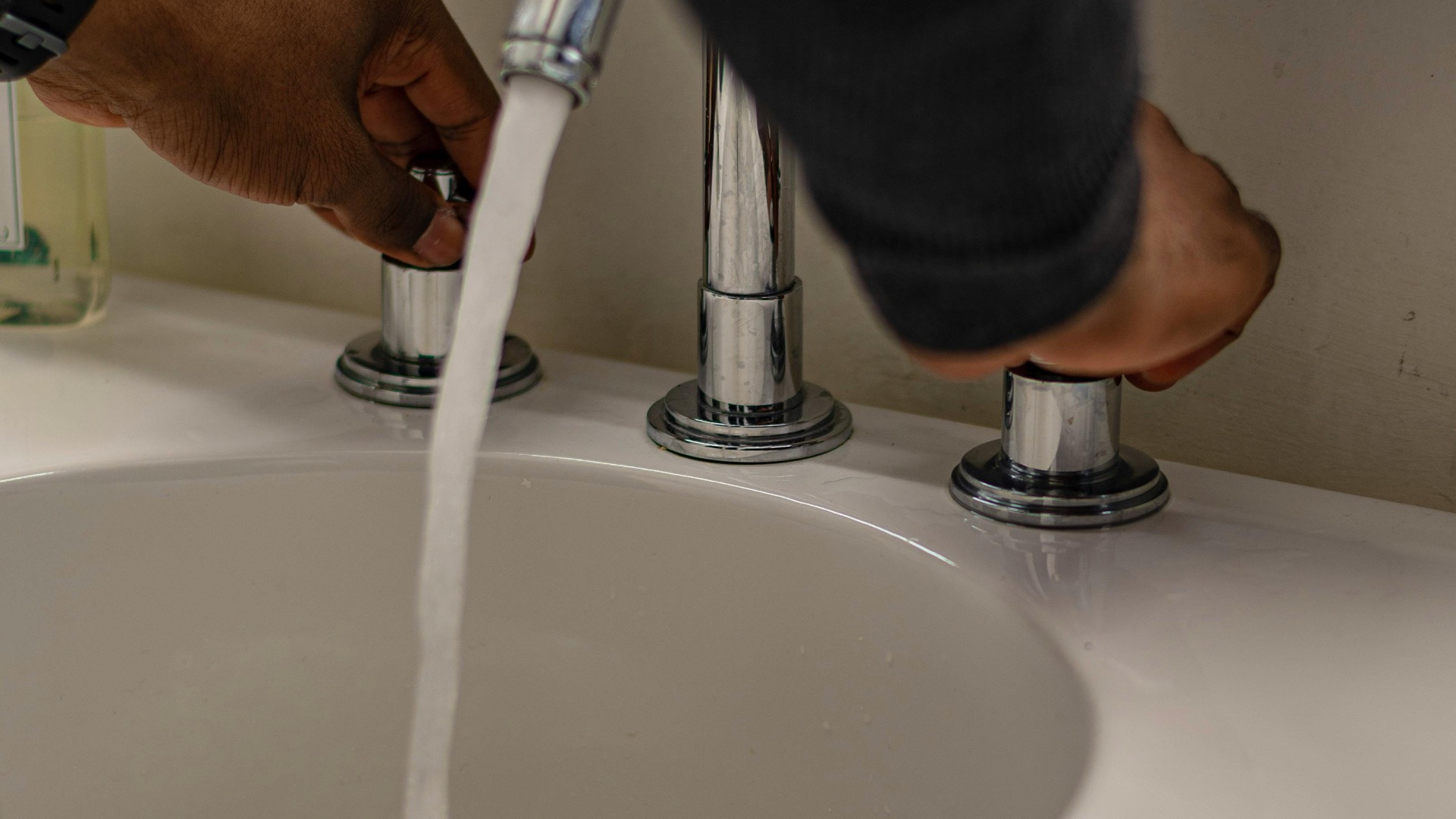
4. Using Water That's Scorching
A steaming hot shower feels relaxing, but washing your face with very hot water can strip your skin of its natural oils and disrupt the moisture barrier that keeps it balanced. This often leads to that tight, dry feeling after cleansing, which some people mistake for "clean" when it's actually a sign of irritation. Lukewarm water is far more effective and far less taxing on your skin.
5. Not Cleansing Your Hairline and Jaw
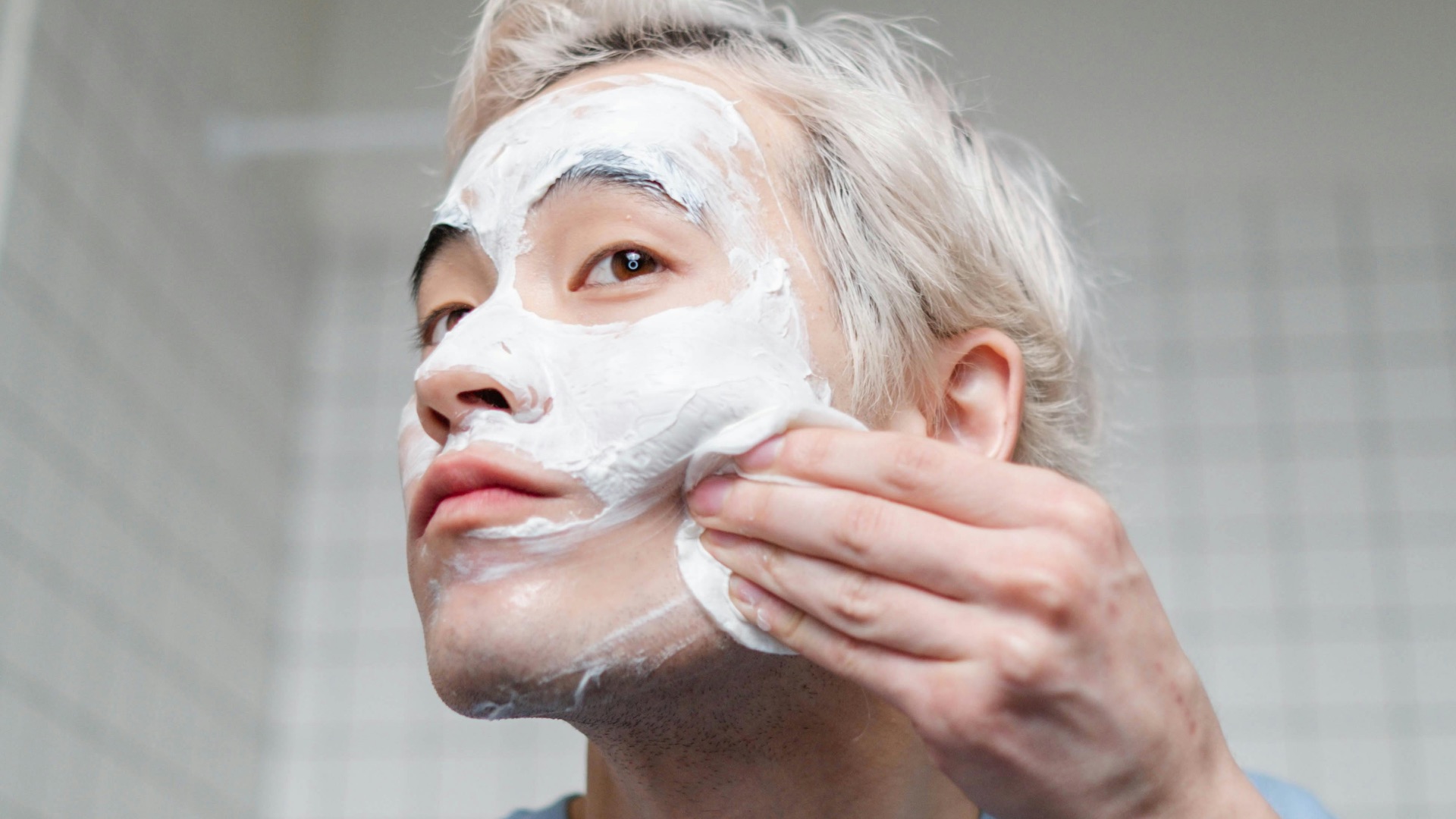
It's easy to focus on the center of your face and rush through the edges, but foundation and setting powder often collect along your hairline, jaw, and the sides of your nose. Leaving product in these areas is a reliable way to end up with breakouts in spots that seem puzzling at first. Taking an extra few seconds to work your cleanser all the way to your hairline and down to your neck makes a noticeable difference.
6. Using Harsh Formulas on Sensitive Skin
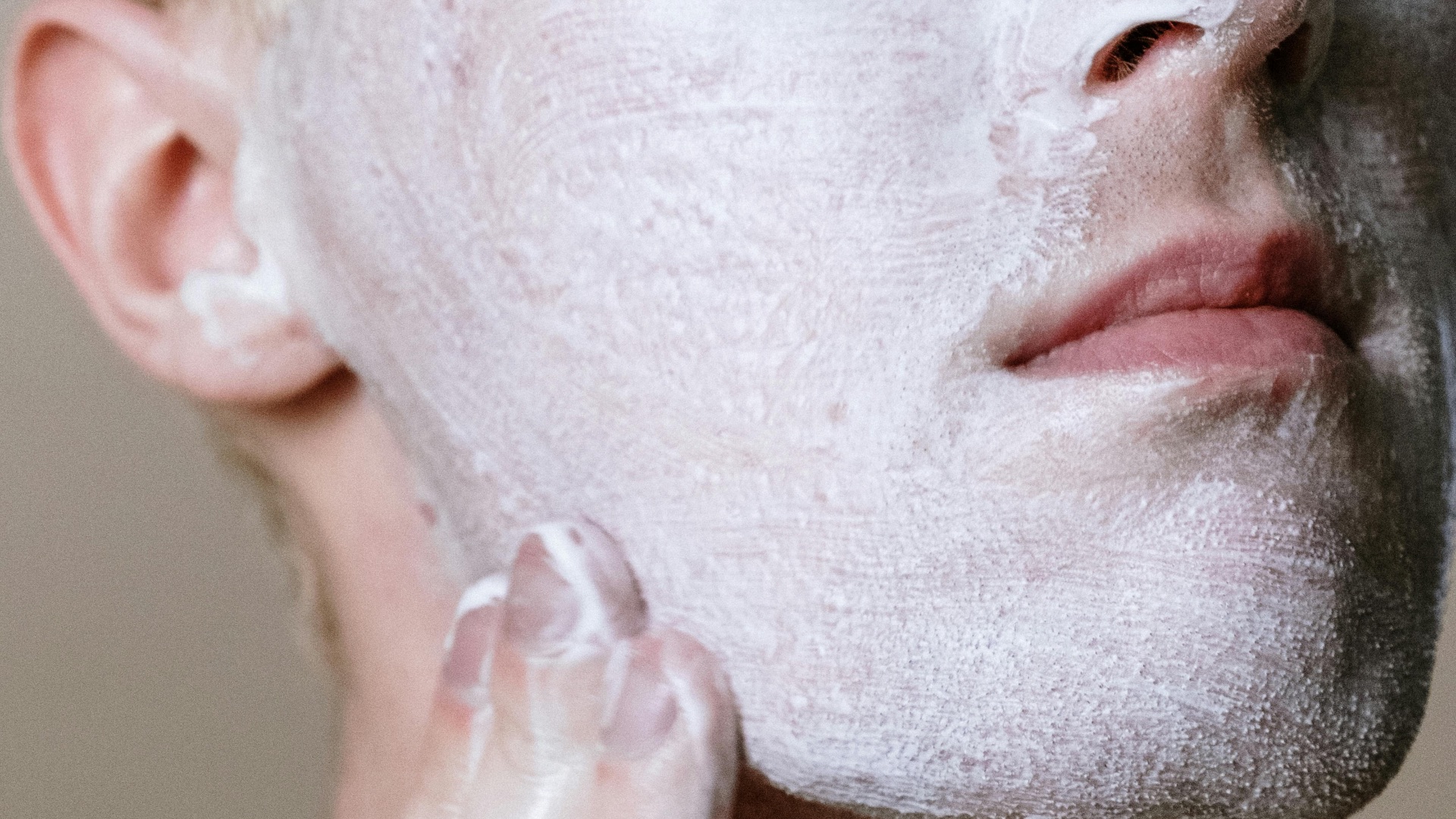
Not all cleansers and makeup removers are formulated the same way, and using a product that's too stripping or too fragranced for your skin type can cause more irritation than it prevents. People with sensitive or reactive skin are especially prone to redness and flaking when they use products marketed for deep cleansing that contain alcohols or heavy surfactants. The strength of a cleanser doesn't necessarily determine how well it cleans.
7. Waiting Until You're Half Asleep
Leaving your makeup on until the last possible moment before bed means you're more likely to rush through the process or skip steps altogether. Cleansing when you're exhausted increases the chances of a half-hearted routine that leaves product on your skin overnight, which gives it hours to clog pores and cause irritation. Removing your makeup earlier in the evening, even if you're not going to bed yet, is a habit that makes the whole process easier to do properly.

8. Using the Same Cotton Pad for Your Whole Face
Dragging one saturated cotton pad across your entire face just moves makeup and dirt around rather than lifting it away. By the time you reach your chin, the pad is so loaded with product that it's essentially redistributing everything you've already wiped off. Using a fresh pad for different sections of your face ensures you're actually removing makeup rather than recycling it.
9. Forgetting to Remove Lip Color
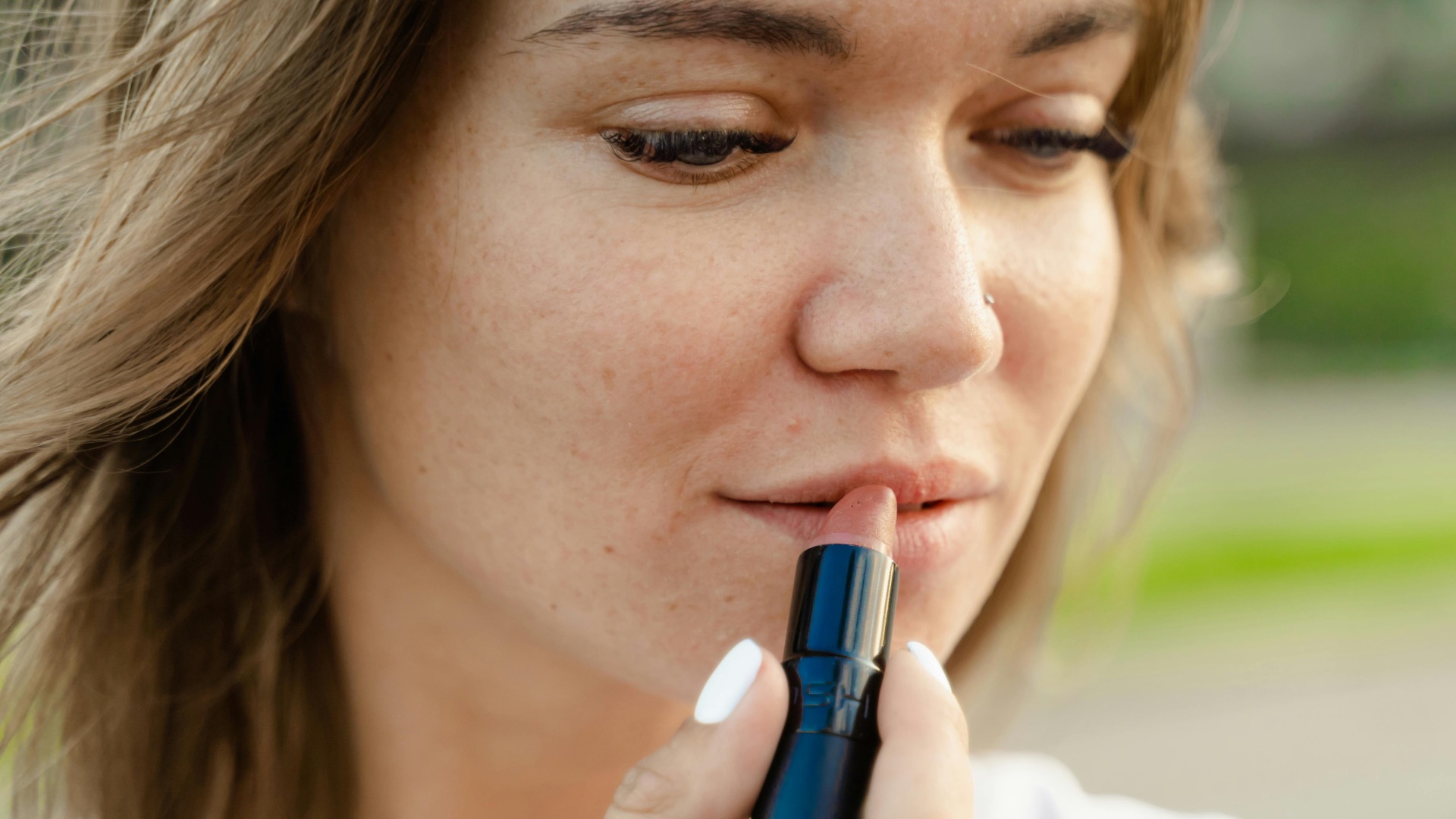
Long-wear lip products, especially matte liquid lipsticks, don't come off with a simple rinse or a quick swipe. Leaving them on overnight can lead to dryness and irritation around the lip area, and some formulas can stain the skin if they're not properly removed. Your lip removal step deserves the same attention as the rest of your face.
10. Cleansing Too Aggressively
Scrubbing your face vigorously in an attempt to feel truly clean actually irritates your skin barrier and can cause redness, sensitivity, and even breakouts over time. Effective cleansing doesn't require a lot of pressure; it requires the right product and enough time to let it work. Treating your face gently during cleansing is one of the easiest ways to keep your skin in better condition overall.
Now that you know what's working against you, it's worth looking at the flip side. Here are 10 approaches that will help you build a cleansing routine that actually does what it's supposed to, leaving your skin clean, calm, and ready for whatever you put on it next.

1. Start with an Oil-Based Cleanser or Balm
An oil-based cleanser or cleansing balm is one of the most effective tools for dissolving makeup, sunscreen, and excess sebum without stripping your skin in the process. Massage it onto dry skin and let it break down your makeup before you add any water to the equation. This first step does the heavy lifting so that your second cleanser can actually address your skin rather than just cutting through layers of product.
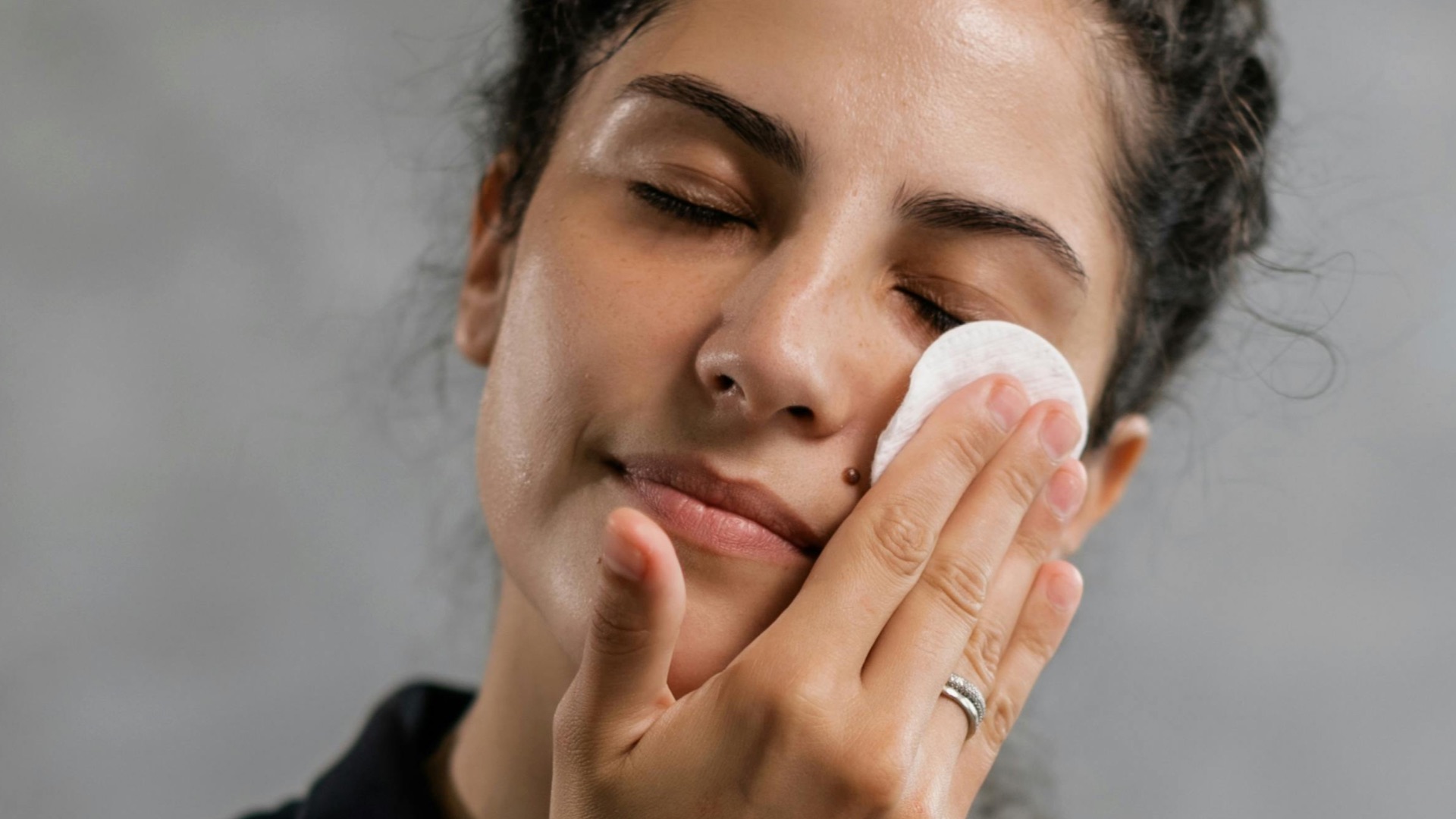
2. Use a Soft, Damp Cloth to Gently Wipe Away Eye Makeup
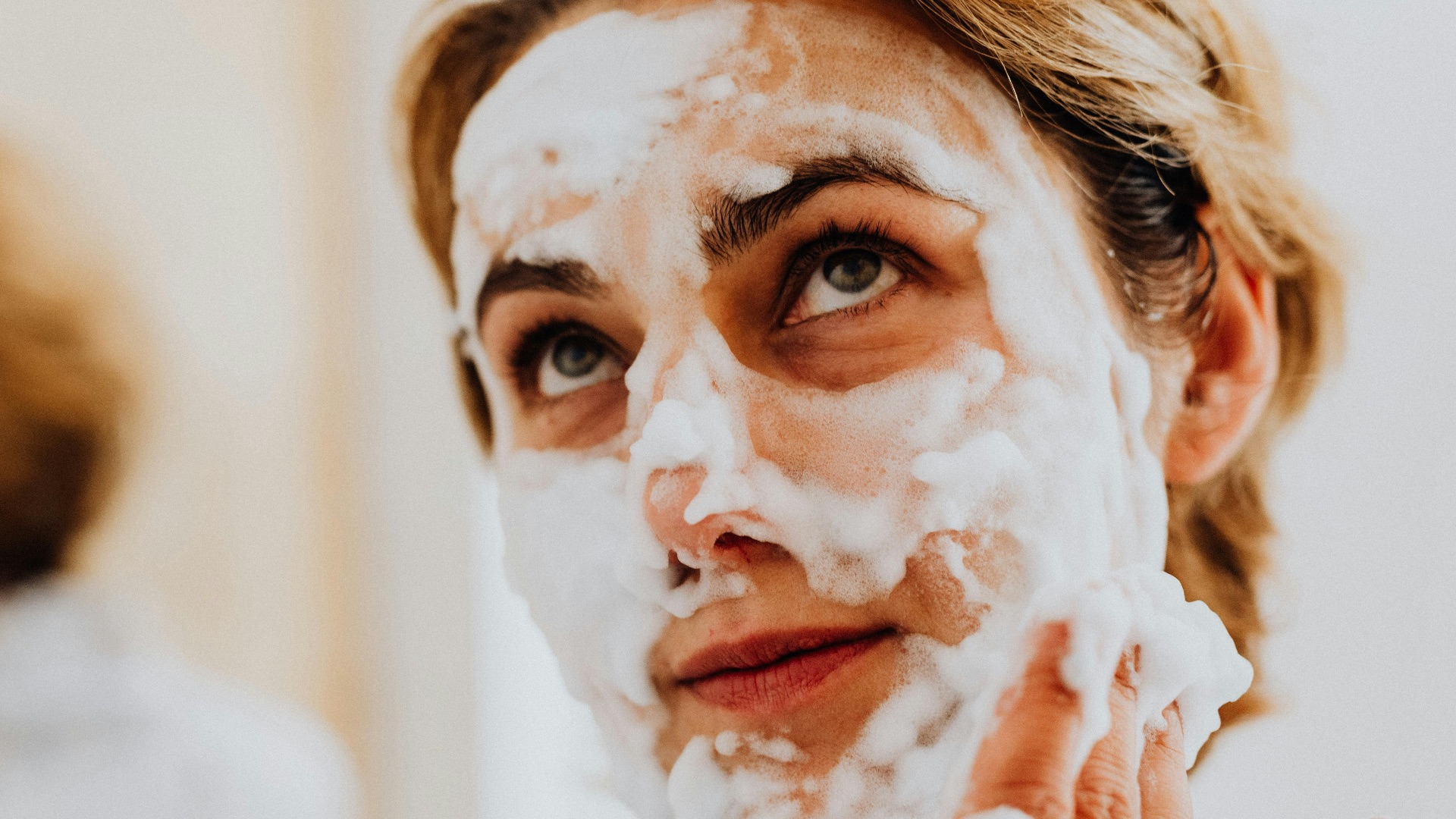
Instead of rubbing or tugging at your lashes, press a soft cloth or cotton pad soaked in a gentle micellar water or eye makeup remover against your lids and let it sit for a few seconds. The soaking time loosens the product so it comes away with minimal friction, which is exactly what that area needs. Patience here is more effective than pressure.
3. Follow Up with a Gentle Water-Based Cleanser
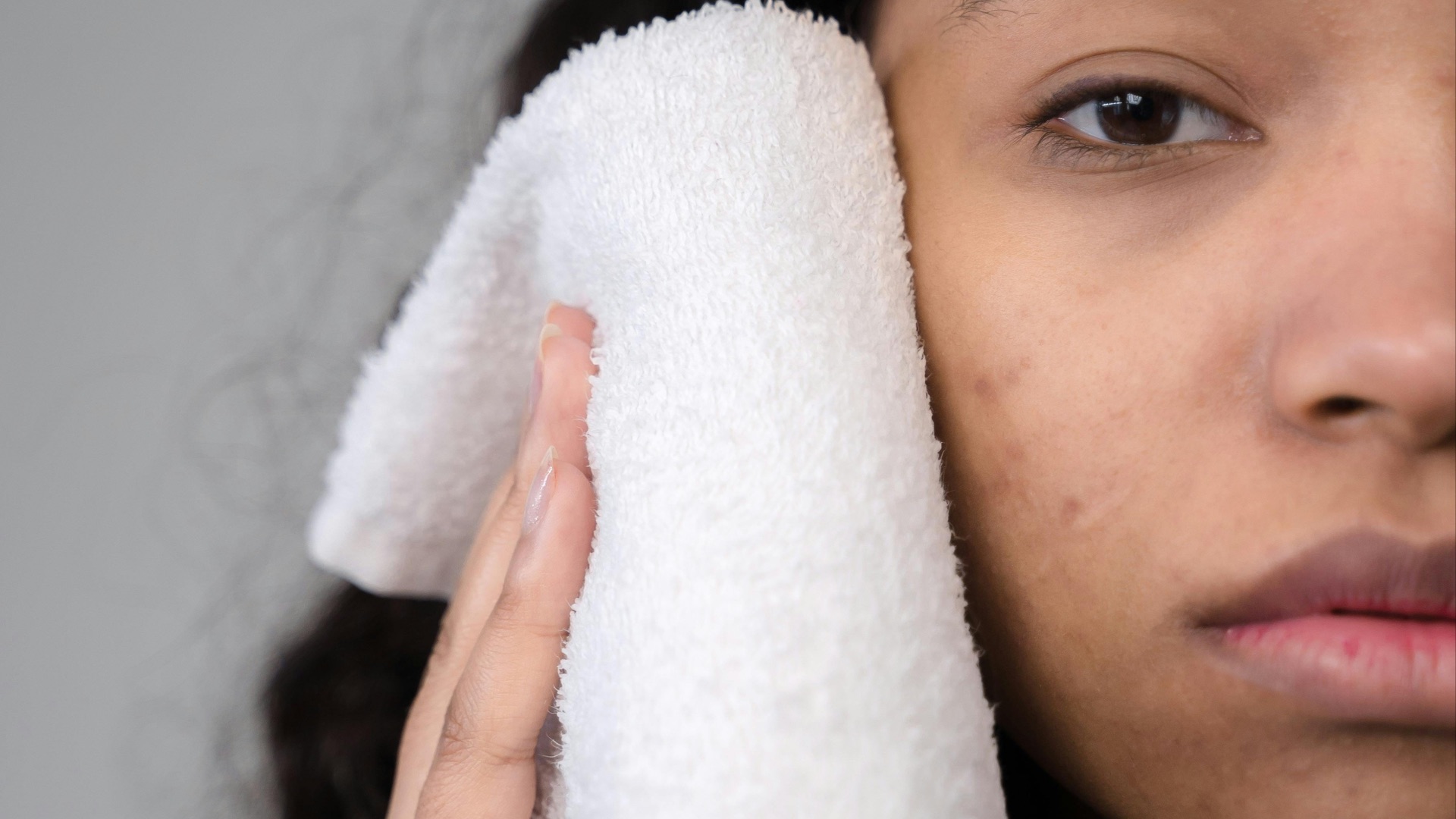
After your oil cleanser, a water-based cleanser removes any remaining residue, including sweat, environmental pollutants, and anything your first step didn't fully pick up. You don't need a foaming formula to feel like it's working; a gentle gel or cream cleanser does the job just as well, often without the tight, stripped sensation that stronger formulas leave behind. This double-cleanse combination is the foundation of a genuinely effective routine.

4. Rinse with Lukewarm Water
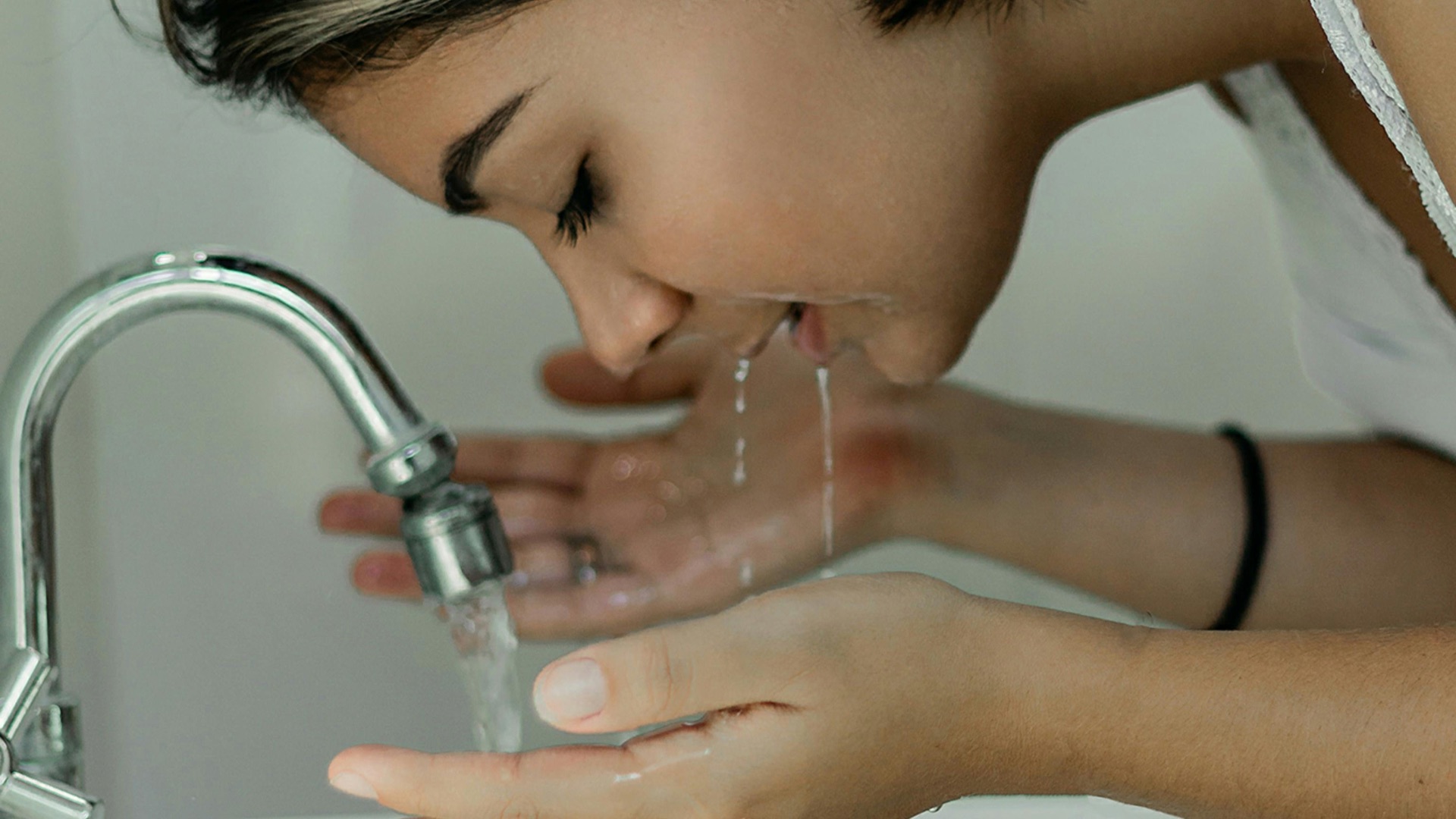
Lukewarm water is warm enough to help rinse away cleanser thoroughly without triggering the oil-stripping effect that hot water causes. It also helps your skin retain the moisture it needs to stay balanced, which means you won't have to work as hard with the rest of your routine to compensate. This one small adjustment can make a real difference in how your skin feels after cleansing.
5. Use a Fresh, Dedicated Cloth for Your Face
A clean, soft face cloth or muslin cloth used specifically for your face helps you rinse away cleanser and any last traces of makeup without introducing bacteria from a shared towel. Rinse your cloth thoroughly between uses and wash it regularly to keep it hygienic. Pat your skin dry rather than rubbing, and your face will thank you for the gentler treatment.

6. Choose Products Formulated for Your Skin Type
Taking the time to find a makeup remover and cleanser that suits your actual skin type means you're not fighting against your products every night. Oily and acne-prone skin tends to do well with lighter gel formulas, while dry and sensitive skin often responds better to cream or oil-based options. The right formula makes cleansing feel effortless rather than like something your skin has to recover from.
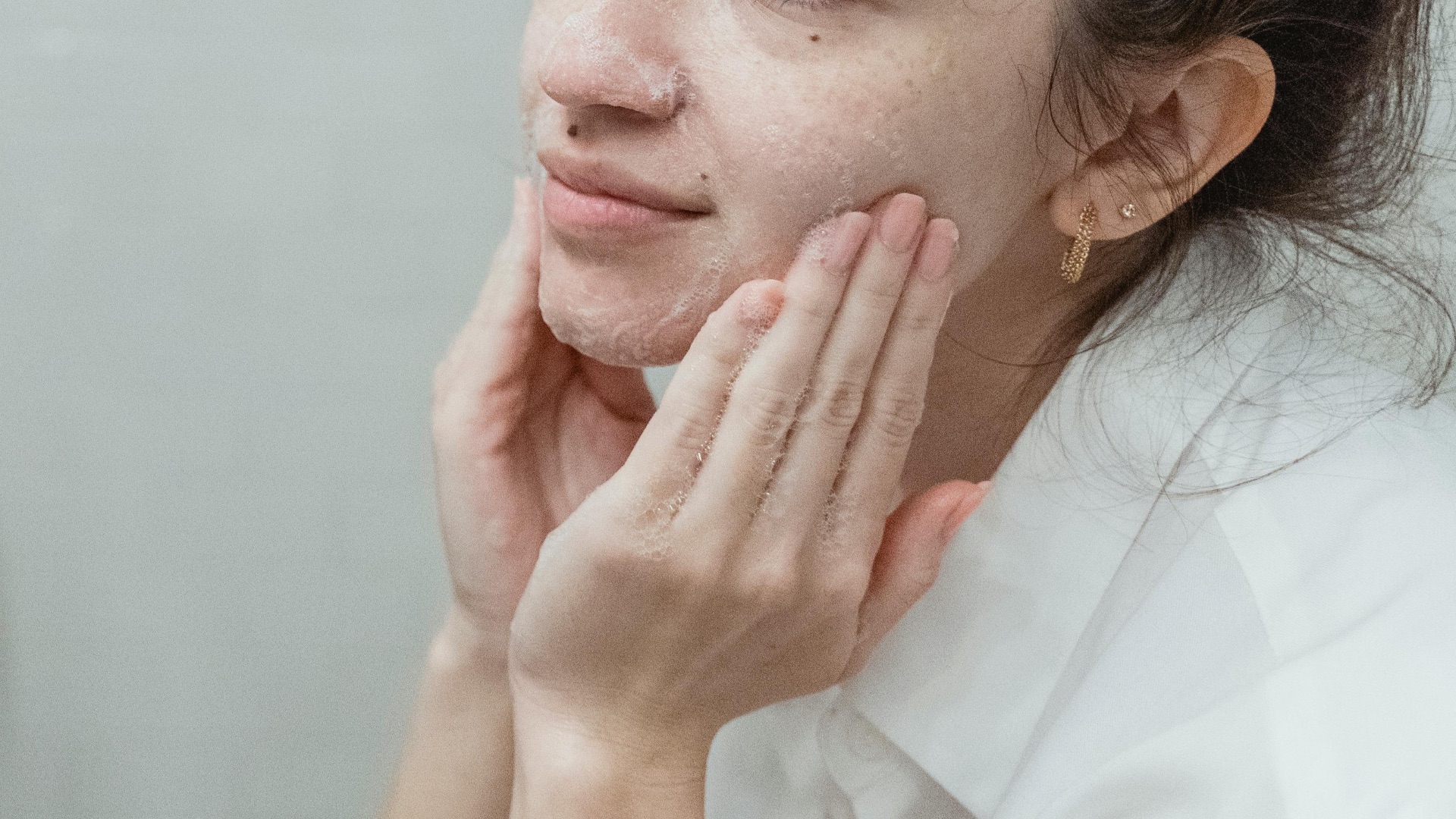
7. Do Your Cleansing Routine Earlier in the Evening
Making skin cleansing part of your wind-down routine before you're truly ready for sleep means you have the energy and presence of mind to do it properly. When it's not a rushed last-minute task, you're more likely to take your time, hit every area, and follow through with the rest of your routine. Consistency over time is what makes the biggest difference to the health of your skin.

8. Use Micellar Water Strategically
Micellar water works best as a targeted pre-cleanse tool rather than as a standalone step, especially for removing stubborn eye and lip products before your main cleanse. It's particularly useful for heavy pigments or waterproof formulas that need a little extra attention before your cleanser can finish the job. Used this way, it fits into a complete routine rather than replacing one.
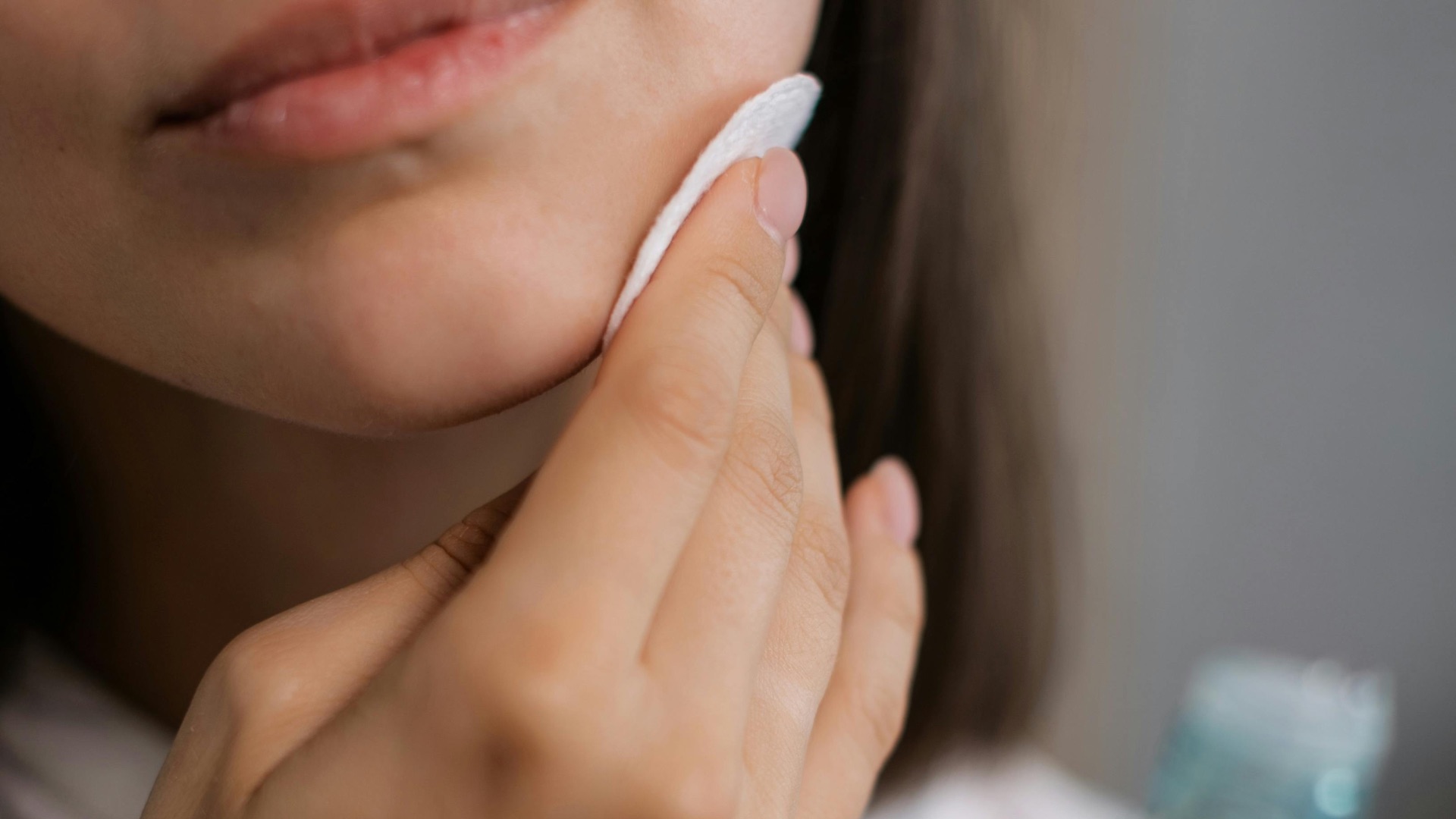
9. Give Your Lip Area Its Own Dedicated Step
Using a small amount of cleansing balm, coconut oil, or a dedicated lip makeup remover on the lip area allows you to dissolve long-wearing formulas without scrubbing. Once the product has broken down, a gentle wipe with a damp cloth removes everything cleanly and leaves the skin around your mouth in better condition. Finishing with a nourishing lip balm while your skin is still slightly damp helps lock in moisture before bed.
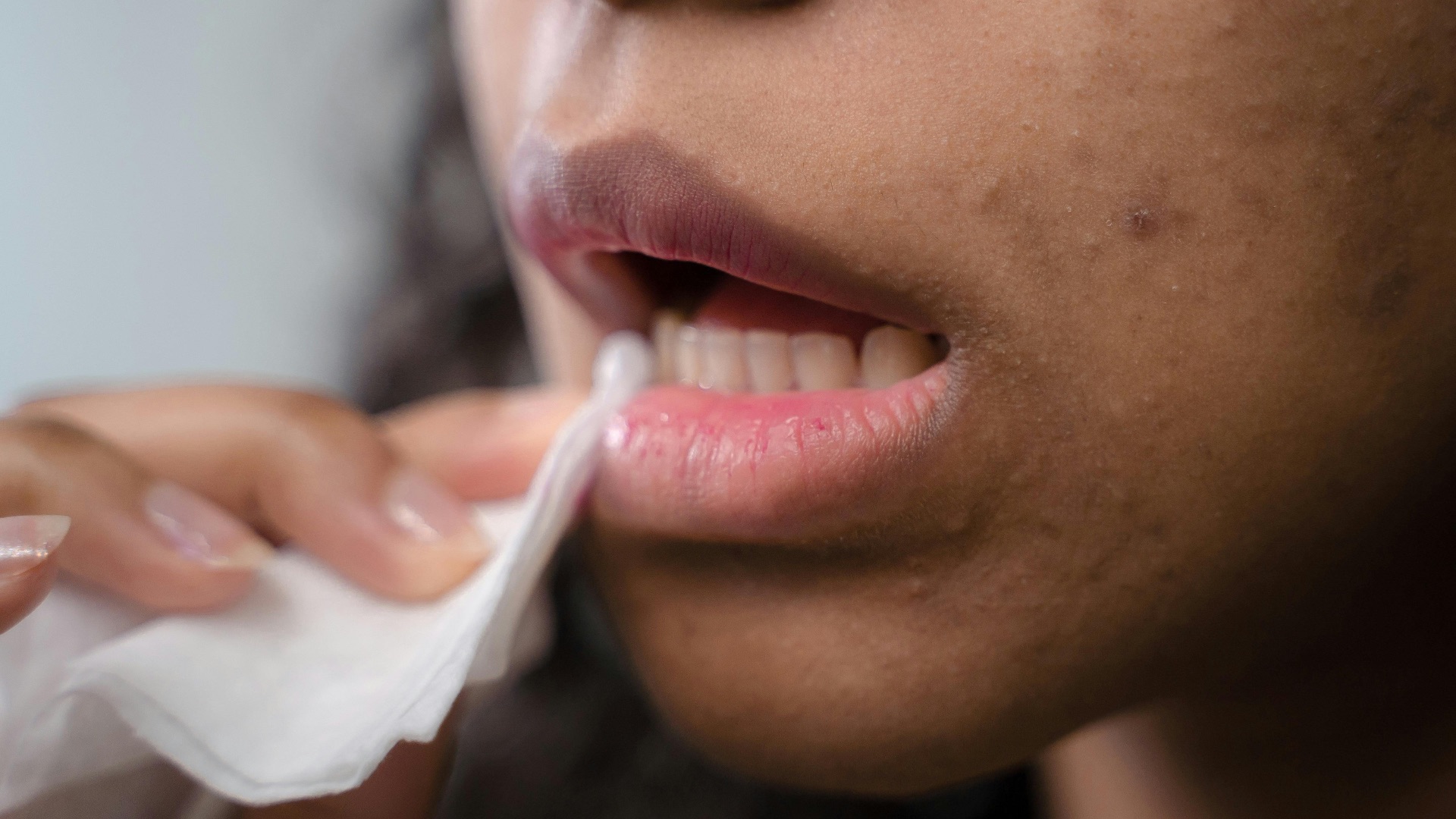
10. Finish with a Toner or Essence
Wiping a gentle, alcohol-free toner across your face on a cotton pad after cleansing is a quick and useful way to confirm that your routine did its job. If the pad picks up visible residue, it's a sign that your cleansing wasn't quite thorough enough and it's worth reviewing your steps. Beyond the check-in, a hydrating toner or essence also helps restore your skin's pH balance and preps it to absorb the rest of your skincare routine more effectively.