10 Reasons Clothing Changes Sizes Across Brands & 10 Ways To Combat The Confusion
Decoding Fashion’s Size Problem
Few things are more frustrating than clothes that claim to be your size but feel completely wrong. One label hugs perfectly, another tells a different story. The disconnect has deeper roots than most people realize, and there are several things that play a role in reshaping fit. Let's break down the hidden reasons behind size changes.

1. Different Fit Models Used In Development
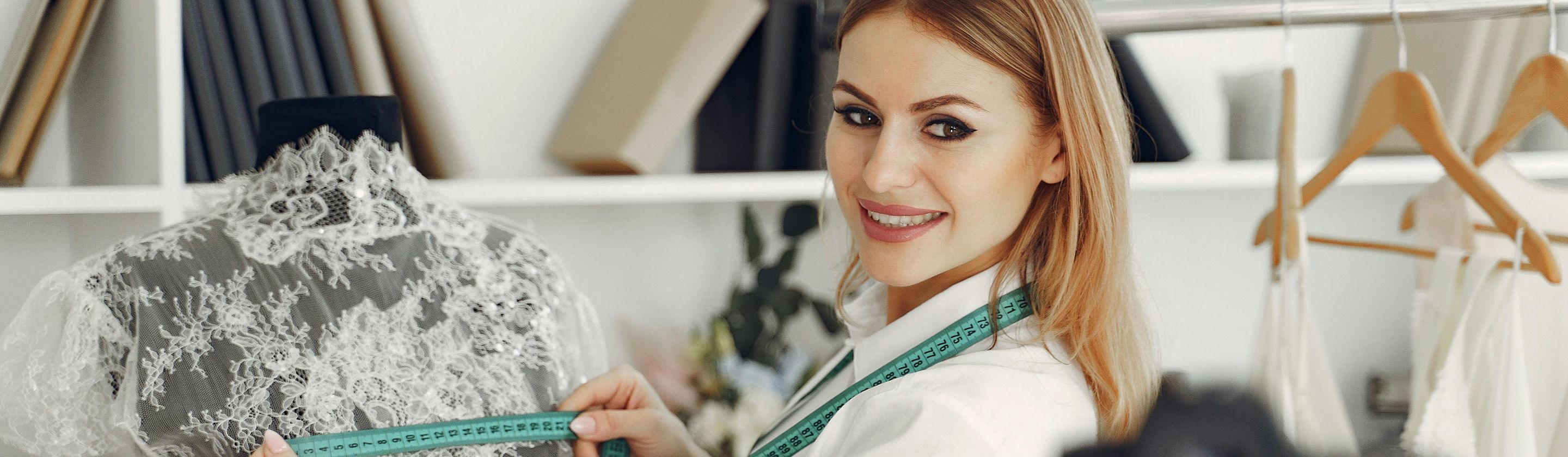
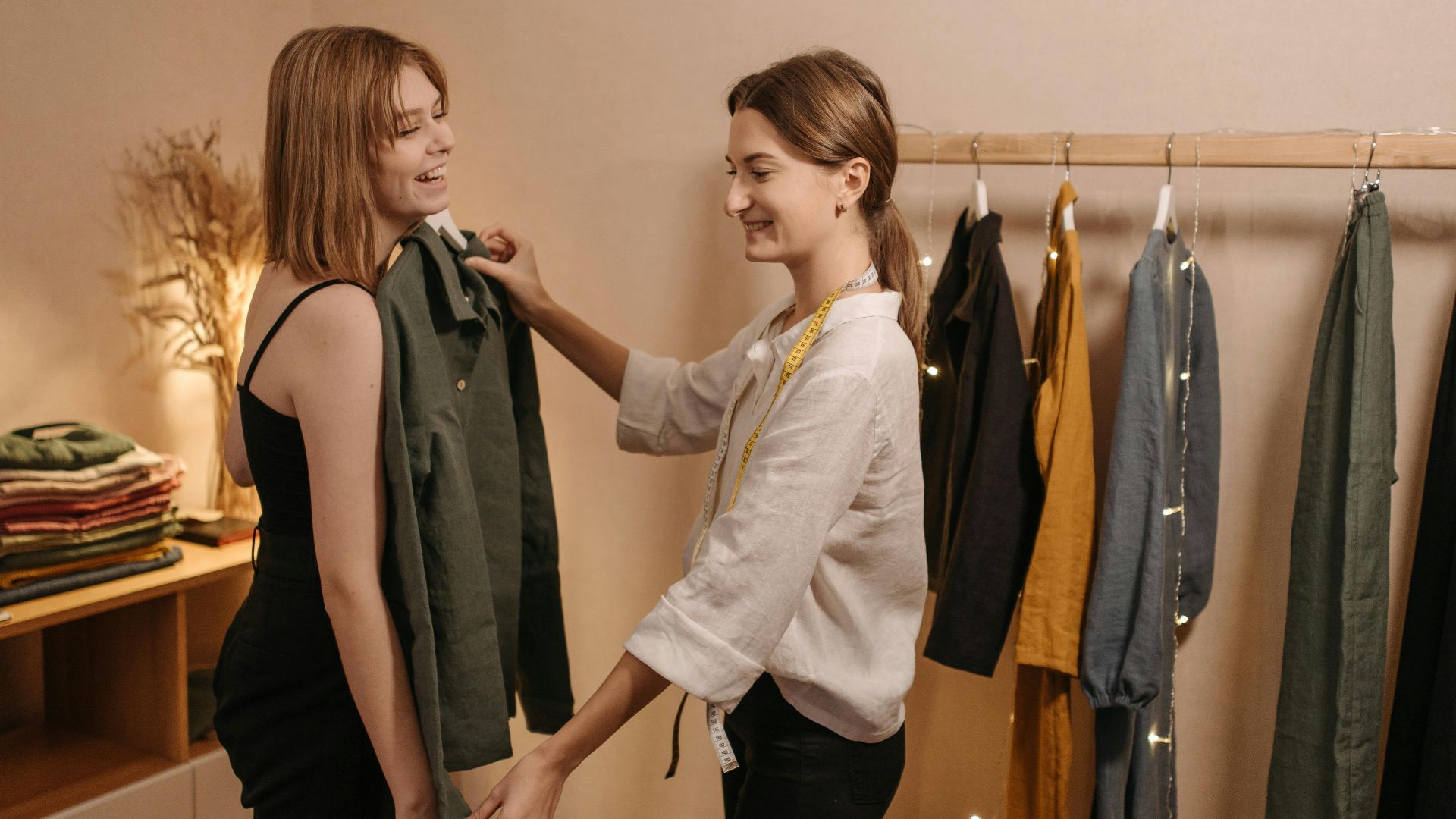
Brands often base sizing on a single “fit model” whose proportions don’t reflect the wider population. If one company uses a taller model and another a shorter one, the same size label produces drastically different fits.
2. Marketing Strategies Around Inclusivity
Some labels deliberately expand or compress size ranges to appear more inclusive. A brand may stretch its “medium” to cover more shoppers, while another narrows its chart to emphasize exclusivity. Unfortunately, the marketing choices directly affect how sizes are defined.
3. Target Demographics
Sizing reflects who the brand designs for. Youth-focused labels favor slimmer cuts, as mature brands allow more room. Athletic wear accommodates broader shoulders and narrower waists. The growing plus-size market also continues to reshape fit strategies.

4. Regional Differences
Change happens across borders. For example, a US size 8 equals a UK 12 and EU 40. However, Australia follows its own scale. These regional baselines complicate global shopping, much like shoe sizing, which ranges from centimeters in Japan to abstract numbering elsewhere.
5. Fabric Stretch and Shrinkage
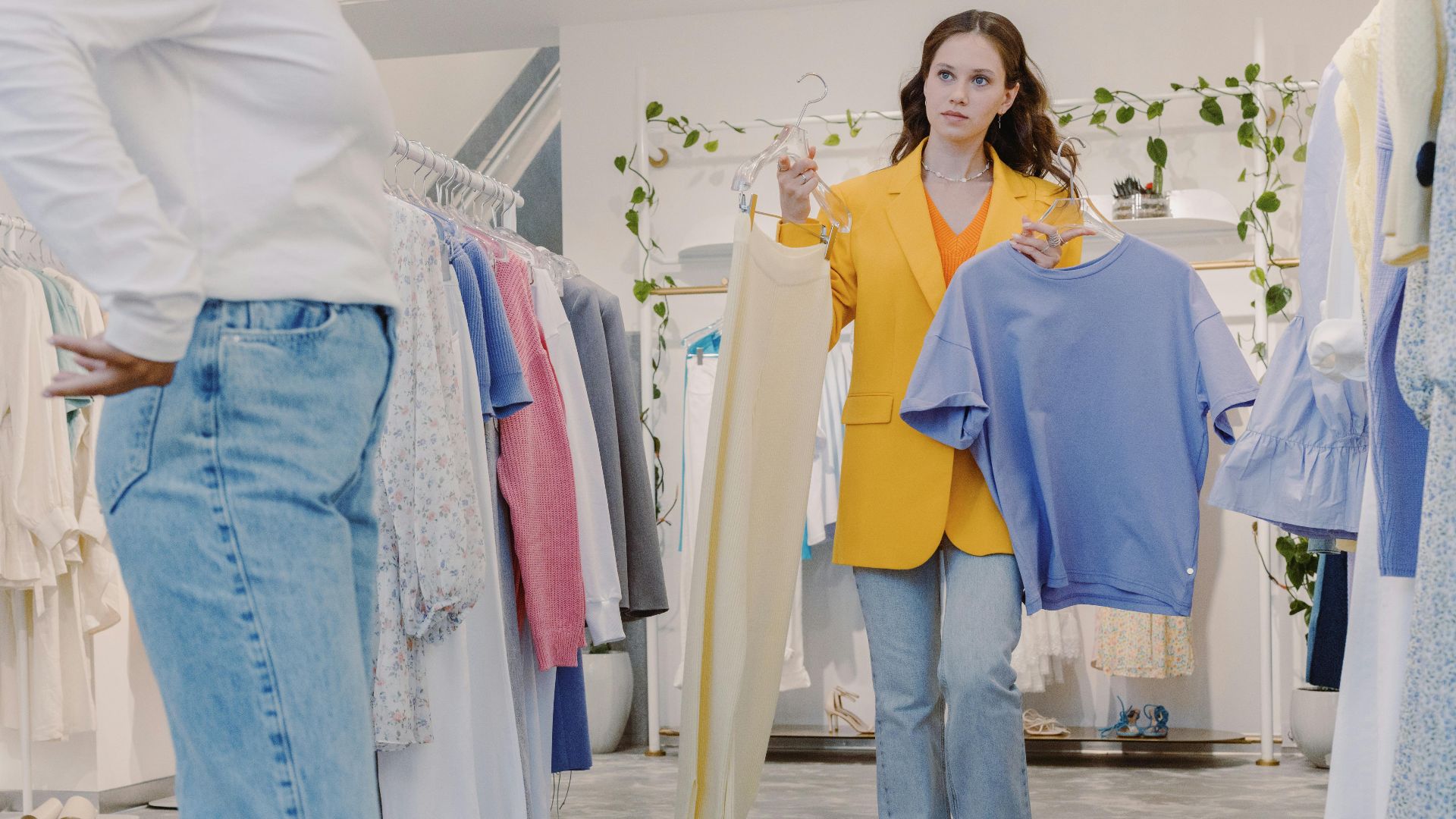
Materials directly affect fit: cotton can shrink up to five percent after washing, while elastane blends stretch several inches during wear. Some garments are designed with this behavior in mind, and it means the labeled size isn’t always the final fit.
6. Factory Tolerances
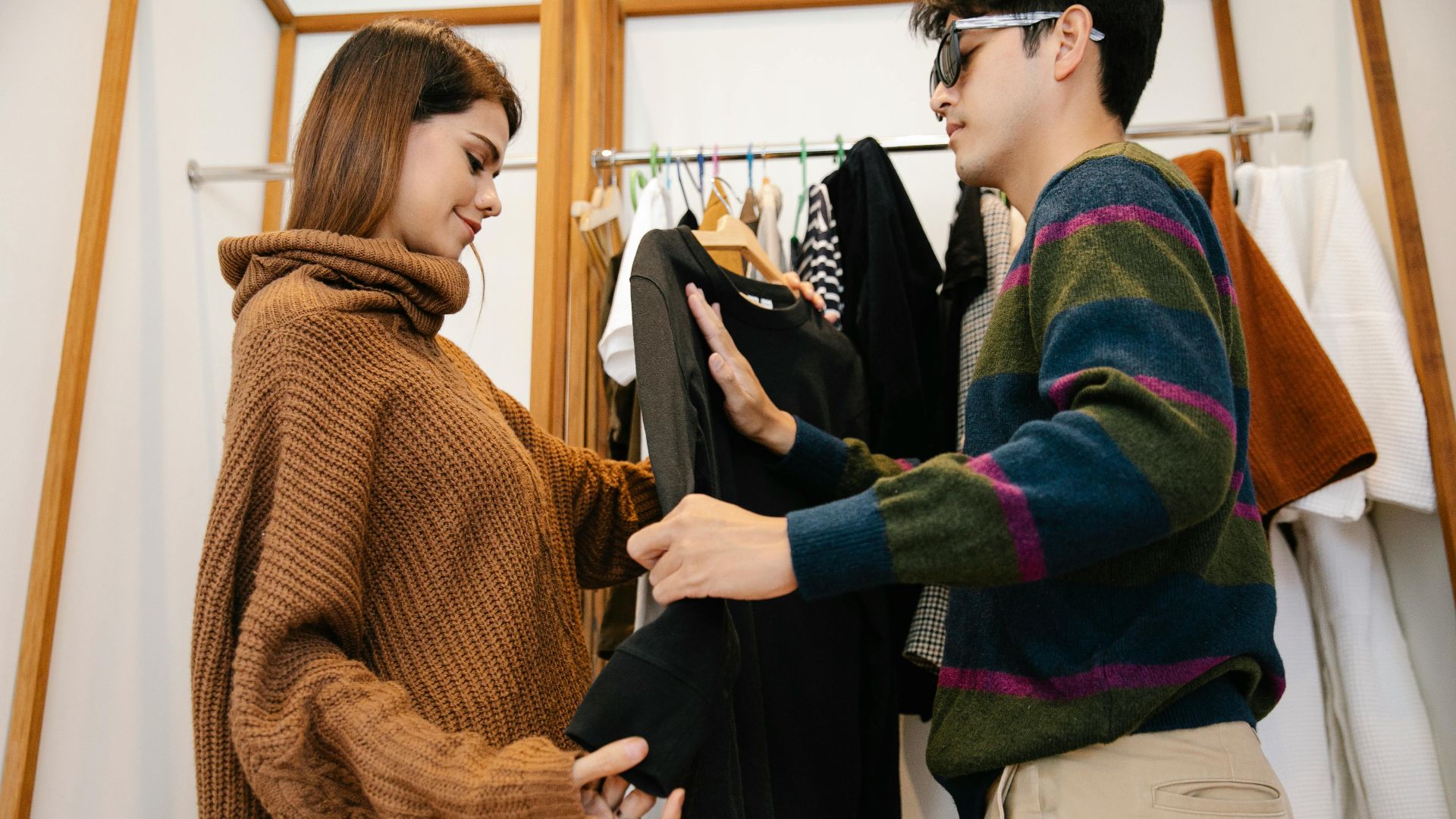
Garment manufacturing allows a measurement tolerance of plus or minus one inch, which means two identical sizes can fit differently! When brands use multiple factories, especially across countries, variations in machinery and cutting precision quietly alter final fits.
7. Technology Gaps in Pattern Making
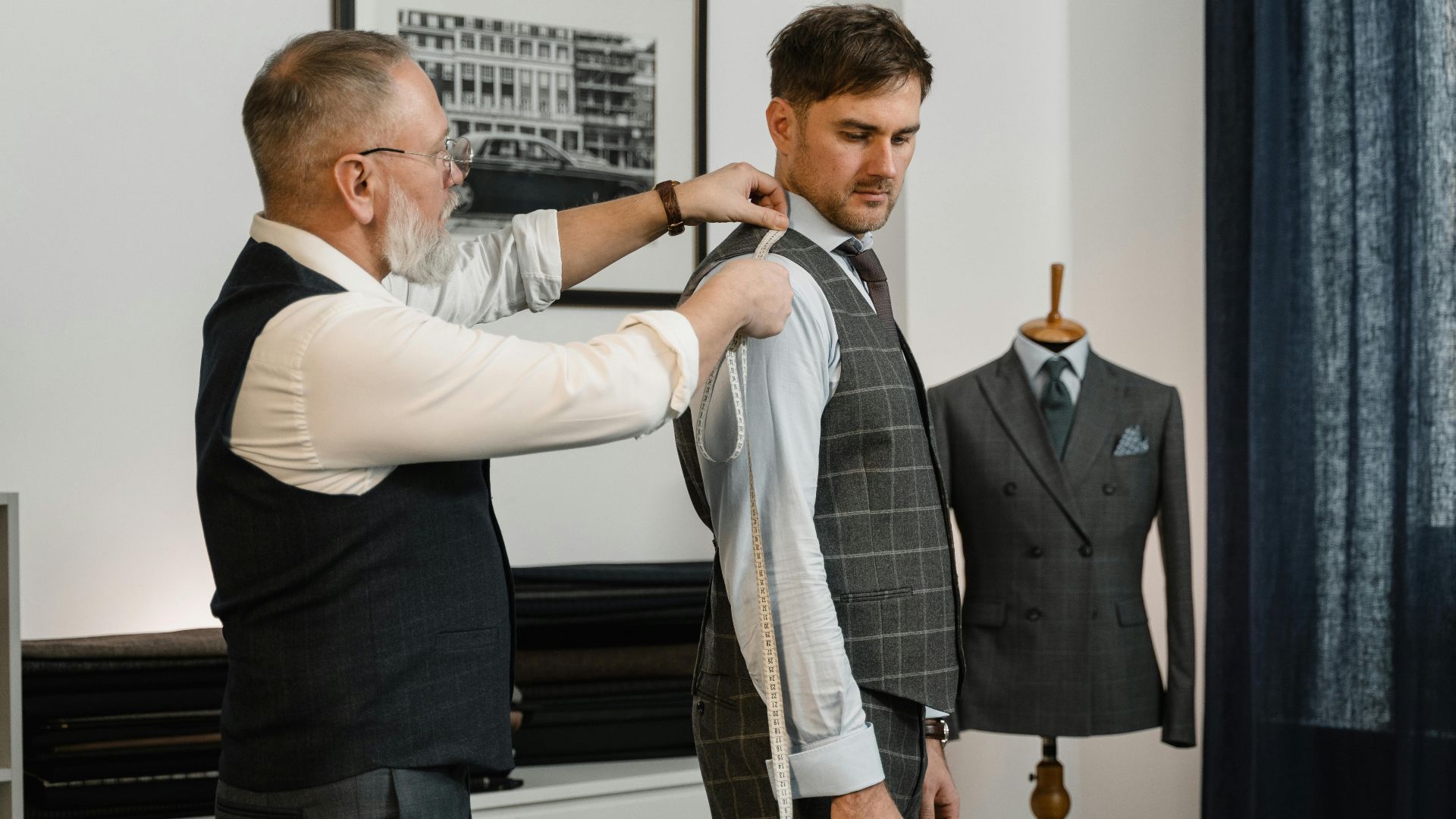
Some companies rely on outdated grading software, while others use advanced 3D modeling. These technological differences in pattern scaling create inconsistent fits, making identical sizes across brands feel surprisingly different on real bodies.
8. Fashion Trends
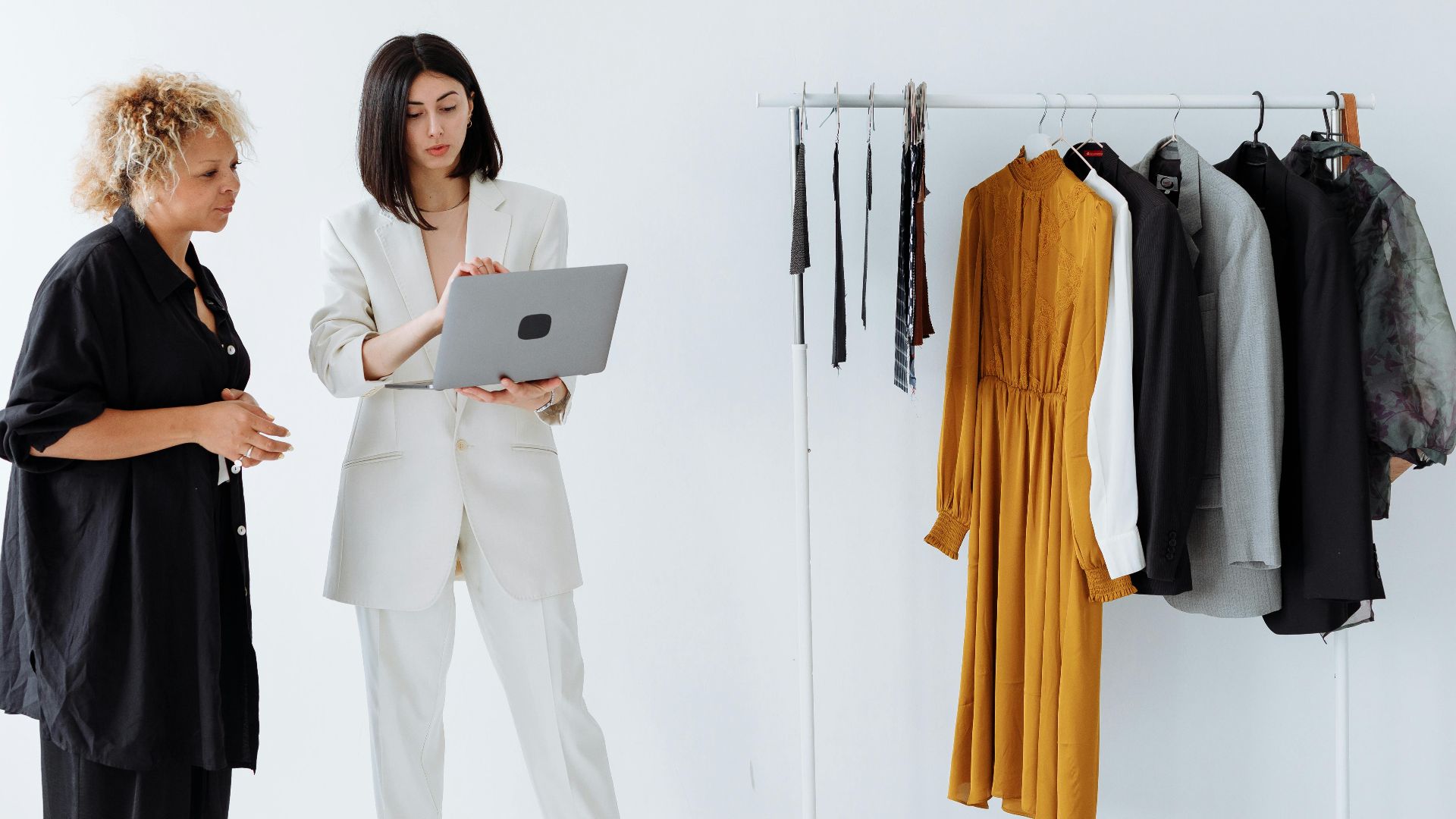
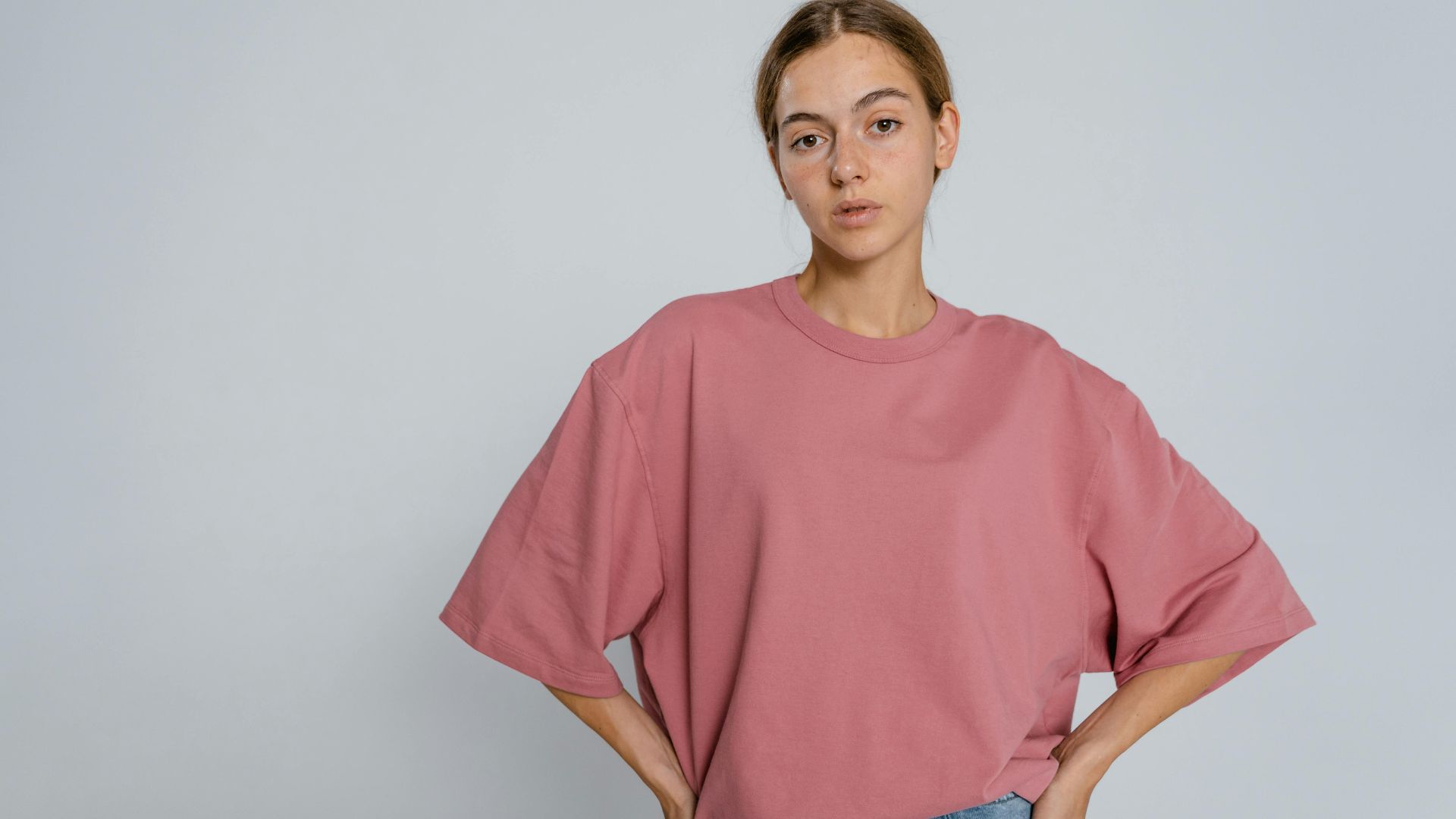
Trends constantly redefine fit expectations. Oversized silhouettes expand measurements, while body-hugging styles shrink allowances. Decade-driven shifts—from 1980s broad shoulders to 2000s skinny jeans—force brands to reinterpret what standard sizes mean at any given time.
9. Inconsistent Quality Control Standards
Factory quality control ranges from strict measurement enforcement to relaxed tolerance standards depending on the brand. This variation means same-sized garments often fit differently when they arrive in stores since manufacturing oversight lacks consistency across production facilities.
10. Consumer Psychology
Shoppers are more likely to buy when they fit into smaller sizes, so brands subtly adjust charts to trigger confidence. This effect is especially strong in women’s fashion, while men are less influenced due to numeric waist-based sizing.
Knowing what causes size discrepancies is helpful, but understanding how to work around them is what truly saves time and frustration.
1. Always Check the Brand’s Size Chart
Brands publish their own measurement charts, and they rarely match across labels. A size tag alone can mislead, but checking charts ensures more accurate comparisons, saving shoppers frustration and guiding better fit decisions.
2. Try Multiple Sizes in Fitting Rooms
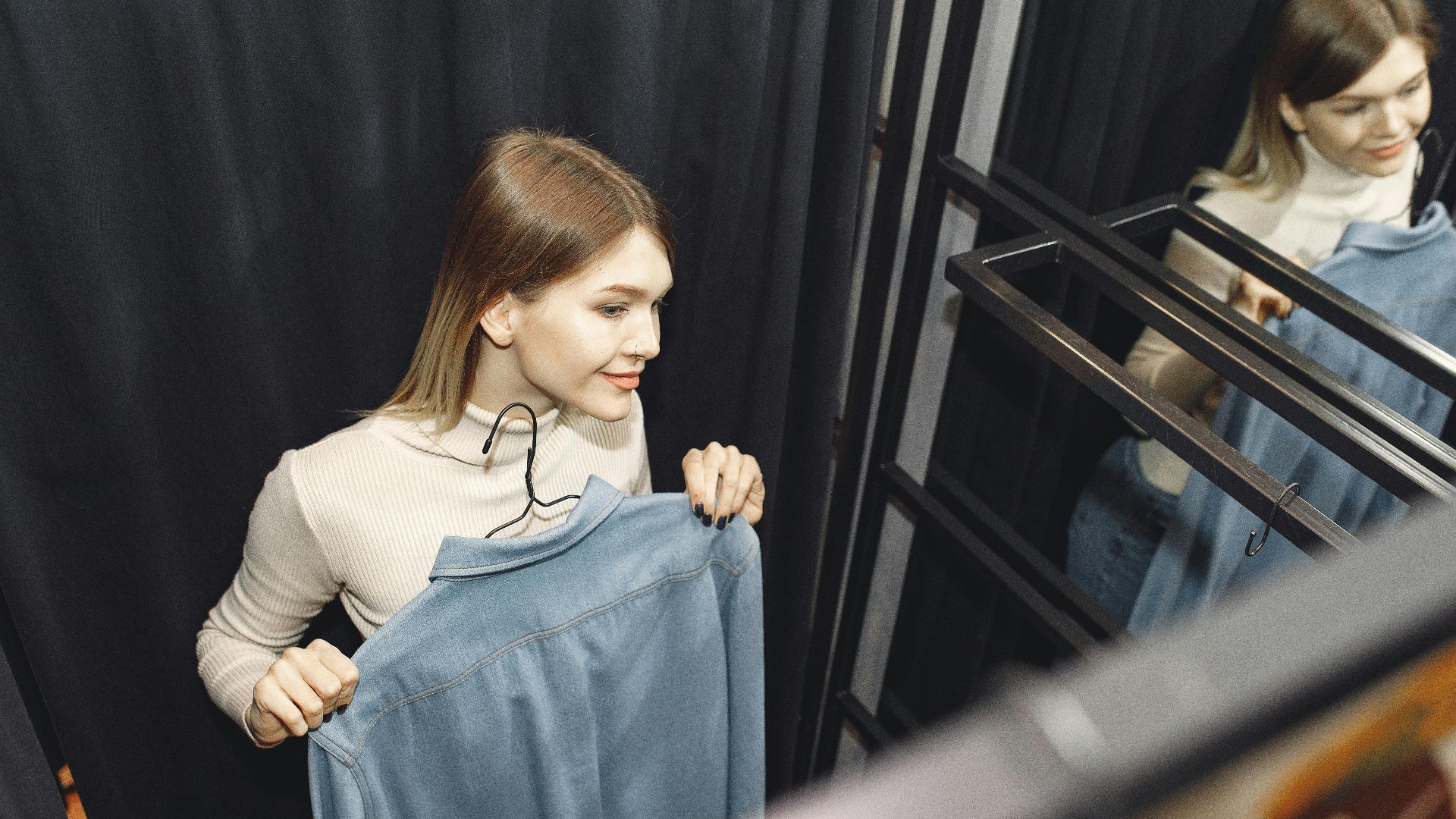
When shopping in person, bring two or three sizes of the same item to save time. You'll skip the guesswork from inconsistent tags and find what fits right without multiple shopping trips or returns later.
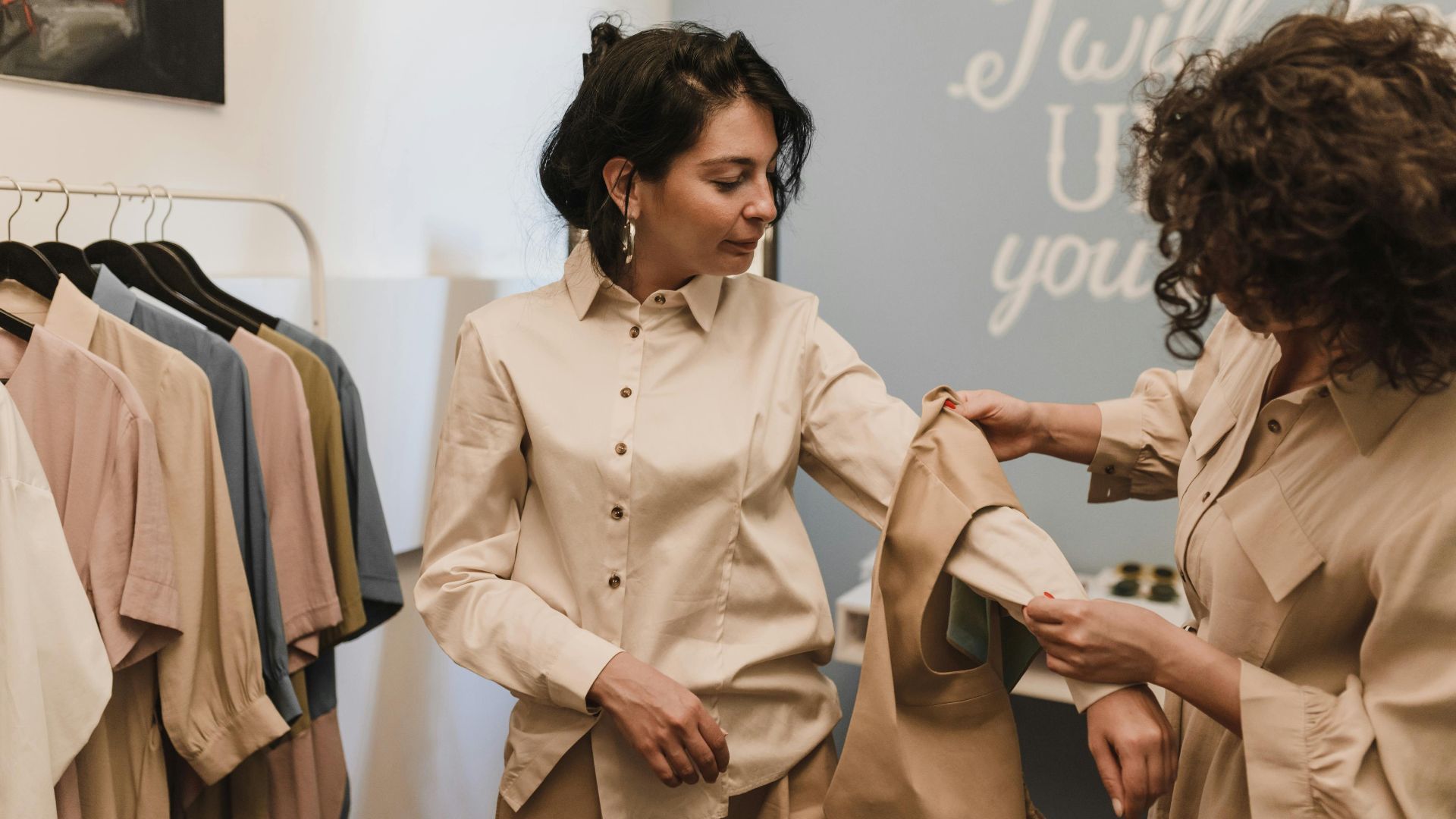
3. Rely on Body Measurements, Not Labels
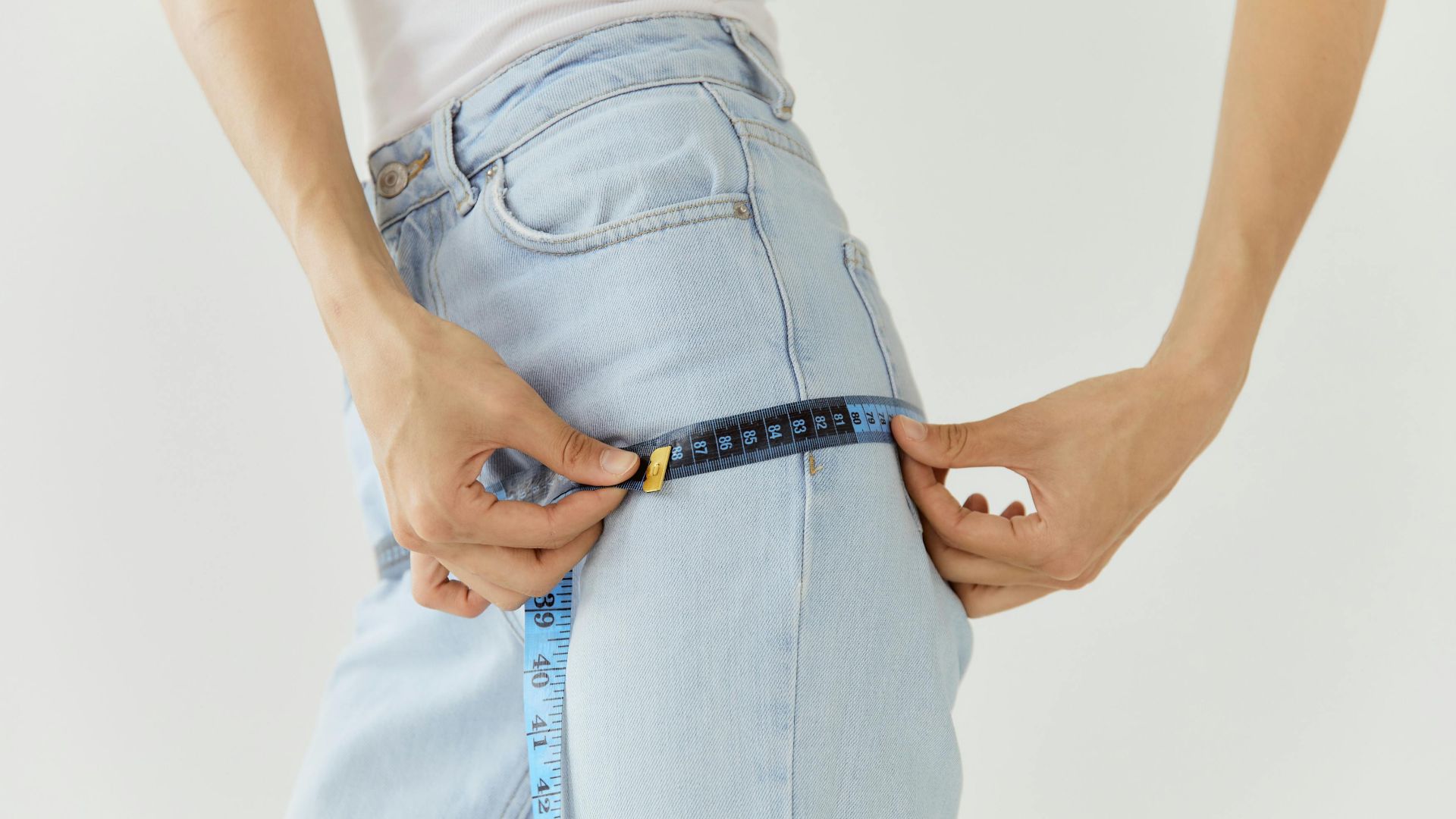
A 28-inch waist stays the same regardless of brand, even when labels change. Measuring yourself with a tape removes vanity sizing distortions and mirrors early military sizing systems that prioritized real body dimensions over abstract numbers.
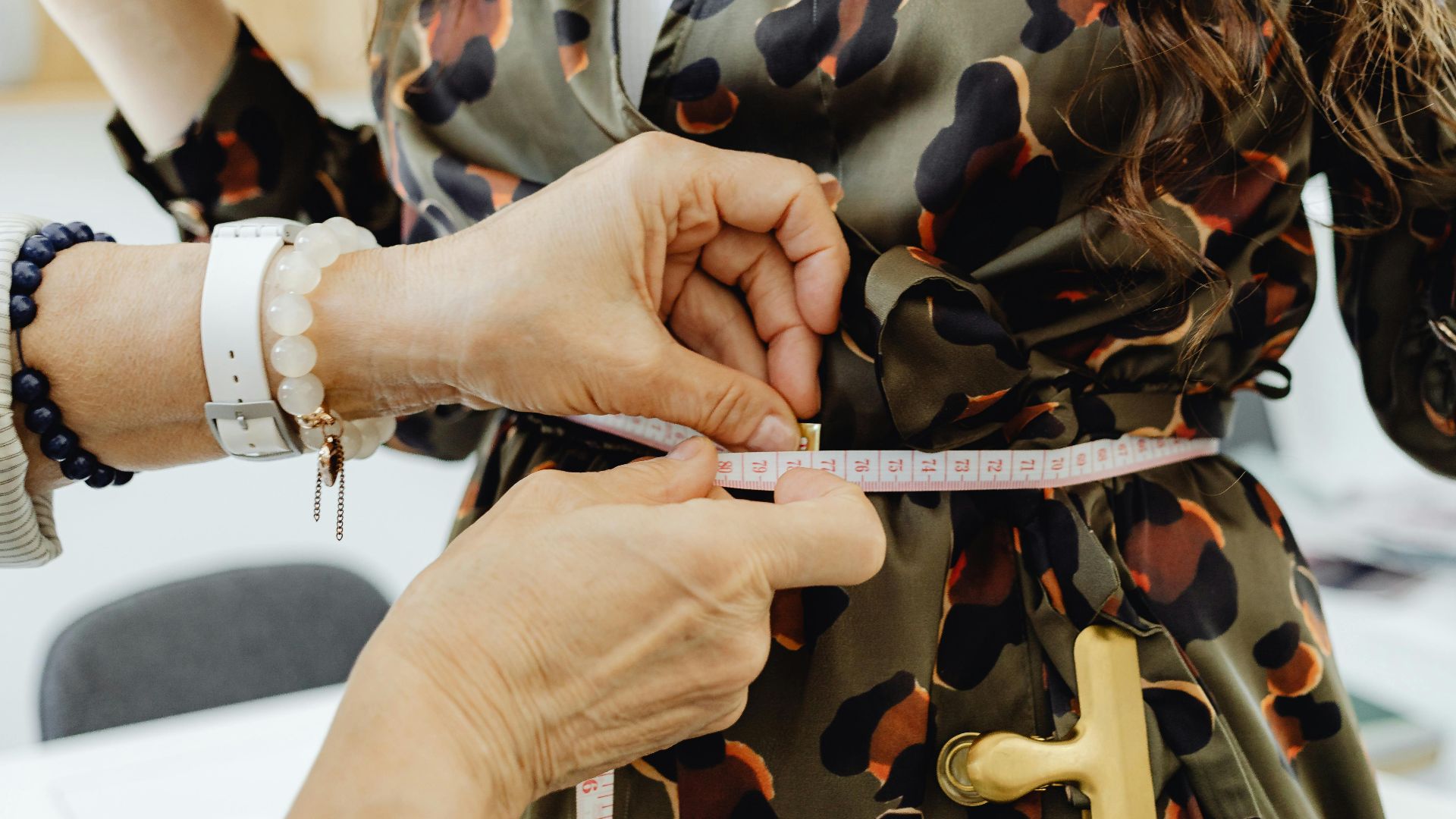
4. Read Customer Reviews For Fit Notes
Customer reviews often reveal whether clothing runs small or true to size. Many platforms are now aggregating fit feedback to guide shoppers before they commit. It helps to make an informed choice while shopping.
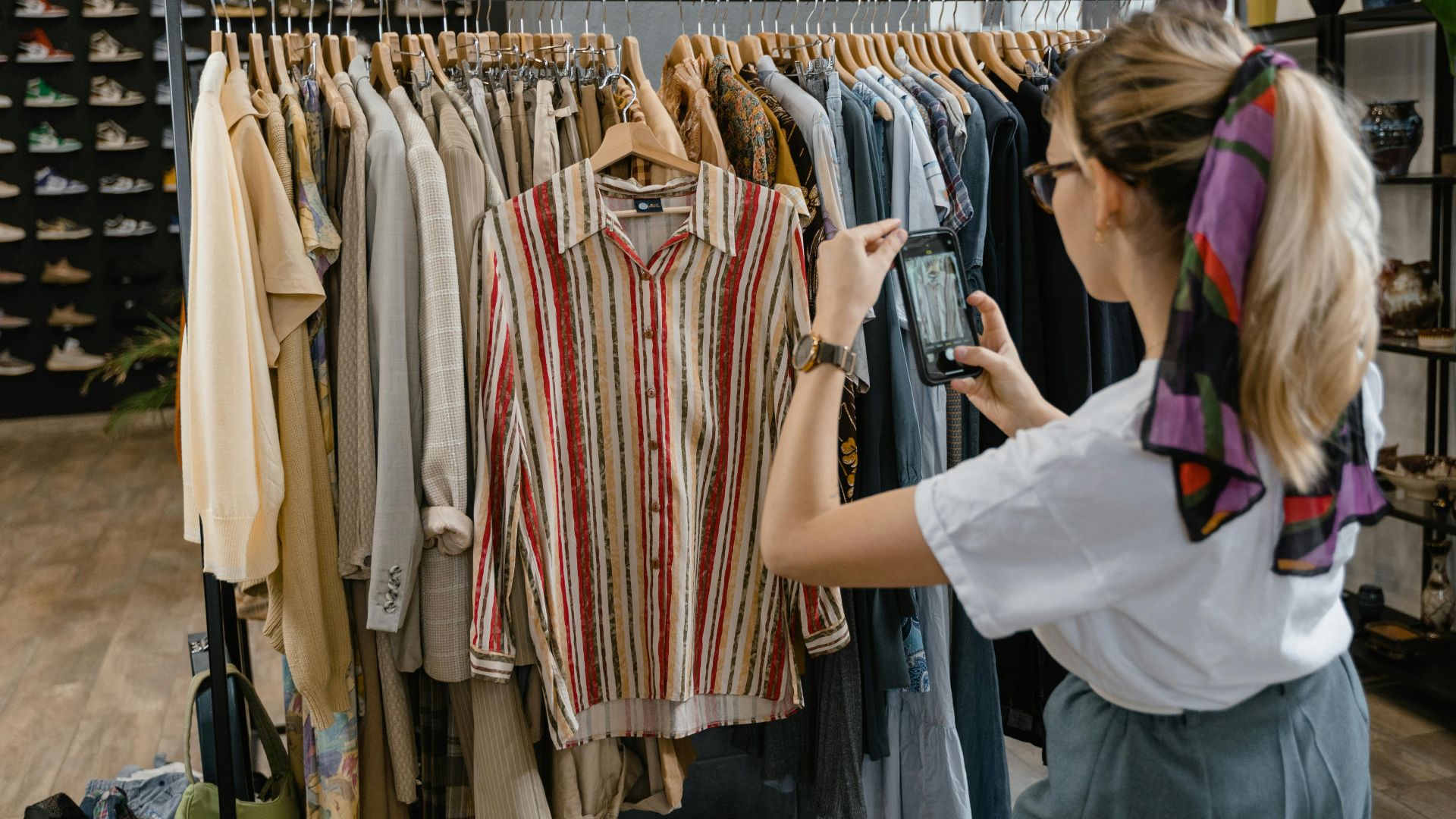
5. Track Your Preferred Brands’ Fit
Personal tracking of which brands run small, large, or true helps you shop smarter without constantly second-guessing purchases. Recording fit patterns across different labels means fewer returns and more successful buys despite inconsistent industry sizing standards.

6. Try Brands With Consistent Sizing Policies
Brands using numeric sizing tend to stay more consistent across collections. Levi’s, for example, has relied on waist measurements for over a century! This approach minimizes vanity sizing distortions and makes repeat purchases more predictable for shoppers.
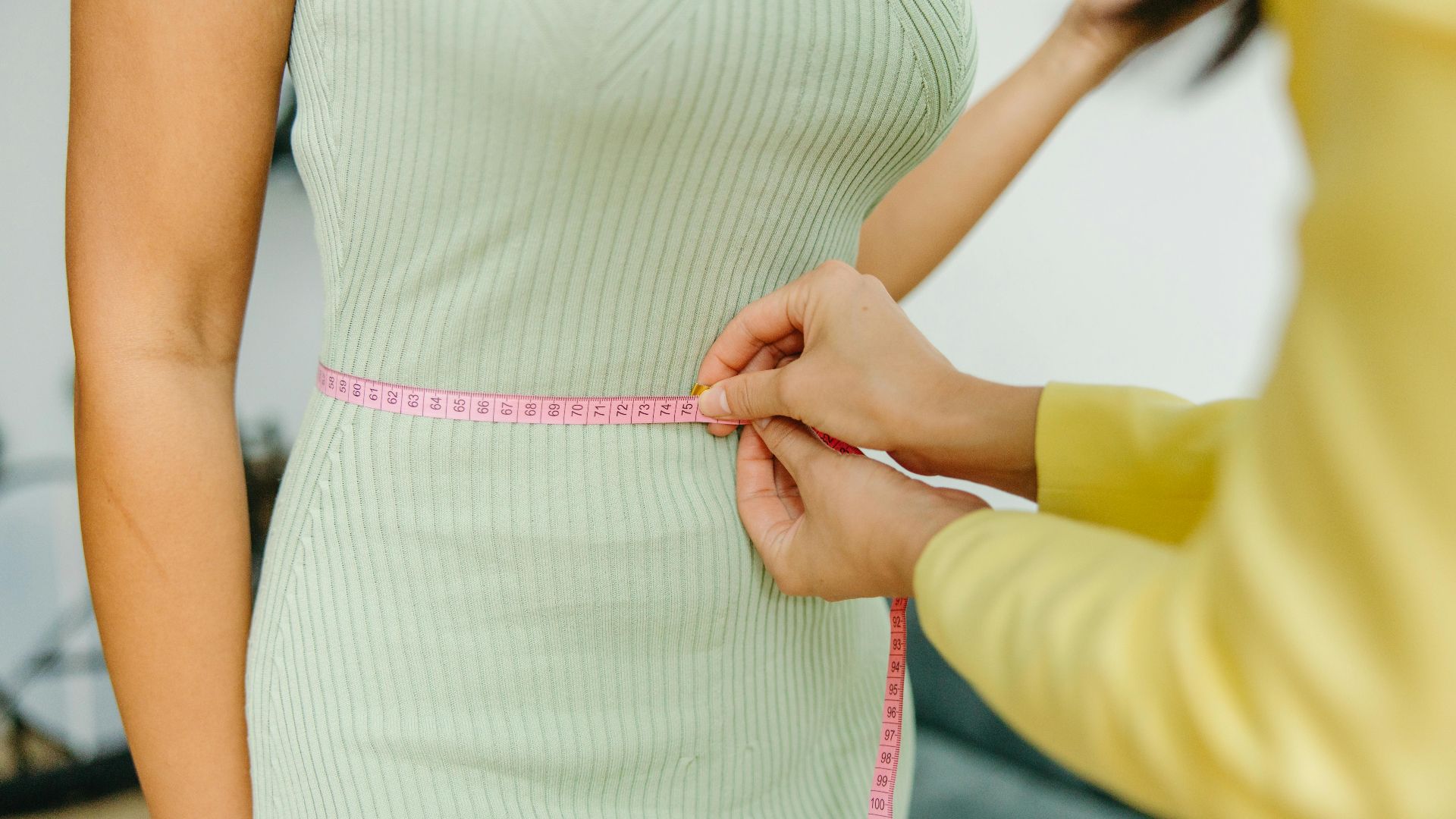
7. Favor Adjustable Designs
Elastic waistbands, drawstrings, and wrap closures adapt to your body way better than rigid sizing ever could. These flexible designs work across size fluctuations and reduce the headache of navigating inconsistent charts that rarely match your actual measurements accurately.
8. Use Fit Prediction Tools
Many retailers now use AI-driven fit tools that analyze brand preferences and past returns. Most of these models train on the go and give you better feedback that can help in choosing the right size in one go.
9. Use Virtual Try-On or AR Tools
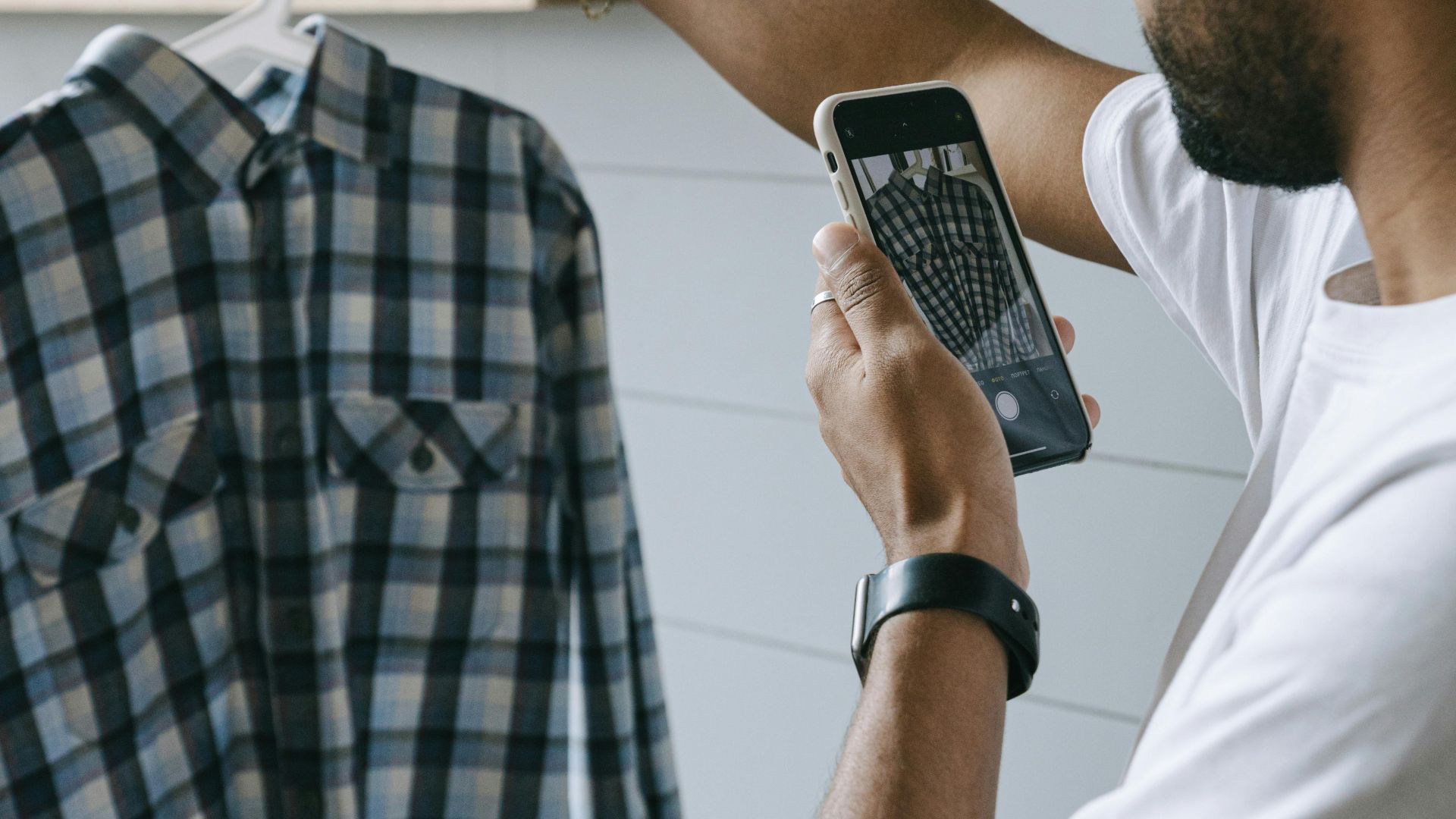
Virtual fitting tools use augmented reality to map clothing onto a 3D body model. By previewing drape and proportions digitally, shoppers reduce guesswork, leading to fewer returns and more confidence when buying clothes online.
10. Follow Influencers With Similar Body Types
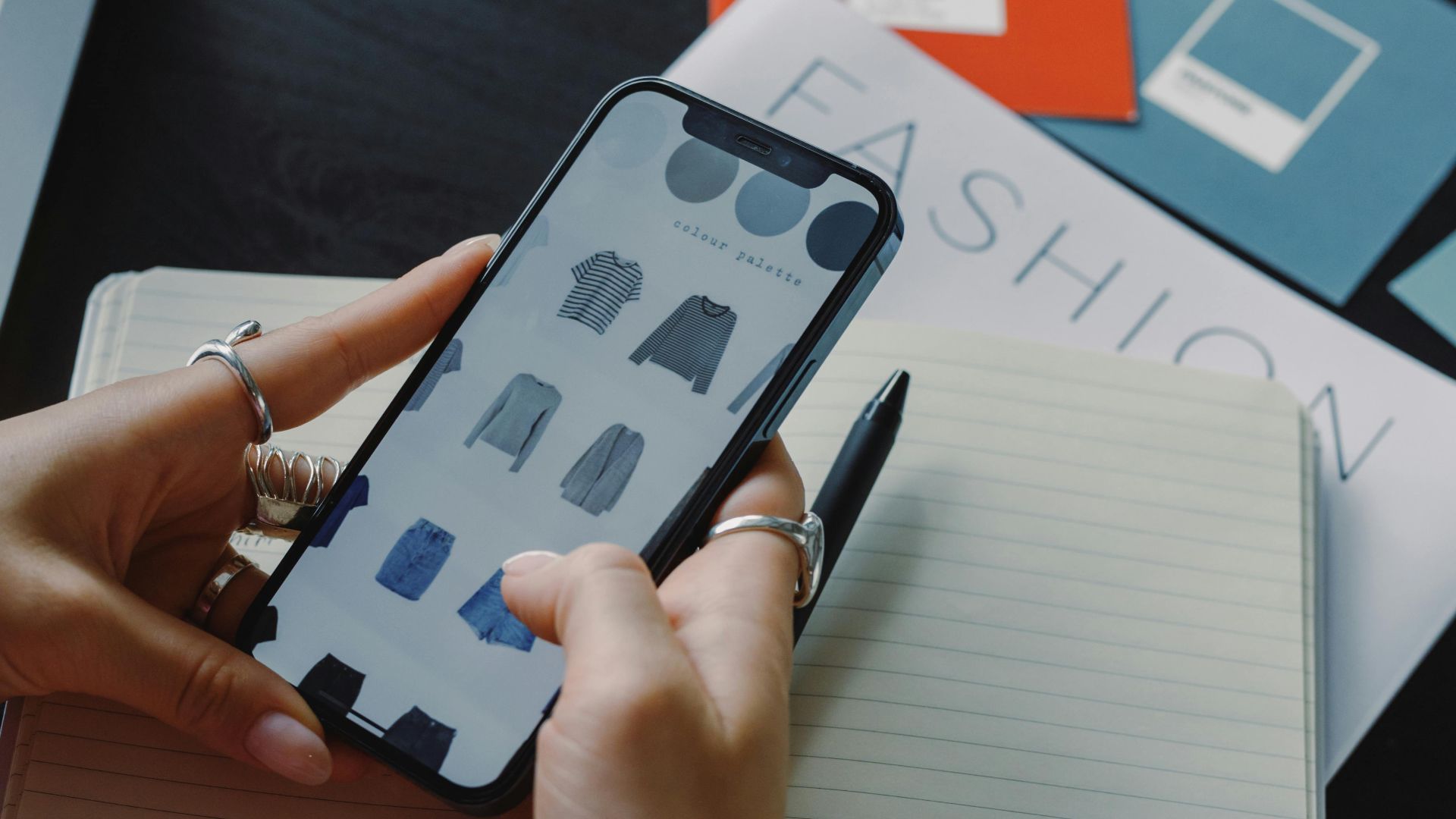
Fashion influencers sharing detailed fit notes give you practical intel when they match your body type closely. Their real-world experiences help predict how specific brands or styles will actually fit before you commit money to potentially disappointing purchases.