
Clothing Lovers, Unite
Opening someone's closet reveals more about their relationship with fashion than any outfit ever could. Real fashion knowledge shows up in the unglamorous details like how garments hang and which pieces survived the last decade's worth of trends without getting donated. Anyone can buy expensive clothes or follow the latest runway moments, yet the people who genuinely understand style approach their wardrobes with a specific kind of care that transcends mere shopping enthusiasm. These signs aren't about luxury labels or massive collections. They're about the thoughtful decisions that protect investments and honor the craft of well-made clothing. Here are twenty closet green flags that prove someone truly gets it.

1. Your Hangers Match The Garments
Your hangers suit the weight of each garment type, with wooden ones for coats and structured pieces, velvet slim hangers for delicate knits, and padded satin versions for anything with fragile straps. This level of attention prevents shoulder dimples and fabric stretching that ruin the shape of even expensive pieces.

2. Shoe Storage
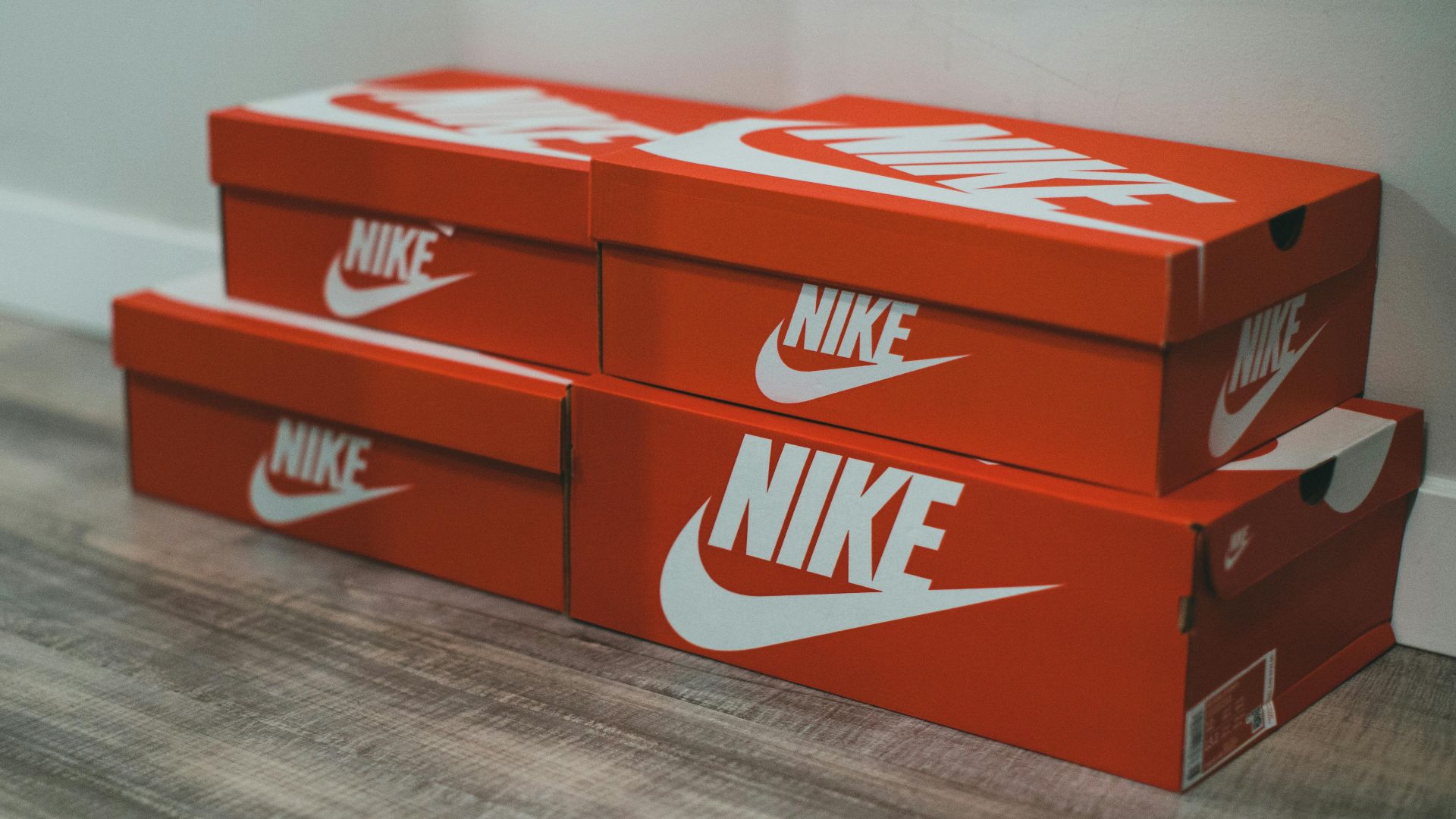
Shoes live in their original boxes with Polaroid photos taped to the front so you can see what's inside without opening everything. This storage method originated with serious sneaker collectors in the 1980s and has migrated to all footwear categories because it genuinely preserves condition while making selection easier. The boxes protect against dust and light damage while stacking efficiently in ways that open shelving never quite manages.
3. Natural Moth Repellents
Cedar blocks or lavender sachets appear throughout the closet, particularly near wool and cashmere pieces that attract moths during off-season storage. These natural repellents work better than chemical alternatives and smell infinitely more pleasant when you're getting dressed.

4. Off-Season Pieces
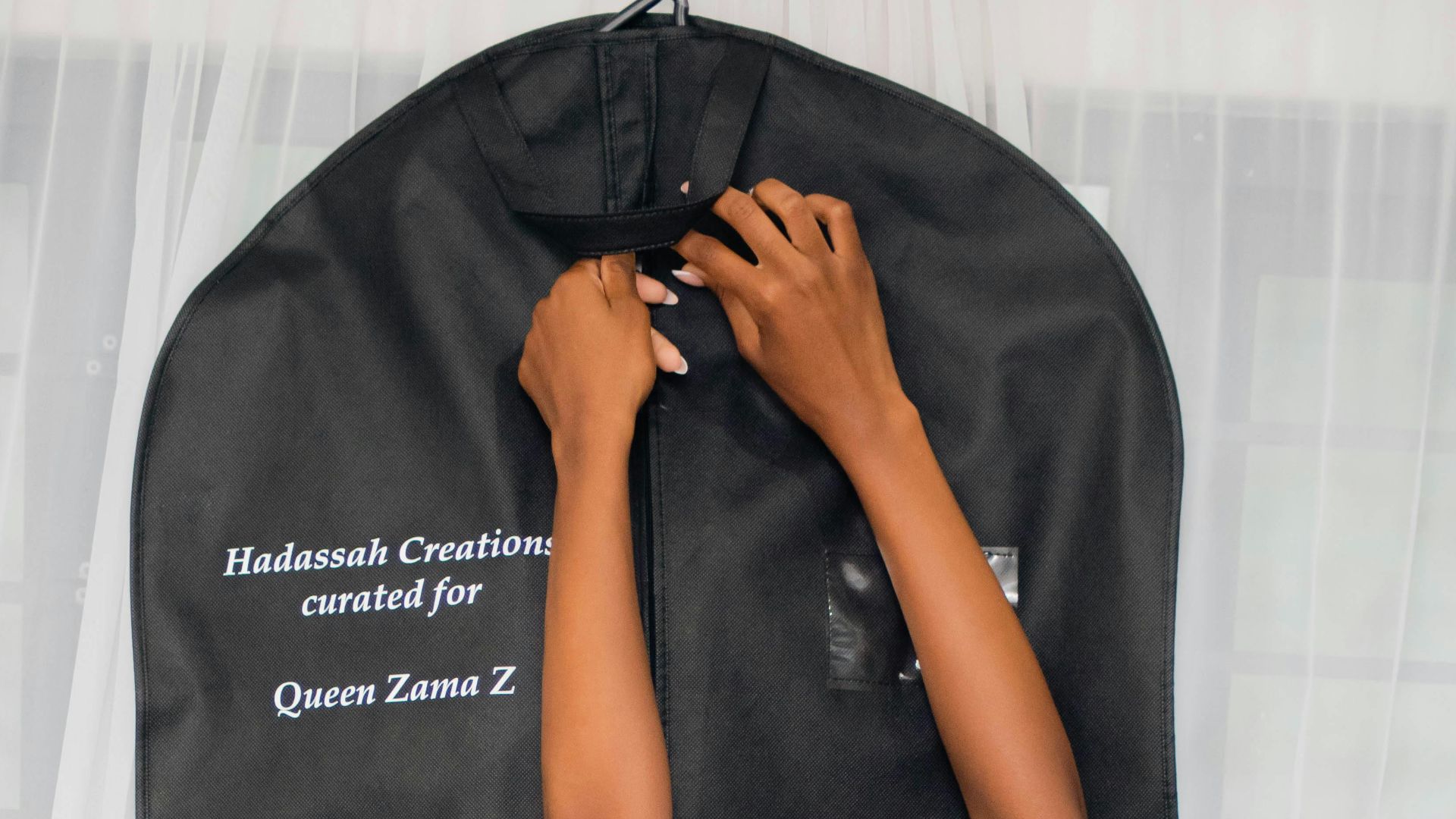
Seasonal items get properly stored in breathable garment bags rather than shoved into plastic bins or left hanging year-round. This practice protects fabrics from humidity and pests while freeing up space for current-season pieces that deserve prime real estate. Professional archivists use similar techniques for museum textile collections, though your closet probably smells better than most storage facilities.
5. Everything Hangs By Category And Color
Garments hang organized by category and color rather than by when you last wore them or how much you paid. This system makes getting dressed faster and helps identify gaps in your wardrobe.

6. Shoe Trees
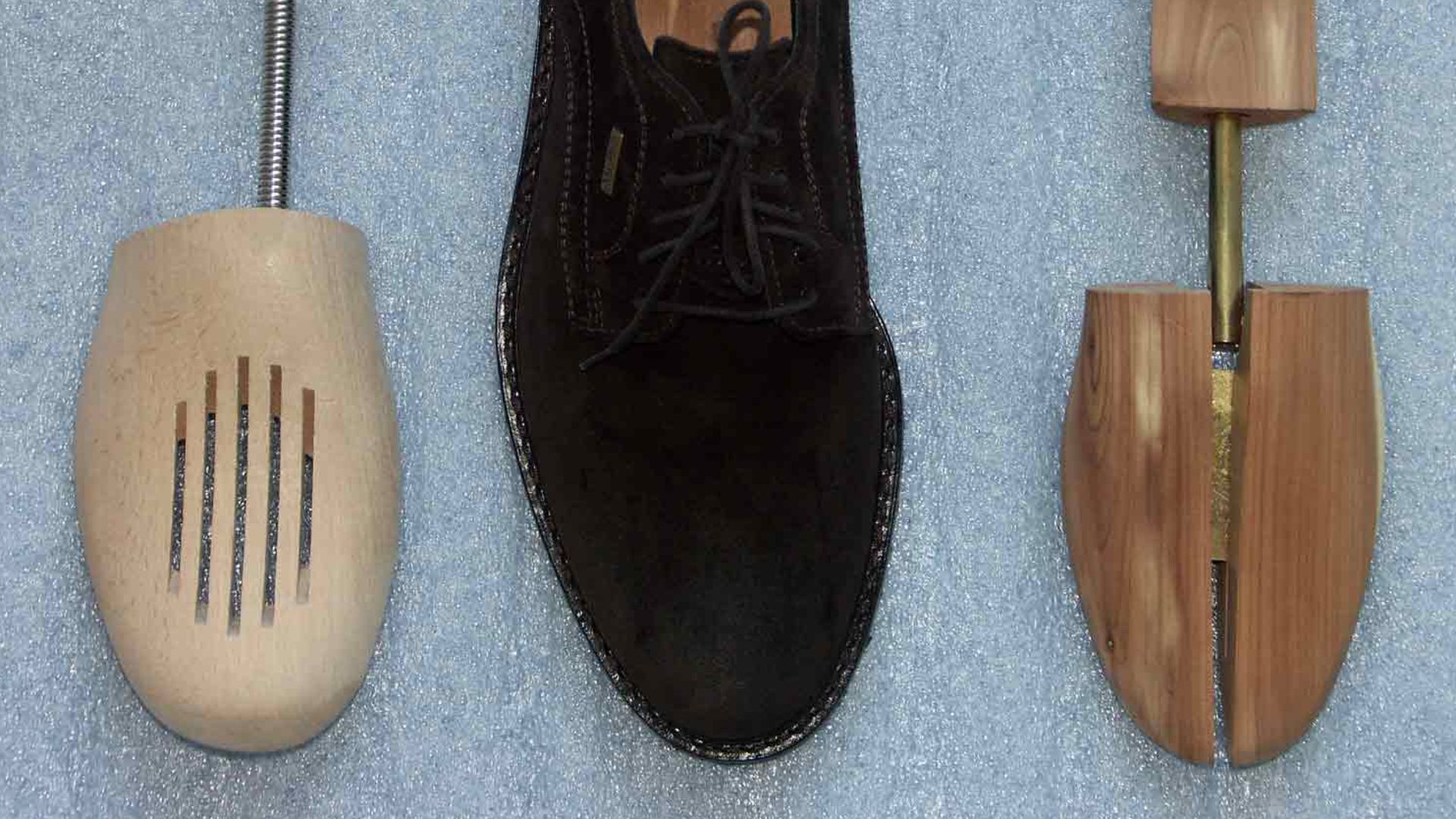
Shoe trees occupy every pair of leather shoes and boots to maintain their shape between wears. These simple wooden forms absorb moisture and prevent creasing that permanently damages good footwear. Cobblers have recommended them since the 1800s, and modern shoe construction hasn't evolved enough to make them obsolete.
 The original uploader was Bettenburg at German Wikipedia. on Wikimedia
7. Your Oldest Pieces Still Earn Regular Wear
Your oldest pieces still appear in regular rotation because quality transcends temporary trends. Fast fashion has compressed product lifecycles dramatically since the 1990s, yet truly well-made garments from that era continue performing decades later.

8. Alteration Tags
At least three items still have alteration tags attached because you haven't needed them since the tailor finished the work. Keeping these tags proves you've invested in proper fitting and want documentation of what was done in case future adjustments become necessary.
9. You Buy Multiples Of What Works
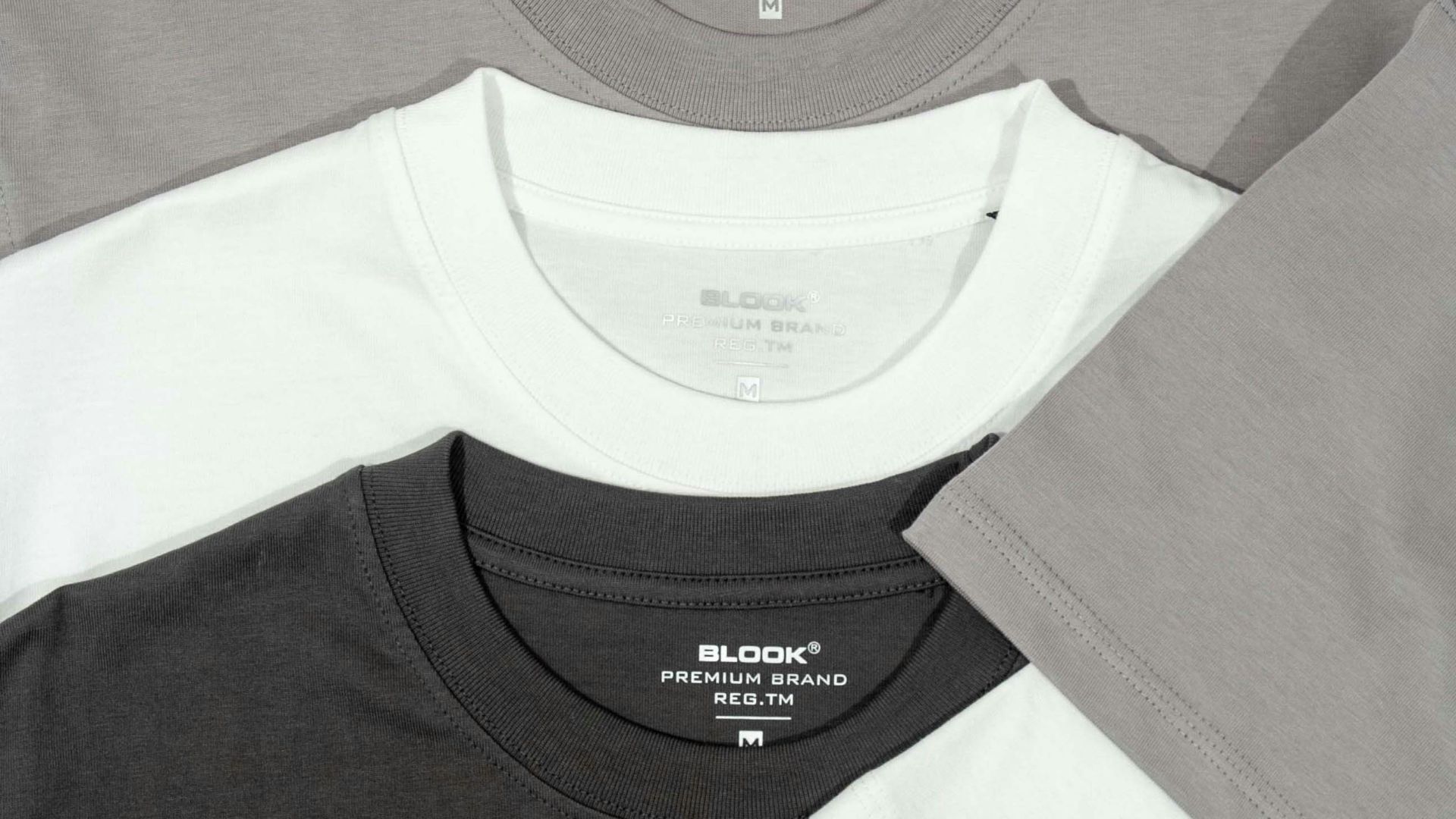
You own multiples of the same basic tee or tank in identical colors because you've identified what works and refuse to waste energy searching for comparable replacements. This approach reflects genuine self-knowledge rather than a half-hazard, flustered approach.
10. Vintage Mixes Seamlessly With Contemporary
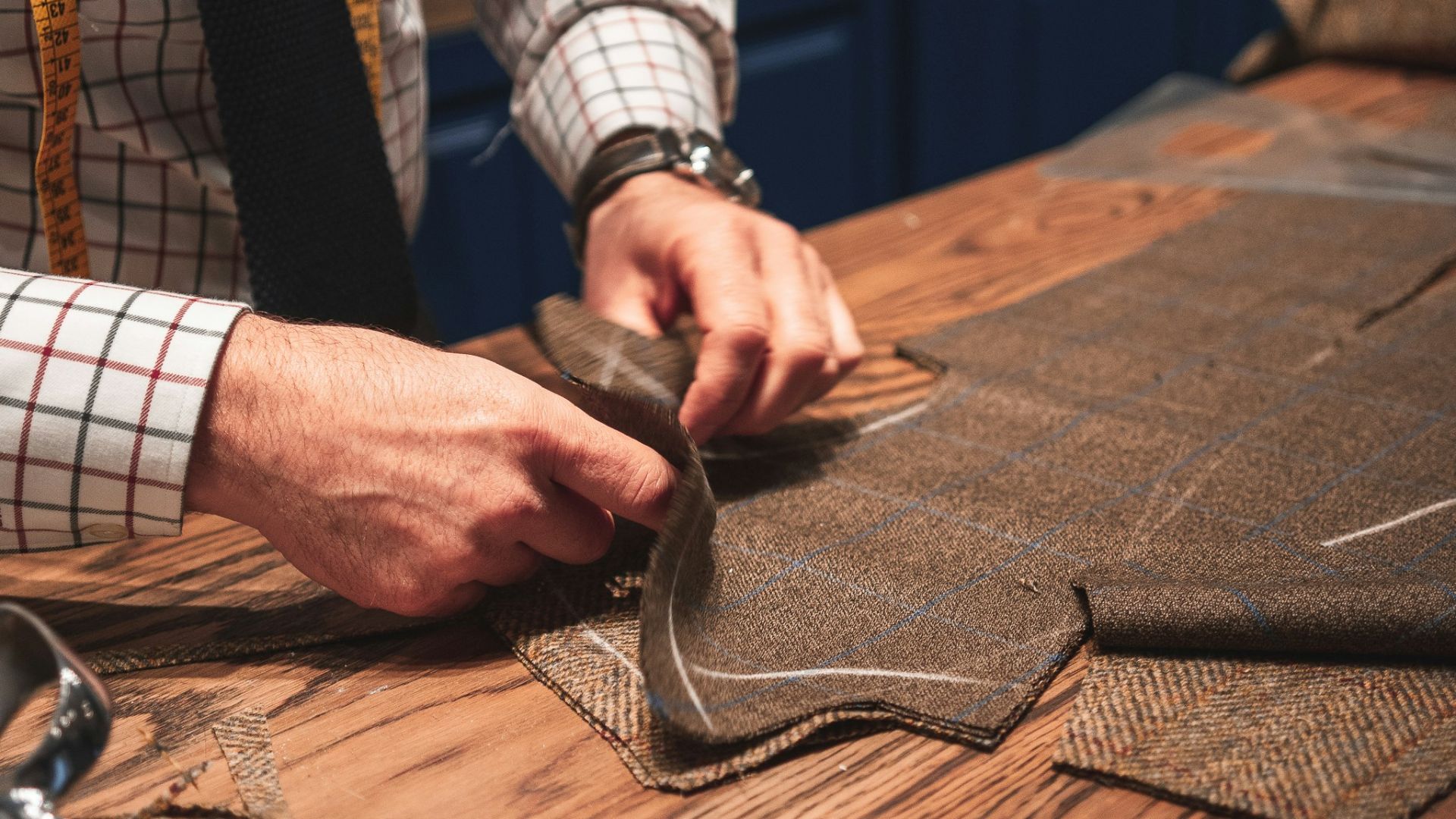
Vintage pieces integrate seamlessly with contemporary items rather than existing in a separate costume section of your wardrobe. Mixing a 1970s Yves Saint Laurent blazer with current denim shows you understand fashion history as a continuum rather than a series of isolated moments.

11. Making Deliberate Investments
Your closet contains at least one investment piece you saved for and purchased new from a specific collection rather than finding it secondhand years later. Owning something from the season it debuted shows you follow fashion actively and make deliberate choices about what matters enough to buy at full price.
12. You Own Pieces From Departed Design Eras
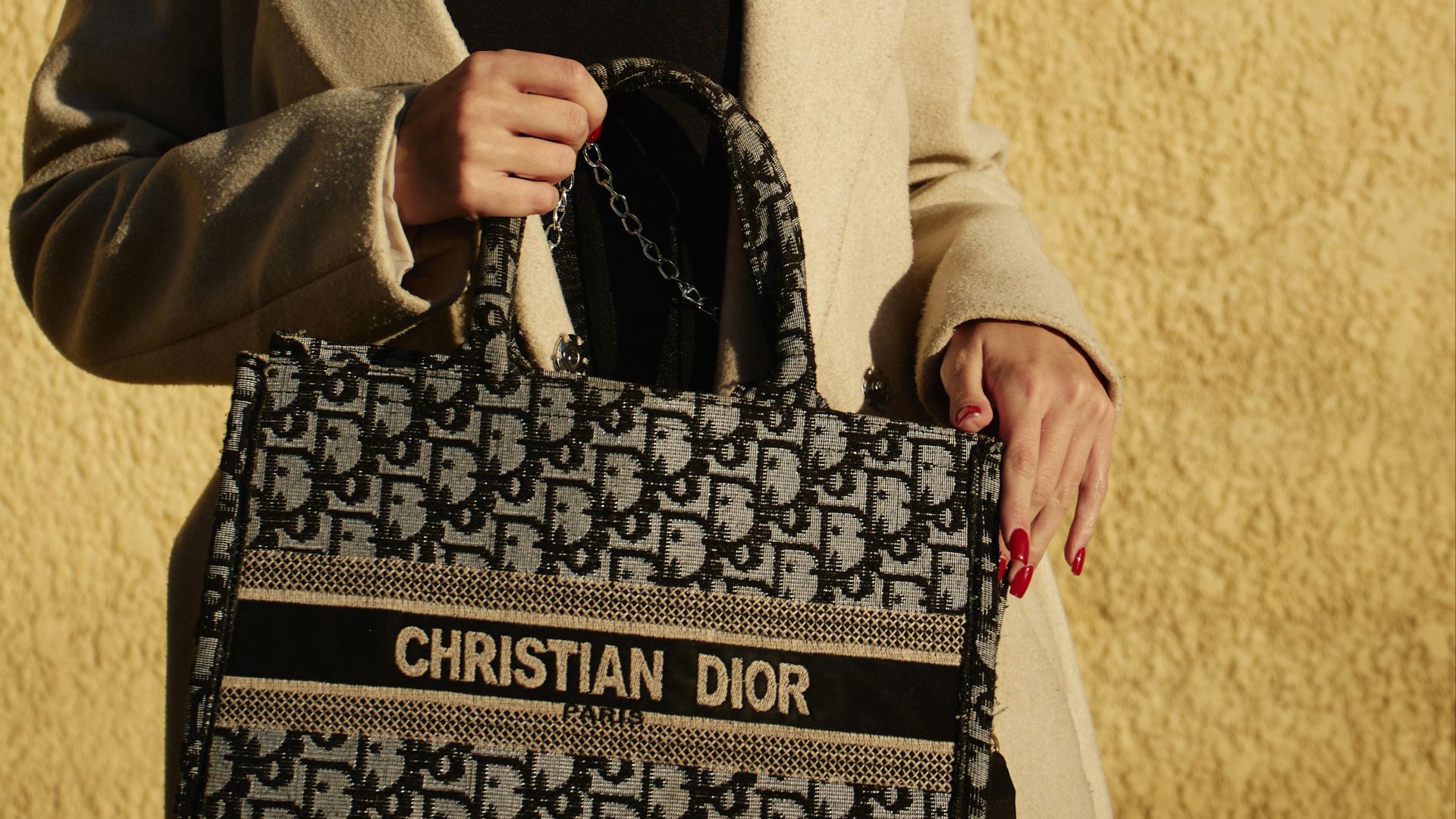
You've kept garments from designers who've since closed or moved on from fashion, like Martin Margiela's anonymous years at his namesake label or Phoebe Philo's Celine. These pieces represent specific creative visions that can't be replicated, and holding onto them shows you recognized their significance in real time.
13. Visible Mending Gets Embraced
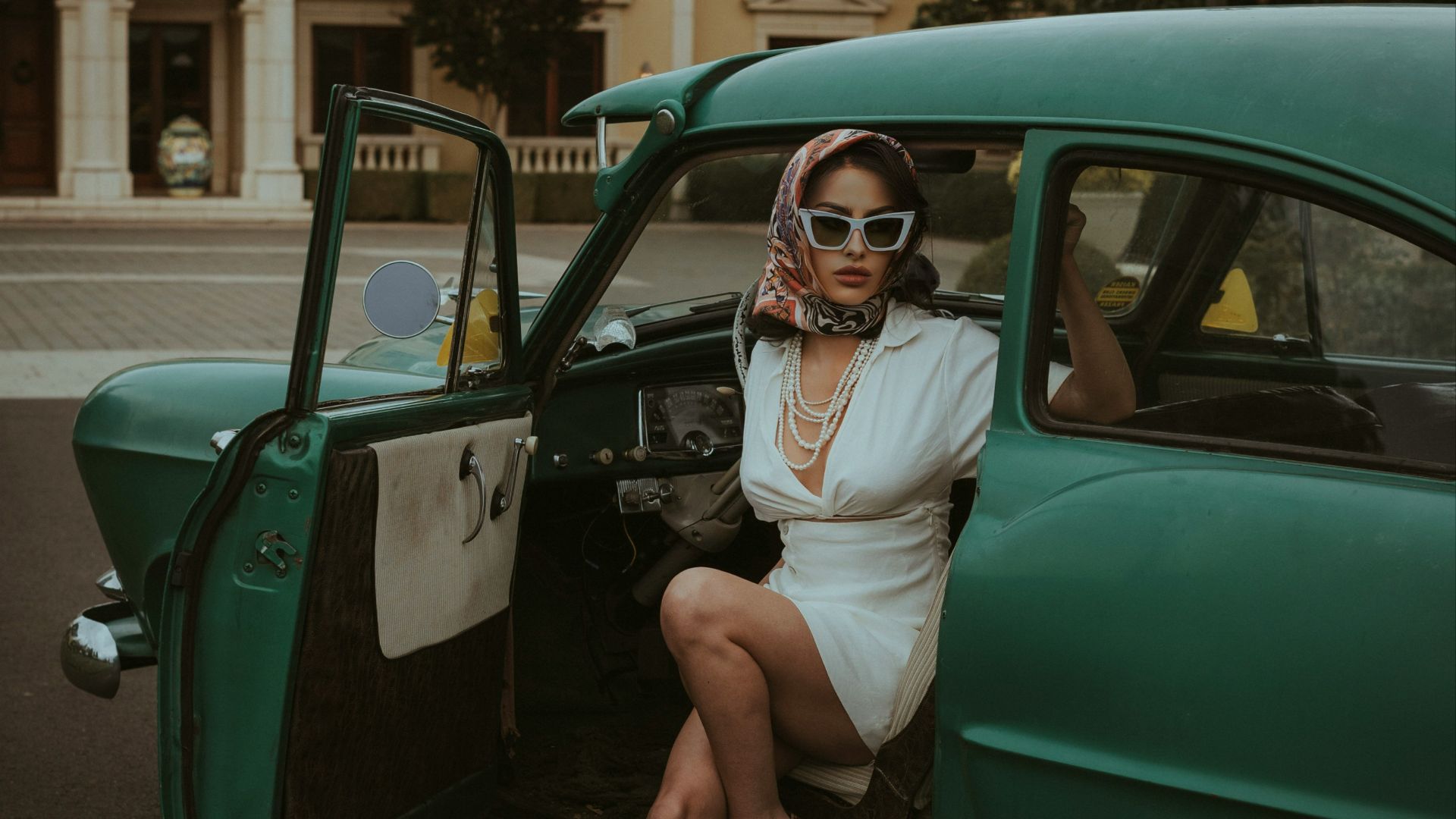
At least one garment shows visible mending or repair work that you either completed yourself or had professionally done, rather than discarding the piece. This commitment to maintenance over replacement indicates you value craftsmanship enough to preserve it.
14. Knits Are Folded
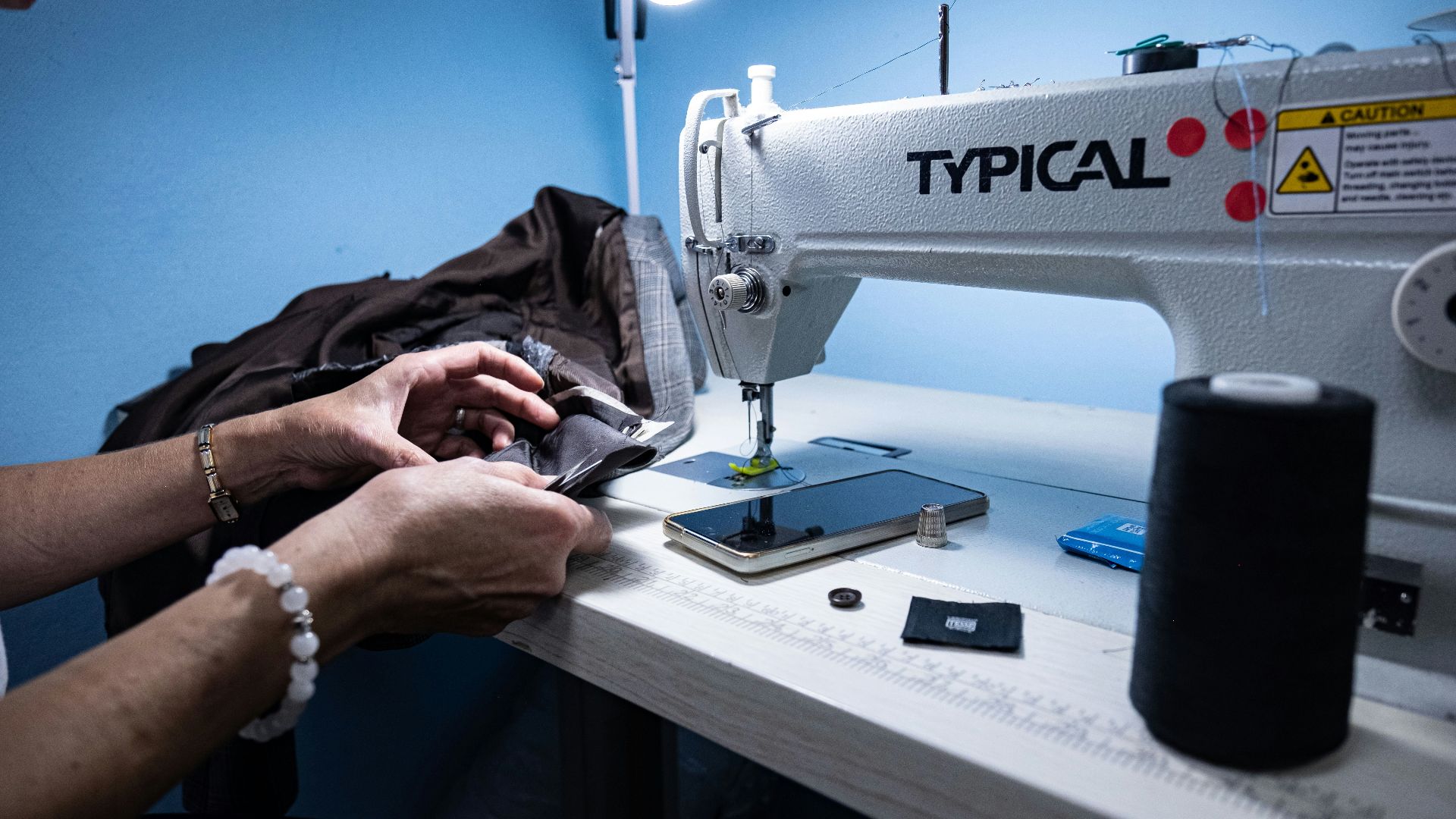
Delicate knits live folded in drawers rather than stretched out on hangers, where gravity destroys their shape over time. This practice separates people who've learned from ruined sweaters from those still making expensive mistakes. Cashmere and merino wool particularly benefit from this treatment, maintaining their original proportions for many, many years.

15. Stain Supplies
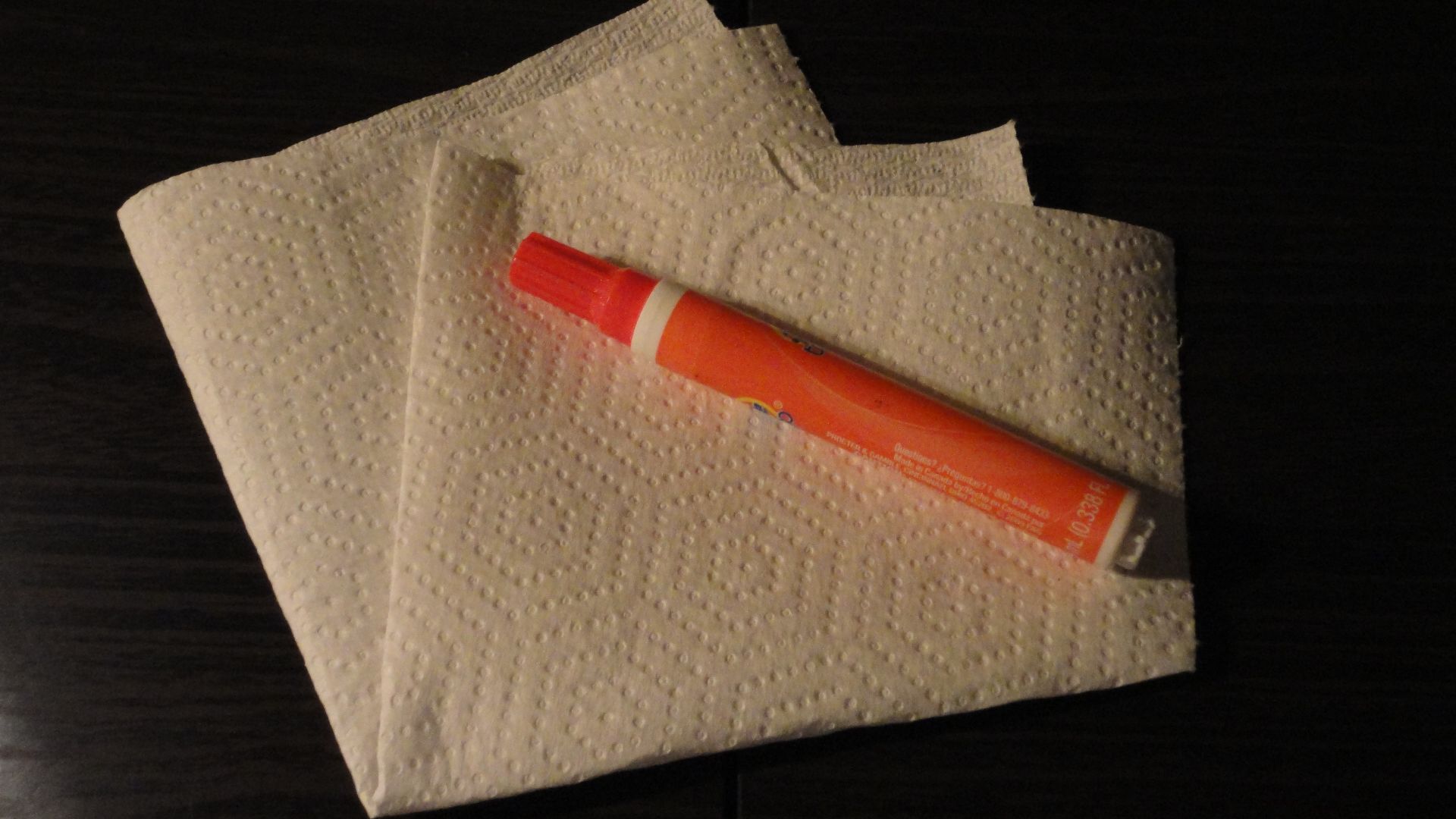
Stain removal supplies live within reach of your closet because you address spills immediately rather than letting them set. This preparedness prevents minor accidents from becoming permanent damage and extends the life of pieces you actually want to keep wearing. Professional dry cleaners use similar spot treatment techniques before running full cleaning cycles.
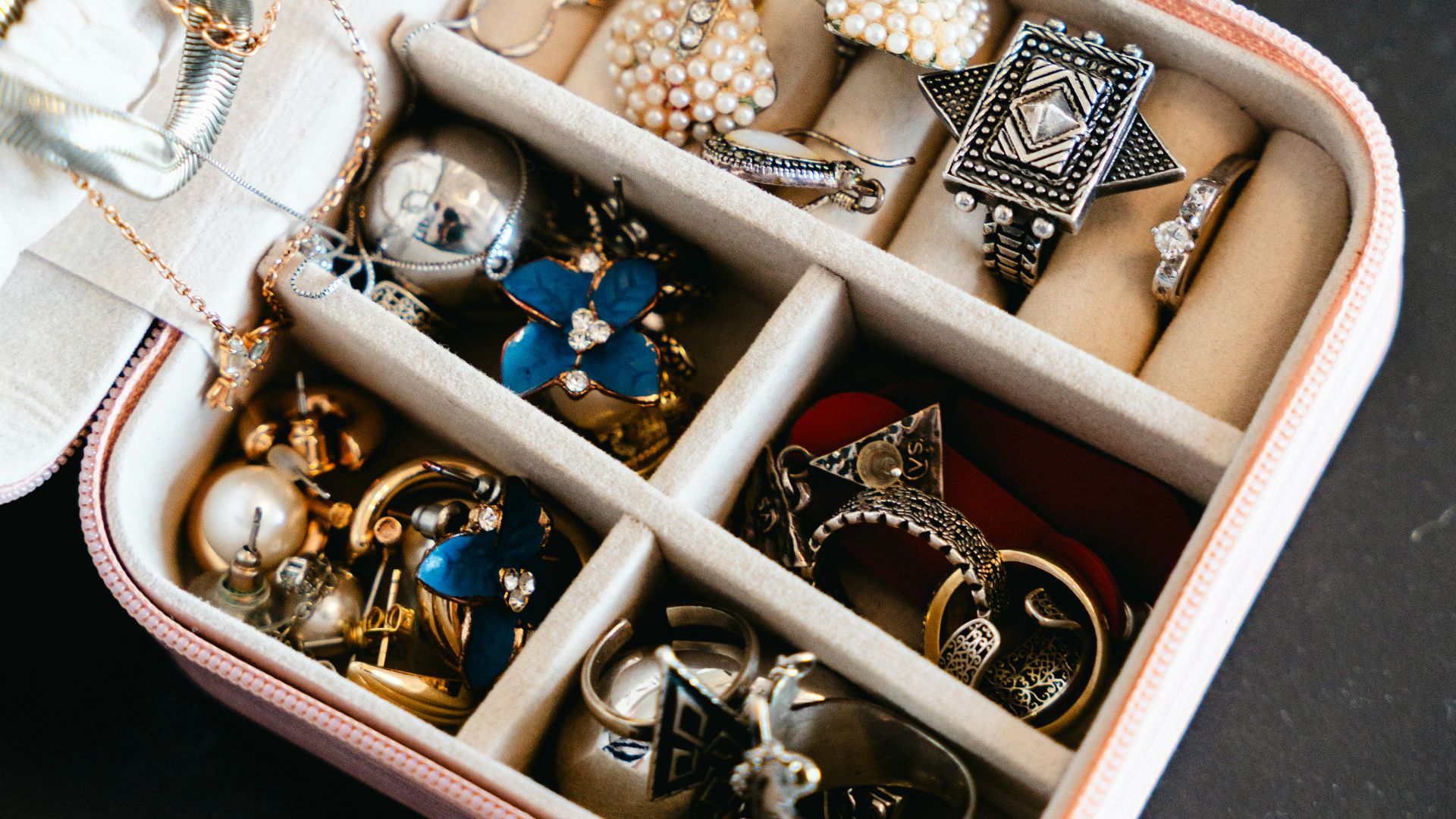
16. Accessories Get Proper Storage
Your accessories occupy dedicated storage with compartments for jewelry, separate boxes for watches, and proper inserts for sunglasses. This level of organization prevents tangling and scratching while making it easier to rotate pieces regularly.
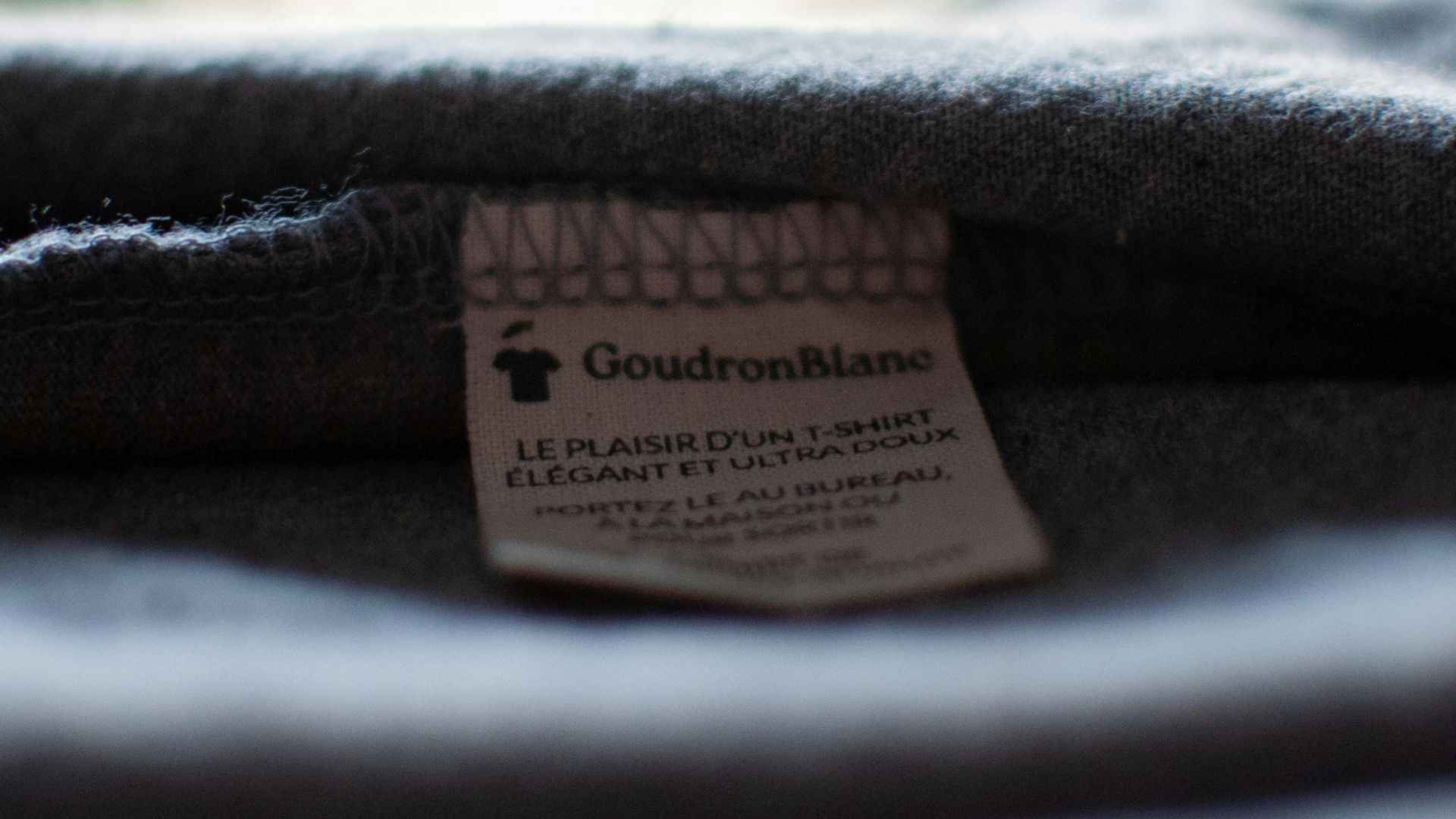
17. Care Labels On Everything
Garment care labels remain intact on every piece because you reference them before washing or need them for dry cleaning instructions. Cutting these out might eliminate annoying neck tags, though it also removes crucial information that prevents you from accidentally destroying expensive fabrics.
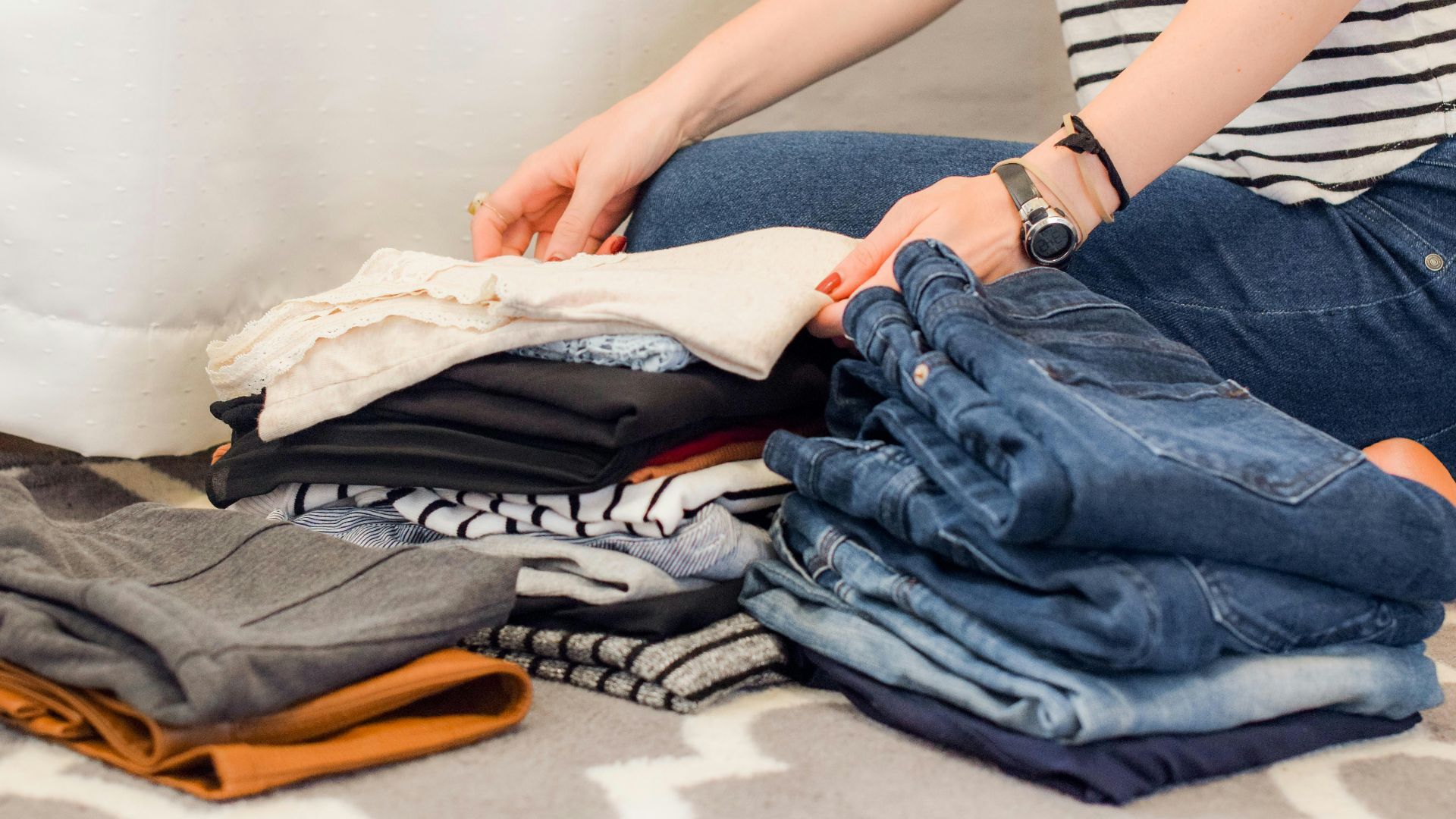
18. Regular Purging
You've purged your closet within the past six months and donated quality pieces that no longer suit your life instead of hoarding everything out of guilt or nostalgia. This practice requires honest self-assessment about what you actually wear versus what you wish you wore. Keeping only pieces that genuinely work prevents closet paralysis and makes space for considered new additions.
19. Multiple Decades Coexist
Your closet includes pieces from at least three different decades of fashion, whether purchased new or found vintage, showing you appreciate style evolution beyond current trends. This historical awareness informs better shopping decisions and helps identify when contemporary designs reference earlier eras.

20. A Repair Kit Stays Ready For Quick Fixes
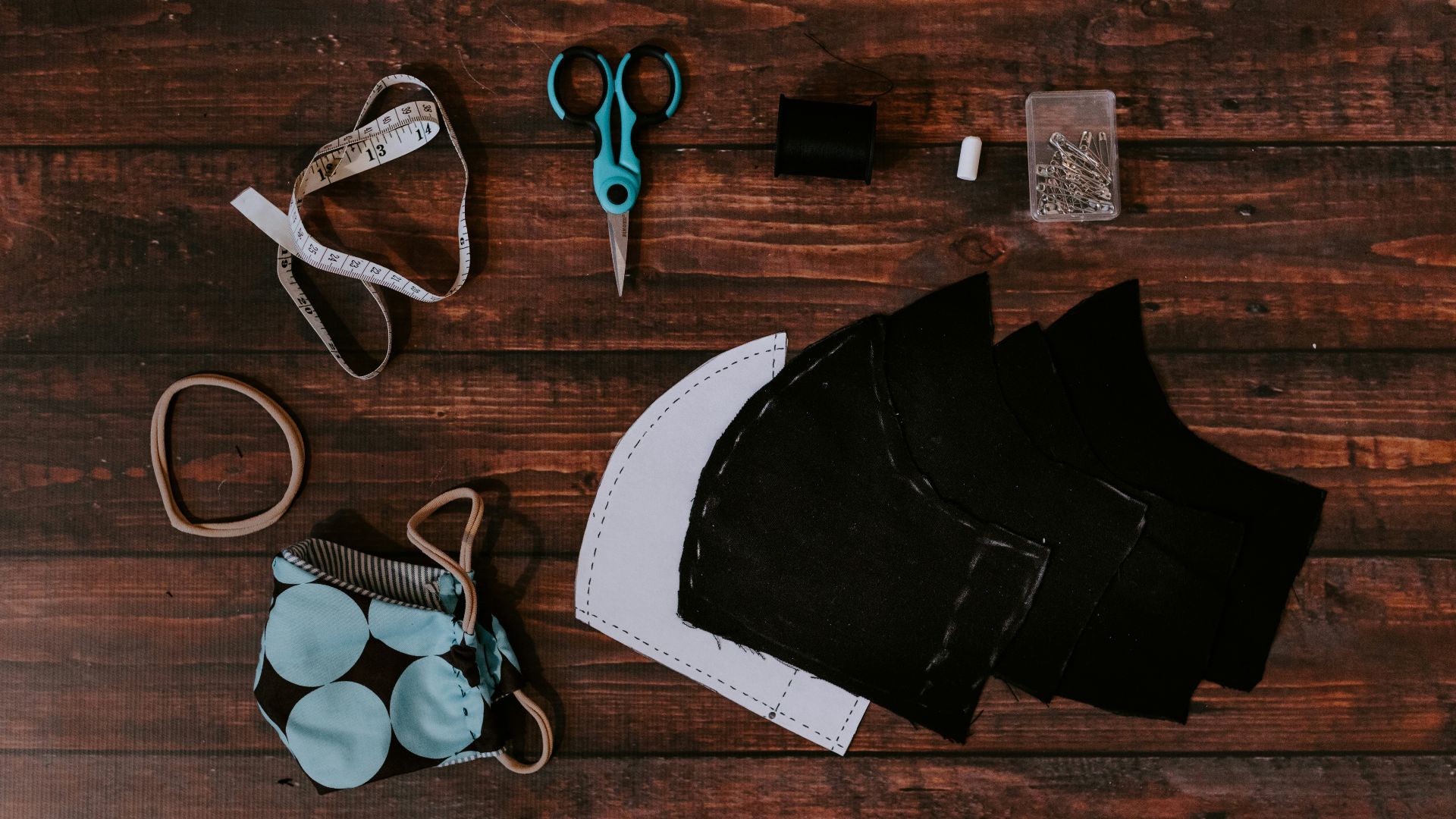
You maintain a small repair kit with matching thread for your most-worn pieces, spare buttons still in their original packets, and a seam ripper for quick fixes. This preparedness means minor issues get addressed before they become major problems requiring professional intervention.