
Mixing Prints Without the Fashion Confusion
Print mixing has become one of the most creative parts of modern fashion, but it can also be one of the easiest ways to miss the mark. Many so-called “rules” about combining patterns are outdated or simply too rigid to reflect how people actually dress today. At the same time, a few practical guidelines really do help outfits look balanced and intentional. Understanding the difference can make getting dressed feel less complicated and much more fun. These two lists break down common print-mixing advice that doesn't hold up and the strategies that consistently create stylish combinations.

1. Never Mix Two Bold Prints
This rule sounds logical, but it ignores how fashion actually works. Bold prints can look fantastic together when their colors or themes complement each other. Designers frequently pair strong patterns on runways to create striking outfits. When done thoughtfully, bold prints often create more visual interest than playing it safe.

2. Prints Must Match Exactly
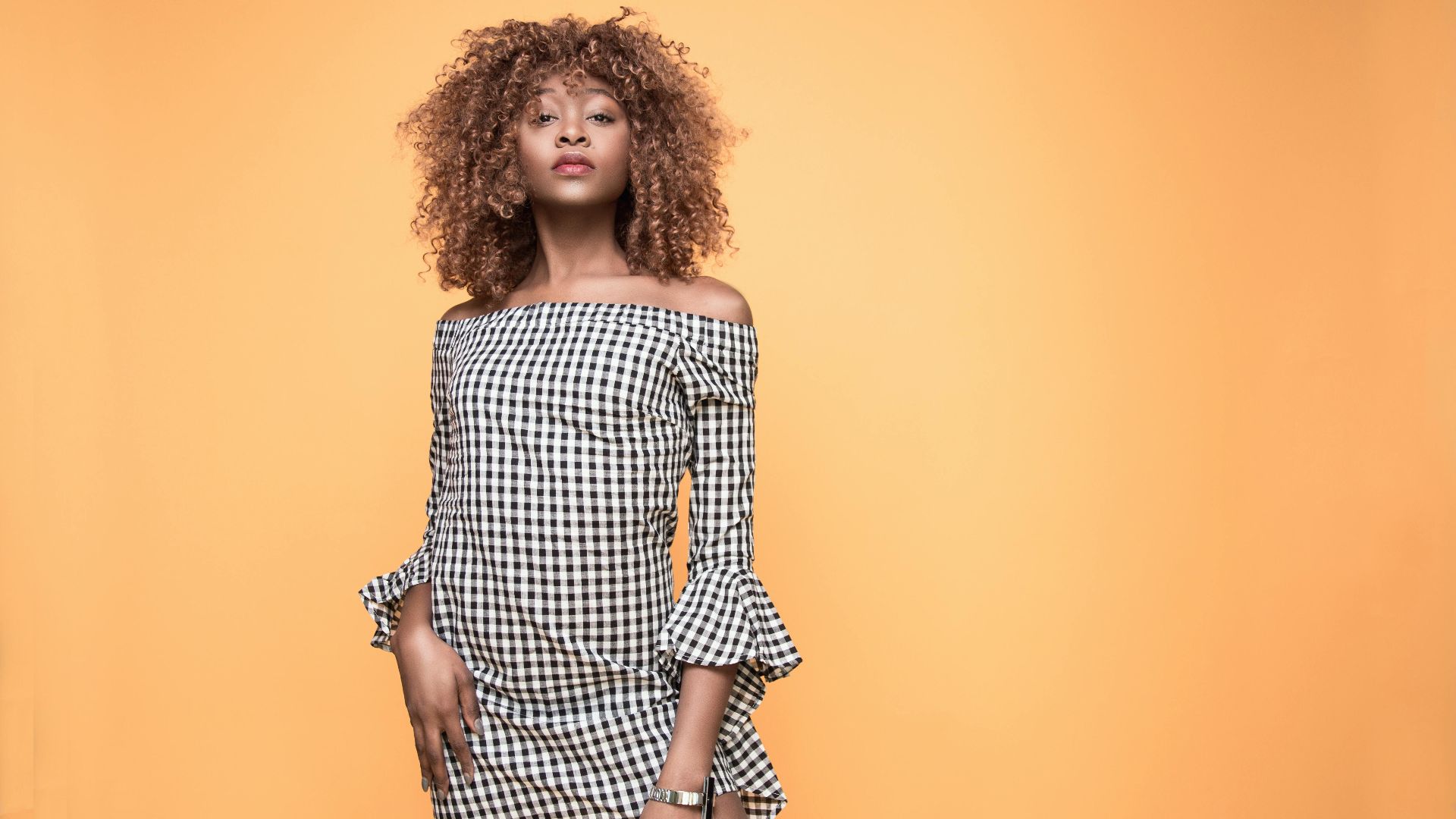
Some advice suggests prints should share identical colors or patterns to work together. In reality, perfect matching often makes an outfit look overly coordinated and predictable. Slight variation in tone or pattern usually feels more modern and natural. Fashion tends to favor harmony rather than exact duplication.
3. Always Pair Prints With a Solid
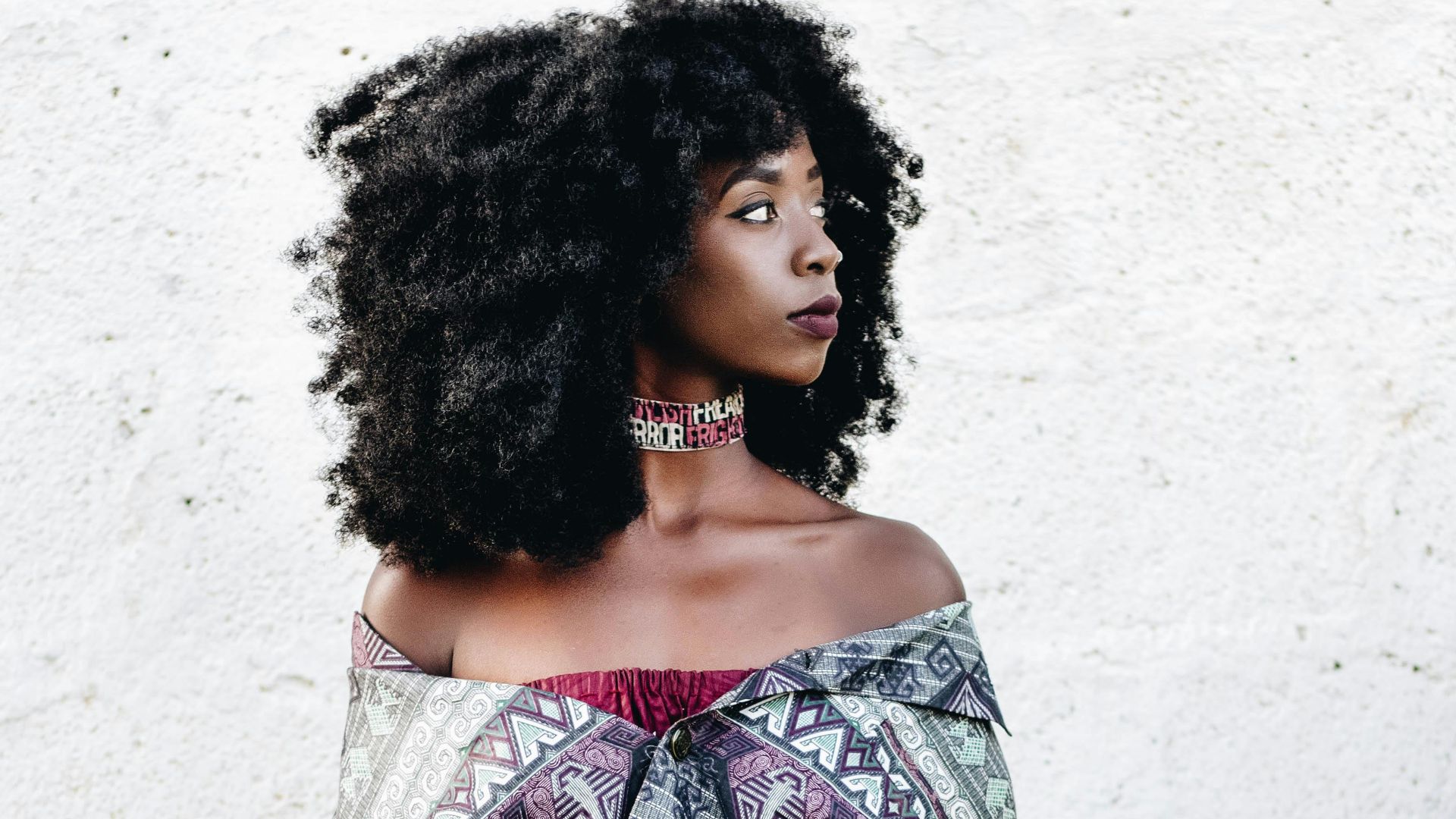
While solids can balance patterns, they aren't always necessary. Two or even three prints can work well together without needing a neutral piece between them. The key is visual balance, not strict separation. Relying on solids every time can actually limit creative styling.
4. Small Prints and Large Prints Should Never Mix
Many people assume that scale differences automatically clash. In reality, combining large and small patterns often creates a balanced look. The contrast helps each print stand out rather than compete. Fashion stylists frequently use this technique to make outfits feel more dynamic.

5. Stripes Can't Be Worn With Other Prints
Stripes are often treated as difficult to mix, but they're actually one of the easiest patterns to pair. Because stripes function almost like a neutral pattern, they blend well with florals, polka dots, and even animal prints. The structure of stripes can help ground more detailed designs. This makes them surprisingly versatile.

6. Animal Prints Should Always Be the Only Pattern
Animal prints often get labeled as statement pieces that shouldn't be mixed with anything else. In practice, leopard or zebra patterns can pair nicely with simple stripes or subtle florals.

7. Prints Must Stay Within the Same Category
Some outdated advice suggests florals only belong with florals or geometric patterns. Modern fashion regularly mixes pattern families without issue. Florals paired with plaid or stripes can look surprisingly cohesive, and variety often adds personality to an outfit.

8. Pattern Mixing Is Only for Trendy Styles
Print mixing isn't limited to bold fashion statements or runway looks. Many everyday outfits incorporate multiple patterns in subtle ways. A patterned scarf with a printed blouse, for example, already counts as pattern mixing. The idea works across casual, business, and formal wardrobes.

9. Busy Prints Always Clash
A busy print doesn't automatically ruin an outfit. Sometimes a complex pattern simply needs a calmer partner rather than being avoided entirely. When one print is visually dominant, and the other is softer, they often balance each other nicely. Assuming busy prints can't work together is unnecessarily restrictive.

10. Print Mixing Is Too Complicated for Everyday Wear
Some people avoid print mixing because they believe it requires expert styling. In reality, many successful combinations rely on simple visual cues like shared colors or different pattern sizes.
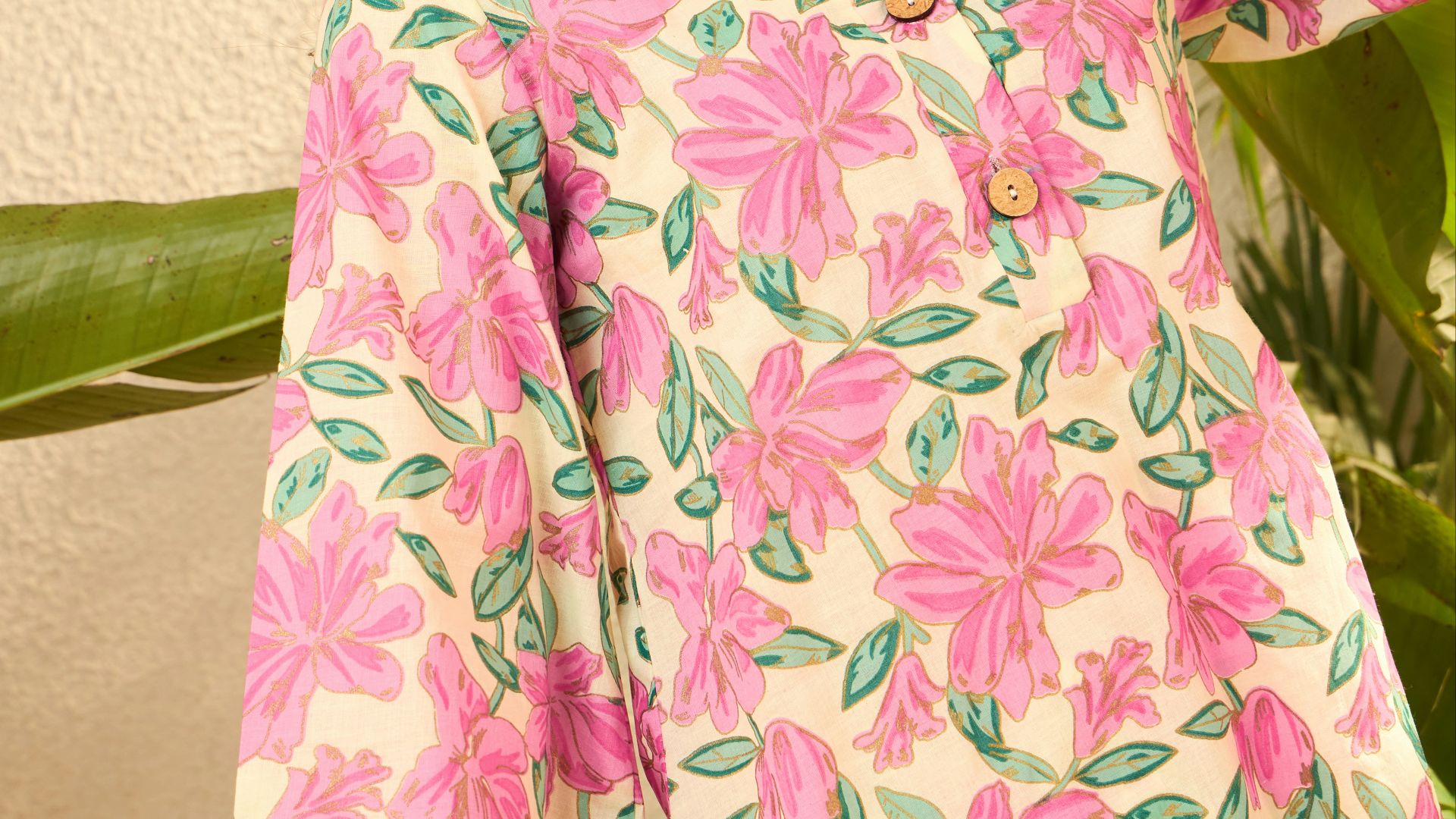
1. Vary the Scale of the Prints
One of the most reliable styling tricks is mixing patterns of different sizes. For example, a large floral skirt can pair nicely with a smaller patterned blouse.
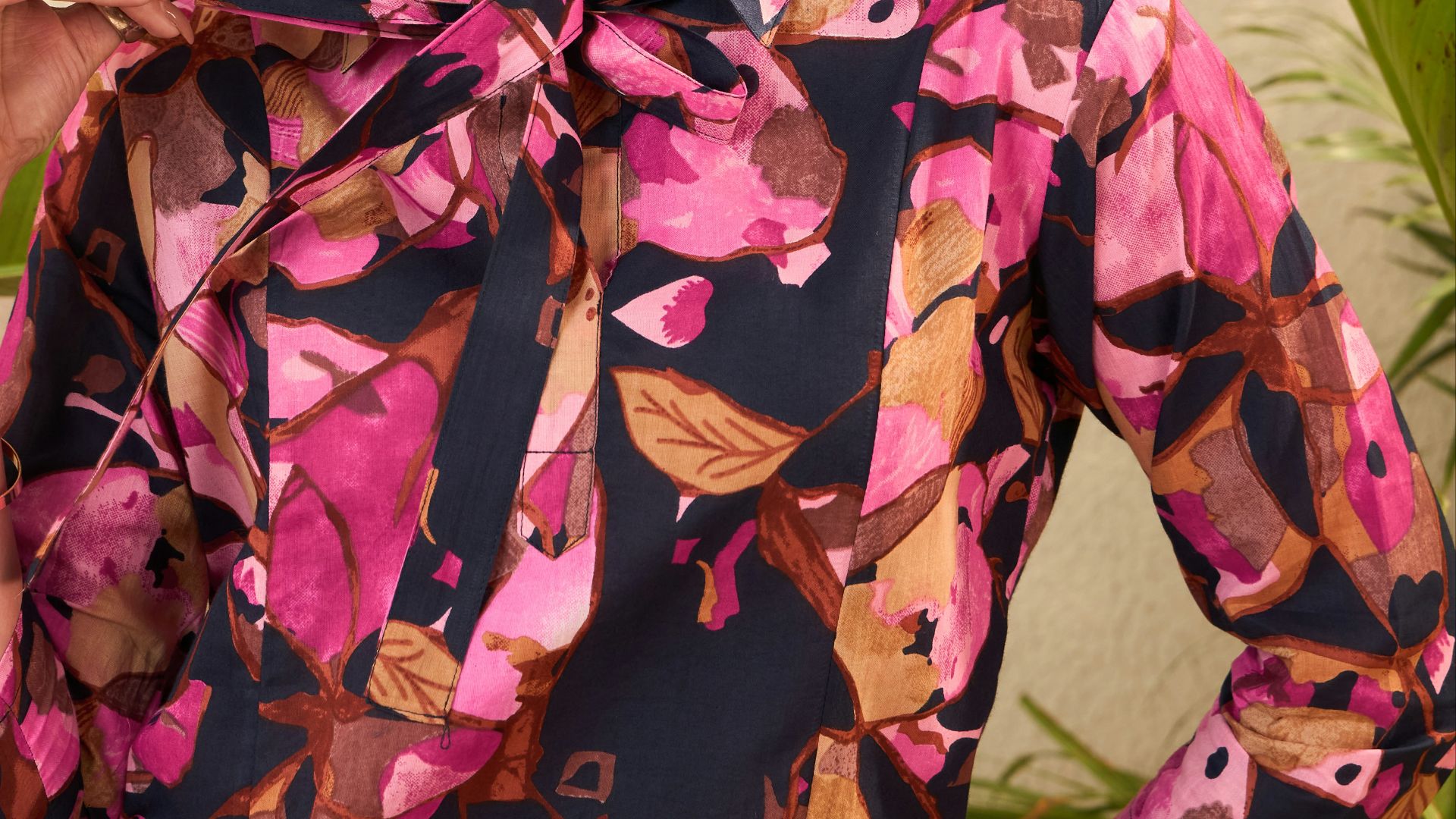
2. Keep a Shared Color Palette
When prints share at least one color, they often look naturally coordinated. A striped shirt that includes the same color as a floral skirt creates visual continuity. This approach allows patterns to differ while still feeling connected. It's one of the easiest ways to make mixed prints look intentional.
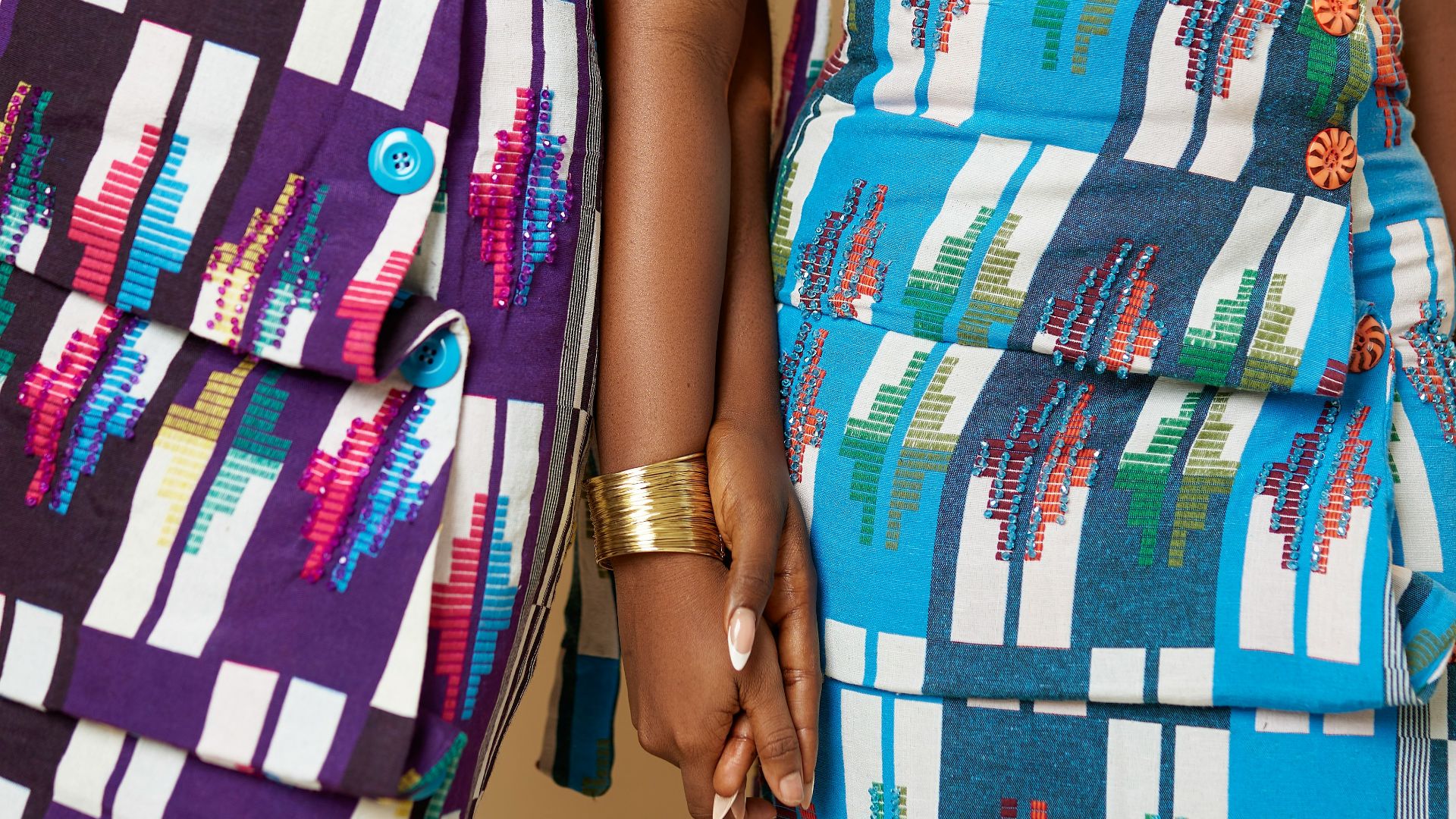
3. Let One Print Be the Focus
Successful print mixing usually involves a clear focal point. One pattern should take the lead while the other plays a supporting role. For example, a bold patterned jacket might pair with a more subtle printed top. This hierarchy prevents outfits from looking chaotic.
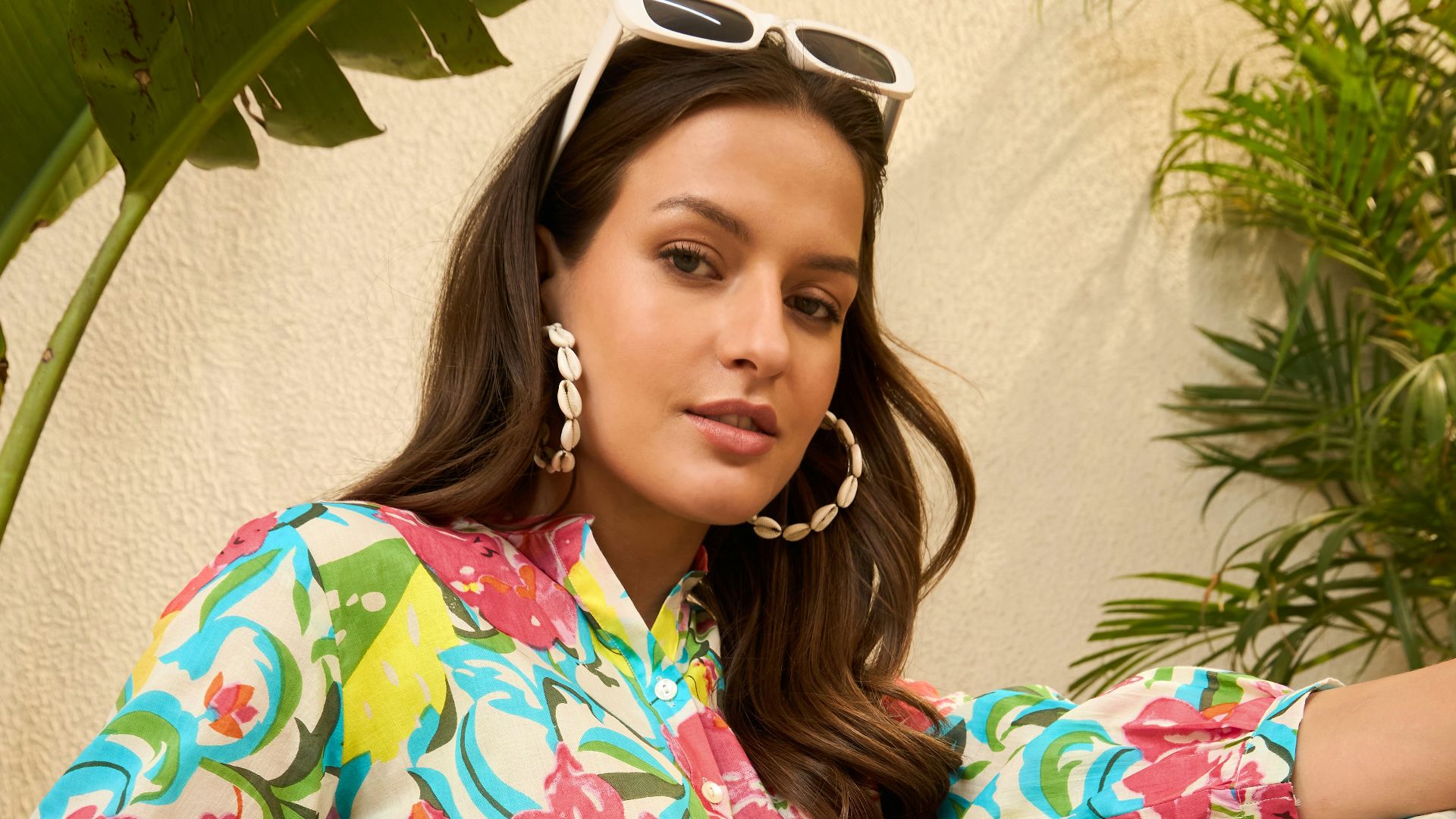
4. Use Stripes as a Neutral Pattern
Stripes are one of the most flexible patterns in fashion. Their simple structure allows them to pair easily with florals, polka dots, and geometric prints.

5. Balance Busy Patterns With Simpler Ones
If one print contains a lot of detail, pairing it with a simpler pattern creates balance. A dense floral print, for instance, often works well with clean stripes or small dots.

6. Repeat Colors Through Accessories
Accessories can help tie mixed prints together. Shoes, belts, or handbags that echo colors in the clothing can create visual cohesion. Even small color connections make the entire outfit feel more deliberate.

7. Consider the Fabric and Structure
Print mixing isn't only about patterns but also about how garments are constructed. Structured pieces like blazers or tailored trousers can anchor patterned items.
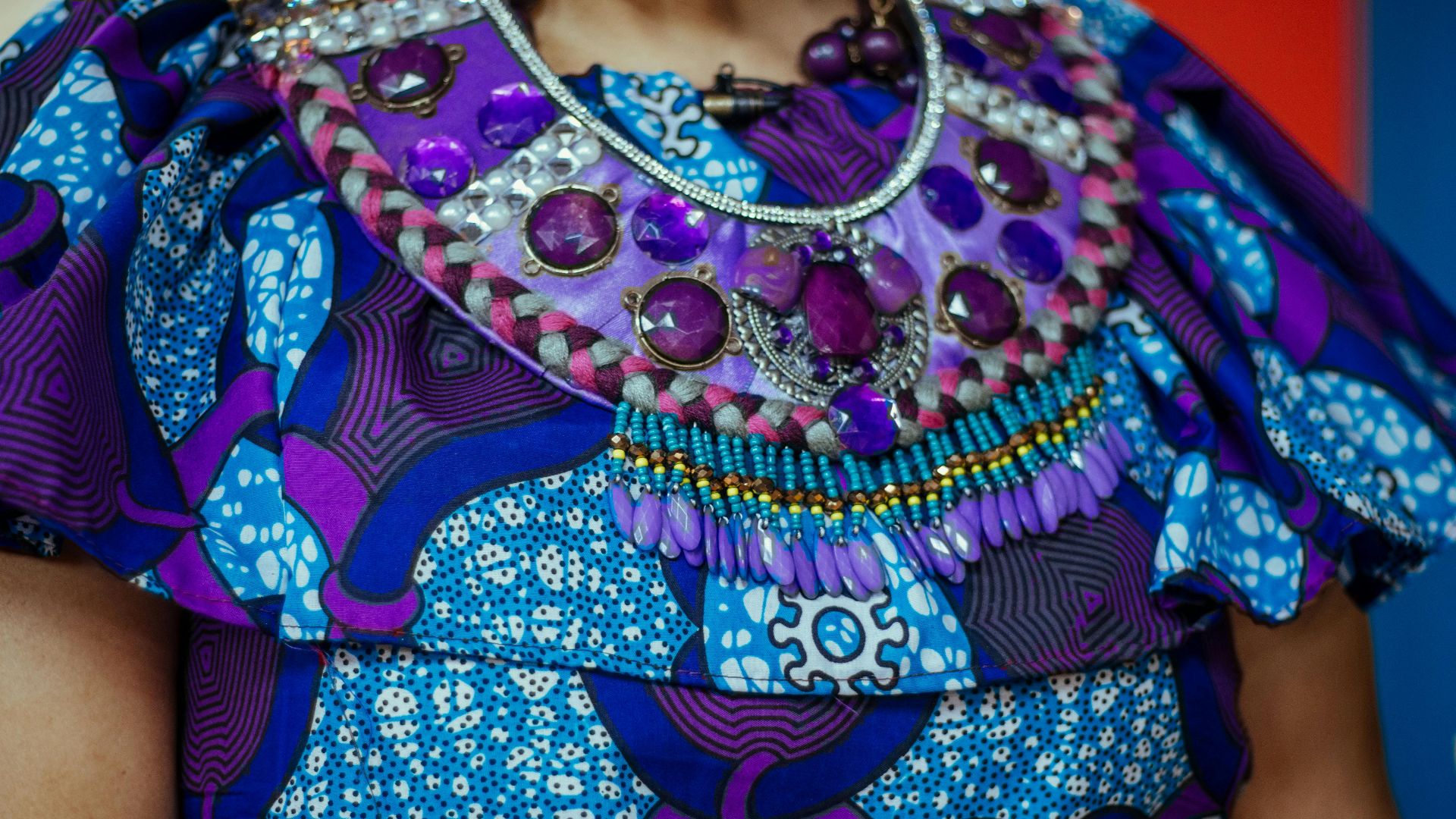
8. Keep the Outfit Silhouette Clean
When mixing prints, a clear silhouette helps maintain visual order. Simple shapes like straight skirts, tailored pants, or classic shirts prevent the outfit from feeling overly busy.
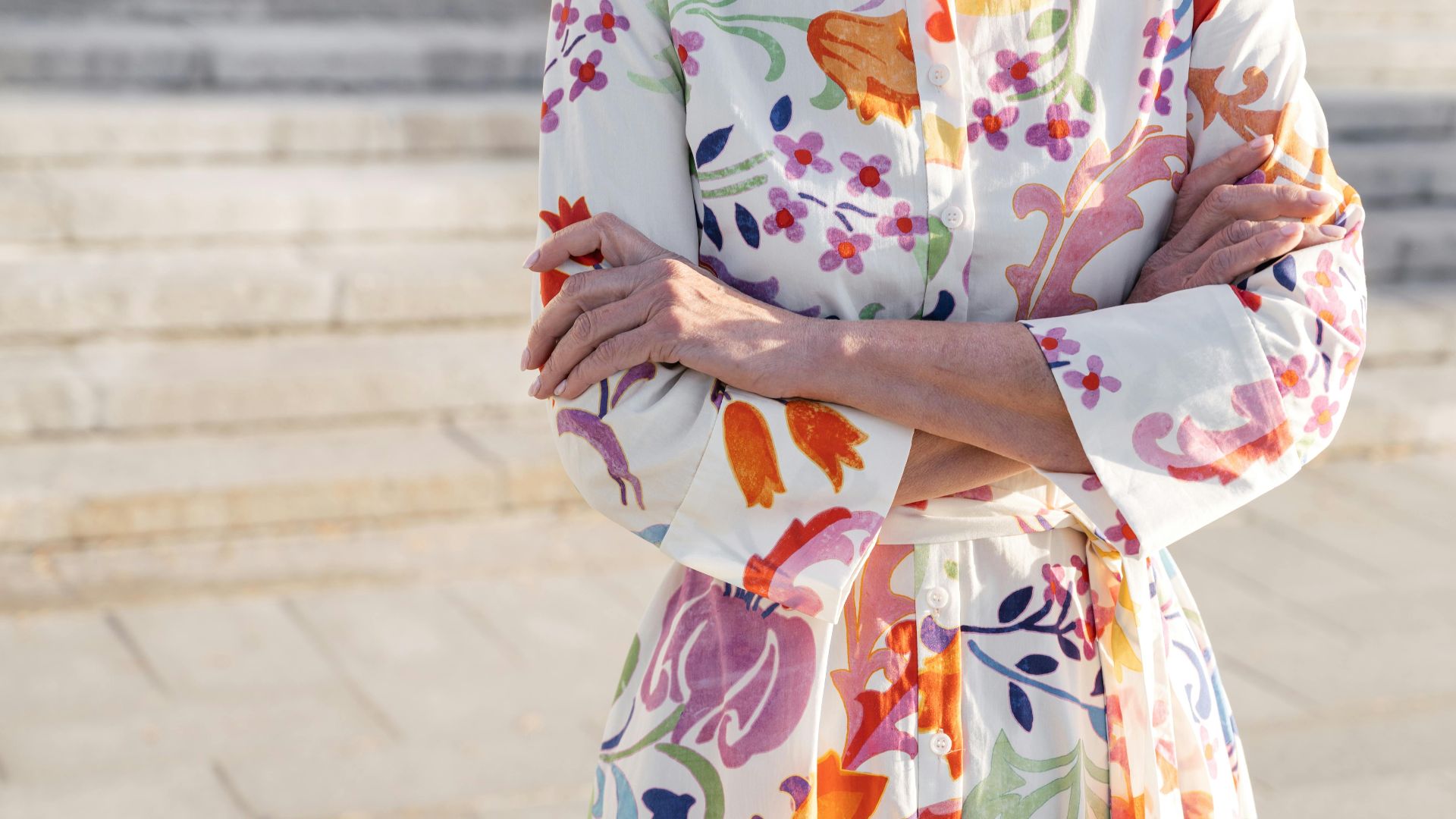
9. Start With Two Prints Before Adding More
Beginners often find it easier to mix two prints rather than several at once. Once you feel comfortable pairing patterns, adding a third becomes less intimidating.

10. Trust Visual Balance Over Strict Rules
Even the best styling advice should remain flexible. Sometimes an unexpected combination works simply because it feels balanced to the eye.