The Moustaches We’ll Never Forget
Throughout history, a well-groomed moustache has often served as a bold statement of power, creativity, or sheer eccentricity. You'll find that many of the world's most influential leaders and artists used their facial hair to craft a personal brand that remains instantly recognizable centuries later. With that in mind, here are 20 moustaches that persist in our memory.
 Friedrich Hermann Hartmann on Wikimedia
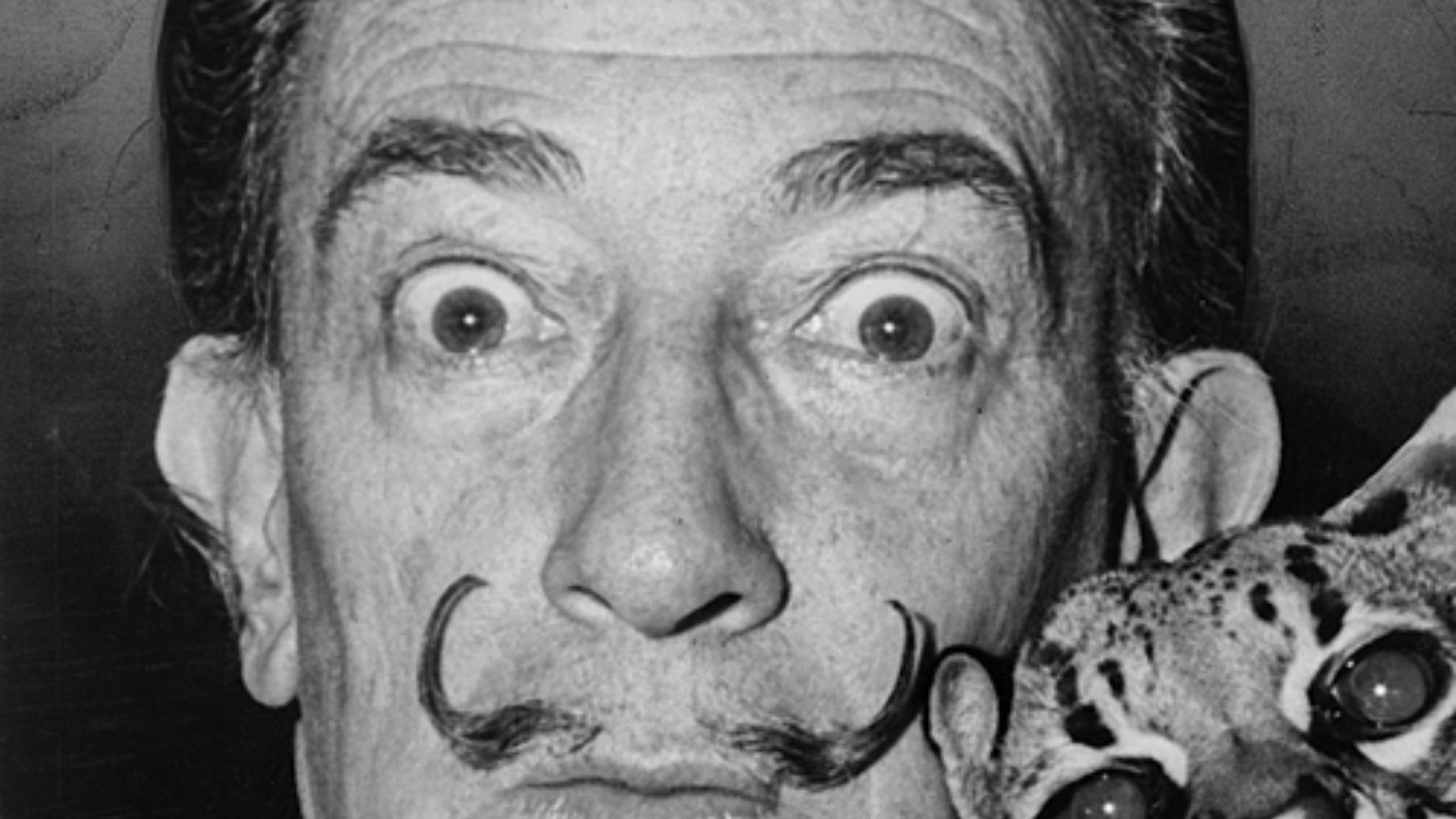
1. Salvador Dalí’s Antics
Dalí styled his straightened, waxed mustache to perfectly resemble the hands of a clock. According to him, his majestic mustache served as a sensory organ capable of transmitting messages from the universe. Impressive mustache dedication, Salvador.
 Roger Higgins, World Telegram staff photographer on Wikimedia
2. Theodore Roosevelt’s Rough Rider Look
This American president sported a thick, bushy mustache that perfectly matched his adventurous and energetic "bull moose" persona. It was a rugged style that signaled he was just as comfortable leading a charge up a hill as he was sitting in the Oval Office. His facial hair became a symbol of American masculinity and grit.

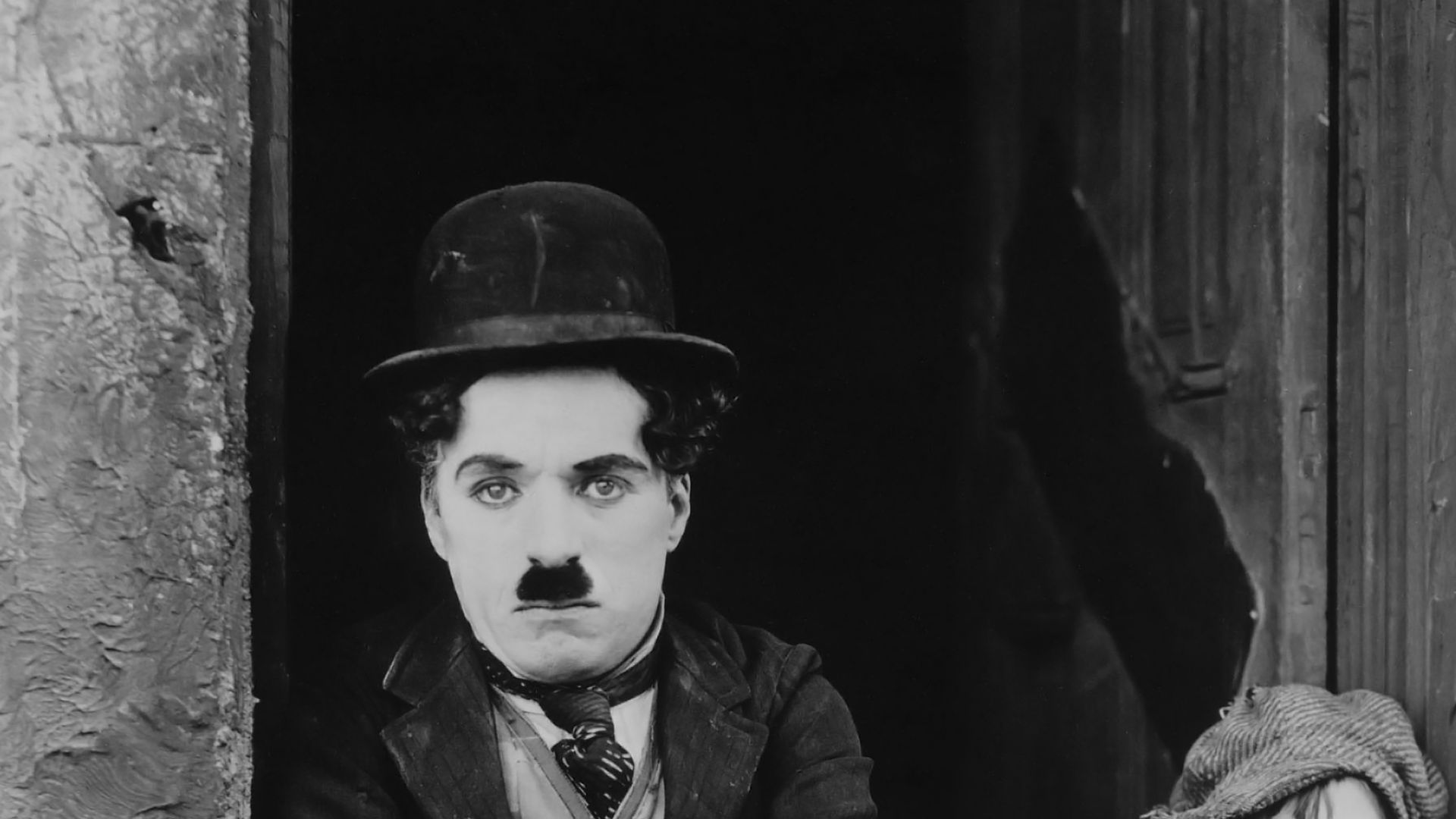
3. Charlie Chaplin’s Iconic Toothbrush
He went with the smallest style on the list because he wanted to make sure his lips could still express emotion to the camera. Today, Charlie Chaplin’s toothbrush mustache remains one of Hollywood’s most recognizable and spoofed facemarks of all time. It's a great example of how a simple grooming choice can become a global cultural shorthand.
 Unknown photographer on Wikimedia
4. Friedrich Nietzsche’s Walrus Style
This German philosopher wore a mustache so massive and overgrown that it almost entirely obscured his mouth. Some historians believe he grew it that way to create a mask of strength while he explored his deeply provocative and often dark ideas. You’d probably find it difficult to eat a bowl of soup with that much hair hanging over your lip.
 Unknown authorUnknown author on Wikimedia
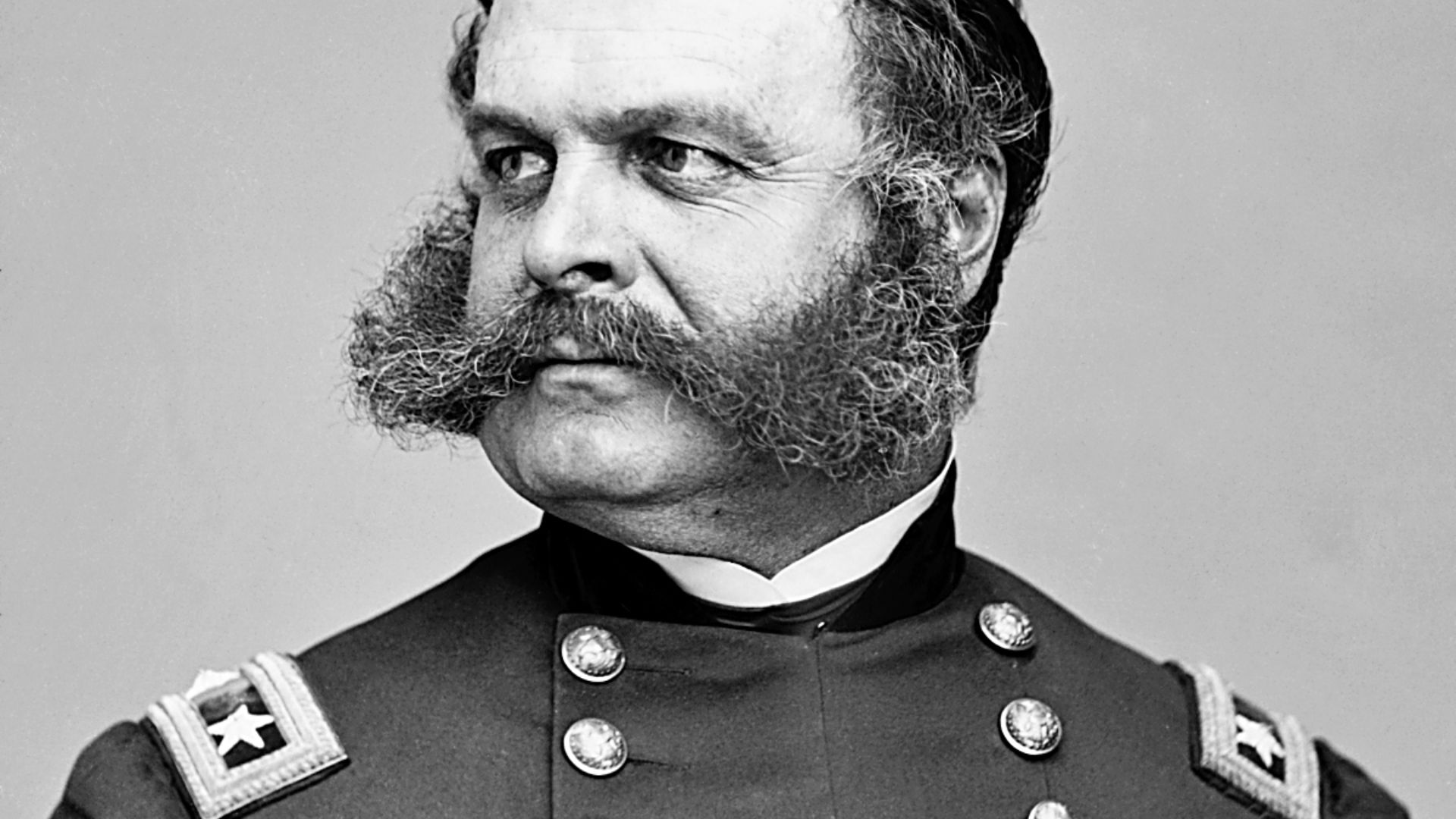
5. Ambrose Burnside’s Unique Connectors
Say what you will about the American Civil War general, but Burnside certainly had some serious commitment to his facial hair. He’s even the man who inspired the hairstyle term “sideburns.” Although, would you want a mustache that hangs so low that it connects with your side hair?
 Mathew Benjamin Brady on Wikimedia
6. Albert Einstein’s Scientific Shagginess
He went natural and let his unwaxed hair grow as it pleased. Einstein rarely trimmed his curly mustache, which helped give off his beloved wise-but-lovable scientist vibe. This unkempt facial hair gives Einstein his trademark “mad scientist” look we all love him for today.

7. Mark Twain’s Literary Foliage
The celebrated author of Huckleberry Finn had a sprawling, snowy white mustache that complemented his signature wild hair and white suits. It gave him the look of a wise yet mischievous grandfather who always had a witty story ready to go. You can easily imagine him stroking that impressive mustache while coming up with his next sarcastic observation.
 Photographer: A.F. Bradley in his studio. on Wikimedia
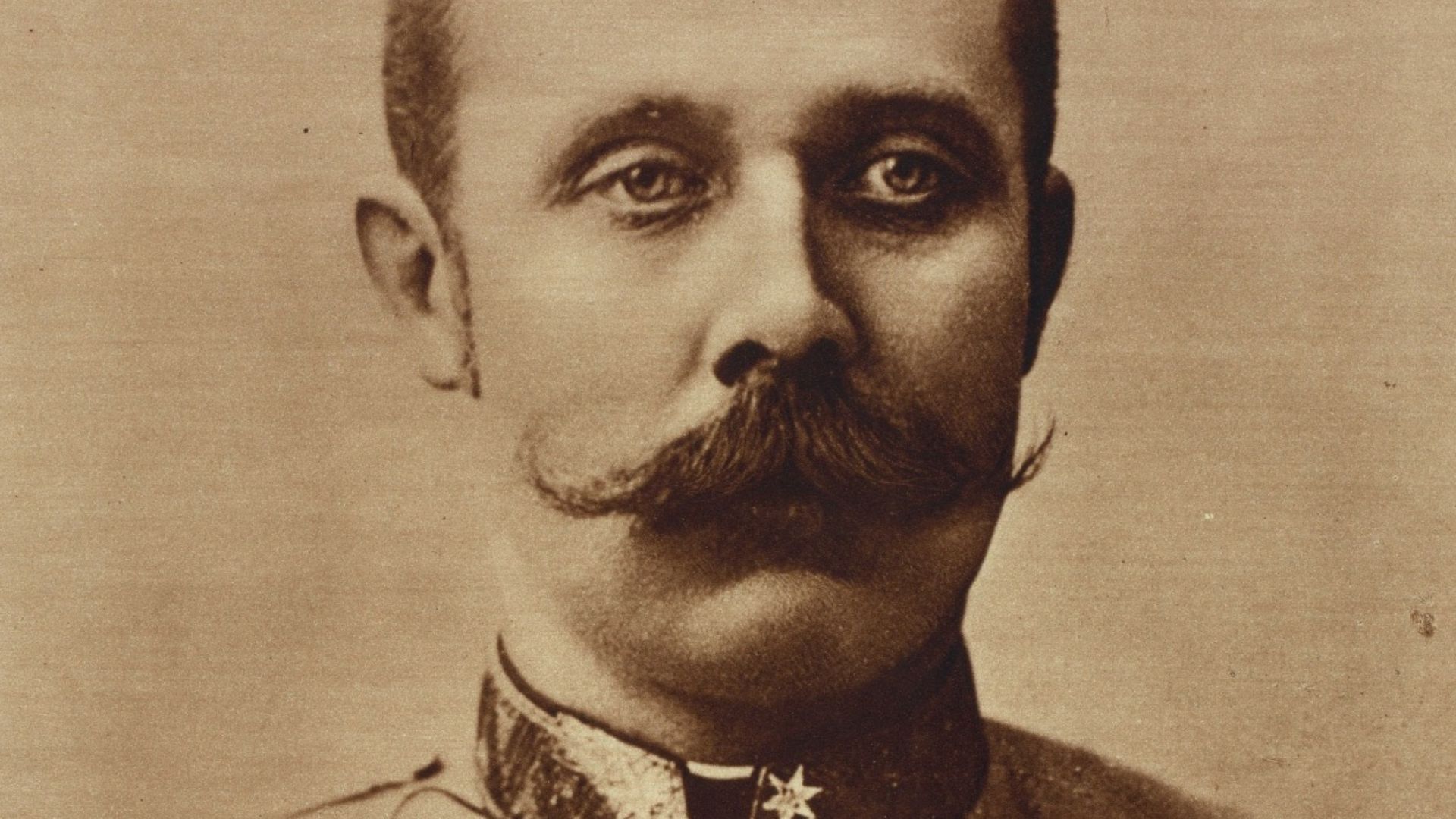
8. Archduke Franz Ferdinand’s Upswept Ends
The Archduke wore an imperial mustache like any other noble man would during his time. He and many of his fellow military officers’ mustaches’ ends would be curled upward in a neat, aristocratic arrangement. Unfortunately, his famous facial hair is often overshadowed by the fact that his assassination triggered the start of World War I.
9. William Howard Taft’s Handlebar Curve
Like Teddy Roosevelt before him, William Howard Taft was the last American President to sport a mustache while in office. His full, bushy mustache curved outward like a classic handlebar, giving him a jovial appearance.
 Unknown authorUnknown author on Wikimedia
10. Burt Reynolds’ Action Hero Vibe
Okay, Burt Reynolds isn’t really “historical” by any means, but he did own that funky mustache in the 1970s. America fell in love with his dark, soul patch-less mustache and nearly associated him with facial hair ever since. Don’t you dare forget about this man’s mustache.

11. Kaiser Wilhelm II’s Sharp Points
Take your typical handlebar mustache and turn up those ends to form a “W”. That’s basically Kaiser Wilhelm II’s heavyweight division competing stache. Wilhelm often used hair stiffening products to keep his luxurious locks intimidating civilians and army officials alike.
 Studio of Thomas Heinrich Voigt on Wikimedia
12. Wyatt Earp’s Lawman Look
This legendary Wild West gunslinger wore a long, drooping mustache that reached down past the corners of his mouth. This "horseshoe" style was common among frontiersmen and gave him a stern, intimidating look that likely helped keep the peace in Tombstone. It’s exactly the kind of facial hair you’d expect on a man who survived the O.K. Corral.
 Unknown authorUnknown author on Wikimedia
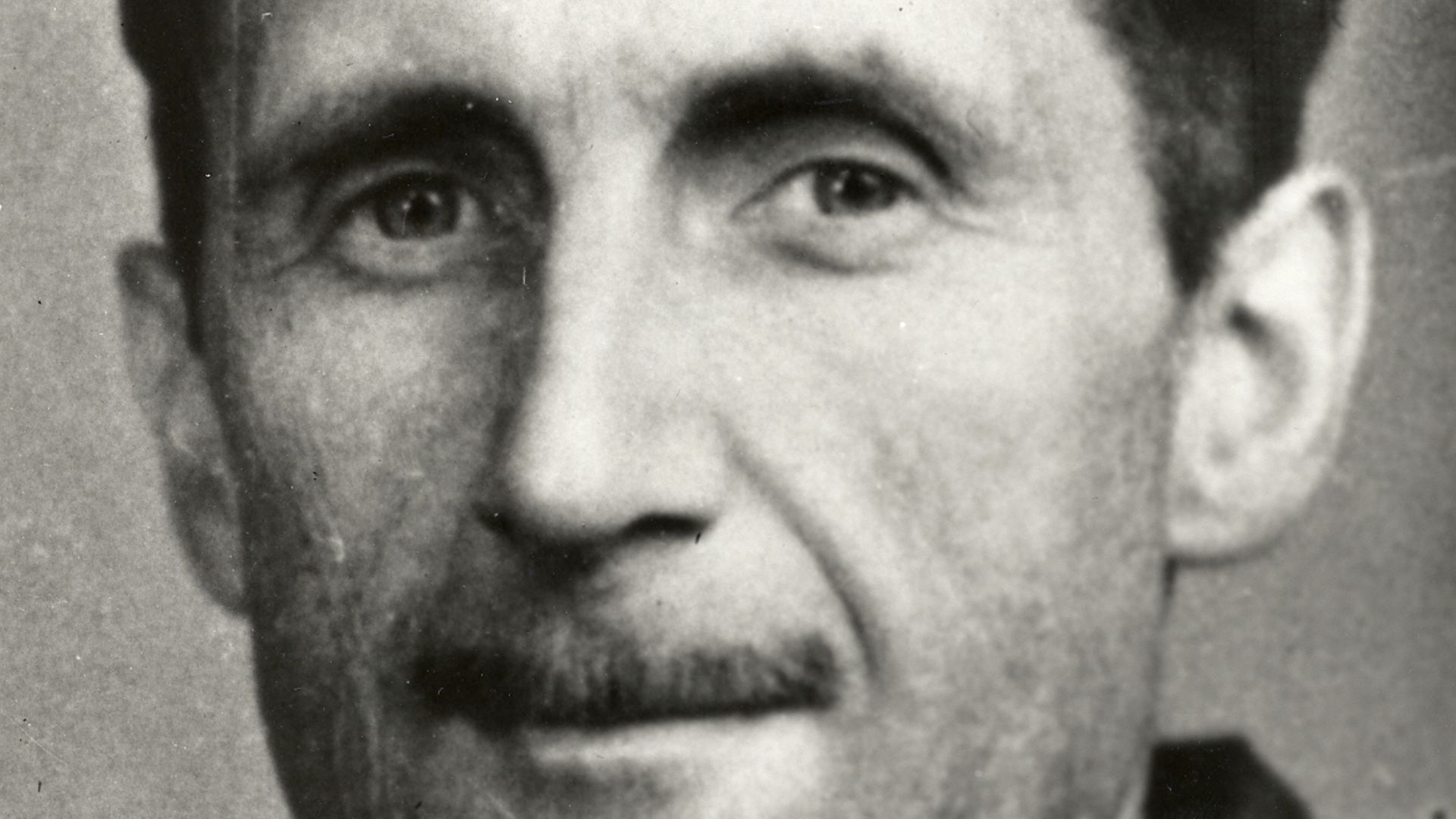
13. George Orwell’s Thin Pencil
1984 author George Orwell was known to wear a thin, narrow mustache that reached from side to side. This upright style was common among British military officials and civilians during the time. His grooming reflected his straightforward and honest approach to writing.
 Branch of the National Union of Journalists (BNUJ). on Wikimedia
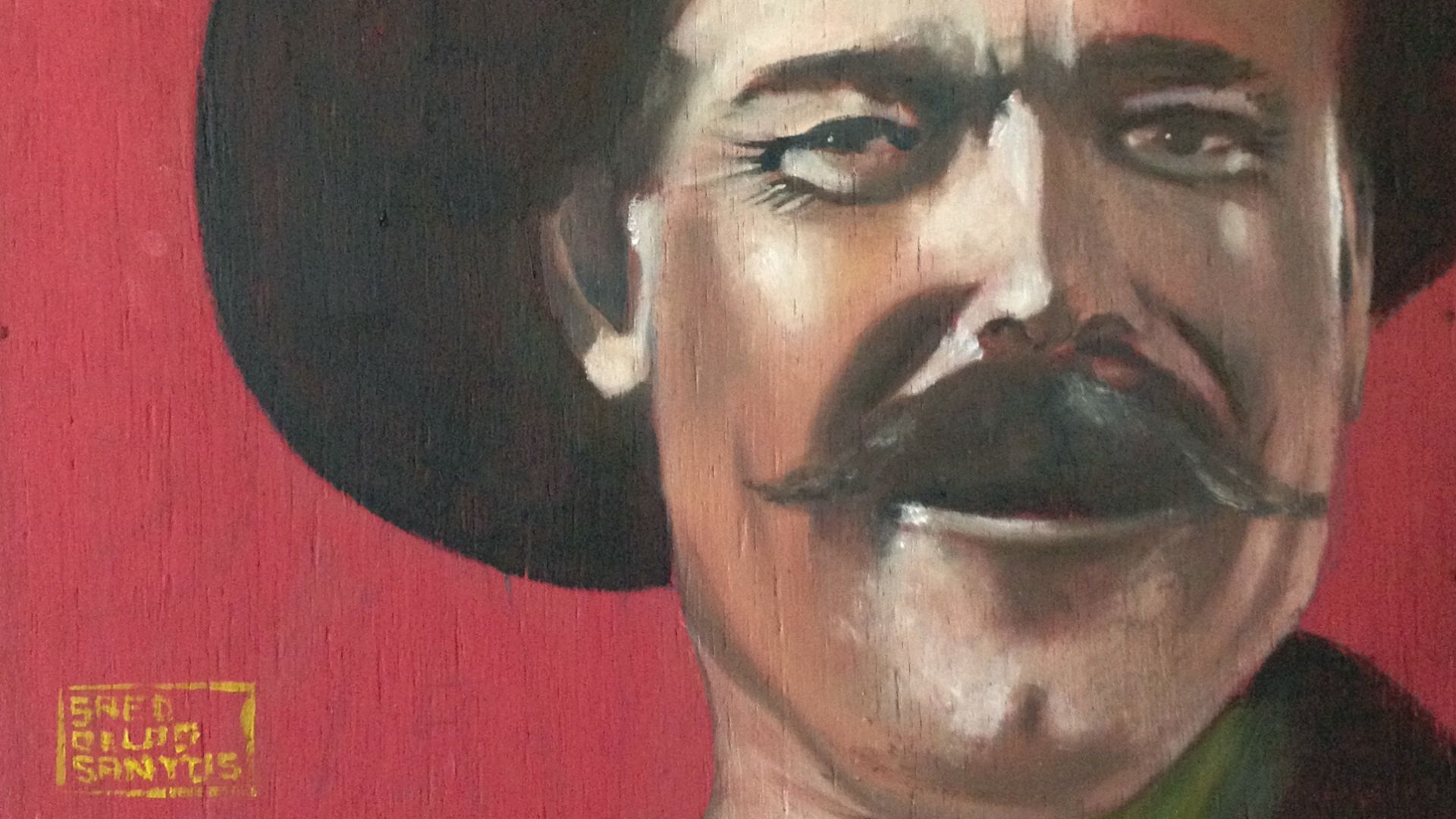
14. Pancho Villa’s Revolutionary Bristles
The Mexican revolutionary leader had a thick, rugged mustache that looked like it had seen plenty of battles and dusty rides. It became a symbol of the rebellion and gave him a fierce appearance that commanded respect from his followers. His face remains an enduring icon of the Mexican Revolution.
 Saed de los Santos on Wikimedia
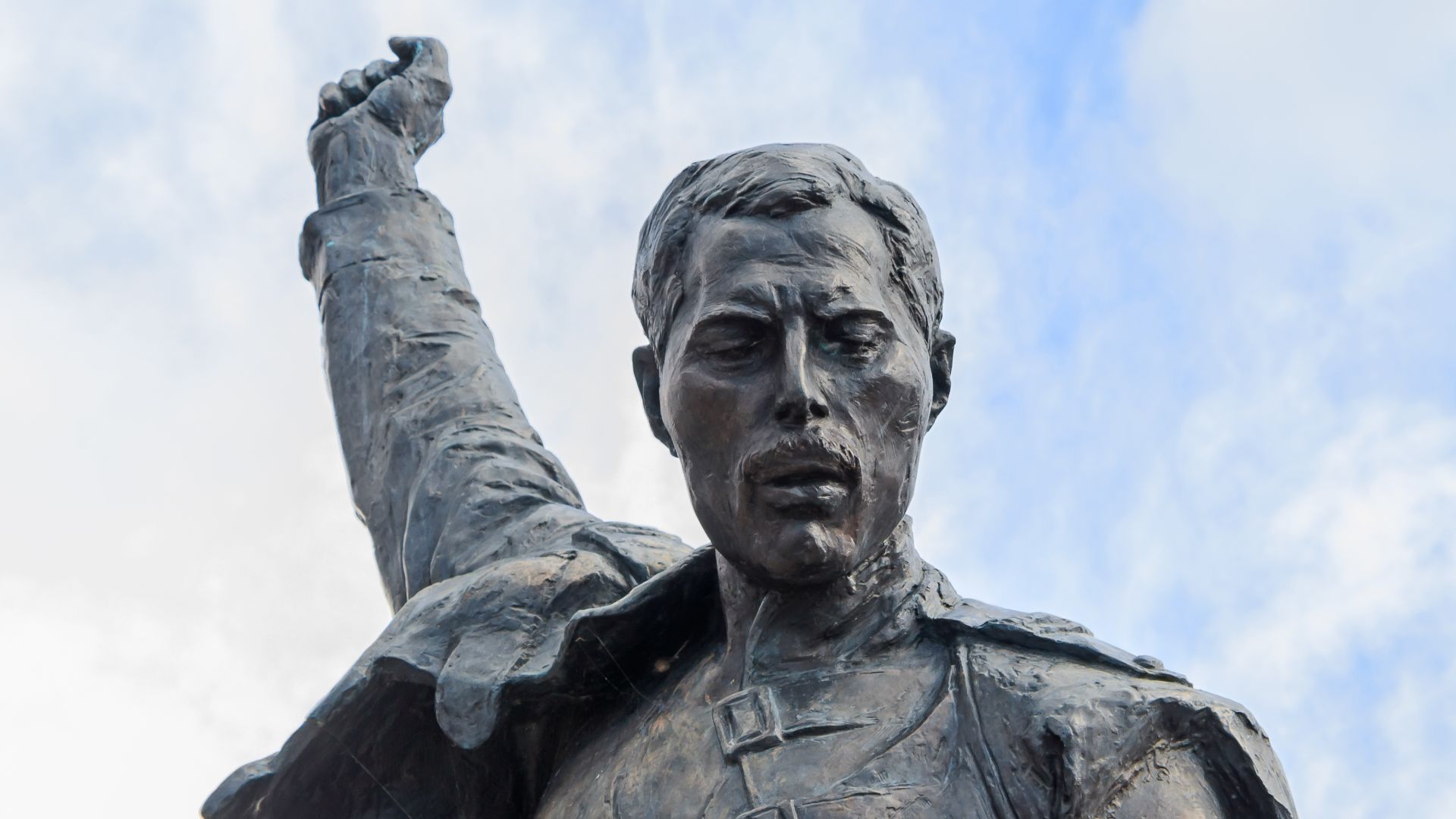
15. Freddie Mercury’s Stage Presence
The lead singer of Queen took a break from his glam-rock roots to grow a thick, dark mustache that became his most famous look. It helped him transition into a more mature and powerful image during the 1980s as the band dominated stadiums around the world. You can't picture him performing at Live Aid without that legendary bit of grooming.
16. Hercules Poirot’s Fictional Perfection
Belgian detective Poirot from Agatha Christie’s book series was well-known for his extravagant personality and mustache. The fictional detective took great care in keeping his mustache perfectly symmetrical and trimmed at all times. Any stray hair would have been a personal disaster for a man with such high standards for himself.
 Crowell Publishing Company, illustration by Weldon Trench on Wikimedia
17. Genghis Khan’s Steppe Style
Emperors of the Mongol Empire are often portrayed with a long, thin mustache that stretches from their nose down to their chins. Like much of his personality and conquests, Genghis Khan’s facial hair was fierce. It's a look that signaled his status as a Great Khan and a formidable warrior.
 Jim Garamone, American Forces Press Service on Wikimedia
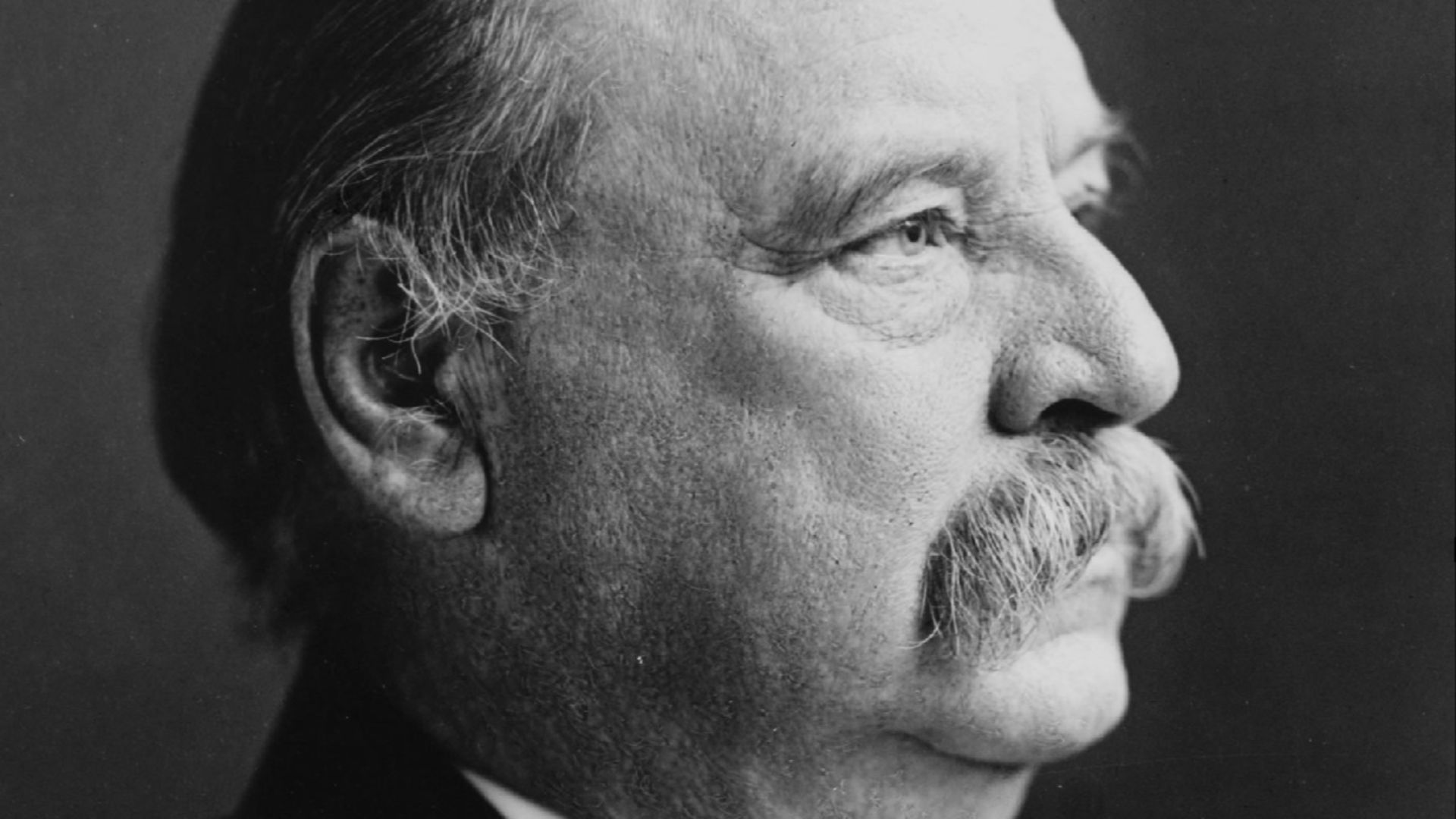
18. Grover Cleveland’s Double Feature
This president was unique for serving two non-consecutive terms, and his thick, dark mustache stayed with him through both of them. It was a very solid and dependable look that matched his reputation for being an honest and hardworking politician. Many people of the late nineteenth century saw his facial hair as a sign of his sturdy character.
 Frederick Gutekunst on Wikimedia
19. Groucho Marx’s Painted Illusion
Before he could grow out a real handlebar mustache like his brothers, Groucho Marx used greasepaint to apply a fake one to his upper lip. Looking at old pictures of the comedian is almost deceiving because his fake mustache is actually gigantic.
 Macfadden Publicationspage 2 on Wikimedia
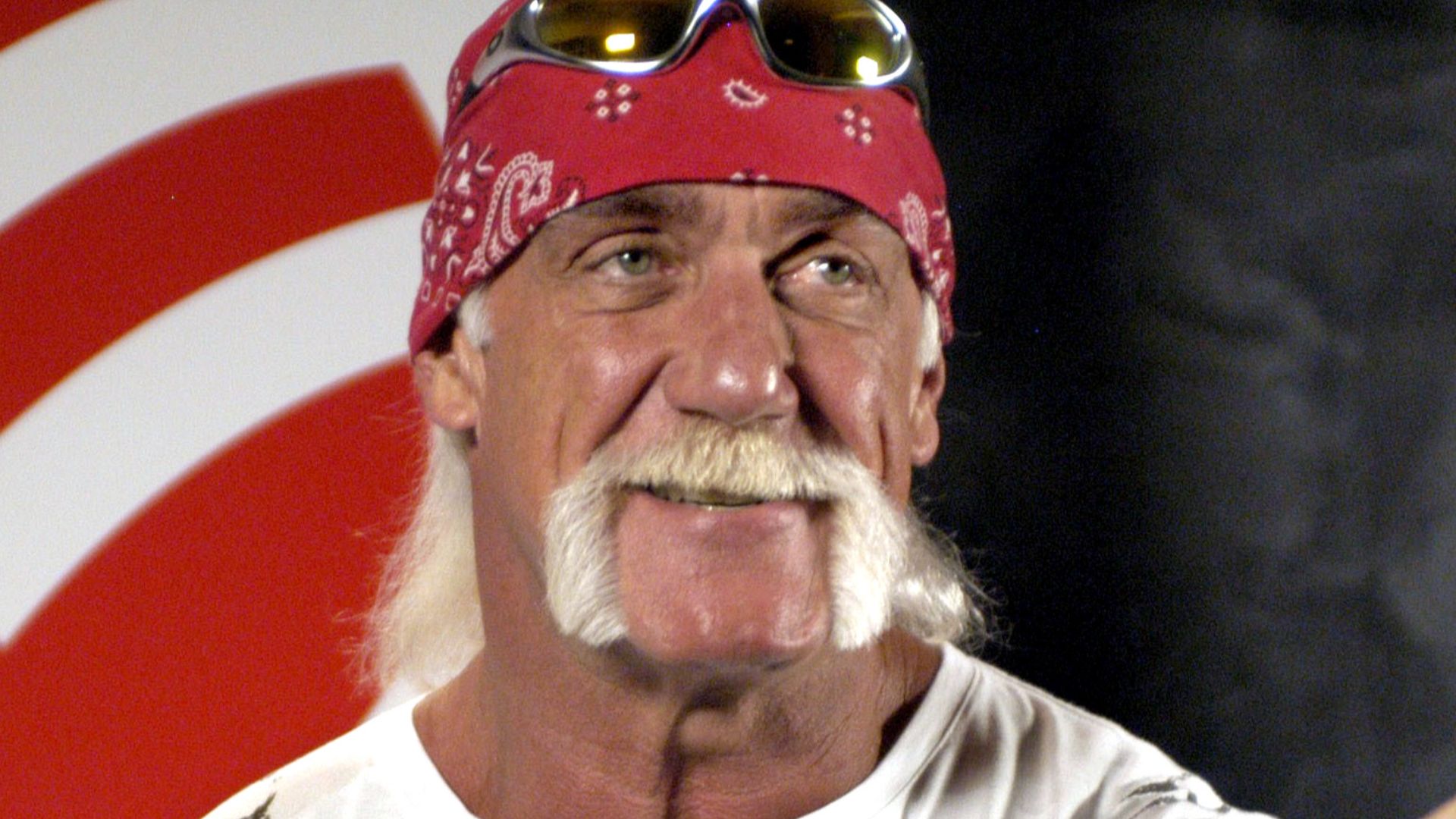
20. Hulk Hogan’s Bleached Horseshoe
Say what you will about professional wrestler Hulk Hogan, but the man sure knows how to bleach a mustache. This pumped-up version of the horseshoe made Hogan one of the most iconic faces in wrestling history. You’d know that face anywhere.
 Petty Officer 1st Class Kristin Fitzsimmons, USN on Wikimedia