Fashion Choices That Work Consistently And Others That Require Precision
Some dress styles remain popular for decades because they flatter a wide range of body types, work across multiple occasions, and are relatively easy to style without much effort. Others can look striking in the right setting but often depend on very specific proportions, styling choices, or confidence levels to succeed visually. Understanding which styles are versatile and which require more careful coordination can make shopping and styling far less frustrating. Here are 10 dress styles that rarely fail and 10 that are hard to pull off.

1. Wrap Dresses
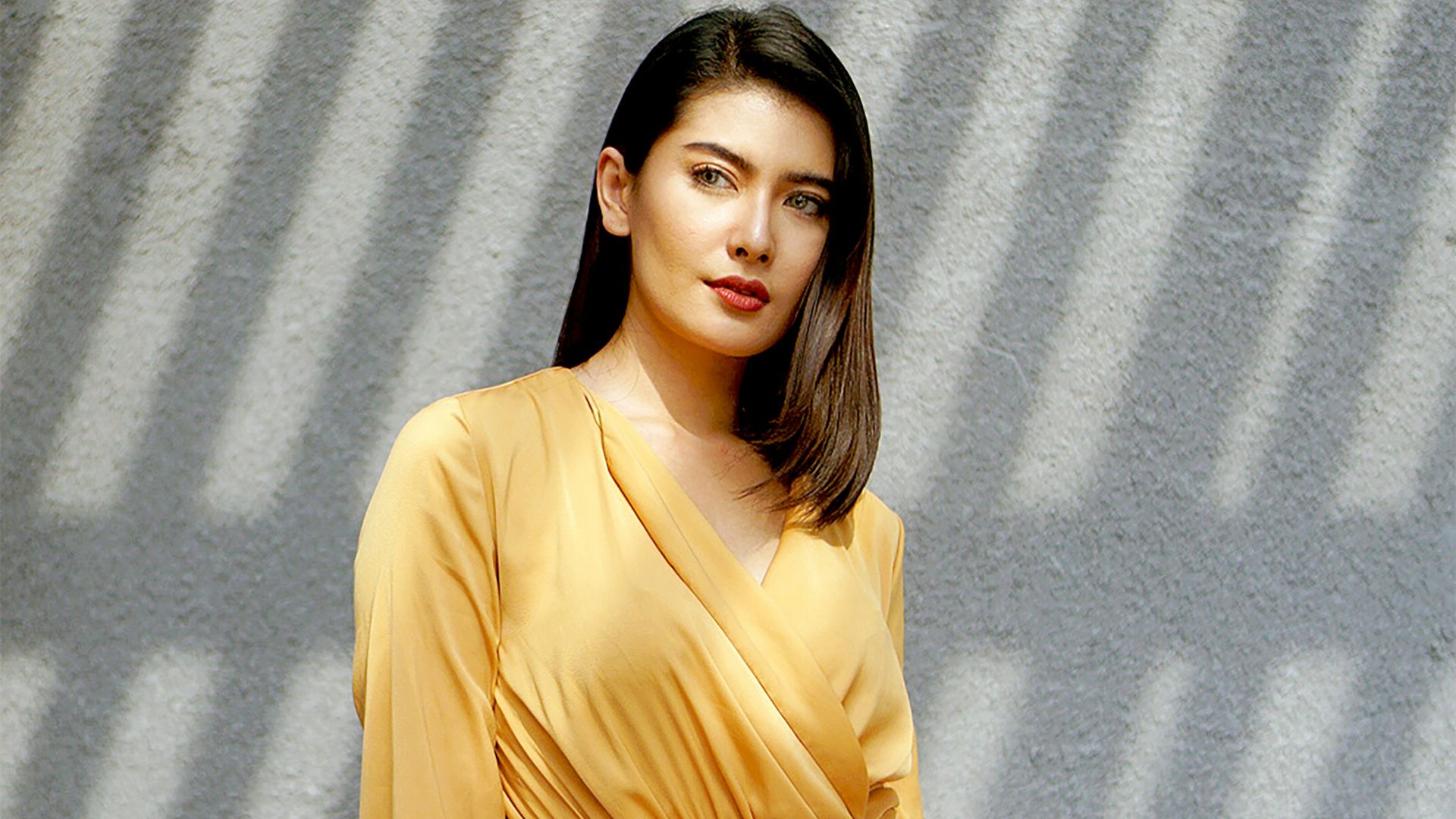
Wrap dresses have remained consistently popular since the 1970s because they suit many body shapes comfortably. The adjustable waist creates definition without feeling overly restrictive, which makes the style practical for both casual and professional settings.
2. A-Line Dresses
A-line dresses are widely considered dependable because the silhouette creates balance without clinging too tightly to the body. The fitted upper portion and gradually wider skirt make the style flattering for many figures and age groups.
3. Shirt Dresses
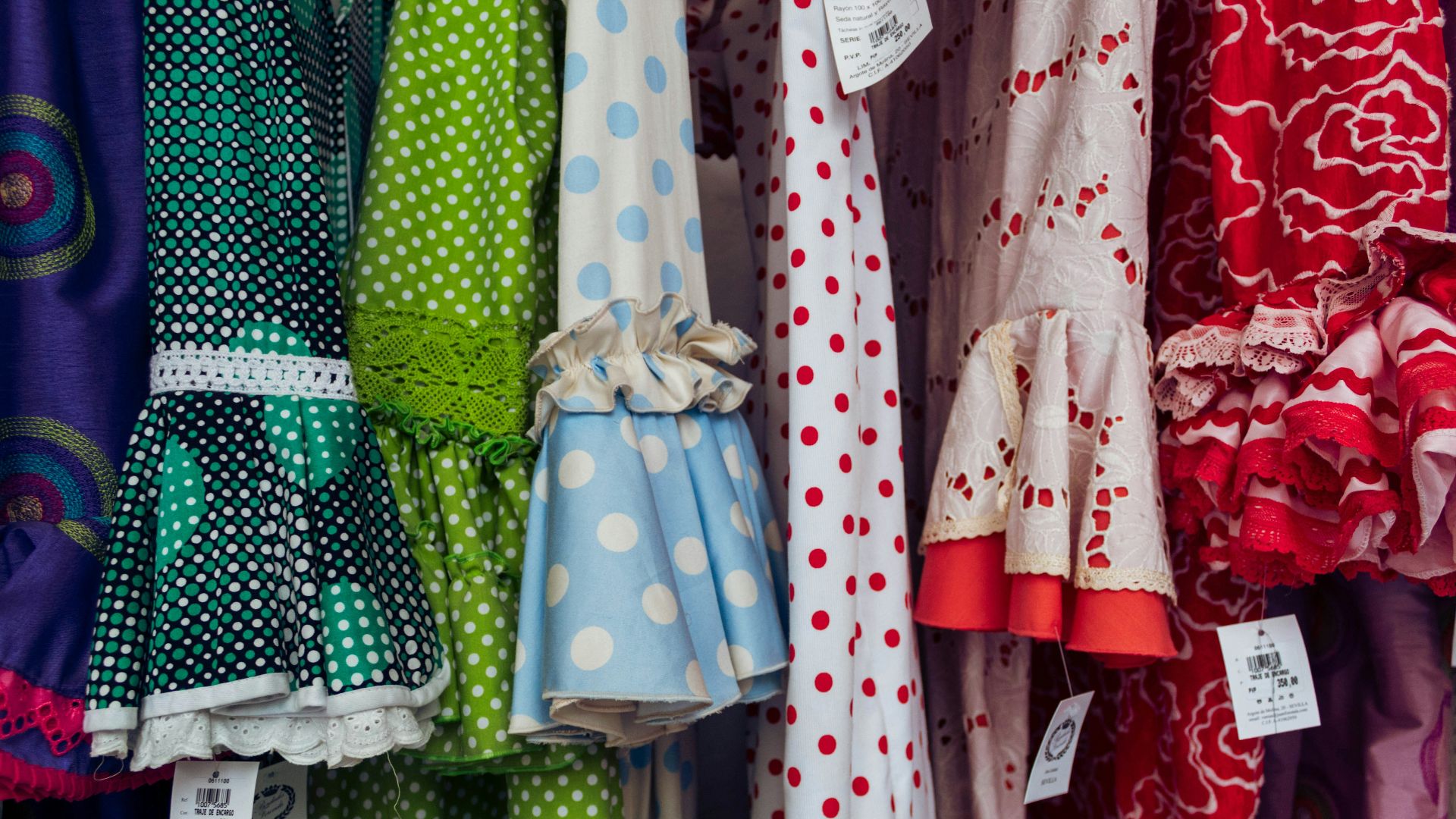
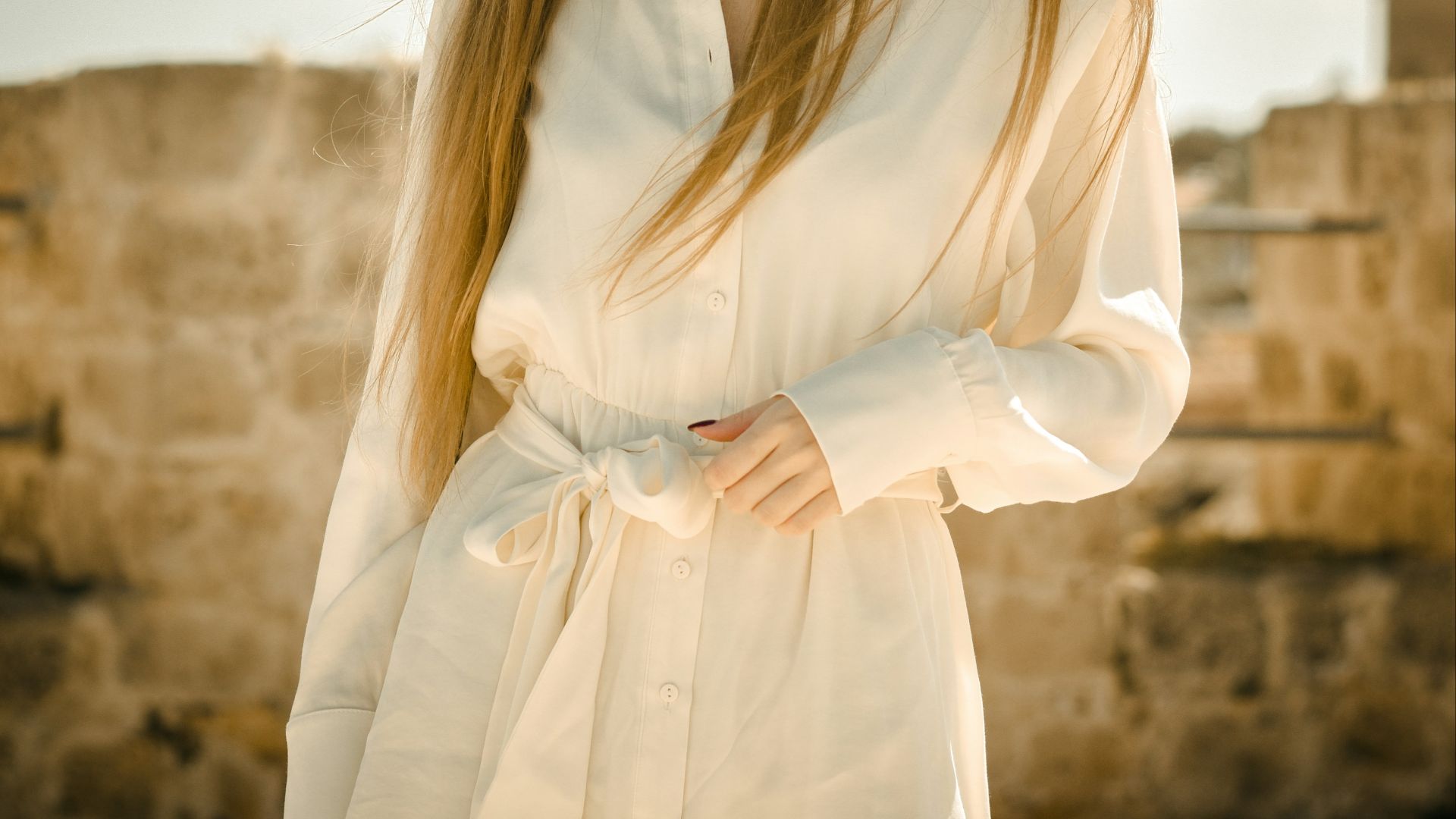
Shirt dresses combine structure and comfort in a way that works for many everyday situations. Inspired by button-down shirts, they often create a polished appearance without feeling too formal or stiff.
4. Fit-And-Flare Dresses
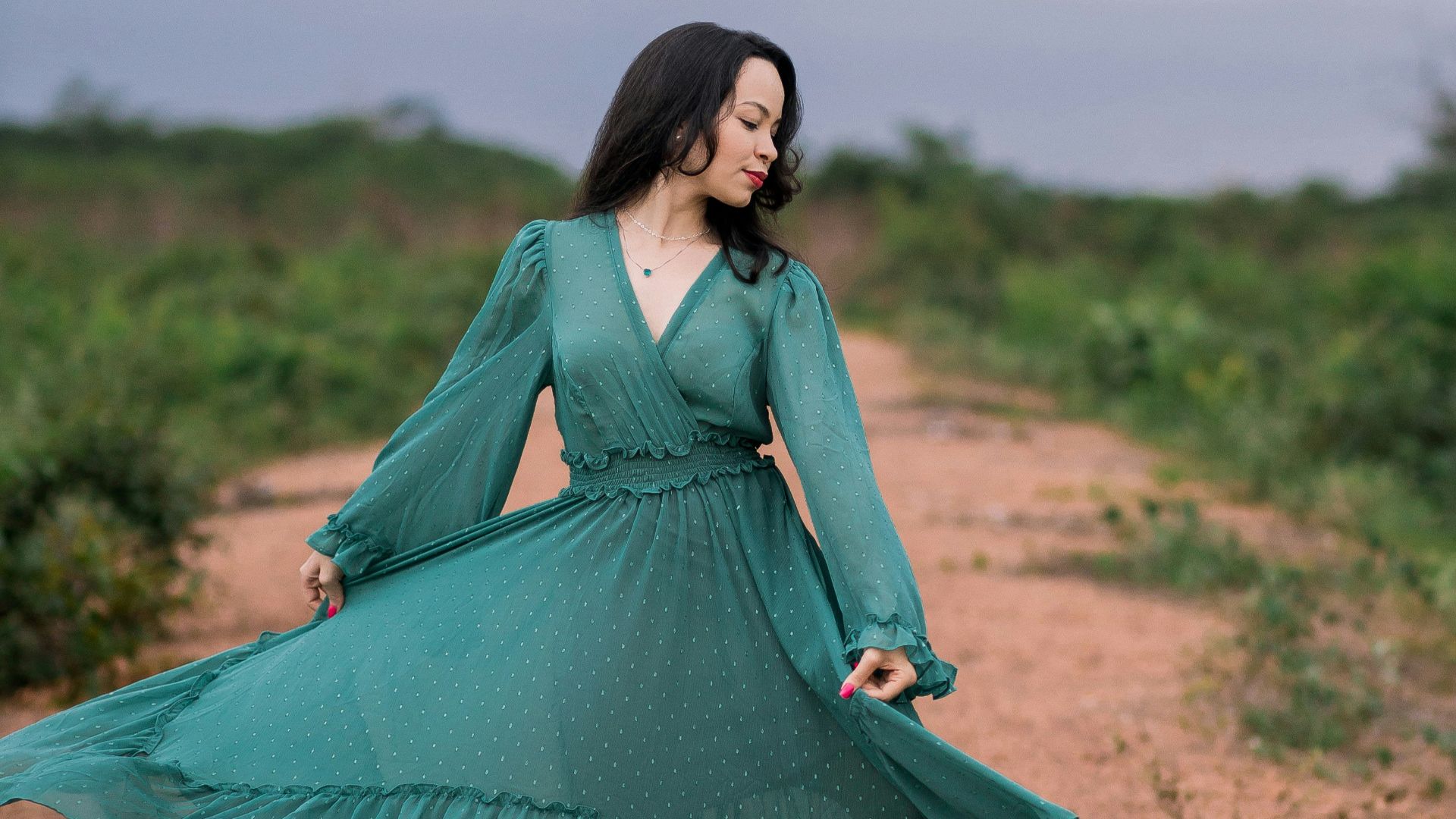
Fit-and-flare dresses continue to succeed because they emphasize the waist while allowing easy movement through the skirt. This silhouette became especially popular during the 1950s and still appears regularly in modern fashion collections today.
5. Slip Dresses
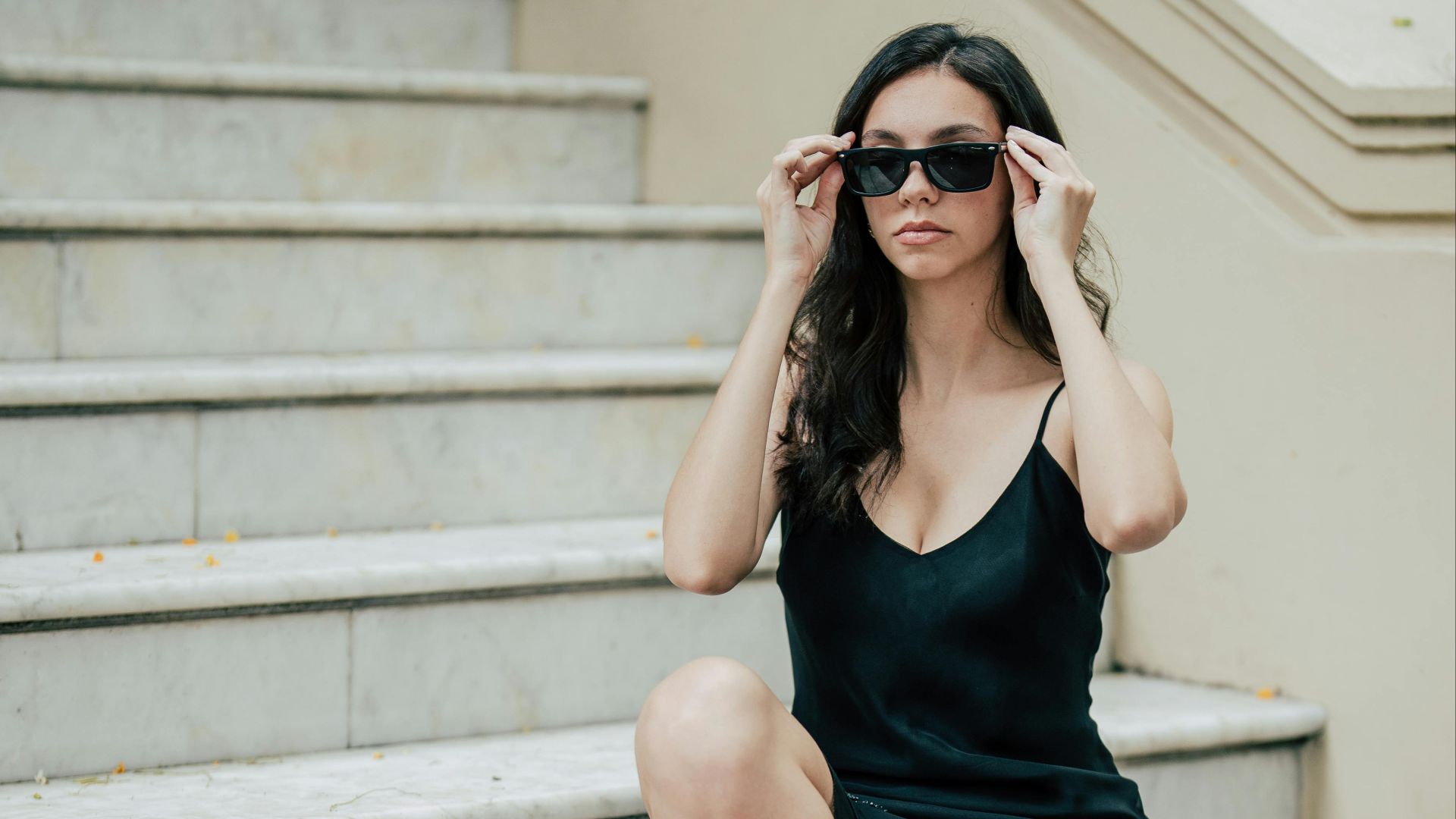
Slip dresses have stayed relevant since the 1990s because of their clean, minimal appearance. Their simple lines make them easy to dress up with heels and jewelry or tone down with jackets and flat shoes.
6. Sweater Dresses
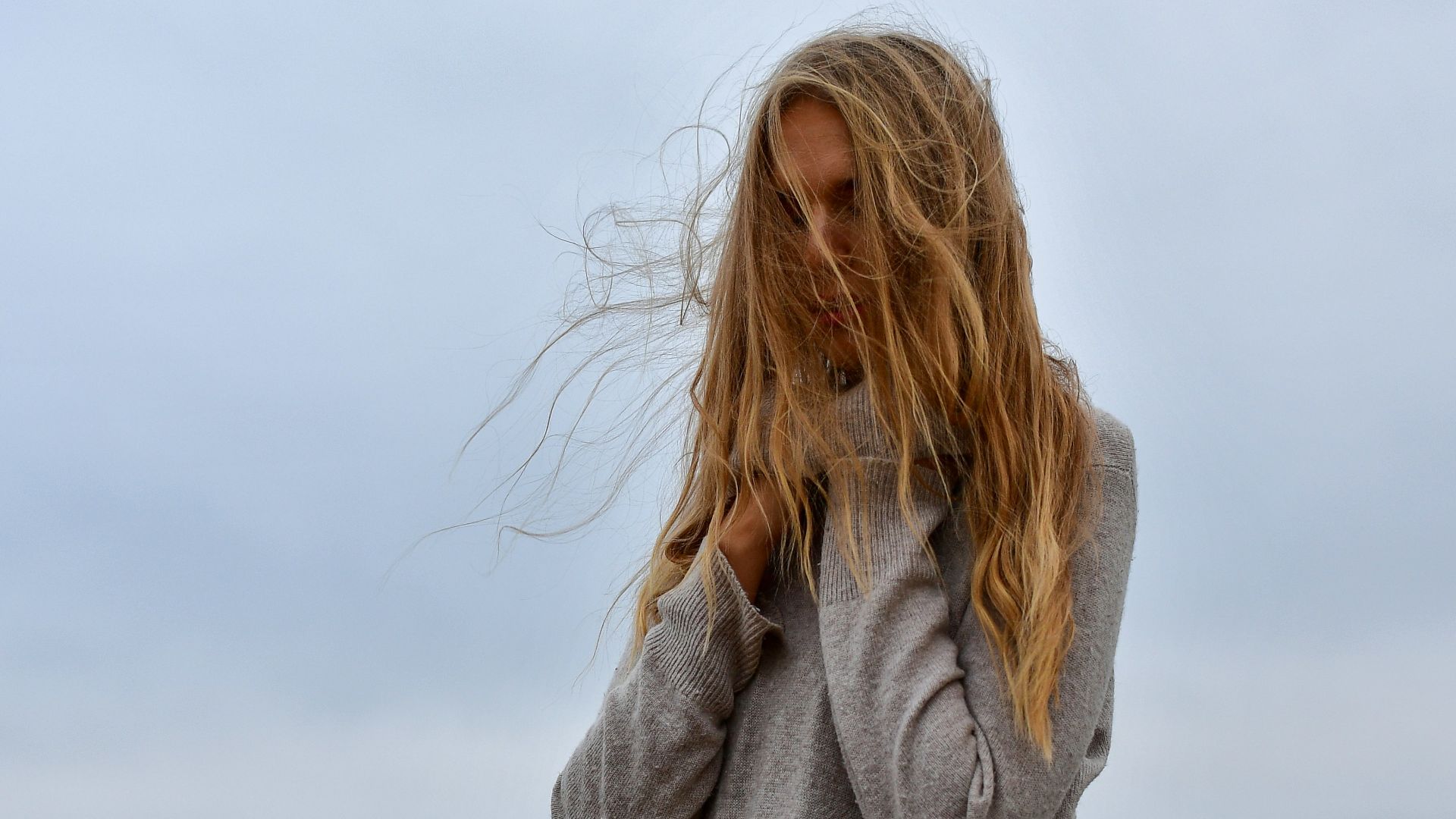
Sweater dresses tend to work well during colder seasons because they combine comfort with a more put-together appearance. They’re easy to layer with coats, tights, scarves, or boots without overwhelming the overall outfit.
7. Midi Dresses
Midi dresses remain consistently wearable because the hemline sits between formal and casual extremes. The length often feels practical while still appearing polished enough for work, dinners, or social gatherings.
8. Empire Waist Dresses
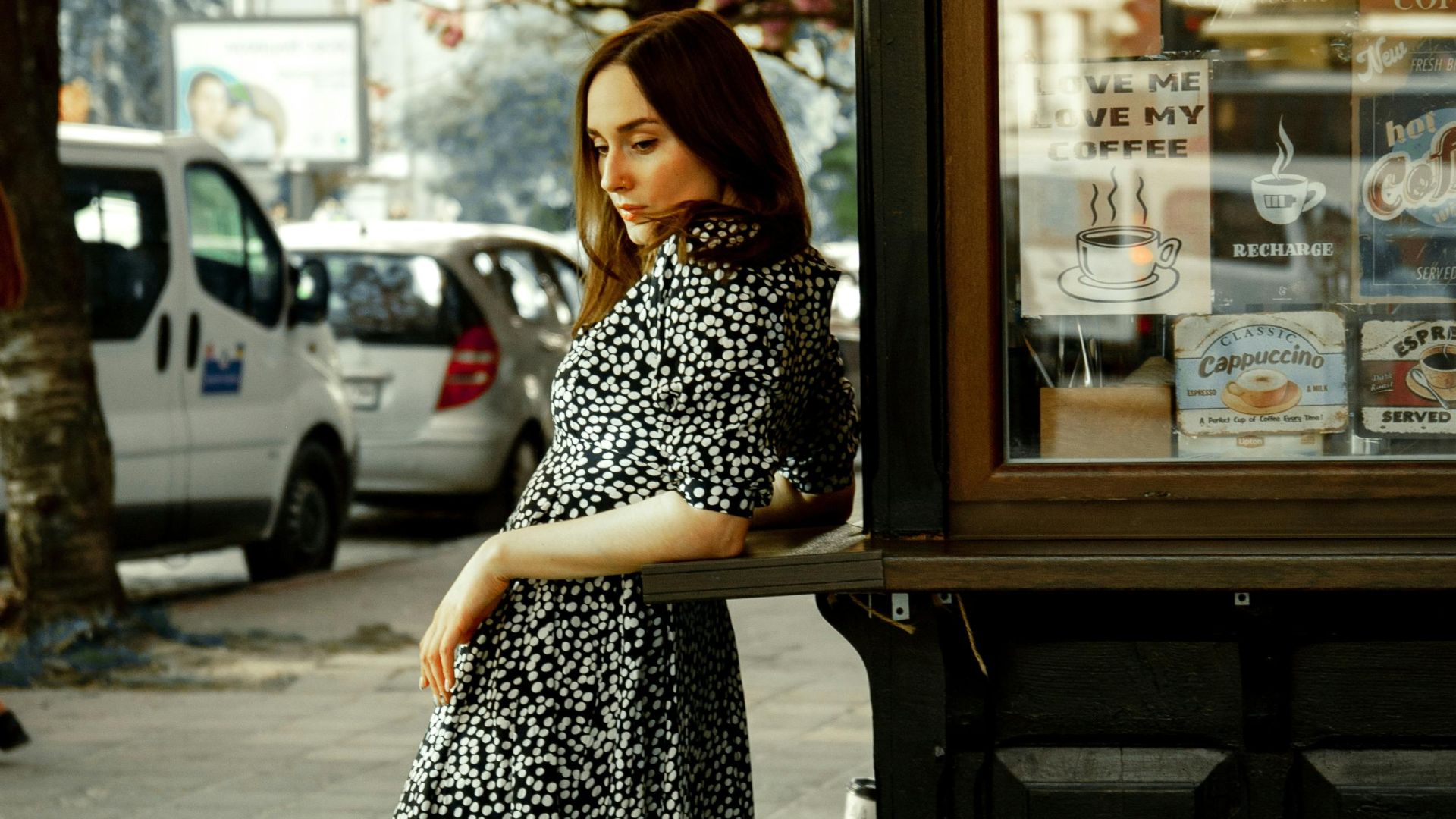
Empire waist dresses place the waistline just below the bust, creating a soft and flowing silhouette. This style became especially recognizable during the Regency era and continues to reappear in modern fashion. Many people appreciate the comfortable fit and lighter structure compared to heavily tailored dresses.
9. Little Black Dresses
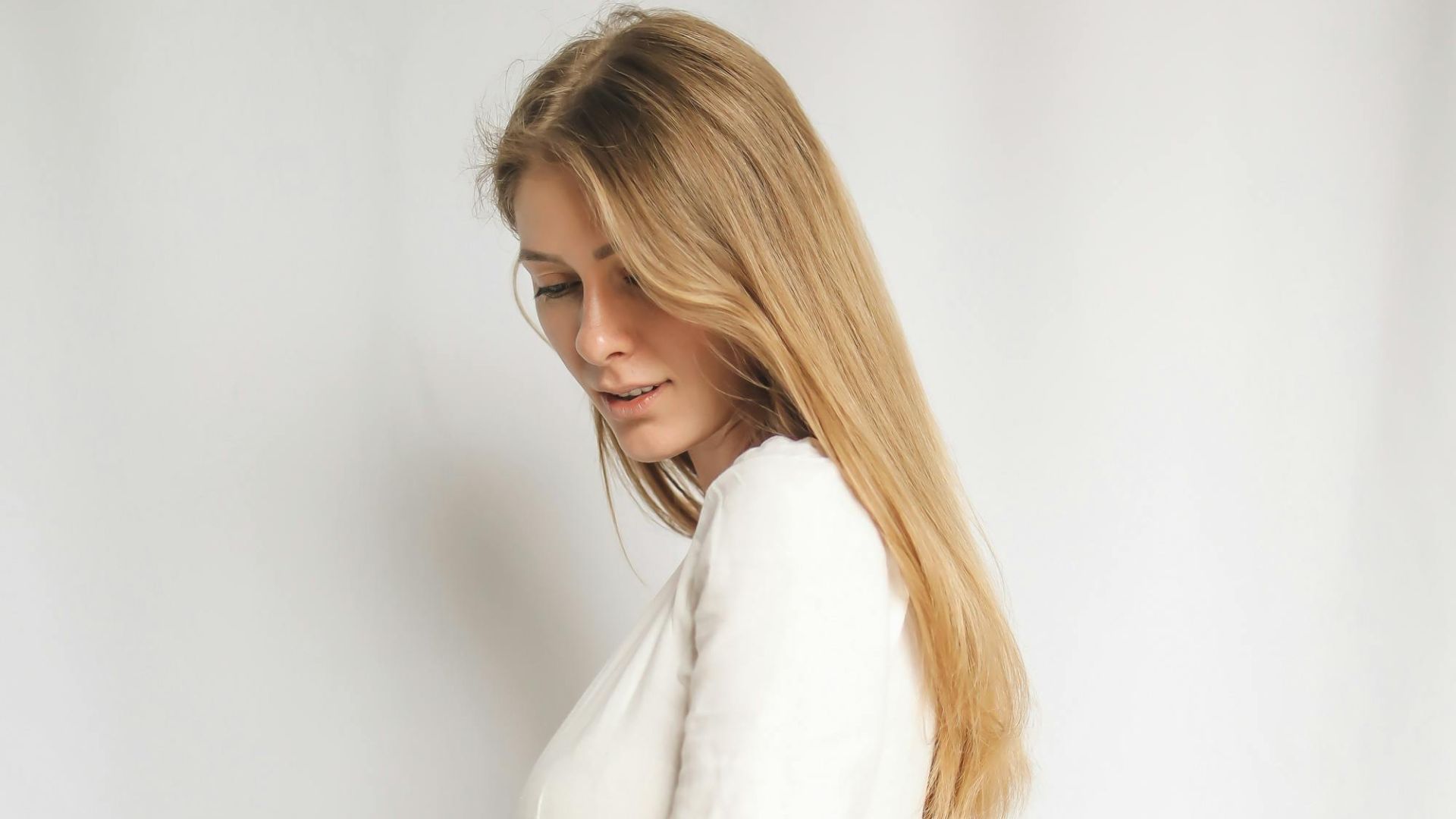
The little black dress became iconic partly because of Coco Chanel’s influence during the 1920s. Its simplicity allows it to adapt easily to different occasions, depending on accessories and styling choices.
 Andrey Zvyagintsev on Unsplash
10. Maxi Dresses
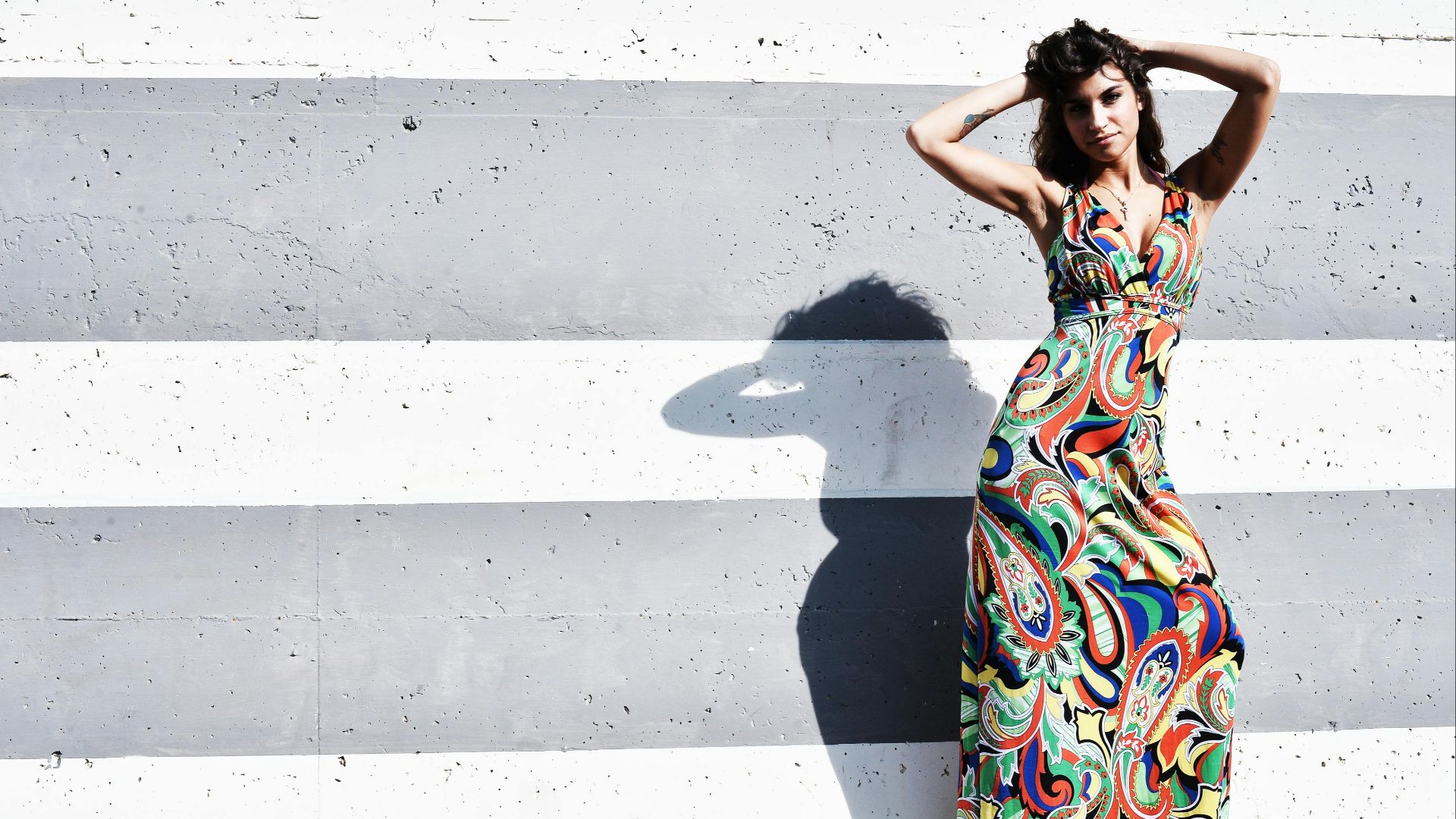
Maxi dresses consistently remain popular because they offer comfort while still appearing stylish and intentional. Flowing fabrics and longer hemlines make them practical for warm weather, vacations, and semi-formal events alike. They can also accommodate many sleeve styles, necklines, and prints without losing versatility. Their relaxed structure often makes them easier to wear confidently than more fitted designs.
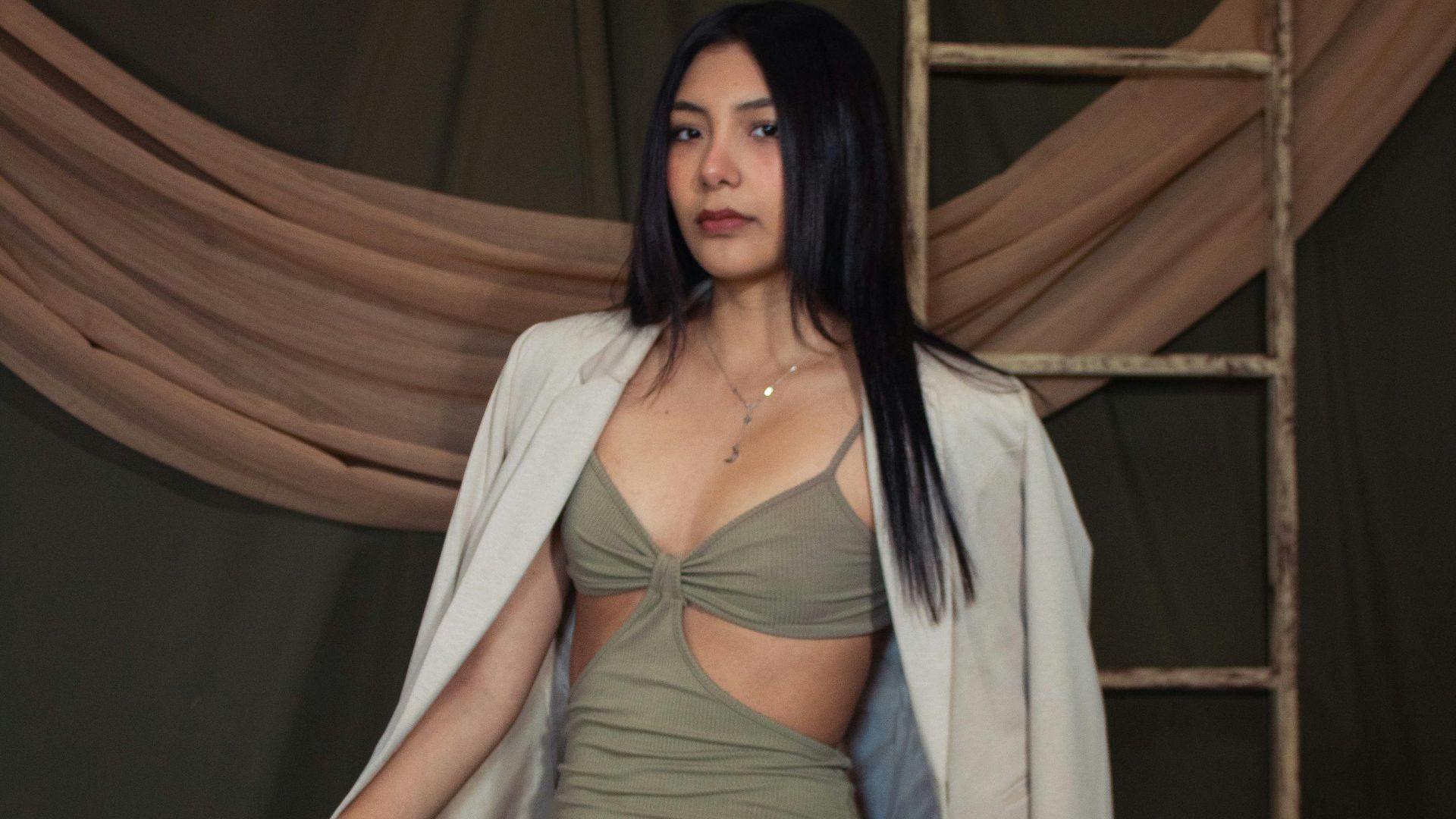
1. Extreme Cut-Out Dresses
Cut-out dresses can look visually striking, but placement matters greatly for the style to appear balanced rather than distracting. Large openings around the waist, chest, or sides often limit where the dress can realistically be worn.
2. Ultra Low-Rise Dresses
Very low-rise silhouettes became popular during the early 2000s but are difficult for many body types to wear comfortably. The proportions can easily appear awkward if the fit is even slightly off. Sitting, walking, and layering also become less practical with extremely low waistlines. Styling them successfully often requires careful coordination and strong confidence.
 Md Abu Sayed Islam on Unsplash
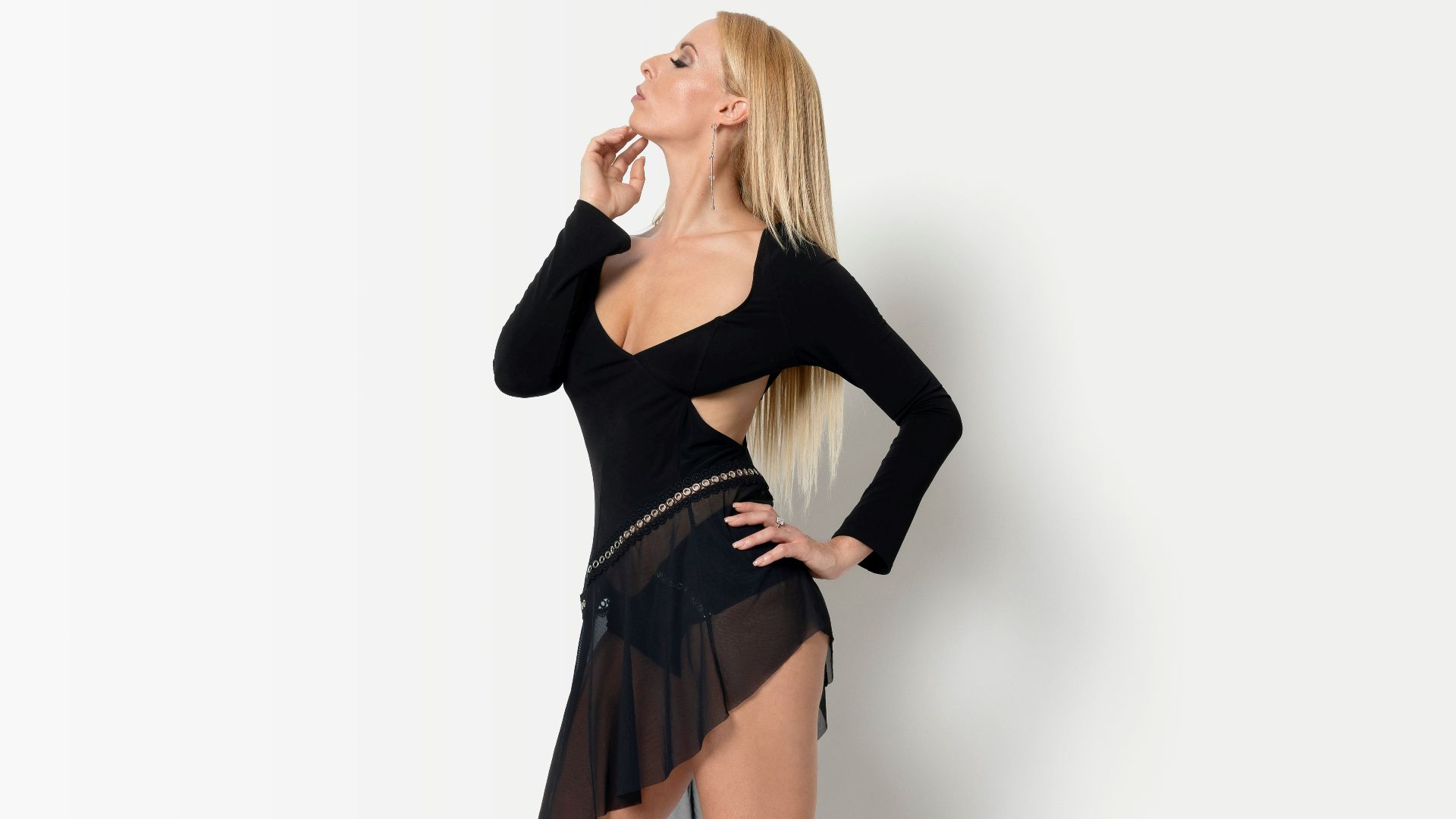
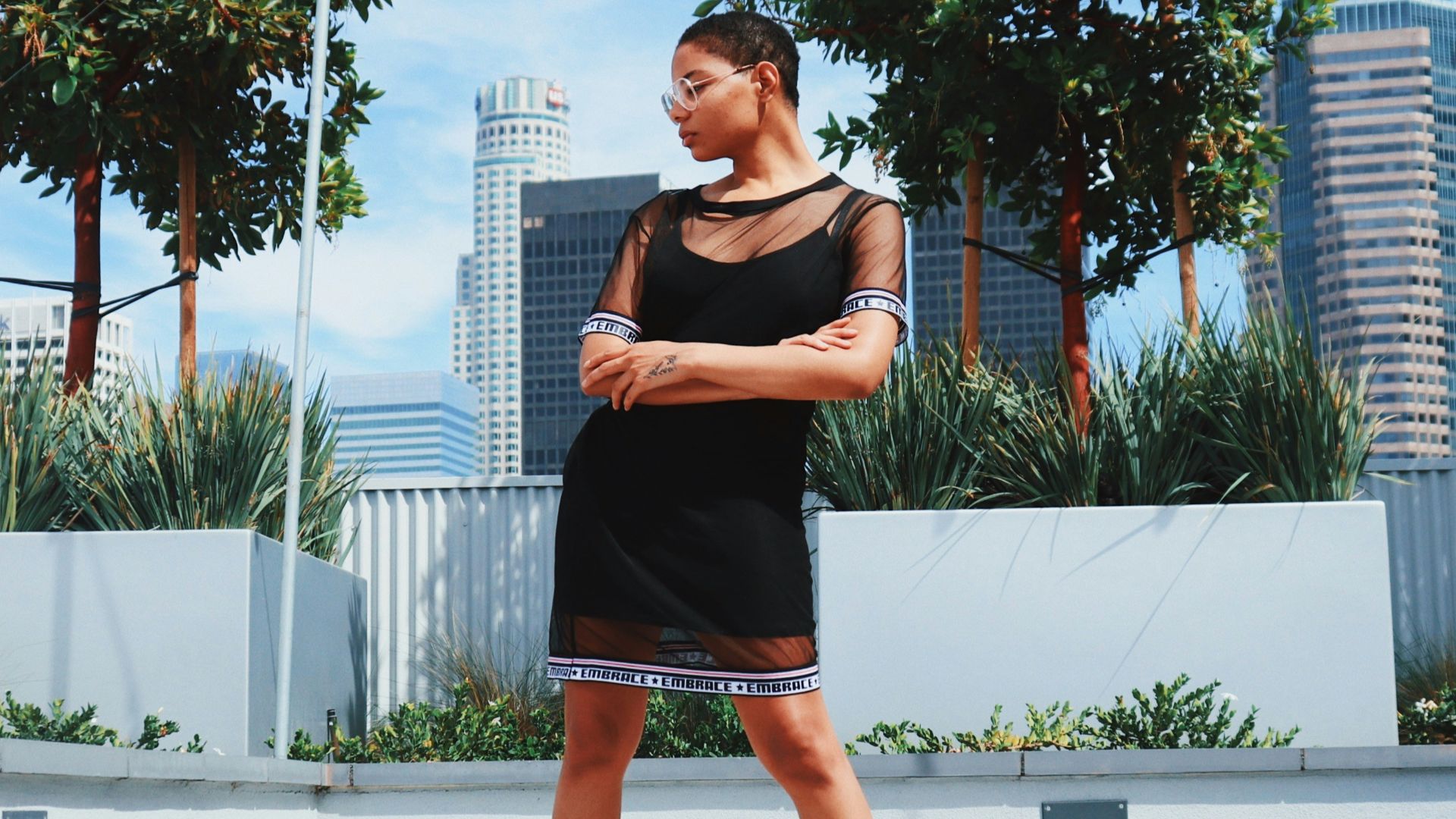
3. Sheer Mesh Dresses
Sheer dresses rely heavily on layering, undergarments, and fabric quality to avoid looking unfinished. Poorly constructed mesh fabrics can wrinkle or bunch easily, which changes the appearance quickly.
 MoniQue Rangell-Onwuegbuzia on Unsplash
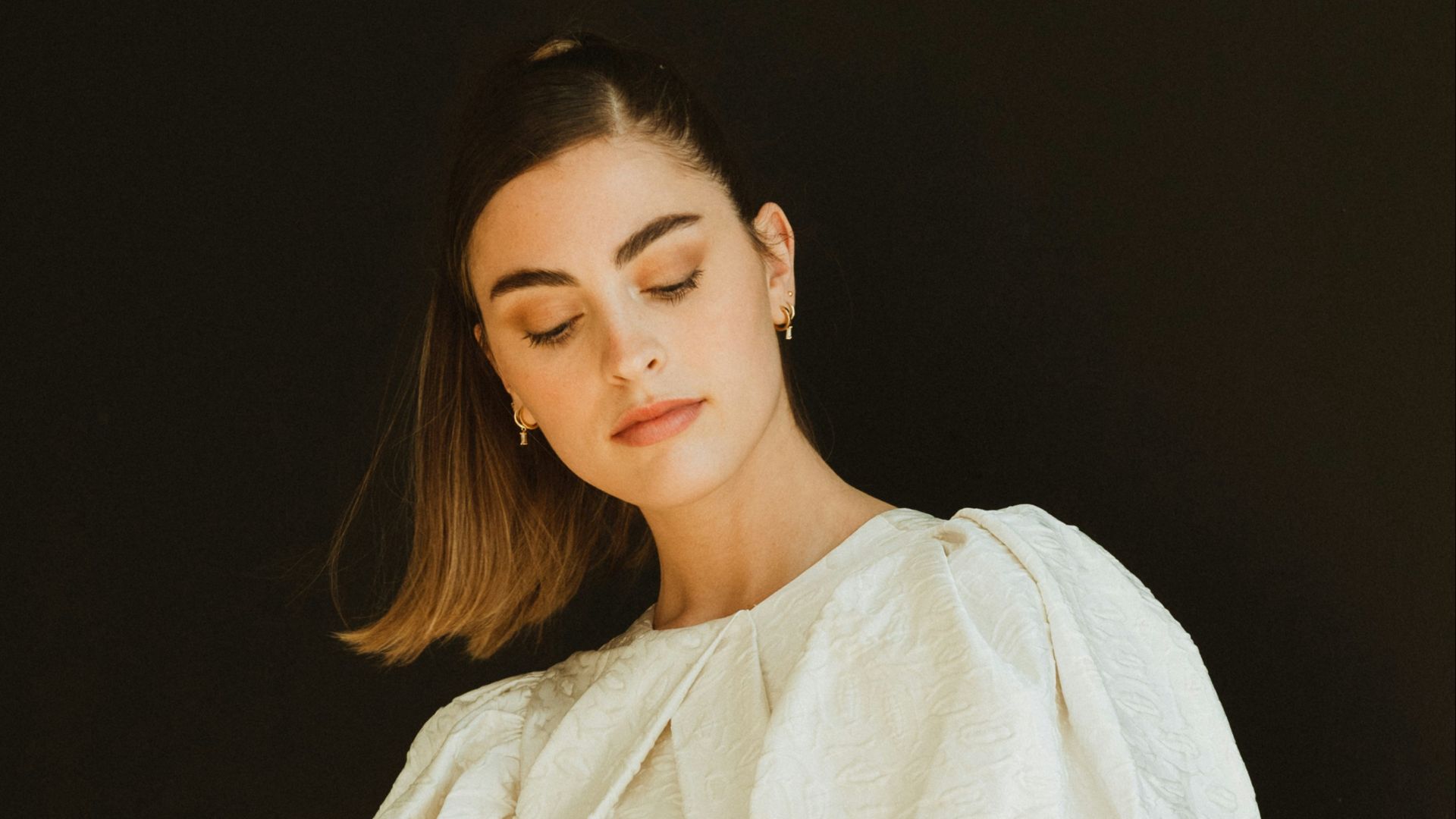
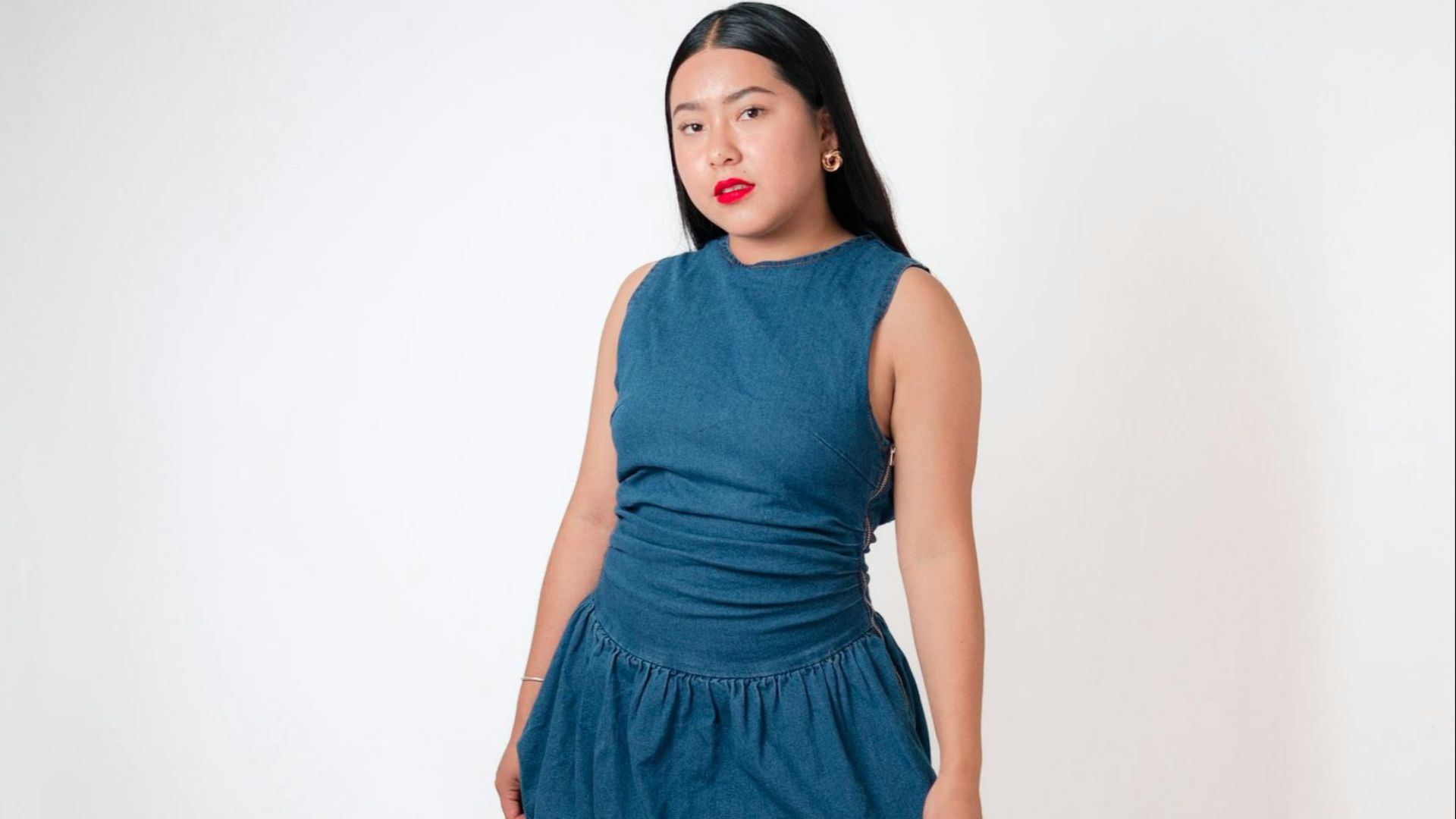
4. Balloon Hem Dresses
Balloon hem dresses feature rounded, gathered skirts that create volume near the bottom of the garment. While the silhouette can appear playful on runways, it often changes body proportions in unexpected ways. The extra volume may overwhelm smaller frames or create awkward movement while walking.
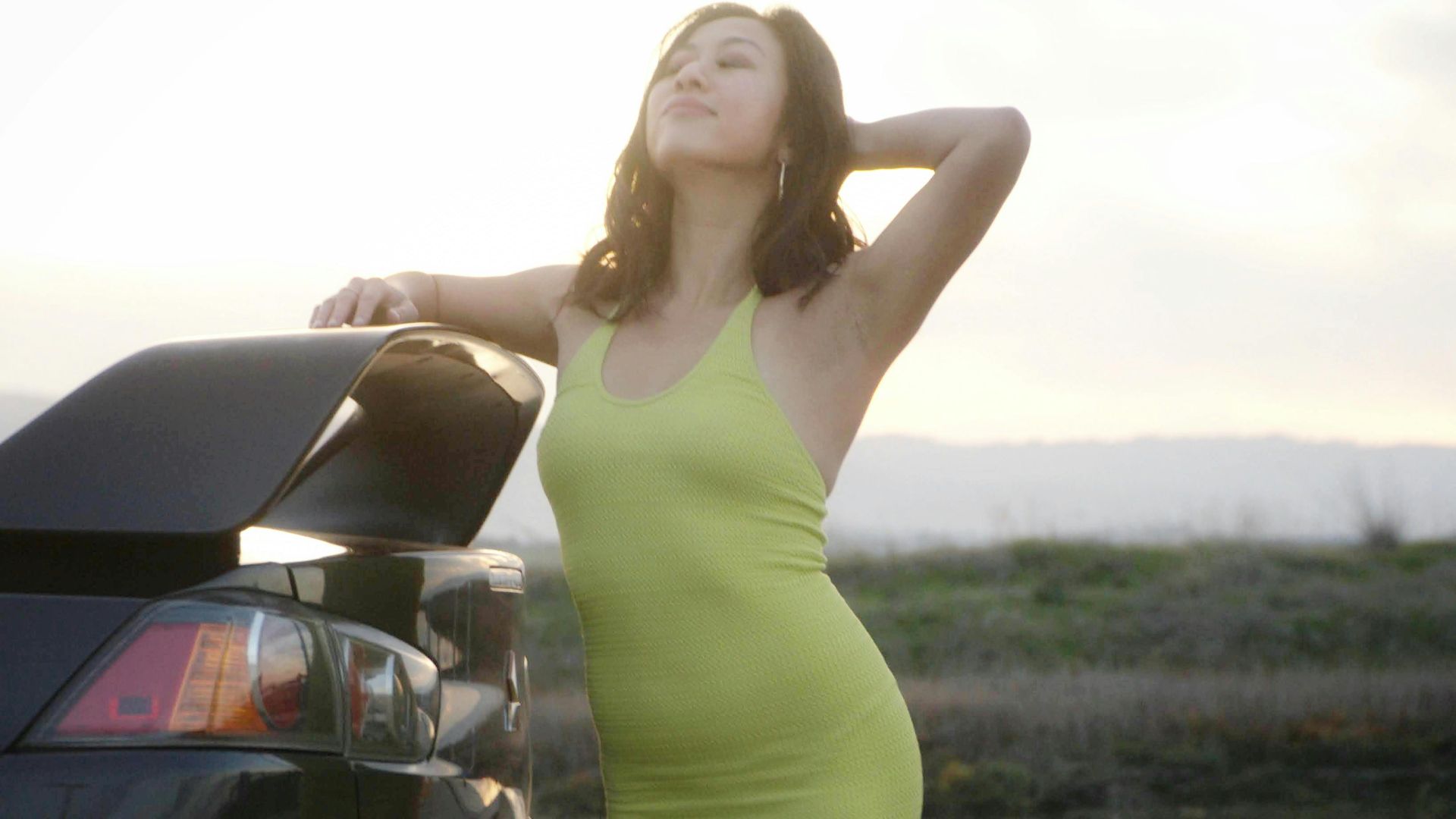
5. Neon Bodycon Dresses
Bright neon colors already attract attention, and combining them with bodycon silhouettes increases the visual intensity even further. The fit has to be extremely smooth because tight fabrics reveal every wrinkle and seam line. Strong lighting can also alter how neon shades appear in person and in photographs.
6. Drop-Waist Dresses
Drop-waist dresses lower the waistline closer to the hips, creating a straighter silhouette. Although the style was famously associated with 1920s flapper fashion, it can shorten the appearance of the legs on some body types.
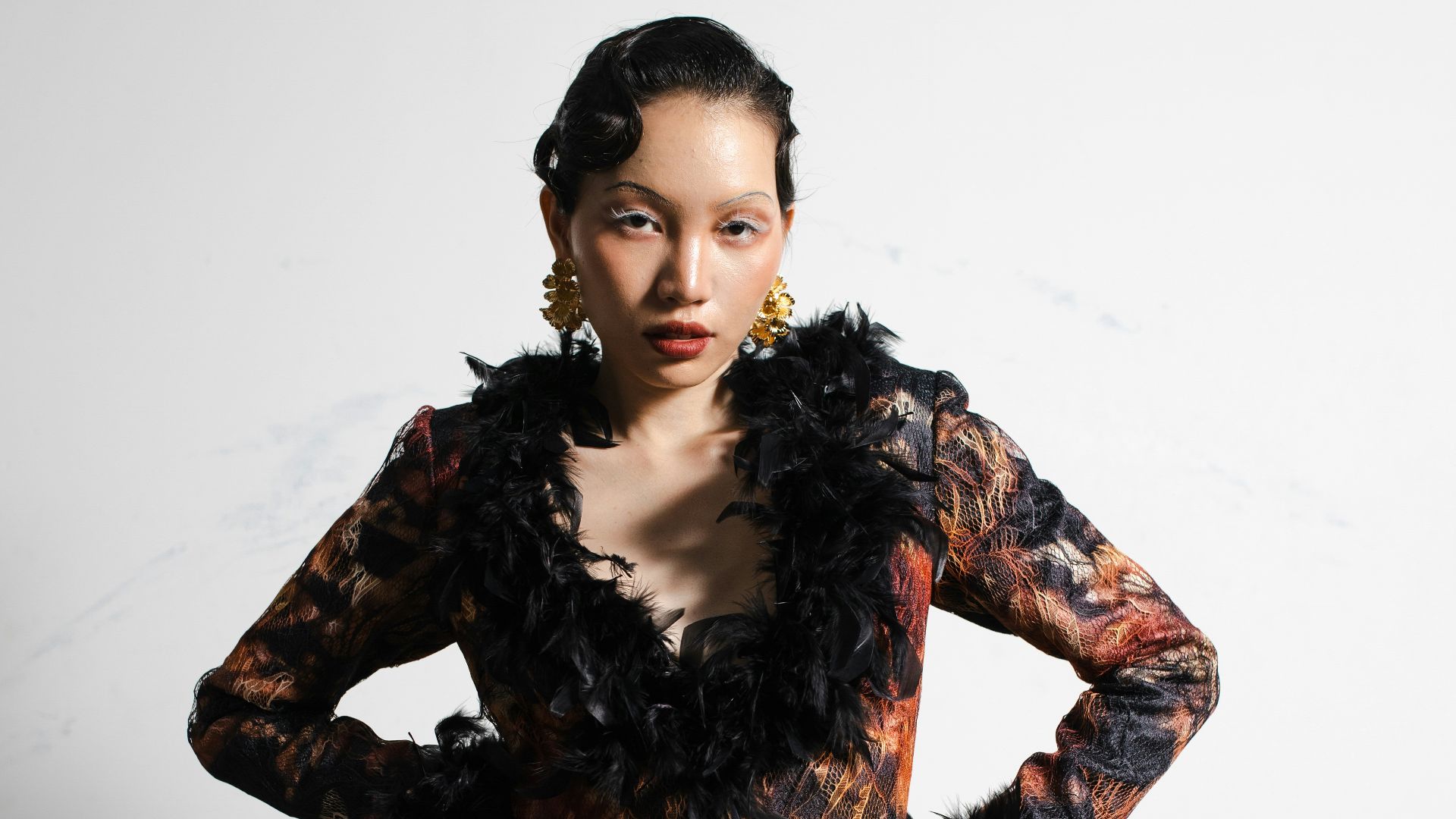
7. Feather-Trim Dresses
Feather details can create dramatic movement, but they’re difficult to style subtly in everyday settings. Feathers may shed, flatten, or appear uneven after repeated wear, especially on lower-quality garments.
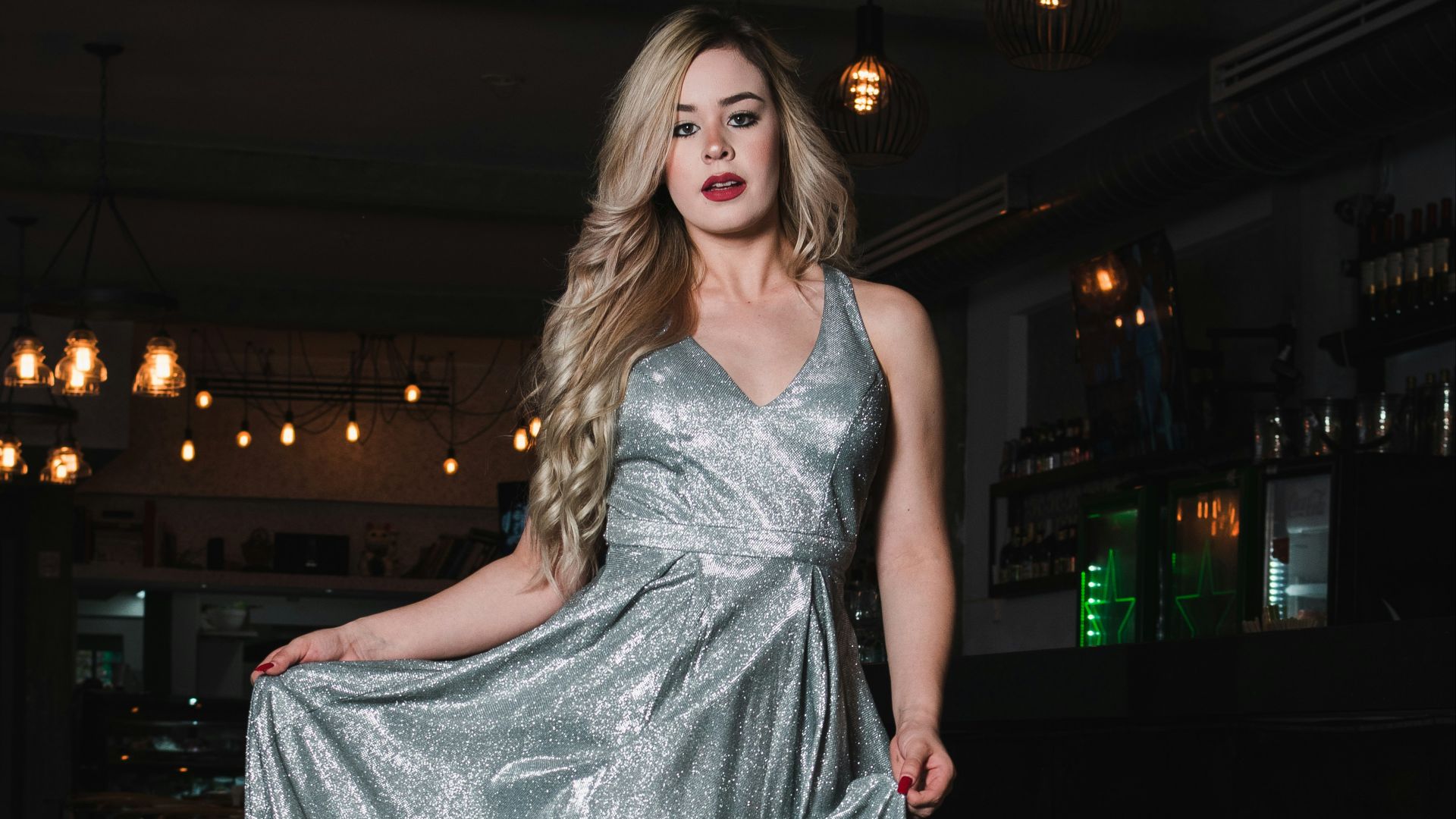
8. Metallic Dresses
Metallic fabrics reflect light strongly, which makes every fold and seam more noticeable. Gold, silver, and chrome finishes can look glamorous in evening settings but are often difficult to style casually. The shine also photographs differently depending on lighting conditions, which sometimes changes the overall effect unexpectedly.
 FOTOGRAFÍA EDITORIAL on Unsplash
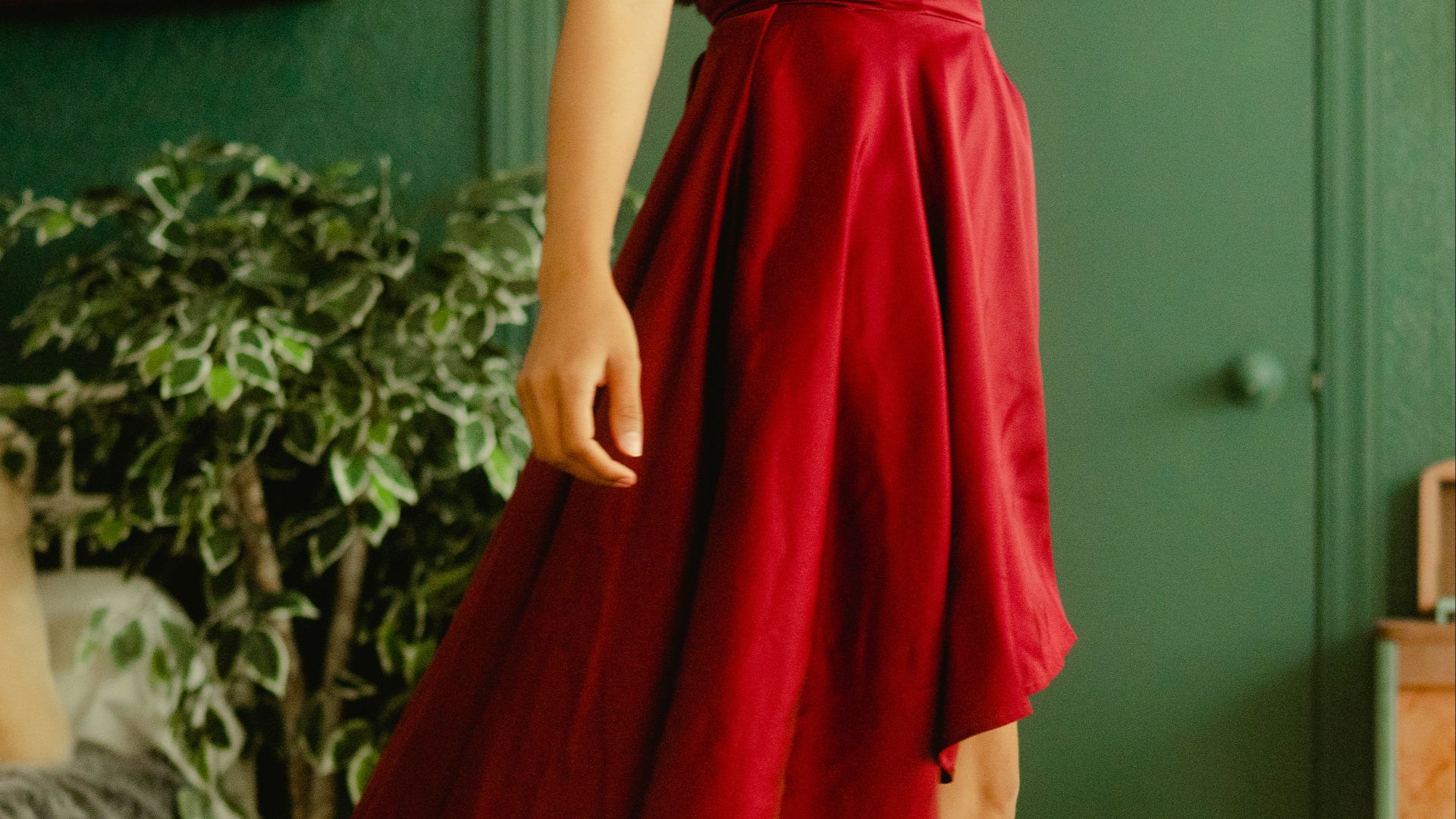
9. Asymmetrical Hem Dresses
Asymmetrical hems can create visual interest, but the uneven lines don’t always balance easily with shoes or outerwear. Certain cuts may appear elegant while standing still, but awkward during movement.
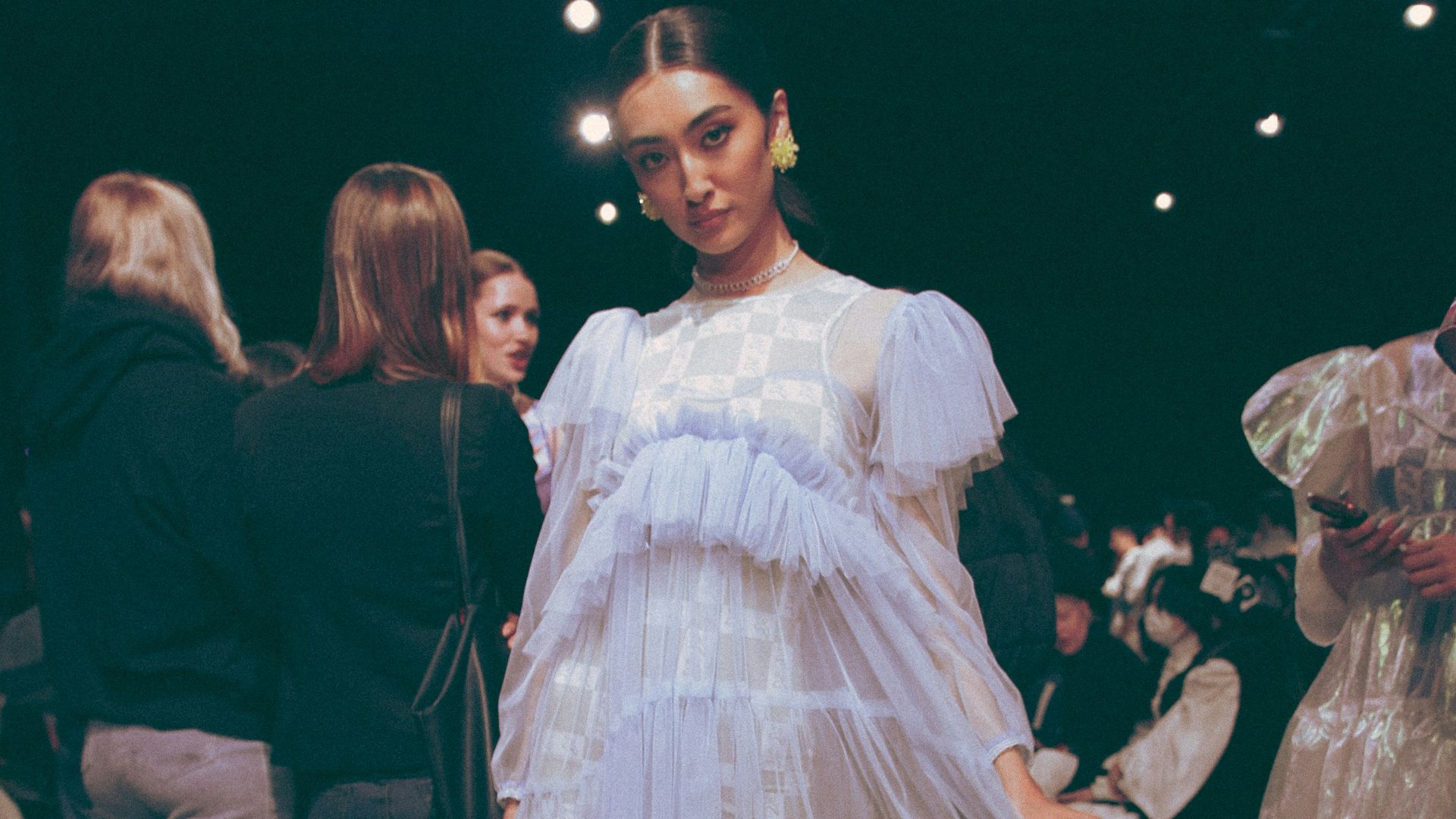
10. Oversized Tulle Dresses
Large tulle dresses create dramatic volume that can dominate an outfit very quickly. While the style works well in haute couture and red-carpet fashion, it’s less practical for everyday environments. Too many layers may also add stiffness and restrict movement throughout the day.