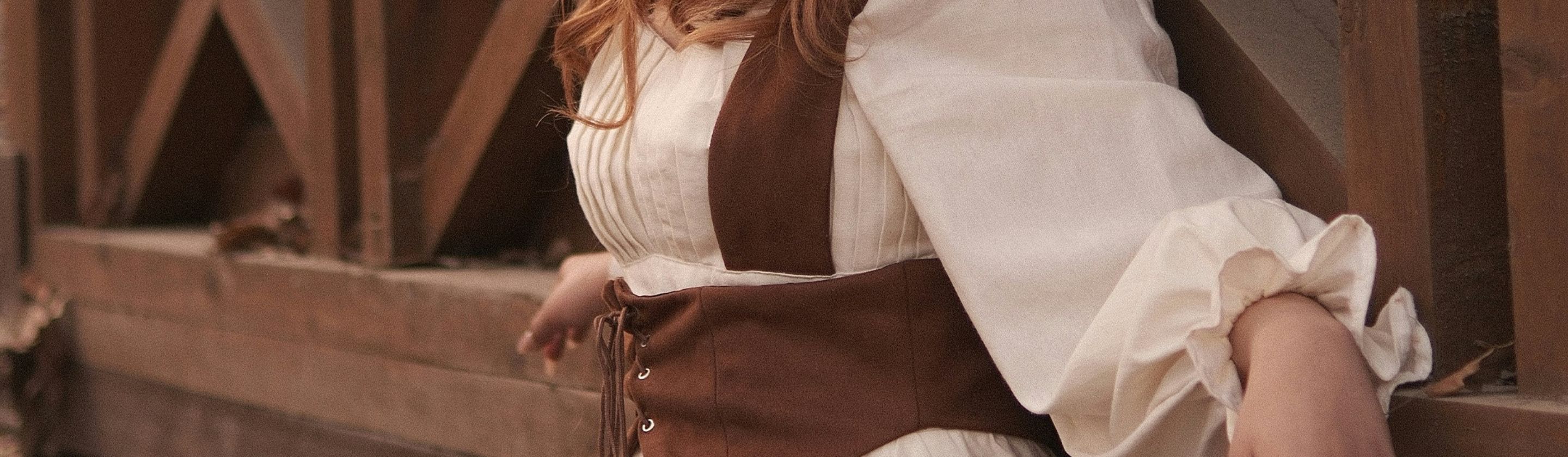
10 Medieval Articles Of Clothing We're Glad Don't Exist Anymore & 10 We Wish Did
Useful Support or Ancient Torture Device?
Medieval clothing could be beautiful, strict, clever, and painfully tied to status. In England, France, Burgundy, and other parts of Europe, what someone wore could point to class, work, wealth, gender expectations, and whether they had to walk through actual mud before dinner. Linen shirts, wool gowns, pointed shoes, veils, belts, and fur-lined outerwear all had a place in daily life or court fashion, depending on the decade and the person wearing them. Some pieces still feel surprisingly close to modern fashion, while others seem best left in manuscript paintings and museum cases. So, with affection and a little relief, here are 10 medieval articles of clothing we’re glad don’t exist anymore, and 10 we wish did.
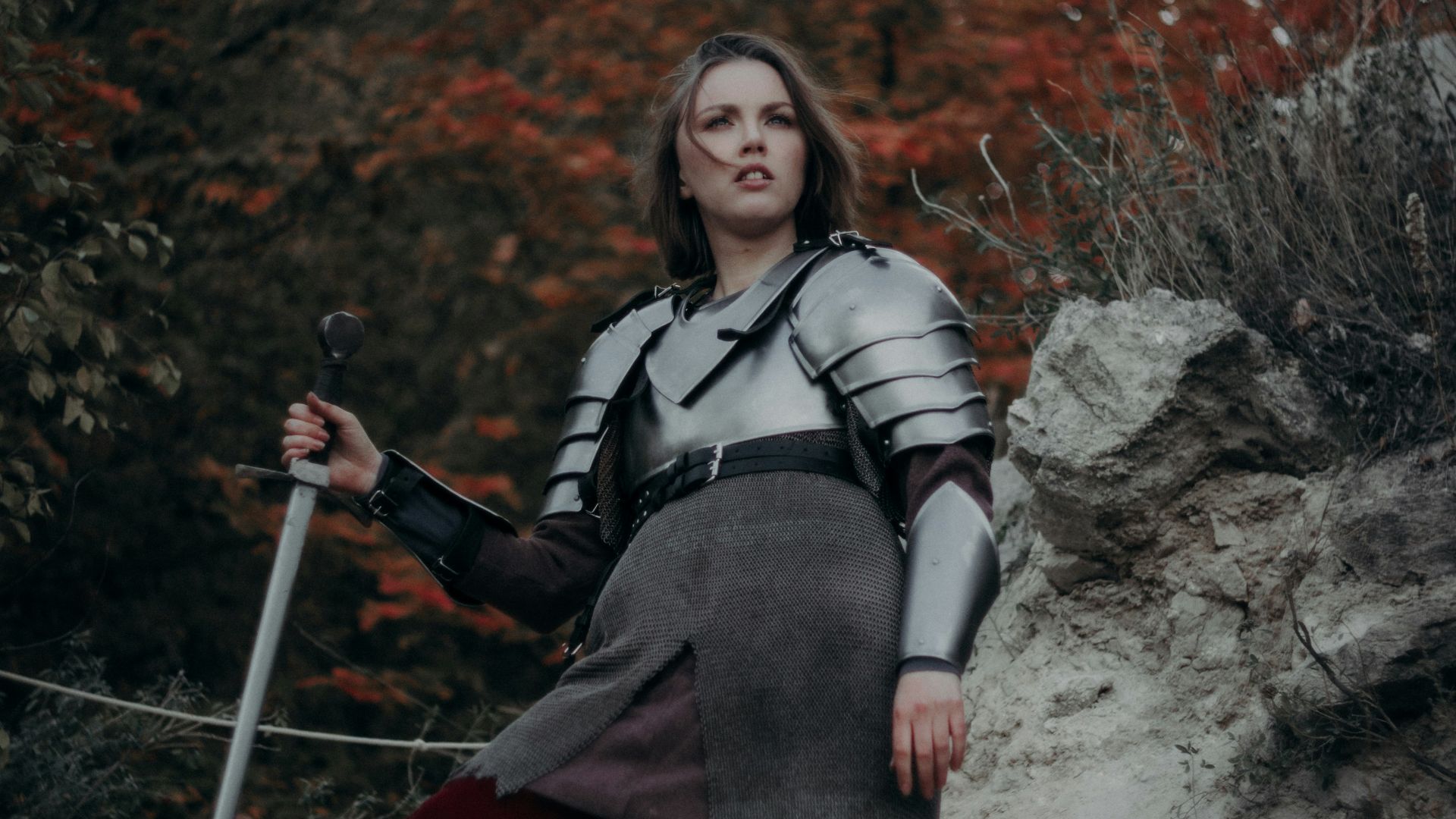
1. The Chastity Belt
The so-called medieval chastity belt belongs more to myth, satire, and later storytelling than to ordinary medieval wardrobes. As a fashion idea, it’s bleak from every angle, since no outfit should come with a built-in lesson about fear, control, and very old patriarchal beliefs.
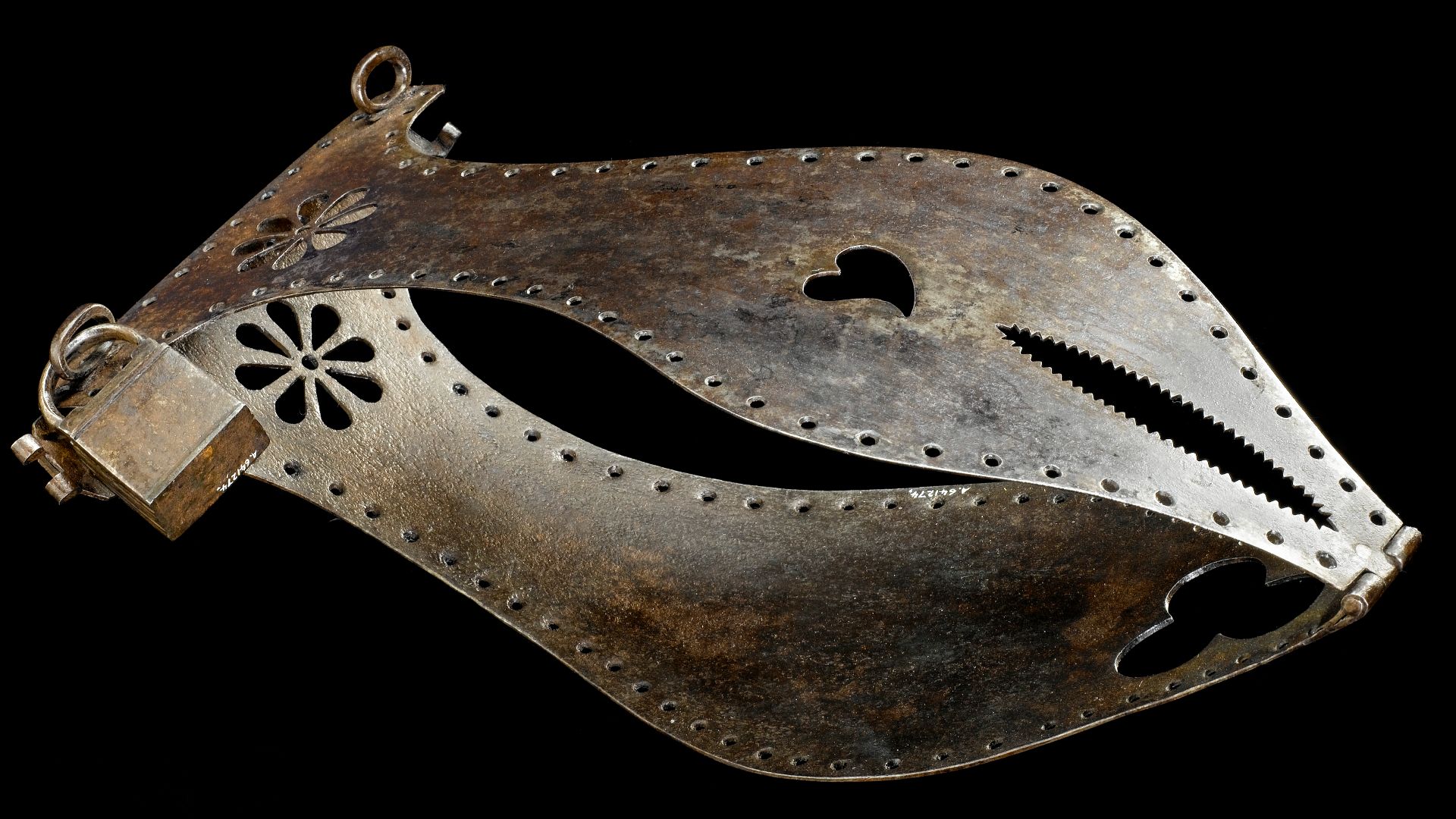
2. Pointed Poulaines
Poulaines, the long pointed shoes worn in parts of late medieval Europe, had a real fashion moment from the 14th into the 15th century. Excavated examples from London show just how narrow and extended those toes could get, which is fascinating until you imagine crossing a wet street in them.
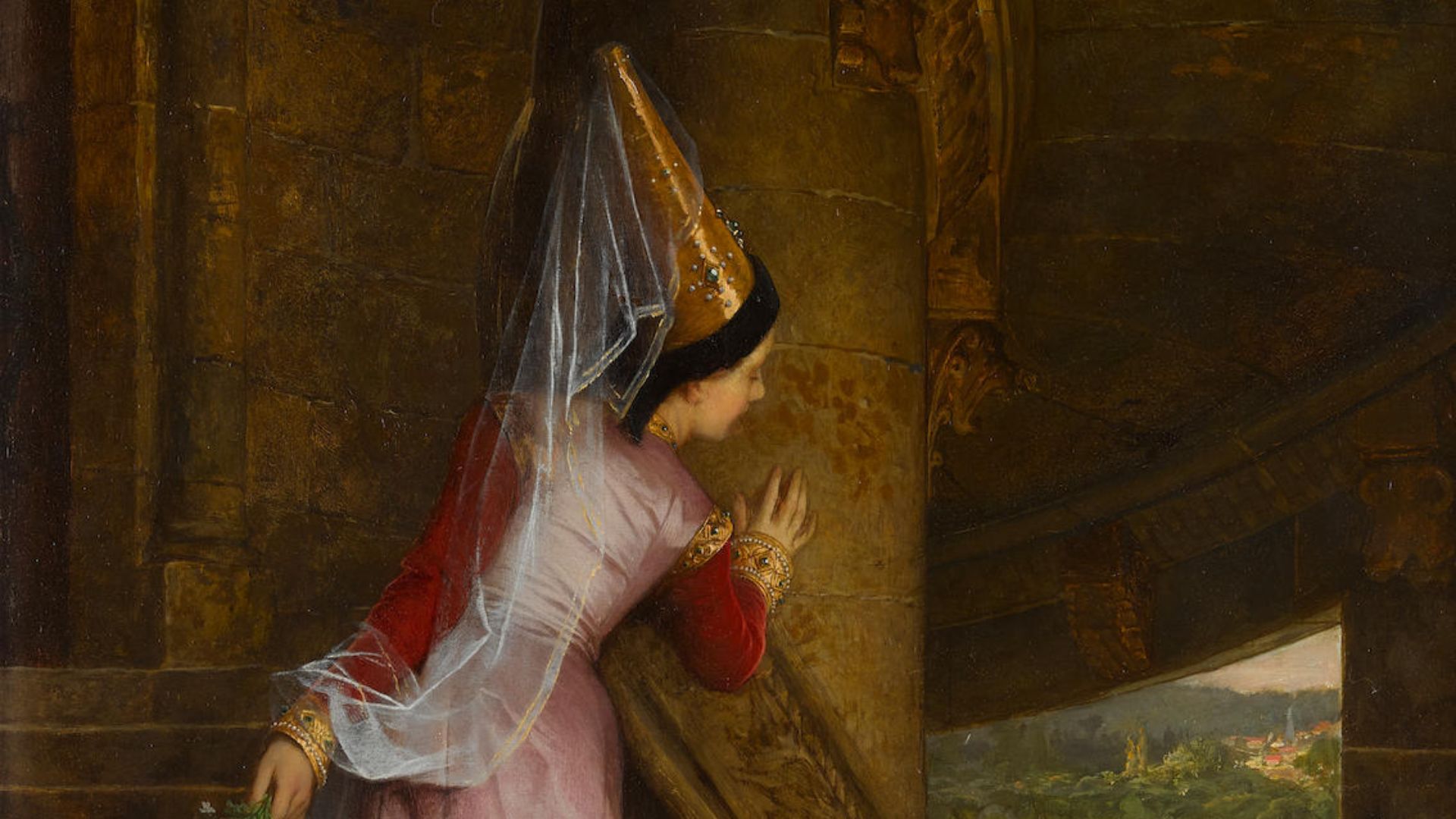
3. Towering Hennins
The hennin, especially the tall cone-shaped version linked with late 15th-century elite women’s dress, still has that storybook look people recognize instantly. It made a strong entrance, sure, but living with a tall headdress all day sounds exhausting.
 Pierre Charles Comte on Wikimedia
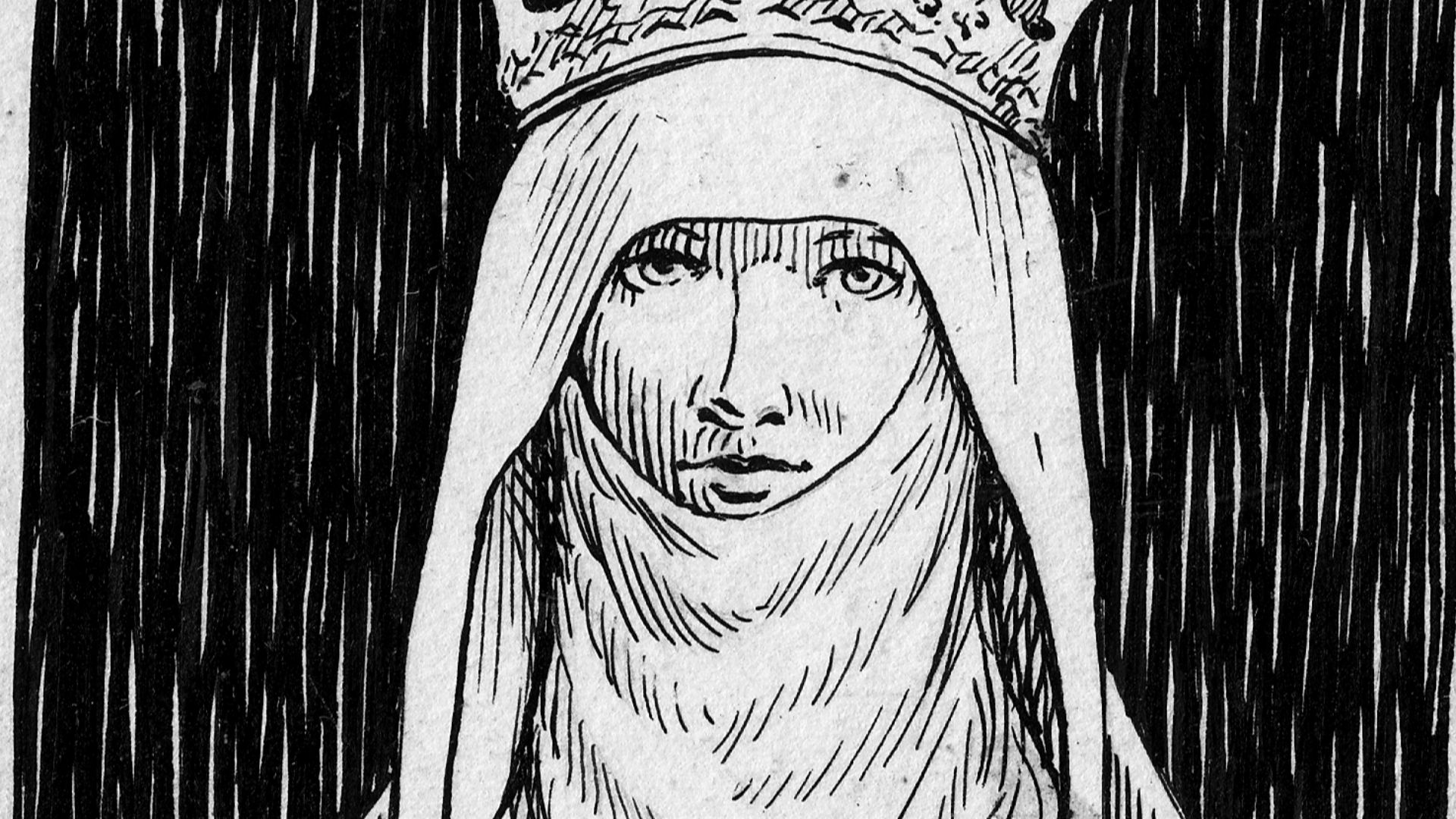
4. Wimples
Wimples could frame the face beautifully, especially in the clean, pale folds seen in medieval art. The harder part is everything they carried with them: rules about modesty, hair covering, and how respectable women were expected to present themselves in public.
 Pearson Scott Foresman on Wikimedia
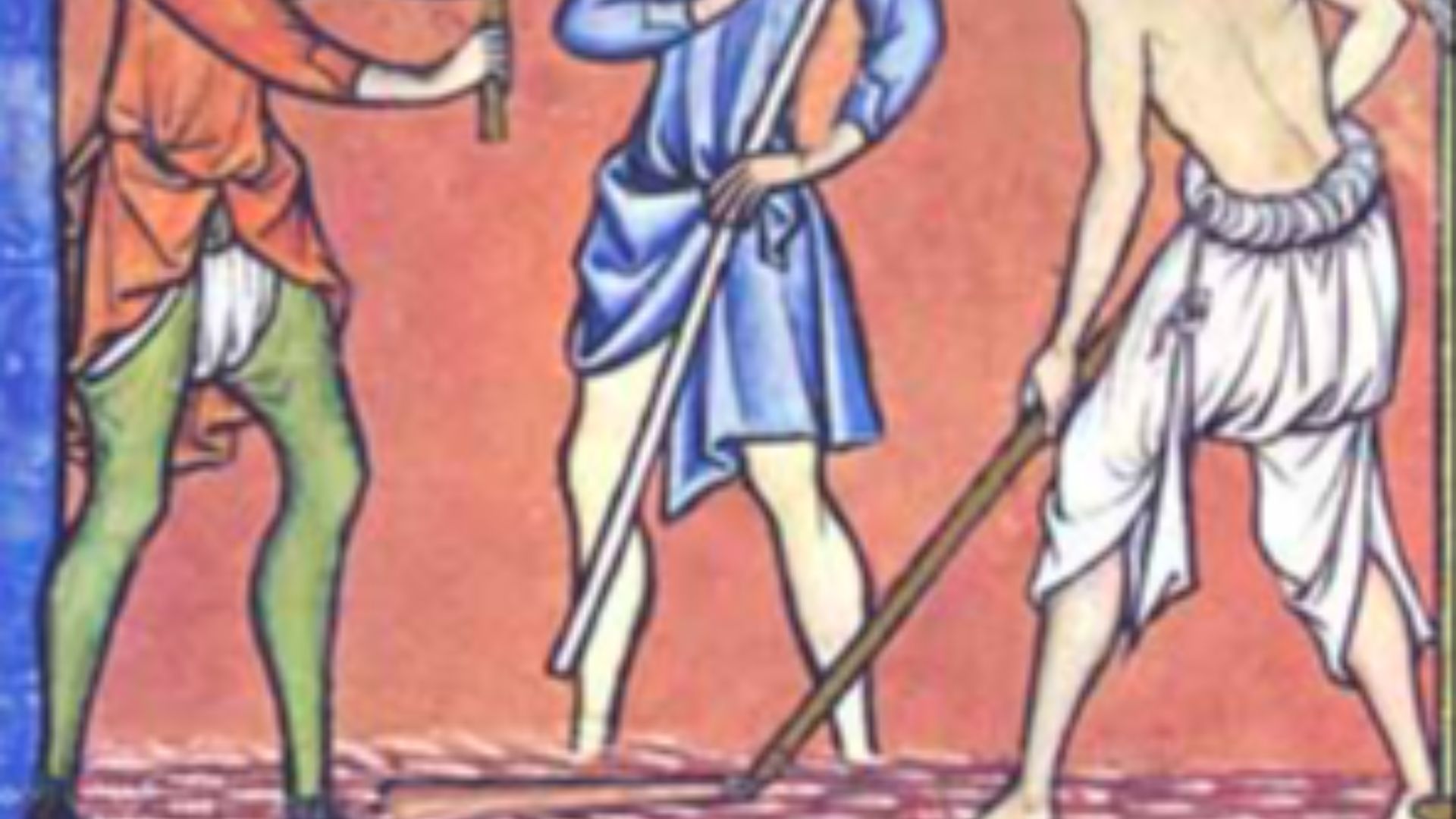
5. Tight Chausses
Chausses and fitted hose were practical leg coverings before modern trousers settled into their familiar shape. The closer versions may have looked sharp, but they don’t exactly suggest comfort, especially without stretch fabric doing the work we now take for granted.
 Unknown authorUnknown author on Wikimedia
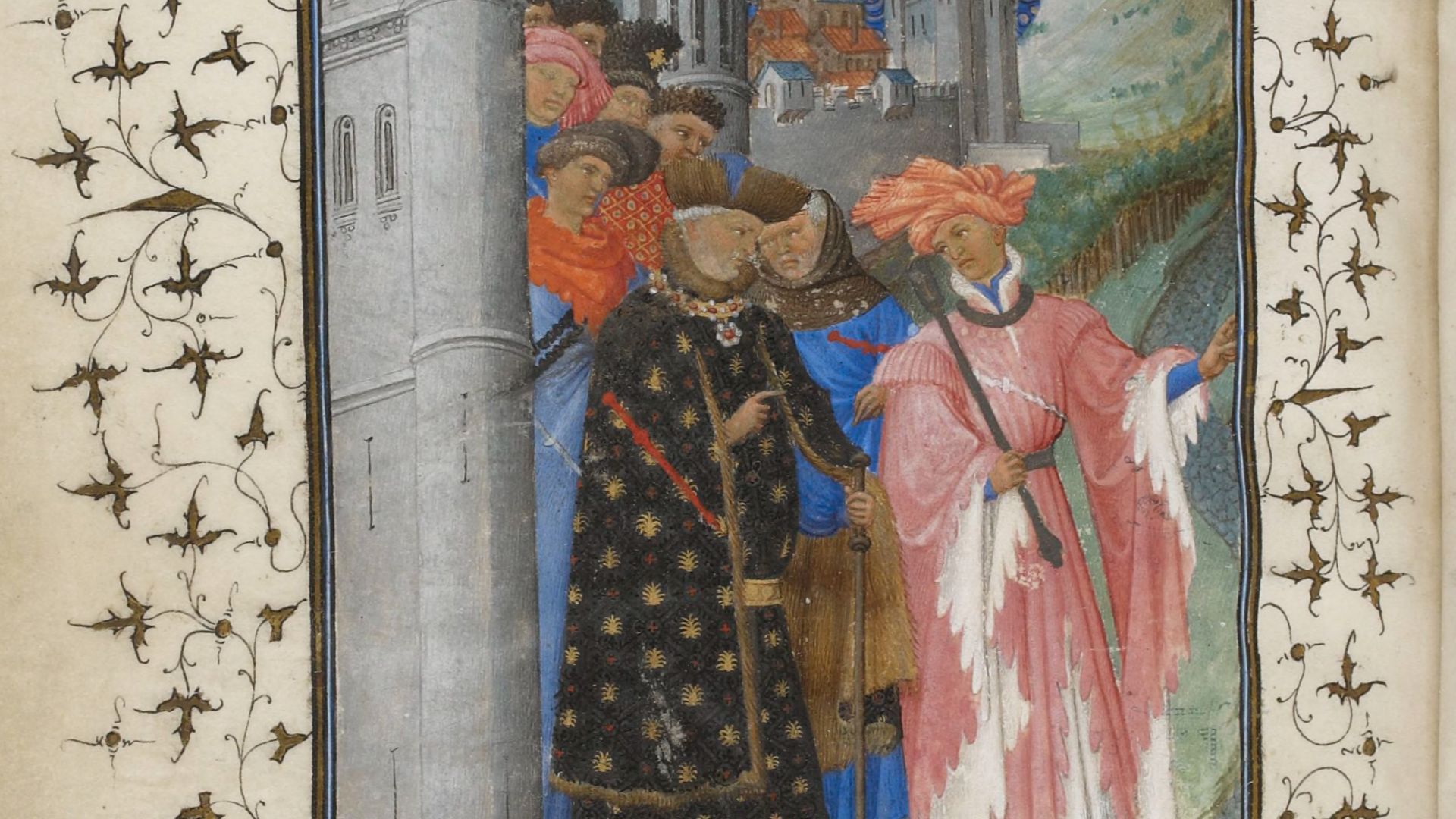
6. Houppelandes
The houppelande had room, sweep, and a lot of fabric, especially in fashionable court dress around the late 14th and 15th centuries. The long hems and wide sleeves looked rich, but they also seemed like a daily argument with chairs, staircases, candles, and muddy courtyards.
 Limbourg brothers on Wikimedia
7. Overly Fitted Cotehardies
A cotehardie could look sleek, with a shaped bodice, close sleeves, and rows of buttons or lacing. The least forgiving versions feel like clothing designed for someone who doesn’t sit, slouch, or eat, which rules out… most of us.
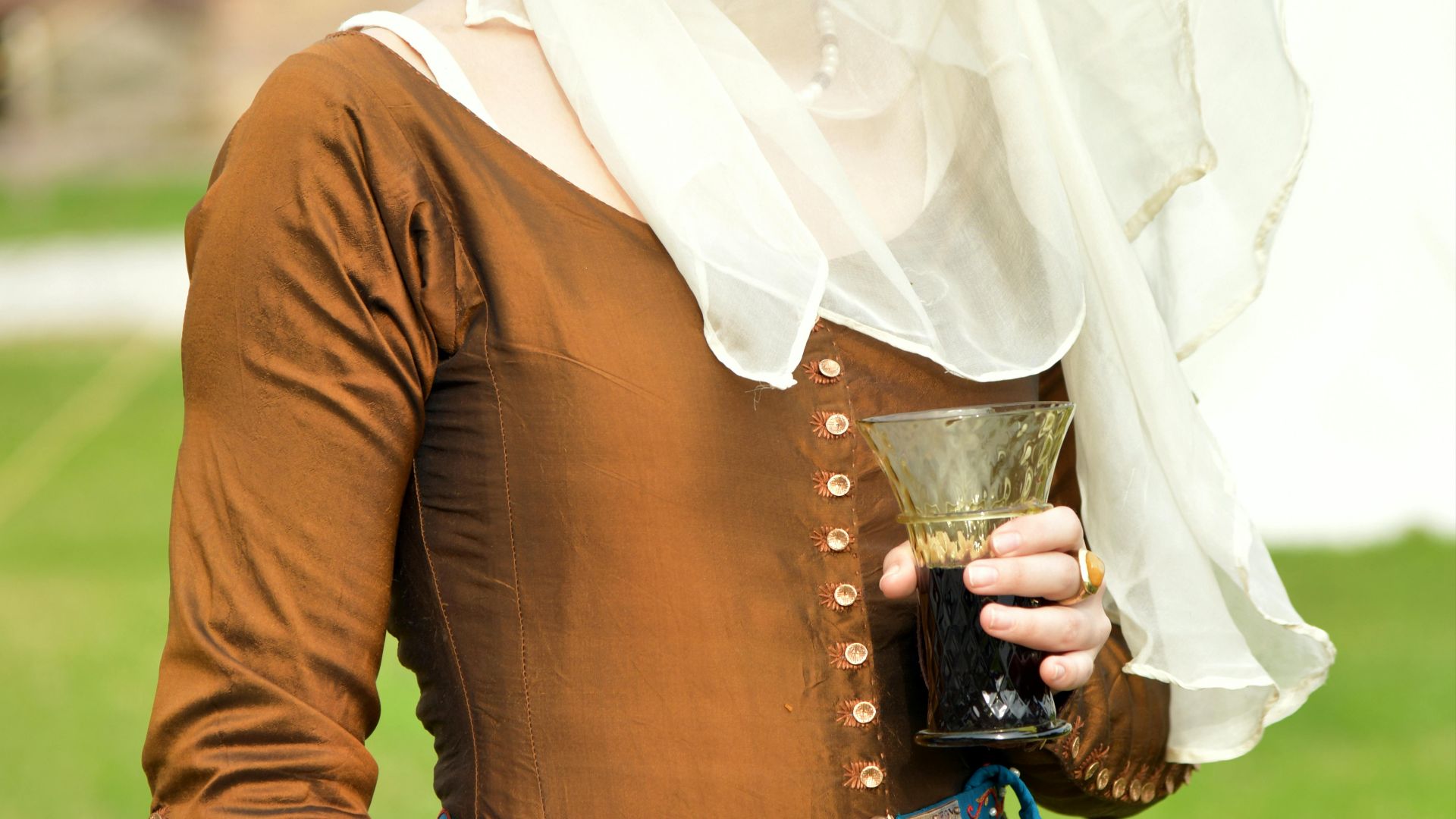
8. Heavy Fur-Lined Mantles
Fur-lined mantles had a real purpose in cold castles, chilly halls, and wealthy wardrobes. They also seemed hot, bulky, and hard to manage indoors, especially if you’re trying to do anything more complicated than stand near a fire.
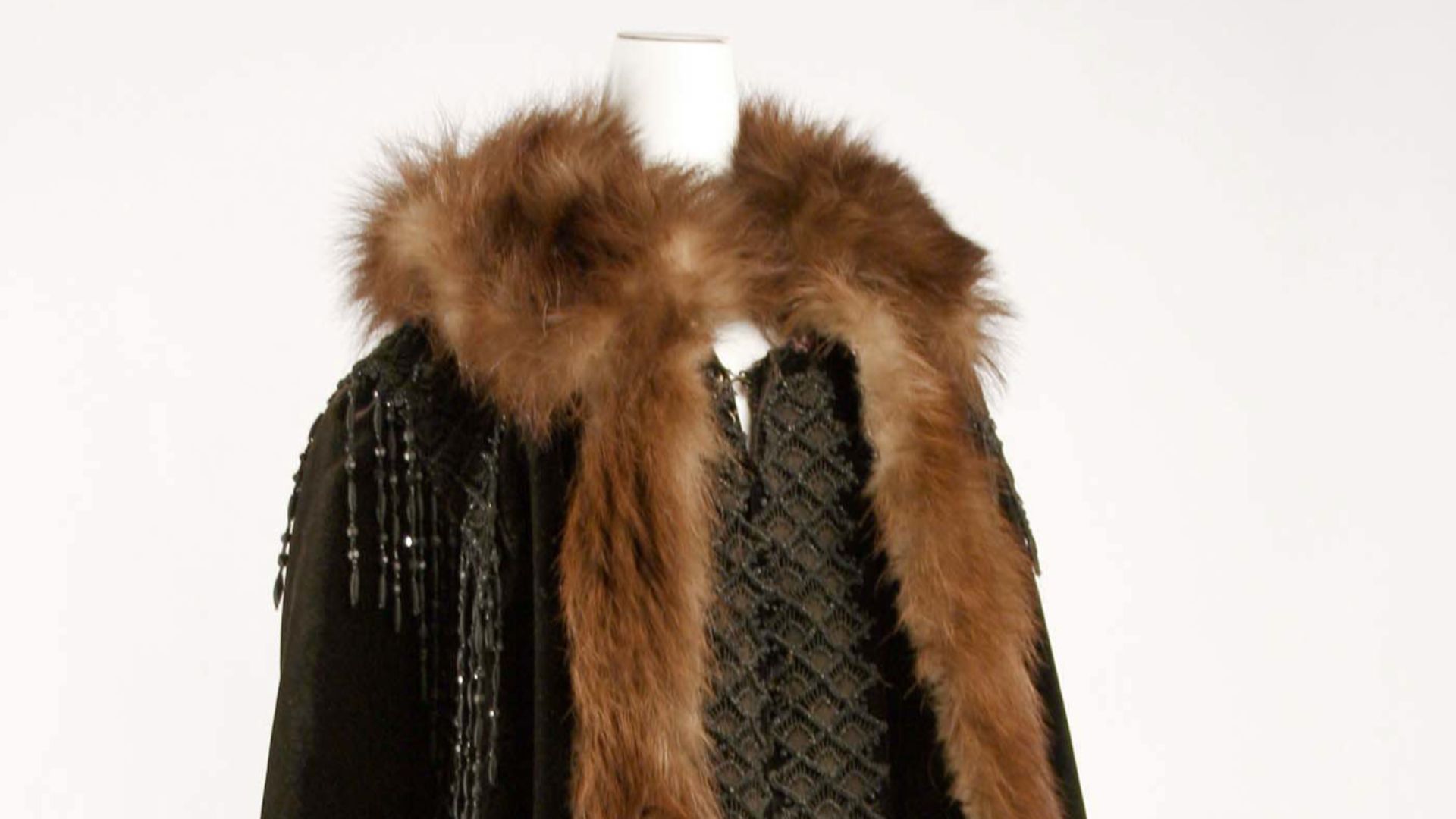
9. Layered Court Dress
A formal medieval outfit could involve a linen chemise, gown, belt, veil, outer layer, and whatever else rank or ceremony required. The final look could be gorgeous, but getting dressed sounds like a group effort.
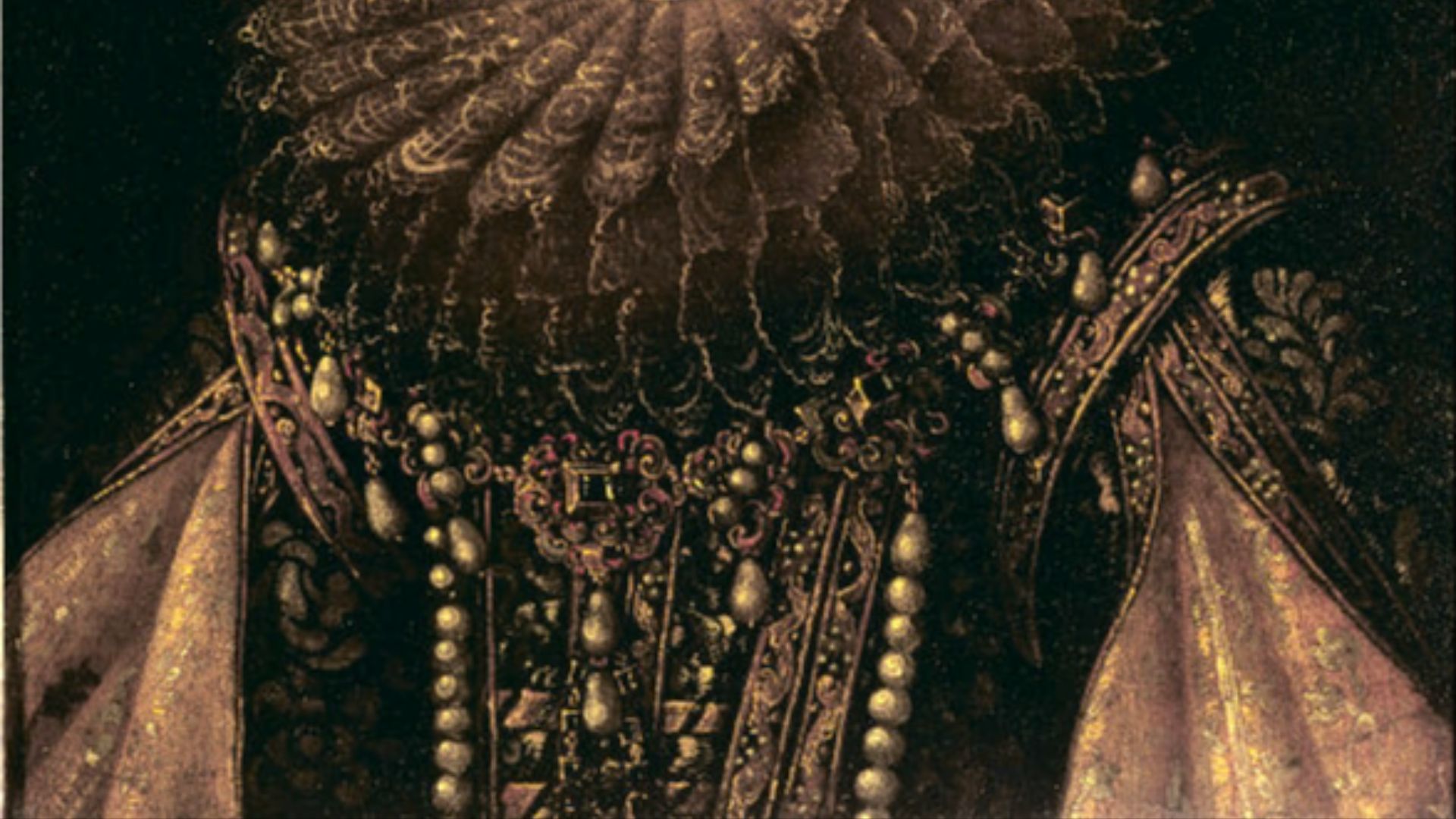 Frans Pourbus the Younger on Wikimedia
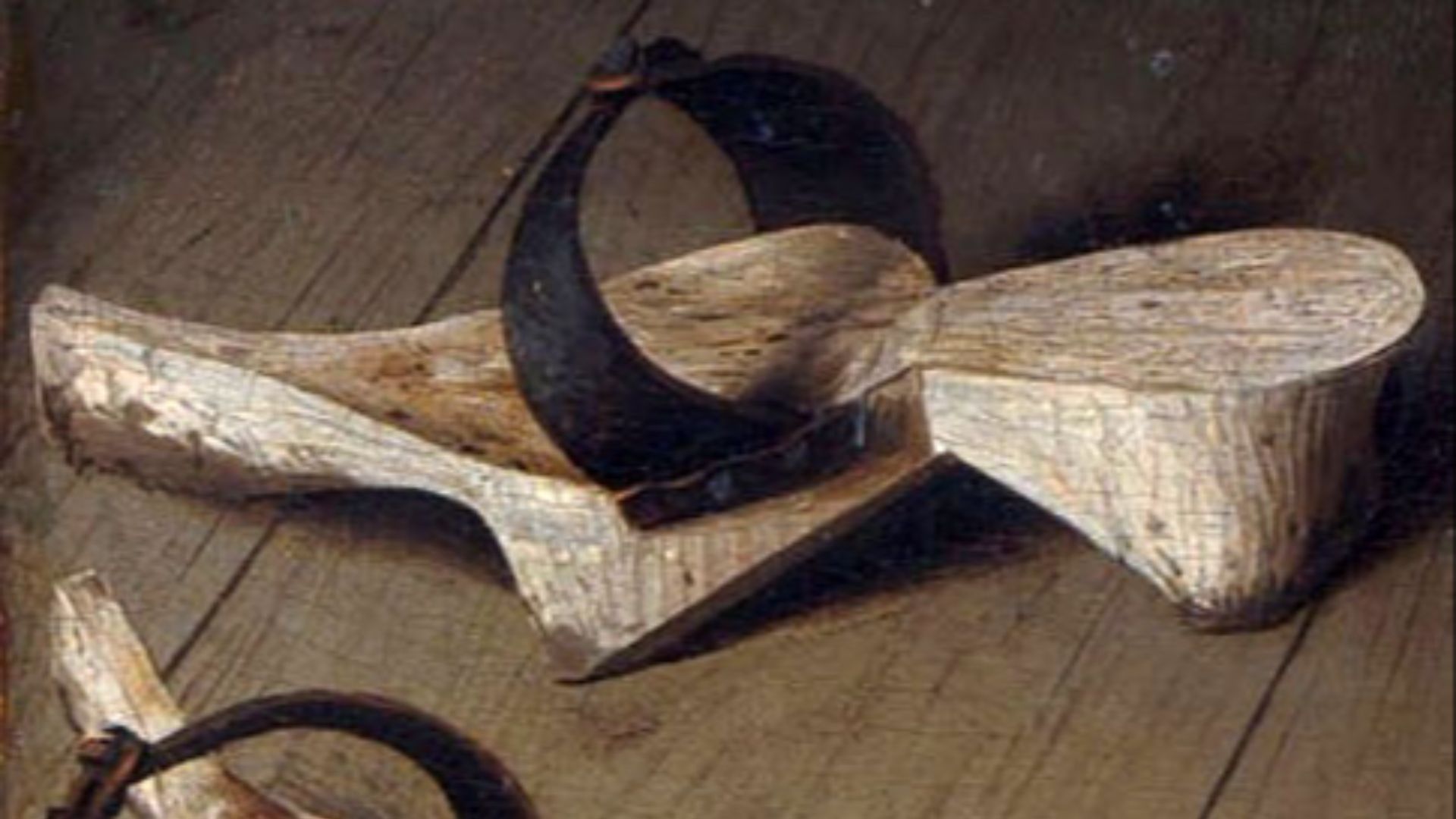
10. Wooden Pattens
Pattens lifted shoes above mud, waste, damp streets, and rough ground, so they were completely sensible in medieval towns. Still, adding a separate overshoe to every trip outside feels like one more step between you and leaving the house.
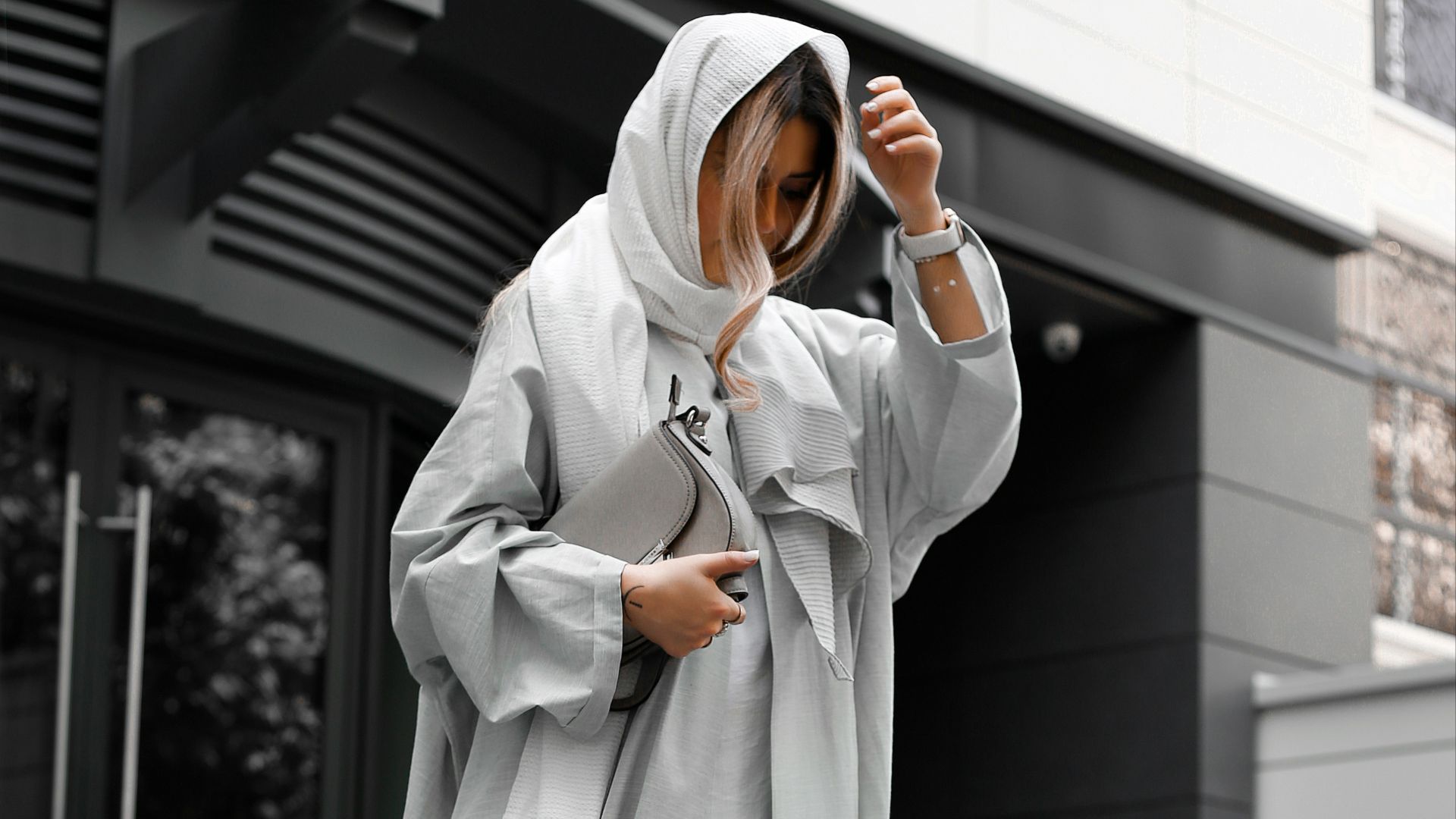
1. Cloaks
Cloaks deserve a modern return because they do useful work without trying too hard. A wool cloak over boots and a simple dress would feel polished in November, especially in cold, windy places where a flimsy jacket gives up by lunchtime.
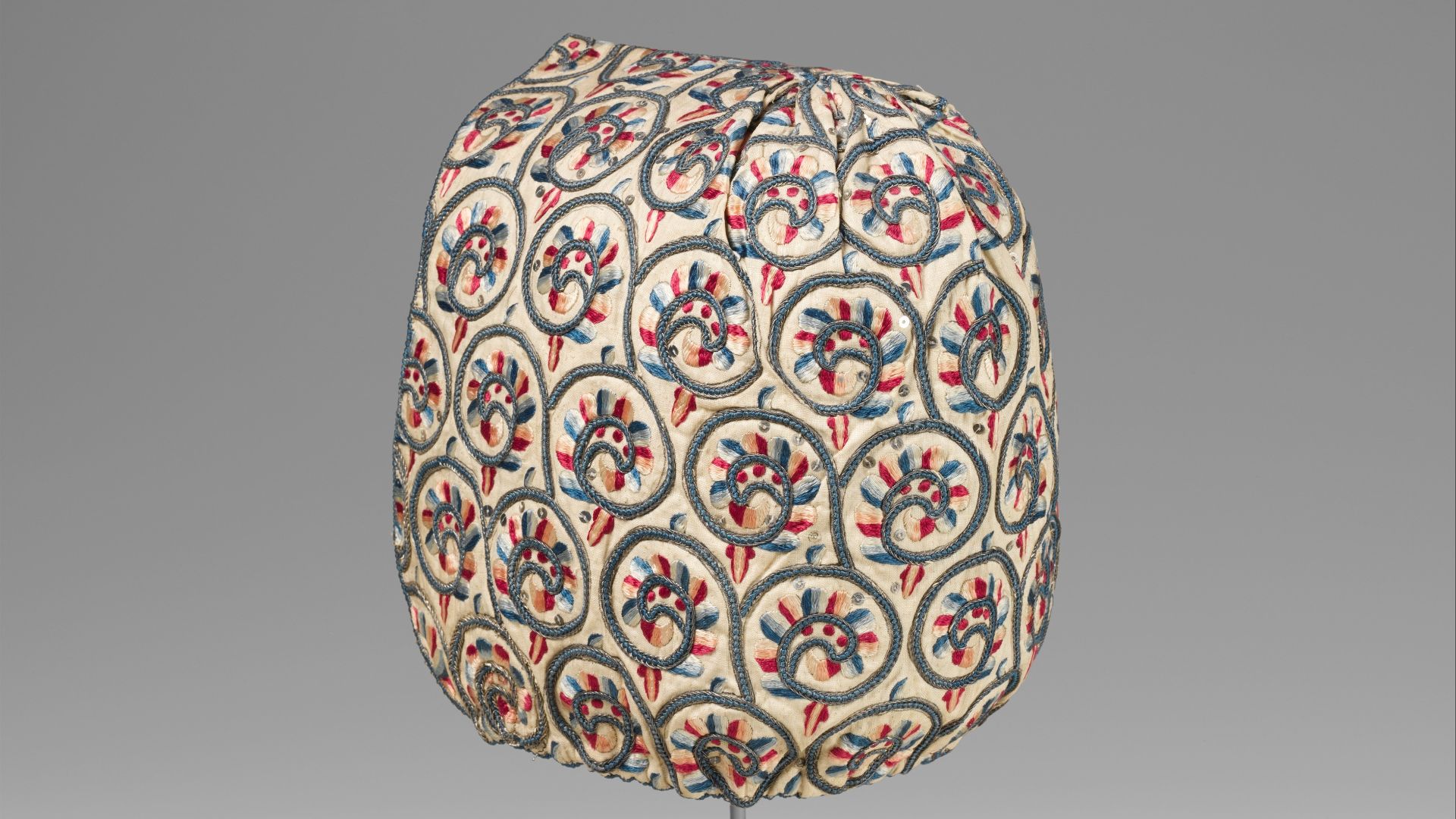
2. Linen Coifs
The linen coif was a close-fitting cap worn to cover the hair and keep things neat. A modern version could be quietly useful for windy walks, lazy hair days, or self-care nights when you still want to look somewhat put together.
3. Tunic Dresses
The tunic is one of the easiest medieval shapes to bring into a modern closet. Loose, layerable, and simple, it has the same appeal as the dress you reach for when you want to look decent without trying too hard.

4. Belted Kirtles
Kirtles gave medieval women’s dress shape through the body while letting the skirt fall naturally. In a modern fabric, that fitted top and softer skirt could feel pretty without being precious, especially with boots and a slim belt.
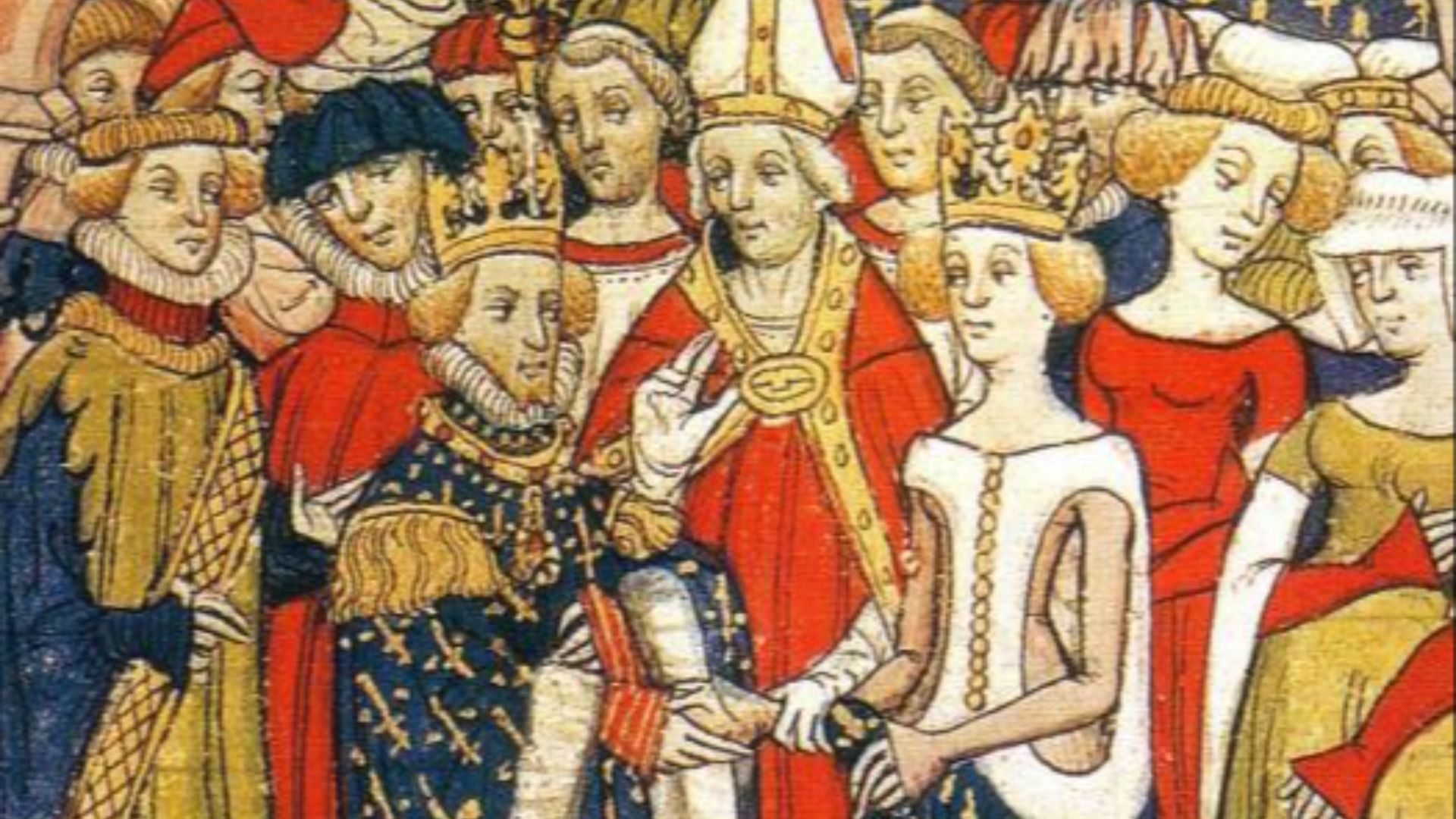
5. Sideless Surcoats
The sideless surcoat, worn over another gown, created long open lines and a strong layered effect in late medieval dress. A modern version could work as an evening layer or long vest, especially in velvet or heavy silk, without feeling like a costume if the cut stayed clean.
 Unknown authorUnknown author on Wikimedia
6. Softer Cotehardies
A cotehardie with modern fabric would be far easier to love than the stricter medieval versions. Keep the fitted bodice, long sleeves, and button detail, then add enough comfort to let someone eat dinner without quietly resenting every seam.
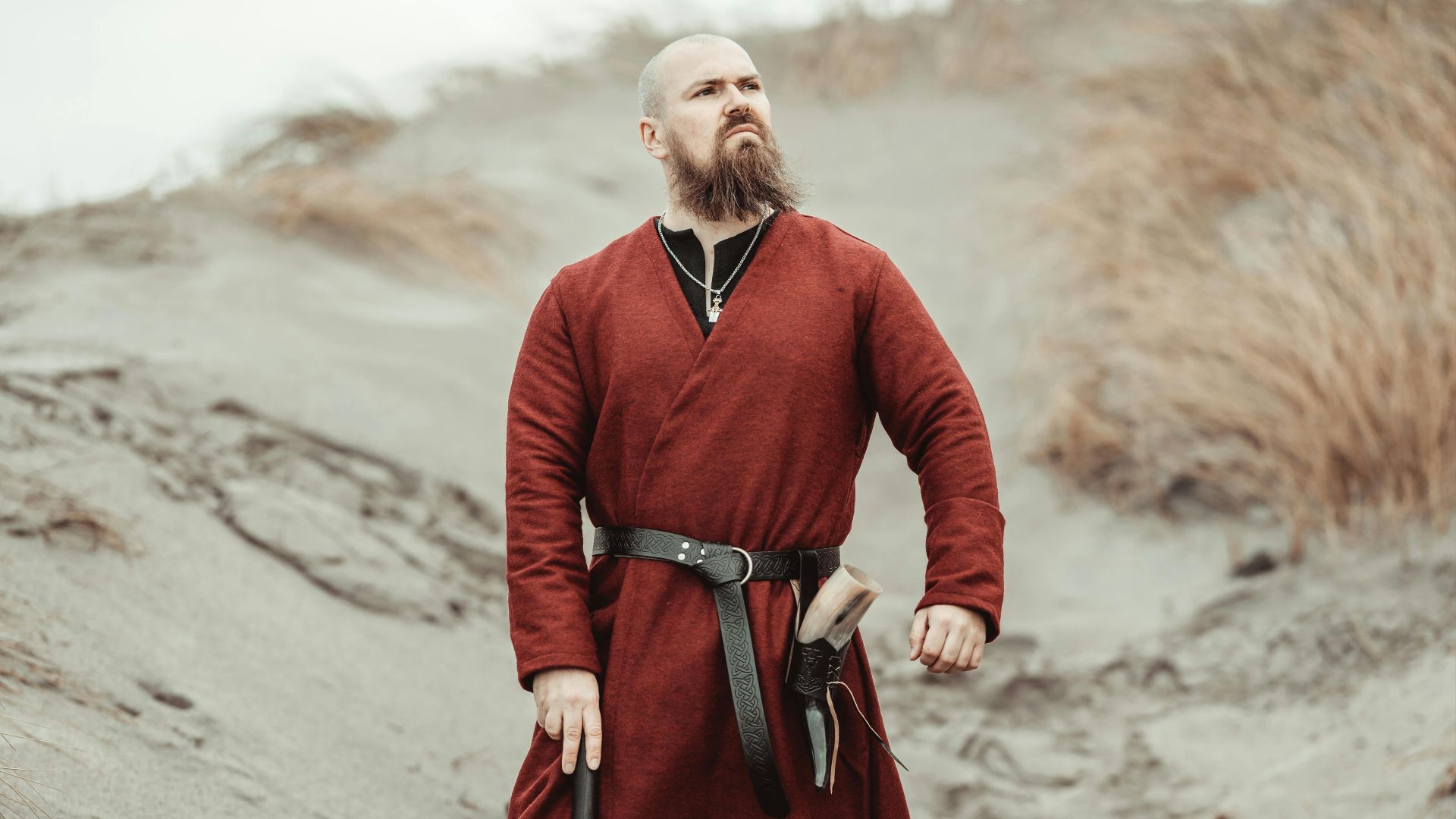
7. Runway Houppelandes
The houppelande may be too much for errands, but it makes sense for fashion shows, costume design, and formalwear. Those broad sleeves and generous folds already have the scale designers keep returning to when they want clothes with real presence.
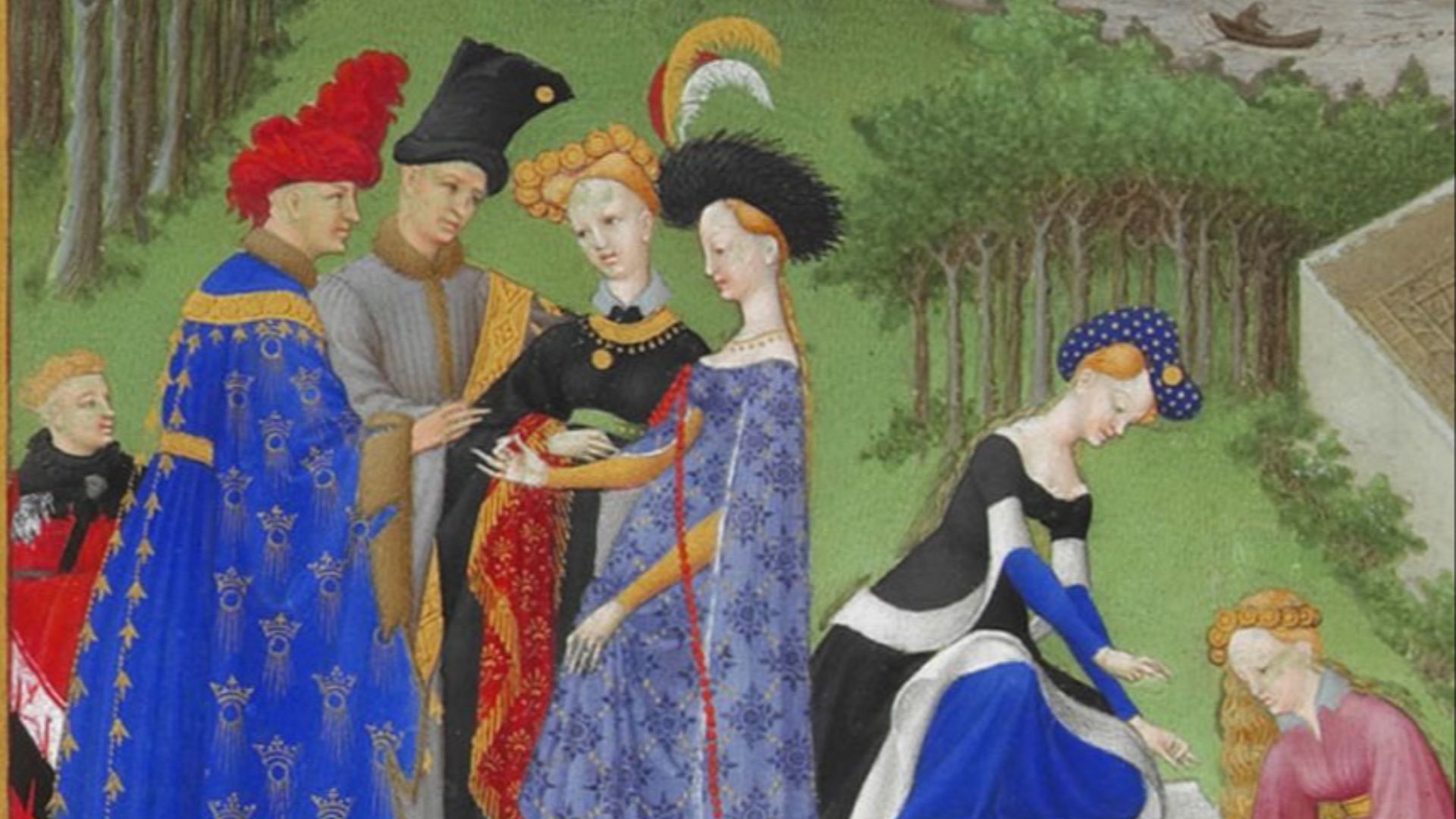
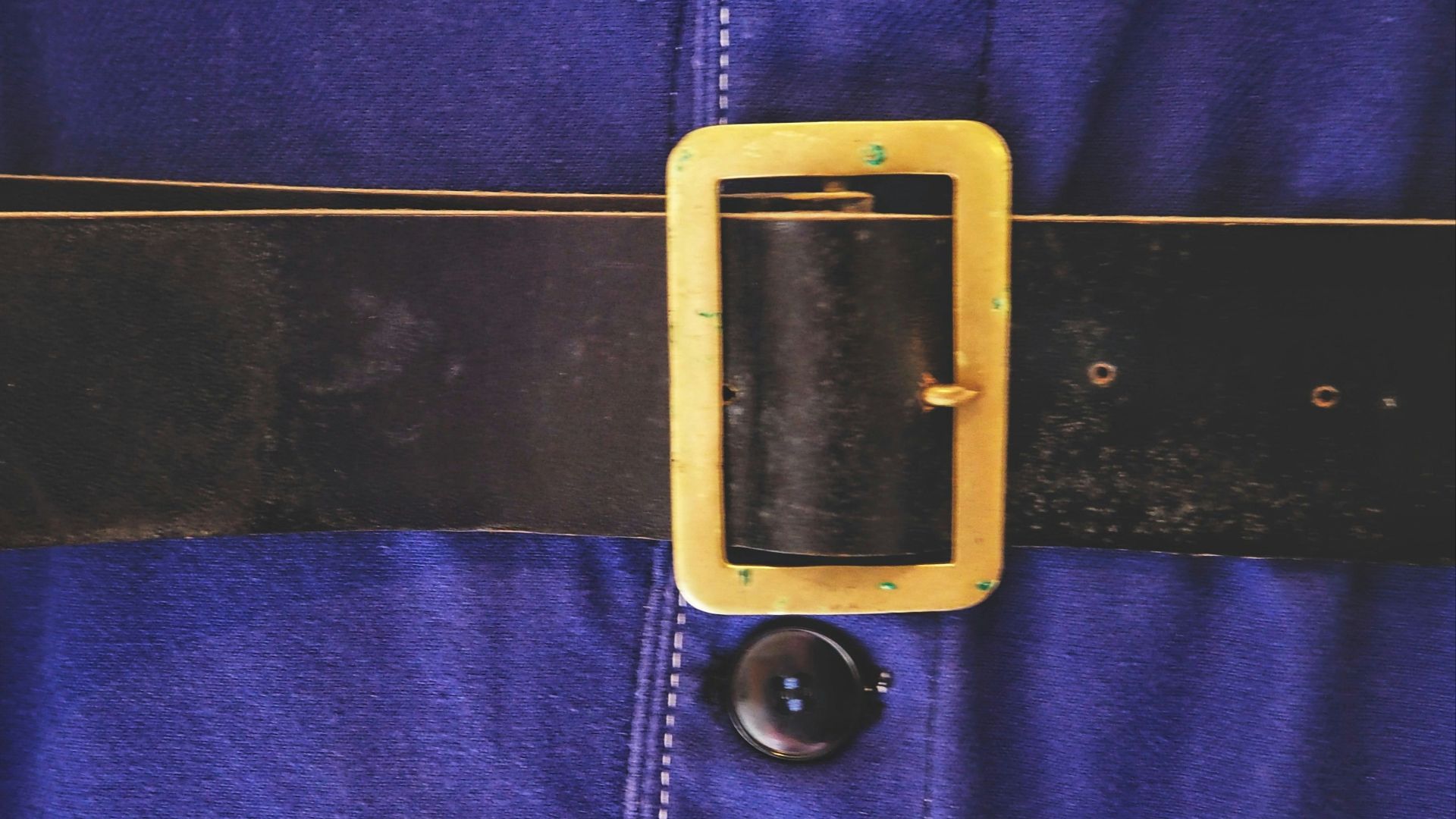
8. Decorative Cinctures
Medieval belts and cinctures shaped tunics, gowns, and outer layers while adding a little shine or color. That’s still useful now, especially over a plain dress or long coat that needs one detail to pull it together.
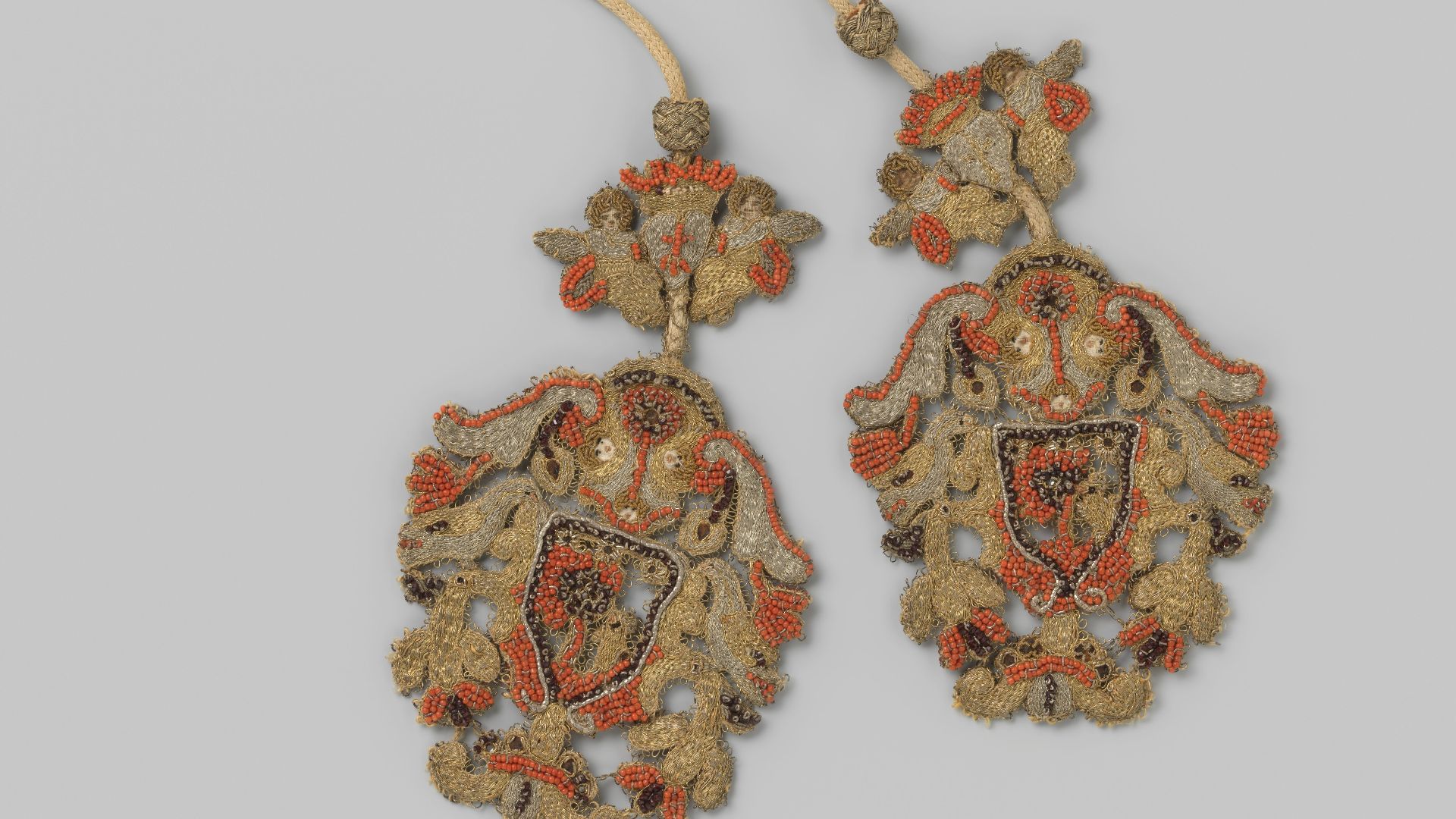
9. Cloak Brooches
Brooches and pins helped fasten cloaks and outer garments, but they also gave people a place to show taste, money, or craft. A good cloak brooch would make modern coats and scarves feel less plain, and it would actually do something that benefits the item of clothing.
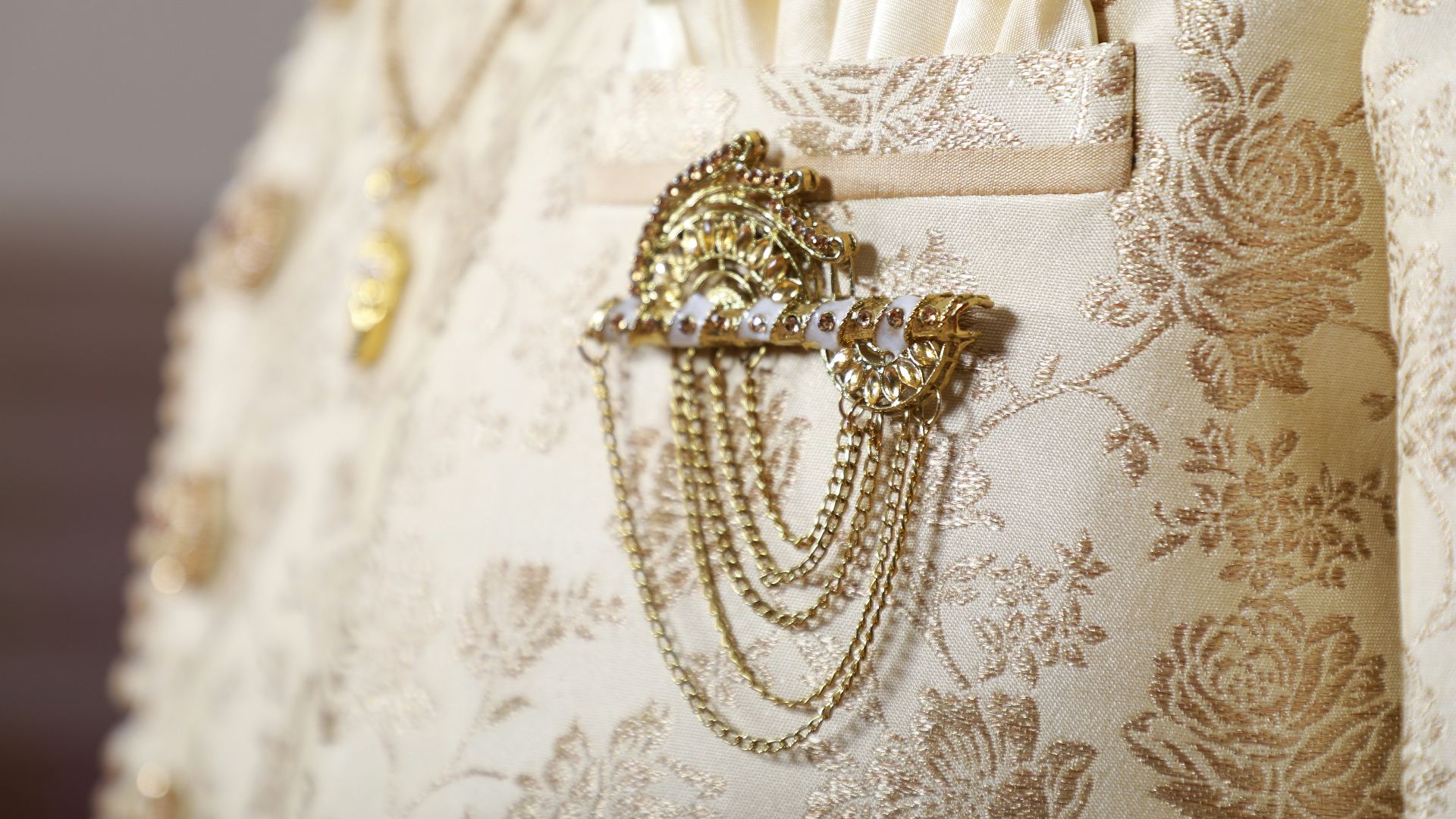 Vetrivel Viswanathar on Unsplash
10. Wool-And-Linen Layering
The medieval habit of wearing linen close to the skin and wool over it still makes practical sense. Linen breathes, wool insulates, and together they create the kind of quiet, sturdy layering that works long after trendier pieces start looking worn out.