Gentle Is a Marketing Word
Plenty of beauty treatments get their reputation from how mild they look rather than from any evidence about what they do. A warm cone, a squeeze of lemon, a few minutes under a lamp, all of it reads as harmless next to a scalpel. Some of these carry a documented risk that shows up in case reports and regulatory warnings. Others are fine in trained hands and dangerous in a strip mall with no license on the wall. Here's 20 that deserve a closer look than they usually get.
1. Gel Manicures
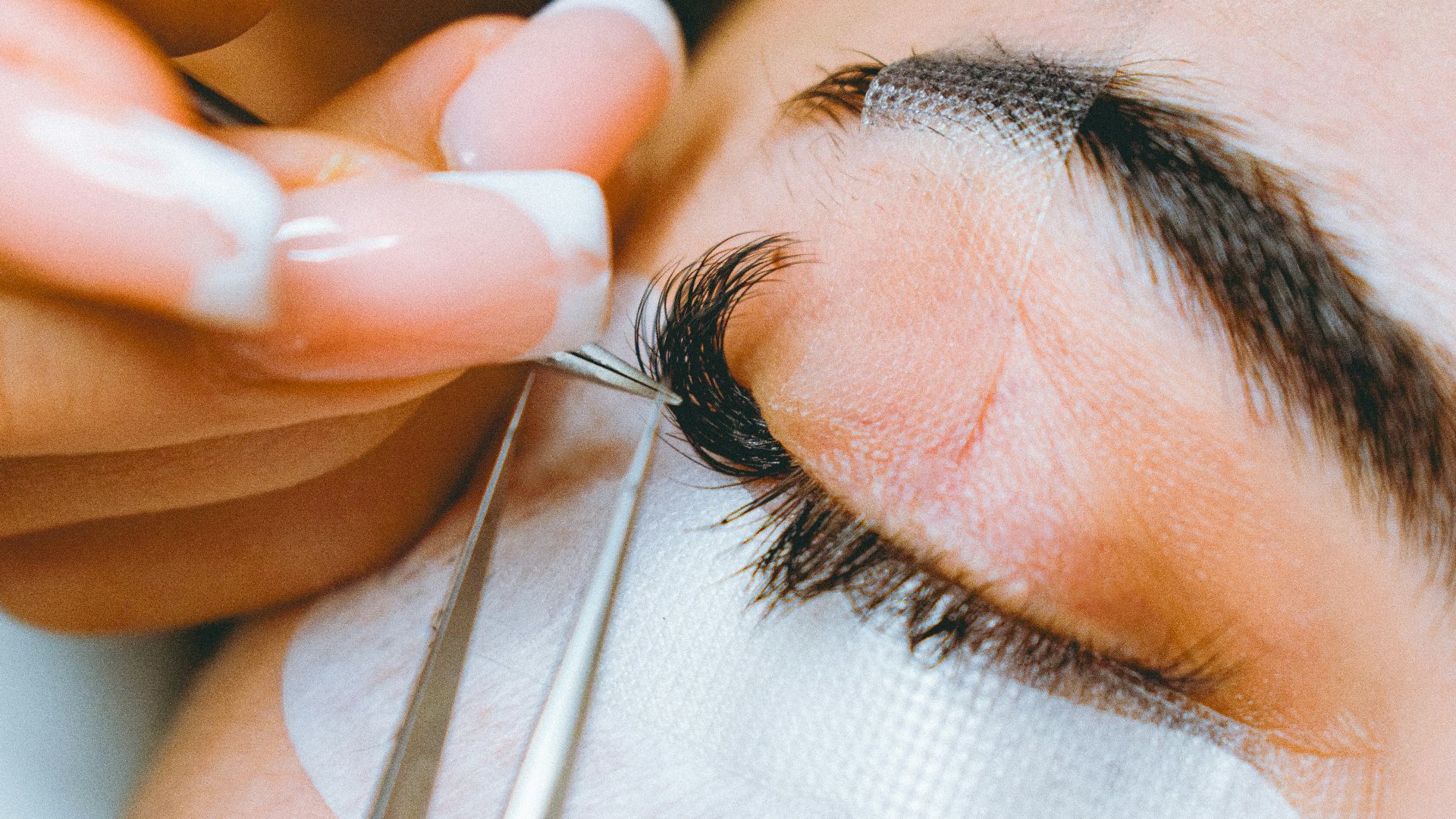
The lamp that cures gel polish puts out UVA, the same wavelength that ages skin outdoors. Researchers at UC San Diego reported in Nature Communications in 2023 that twenty minutes under one of those dryers killed a share of cells in a dish and damaged the DNA of the survivors. Those tests used cell lines rather than actual hands, so what it means for a fortnightly manicure is still unsettled.
2. Keratin Smoothing
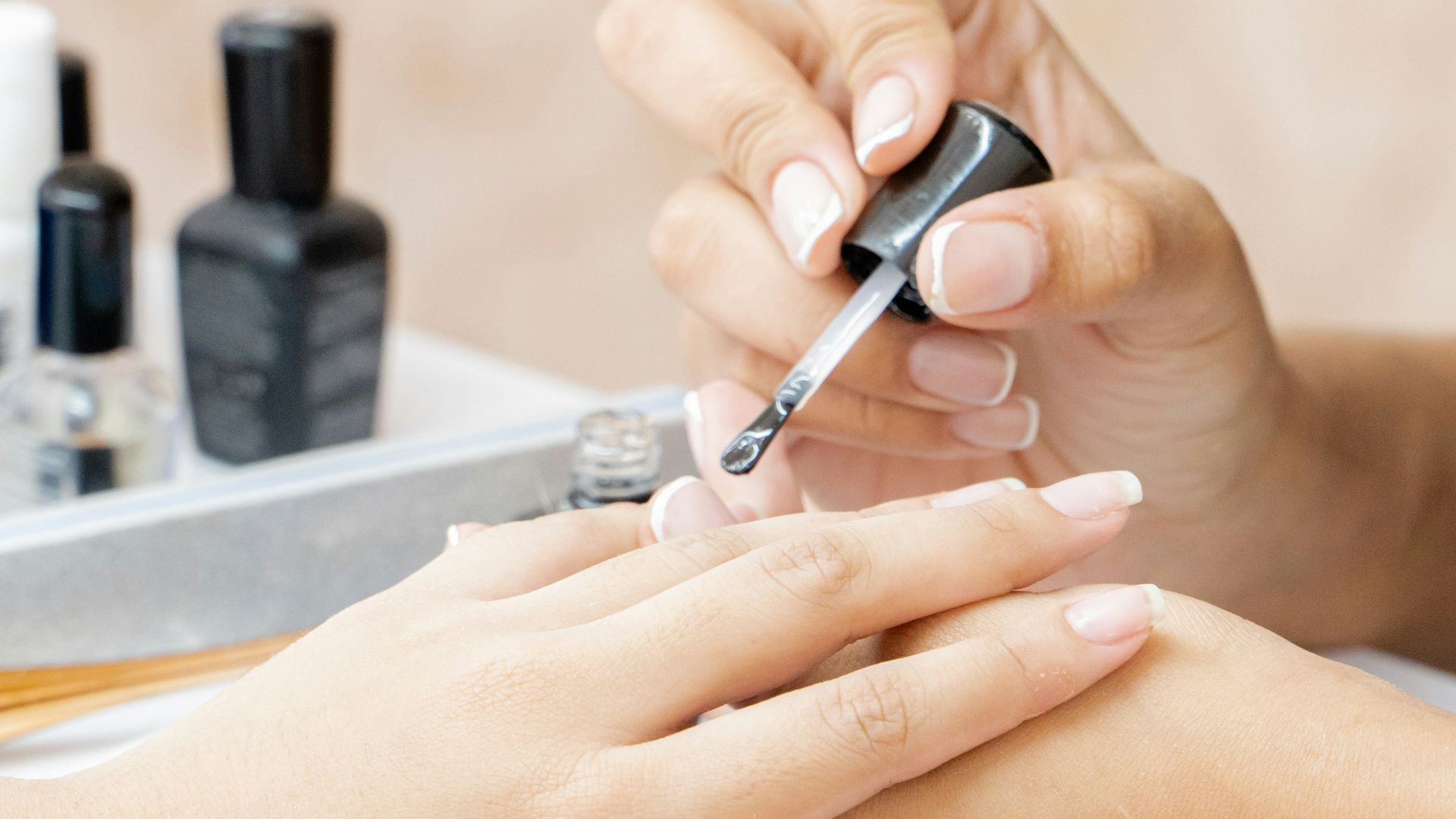
Oregon state testing found formaldehyde in a product labeled formaldehyde-free, and the FDA sent Brazilian Blowout a warning letter over it in 2011. Salon smoothing works by sealing hair with a solution that releases the gas once a flat iron hits it. The stylist breathing the fumes all day carries far more exposure than the client in the chair.

3. Chemical Relaxers
Relaxers have been part of ordinary hair care for generations. An NIH analysis of the Sister Study, published in 2022, found that women using straightening chemicals more than four times a year were more than twice as likely to develop uterine cancer. The researchers were careful to note that the absolute risk stays low.
4. Eyelash Tinting
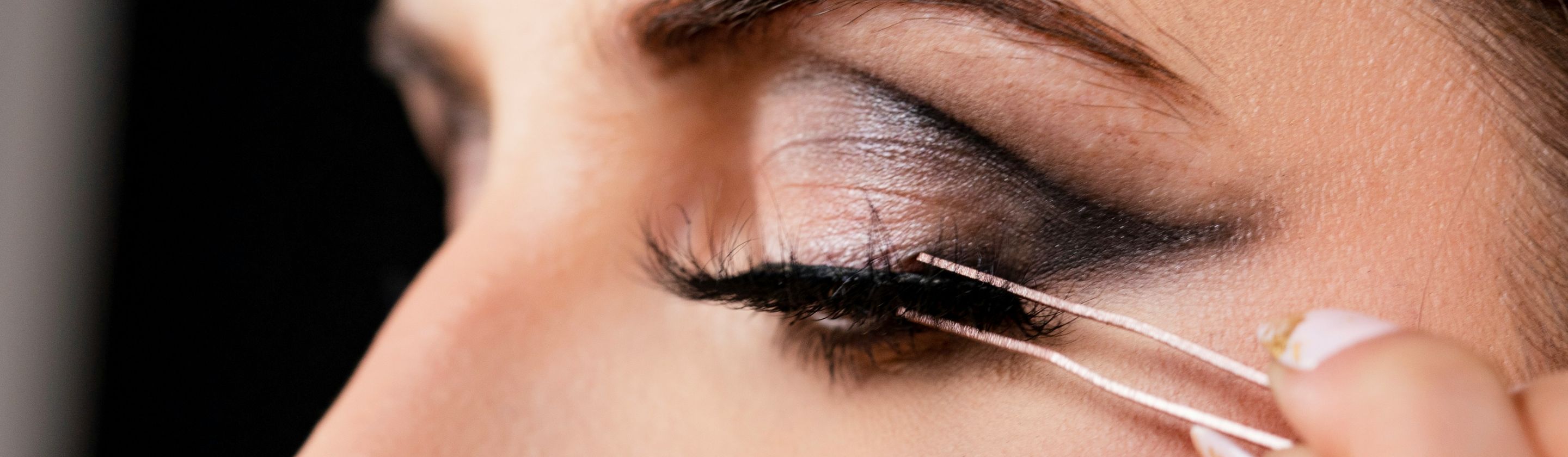
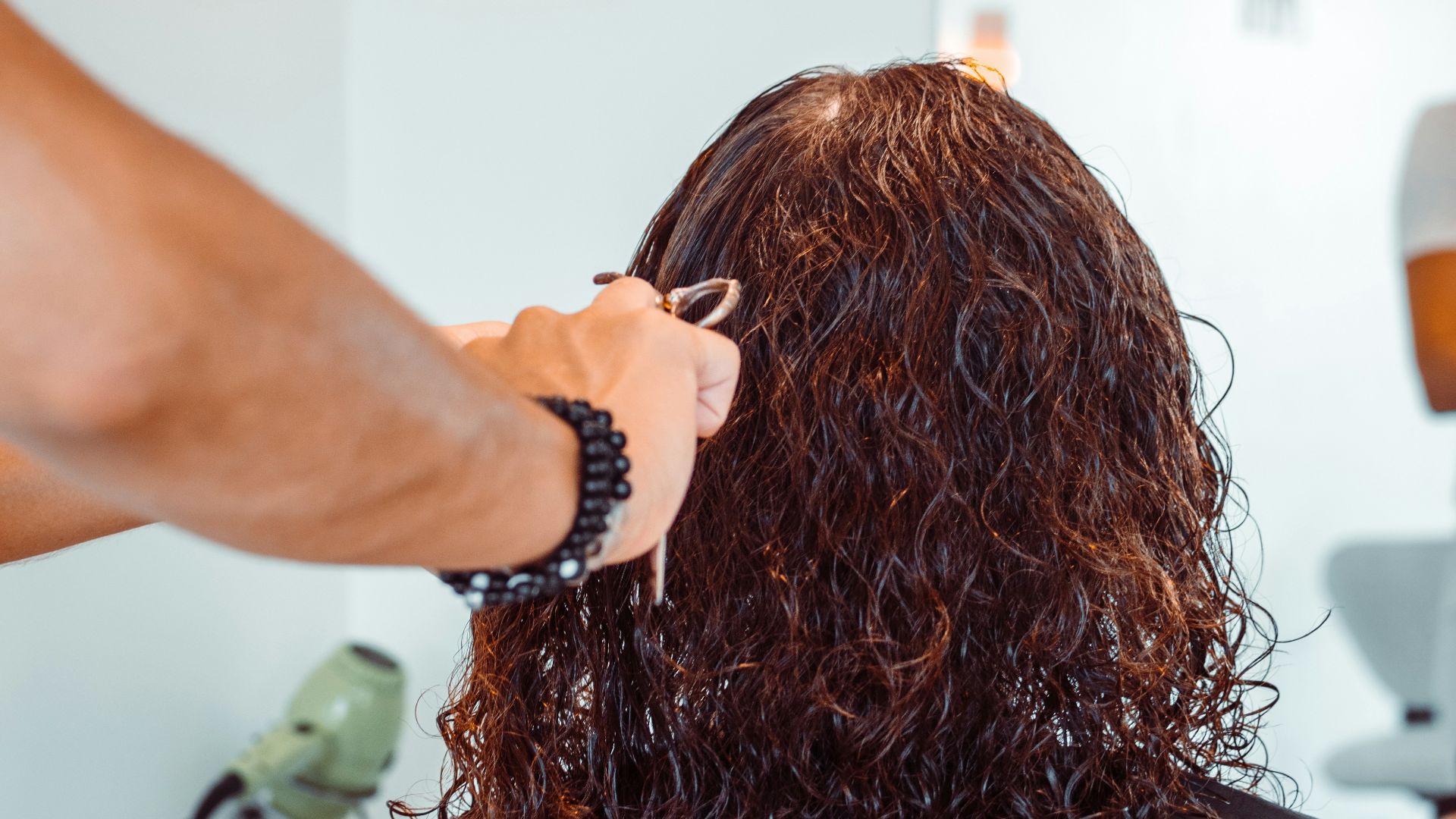
No color additive has ever been approved for use on eyelashes or eyebrows, and the FDA warns that dyes applied near the eye can cause injury up to and including blindness. Tinting takes ten minutes and looks like the mildest item on any salon menu. Any place offering it is working outside the rules.
 Hayley Kim Studios on Unsplash
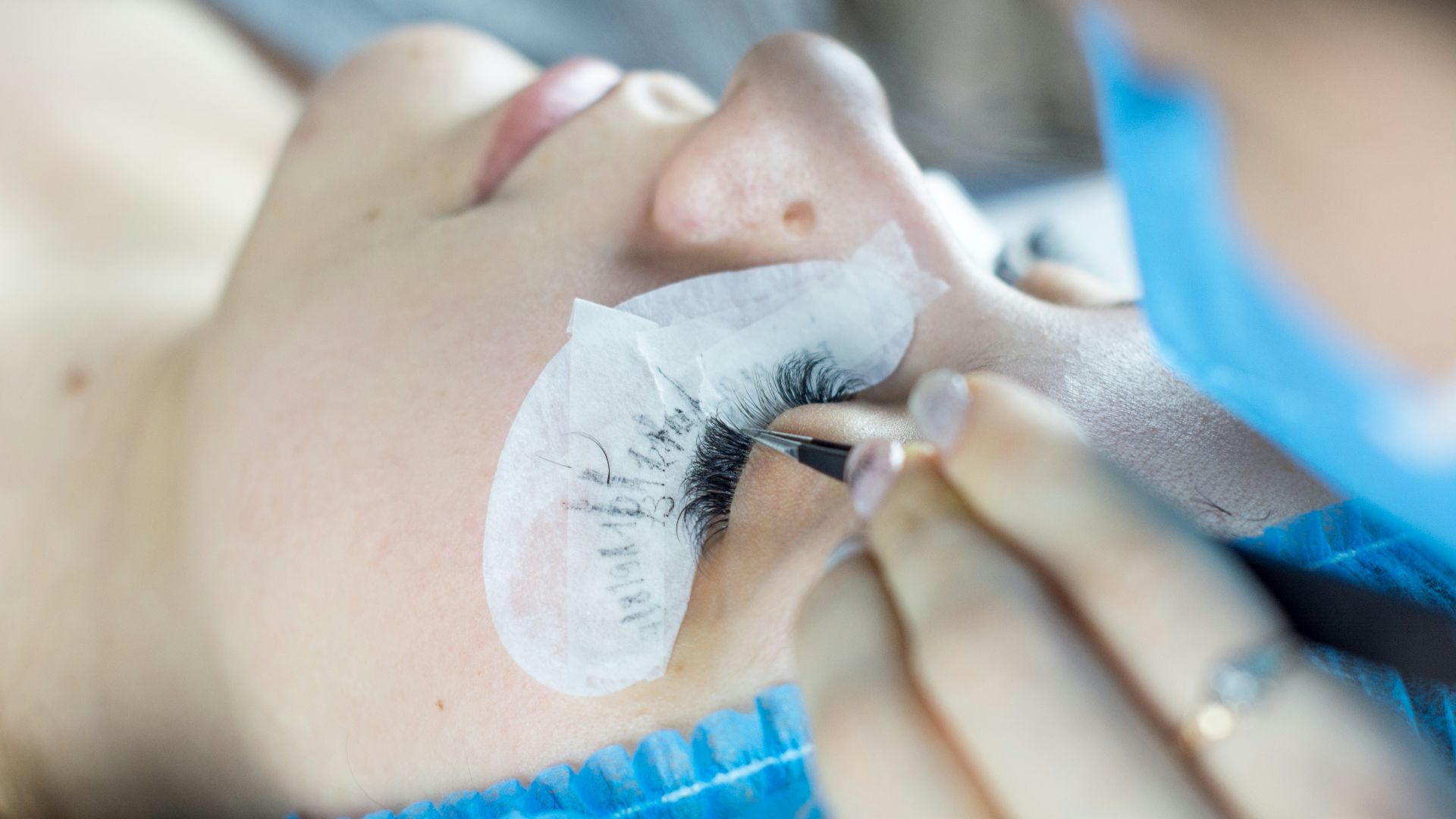
5. Lash Extension Adhesive
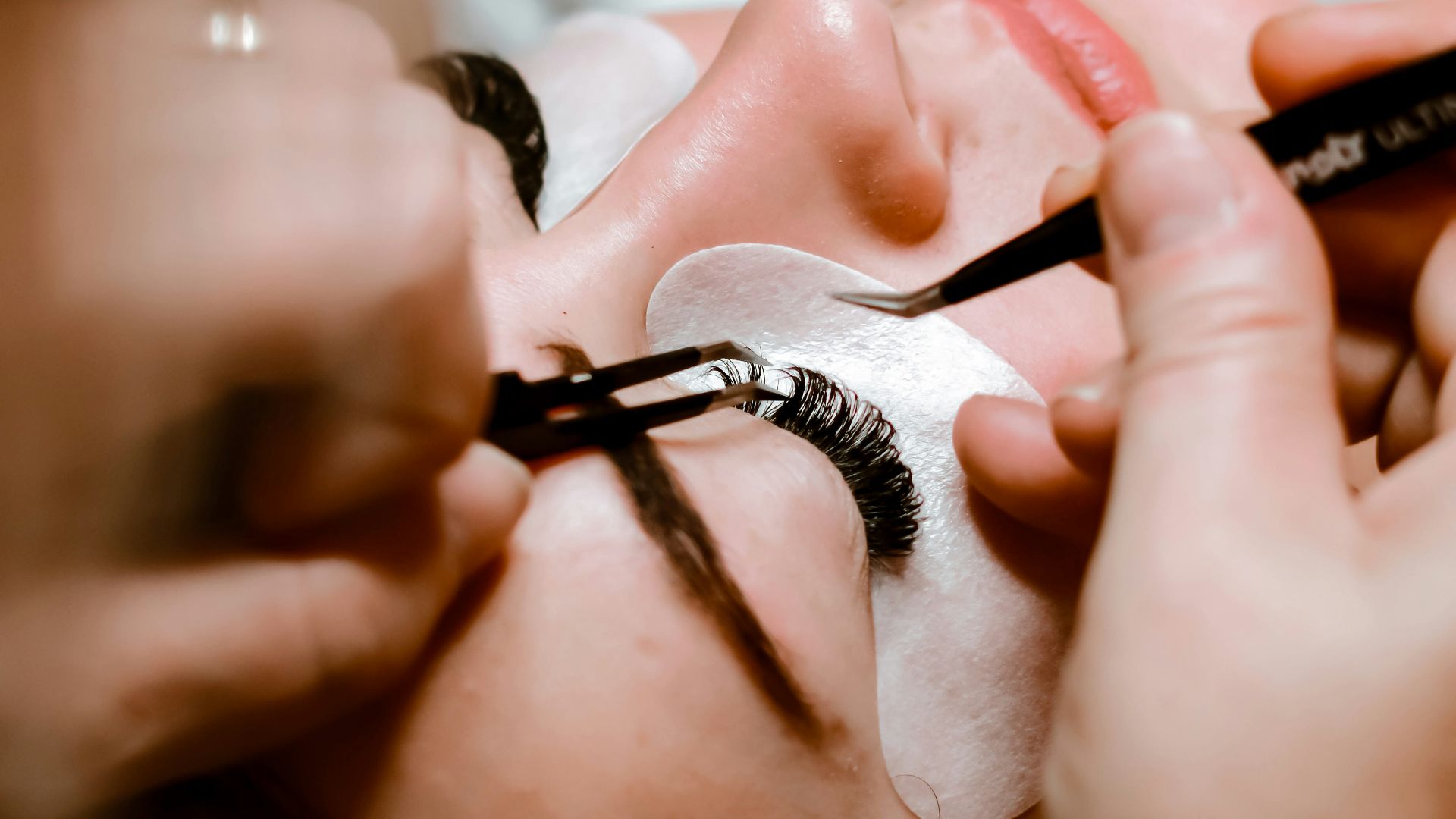
Cyanoacrylate glue holds extensions in place and gives off small amounts of formaldehyde as it cures. Reactions tend to arrive a day or two later as swollen, weeping eyelids rather than anything you notice in the chair, which is why a patch test before a full set is worth the extra appointment.
6. Lash Growth Serums
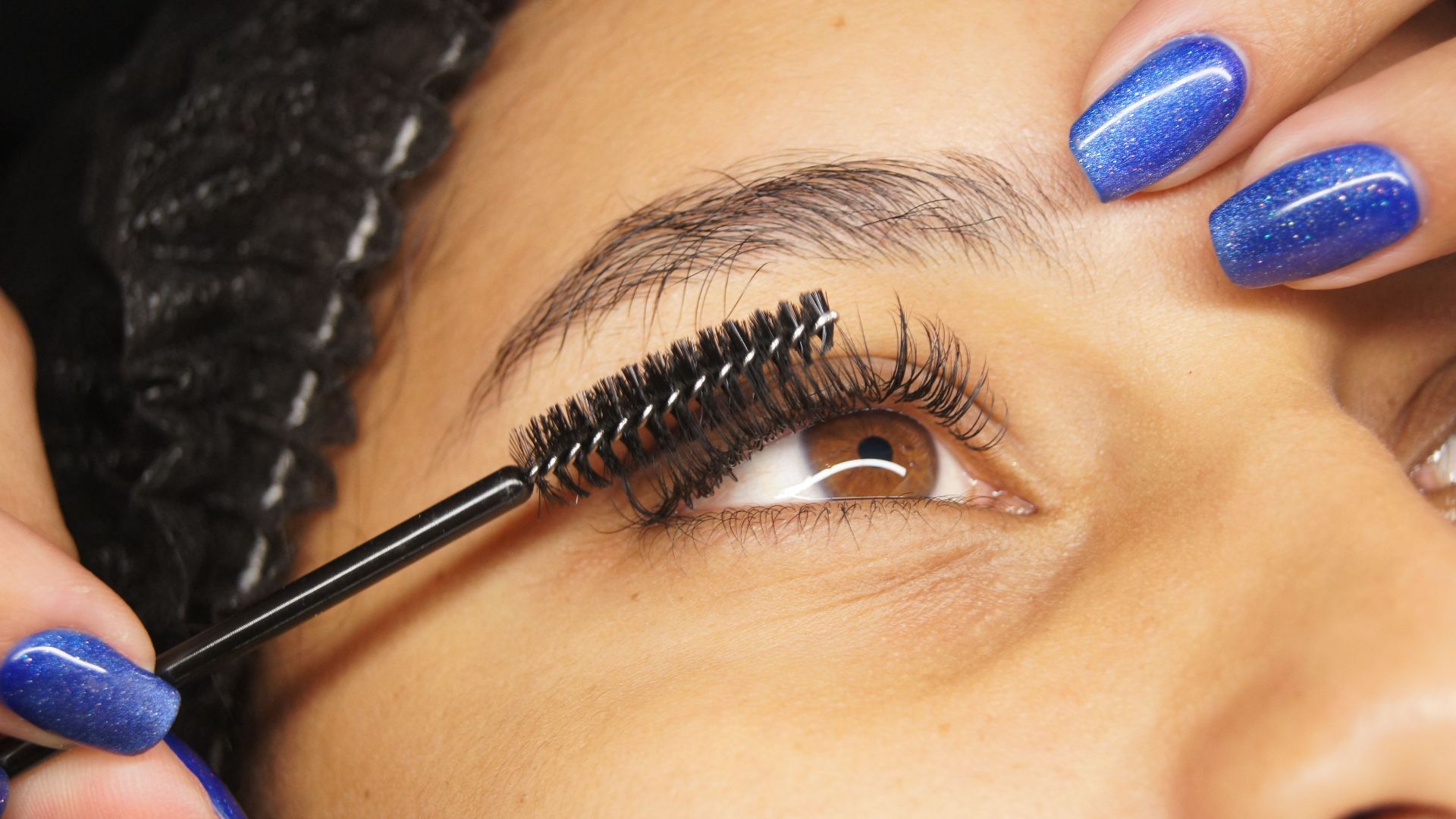
Prescription lash serums work through a prostaglandin analog, the same drug class used to treat glaucoma. Known side effects include permanent darkening of the iris and a hollowed look from fat loss around the eye. Regulators have repeatedly found unlisted prostaglandins in serums sold without a prescription.
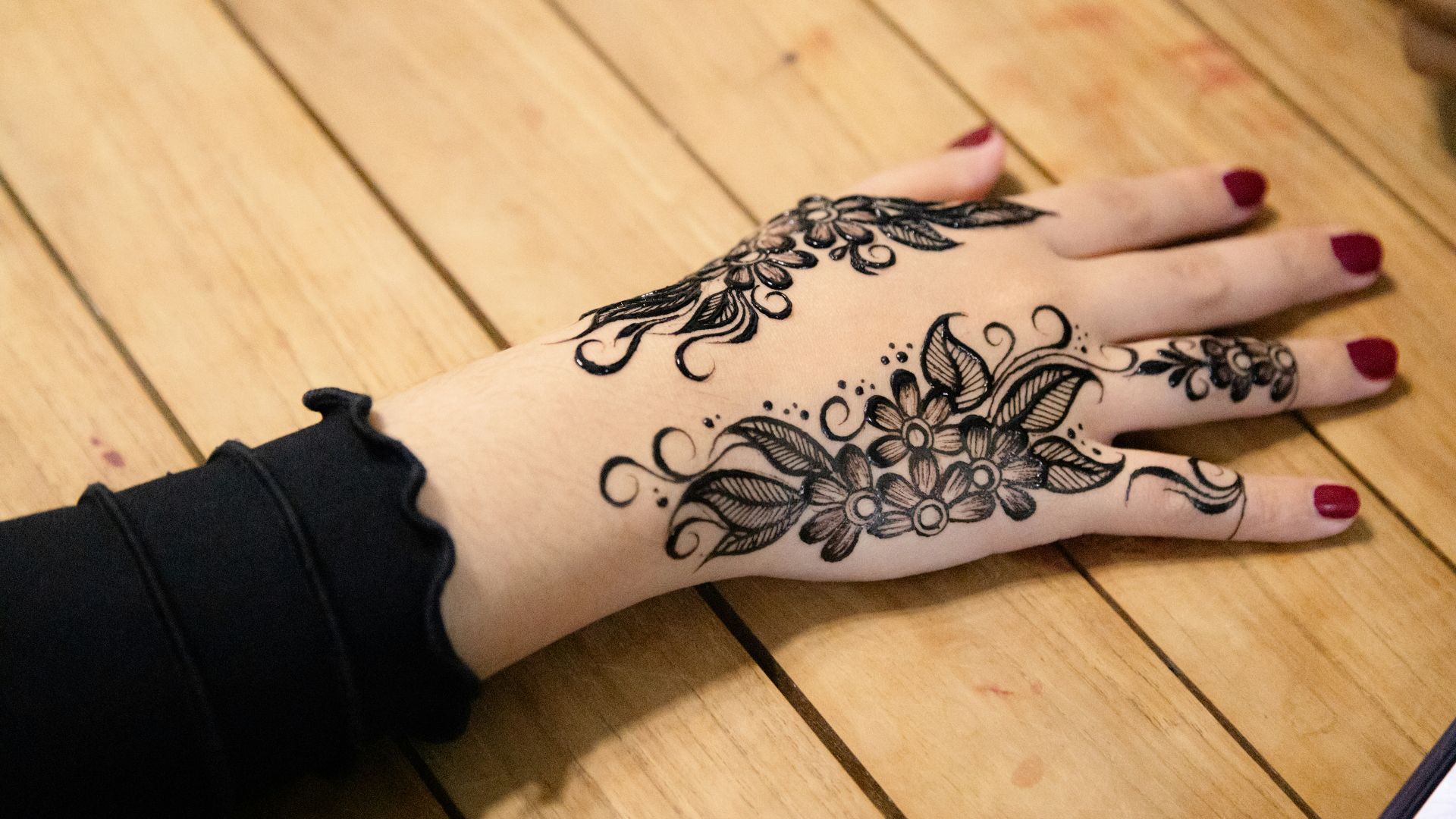
7. Black Henna
Genuine henna stains skin a rusty orange over several hours and washes out within weeks. The black version sold at beach stalls gets its color from p-phenylenediamine, a hair dye chemical the FDA warns can cause blistering and permanent scarring. Children tend to react worst of all.
8. Talc Powder
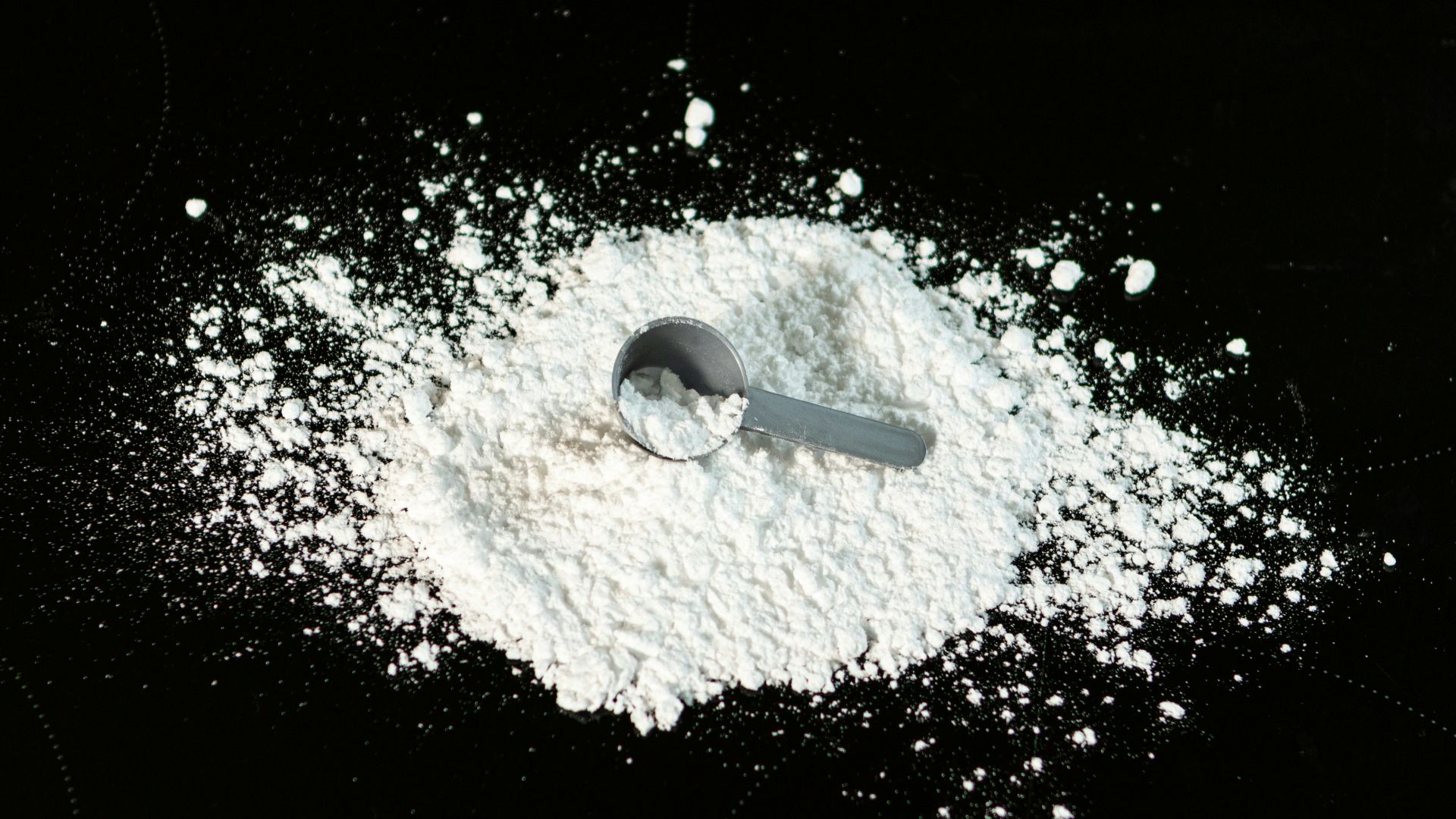
Johnson & Johnson stopped selling talc-based baby powder in the United States in 2020 and pulled it globally three years later. Talc and asbestos form in the ground alongside each other, which is why cosmetic talc requires testing and occasionally fails it. Cornstarch powders do the same job without the question hanging over them.
9. Imported Lightening Creams
Skin-lightening creams bought abroad or at neighborhood shops have repeatedly turned up containing mercury. California health officials have traced cases of mercury poisoning to specific jars, sometimes after whole families were affected. The label usually says nothing about it.
10. Hydroquinone
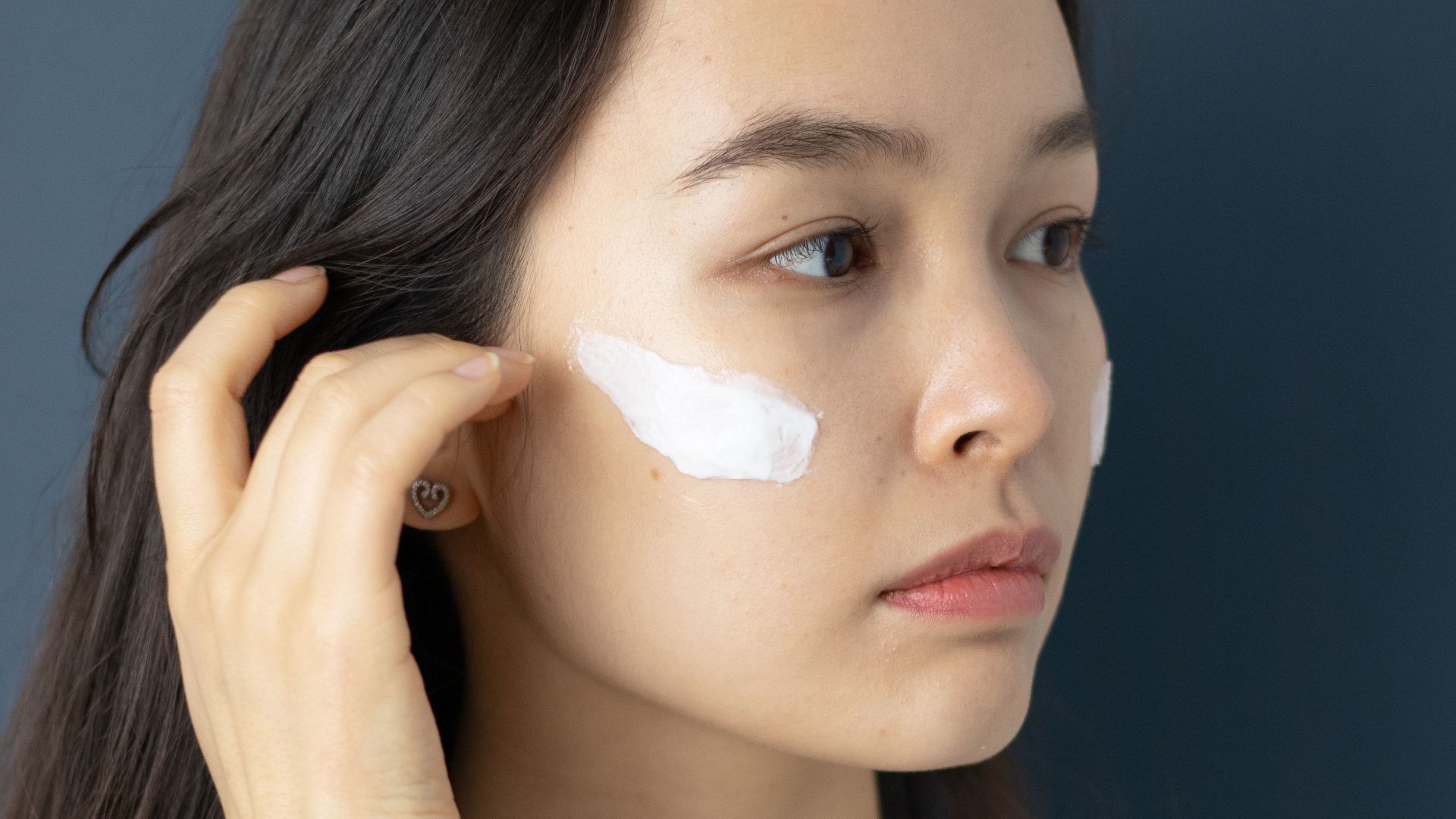
Hydroquinone fades dark patches and sat on American drugstore shelves for decades. Extended use can trigger ochronosis, a blue-black discoloration considerably harder to treat than the spots it replaced. Congress pulled over-the-counter hydroquinone from the approved list in 2020, which left it available by prescription.
11. Ear Candling
A hollow cone burning above your ear is supposed to pull wax out through suction. The FDA warned in 2010 that these devices can burn skin and puncture eardrums, and it found no evidence of any benefit at all. The residue left in the cone is candle wax.
12. Fish Pedicures
Tiny carp nibbling dead skin off your feet reads as a novelty and functions as a shared bath, since neither the fish nor the tank can be sanitized between clients. More than a dozen US states have banned the practice outright.

13. Vampire Facials
The CDC reported in 2024 that three women contracted HIV after vampire facials at an unlicensed New Mexico spa. Spinning your own blood and microneedling the plasma back in has an appealing logic to it. That logic holds only as long as nothing else has touched the equipment.
14. Discount Botox
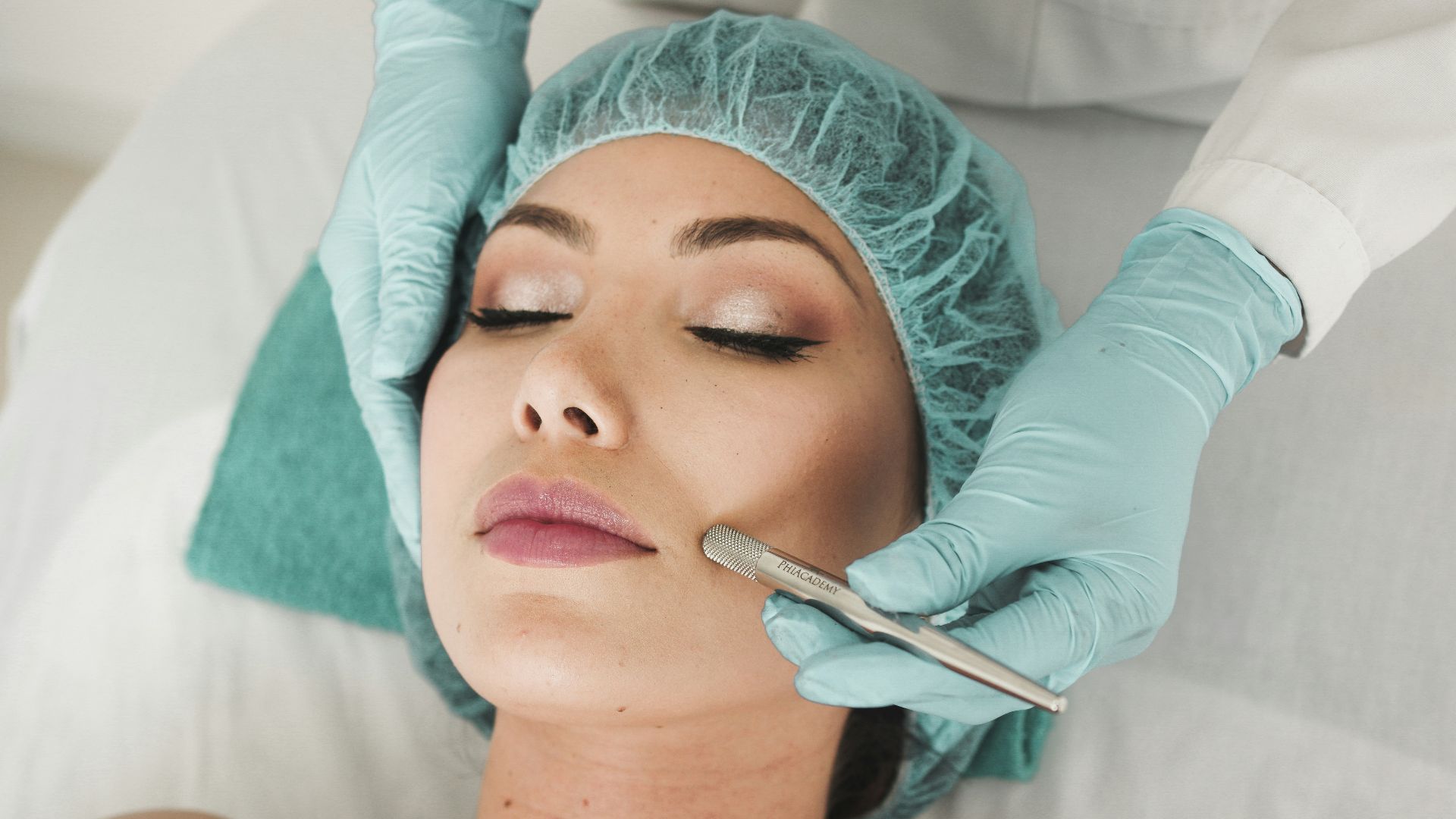
Botulinum toxin is among the better-studied cosmetic injectables, and the danger sits in where the vial came from. Health officials tracked botulism-like illness across multiple states in 2024 to counterfeit product injected outside medical settings. A price well under the going rate is the clearest warning available.
15. Lip Filler
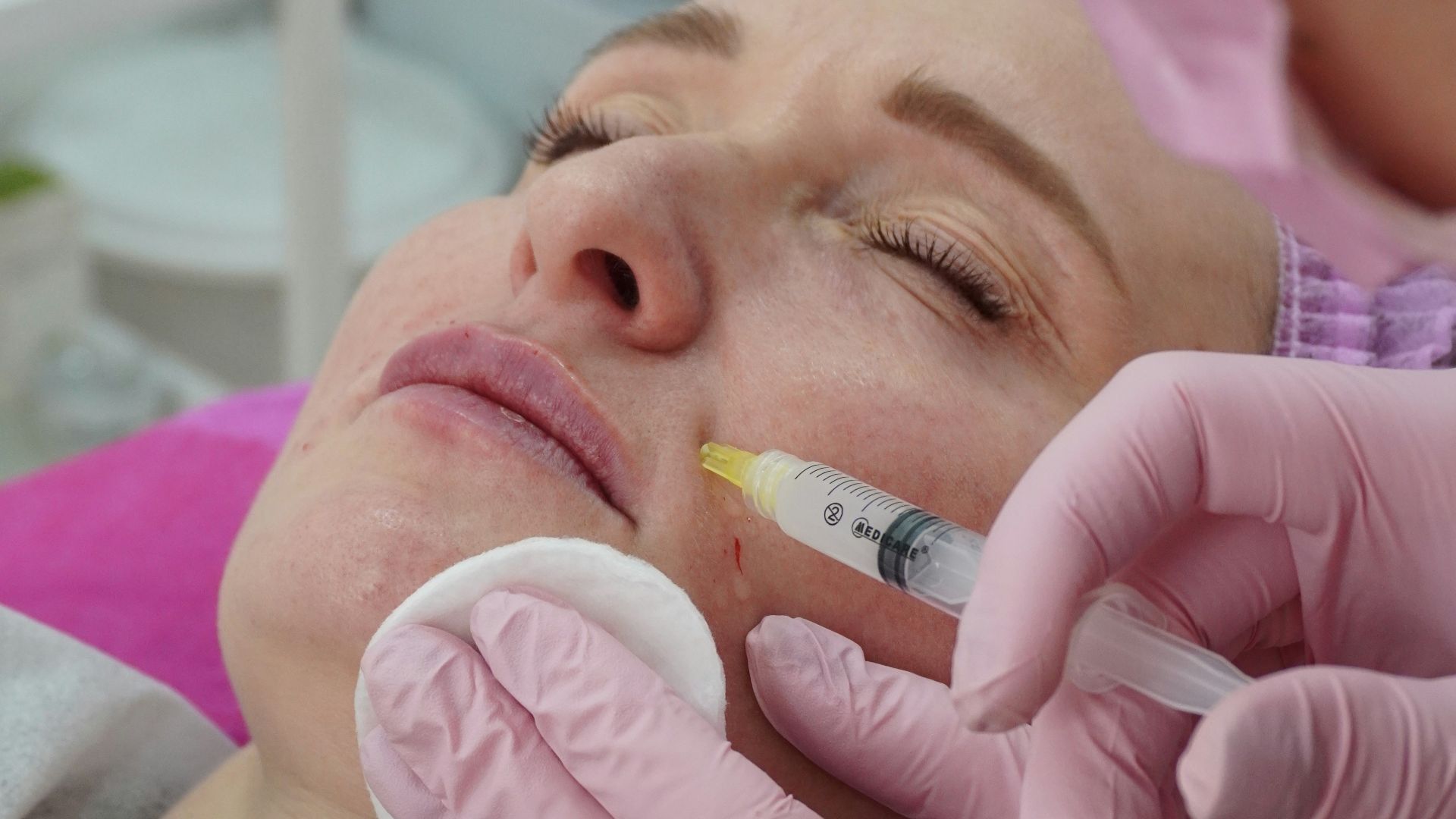
Hyaluronic acid filler breaks down on its own, which makes the whole thing feel reversible and low-stakes. Injected into a blood vessel by accident, it can cut off circulation, and the medical literature records cases of tissue death and vision loss. Injectors who keep hyaluronidase on hand can undo an occlusion if they catch it quickly.
16. At-Home Microneedling
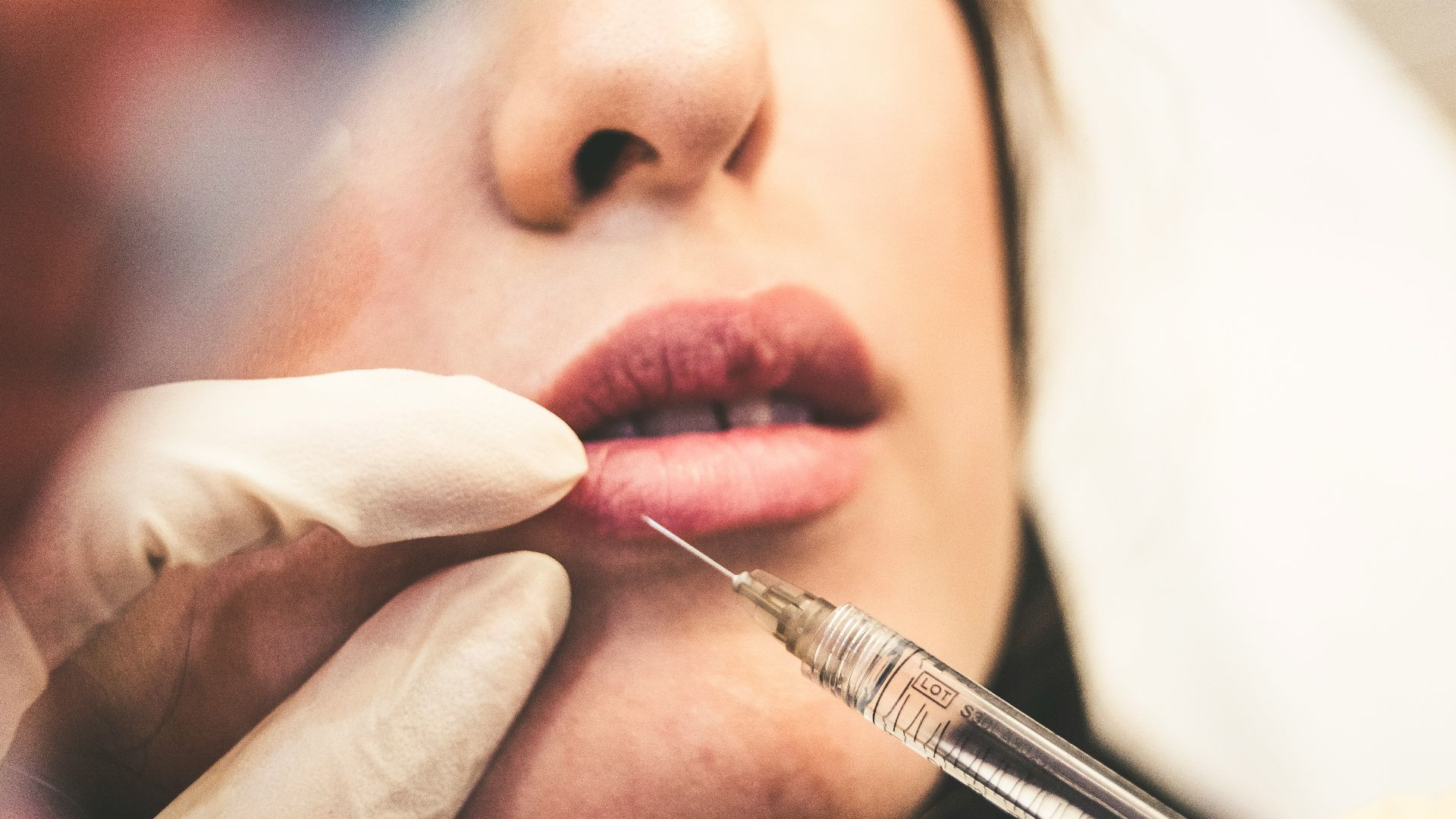
Dermarollers sold online carry needles long enough to reach living tissue, which makes them long enough to carry bacteria into it. Home devices cannot be sterilized to a clinical standard, and rolling over an active breakout spreads it across the face.
17. Vaginal Steaming
Medical journals carry case reports of second-degree burns from vaginal steaming. The practice comes with a long folk history and almost no evidence behind it, and the tissue involved is self-cleaning to begin with.
18. Lemon Juice on Skin
Lemon juice gets recommended as a natural brightener largely because it lifts stains off countertops. Its pH sits near 2, far below what skin tolerates, and citrus oils trigger a blistering reaction called phytophotodermatitis once sunlight reaches the treated area. The marks it leaves behind outlast the ones it was meant to fade.

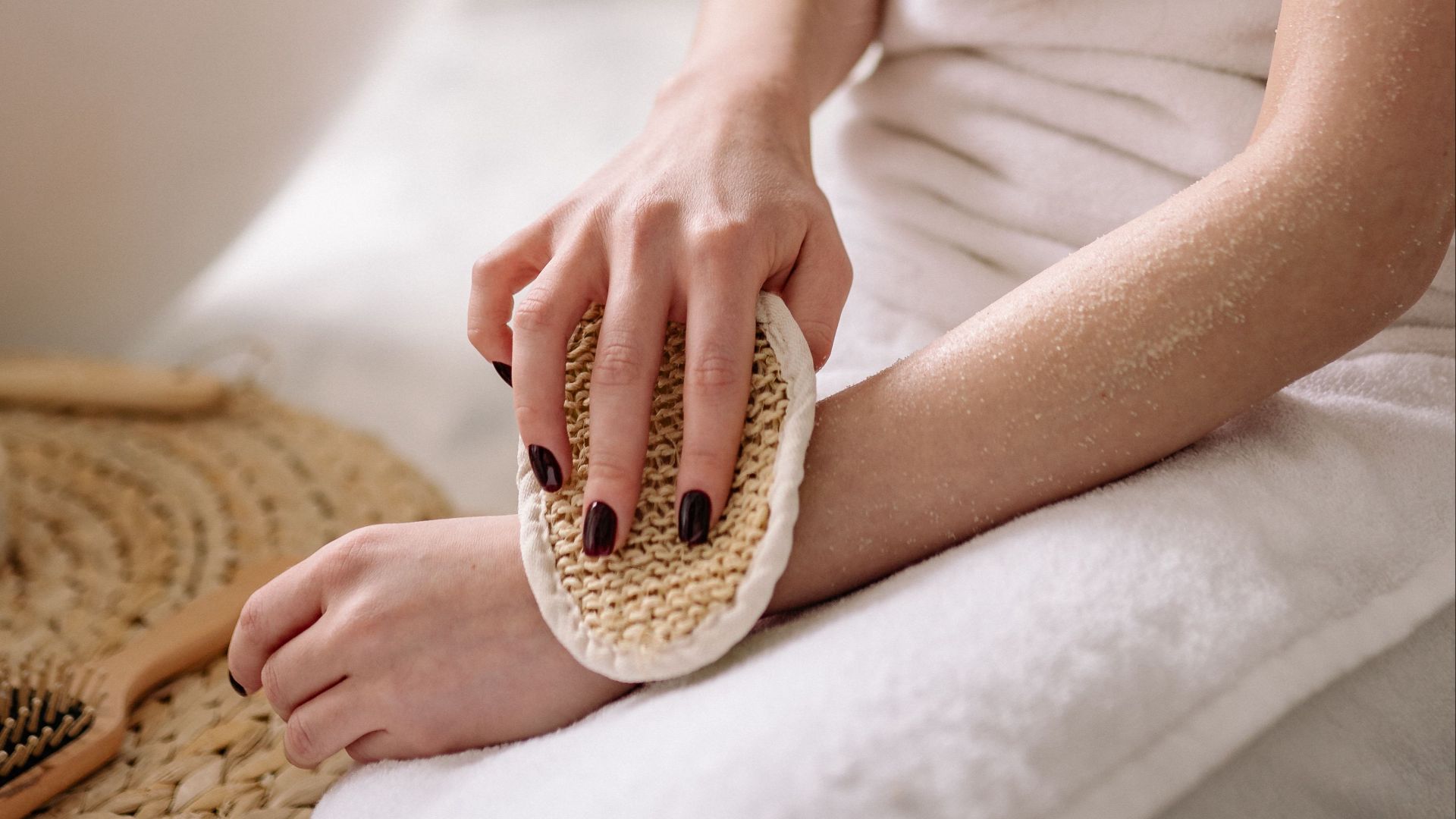
19. Baking Soda Scrubs
Baking soda lives in the fridge and in half the homemade skincare recipes online. It runs around pH 9 while healthy skin sits closer to 5, so scrubbing with it strips the barrier holding water in and bacteria out, and skin needs days to recover from one session.
20. Waxing While on Retinoids
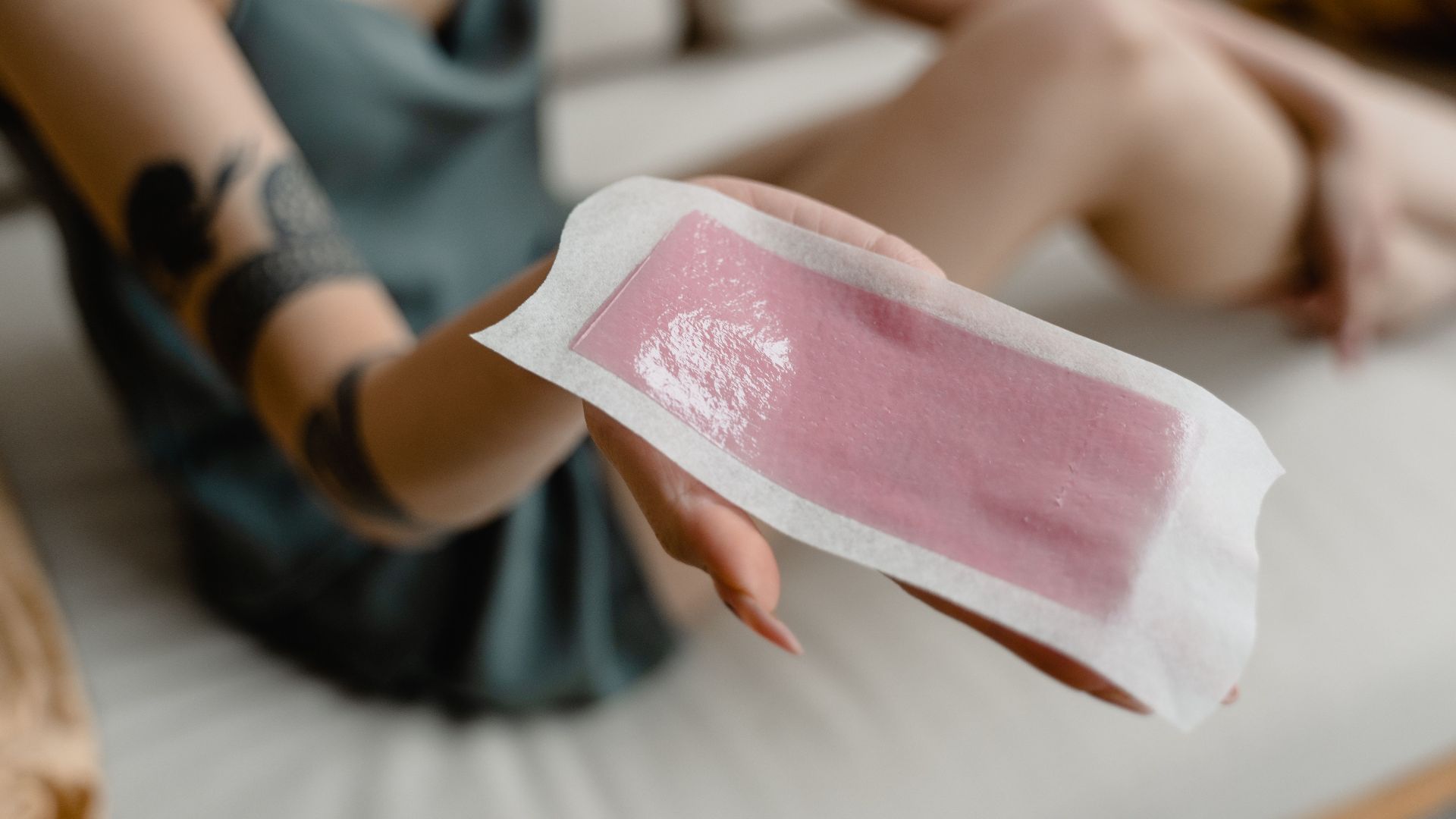
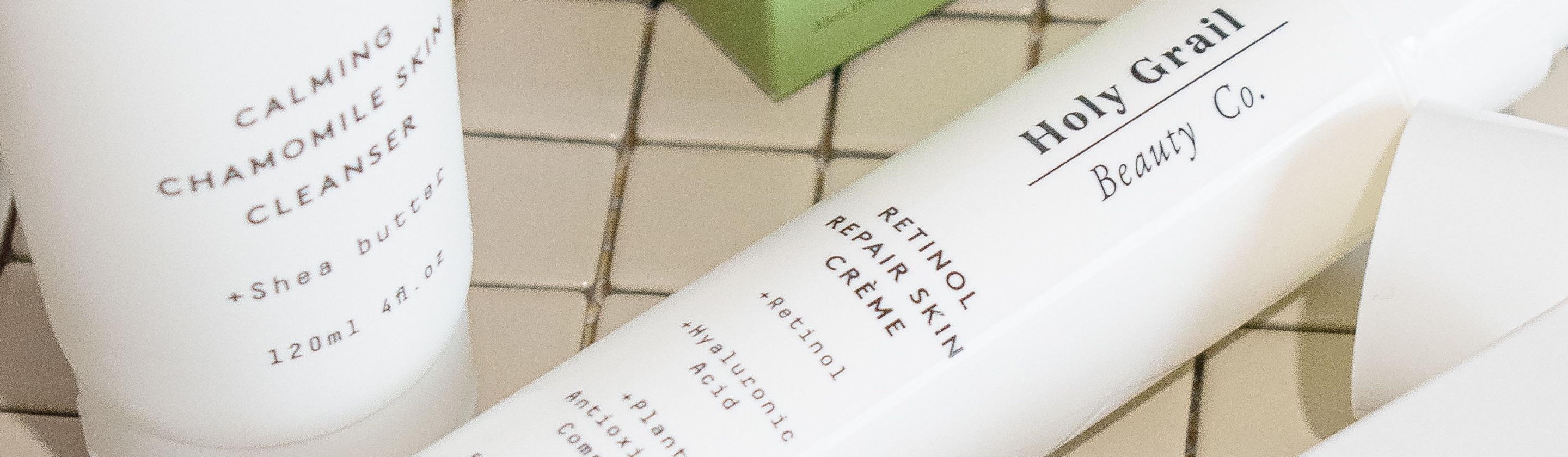
Waxing is routine and retinoids come recommended by dermatologists, which makes the combination sound unremarkable. Retinoids thin the outer layer of skin enough that hot wax can lift it away in sheets. Dermatologists suggest pausing topical retinoids for about a week beforehand and considerably longer after oral isotretinoin.