
Start With the Boring Stuff
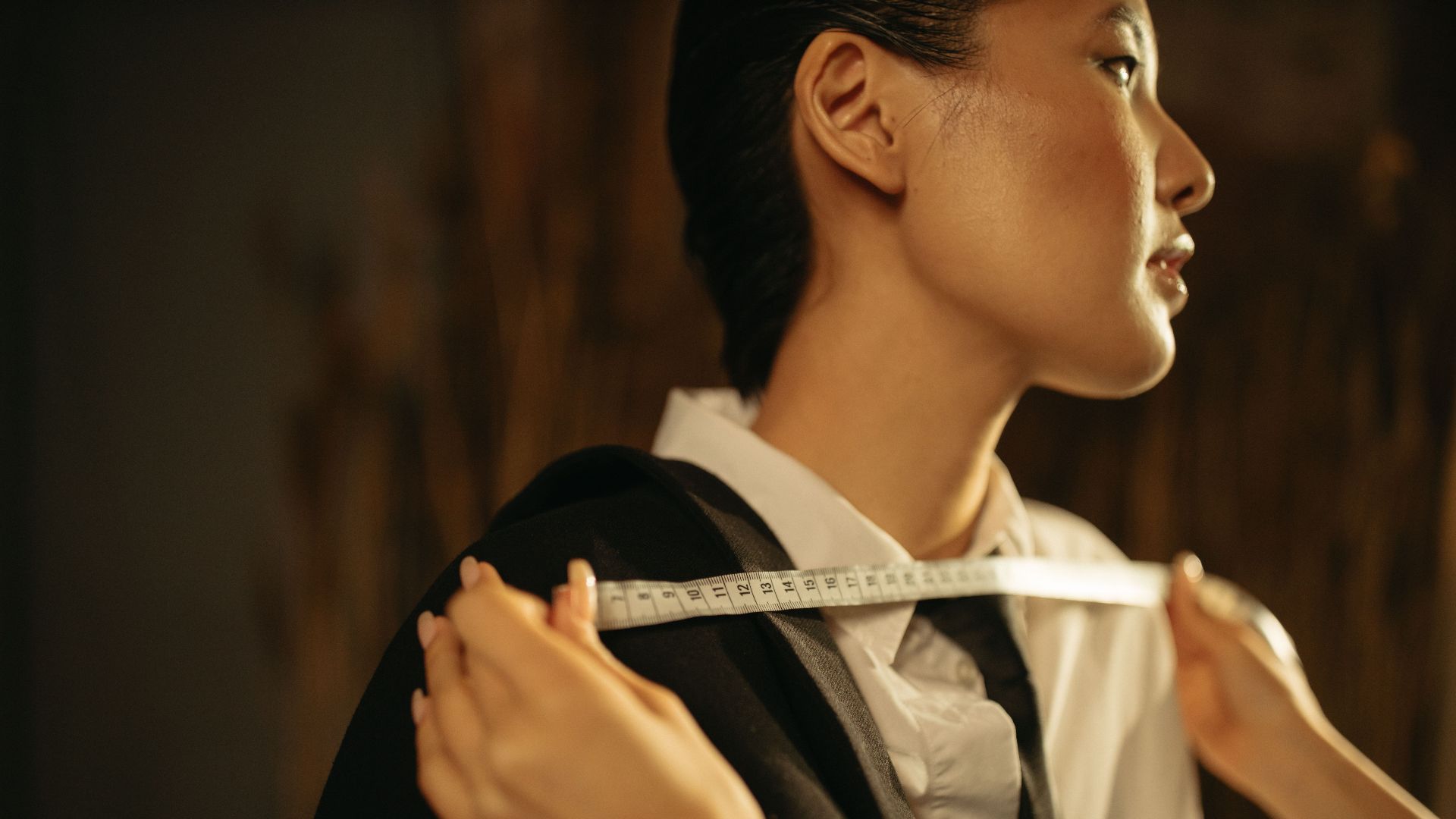
A stylist's first session rarely involves picking out anything new. It starts with a tape measure and a pile of clothes you already own, spread across the bed. Most of what gets fixed costs under $20 at a tailor and takes a week. Nobody will notice the change directly, but everyone will notice you look better in the photos. Here's 10 things personal stylists always fix first, followed by 10 they say nobody notices.

1. Shoulder Seams
The shoulder seam on a jacket should sit at the edge of your shoulder bone. A tailor can shorten sleeves and take in a waist for pocket change, and reshaping a shoulder costs more than most jackets are worth. Stylists check that seam before anything else, since it decides whether the garment is worth altering at all.
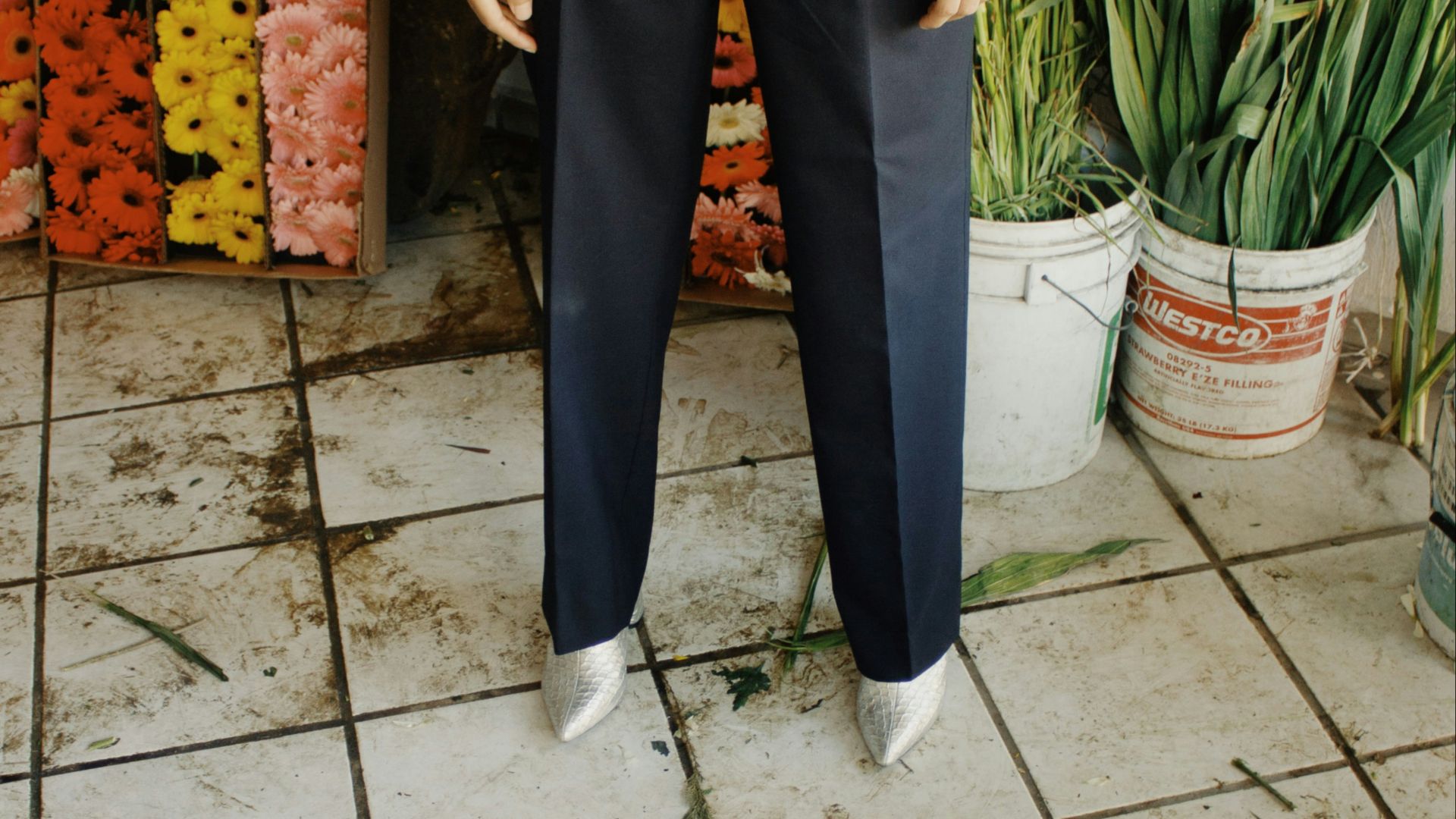
2. Pant Length
Trousers that puddle over the shoe make everyone look shorter and sloppier. A hem costs about $15 and takes a few days. The right break depends on the shoe, so a fitting happens with the shoes you plan to wear. Bring them to the tailor or the hem will be wrong.
3. Sleeve Length
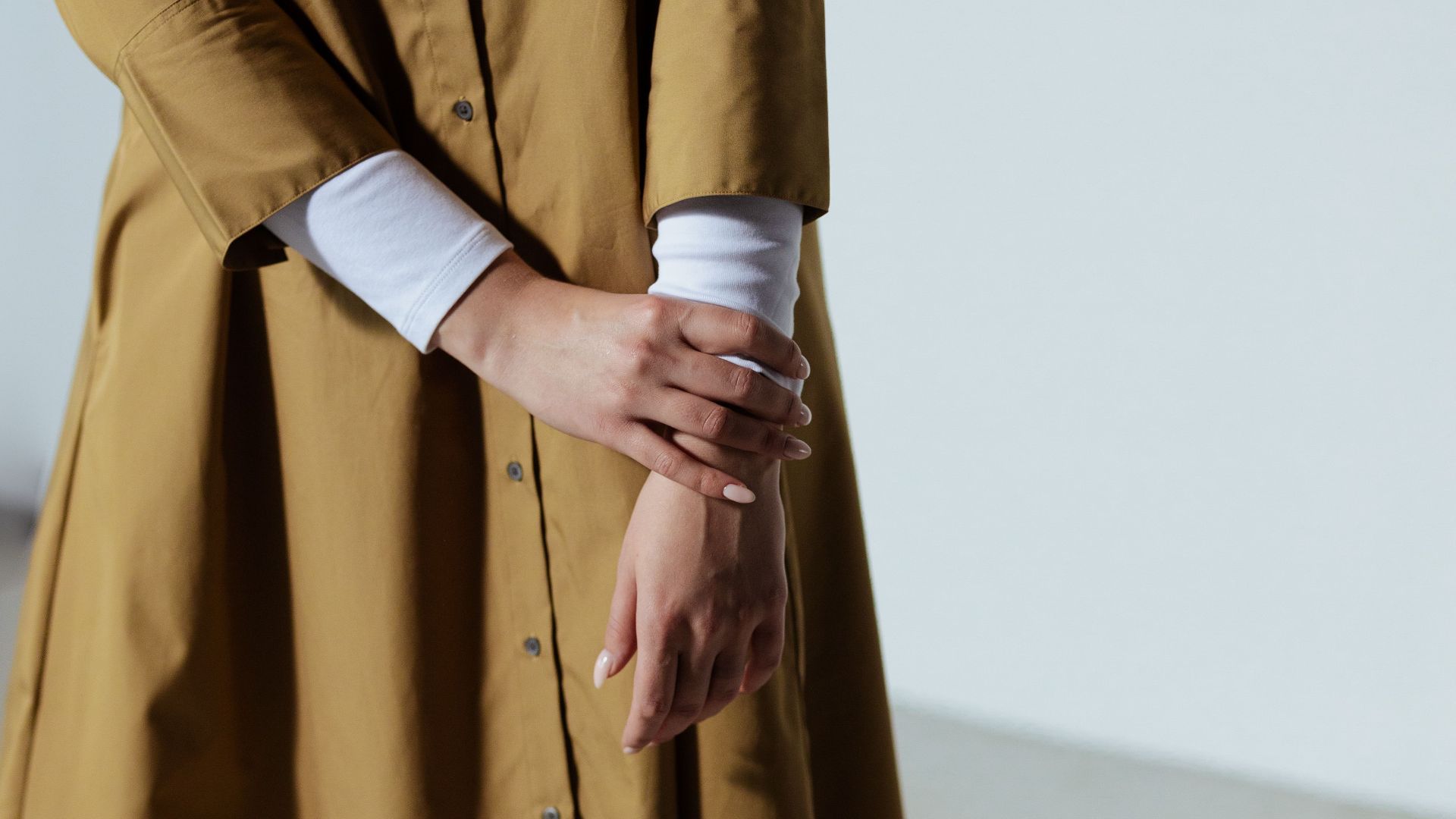
A dress shirt sleeve should end at the base of the thumb, with about a half inch showing past a jacket cuff. Off-the-rack shirts come in generous lengths because manufacturers would rather you shorten than stretch. Shortening a sleeve at the cuff is straightforward, though moving the buttonholes costs extra on a shirt with a placket.
4. Bra Fit
A poorly fitted bra changes the line of everything worn over it. Most people wear the wrong band size, usually too loose, which drops the support onto the straps. A fitting is free at most department stores and takes about 20 minutes. Sizes drift as bodies change, so the number from five years ago means little.

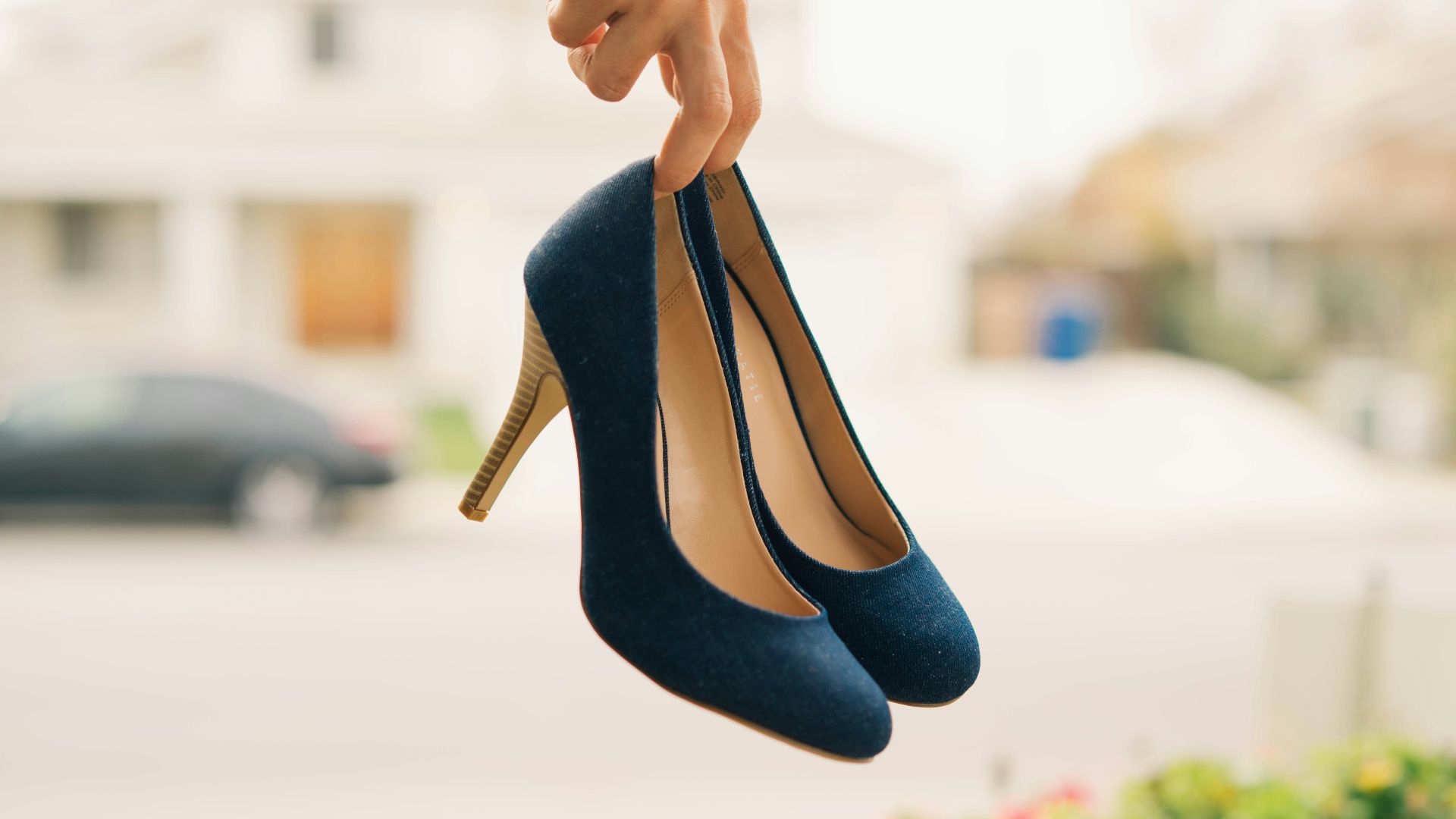
5. The Shoe Rotation
Leather shoes need a day to dry out between wearings, and wearing the same pair daily cuts their life roughly in half. Cedar trees pull moisture out and hold the shape. Two decent pairs in rotation outlast four worn into the ground. Cedar shoe trees cost about $25.
6. Color Near the Face
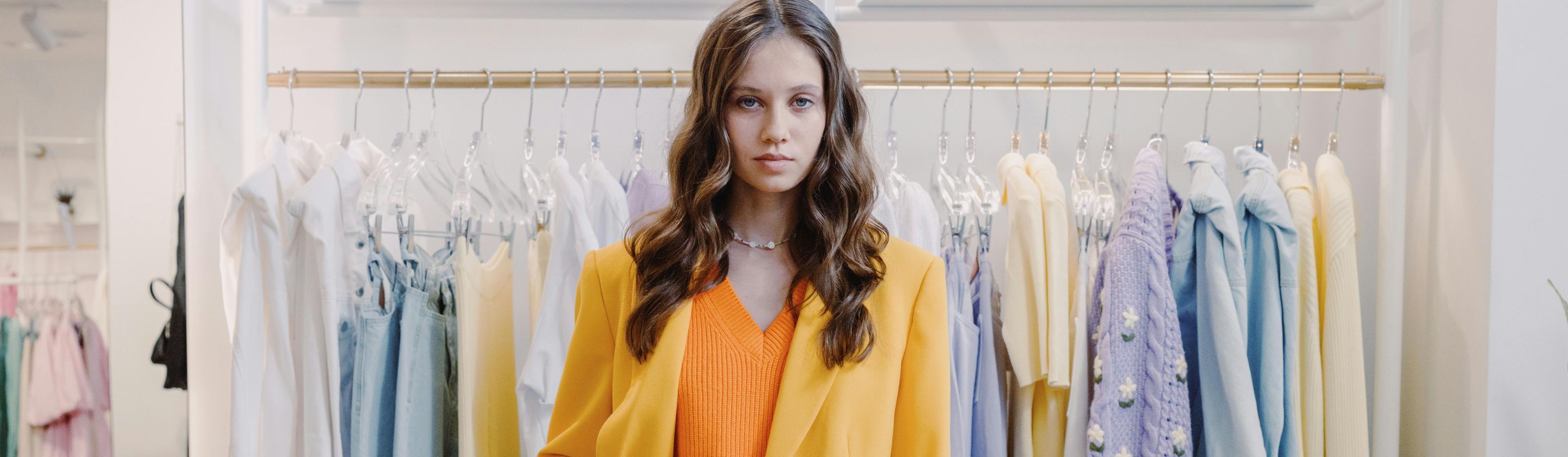
The shade of whatever sits closest to your chin does most of the work in a photograph. Stylists hold fabrics up under a window and watch what the color does to skin tone. A shirt that flatters your face does more work than everything below the waist combined.

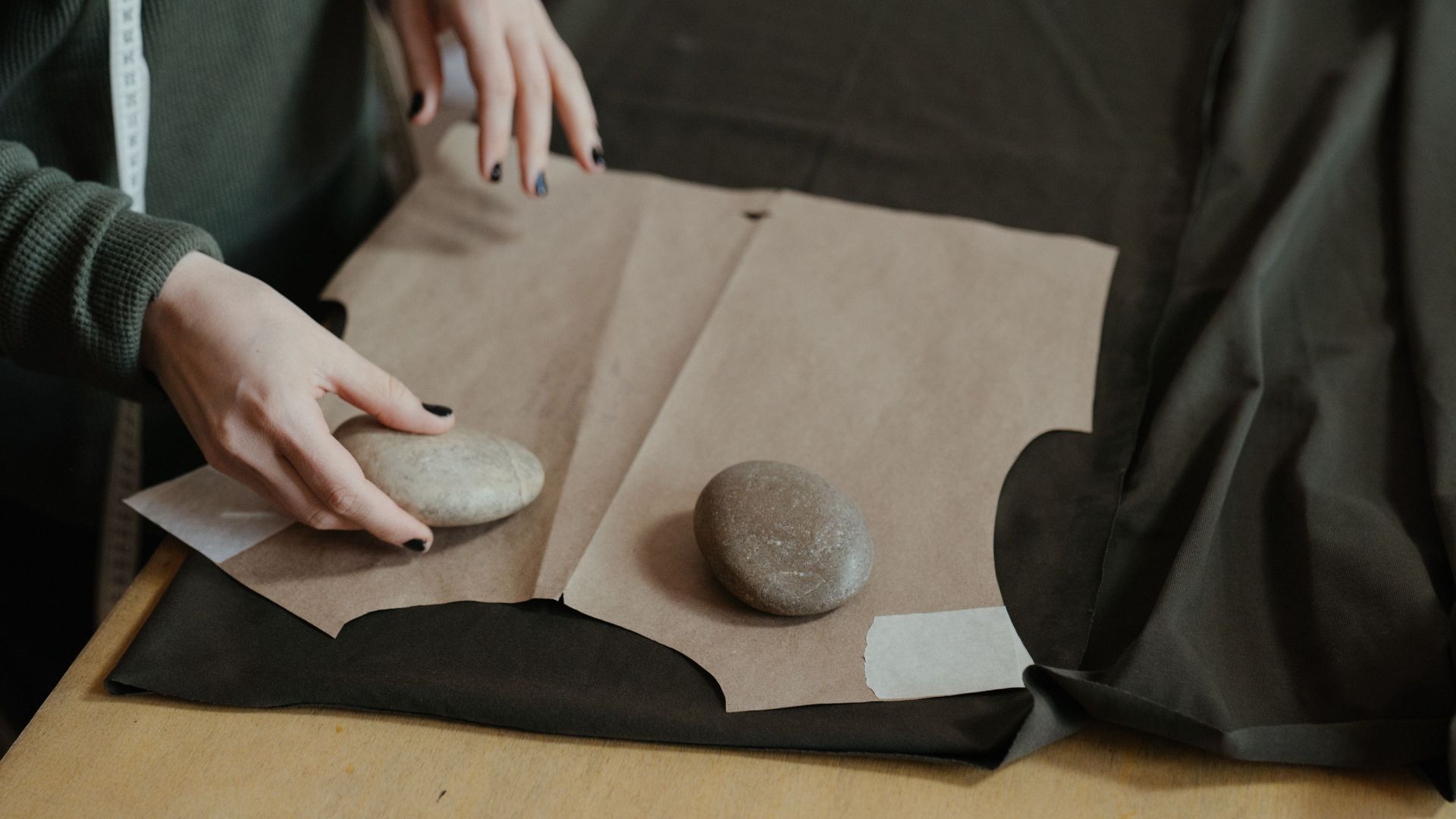
7. Fabric Weight
Thin, cheap fabric drapes badly no matter how well it fits. Holding a garment up to a window shows how much light passes through it. Denser cotton and heavier wool hang correctly on almost any body. Cheap viscose clings to everything it touches.
8. The Uniform
Most well-dressed people wear slight variations of one outfit, over and over. Building two or three reliable combinations removes the morning decision and guarantees you never leave the house in something untested. Steve Jobs and Vera Wang both made the point in opposite directions.

9. Closet Purge
Nothing gets bought until the closet gets emptied onto the bed. Anything that hasn't been worn in two years, doesn't fit today, or needs a repair you'll never make goes into a bag. The exercise usually reveals that half the wardrobe was never in play. What remains tells you what to buy.

10. The Third Piece
An outfit of pants and a shirt reads as unfinished to most eyes. Adding a jacket, a cardigan, or a structured overshirt makes the same two garments look deliberate. Stylists call it the third piece, and it's the cheapest upgrade on this list.
Now, here's 10 they wave off entirely.

1. Repeating an Outfit
The anxiety about rewearing an outfit came out of red carpet coverage, not real life. Nobody at the office is cataloging what dress you wore to the last two events. A stylist wants you rewearing pieces often enough to justify what you paid for them.

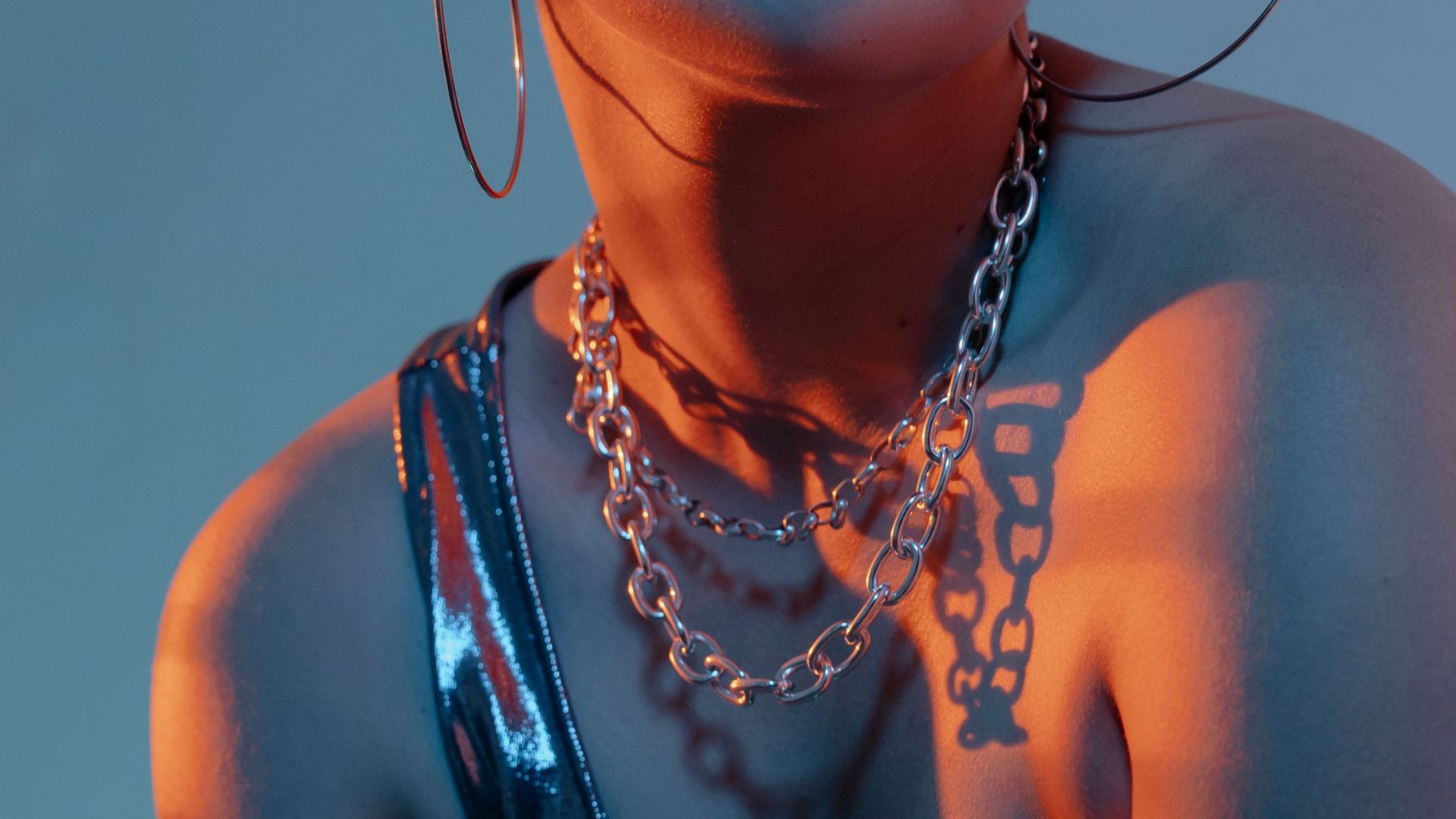
2. Matching Your Jewelry Metals
Gold and silver mixed used to read as a mistake, now it barely registers as a choice. A stylist looks at whether a piece suits your coloring and the neckline it's paired with. The metal underneath stopped mattering once mixing became normal.
3. Buying the Trending Color
Pantone names a color of the year and stores build window displays around it. Buying a piece because it's trending puts an expiration date on something you paid full price for. A stylist cares whether a shade flatters you, and that answer doesn't change every January.

4. Shopping Your Size Label
Sizing swings so much between brands that the number means almost nothing walking into a fitting room. The same person can be a 6 in one label and a 10 in another. A stylist looks at how something sits on your body, not what's printed on the tag.

5. Designer Names
A visible label signals price, not whether something fits you. Plenty of designer pieces are cut for a frame that isn't yours, and plenty of mass-market pieces fit beautifully. A stylist trusts a good tailor over a good name every time.

6. Owning a Statement Piece
The idea that every closet needs one bold item fills racks with things worn once for photos. A loud coat or an unusual bag earns its place if you actually reach for it. Nobody's stylist is scoring your wardrobe on how adventurous it looks.
7. Seasonal Color Analysis
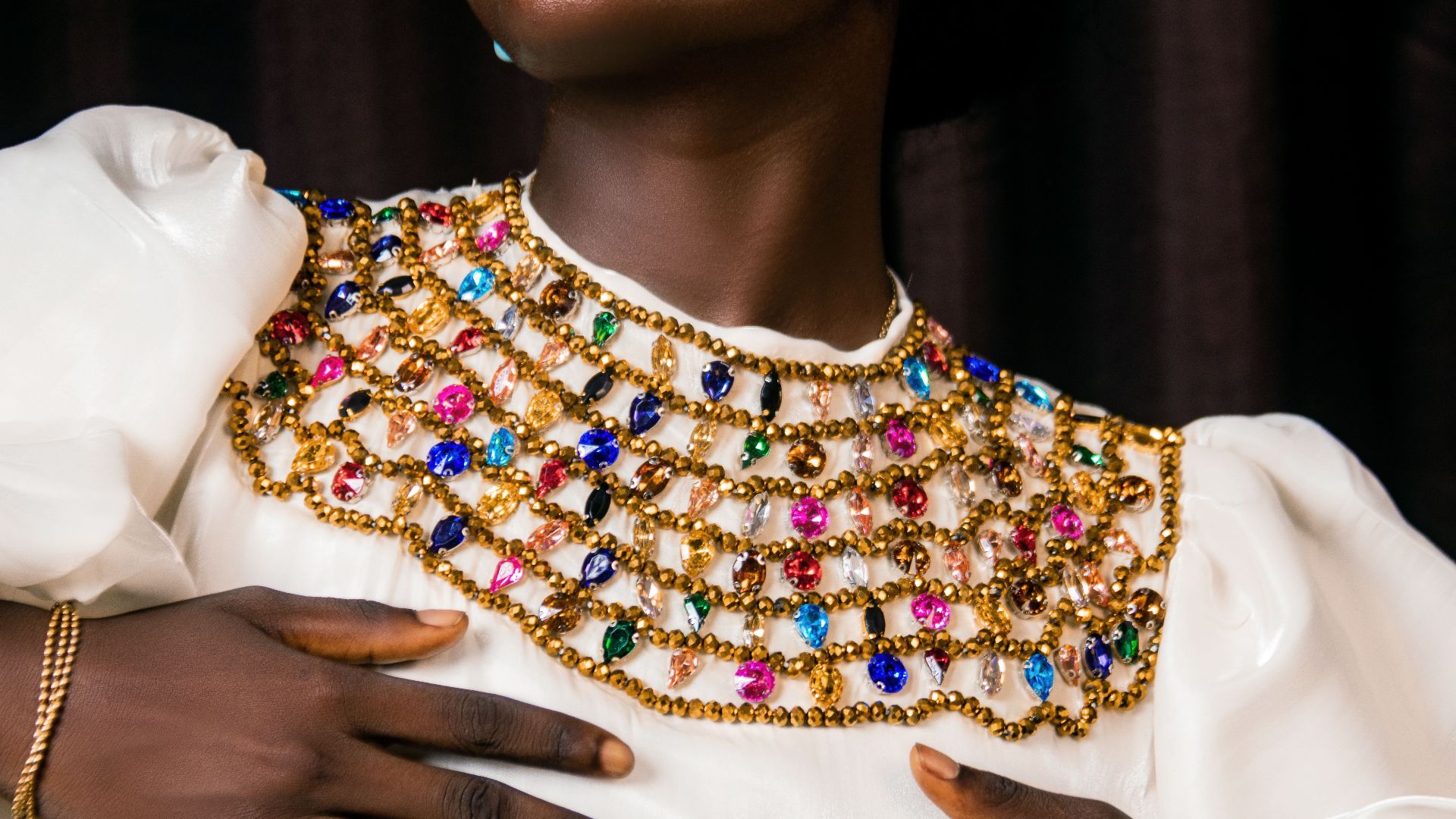
The palette system from the 1980s came back through paid online consultations and elaborate category names. The part that actually helps is noticing which shades near your face look better in person. A stylist gets you there without twelve subcategories and a fee.
 Indre Marcinkeviciute on Pexels
8. Following Age-Appropriate Dressing Rules
The idea that certain hemlines, colors, or cuts stop being appropriate past a certain age doesn't hold up against how anyone actually gets dressed. A stylist asks what fits your body and your life, not your birth year. The rule mostly survives in advice columns nobody asked for.
9. Tucking In Your Shirt
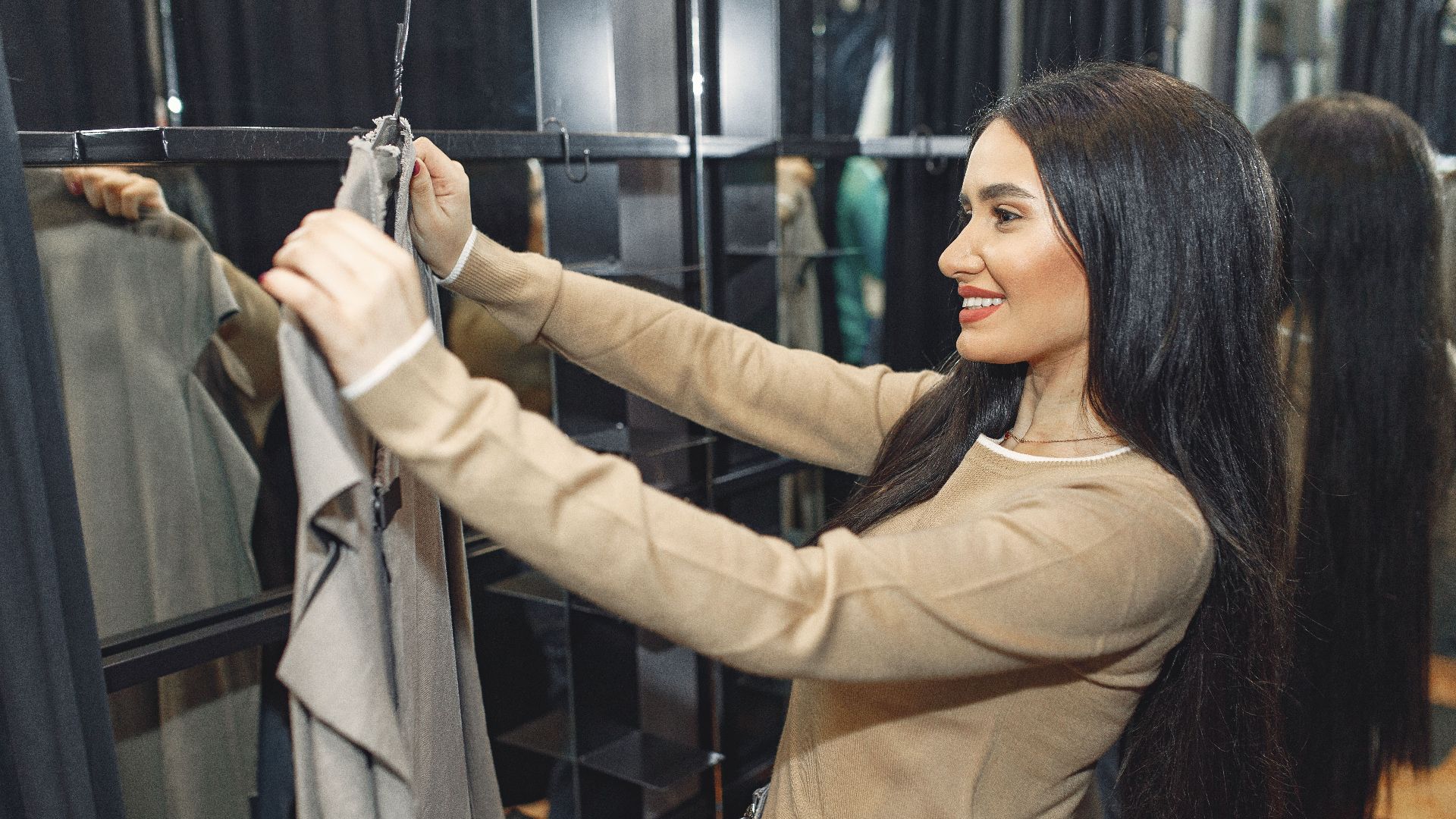
The rule said a tucked shirt reads polished and an untucked one reads sloppy, full stop. Half tucks and deliberately untucked blouses have been standard styling moves for over a decade now. A stylist looks at proportion, whether the silhouette works for your frame, not whether fabric is inside or outside a waistband.

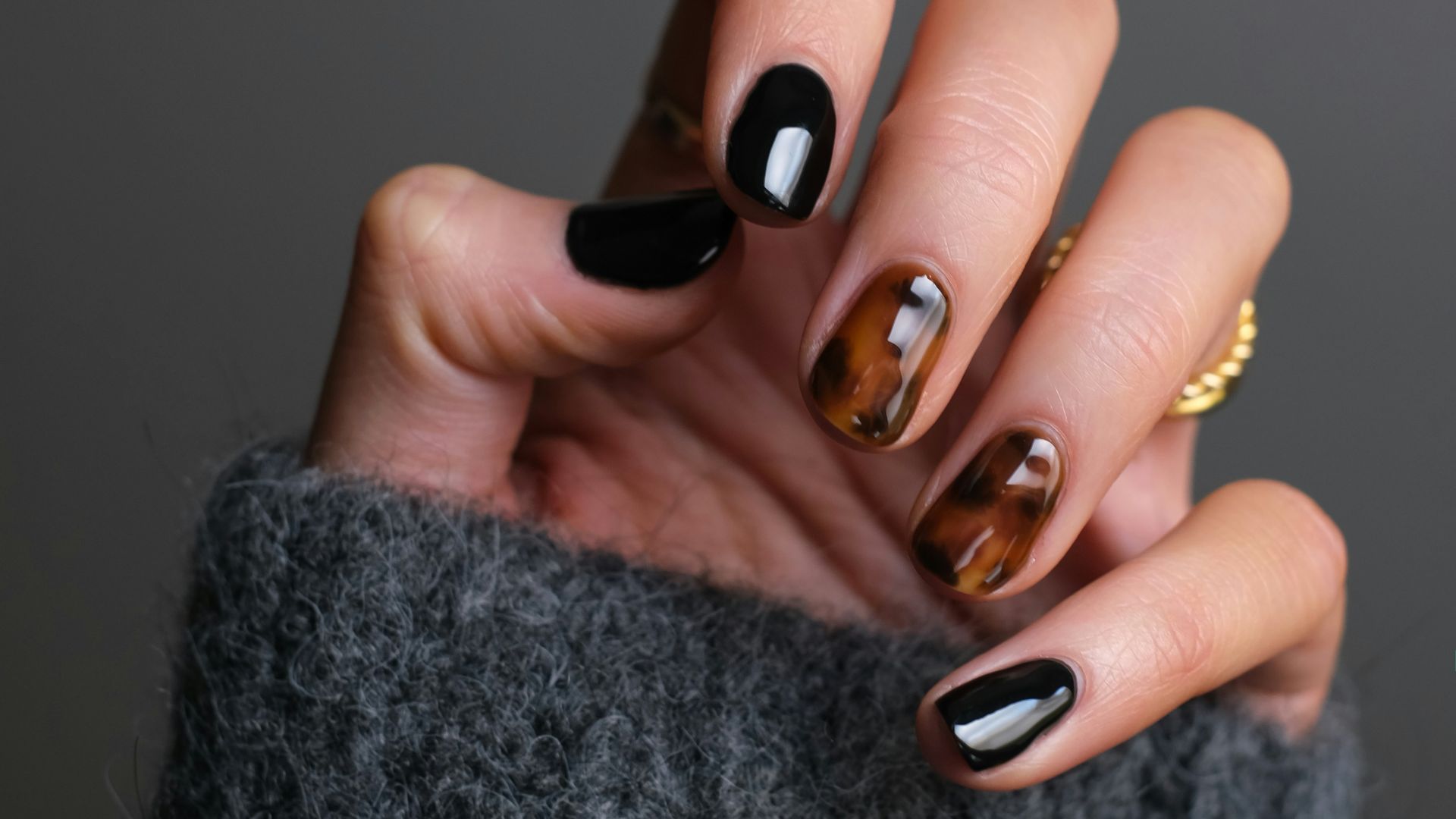
10. Matching Your Nail Polish to Your Outfit
The idea that a red dress needs a red manicure treats nails like an accessory that has to coordinate. Most people notice a manicure exists before they notice what shade it is. A stylist would rather your hands look clean and well kept than color matched to your top.