What Deserves to Be in Your Brush Collection
Walk into any beauty store and you'll find entire walls dedicated to makeup brushes, each one promising to be the key to a flawless finish. Online, too, you'll see influencers raving about specific tools, saying that this specific brush is the one that'll make your foundation look flawless. But the truth is? You don't need all of them. In fact, you only need a few to make your makeup look pop, and we'll tell you exactly which ones deserve a spot—or don't—in your collection.
1. Flat Foundation Brush
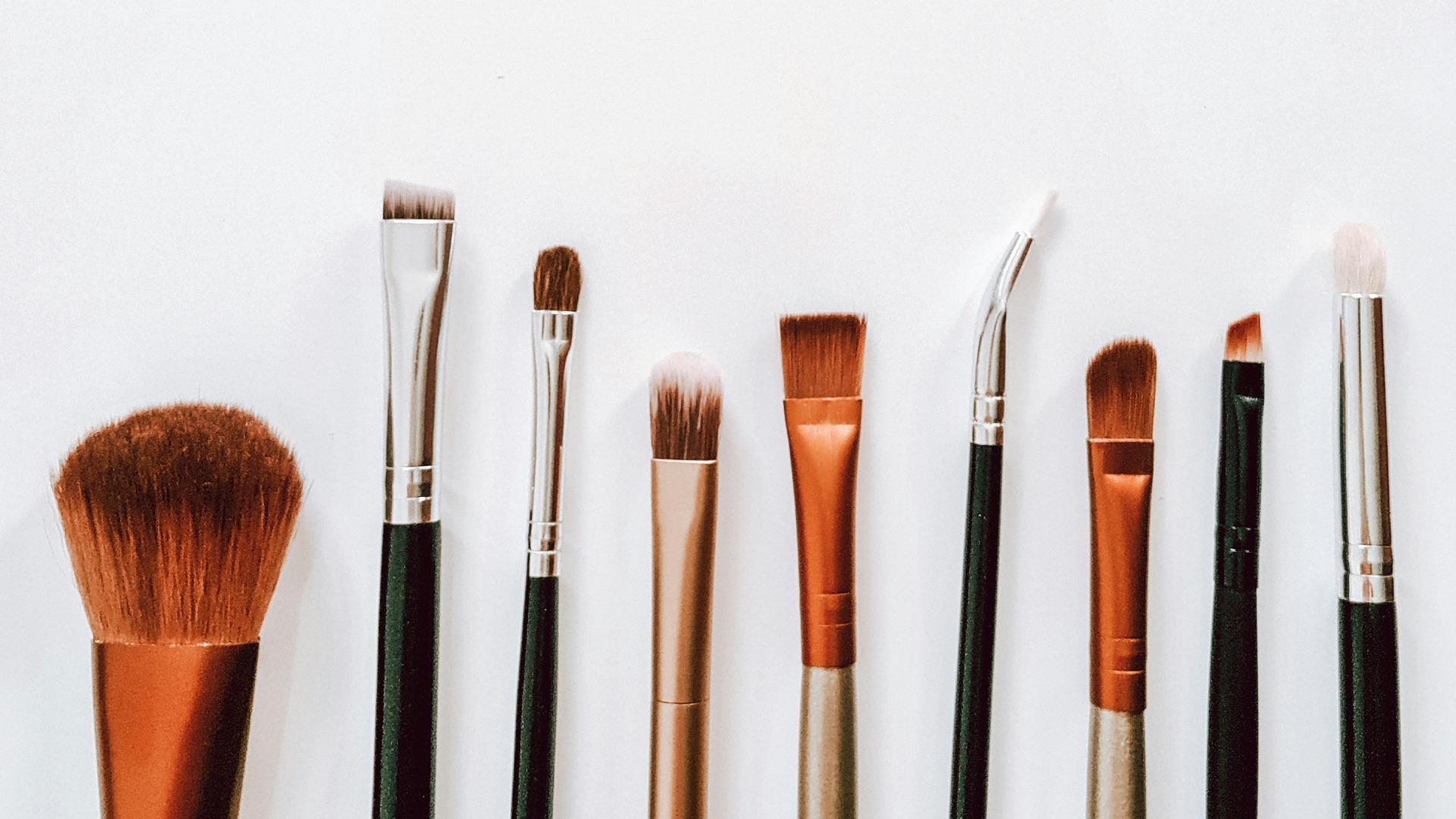
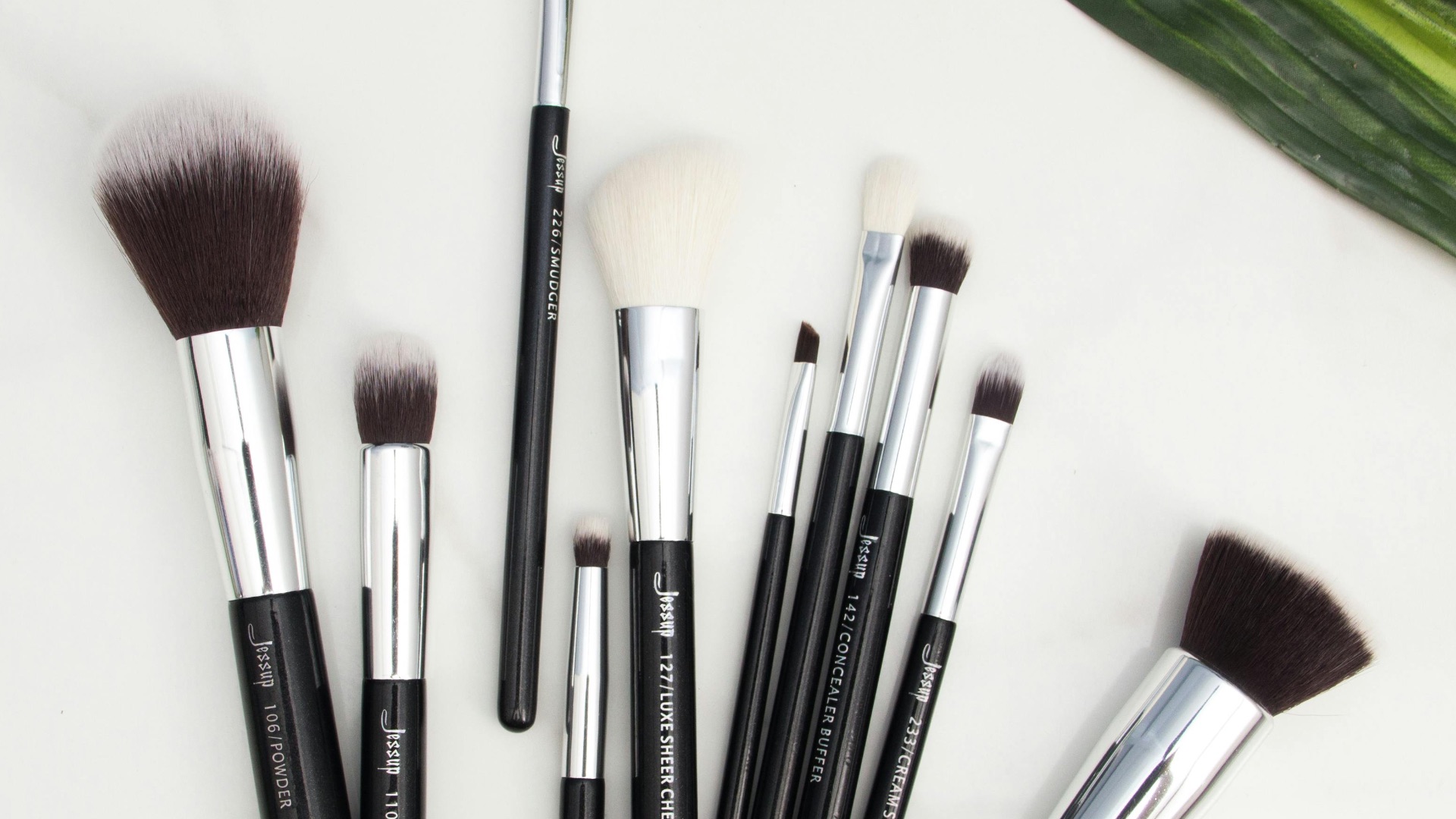
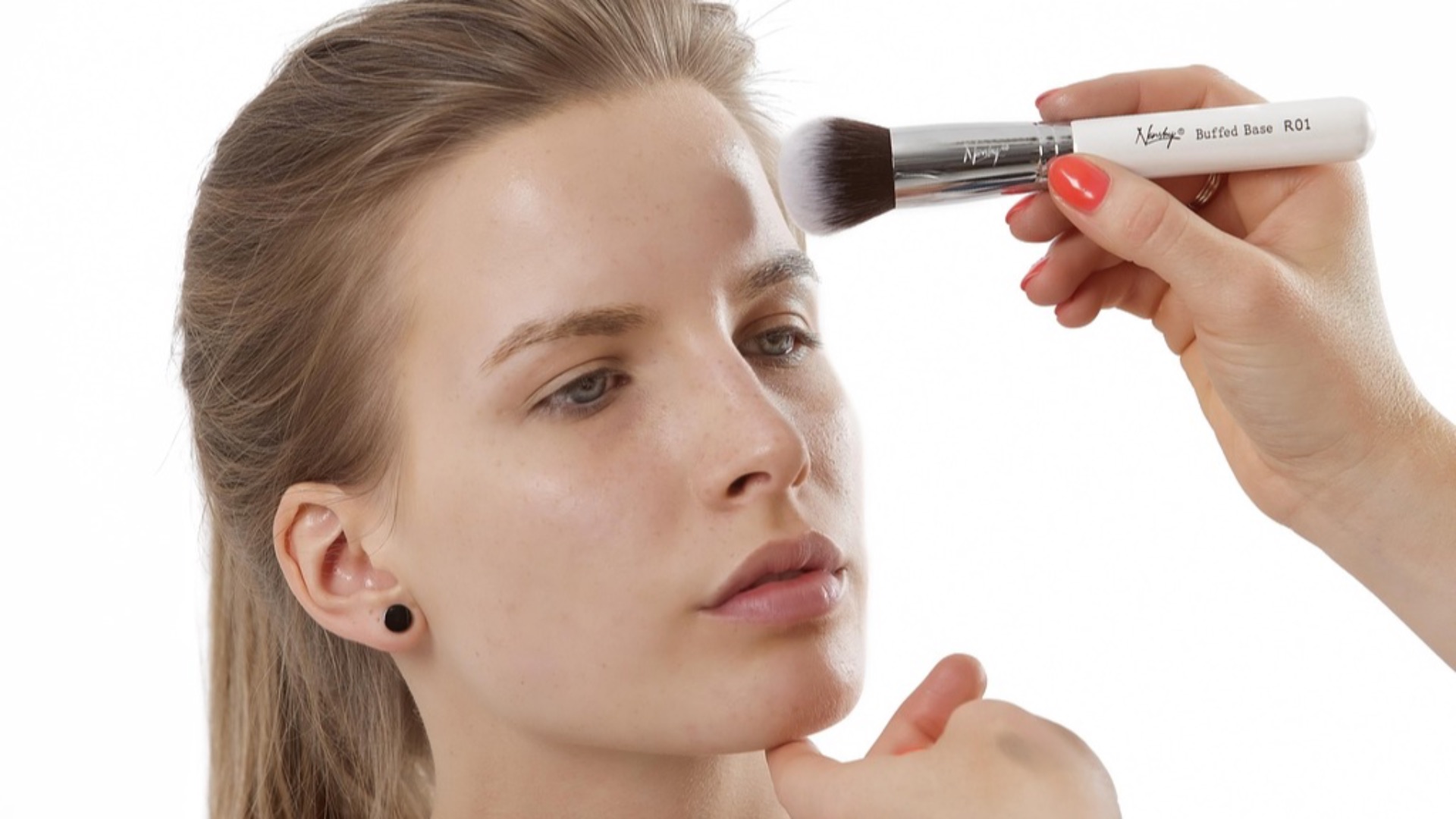
A flat foundation brush is one of the most reliable tools you can own, giving you the coverage and control that fingers or sponges sometimes can't match. Its dense, straight bristles let you buff product into the skin with precision, especially around the nose and under the eyes. Whether you prefer a sheer wash or a more polished look, this brush adapts to your technique without much fuss.
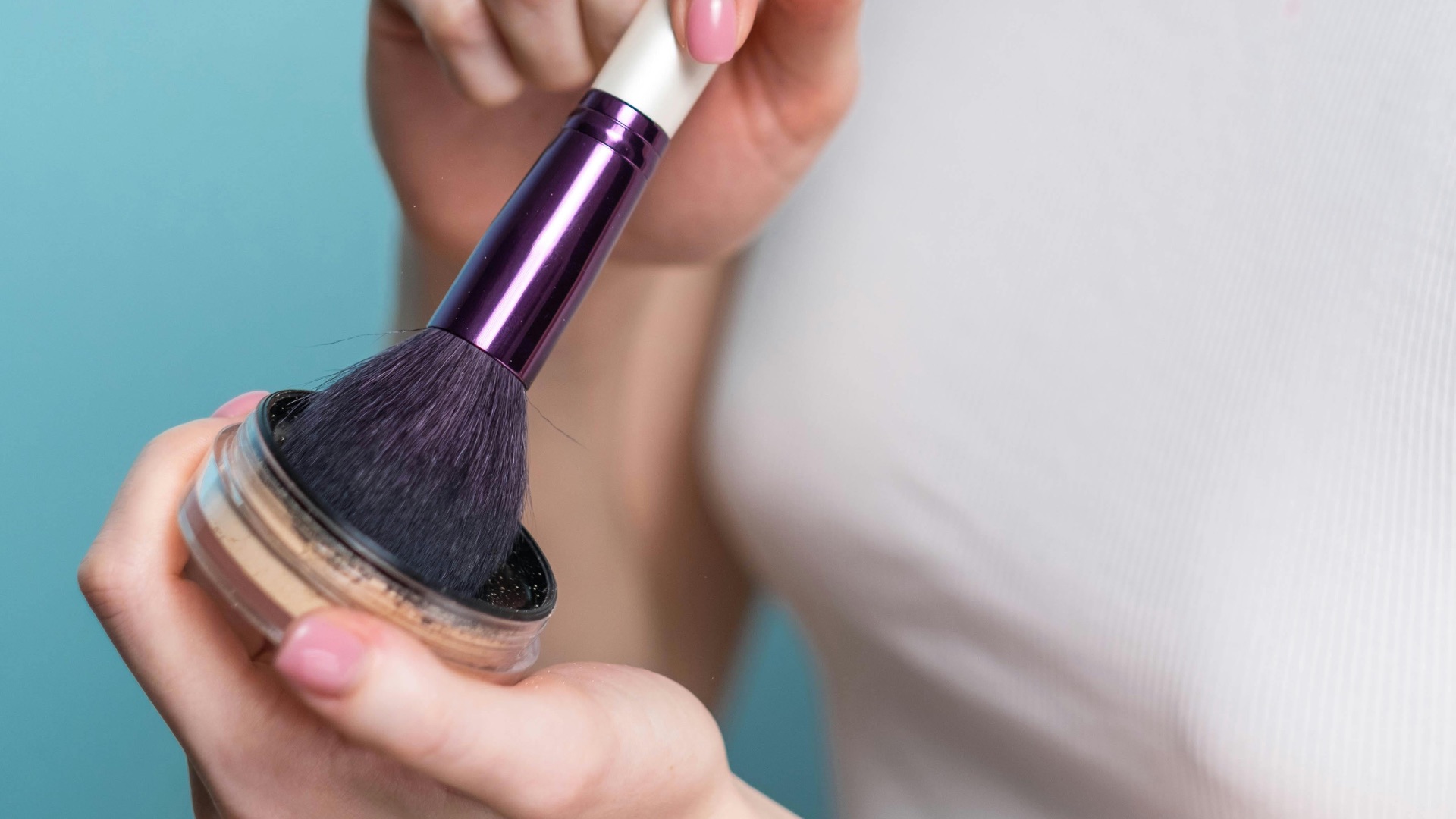
2. Fluffy Powder Brush
Setting your makeup is non-negotiable if you want it to last through the day, and a fluffy powder brush is the best way to get it done. The large, rounded shape picks up loose or pressed powder evenly, allowing you to dust it across your face without caking or patchiness. It also works beautifully for applying a translucent setting powder after foundation, giving you a smooth, airbrushed result.
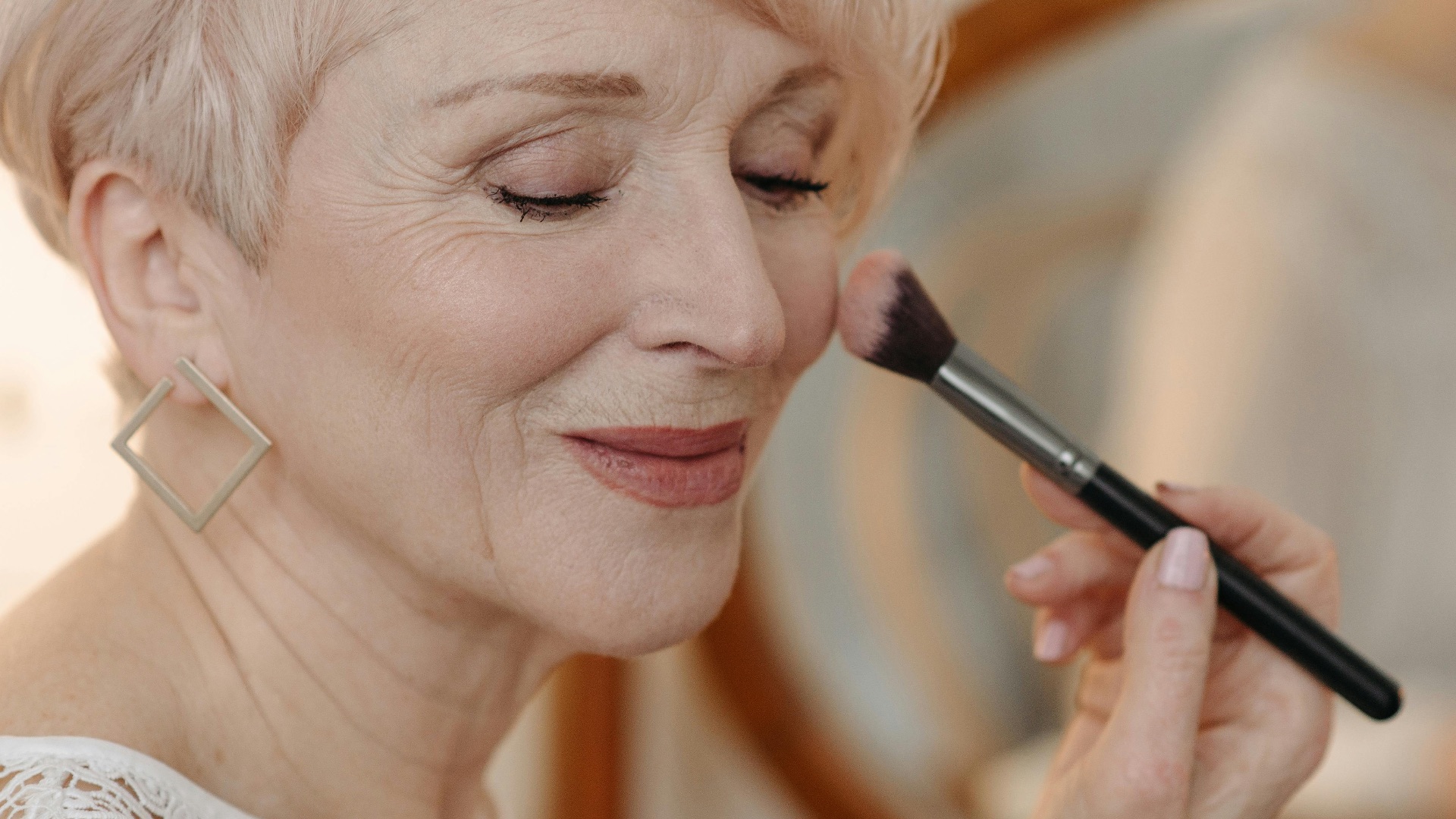
3. Angled Blush Brush
Blush placement can make or break a look, and an angled blush brush gives you the directional control to place color exactly where you want it. The slanted shape fits naturally along the cheekbones, making it easier to sweep product upward toward the temples for a lifted, sun-kissed effect. It also doubles as a bronzer brush for lighter application, so it earns its spot twice over.
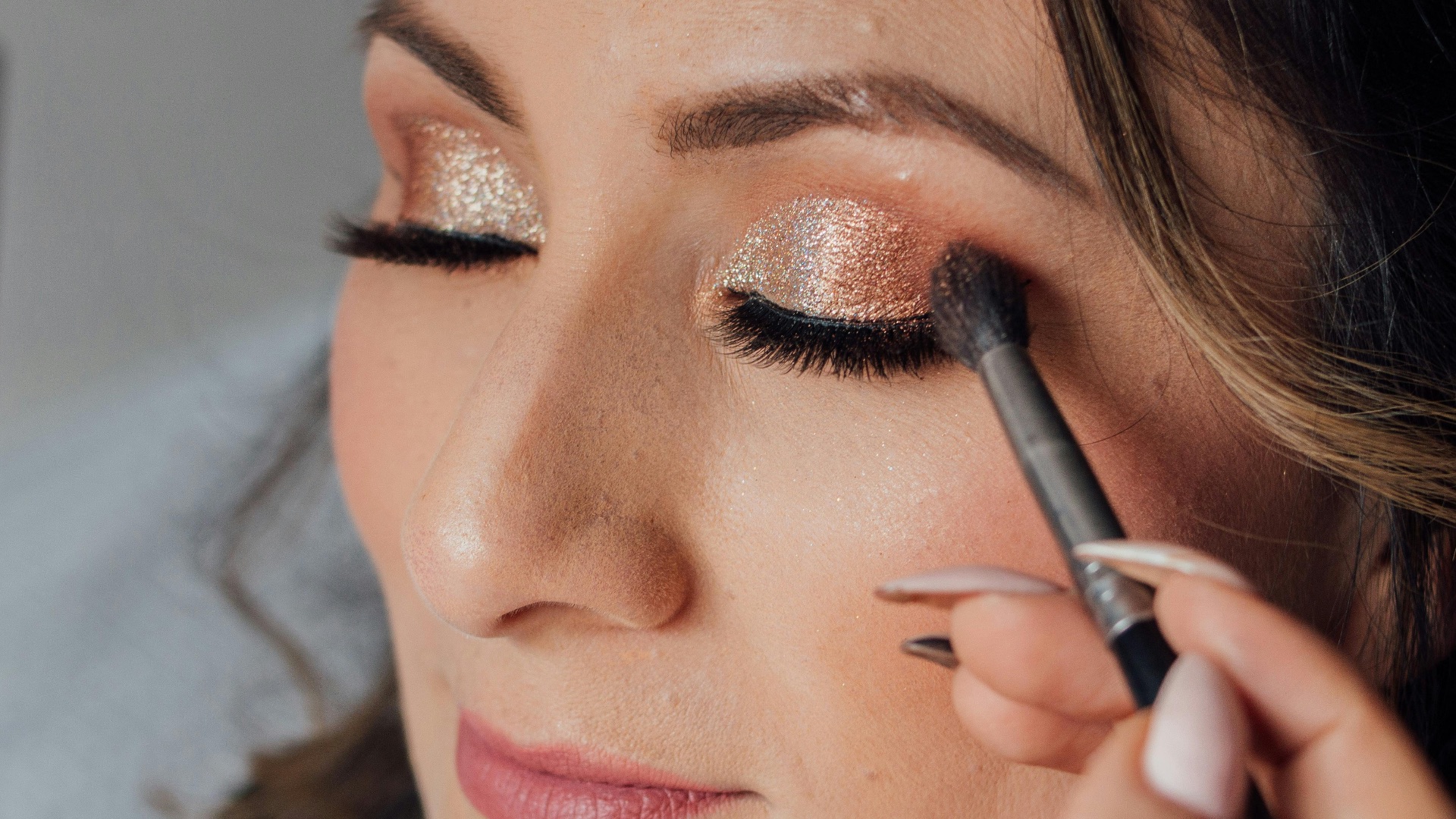
4. Flat Eyeshadow Brush
When it comes to packing color onto the lid, a flat eyeshadow brush is your most effective option. The firm, paddle-shaped head presses pigment directly onto the eyelid, giving you intense, saturated color with minimal effort. It works with both matte and shimmer shades, so it's a consistent performer regardless of the look you're going for.
5. Fluffy Blending Brush
No eyeshadow look is complete without a proper blending brush to soften the edges and marry the shades together. A fluffy, dome-shaped brush works in windshield-wiper motions to diffuse harsh lines, creating that seamless gradient that can be tricky to achieve any other way. This is arguably the most important brush in any eye kit, and skipping it tends to be noticeable.
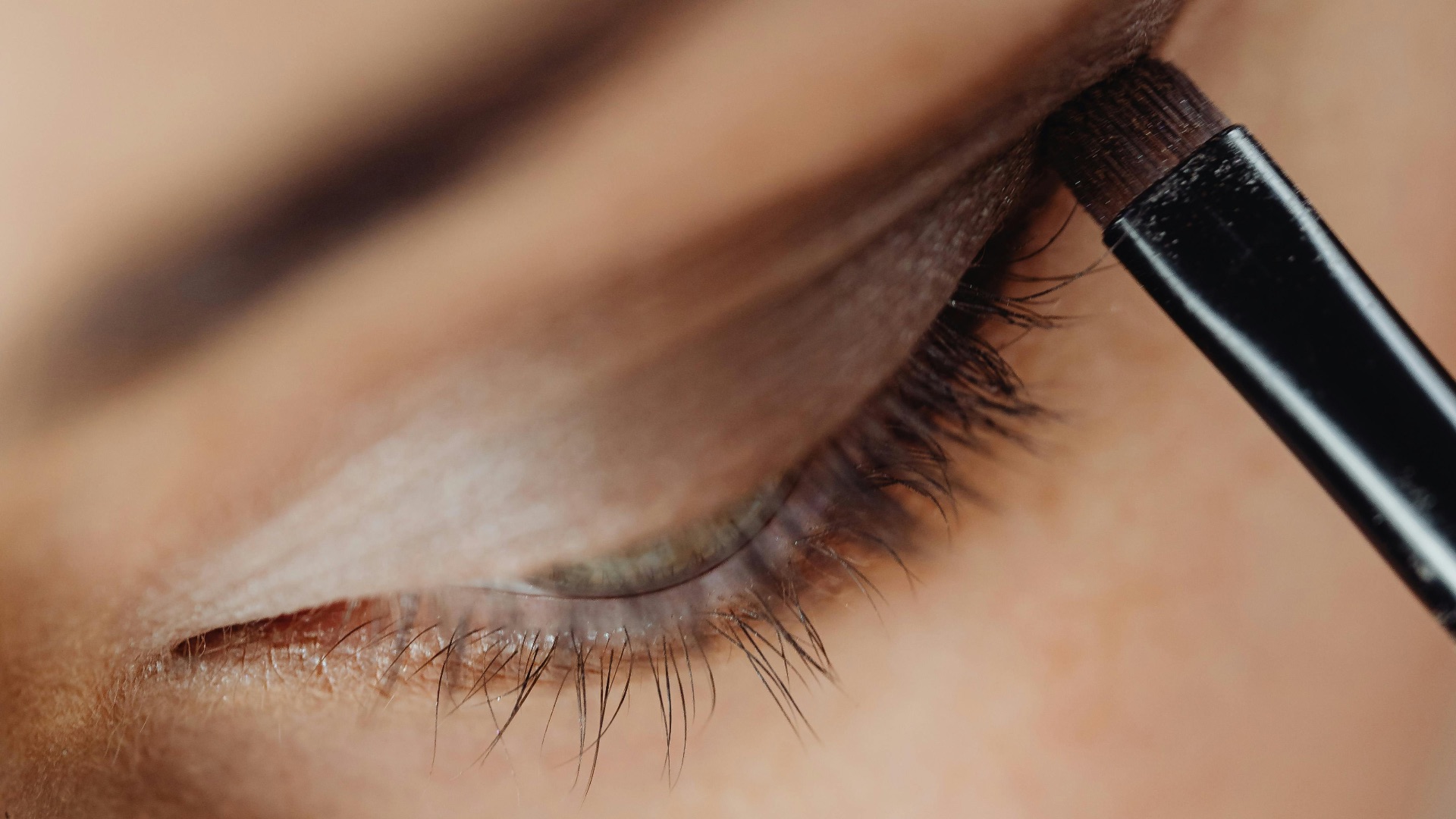
6. Small Pencil Brush
Detail work requires a tool that can get into tight spaces, and a small pencil brush is perfectly suited for the job. You can use it to pack shadow into the inner corner of the eye, define the lower lash line, or precisely apply a darker shade to the outer crease without bleeding into surrounding areas. Its narrow tip gives you a level of accuracy that larger brushes simply can't provide.
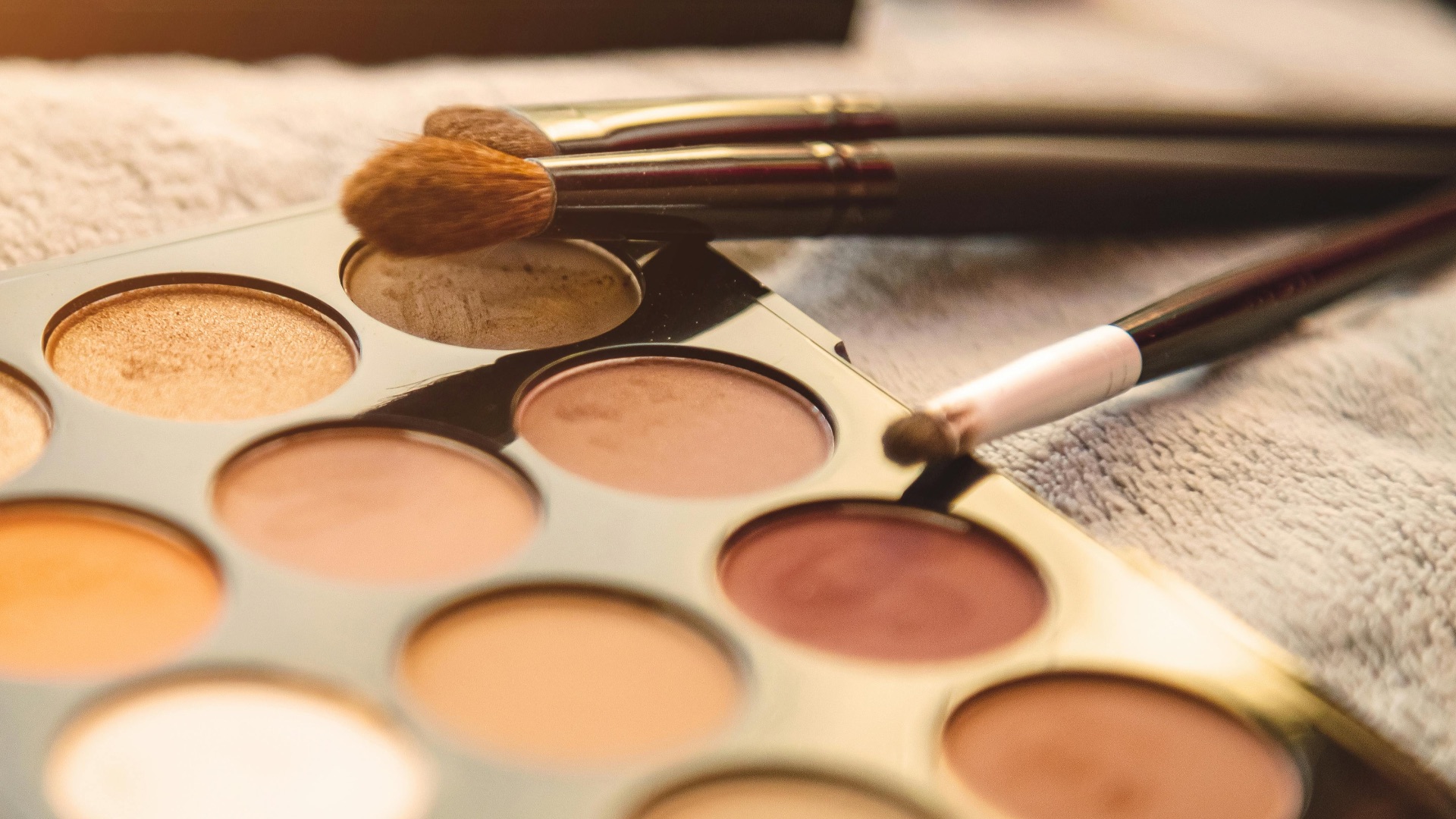
7. Concealer Brush
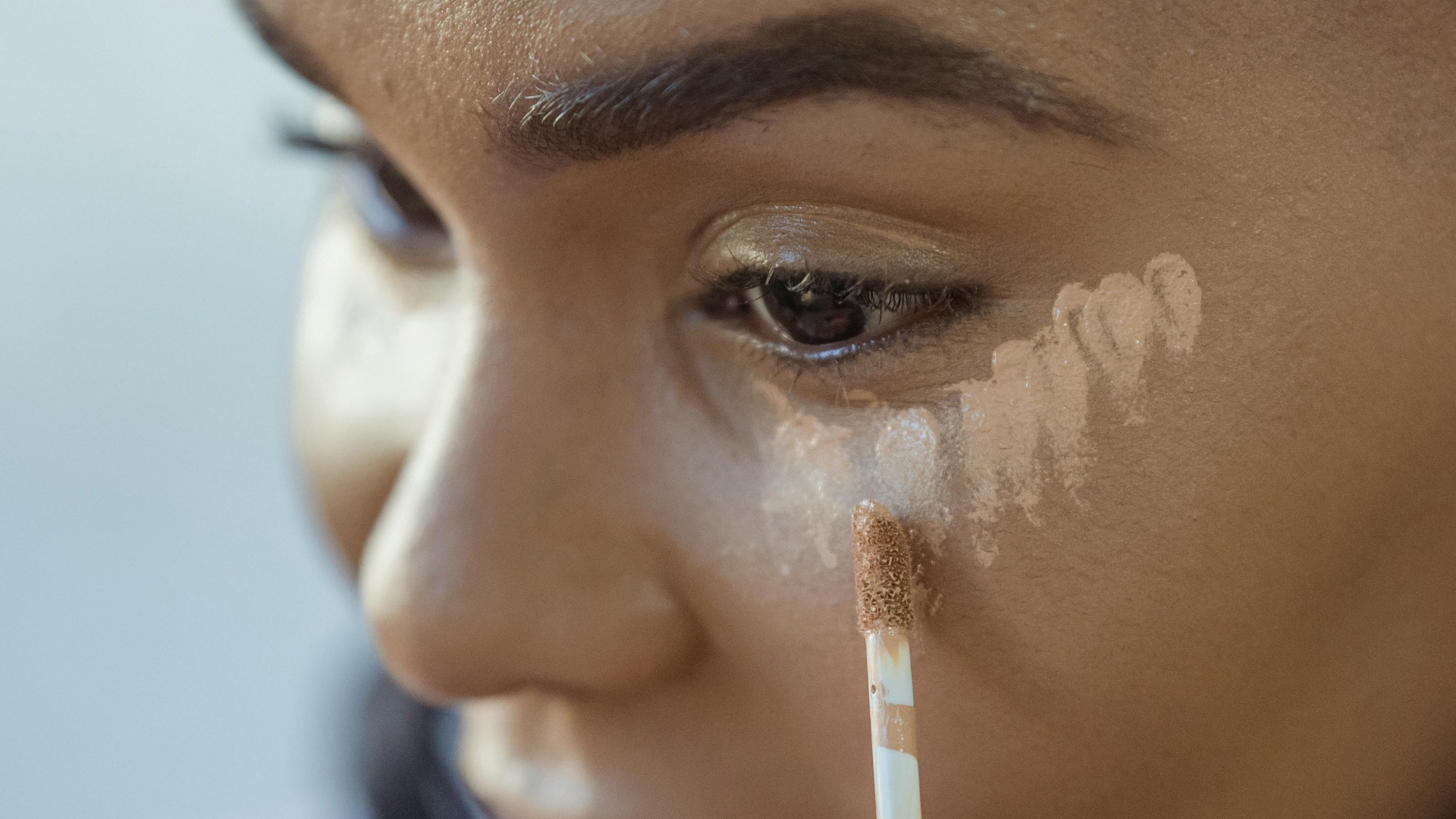
While your finger can work in a pinch for concealer, a dedicated concealer brush gives you more control over placement and blending. The flat, tapered shape lets you press product precisely under the eyes, around the nose, and over any blemishes without disrupting the foundation underneath. It's especially useful for under-eye work, where you want to build coverage gradually rather than all at once.
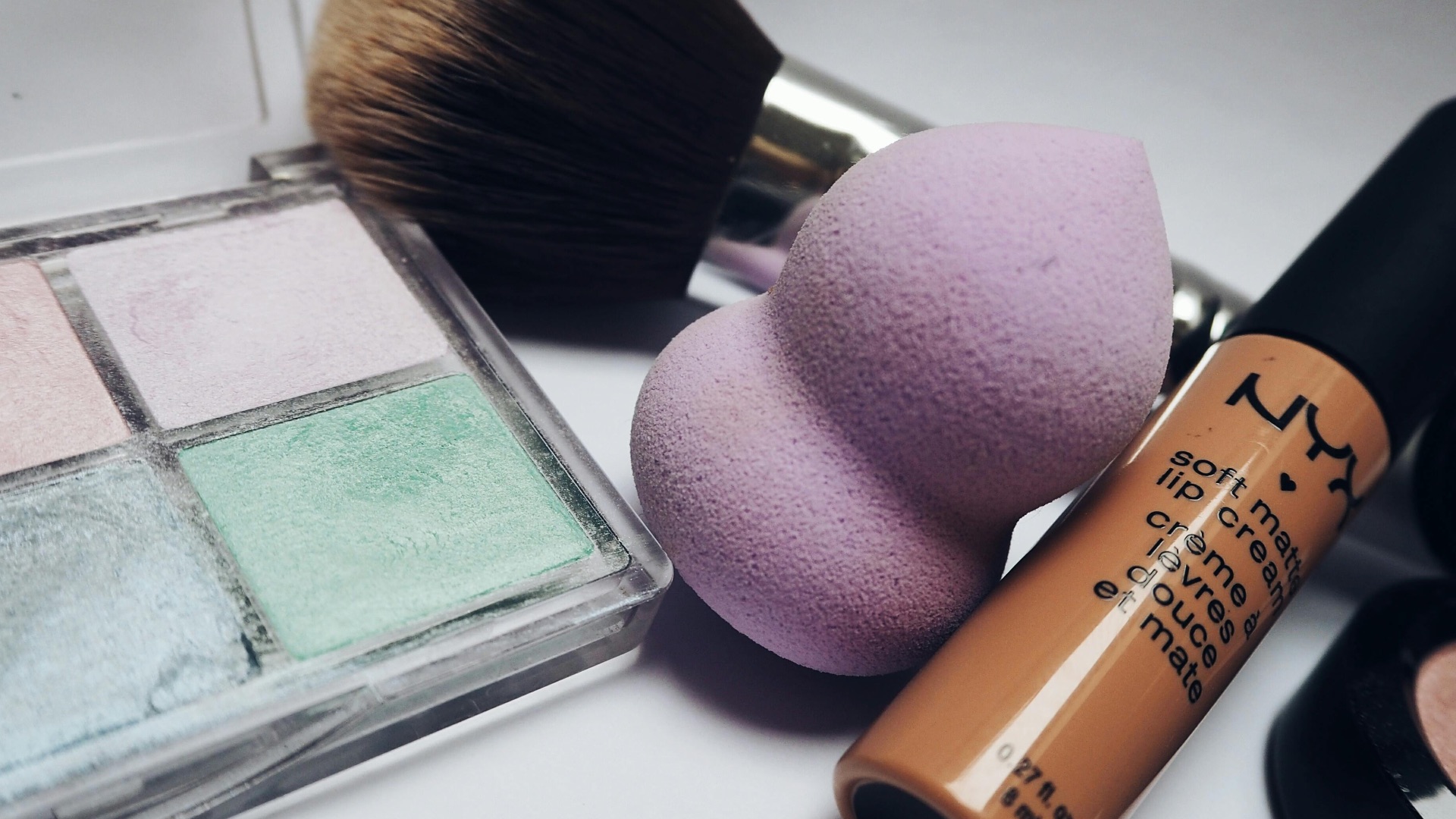
8. Beauty Blender
We know—this technically isn't a brush, but a beauty blender deserves a spot in everyone's makeup tool collection. Even if you have a dedicated blending brush to buff out your foundation, concealer, and blush, don't underestimate the results a damp sponge can bring: it'll give you that perfect base without harsh lines.
9. Contour Brush
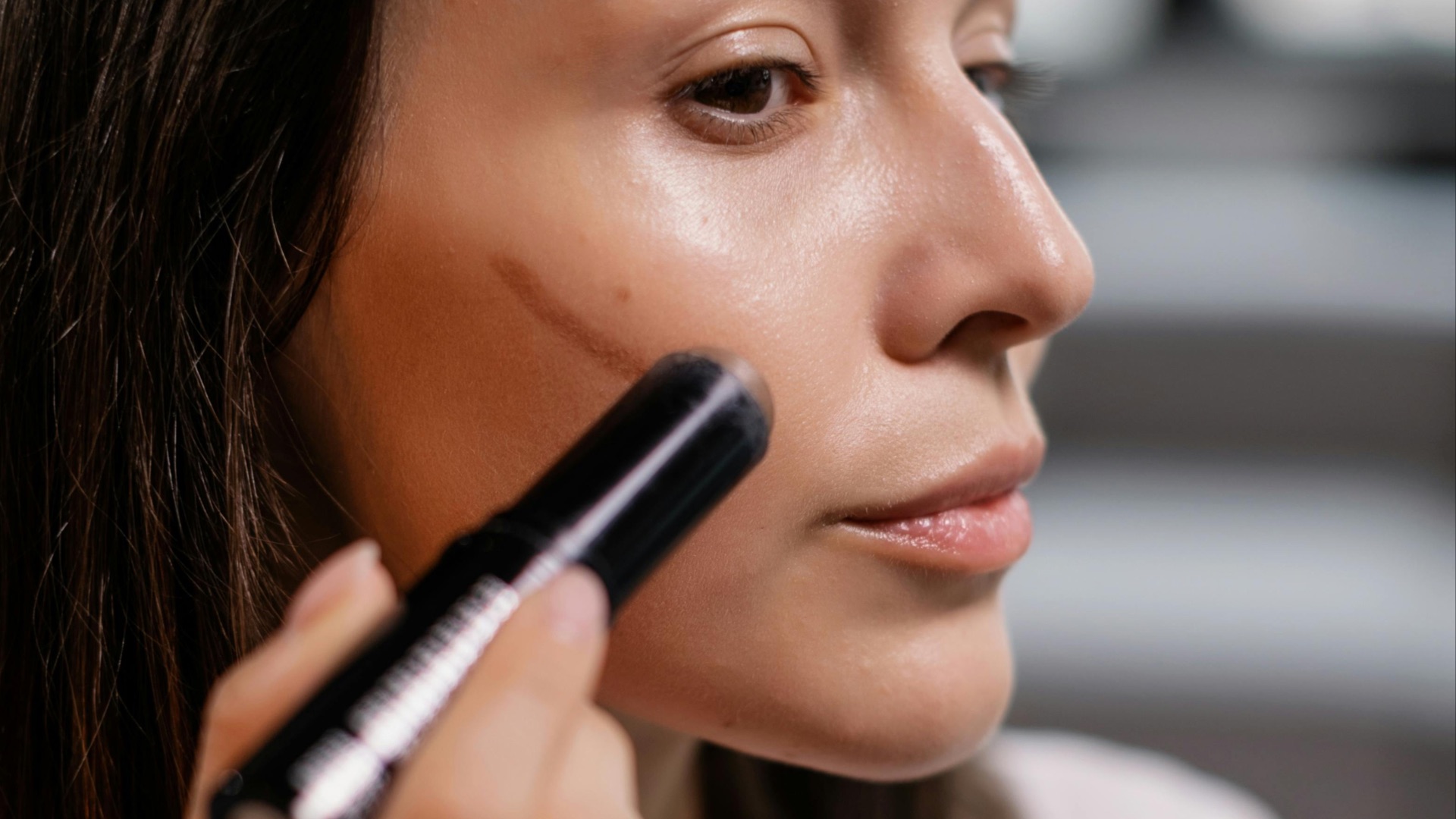
A dedicated contour brush makes the sculpting process significantly more manageable, especially if you're working with powder contour products. The angled or tapered shape fits naturally into the hollows of the cheeks, along the temples, and down the sides of the nose, letting you build structure without overloading the skin with product. Blending is also much easier with the right brush, so you don't end up with obvious stripes of color.
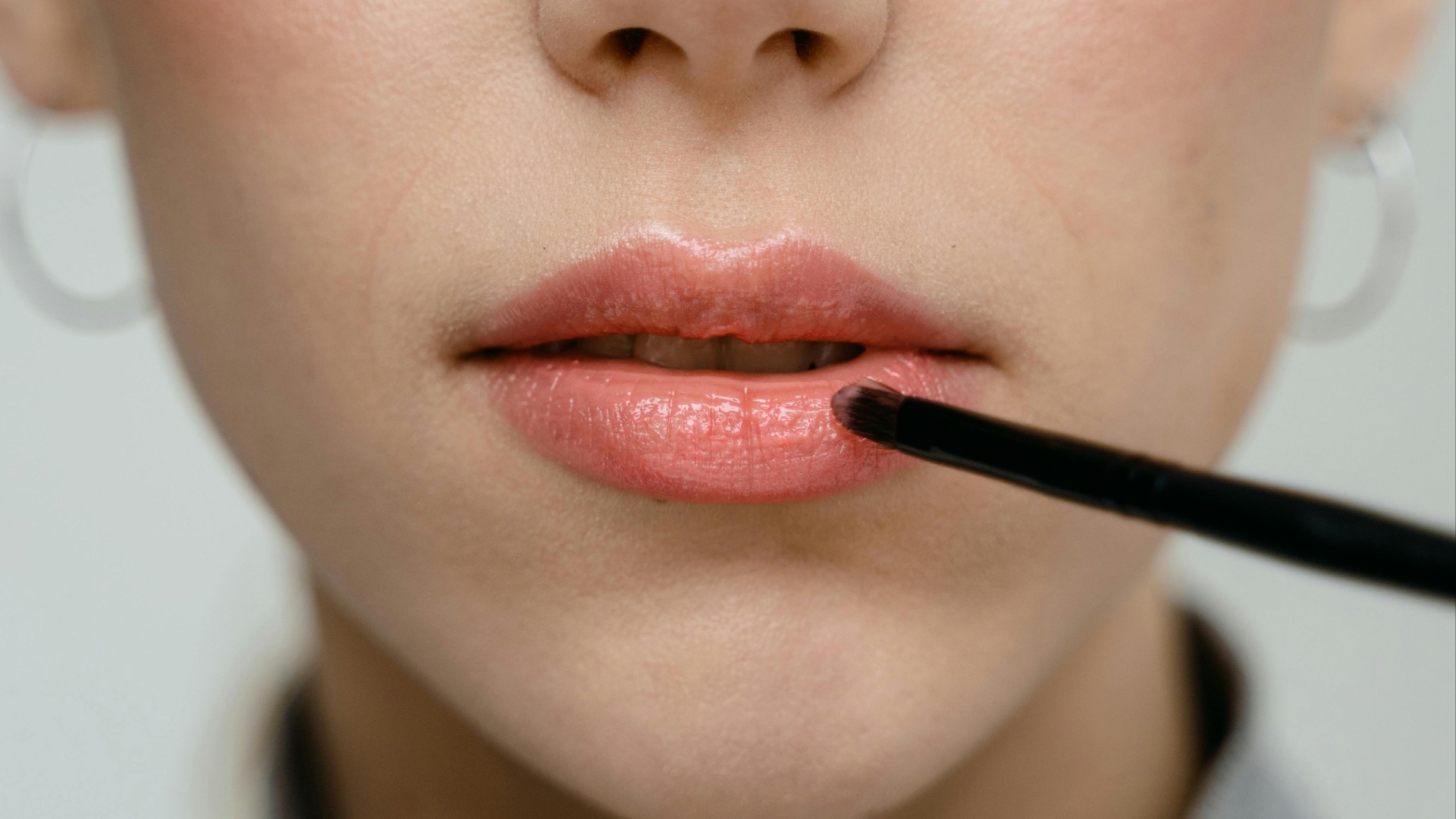
10. Lip Brush
A lip brush might seem old-fashioned, but it's actually one of the best ways to get a sharp, precise lip line without relying solely on the bullet of your lipstick. It lets you pick up product and apply it with more control, which is especially helpful with bold or dark shades that require a clean edge. You'll also find that a lip brush helps you use up every last bit of a pan or bullet, so it pays for itself over time.
Now that you've got the essentials sorted, it's time to look at the other side of the equation. Plenty of brushes are marketed as must-haves, but in practice, they tend to sit unused in the back of a drawer — and here are ten that you can confidently skip.
1. Kabuki Brush
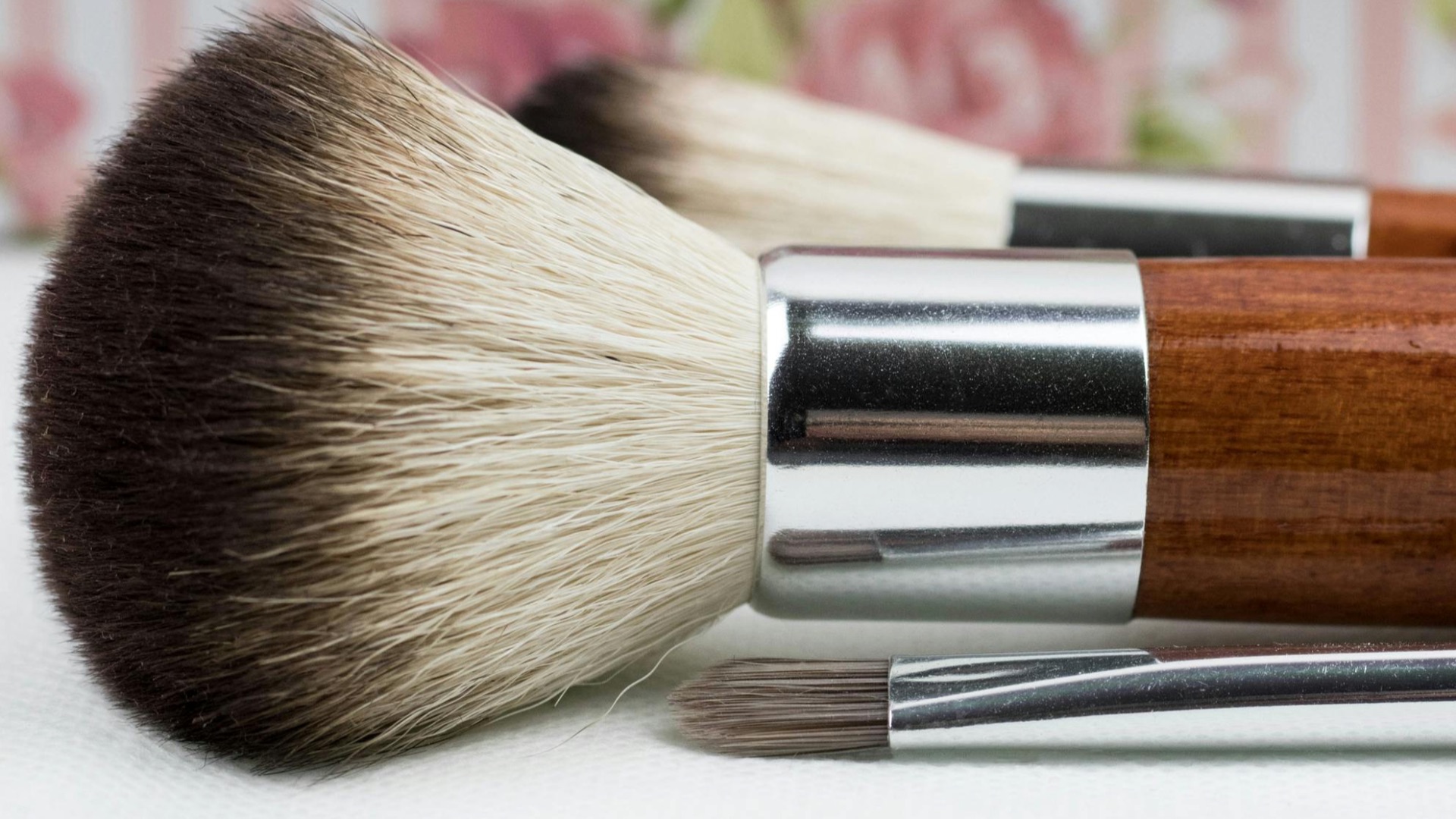
Kabuki brushes are often sold as a foundational tool, but most people find they don't integrate into their routine as seamlessly as advertised. Their dense, chunky shape can make it harder to blend product around the nose and into hairline edges, which are the areas that tend to show the most. A standard foundation or powder brush will give you more control with less effort, making the kabuki largely redundant.
2. Eyebrow Brush with Spoolie Combo
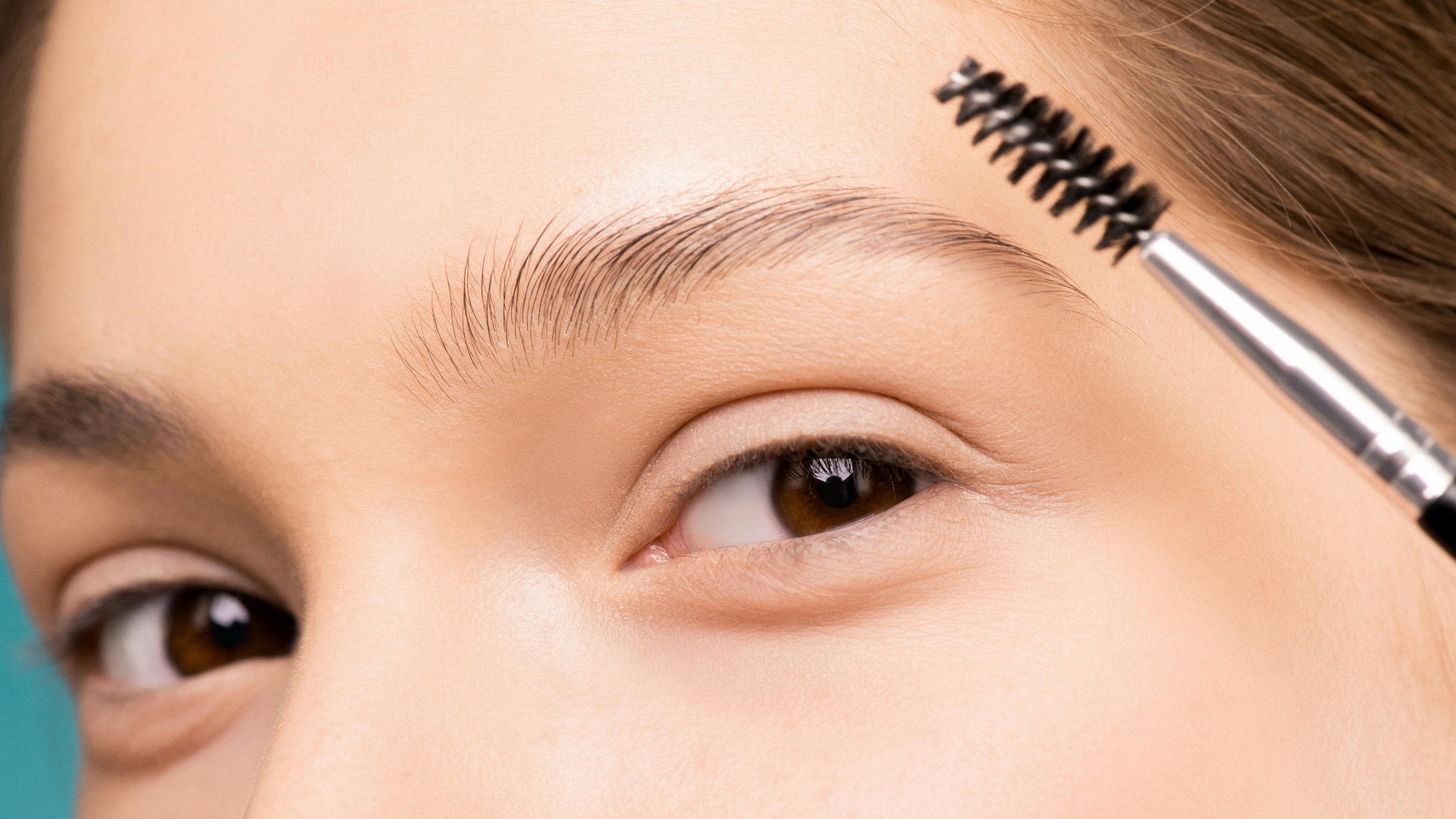
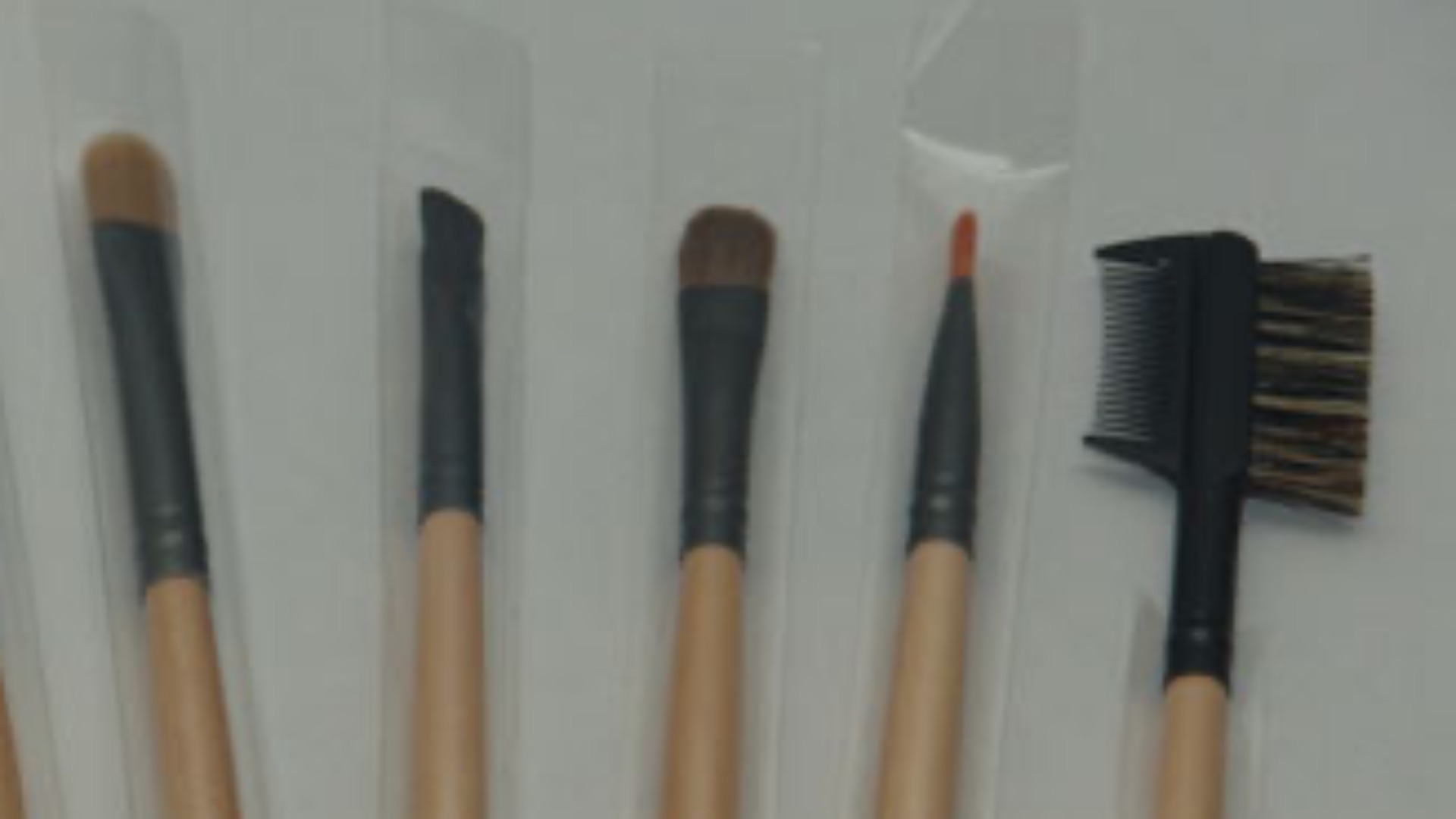
Standalone spoolies are inexpensive and widely available, so buying a combination brush just to get one isn't a particularly efficient use of your money. The eyebrow brush portion is typically a stiff, angled tool that doesn't perform any better than using the angled liner brush you likely already own. You're better off keeping a spare spoolie on hand and skipping this combo altogether.
3. Stippling Brush
Stippling brushes were popular for a period, but their two-toned, sparse bristle design doesn't offer a meaningful advantage over other application methods. The stippling motion they're built for can take longer and requires more effort than using a standard foundation brush or sponge. Most people who try one end up reaching for their usual tools anyway, which tells you everything you need to know.
4. Shader Brush
If you already own a flat eyeshadow brush, a shader brush covers essentially the same territory. Both tools are designed to pack color onto the lid, and the differences in performance are minimal enough that keeping both is more about collection-building than practical necessity. Freeing up that space for a brush with a more distinct function is a smarter move for most people.
5. Duo-Fiber Brush
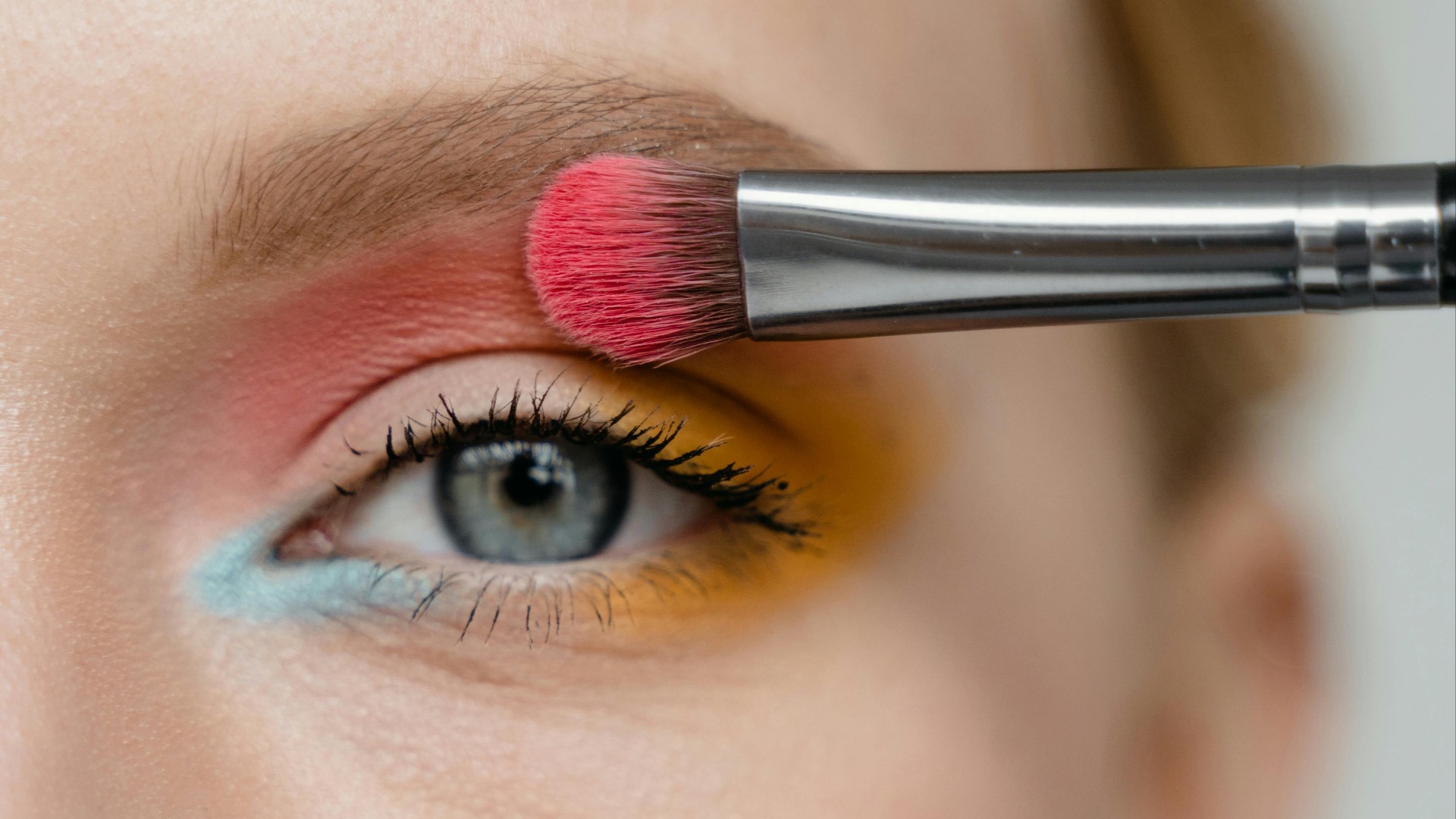
Duo-fiber brushes—the ones with mixed black-and-white bristles—are often marketed for a natural, skin-like finish, but they can be notoriously difficult to clean thoroughly because of their layered construction. The finish they produce is achievable with a damp sponge or a regular powder brush, neither of which requires the extra maintenance. Unless you're specifically attached to the texture they create, it's a brush you can easily do without.
6. Eyelash Comb Brush
An eyelash comb is one of those tools that sounds useful on paper but rarely gets pulled out in practice. Letting mascara dry for a few seconds before applying a second coat will prevent clumping just as effectively, and a clean spoolie can also separate lashes without the need for a dedicated metal comb. It's a very specific solution to a problem that's usually better addressed through application technique.
7. Flat Liner Brush
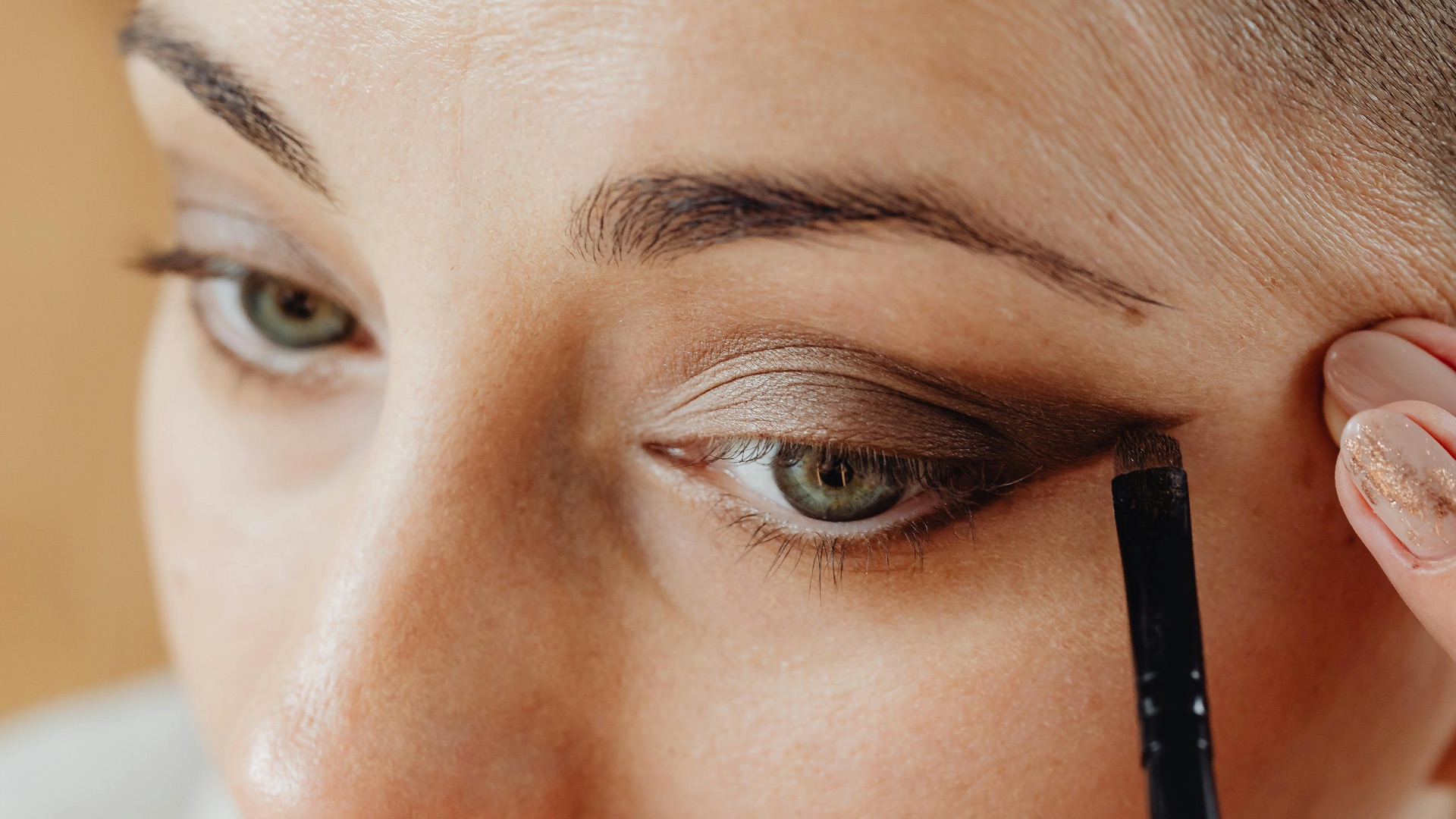
Flat liner brushes are designed for gel or liquid liner application, but most people find that a fine-tipped liner pen or a small angled brush does a more precise job with less frustration. Getting a consistent, even line with a flat liner brush takes a level of practice that the average person doesn't need to invest in. Your existing angled eyeshadow or liner brush can handle the job without adding another tool to the mix.
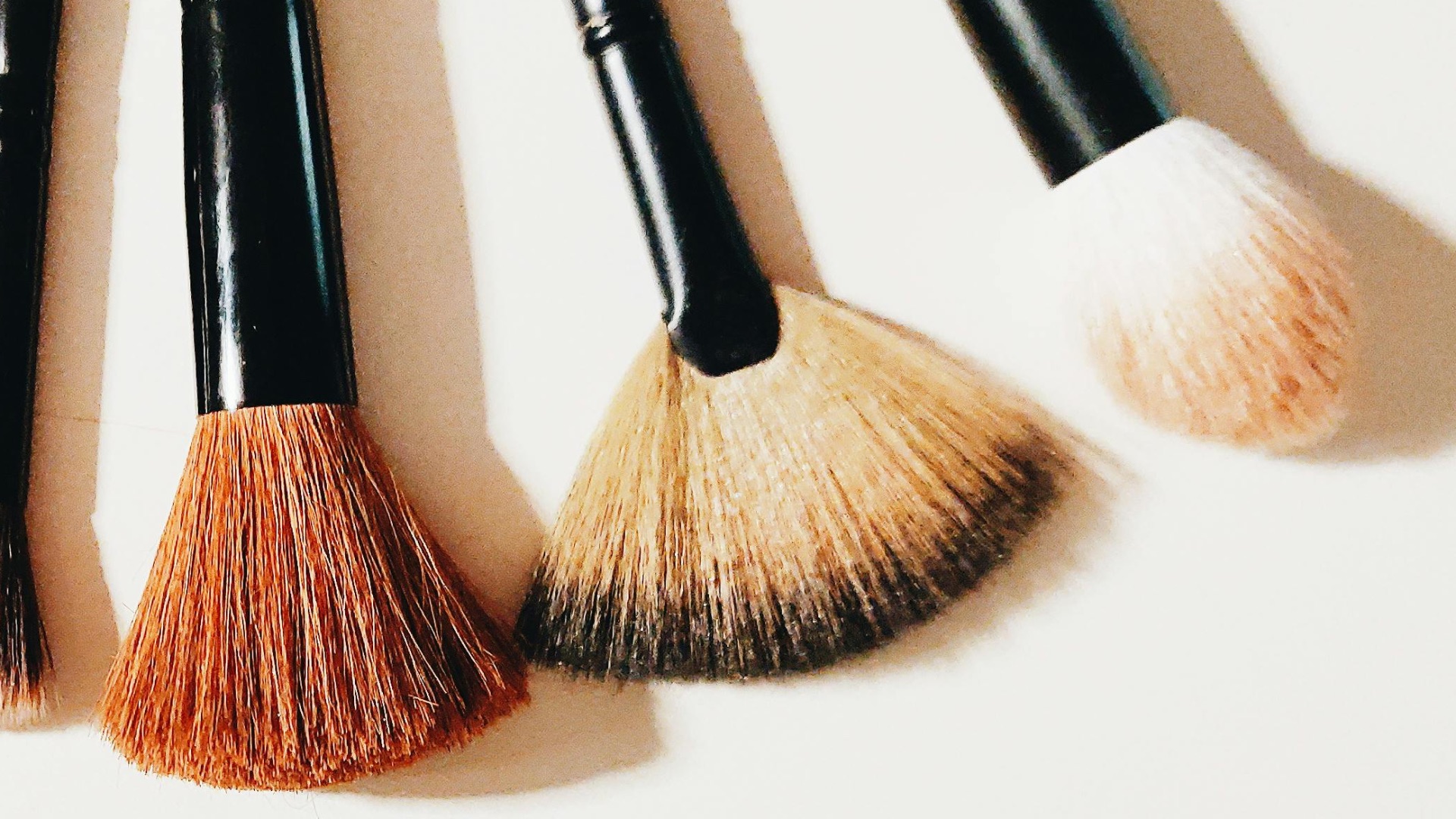
8. Fan Brush
You might be tempted to give in to people's recommendations that, in order to have the perfect highlight application, you need a fan brush. But in reality, you're probably much better off using the pads of your fingers than whipping out a fancy fan brush.
9. Setting Powder Puff
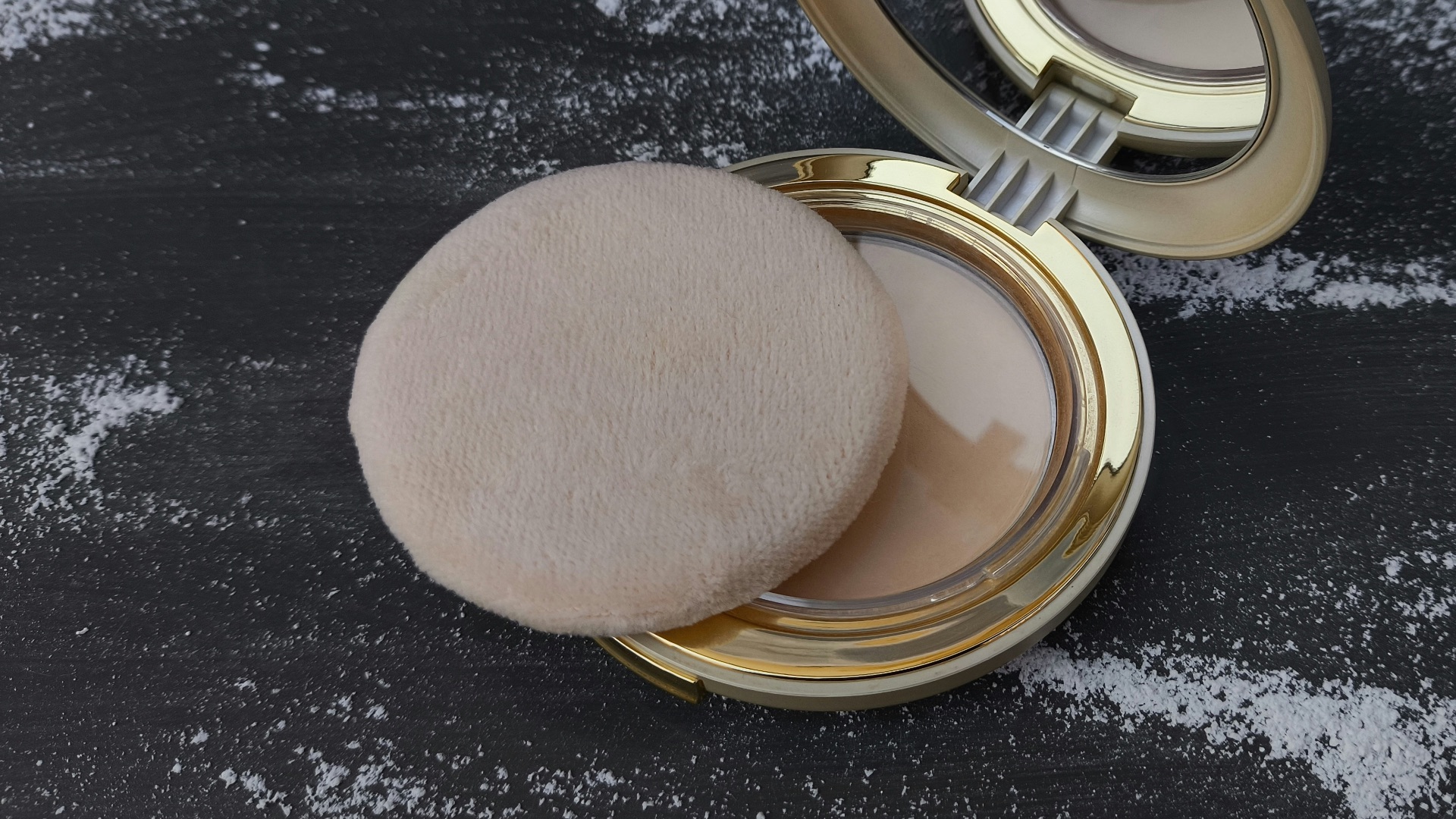
Powder puffs might have a place in a pressed-powder compact, but a dedicated brush version of this tool is an unnecessary addition to your kit. The flat, rounded sponge or puff surface can apply product unevenly and tends to absorb more than it deposits, which is the opposite of what you want when setting your base. A good fluffy powder brush will always outperform a puff for both coverage and ease of blending.
10. Brush Cleaning Mat
Some brands sell silicone cleaning mats with brush-specific features, positioned as an essential part of your brush care routine. In reality, a basic silicone mat or even the textured palm of your hand works just as well for the actual cleaning process. Spending money on a specially designed brush-cleaning brush adds a layer of complexity to a task that's already pretty straightforward without it.