
Do You Really Need to Dress Your Age?
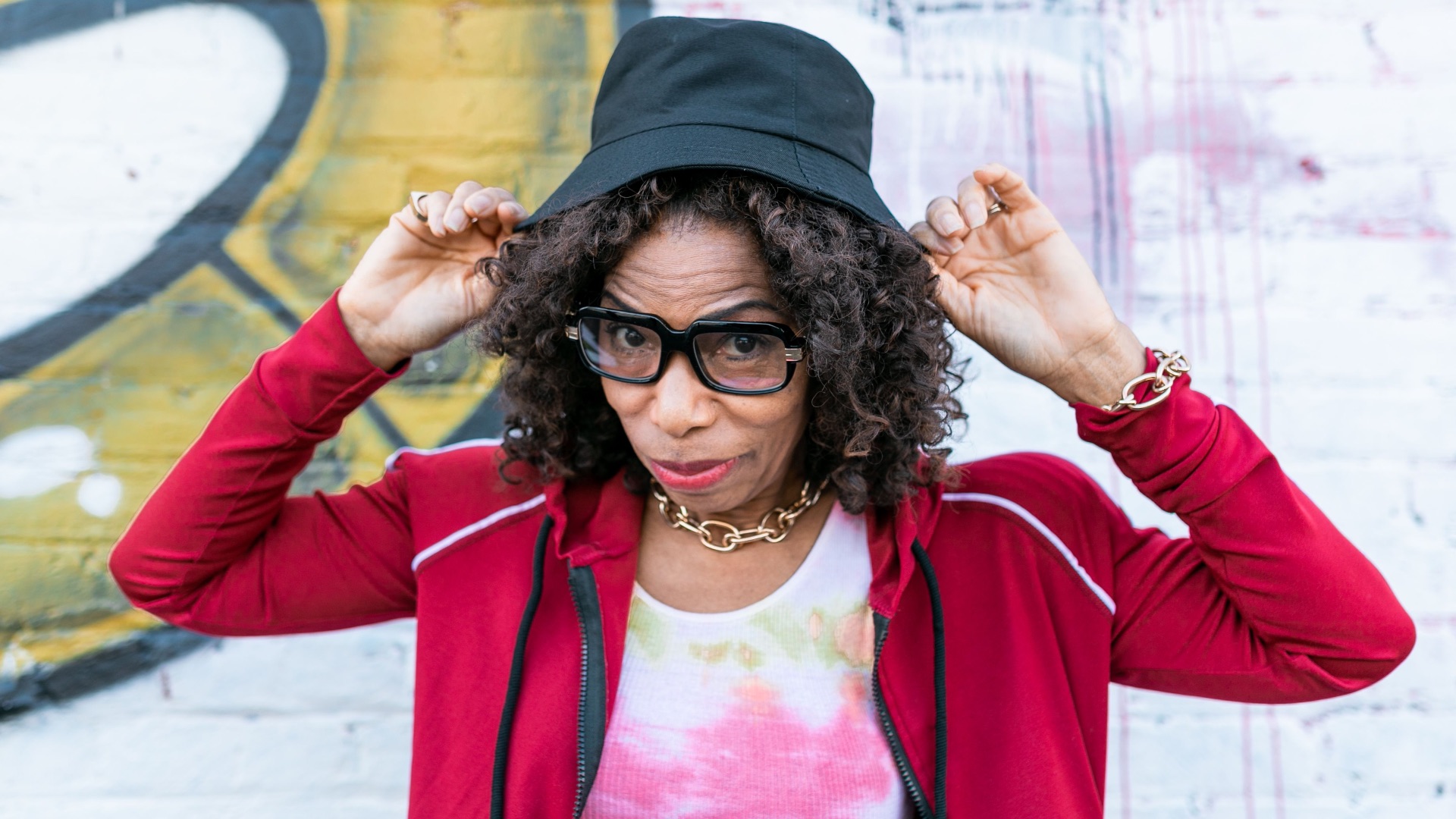
Clothes are clothes, but why does it seem like there are rules to what you can and can't wear, especially depending on how old or young you are? Everywhere you go, you'll either hear someone encouraging you to dress how you want, while others stress you should "dress your age." So, who's right? Does it really matter what you wear? Whether you're a twenty-something experimenting with "old money" aesthetics or a sixty-something rocking streetwear, let's take a deeper look at why you shouldn't—and should—dress your age.
1. Style Is a Form of Personal Expression
Your wardrobe is one of the most immediate ways you communicate who you are to the world, and that has nothing to do with how old you are. Limiting your choices based on age-based fashion rules can actually stifle the kind of creativity that makes personal style interesting in the first place. If a particular aesthetic resonates with you, that connection is reason enough to wear it.

2. Age-Based Fashion Rules Are Largely Outdated
The idea that certain hemlines, colors, or silhouettes are "age-appropriate" largely stems from decades-old social norms that fashion has long since moved past. Today's designers routinely blur the lines between youth-oriented and mature styling, creating collections meant to appeal across generations. Holding yourself to rules that the fashion industry itself has abandoned doesn't serve you well.
3. Confidence Matters More Than Convention
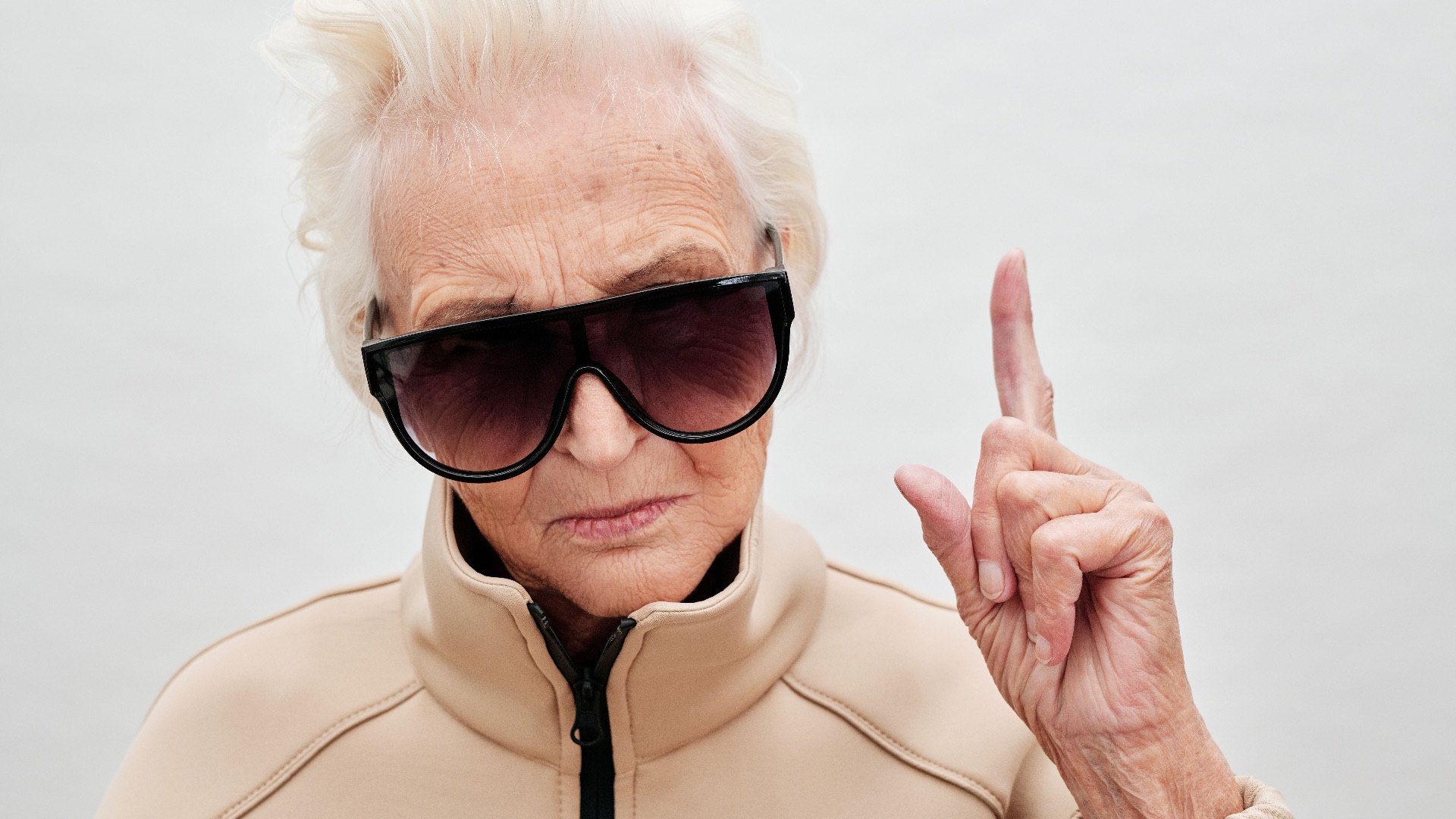
When you wear something that you love and feel great in, that confidence comes through in the way you carry yourself. A confident person in an unconventional outfit will almost always look more put-together than someone wearing the "correct" thing for their age but feeling uncomfortable in it. Dressing in a way that energizes you is far more effective than dressing in a way that simply checks a societal box.

4. Fashion Is Cyclical, and Trends Don't Belong to One Generation
Styles from the '70s, '80s, and '90s regularly resurface on runways and in street style, and they're embraced by people of all ages when they do. A 50-year-old who lived through the original trend and a 22-year-old discovering it for the first time both have an equal claim to wearing it. Cyclical fashion doesn't come with an age restriction, and it never really has.
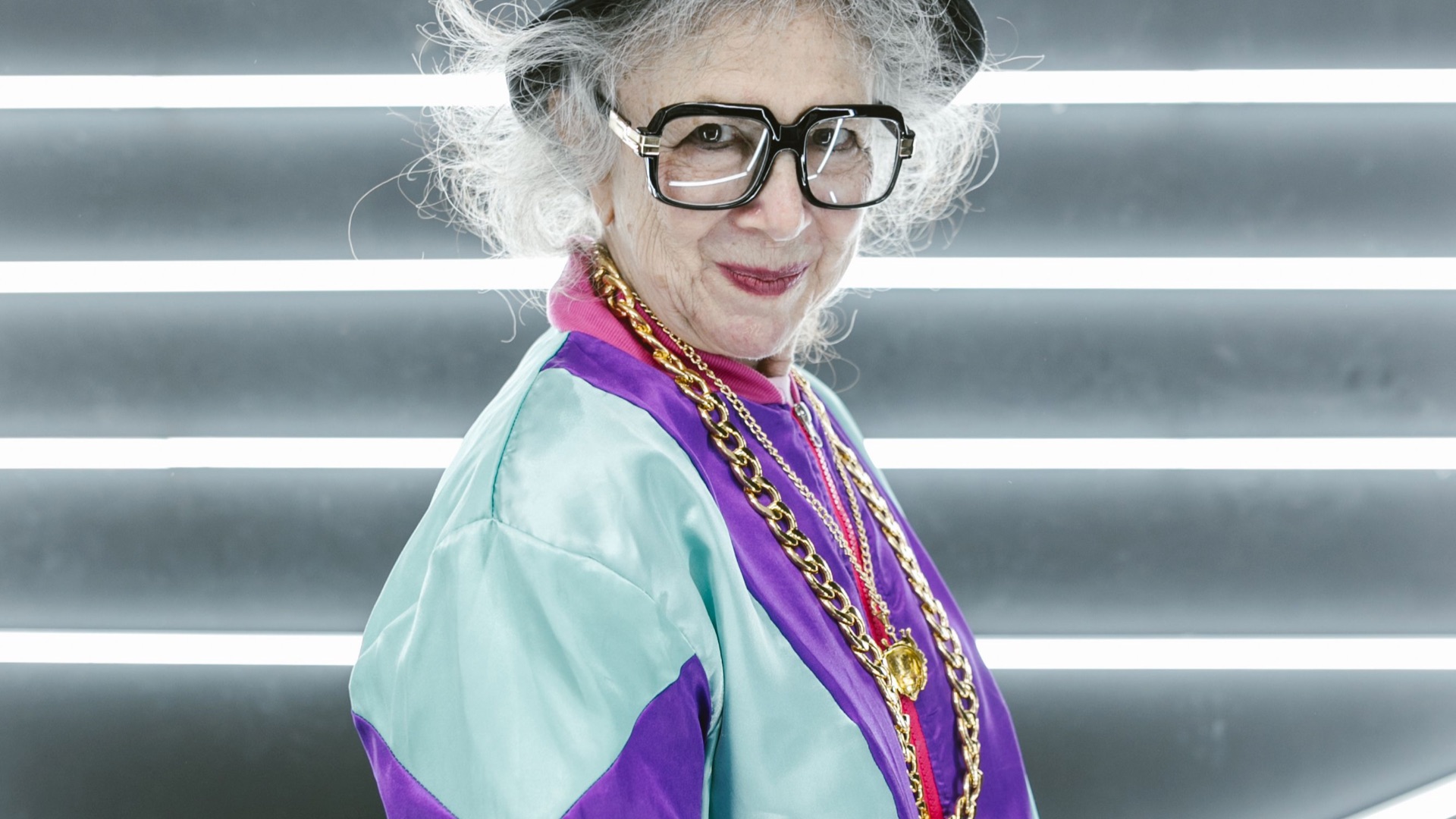
5. Dressing "Young" Doesn't Mean You're Being Immature
There's a persistent assumption that gravitating toward youthful styles means you're somehow refusing to grow up, but that connection is far more cultural than it is logical. Enjoying bold prints, casual silhouettes, or trend-forward pieces doesn't reflect your maturity level; it reflects your aesthetic preferences. The two things genuinely operate on entirely separate tracks.
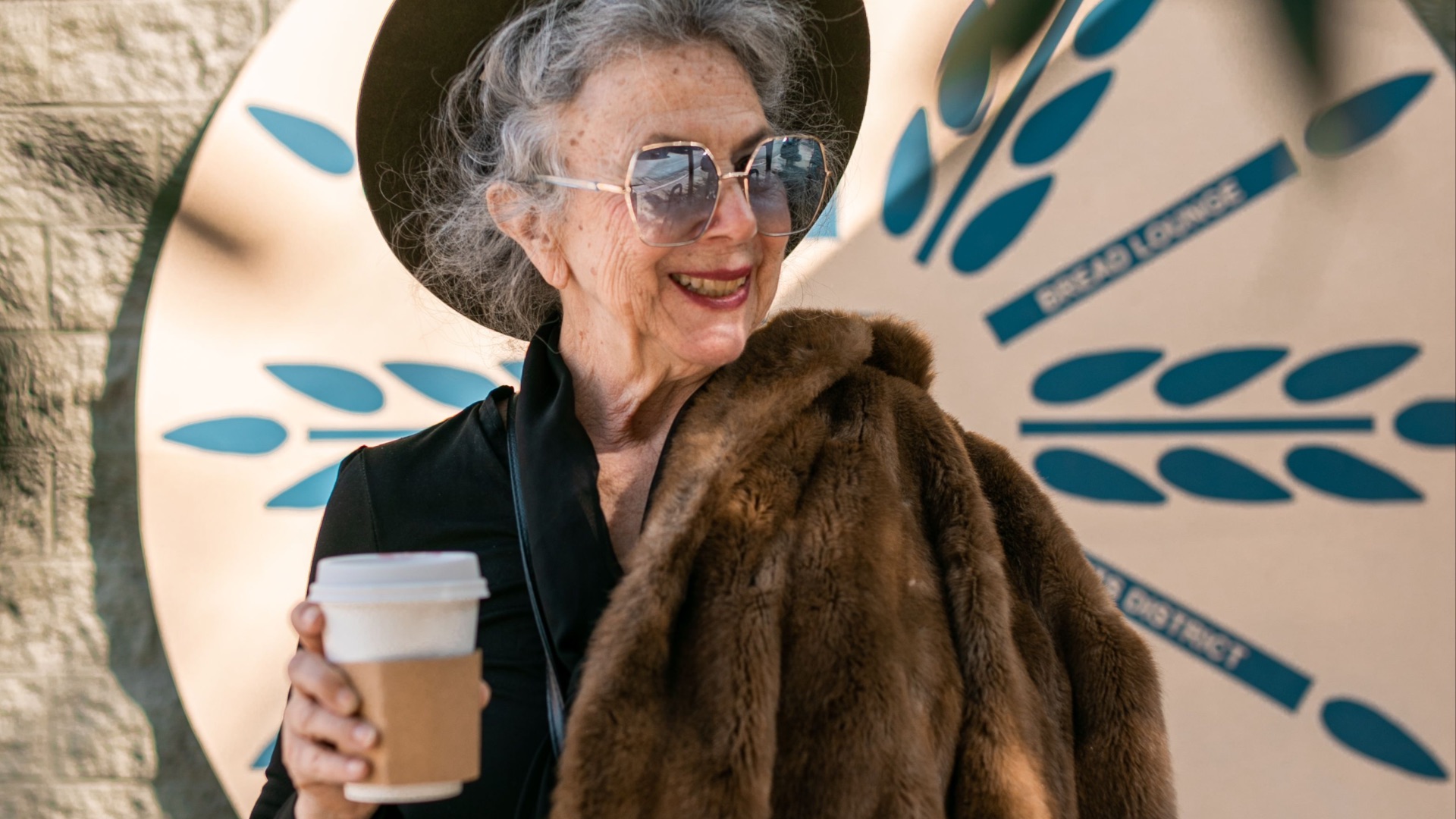
6. Your Body, Not Your Age, Should Guide Fit Choices
The most important factor in how clothing looks on you is whether it fits your body well, not whether it's considered suitable for your age group. A well-fitted pair of slim trousers looks sharp on a 60-year-old just as easily as it does on a 30-year-old, provided the proportions work for that person's frame. Focusing on fit and proportion will always take you further than deferring to age-based guidelines.

7. Dressing Your Age Can Accelerate How Old You Look and Feel
There's a psychological dimension to clothing that's hard to ignore: what you wear affects how you feel about yourself on any given day. Defaulting to "age-appropriate" styles before you actually feel drawn to them can make you feel older than you are, which then affects how you present yourself socially and professionally. Wearing what makes you feel vibrant and current is a perfectly reasonable priority.
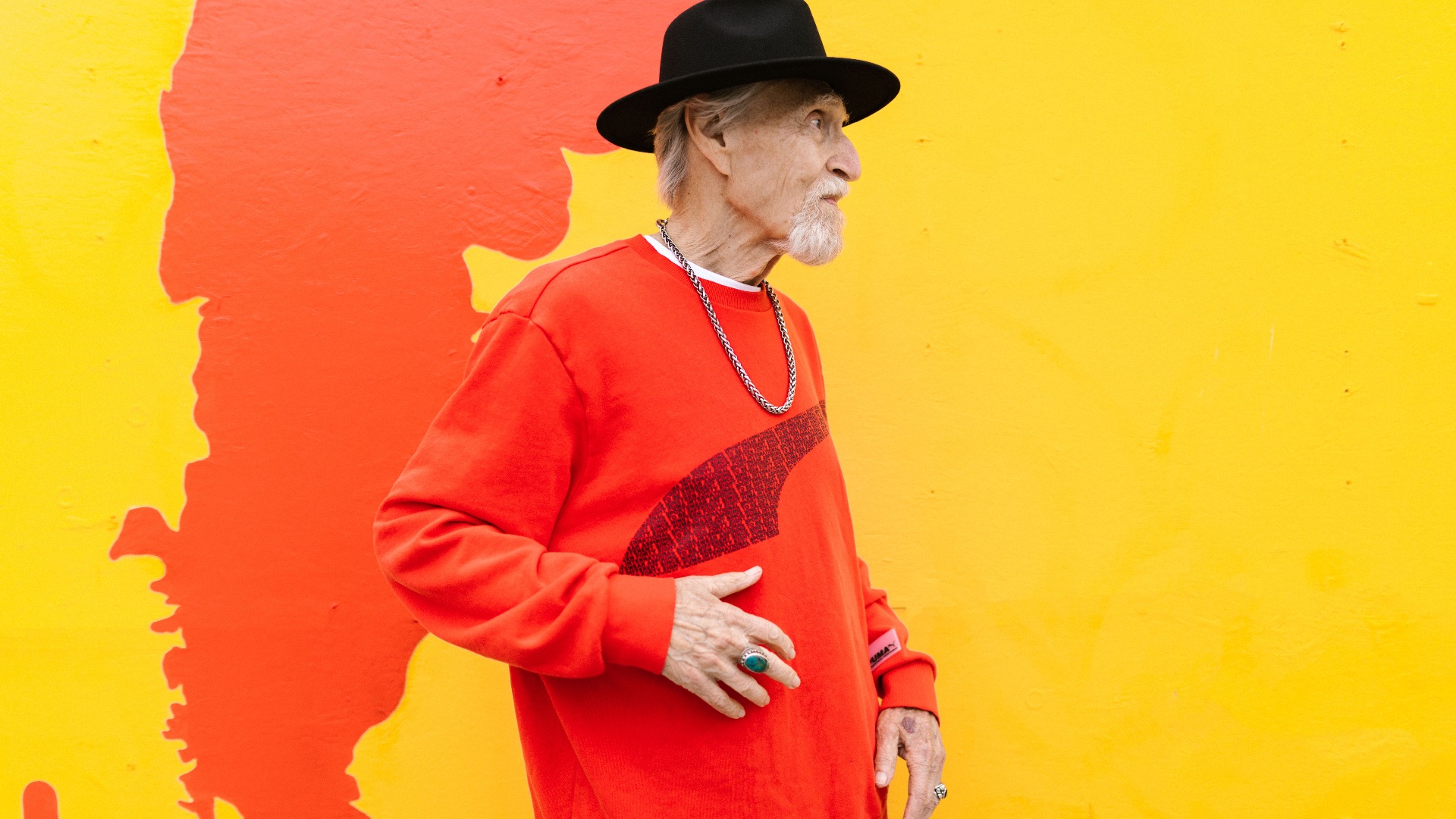
8. Cultural Backgrounds Shape Fashion Norms Differently
What's considered "appropriate" for a particular age varies widely across different cultures and communities, which means there's no universal standard to begin with. In many global fashion capitals, older women wearing bold, expressive clothing are celebrated rather than questioned. Since there's no single cultural consensus on age and dress, you're well within your rights to define your own standards.
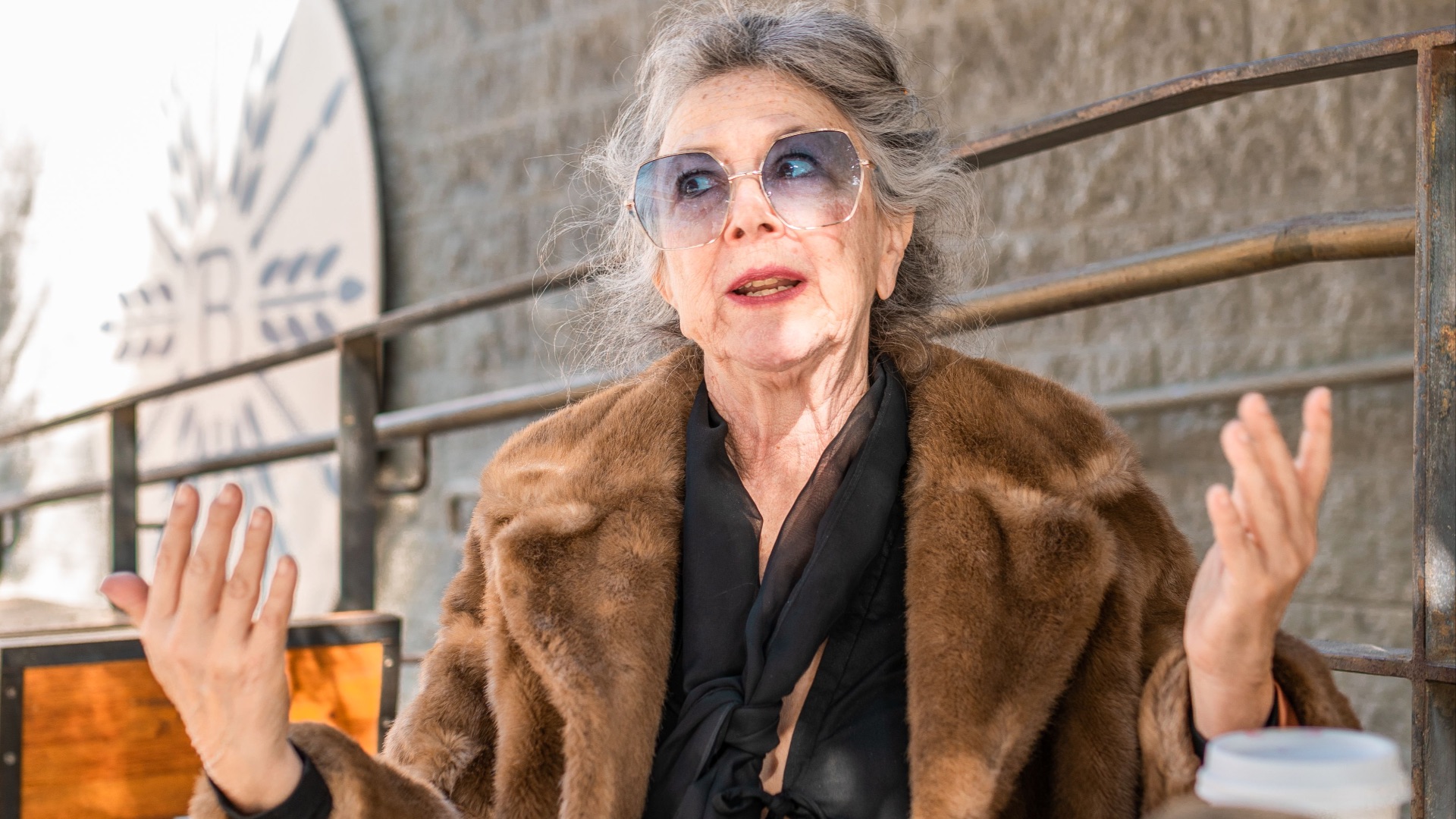
9. Social Media Has Redefined What Every Age Group Wears
Platforms like Instagram and TikTok have made it possible for style inspiration to travel freely across generations, and the result is a fashion landscape where age boundaries are increasingly irrelevant. Grandmothers are going viral for their streetwear fits, and teenagers are dressing in polished, structured pieces once associated with corporate dress codes. The visual conversation happening online has effectively dissolved the old generational boundaries in fashion.

10. Dressing Without Age Restrictions Keeps Your Wardrobe Fresh
When you're not mentally crossing items off a list because they seem "too young" for you, your approach to shopping and styling naturally becomes more open and exploratory. That openness often leads to more interesting, considered outfits because you're choosing based on what you actually like rather than what you feel permitted to wear. A wardrobe built on genuine preference tends to have more character than one built on compliance.
Of course, rejecting age-based fashion rules doesn't mean there's nothing to be gained from dressing with your stage of life in mind. Let's jump into the pros of dressing your age.

1. It Can Signal Professionalism in the Right Contexts
In certain industries and professional environments, dressing in a way that aligns with your experience level sends a clear message that you take your role seriously. A senior executive who dresses with polish and authority tends to command a different kind of respect in the boardroom than one who dresses casually or trendily. Context matters, and professional settings often reward a wardrobe that reflects your seniority.

2. Age-Appropriate Dressing Can Reflect Earned Confidence
There's a kind of assurance that comes with knowing exactly who you are and dressing to reflect that, rather than chasing trends for the sake of staying current. Many people find that as they get older, they naturally gravitate toward a more refined, intentional wardrobe because they've figured out what works for them. That kind of clarity is its own form of style.
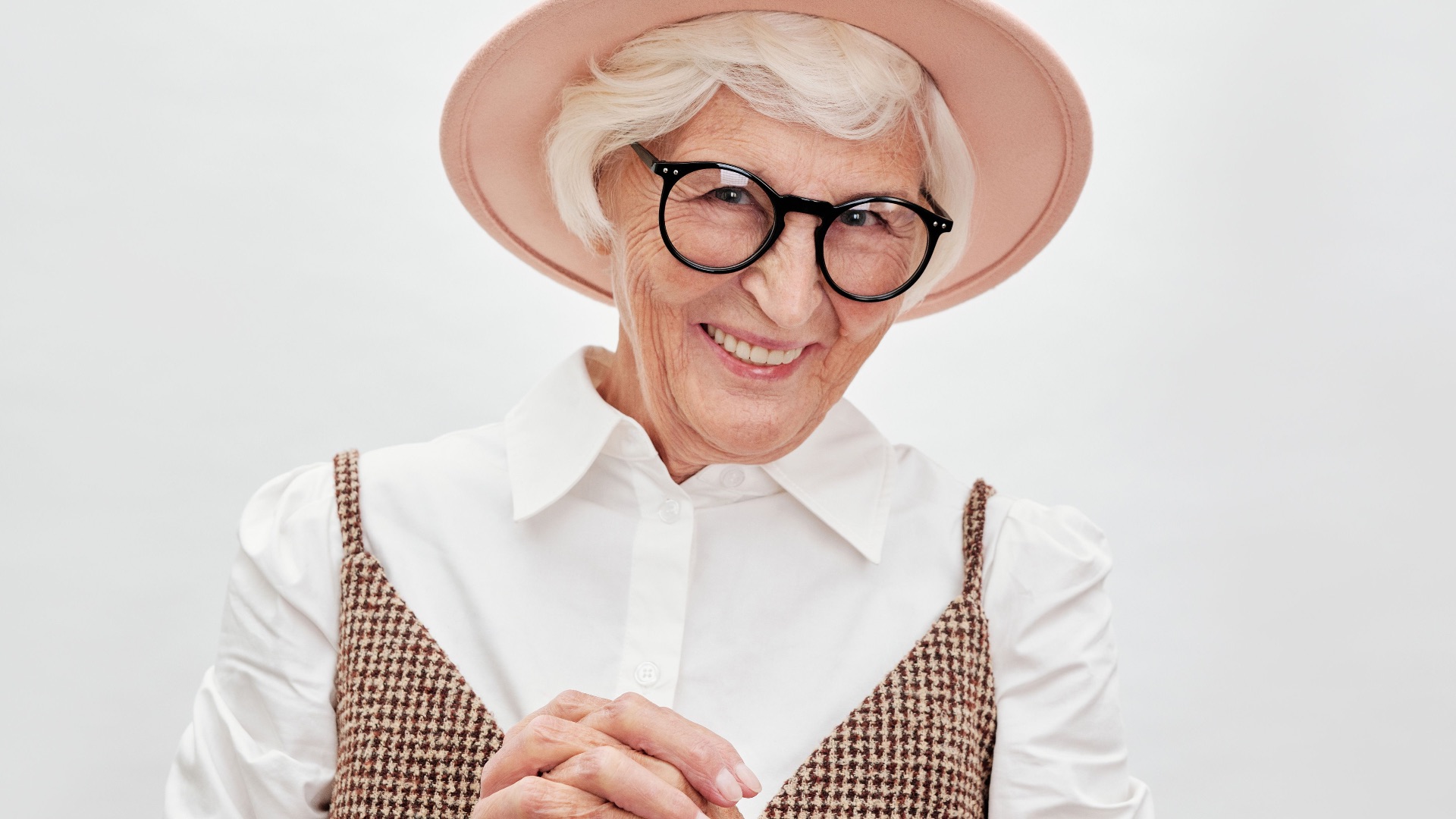
3. Comfort Becomes a More Legitimate Priority Over Time
As you move through different life stages, the physical demands on your wardrobe genuinely change, and there's nothing wrong with letting comfort take center stage. Prioritizing well-made, comfortable pieces over trend-driven ones isn't a concession; it's a practical evolution in how you relate to clothing. Dressing with your body's current needs in mind is a form of self-respect.

4. It Can Help You Be Taken More Seriously
Like it or not, people do make initial judgments based on appearance, and in certain social or professional situations, dressing in a way that aligns with your age and experience can work in your favor. This is especially relevant for people in positions of authority or expertise, where looking the part reinforces the credibility they've worked hard to build. A wardrobe that communicates experience can be a quiet but effective professional tool.

5. It Encourages Investment in Quality Over Quantity
Dressing your age often naturally leads to shifting focus away from fast-fashion trend cycles and toward investing in fewer, better-made pieces that last. That shift tends to produce a more cohesive, intentional wardrobe that doesn't need to be constantly refreshed. From both a financial and environmental standpoint, that's a genuinely worthwhile direction to move in.

6. Certain Styles Simply Flatter Different Life Stages Better
It's not ageism to acknowledge that bodies change over time and that certain cuts, fabrics, and silhouettes work differently at different stages of life. Dressing with those changes in mind means you're more likely to find clothes that enhance how you look and feel rather than working against your current proportions. That kind of practical awareness is a real asset when building a wardrobe.

7. It Can Strengthen Your Sense of Identity
For many people, embracing a style that reflects their current life chapter rather than a past one helps them feel more grounded and self-assured. Dressing in a way that matches where you actually are, rather than where you used to be, can reinforce a strong sense of self. That alignment between your inner and outer presentation is something a lot of people find deeply satisfying.

8. It Sets a Polished Example in Social Settings
In certain social contexts, particularly family gatherings, formal events, or community roles, dressing in a way that reflects your position and maturity can carry real social value. It communicates that you understand the room and are dressed with intention, which tends to be appreciated by the people around you. Social awareness in dressing is its own kind of thoughtfulness.

9. It Can Make Getting Dressed Less Stressful
When your wardrobe reflects your actual lifestyle and life stage, there's less friction in the daily process of getting dressed because everything in your closet actually suits where you're going and what you're doing. A well-edited wardrobe aligned with your current life is far easier to navigate than one filled with pieces from many different phases and aesthetics. That kind of simplicity has a real impact on your day-to-day routine.

10. It Allows Your Style to Evolve Alongside You
Ultimately, dressing your age isn't about restriction; it's about letting your style grow with you rather than staying frozen at a particular point in time. A wardrobe that evolves as you do tends to feel more authentic and more functional than one that's trying to recapture something from the past. Embracing where you are right now, and dressing accordingly, is one of the most honest things your closet can do for you.