Long Before Social Media
Fashion has always had a soft spot for looks that burn bright and fast, only to leave us just as confused as when they began. Long before social media turned every aesthetic into a weekly event, people were chasing new silhouettes, strange fabrics, daring haircuts, and beauty details that made them feel current and fashionable. Some trends were about status, some were about rebellion, and some were simply about the thrill of wearing something no one else had quite figured out yet. The best part is that many of these historical looks still feel familiar, because fashion never really stops recycling its own trends. Here are 20 historical microtrends that prove style has always known how to make a scene.
1. Hobble Skirts
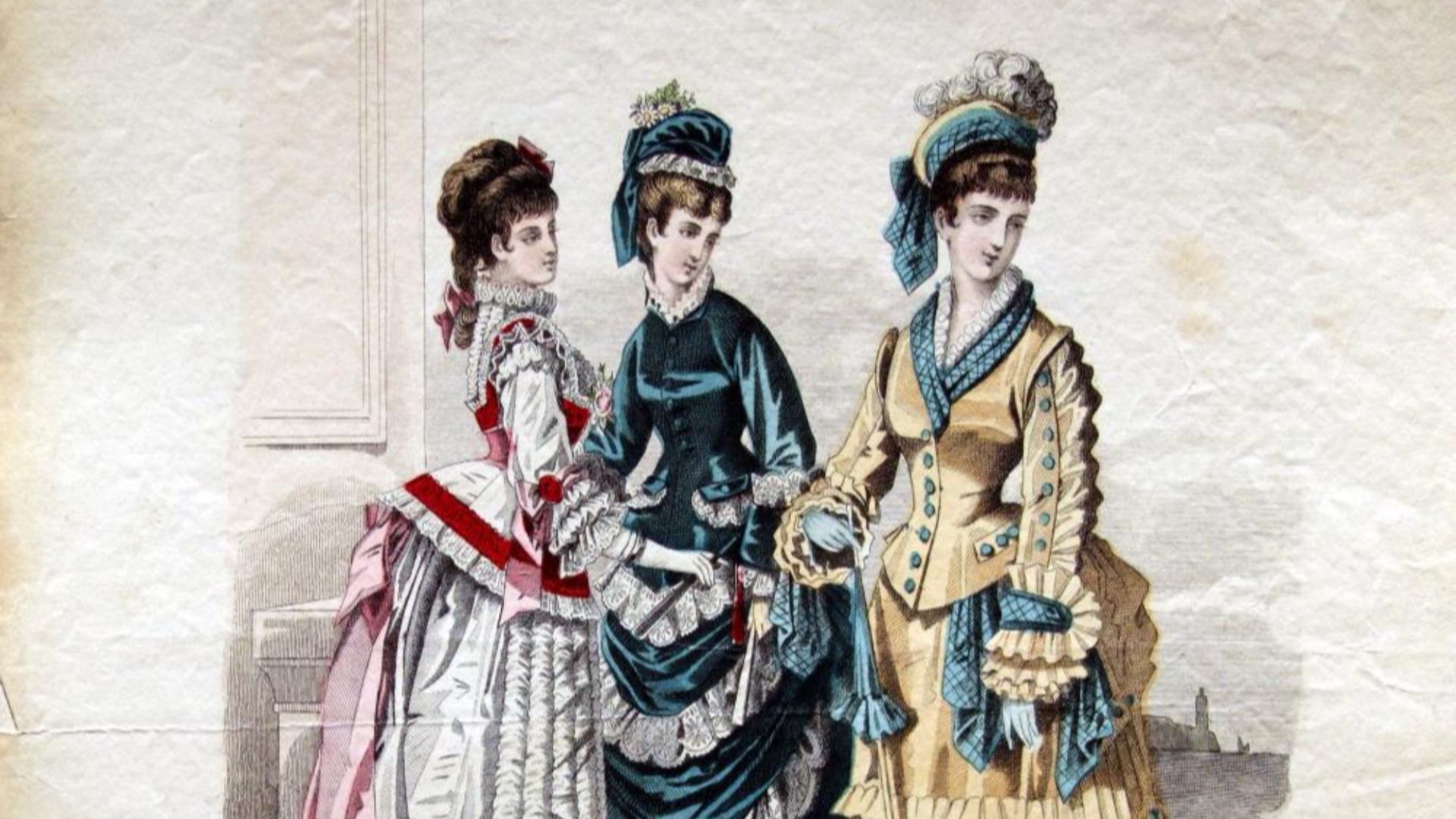
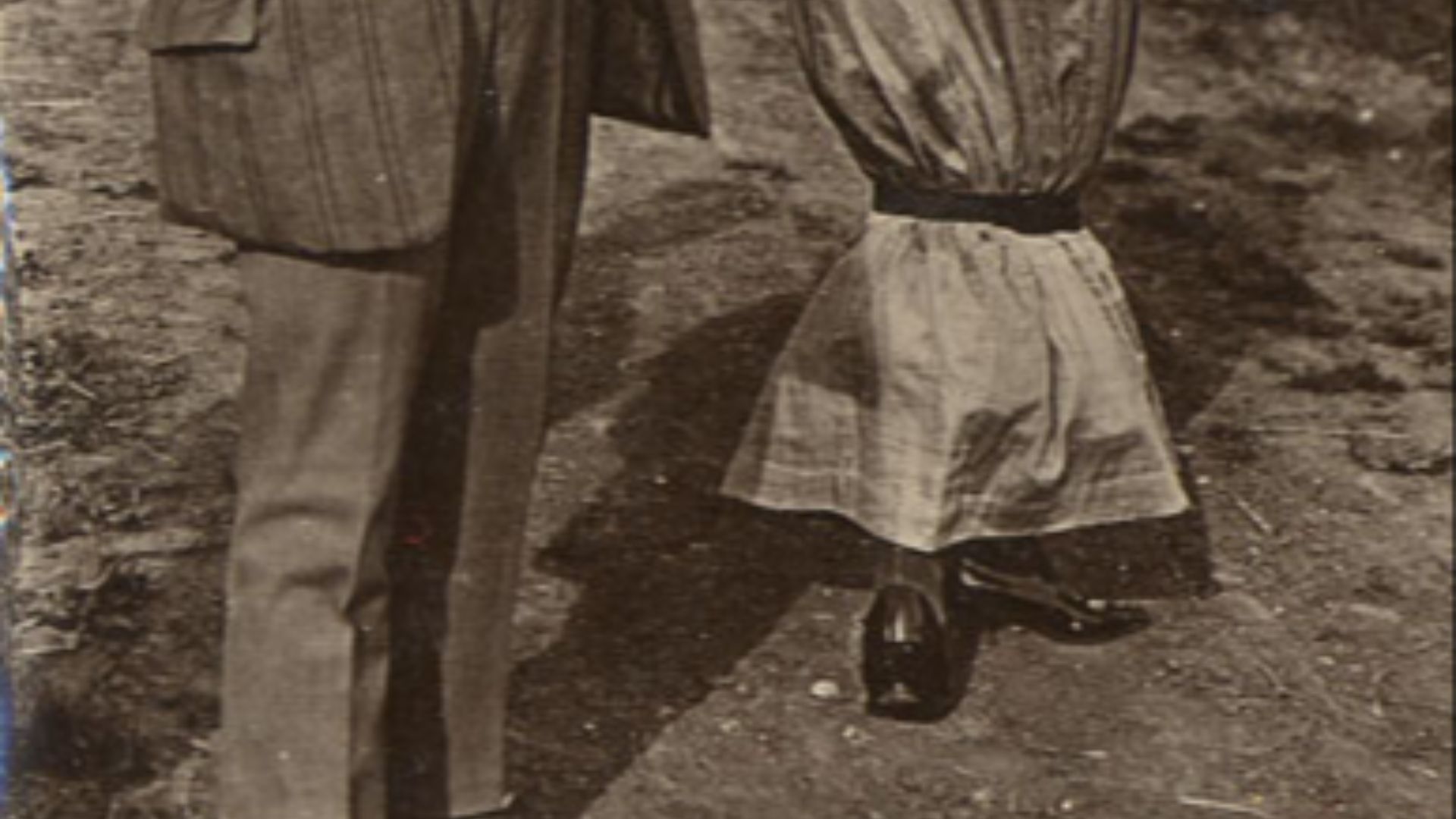
The hobble skirt was one of the early 1910s’ most striking silhouettes, and it was just as restrictive as its name suggests. Cut narrow around the ankles, it forced women to take small steps. While it created a sleek look, it also created a very obvious mobility problem.
2. Harem Pants
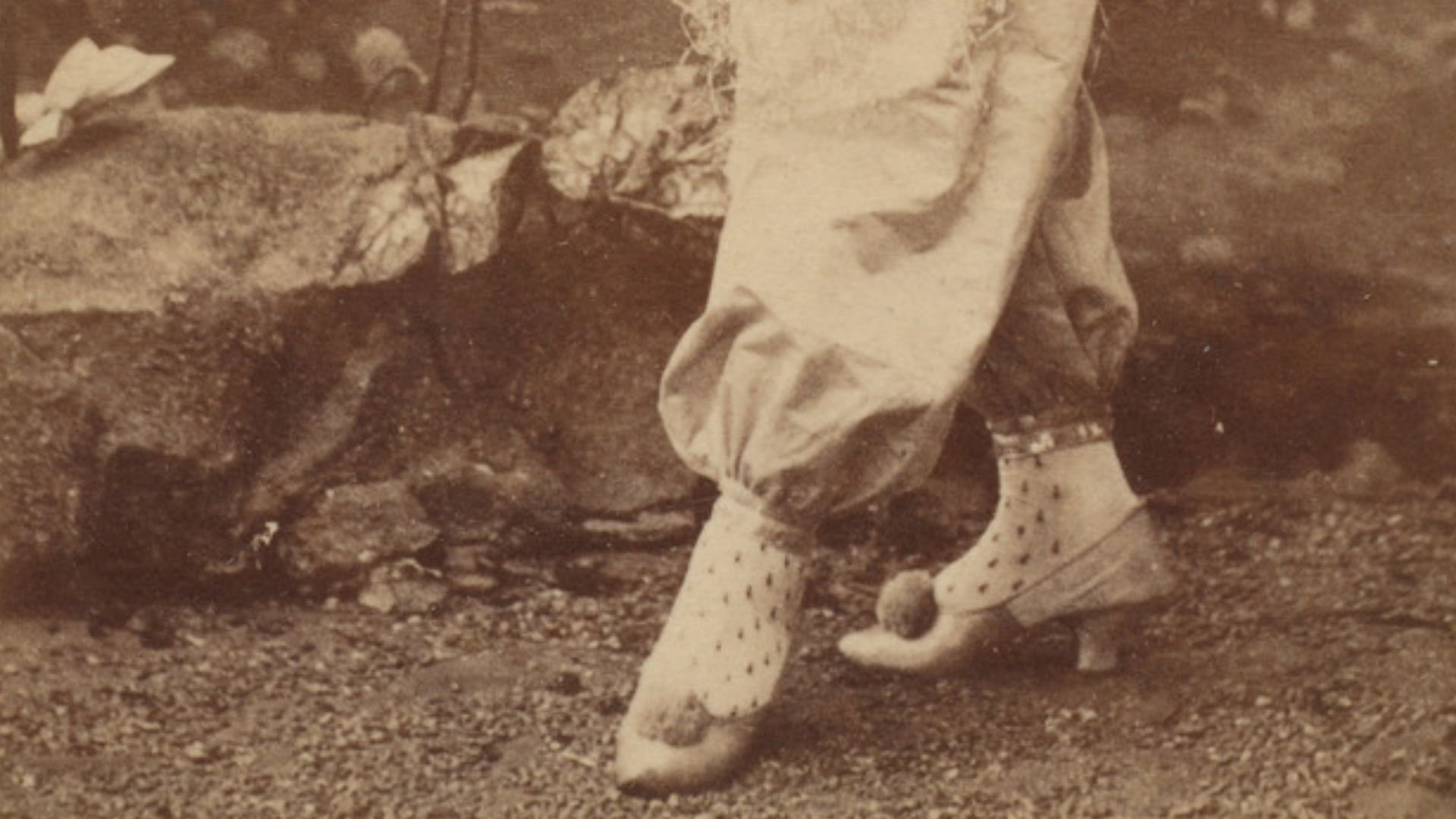
Harem pants entered Western high fashion in the early 20th century through a romanticized fascination with draped, theatrical Eastern-inspired dress. Loose through the leg and gathered at the ankle, they challenged the idea that women’s fashion had to revolve around skirts alone.
3. Lampshade Tunics
The lampshade tunic flared stiffly away from the body, creating a silhouette that looked more sculptural than practical. Worn over slim skirts or trousers, it captured that brief fashion moment when an everyday garment could look almost like a decorative object.
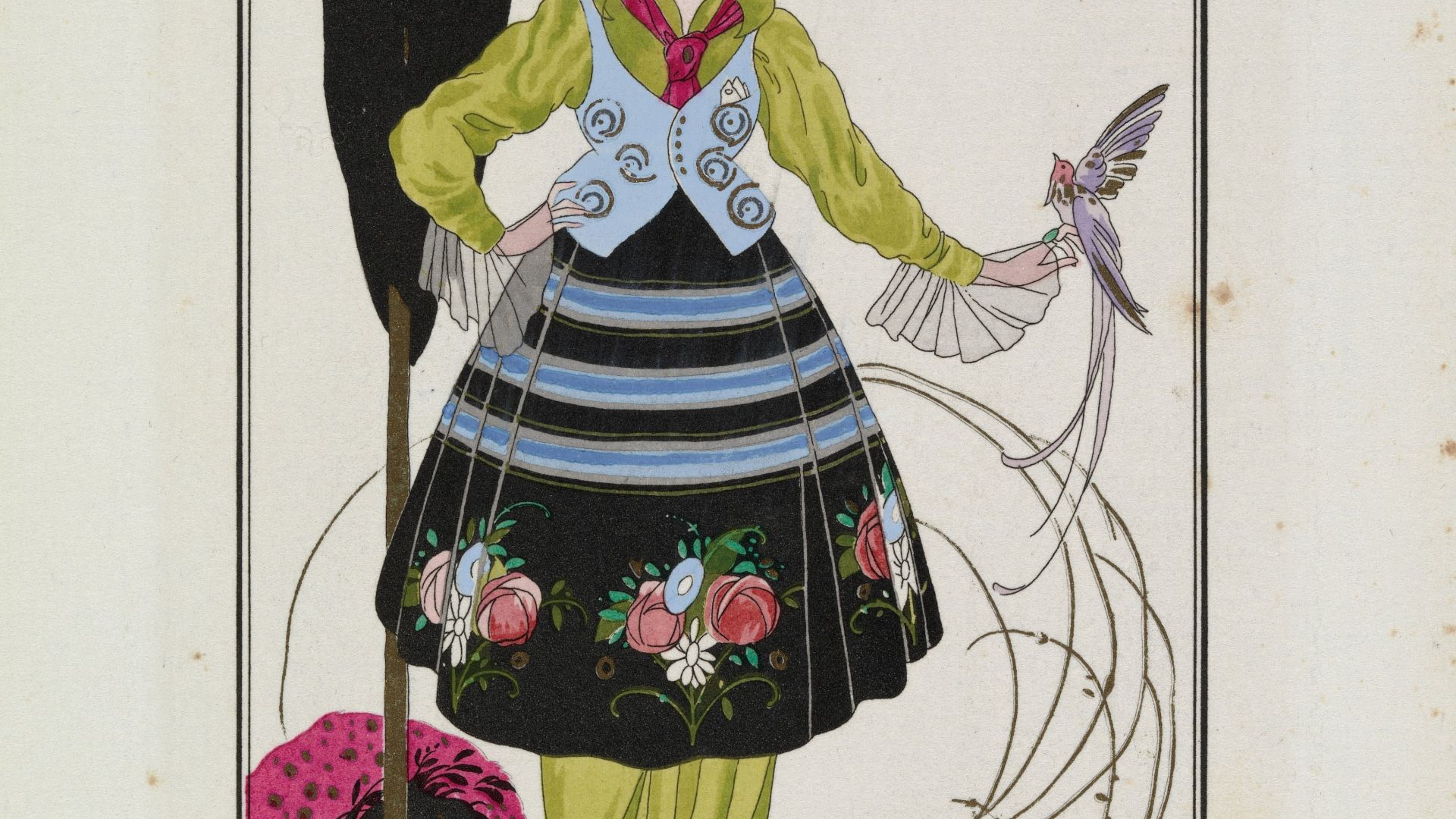 Umberto Brunelleschi on Wikimedia
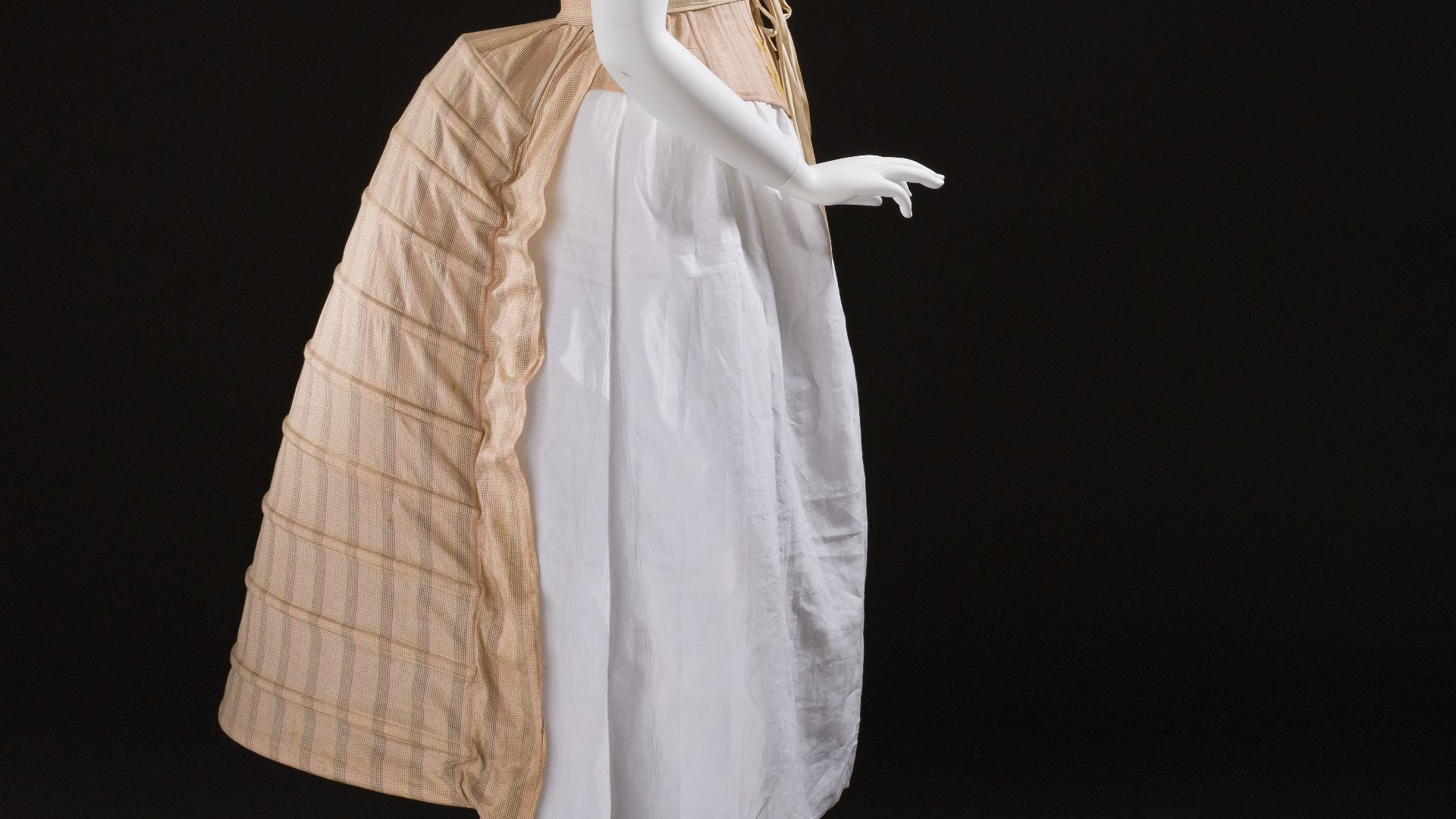
4. Panniers
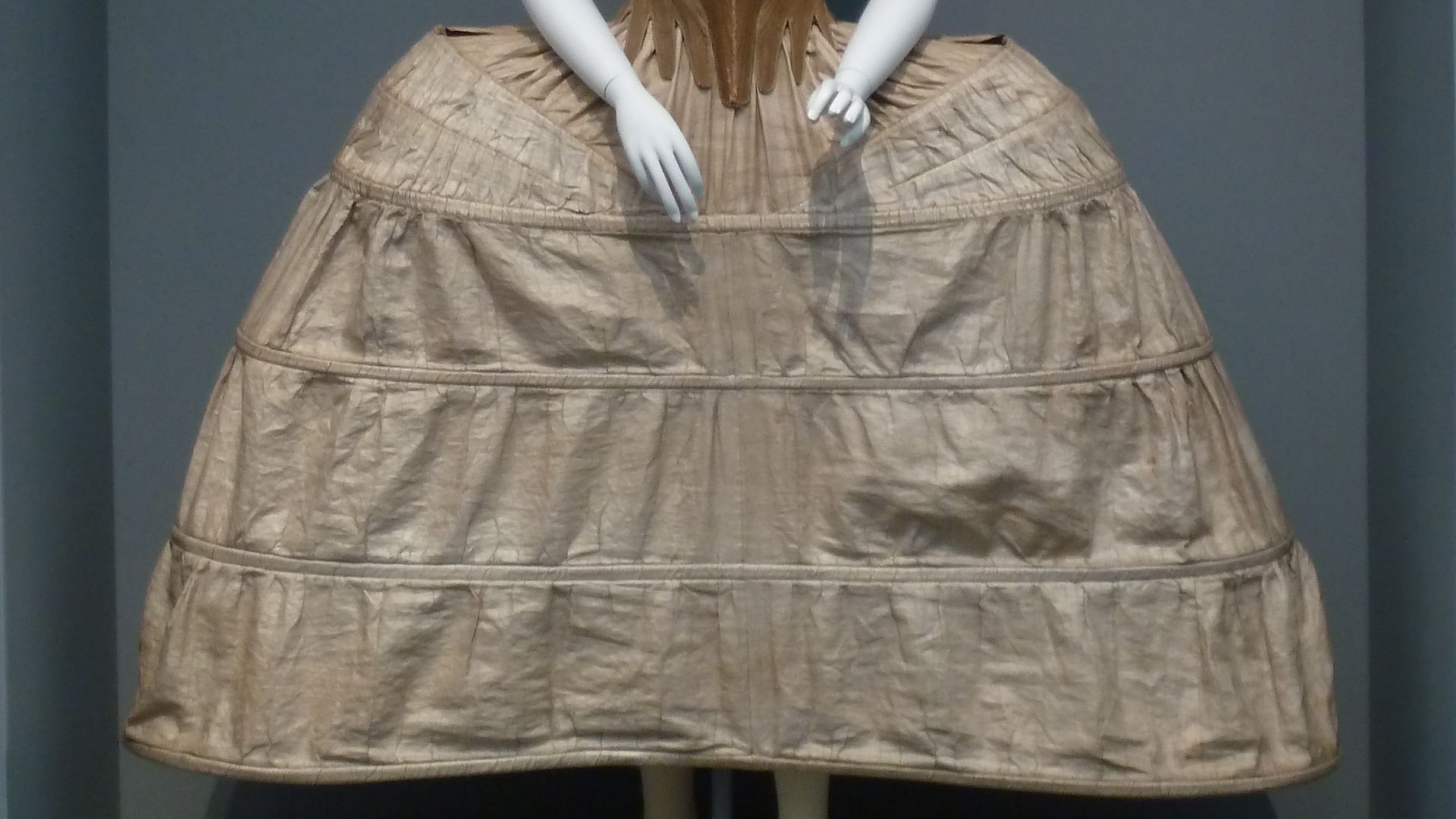
Panniers gave 18th-century formal gowns their famous side-to-side width. They supported skirts at the hips, turning the expensive fabric into a grand display of status, though they also made narrow doorways and ordinary chairs much less cooperative.
5. Macaroni Fashion
Macaroni fashion belonged to 18th-century men who pushed style into the realm of exaggeration. Elaborate hair, polished clothes, fine fabrics, and a taste for Continental flair made the look easy to mock. That said, it was also impossible to ignore.
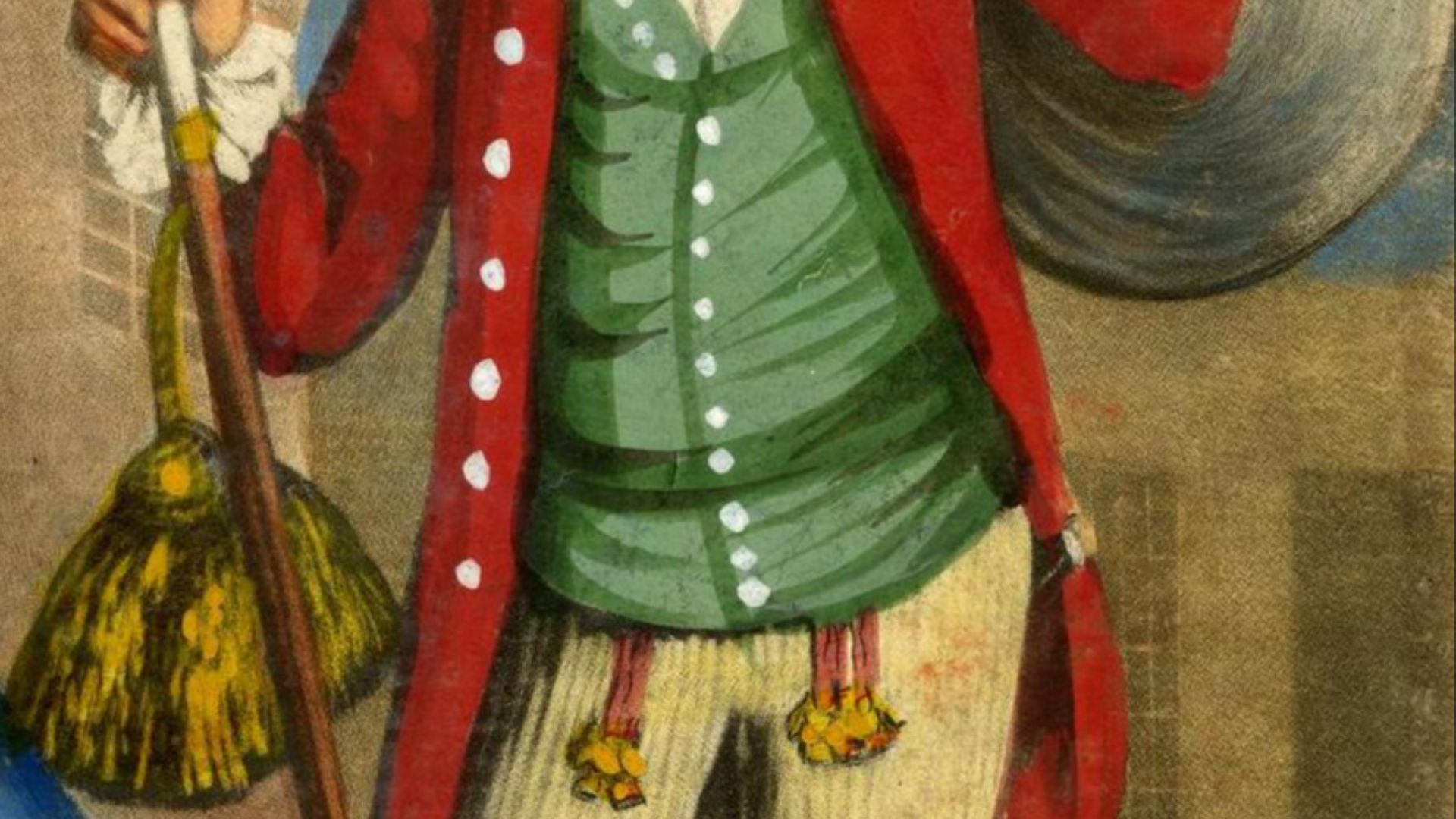 After: Samuel Hieronymus Grimm Published by: Carington Bowles on Wikimedia
6. Beauty Patches
Beauty patches, also called mouches, were small dark shapes worn on the face, neck, or chest. They could help cover marks or scars, but they also became a playful beauty detail that stood out sharply against pale makeup.
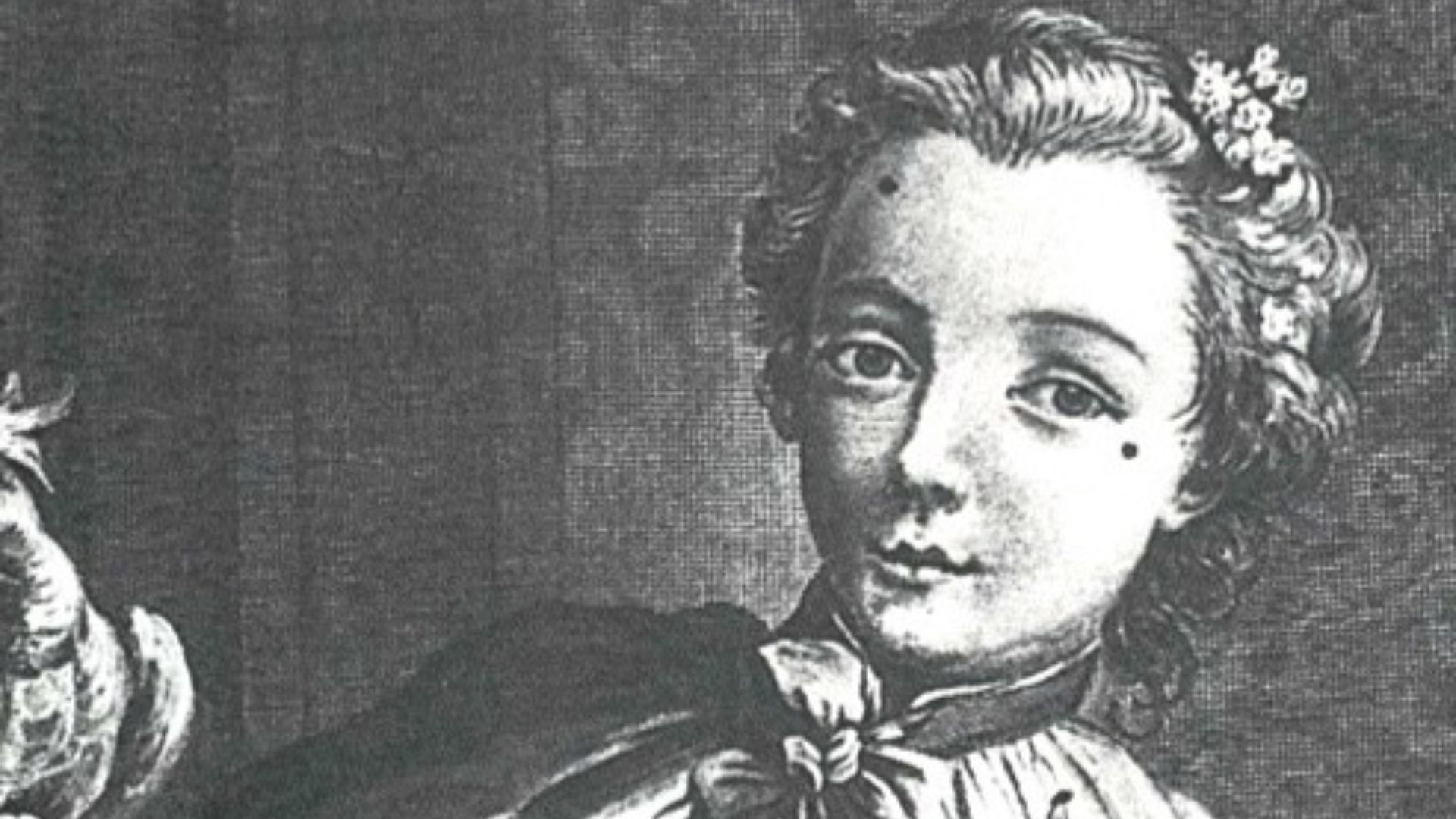 Gilles Edme Petit / After François Boucher on Wikimedia
7. Powdered Wigs And Poufs
Powdered wigs and towering hairpieces turned everyday grooming almost into a feat of architecture in the 18th century. The look was expensive, fussy, and unmistakably elite, which was exactly the point in a world where appearance could announce status before anyone spoke.
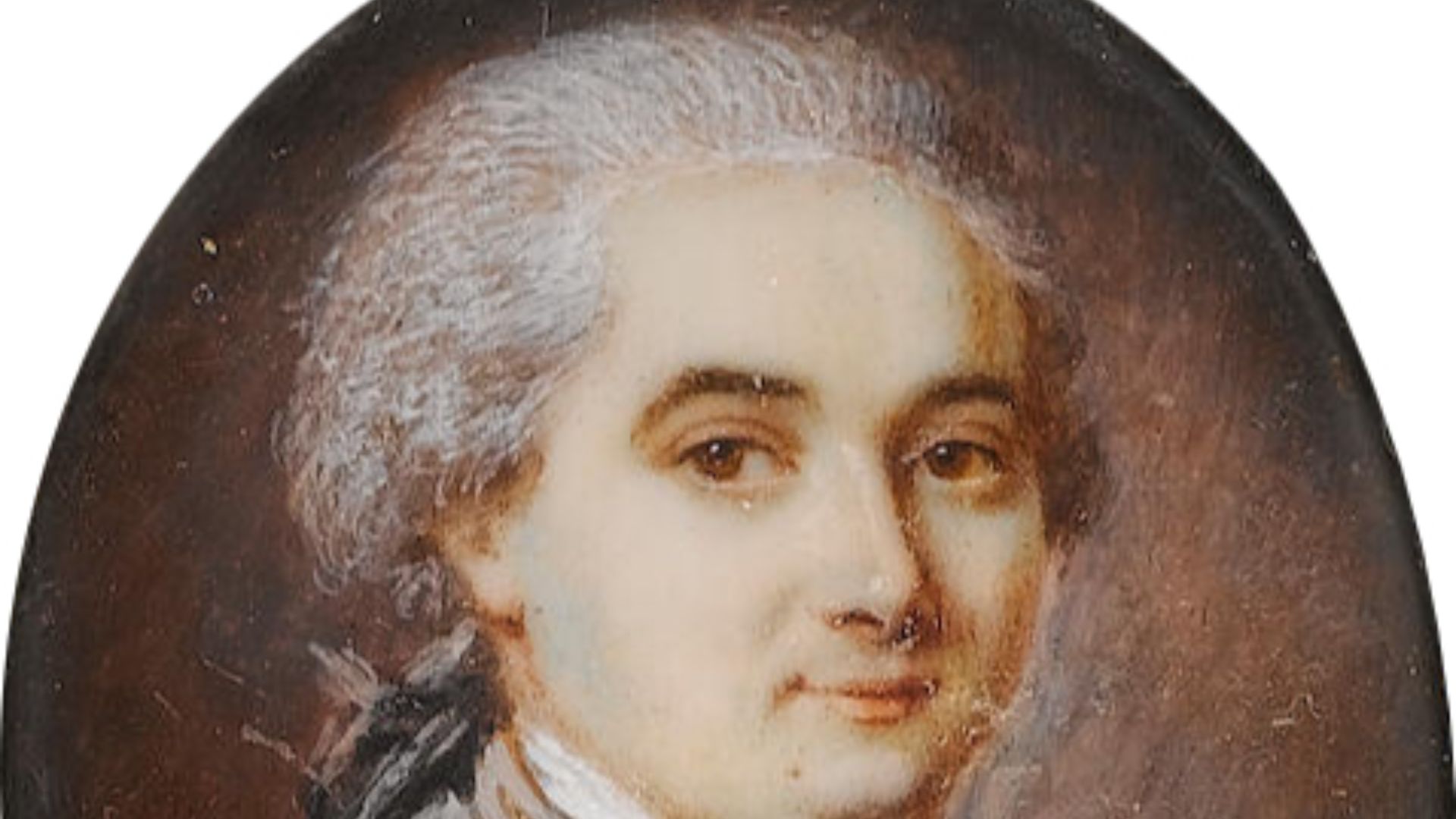 Charlotte-Louise Suvée on Wikimedia
8. The Bloomer Costume
The bloomer costume paired a shorter dress or skirt with loose trousers gathered at the ankle, and that combination caused a real stir in the 1850s. It offered greater ease of movement than heavy skirts, but because trousers were so closely tied to menswear, the outfit quickly became a symbol of dress reform.
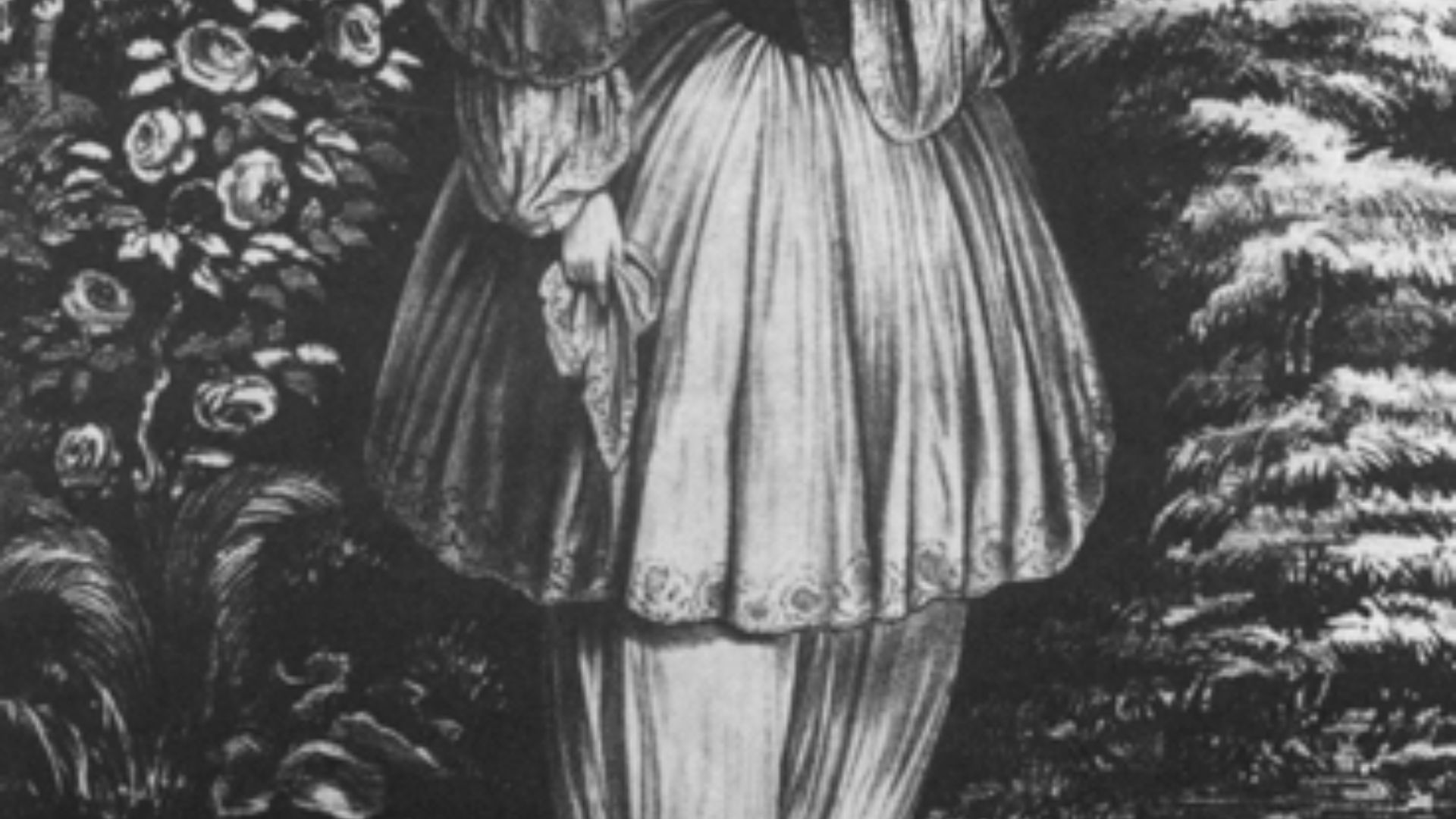 Unknown authorUnknown author on Wikimedia
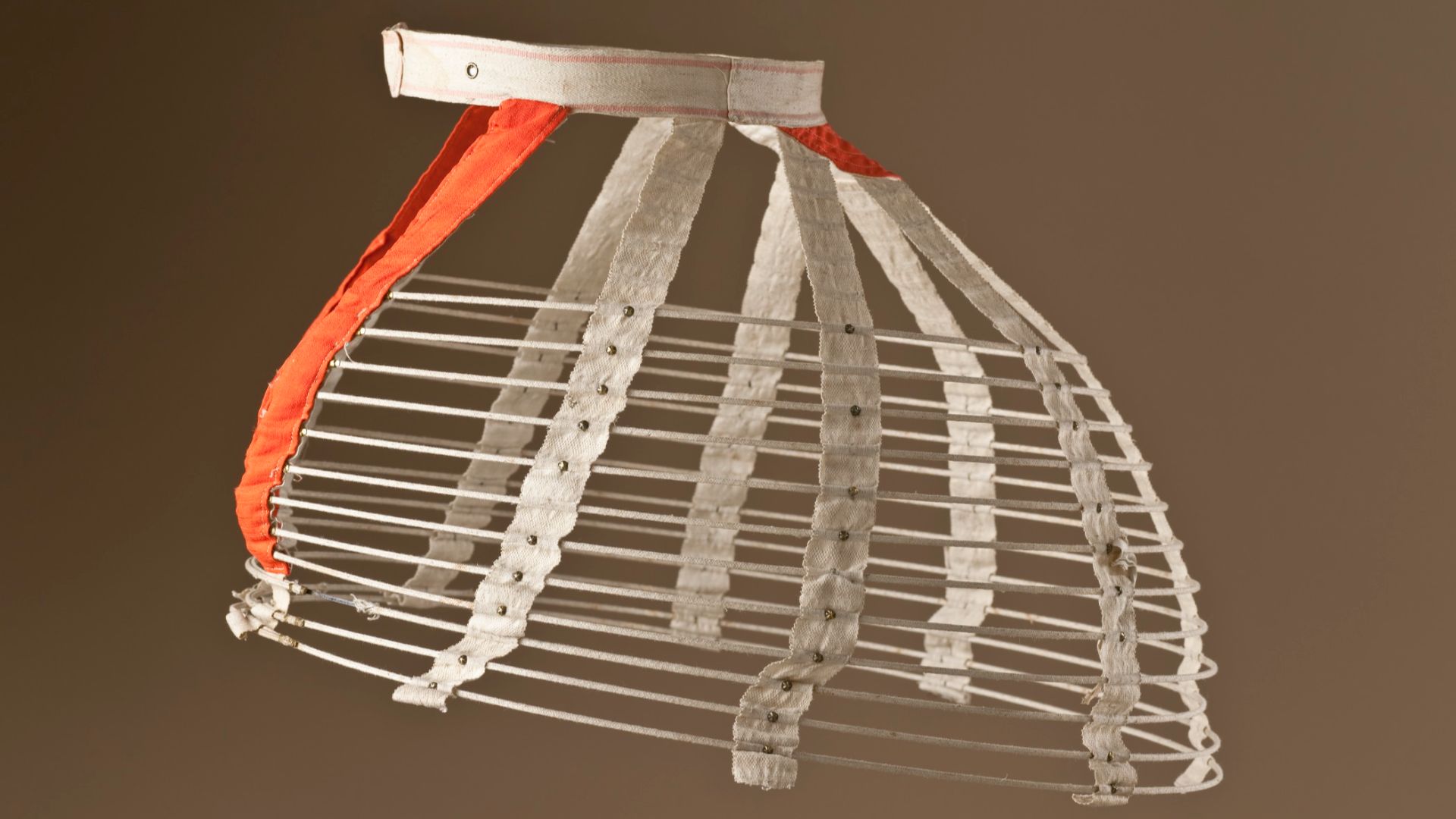
9. Cage Crinolines
Cage crinolines helped create the wide, bell-shaped skirts associated with mid-19th-century fashion. They replaced layers of heavy petticoats with a structured frame, giving dresses huge volume while making the waist appear smaller by contrast.
10. Bustles
Bustles shifted fashion’s volume from the full hip circumference to the back of the body. Popular in the late 19th century, they used pads or frames to project fabric behind the waist, often under elaborate draping, bows, fringe, and trim.
 Unknown authorUnknown author on Wikimedia
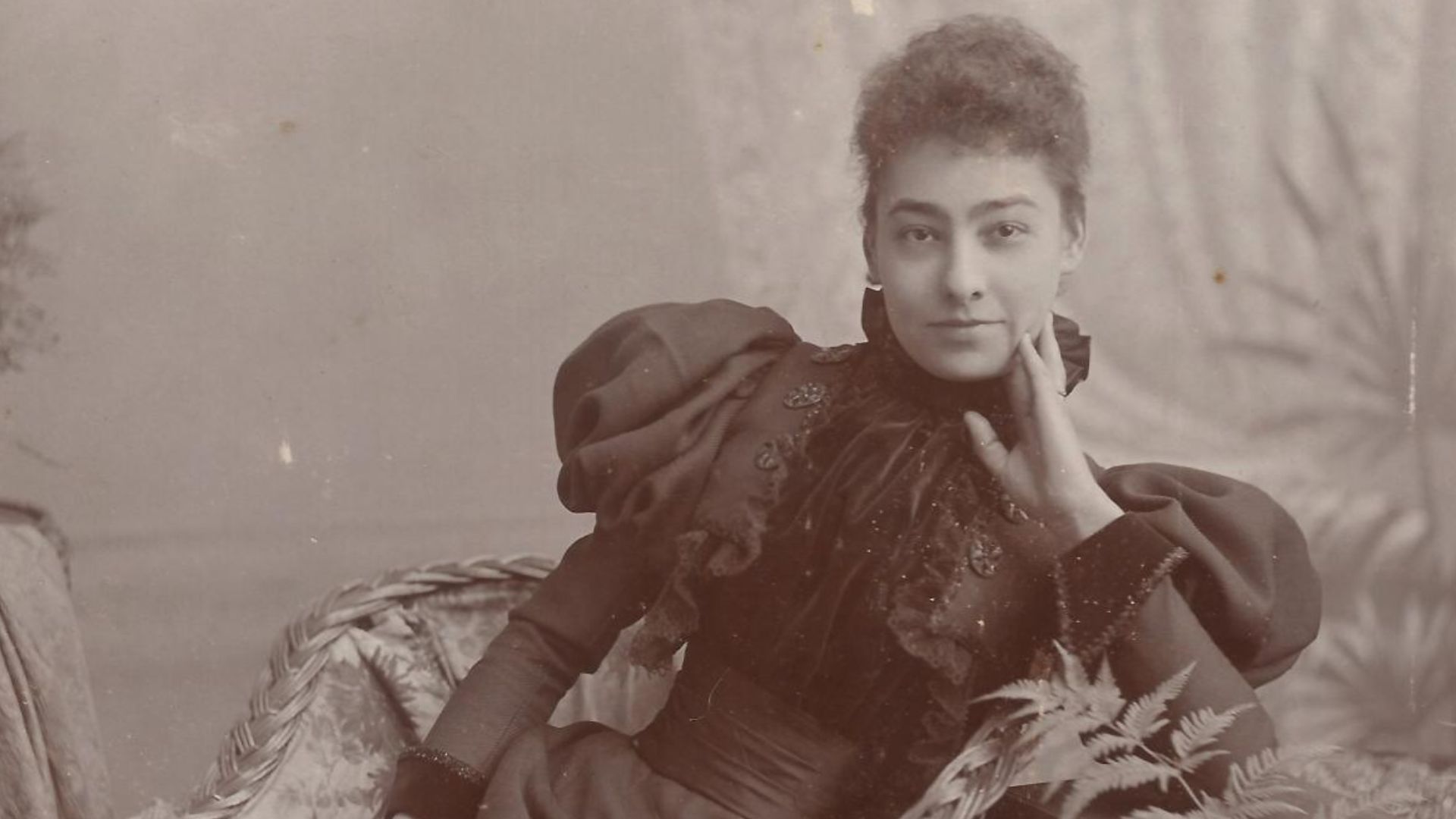
11. Leg-Of-Mutton Sleeves
Leg-of-mutton sleeves puffed dramatically at the upper arm before narrowing toward the wrist. Their 1890s comeback created a strong shoulder line that made even a simple bodice look bold, especially when paired with a tightly fitted waist.
 whatsthatpicture from Hanwell, London, UK on Wikimedia
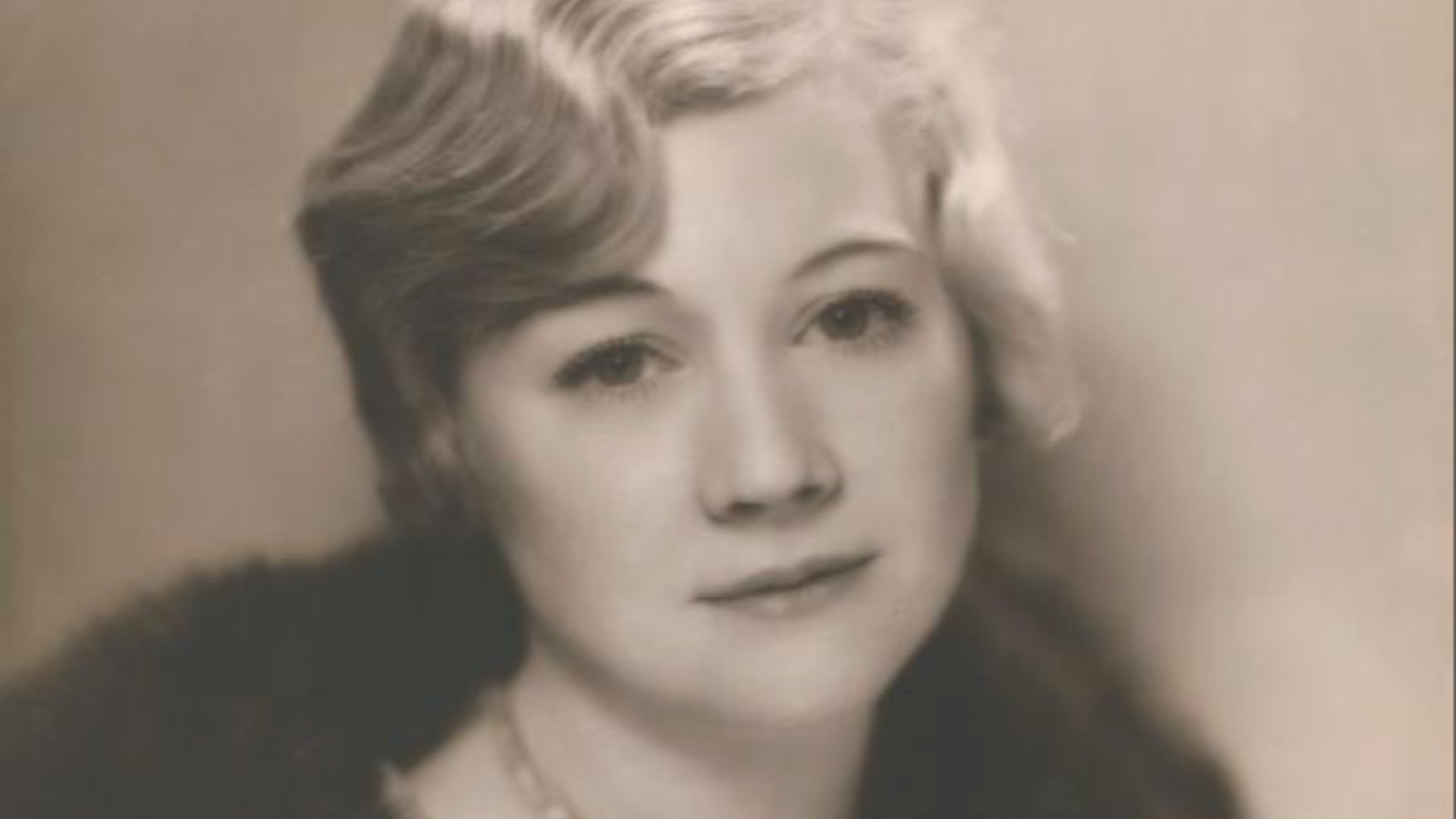
12. Bobbed Hair
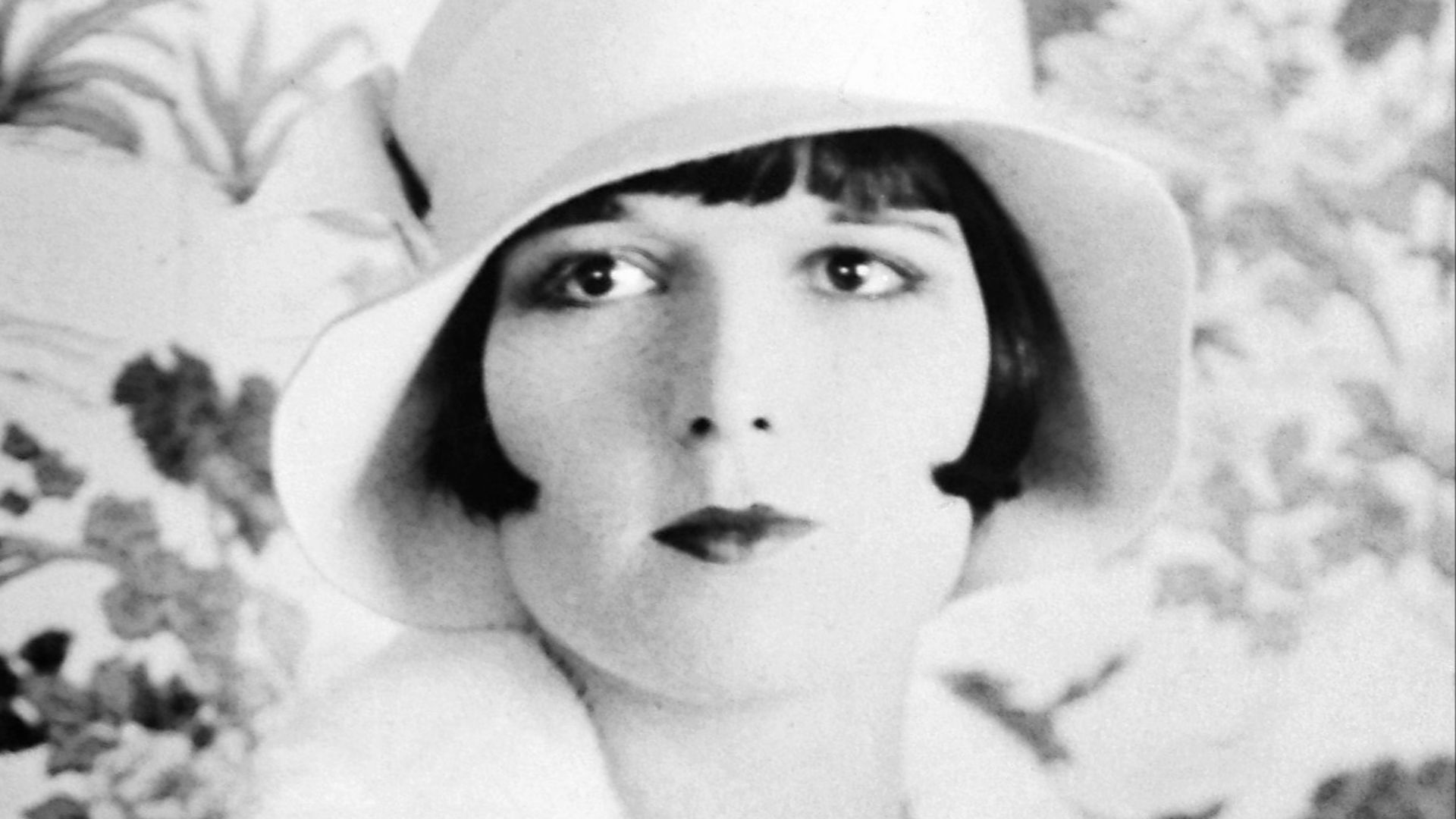
Bobbed hair became one of the clearest beauty breaks of the early 20th century. Short hair felt modern, practical, and daring, especially when long hair had been treated as such a firm marker of traditional femininity.
 unknown (White Studios, New York / Billy Rose Theatre Collection) on Wikimedia
13. Cloche Hats
Cloche hats worked beautifully with the bob because they sat low and close around the head. Their smooth, bell-like shape framed the face, skimmed the forehead, and gave 1920s style that sleek, slightly mysterious finish.
 Bain News Service on Wikimedia
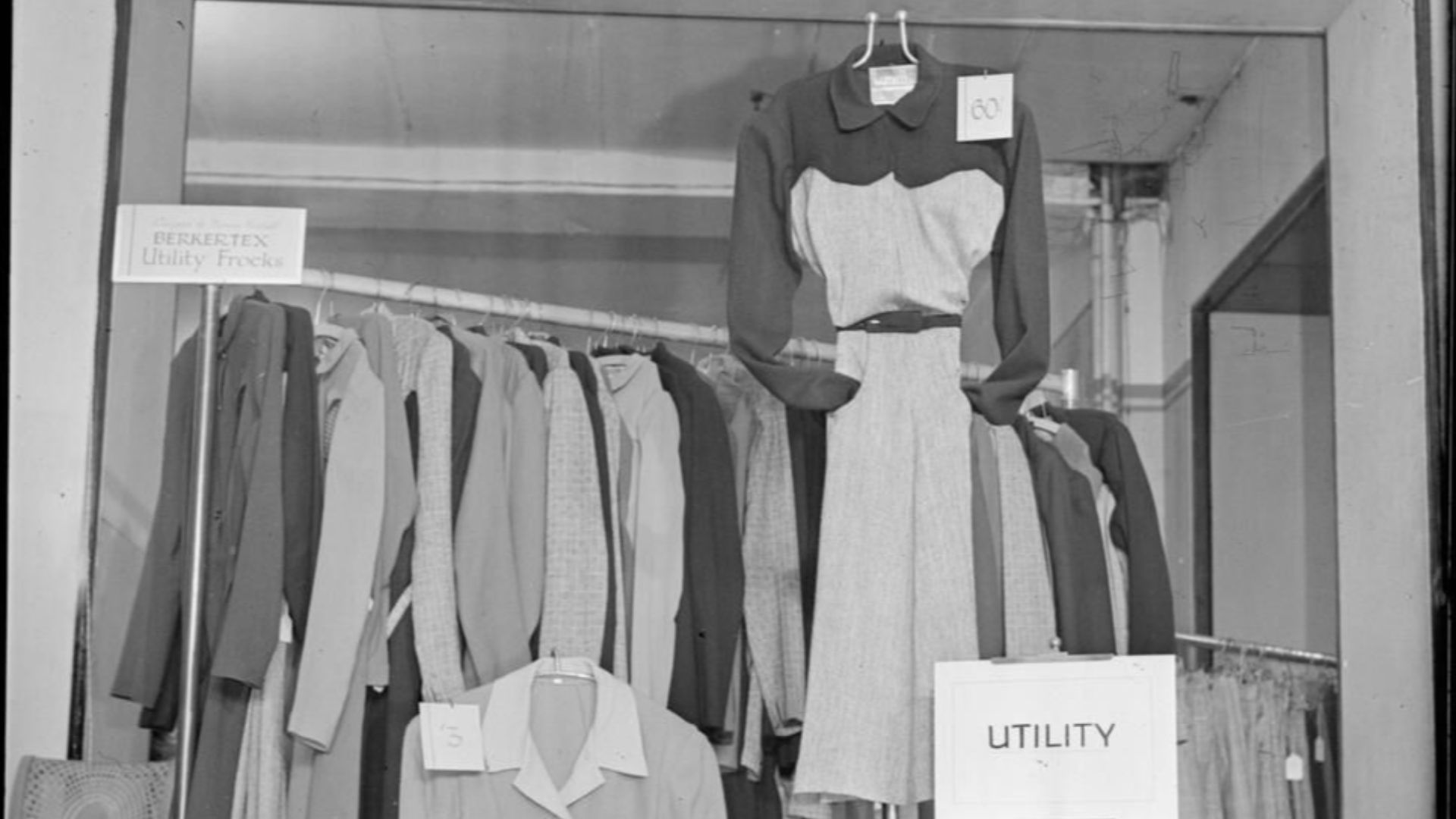
14. Utility Clothing
Utility clothing grew out of wartime limits, when garments had to be made with careful consideration. The result was simpler clothing with cleaner lines, but people still made it stylish through sharp tailoring, tidy shoulders, practical shoes, and carefully chosen accessories.
 Ministry of Information Photo Division Photographer on Wikimedia
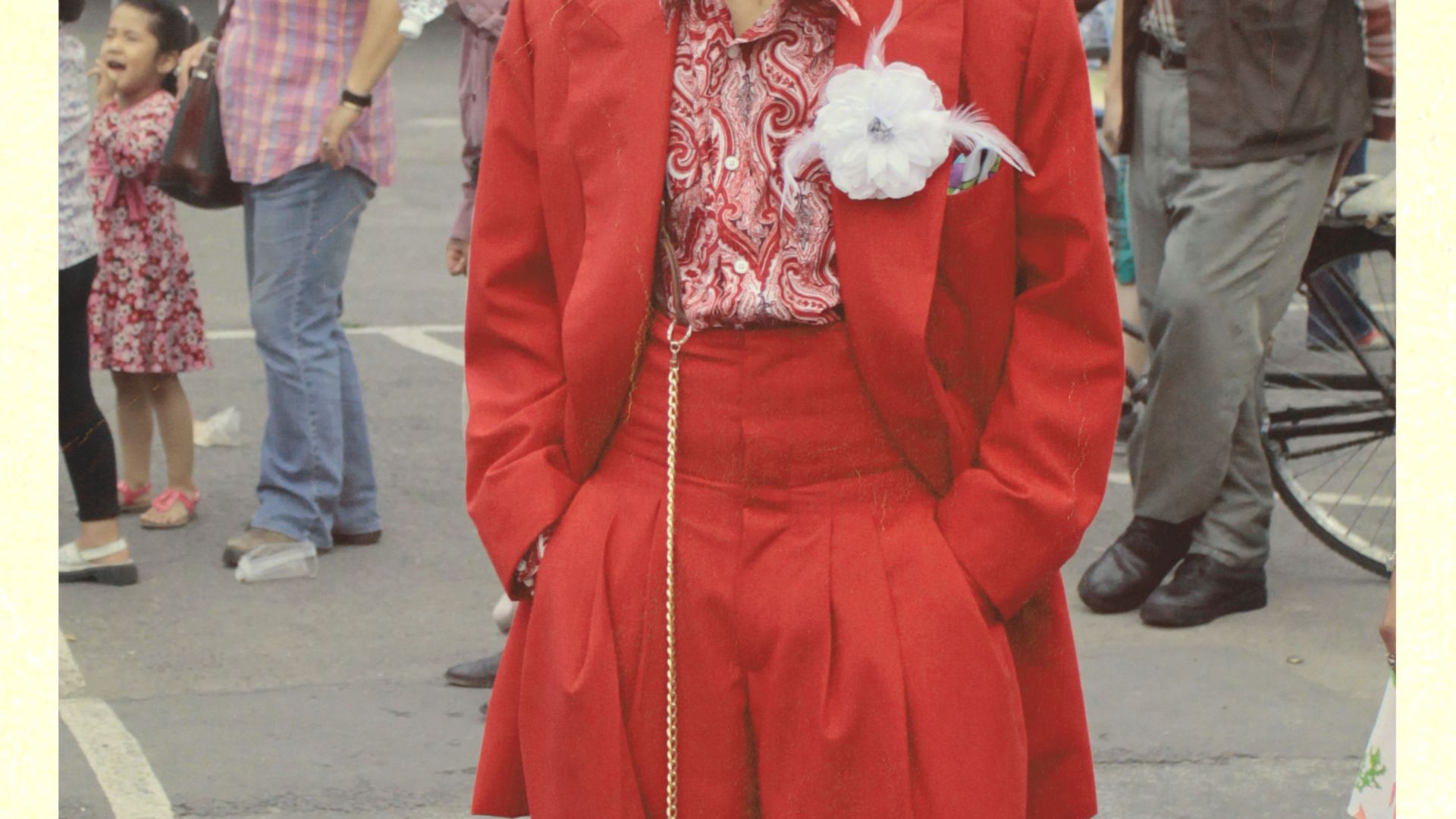
15. Zoot Suits
The zoot suit was built to stand out, consisting of a long jacket, broad shoulders, high-waisted trousers, and wide legs that narrowed near the ankle. It became tied to youth culture, identity, and public controversy in the 1930s and 1940s, especially during wartime debates over fabric use and respectability.
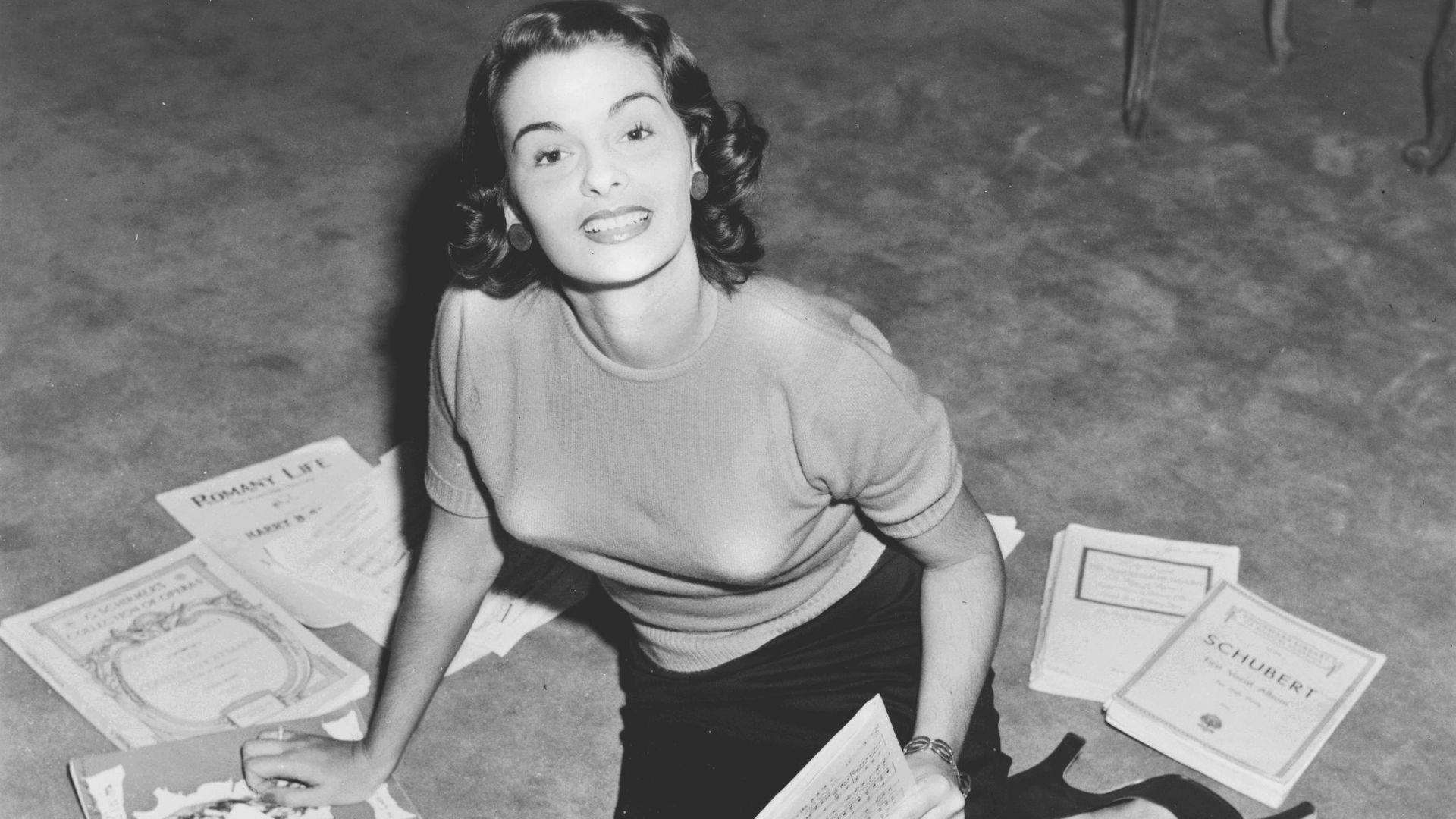
16. Bullet Bras
Bullet bras shaped the midcentury bust into a pointed, projected silhouette. Their structured cups worked under sweaters, fitted dresses, and pinup-style clothing, giving the upper body that unmistakable 1940s and 1950s profile.
 New York World-Telegram and the Sun staff photographer: DeMarsico, Dick, photographer. on Wikimedia
17. Poodle Skirts
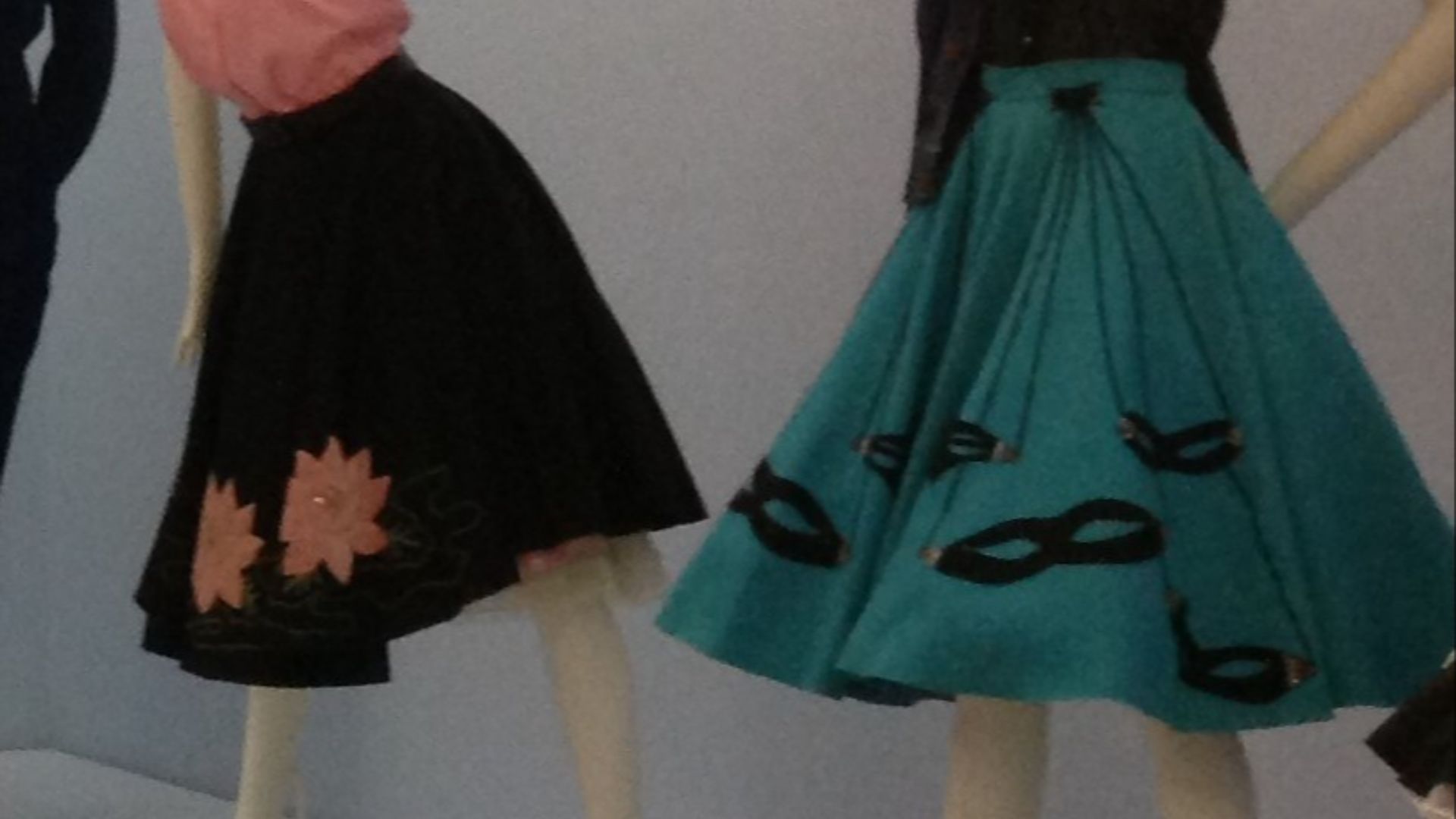
Poodle skirts were full felt circle skirts decorated with appliqués, and despite the name, the design didn’t always feature a poodle. By the 1950s, they had become strongly linked with teen fashion and playful personal style.
18. Space-Age Fashion
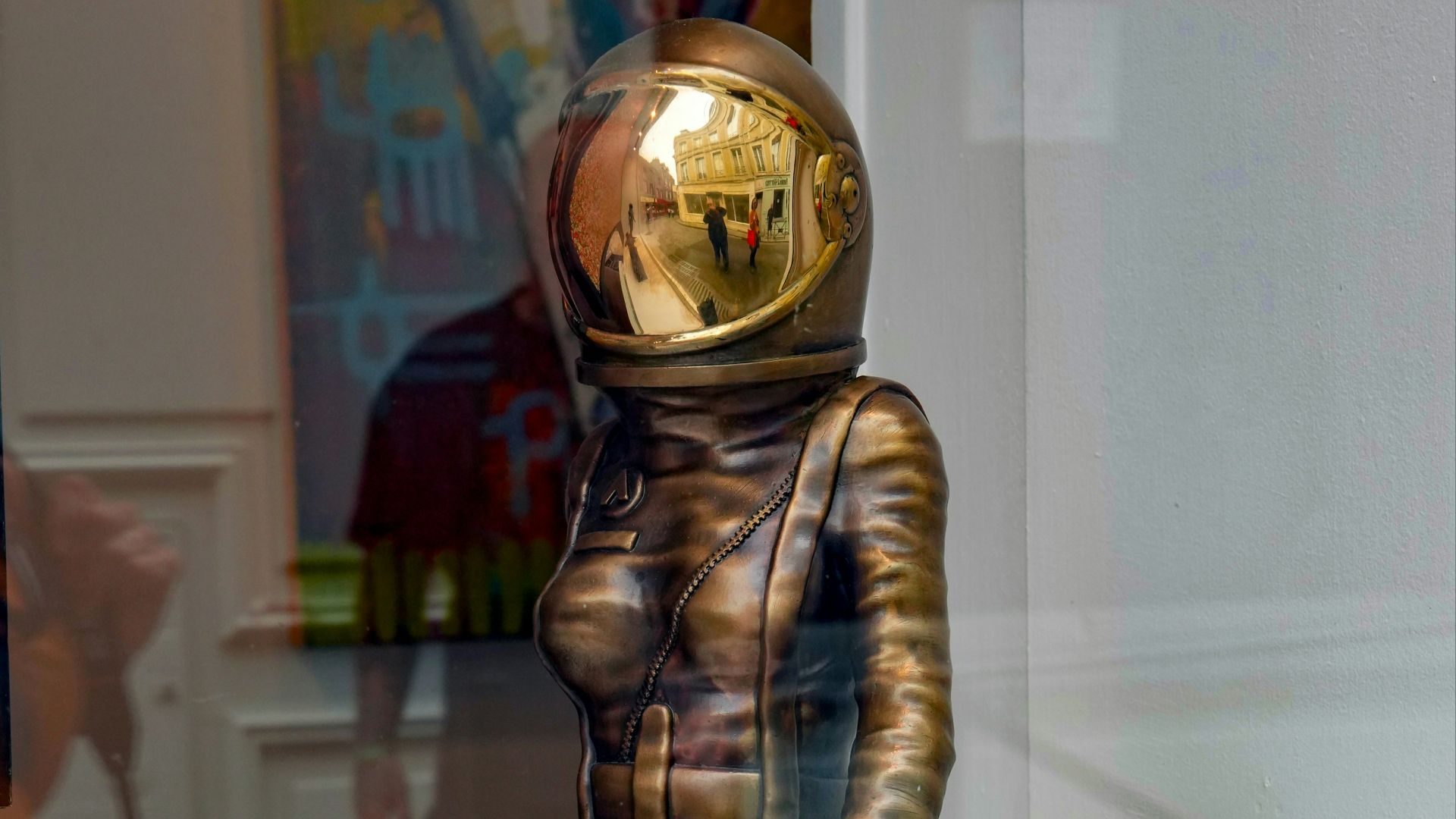
Space-age fashion gave the 1960s a glossy version of the future. Clean shapes, white and silver palettes, plastic, metal, synthetics, and geometric cuts made clothing look ready for rockets, moon landings, and very stylish science fiction.
19. Hot Pants
Hot pants pushed short shorts into the fashion spotlight in the early 1970s. Worn with boots, tights, belts, or matching jackets, they fit the era’s appetite for bold, leggy looks, even as people argued about where they did and didn’t belong.
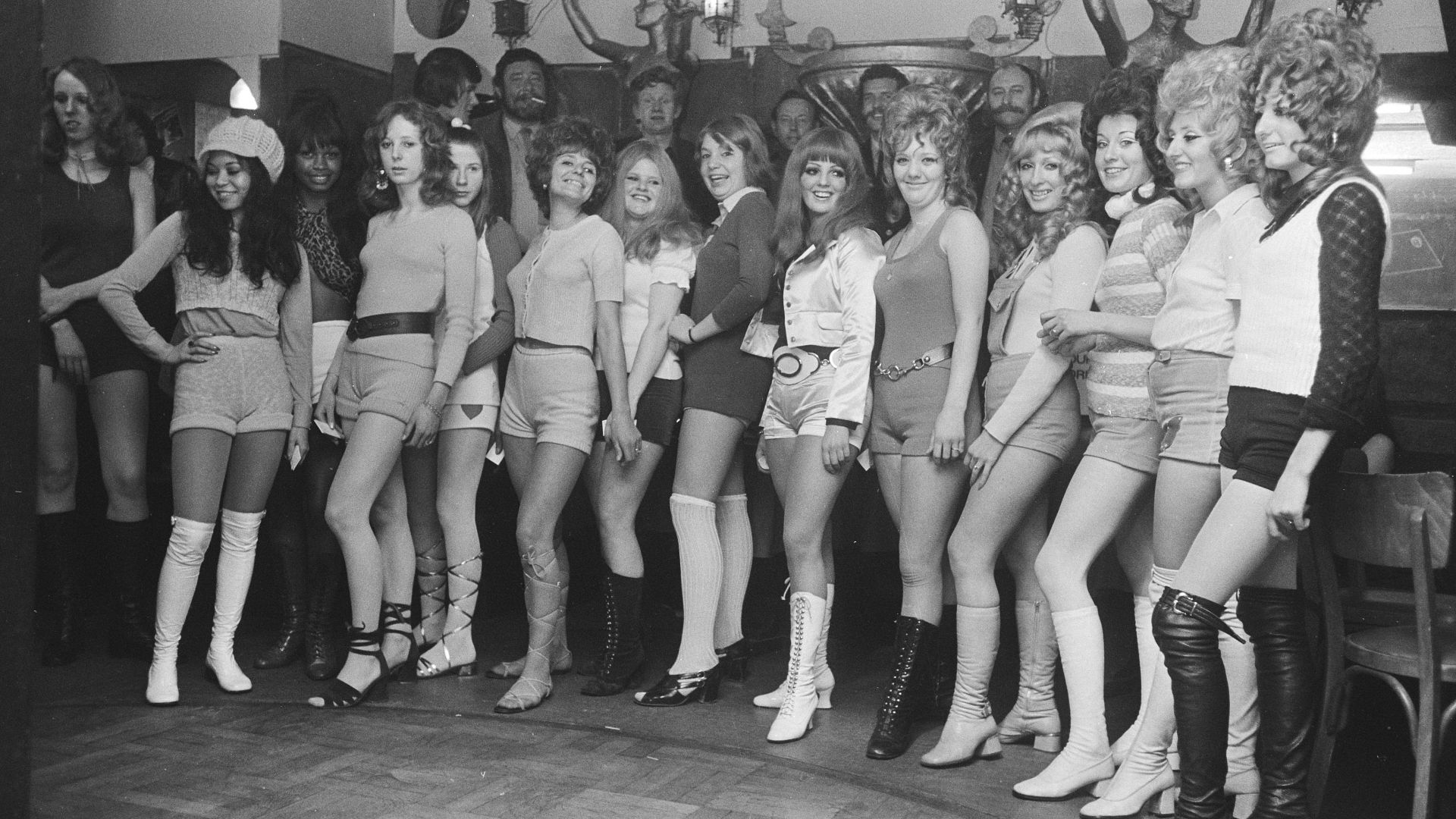 Bert Verhoeff / Anefo on Wikimedia
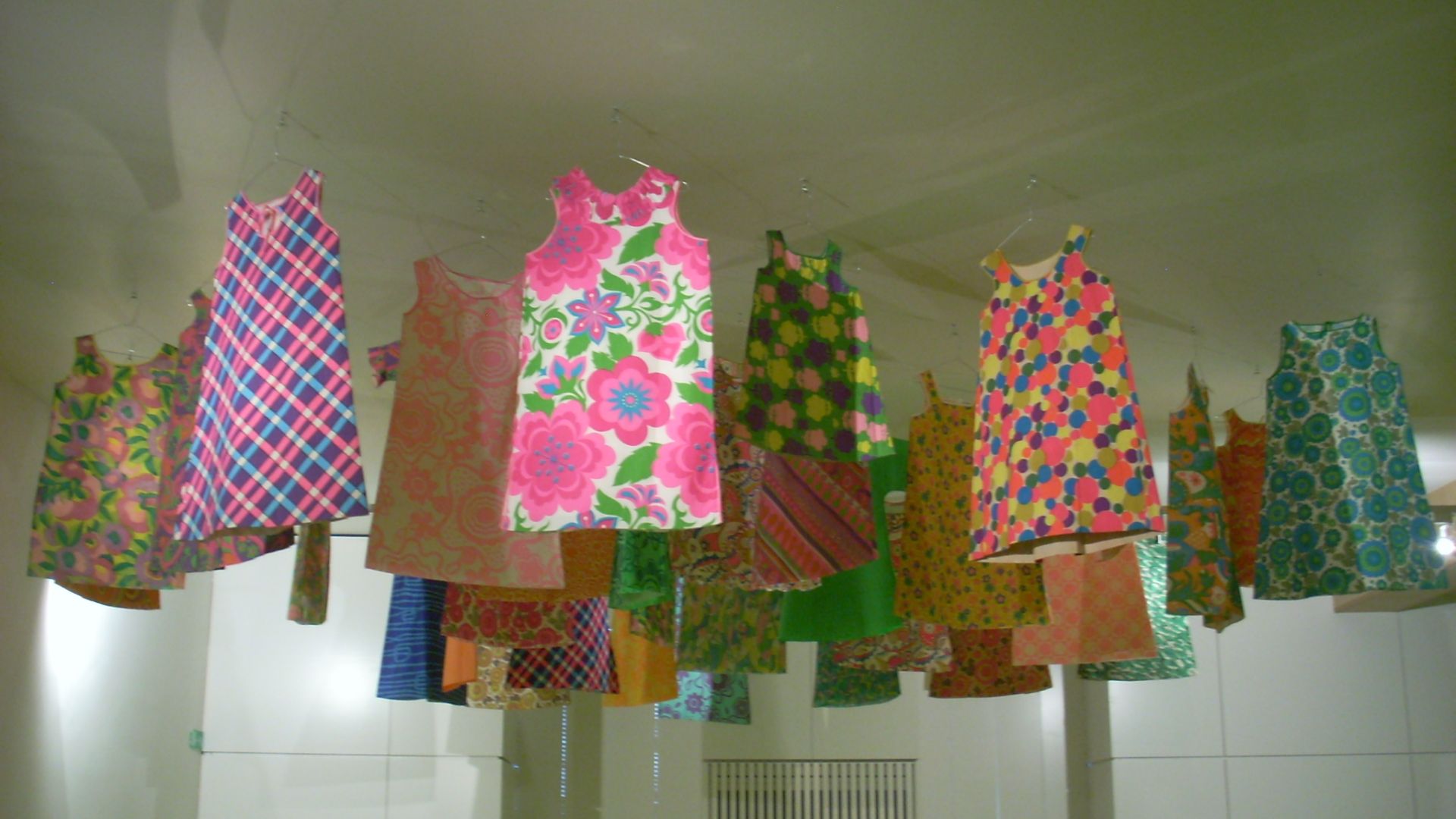
20. Paper Dresses
Paper dresses were a wonderfully strange 1960s craze, though many were made from paper-like nonwoven materials rather than ordinary paper. Cheap, graphic, disposable, and often printed with bold designs, they turned fashion into a novelty object before practicality caught up with the fun. The trend fit the decade’s love of Pop Art graphics, advertising gimmicks, and throwaway novelty.