
Greasy Locks
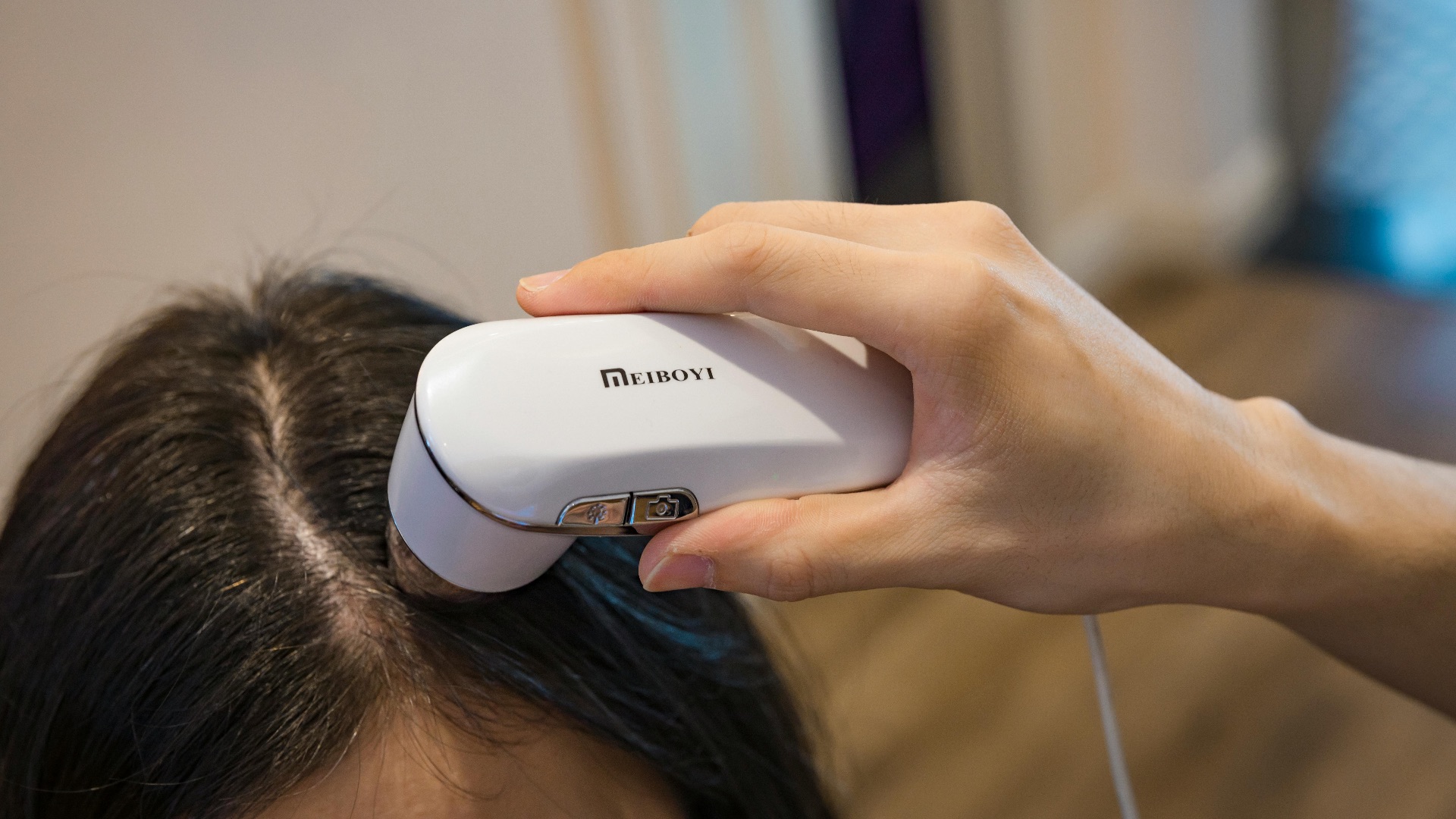
If your roots get greasy faster than you’d like, you’re definitely not alone, but (thankfully) it’s not always about being dirty. Excess oil usually comes down to how much sebum your scalp naturally produces, how that moves through your hair, and the habits or products that either help balance things out or unintentionally make it worse. Wondering why your locks always look less than nice? Here are 10 common reasons, along with 10 tips to keep your scalp fresh.

1. Your Scalp Naturally Produces More Sebum
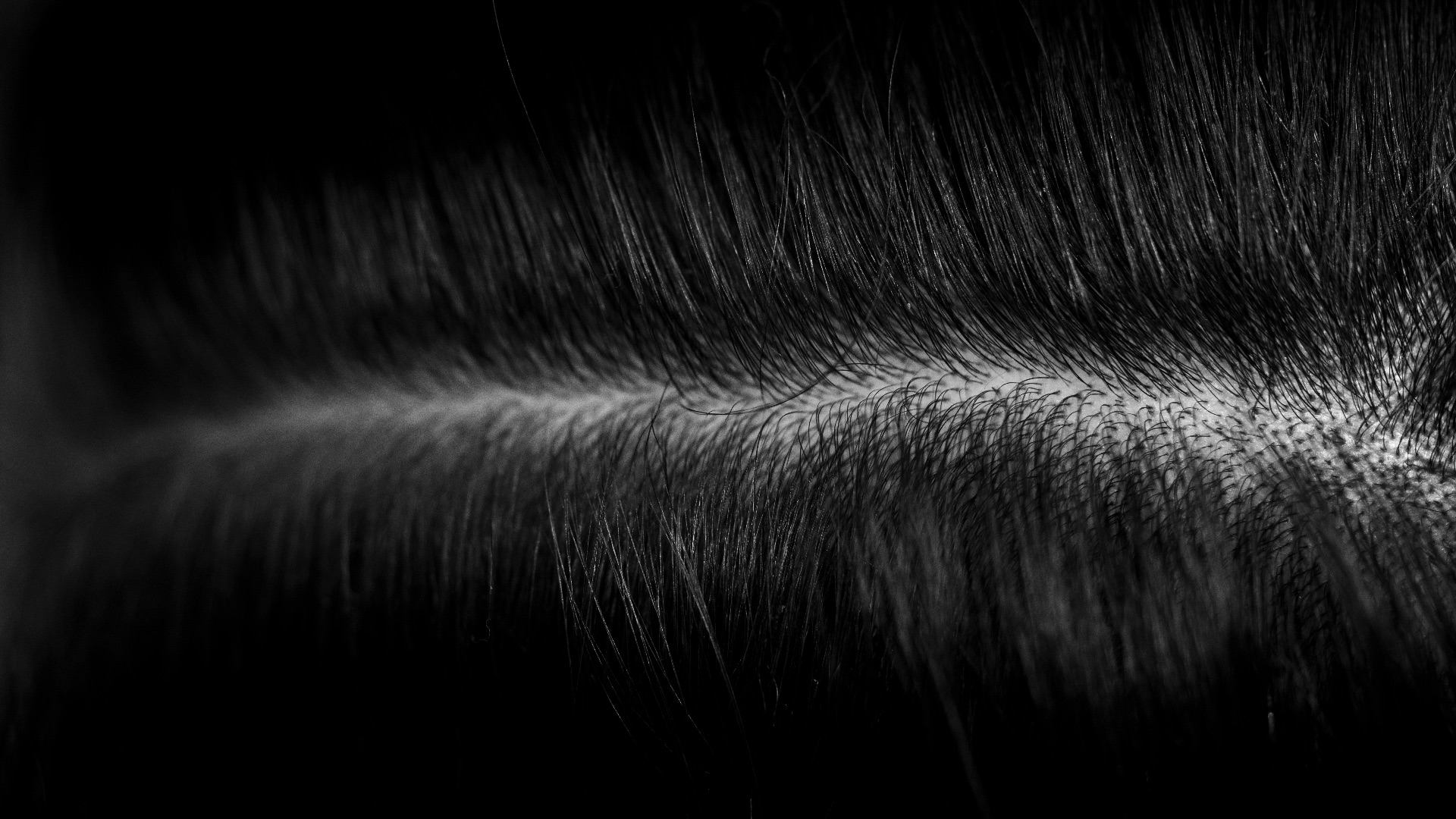
Some scalps simply make more oil, and that baseline matters more than most people realize. Genetics can influence how active your sebaceous glands are and how quickly oil builds at the roots. If your hair gets greasy within hours, it may be your normal starting point rather than a sign you’re doing something wrong.
2. You’re Washing Too Frequently
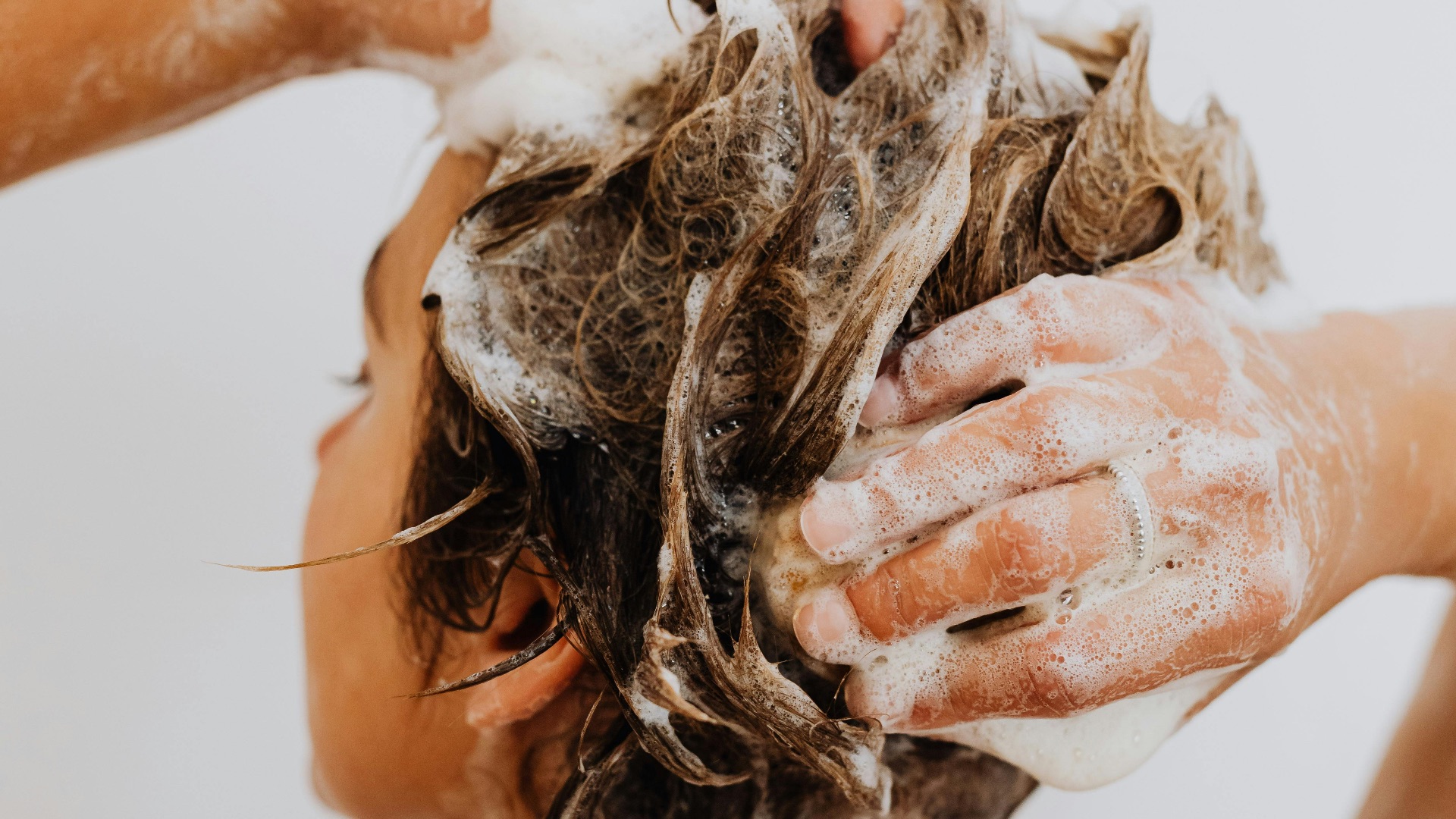
Overwashing can strip your scalp, which may trigger it to produce more oil to compensate. That rebound effect can make your roots feel greasy sooner, even though you’re shampooing often. If you’re cleansing daily with strong formulas, you could be caught in a cycle that’s hard to break.
3. Your Shampoo Is Too Heavy for Your Hair Type
Rich shampoos can leave behind conditioning agents that weigh down fine or low-density hair. When hair lies flatter, oil spreads more easily and becomes noticeable faster. Using a formula that’s mismatched to your texture can make clean hair look dull or slick quickly.
4. You’re Applying Conditioner Too Close to the Roots
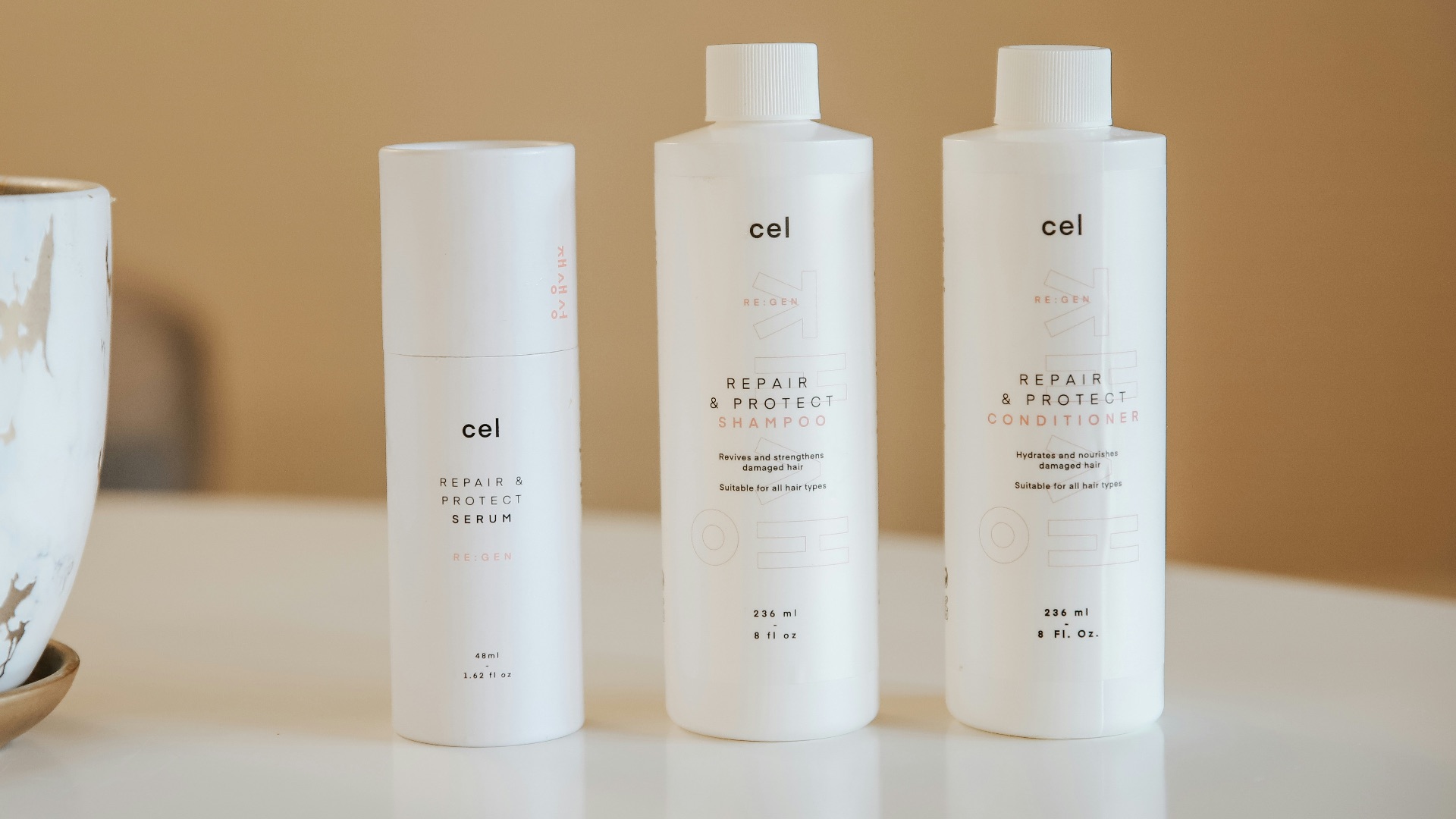
Conditioner is meant for mid-lengths and ends, not the scalp. When it’s placed near the roots, it can cling to the hair shaft and create a coated, oily look. Even lightweight conditioners can cause buildup if they’re applied too high up.
5. Product Buildup Is Sticking Around
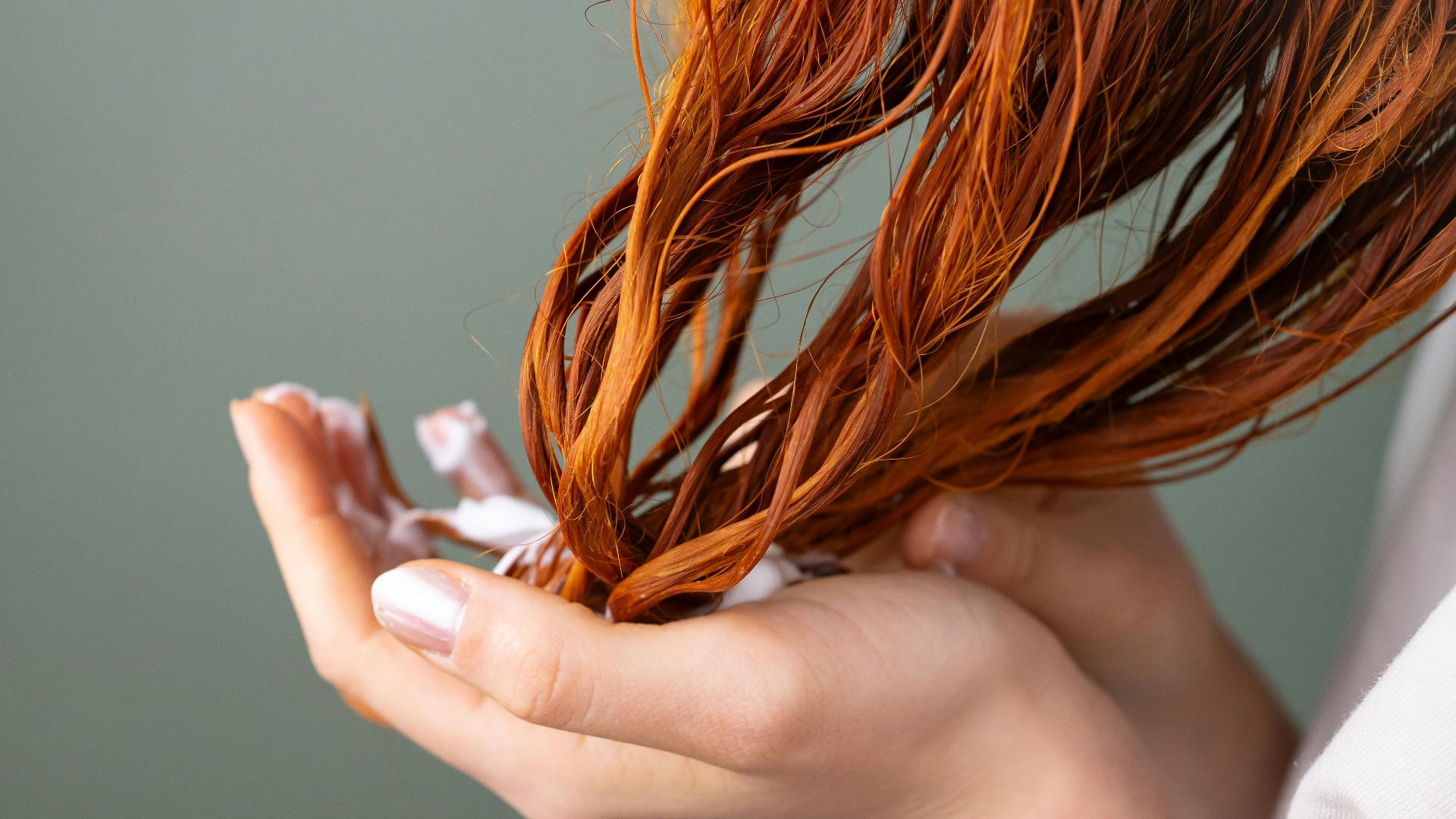
Styling creams, oils, serums, and even dry shampoo can accumulate over time. That residue traps sebum and makes hair look greasy even right after washing. If your hair feels coated or looks flat no matter what you do, buildup may be the issue.
6. You’re Not Rinsing Thoroughly
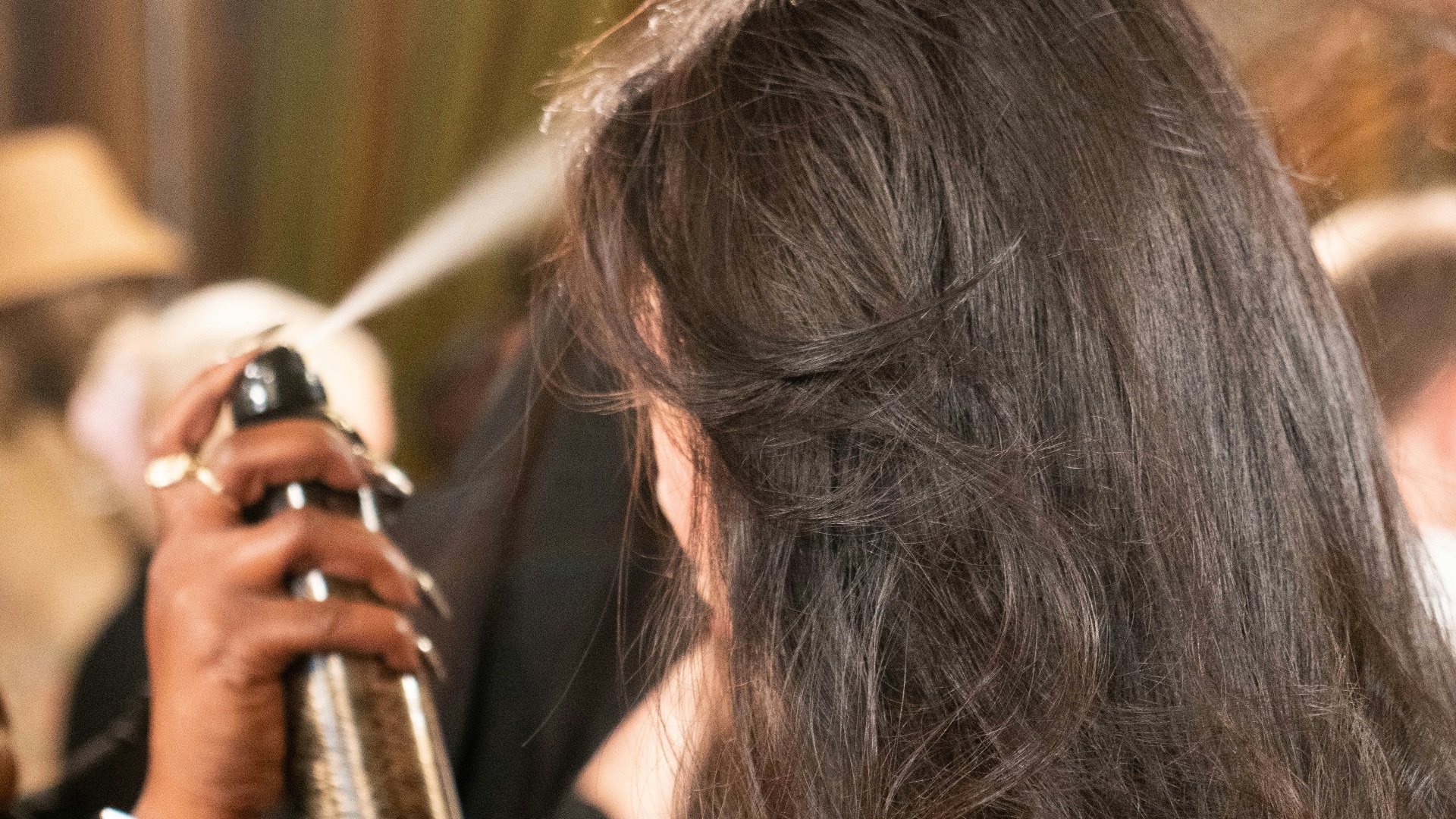
A quick rinse often isn’t enough to remove shampoo, conditioner, and styling residue completely. Leftover product can mix with oil and make the roots look shiny and limp. This is especially common when you’re rushing or washing in cool water.
7. You Touch Your Hair More Than You Think
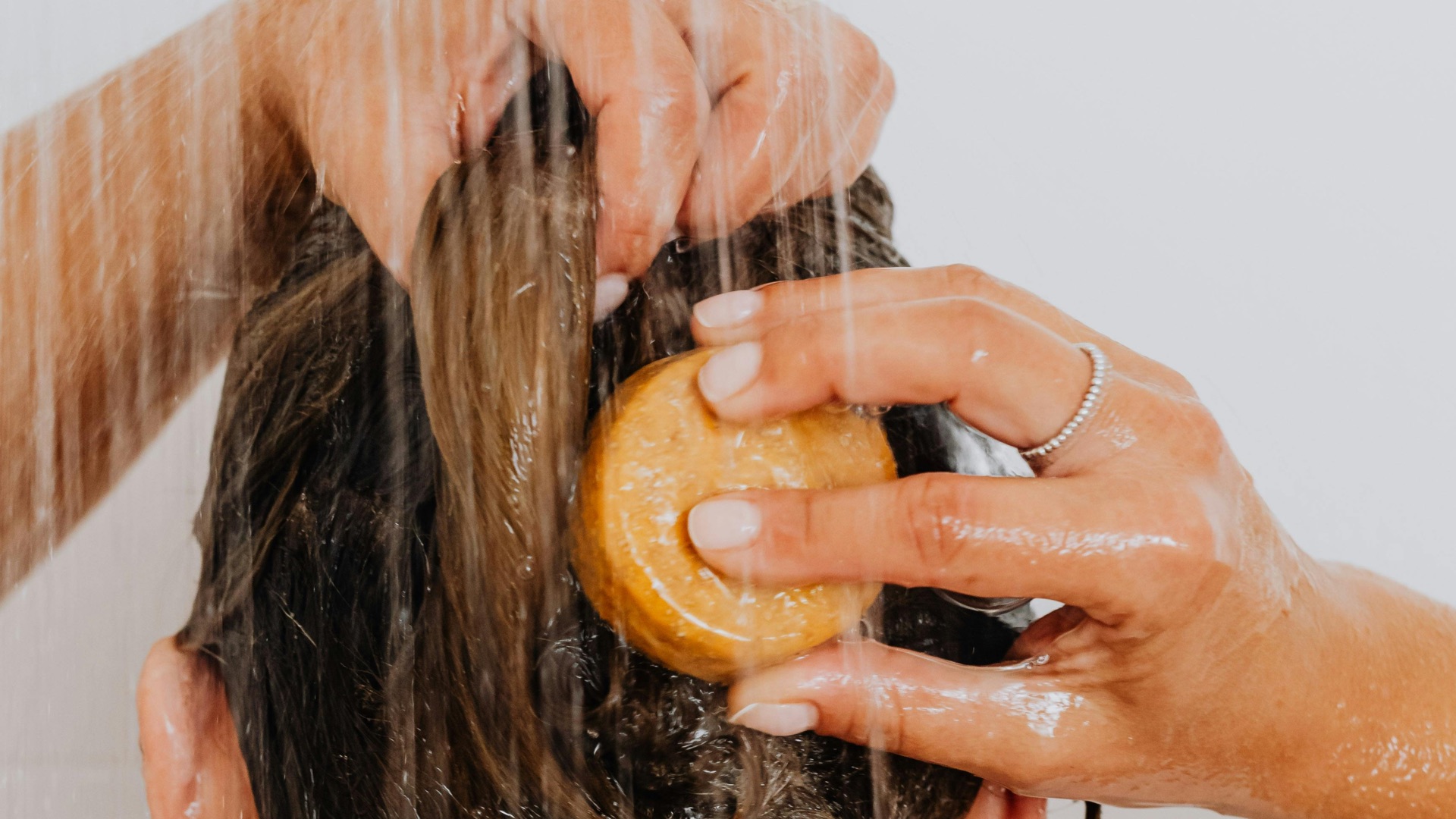
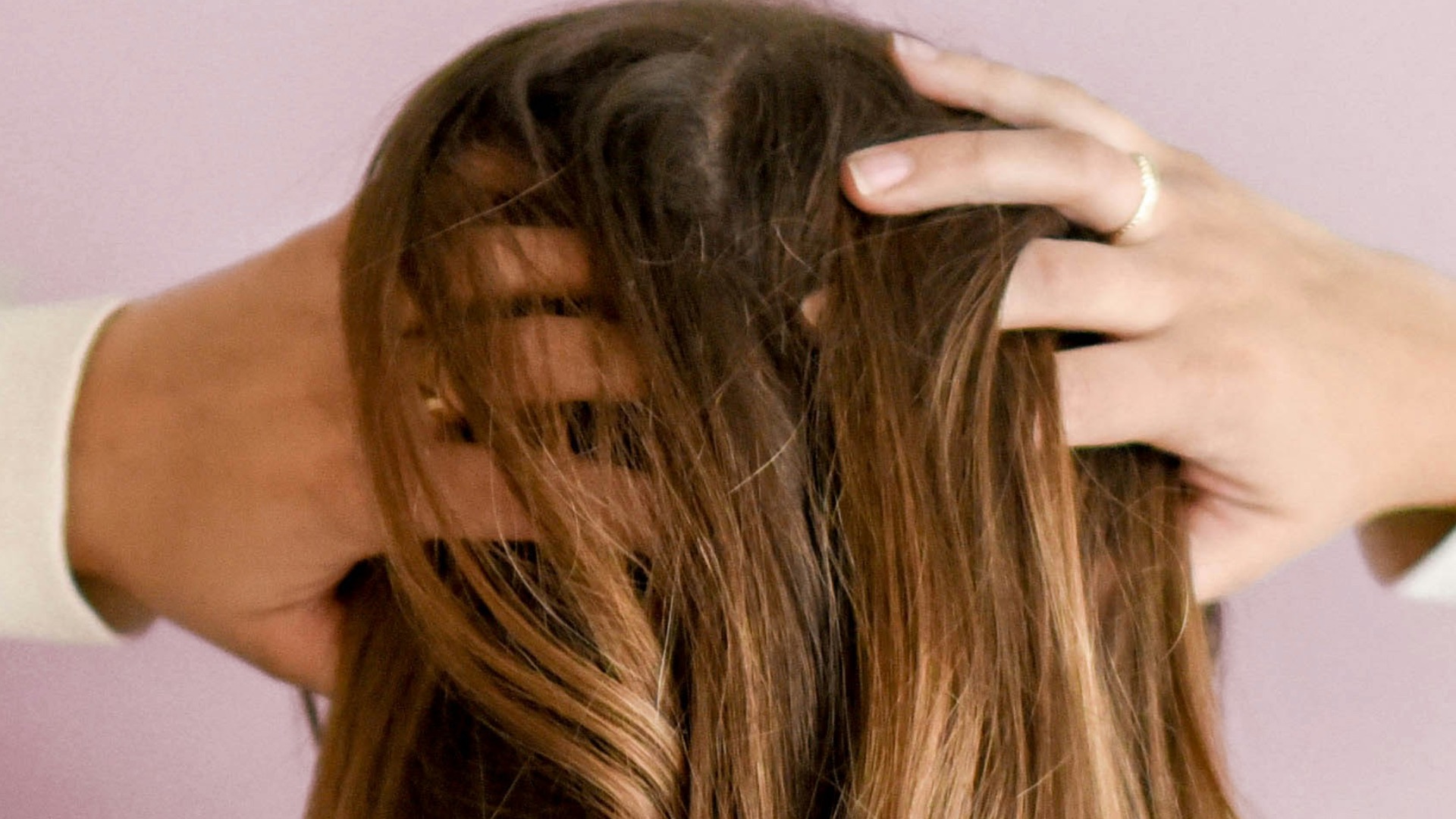
Your hands carry natural oils and whatever else you’ve touched throughout the day. Running fingers through your hair, adjusting your part, or smoothing flyaways transfers that oil onto strands. The more you handle your hair, the quicker it can look greasy.
8. Your Brush Might Be Redistributing Oil
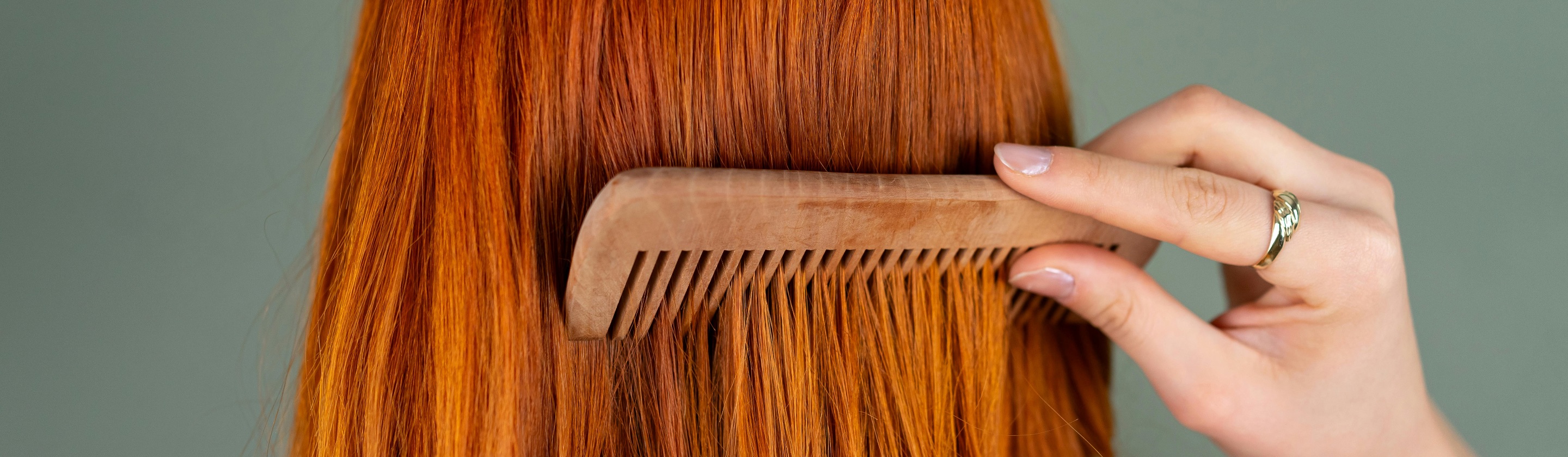
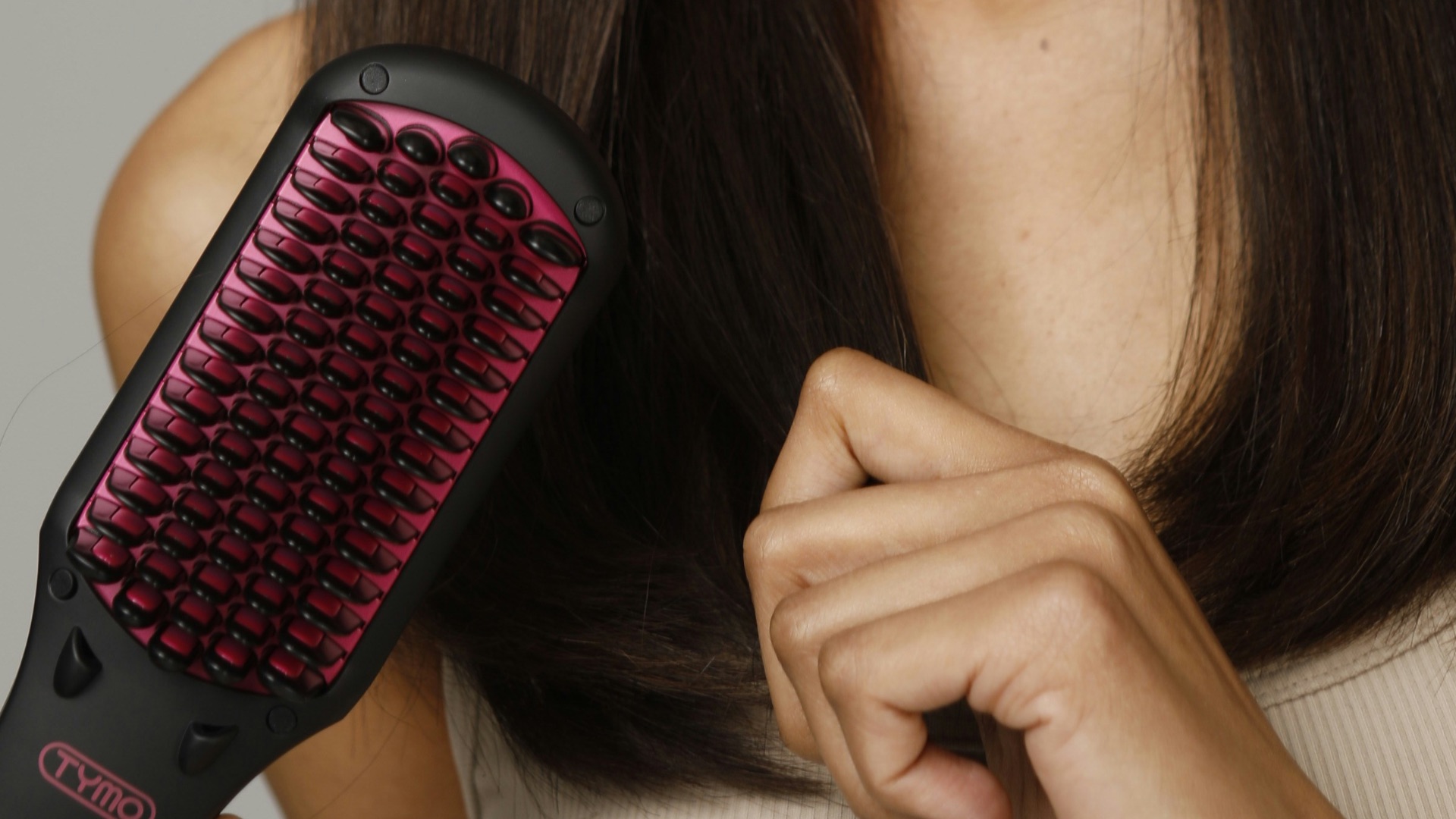
Brushing pulls sebum from the scalp down the hair shaft, which can make lengths look oily sooner. If you brush frequently, you’re essentially spreading oil across more surface area. A brush that isn’t cleaned regularly can also deposit old residue back onto clean hair.
9. Your Scalp Is Irritated or Out of Balance
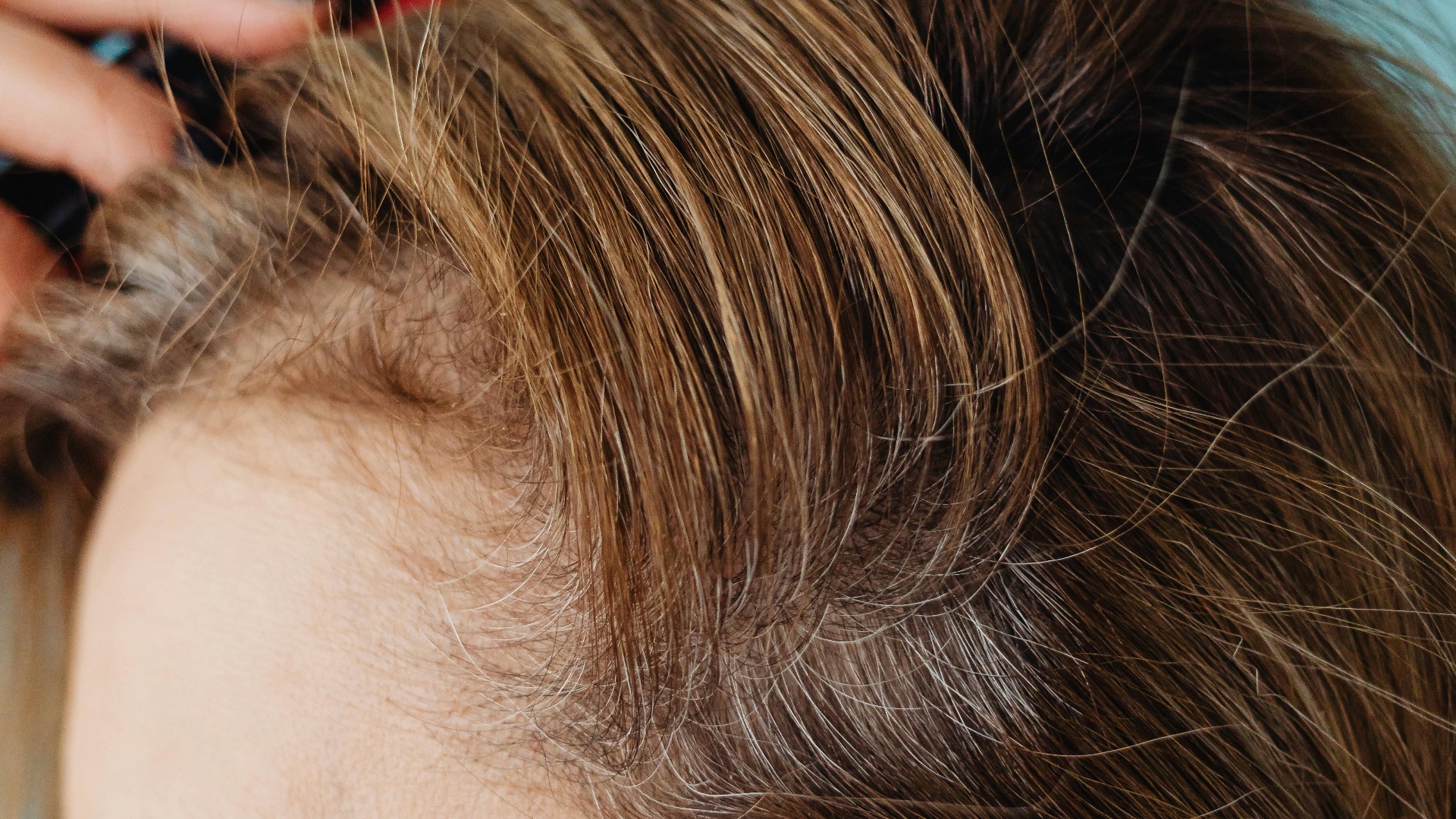
An itchy, flaky, or inflamed scalp can sometimes overproduce oil as part of a stress response. Conditions like dandruff or sensitivity to fragrances can contribute to that imbalance. When the scalp barrier isn’t happy, oil control often becomes harder.
10. Hormones, Stress, or Lifestyle Shifts Are Playing a Role
Hormonal changes can influence oil production, especially around puberty, menstrual cycles, pregnancy, or changes in birth control. High stress and poor sleep can also affect how your skin behaves, including your scalp. If greasiness showed up suddenly, a recent lifestyle shift might be a clue.
So, how can you ensure your locks stay fresh and clean? Here are 10 helpful tips to follow:

1. Wash on a Smarter Schedule
Try extending the time between washes gradually instead of making a big jump overnight. This helps your scalp adjust without leaving you feeling uncomfortable. If you currently wash daily, moving to every other day can be a realistic first step.

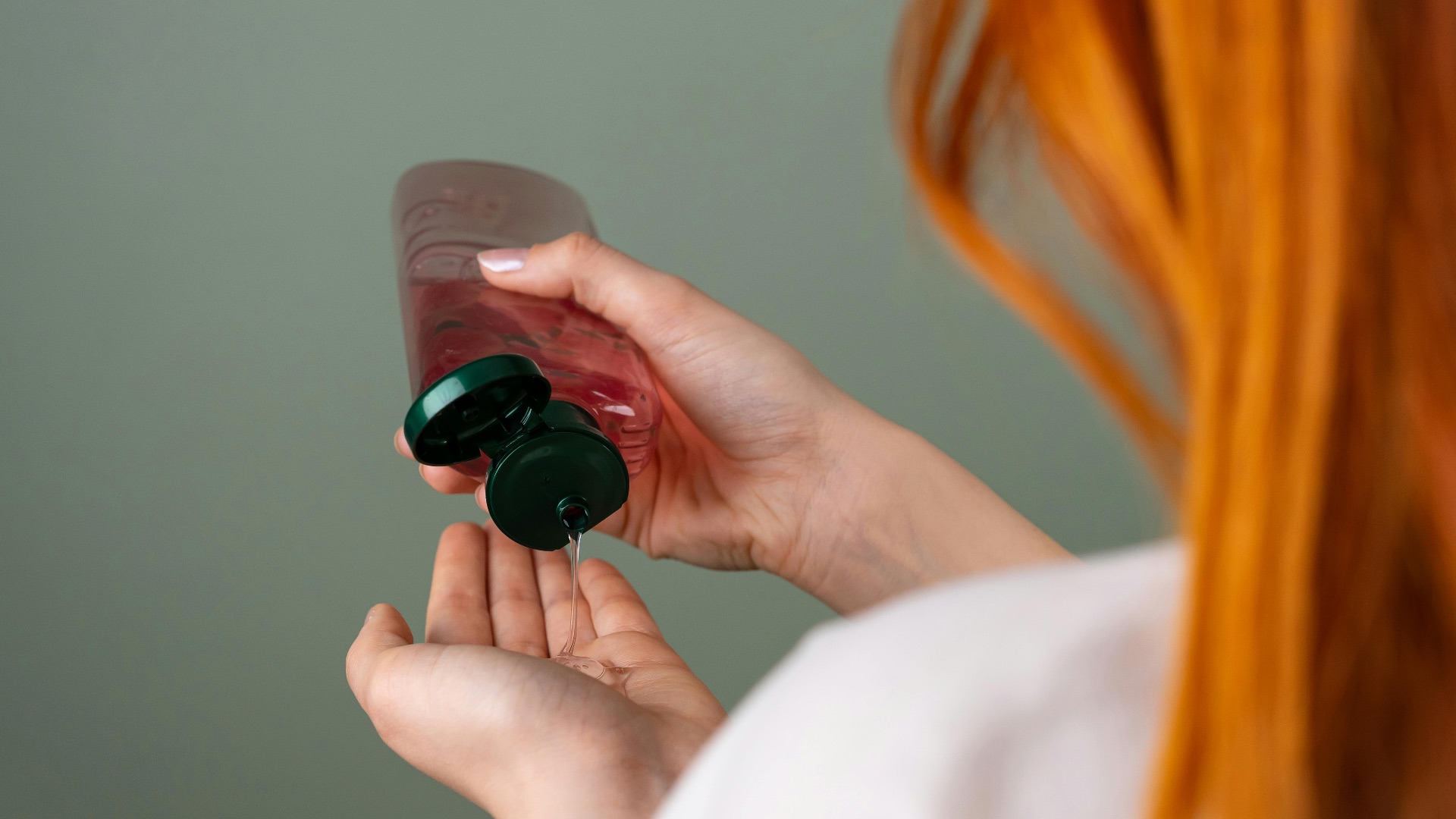
2. Choose a Lightweight, Balancing Shampoo
Look for formulas labeled clarifying, volumizing, or balancing if oil is your main concern. These tend to rinse cleaner and won’t leave as much residue behind. If your hair is fine, a lighter shampoo can make a noticeable difference in how long it stays fresh.
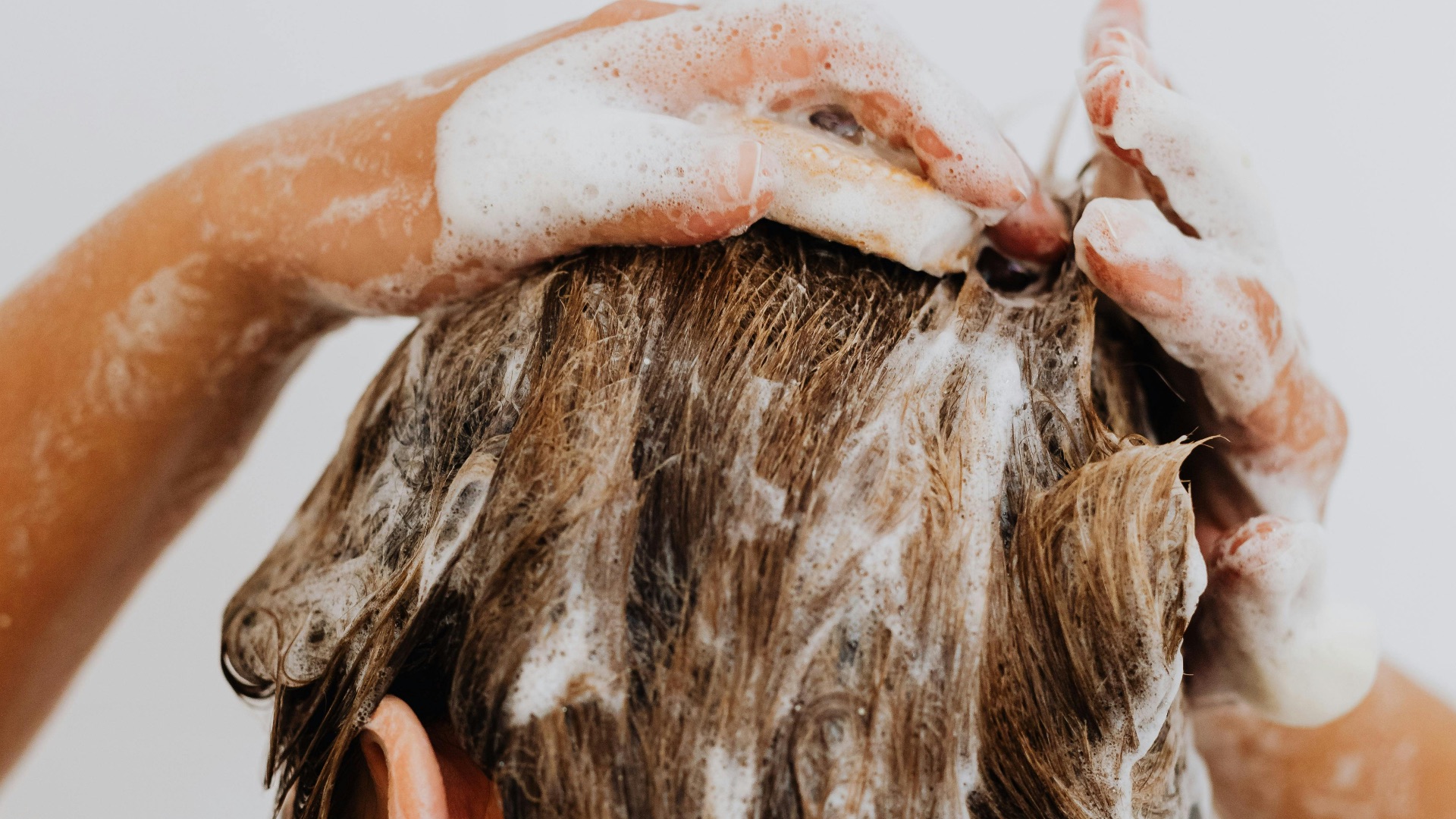
3. Focus Shampoo on Your Scalp and Roots
You don’t need to scrub your lengths the same way you scrub your scalp. Concentrate the cleanser where oil is produced, then let the suds rinse through the ends. This keeps your hair from feeling overly dry while still tackling greasy roots.
4. Condition Only Where You Actually Need It
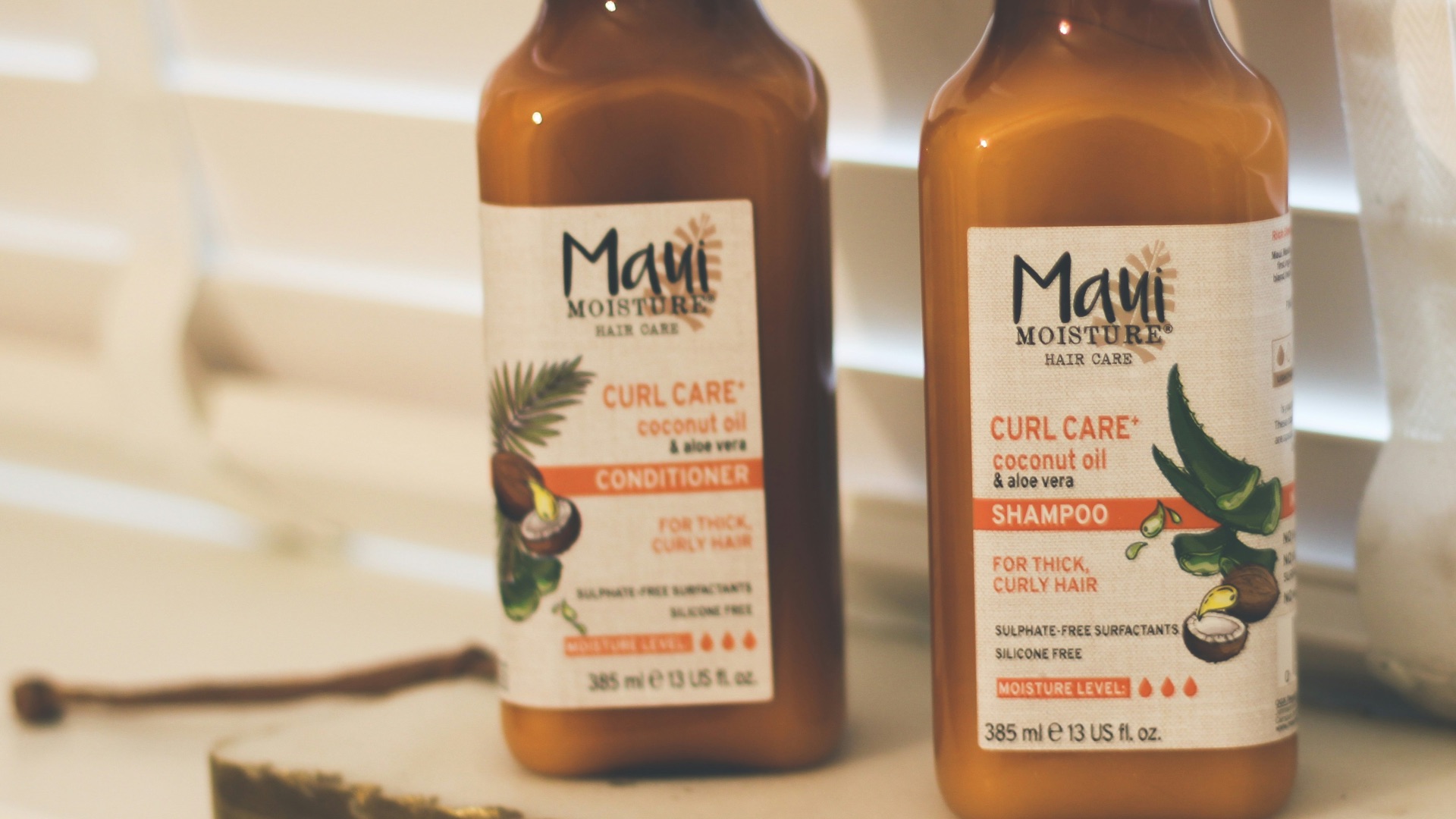
Apply conditioner from mid-length to ends, and keep it away from the scalp unless a professional told you otherwise. Use less product than you think you need, then add a tiny bit more only if the ends still feel rough. This small change can help hair look cleaner for longer.
5. Rinse Longer Than You Think Is Necessary
Give yourself an extra 30 to 60 seconds to rinse thoroughly, especially at the crown and behind the ears. Product tends to cling in those spots and causes that greasy, flat look. A thorough rinse is one of the easiest fixes that costs nothing.

6. Add a Weekly Clarifying Wash
Use a clarifying shampoo once a week or every two weeks to reset buildup. This can help remove residue from styling products, hard water minerals, and dry shampoo. Follow it with conditioner on the ends so your hair still feels soft.
7. Clean Your Brushes and Hair Tools Regularly
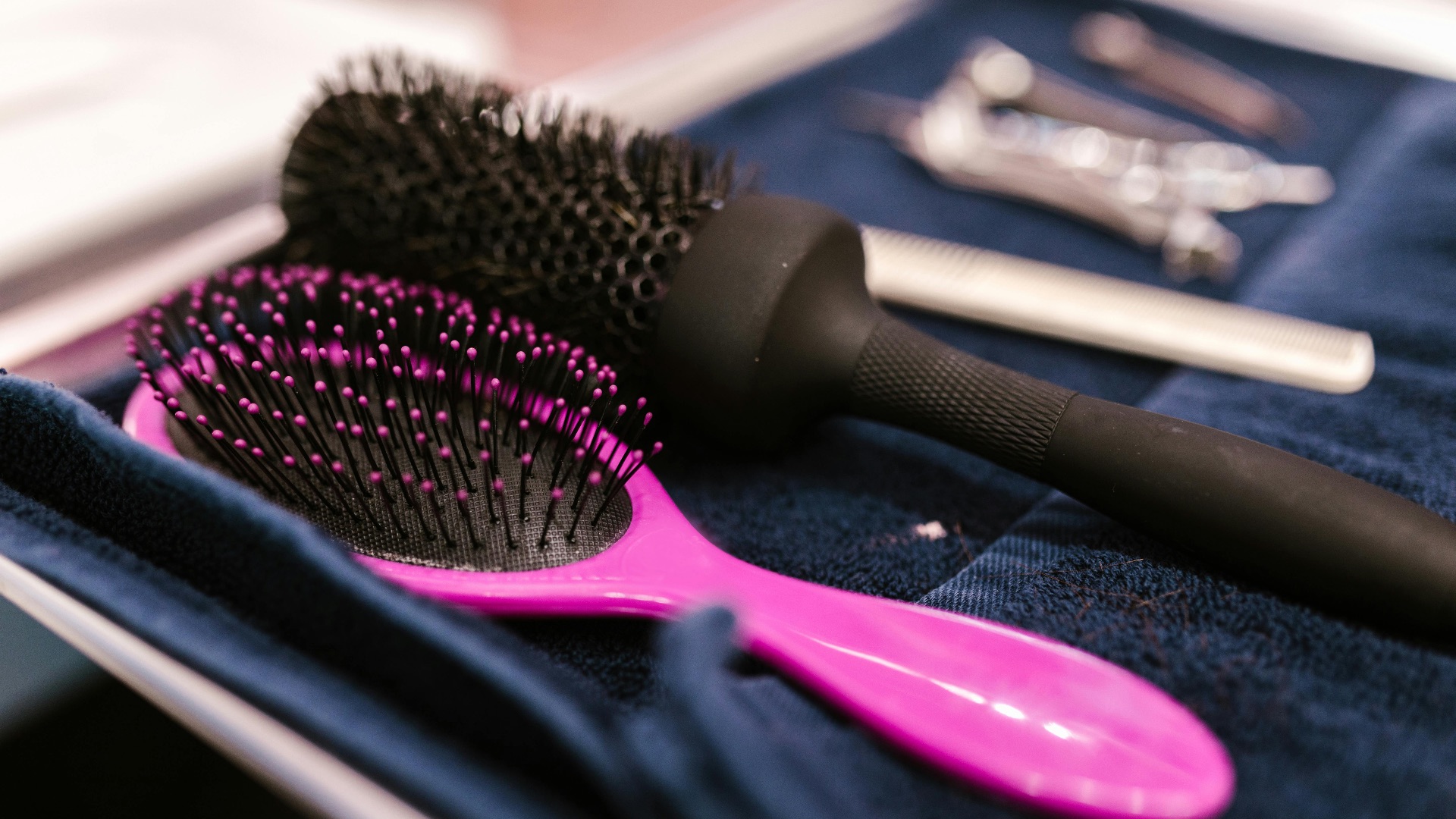
Brushes collect oil, dust, product, and dead skin, and they can redeposit it onto clean hair. Wash brushes with warm water and a little shampoo or gentle soap, then let them dry fully. If you use hot tools, wipe down the plates or barrels when they’ve cooled.
8. Be Strategic with Dry Shampoo
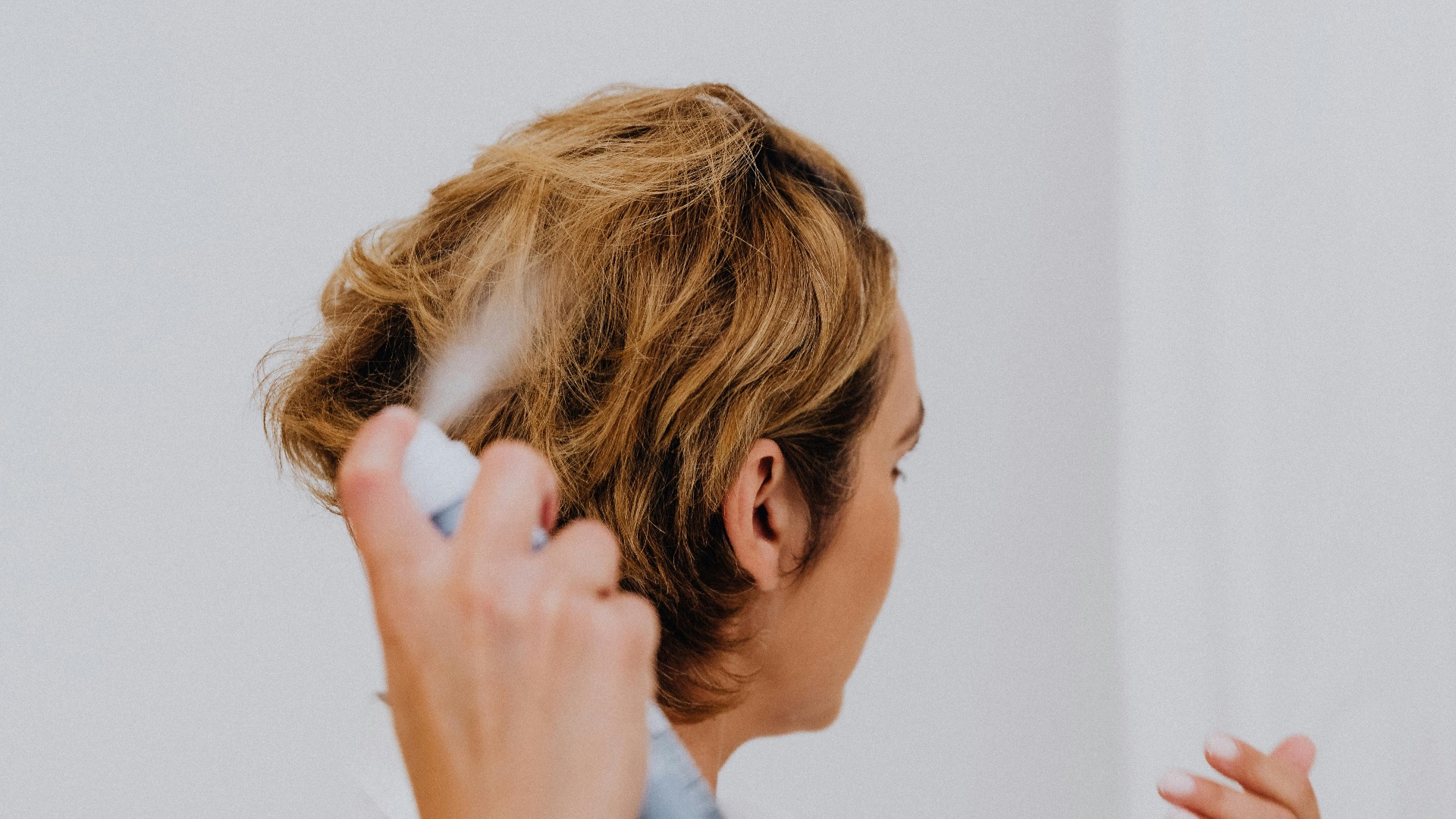
Apply dry shampoo to clean, dry roots at night so it has time to absorb oil before the morning. Use small sections and avoid spraying too close, since that can leave a visible film. If you layer it on day after day, make sure you clarify soon to prevent buildup.
9. Keep Hands Off Your Roots During the Day
If you notice you’re touching your hair out of habit, try pinning back the front pieces or using a clip at your desk. This reduces oil transfer and keeps your style from collapsing. It’s a simple behavior change that often helps more than people expect.

10. Pay Attention to Scalp Health and Get Help If Needed
If you have persistent itching, flakes, redness, or sudden oiliness that doesn’t improve, it’s worth addressing the scalp directly. An anti-dandruff shampoo or fragrance-free routine may help, but ongoing symptoms can require professional guidance. A dermatologist can rule out dermatitis or other issues and recommend targeted options that actually work.