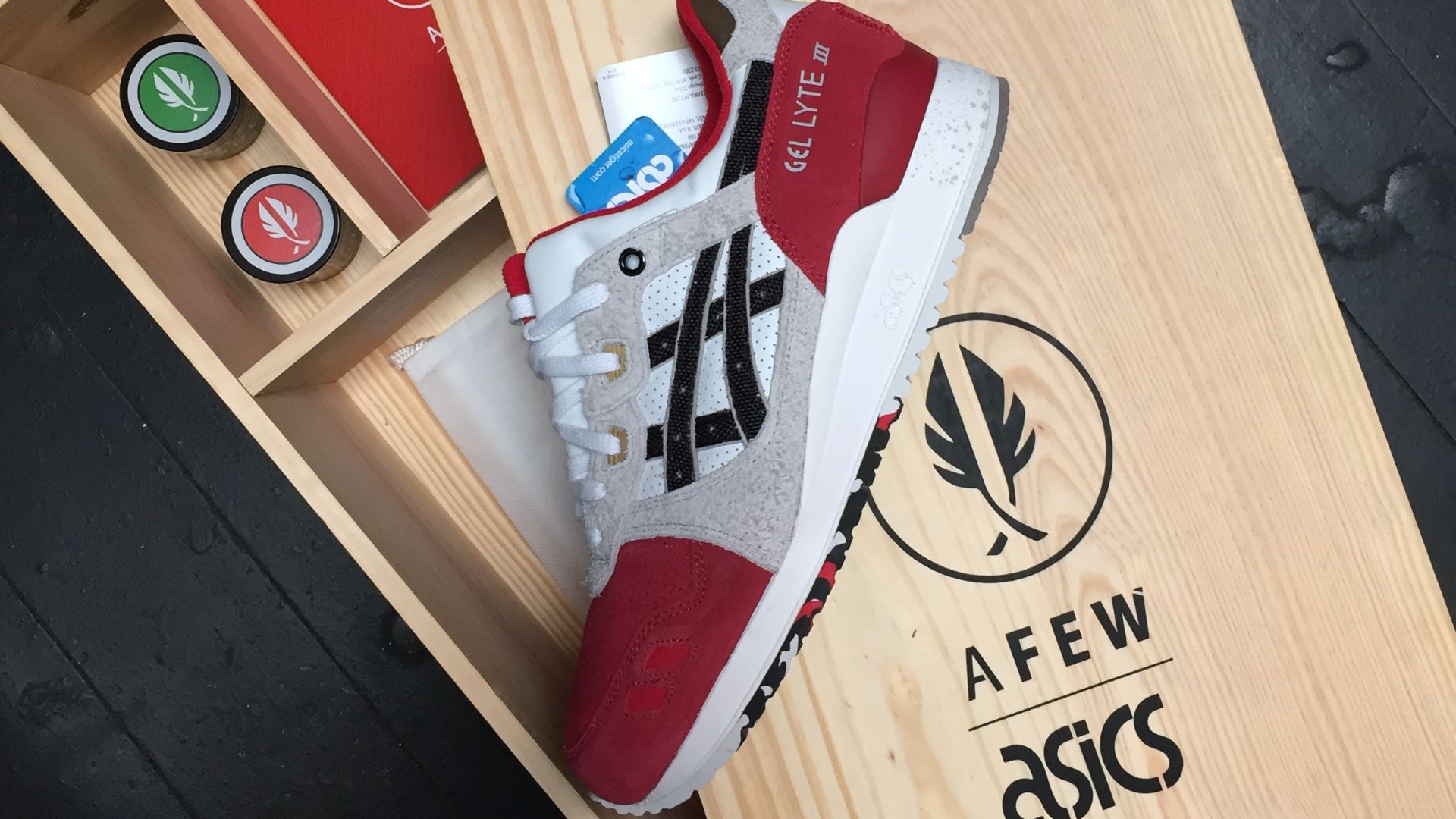

Inside Asics Innovative World
Most brands talk about innovation, yet few build it into their character as naturally as Asics. The company’s evolution feels more like an ongoing experiment—creative and deliberate. Behind the shoes lies a culture shaped by discipline and imagination working in tandem. So, join us as we explore 20 interesting facts about the shoe brand you probably never thought twice about.
1. Asics Started As A Small Postwar Basketball Shoe Workshop
Kihachiro Onitsuka launched Asics in 1949 by crafting basketball shoes in Japan with the aim of supporting local youth athletic programs. Work began inside his own living room, where early soles mimicked an octopus tentacle he noticed at dinner.
2. The Name “Asics” Comes From A Latin Motto About Well-Being
The name Asics traces back to "Anima Sana In Corpore Sano", a Latin phrase meaning "a sound mind in a sound body." It became the official brand name in 1977 following several mergers. The founder chose the motto to encourage youth health after WWII.
3. Asics Created Japan's First Purpose-Built Running Shoe
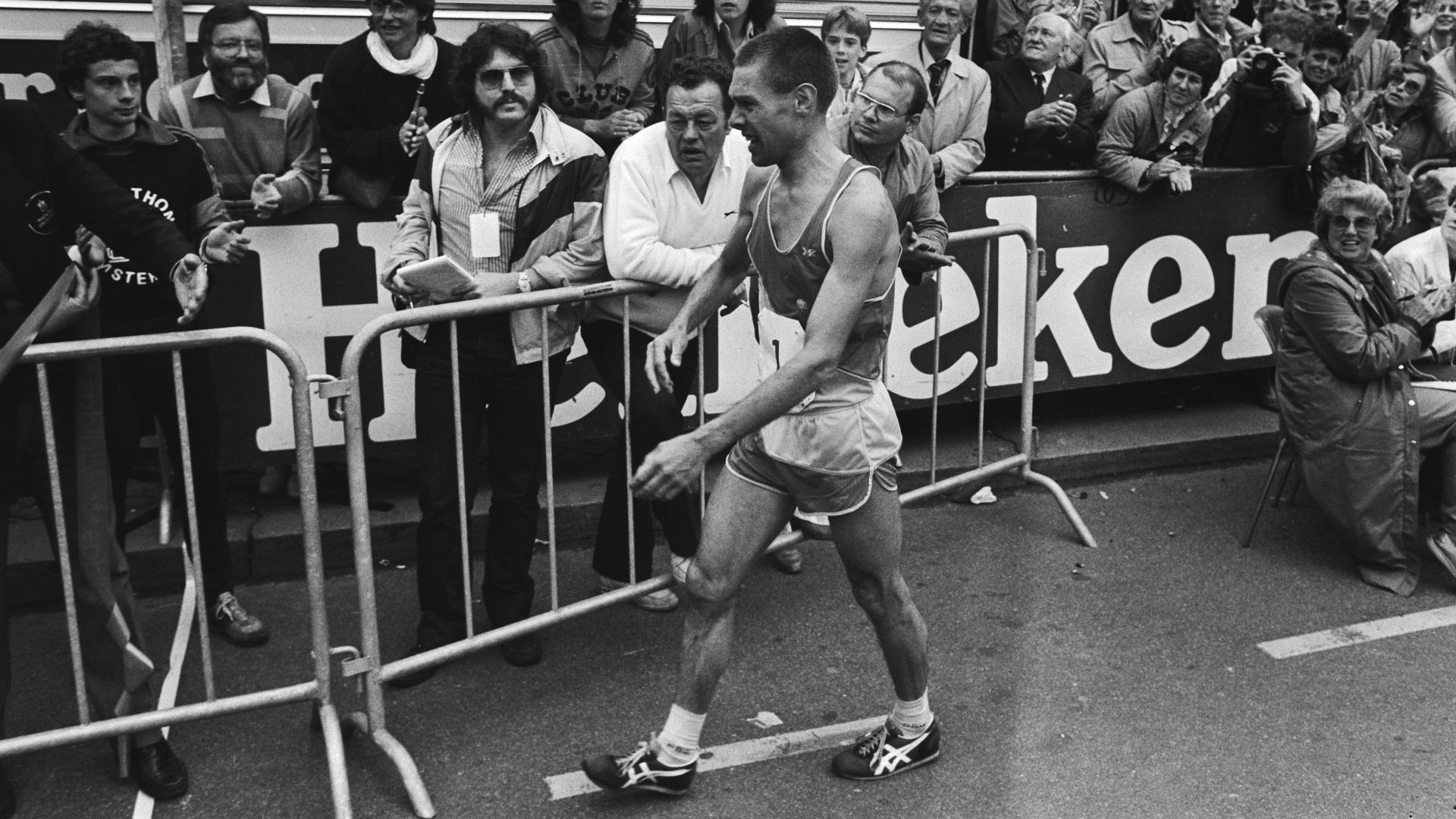
Japan’s first true long-distance running shoe emerged from Asics in the mid-1900s, designed specifically for heavy road mileage. Local marathon clubs helped refine the early prototypes. This breakthrough cemented Asics as a performance-running leader in Japan and gave distance athletes gear built for real mileage.
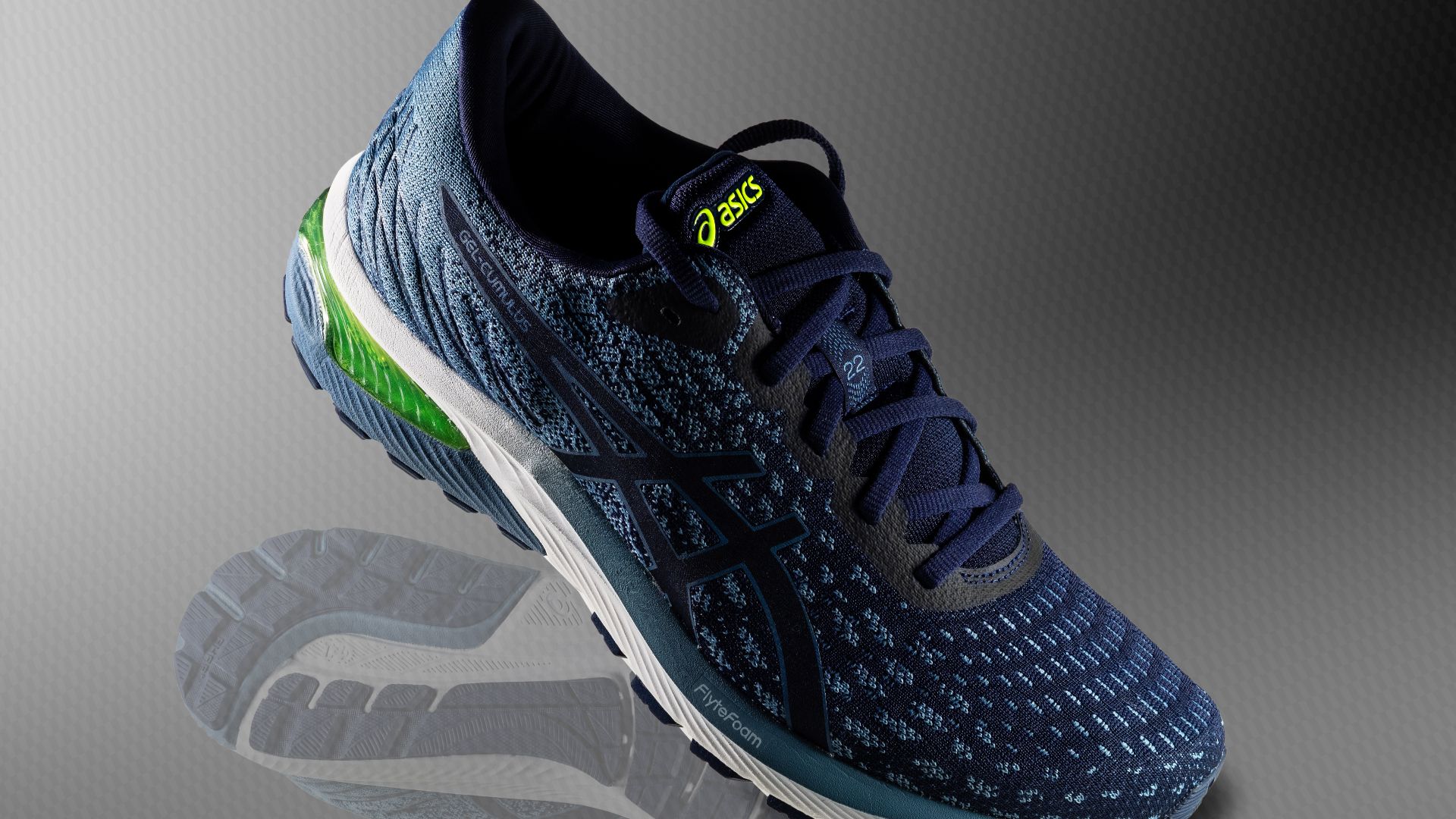
4. Asics Introduced Gel Cushioning Technology In 1986
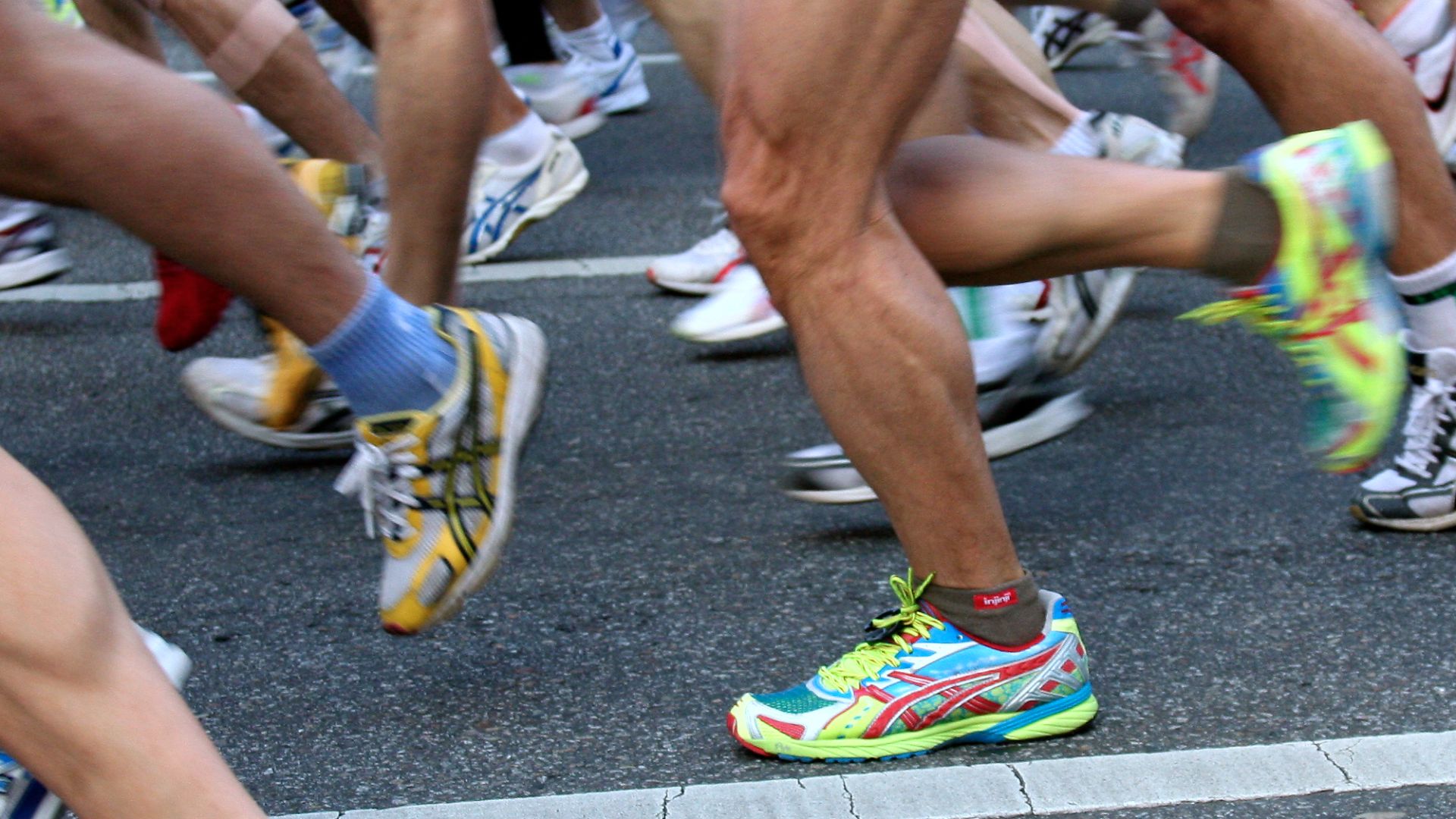
Gel cushioning arrived in 1986 and quickly became Asics’ signature innovation. It gave mass-market runners one of the earliest shock-absorption systems available. Engineers tested the gel under extreme temperatures to ensure stability, and runners described the feel as nearly "weightless".
5. Asics Prototypes Were Tested By Olympic Athletes
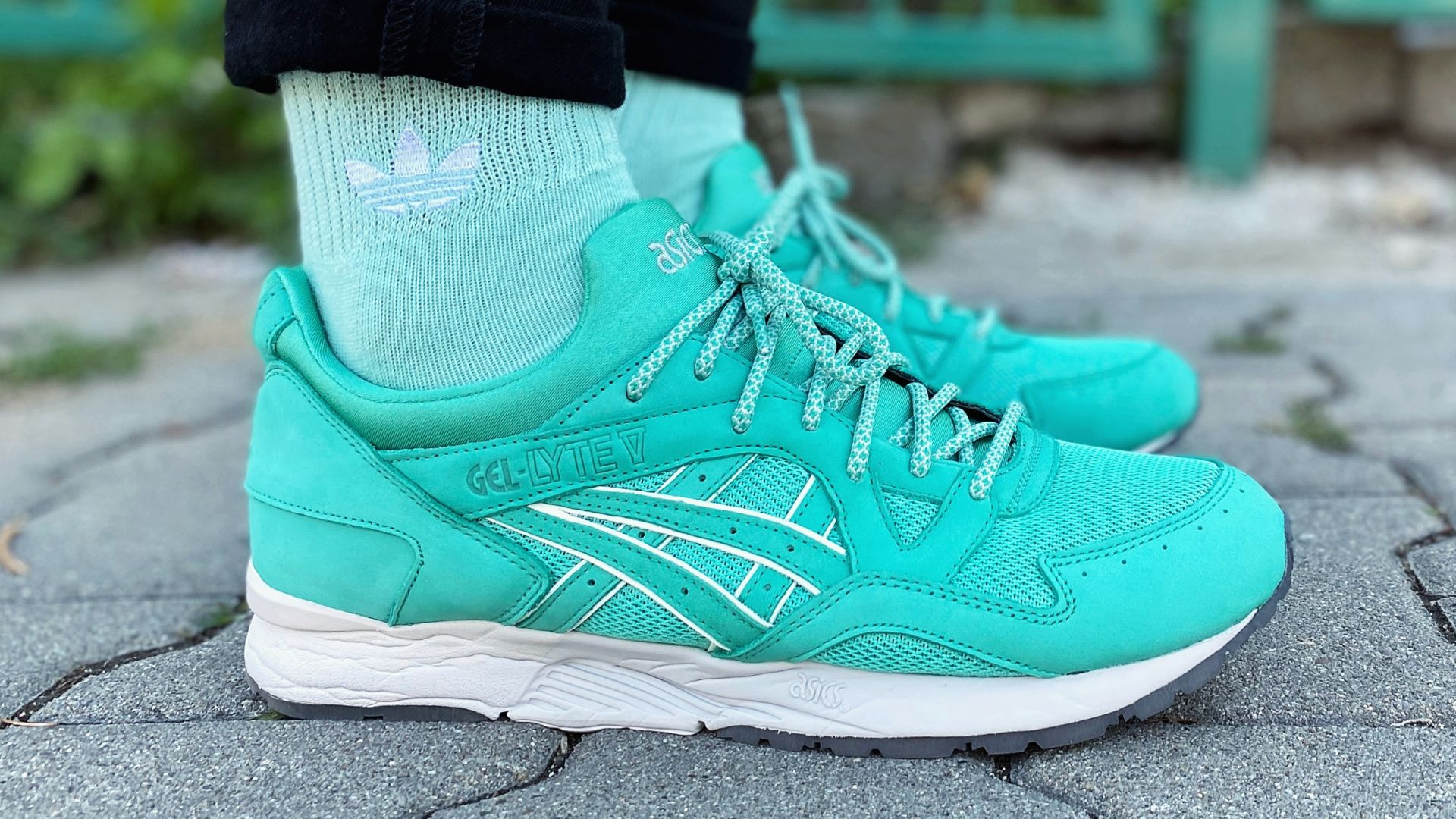
During the 1950s and 60s, Olympic competitors worked directly with Asics while the company made early prototypes. Their feedback provided direction for traction and stability improvements. Some pairs were handmade for individual athletes, and sprinters even requested versions tailored to specific events.
 Rob Croes / Anefo on Wikimedia
6. Asics Runs A Full Biomechanics Lab At Its Research Institute
Inside the Asics Institute of Sport Science, researchers operate a full biomechanics lab equipped with treadmills, sensors, and pressure platforms. They study everything from gait cycles to toe-off angles to shape new footwear. Their findings influence nearly every modern model.

7. Asics Has A Longstanding Partnership With World Athletics (IAAF)
Asics stepped into its role as the official partner of World Athletics in 2017, supplying uniforms and gear for staff and officials across major events. That reach extends to events broadcast in more than 200 countries and gives Asics a testing ground for sustainable innovations, such as recycled-polyester uniforms.
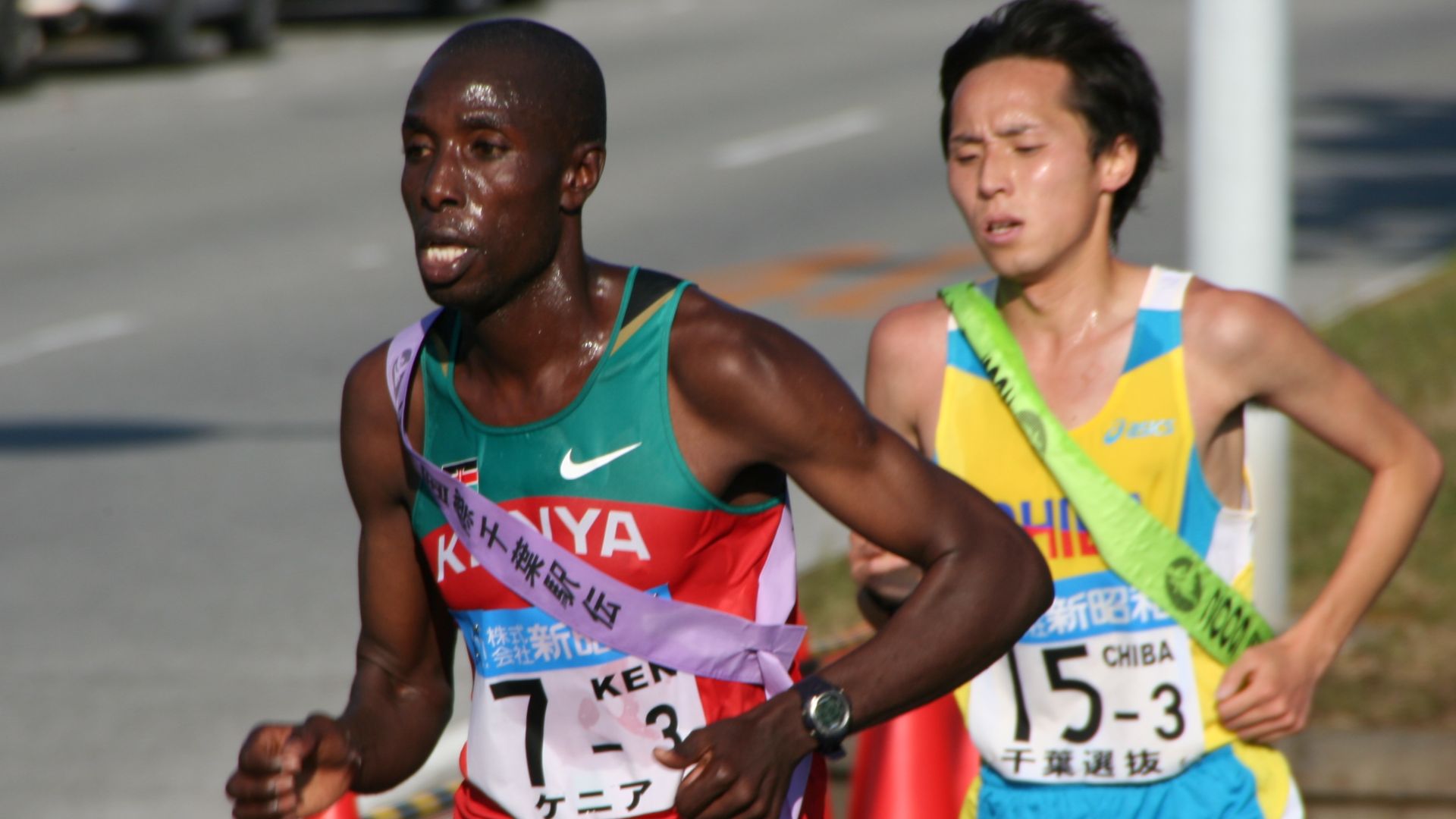
8. Asics Designed A Marathon Shoe For Japan's Ekiden Racing Culture
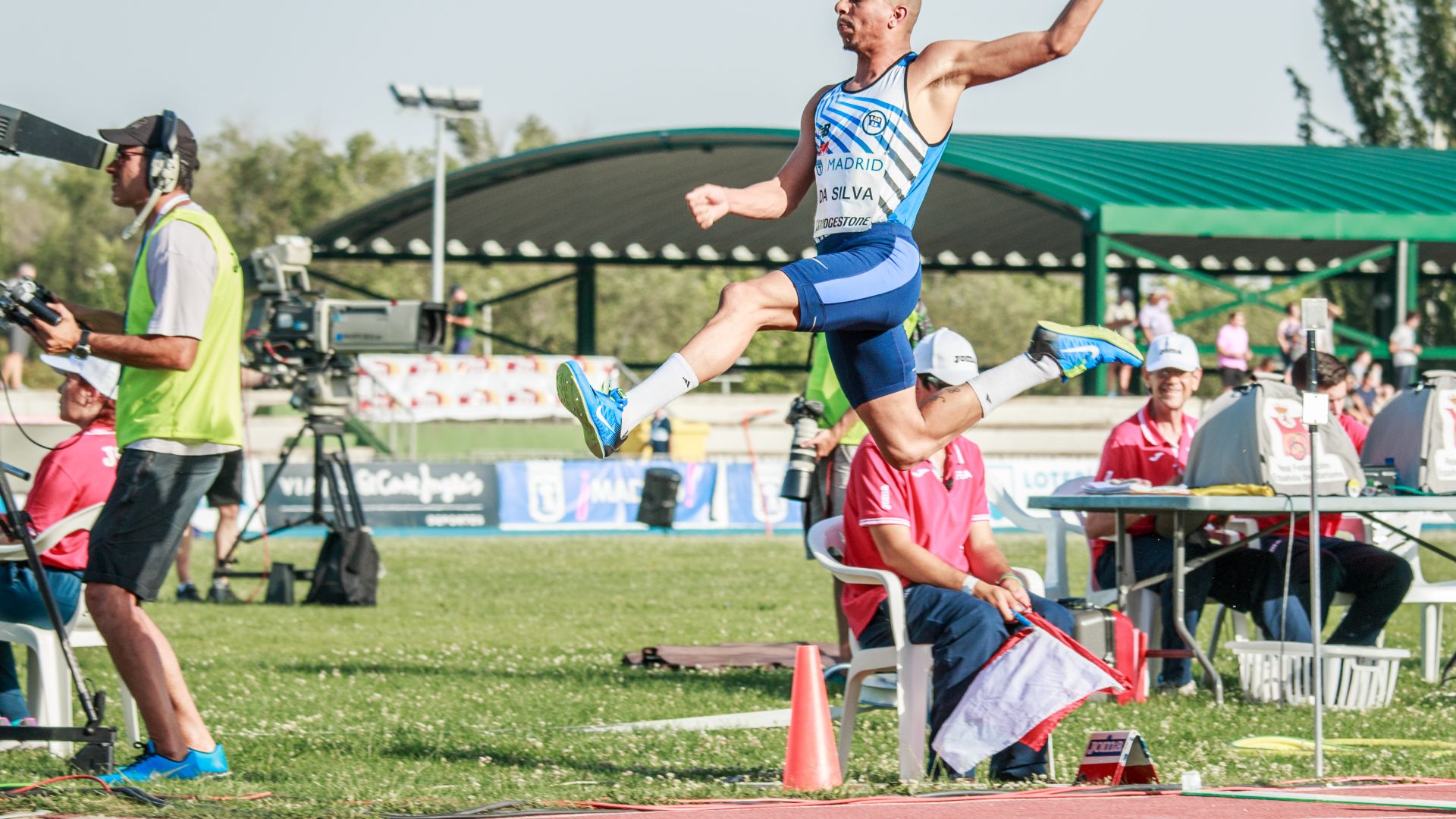
Japan’s Ekiden relay tradition pushed Asics to create marathon-distance shoes engineered for lightweight efficiency over long team segments. Because Ekiden holds deep cultural importance, new models often debut around major races.
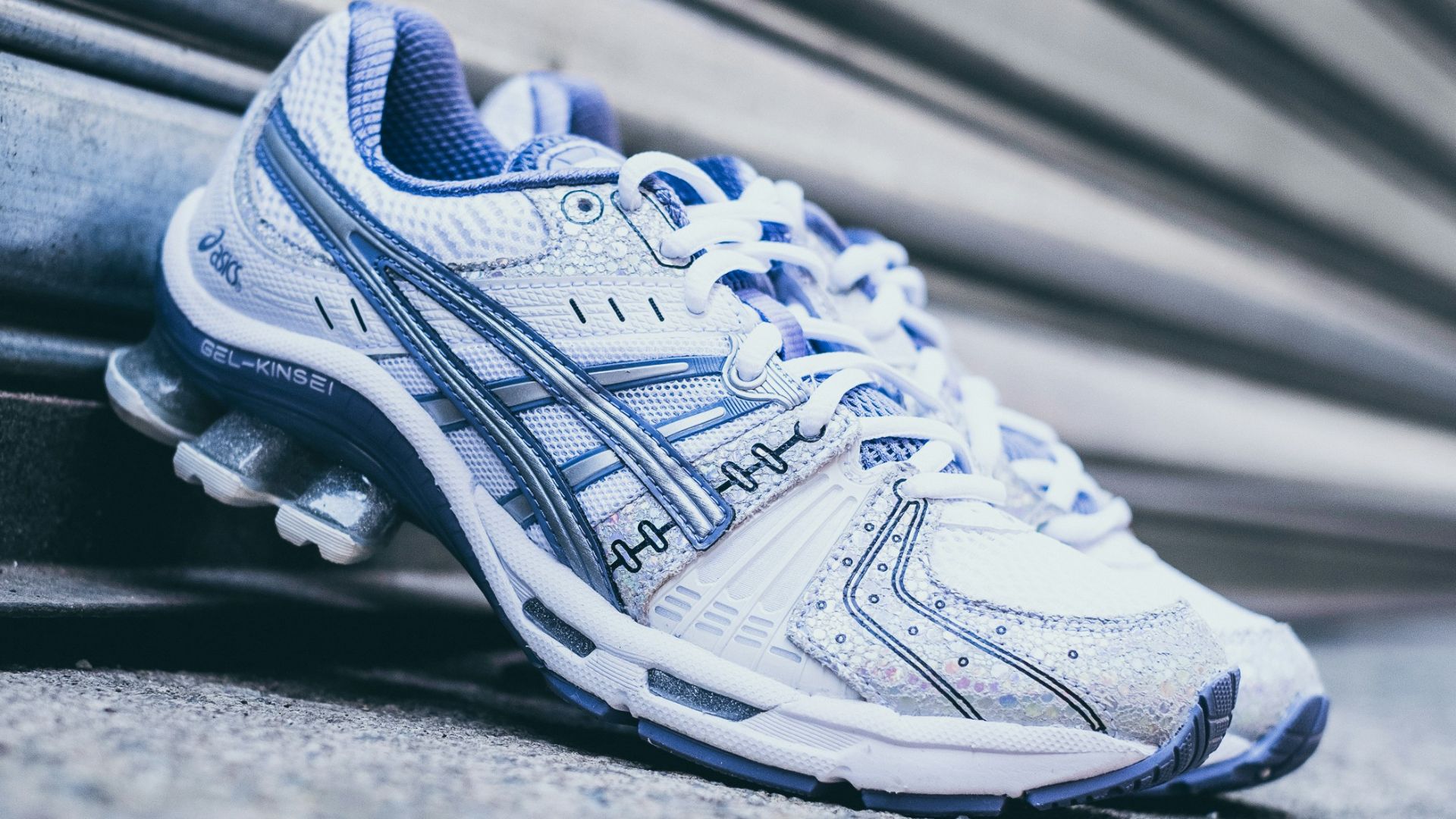
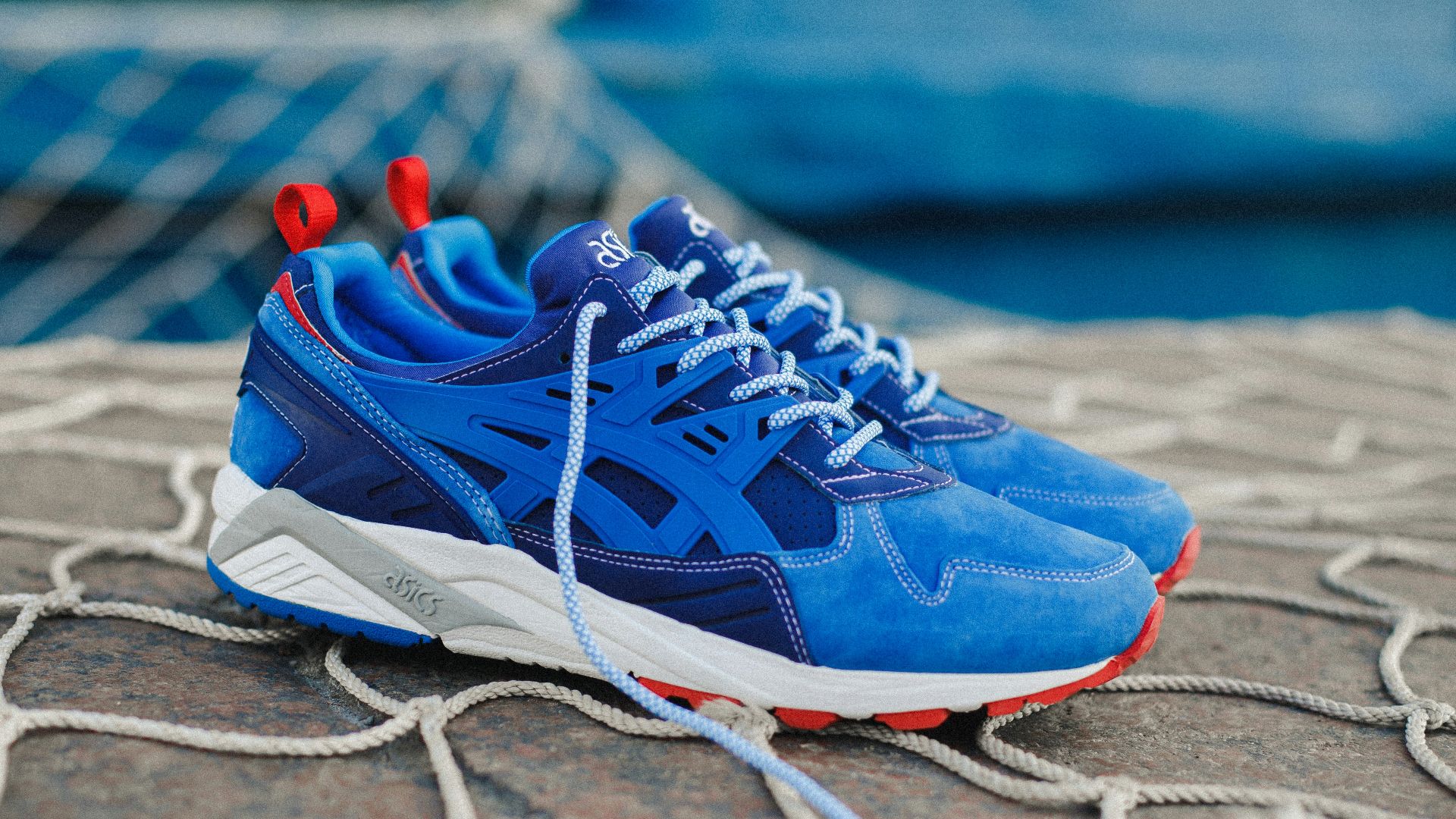
9. The Gel-Kayano Line Was Engineered For Long-Distance Stability
The Gel-Kayano launched in 1993 with engineering centered on marathon stability and eventually became one of performance running's longest-standing stability lines. Its first designer studied beetle armor before sketching the original concept. Collectors treat some versions like art pieces.
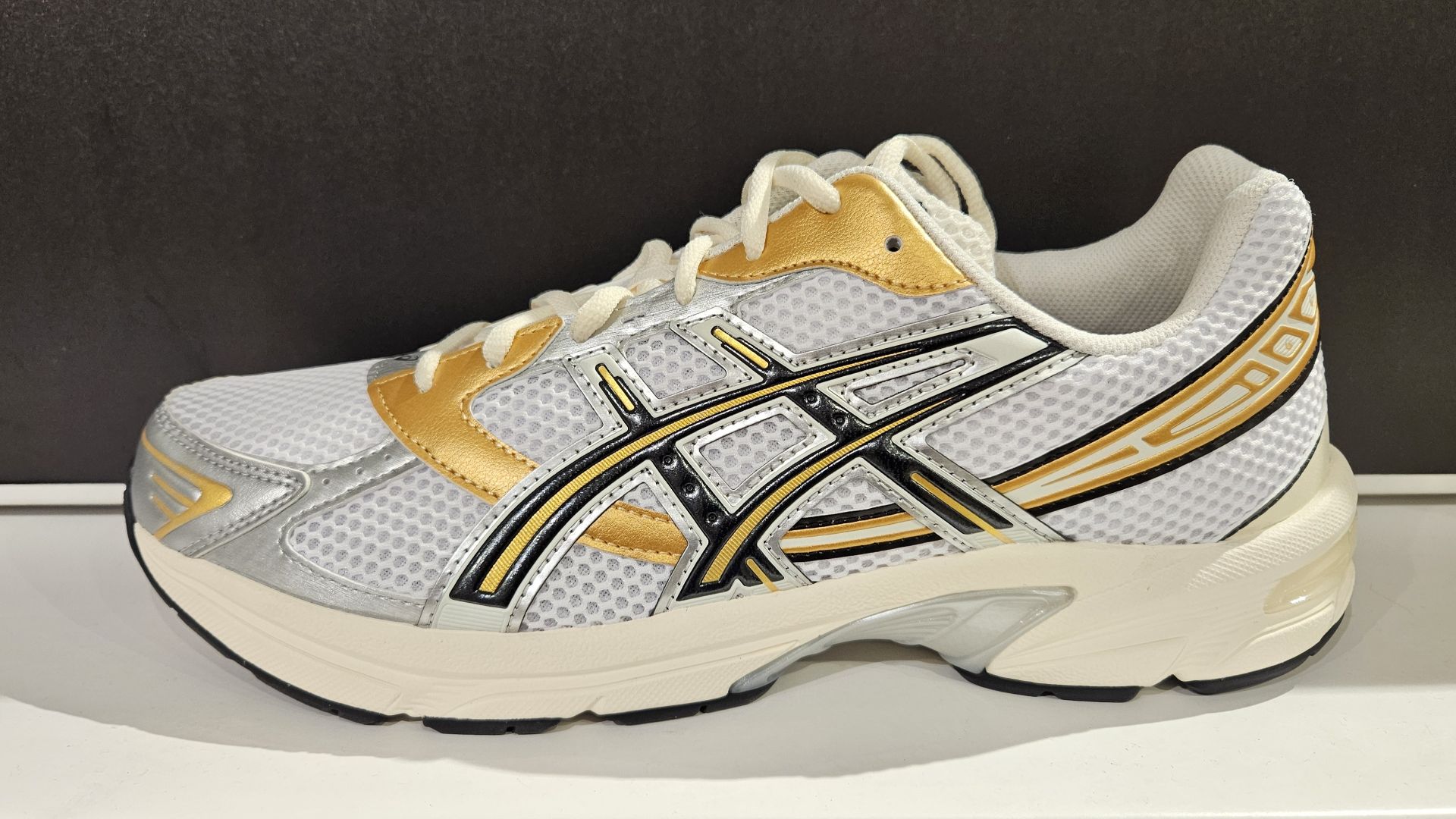
10. Asics Helped Pioneer Shock-Absorbing Midsoles
Asics pushed impact protection forward by introducing early EVA and gel-integrated midsoles, innovations that encouraged competing brands to rethink cushioning. Runners noticed softer landings than in 1970s shoes, and several vintage midsoles now sit in Japanese sports museums.
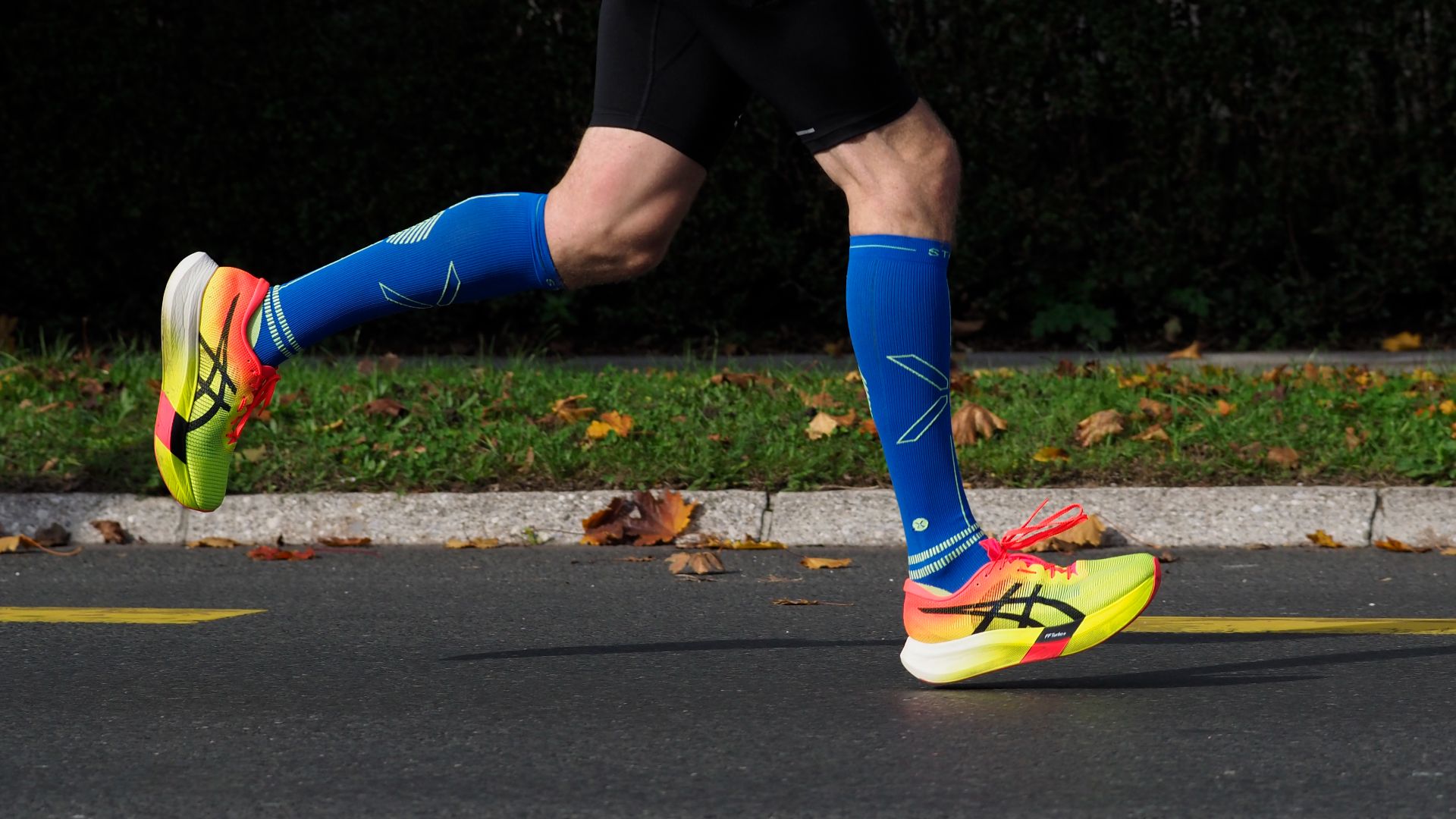
11. Asics Developed A Carbon-Plate Racing Shoe After Extensive Testing
Years of biomechanical refinement led Asics to create a carbon-plate racing shoe for its performance lineup. Prototypes cycled through multiple plate configurations before the final version emerged. The completed design helped place Asics back into elite marathon debates.
12. Asics Preserves Its Earliest Designs Through A Dedicated Heritage Line
Asics keeps its history alive through a heritage collection that recreates standout models from early decades. Some reissues use materials chosen to mimic originals, and collectors treat limited drops like museum pieces.
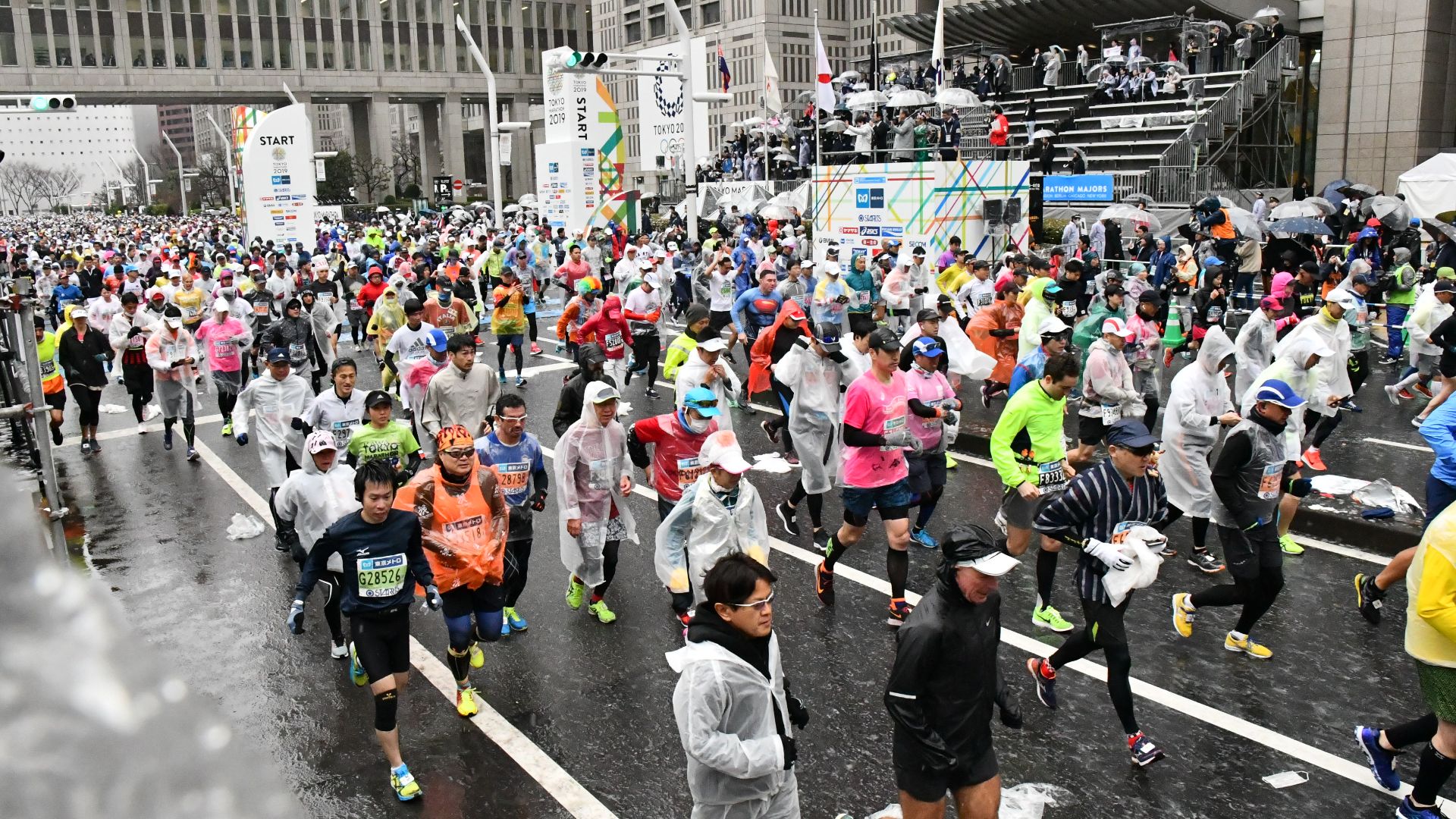
13. Asics Sponsored The Inaugural Tokyo International Marathon
When the first Tokyo International Marathon launched, Asics stepped in as an official sponsor, supplying athletes with shoes and gear. Race expos showcased prototype models that drew crowds. The event strengthened Asics’ national reputation.
14. Asics Runs A Global Recycling Program For Used Running Shoes
Asics launched a worldwide shoe-recycling initiative aimed at reducing landfill waste by repurposing or breaking down used pairs. Some collected materials even end up as track surfaces. Collection bins now appear at major marathons and running events to capture worn-out footwear.
15. The Gel-Nimbus Became A Flagship High-Mileage Cushioning Shoe
The Gel-Nimbus arrived in 1999 as Asics’ premium high-cushion distance model and has remained a central neutral line ever since. Its early name referenced cloud-like comfort, a promise runners quickly embraced. Later versions introduced experimental foams before other models used them.
16. Asics Was Among The First Brands To Use 3D Gait Analysis For Fitting
Asics adopted 3D gait analysis to direct runners toward the right shoe category and eventually embedded the system into its research and retail experience. Early scanners looked like full lab machines, adding a futuristic feel.
17. The Tiger Stripe Logo Was Designed To Visually Represent Motion
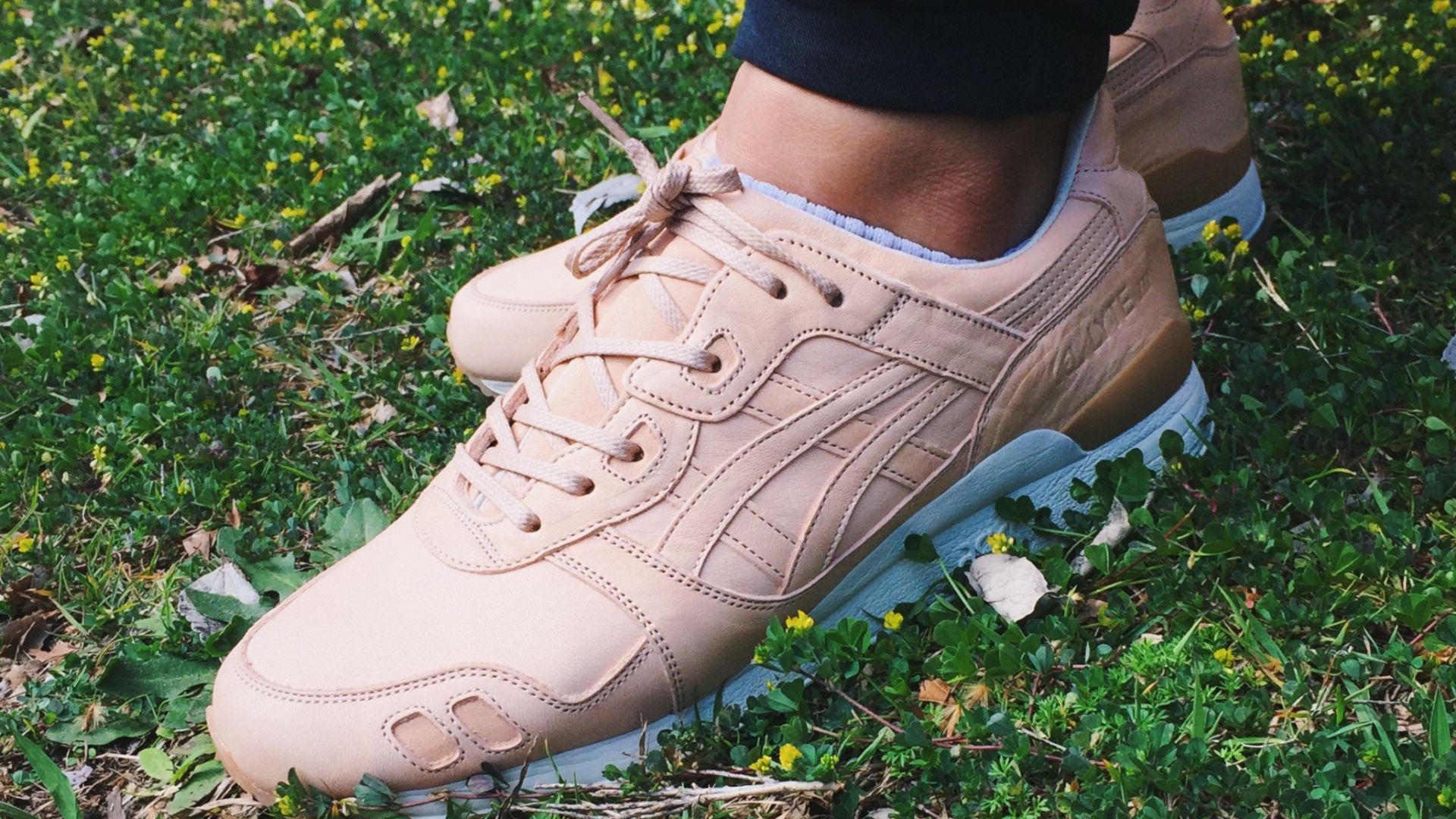
The distinctive Tiger Stripe graphic was created to symbolize movement and speed. Early drafts experimented with varied patterns before settling on stripes. Because the logo doubles as a structural overlay, it stabilizes some uppers.
 AUMOON menkee DAVISHOr LOK on Wikimedia
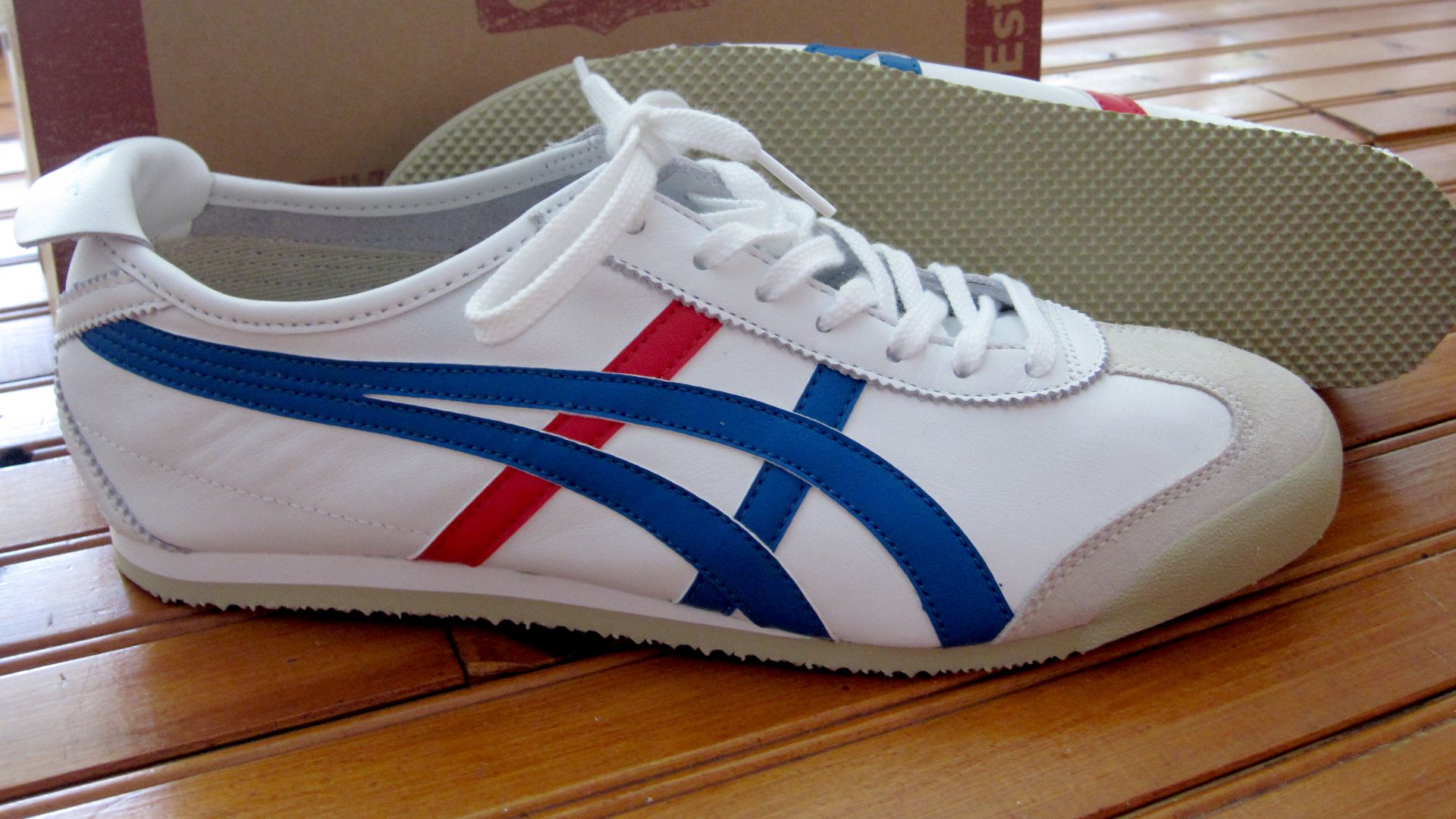
18. Asics Collaborations Revived Classic Onitsuka Tiger Models
Through modern collaborations, Asics reintroduced key Onitsuka Tiger silhouettes, sending heritage designs back into global sneaker conversations. Fashion houses and boutique designers reinterpreted classics in unexpected ways, and some releases sold out almost instantly.
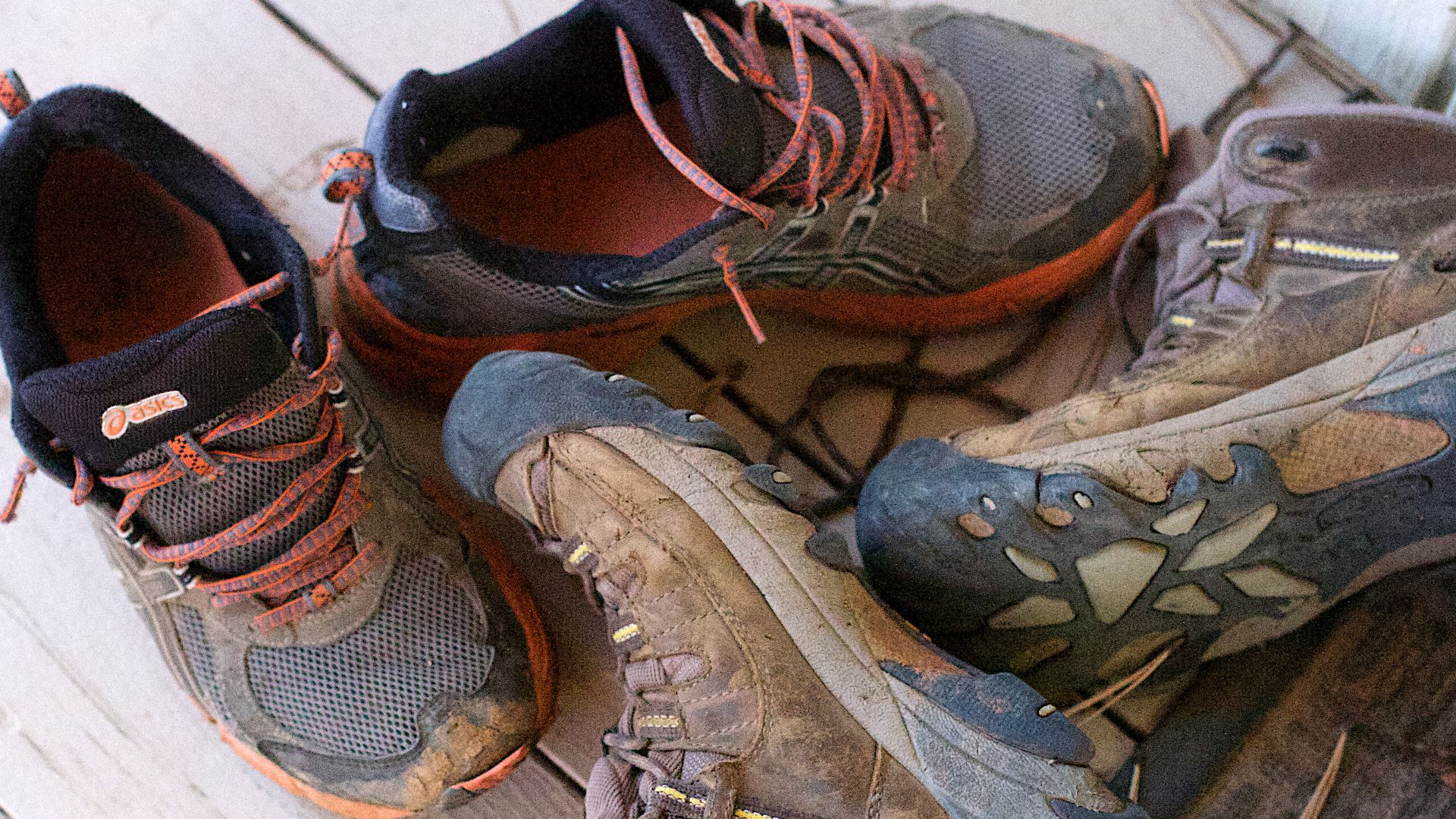
19. Asics’ Trail Division Helped Popularize Aggressive Outsole Lugs
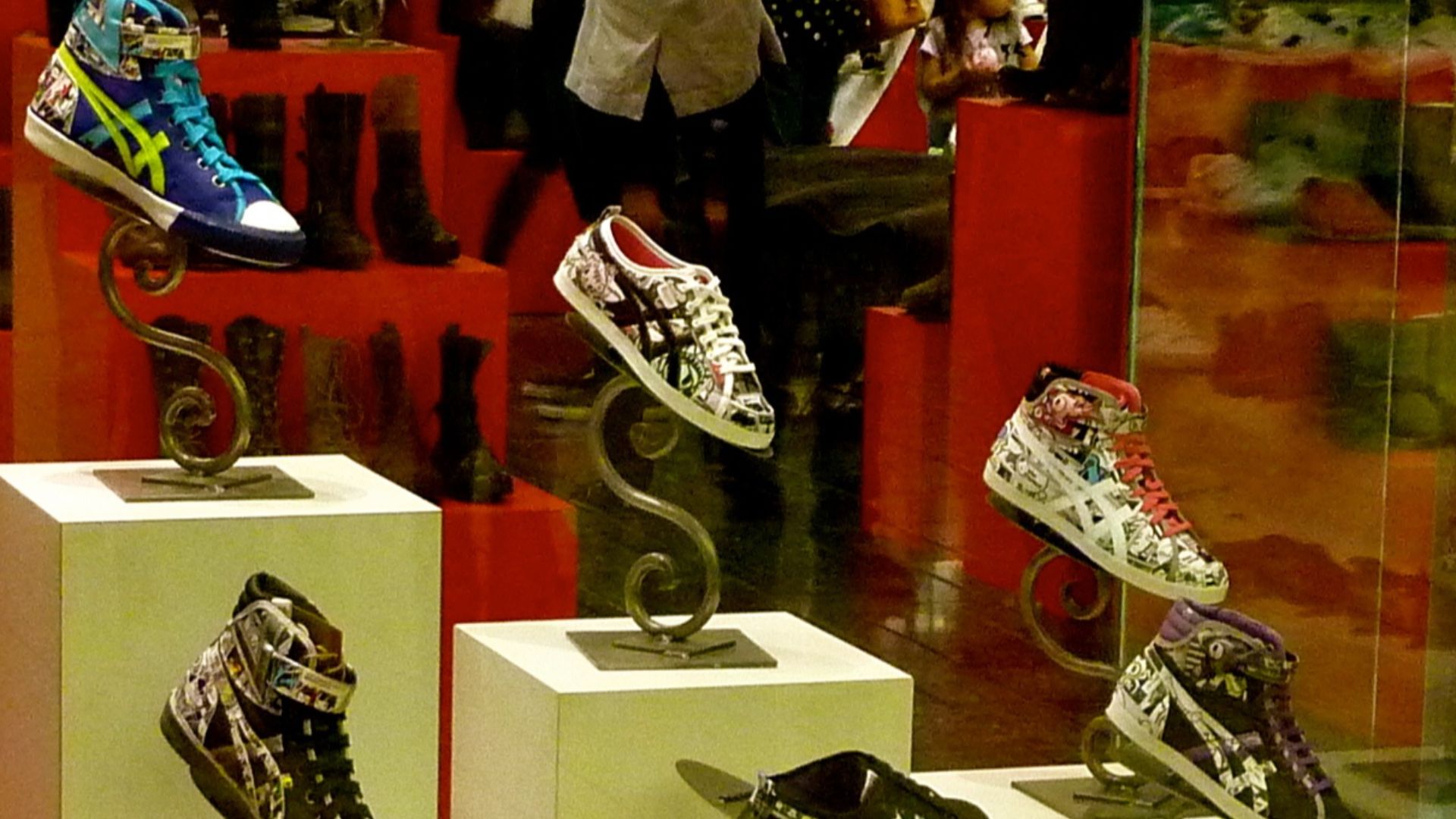
Asics pushed trail running forward by developing rugged-lug shoes that gripped unpredictable terrain and influenced the broader market’s direction. They borrowed durability ideas from hiking boots, and some trail runners adopted the first models for serious field use.
20. Asics Developed A Barefoot-Mimicking Shoe Long Before It Became Trendy
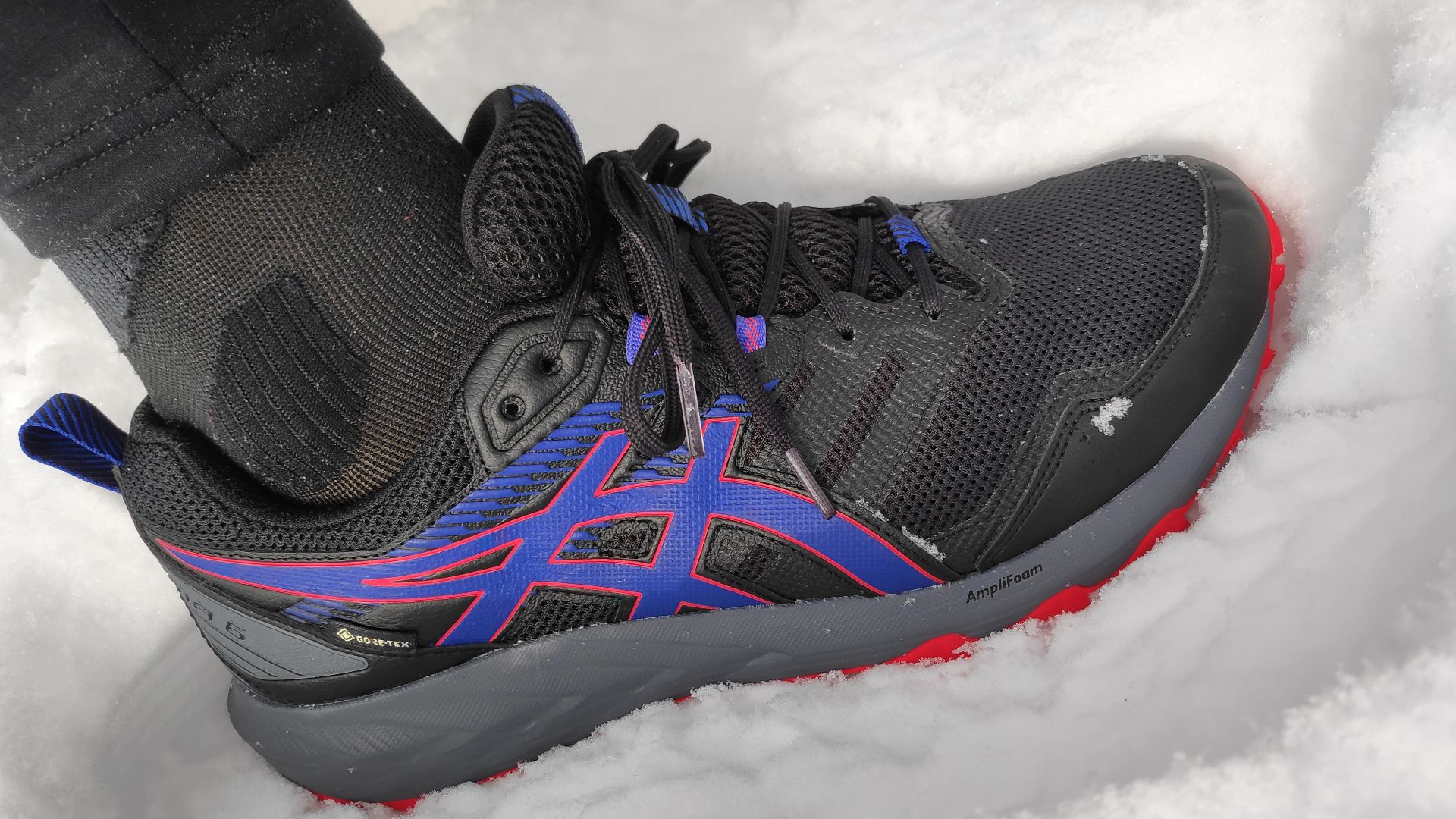
Asics created one of the earliest shoes meant to replicate natural mechanics for training. Coaches used the rare models for training sessions, and the small batches produced remain rare. The entire experiment predated the modern barefoot boom by decades.