Not Every Tattoo Is as Simple as It Seems
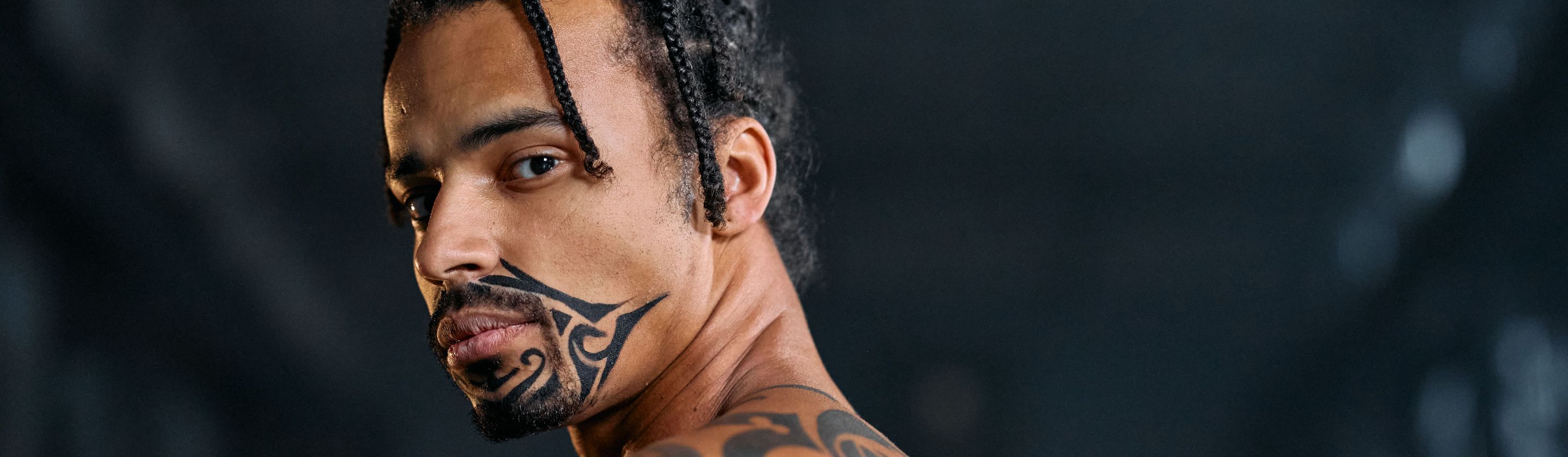
Some designs look so beautiful on the wall that it's tempting to book an appointment. But you might want to hold your horses. The reality is that certain styles require far more planning, precision, and confidence than you might expect, especially when you're considering how they'll look years down the road! Before you shell out all that cash, these 20 tattoo styles prove that looking effortless doesn't necessarily mean being easy to pull off.
1. Microrealism Tattoos
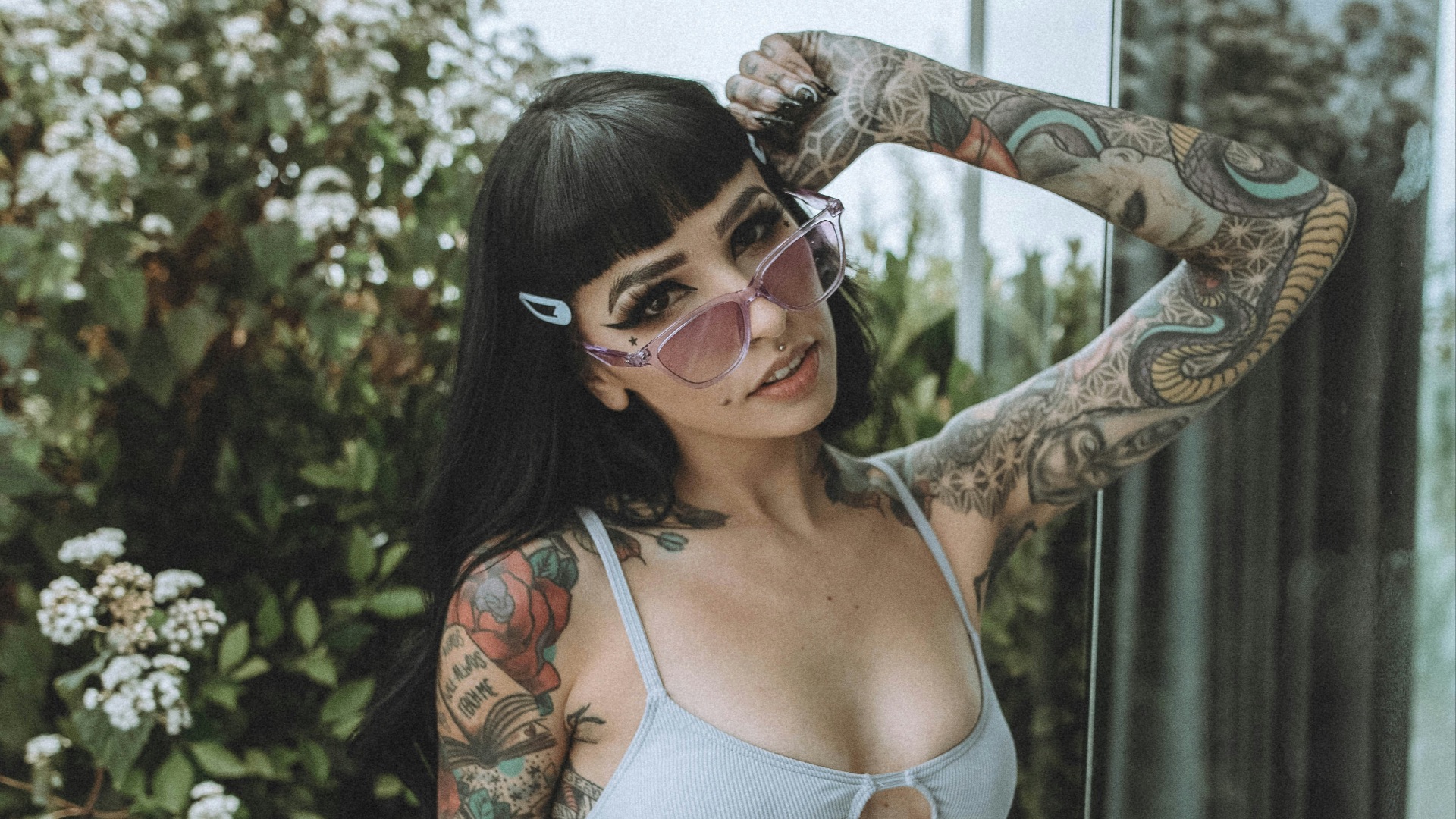
Those incredibly detailed miniature portraits? We know they look impressive on Instagram, but getting one right takes way more precision than you think. Unfortunately, squeezing that much detail into a small space also makes the design vulnerable to losing definition over time.
2. Geometric Tattoos
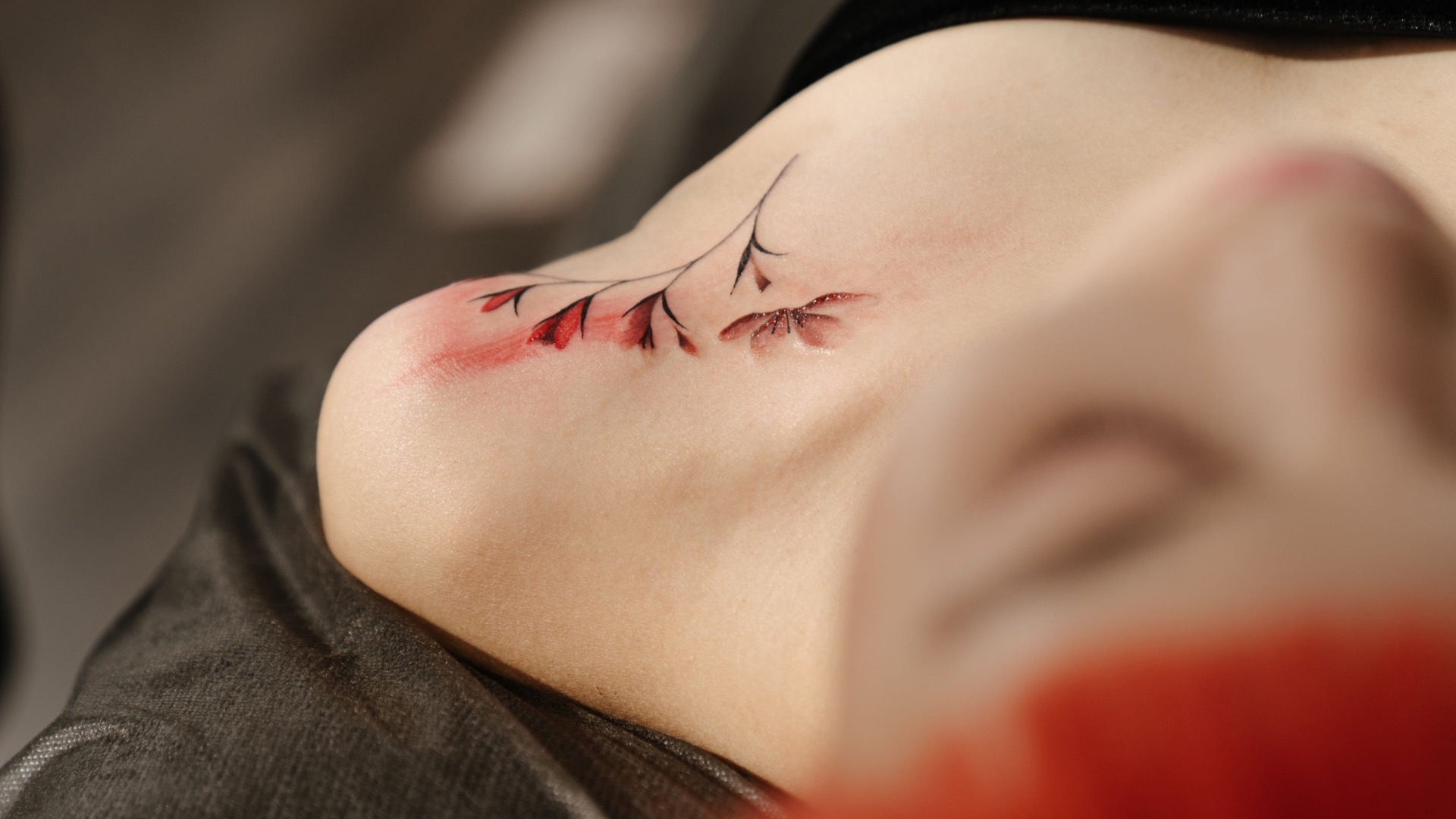
Have you ever tried to draw a perfect circle? What about on someone’s skin, where your precision will remain ‘til the end of time? Exactly! Perfectly arranged patterns sound straightforward until you consider how unforgiving they are. The natural curves of your body can also make a design look different.
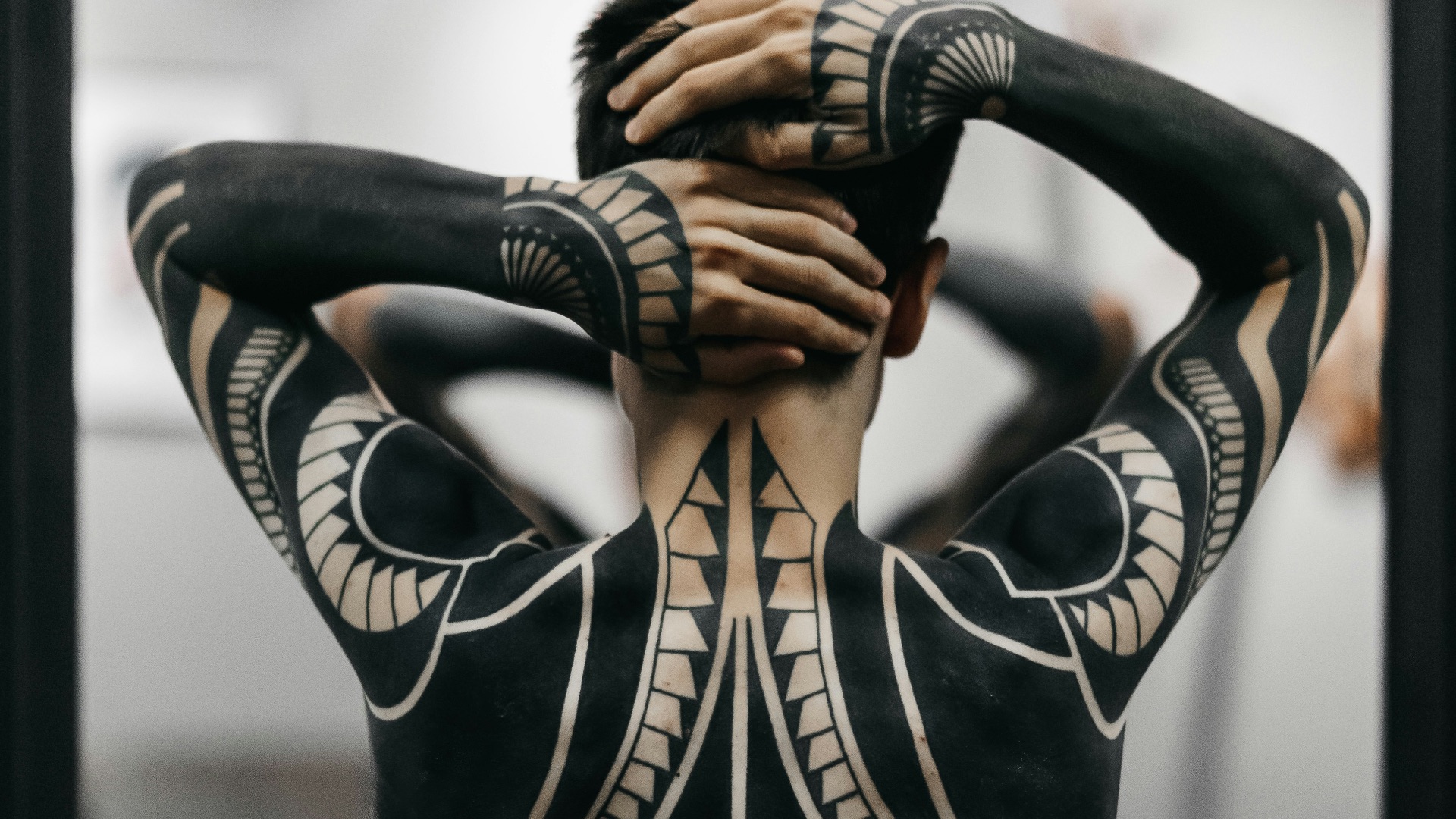
3. Blackout Tattoos
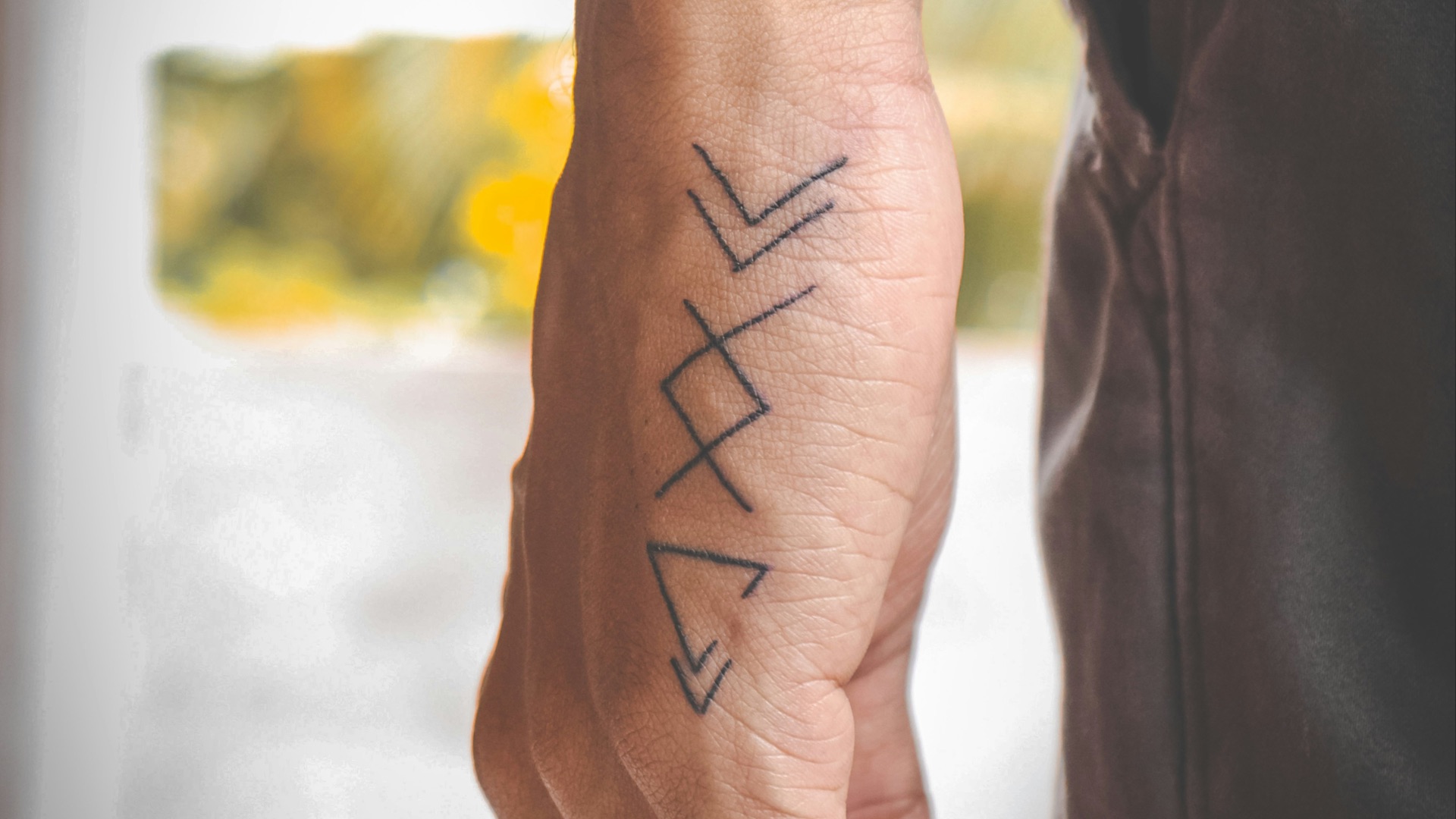
Covering an entire forearm or upper arm in solid black ink certainly creates a dramatic appearance—and a considerable commitment. It’s not just about scribbling ink onto the skin. Achieving consistent saturation across such a large area can require multiple sessions, and healing isn't always uniform.
4. Ornamental Tattoos
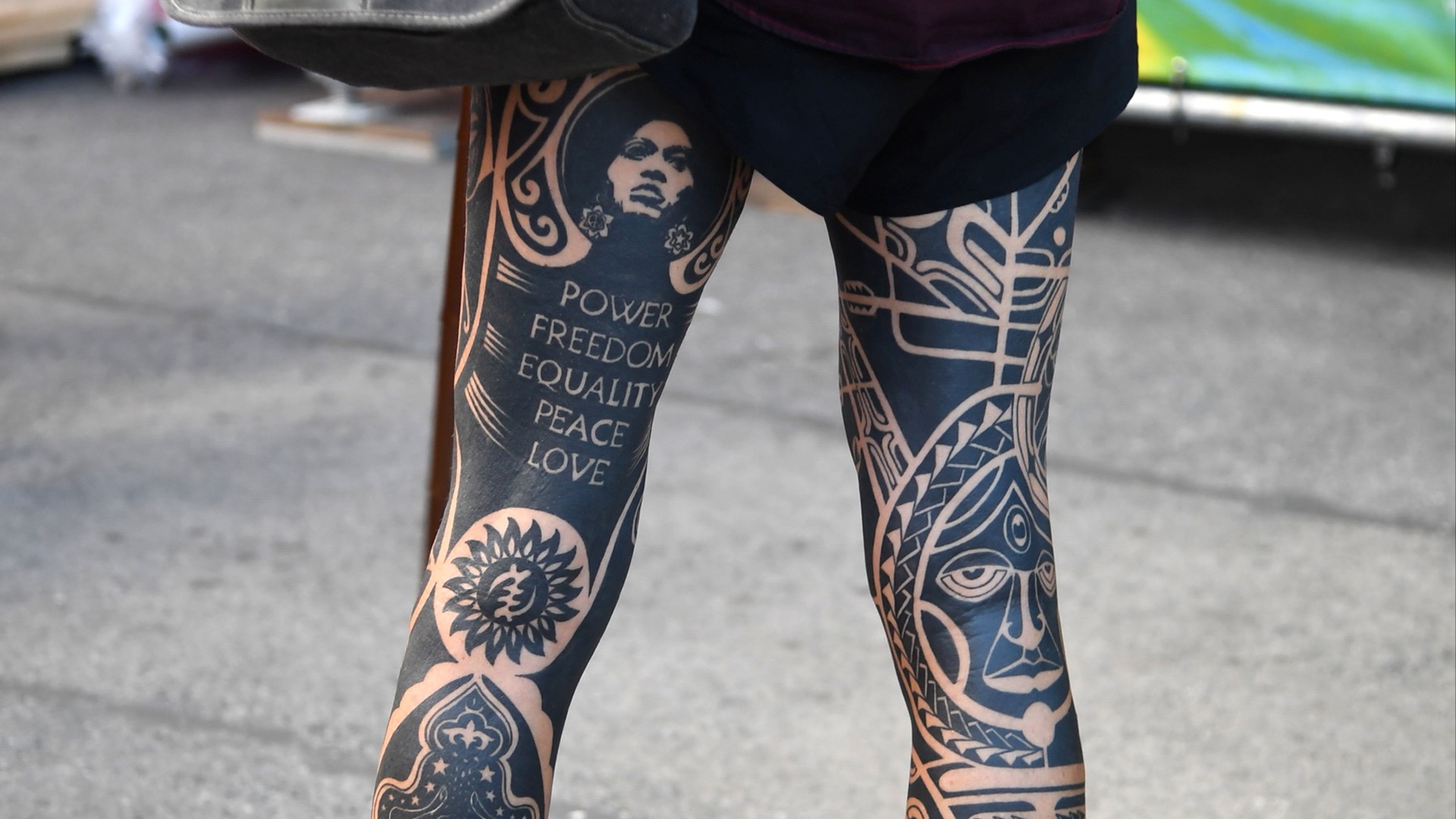
Inspired by decorative jewelry and architectural patterns, ornamental tattoos are wonderfully elegant when executed properly. But all it takes is an inexperienced artist or an overzealous client to ruin things! One crooked decorative element can make an otherwise beautiful arrangement unbalanced.
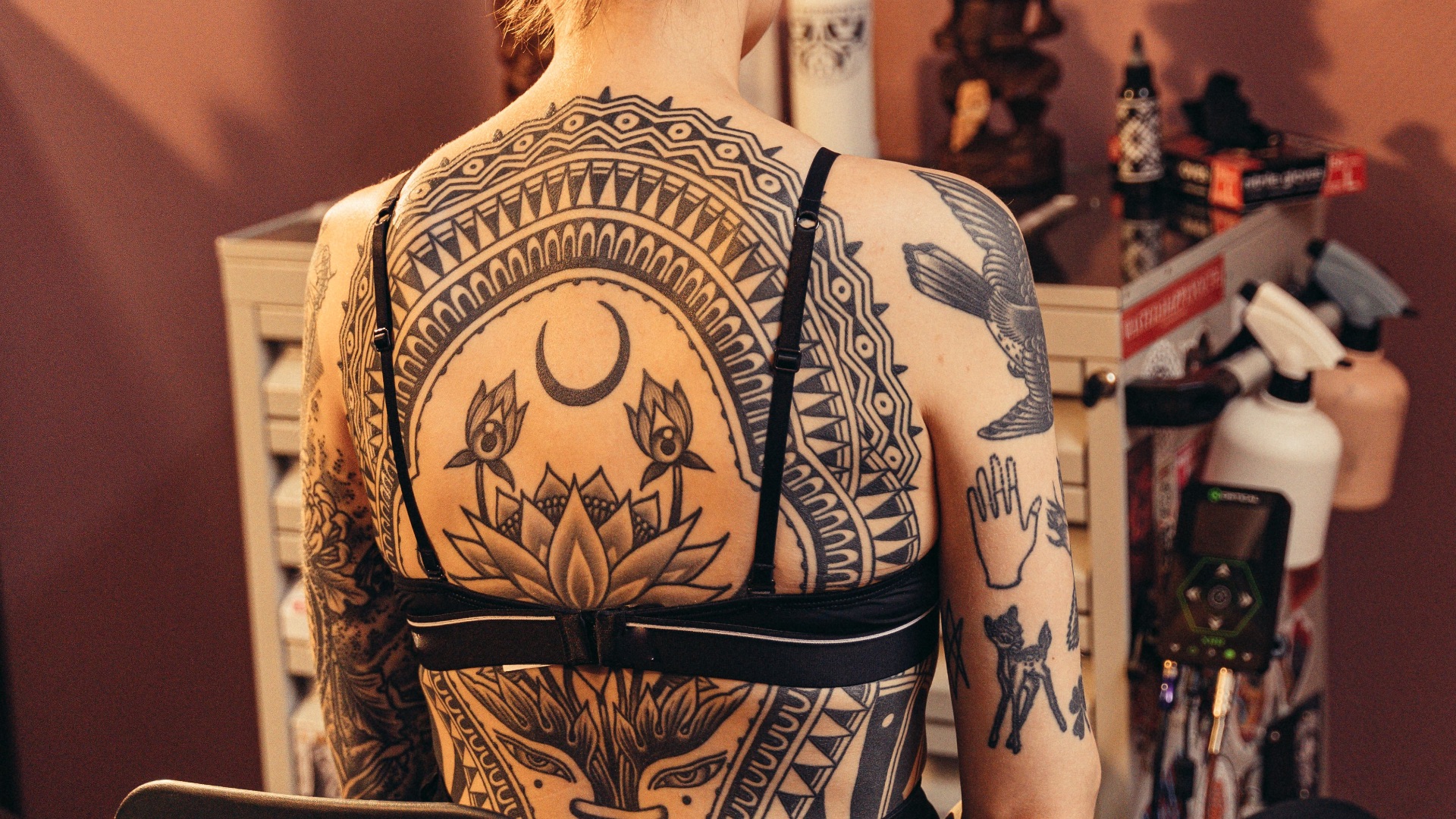
5. Trash Polka Tattoos
Yes, that’s the real name! Originating in Germany, these designs combine realistic imagery, bold black elements, and striking red accents in deliberately chaotic compositions. They’re awesome…when done right. Just remember that making all those competing elements look intentional requires an artist with a particularly strong understanding of composition.
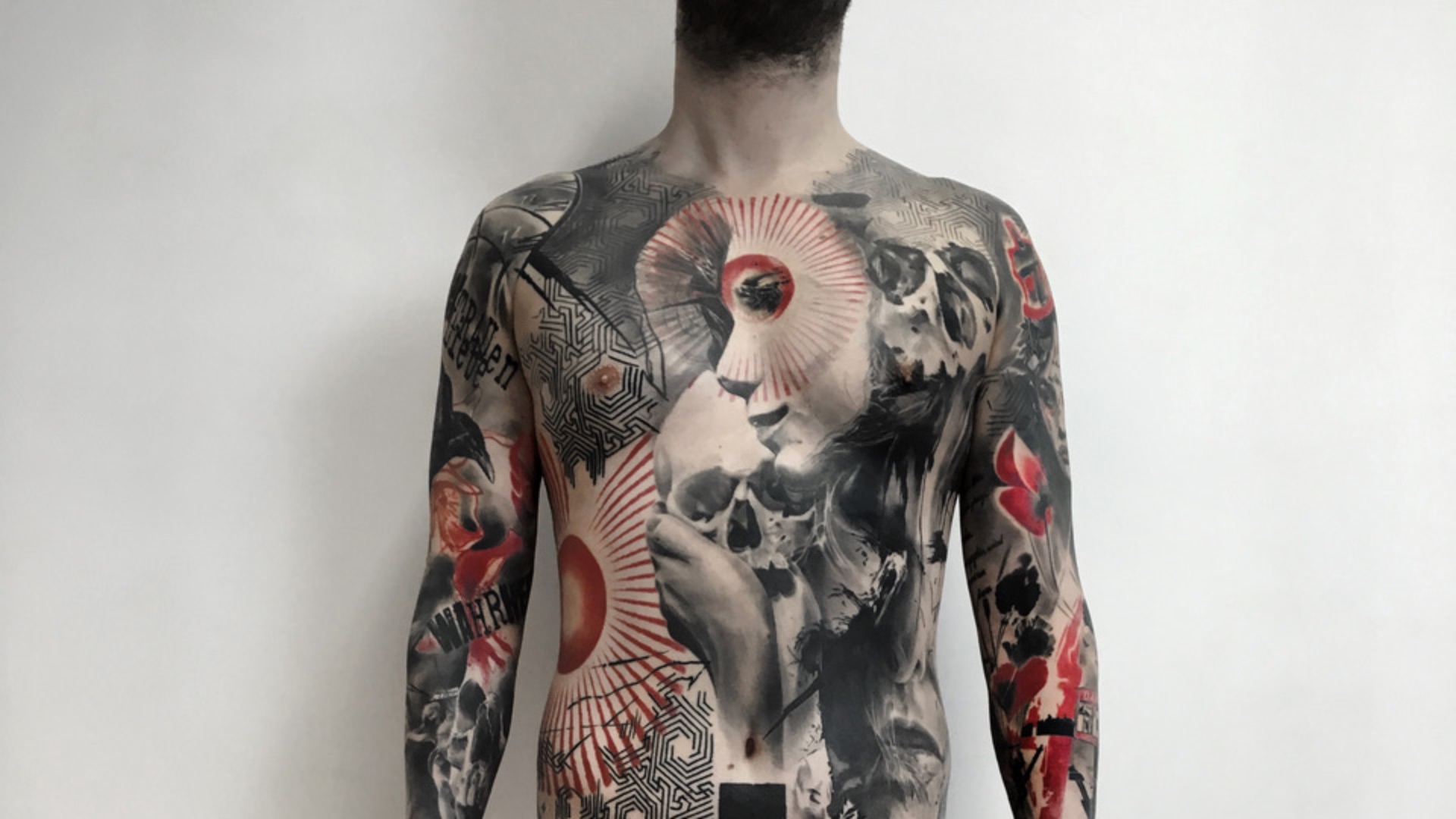
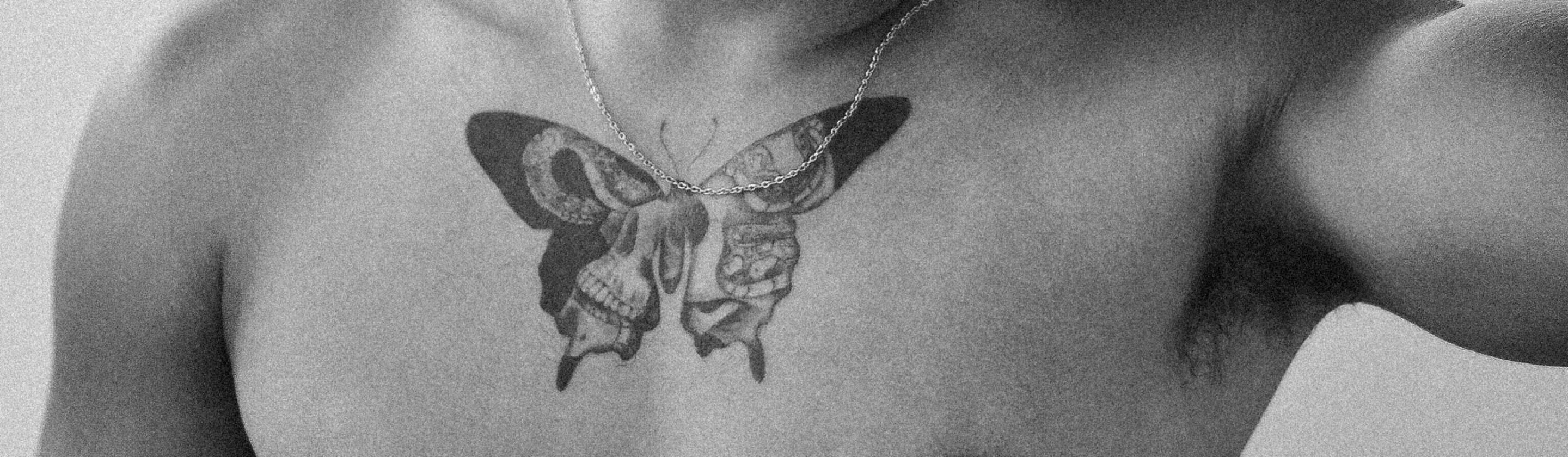
6. Single-Needle Tattoos
Single-needle tattooing produces exceptionally delicate details, making it popular for all the mini designs we know and love. The thing is, there's very little room for error when a design depends on individual marks rather than substantial outlines. Even a tiny butterfly can lose its definition.
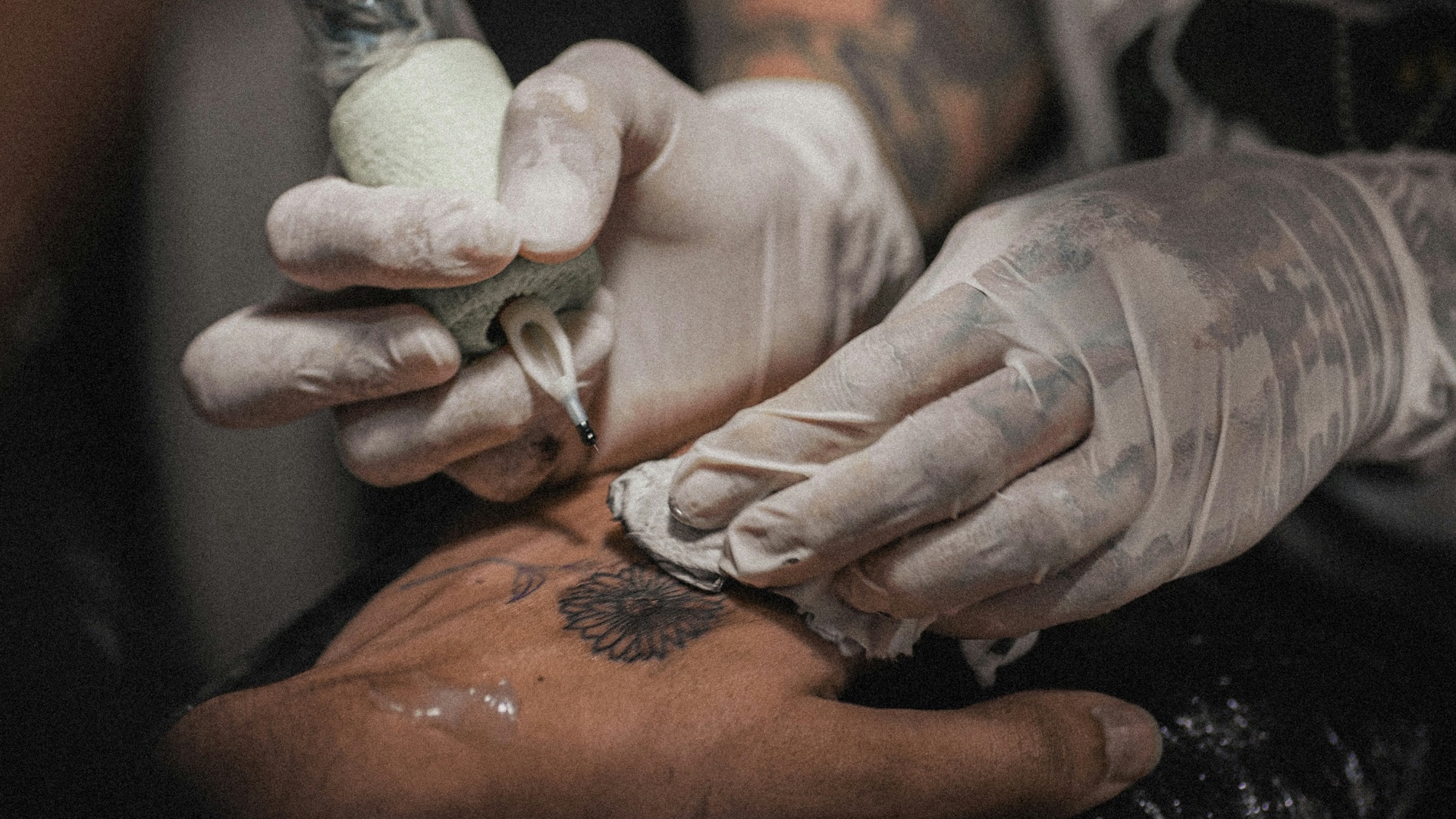
7. Japanese Irezumi Tattoos
We’ve all seen traditional Japanese tattooing, and we all know they usually entail elaborate dragons, koi fish, peonies, and flowing water. Now imagine how much time goes into doing them and pulling them off! Working this style means thinking about the entire composition rather than selecting individual images that happen to look attractive.
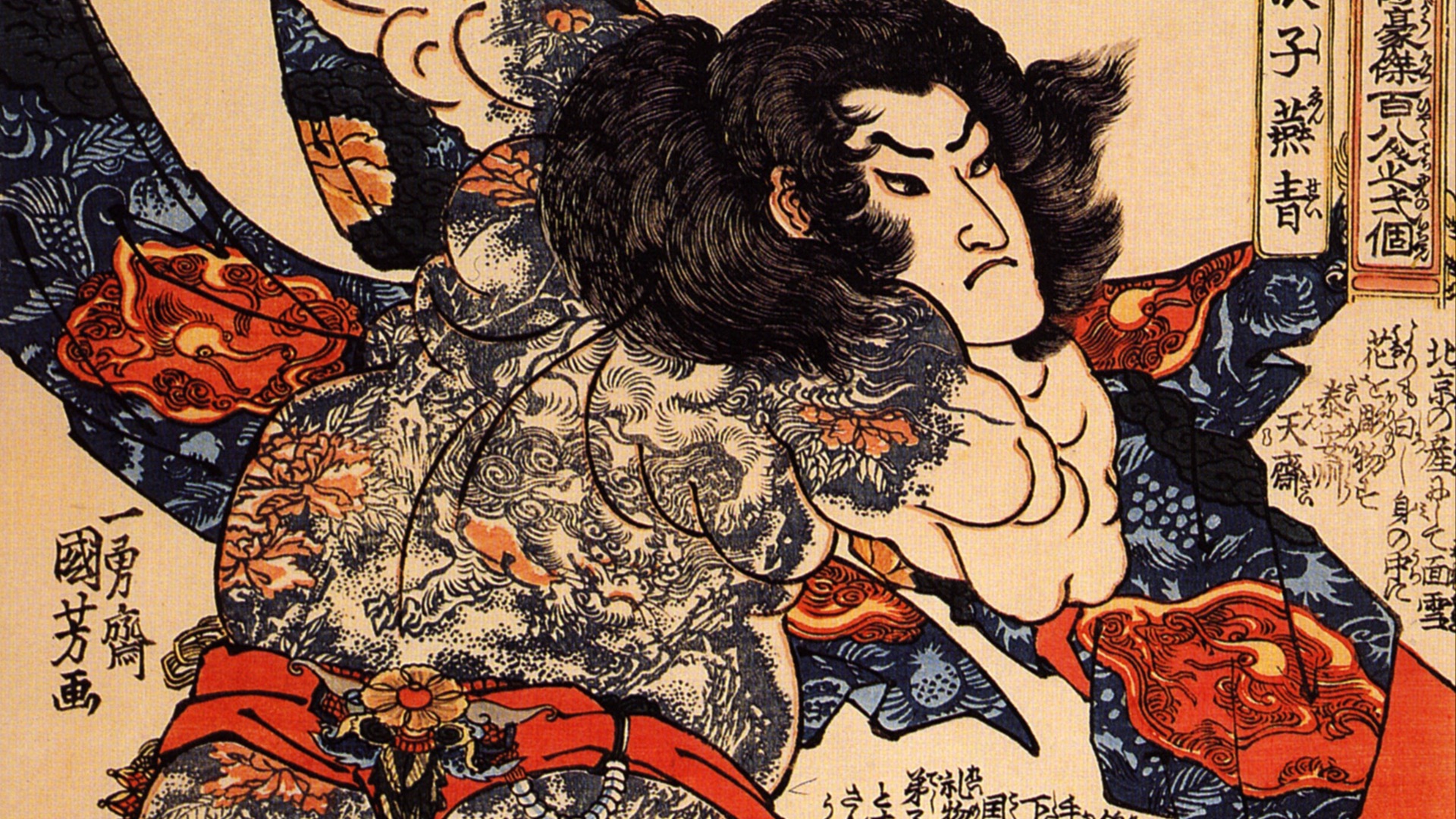 Utagawa Kuniyoshi on Wikimedia
8. Surrealist Tattoos
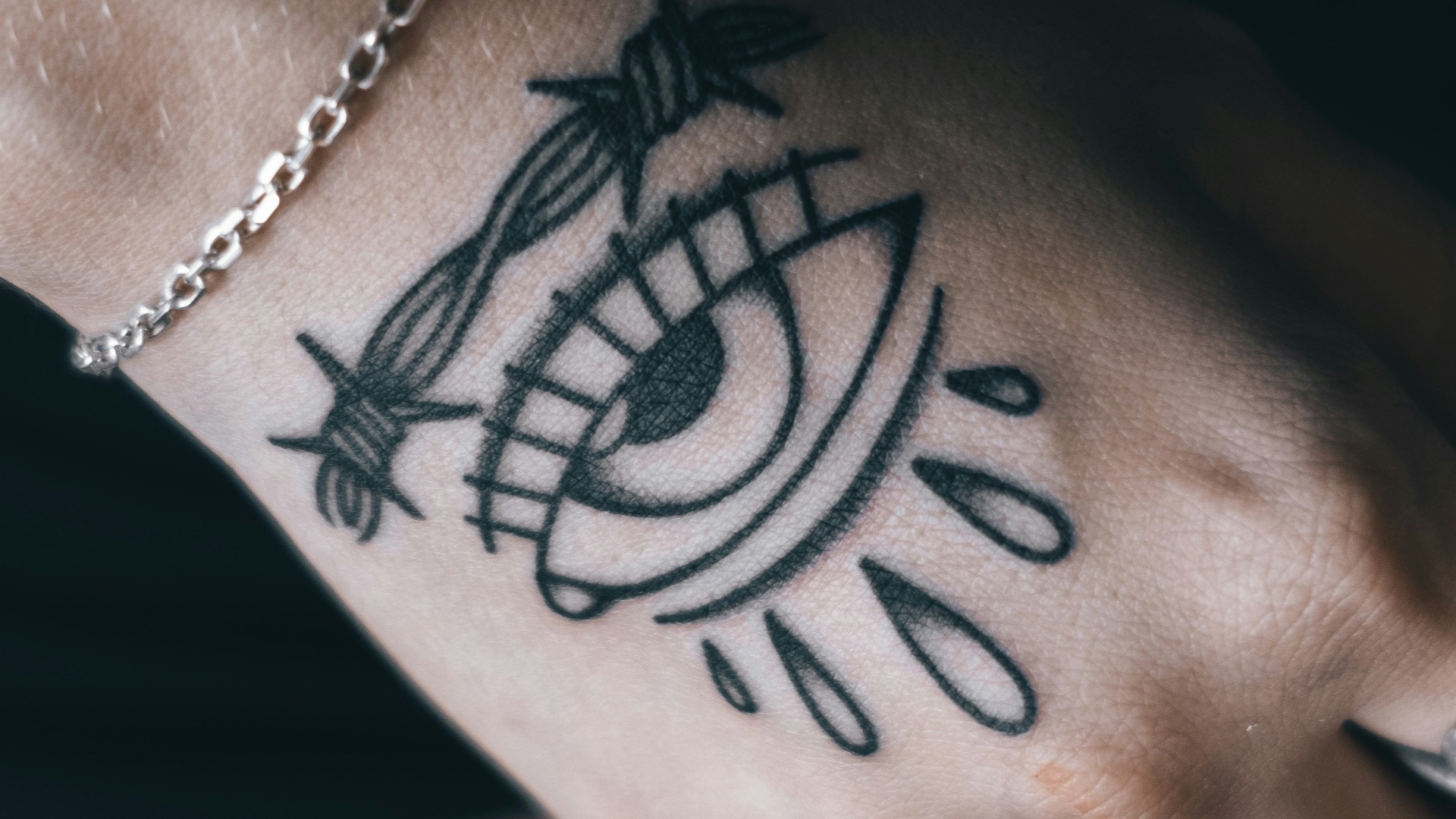
Imagine a woman's face gradually transforming into a staircase. Picture an eye with an entire landscape. They’re cool, right? Well, surrealist tattoos depend on unusual visual combinations, and those elements still need to form a readable design. Without thoughtful shading and composition, the finished piece can become confusing rather than artistic.
9. Dotwork Tattoos
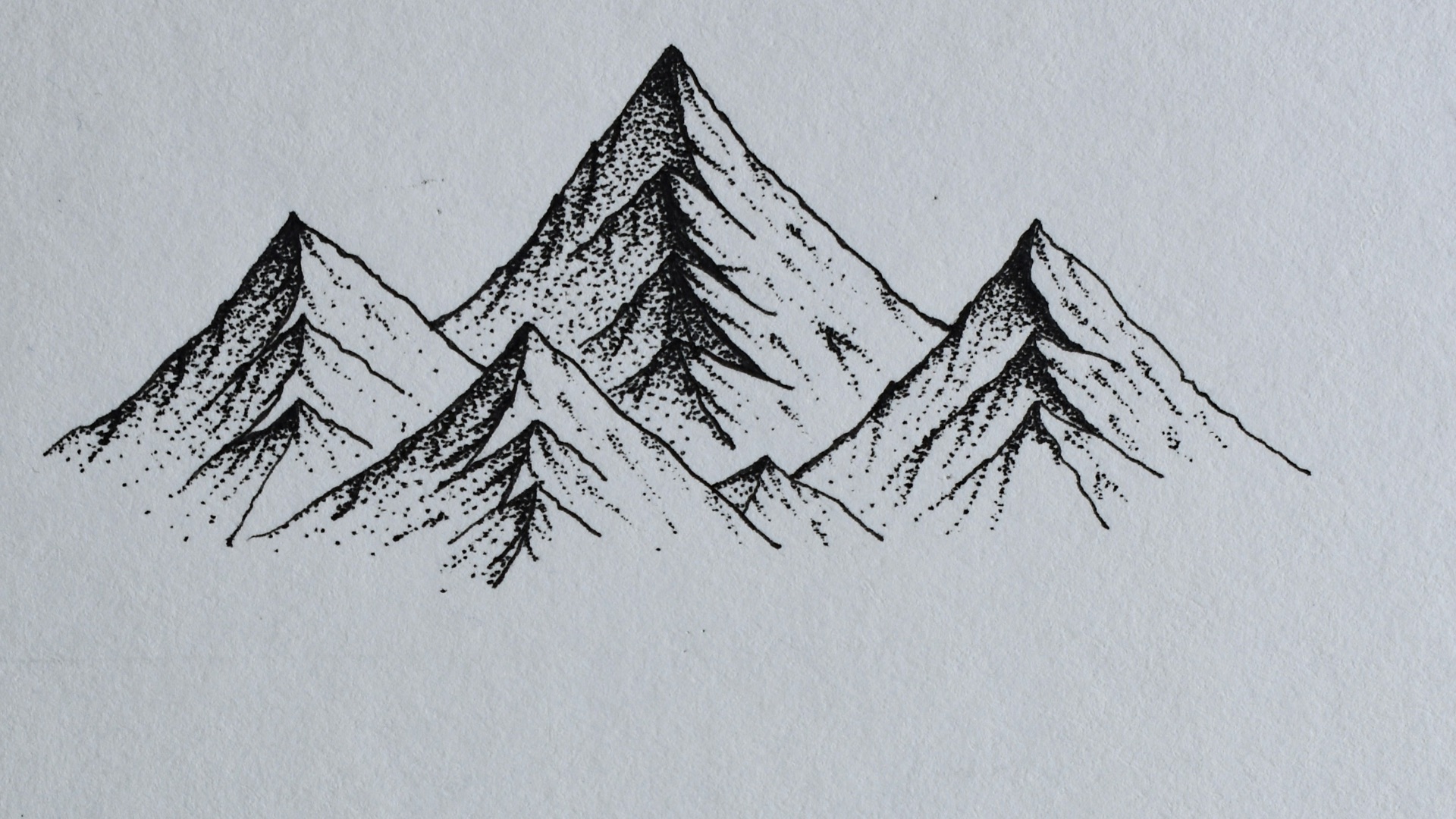
Instead of relying primarily on solid lines and conventional shading, dotwork artists work hard to build images using countless dots. It’s important to think about how those will look as you age! Poorly distributed dots can create uneven shading, particularly when they're intended to form smooth gradients.
10. Abstract Brushstroke Tattoos
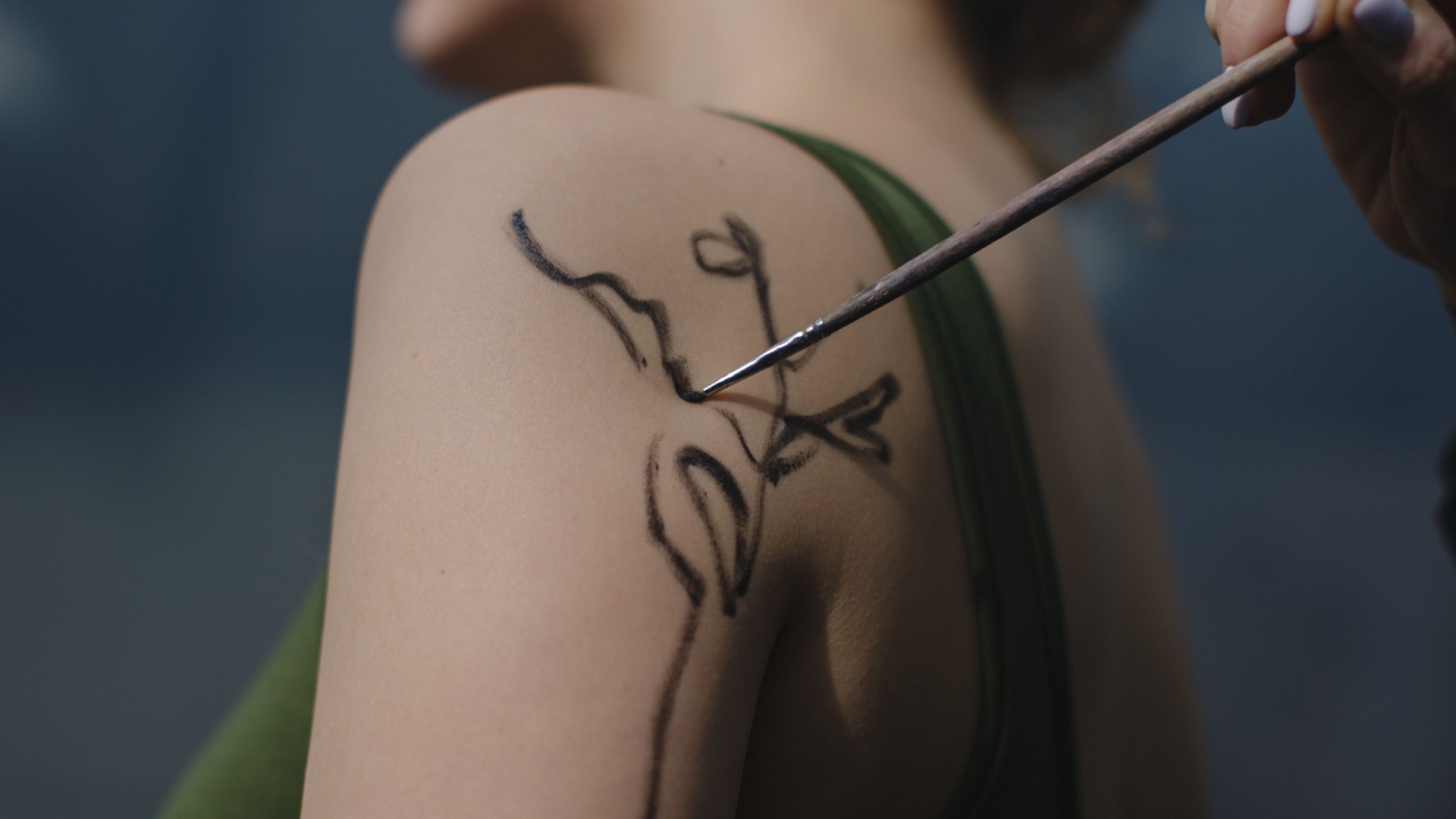
Those sweeping black marks that resemble expressive paintbrush strokes? There’s no doubt that they’re sophisticated against bare skin—but achieving that spontaneous appearance requires deliberate decisions about thickness, movement, and where each stroke should end. A large brushstroke can easily dominate the area if its proportions aren't considered beforehand.
11. Woodcut Tattoos
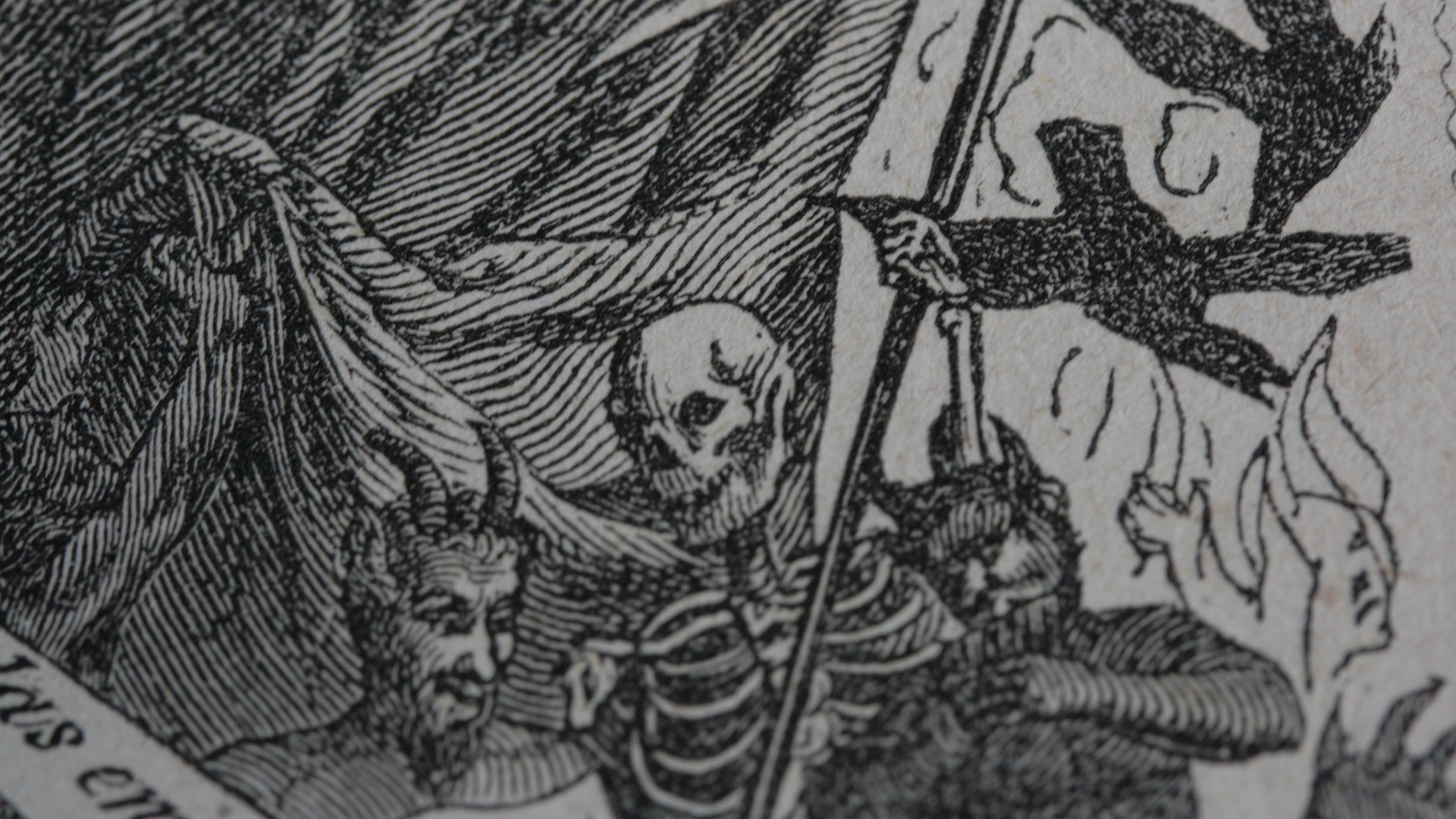
It’s hard not to stand in awe of a good woodcut tattoo! This style relies on bold linework and carefully arranged shading, which works great for certain designs. However, getting the contrast right is essential; excessive detail can make those elaborate illustrations difficult to distinguish.
12. Negative Space Tattoos
Funnily enough, sometimes the most important part of a tattoo is the skin that hasn't been inked. Negative space designs might feature a crescent moon emerging from a black background or flowers defined by the untouched skin surrounding them. The challenge is maintaining enough contrast and separation for the whole image to stay recognizable.
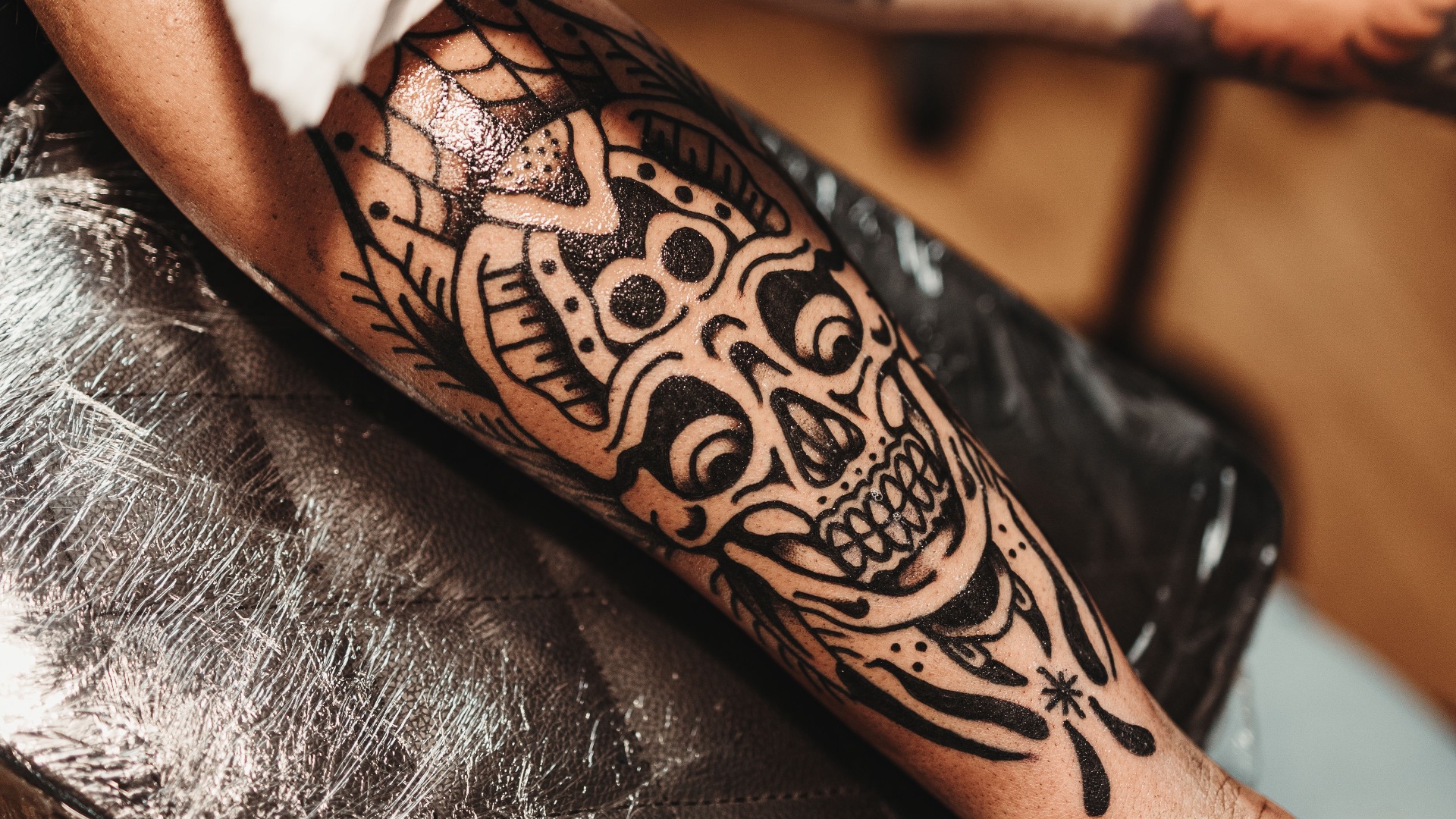
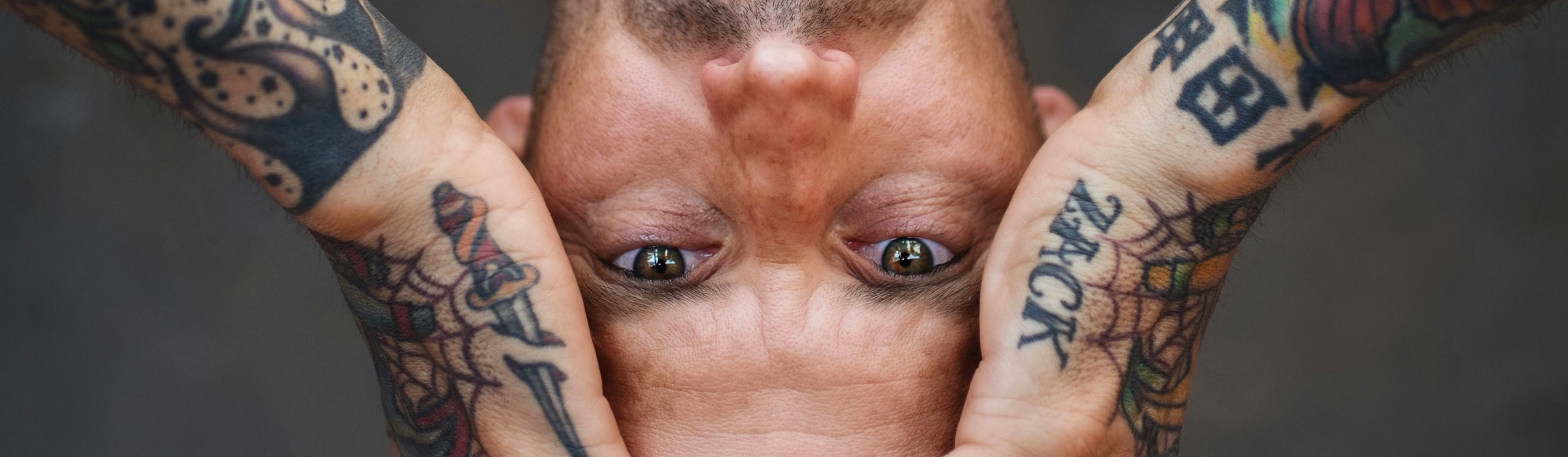
13. Patchwork Tattoos
A collection of small, unrelated tattoos scattered across your skin can create a relaxed, personal appearance. It sounds good on paper, but combining a vintage dagger, a cartoon cherry, and a tiny cowboy boot without making everything look cluttered takes some thought. Spacing matters, too, especially if you plan to keep adding to it over the years.
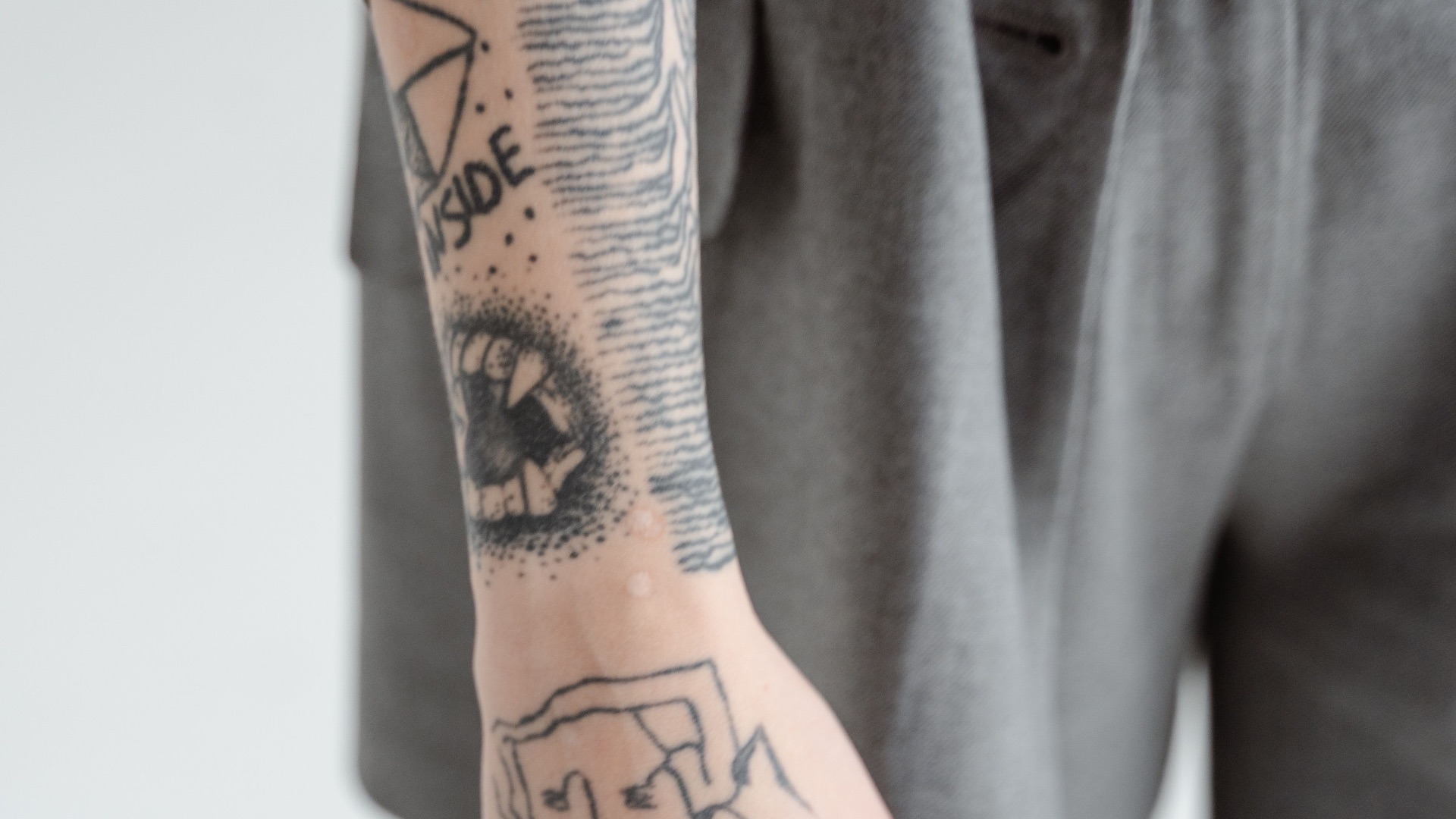
14. Cyber Sigilism Tattoos
Cyber sigilism often features sprawling patterns that follow the body's contours. It’s easy to think we can pull these off, particularly across the lower back or upper arms, where their dramatic shapes have room to develop. But you might want to think twice! Their highly distinctive appearance also means you need to be comfortable committing to an aesthetic that may eventually fall out of fashion.
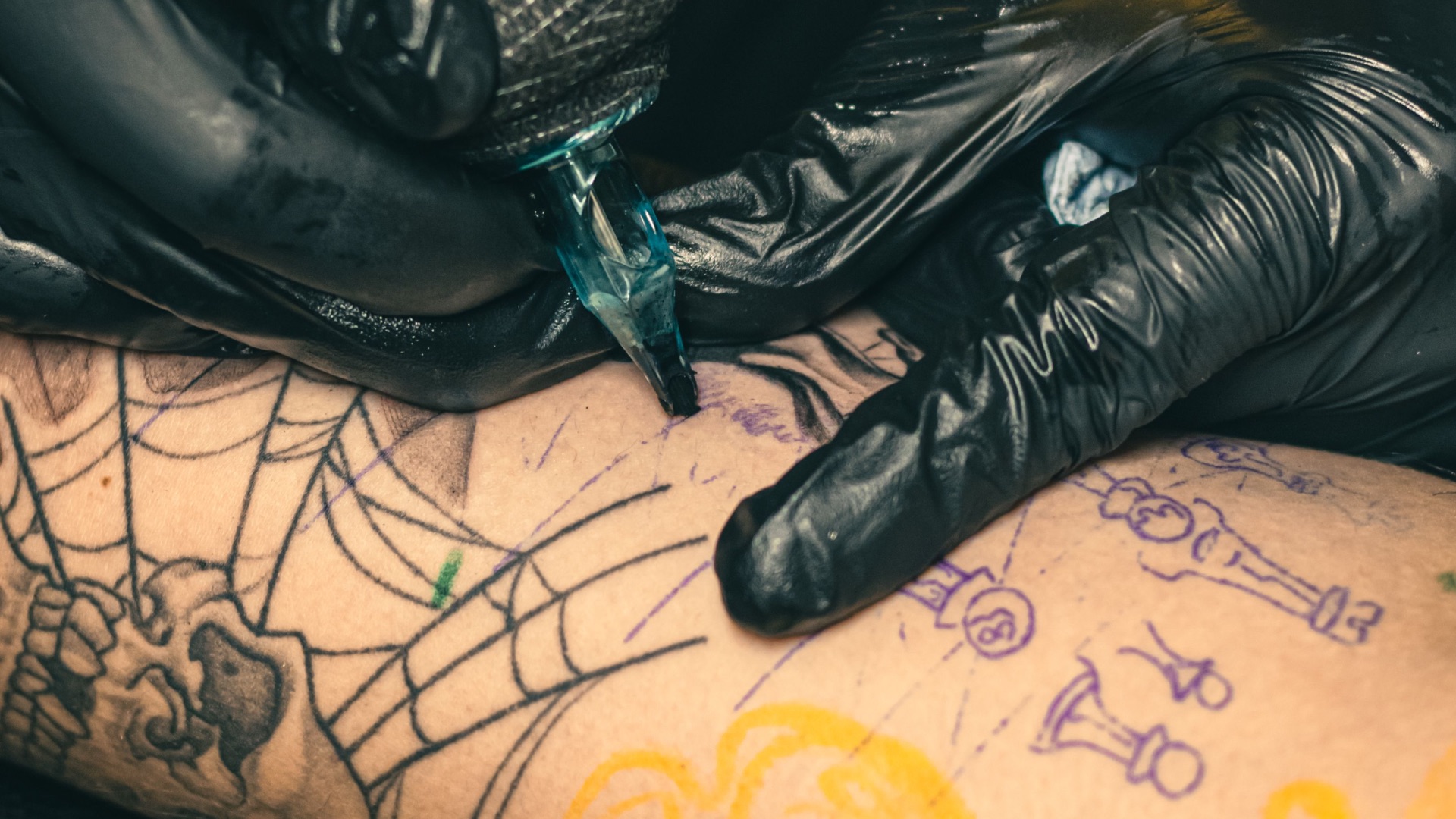
15. Optical Illusion Tattoos
One of the coolest designs is a tattoo that appears to reveal mechanical parts beneath your skin. It’s also one of the hardest to pull off, though. These designs depend on precise perspective, shading, and an understanding of how the body moves. An illusion that looks convincing when your arm is straight might just lose its effect when you bend it.
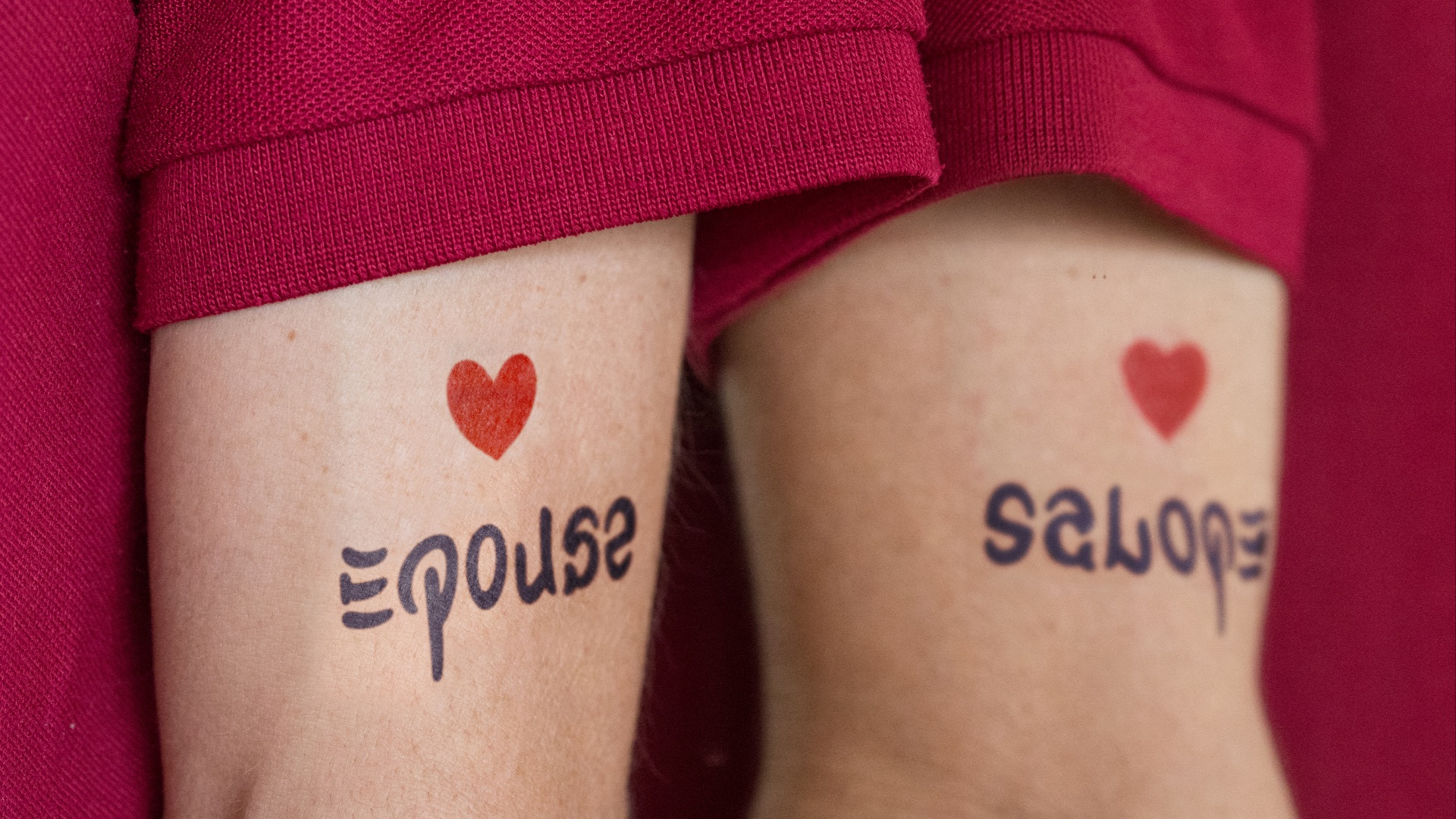
16. Art Nouveau Tattoos
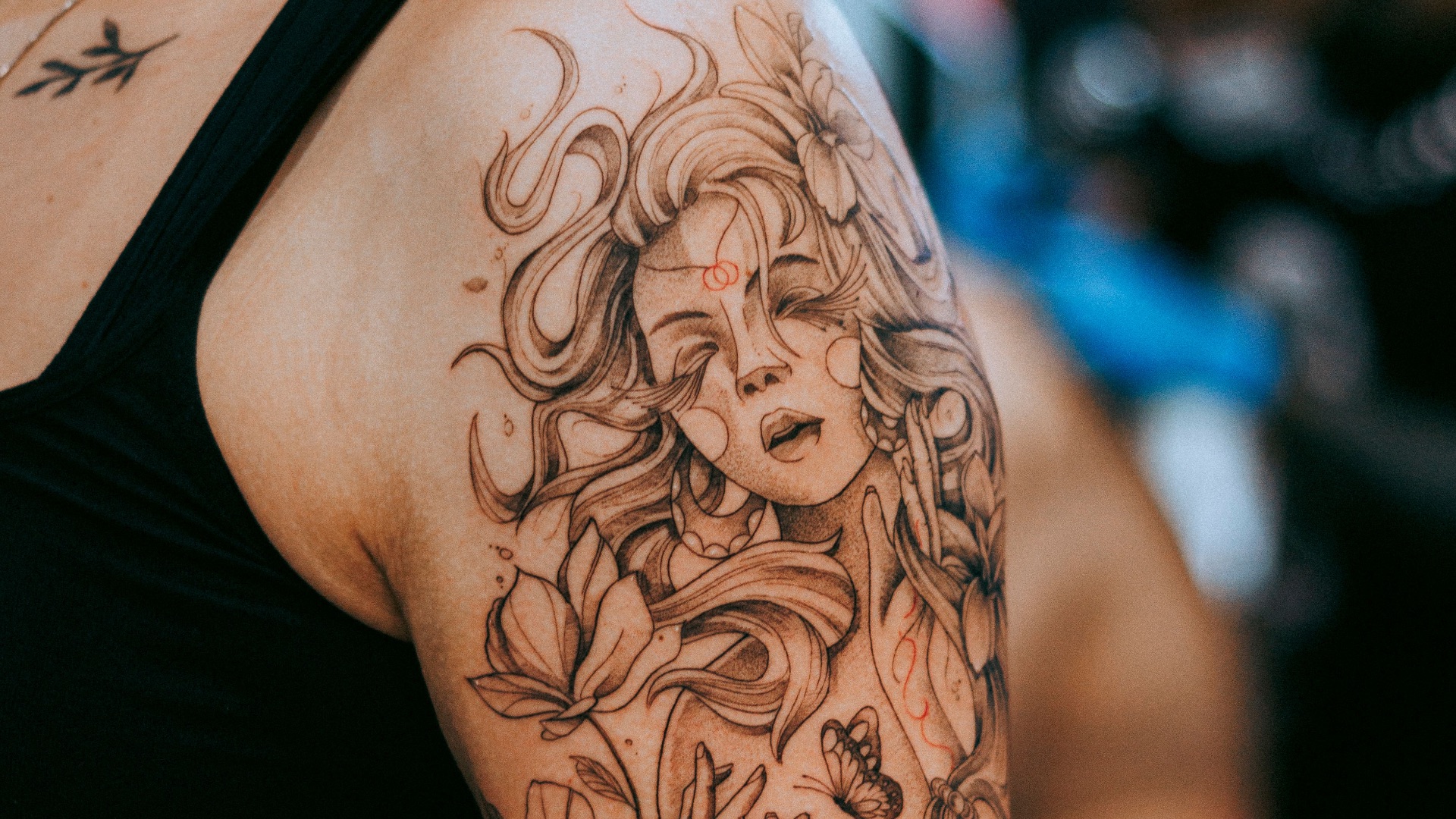
Art Nouveau tattoos have a lot of amazing things all packed into one piece: flowing hair, elaborate flowers, and elegant female figures! But there’s a difference between looking cool on the wall and looking cool on the skin. Reproducing that intricate artwork on skin requires enough space to prevent the smaller features from becoming crowded.
17. Biomechanical Tattoos
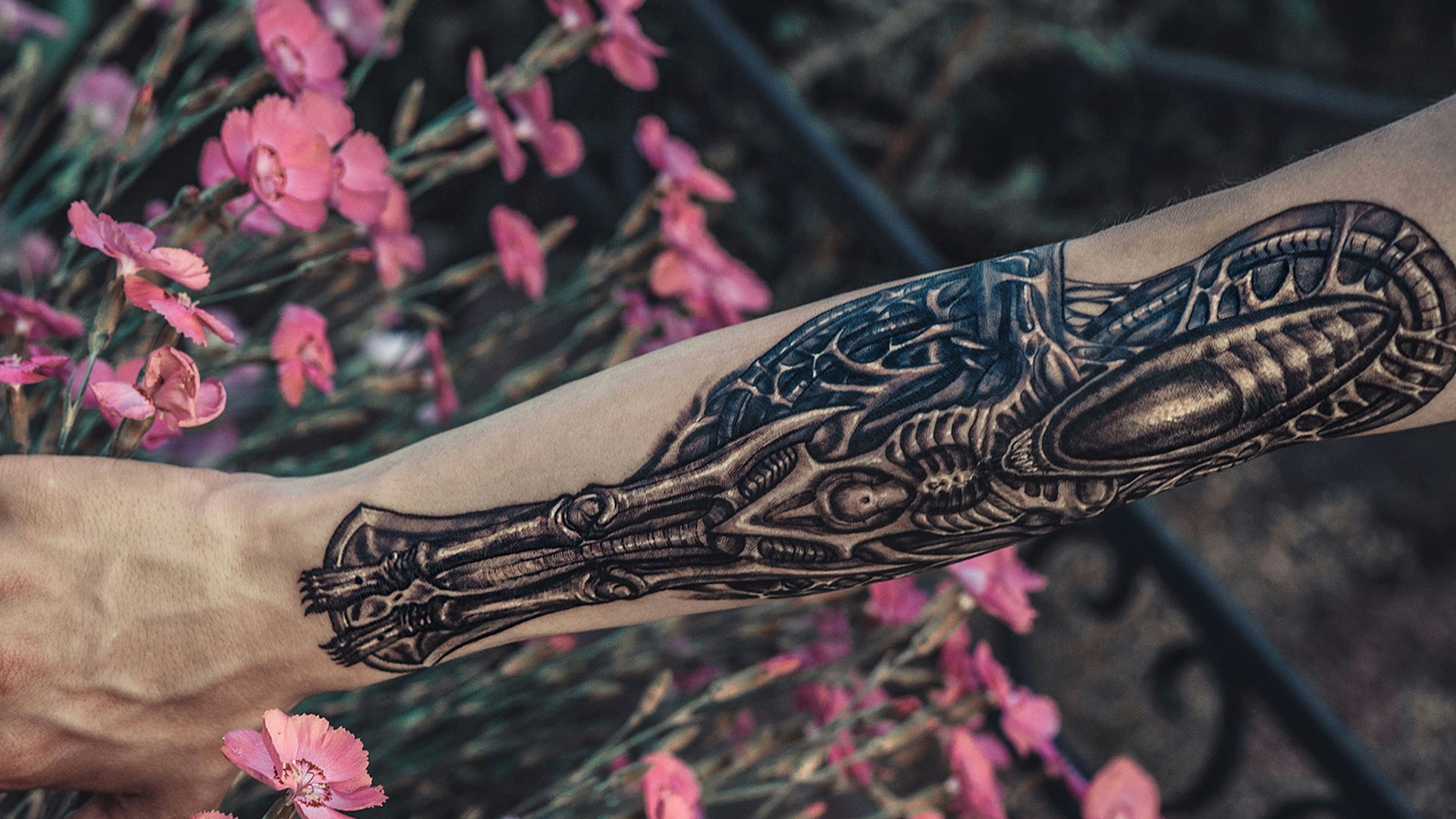
These intricate designs were actually popularized by imagery associated with artist H.R. Giger. Think machinery and other mechanical structures with metal joints, cables, and exposed components beneath the skin. If that sounds complicated, that’s because it is! Creating a convincing result requires detailed shading and a design that accounts for the muscles and contours underneath.
18. Stained Glass Tattoos
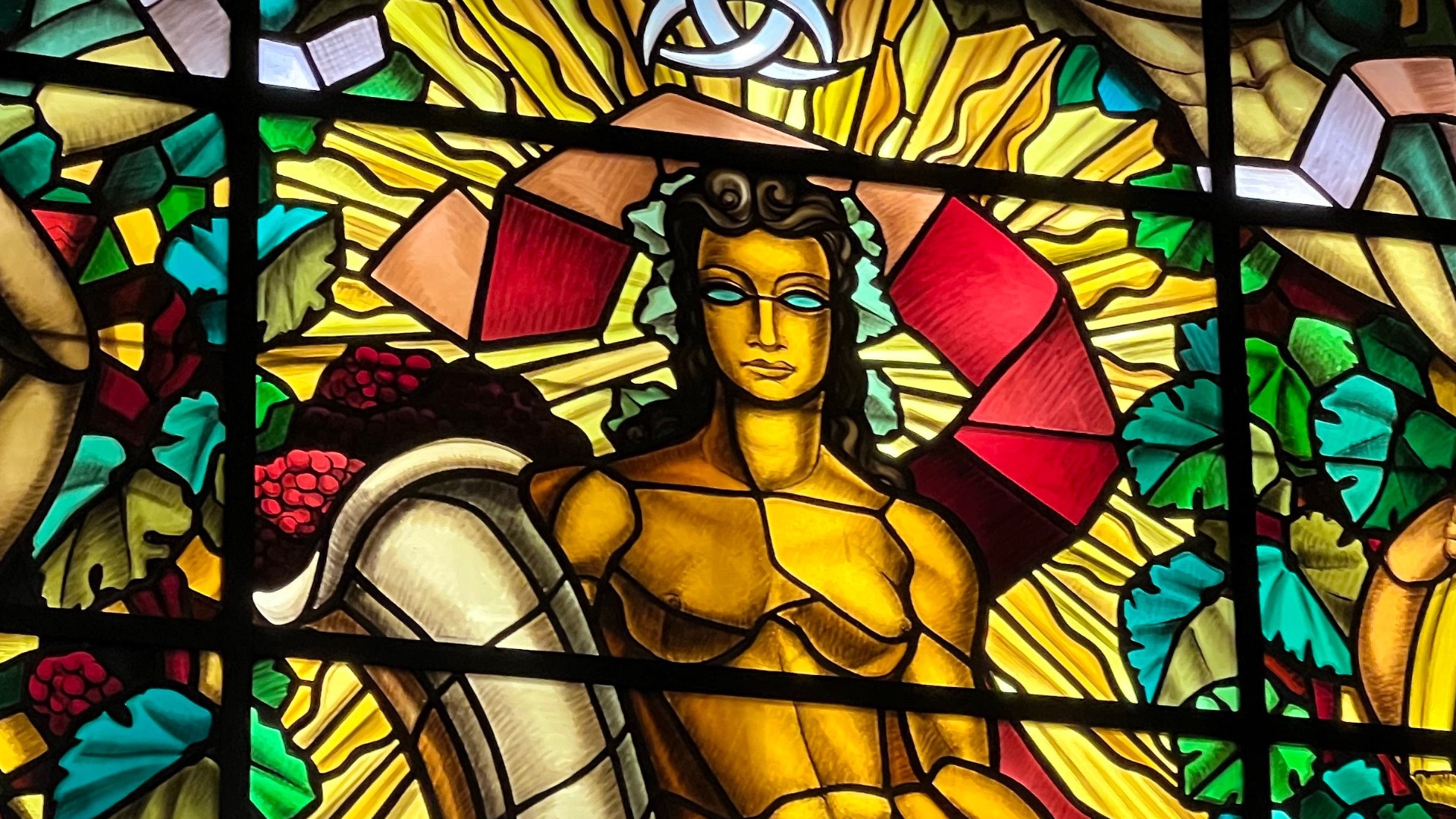
What’s better than a cathedral’s beauty right on the skin? Stained glass tattoos use bold dividing lines and sections of color to create an unmistakable appearance—one that might be better left to chapels. A rose or butterfly designed this way can be stunning, but the artist really has to balance the colored sections with the darker outlines. Too many tiny compartments can make the piece crowded, and poorly chosen colors can even reduce the contrast.
19. Chicano Lettering Tattoos
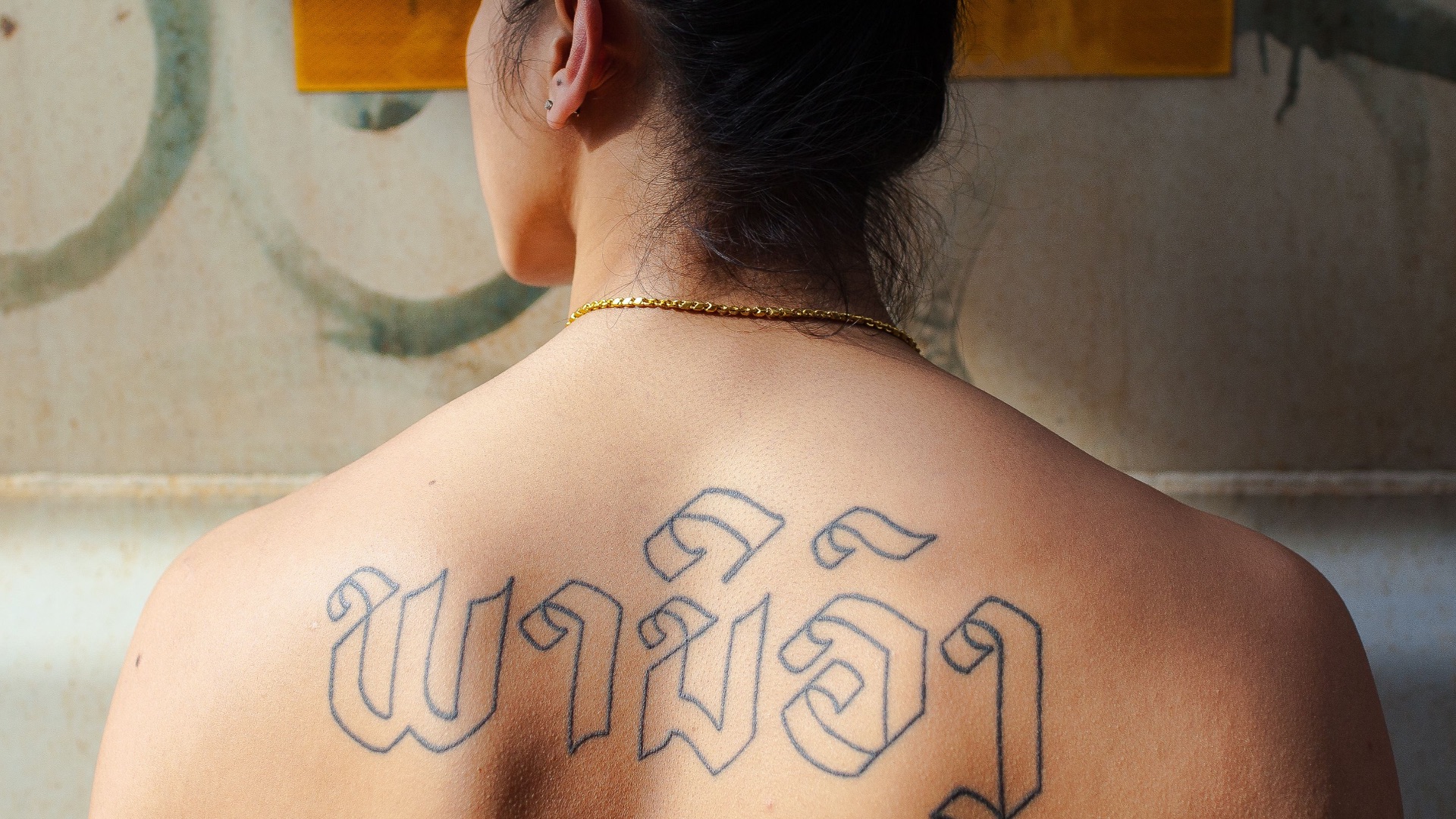
Elaborate script inspired by Chicano tattoo traditions often features flowing letters, intricate flourishes, and plenty of black-and-gray shading. There’s no shame in wanting a meaningful family name across your chest, but that choice requires some serious consideration. The spacing needs particular attention, and excessive ornamentation can make the actual words tough to read.
20. Full-Body Bodysuit Tattoos
Few tattoo styles require as much commitment as a coordinated bodysuit! Rather than collecting unrelated pieces, these extensive designs rely on recurring patterns and consistent shading, which is why they’re so tough to rock. Completing one can take years of appointments, too, making it especially important to choose artwork you'll appreciate long after the excitement wears off.