The Rules Change At The Border
What looks polished in one country can look like you're trying too hard in another. Even something as ordinary as the shoes you wear to dinner can send a different message once you cross a border. The tricky part is that locals rarely think to explain these expectations because they've grown up taking them for granted. Travelers tend to discover them only when something they consider perfectly normal draws a second look. Here are 20 style habits that count as polished in one country and sloppy in another.

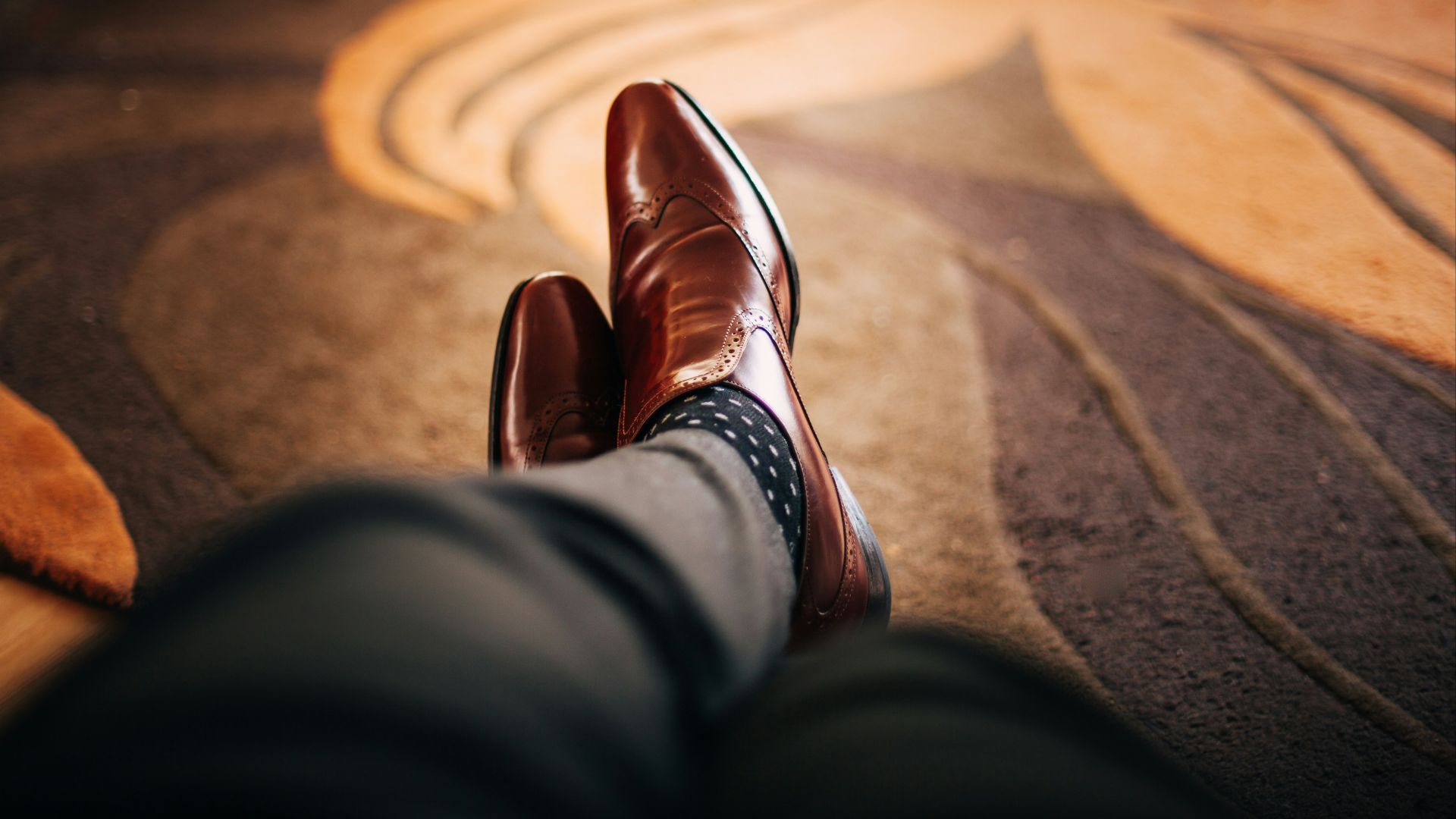
1. Shoes Indoors
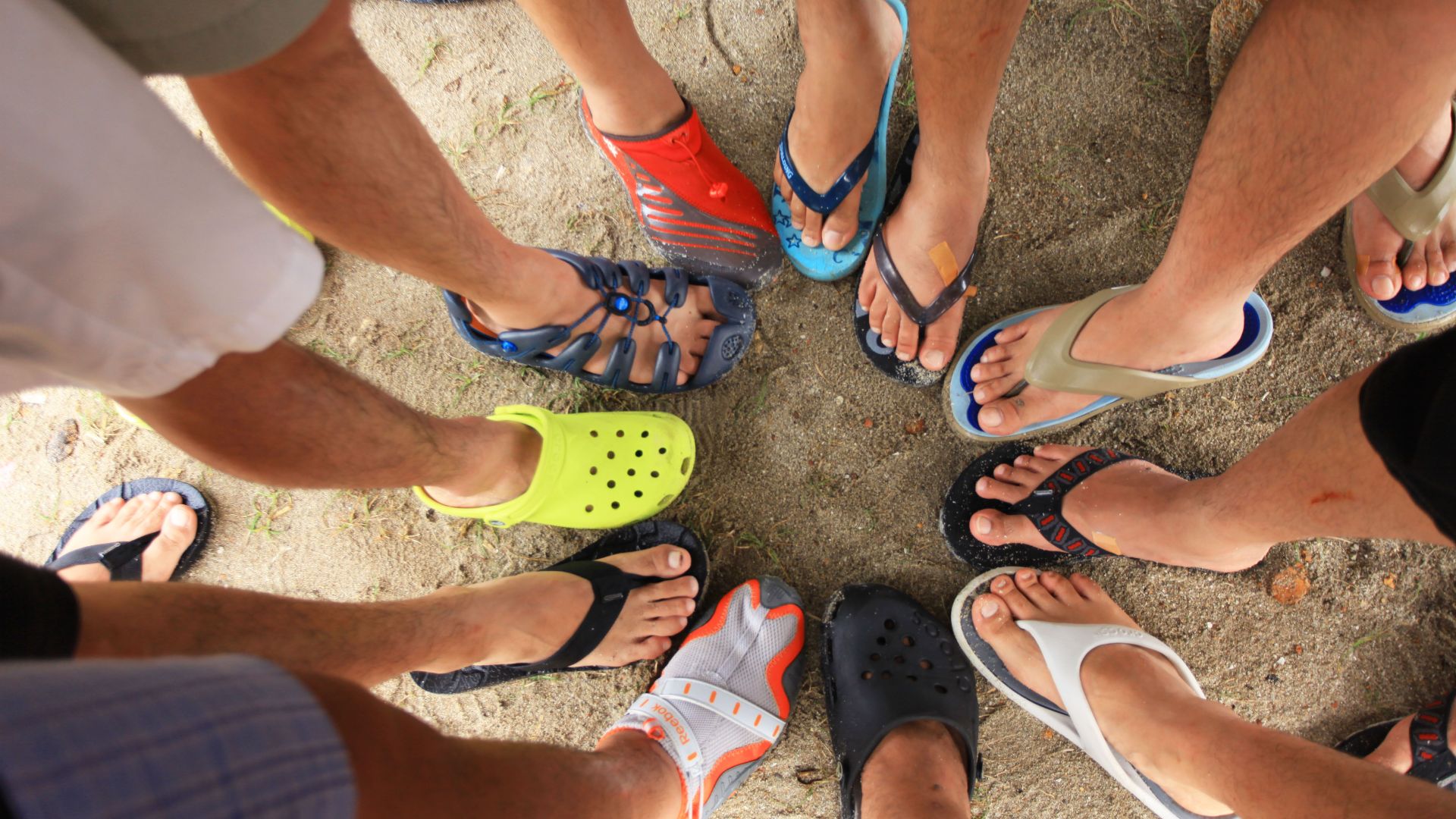
In Mexico, keeping your shoes on inside is what guests do. Walk into a home in Seoul or Helsinki the same way and you've tracked the street across someone's floor. Japanese houses are built around it, with a sunken genkan marking where outside stops.
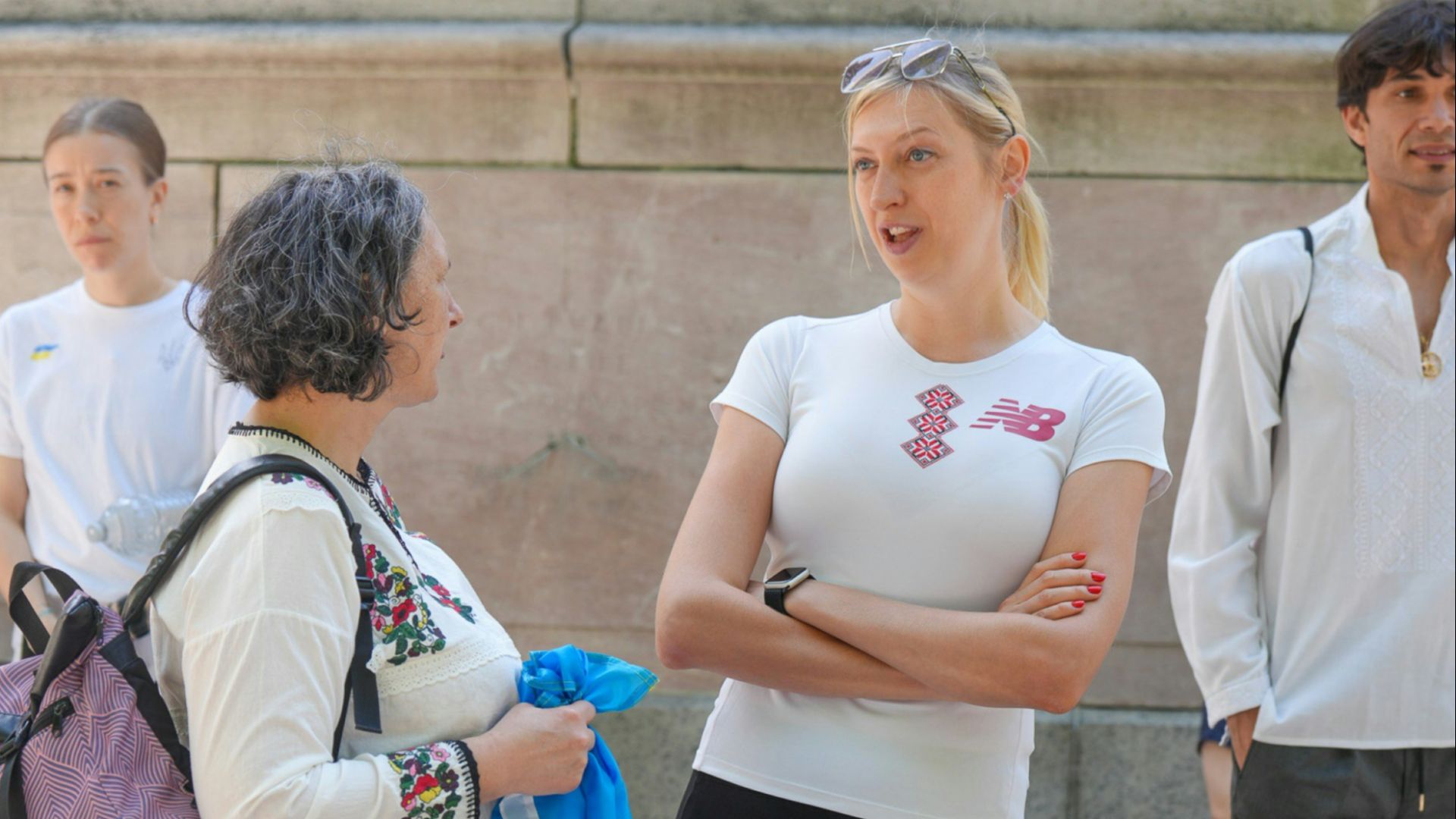
2. Gym Clothes In Public
Leggings and a hoodie will carry an American through a full Saturday of errands. In Milan the same outfit outside a gym reads as someone who gave up halfway through getting dressed. Italians have a phrase for the opposite, bella figura, the idea that you owe the street a decent showing.
3. Flip-Flops Downtown
Thongs in Australia and Havaianas in Brazil are street-legal through most of ordinary life. German and Japanese cities read the same sandal as beachwear that wandered inland, fine by a pool and strange on a commuter train. In Tokyo they suggest you're headed to water rather than work.
4. Going Tieless
Japan made it official in 2005 with its Cool Biz campaign, encouraging office workers to ditch jackets and ties so buildings could use less air conditioning. In London's more traditional finance offices, an open collar can still look too casual for an important meeting. In Italy, meanwhile, a well-cut jacket worn without a tie is often considered perfectly respectable.
5. A Deep Tan
A tan in Sydney or Rio reads as time well spent outdoors. Across much of East and South Asia the same color has historically signaled outdoor labor, which is why whitening products fill pharmacy shelves and parasols come out in June.
 Rafaella Mendes Diniz on Unsplash
6. Sun Umbrellas
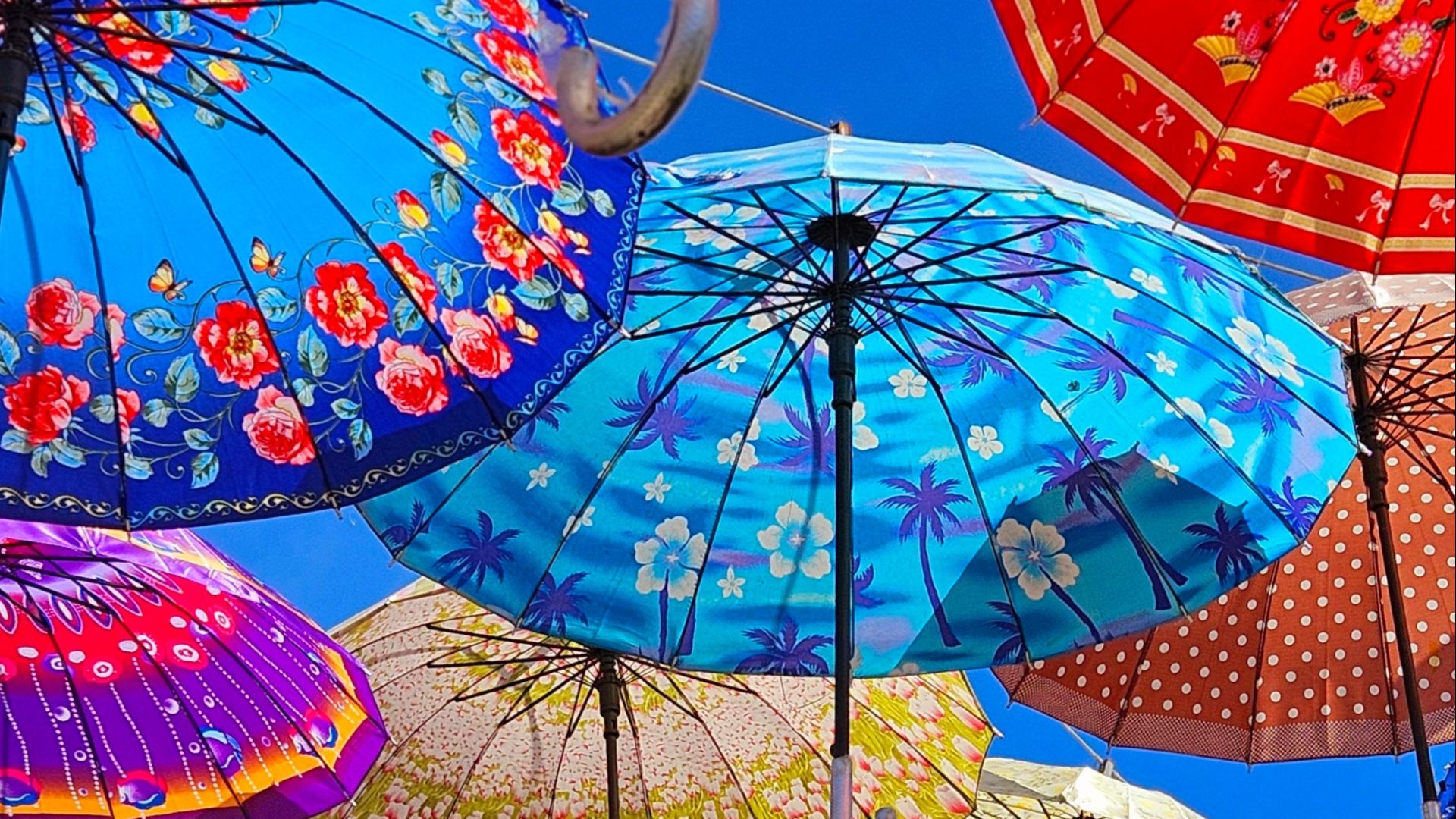
Walk through Seoul or Taipei in August and the sidewalks fill with parasols. The identical object in London draws looks, since an umbrella there means rain and nothing else. Japanese department stores stock them year-round with UV ratings on the tag.
 Daniel Maurício Bertoli on Pexels
7. Sneakers With Tailoring
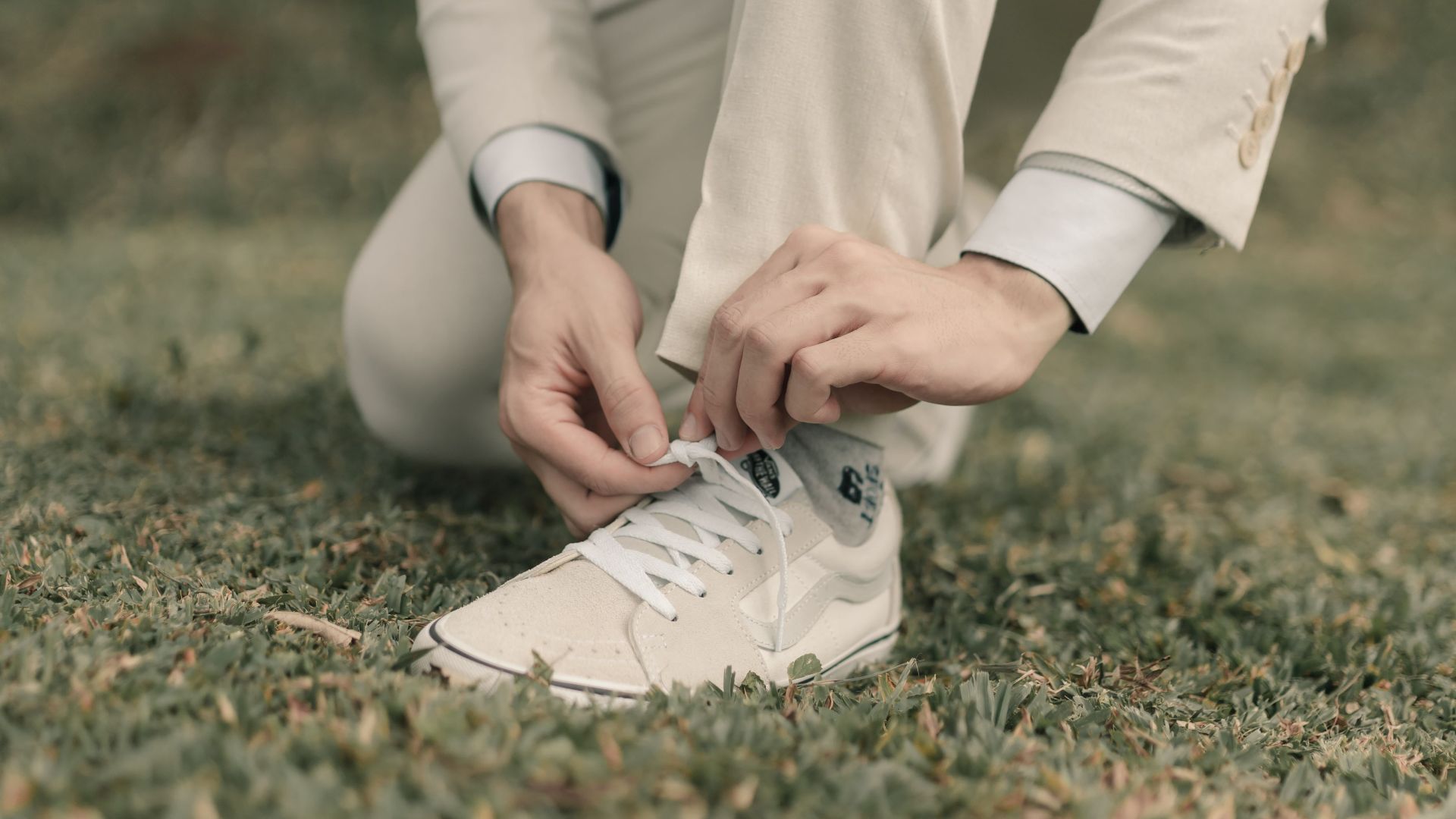
Copenhagen puts clean white leather sneakers under a suit and calls the outfit finished. Milan still wants a leather sole, and the sneaker version suggests someone who didn't own the right shoes. It only works when the sneaker is immaculate, which is the part visitors miss.
8. A Backpack With A Suit
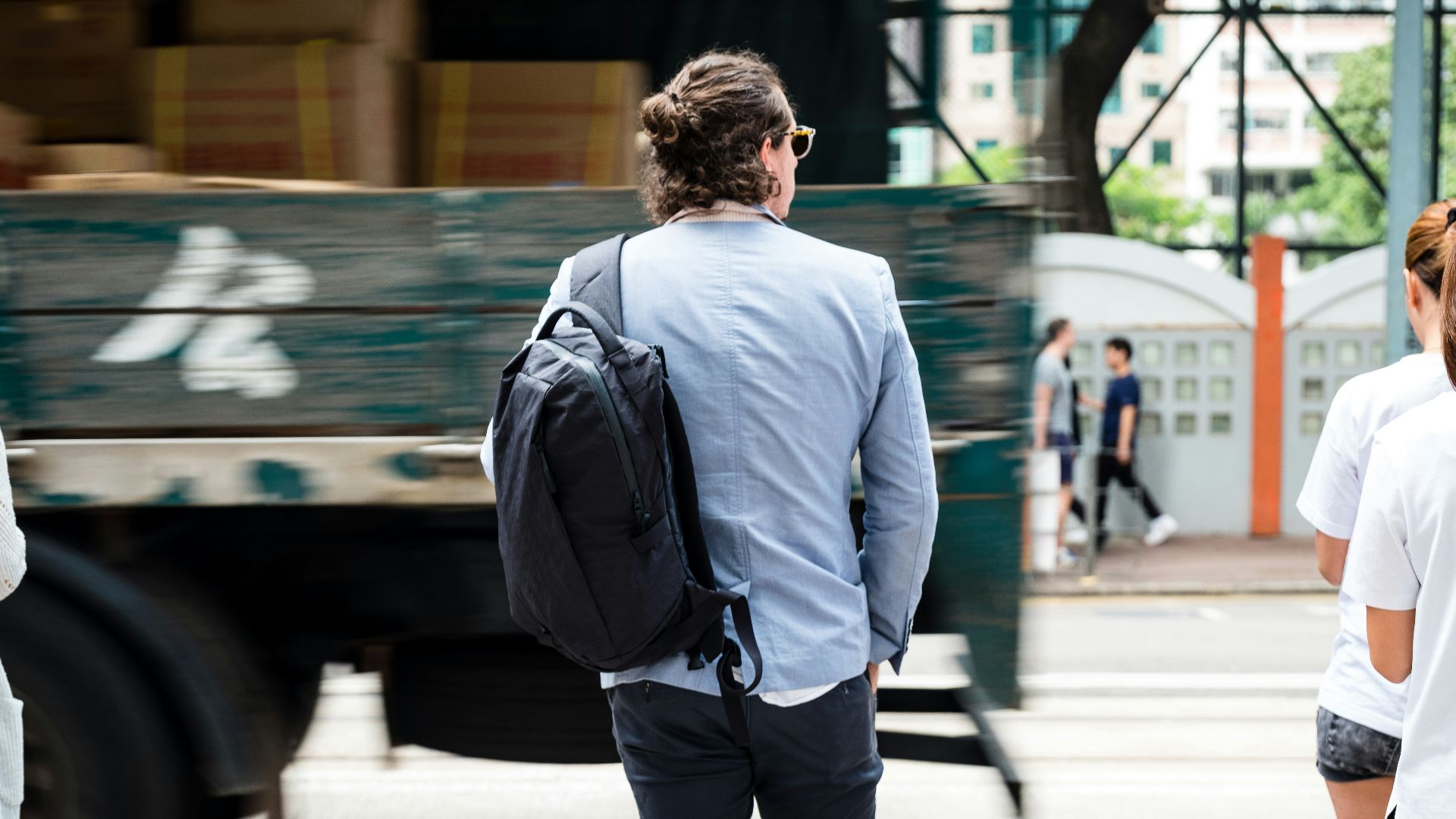
Tokyo commuters carry backpacks with full business dress, and the trains explain it, since both hands are better spent on a rail. An Italian in the same suit reaches for a slim leather case and files the backpack under schoolwear. Nobody in Shibuya is reading it that way.
9. Unpressed Linen
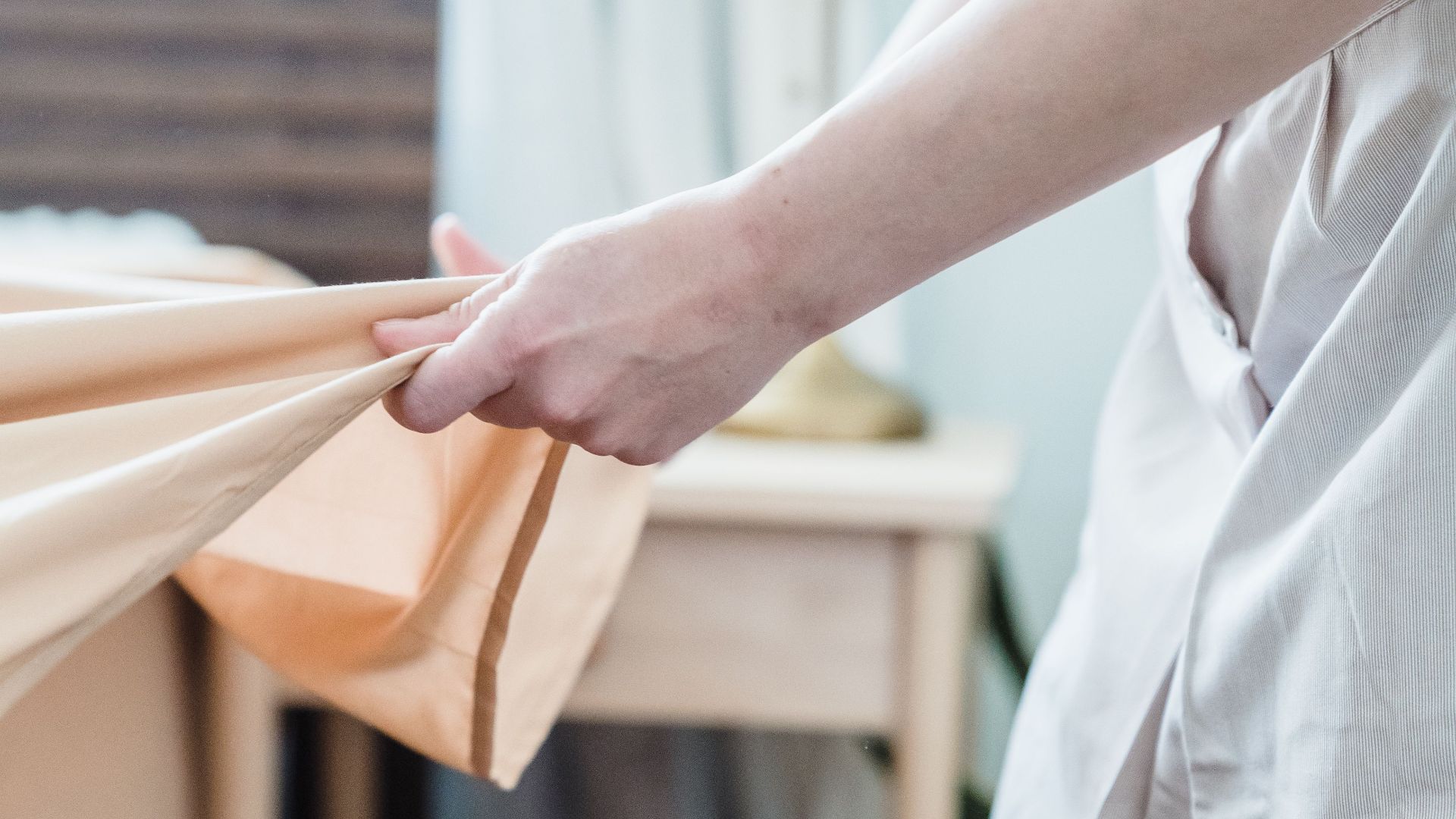
Italian summer dressing treats a wrinkled linen jacket as proof you're relaxed about it, the idea Castiglione called sprezzatura in 1528. Korean and Japanese offices lean the other way, where an unplanned crease suggests you never checked a mirror. Pressing it flat would strike a Neapolitan tailor as missing the point.
10. Visible Logos
Large recognizable branding carries weight in parts of China and the Gulf, where being identified is half the function. British and Scandinavian dressing moved the opposite direction, toward clothes only another shopper would place. The quiet version costs the same, and the signal travels to a smaller audience.

11. Faded Denim
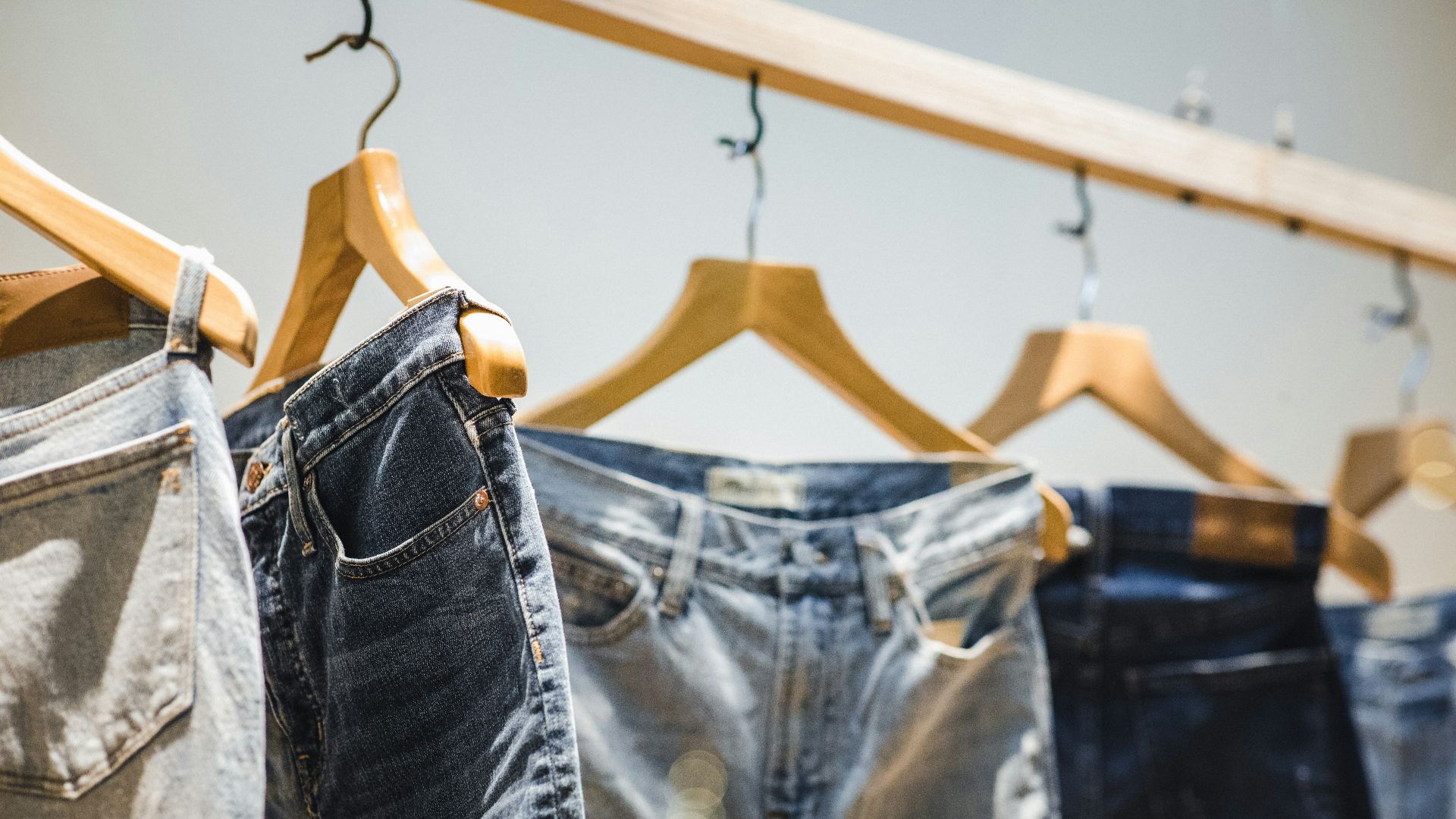
Okayama mills build denim meant to break in over years, and Japanese buyers treat the fades as a record of wear rather than damage. Elsewhere, heavy whiskering and worn knees read as jeans somebody should have replaced. Raw selvedge sells at a premium there because nothing has happened to it yet.
12. Short-Sleeved Dress Shirts
A Japanese office worker in July wears a short-sleeved button-down with slacks and nobody blinks. An Italian reads that same shirt as a budget airline uniform, since the sleeve exists to show past the jacket cuff. Humidity settles this one more than taste does.
13. Bare Legs At The Office
Bare legs under a skirt in July pass without comment in Stockholm. Many traditional Japanese workplaces still expect hosiery no matter the forecast, and arriving without it registers as a step skipped. The expectation loosens in startups and tightens considerably in banks.
 S O C I A L . C U T on Unsplash
14. Visible Tattoos
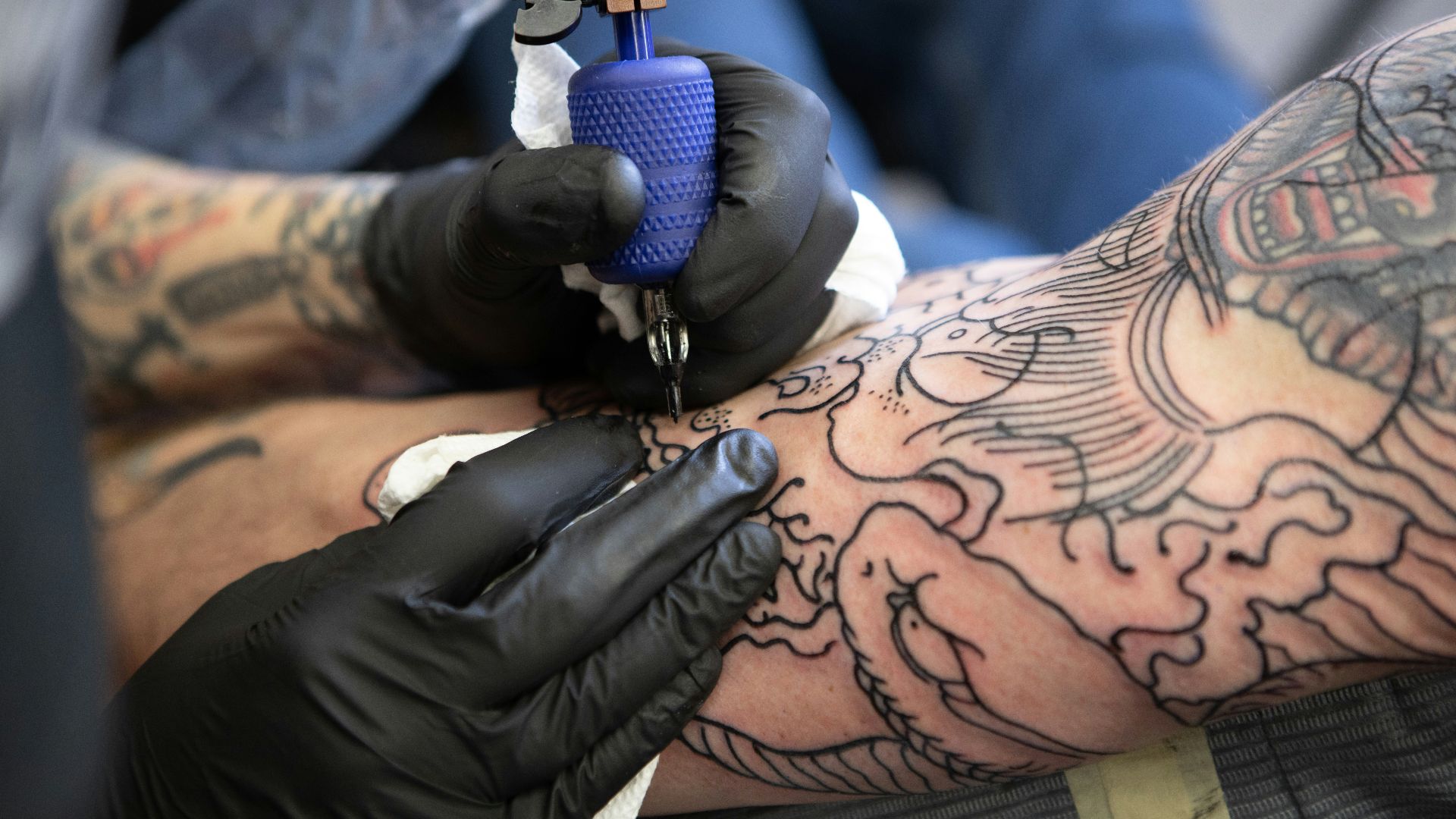
Forearm tattoos stopped mattering in American and European offices a while back. Japan kept the association with organized crime, and plenty of onsen and gyms still turn away anyone showing ink. Some bathhouses hand out cover patches, which solves a forearm and not a sleeve.
15. Beards At Work
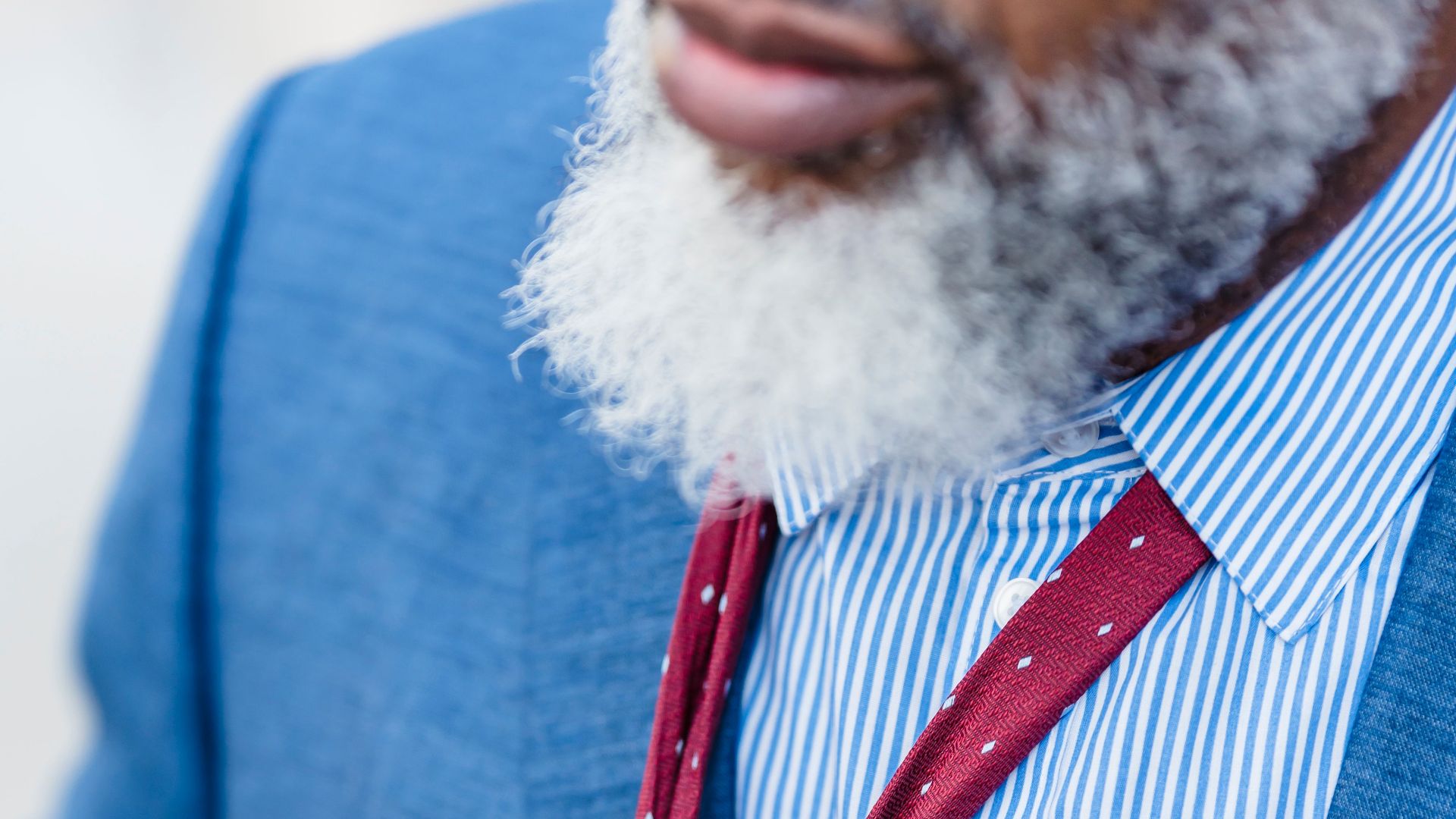
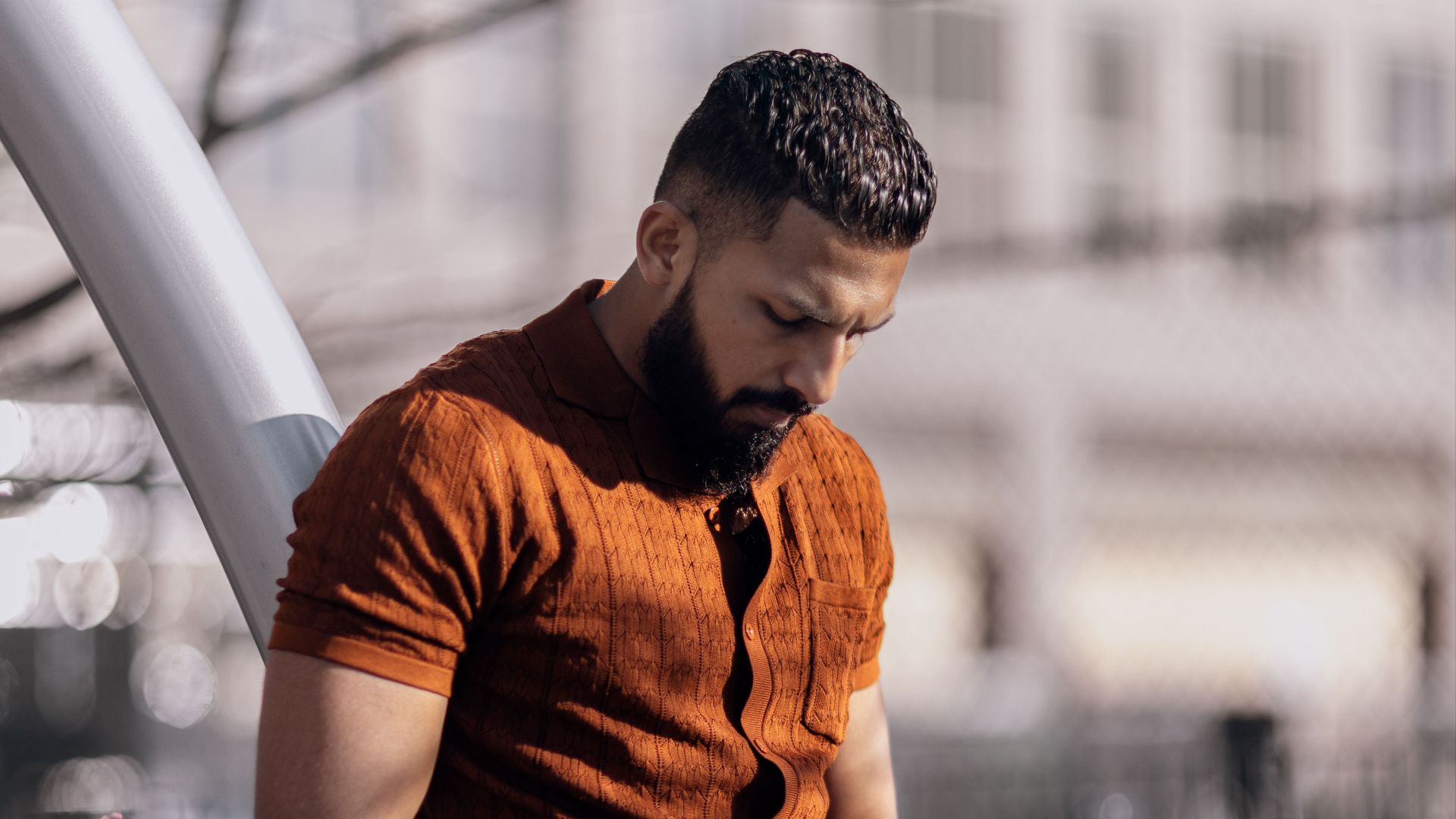
Western workplaces made peace with facial hair over the last decade. Japanese corporate grooming moved slower, and in 2019 two Osaka subway workers won damages after the city marked down their evaluations over beards. A beard that reads well-kept in Chicago can still cost points in Tokyo.

16. Caps Indoors
Cafes in Seoul are full of people in baseball caps and nobody reads it as a slight. Keeping one on at an American dinner table still lands as rude, and an older relative will say so. The hat is identical, and the indoor rule does the work.

17. Socks With Sandals
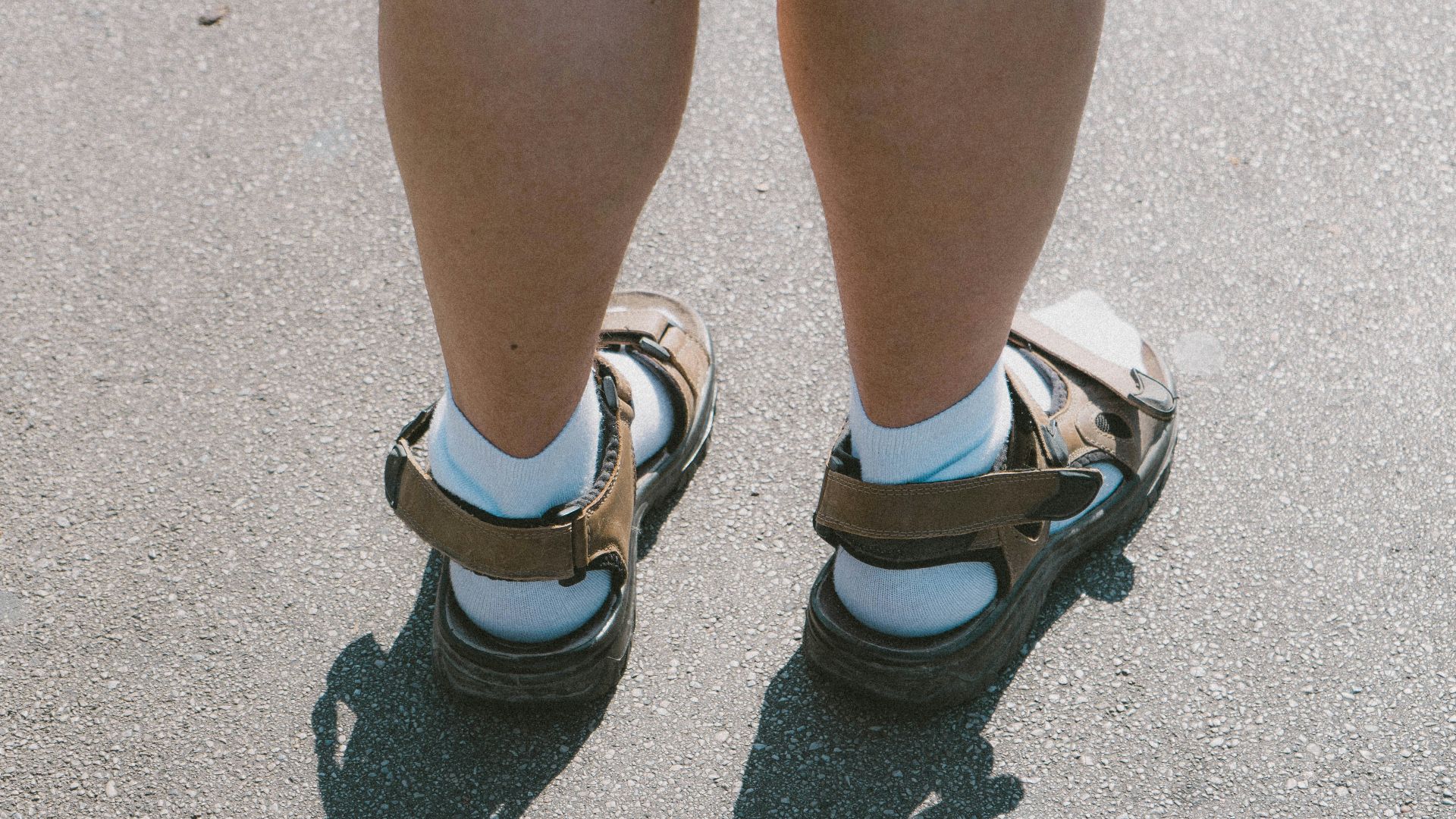
Germans have endured decades of jokes about wearing socks with sandals, particularly from British tourists. In Japan, the combination has a much longer history, with traditional tabi socks worn alongside sandals for centuries. Modern Japanese streetwear has embraced the look too, though the choice of footwear makes a difference.
18. Nail Art
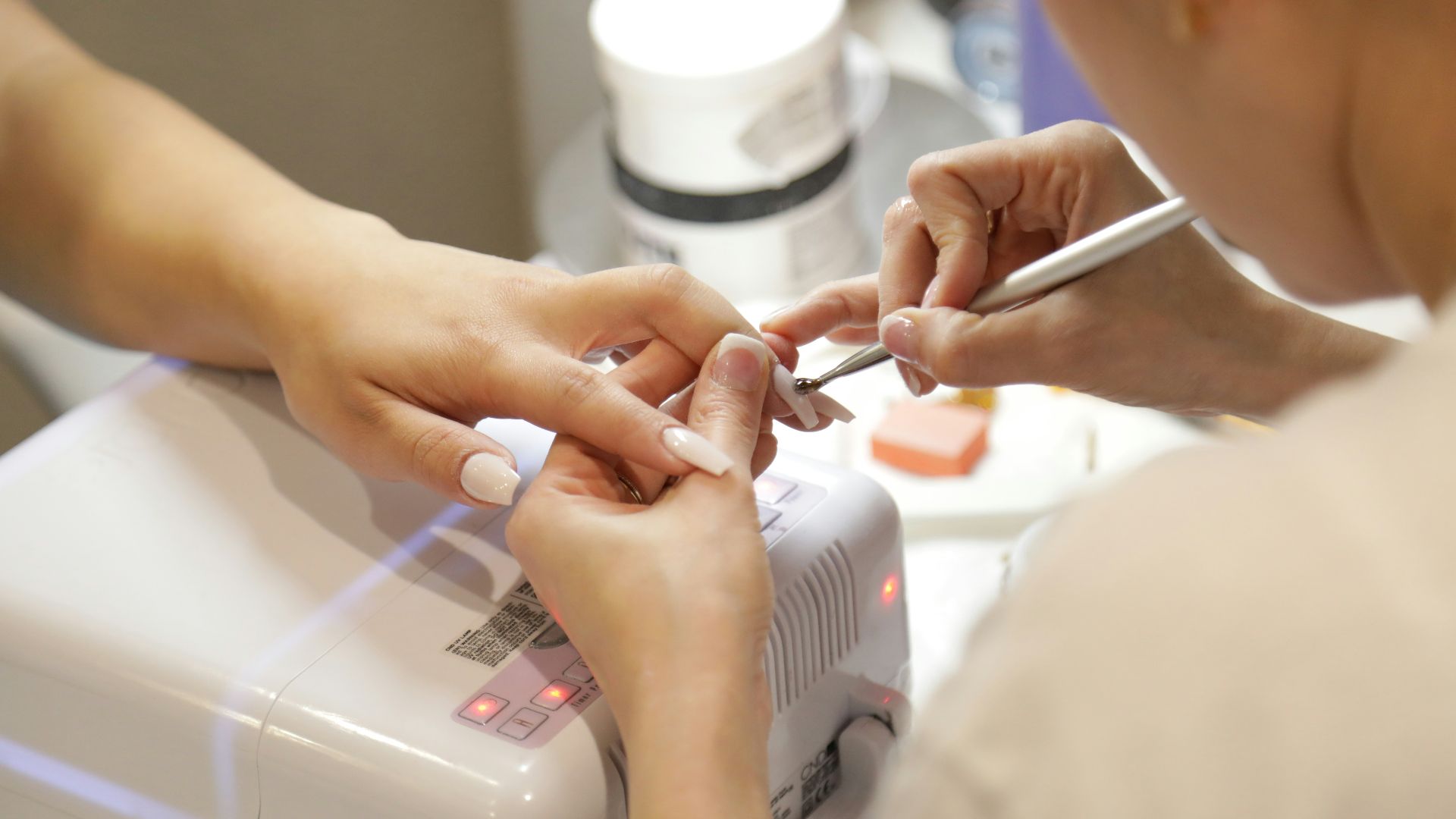
Elaborate nails count as grooming in Tokyo and Seoul, where salons do hand-painted work that takes hours. German and Dutch offices read anything past a clear coat as unprofessional, especially in medicine and law. Short and bare is polished in one place and lazy in the other.
19. Dressing For A Flight
Americans fly in sweatpants and have for a generation. French and Italian travelers still turn up in real clothes, partly because the plane counts as public space and partly because of who might be waiting at arrivals. Upgrade folklore has run on that belief for decades.
20. Pajamas Outside
Shanghai residents wore pajamas to the market for years, treating the neighborhood as home. The city ran campaigns against it ahead of the 2010 Expo, posting volunteers to talk people back inside to change. Almost anywhere else, that outfit in a grocery aisle reads as a rough morning.