20 Body Modification Traditions From Around the World and What They Actually Signify
The Marks and the Meanings
Body modification has served purposes far beyond appearance. Tattoos could record family ancestry, while patterns of scars could mark an initiation or a person's place within a community. Yet many of these traditions have been misunderstood, with popular explanations sometimes making them sound more bizarre than they actually were. Here are 20 body modification traditions and what their markings really meant.
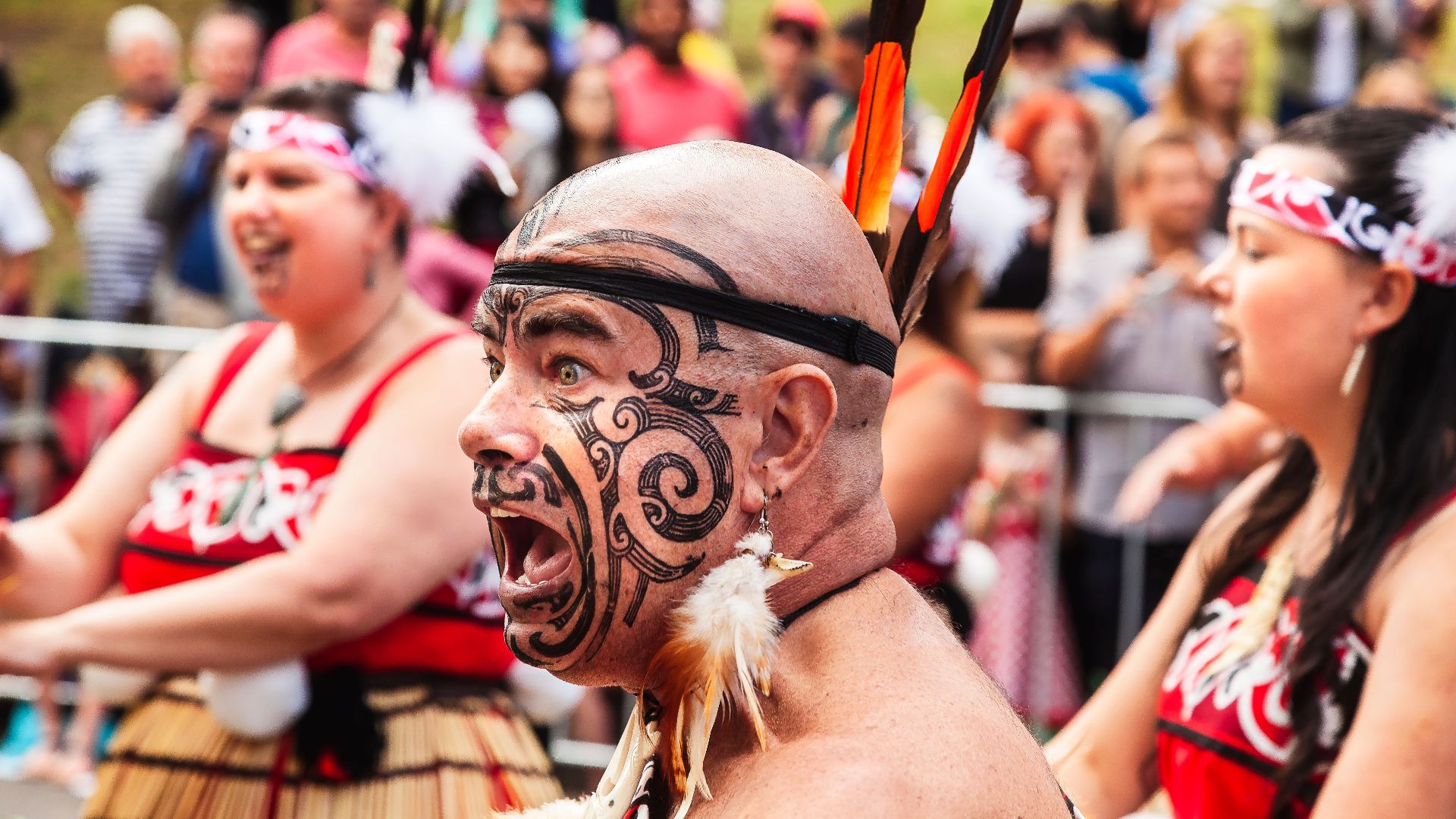
1. Tā Moko Is a Genealogical Record
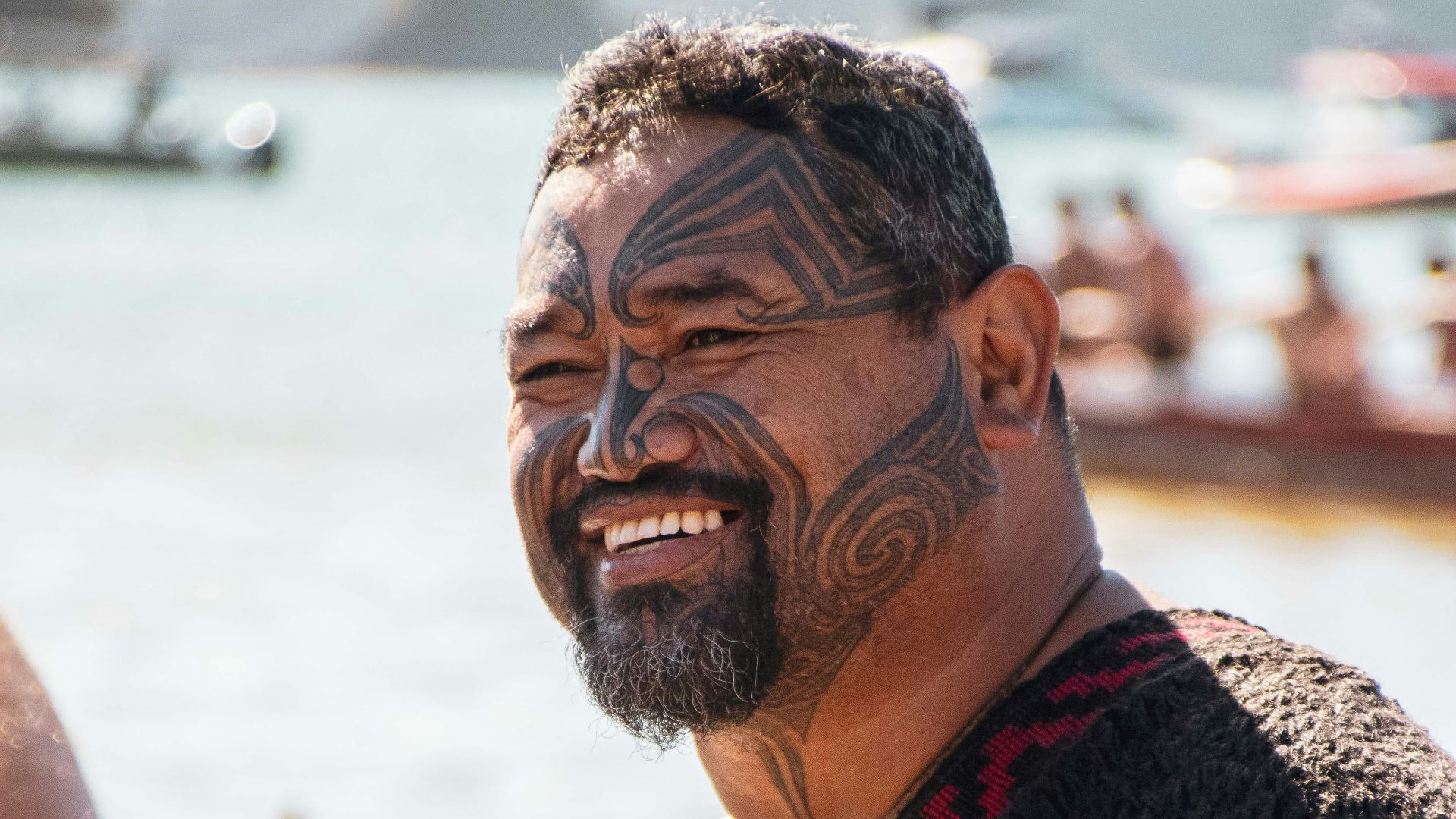
Māori facial moko carries whakapapa, the bearer's descent lines and iwi affiliation, mapped onto sections of the face tied to each parent's side. The uhi, a chisel, cuts grooved lines into the skin instead of puncturing it, which is why older moko have a texture you can feel.
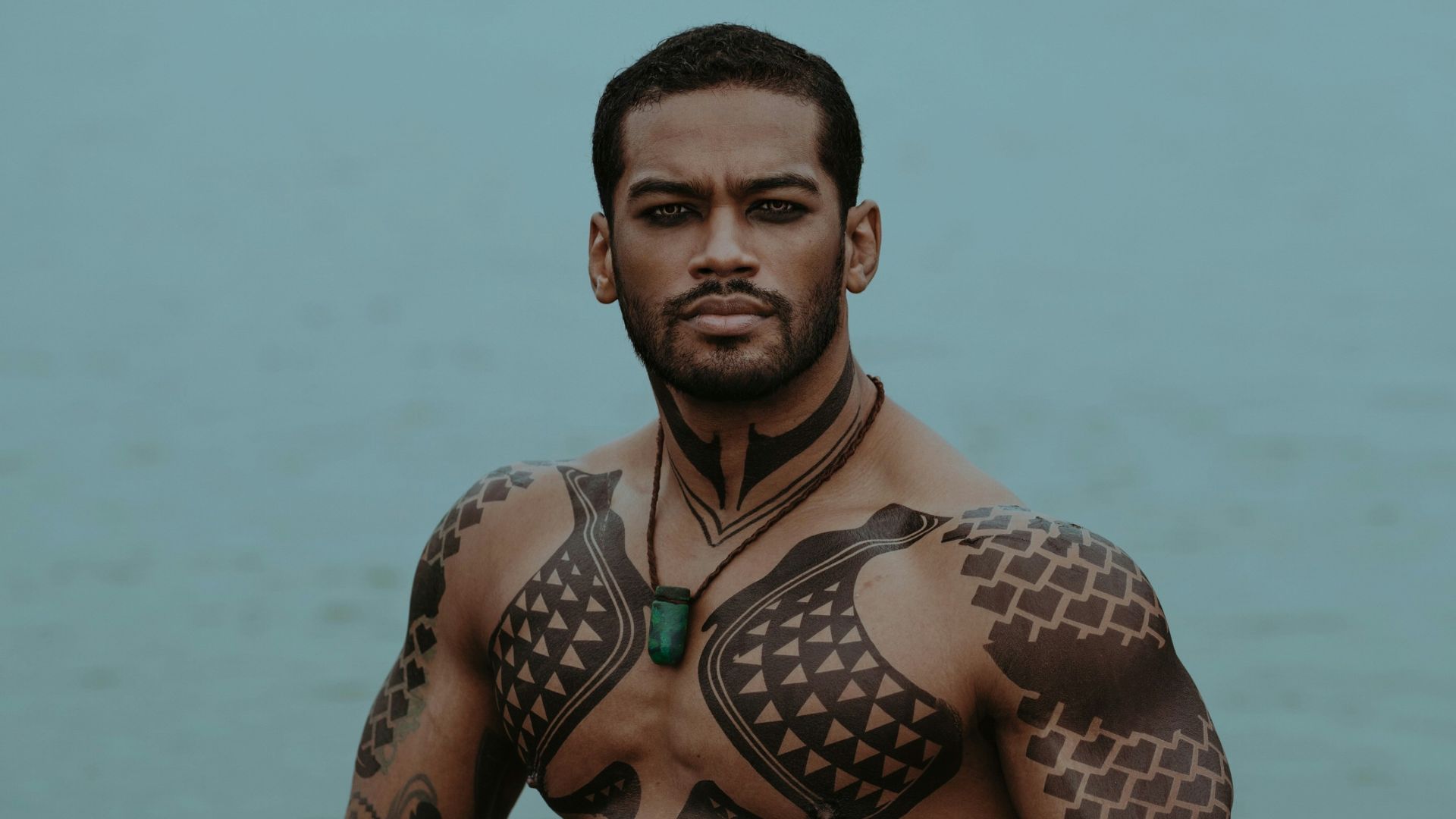
2. The Samoan Pe'a Has to Be Finished
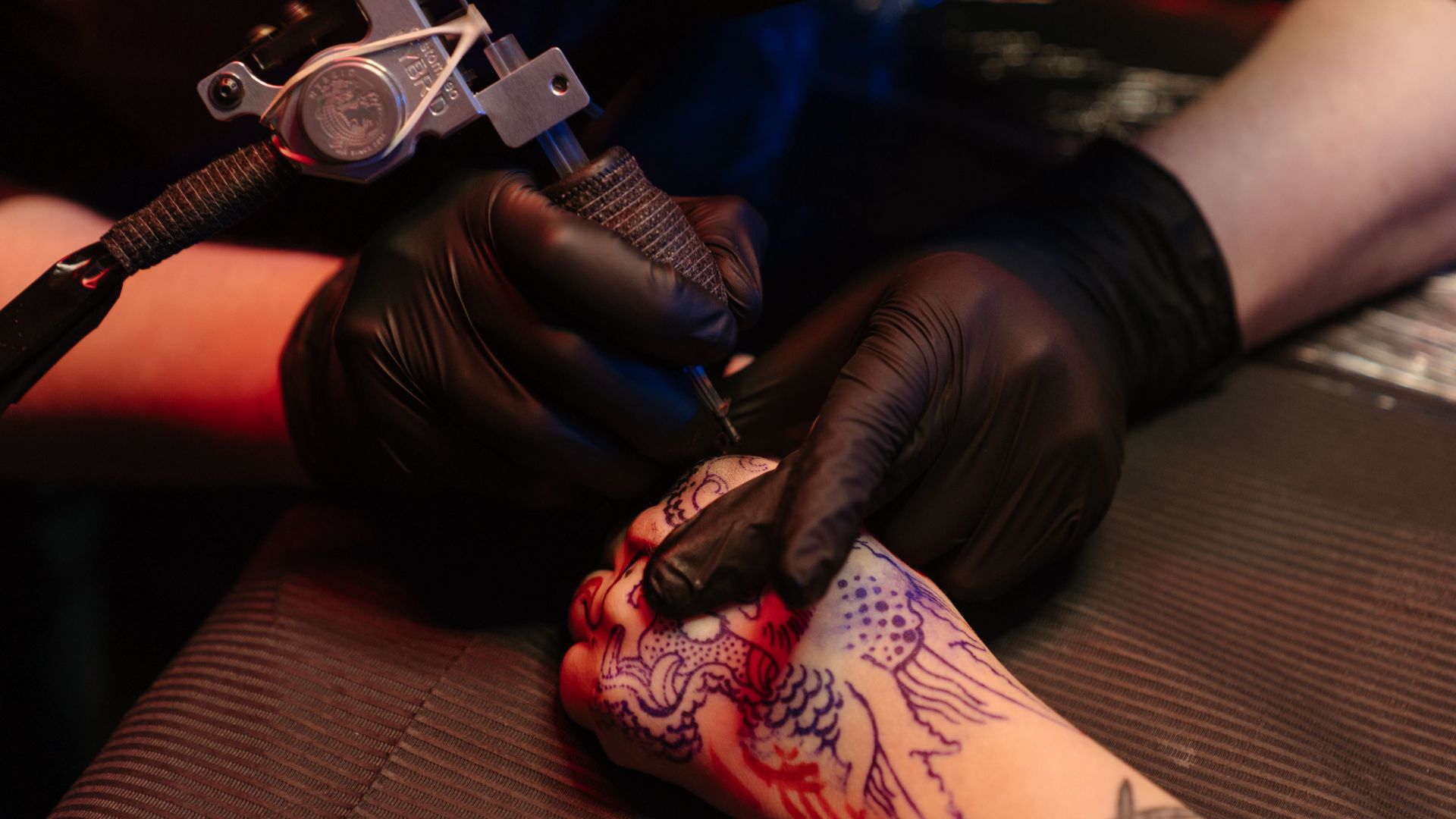
The male tatau covers the body from waist to knees and takes many sessions with a tufuga tā tatau, who works with hand tools while others hold the skin taut. Stopping partway leaves a permanent record of stopping.
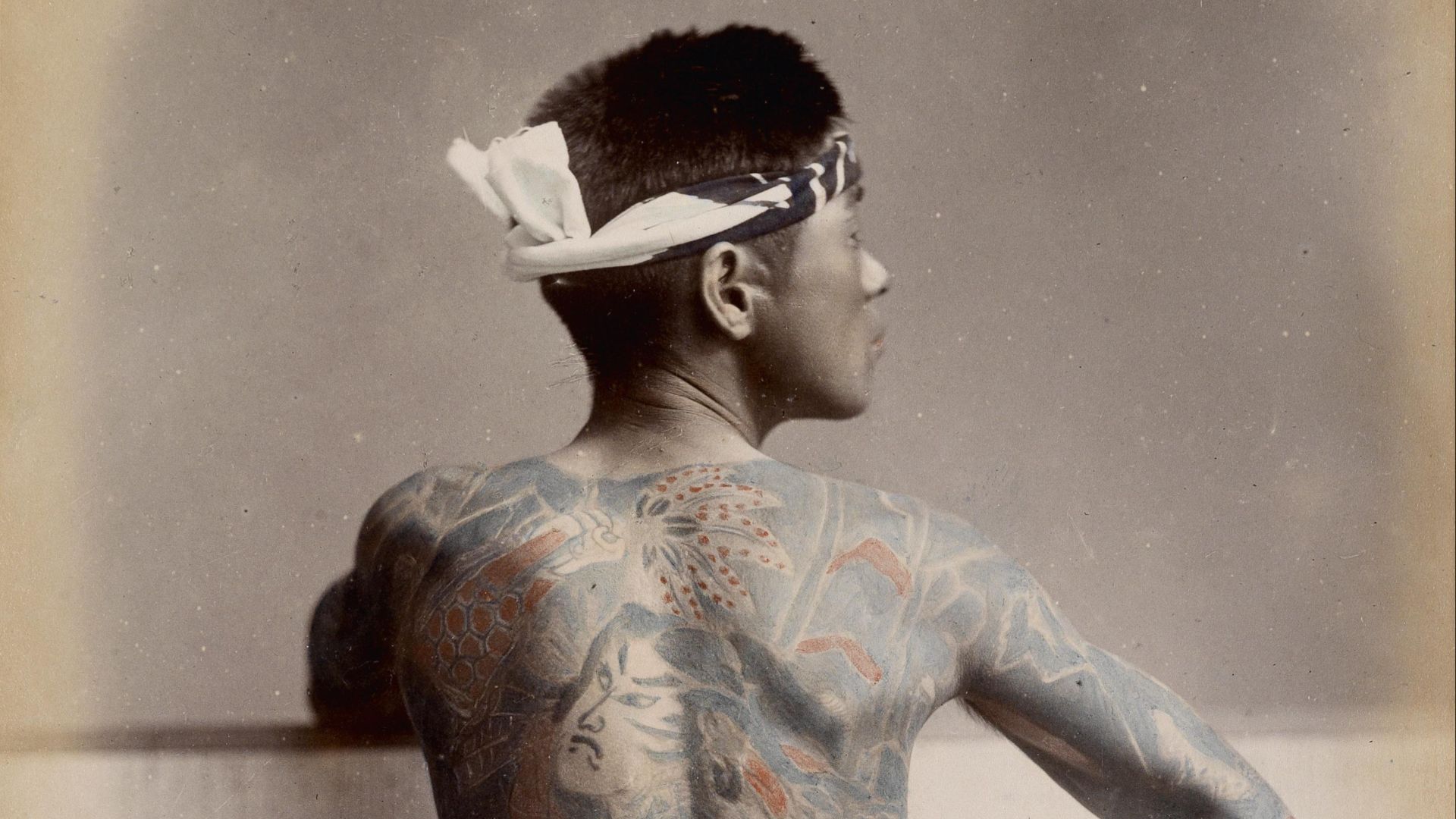
3. Japanese Irezumi Carried a Criminal Sentence
Tattooing was used as judicial punishment in Edo-period Japan, placed where the marks could not be covered. The decorative full-body work that grew up alongside it still carries enough of that association that many bathhouses turn tattooed customers away.
4. Sak Yant Comes With Conditions Attached
Thai yantra tattoos are applied by monks and lay masters called ajarn, and the designs are believed to protect the bearer or make them persuasive. That protection holds only while the bearer keeps a list of prohibitions, which at Wat Bang Phra rules out star fruit and food taken from a funeral.
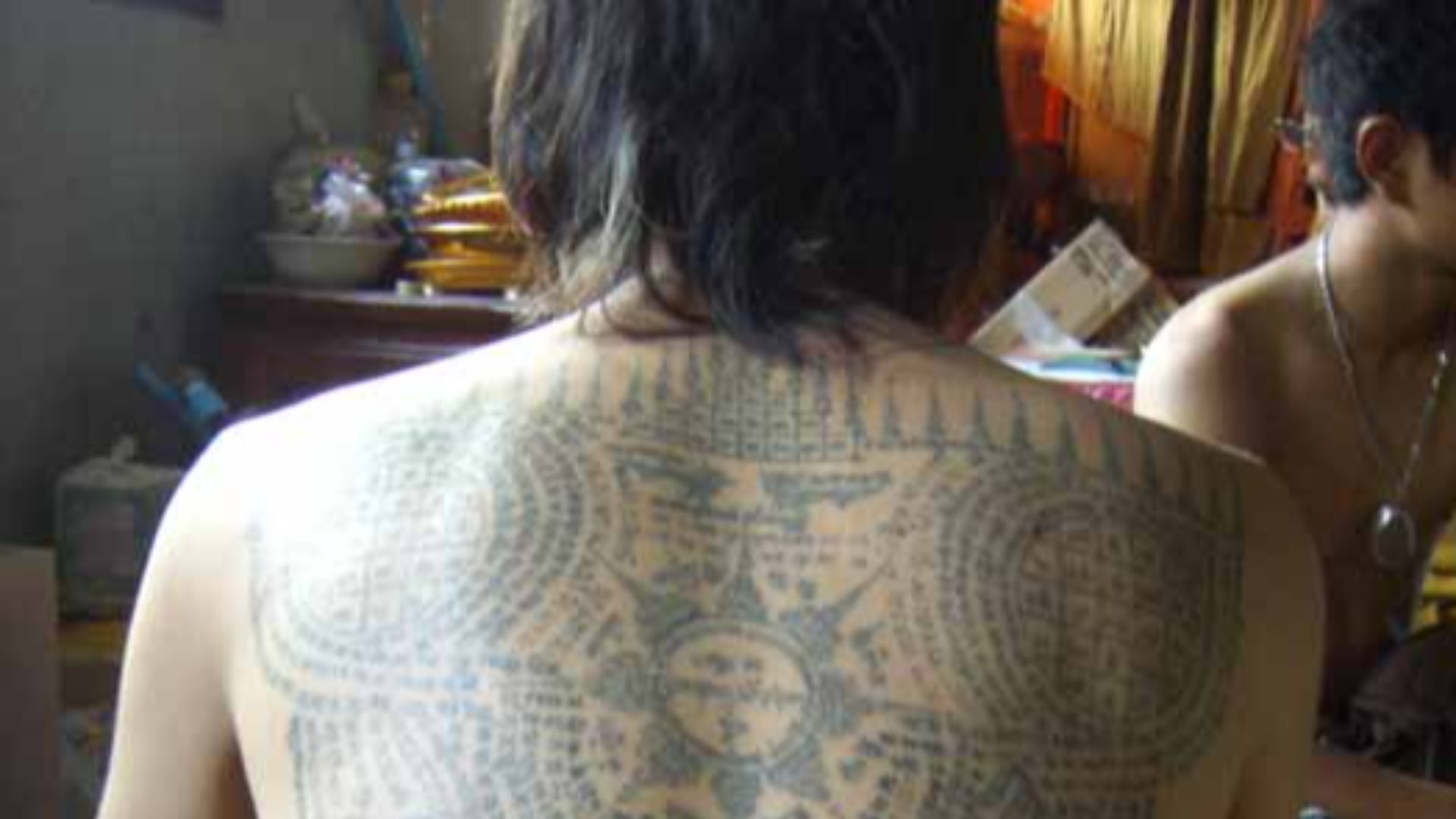 Sakyant at English Wikipedia on Wikimedia
5. Mentawai Titi Gets You Recognized After Death
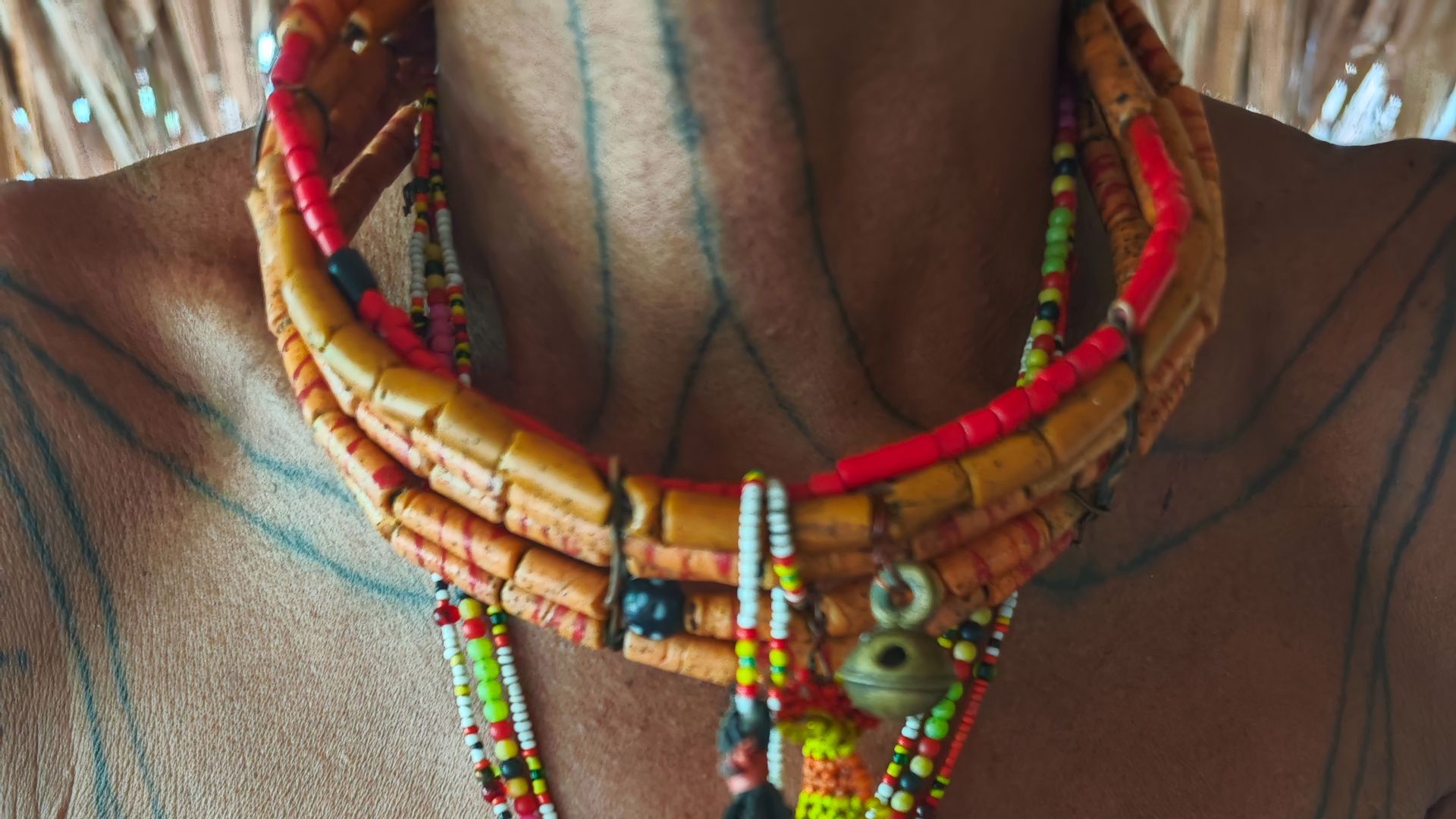
A sikerei applies the tattoos with a needle and a tapping stick, praying over the charcoal first. The designs record a person's role under Arat Sabulungan and are believed to let ancestors recognize the wearer in the afterlife.
6. Iban Hand Tattoos Recorded a Killing
Among the Iban of Borneo, the hand tattoos called entegulun were not open to everyone. They marked a man who had taken an enemy's head, which makes them a record of an event rather than a design anyone could choose.
7. Inuit Tunniit Showed Earned Skills
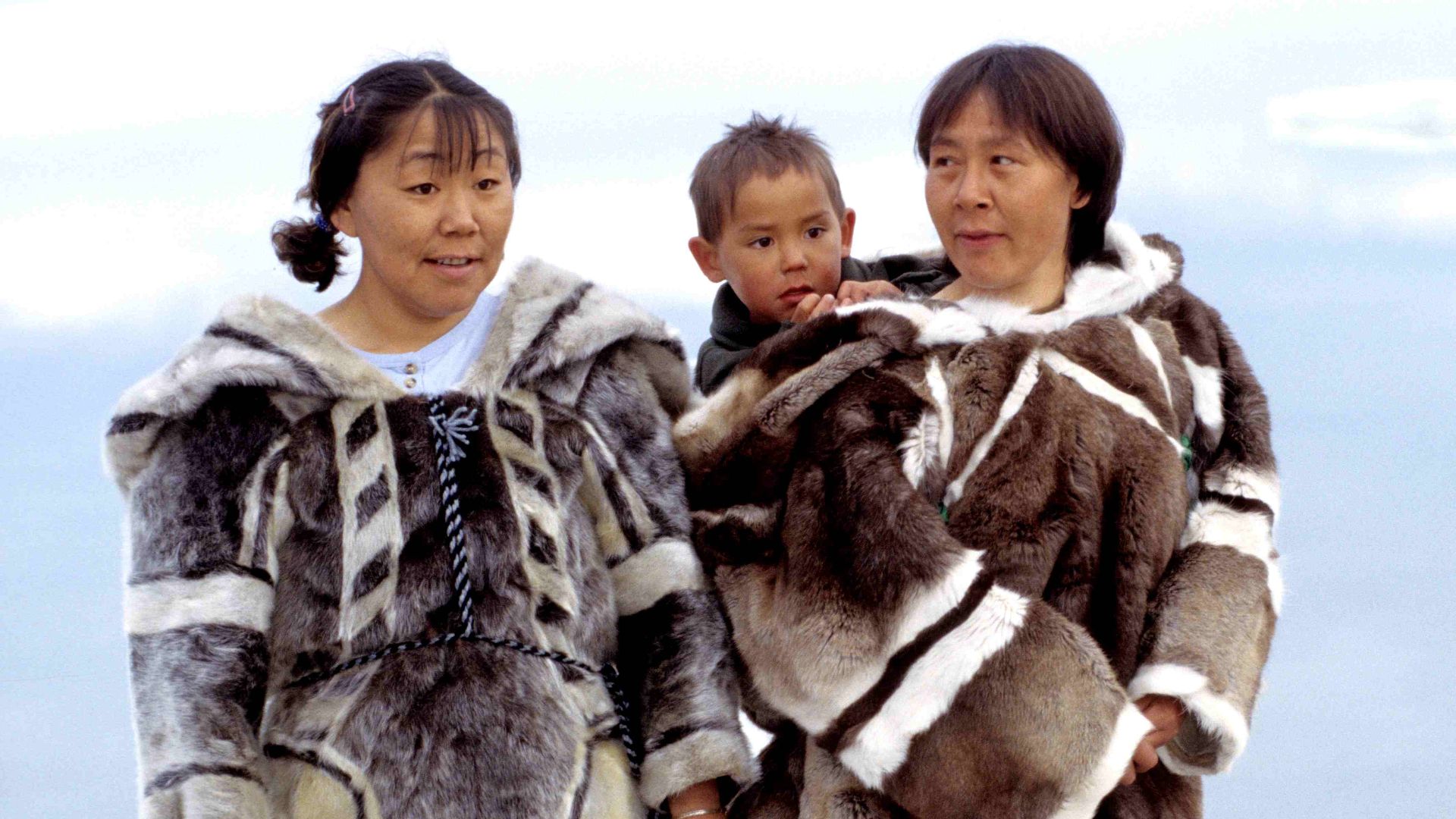
Facial tattooing registered a woman's move into adulthood and confirmed she had learned what adult life required, with chin stripes often tied to a first period. Angela Hovak Johnson founded a revitalization project in Canada in 2017, decades after missionaries drove the practice underground.
8. Amazigh Facial Tattoos Named the Tribe
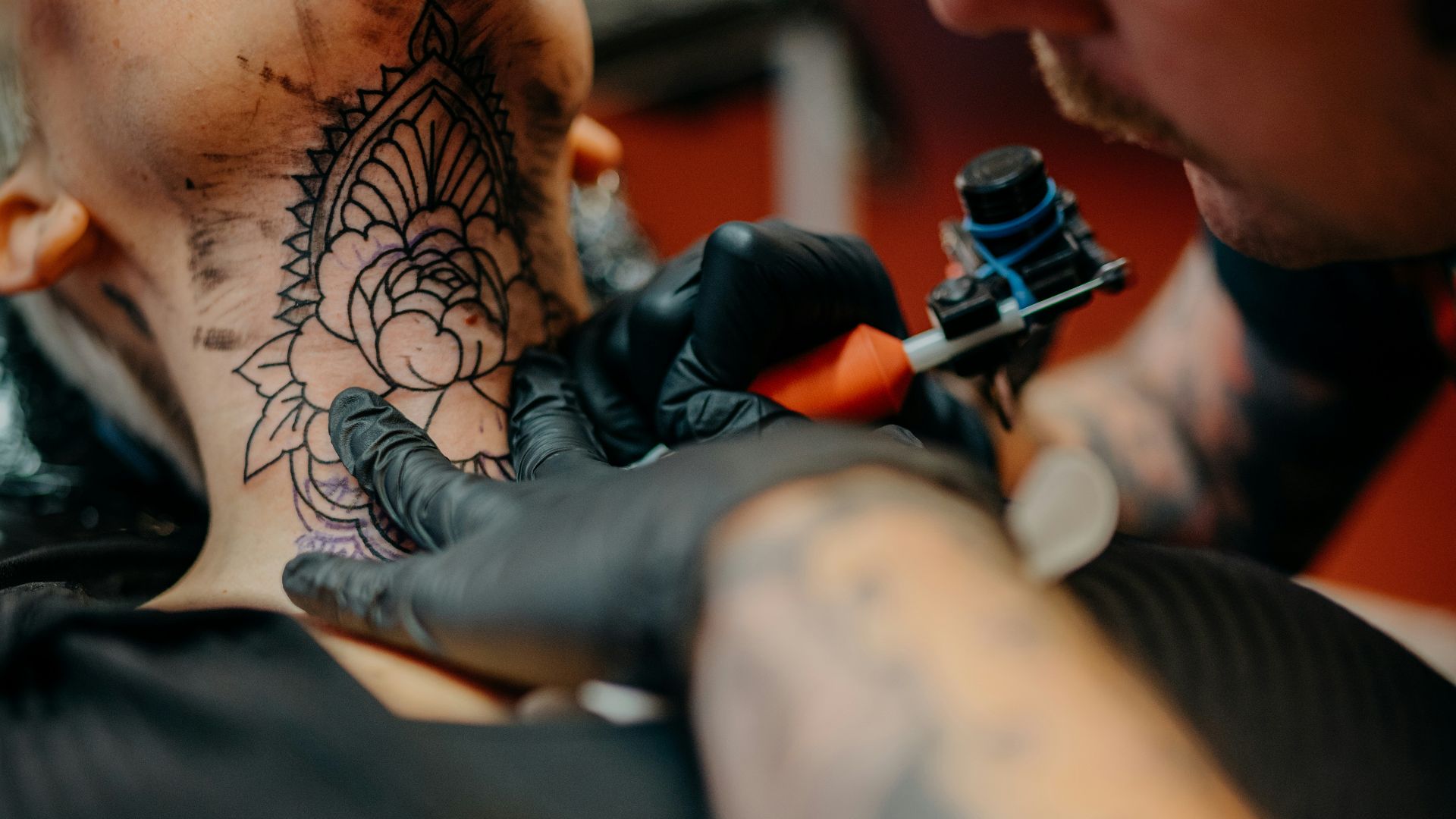
Across North Africa, Amazigh women wore tattooed lines and diamond shapes on the chin and between the eyes. The patterns identified which group a woman belonged to and were understood to guard her against harm.
9. The Coptic Cross Tattoo Works as Identification
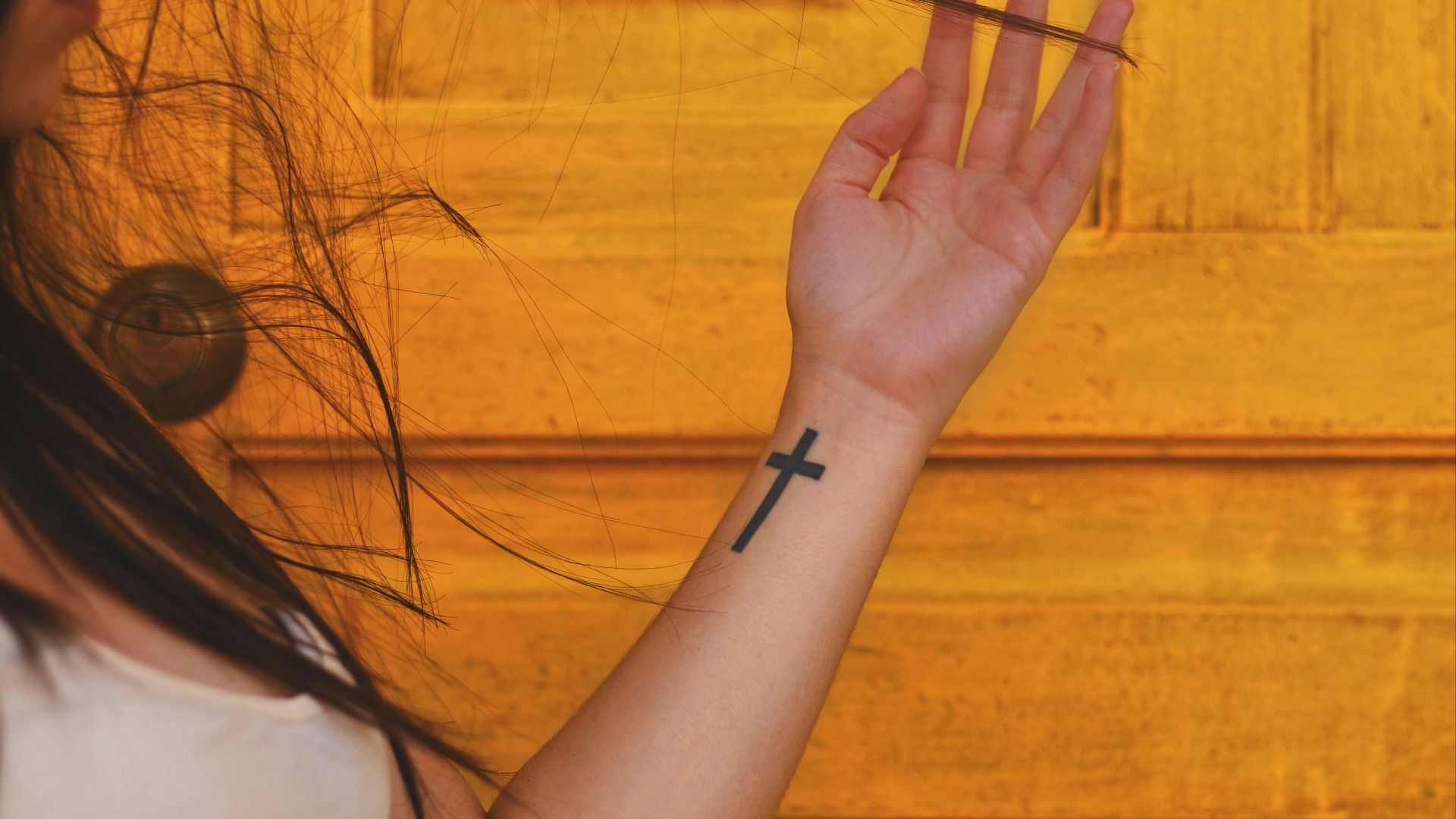
Egyptian Copts commonly wear a small cross on the inside of the wrist, often applied in childhood. It marks the bearer as Christian in a majority-Muslim country, and the point of putting it in the skin is that it cannot be left at home.
10. Yoruba Facial Marks Name Your Lineage
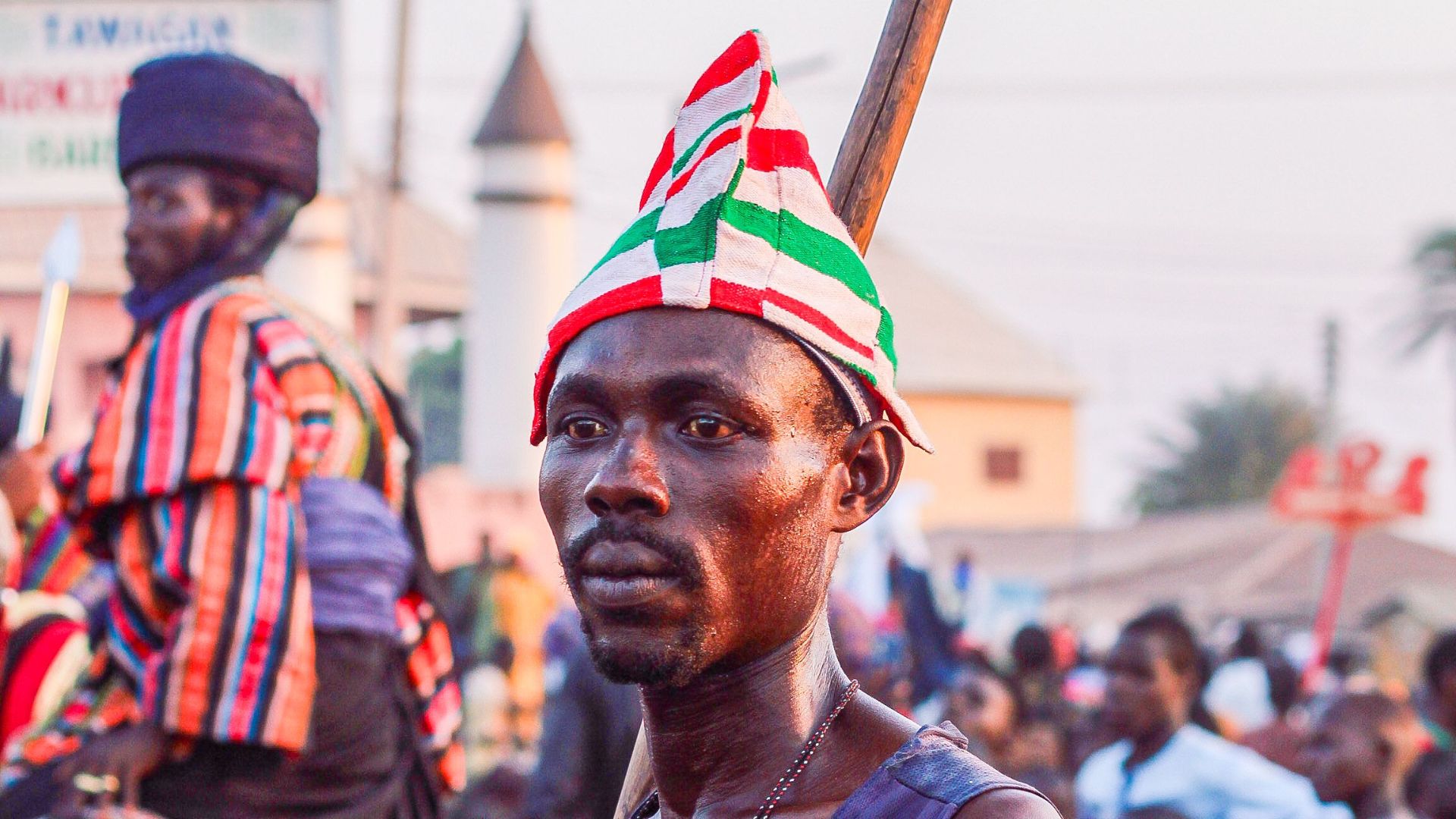
Ila, the cut lines worn on the cheeks in parts of Nigeria, identify family and town of origin, with the pattern varying between lineages. Anyone who could read them could place a stranger on sight.

11. Dinka Gaar Is Given Once
A pattern of lines is cut across a boy's forehead at initiation among the Dinka of South Sudan, and from that point he is treated as an adult man. The ceremony is public, so how he handles it is known to everyone there.
12. Sepik Scarification Turns Skin Into Hide
Initiates along the Sepik River in Papua New Guinea receive hundreds of cuts across the back and shoulders that heal into raised rows resembling crocodile skin. The work happens in a spirit house across weeks of seclusion.
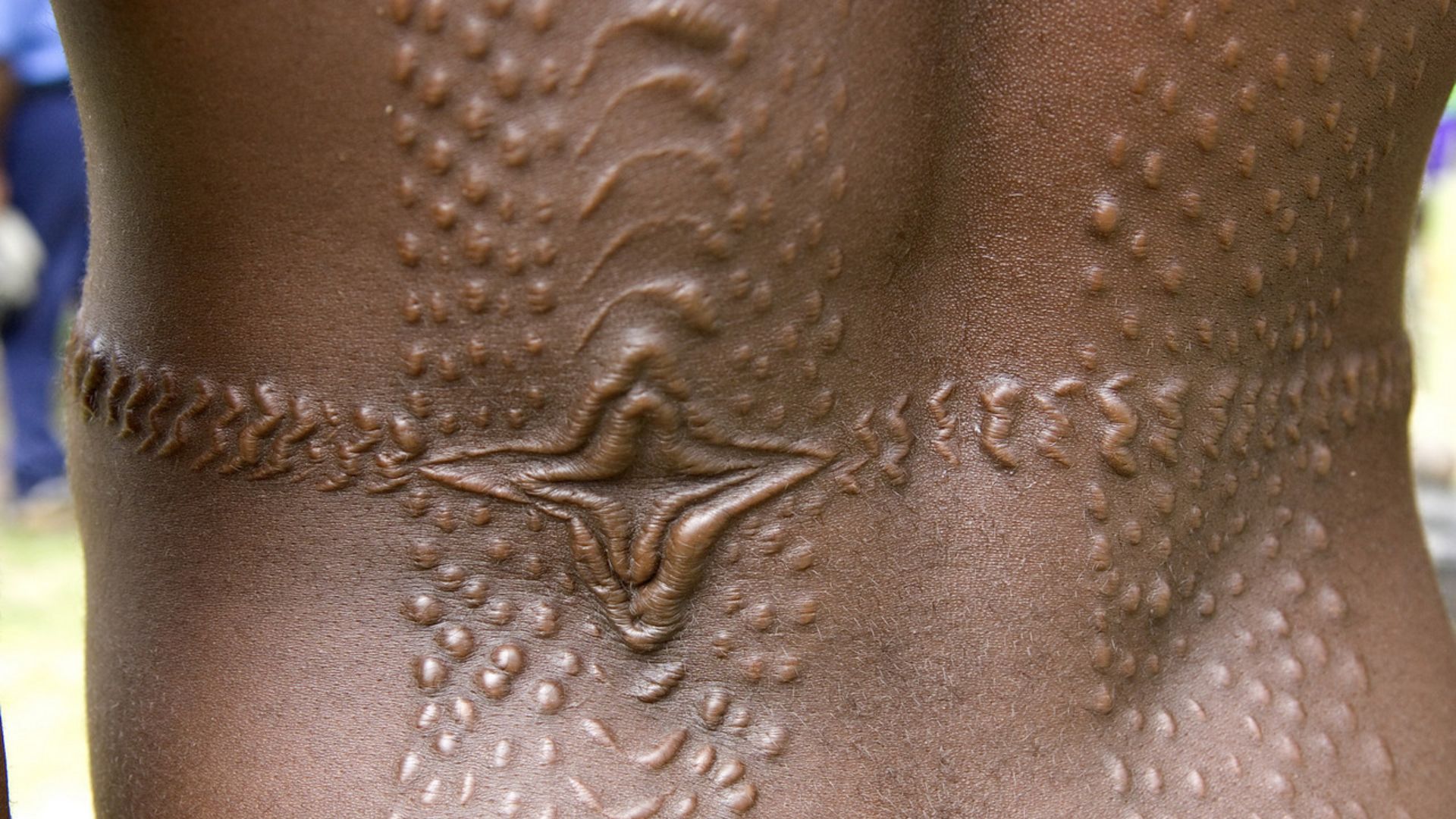 *christopher* from San Francisco, USA on Wikimedia
13. The Mursi Lip Plate Does Not Track Bridewealth
David Turton, who has worked with the Mursi in Ethiopia since the 1960s, describes the dhebi a tugoin as an expression of social adulthood and reproductive potential. The claim that plate size scales with bridewealth does not hold, since many marriages are arranged before a girl's lip is cut. The slavery-deterrent story is not one the Mursi tell about themselves.
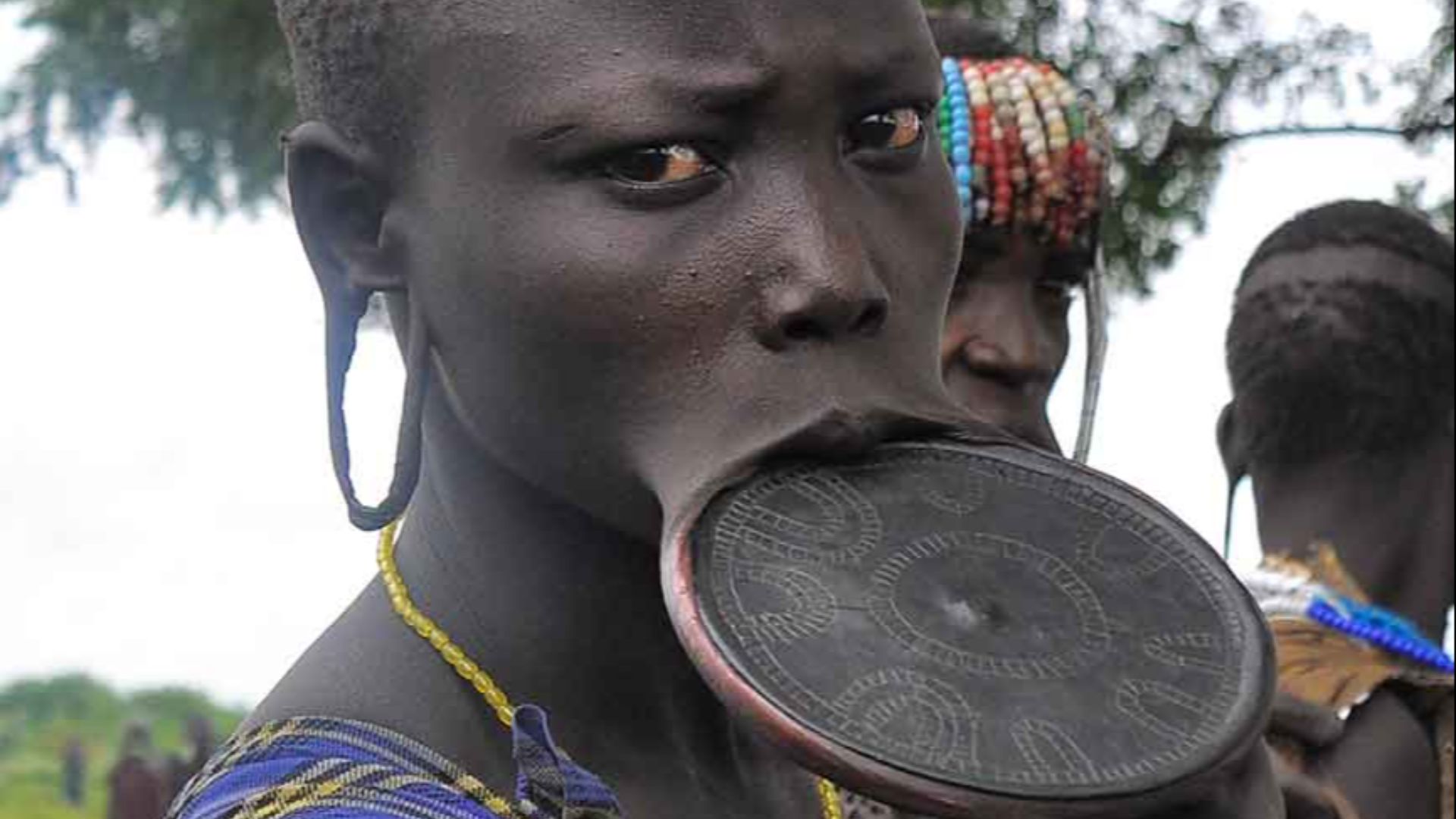 Rod Waddington from Kergunyah, Australia on Wikimedia
14. Kayan Coils Press the Collarbone Down
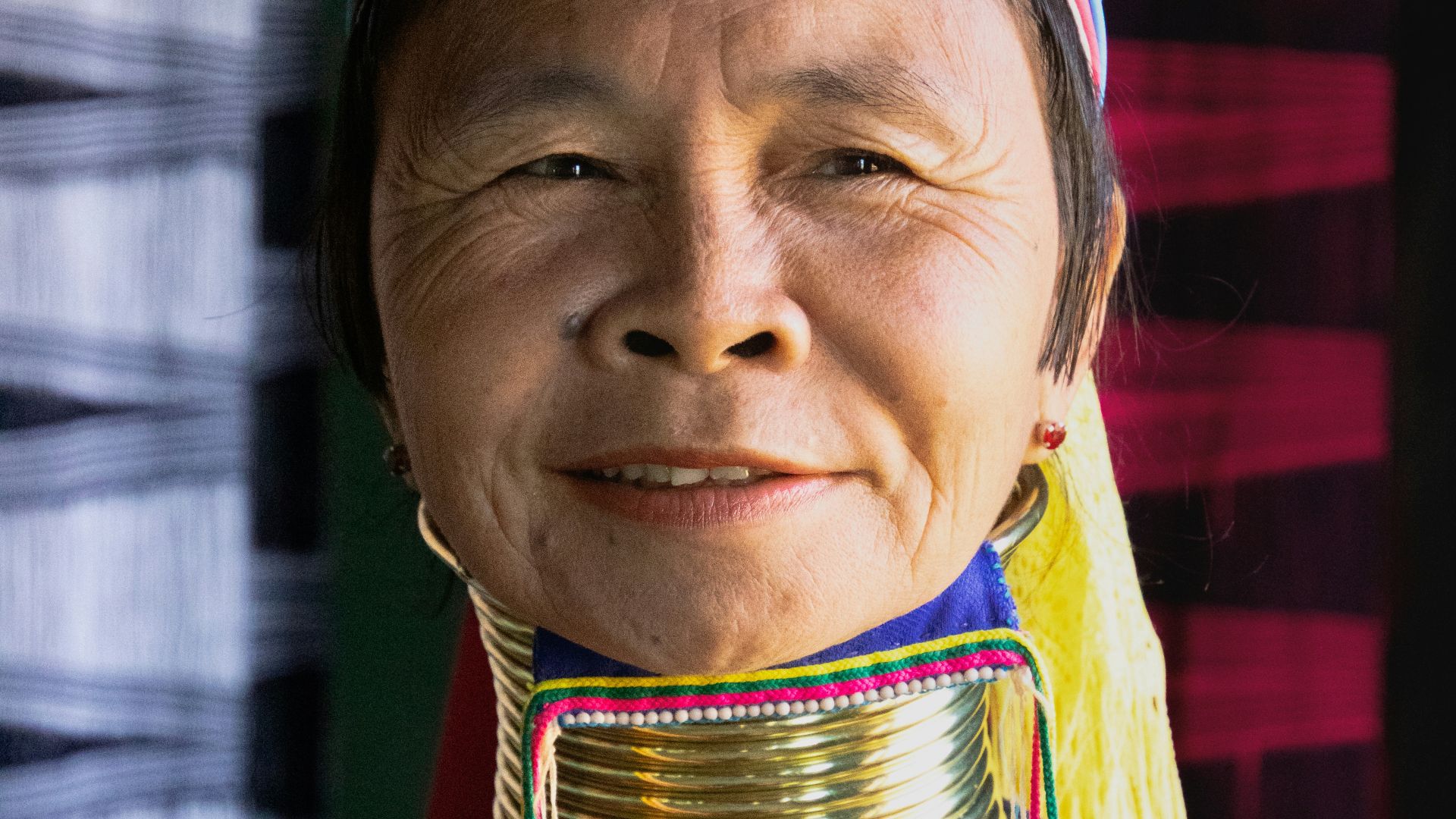
The brass coils worn by Kayan women do not stretch the neck. Their weight rotates the collarbone and upper ribs downward over years, which drops the shoulders and produces the appearance of length. Girls usually begin at five or six.
15. Apatani Nose Plugs Signaled Community Identity
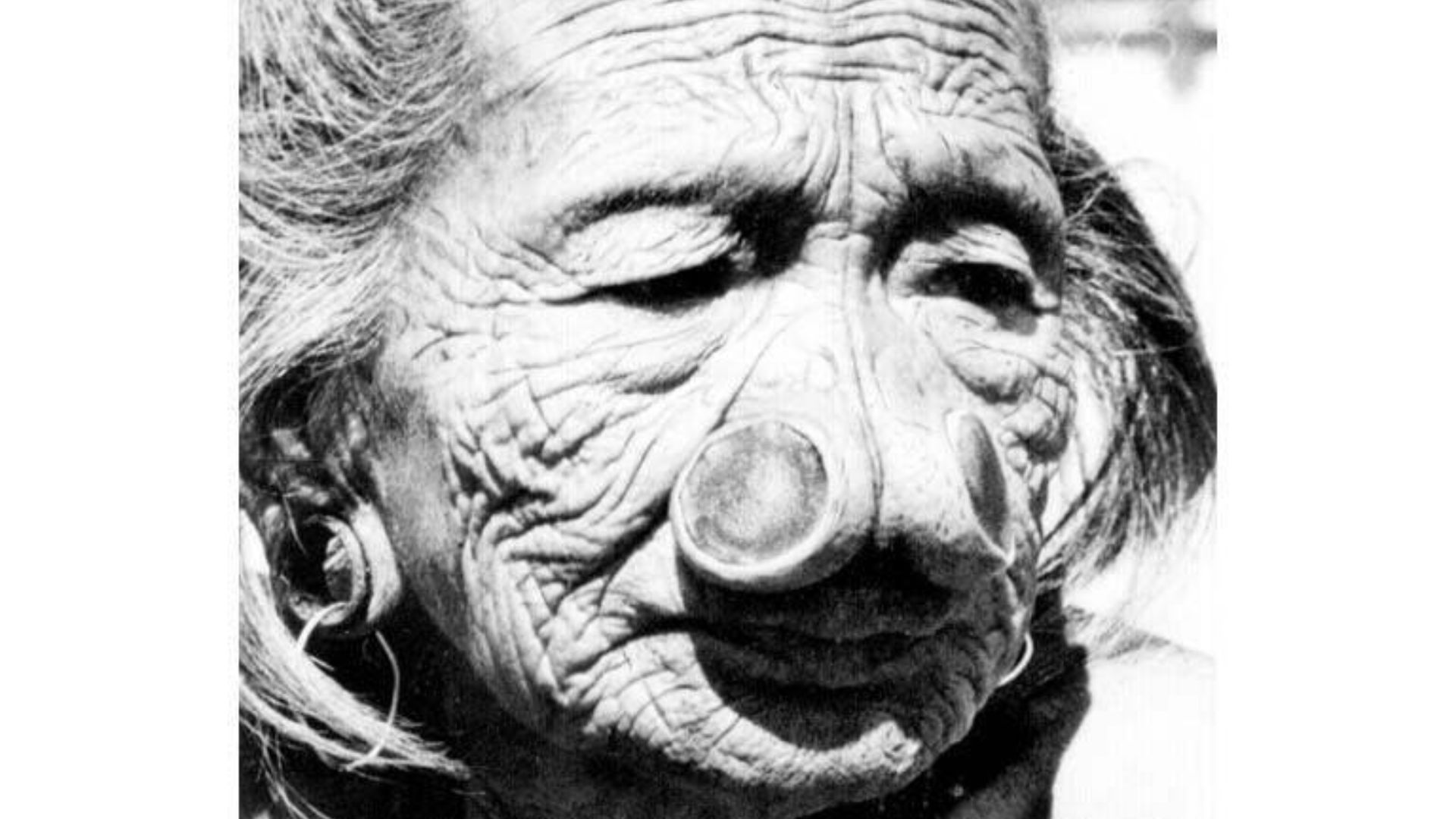
Women in the Ziro Valley of Arunachal Pradesh wore wooden plugs called yapin hulo along with facial tattoos received at first menstruation. The story that these were meant to make women unattractive to raiders is treated as legend by Apatani themselves, who point to community identity instead. Officials and the Apatani Youth Association ended the practice between 1971 and 1974.
 Unknown authorUnknown author on Wikimedia
16. Balinese Tooth Filing Removes the Six Vices
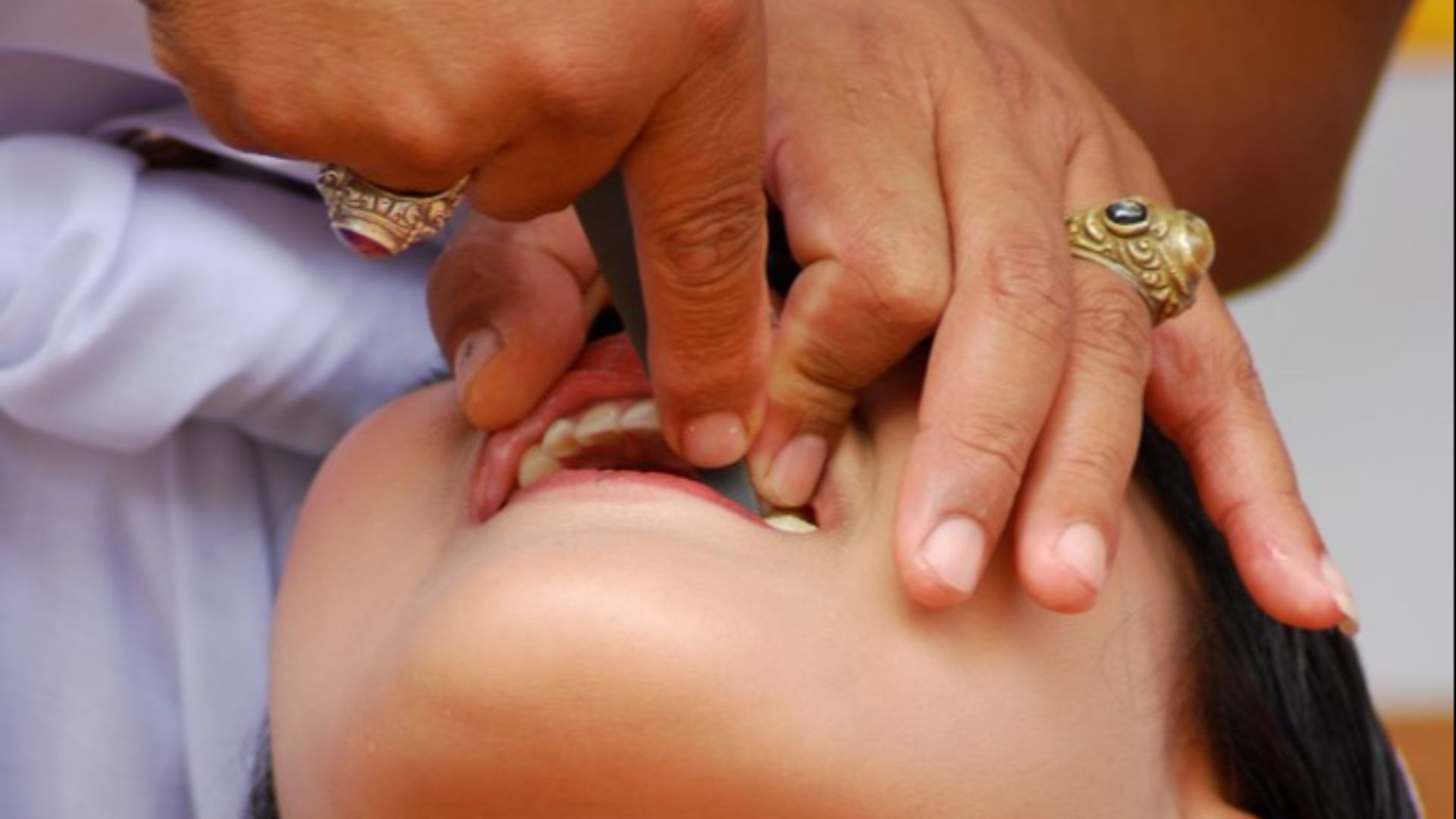
Metatah files the upper canines flat, the points standing in for six faults that include anger and greed. The ceremony marks the passage into adulthood, and families often save for years to hold it properly.
17. Maya Dental Inlays Were Status Jewelry
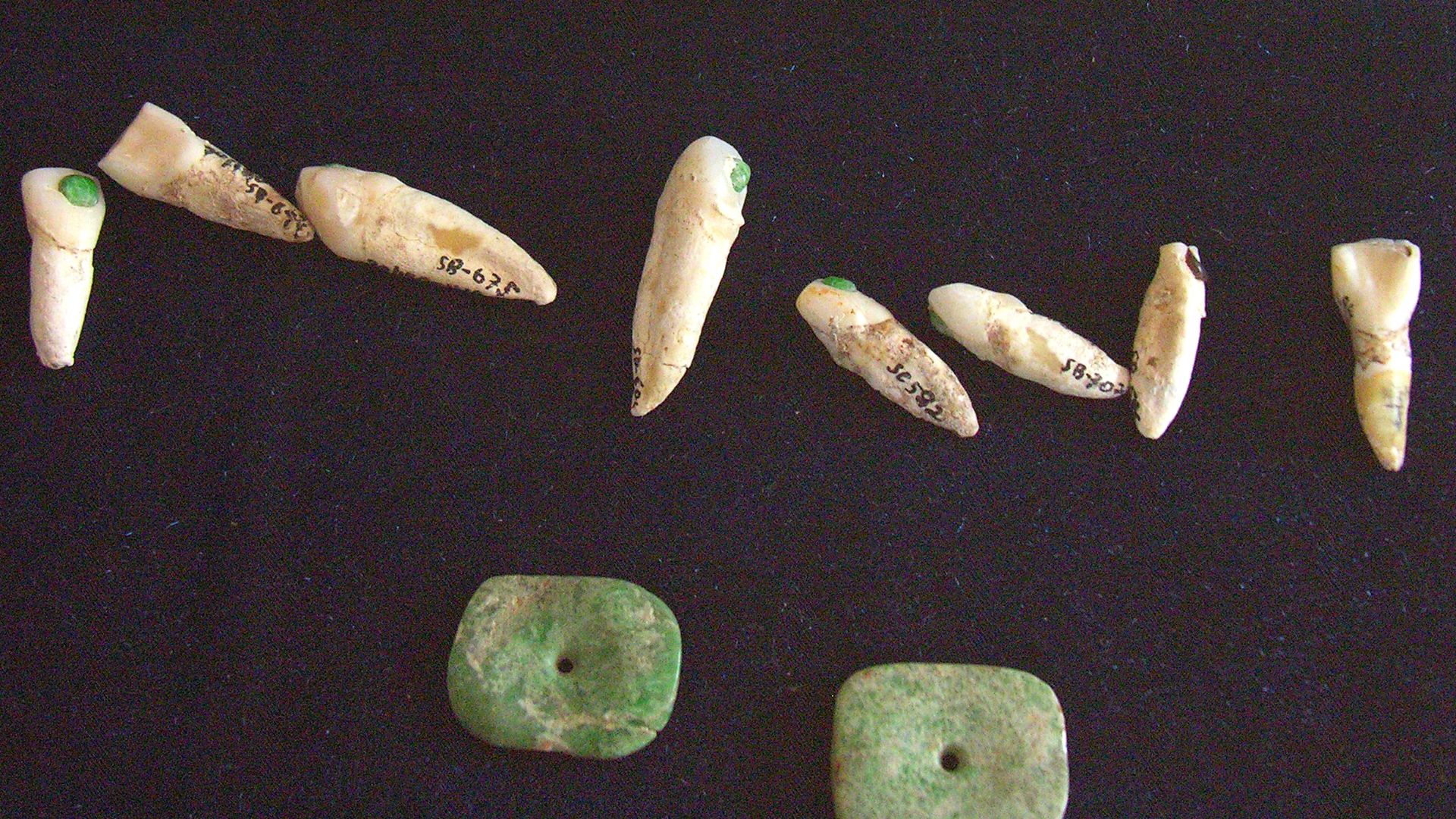
Classic Maya practitioners drilled small round holes in the front teeth and set them with jade or pyrite, using a cement that has held for over a thousand years. The skill and the materials were both hard to come by, which made the finished mouth a claim to rank.
18. Mangbetu Head Shaping Belonged to the Ruling Class
Cloth was wound tightly around an infant's skull from about a month after birth and left for a year or two, while the bone was still soft. Elongation was a sign of rank in what is now the Democratic Republic of the Congo, and the Belgian colonial government outlawed it.
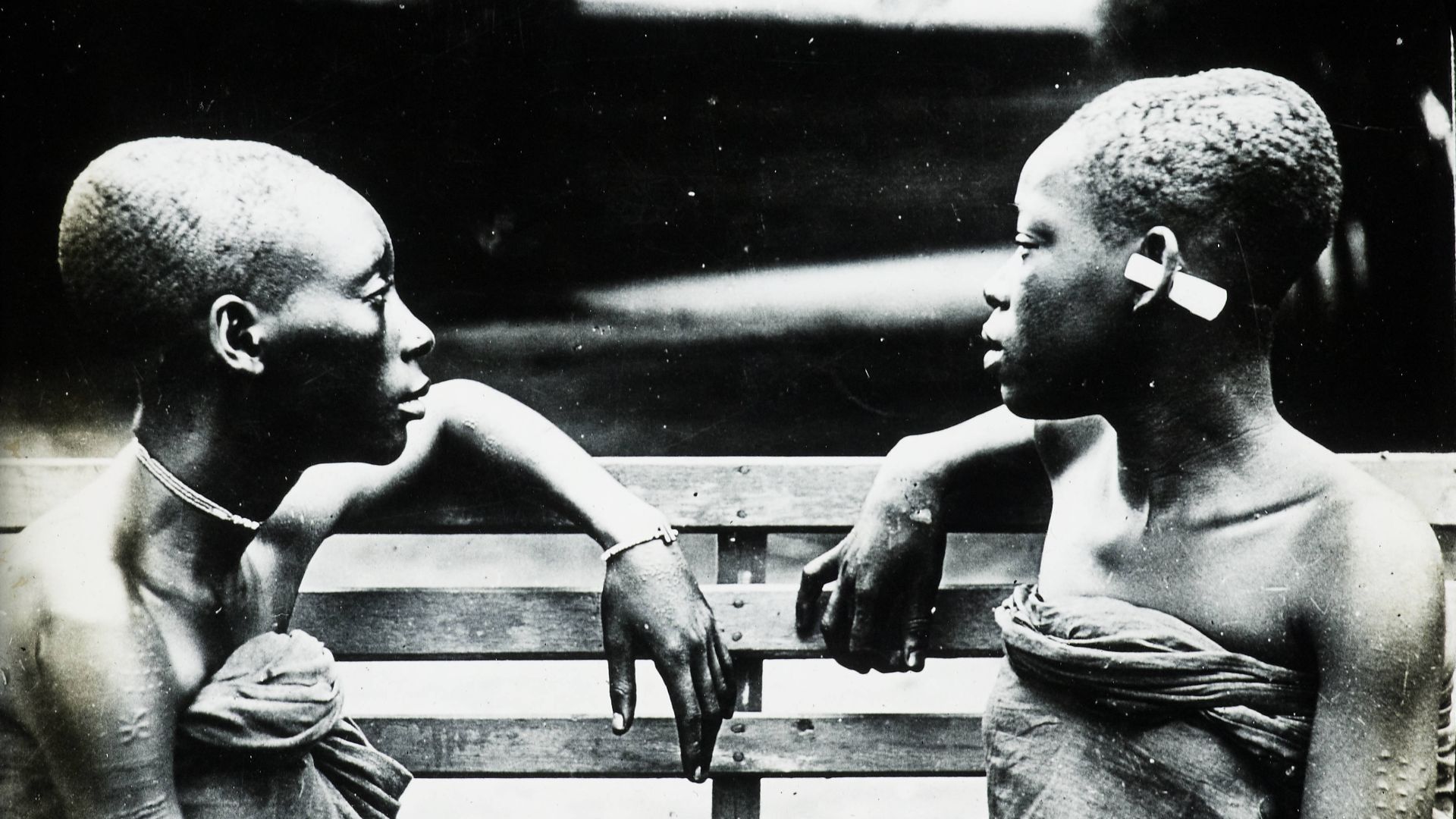 Unknown authorUnknown author on Wikimedia
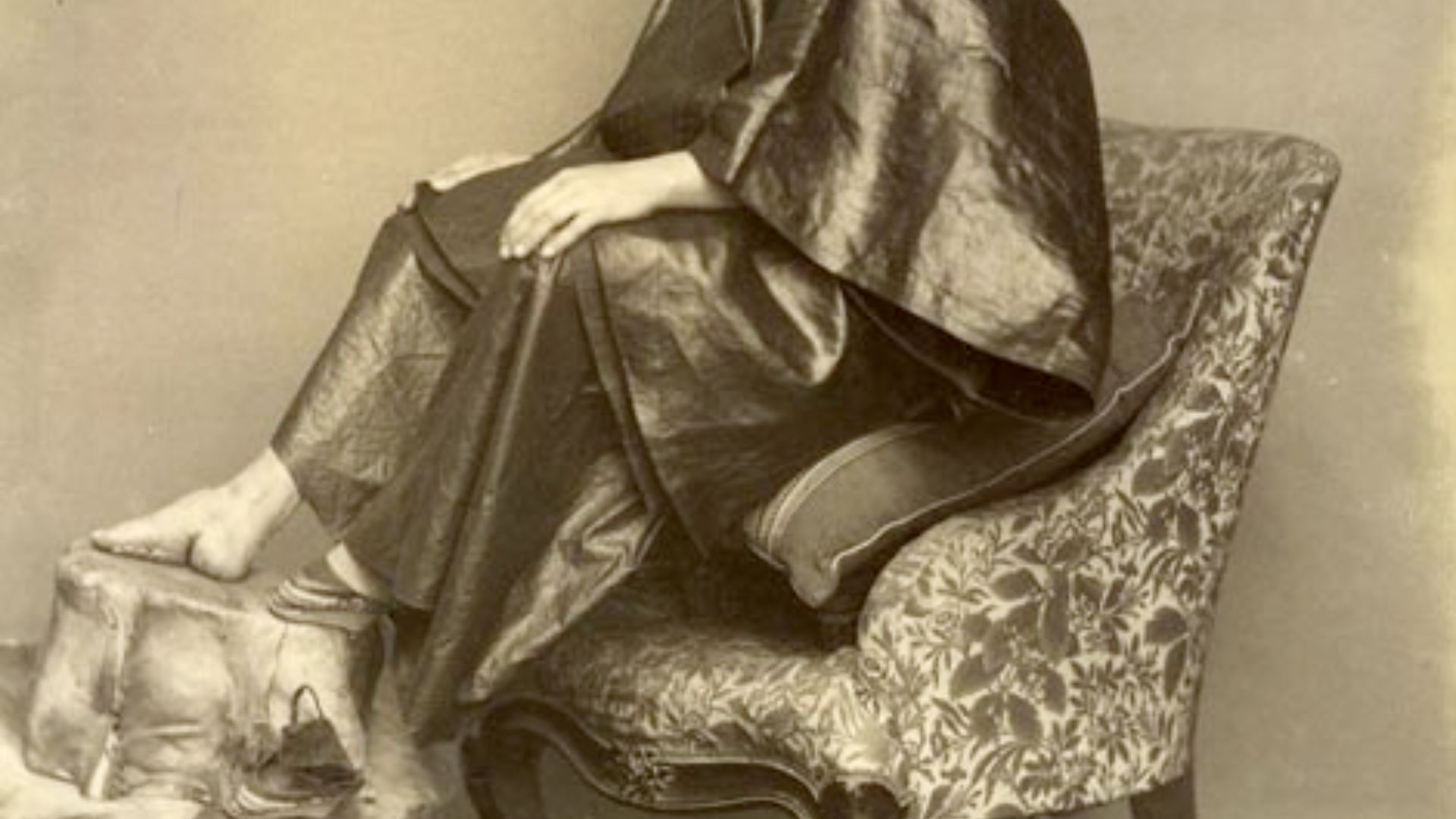
19. Foot Binding Advertised That You Did Not Work
Bound feet in imperial China advertised a household that did not need a daughter's labor, which made the result an asset in a marriage market that valued it. The practice was outlawed in 1912 and carried on in rural areas for decades after.
20. Maasai Ear Stretching Tracks Age
Pierced lobes, stretched gradually and weighted with beaded ornaments, indicate where a person stands in the Maasai age-set system. Younger Maasai increasingly skip it, so an unstretched lobe now carries information too.
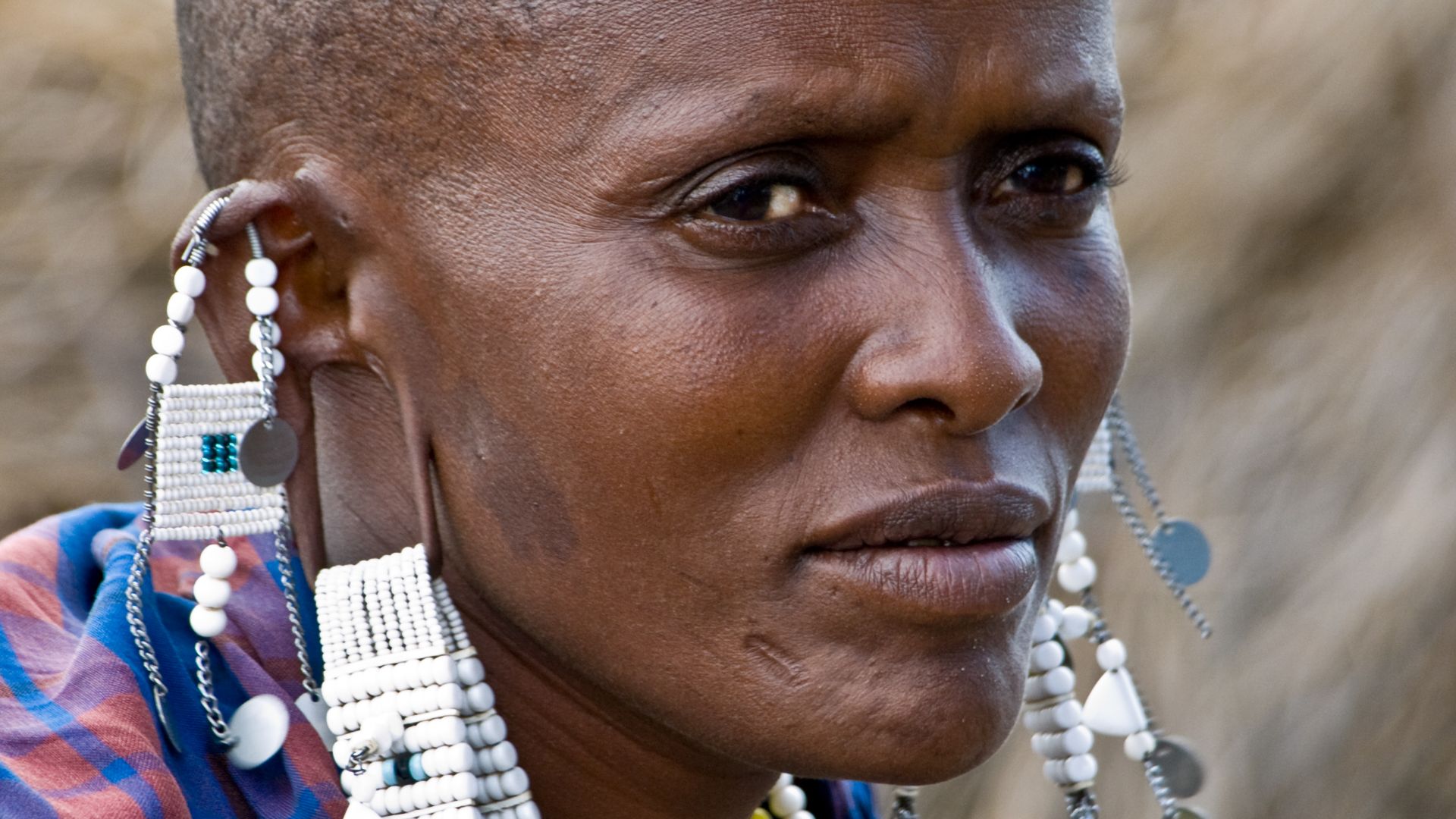 William Warby from London, England on Wikimedia