Same Body, Different Rules
Grooming standards are easy to mistake for common sense when everyone around you follows the same ones. Cross a border, though, and habits that seemed obvious can suddenly look unusually strict, unusually relaxed, or surprisingly elaborate. Hair, body hair, nails, skin, scent, and even how often something gets trimmed can carry completely different expectations depending on where you are. Here are 10 everyday standards in other countries and 10 routines that would make plenty of Americans look twice.
1. Multi-Step Skincare for Men
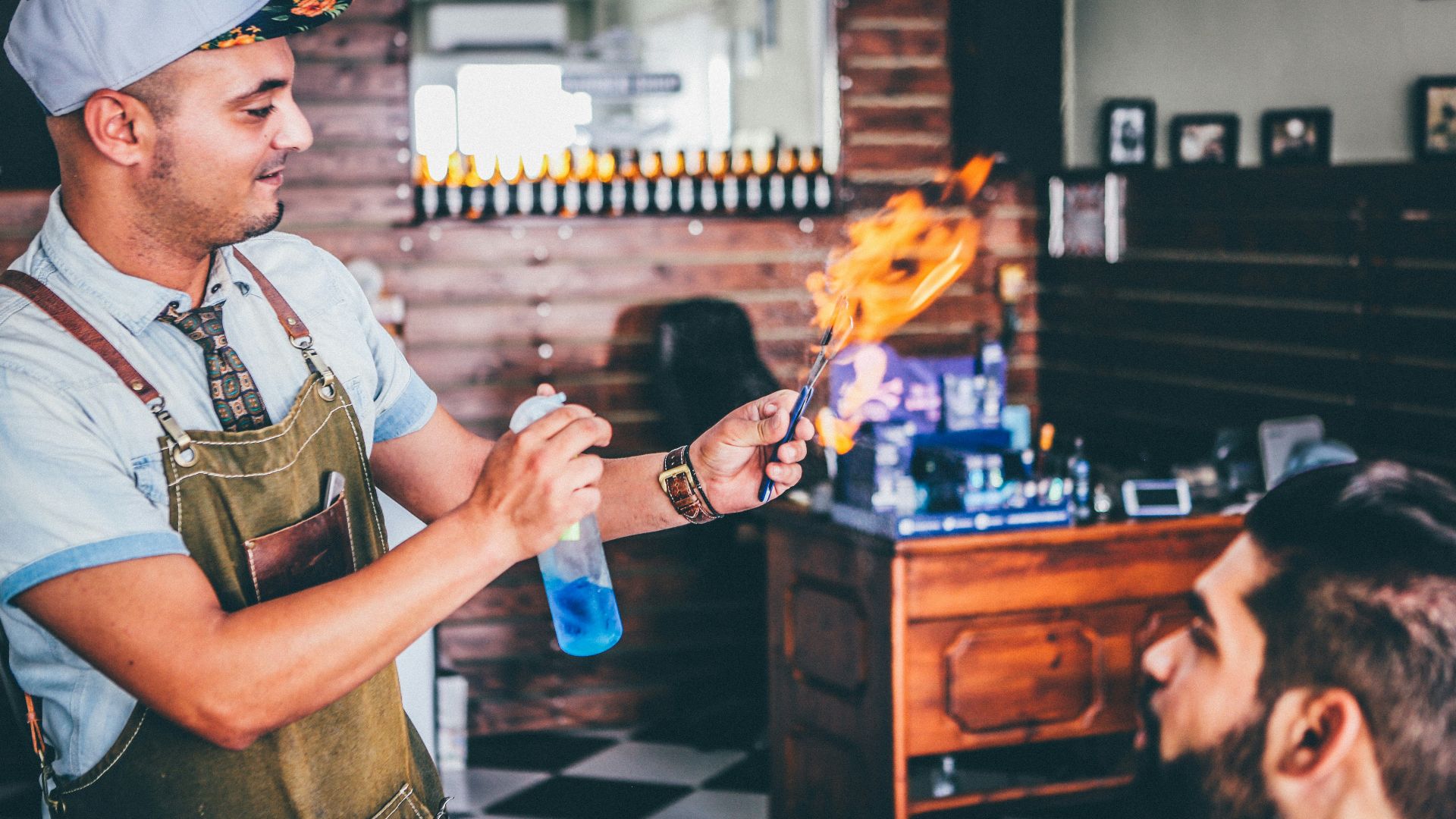
Korean men spend more per person on skincare than men anywhere else, according to Euromonitor. A morning routine running to five products is unremarkable in a country ranked as the world's tenth largest beauty market. Nobody treats it as a statement.
2. Buying Skincare at the Pharmacy
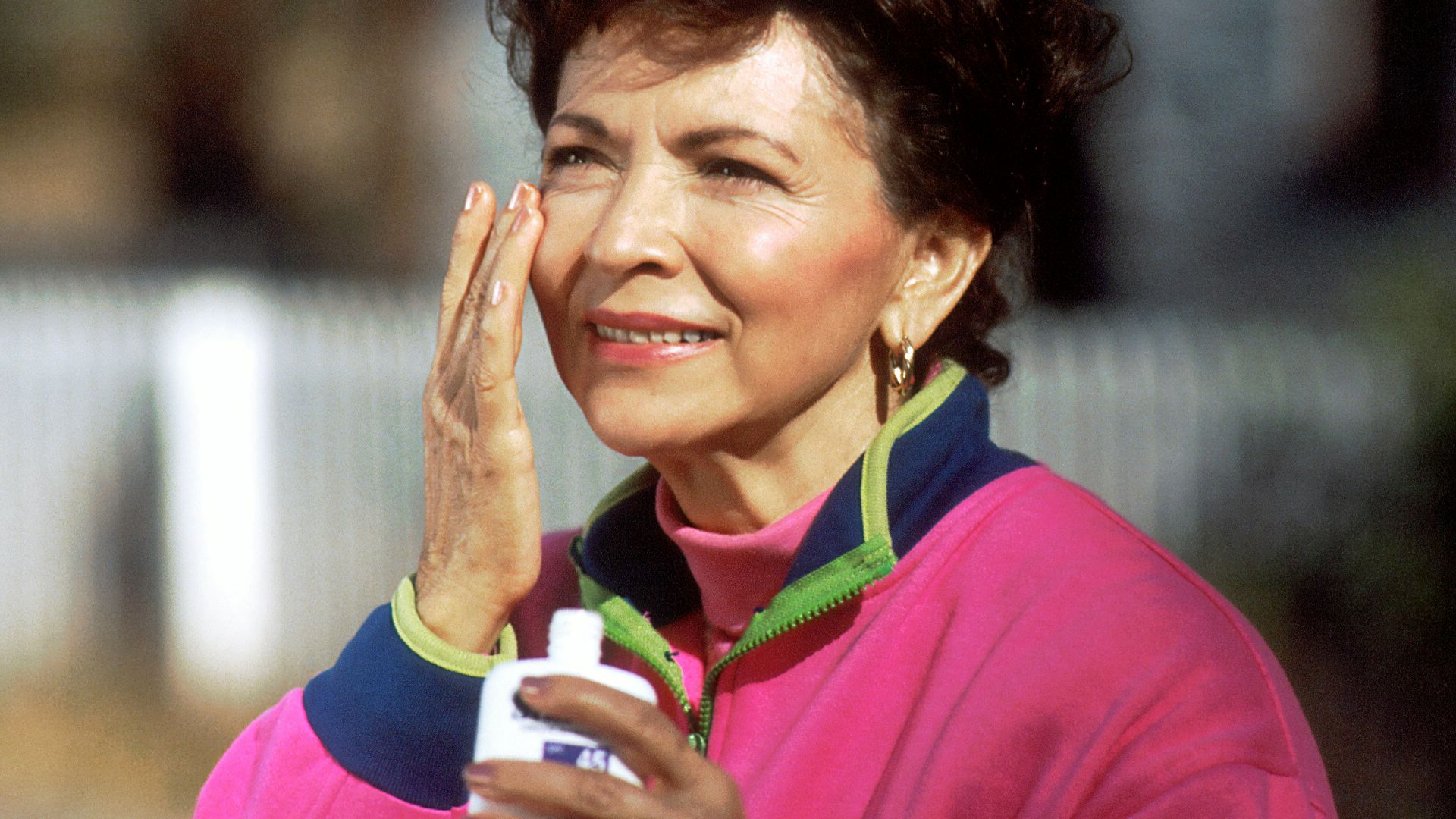
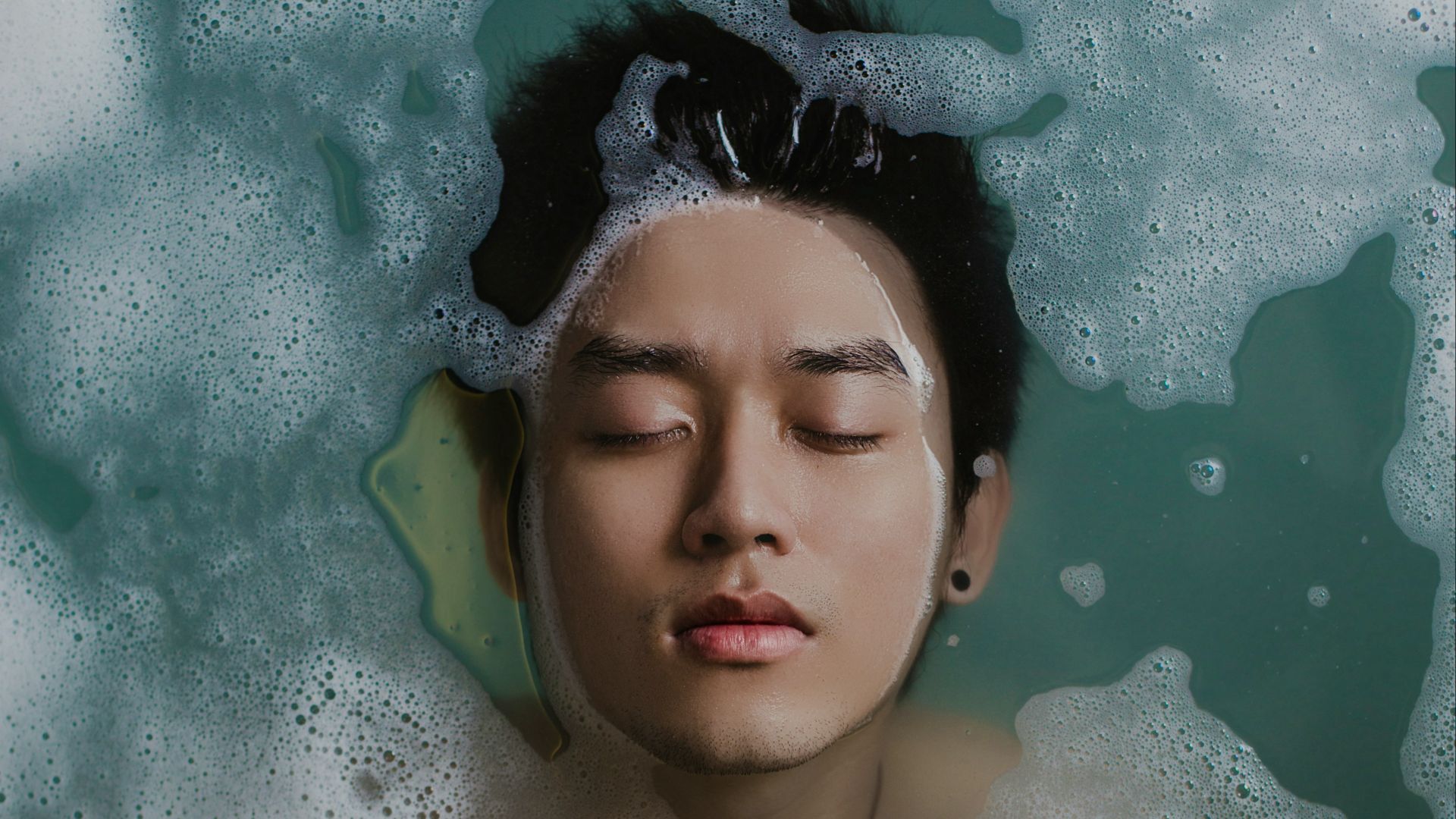
French pharmacists train for six years and give skin advice free at the counter. Brands like Caudalie and La Roche-Posay started in pharmacies, often founded by pharmacists. Asking a pharmacist what to put on your face is unremarkable there.
 National Cancer Institute on Unsplash
3. Ear Cleaning With Your Haircut
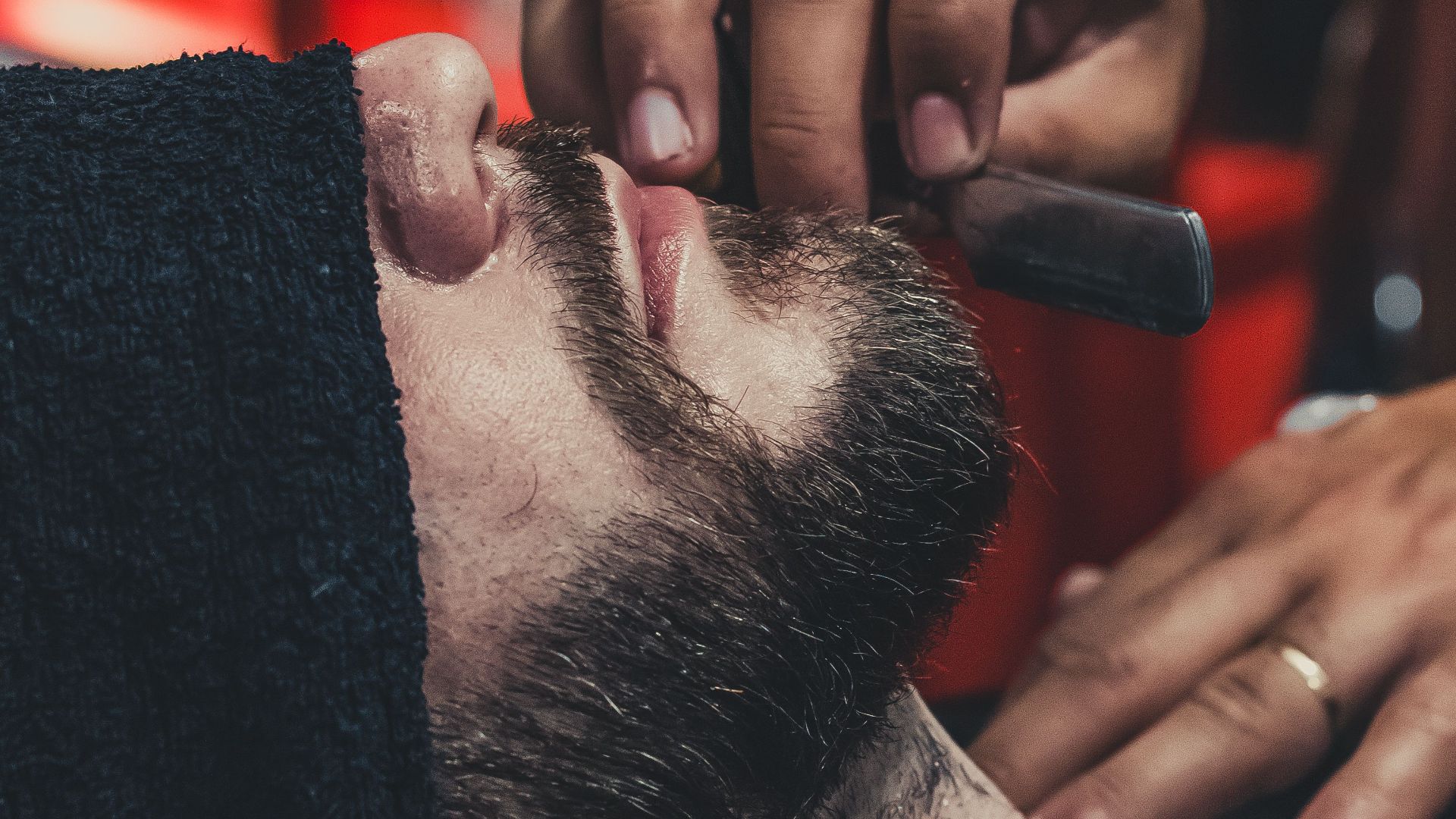
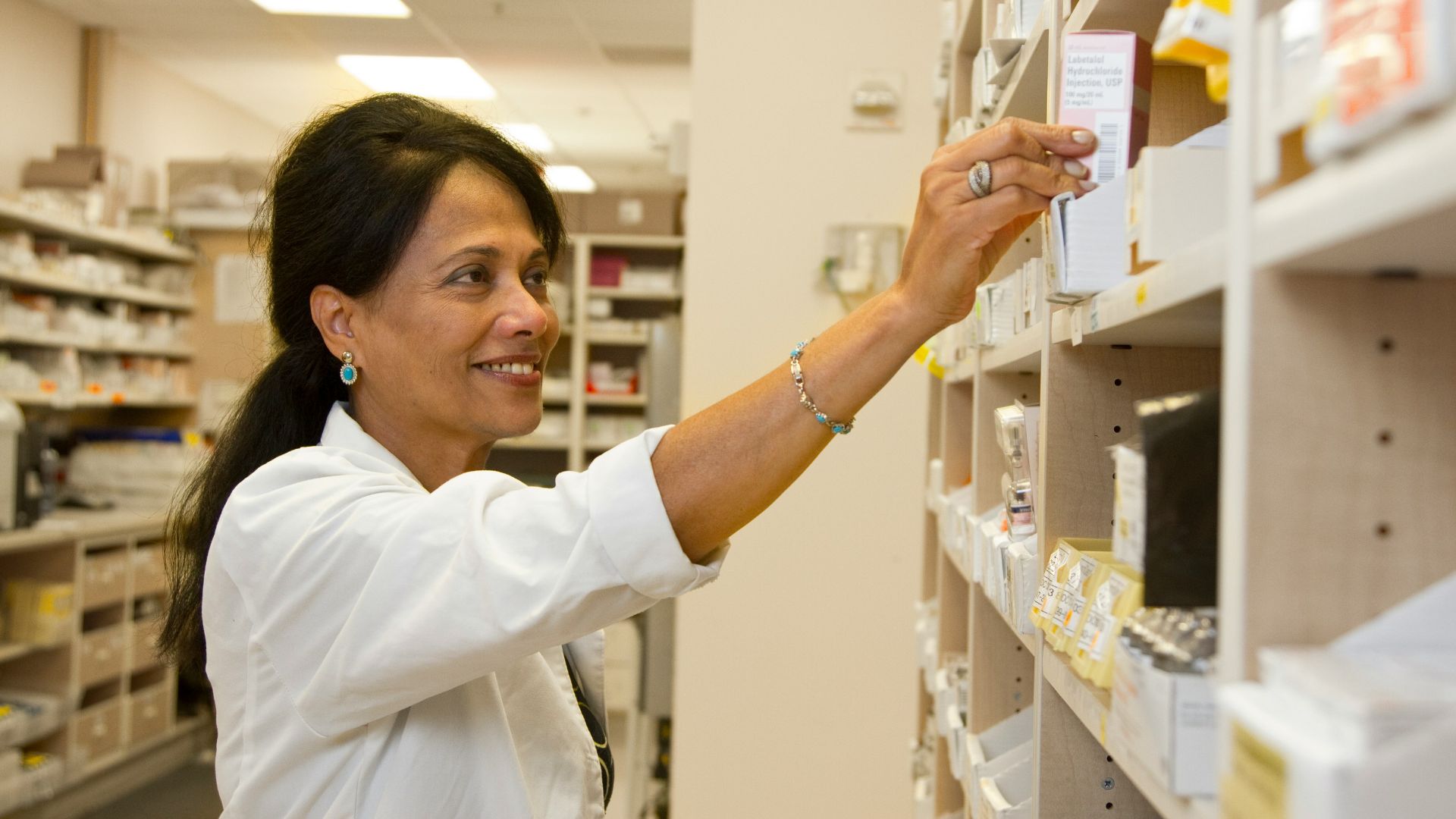
Vietnamese barbershops offer ear cleaning alongside the cut and a massage. The tools go into the canal, so it takes real training. It sits on the menu much like a shave.
4. Full Waxing as the Default
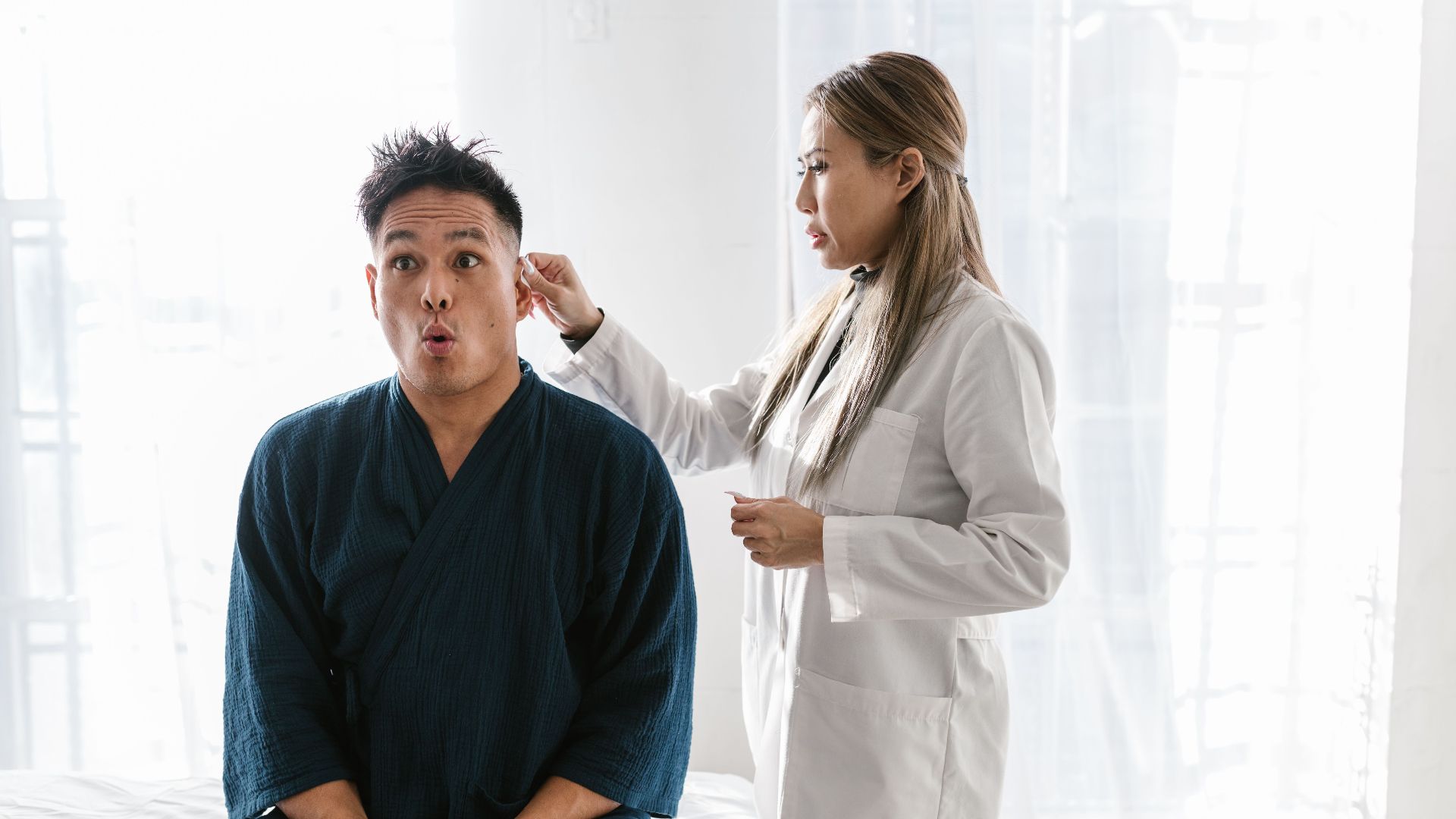
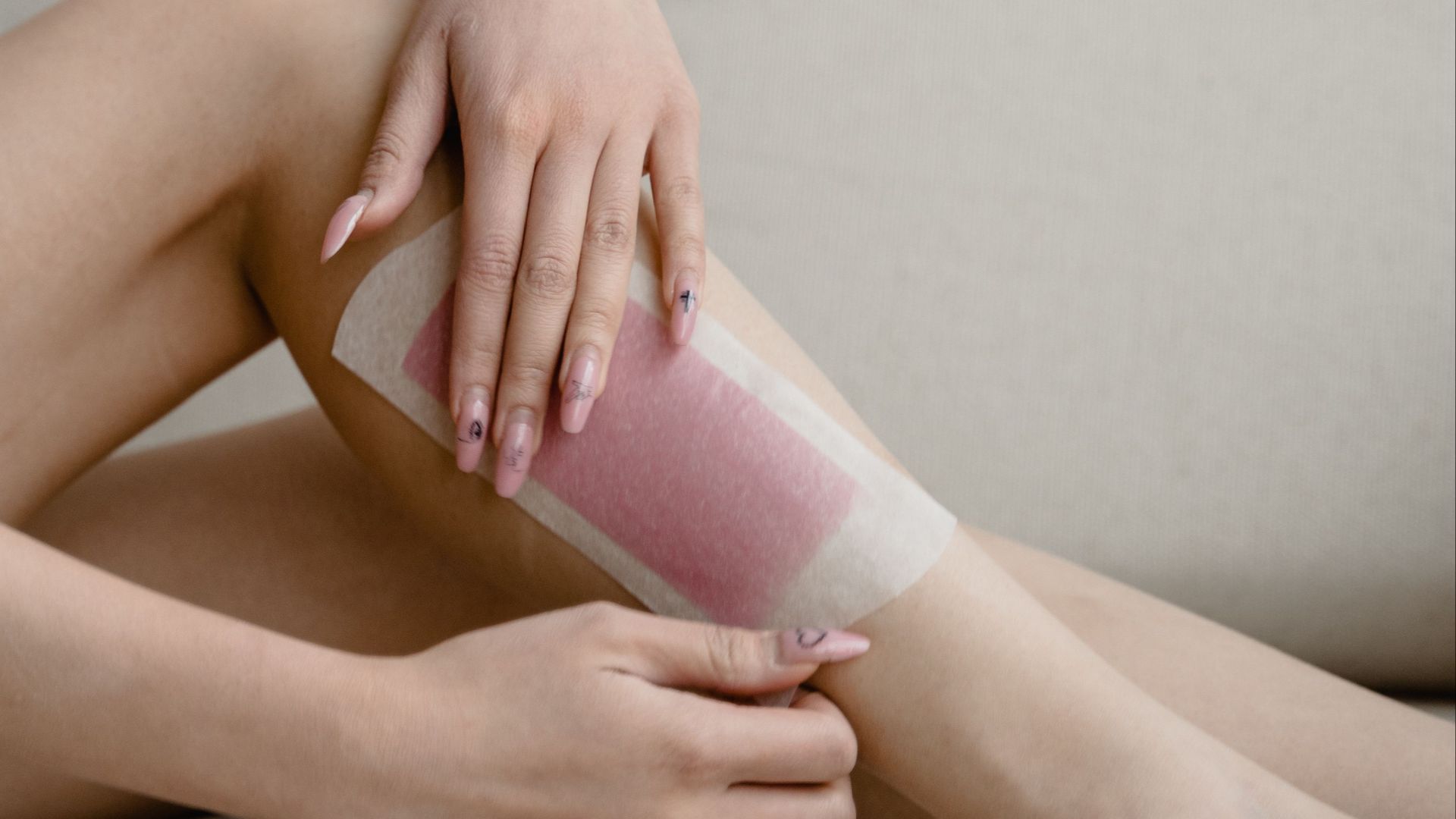
Brazilian-style waxing spread in the 1970s and 1980s as thong bikinis took over beaches in Rio. Seven sisters exported the technique to a Manhattan salon in 1987, and the name stuck to the style.
5. A Scented Ceremony Mid-Sauna
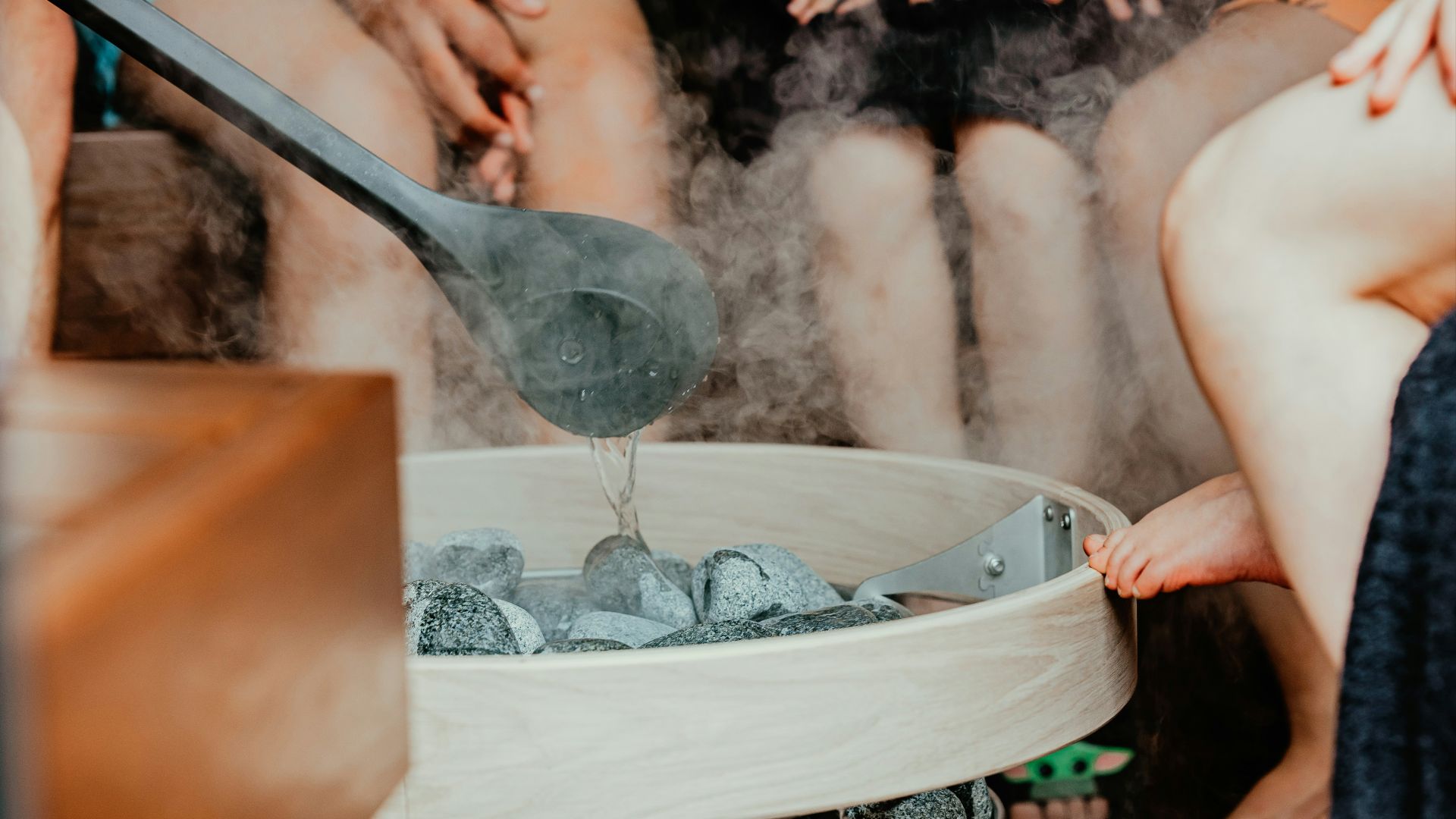
German spas run something called an Aufguss, where a sauna master pours scented oil on the stones and fans the heat around the room with a towel. Body scrubs sometimes get handed out during it. Walking in halfway through is bad form, so latecomers wait for the next one.
6. Threading Instead of Tweezing
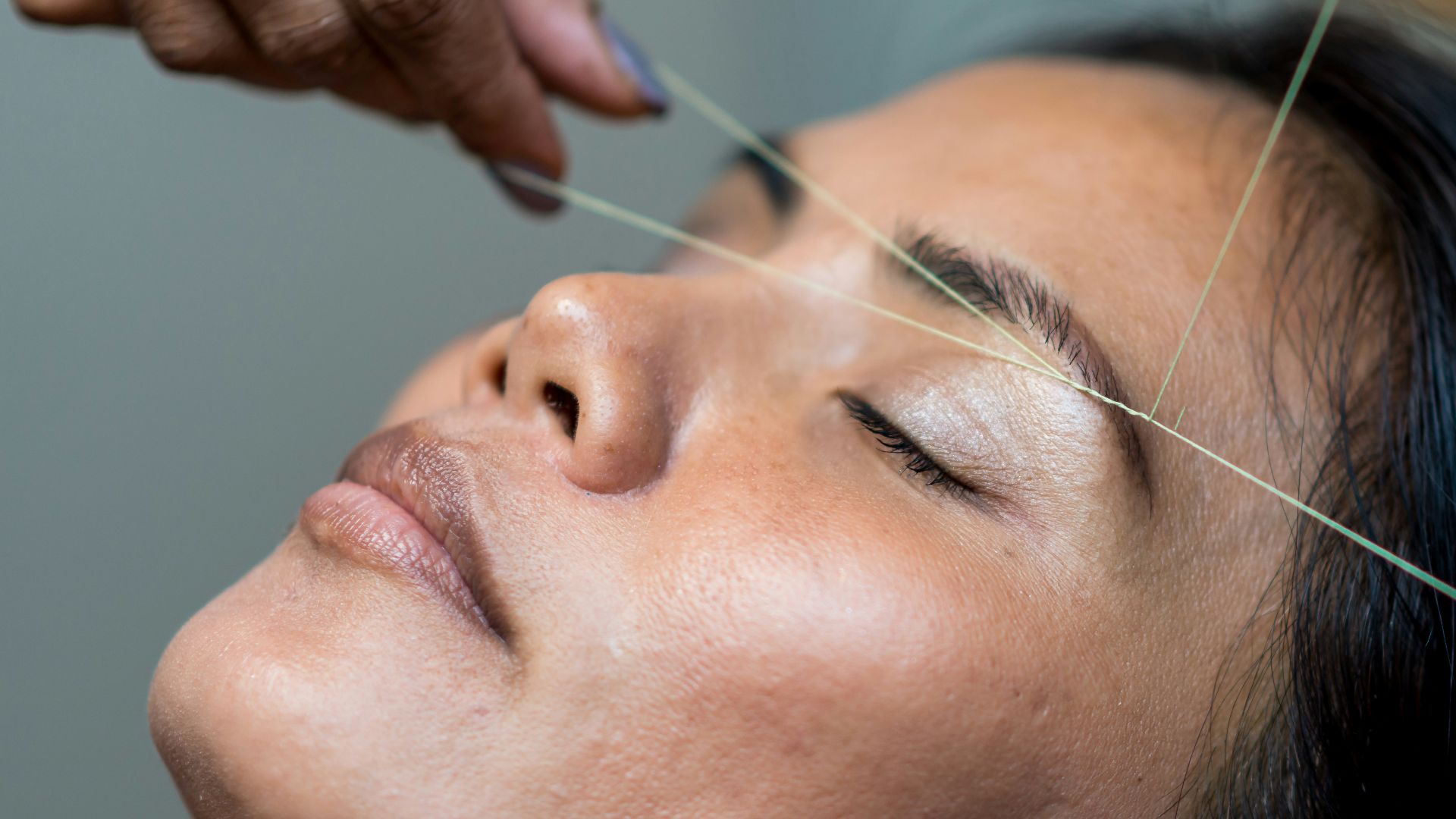
A doubled cotton thread gets twisted and rolled across the skin, lifting out a row of hairs at once. The technique comes from India and Iran and reached American cities in the late 1980s, which is why most US malls have a counter now.
7. Getting Hit With Branches
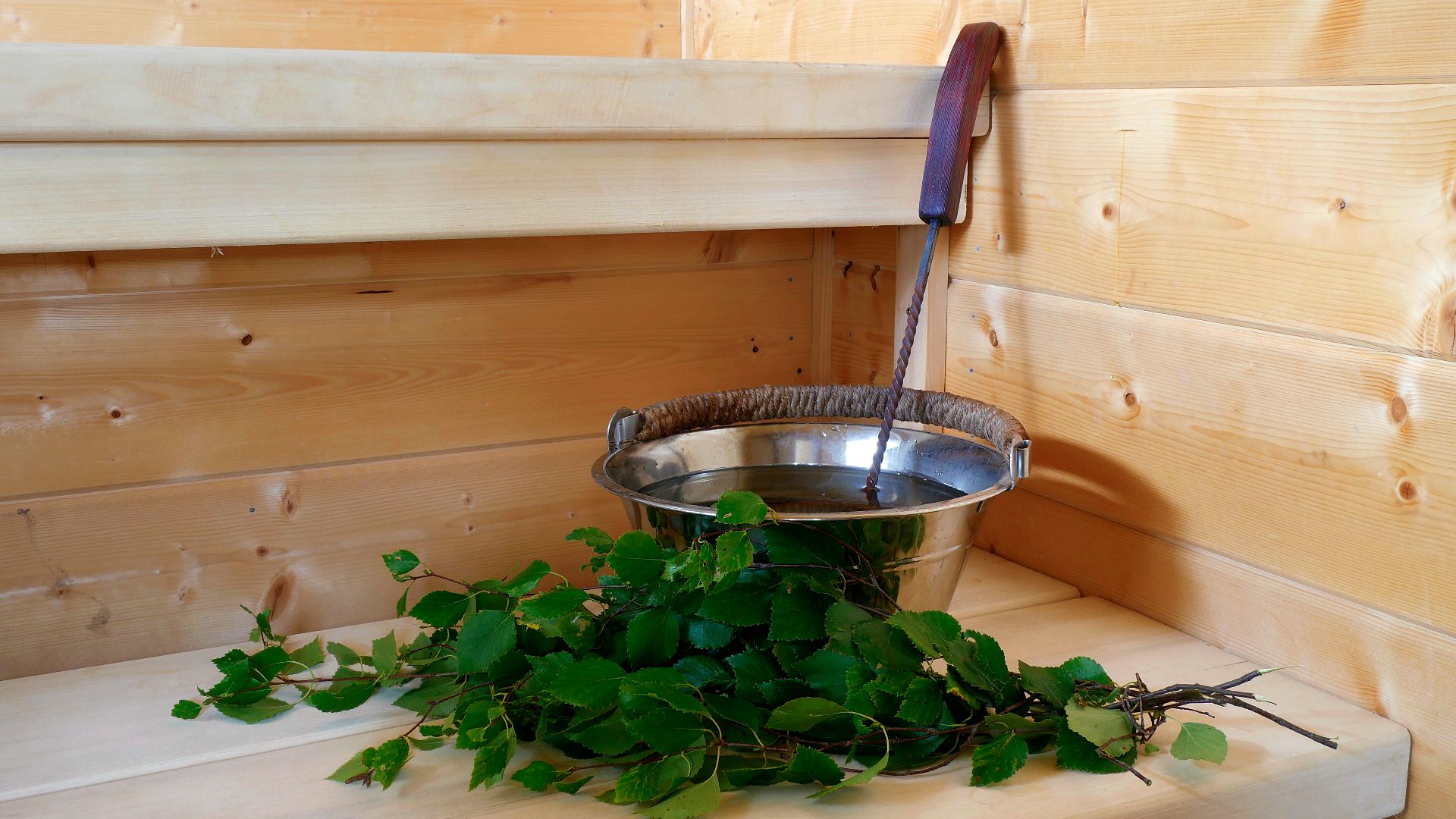
A venik is a bundle of soaked oak or birch branches used in a Russian banya for what gets called a therapeutic beating. The leaves smell good and shaking the wet bundle adds steam to the room. Russians treat it as a health practice.
 commons.wikimedia.org on Google
8. Shaving a Woman's Whole Face
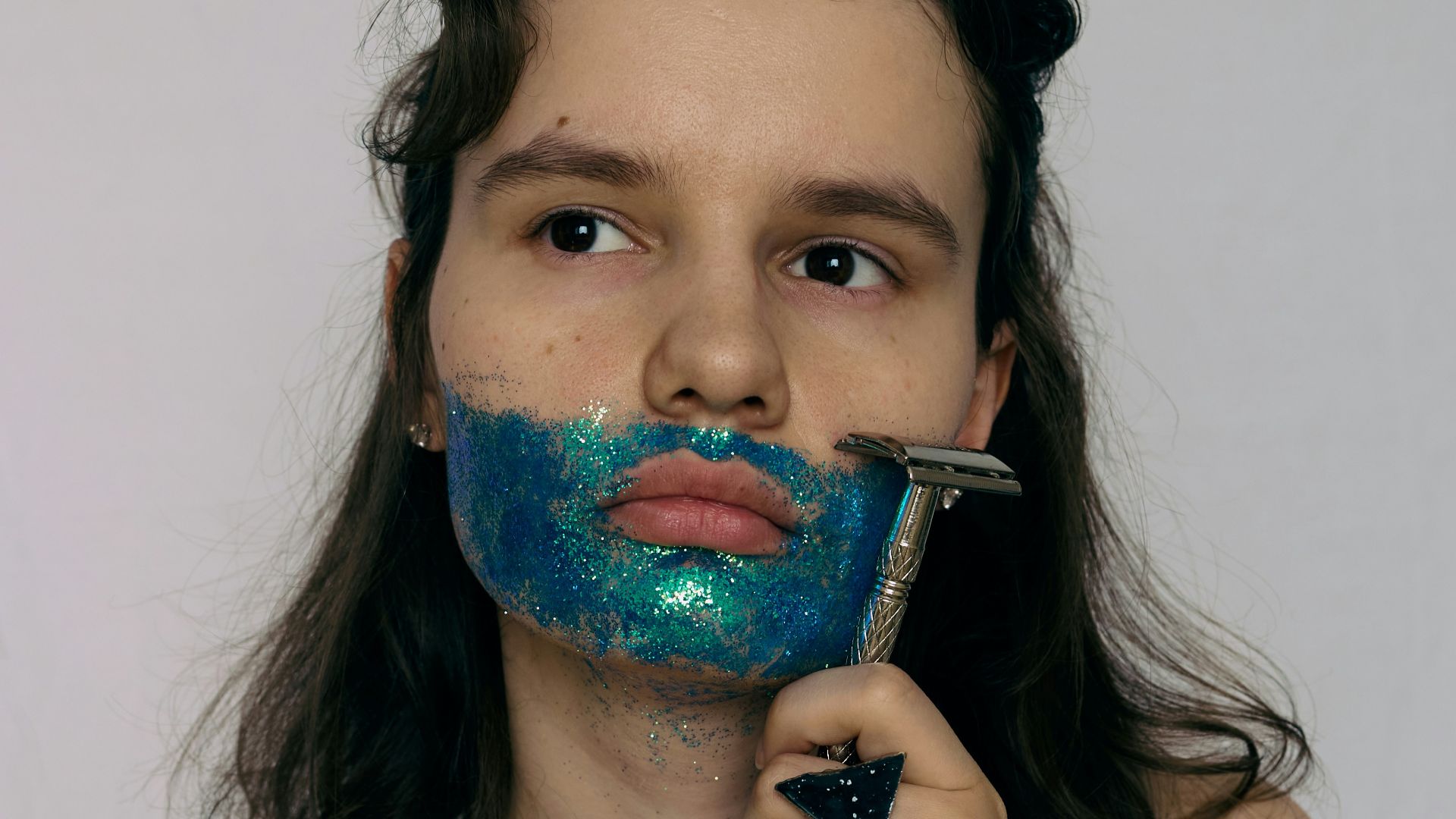
Japanese barbers and salons have offered full-face shaving to women for years, and the service is sold as exfoliation. The goal is clearer, brighter skin. It's a standard menu item.
 Victoria Aleksandrova on Unsplash
9. Bleaching Body Hair Instead of Removing It
In Brazil, banho de lua lightens the hair on the arms, stomach, thighs, and other areas instead of waxing or shaving it off. The bleach turns darker body hair blond or golden, making it less noticeable against the skin. It has been a familiar Brazilian beauty practice for years, particularly in summer.

10. Oiling Your Hair Before You Wash It
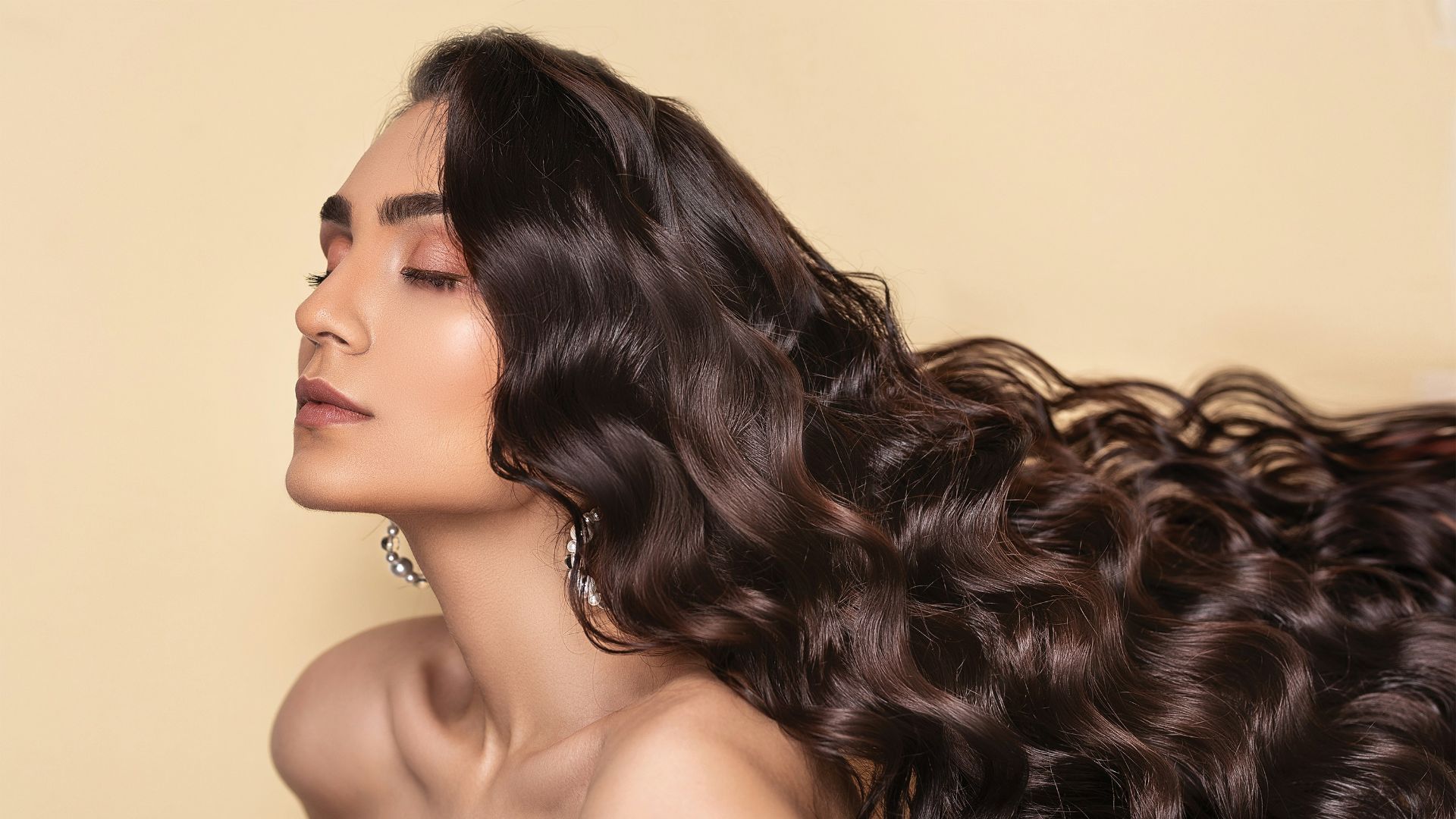
Hair oiling remains a routine part of grooming in many Indian households, with coconut, sesame, almond, and other oils worked into the scalp and lengths before shampooing. Some people leave it on for an hour, while others keep it in overnight. The habit is often passed down through families rather than treated as an occasional salon treatment.
Now, here are 10 grooming habits that would make Americans do a double take.
1. Dyeing a Gray Beard Bright Orange
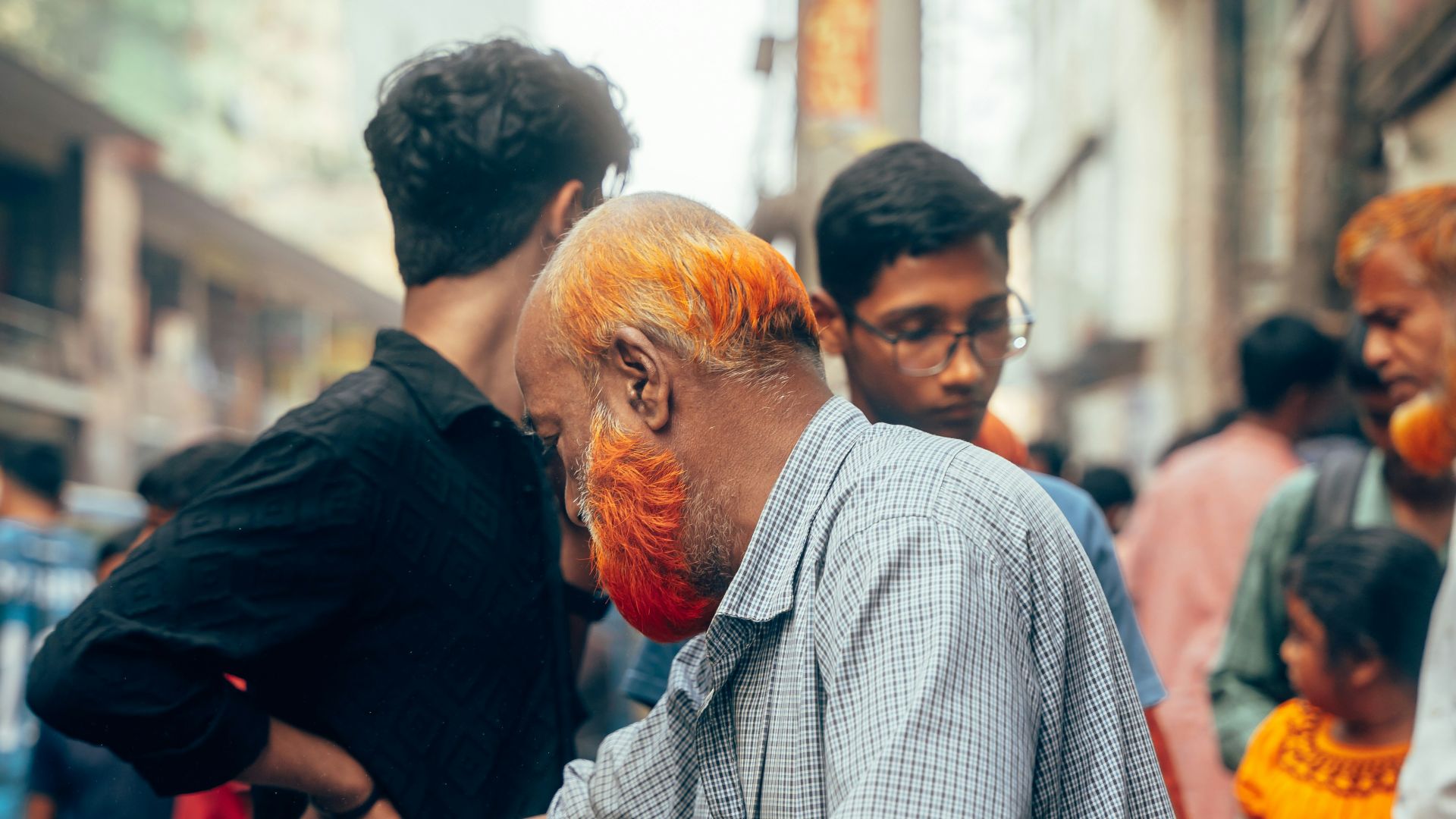
In Bangladesh, older men commonly use henna on gray beards, turning the hair shades of red, copper, or vivid orange. The look is familiar enough that barbers offer henna coloring as a routine service, and some customers return weekly to keep it fresh. In the U.S., intentionally turning a gray beard tangerine would still draw considerably more attention.
2. Taking the Cuticles All the Way Off
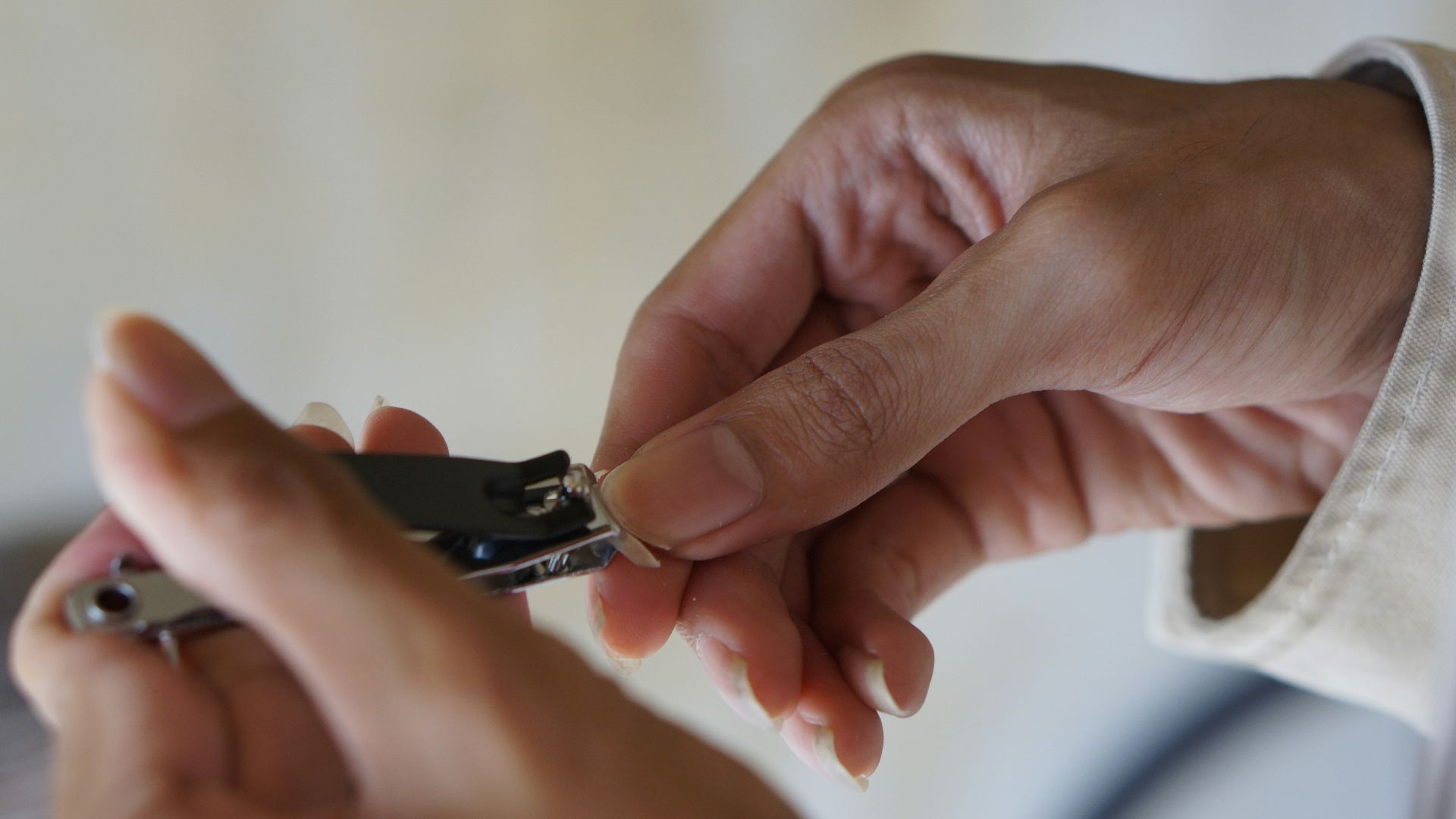
A traditional Brazilian manicure does considerably more to the cuticle than the gentle push-back common in many American salons. Removing the skin around the nail has been described as a customary Brazilian beauty practice, even though dermatologists warn that the cuticle is a protective barrier.
3. Fire at the Barbershop
Traditional Turkish barbers have used flame to singe stray hair from the ears and edges of the face. A lit taper or small flame passes quickly over the hair after the main shave, turning something an American barber would normally attack with clippers into the most dramatic part of the appointment.
4. Perming Hair to Make It Flatter
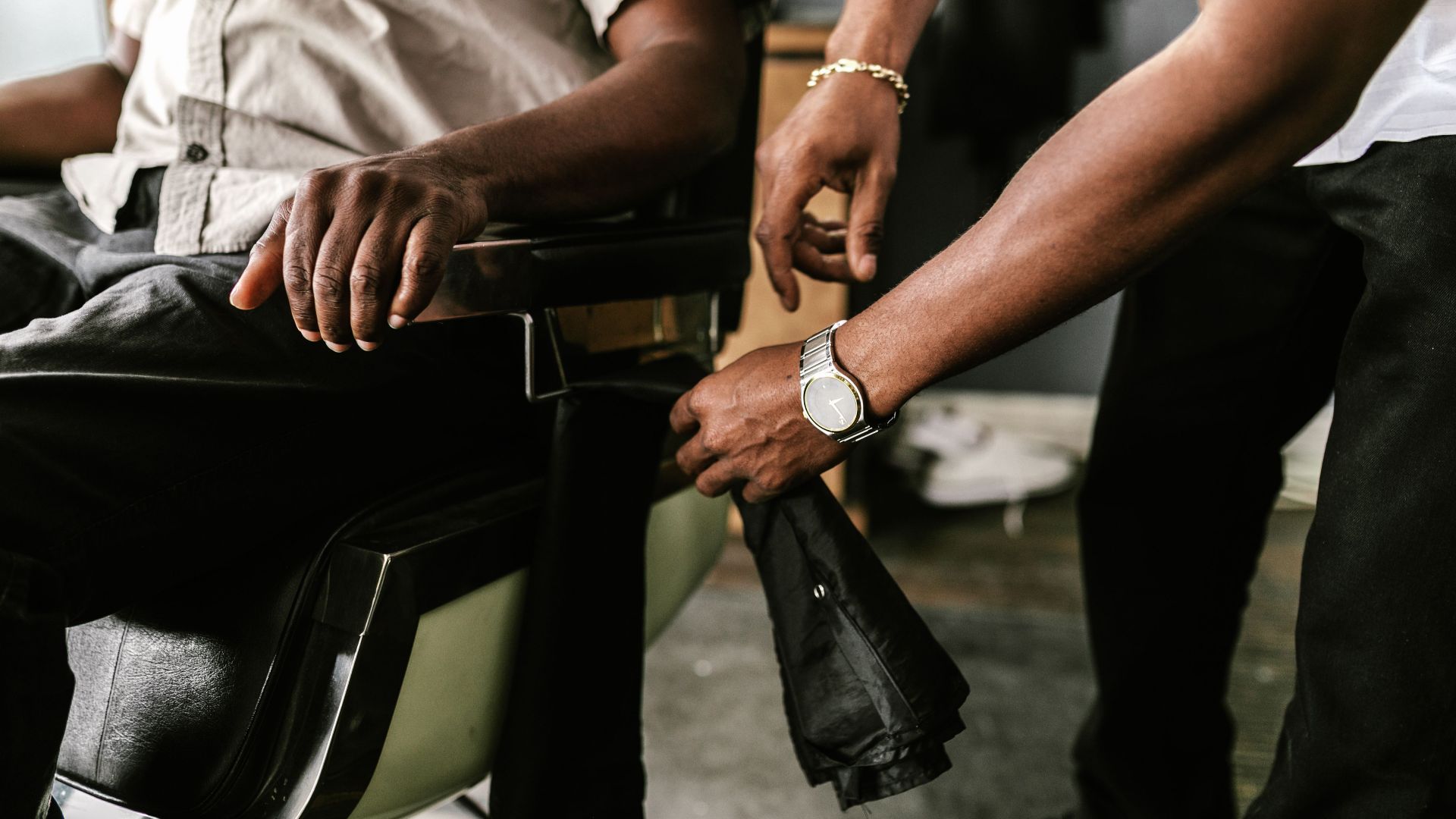
In South Korea, men commonly get a “down perm” on the sides and back of the head. Instead of adding curls, the chemical treatment presses thick or outward-growing hair closer to the scalp so the haircut keeps a cleaner shape. It is often added to an ordinary haircut rather than treated as a major style change.
5. Men Getting Their Brows Done at the Barber
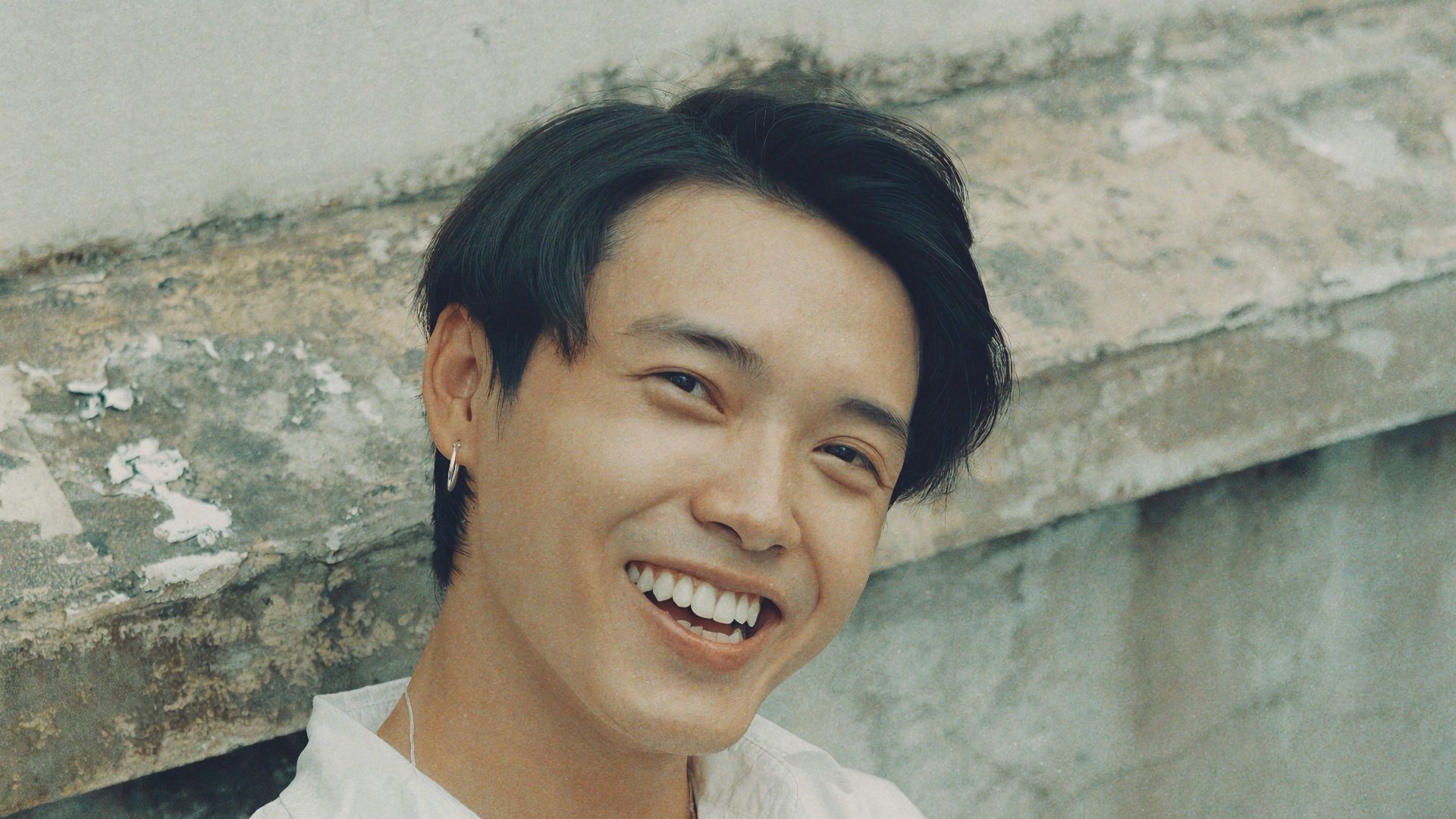
A Turkish barber can move from beard work straight to eyebrow trimming or threading without treating it as a separate beauty appointment. The polished result is simply part of finishing the haircut and shave, alongside neck cleanup and stray-hair removal.
6. Waxing the Hair Inside Your Nose
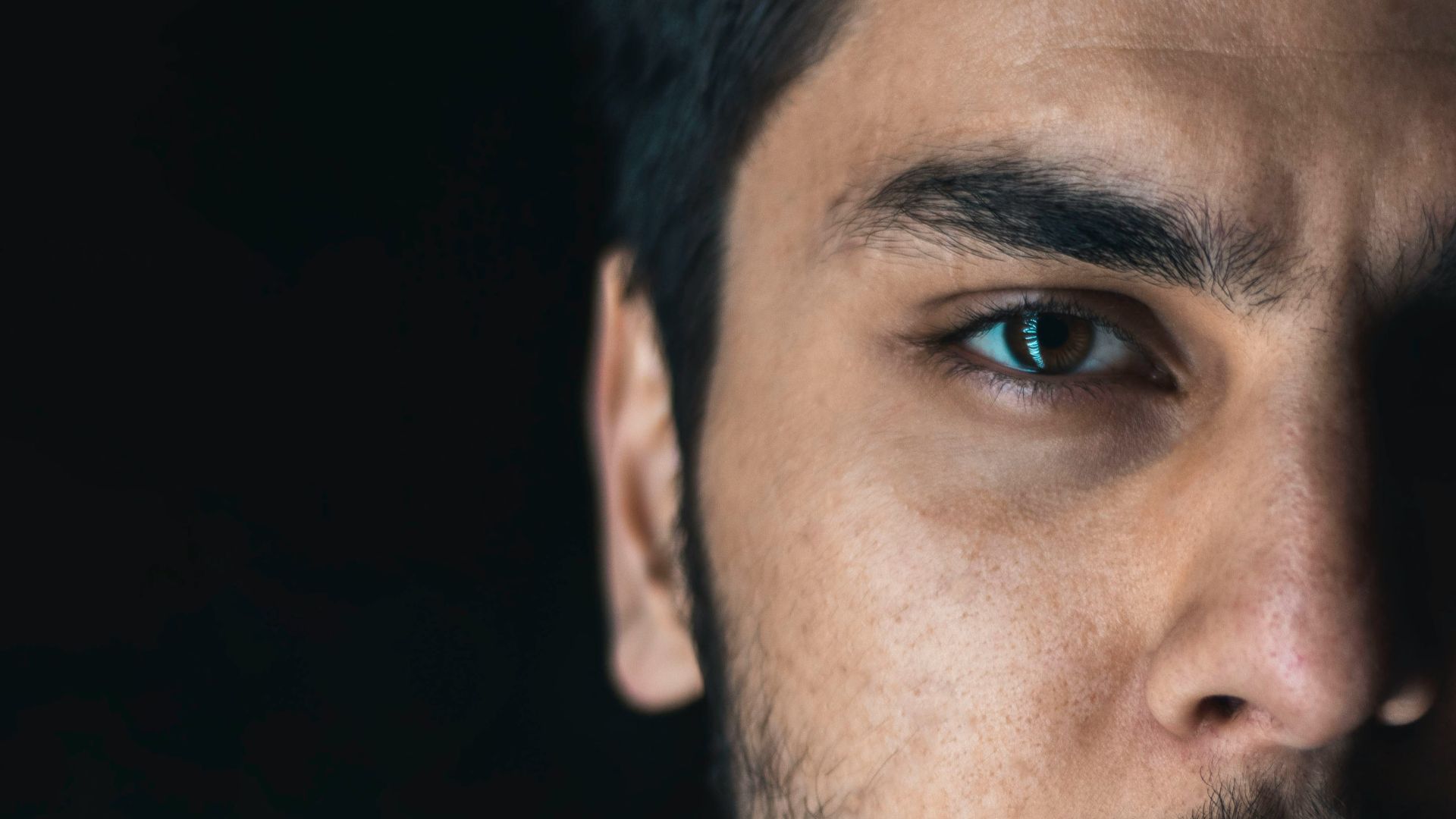
Turkish barber services can include wax for visible nose hair rather than simply clipping what sticks out. It is often bundled into a much longer grooming session that can also cover the ears, brows, beard line, and neck.
7. Removing Body Hair With Sugar Paste
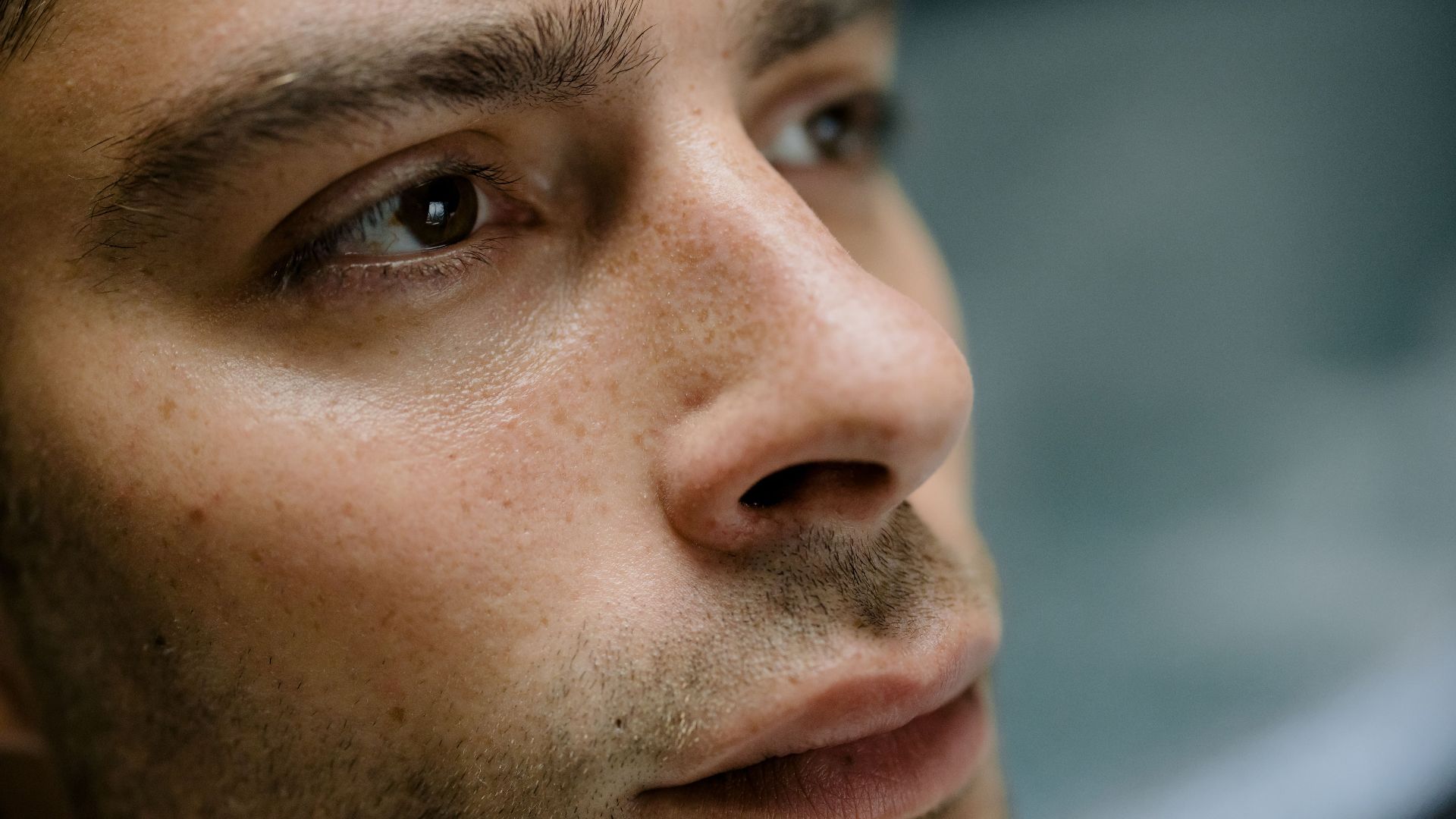
Across the Middle East and North Africa, halawa or sugaring removes hair with a paste made largely from sugar, water, and lemon rather than conventional wax. The paste is worked across the skin and pulls hair out from the root, and the technique has roots stretching back to ancient Egypt. It is familiar enough across the region to be treated as an ordinary hair-removal method rather than a specialty treatment.
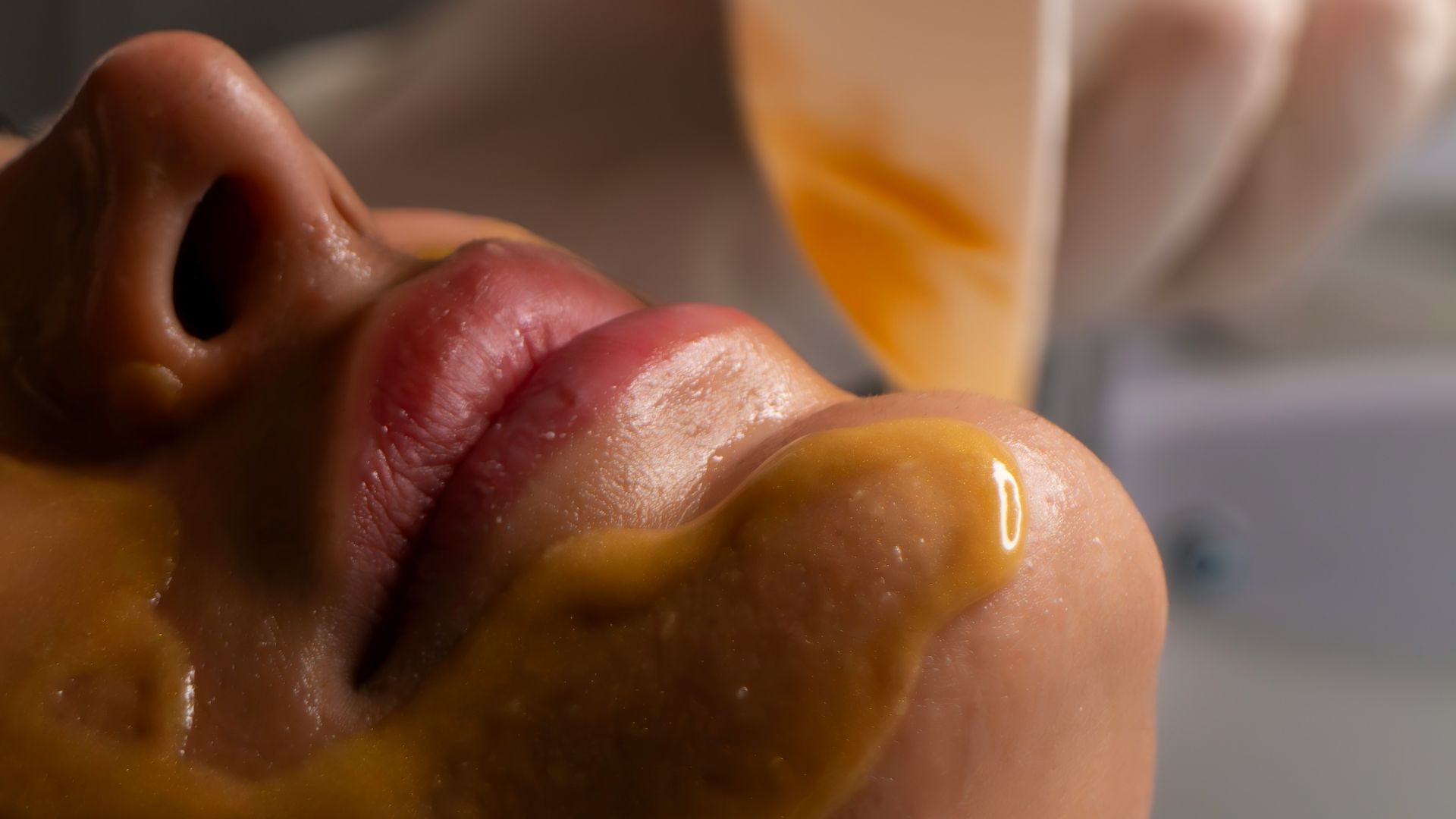
8. Makeup as Ordinary Men's Grooming
A little foundation, concealer, brow pencil, or lip color on a man does not carry quite the same novelty in South Korea that it still can in the U.S. The country's men's-grooming market has long treated cosmetics as one more way to look neat and put together rather than something reserved entirely for women.
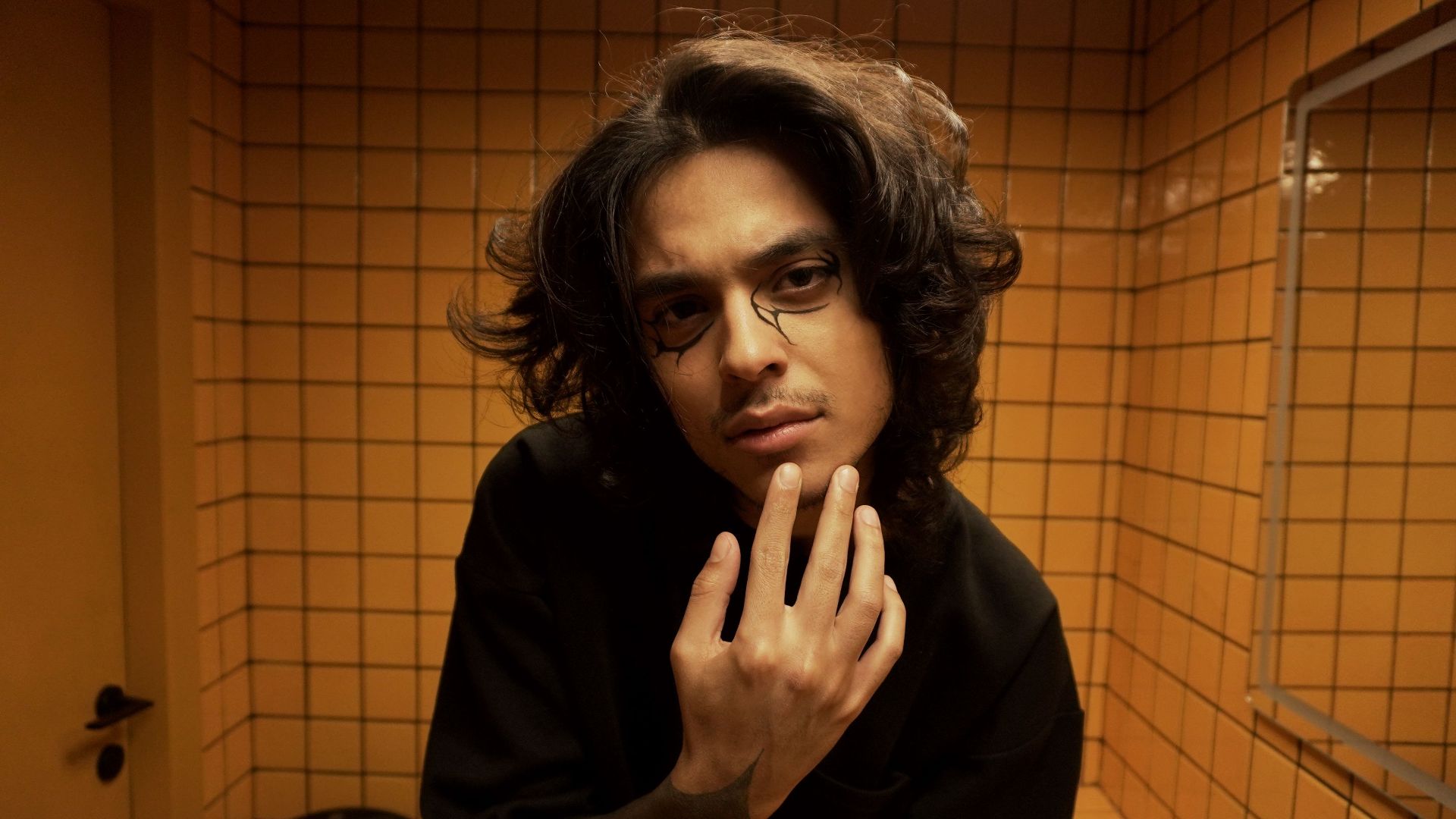
9. Getting Your Scalp Examined at the Salon
South Korean grooming has also pushed much further into the scalp itself. Head spas offer cleansing, exfoliation or “scaling,” massage, and sometimes a close look at the scalp before treatment, with dozens of dedicated services operating around Seoul.
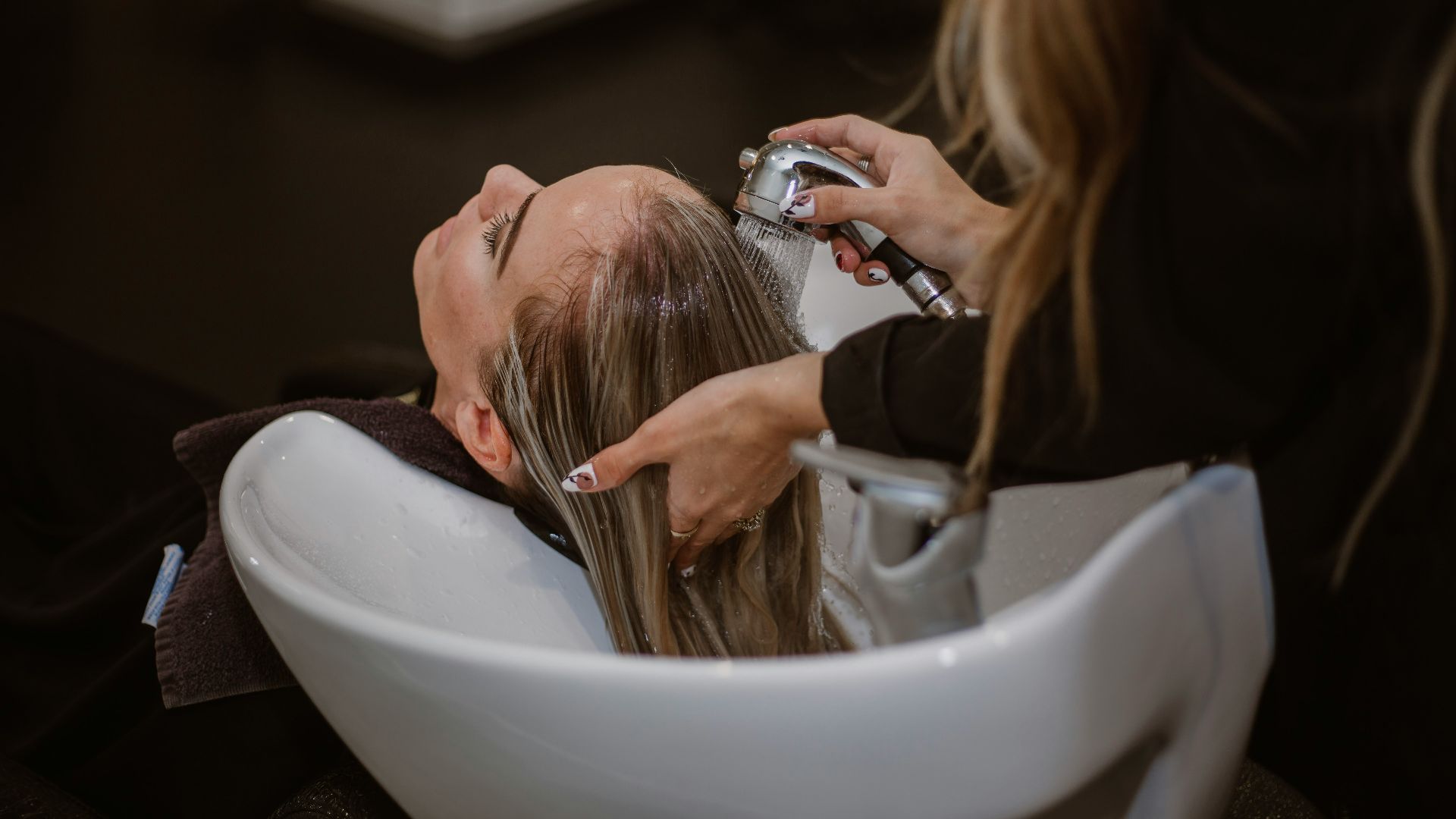
10. Straightening Your Beard
In parts of the Middle East and South Asia, beard grooming can include heat-straightening with a heated comb or mini straightener to make coarse or curly facial hair sit flatter. The goal is a sharper, more uniform beard shape rather than changing its length. In the U.S., beard oil and trimming are common, but ironing a beard into place would still get a few looks.