Poison Ivy Is Natural Too
Natural has become shorthand for gentle, which is useful marketing but shaky chemistry. Plants produce plenty of compounds specifically to repel insects, microbes, and anything else inclined to eat them, and some of those same compounds can irritate human skin. Most people will use them without a problem, but natural does not automatically mean mild. Here are 20 natural beauty products that can be much harsher than the label suggests.
1. Lemon Juice
Undiluted lemon juice sits around pH 2, which is roughly a hundred times more acidic than healthy skin. Then there are the furocoumarins, compounds that react with sunlight to produce a blistering rash called phytophotodermatitis. The American Academy of Dermatology advises against putting lemon on your face for either reason, and the sun exposure involved need not be direct.

2. Apple Cider Vinegar
Acetic acid strong enough to strip limescale from a kettle will work on skin too, given long enough in one place. Pediatrics published a case in 2012 involving a teenager who developed chemical burns after applying apple cider vinegar to a mole overnight. Soaked cotton pads left sitting on the face are how most of these cases start.

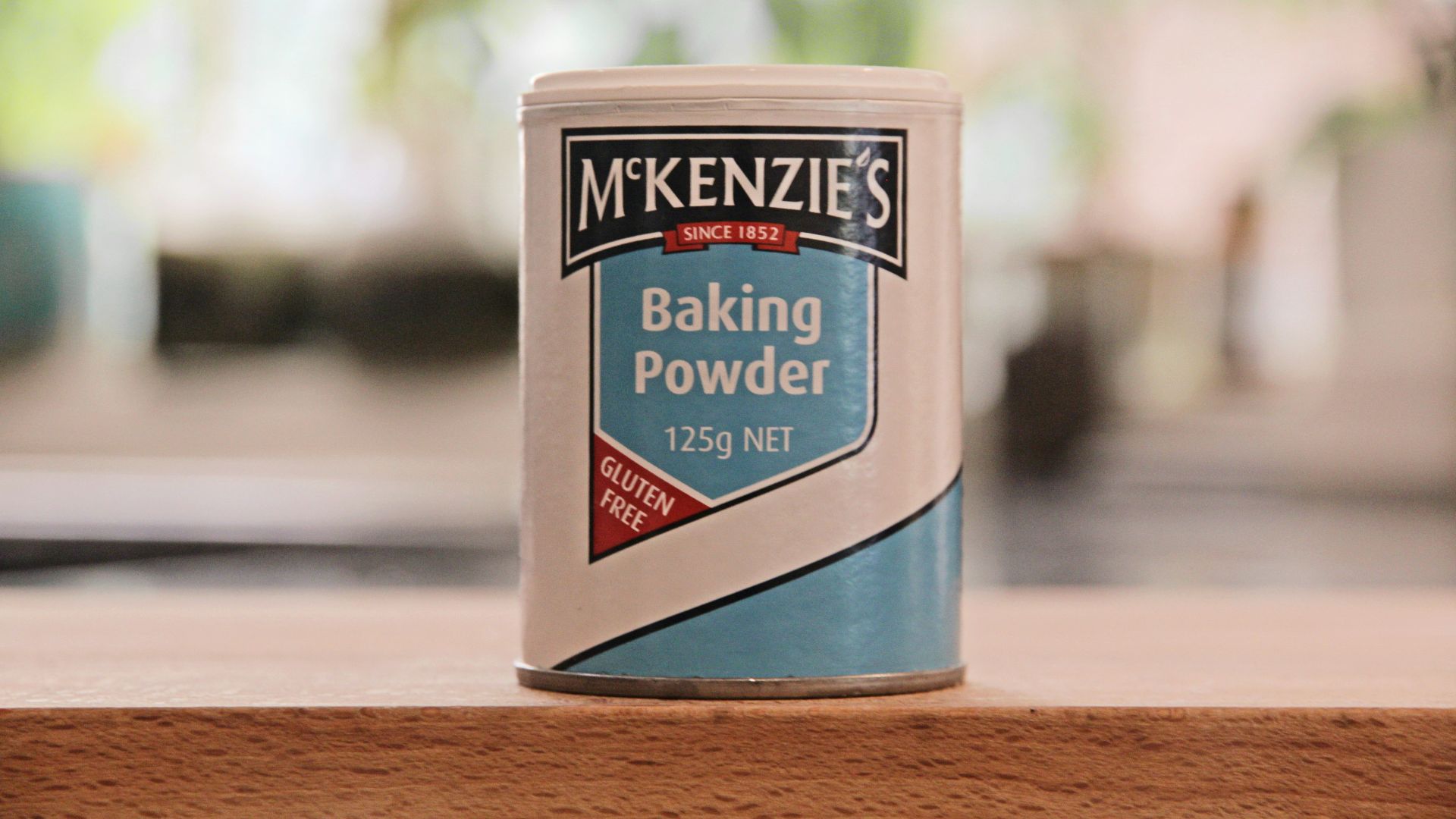
3. Baking Soda
Healthy skin sits between pH 4.7 and 5.5, and the barrier depends on that acidity to work. A baking soda paste lands near pH 9, neutralizing that acid mantle and leaving the barrier leaking moisture for days. The result feels tight and starts flaking, at which point most people reach for more scrubbing and make it worse.
 Addilyn Ragsdill @clockworklemon.com on Unsplash
4. Raw Garlic
Crushed garlic releases allicin and diallyl disulfide, compounds that behave as irritants rather than antiseptics in any useful sense. Case reports describe second-degree chemical burns in people who taped a crushed clove over acne or a wart and left it overnight to work. Those burns often come out square, matching the tape that held the clove in place overnight.

5. Walnut Shell Scrubs
Ground walnut shell shows jagged, irregular edges under magnification, the opposite of what an exfoliant wants in order to work evenly. A 2016 class action accused a major scrub brand of causing microtears in the barrier before the courts eventually threw the case out. The dermatologists quoted in the coverage had already spent years steering patients toward acid-based exfoliants instead.

6. Charcoal Toothpaste
A 2019 review in the British Dental Journal examined charcoal toothpastes and found no good evidence behind the whitening claims. Several of the products were abrasive enough to concern the authors, and most contained no fluoride whatsoever. Enamel that has been worn away by abrasion never grows back.
7. Colloidal Silver
Silver taken as a supplement or applied over long stretches can deposit in the skin and produce argyria, a permanent blue-gray discoloration that spreads across sun-exposed areas. The FDA ruled in 1999 that over-the-counter colloidal silver products are not recognized as safe and effective. No documented case has ever reversed the color change, and laser treatment has produced mixed results at best.
8. Black Henna
Real henna stains a rusty orange and needs several hours sitting on the skin to develop properly. The black version gets its speed and color from para-phenylenediamine, a hair dye chemical that the FDA has not approved for direct skin application. Reactions run from blistering along the design to a lifelong sensitivity that rules out most permanent hair dyes afterward.
9. Tea Tree Oil
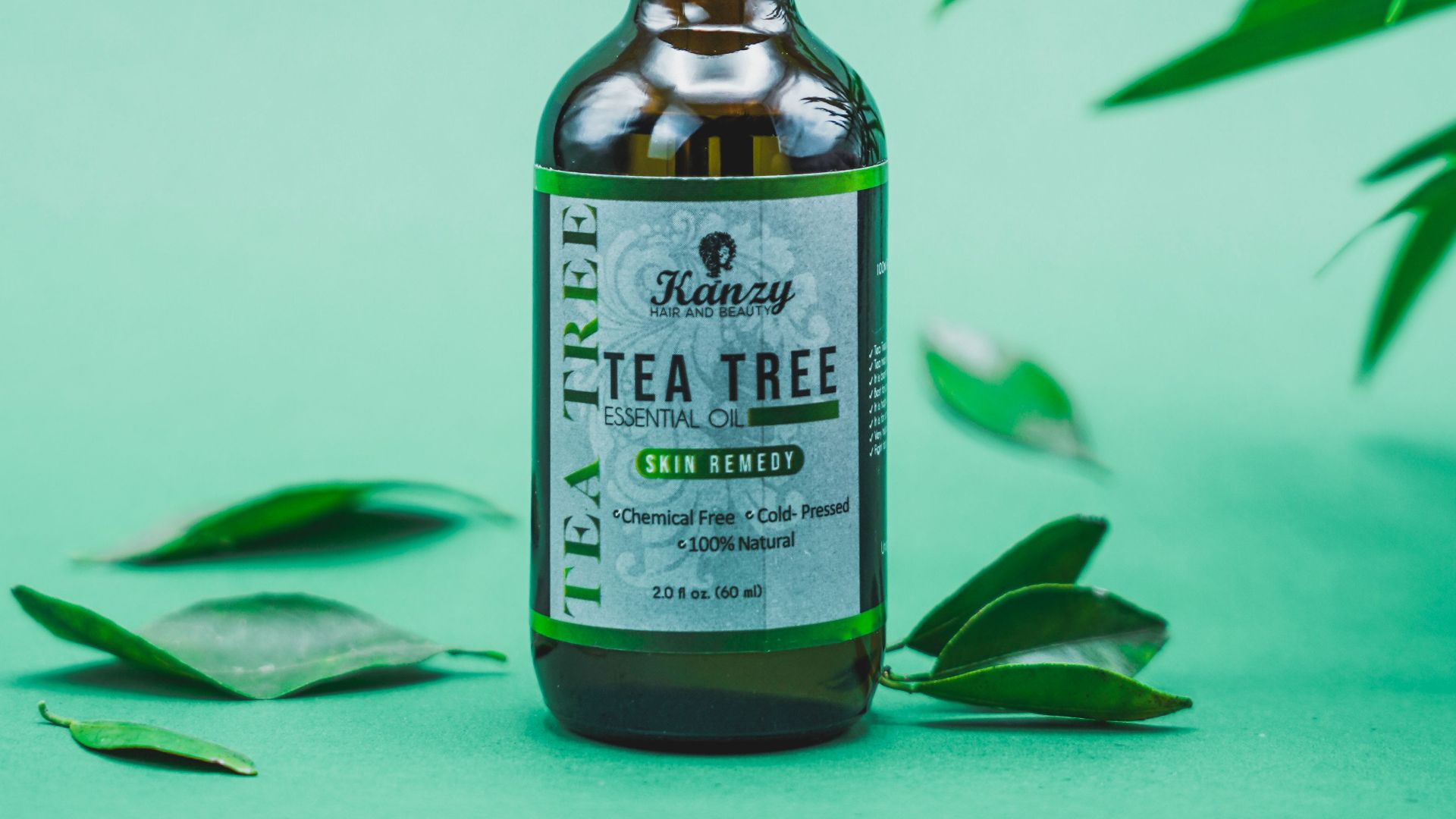
Tea tree oil oxidizes on contact with air and light, and the degradation products are considerably more allergenic than the fresh oil. Oxidized tea tree oil ranks among the more common positive results in patch testing for plant-derived allergens. Old bottles left half-open in a warm bathroom are the usual culprits, since heat speeds the process along.
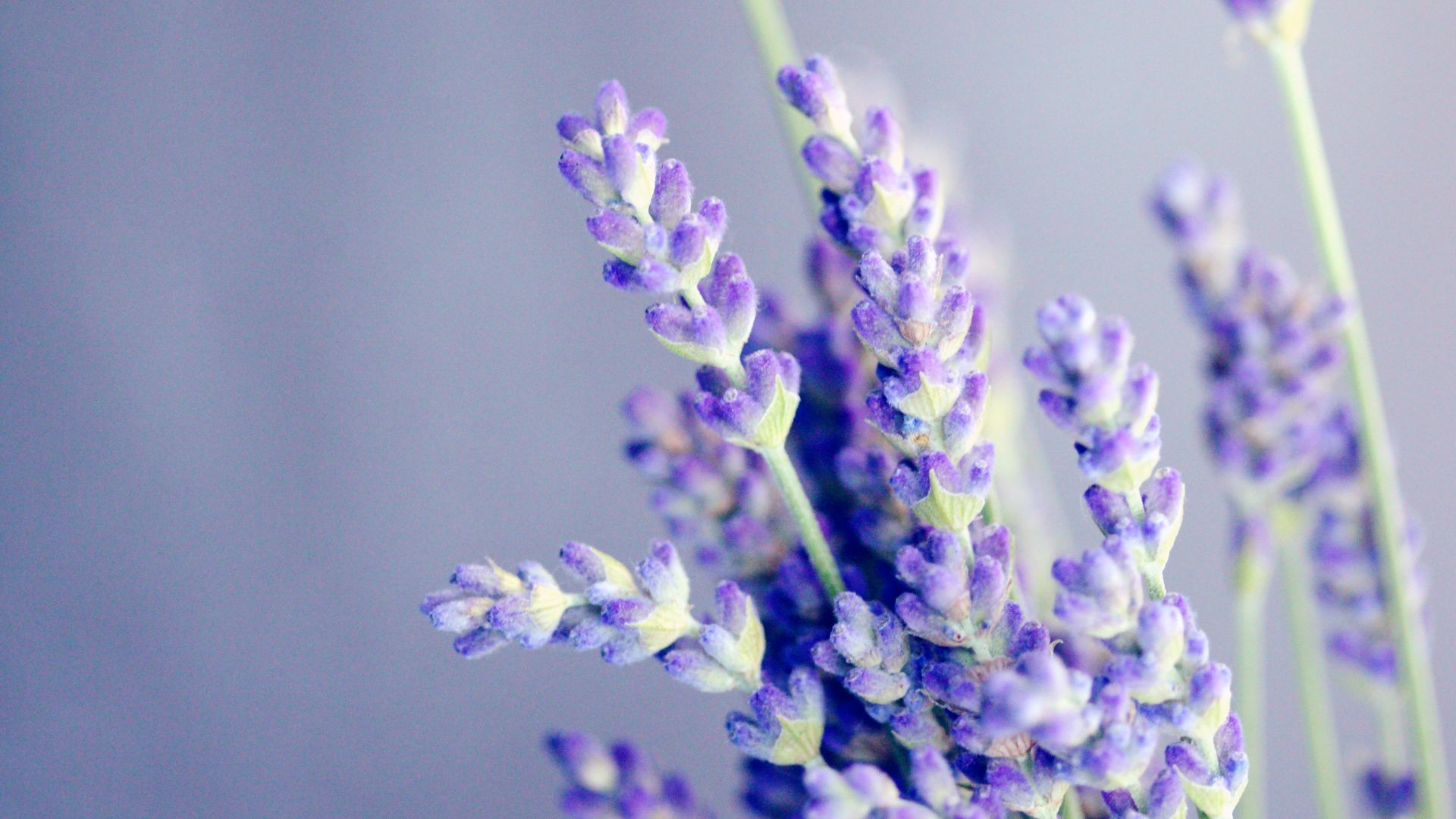
10. Lavender Oil
The New England Journal of Medicine published a case series in 2007 linking topical products containing lavender and tea tree oils to breast growth in prepubescent boys, which resolved when the products stopped. Linalool, one of lavender's main components, oxidizes into a known sensitizer once a bottle has been open a while. European labeling rules require it declared by name for that reason.
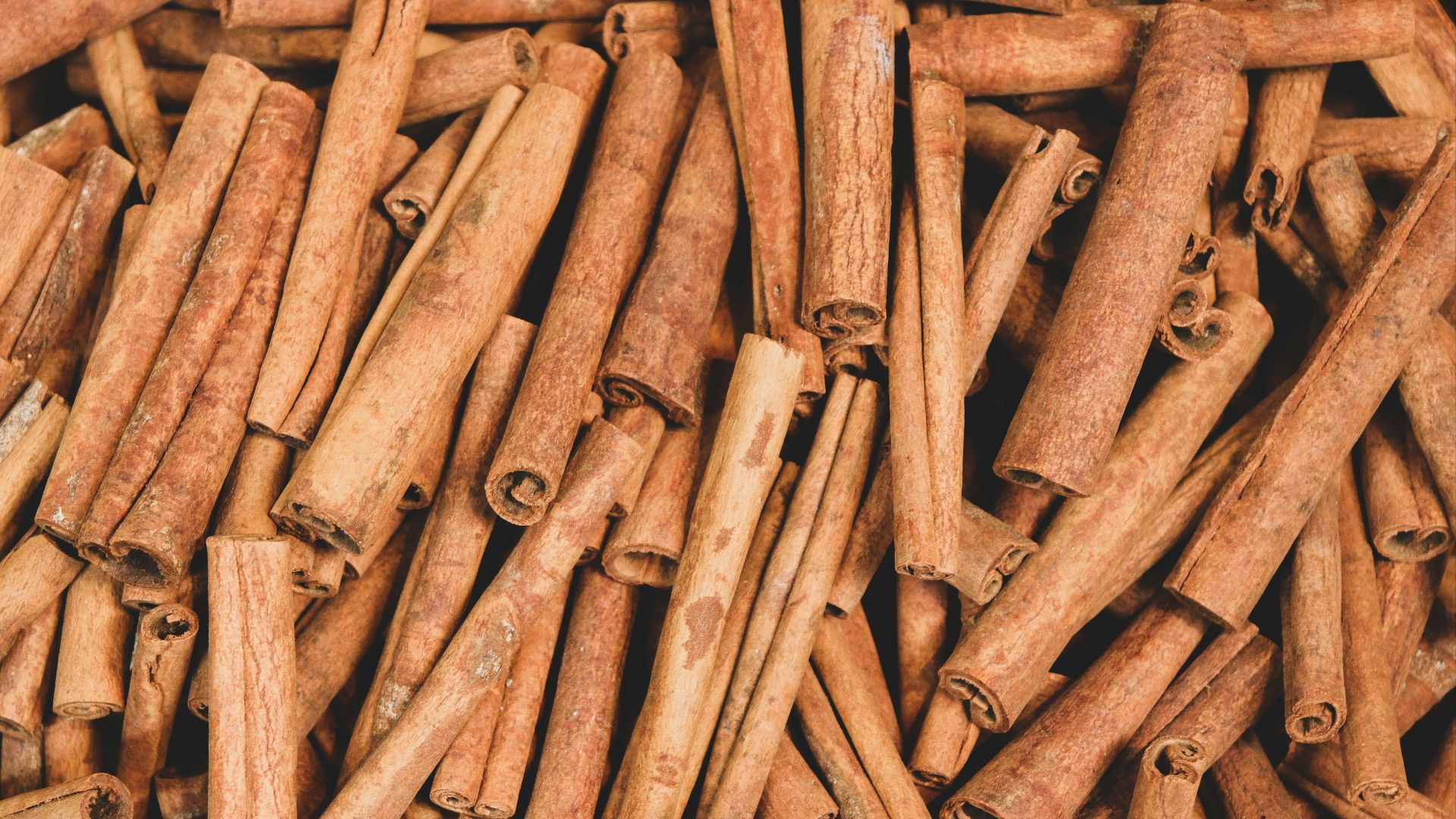
11. Cinnamon Bark Oil
Cinnamal, the compound behind the smell, appears on the EU list of 26 fragrance allergens that must be declared by name. Undiluted cinnamon bark oil raises welts on most forearms within a couple of minutes. The DIY lip plumping recipes built around it work by provoking exactly that reaction, which is swelling from irritation rather than any kind of conditioning.
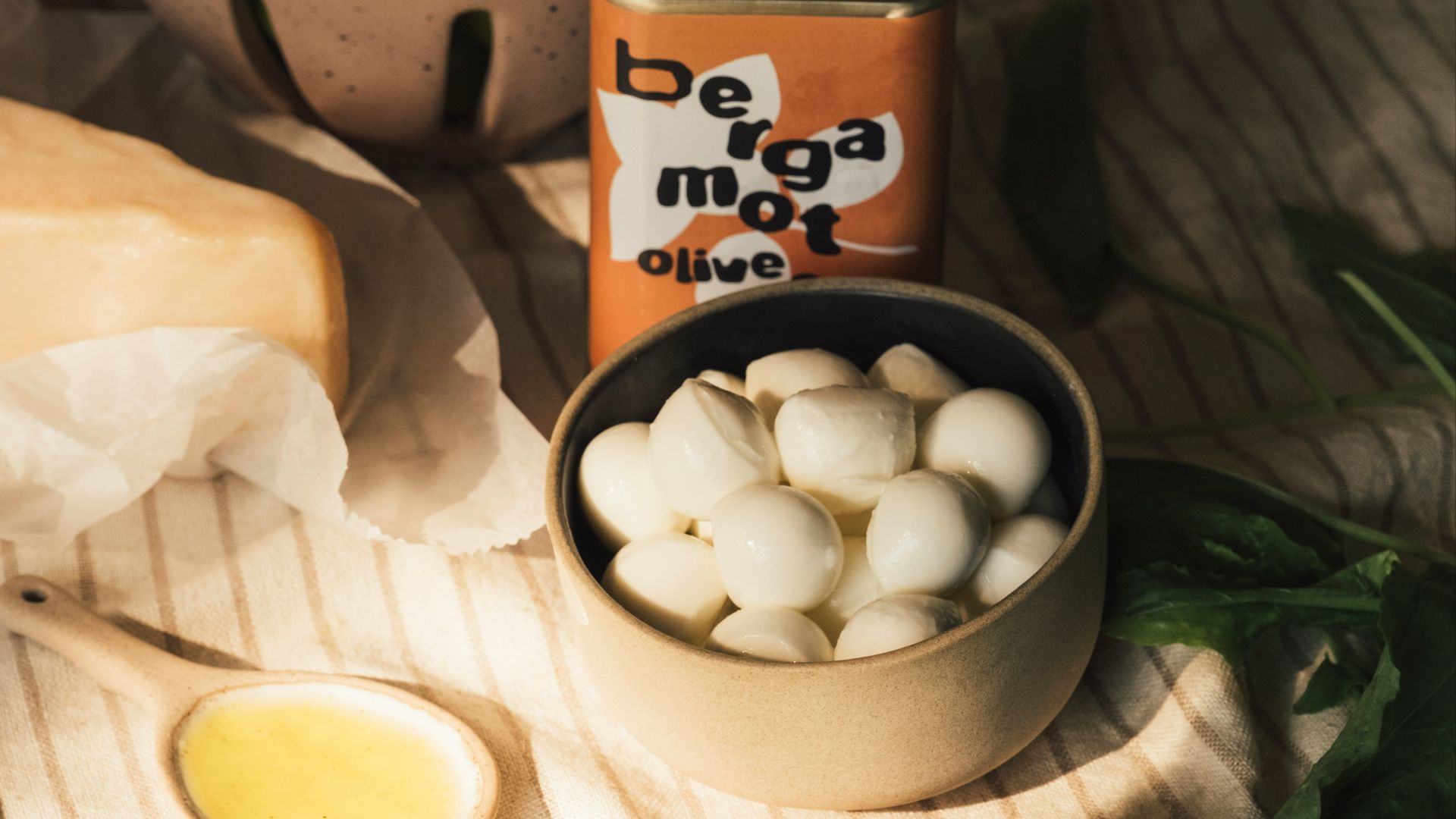
12. Bergamot Oil
Cold-pressed bergamot contains bergapten, a compound that reacts with UV light and burns in whatever pattern the oil happened to land. Dermatologists named the streaky brown marks berloque dermatitis after the perfume habits that produced them. Fragrance industry standards now cap how much of the phototoxic version a leave-on product can contain.
13. Wintergreen Oil
Oil of wintergreen is mostly methyl salicylate, chemically close to aspirin and absorbed through skin. A single teaspoon carries roughly the salicylate load of twenty adult aspirin tablets, which has killed children who drank it. Poison control centers treat a swallowed dose as an emergency, and the pleasant smell is part of the problem.
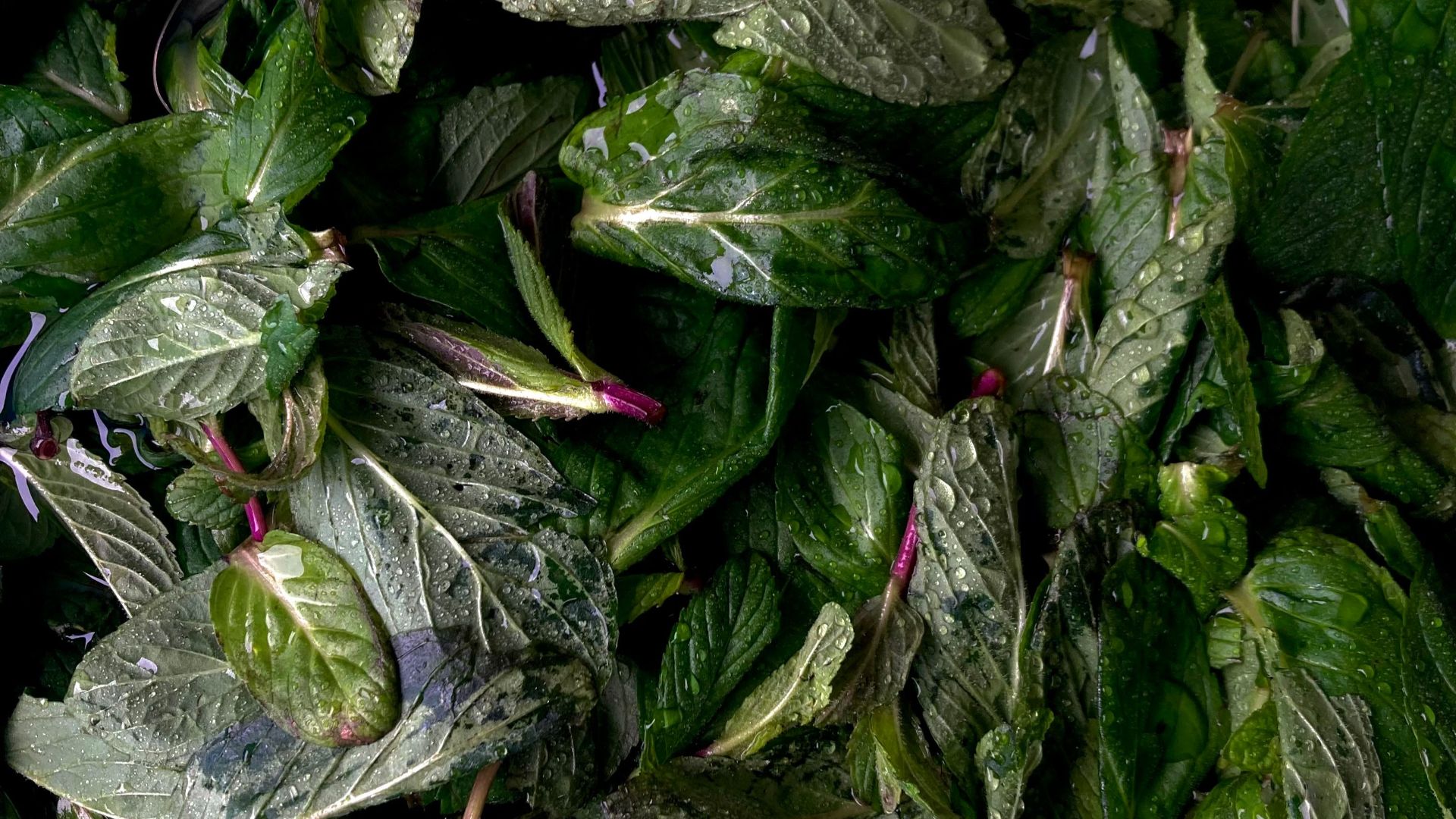
14. Pennyroyal Oil
Pennyroyal smells like strong mint and turns up in folk remedies going back centuries. Pulegone, its main component, damages the liver directly, and the medical literature includes deaths among people who took the oil internally. Nobody has ever established a safe internal dose for it.
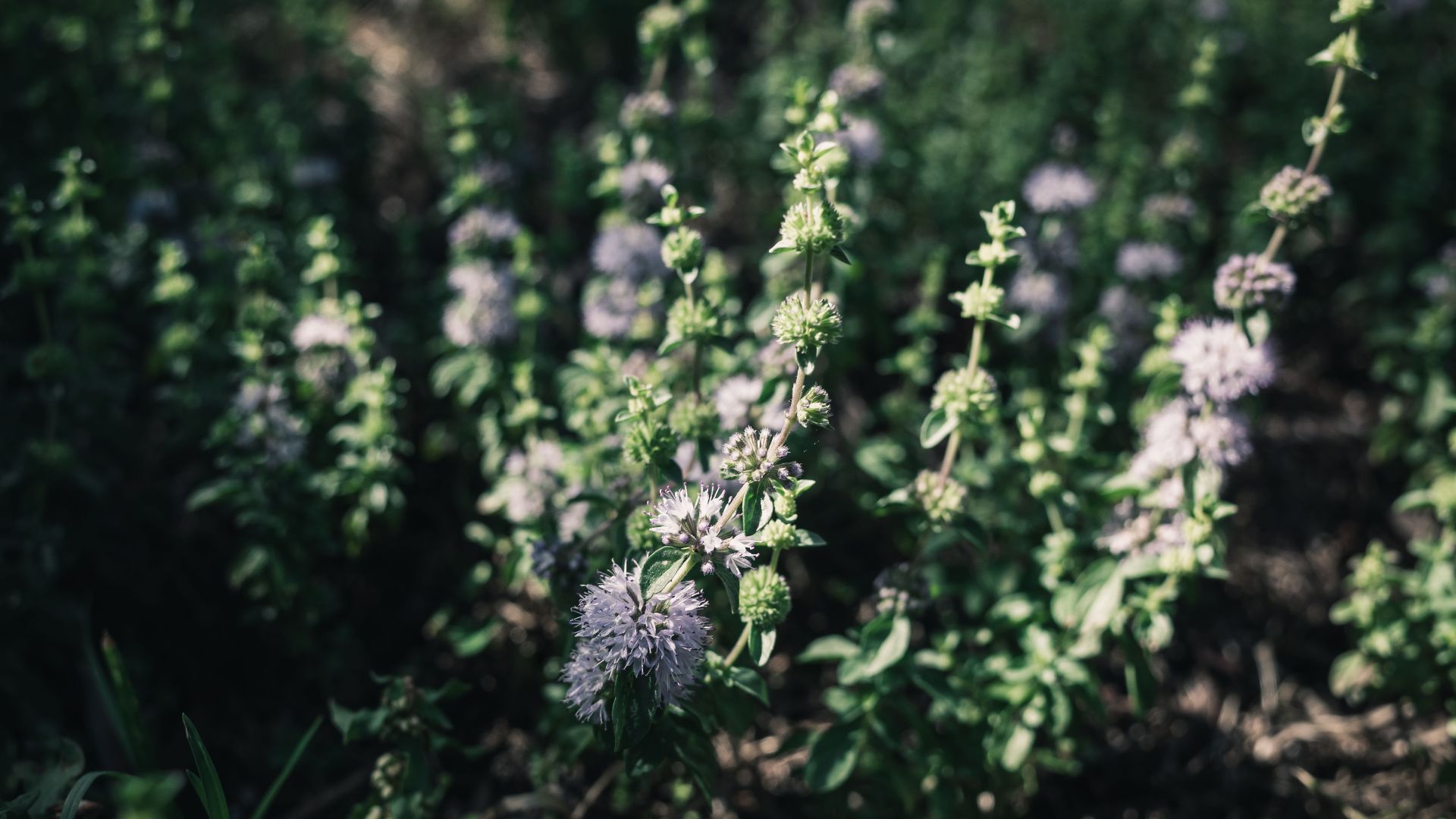
15. Comfrey
Poultices made from comfrey root have treated bruises and sprains for generations, and the leaves were once brewed as tea. Pyrrolizidine alkaloids inside the plant are toxic to the liver and pass through broken skin rather than staying put. The FDA asked manufacturers to pull oral comfrey supplements off the market in 2001, and the topical versions stayed.
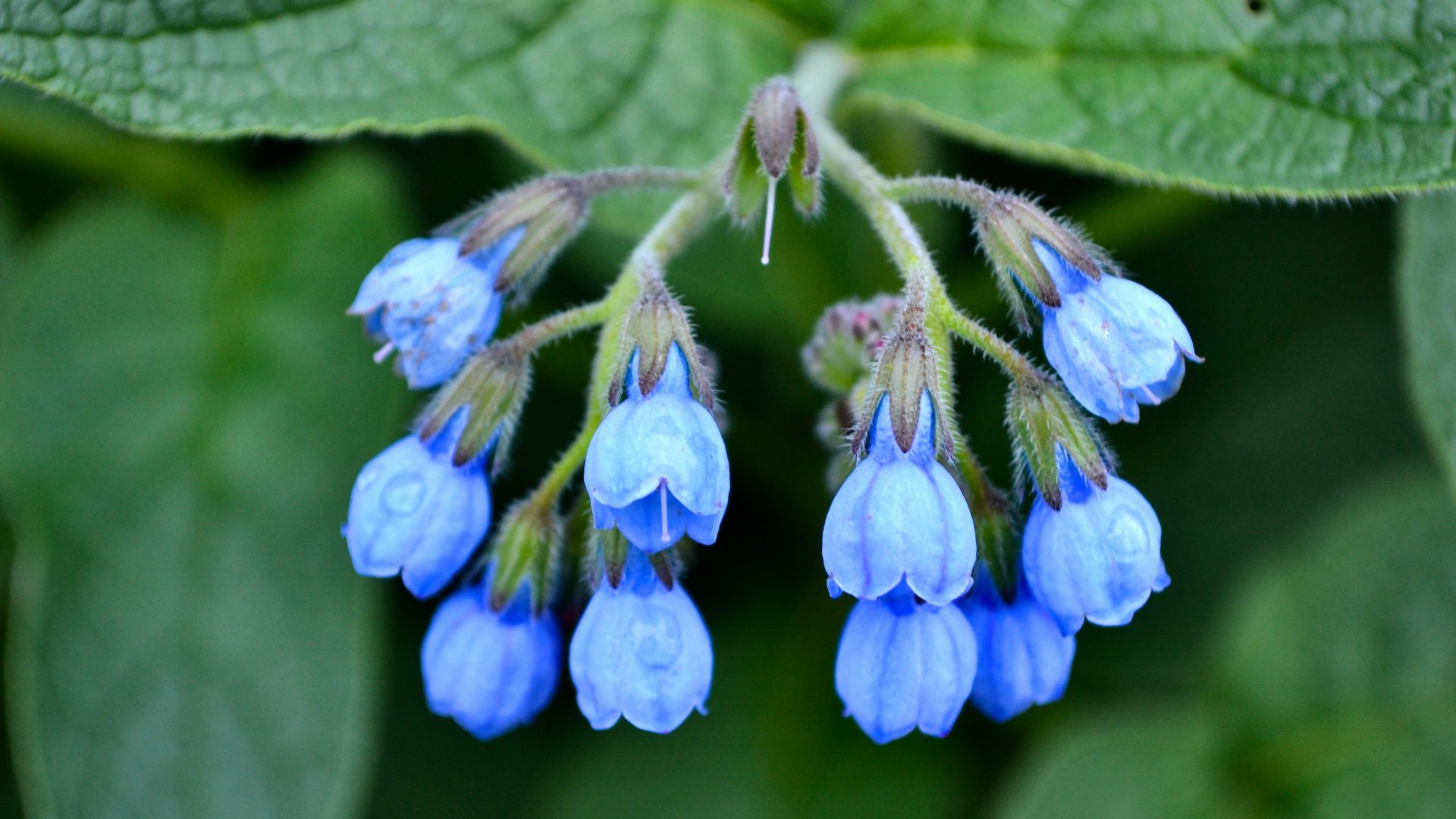
16. Arnica
Arnica gel is a standard bruise remedy, and spread on unbroken skin it rarely causes trouble. Helenalin, the compound doing the work, turns toxic when swallowed and stings badly on any open wound. Repeated application to one patch brings on contact dermatitis in a fair number of people.

17. Chamomile
Chamomile sits in the Asteraceae family, alongside ragweed. Anyone carrying that pollen allergy can react to chamomile creams and tea-bag eye compresses, occasionally with swelling that takes a full day to settle. Calendula and echinacea belong to the same family and behave much the same way on sensitive skin.

18. Balsam of Peru
This tree resin flavors and scents products ranging from lip balm to cough syrup, usually without appearing under its own name. It ranks consistently among the most common allergens turning up in North American patch testing. Anyone who reacts to it generally has to steer clear of cinnamon and vanilla flavoring too.
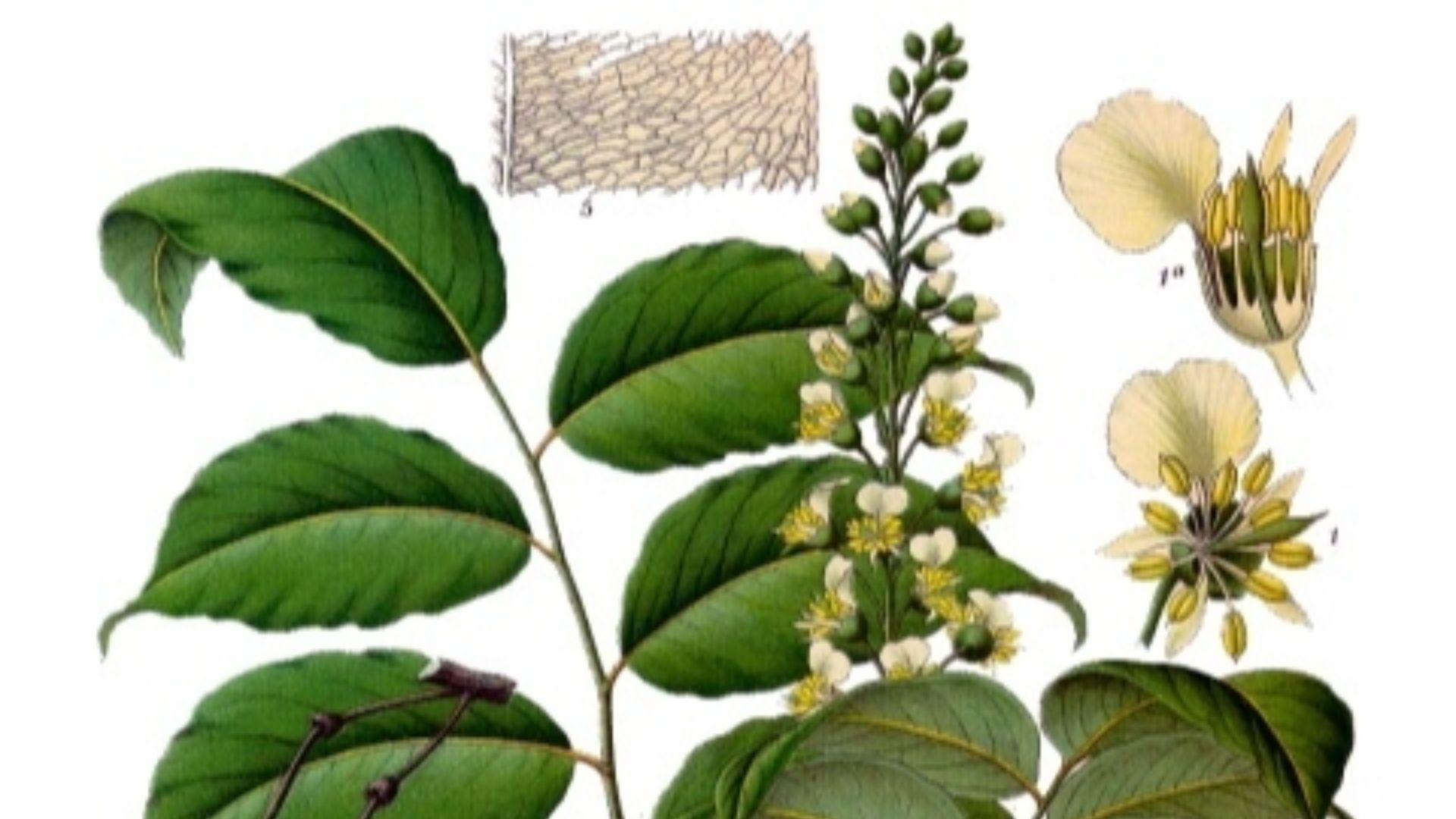 Franz Eugen Köhler, Köhler's Medizinal-Pflanzen on Wikimedia
19. Propolis
Bees build propolis out of tree resin to seal their hives, and skincare brands now sell it as a soothing ingredient for irritated faces. Patch-testing clinics have watched positive reactions climb steadily as the ingredient spread through cosmetics over the past two decades. An existing beeswax or honey allergy is worth taking seriously before trying anything containing it.
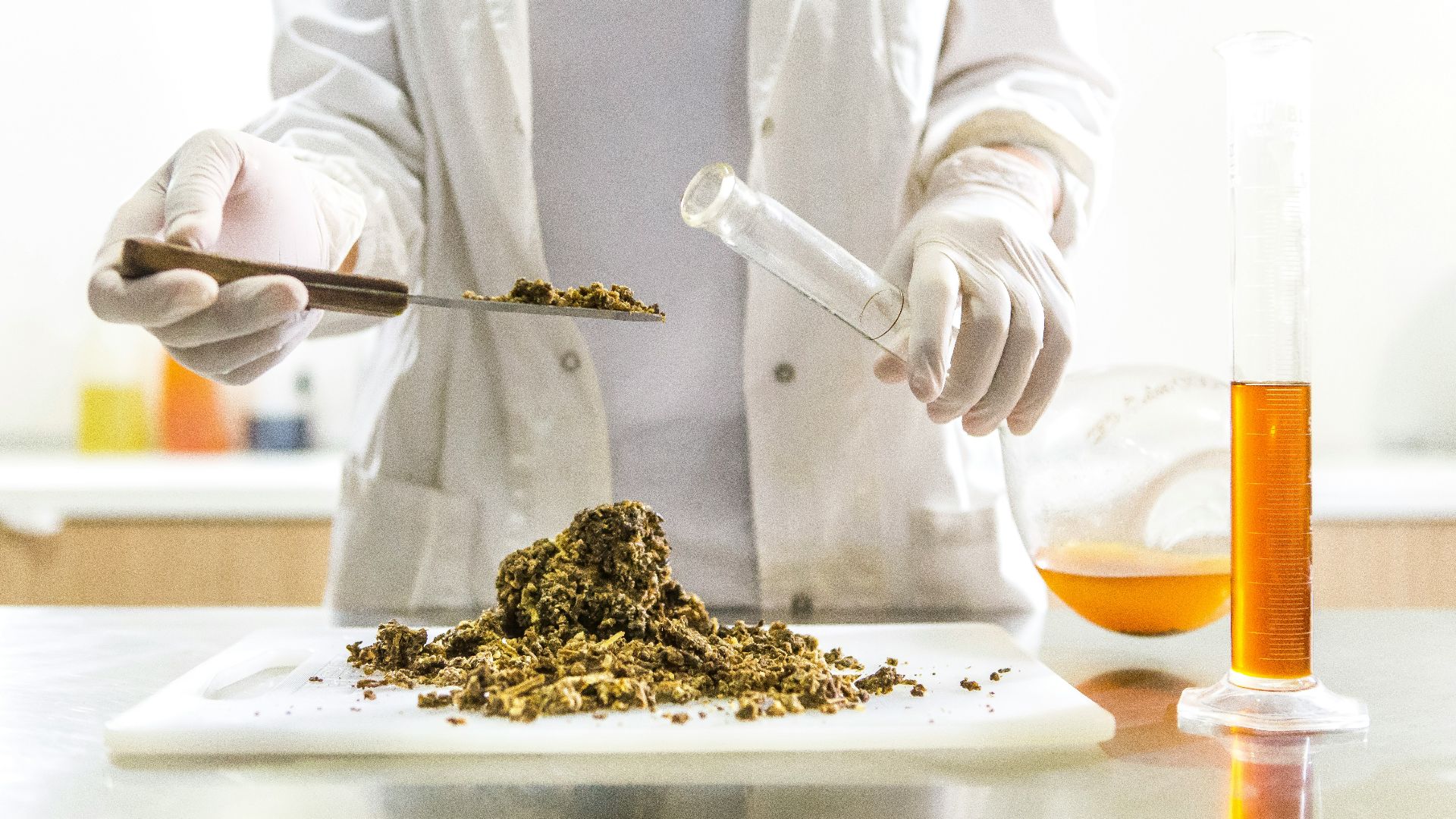
20. Lanolin
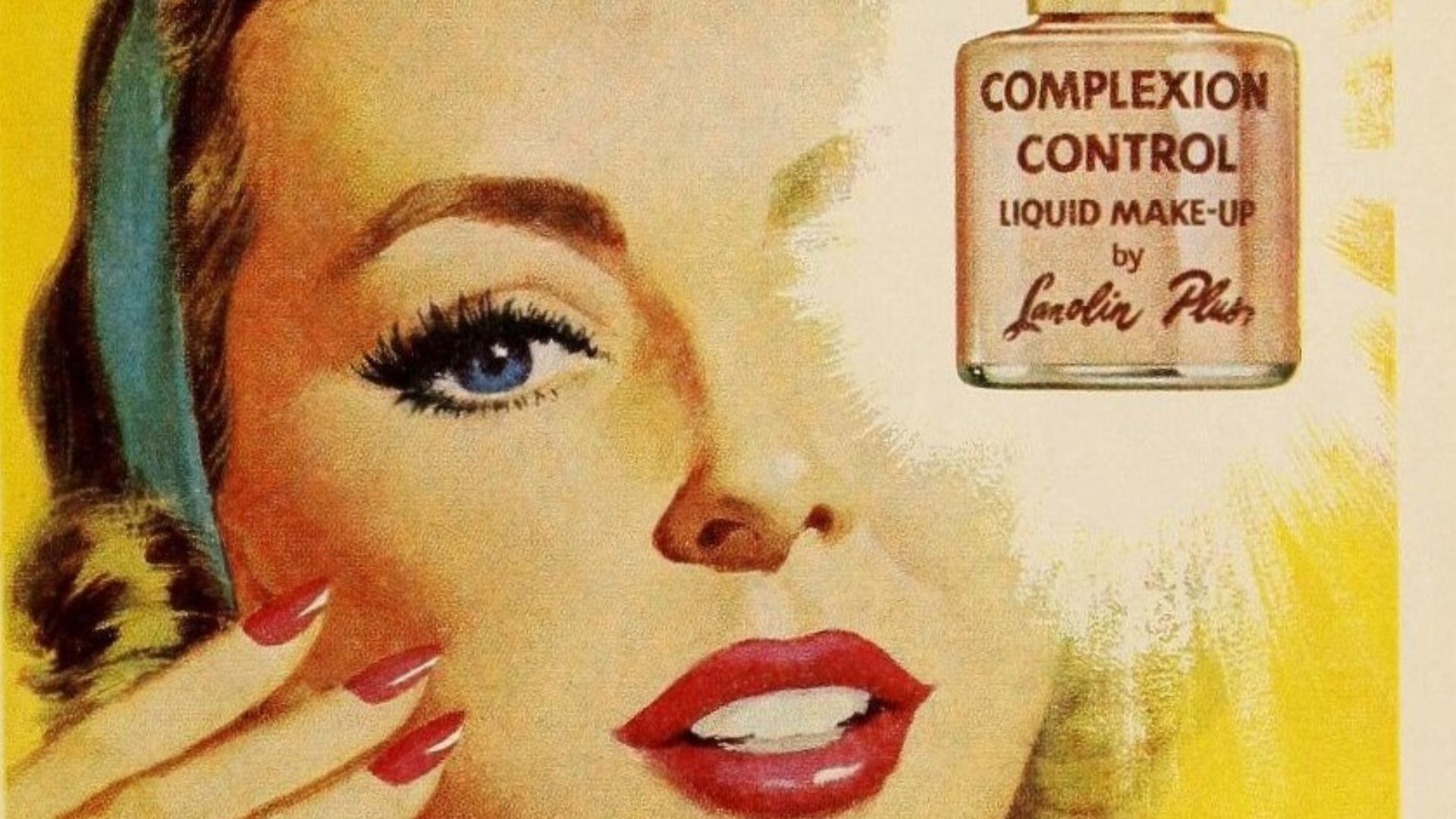
Wool grease has been softening cracked hands and lips for well over a century, doing the job better than most synthetics. The wool alcohols inside it are a long-established patch-test allergen, so a clinician will ask about lanolin whenever a lip balm has made things worse instead of better. Medical grade versions get purified specifically to bring that risk down.