
Two Ways to Wear a Diamond
Wedding rings can say more about status than most people realize. Two rings might cost exactly the same but give off completely different impressions based on the stone, setting, and overall design. Old-money style usually favors pieces that look understated or even inherited, whether they actually are or not. New-money style tends to put more emphasis on size and sparkle that are easy to notice from across the room. Here's 10 ring styles associated with old-money taste and 10 that tend to signal new money.
1. The Inherited Ring
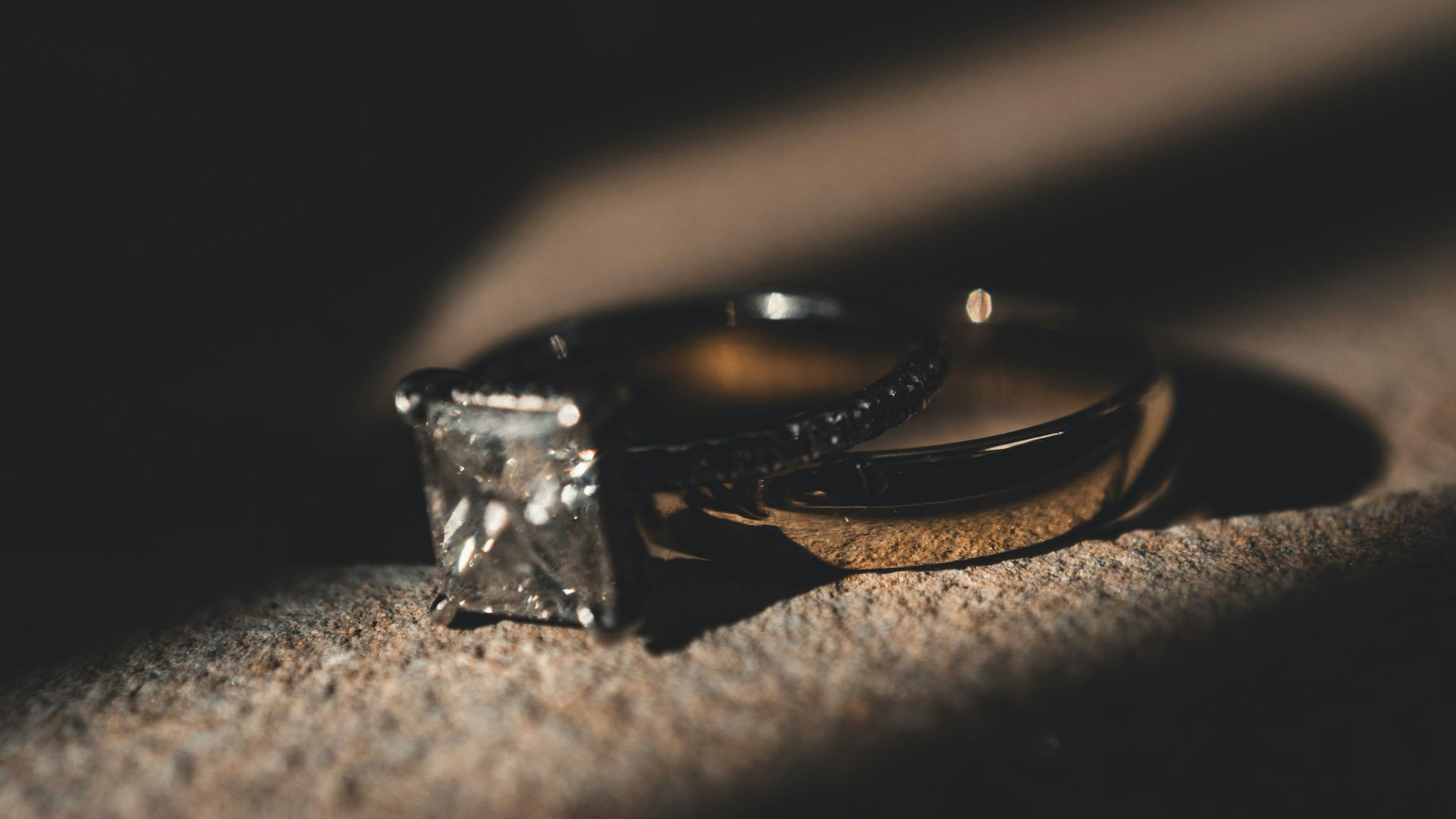
Nothing signals old money faster than a ring that predates the marriage attached to it. A grandmother's ring, resized and otherwise left alone, comes with scratches nobody bothered to polish out. The wear is doing the talking, since it proves the piece was not bought for this occasion.
2. Old European Cuts
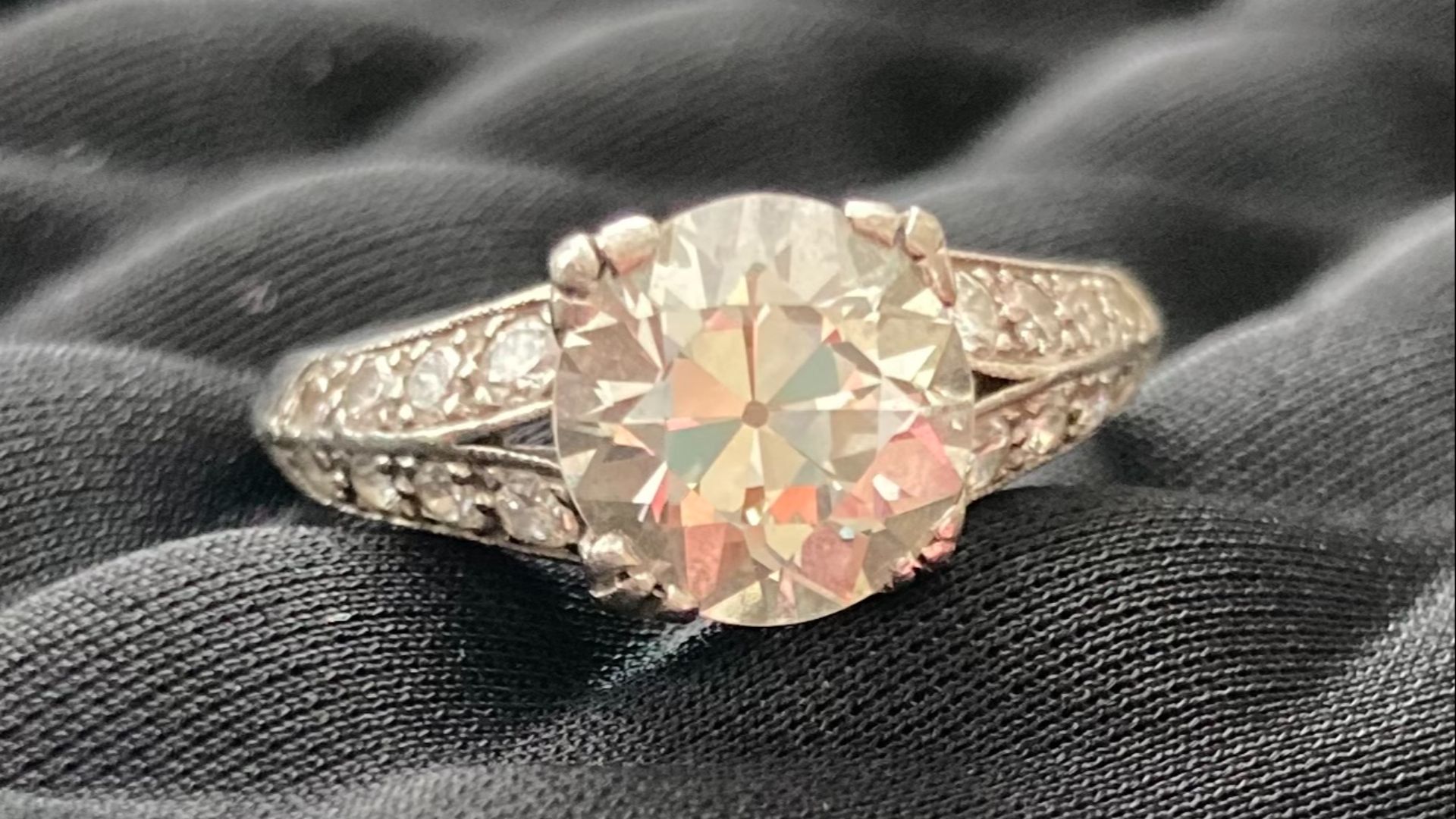
Diamonds cut before the 1920s throw a softer, chunkier light than modern stones, and to a contemporary eye they can look almost dim. Collectors pay a premium for exactly that quality. Wearing one suggests you know the difference between sparkle and provenance.
3. A Thin Gold Band
It is the cheapest ring on this list and it keeps turning up on women whose families have had money for four generations. Restraint costs nothing, which is part of why it functions as a marker.

4. Bezel Settings
A bezel wraps the stone in a rim of metal rather than lifting it on prongs, which lowers the profile and conceals some of the carat weight. People who use their hands like them because they do not snag on gloves or tack. The style has a long association with women who ride.
5. Colored Center Stones
A sapphire or an emerald in the center breaks the assumption that a diamond was ever required. Families with old jewelry tend to have colored stones already in circulation. Choosing one implies a jewelry box rather than a showroom visit.
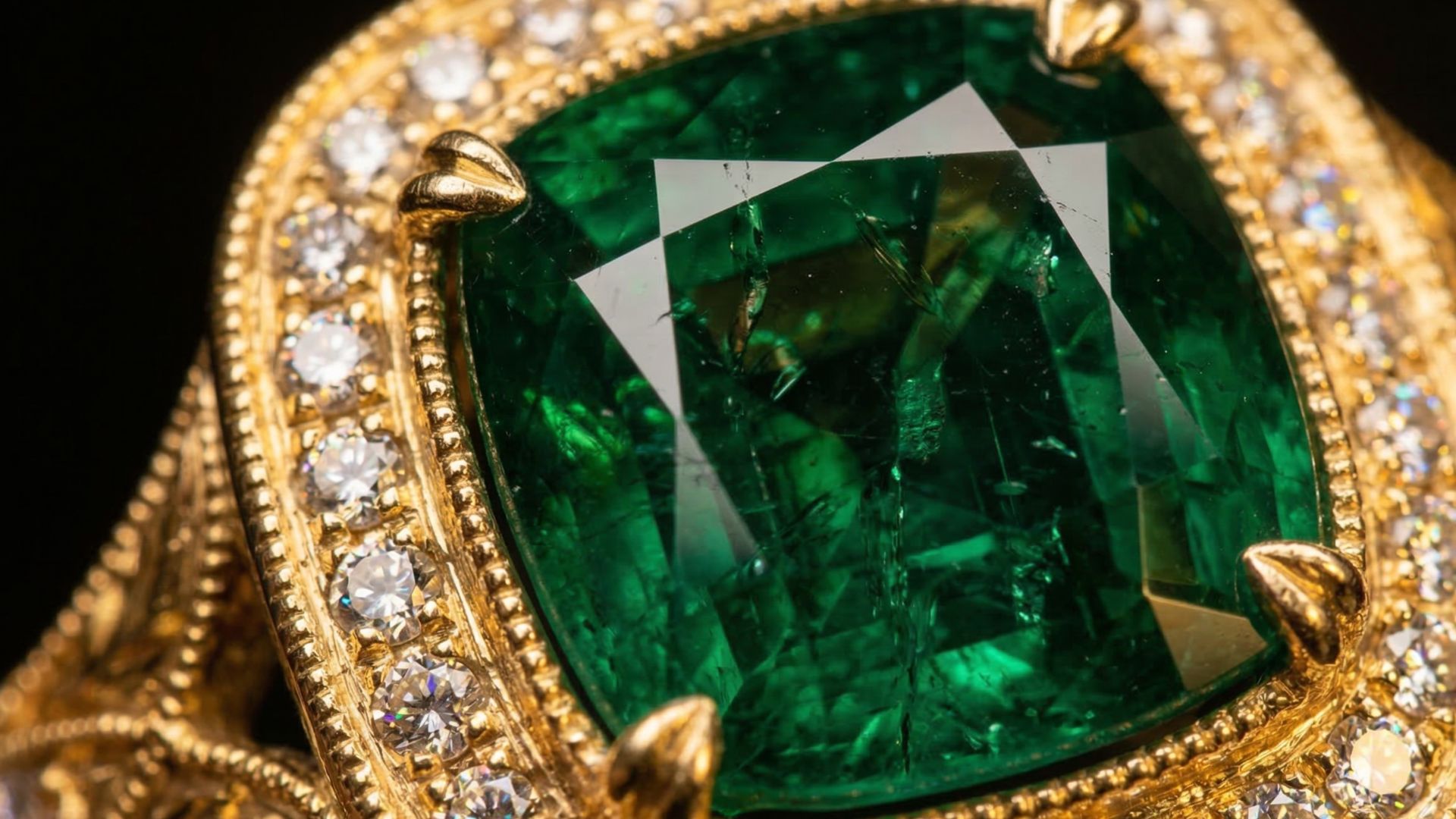
6. Art Deco Filigree
Milgrain edges and fine platinum work date a ring to the 1920s or 1930s on sight. Pieces like that come from estate sales and auction catalogs instead of a counter at the mall. The tell is that the ring belongs to a specific decade, and the decade is not this one.
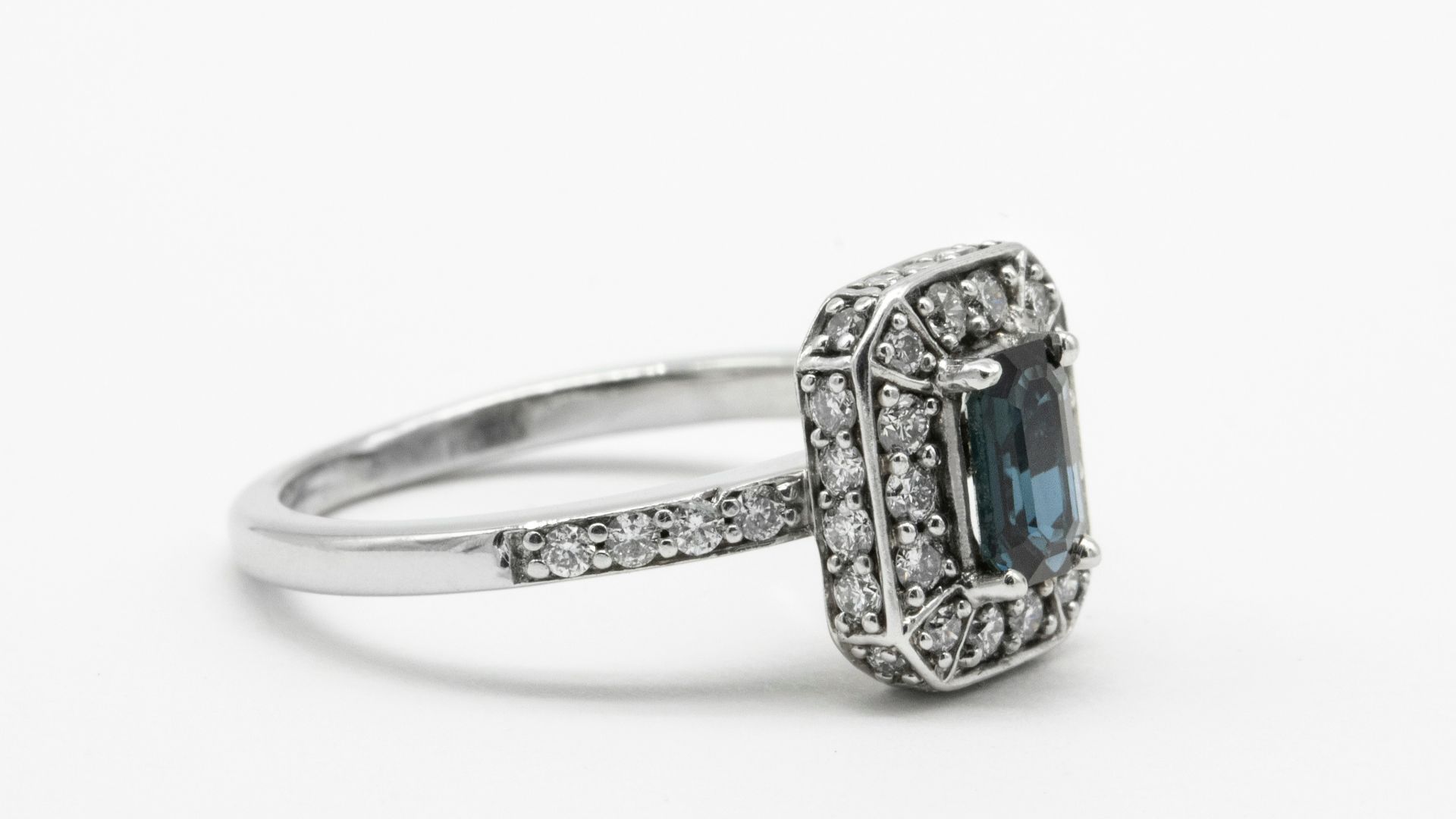
7. Under One Carat
A half-carat stone in a worn setting reads very differently than two carats in a new one. Small and excellent beats large and average in circles where people can tell the difference. Modest carat weight remains one of the more dependable class markers in jewelry.
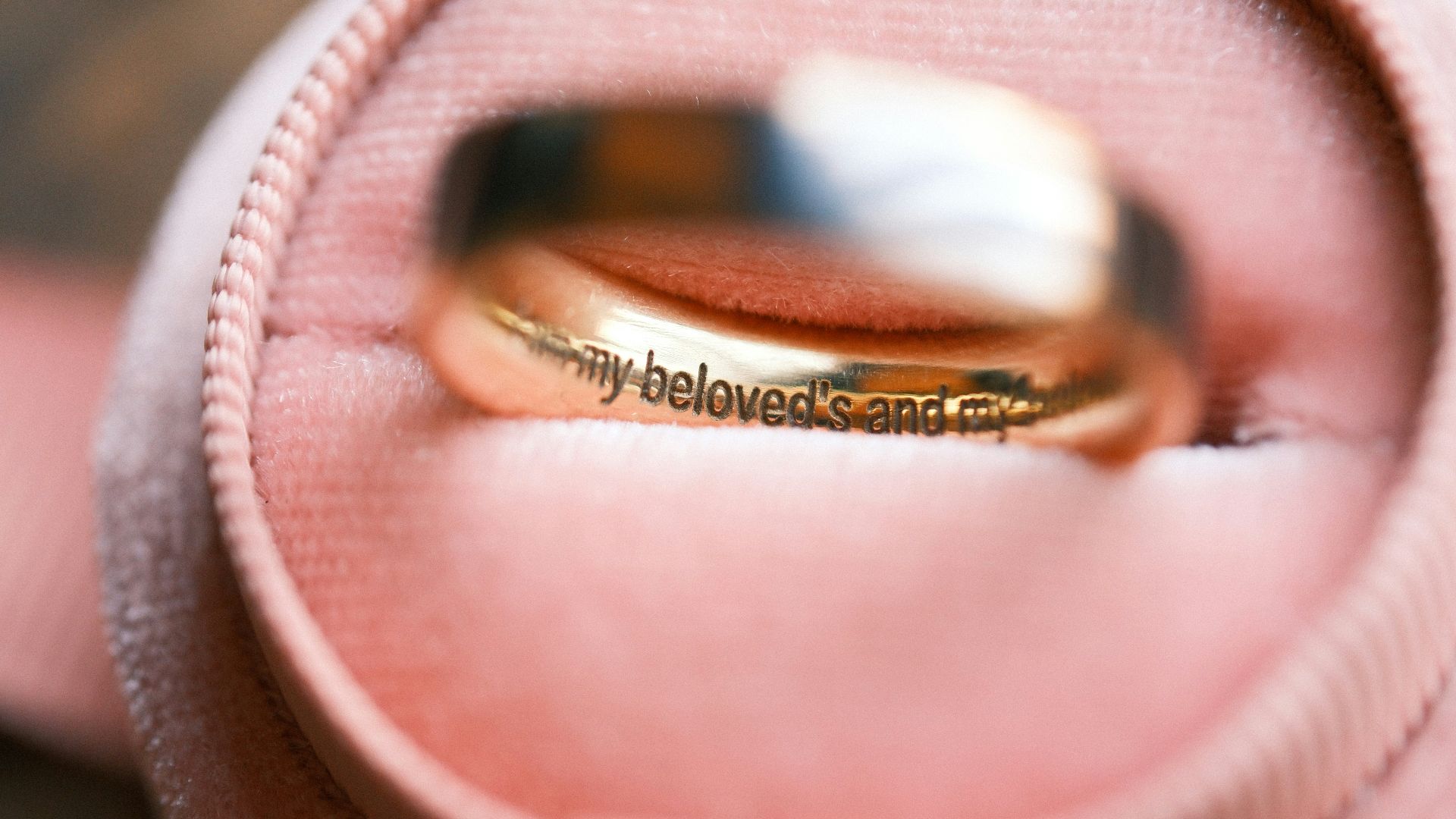
8. Interior Engraving
Old bands carry initials and a date scratched inside, occasionally from a marriage two generations back. Nobody else sees it, which is the entire appeal.
9. Mismatched Bands
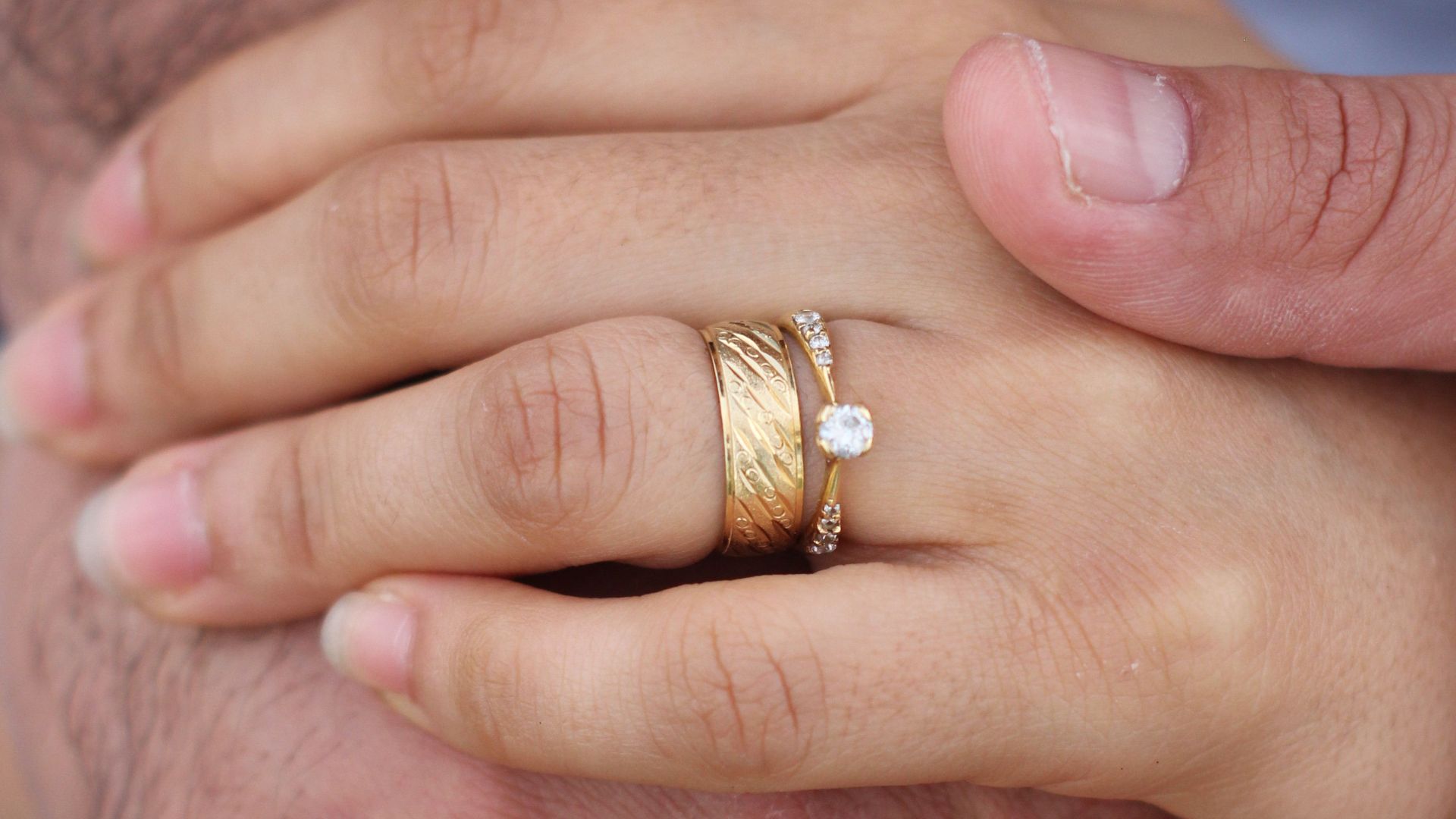
The engagement ring and the wedding band do not need to share a designer or even a century. Households with old jewelry accumulate pieces instead of coordinating them. A Victorian band beside a plain solitaire looks like inheritance rather than indecision.
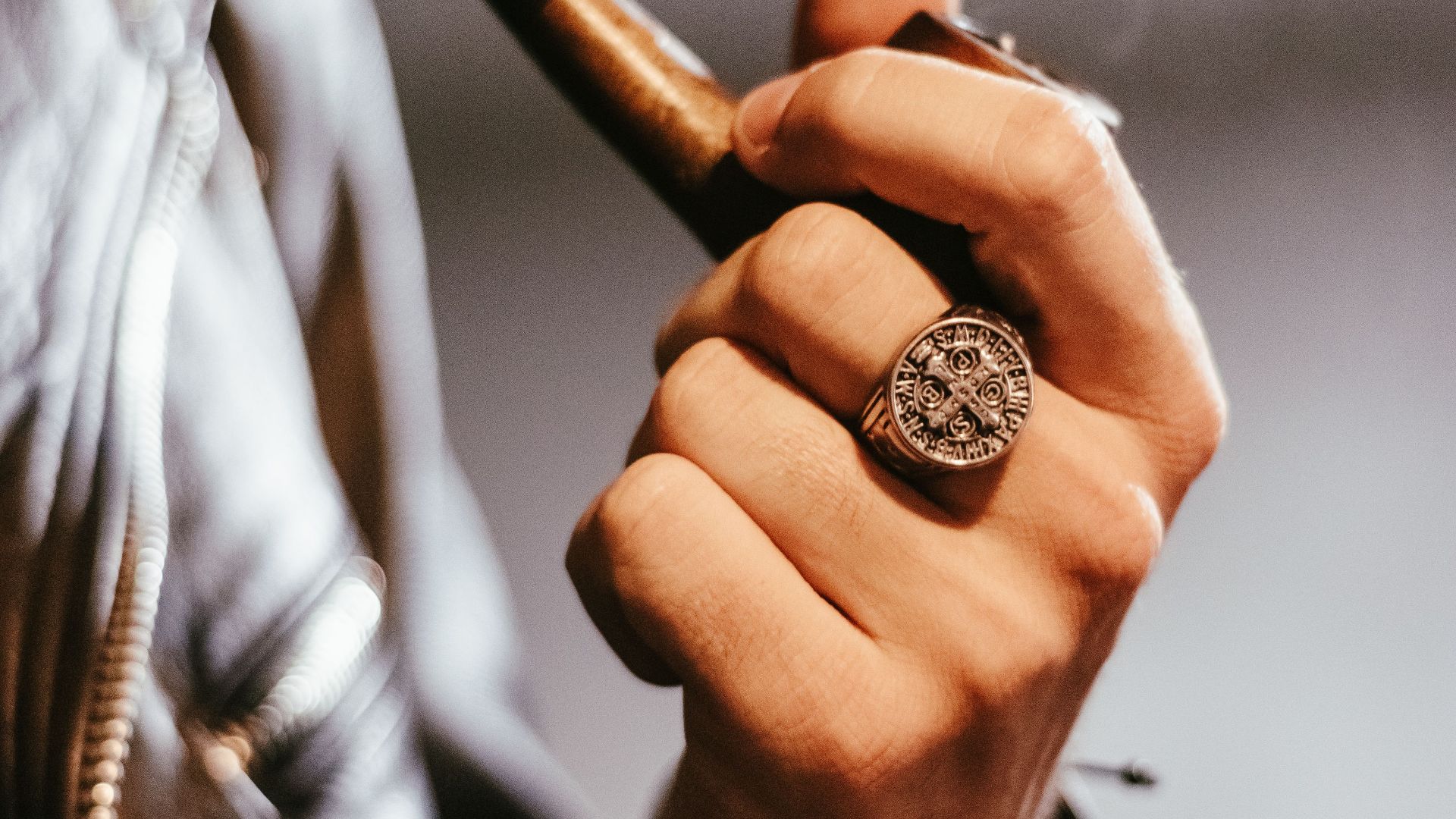
10. A Family Signet
A signet ring with a crest is a separate piece entirely, and it usually sits on the other hand next to a modest band. The crest exists because somebody in the family had one to pass down. Worn every day, it says the family has been keeping records for a while.
Now, here's 10 that point in the other direction towards new wealth.
 Elian Emanuel Coutinho Roehrs on Pexels
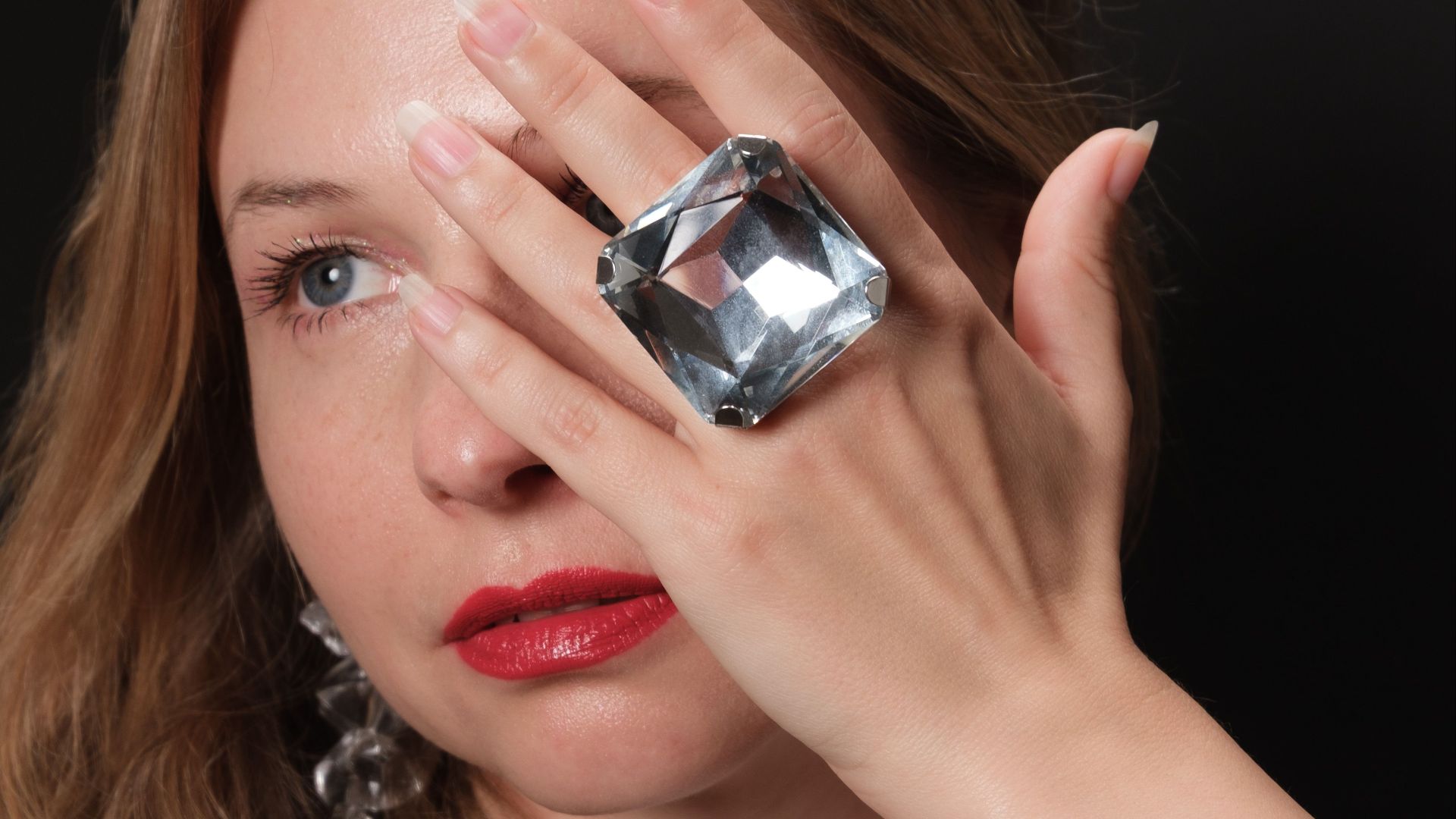
1. The Oversized Center Stone
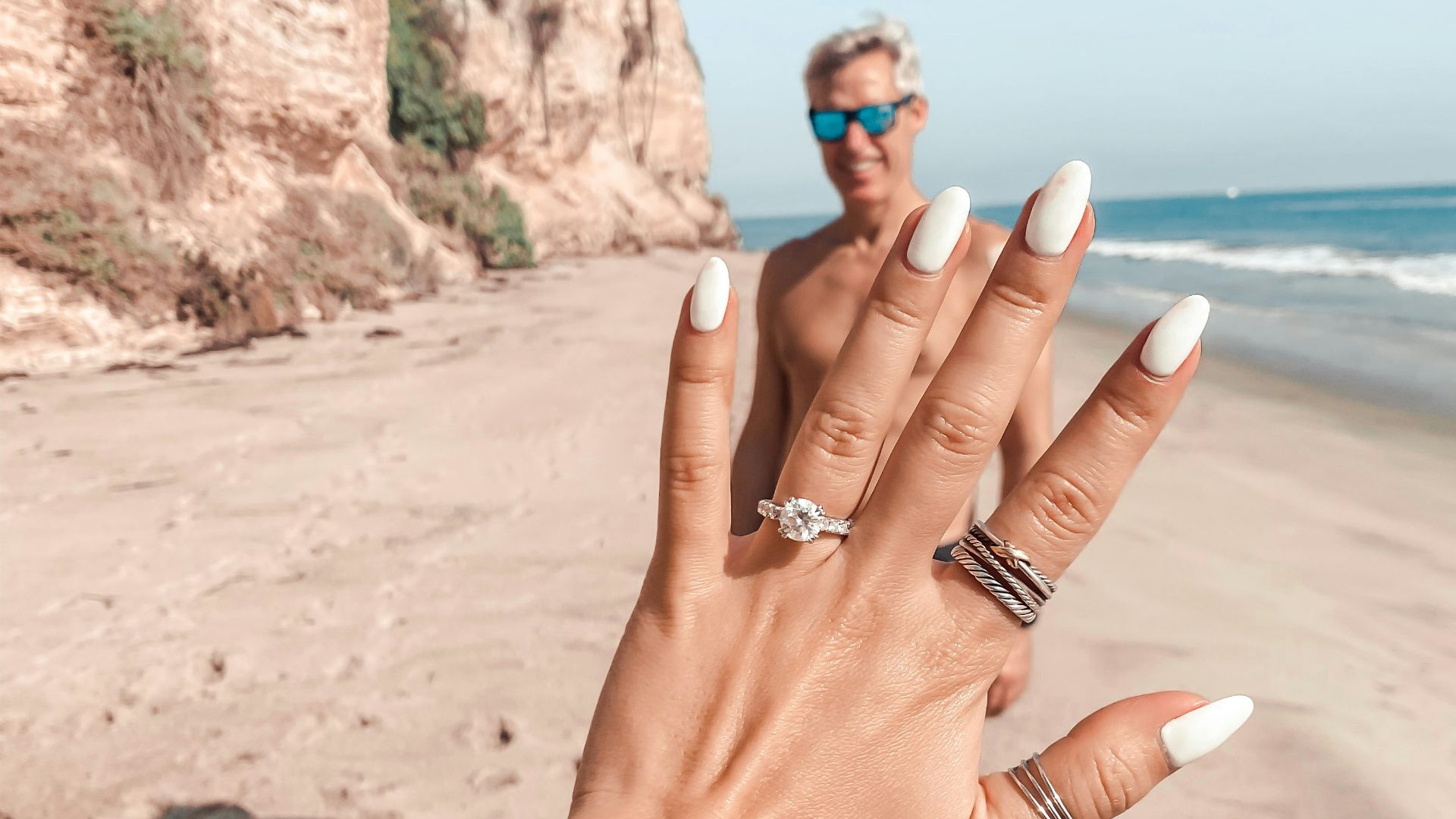
Anything past three carats starts talking before the wearer does. Size is the most legible form of value, which is why it tends to be the first purchase when money is new. Established families own big stones too, though those usually live in a safe while something smaller gets worn.
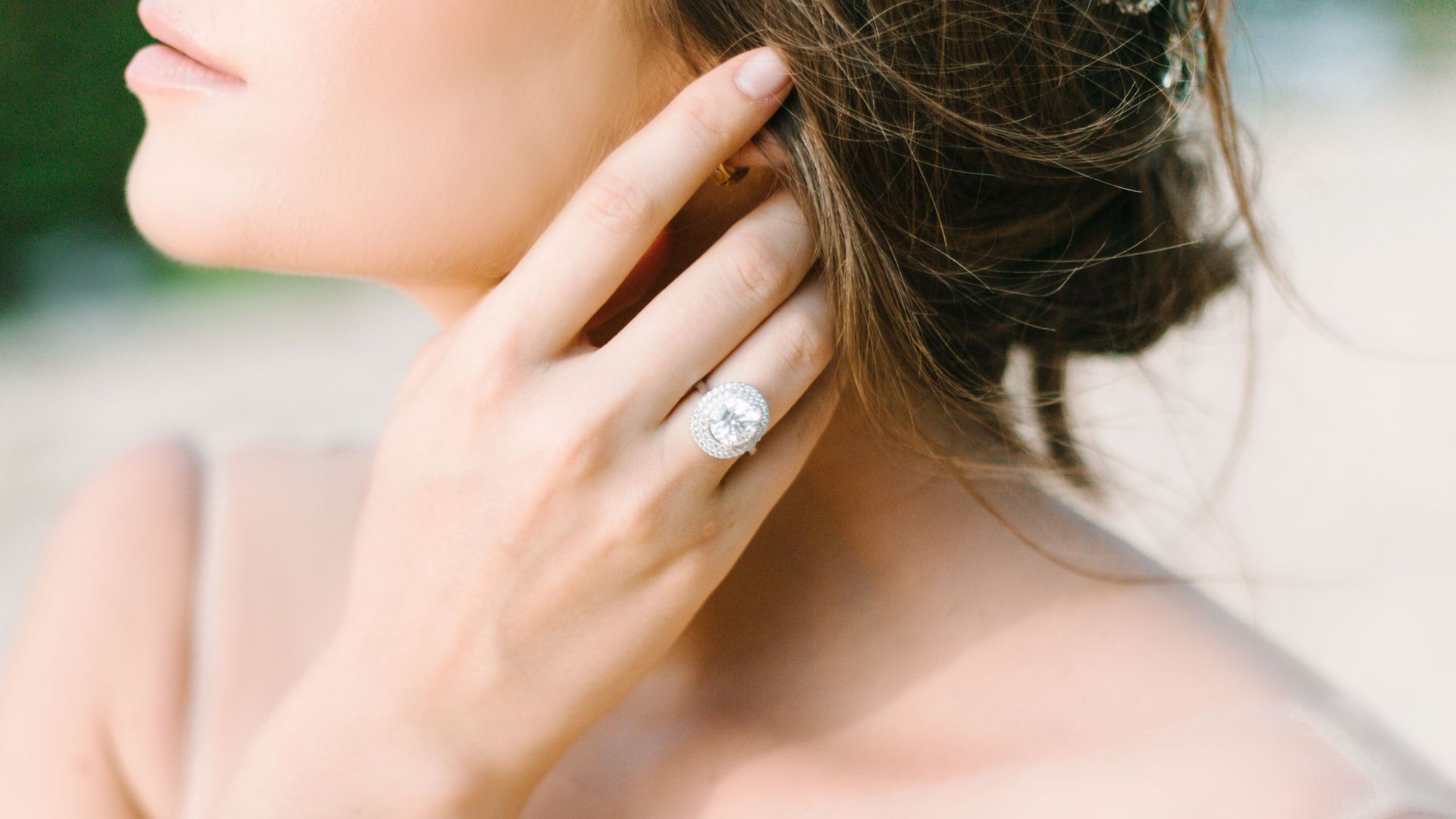
2. The Double Halo
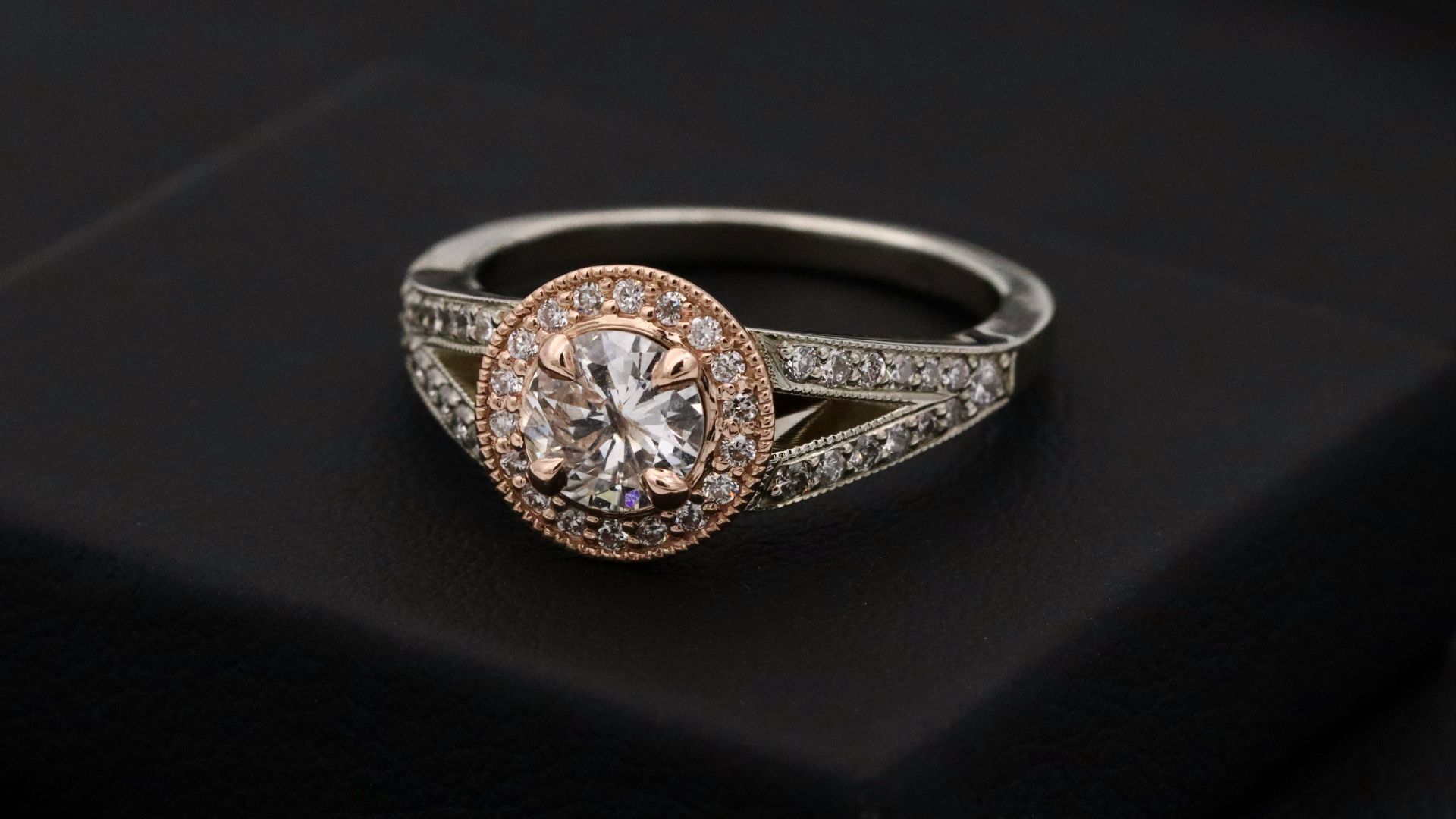
A halo surrounds the center stone with smaller diamonds to make it look bigger, and a double halo runs that trick twice. The math is simple enough, since a one-carat stone can be made to read as two. Nothing about the design is subtle, and it is not attempting to be.
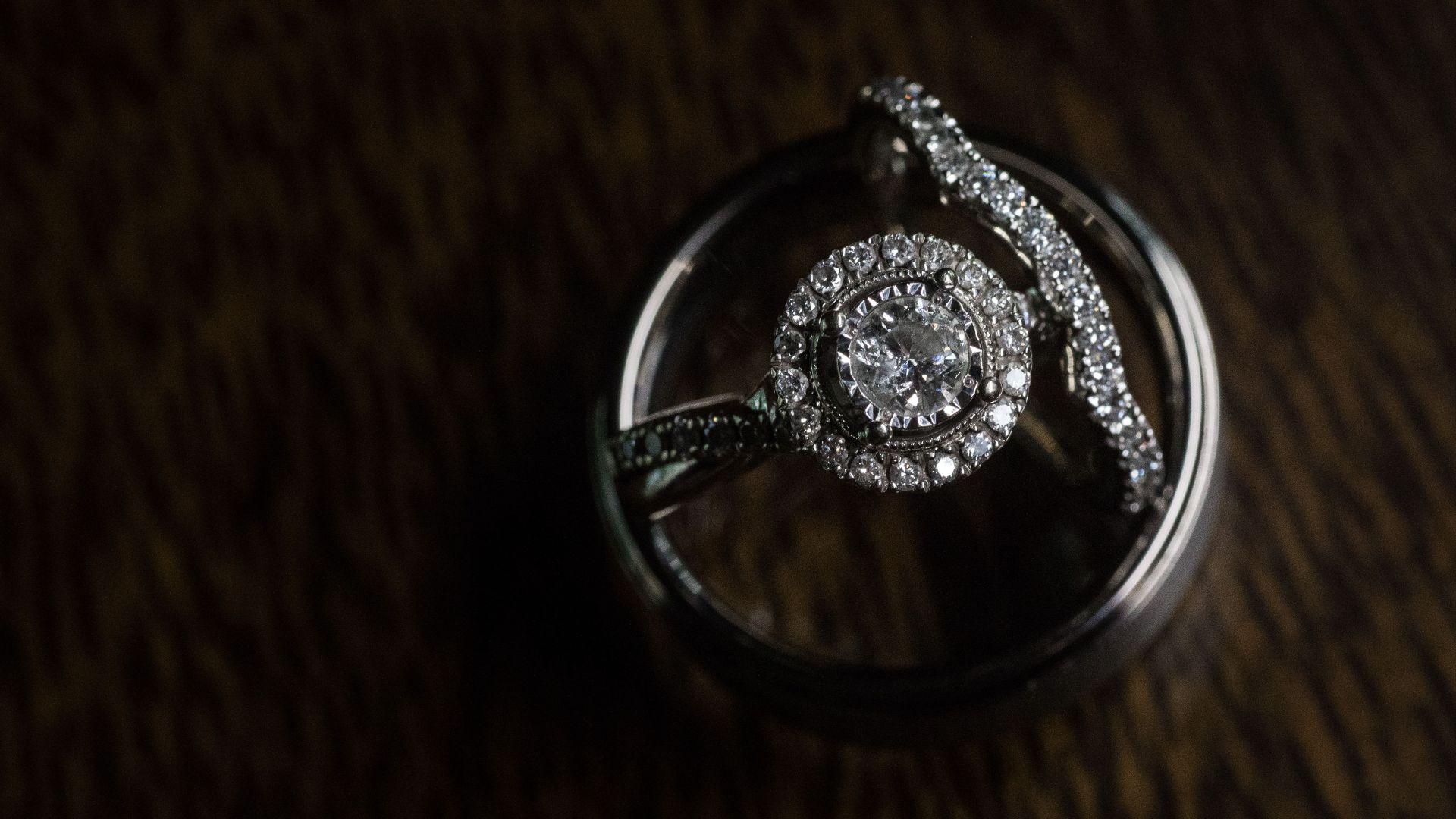
3. Pavé on Every Surface
Some rings carry diamonds everywhere, including the underside of the setting where only the wearer knows they exist. Those hidden stones cost real money and earn no compliments at all. Paying for them anyway says something about who the ring is really for.
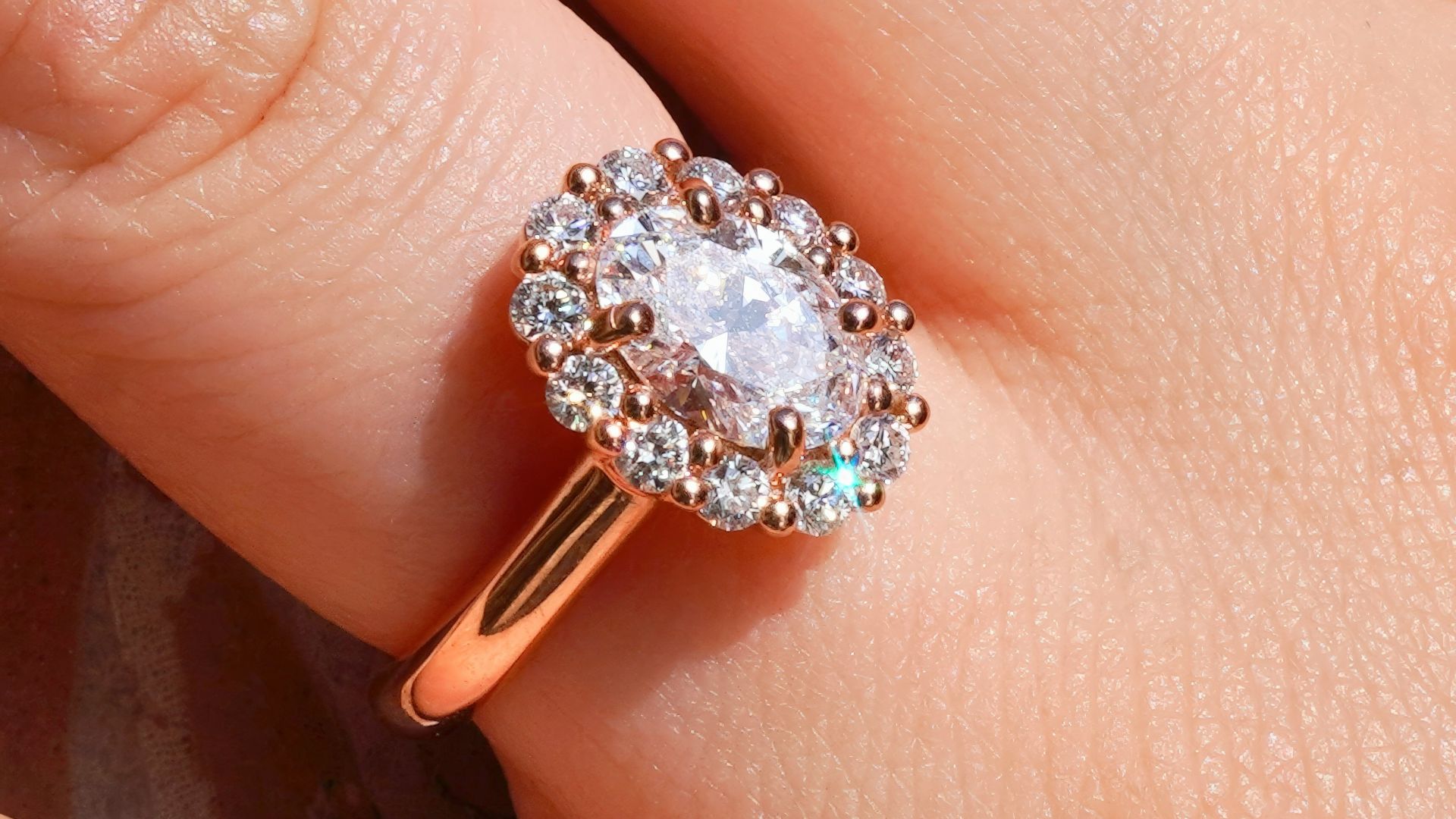
4. Rose Gold
Rose gold peaked in the 2010s and dates a ring to that window with unusual precision. Trend metals read as new money because they follow a moment instead of a family. Yellow gold and platinum have both been in steady rotation for over a century.
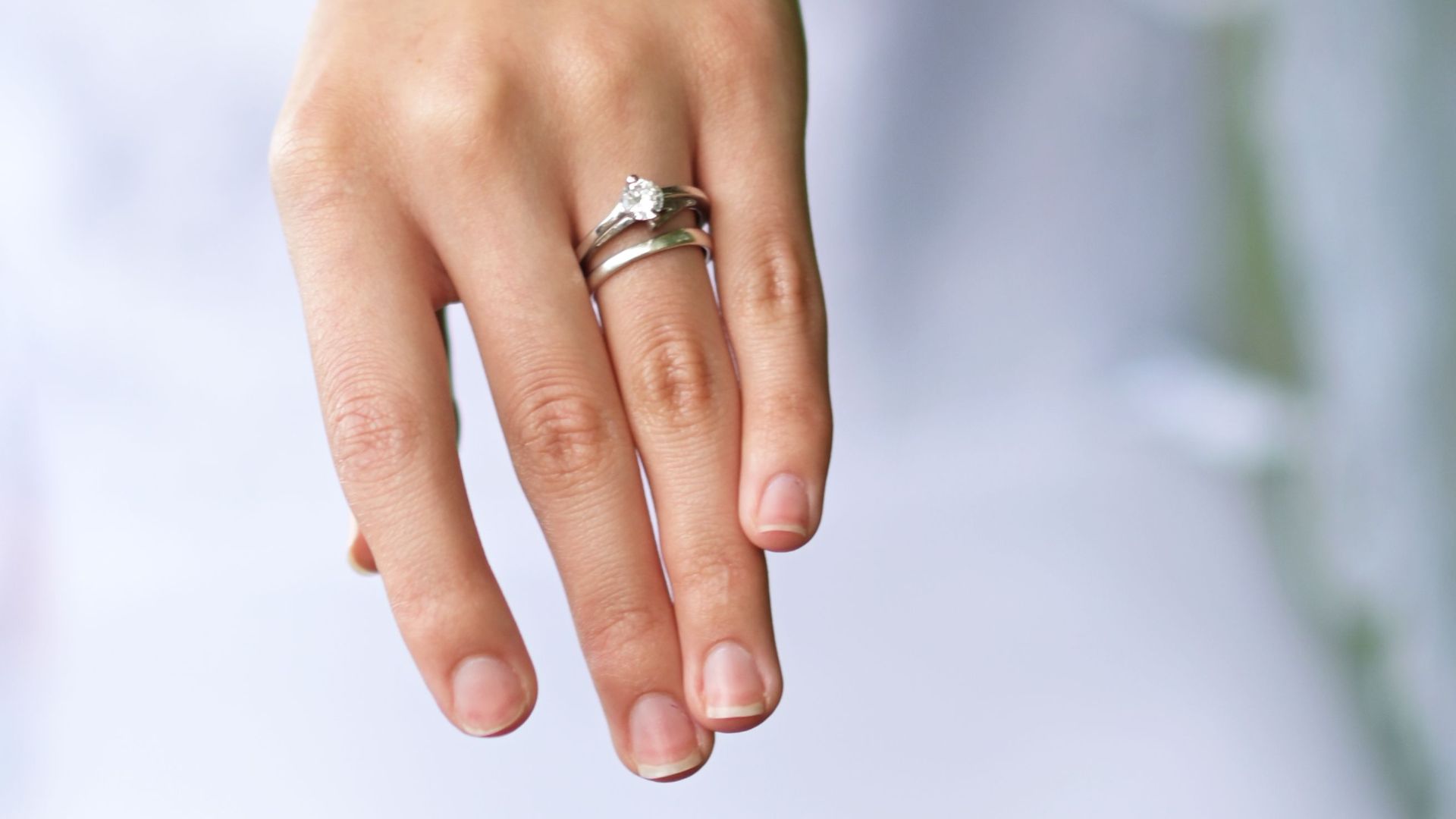
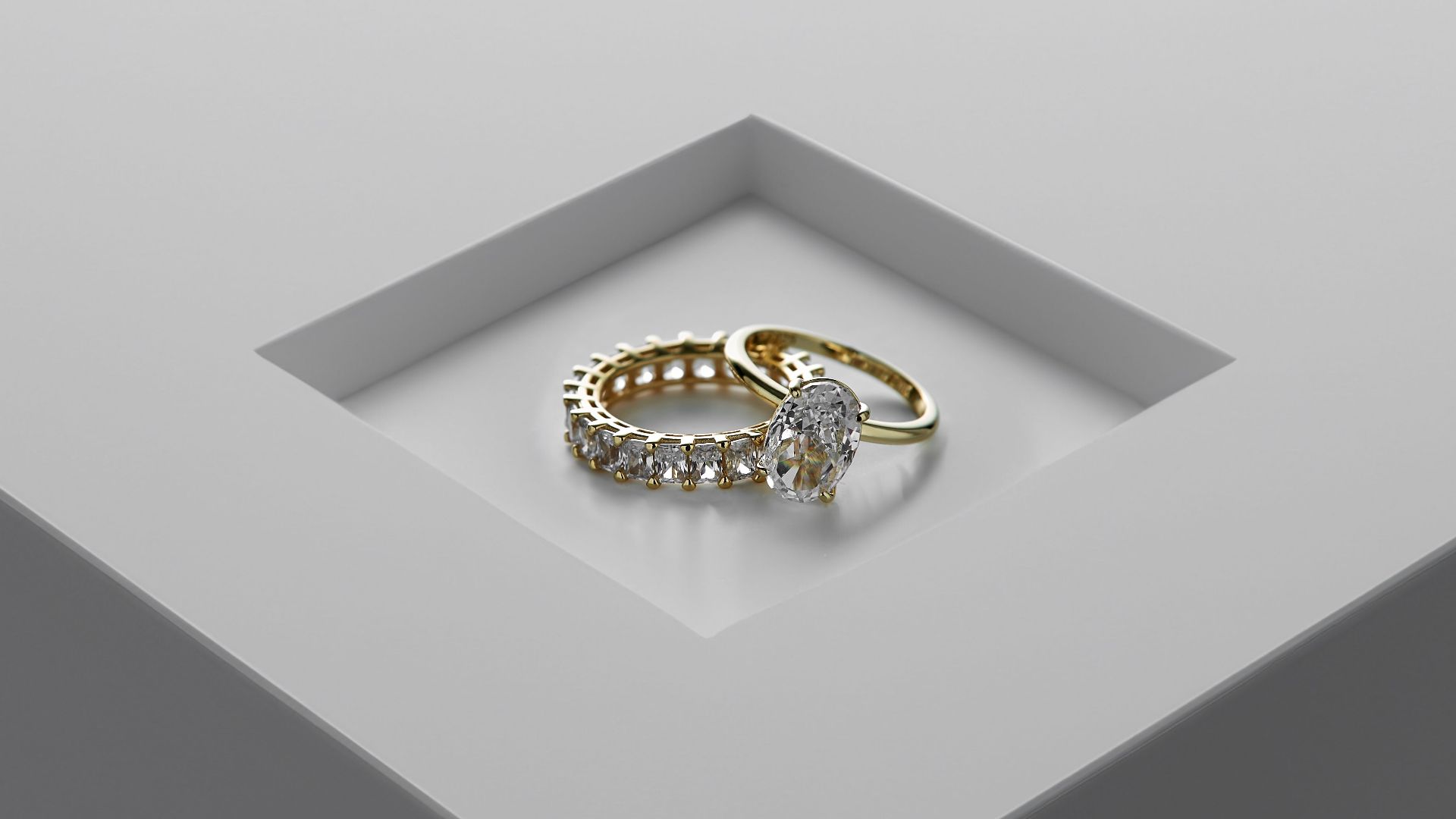
5. The Matched Bridal Set
Buying the engagement ring and the band together as a coordinated set is the most common approach and the most readable. Everything lines up perfectly, which is the giveaway. Inherited jewelry never fits together that cleanly.
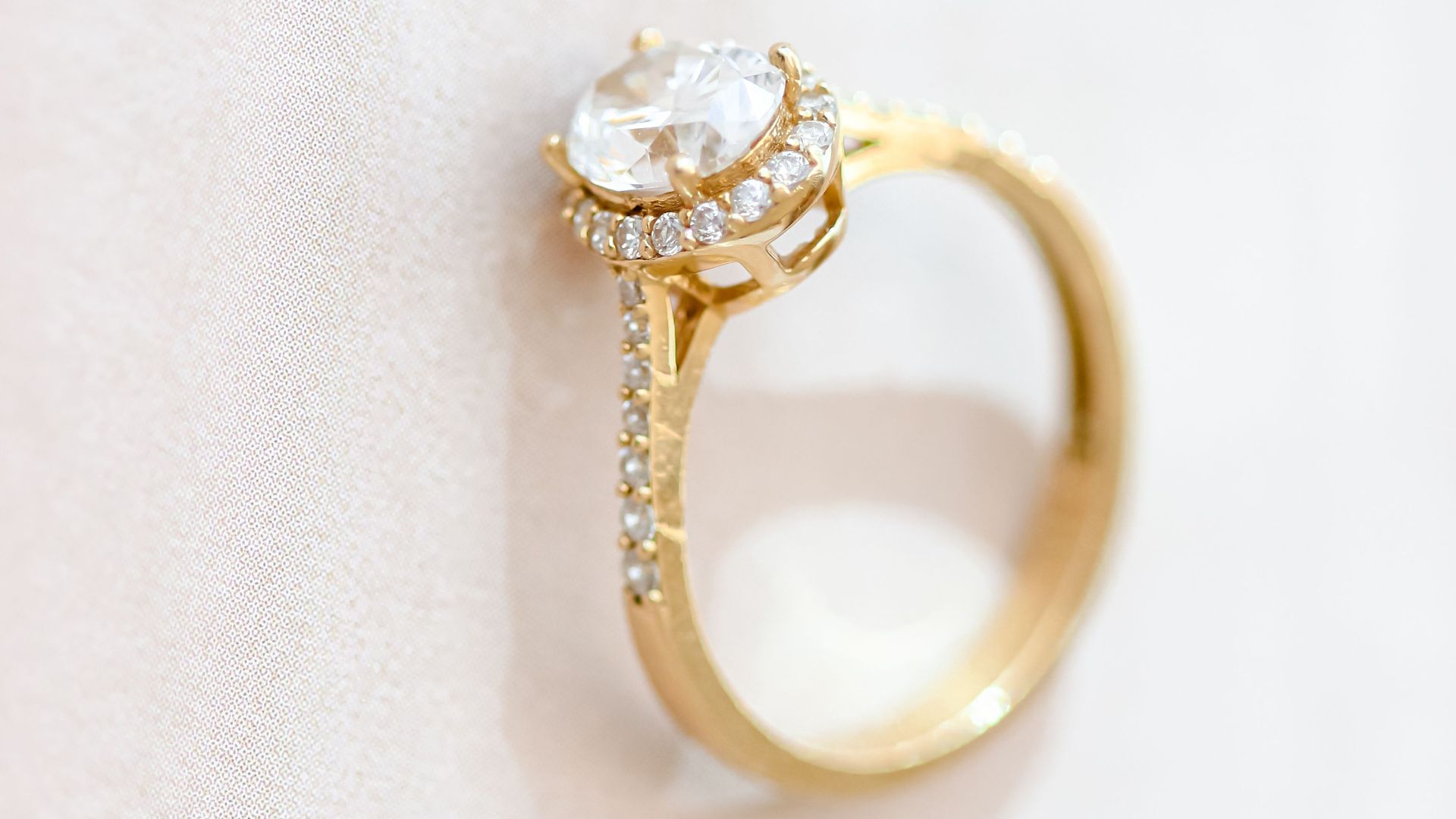
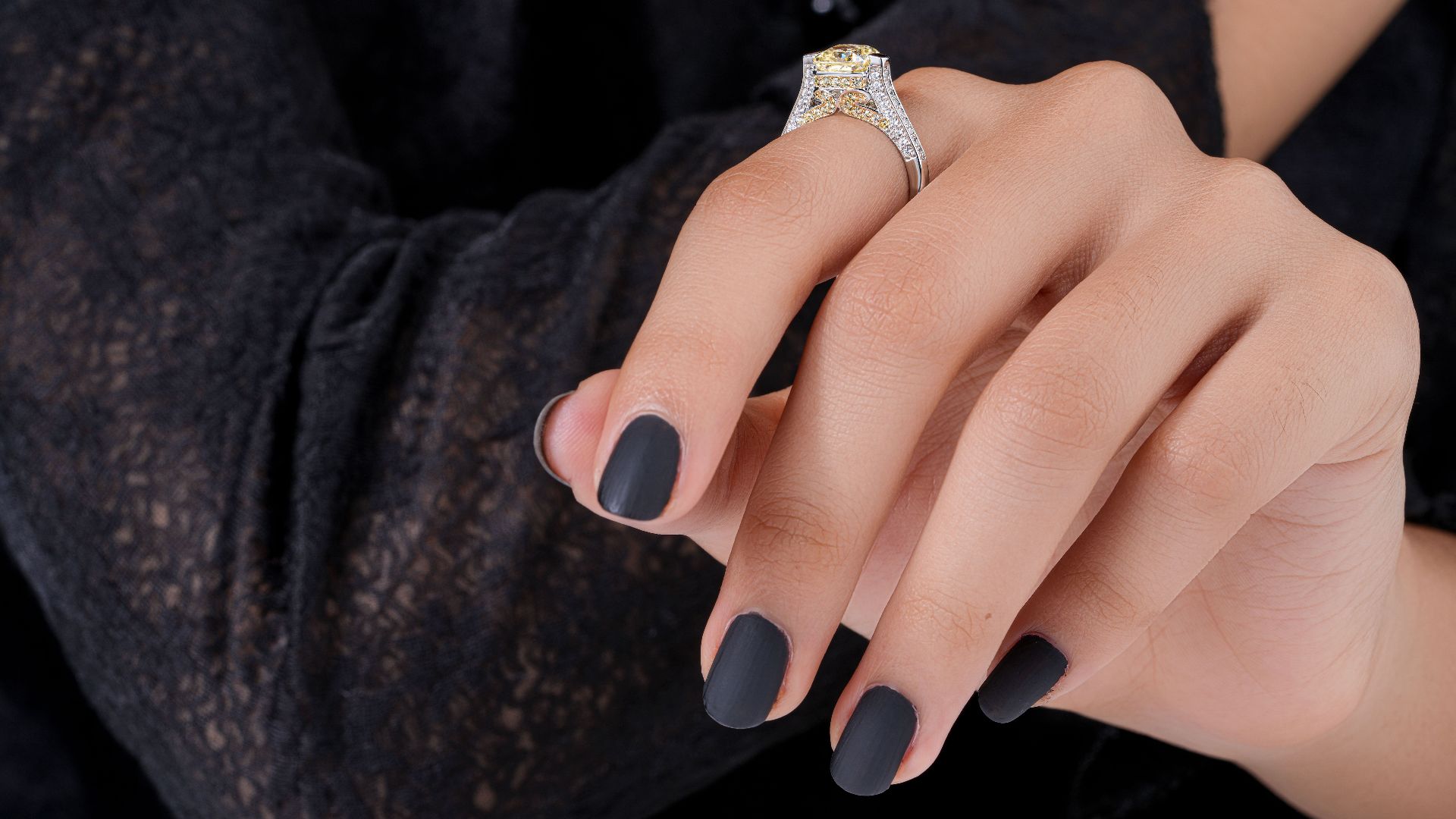
6. The Hidden Halo
A row of small diamonds sits tucked beneath the center stone, visible only from the side. The detail is built for close-up photographs. Rings designed around a camera angle are a recent invention.
7. Fancy Color Diamonds
A yellow or pink diamond carries a price most people cannot estimate on sight, so the value has to be explained out loud. That explanation is doing work the ring cannot do by itself. Old families buy sapphires for a similar effect and never mention the cost.
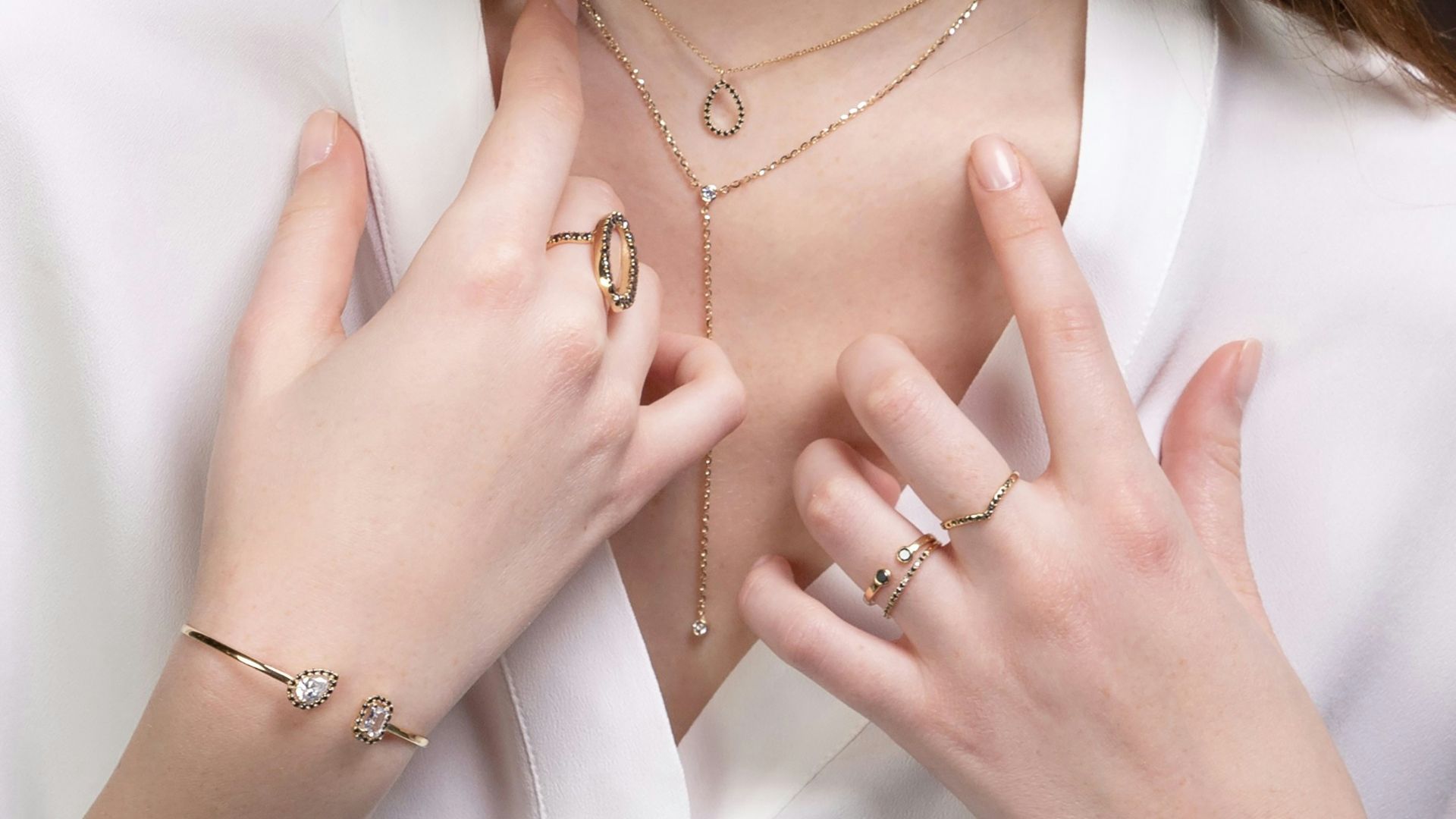
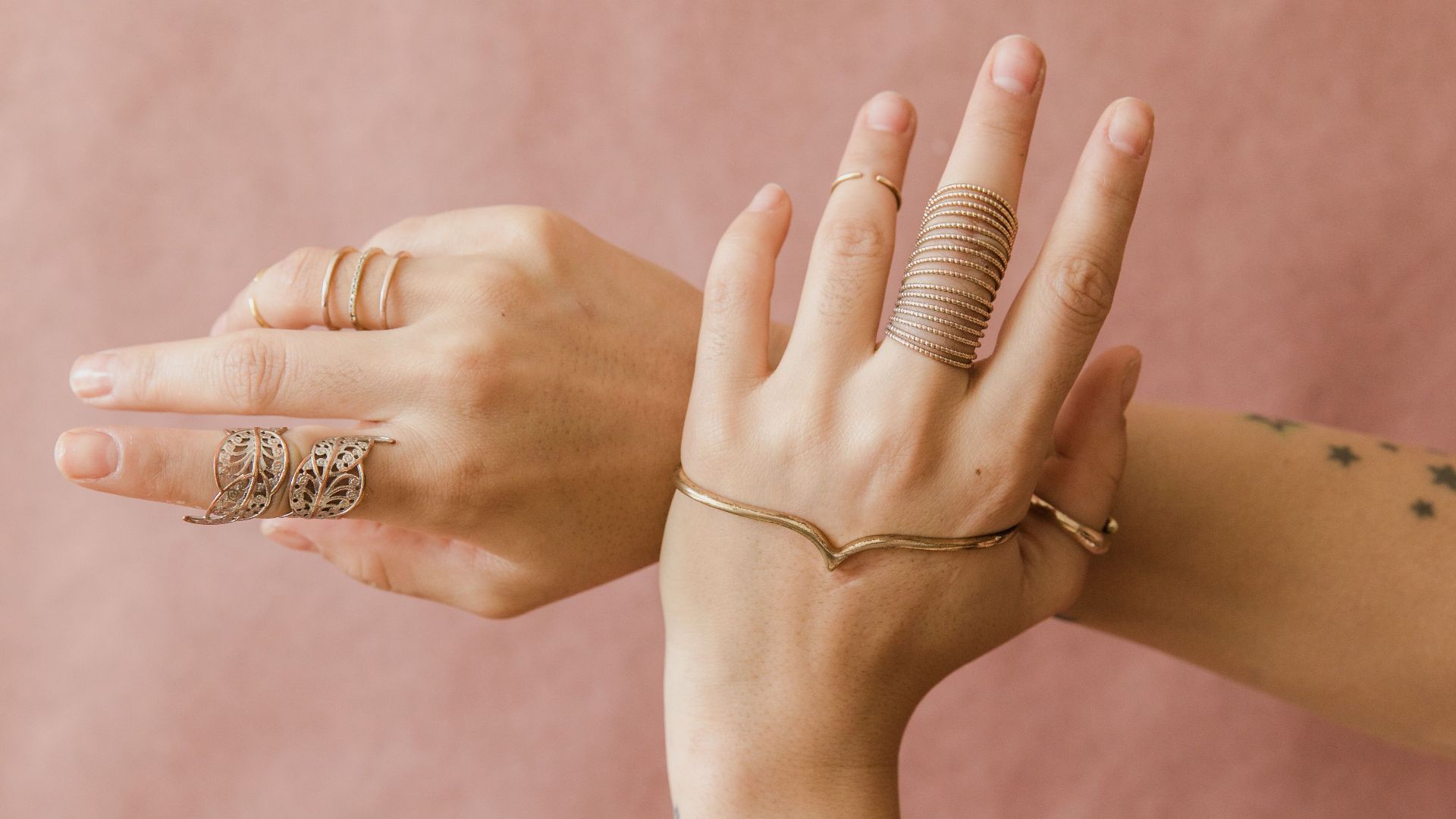
8. The Ring Stack
Three or four bands worn together, usually bought as a coordinated set rather than collected over time. The look photographs beautifully and reads as abundance. It also requires purchasing everything at once, and that is the part people notice.
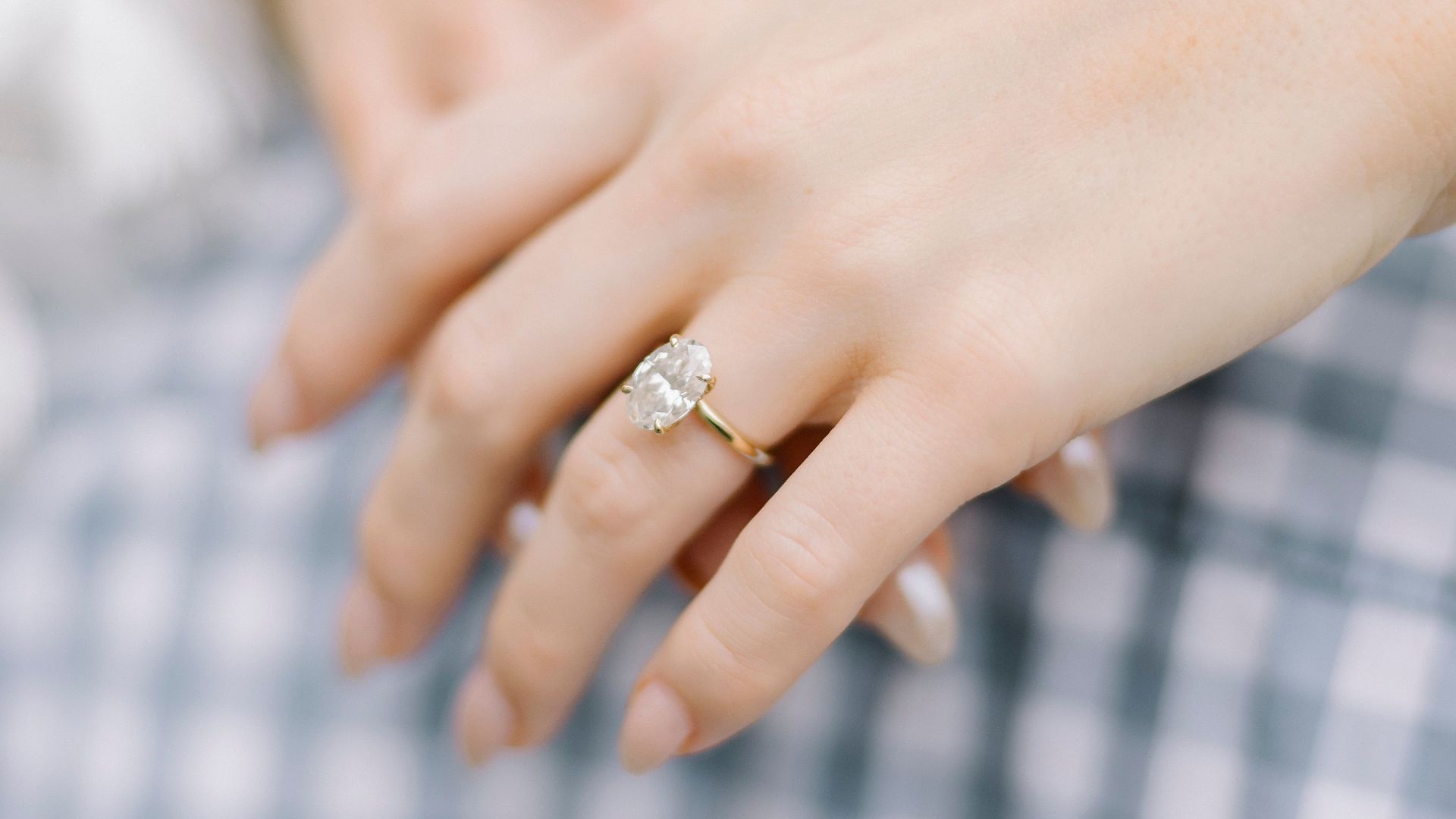
9. The Elongated Oval
An oval on a thin pavé band has been the default proposal ring for roughly a decade. Picking the reigning style means the ring will date precisely to this period, the way rose gold dates to the last one. Ubiquity and old money almost never overlap.
10. The Celebrity Copy
Jewelers can tell you which famous engagement ring gets requested most, because people bring in photographs and ask for that exact thing. Copying a public figure puts the reference on display for anyone who recognizes it. The old money version of the same impulse is copying a grandmother.