Protect Your Body Outdoors
Gardening can be relaxing, but it’s also physically demanding and full of hidden hazards. Choosing the wrong gear can turn a peaceful day outside into frustration, soreness, or even minor injuries. The right choices make every task—from planting to weeding—easier and safer. Understanding what puts you at risk is the first step, so, let’s start with the things to avoid wearing.
1. Flip-Flops
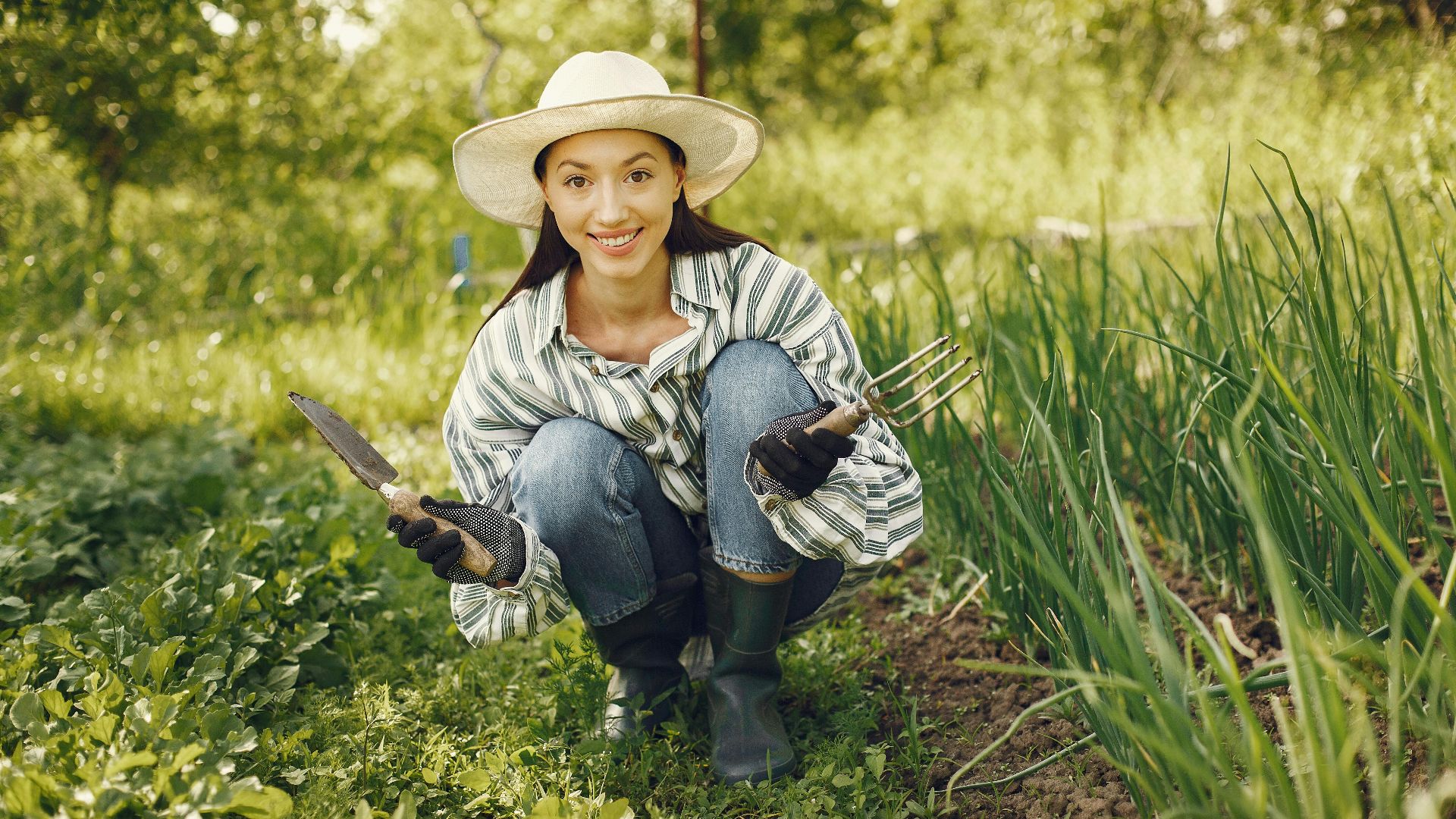
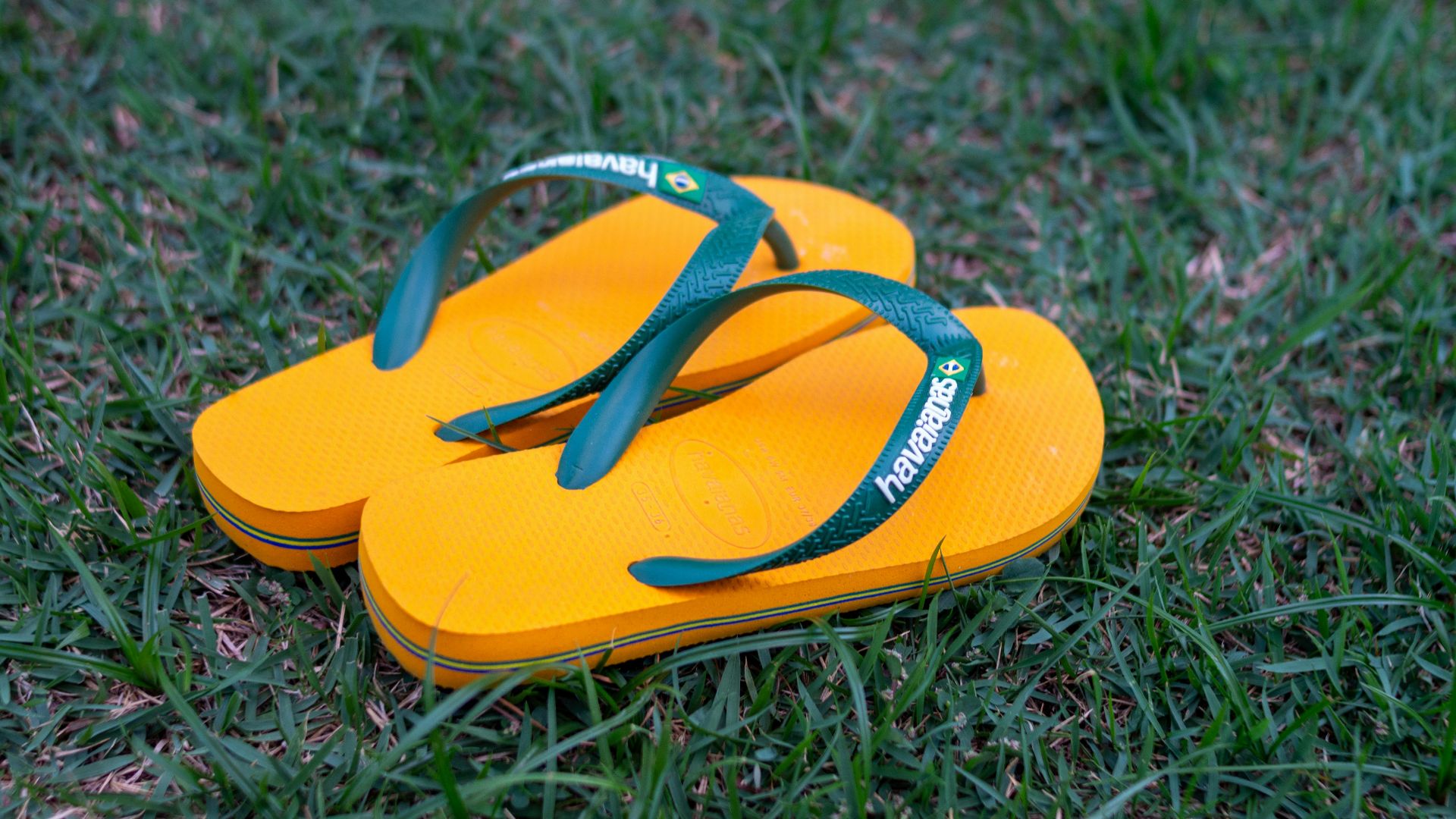
Your toes are completely exposed to dropped shears, rakes, and angry ants looking for trouble. One misstep onto a garden fork means a trip to the emergency room instead of enjoying your tomatoes. Flip-flops belong at the beach, not anywhere near your vegetable beds or flower patches.
2. Tight Jeans
Squatting to pull weeds or kneeling to plant seedlings becomes pretty annoying when denim digs into your skin. Restricted blood flow and constant tugging at the waistband also ruin your gardening mood within minutes of starting.

3. Loose Scarves
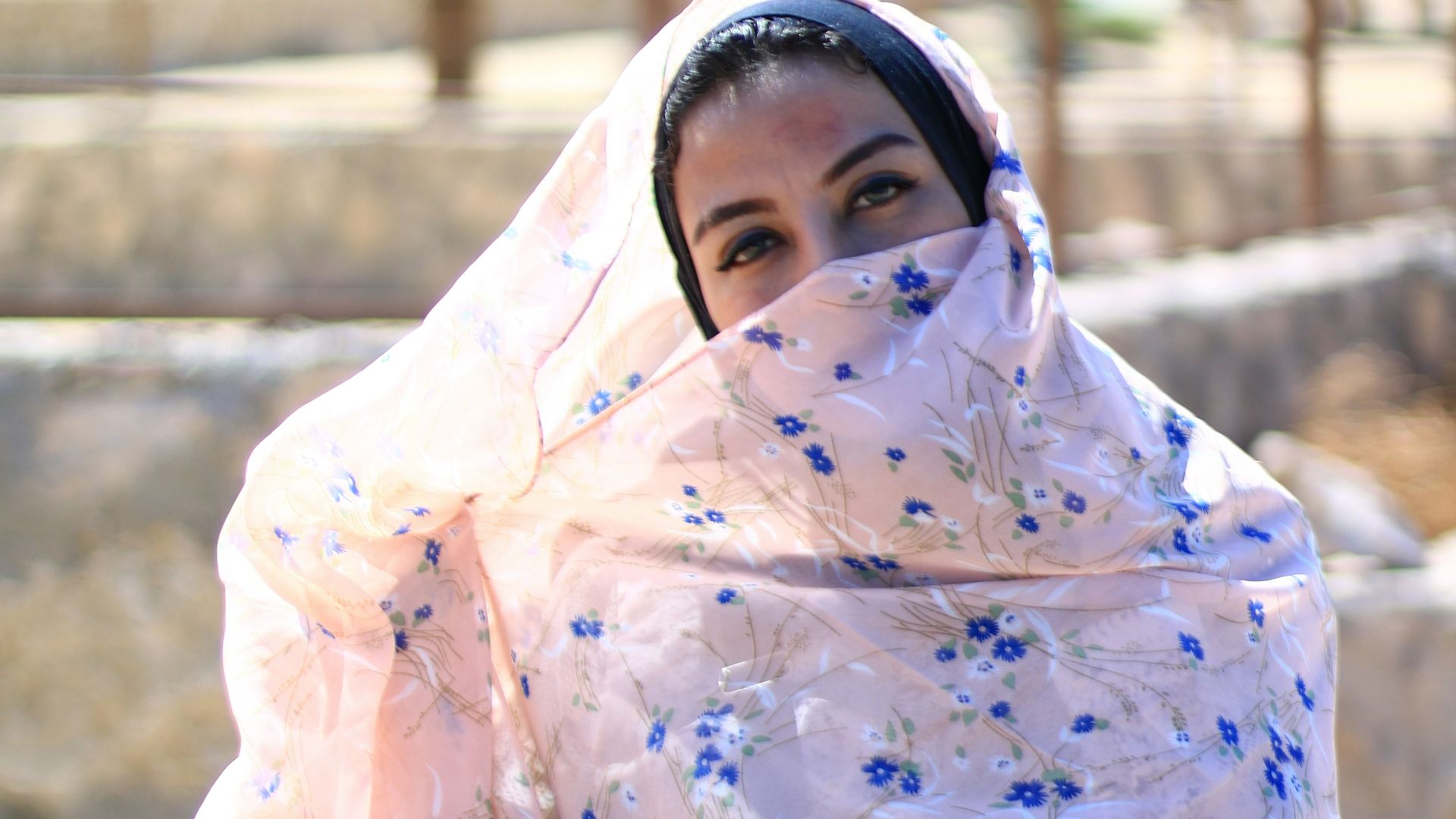
That flowing scarf looks cute until it catches on a rose bush and yanks you backward unexpectedly. Loose fabric around your neck creates a genuine safety hazard near pruning shears and power equipment, too, so leave them as an adorable accessory.
4. Heavy Jackets
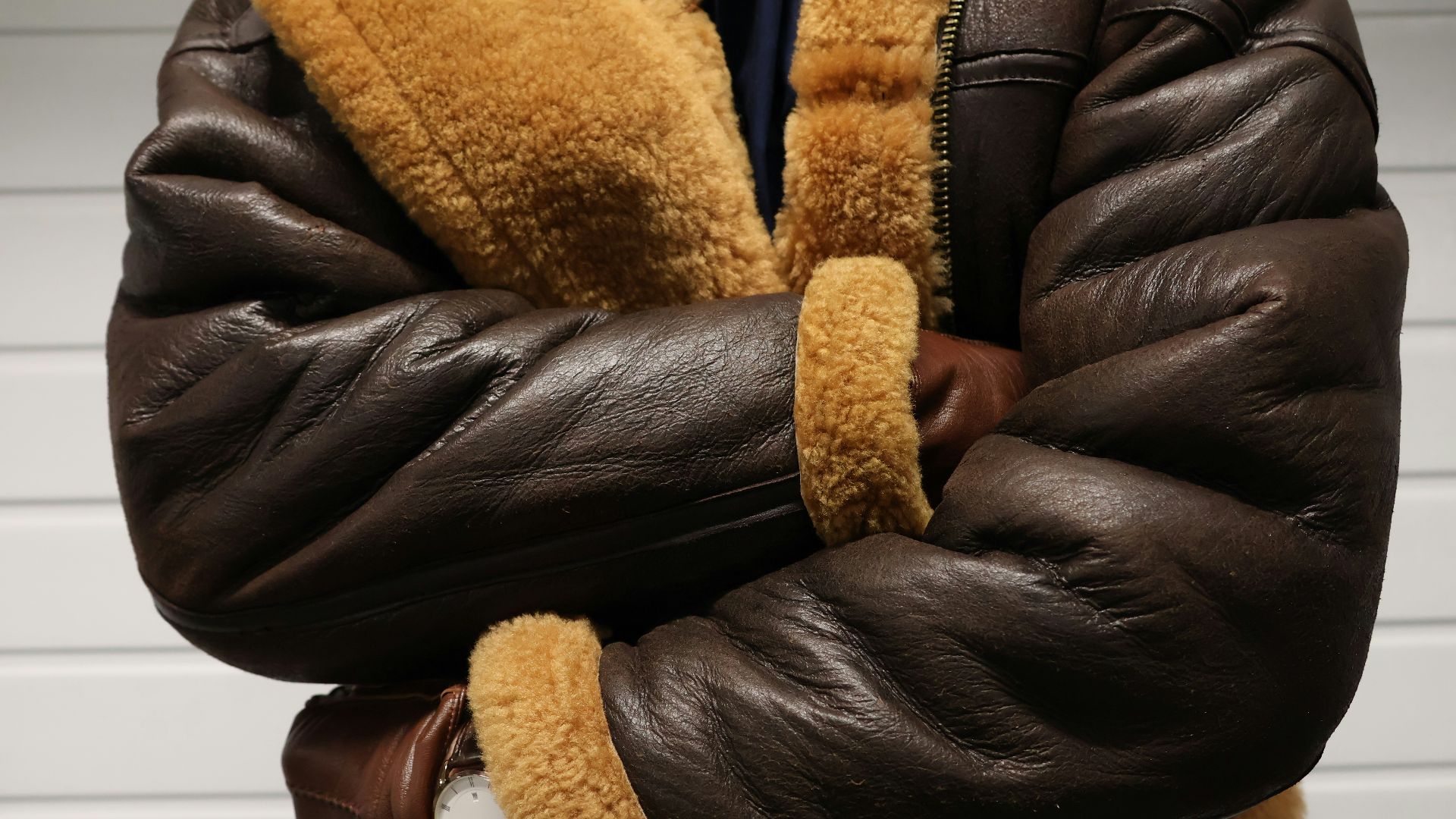
Bulky outerwear makes you sweat within minutes of doing any physical work in the garden. Your arms can't reach or stretch properly when puffy sleeves restrict every single movement you attempt. Not to mention, overheating drains your energy faster than the actual gardening work ever could.
5. Dangling Jewelry
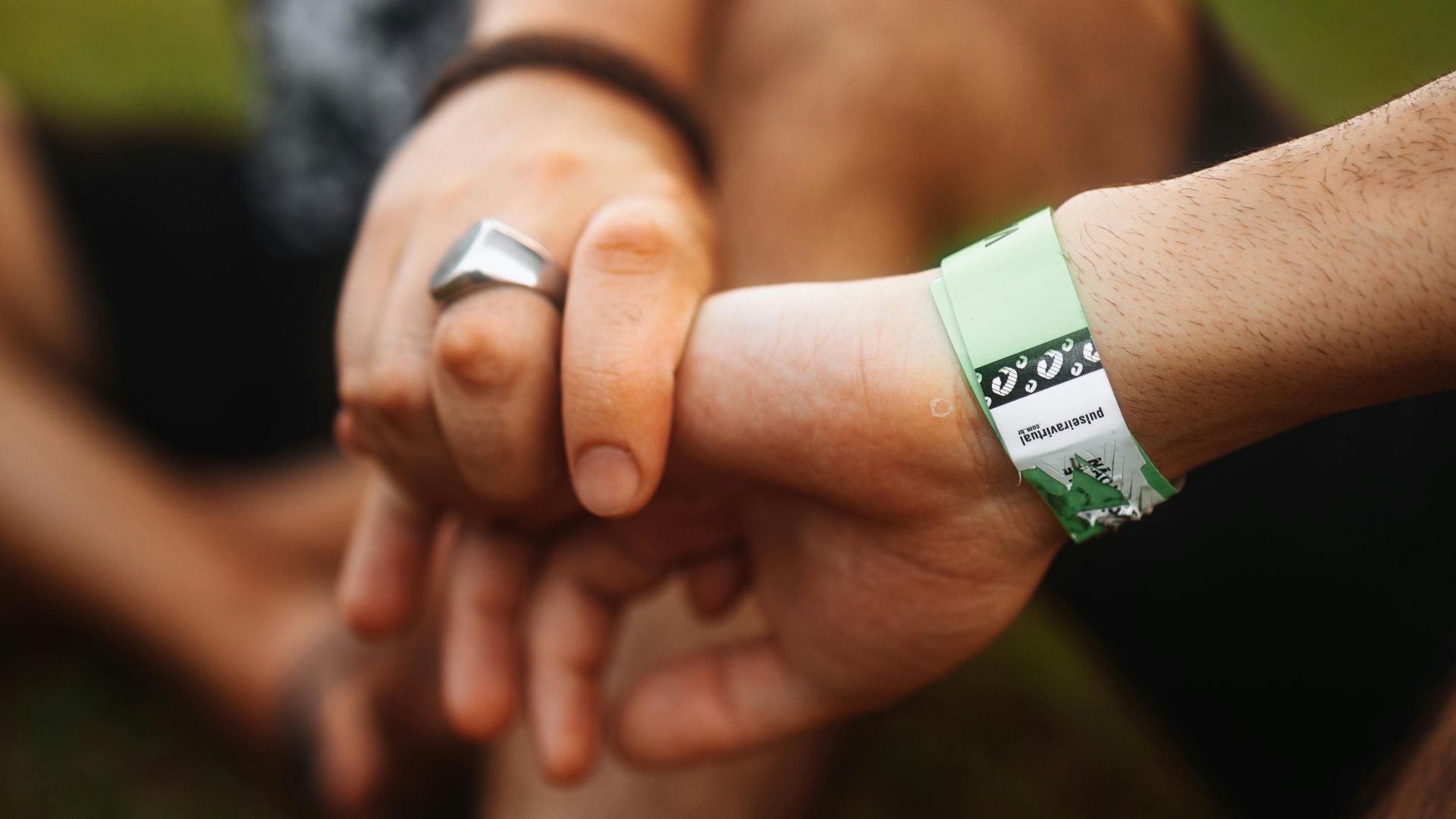
Bracelets, long necklaces, and hoop earrings snag on everything from tomato cages to chicken wire fencing. One wrong move and your favorite piece gets ripped off or worse, pulls you into something sharp. Do yourself a favor and keep the accessories for dinner parties.

6. Synthetic Fabrics
Polyester and nylon turn into personal saunas that stick to your skin in the most uncomfortable way possible. Your body can't regulate temperature properly when fabric won't let moisture evaporate naturally. You'll feel clammy and gross long before you finish even basic gardening chores.

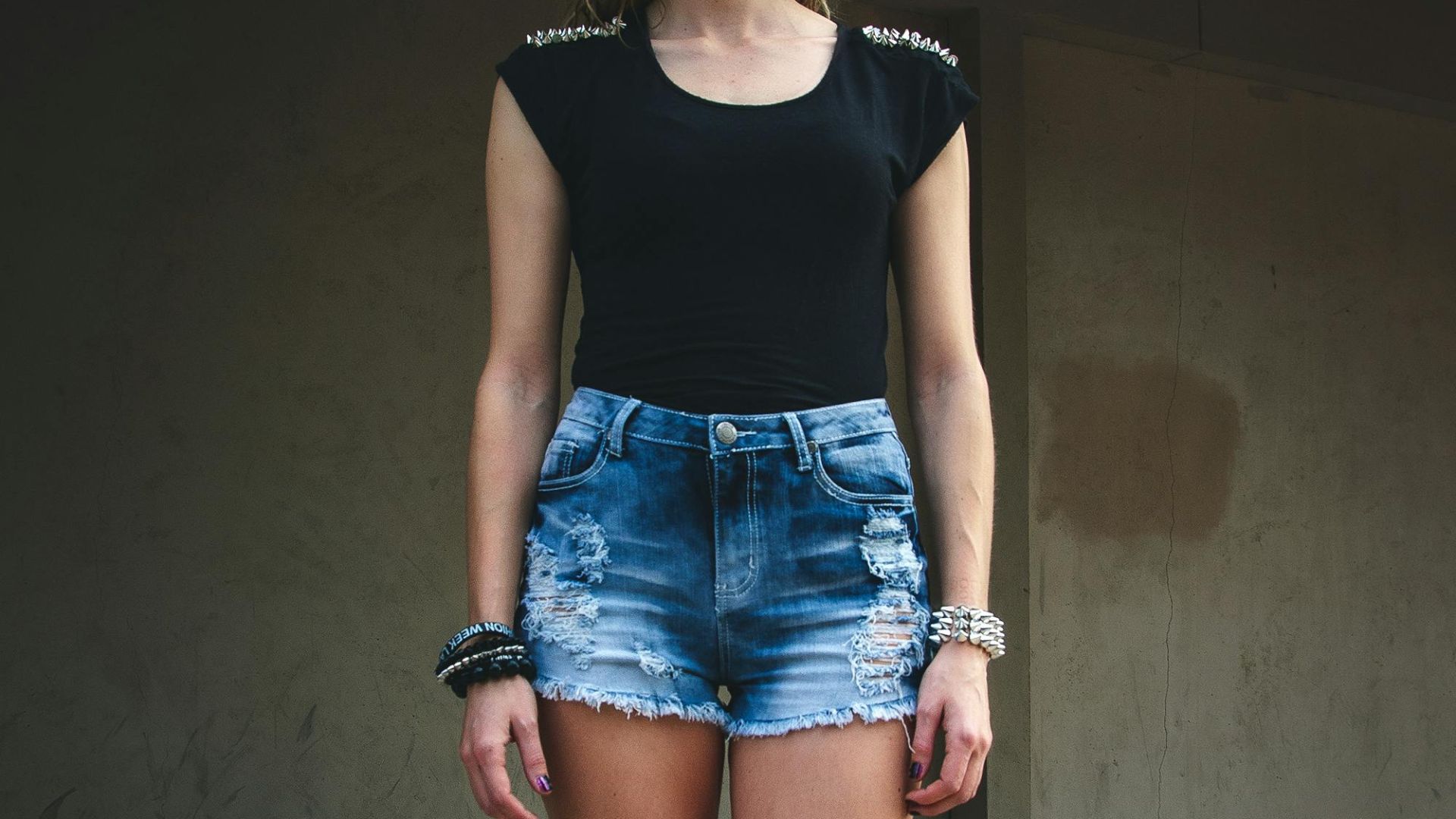
7. Shorts
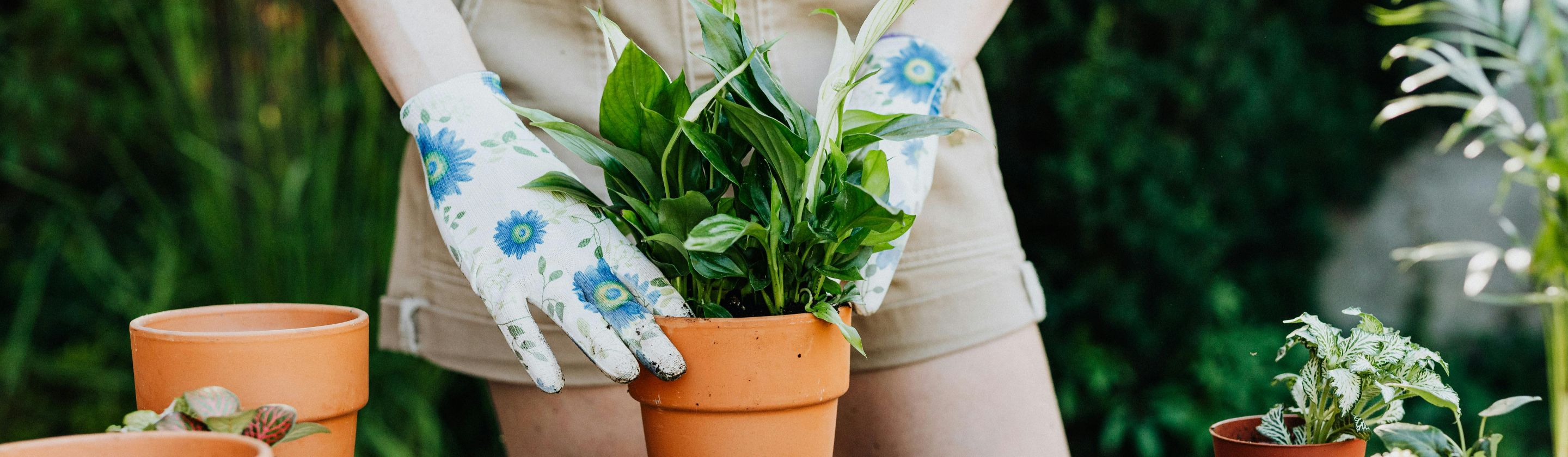
Believe it or not, bare thighs are prime targets for mosquitoes, ticks, and every prickly plant that wants a piece of you. Kneeling in shorts also means direct contact with soil and whatever else is lurking in the grass. The temporary cooling benefit isn't worth the scratches and bug bites you'll regret later.
8. Open-Finger Gloves
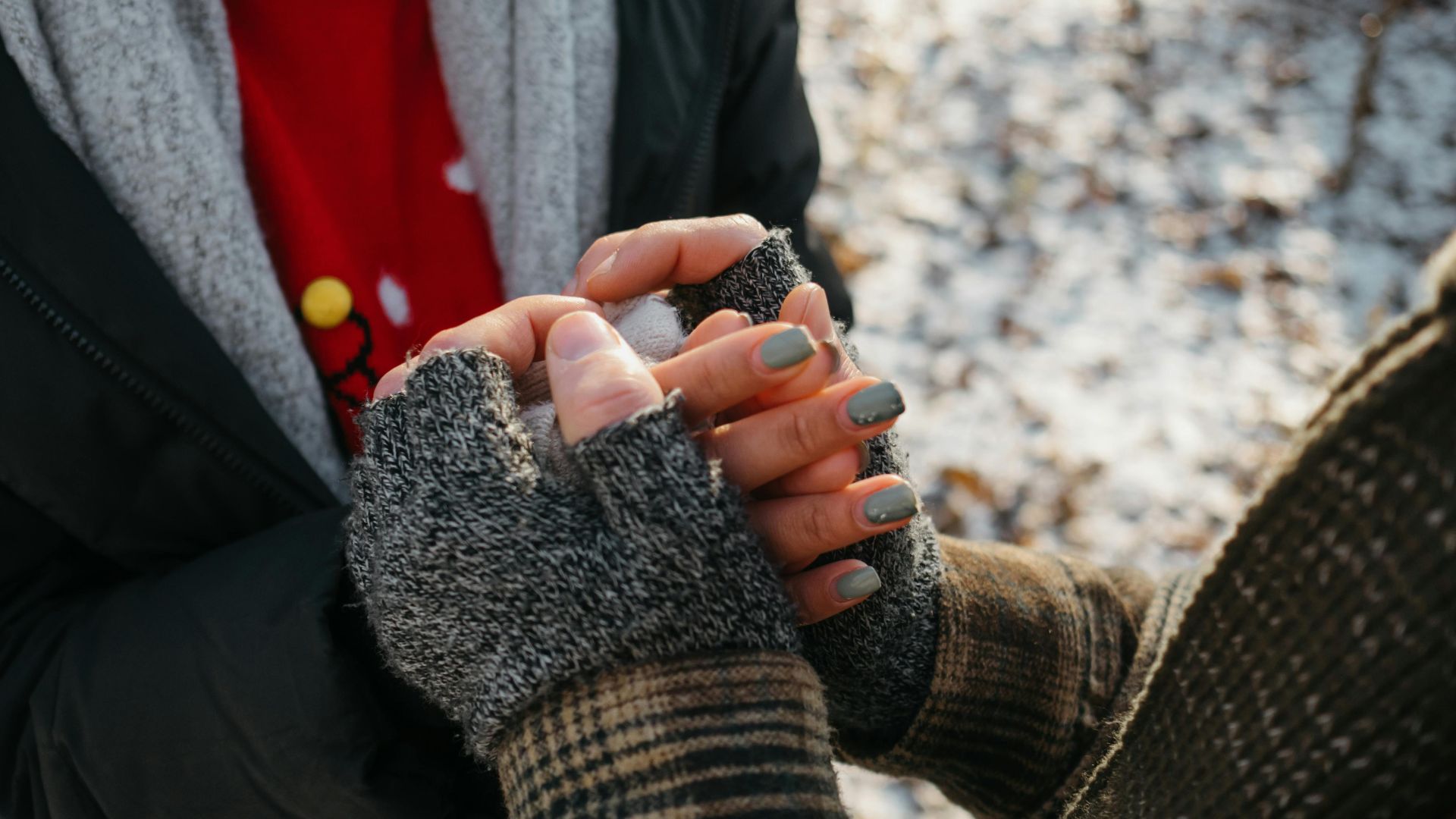
Your fingertips do most of the actual work, so leaving them exposed defeats the entire purpose of wearing gloves. Splinters and thorns find those unprotected areas within minutes of starting any serious digging or pruning.
9. Dark Colors
The shades might look cute, but black and navy fabrics absorb sunlight and turn you into a walking oven on warm days. Plus, bees and wasps are drawn to dark clothing because it mimics predators they want to investigate or attack. Light colors keep you cooler and less interesting to insects with painful stingers.
 Karolina Grabowska www.kaboompics.com on Pexels
10. Non-Waterproof Shoes
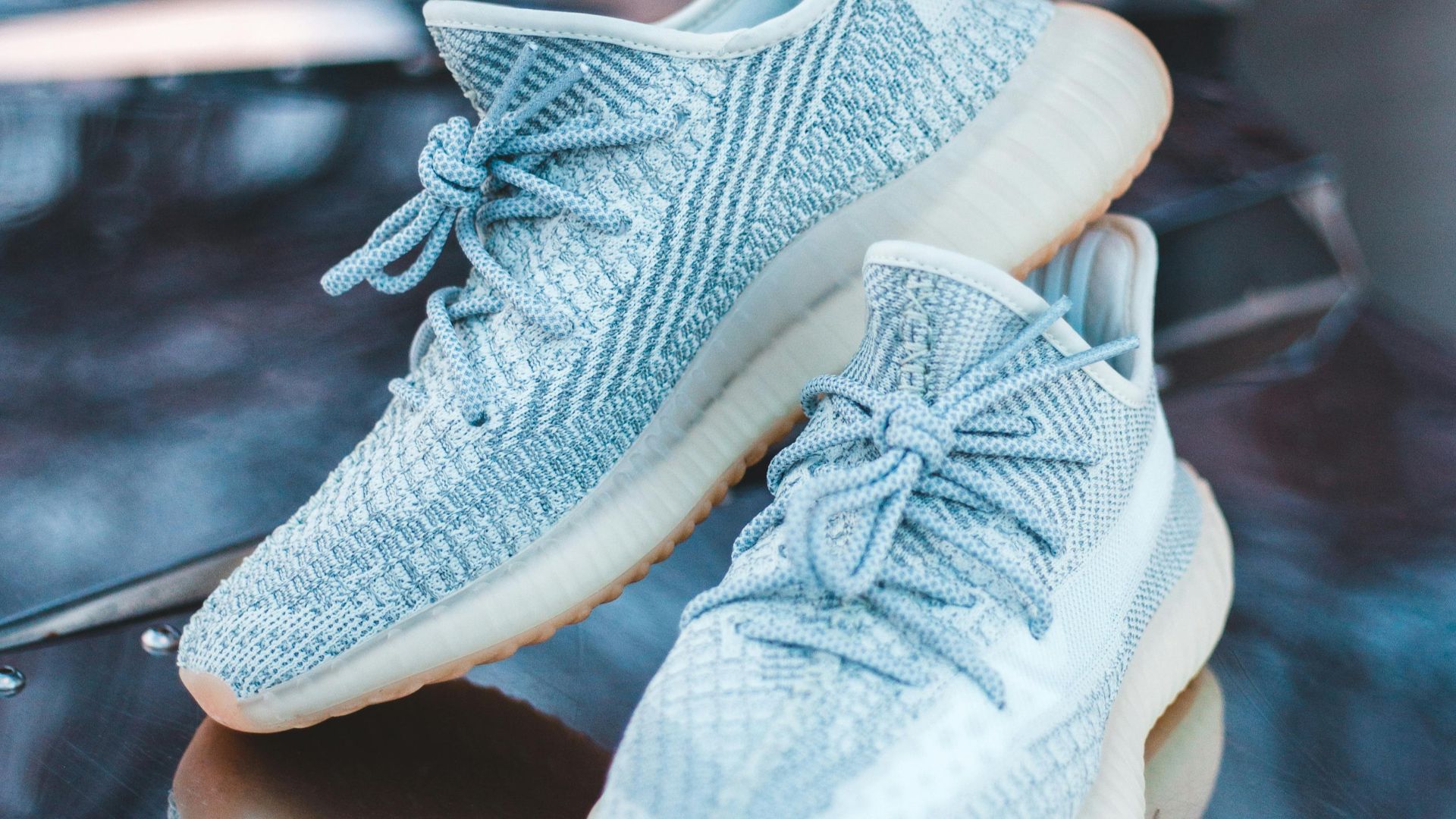
Morning dew and watering sessions turn regular sneakers into soggy disasters that squelch with every step. Moisture seeps through canvas and mesh, which then lead to blisters, fungal infections, and general misery that ruins your entire gardening session.
Now that you know what clothing choices will make you miserable in the garden, let's talk about what actually works.
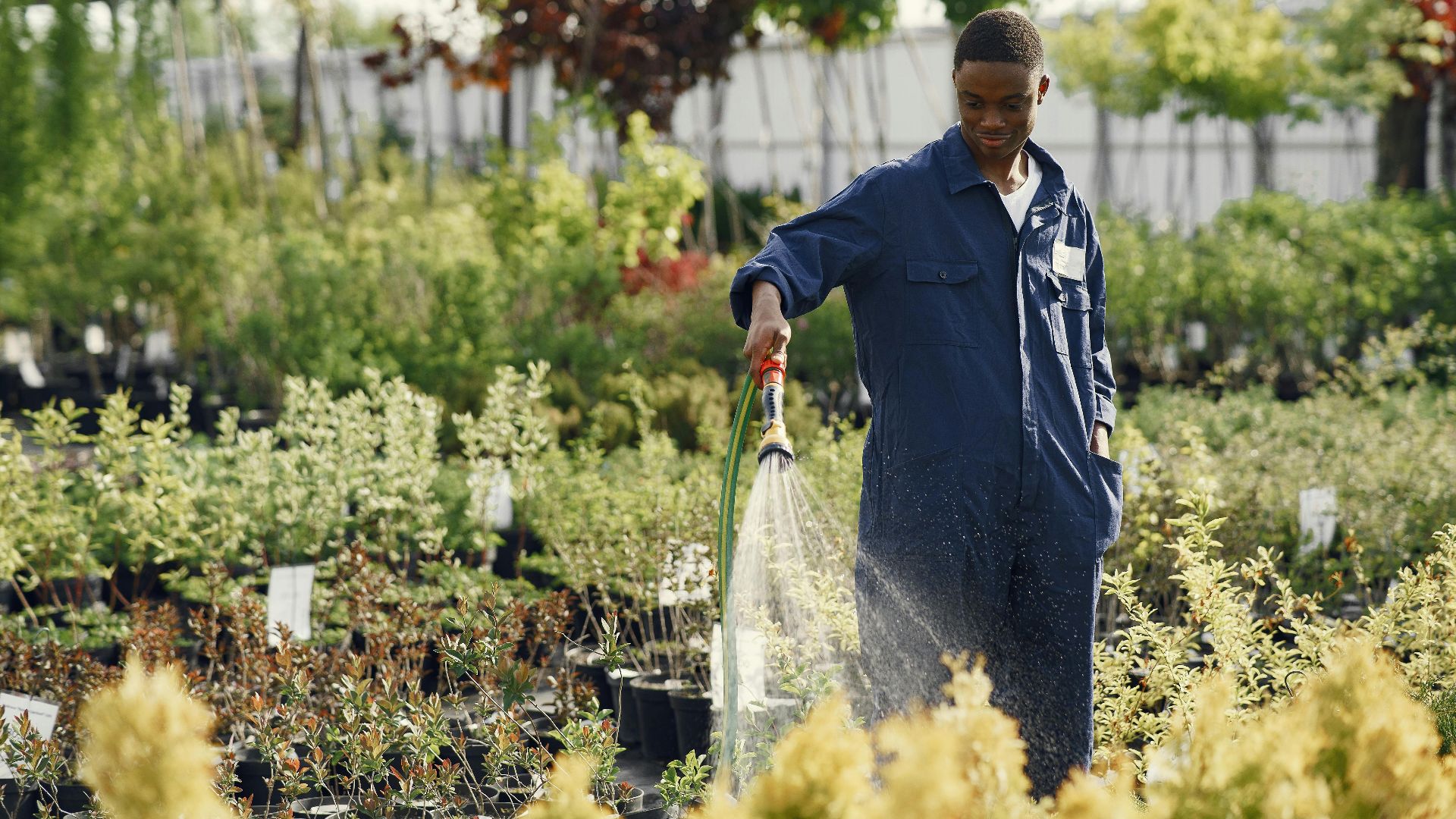
1. Lightweight Waterproof Overalls
Lightweight waterproof overalls keep you dry when the soil is wet or rain catches you off guard. They offer reliable coverage while allowing easy movement, making long or messy gardening sessions far more comfortable and stress-free.
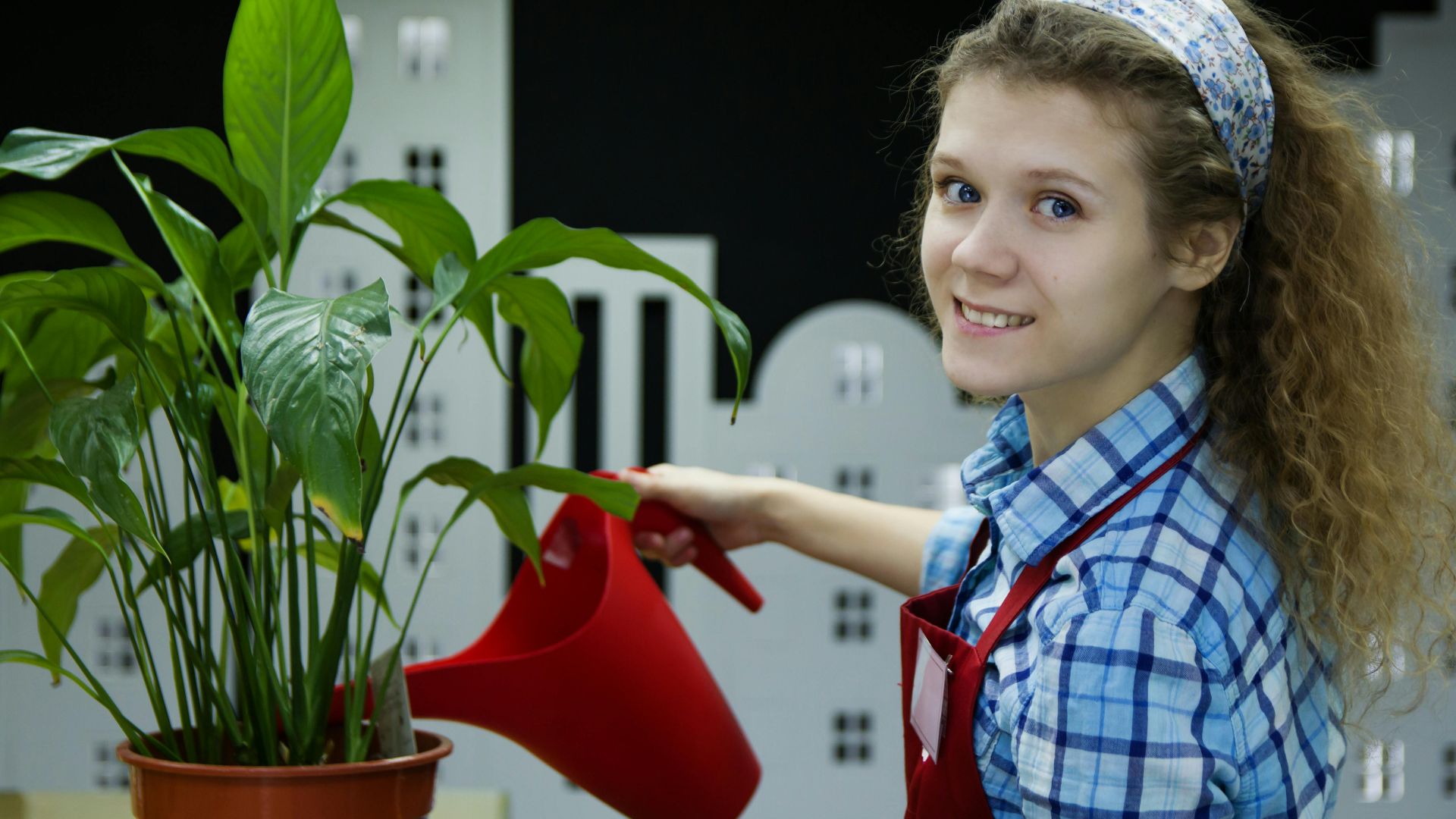
2. Breathable Cotton Shirts
Natural fibers let air circulate and moisture evaporate, so you don't feel like you're suffocating outdoors. Cotton stays comfortable even when you're working hard under the sun for extended periods. The fabric moves with you instead of clinging awkwardly to sweaty skin.
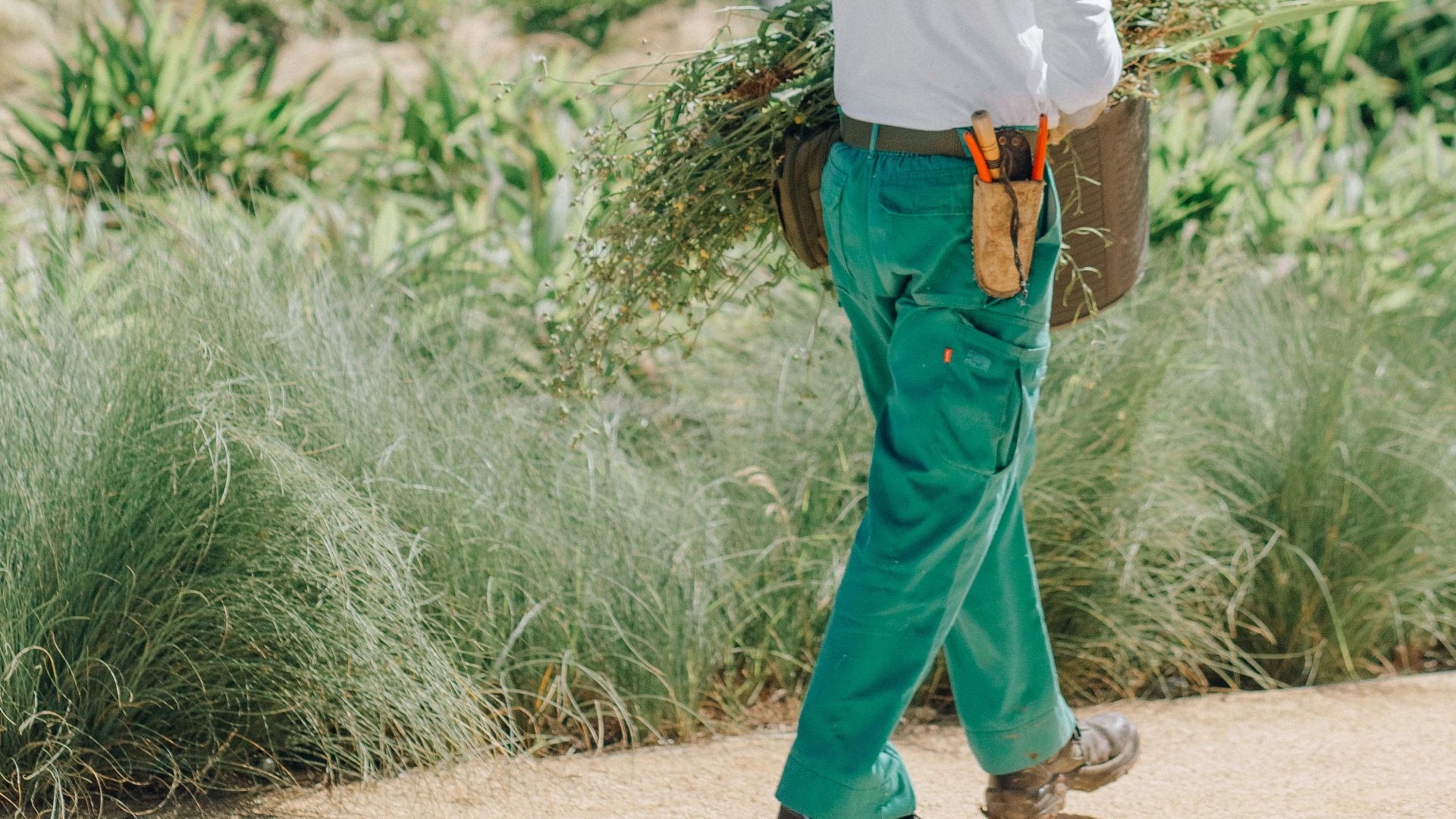
3. Long Lightweight Pants
Thin fabric protects without causing overheating, which is exactly what you need for garden work. Your legs also stay covered from ticks and thorns without feeling trapped in heavy material. Full-length coverage means fewer injuries and less worry about what you're kneeling in.
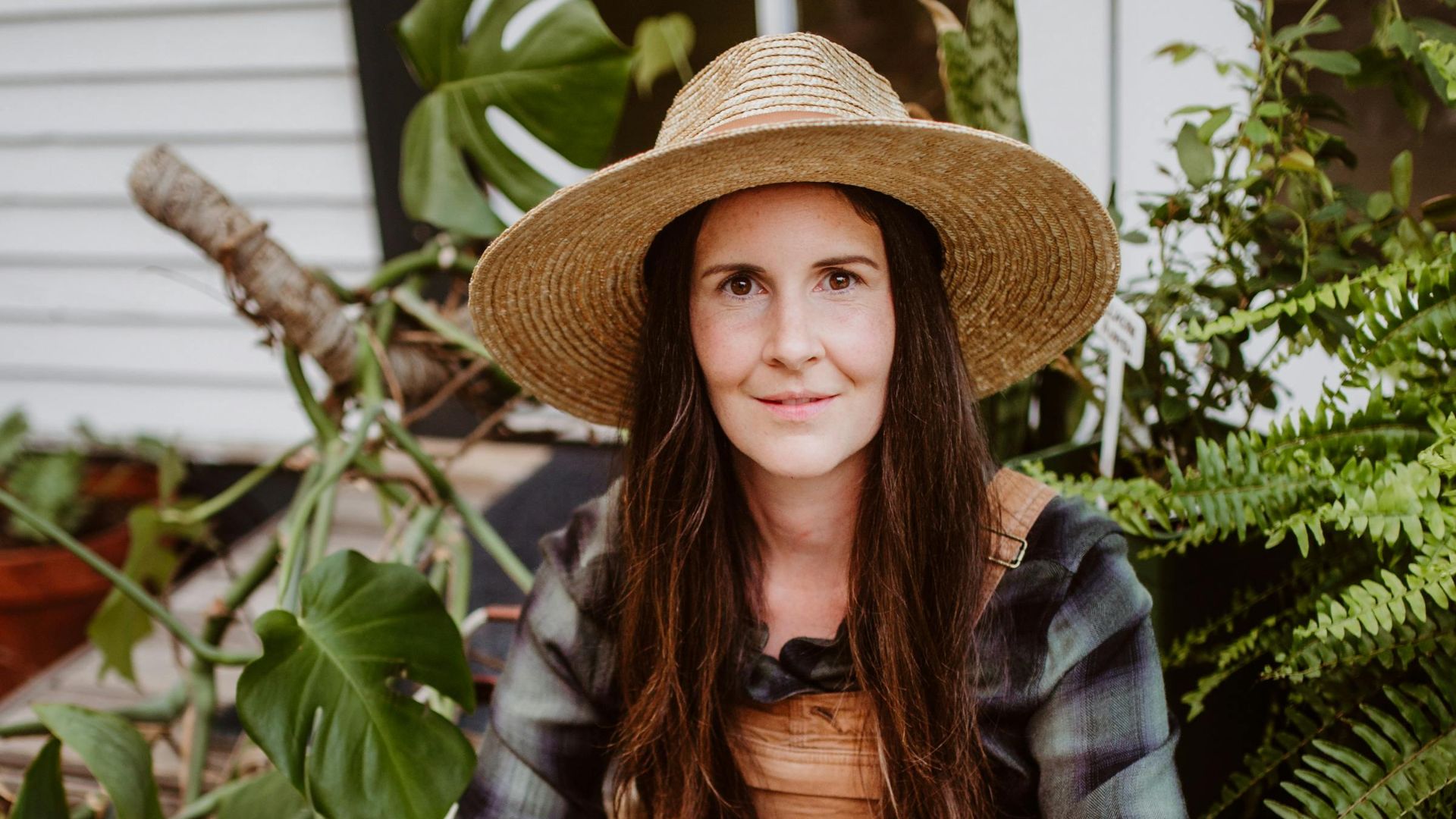
4. Wide-Brim Hat
Your face, neck, and ears get constant protection from UV rays that would otherwise cause painful burns. A good hat keeps the sun out of your eyes so you can actually see what you're planting or pruning. Shade makes the whole gardening experience more comfortable on bright days.
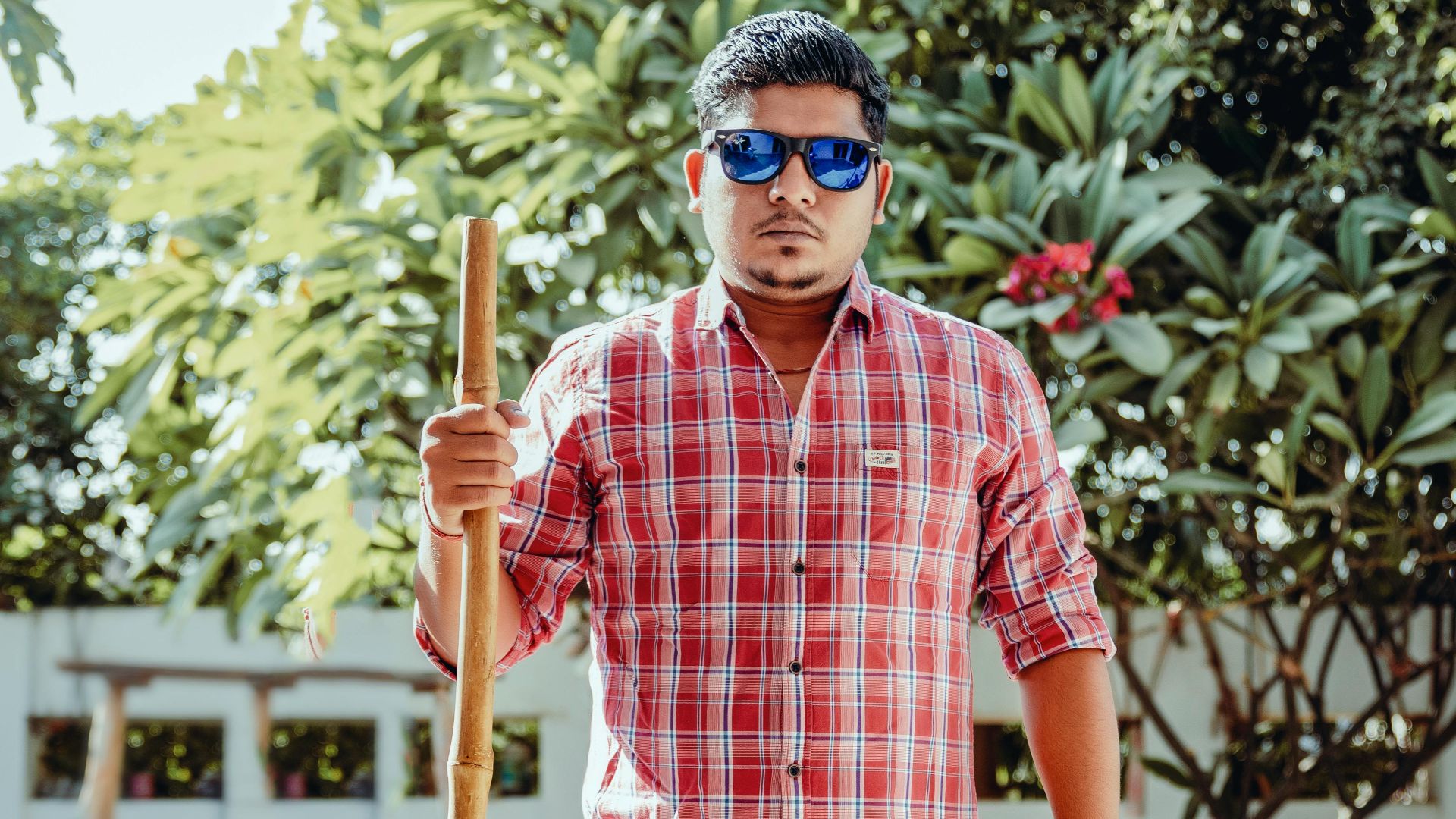
5. UV-Blocking Sunglasses
Squinting all day leads to headaches and wrinkles, neither of which improves your gardening experience at all. Quality lenses filter out harmful rays while making it easier to spot pests and assess plant health.
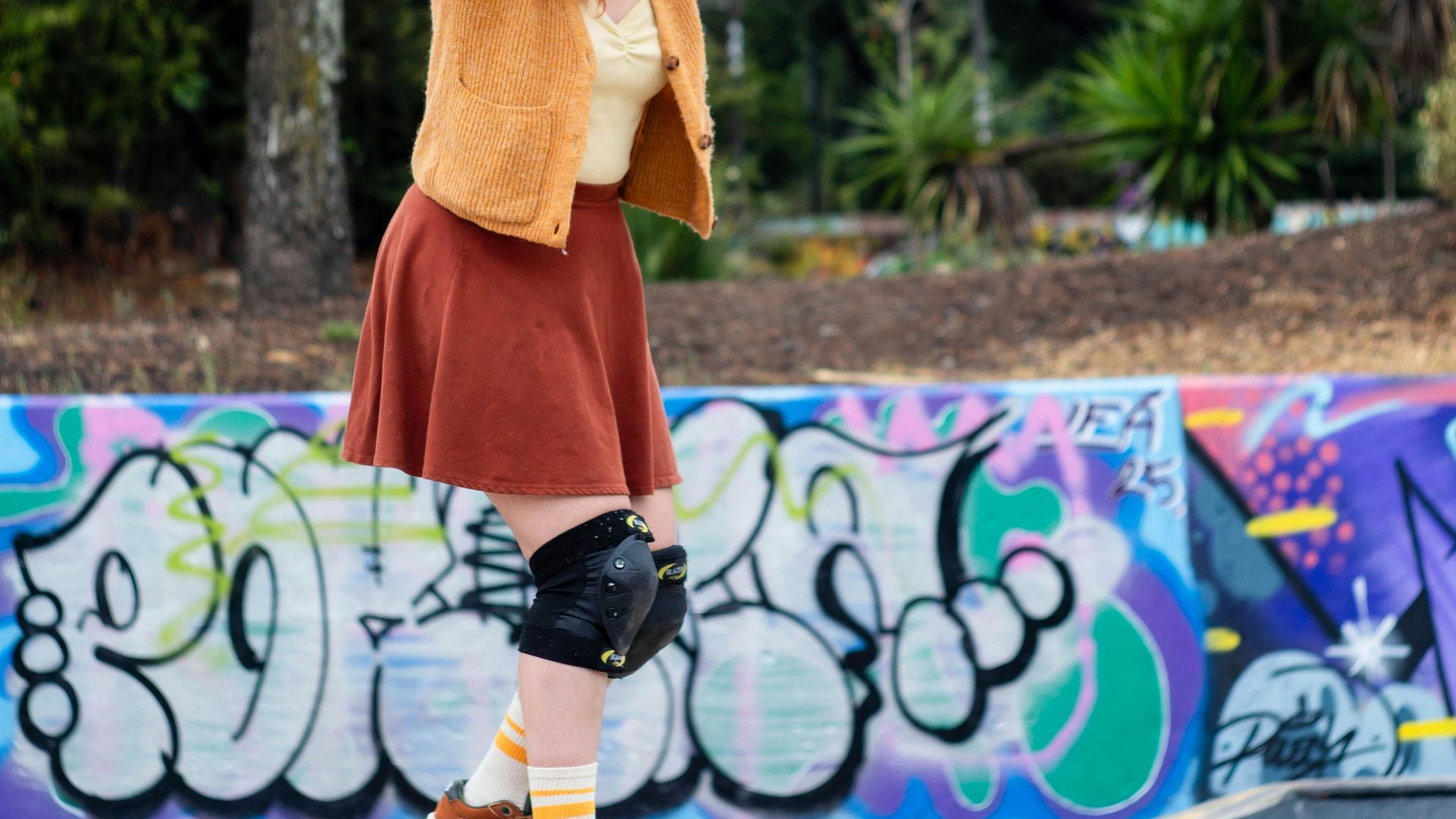
6. Knee Pads or Kneeling Cushion
Hours spent weeding or planting on hard ground destroy your knees faster than you realize, until the damage is done. Padded protection distributes weight evenly and prevents those sharp rocks from digging into your kneecaps painfully.
 Azahel Calzada De La Luz on Pexels
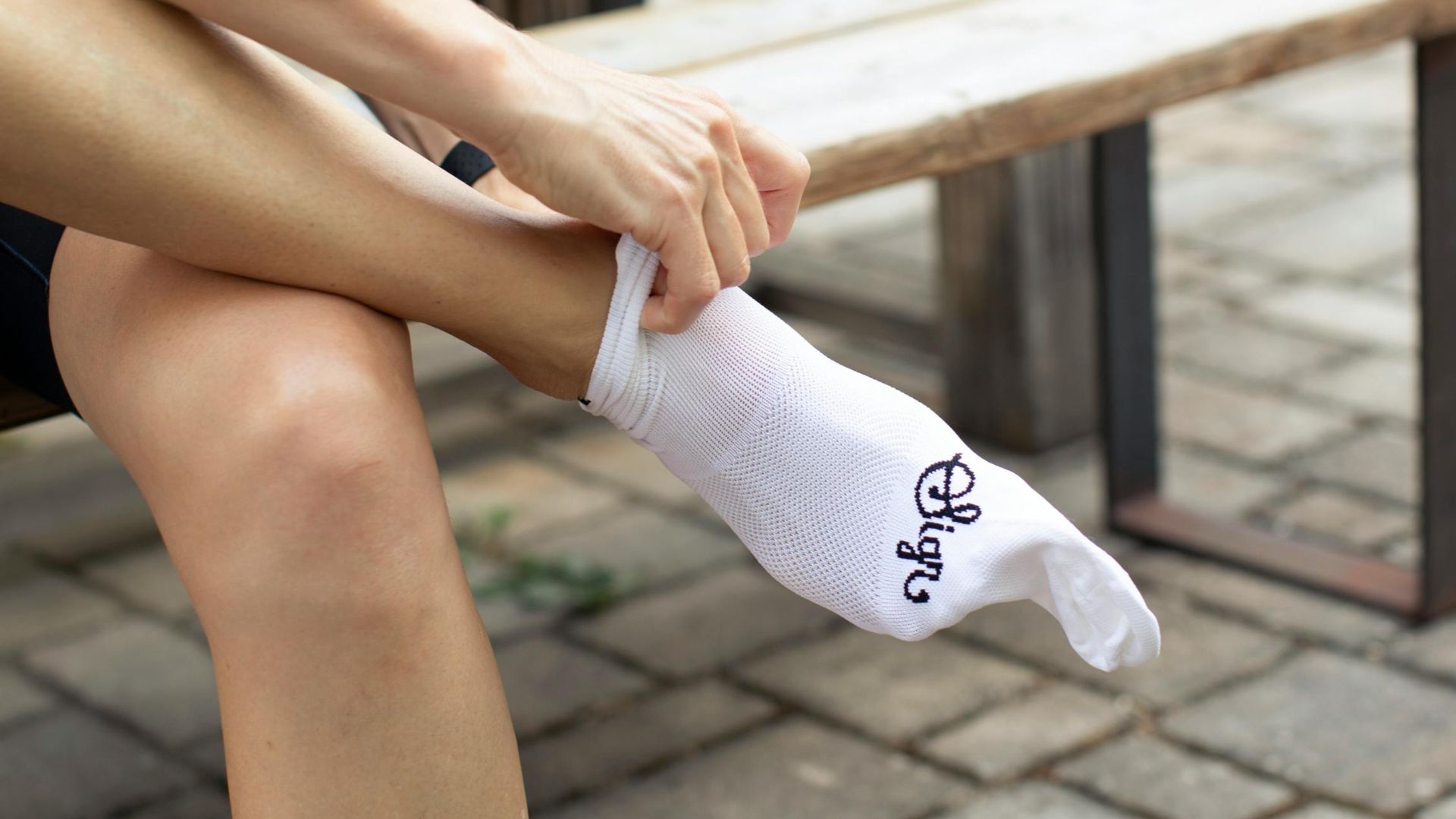
7. Moisture-Wicking Socks
Special athletic socks pull sweat away from the skin so your feet don't become breeding grounds for bacteria. Dry feet mean fewer blisters and no uncomfortable squishing sounds with every step you take. Foot health matters more than most people realize when you're on your feet for hours.
8. Layered Clothing
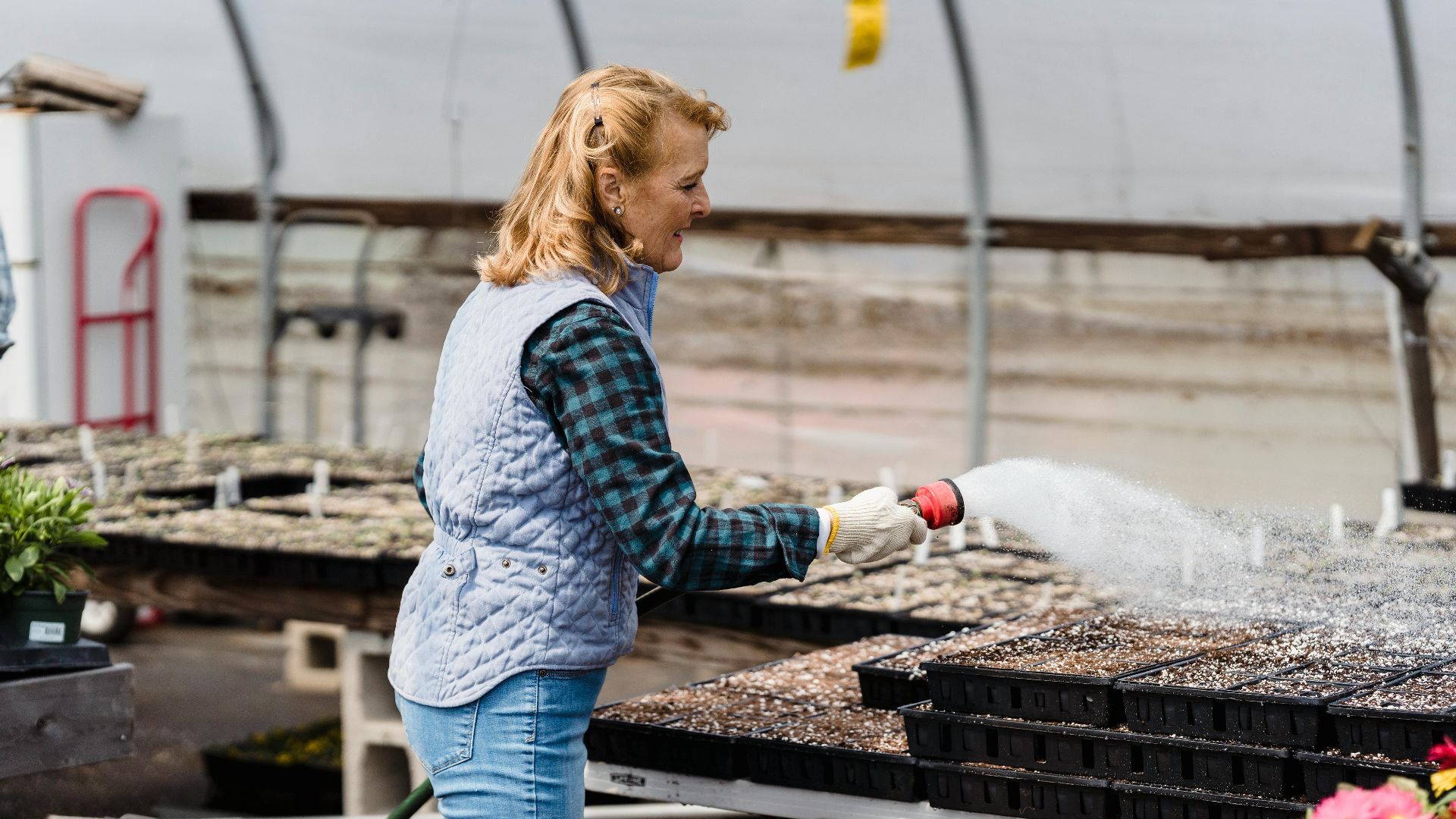
Mornings start cool. Afternoons heat up. So, you know what that means: layers! Layers let you adapt without going back inside (a light jacket over your shirt gives you options when temperature shifts catch you off guard). Flexibility in your outfit allows you to keep working comfortably regardless of weather changes.
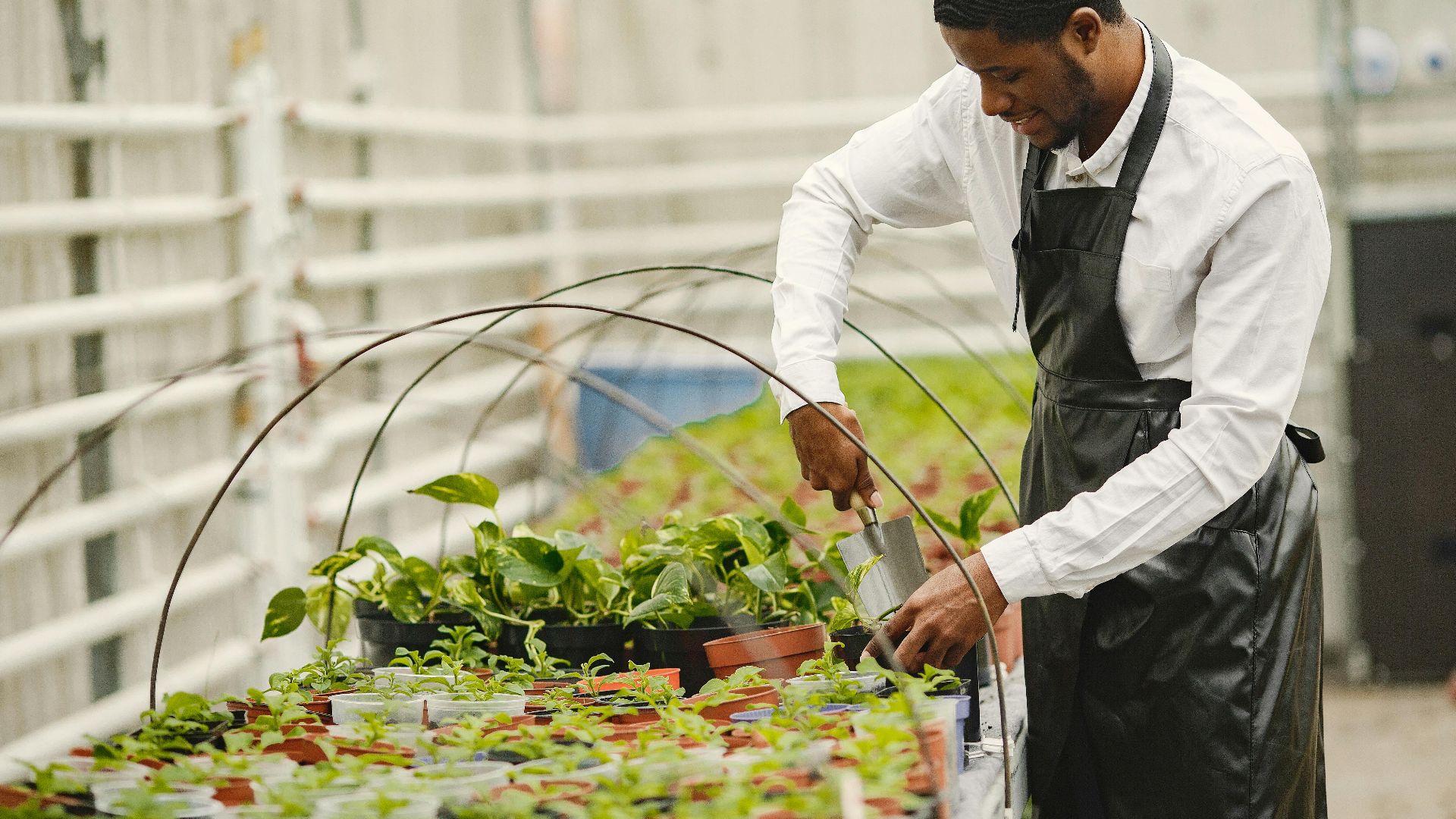
9. Apron With Pockets
The apron catches dirt and plant debris, and organized pockets let you spend more time gardening and less time searching for misplaced tools. Everything you need stays within reach instead of requiring constant trips back to your supply bucket.
10. Insect-Repellent Wristbands Or Treated Clothing
Treated fabric releases repellent gradually, so you don't need to reapply sprays every hour in the garden. Wristbands offer localized protection that works alongside your clothing choices for maximum coverage against biters. Chemical-free options exist, too, for people who prefer natural alternatives to synthetic repellents.