

The Cart Is Not Neutral
Online shopping likes to pretend it is a simple exchange. You see something you want, you click a button to pay, and the item arrives a few days later in a box with too much tape on it. In reality, there is a whole layer of quiet strategy happening behind the scenes, and a lot of it is designed to nudge the price up without making the nudge feel obvious. Then there are the habits that work in your favor and shave a little off the total without much drama. Here are 10 online shopping tricks that raise the price, followed by 10 that lower it.

1. Urgency Banners
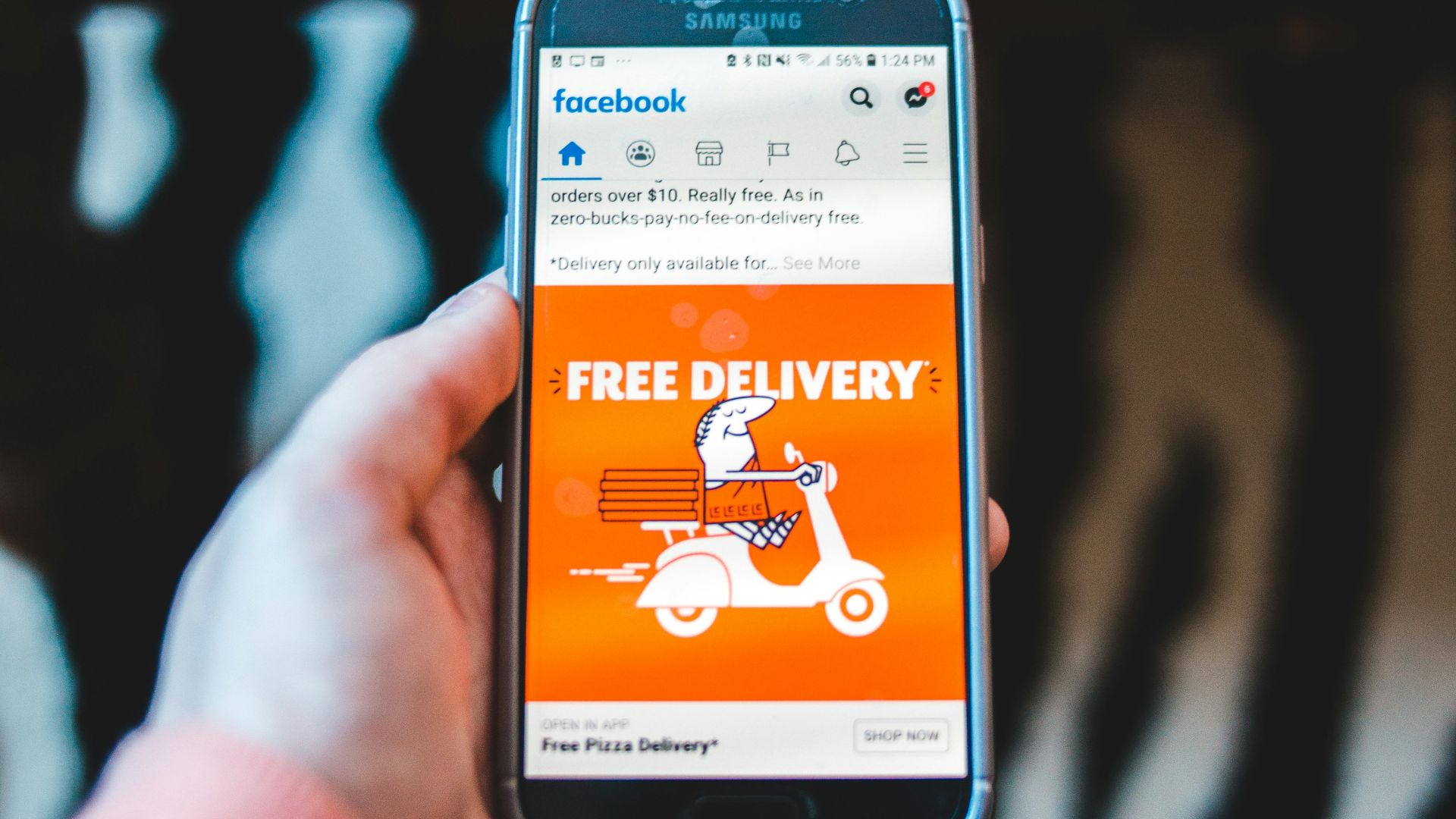
Those little warnings about low stock, high demand, or “37 people have this in their carts” are built to speed you up. Once you feel rushed, you stop comparing prices, stop checking shipping, and start treating the first number you see like fate.

2. Free Shipping Minimums
This one works because it sounds helpful. You go in planning to spend $42, realize free shipping starts at $50, and suddenly you are adding lip balm, socks, or a phone cable you did not need just to avoid paying $6.99.
3. Prechecked Add-Ons
Sites love sneaking in the tiny extras. Protection plans, upgraded packaging, subscription boxes, and donation prompts all have a way of appearing already selected, like the website is gently spending your money for you.
4. Personalized Discounts That Reset The Baseline
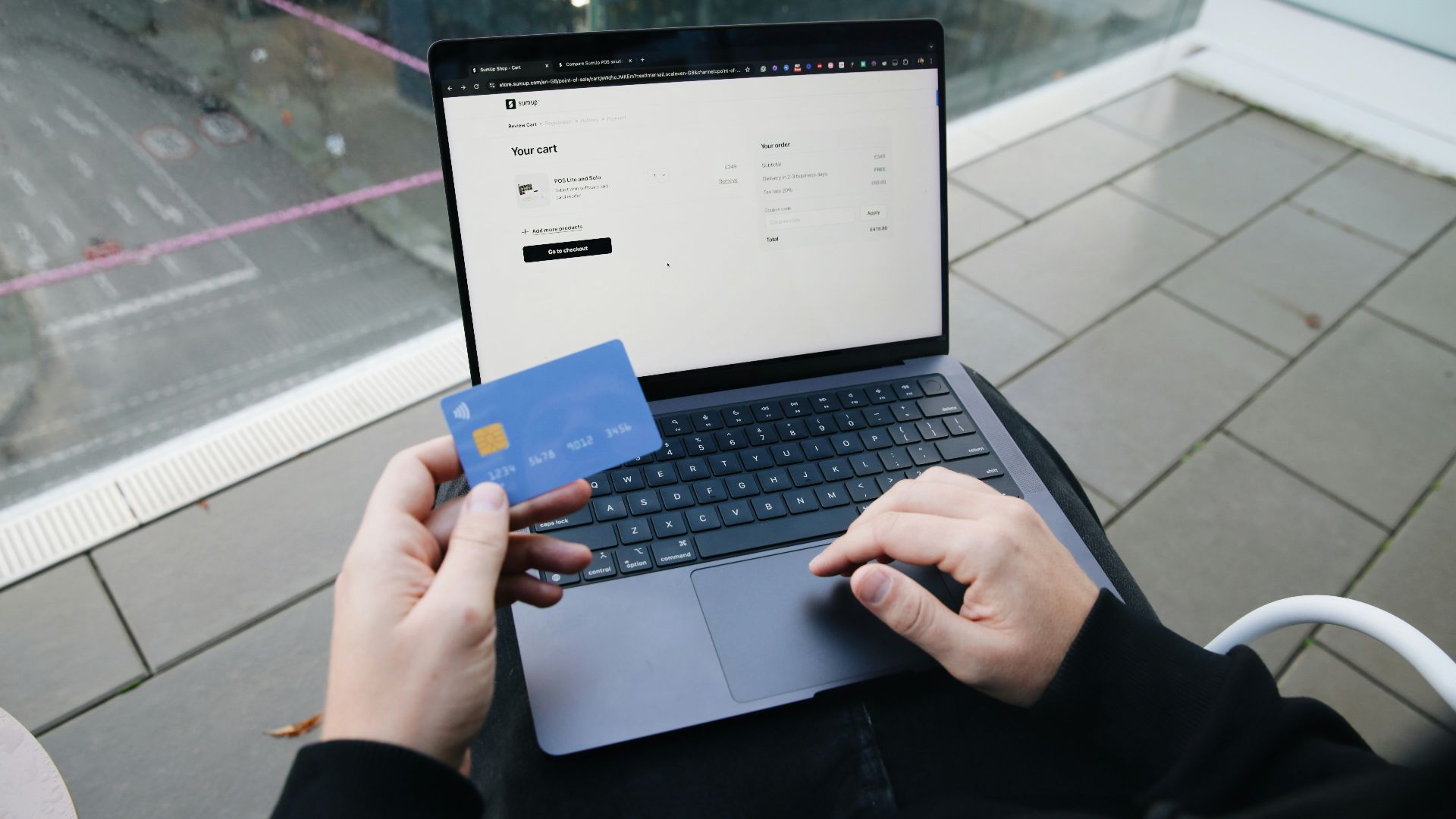
A fake sale can still feel flattering. Once a site flashes “special offer just for you,” people tend to focus on the discount and stop asking why the original price looked a little inflated to begin with.

5. Bundles That Sound Efficient
Bundles are not always bad, but they are very good at making extra spending feel rational. A two-pack, a three-pack, or a “complete set” can push you into buying more than you planned because the whole thing is framed like smart planning instead of a bigger total.

6. Suggested Upgrades
This is the move where the basic version suddenly starts looking embarrassing. You came for the normal one, but after three side-by-side comparisons and a lot of highlighted features, the pricier option starts to seem like the only adult decision.
7. Delayed Fees At Checkout
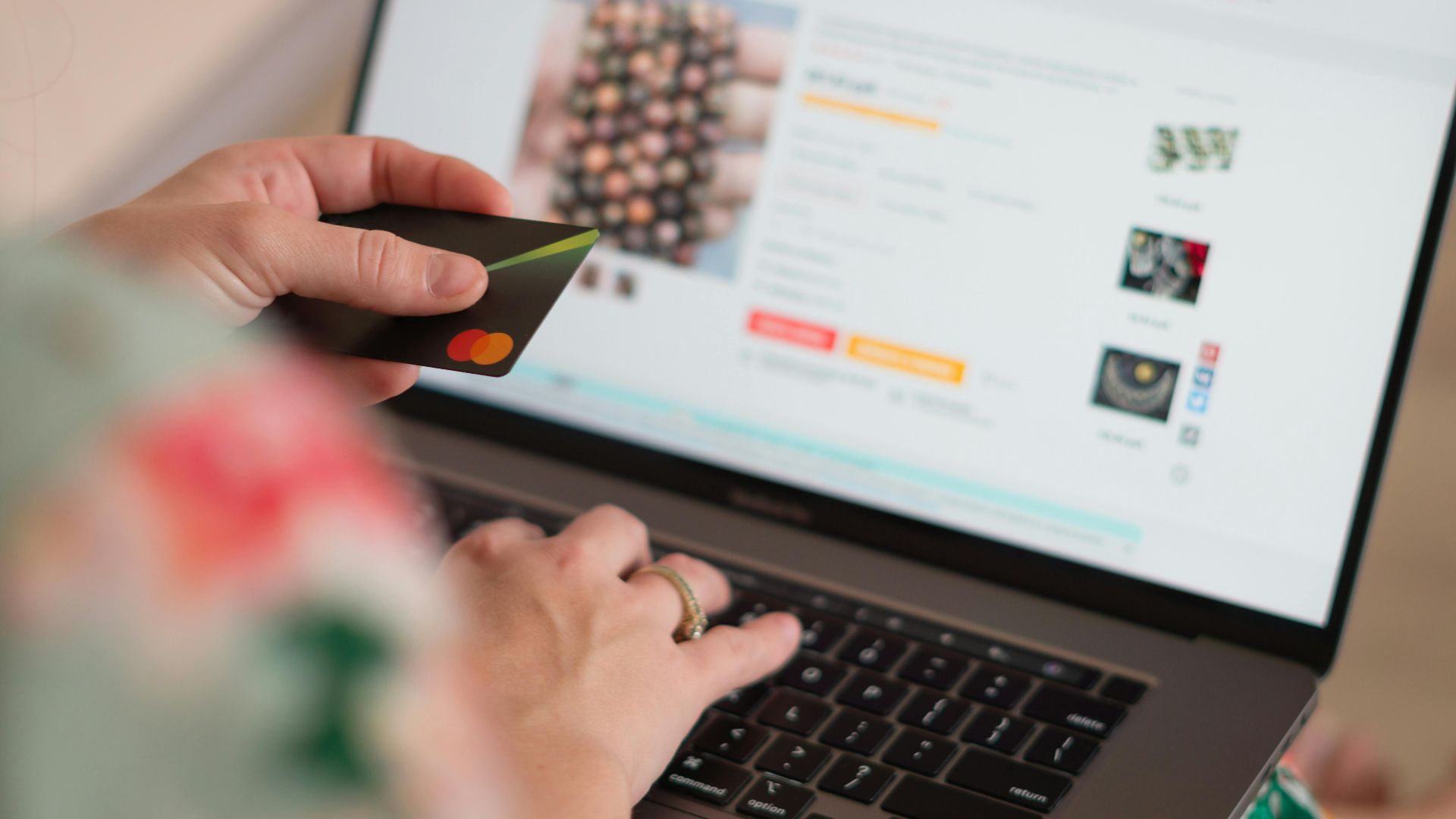
Nothing raises the price like saving the unpleasant part for the end. The item looks fine, the cart looks fine, and then the checkout page quietly adds shipping, handling, service fees, and tax until the total looks like it belongs to somebody else.

8. Loyalty Pressure
Retailers love making you feel like joining the program is the savvy move. But once the rewards system, credit card offer, or member perk enters the picture, people often start spending more to justify the relationship.

9. Countdown Sales
A countdown timer does not make a deal better. It just makes you less patient. Once the clock is running, the brain shifts from “Should you buy this?” to “Should you lose this?” and those are very different questions.

10. One-Click Convenience
Convenience has a price, and it is usually hidden in how little time you spend thinking. The easier it is to buy something, the less space there is for second thoughts, price checks, or the extremely useful realization that you did not want it that much.
That is the expensive side of the internet. Here are ten moves that actually help bring the total down.

1. Leaving It In The Cart
This still works more often than people expect. If you add something to your cart, walk away, and let the site sit with its feelings for a day or two, there is a decent chance a discount email shows up trying to pull you back in.

2. Looking For A Coupon Somewhere Else
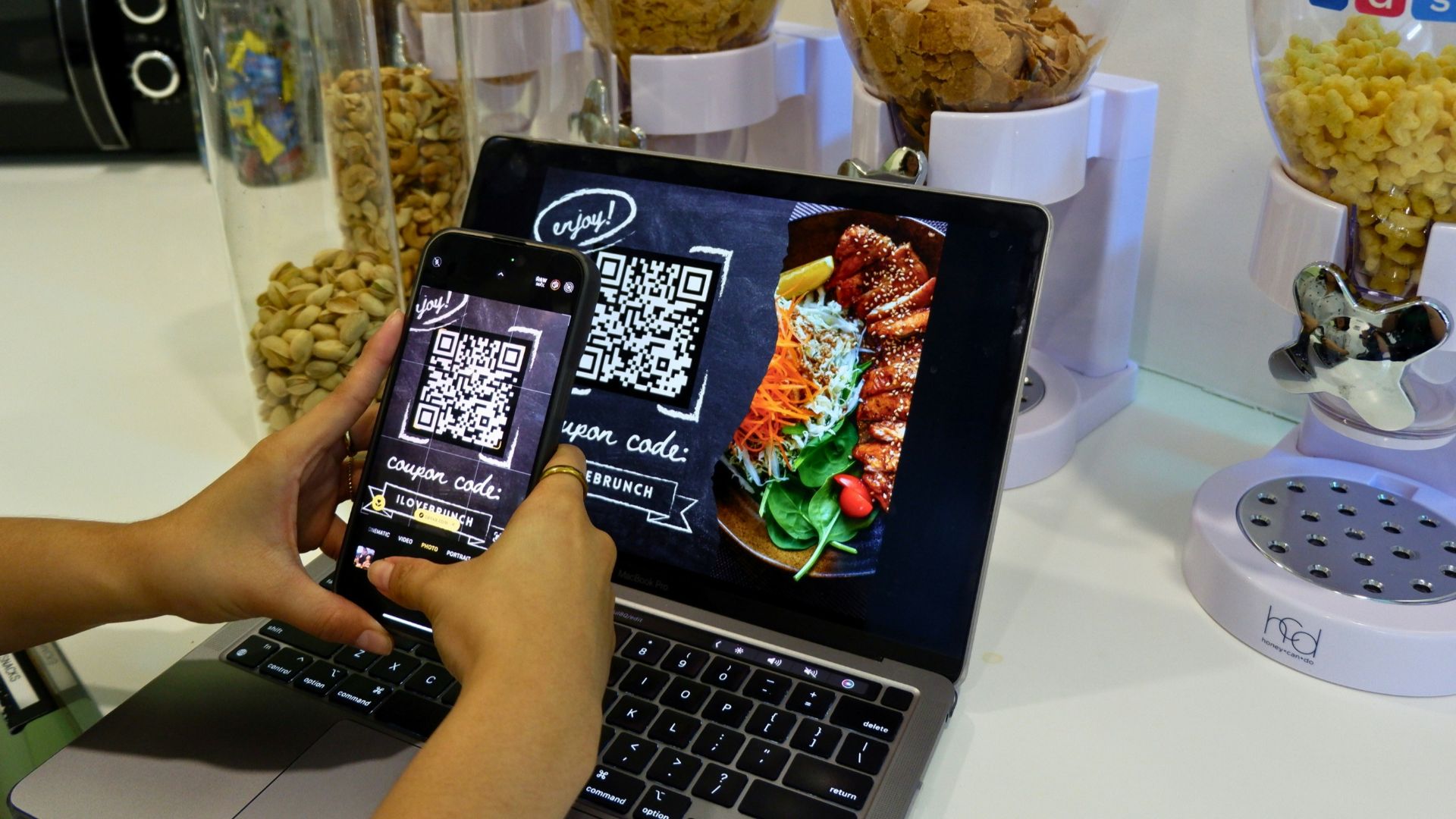
The store’s own promo box is rarely where the magic starts. A quick search for a code before you pay can knock enough off the total to make the extra thirty seconds feel wildly productive.
3. Buying Off-Season
Retailers get much less romantic about inventory once the moment passes. Coats in spring, patio gear in fall, and holiday décor in January tend to lose a lot of their emotional markup when nobody is in the mood anymore.

4. Opening A Private Browsing Window
Sometimes it helps to strip away the clutter and start fresh. A clean session can make it easier to compare options, avoid getting pulled around by your own browsing trail, and see whether the pricing looks different without all the personalized noise.

5. Checking Other Colors Or Sizes
Prices are often weirdly inconsistent inside the same listing. One color is full price, another is quietly marked down, and the only difference is that one looked more popular in the thumbnail.

6. Signing Up At The Right Moment
The first-time email discount is one of the few shopping clichés that still pays rent. If you were already going to buy the item, waiting until checkout to sign up can turn an annoying popup into a useful little discount.
7. Comparing The Same Item On Different Sites
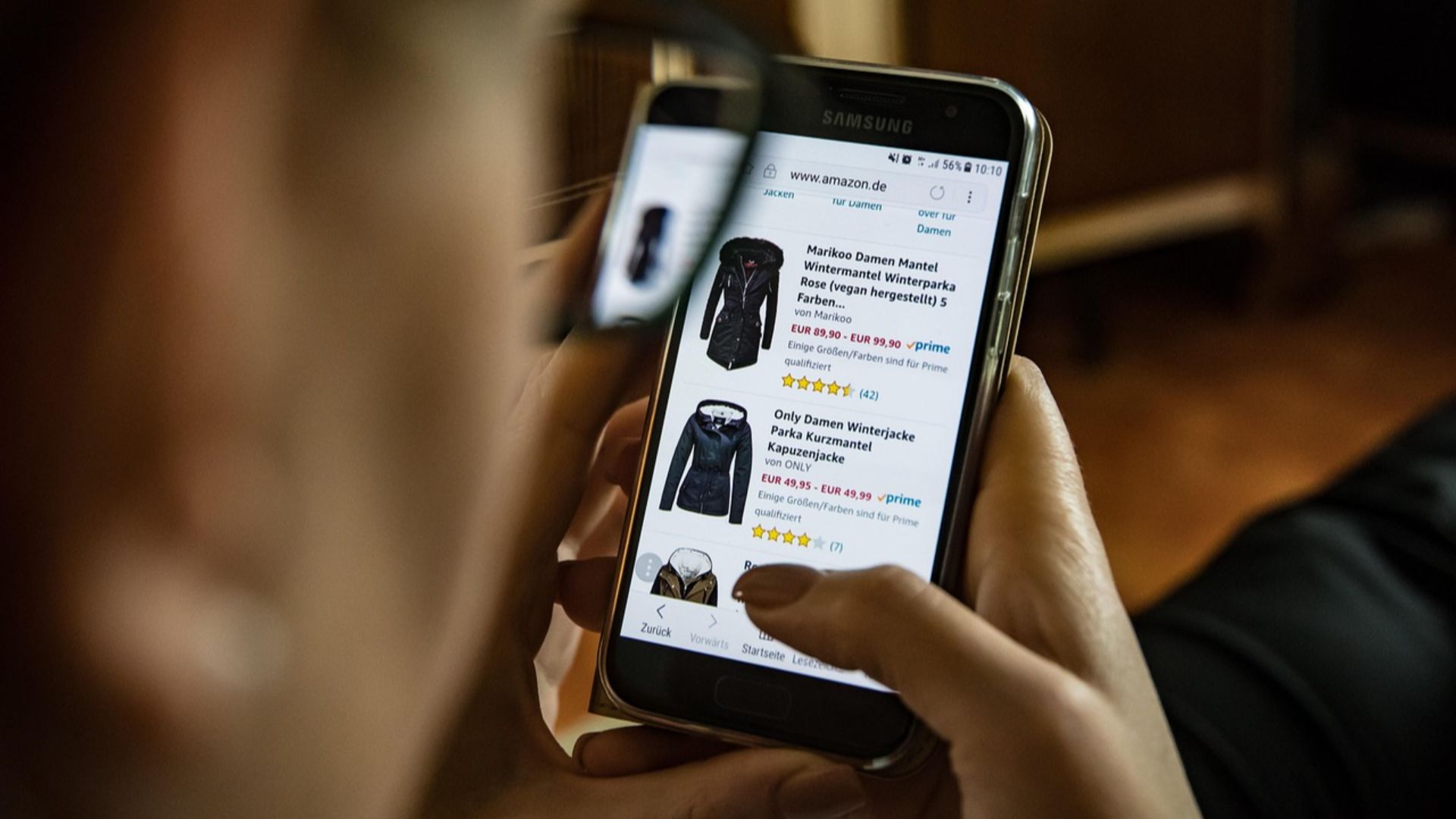
The exact same product can have three completely different personalities depending on where you look. One site is treating it like a luxury find, one is trying to clear it out, and one has quietly bundled in shipping without making a big speech about it.

8. Using Store Pickup
Shipping is where a lot of totals get puffed up. If store pickup is available, it can cut out the extra cost and spare you the annoying moment when a decent price turns into a less decent one on the final screen.

9. Waiting For The Predictable Sale
Some sales are random. Others show up with the reliability of a chain restaurant birthday email. If a store runs the same holiday weekend promotion every few months, paying full price starts to look less like decisiveness and more like impatience.

10. Starting With Price Filters
This is not glamorous, but it saves people from talking themselves into nonsense. Once you set the range first, you spend a lot less time falling in love with items that were always going to be a bad idea at checkout.