The Secret to Silky Smooth Hair
Soft, silky hair, unfortunately, doesn't usually happen by accident. Unless you're naturally born with smooth, tangle-free and frizz-free locks, it takes serious dedication to get your hair to behave. Thankfully, there are small changes you can make and add to your haircare routine to immediately give your lackluster strands the boost they need. From rinsing with cold water to eating a hair-friendly diet, these 20 tips will help your hair keep looking its best.
1. Switch to a Sulfate-Free Shampoo
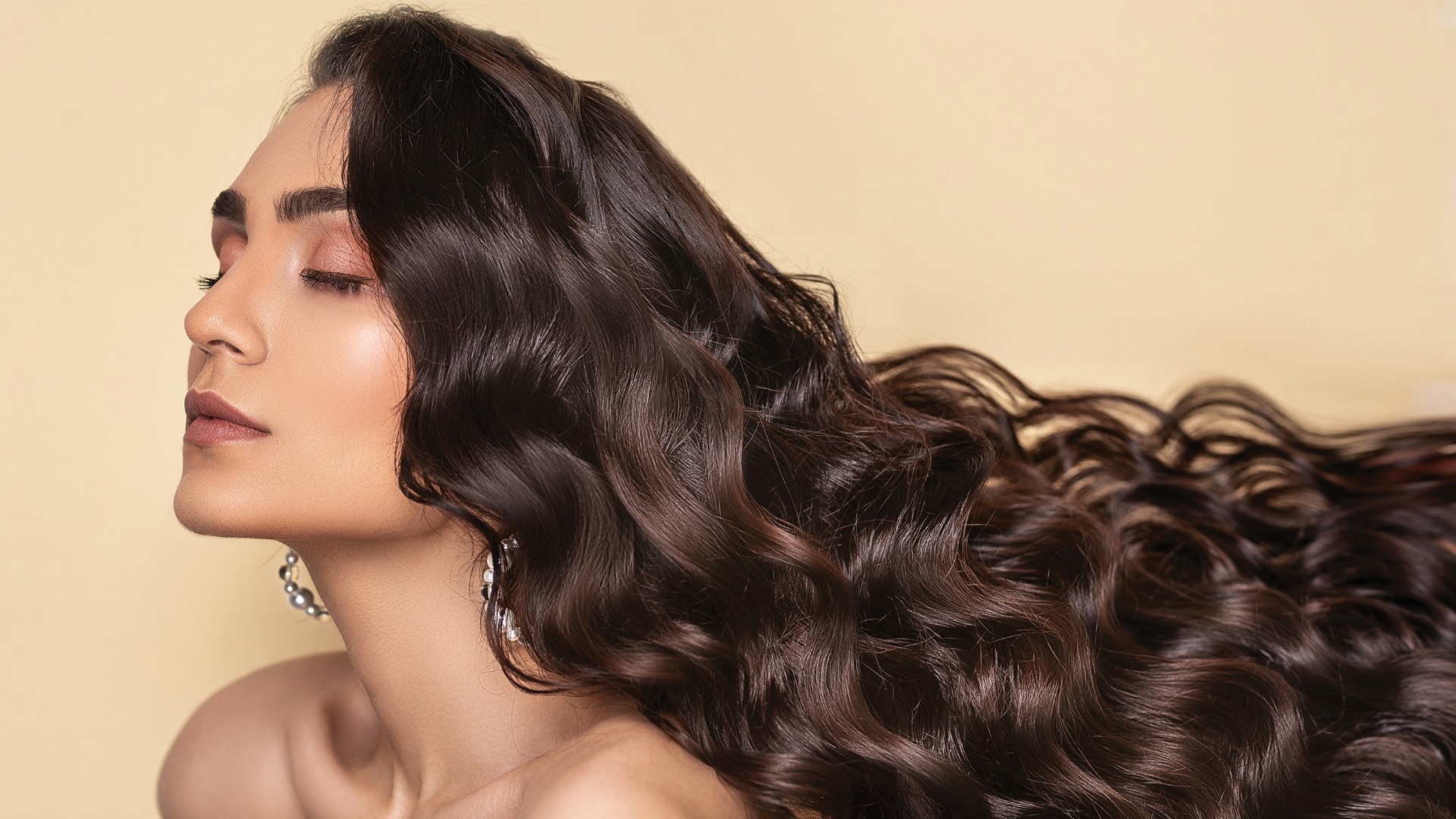
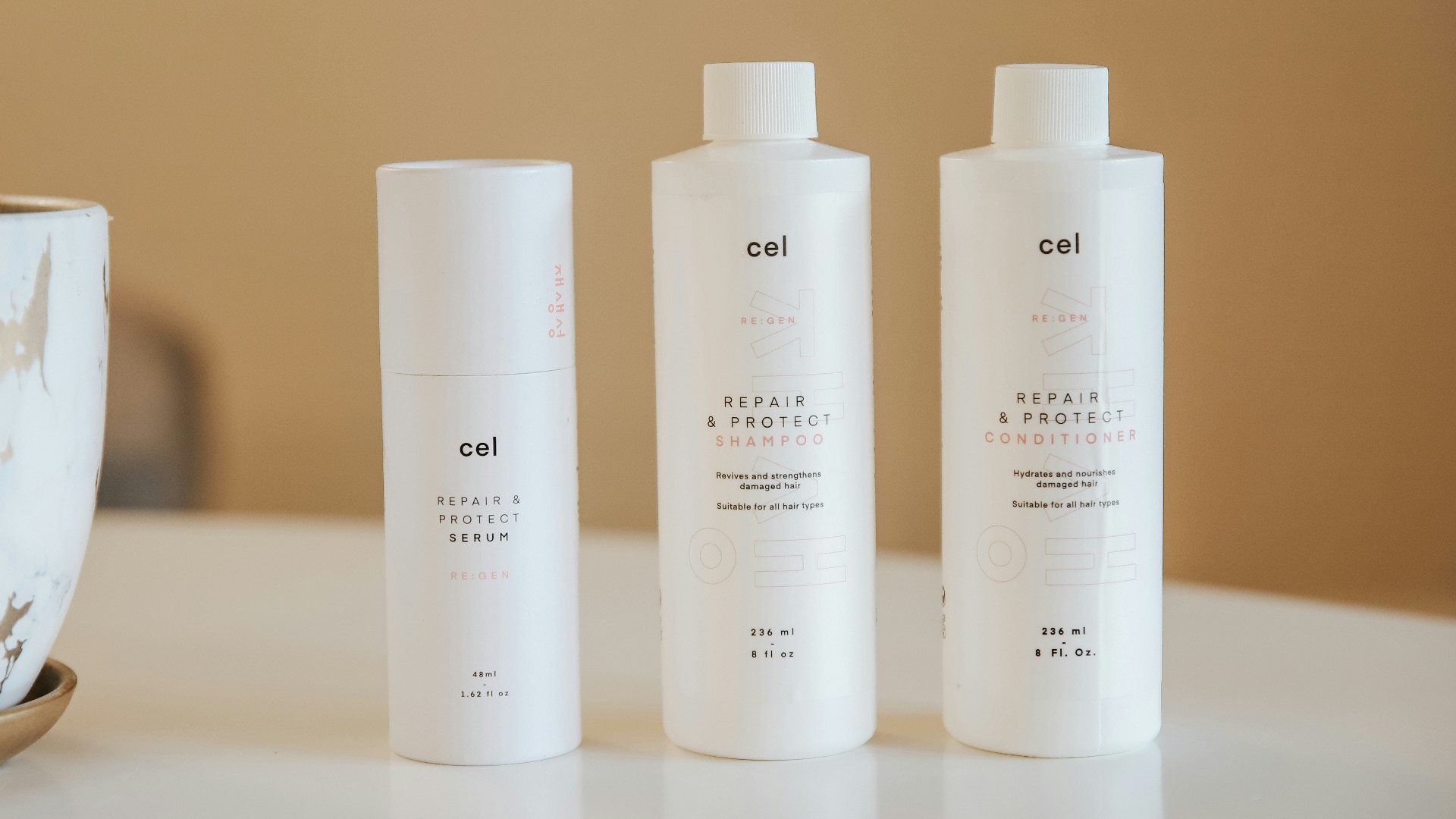
Sulfates are the cleansing agents in many shampoos that create a rich lather, but they can strip your hair of its natural oils in the process. Without those oils, your strands are left feeling dry and brittle rather than smooth and healthy. Making the switch to a sulfate-free formula is one of the simplest upgrades you can make for long-term softness, and your locks will thank you for it.
2. Don't Wash Your Hair Every Day
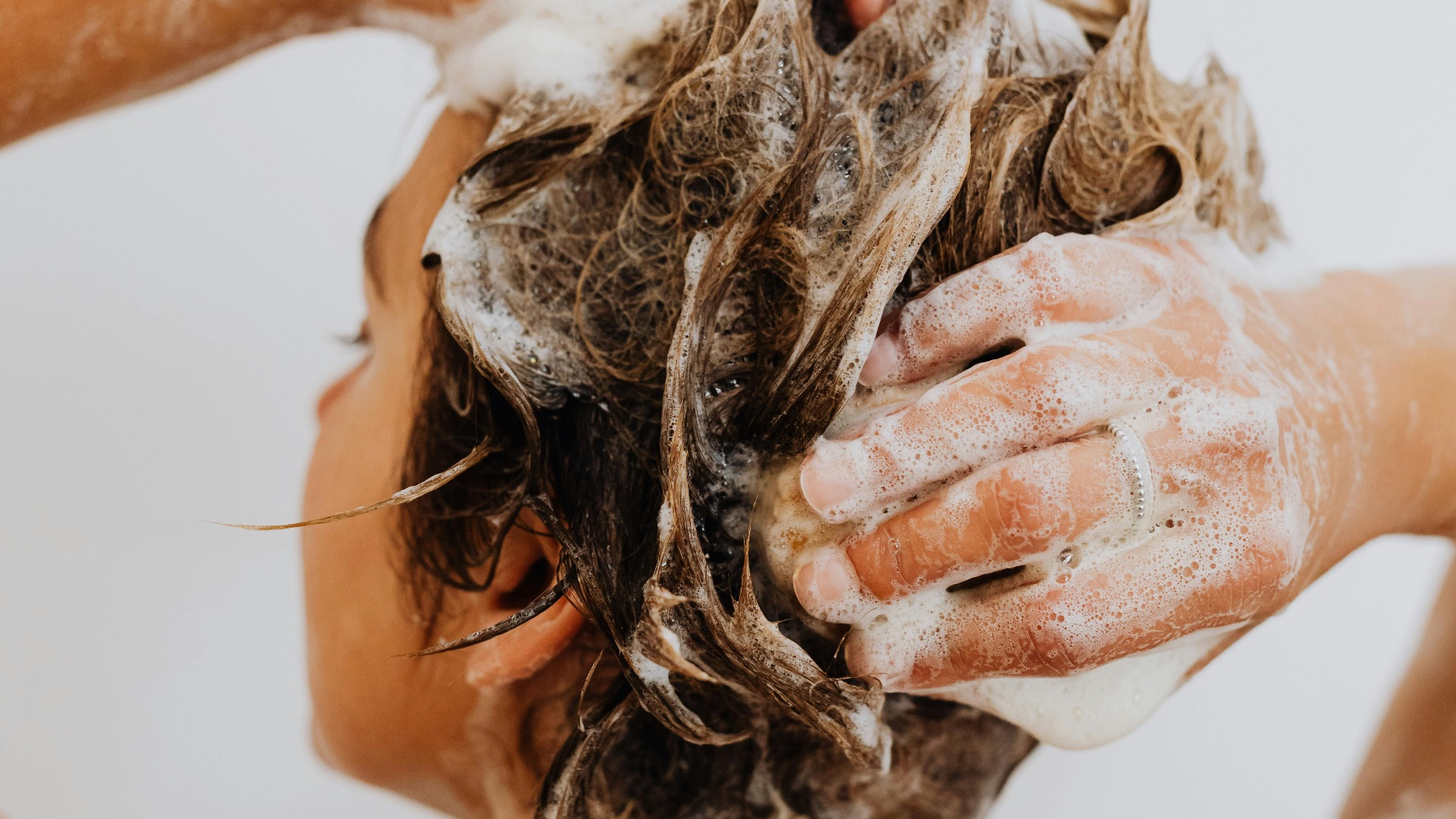
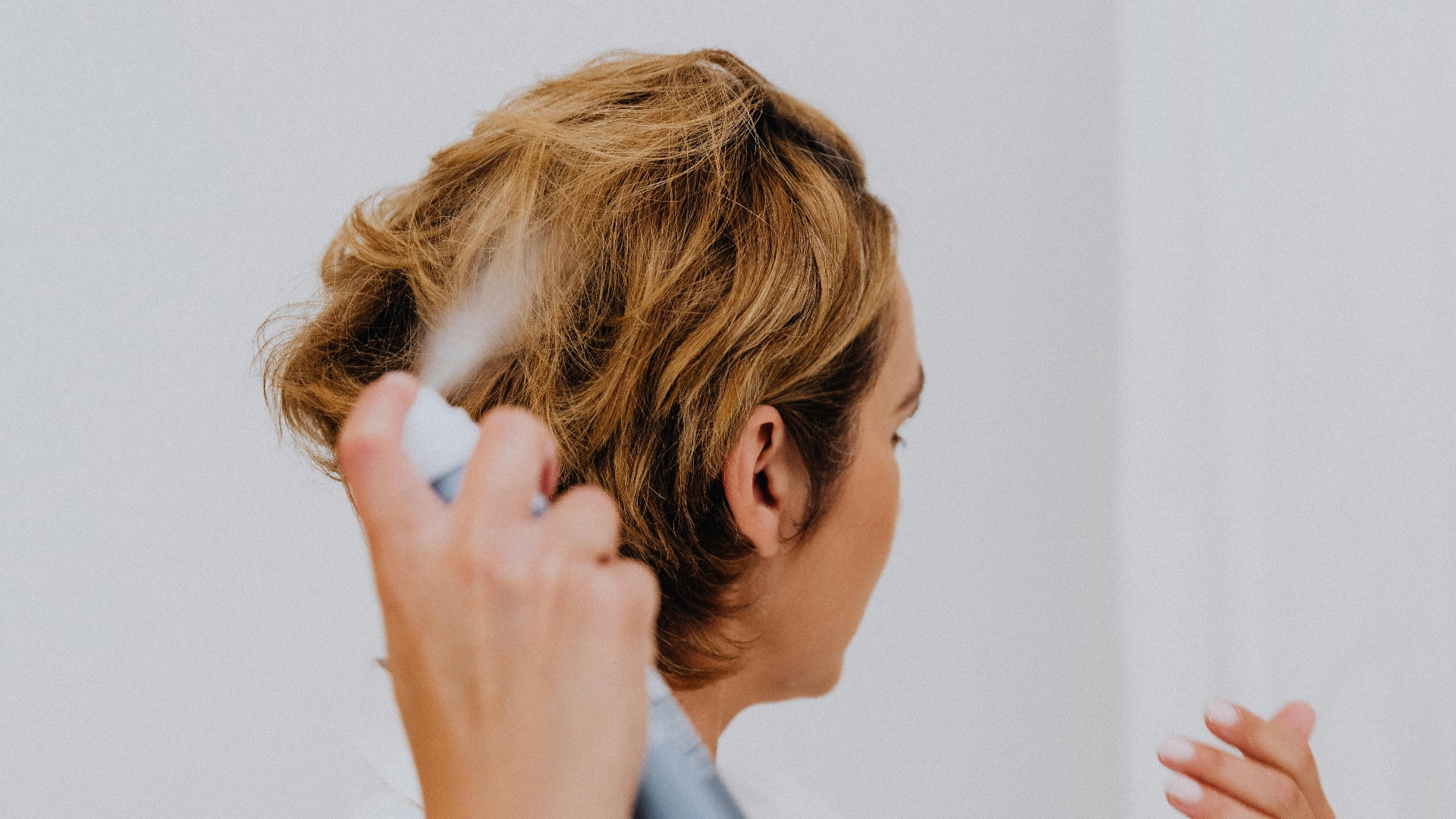
Daily shampooing removes the natural oils your scalp produces, which are actually essential for keeping your hair moisturized and soft. Washing every two to three days gives those oils a chance to travel down the hair shaft and do their job. If your roots get oily between washes, a light application of dry shampoo can help you stretch the time between wash days.

3. Always Follow Up with Conditioner
Conditioner replenishes moisture and smooths the hair cuticle, which is what gives your strands that soft, polished feel after washing. You'll want to focus the product on the mid-lengths and ends of your hair (and not your scalp, which can cause greasy buildup!), since those sections tend to be the driest. Leaving it on for two to three minutes before rinsing will give it enough time to actually work.
4. Try a Deep Conditioning Mask Weekly
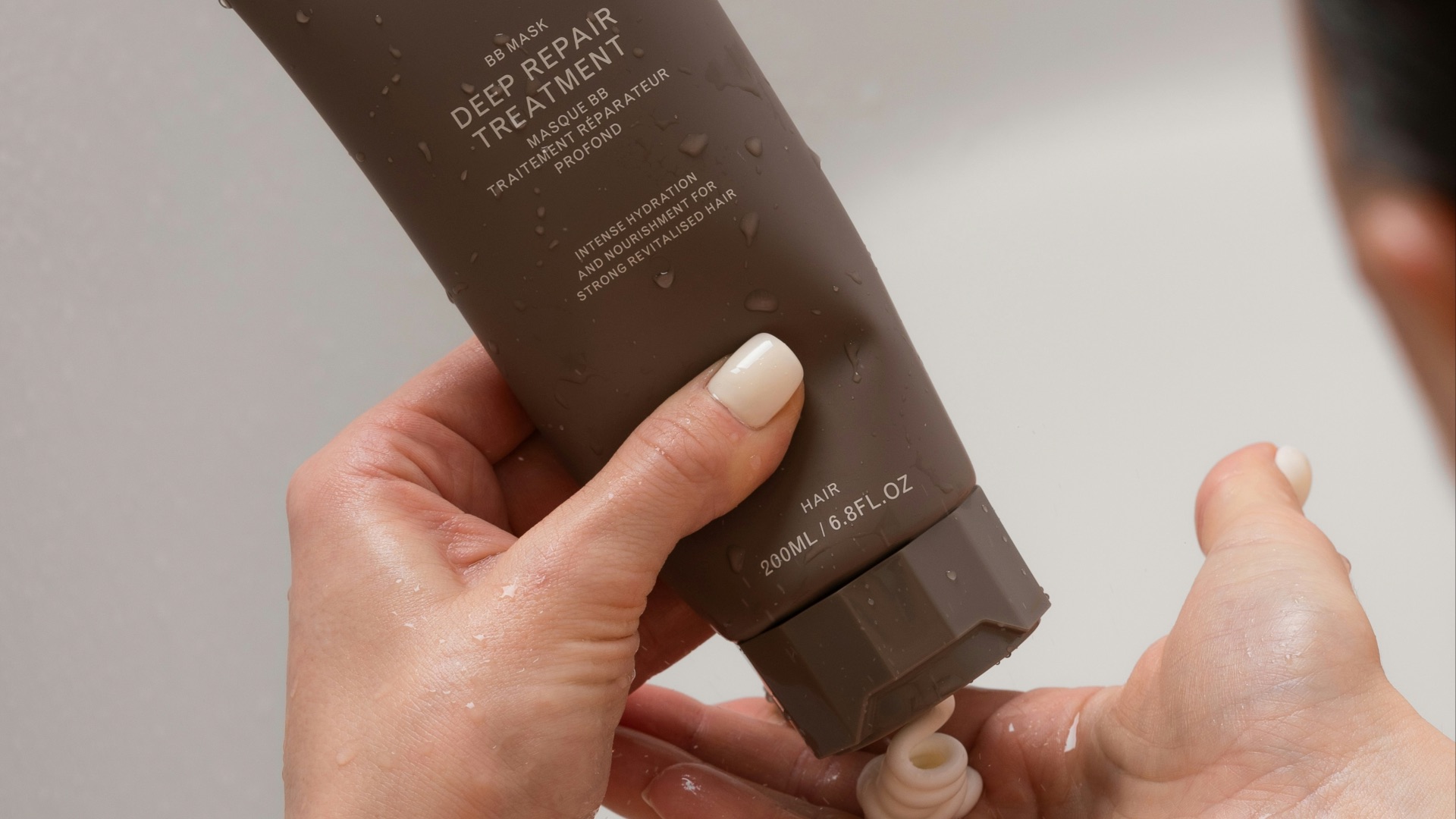
A weekly hair mask delivers a more intensive dose of moisture than your regular conditioner can provide on its own. Look for masks that contain ingredients like shea butter, argan oil, or keratin, as these are known for their softening and smoothing properties. Even just 15 to 20 minutes once a week can lead to a meaningful improvement in how your hair feels.
5. Rinse with Cold Water
Hot water opens up the hair cuticle, which can leave strands frizzy and rough after you step out of the shower. A cold water rinse at the end of your wash helps seal the cuticle back down, locking in moisture and adding shine. It doesn't have to be ice-cold; lukewarm water works just as well if a full cold rinse sounds unbearable.

6. Be Gentle When Towel Drying
Rubbing your hair vigorously with a towel is one of the easiest ways to cause friction damage and frizz. Instead, gently squeeze out excess water and then wrap your hair loosely in the towel without any rubbing. Better yet, swap your regular towel for a microfiber one, since it's much softer on the hair shaft and absorbs water more efficiently.

7. Use a Wide-Tooth Comb on Wet Hair
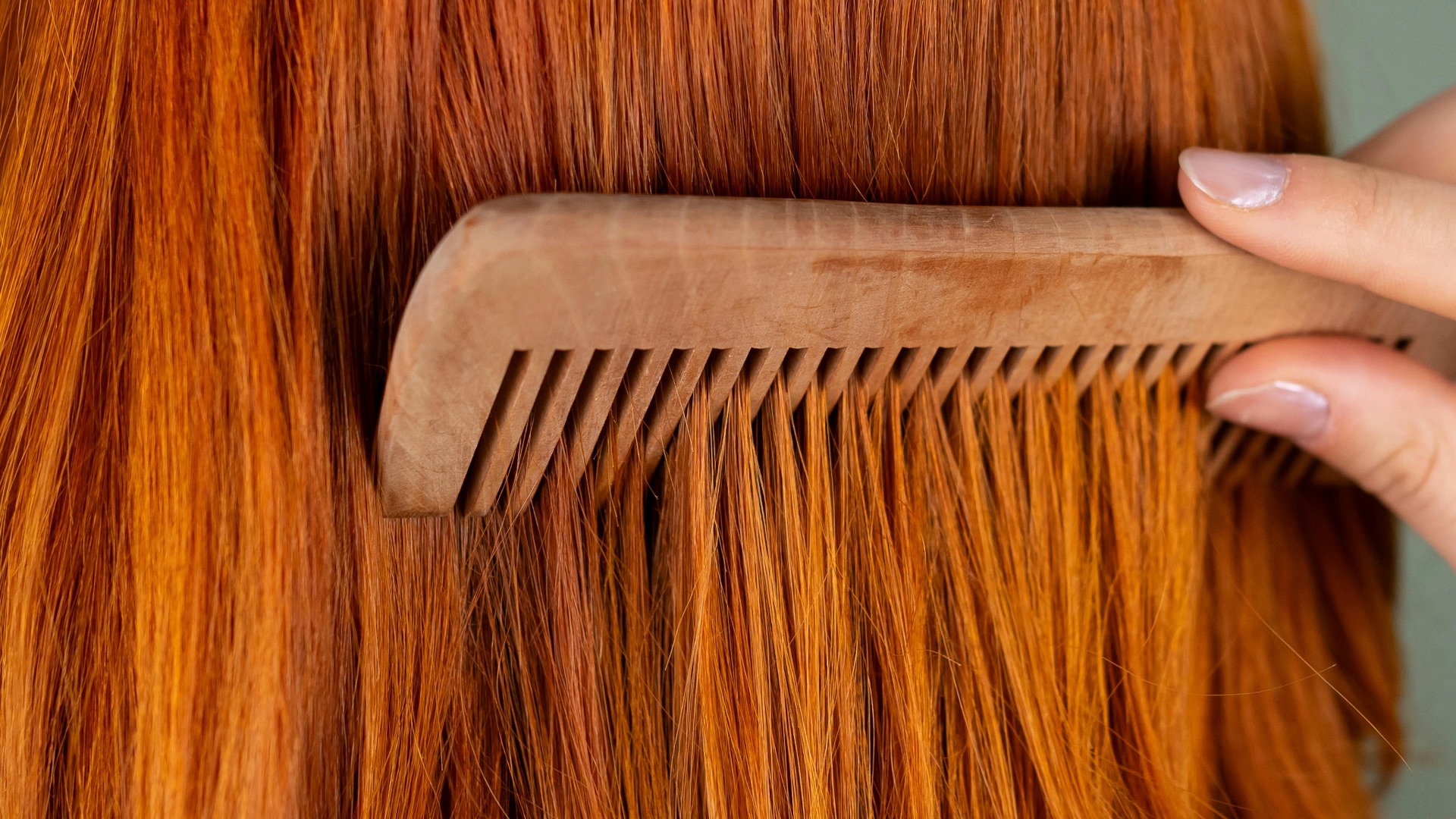
Wet hair is in its most fragile state, which means running a brush through it right after washing is a recipe for breakage. A wide-tooth comb creates much less tension and lets you work through tangles gradually without snapping the strands. Start from the ends and work your way up to the roots so you're not forcing knots downward.
8. Apply a Heat Protectant Before Styling
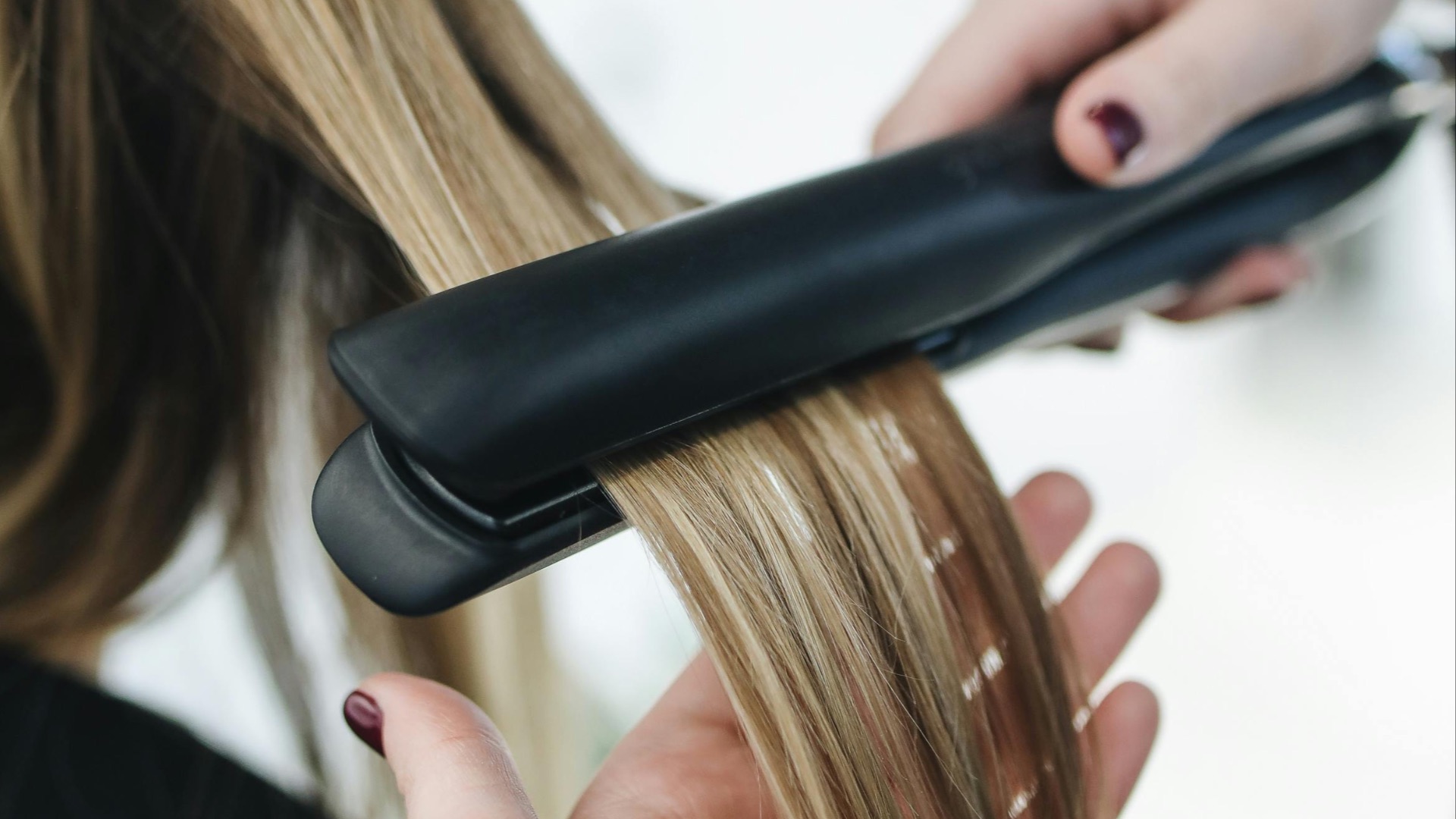
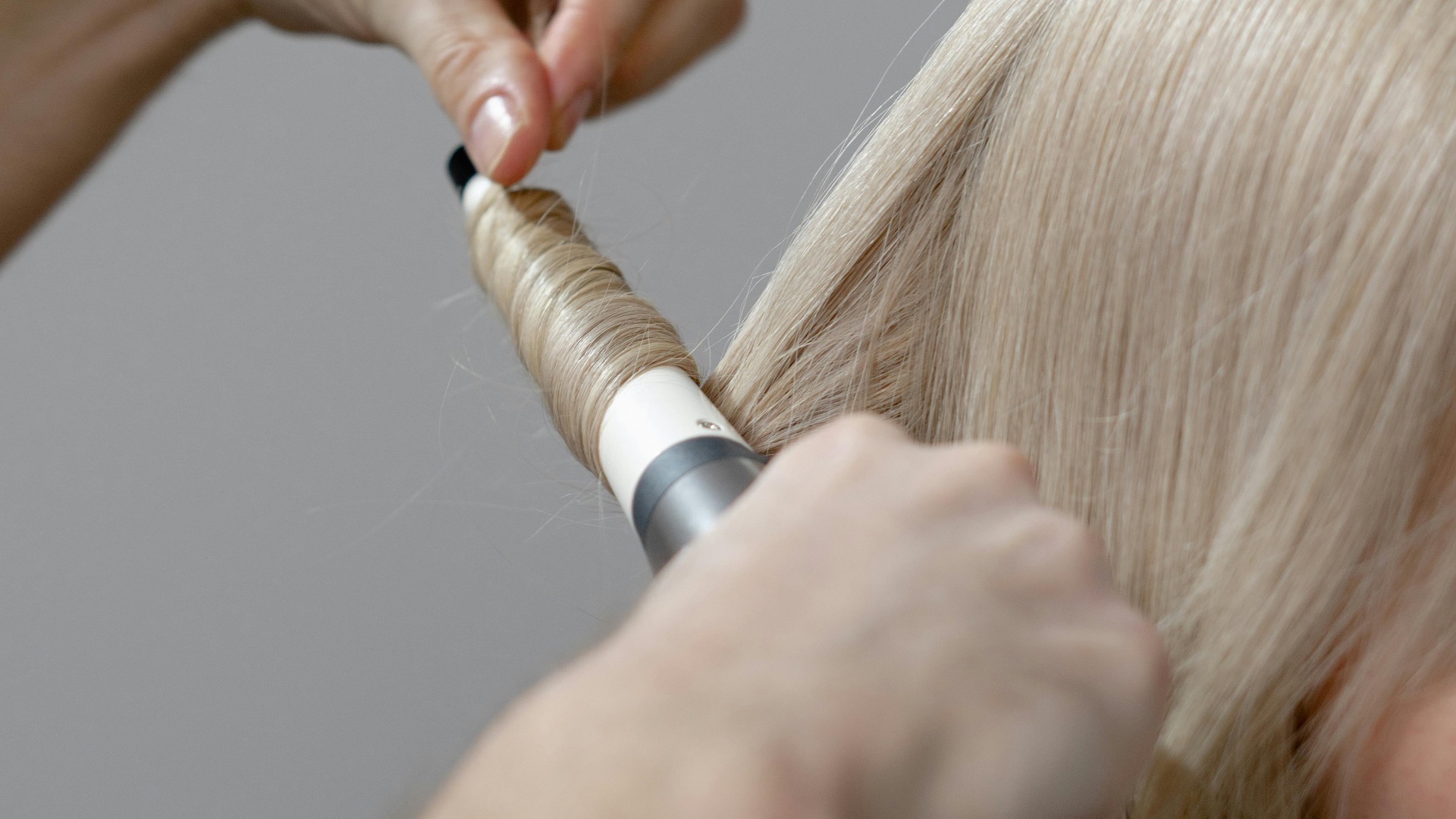
If you're using a blow dryer, flat iron, or curling wand regularly, make sure to apply a heat protectant. This will help form a barrier around the hair shaft that minimizes moisture loss and damage from high temperatures. Applying it evenly to damp or dry hair before you style will help preserve the softness you're working so hard to build.
9. Lower the Temperature on Your Heat Tools
Even with a heat protectant in place, consistently using your styling tools on the highest setting will wear down your hair over time. Most hairstyles can be achieved just as effectively at a medium temperature, which causes significantly less damage in the long run. Fine or color-treated hair especially benefits from lower heat, so it's worth getting into the habit regardless of your hair type.
10. Trim Your Ends Regularly
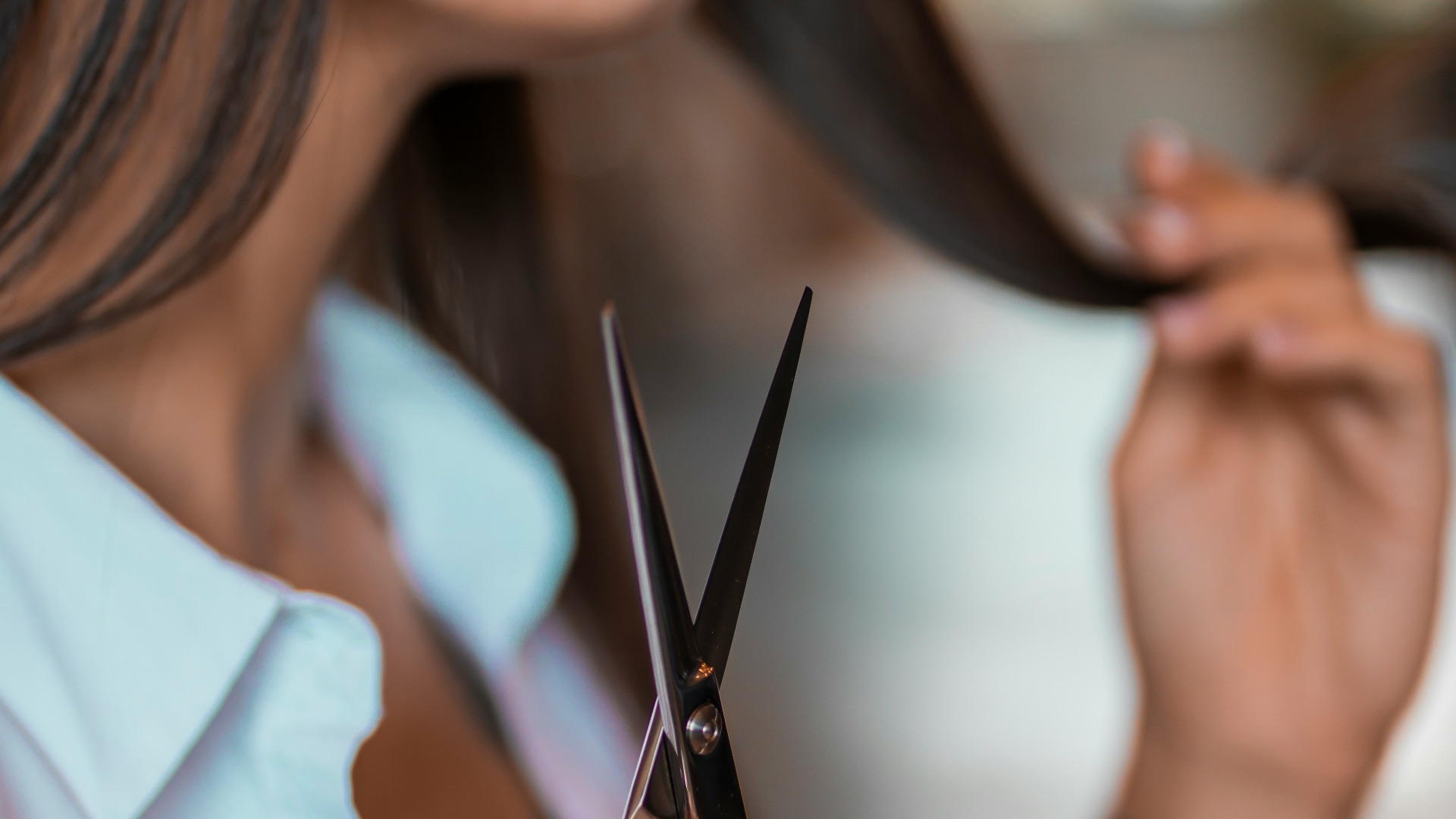
Contrary to what you might think, split ends don't stay contained to the tips of your hair; they travel up the strand and cause increasing damage the longer they're left untreated. Getting a trim every six to eight weeks removes the damaged sections before they have a chance to worsen. Your hair won't necessarily grow faster with regular trims, but it will feel noticeably softer and look much healthier overall.
11. Incorporate a Leave-In Conditioner
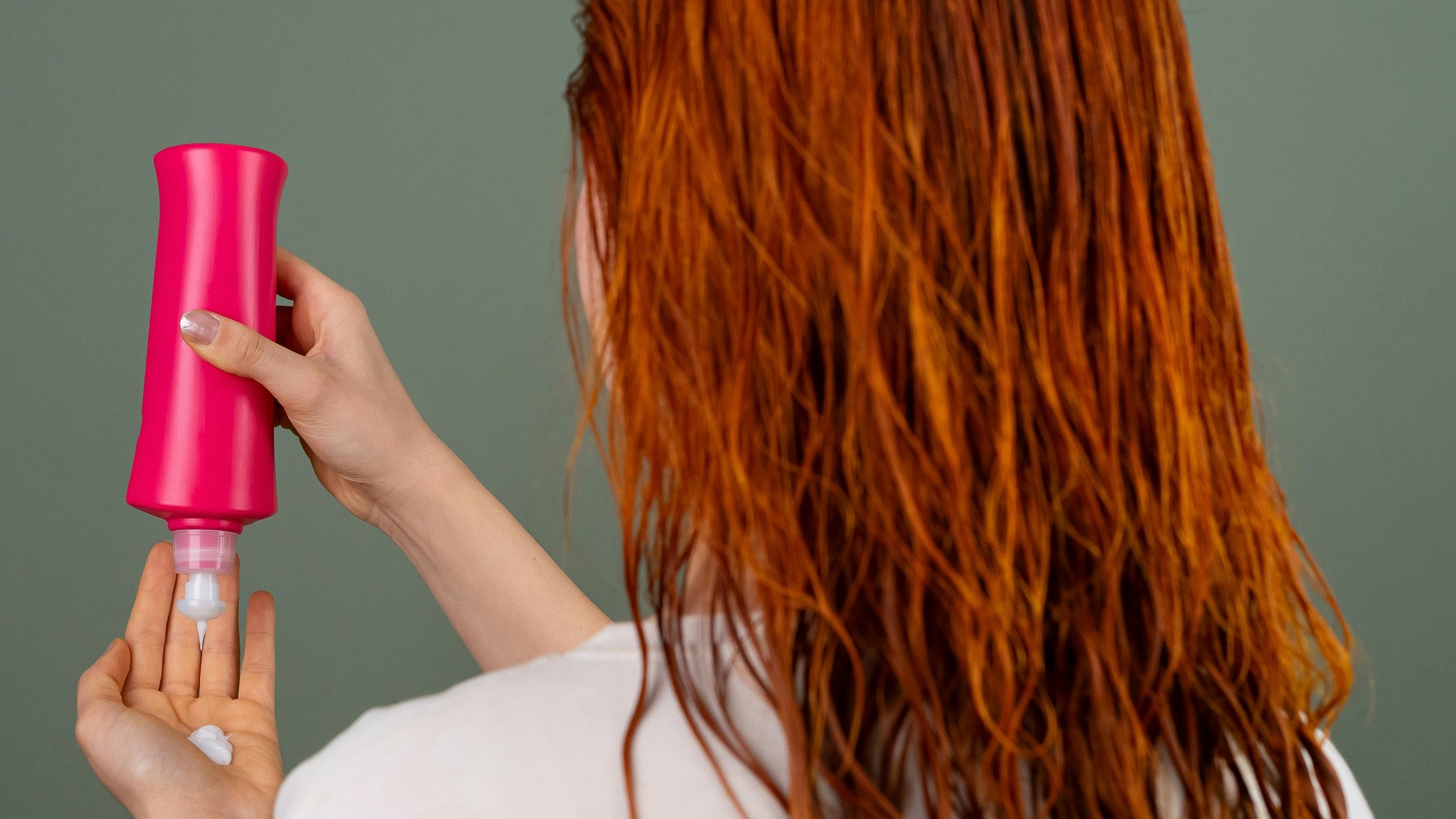
A leave-in conditioner gives your hair an extra layer of moisture that stays in place all day rather than getting rinsed out. It's especially helpful for thick, curly, or particularly dry hair types that need more hydration than a standard rinse-out conditioner can offer. Apply it to damp hair after washing and distribute it evenly from roots to ends before styling as usual.
12. Use Hair Oil for Added Smoothness
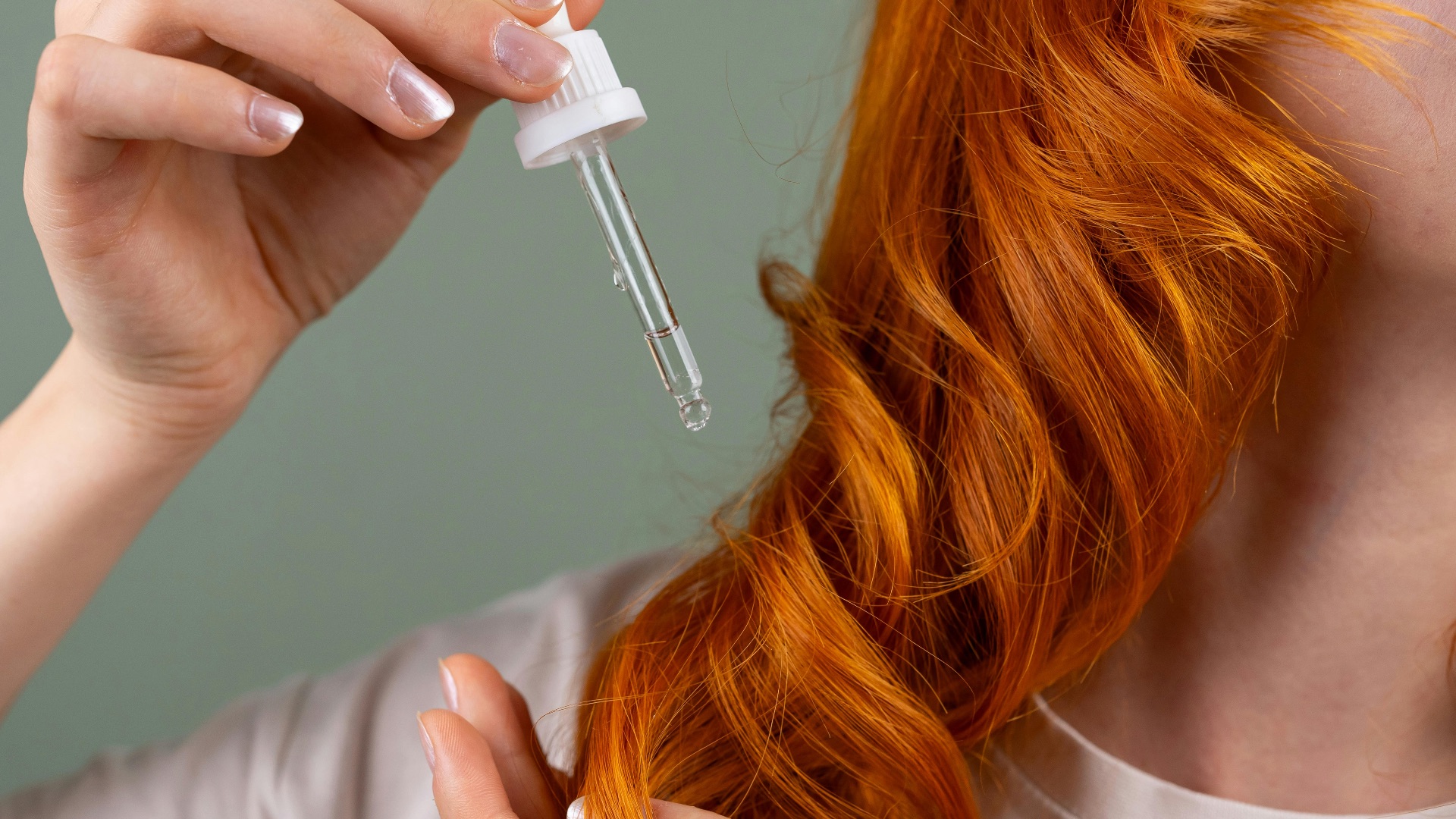
Hair serums and oils like argan, jojoba, and coconut oil are excellent for sealing in moisture and giving your strands a smooth, polished finish. A small amount worked through the ends of dry hair can tame frizz and add a noticeable sheen without weighing it down. Less is more with oil, so start with a pea-sized amount and add more only if your hair needs it.
13. Protect Your Hair While You Sleep
Cotton pillowcases create friction against your hair throughout the night, which can lead to tangles, frizz, and breakage by morning. Switching to a silk or satin pillowcase significantly reduces that friction and helps your hair retain its moisture overnight. Alternatively, loosely braiding your hair or wrapping it in a silk scarf before bed will also do the trick.

14. Limit How Often You Color or Bleach
Chemical treatments like coloring and bleaching break down the protein structure of your hair, leaving it more porous and prone to dryness. The more frequently you process your hair, the harder it becomes to maintain that soft, healthy texture. If you do color your hair, using a bond-strengthening treatment alongside it can help minimize the damage.

15. Eat a Hair-Friendly Diet
What you eat has a direct impact on the health and texture of your hair, since your strands are built from the nutrients you consume. Foods rich in biotin, omega-3 fatty acids, and protein—like eggs, salmon, nuts, and leafy greens—support strong, moisturized hair from the inside out. Staying well hydrated is just as important, since dehydration can make your hair feel dry and dull even with the best topical products.

16. Avoid Tight Hairstyles Too Often
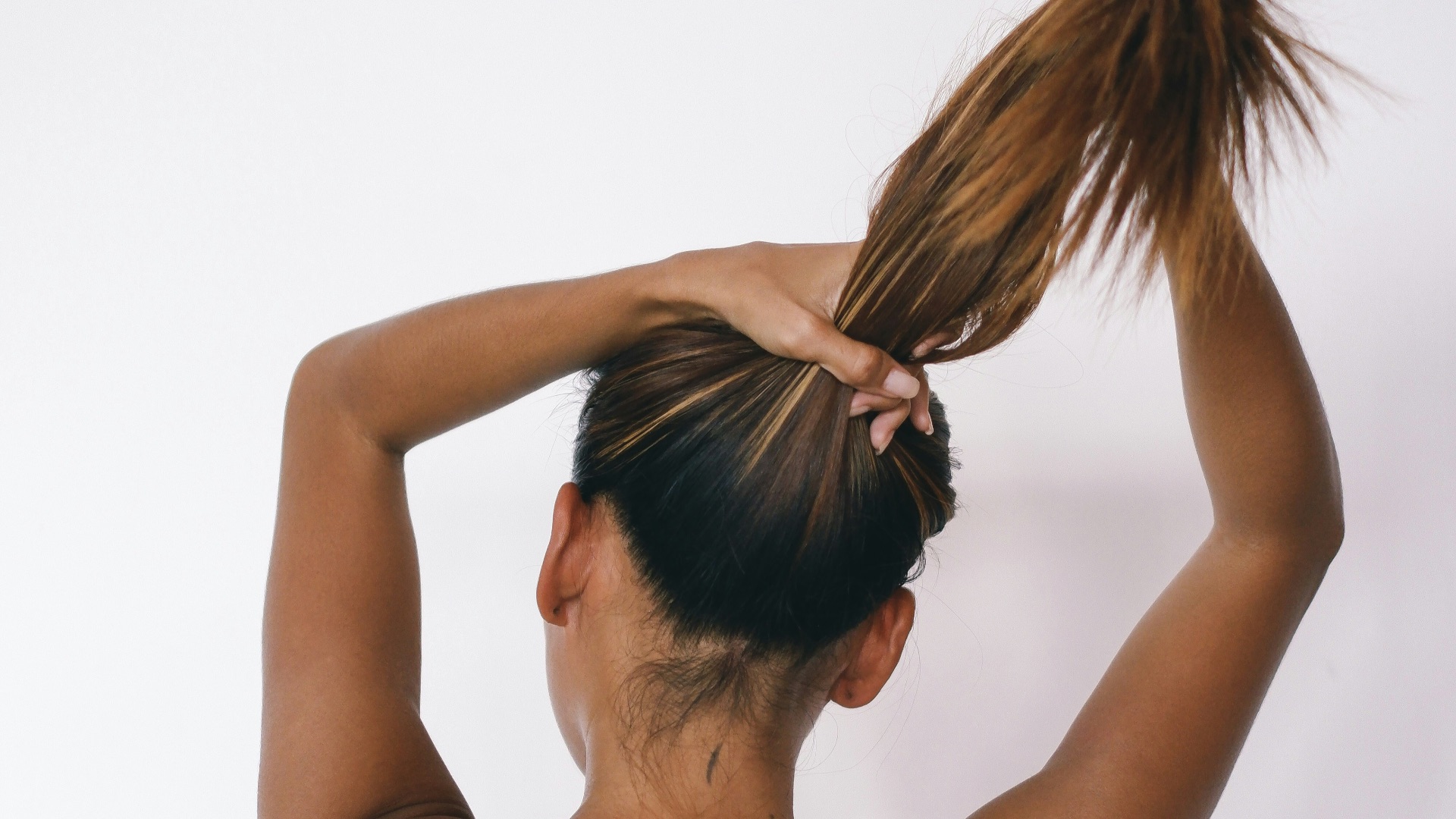
Wearing your hair in tight ponytails, buns, or braids on a daily basis puts stress on the hair shaft and can lead to breakage, especially around the hairline. Opting for looser styles whenever possible gives your hair a break from that constant tension. When you do tie your hair up, use a soft, seamless hair tie rather than one with metal clasps that can snag and damage your strands.
17. Don't Skip UV Protection
Sun exposure can damage your hair much like it damages your skin, breaking down the proteins that keep it strong and soft. Wearing a hat or scarf on particularly sunny days is the simplest form of protection, but there are also leave-in sprays with UV filters designed specifically for hair. If you spend a lot of time outdoors, adding this step to your routine is well worth it.
18. Manage Stress Where You Can
Chronic stress has been linked to a number of hair concerns, including increased dryness, dullness, and even hair loss in more severe cases. While it's not always possible to eliminate stress entirely, regular exercise, adequate sleep, and mindfulness practices can help keep it at manageable levels. Taking care of your overall well-being tends to reflect in the condition of your hair over time.

19. Use Products Suited to Your Hair Type
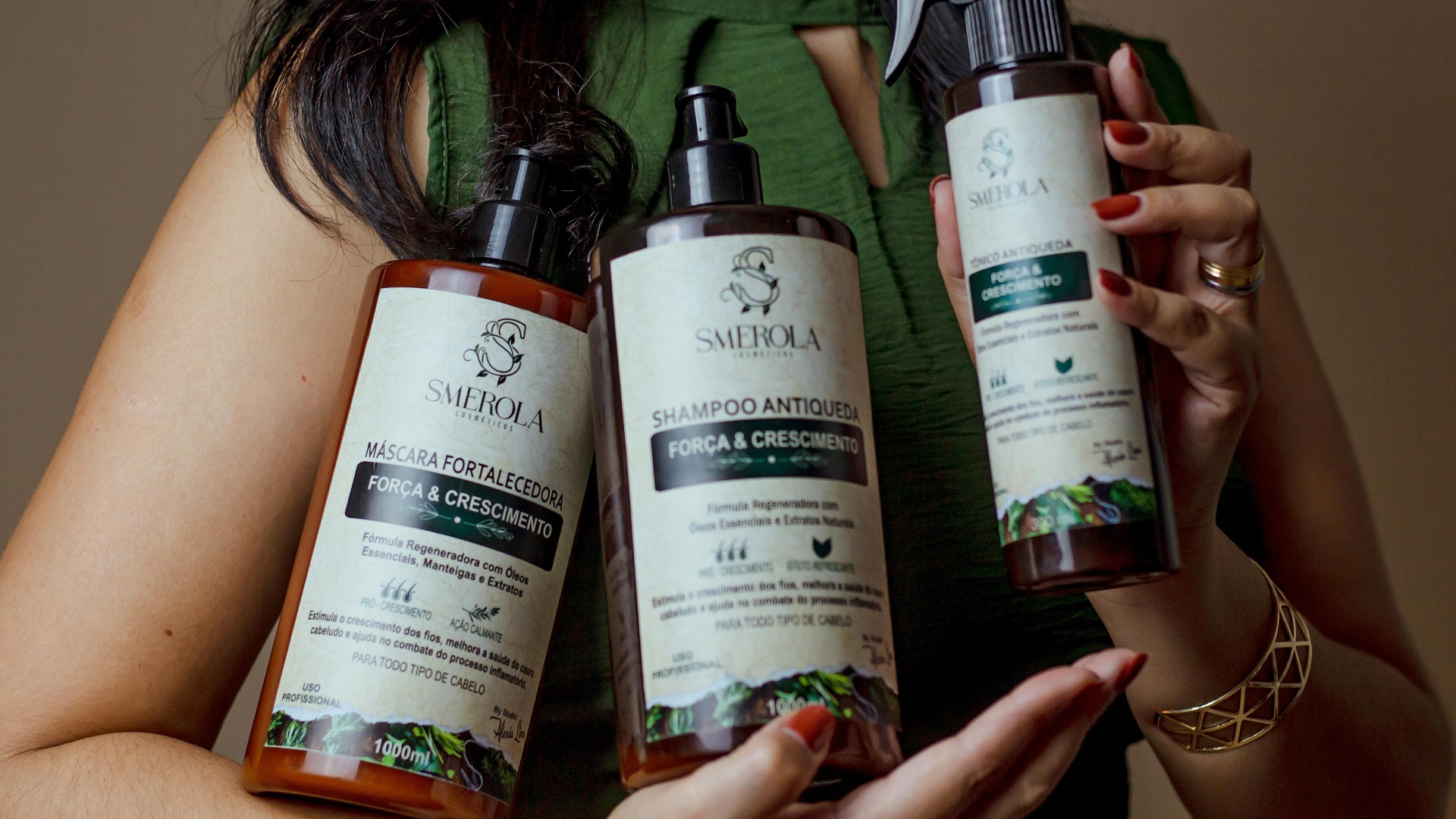
Not all hair care products are created equal, and using something formulated for a different hair type can actually work against you. Someone with fine hair will need a lighter conditioner than someone with thick or coarse hair, for example, and curly hair has its own set of specific needs. Taking the time to choose products that match your actual hair type means every step of your routine is working as effectively as it should.
20. Be Consistent with Your Routine
No single product or tip will transform your hair overnight; the real results come from showing up for your hair on a regular basis. Sticking to a consistent routine, even a simple one, gives your hair the sustained care it needs to stay soft and healthy long-term. Once the habits are in place, maintaining silky, smooth hair becomes much less of an effort and much more of a natural outcome.