
The Fabric That Never Fades
Few fabrics have survived revolutions and rock concerts quite like denim. It has been ripped by punks, tailored by designers, faded by time, and embraced by nearly every generation. But where did this iconic fabric come from, and how did it become such a wardrobe constant? Let's look at 20 intriguing facts about jeans that reveal far more than just fashion.
1. How Denim Got Its Name And Grip
In Nîmes, France, weavers crafted a rugged cotton twill known as “serge de Nîmes”—eventually shortened to denim. Over in Genoa, Italy, merchants made a similar fabric that locals called jeans. Both names stuck, and their durability made them impossible to ignore.
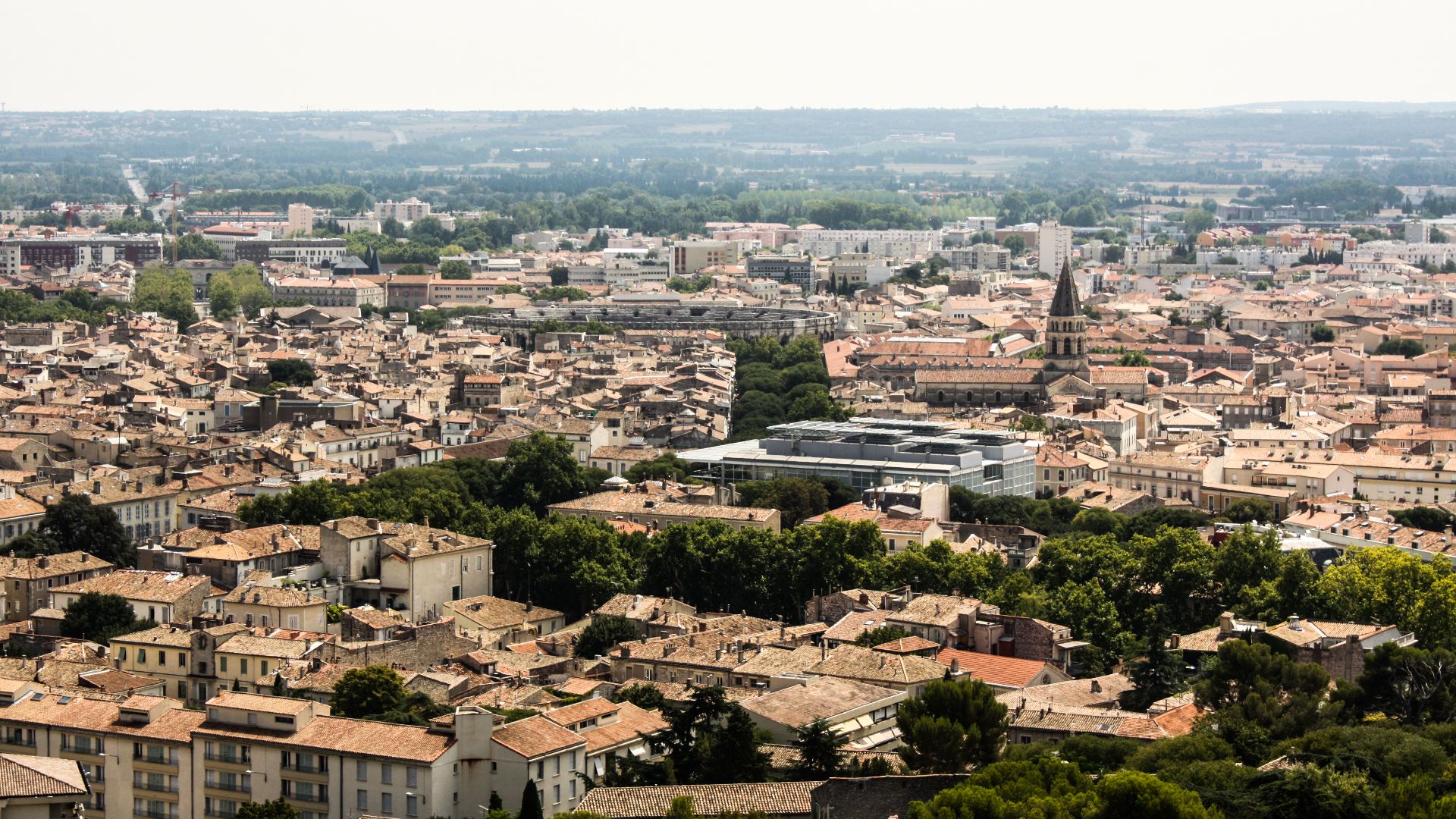 Shadowgate from Novara, ITALY on Wikimedia
2. Before Jeans Were Jeans
Early denim trousers were known as “waist overalls.” That term stuck around until the mid-20th century, when everyday people and marketers finally started calling them jeans. By then, the name had already caught on in the streets—and on labels.

3. The Fabric That Refused To Quit
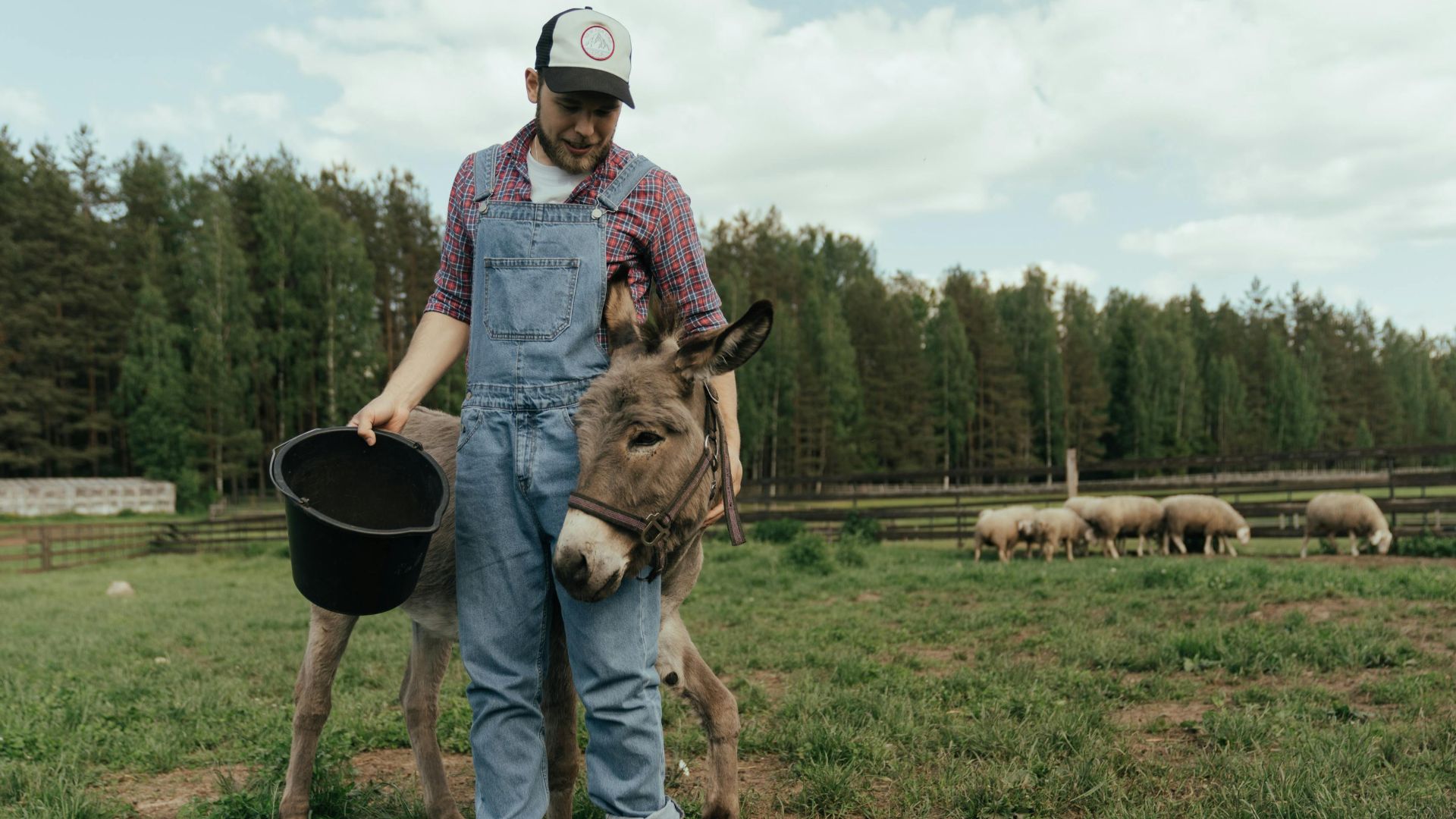
Long before it hit malls, denim won over laborers who needed something tough. Farmers, miners, and rail workers picked it because it didn’t tear easily and held up through grime. Additionally, the dark dye kept stains discreet, while durability did the talking.
4. When Rivets Turned Pants Into Icons
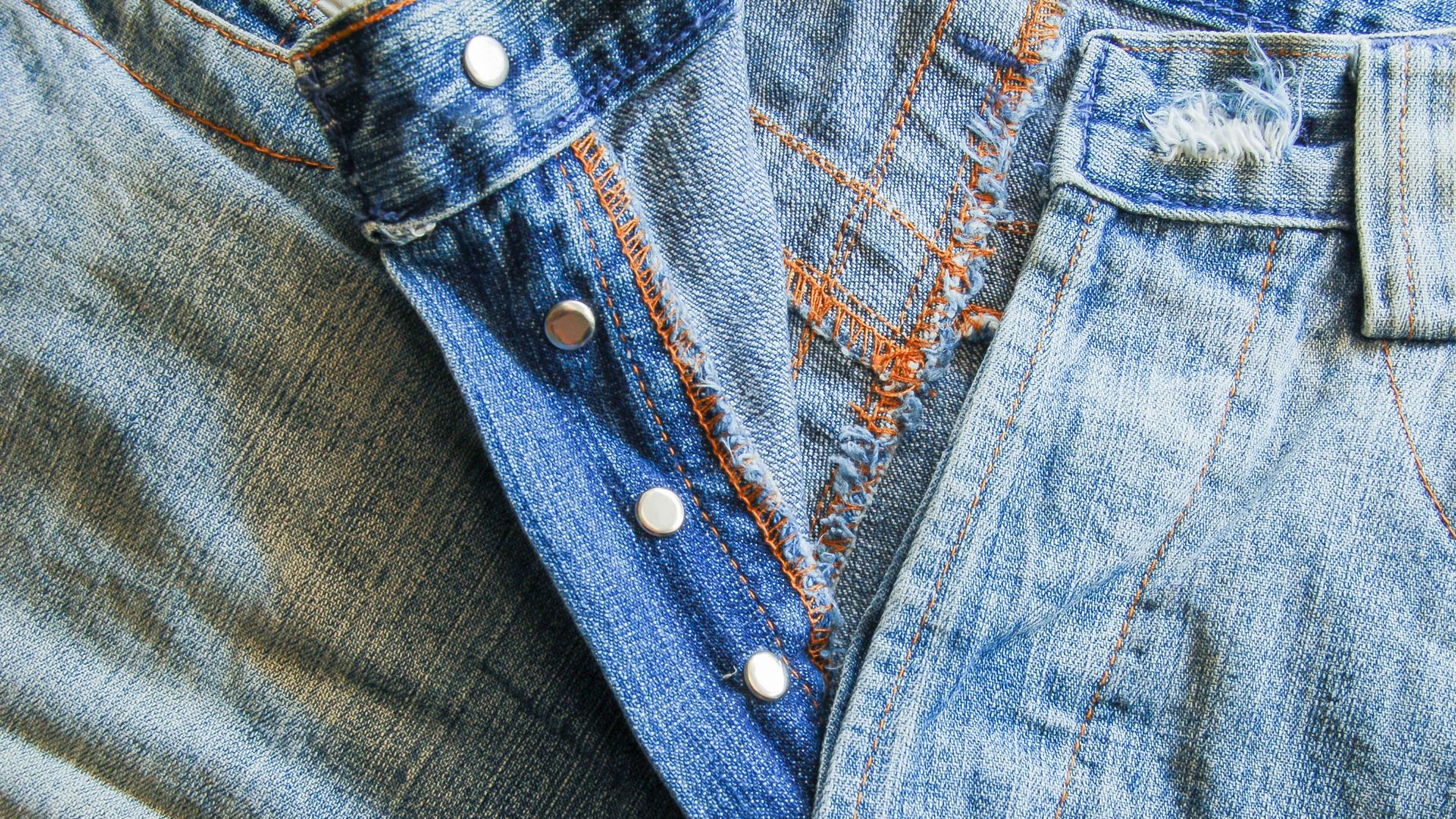
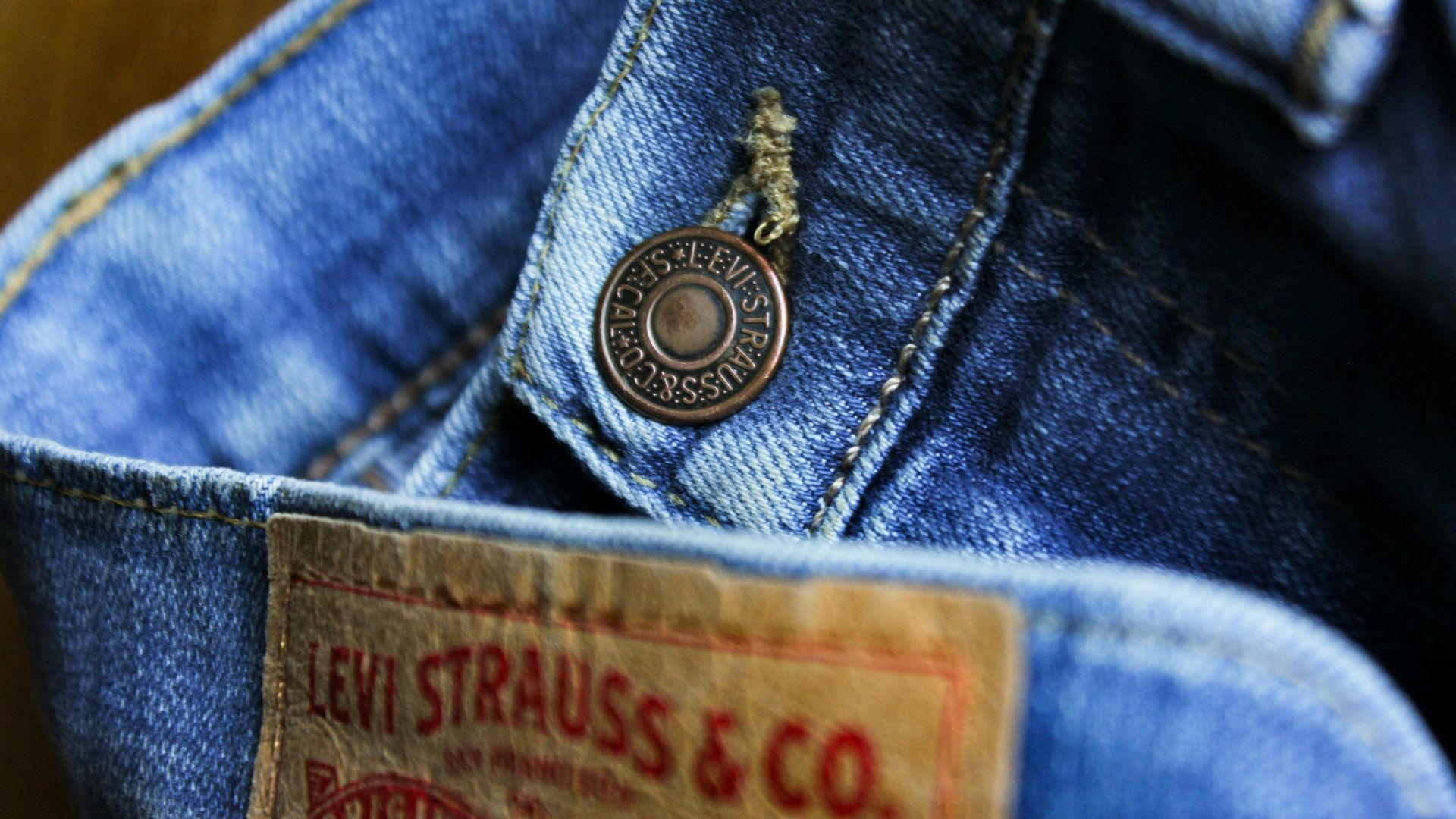
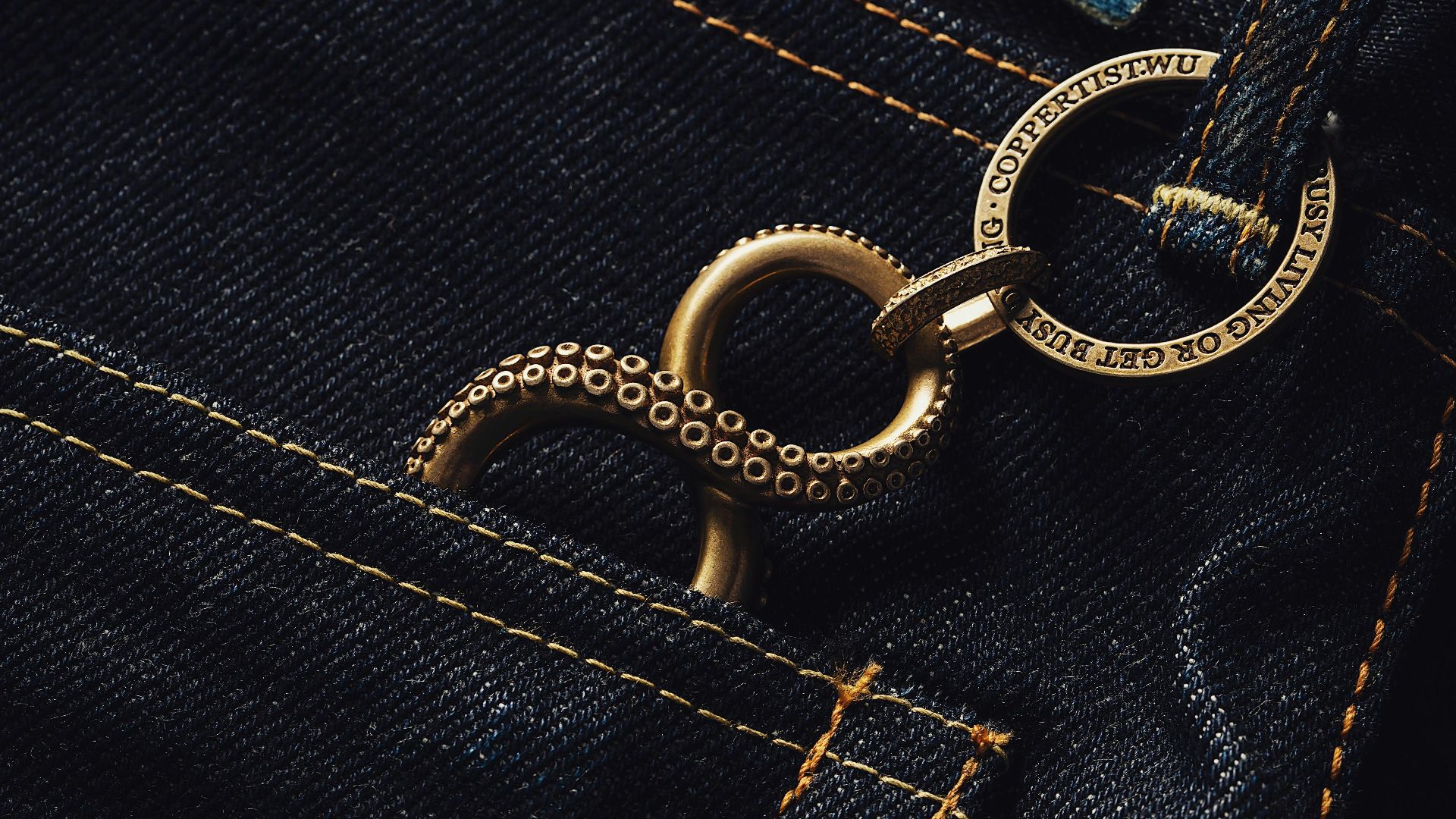
Torn pockets were a constant headache—until 1873, when Levi Strauss and tailor Jacob Davis patented copper rivets to lock down weak spots. It worked beautifully. What started as a fix turned rugged denim pants into something people would wear for generations.
5. Cotton Balls Built Your Favorite Pair
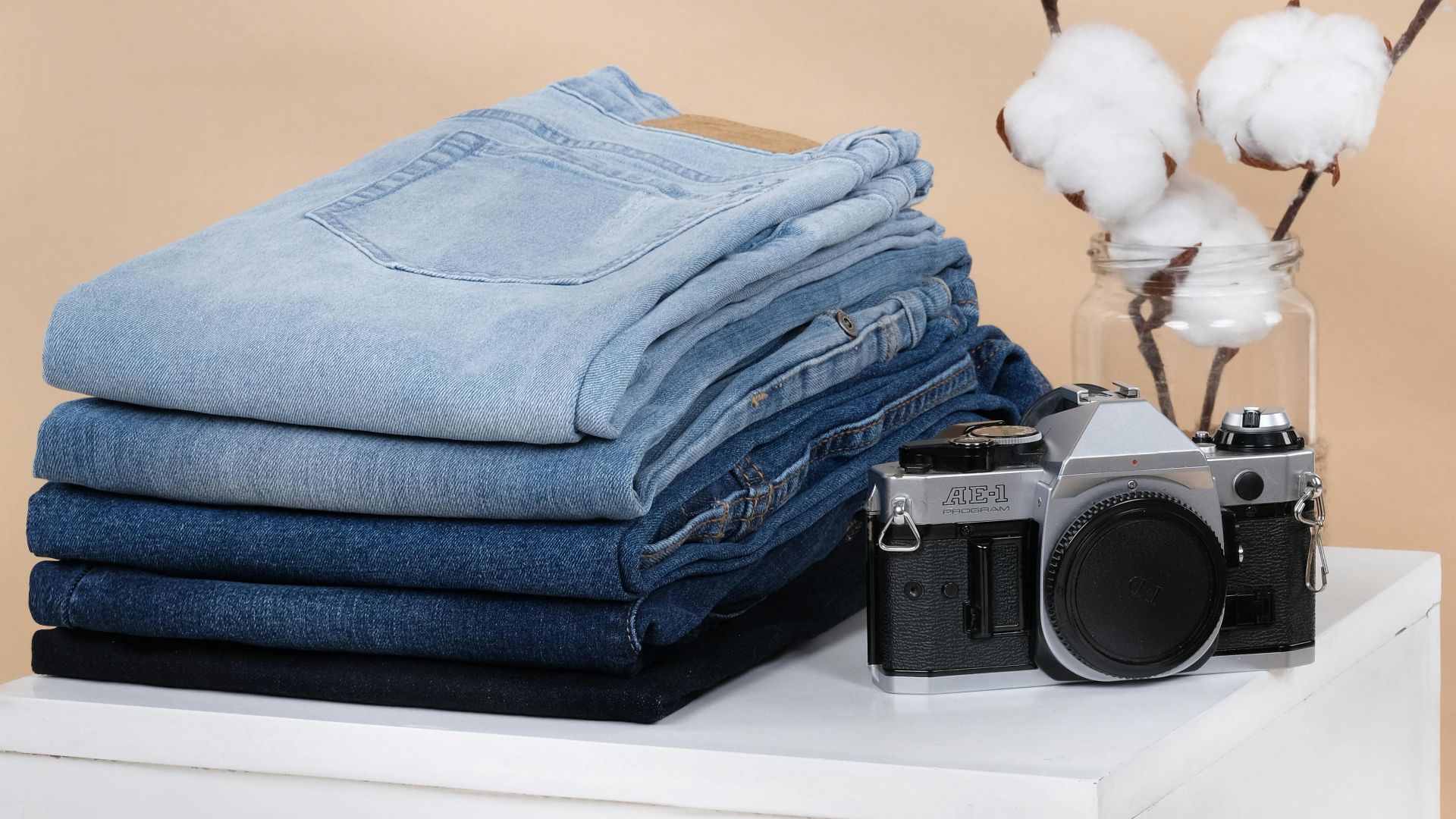
It takes around 150 cotton balls to make one pair of jeans. For heavyweight or rigid denim, that means up to five miles of thread—just to stitch everything together. That’s a whole lot of fiber packed into one outfit.
6. How Indigo Made Fading Fashionable
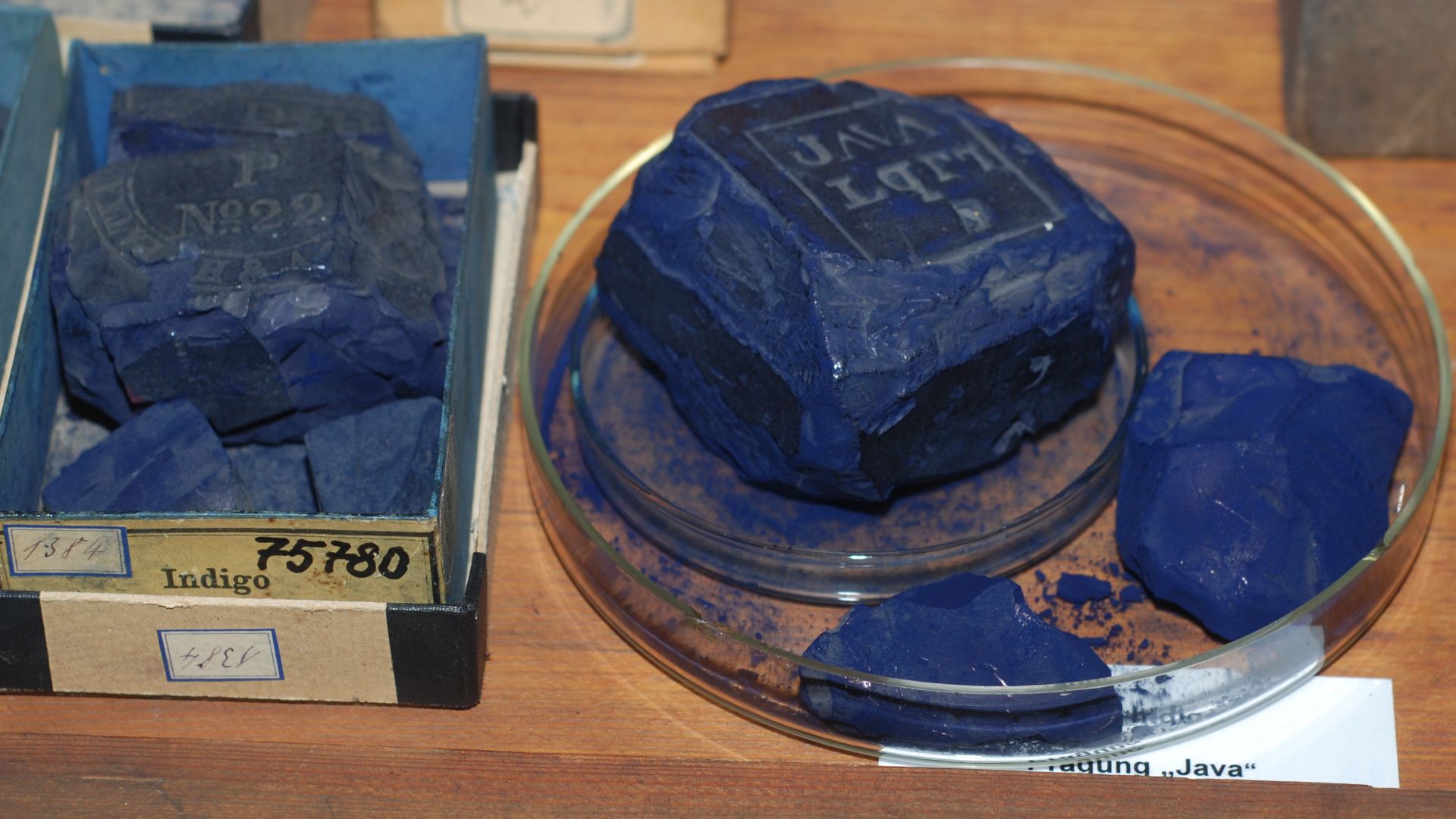
Indigo dye clung to the surface of cotton instead of soaking through, which meant jeans faded where bodies moved. So, each pair developed its own look, and people embraced the imperfection. That signature fade helped turn workwear into something stylish and personal.
7. The Gold Rush Made Them Essential
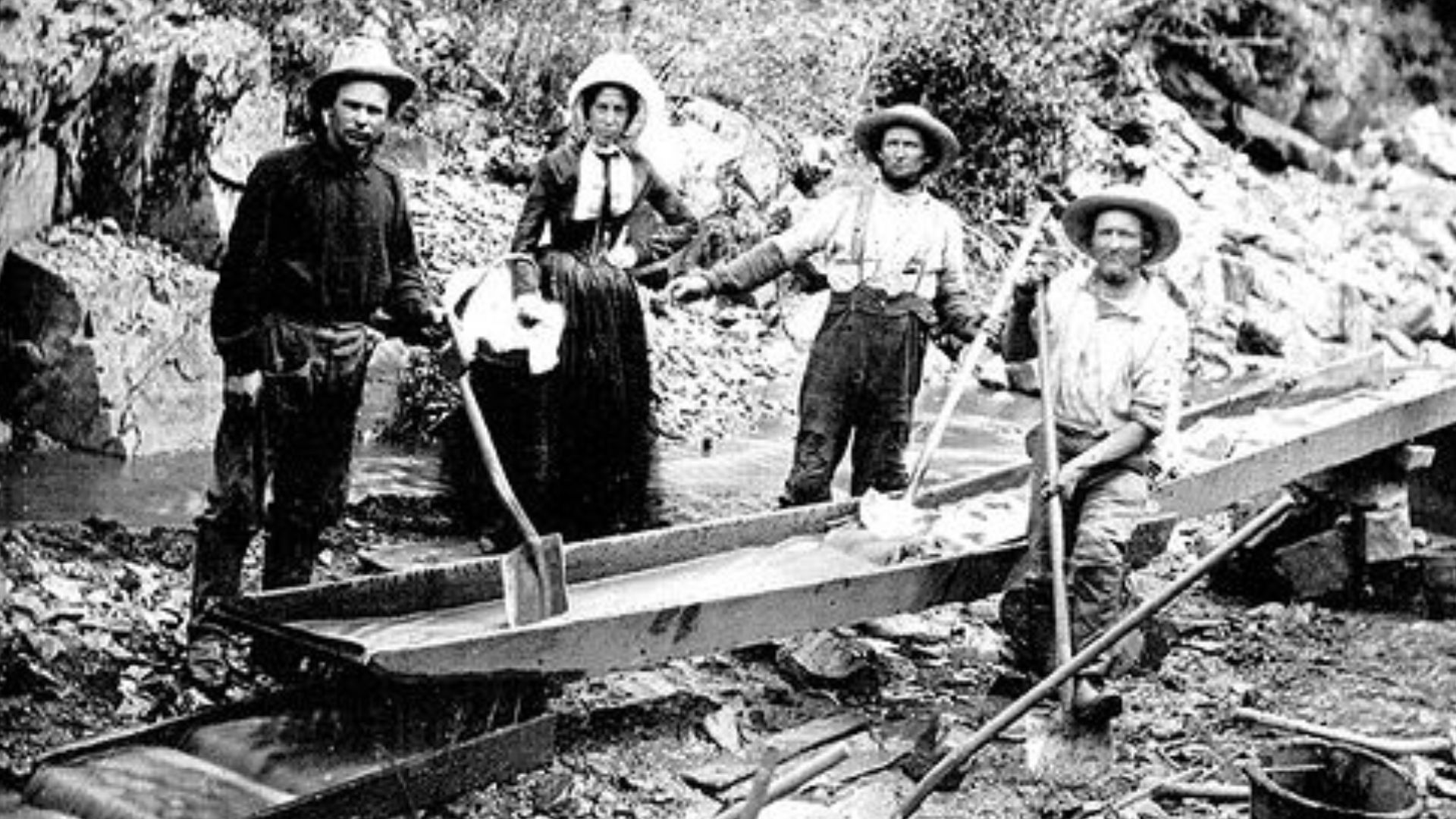
During California’s Gold Rush, miners needed pants that could handle dirt, tools, and tunnels. Levi Strauss supplied the goods in San Francisco, and his jeans earned a reputation underground. Some of those first pairs still survive today, but in museum displays, not closets.
 Unknown authorUnknown author on Wikimedia
8. Denim Got Drafted Too
Before it hit catwalks, denim suited up for military labor. Its strength and low-maintenance style made it ideal for U.S. work uniforms, ranging from pants to coveralls. After World War II, surplus denim hit civilian closets and turned into unexpected postwar streetwear.

9. The Teen Rebellion That Wore Blue
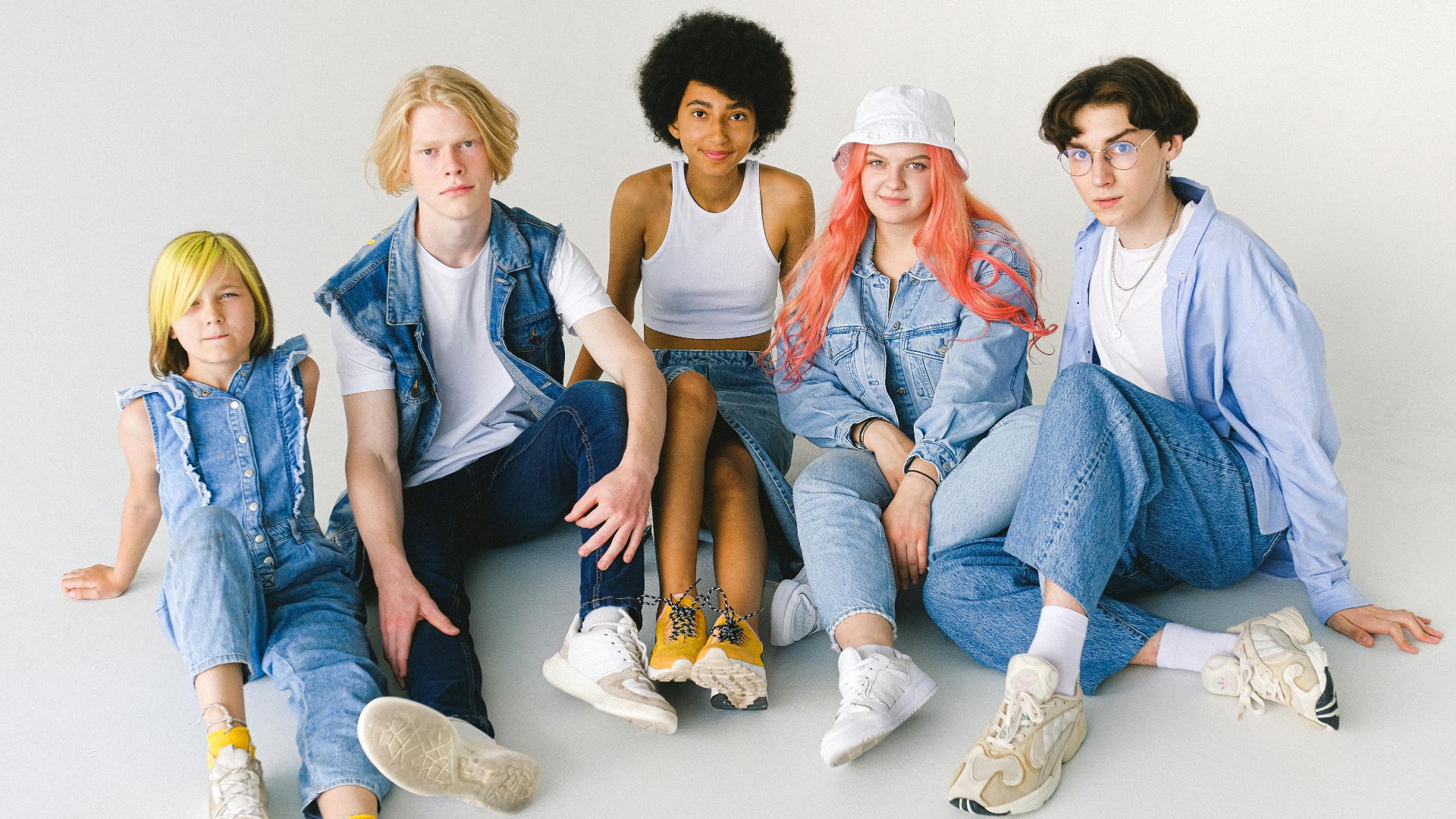
By the 1950s, jeans were showing up far from work sites. Teenagers made them a quiet rebellion—cool, casual, defiant. Schools tried banning them, which only made them more popular. Stores followed the trend, and denim walked straight into everyday life.
10. Hollywood Turned Jeans Into Cool
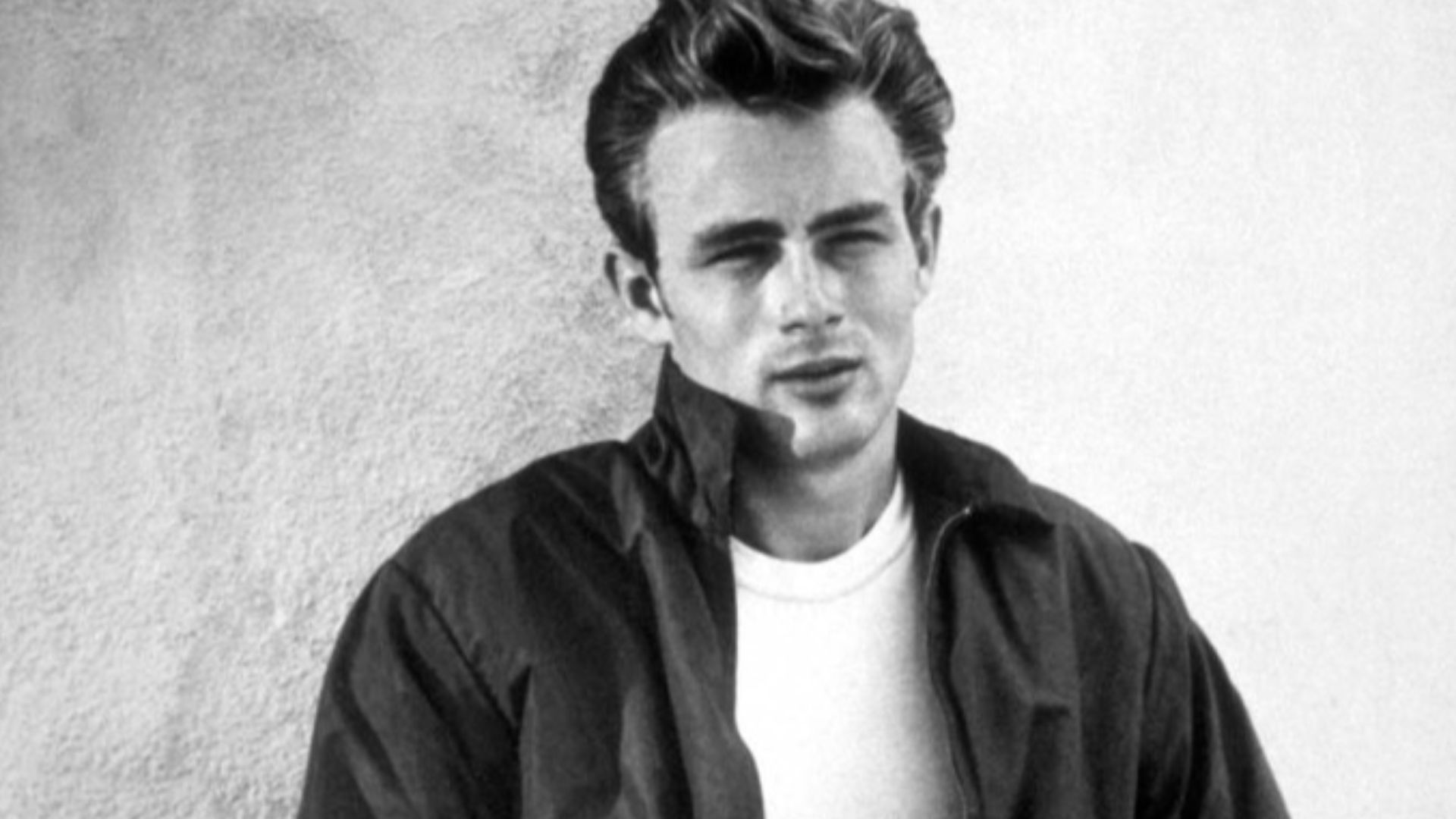
Cowboys wore them first, but actors like James Dean made jeans unforgettable. In Rebel Without a Cause, his Levi’s 501s felt less like a wardrobe and more like an identity. Denim stopped being just tough gear and started carrying a kind of quiet confidence that felt unforgettable.
 In-house publicity still on Wikimedia
11. The Fifth Pocket Wasn’t Always Small
People often point to that tiny coin pocket as the “fifth,” but technically, the original fifth pocket was a second back pocket added in 1901. It gave wearers more storage and helped shape the modern jeans layout we still use today.
12. It Takes More Than You’d Think
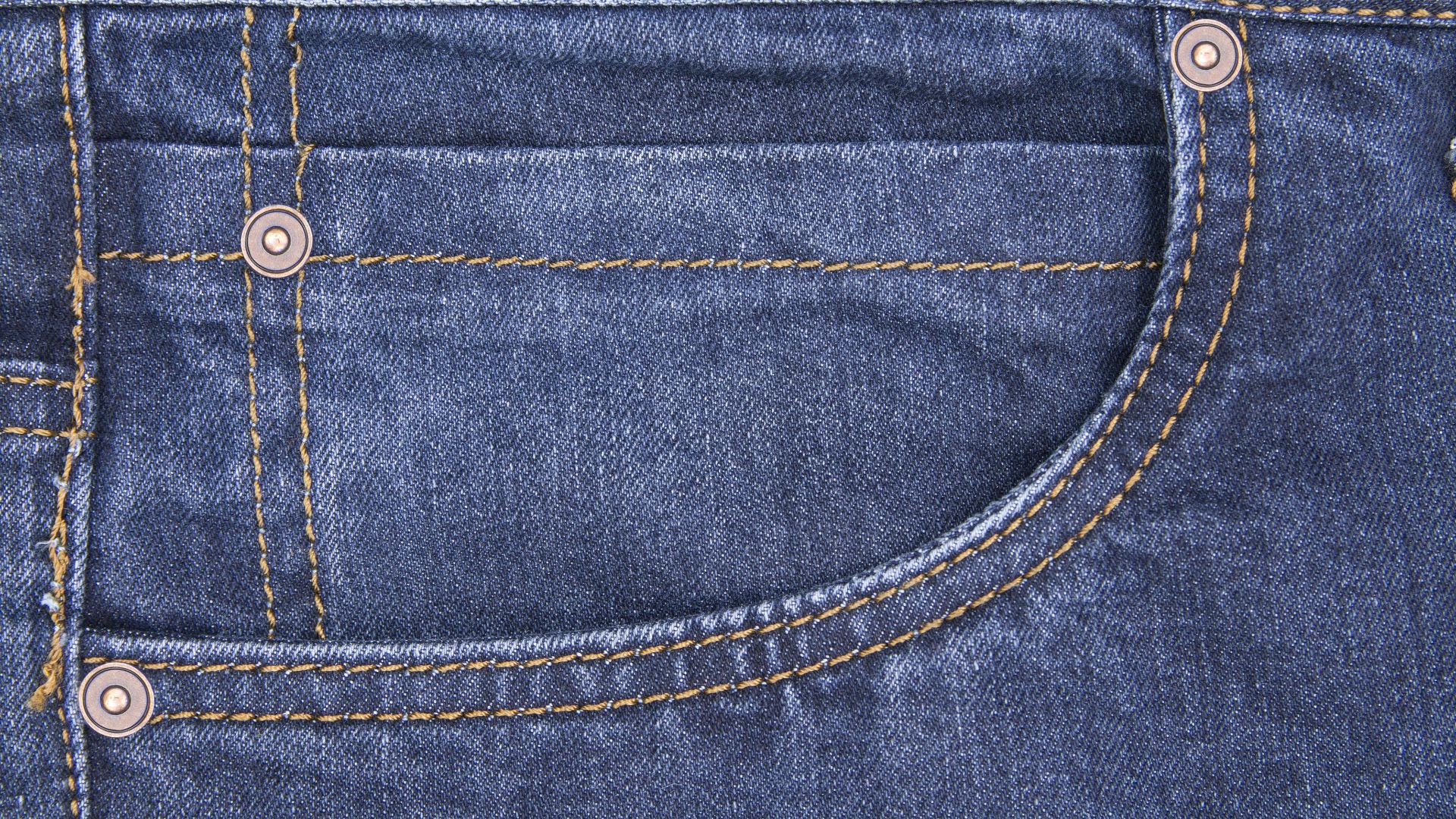
Making one pair of Levi’s jeans isn’t simple. Each goes through about 37 different sewing steps before it’s ready to wear. From belt loops to buttonholes, every stitch adds something, and the full process proves denim’s durability isn’t an accident.
13. Belt Loops Weren’t Always There
Jeans didn’t come with belt loops until 1922, when Levi’s added them to replace suspenders. Later, Wrangler upped the game by adding seven loops in 1947. Today, that number is the norm—though few people think twice about where it came from.
14. Why Vintage Jeans Cost A Fortune
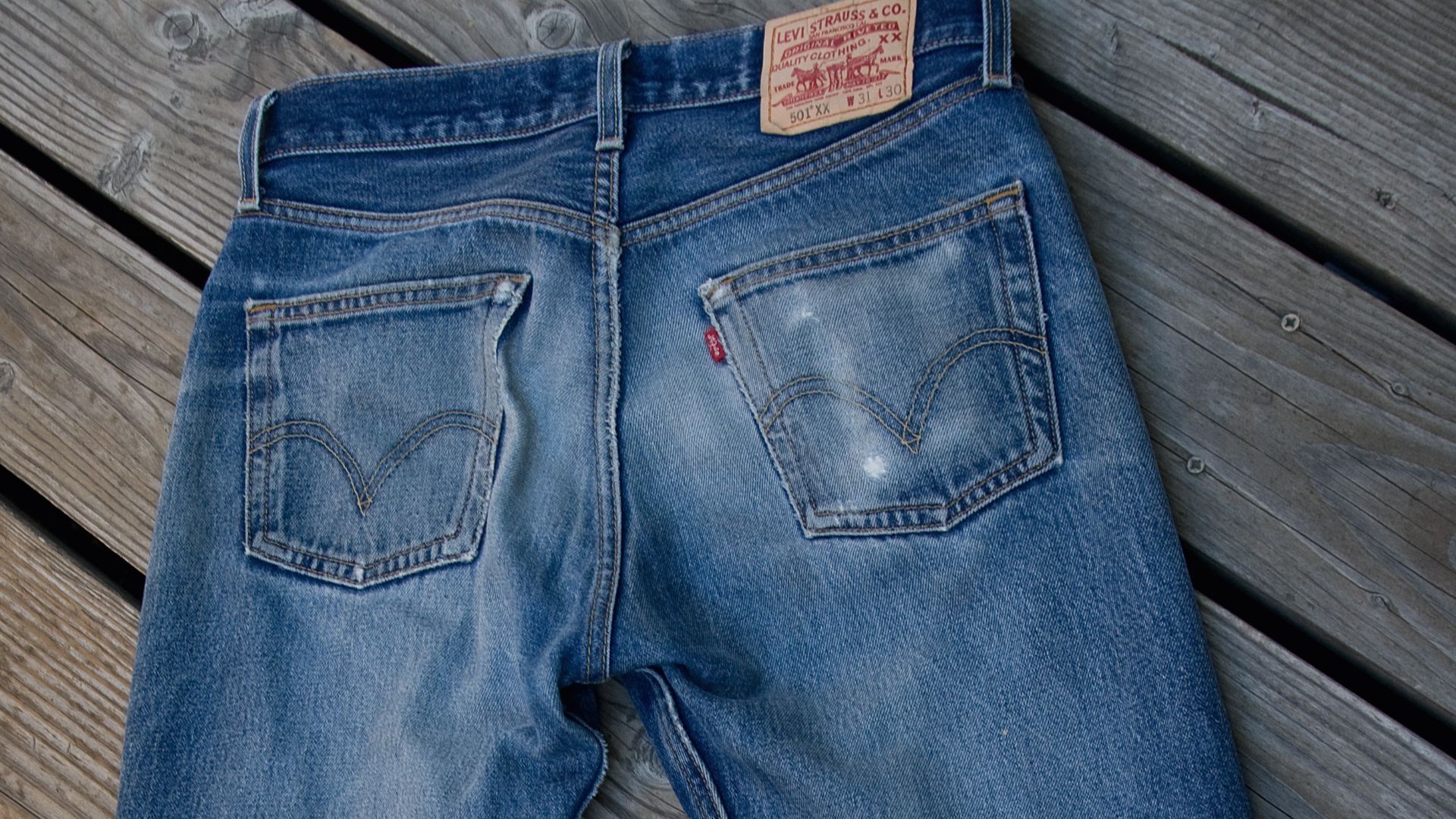
Before pre-washing took over, jeans were sold raw and broke in over time. That slow wear gave them character collectors chase today. Original Levi’s from the ’40s or ’50s often fetch high prices because nothing made now wears quite the same.
15. The Dutch Love Their Denim
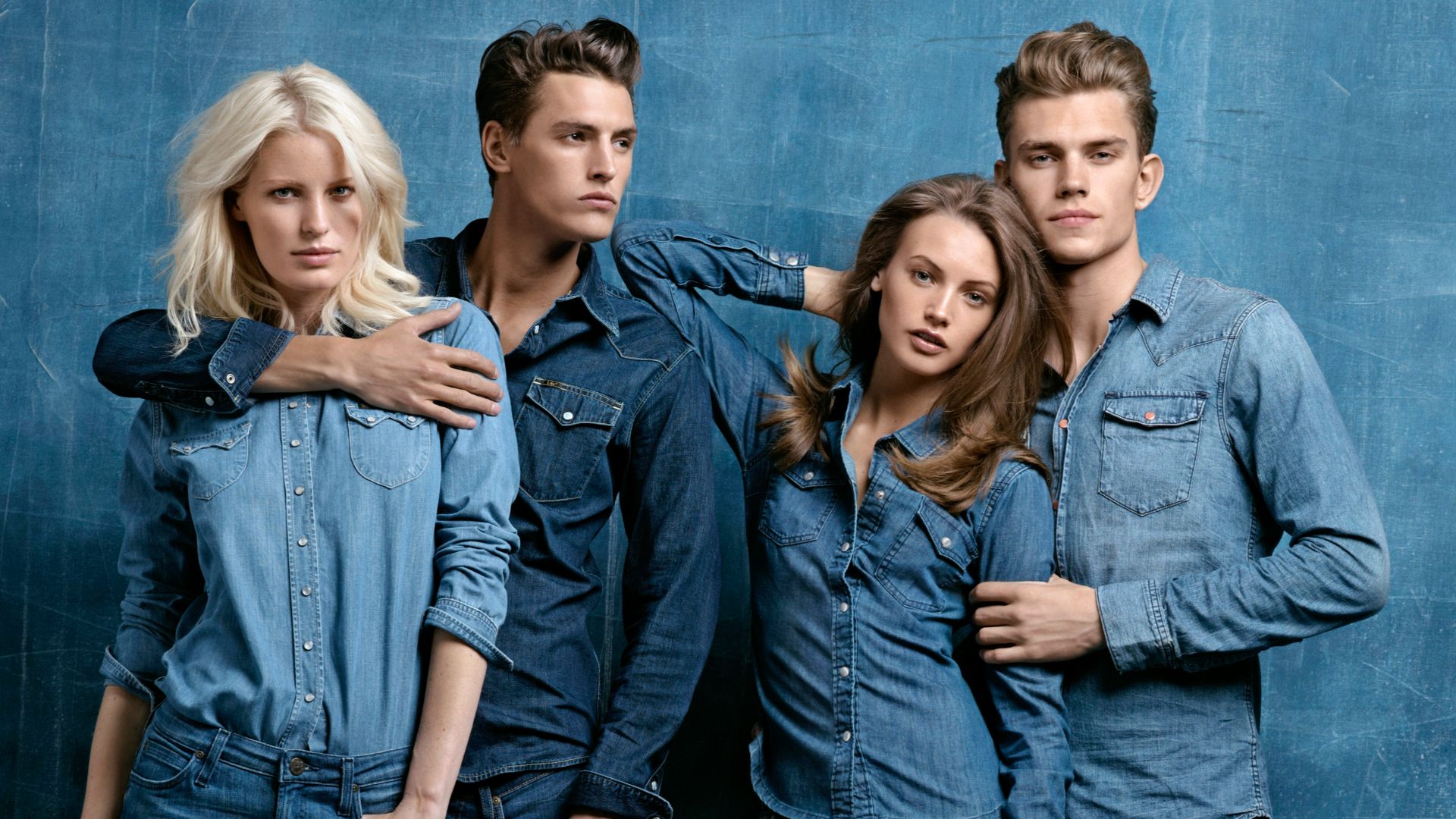
Out of all the countries surveyed, people in the Netherlands own the most jeans per person, averaging over five pairs each. That’s more than most American or British wardrobes, proving that denim loyalty crosses borders and fashion habits.
 Jcjeansandclothes on Wikimedia
16. Cowboys Got The First Zippers
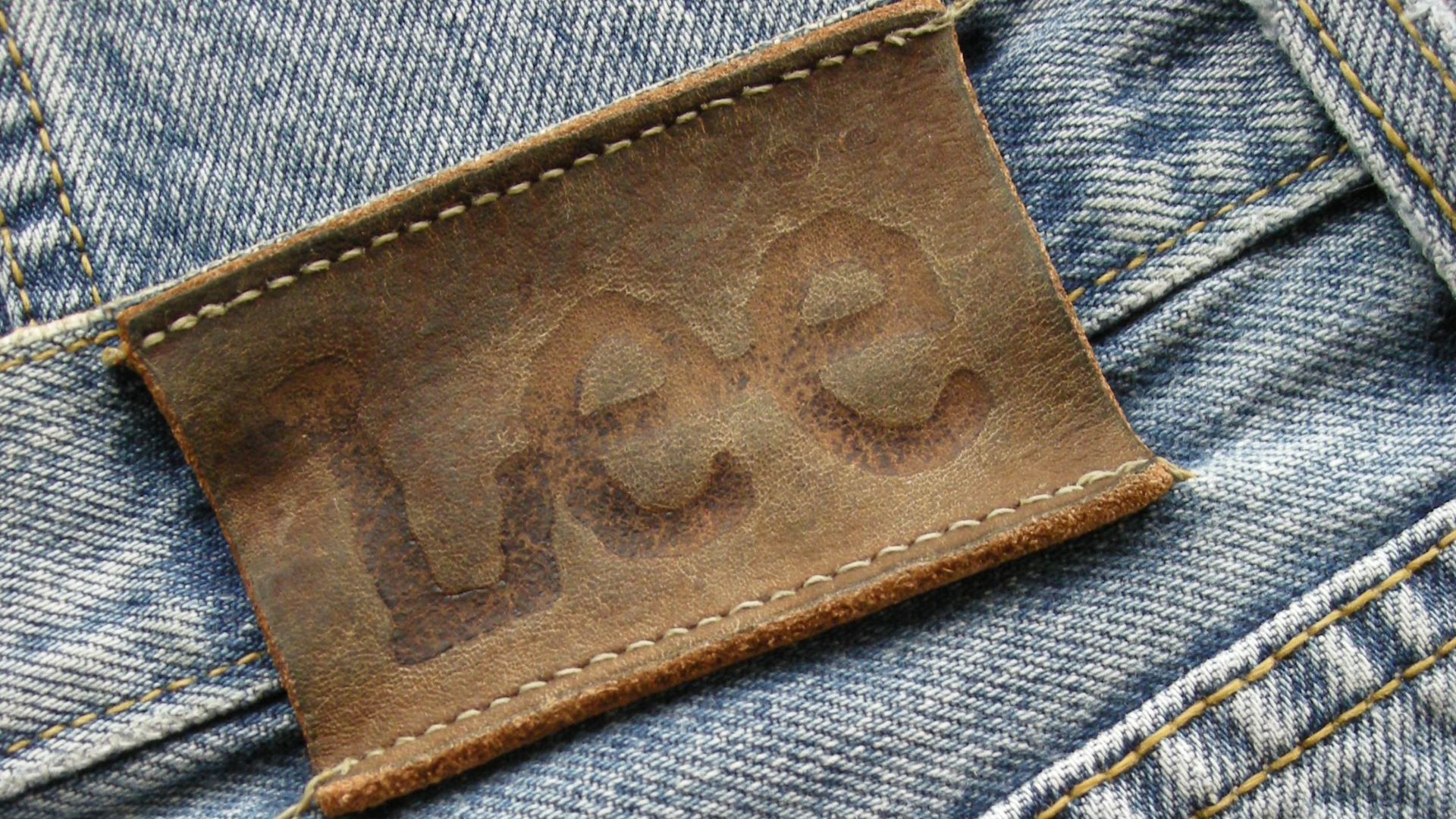
Lee was the first brand to use a zipper in denim, adding it to cowboy pants and overalls in 1927. Before that, buttons ruled. The hookless fastener gave ranchers a faster, more reliable option, and kicked off a style shift.
17. How Stretch Changed The Fit Game
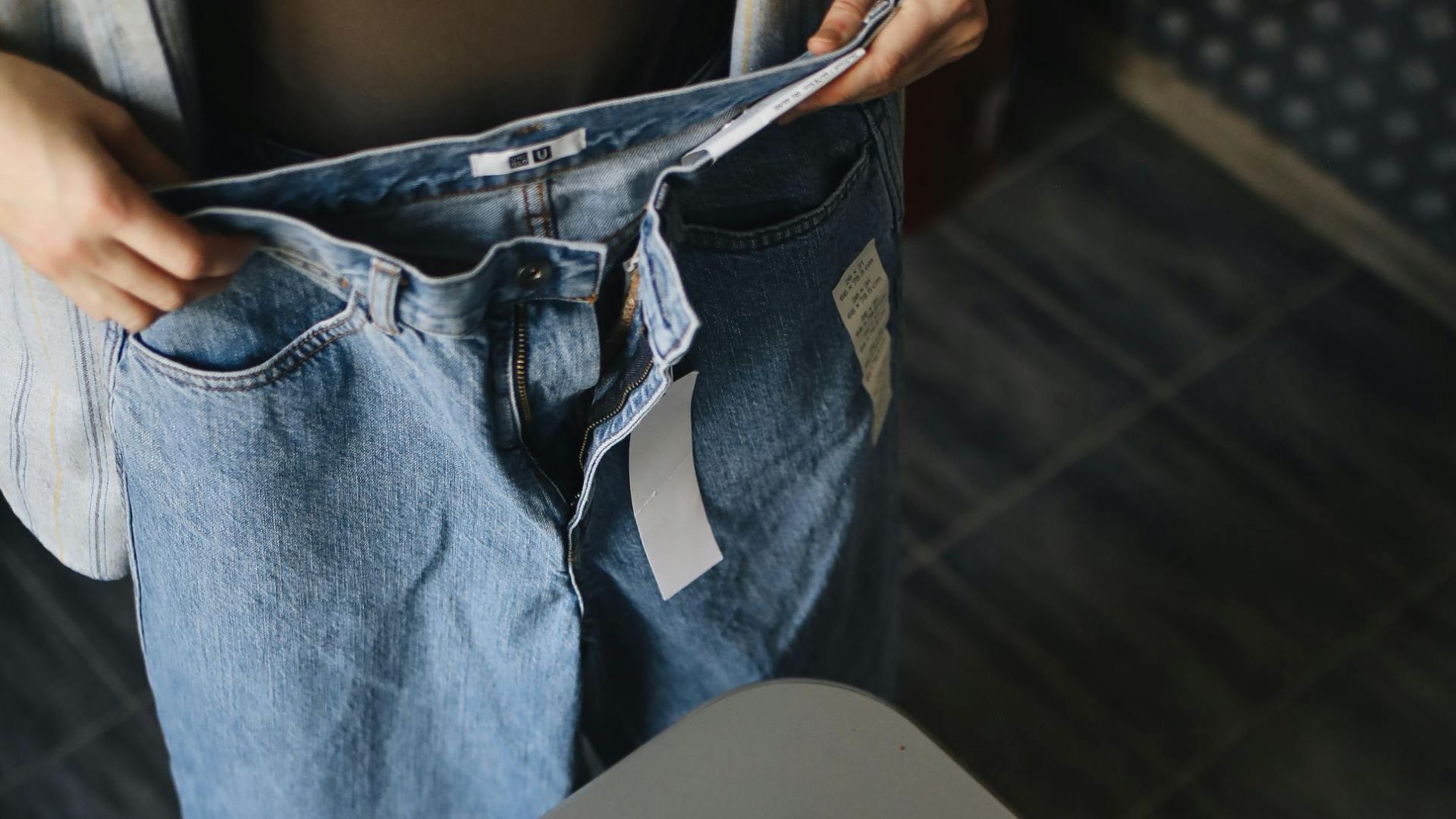
In the 1980s, jeans got flexible. A bit of elastane blended into cotton created stretch denim—finally, jeans that moved with your body. Today’s versions go even further, mixing in moisture-wicking fibers for comfort that keeps up all day long.
18. Denim Wears A Badge Of Awareness
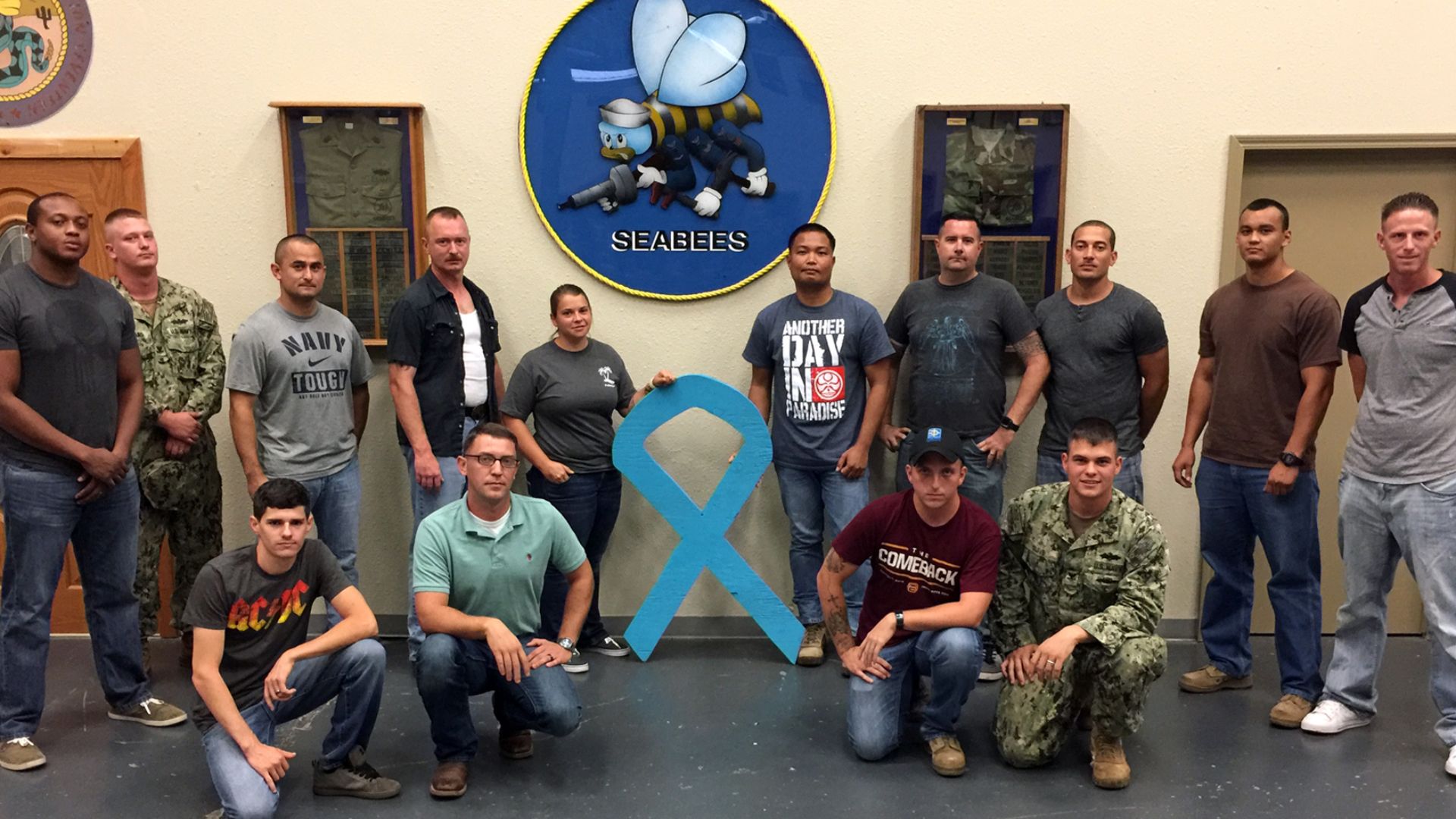
Each April, people around the world wear jeans for Denim Day—a response to a 1998 Italian court case that blamed a survivor’s tight jeans. What started as outrage became a global tradition using denim to stand for consent and solidarity.
19. When Acid Wash Ruled The Closet
The 1980s loved bold looks, and acid-wash denim delivered. The effect came from tossing jeans in pumice stones and bleach, creating those light-and-dark splotches. Madonna rocked them hard, and pretty soon, half the world followed her into stonewashed chaos.

20. Some Jeans Are Made To Be Reborn
Eco-minded brands now recycle up to 95% of water used in production and let customers return old jeans to be remade. Some offer leasing options, turning your old denim into insulation, new garments, or even high-durability carpet.