Stepping Out in Style and Comfort
Stepping into your sixties means you have officially earned the right to demand both fabulous style and absolute comfort from your footwear. Gone are the days when you would willingly suffer through an evening in agonizing heels just for the sake of fashion, but that does not mean your shoe collection has to become boring. Your feet naturally change shape and lose a bit of their built-in cushioning over the years, making smart footwear choices more important than ever.
1. Prioritize a Wider Toe Box
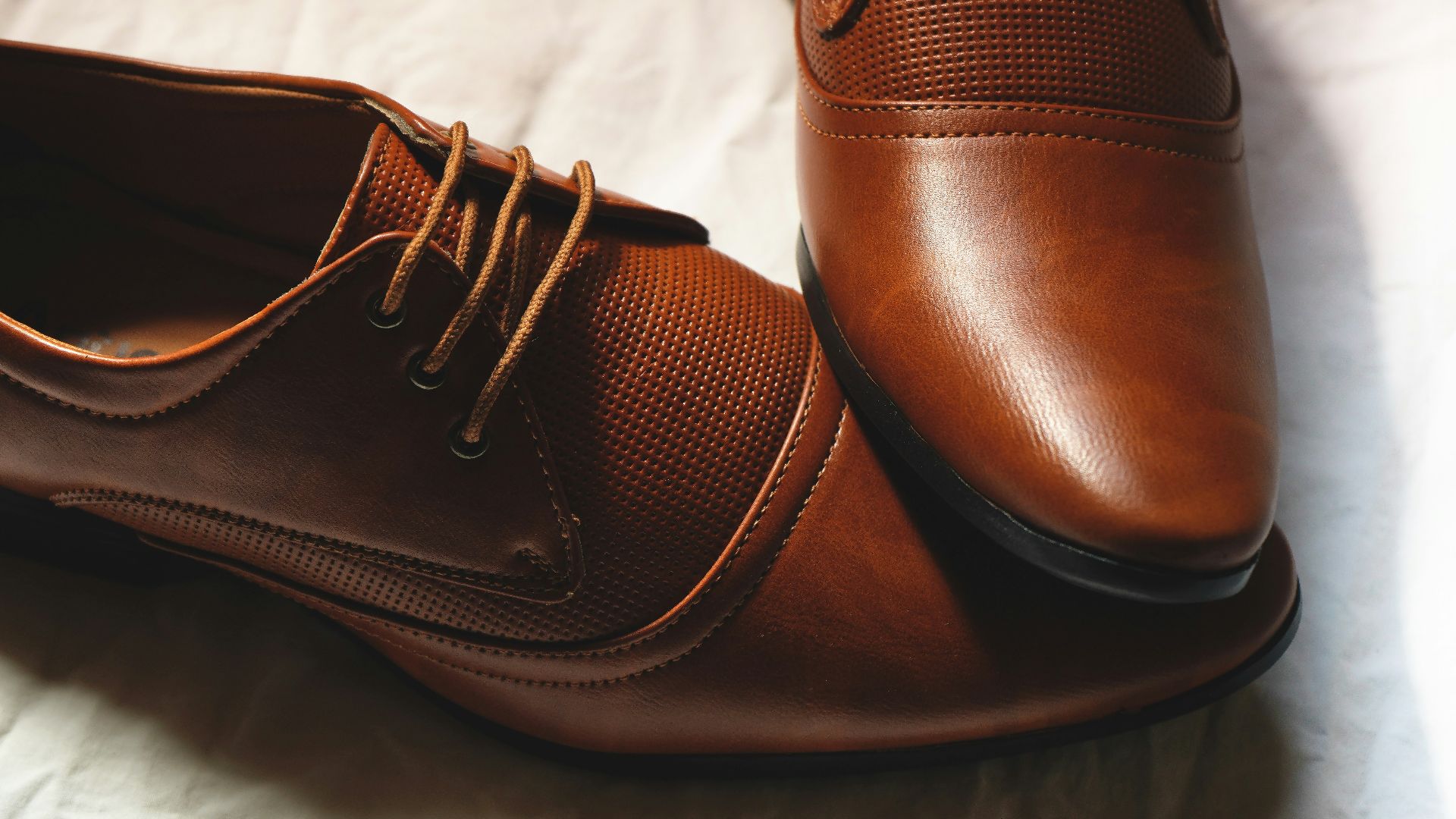
Feet tend to widen with age, so tight, pointed shoes will inevitably lead to digging and blistering. Opt for a wide, rounded toe box that allows your toes to lay flat and spread naturally when you take a step. Your toes will thank you later by not rubbing against the shoe.
2. Embrace the Block Heel
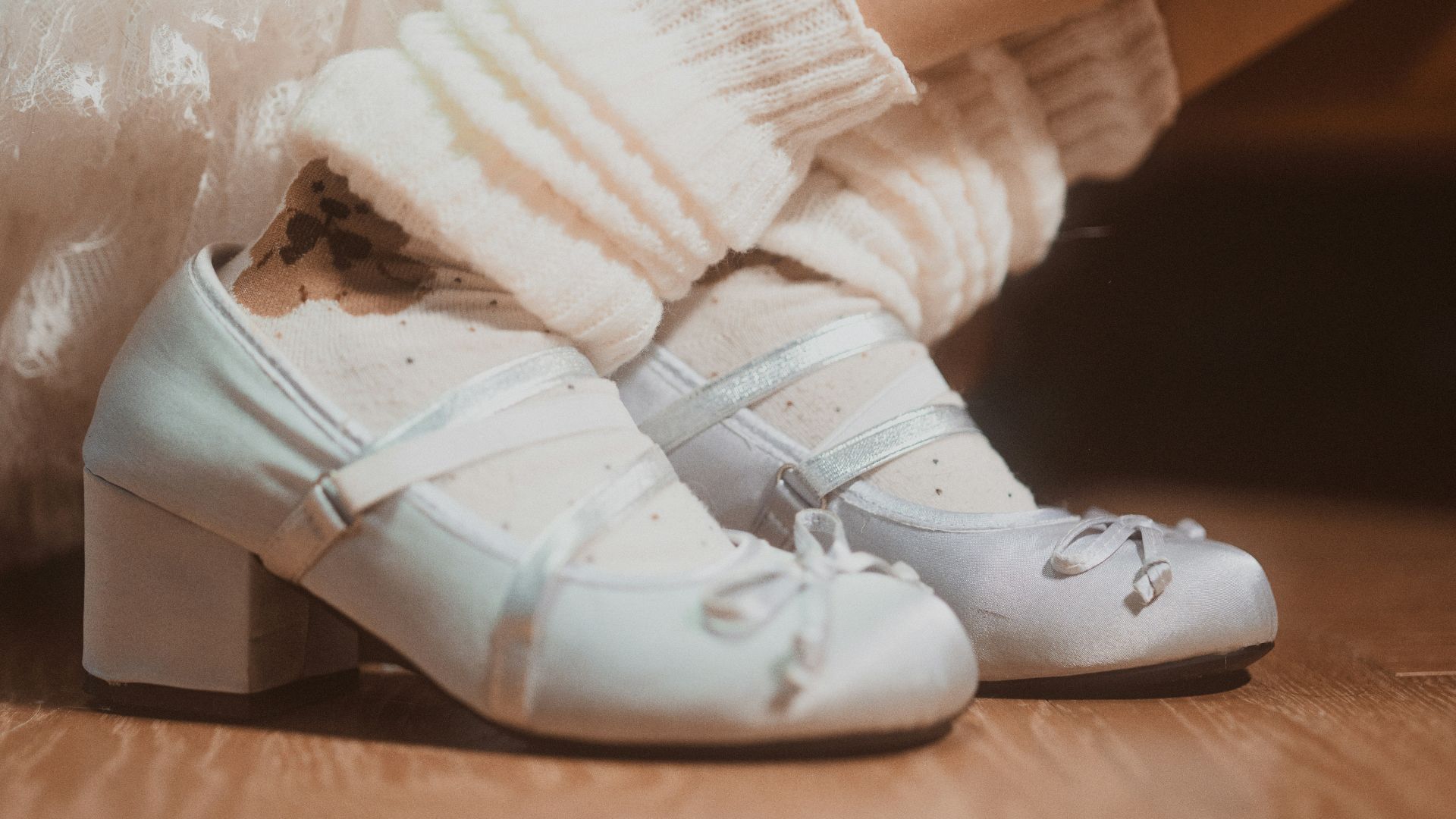
Love heels but can’t handle stilettos? Block heels are about to become your favorite. Thick heels distribute weight more evenly and take stress off your arches.
 Preillumination SeTh on Unsplash
3. Look for Built-In Arch Support
Flat shoes can actually be painful if they don’t offer proper support. Pointy flats like ballet flats can lead to severe heel pain. Shop around for shoes that have built-in arch supports built into the shoe. Not only will this help support the arch of your foot, but it will reduce stress on your knees.
4. Swap Laces for Elastic or Velcro
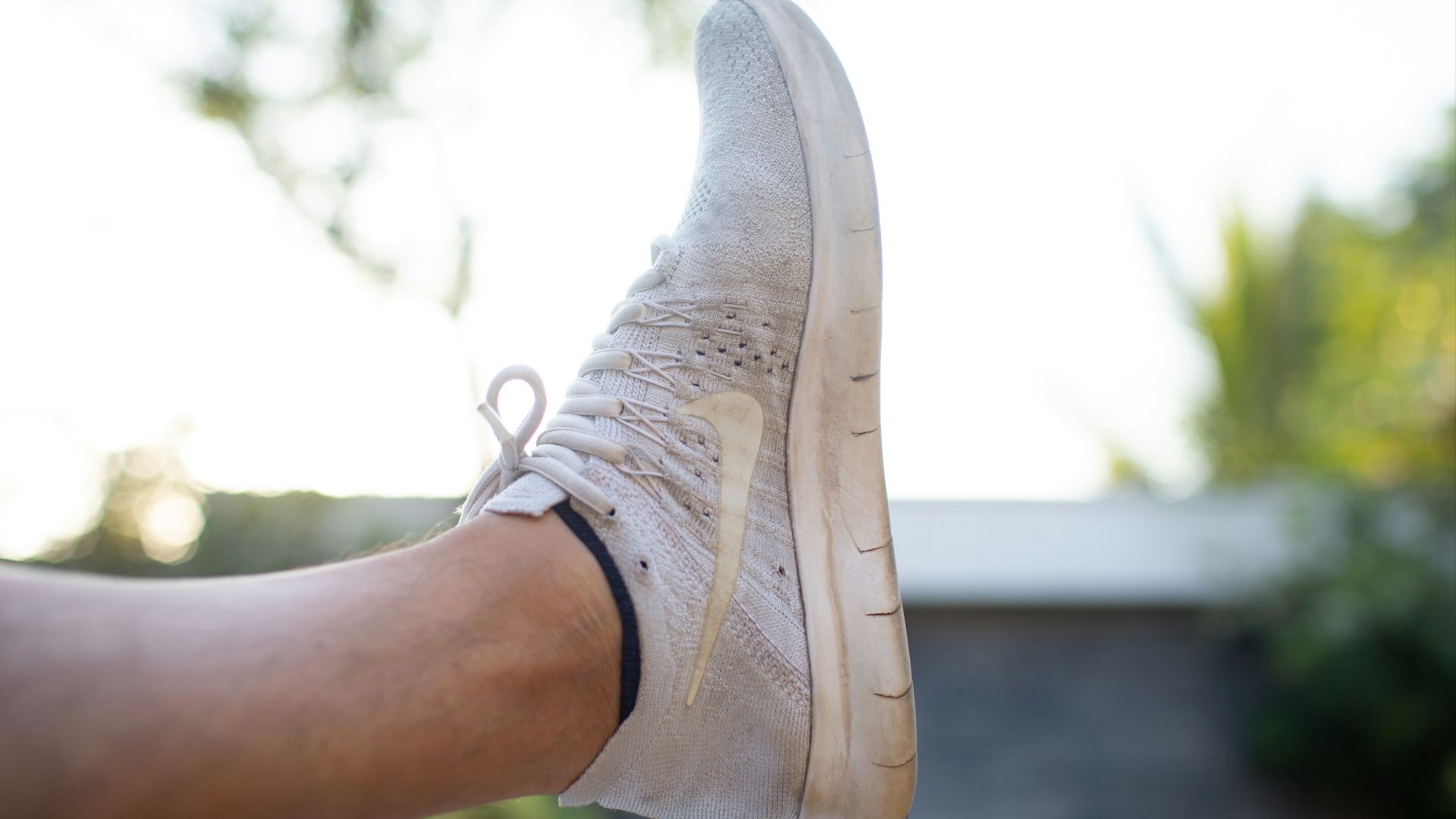
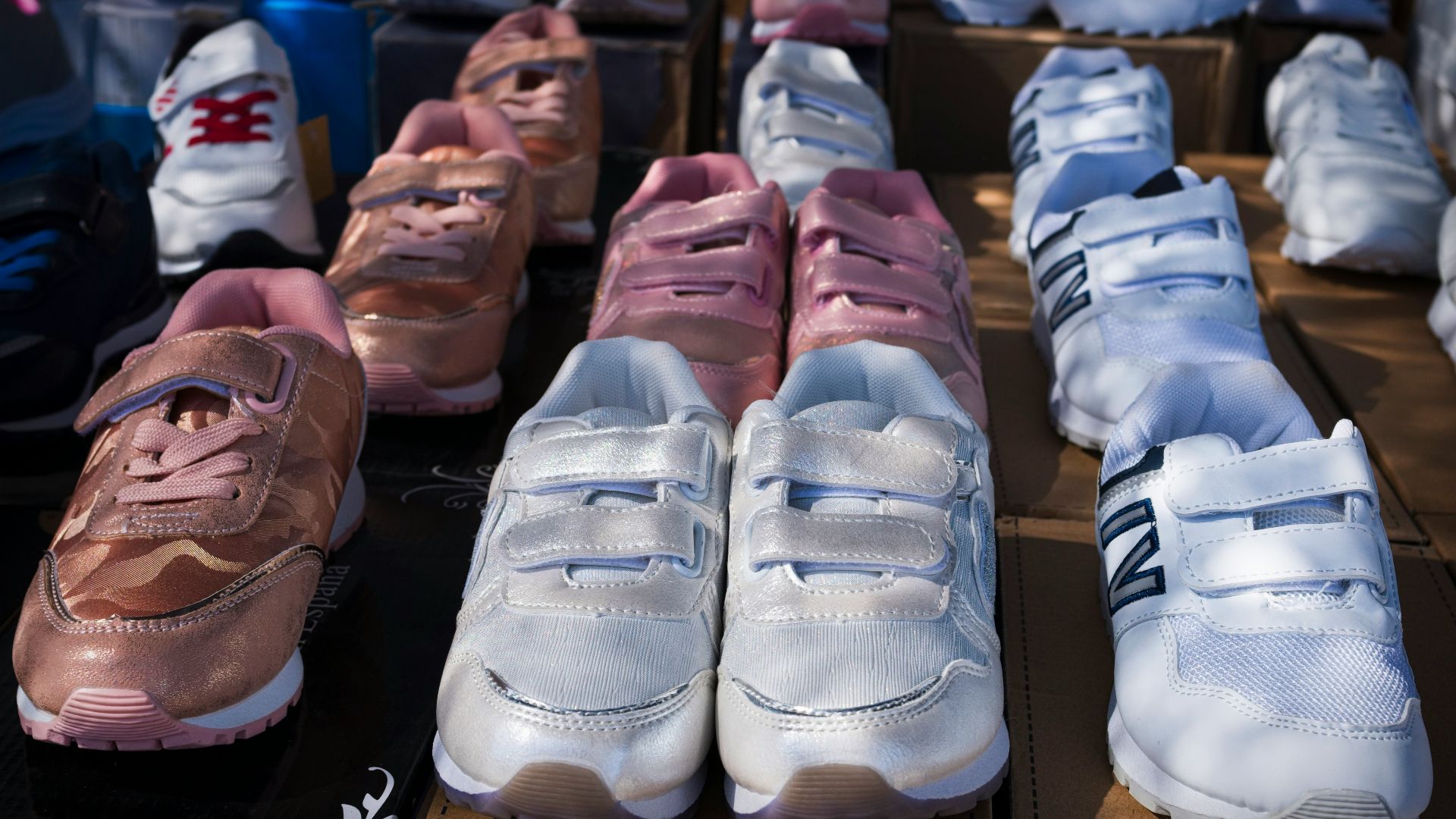
Tying shoes can be annoying if you struggle with arthritis in your hands. Look for low-cut sneakers or loafers with hidden elastic or chic Velcro straps. The elastic will expand and contract as your foot naturally expands throughout the day.
5. Invest in High-Quality Leather
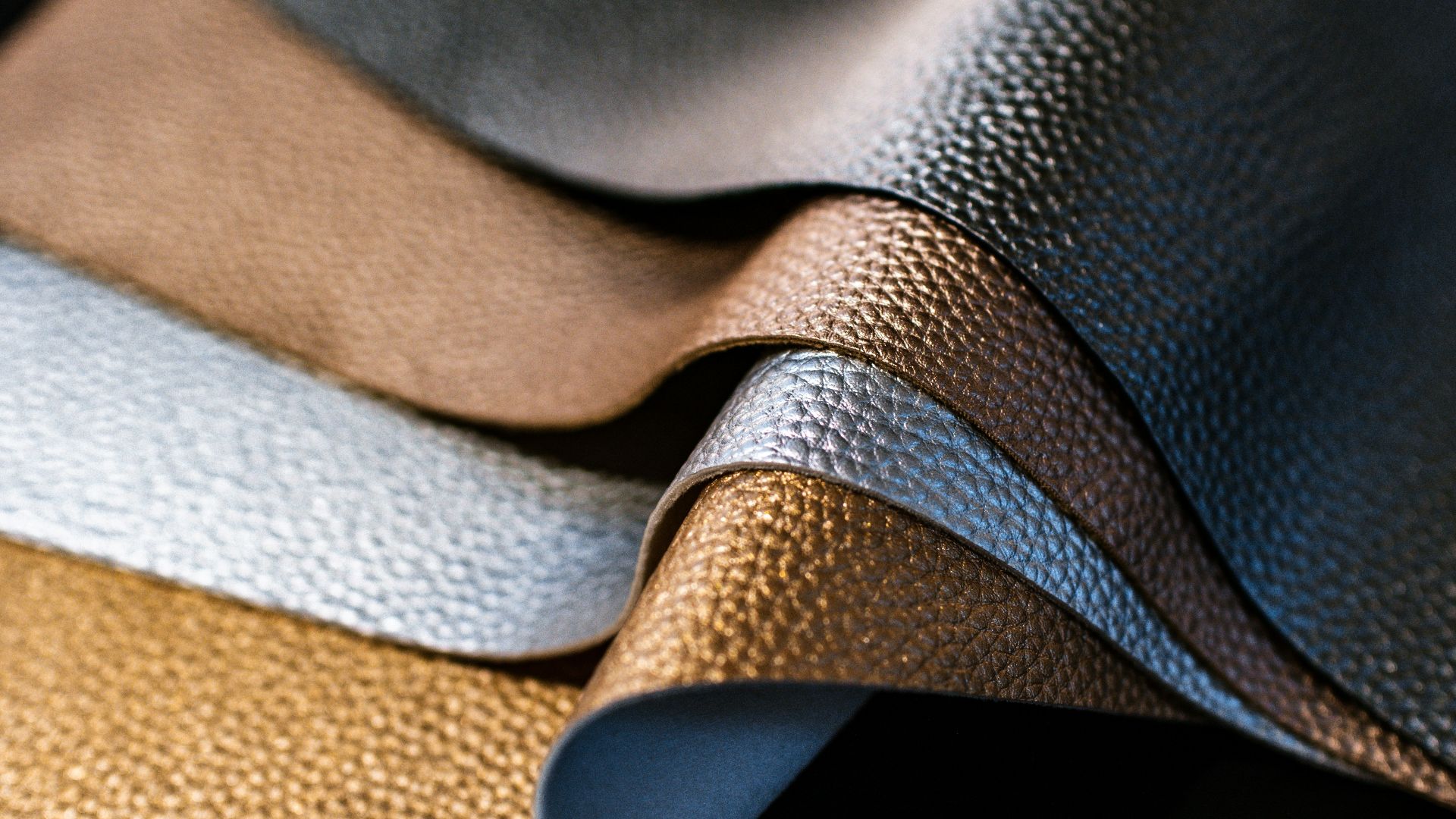
Cheap material will not stretch, leaving your feet irritated from trying to conform to the shoe. Leather is breathable and will mold to the shape of your feet the more you wear it. Leather also helps keep your feet cool in the summer and warm in the winter.
6. Test for Flexible Soles
Don’t check out before giving the shoe sole a good bend. Shoes should bend slightly at the ball of your foot and should not flex in the arch and heel. If the shoe doesn’t bend, it will alter your gait and will cause calf pain.
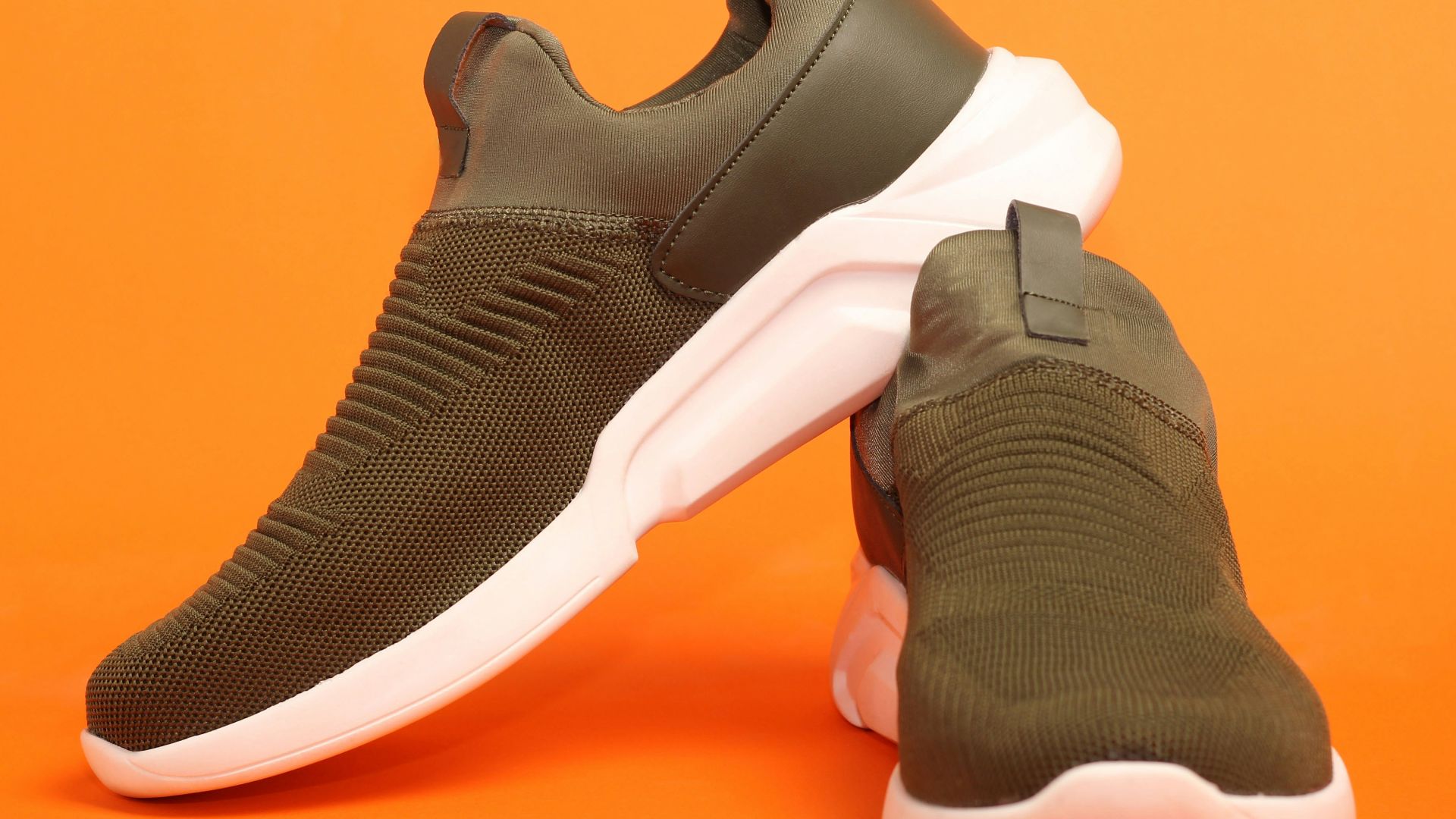
7. Explore Removable Insoles
If you like the style of a shoe but find the insoles lack support, look for shoes with replaceable insoles. This allows you to customize the comfort of the shoe to your needs. You can add your own orthotics or cushioning without the shoe feeling too snug.
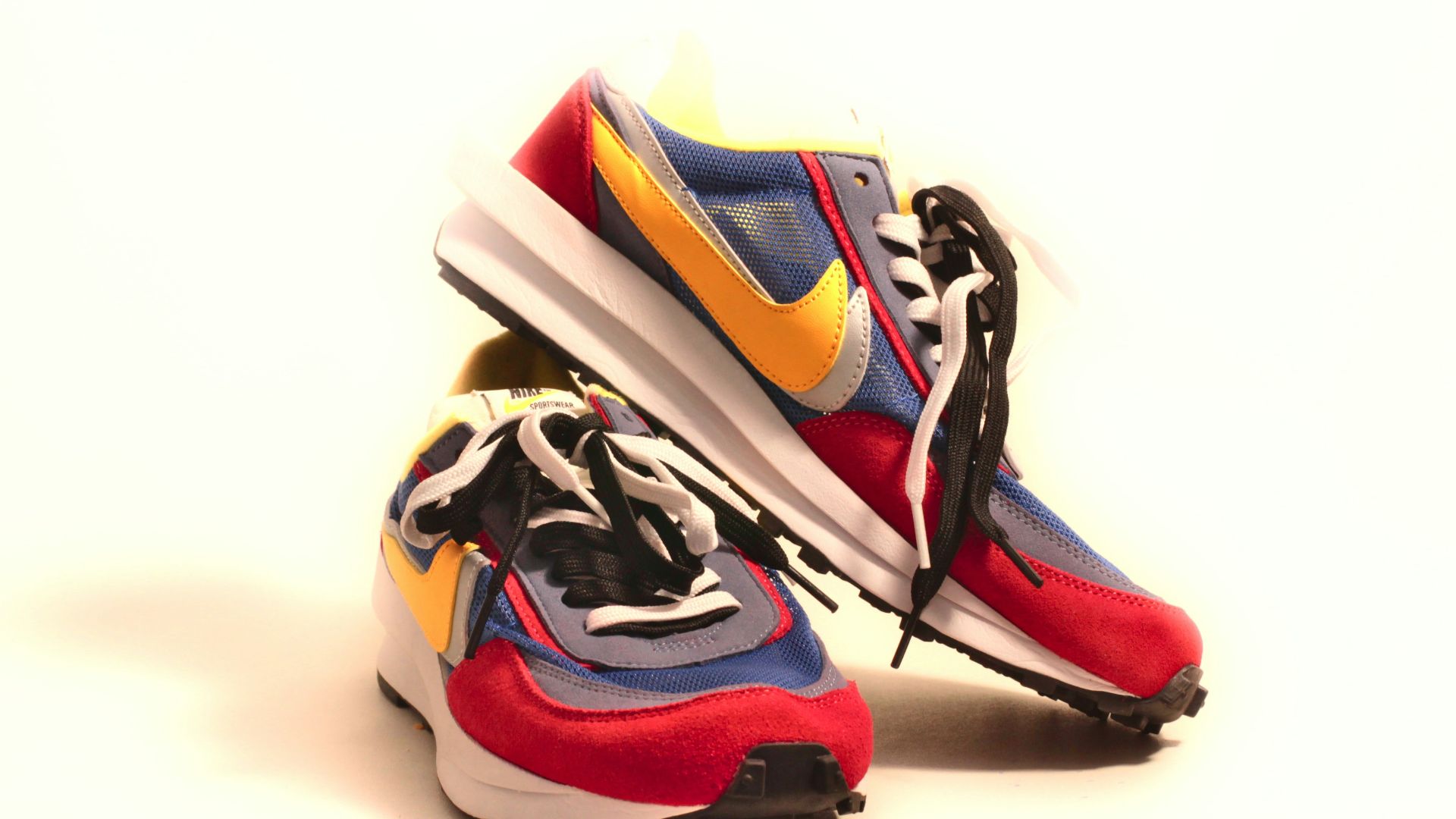
8. Opt for Adjustable Straps
Flats with ankle straps or sandals with straps are a great option if your feet swell throughout the day. Look for shoes that have some sort of adjustment mechanism. These allow you to loosen the shoe during warm weather or if your feet are swollen.
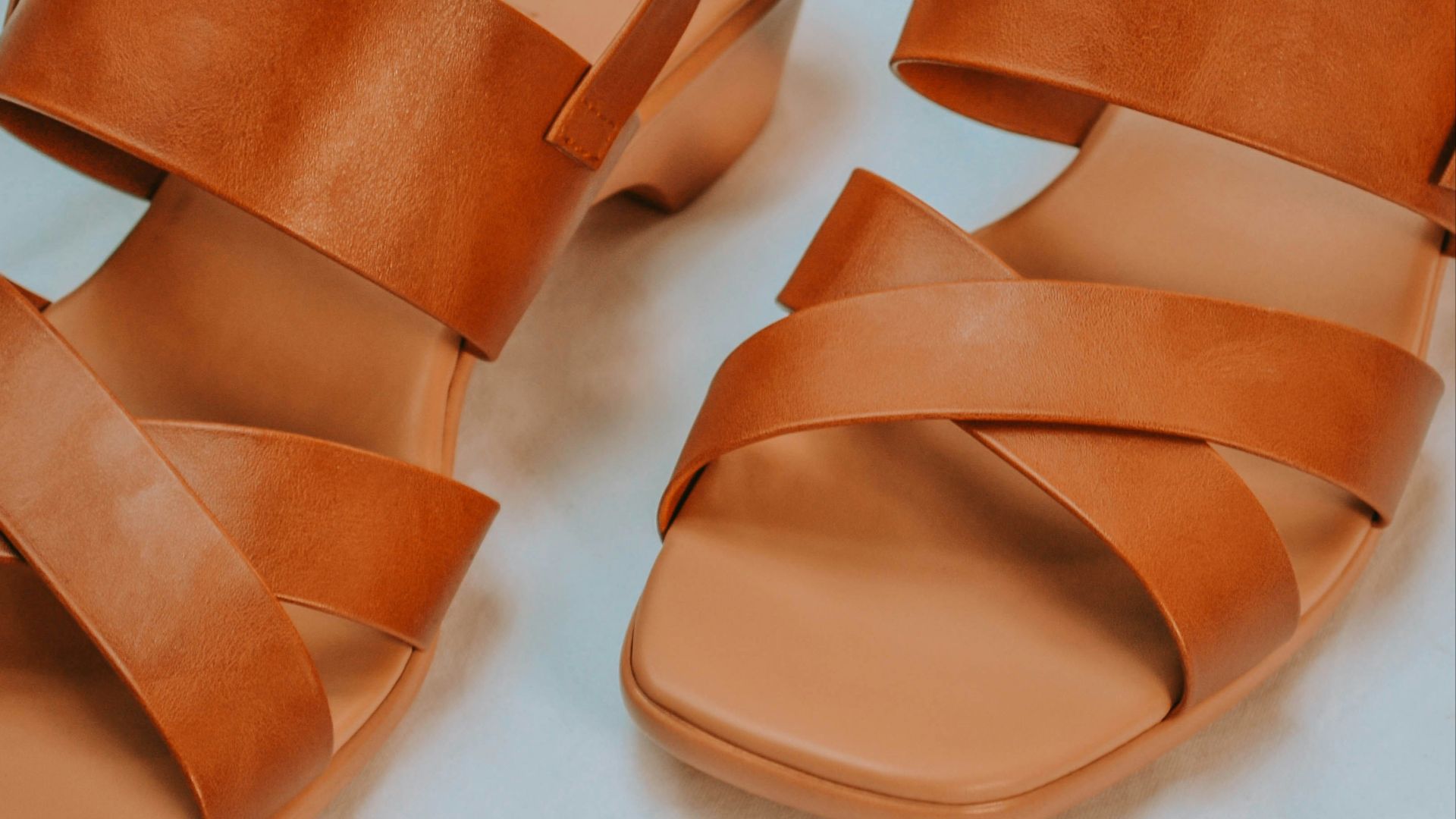
9. Say Yes to Stylish Loafers
Loafers are the perfect shoe for walking around in all day. They are both casual and classy at the same time and look great with jeans or cropped pants. They also cover the top of your foot for additional stabilization.
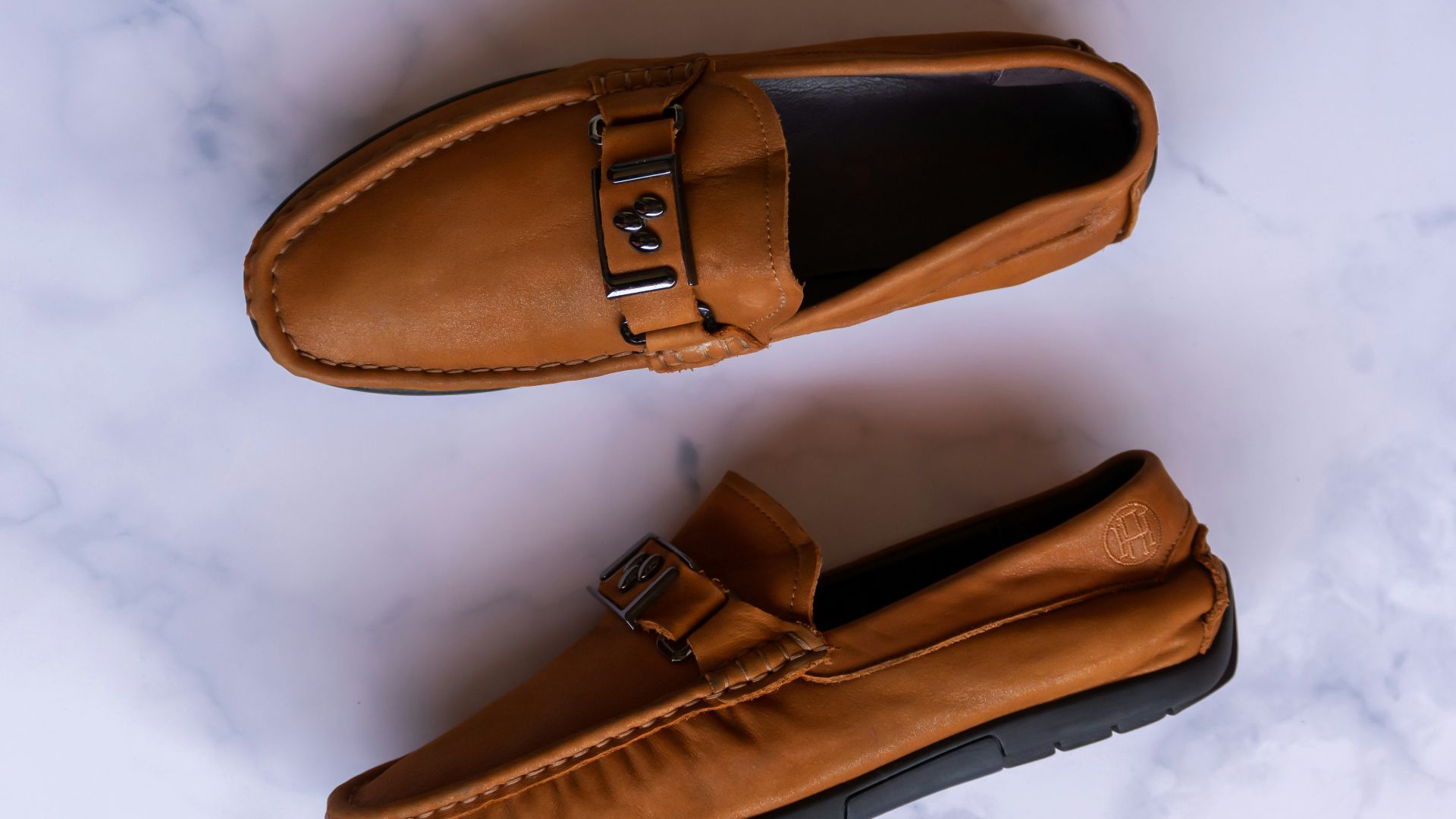
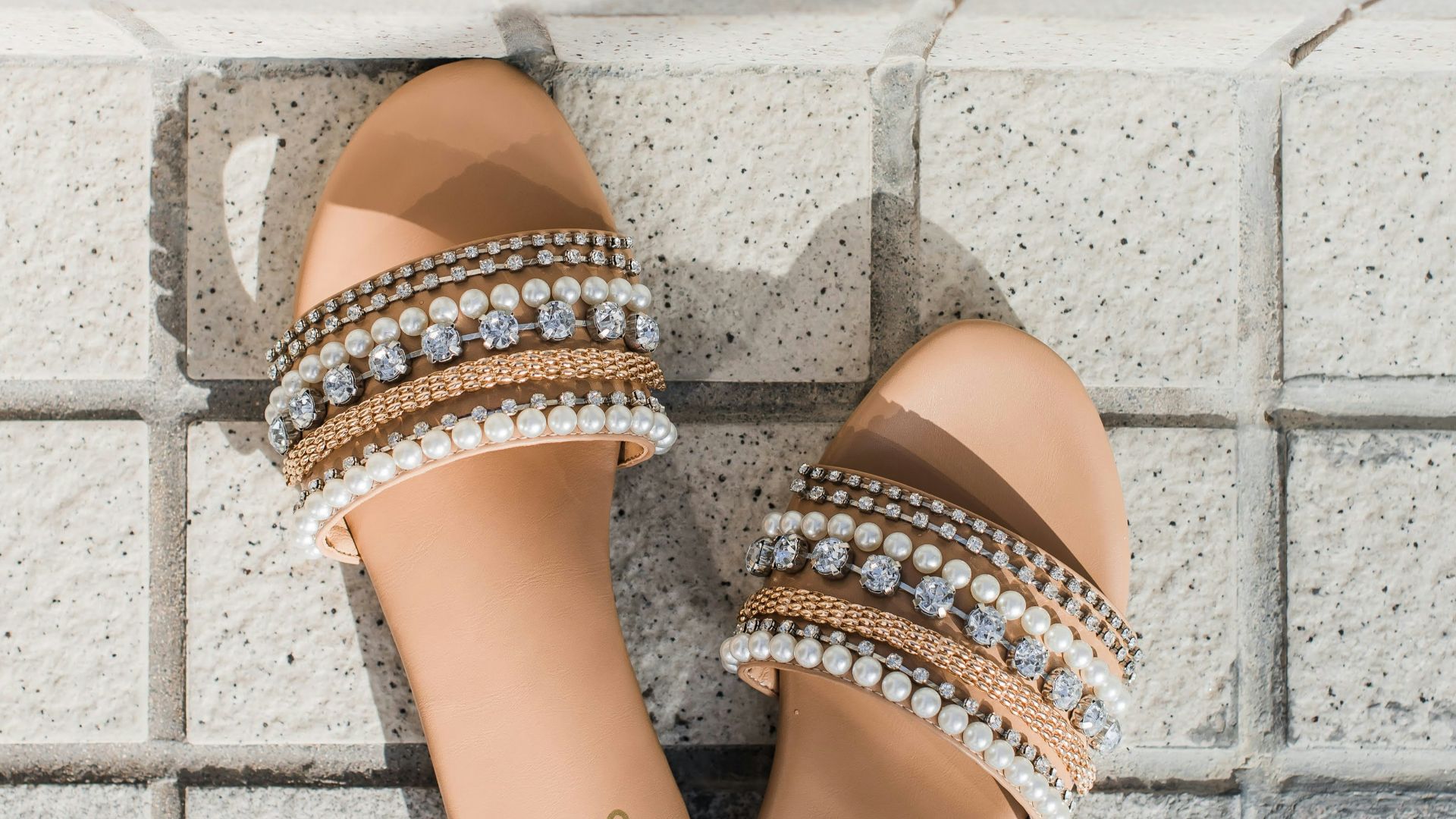
10. Avoid Completely Flat Sandals
Avoid flat sandals at all costs. There’s no support or shock absorption for your feet. Instead, opt for sandals with a small heel or a deep cork sole.
11. Size Up for Winter Socks
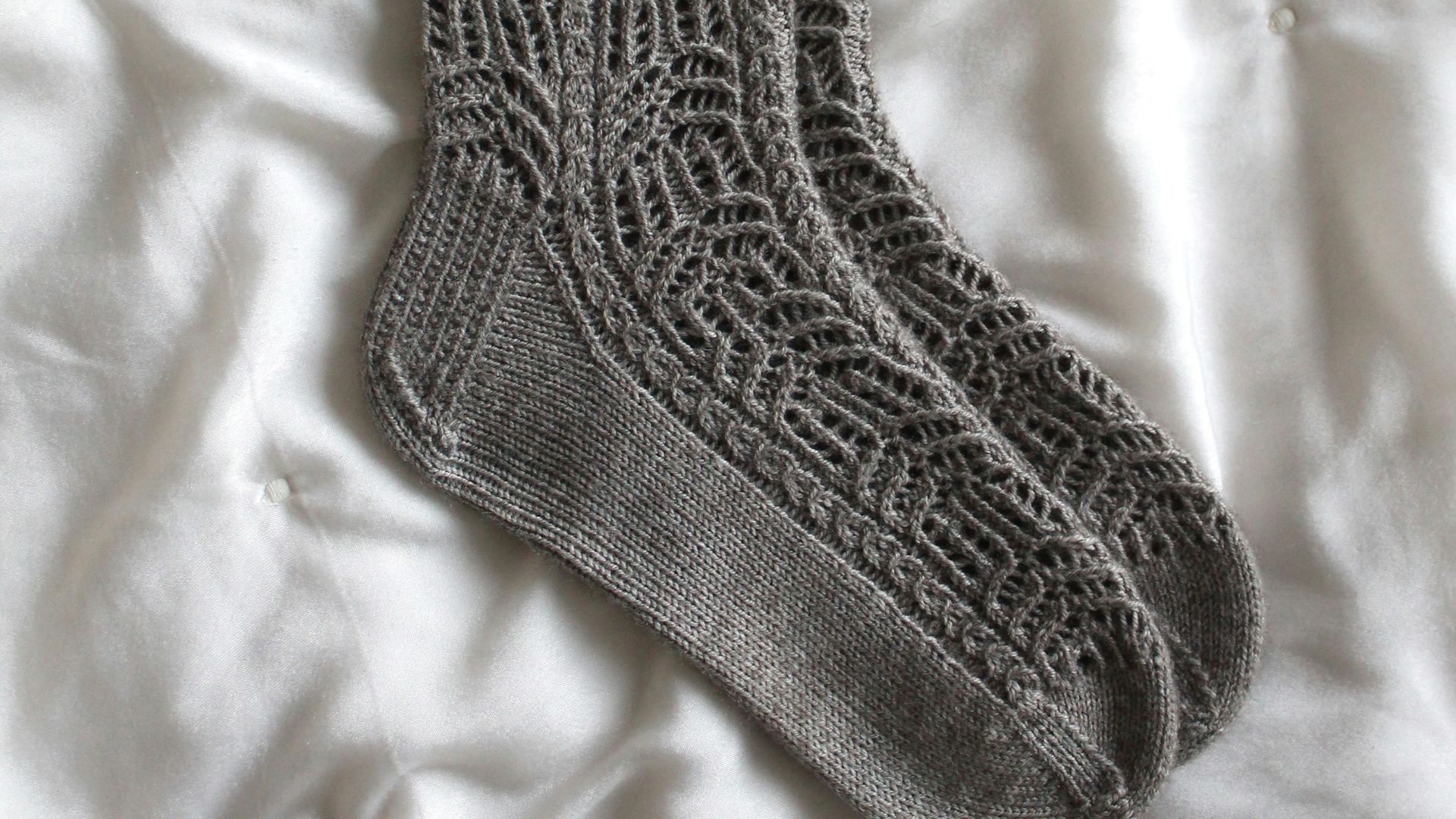
Buy snow boots or heavy winter sneakers a half size larger than you normally wear. This way, you can wear thicker socks without squishing your toes or restricting blood flow. Keeping your feet warm is key for joint relief.
12. Check the Grip
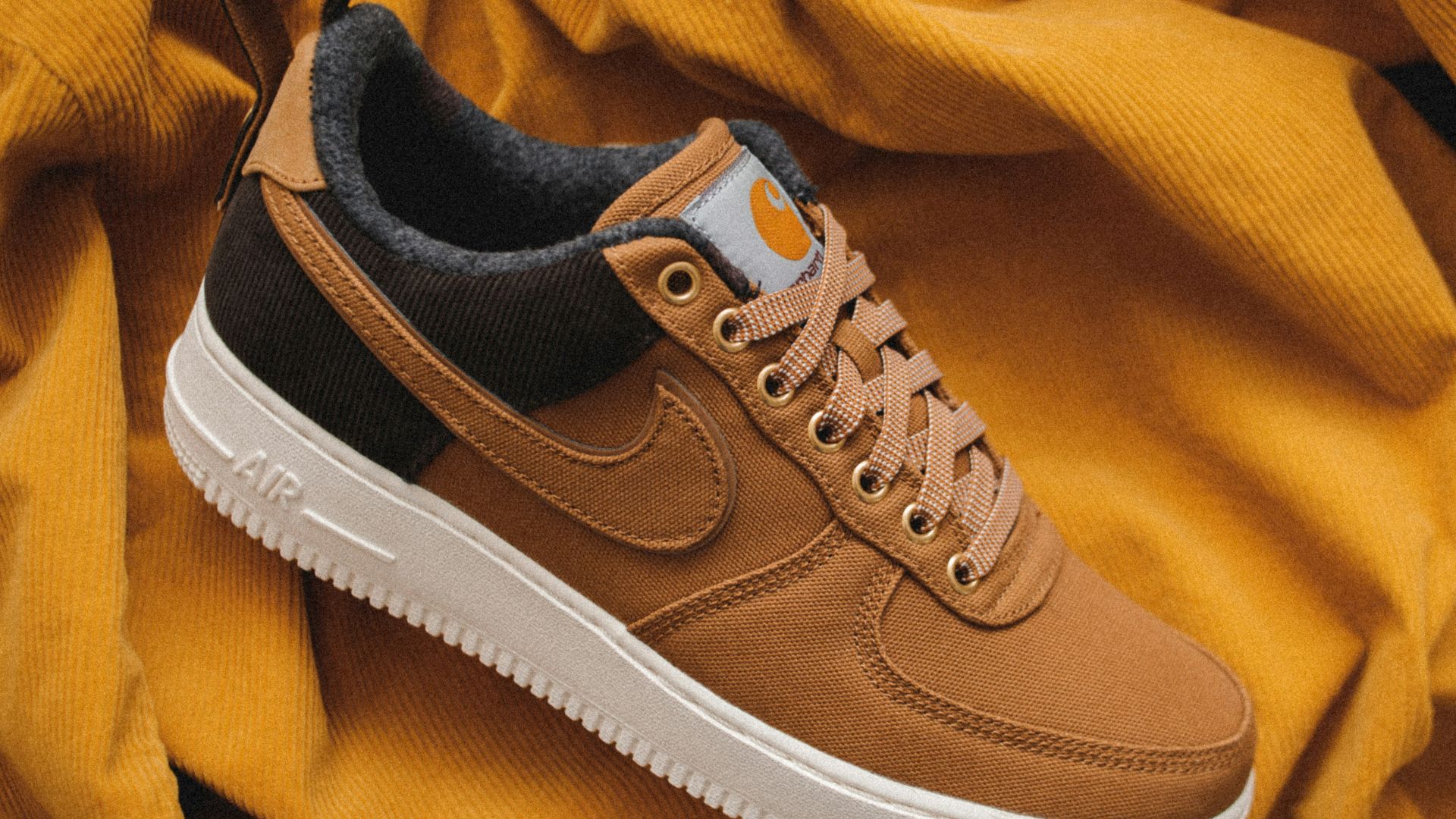
Don’t buy slippery shoes. Shoes with rubberized bottoms or deep treads give you the best grip. Don’t be afraid to turn the shoe over and examine the bottom.
13. Measure Your Feet Regularly
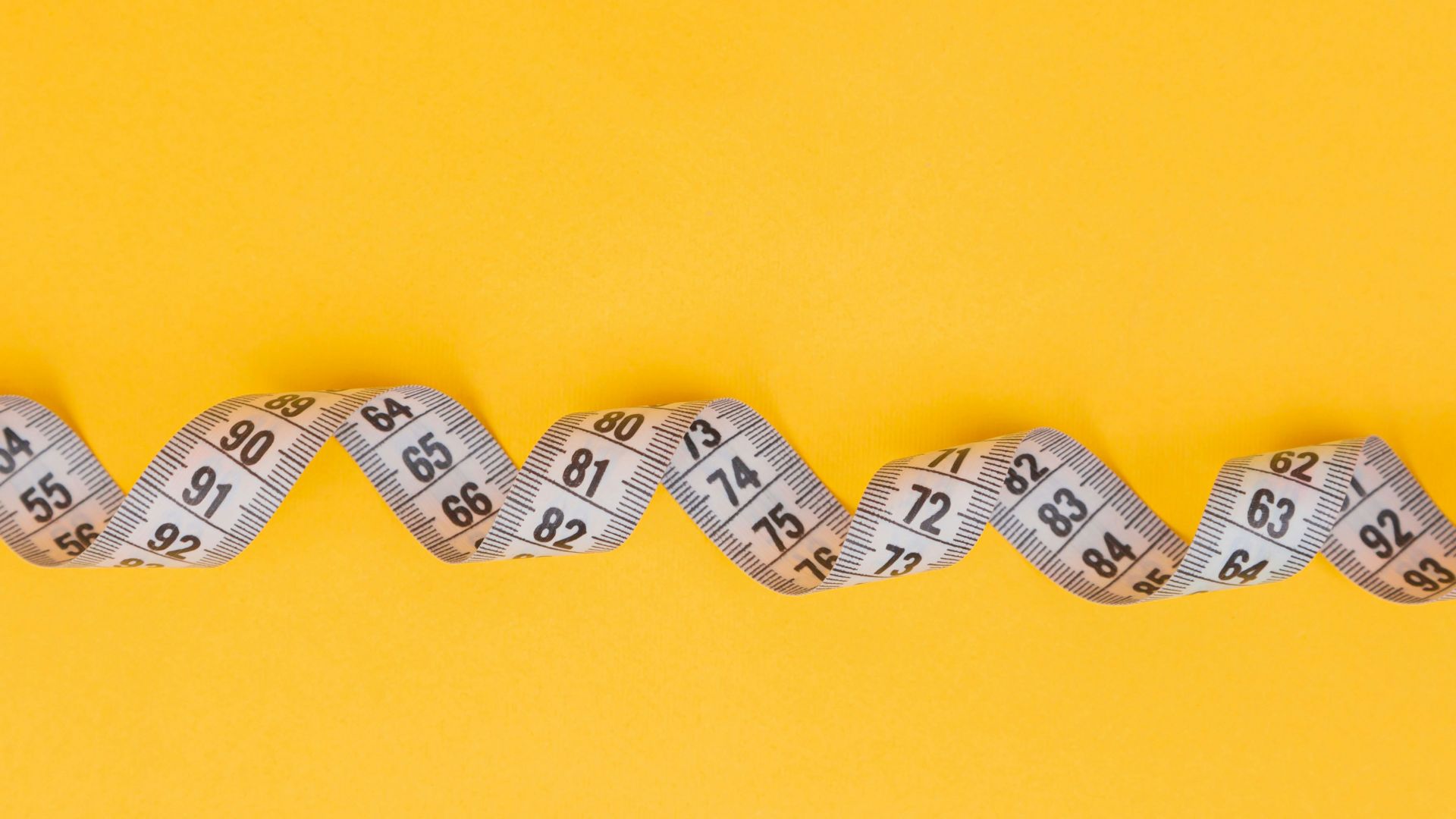
Did you know that your shoe size can change as you age? Weight gain, gravity, and relaxation of ligaments can cause your feet to lengthen or widen. Have your feet professionally measured at a shoe store while standing.
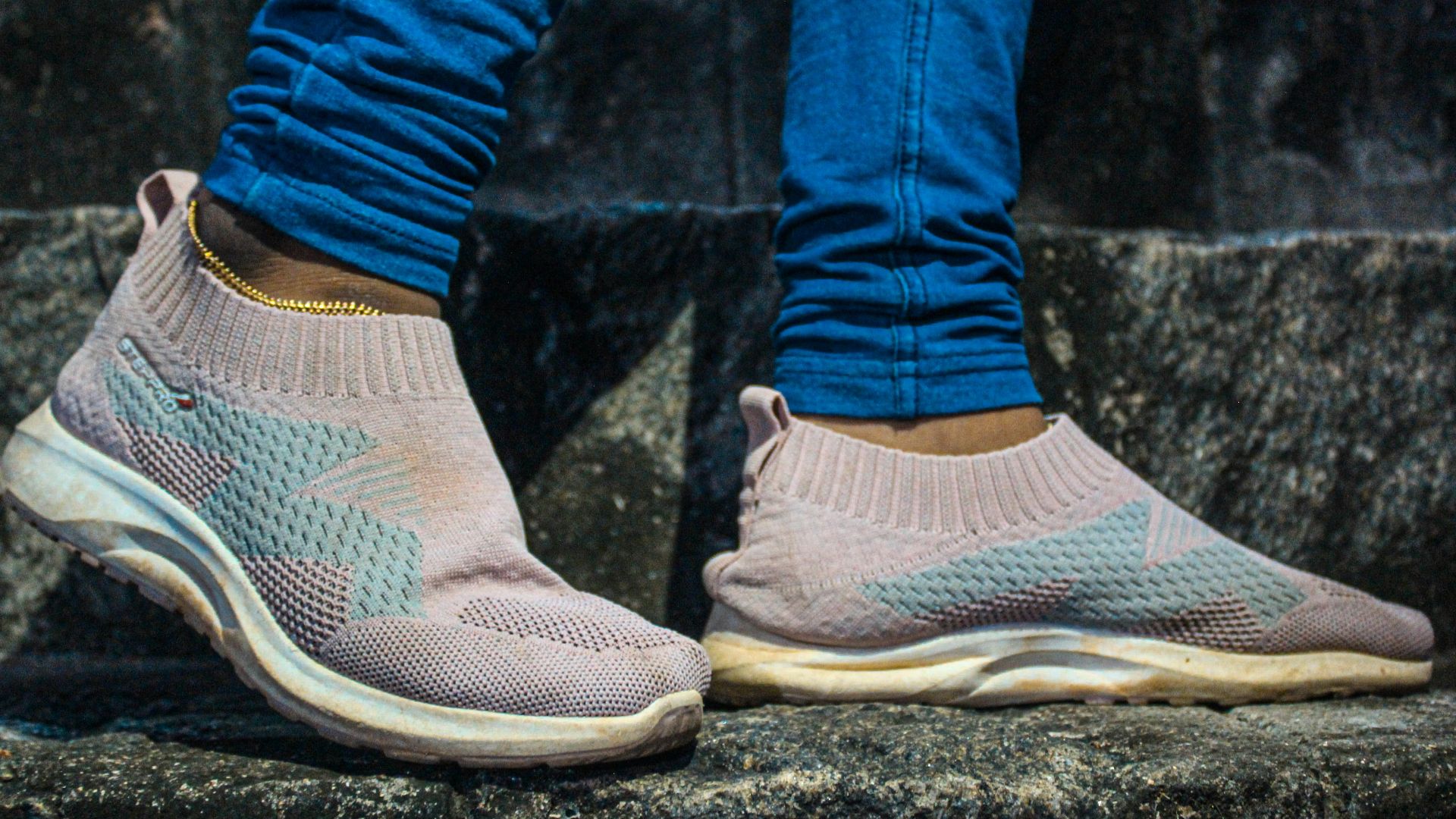
14. Embrace Knit Sneakers
Knit shoes have become extremely popular over the last couple of years. They are great for bunions or any awkward foot angles. They stretch to gently hug your foot and relieve any pressure.
15. Keep an Eye on Heel Counter Stiffness
The heel counter is the part of the shoe that wraps around your heel. Make sure this part of the shoe isn't too flexible. You should be able to squeeze the heel and feel some resistance.
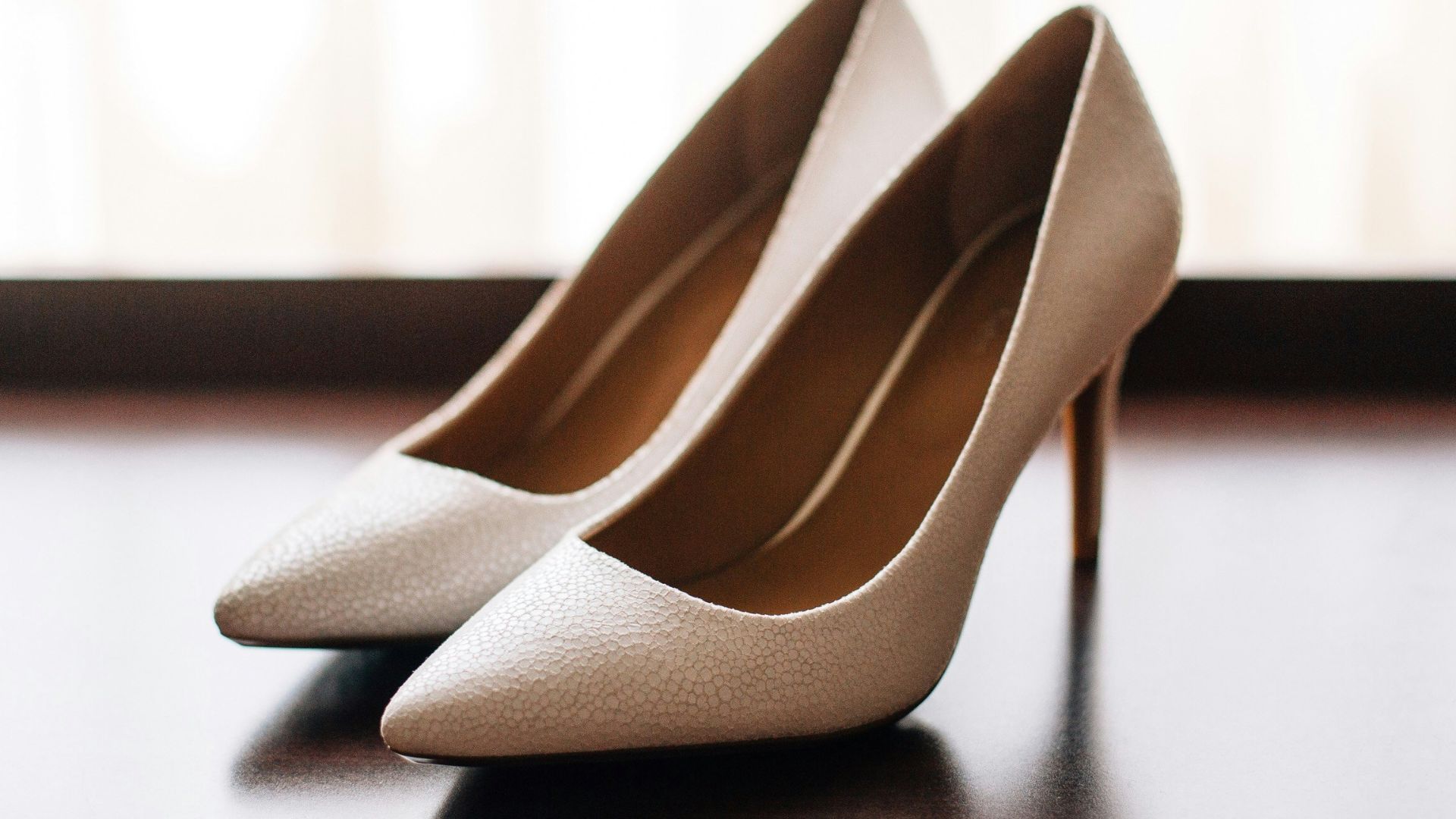
16. Go for Pointed-Toe Illusion Flats
Pointy shoes are a stylish classic but can be painful. Instead of traditional pointed-toe shoes, try a pointed-toe illusion shoe. These shoes have a wider front to spread your toes, then cut away material after your toe starts. This gives you the appearance of a pointy shoe while providing ample room.
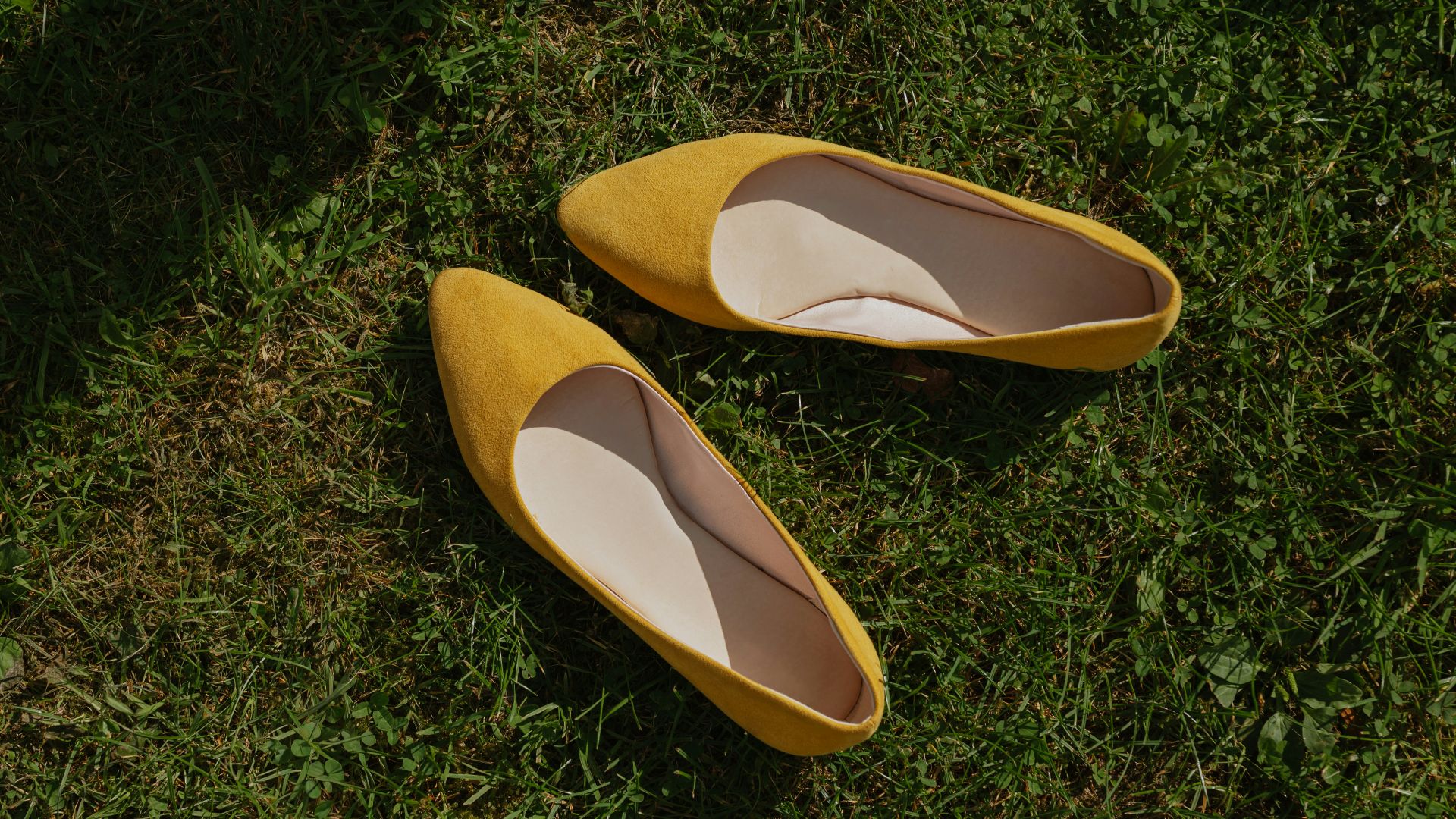
17. Neutral Colors Maximize Options
Neutral colors are timeless and will go with anything. Pair dark pants with brown shoes or black shoes with black pants to create the illusion of longer legs. You’ll also never have to worry about being caught barefoot.

18. Look into Memory Foam Cushioning
Memory foam under the ball of your foot can reduce heel pain. As we age, the padding on the bottom of our feet lessens. Memory foam shoes will help cushion this area, making concrete feel like pillows.
 Danielle-Claude Bélanger on Unsplash
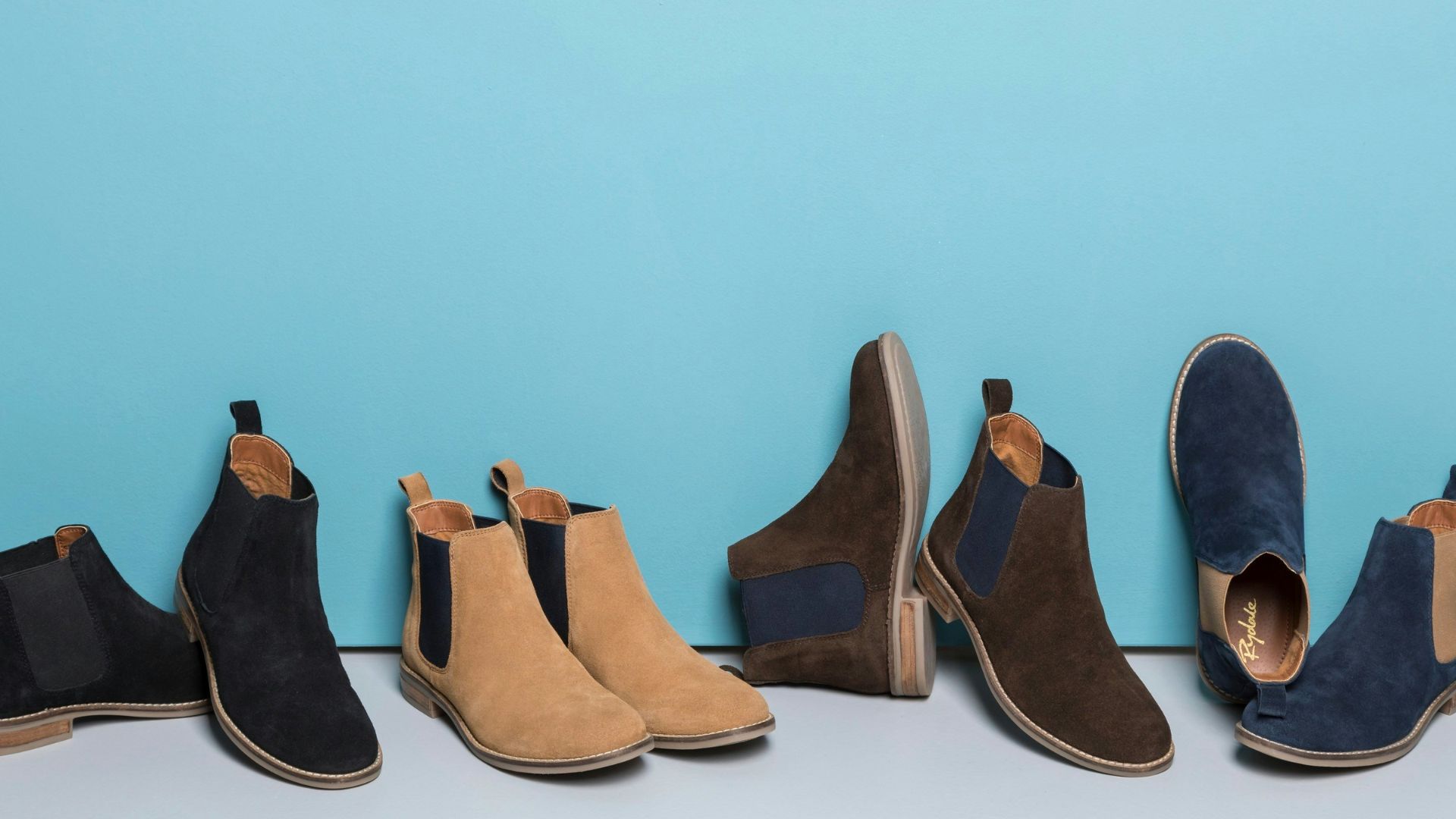
19. Don't Overlook Chelsea Boots
Chelsea boots are a must-have and will instantly modernize your wardrobe. Not only do they look great under straight-leg pants, but they are super easy to walk in. They typically come with elastic ankle panels that support your foot and ankles.
20. Shop Later in the Afternoon
Your feet swell throughout the day, so your feet are largest in the afternoon. Go shoe shopping after lunch so you can buy shoes that will fit your feet at their biggest. If you go shoe shopping early in the morning, you’ll feel like your shoes tighten as the day goes on.